

Clinical protein science in translational medicine targeting malignant melanoma
Open accessThe DOI matches its Crossref record; 187 of the 187 references it cites were found in a registry or an index.
Abstract
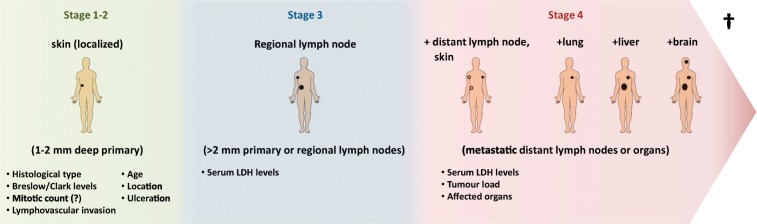
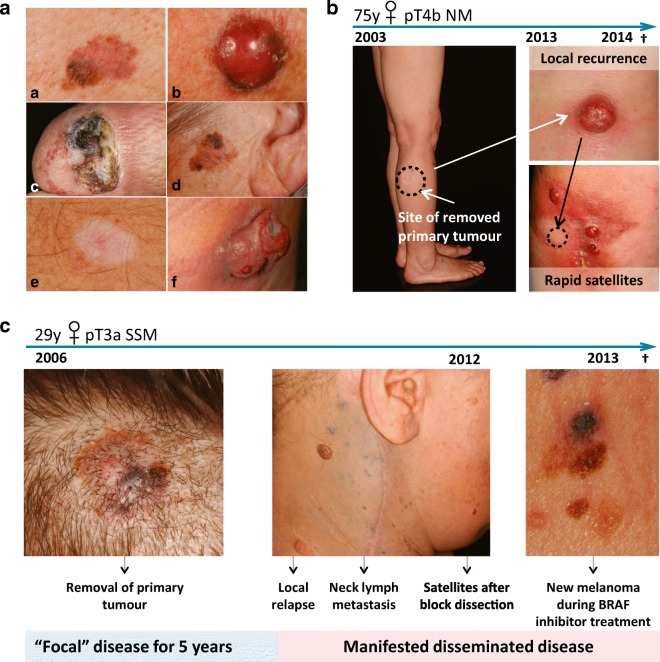
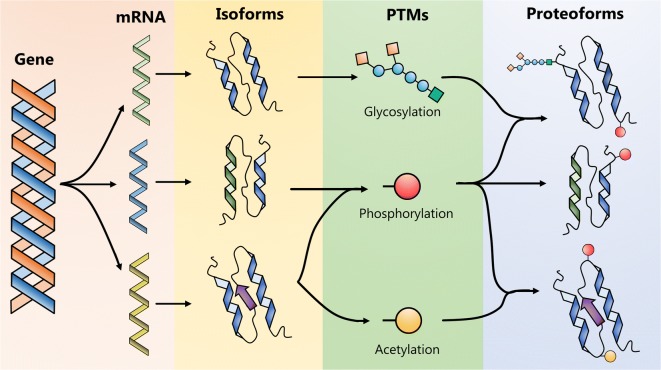
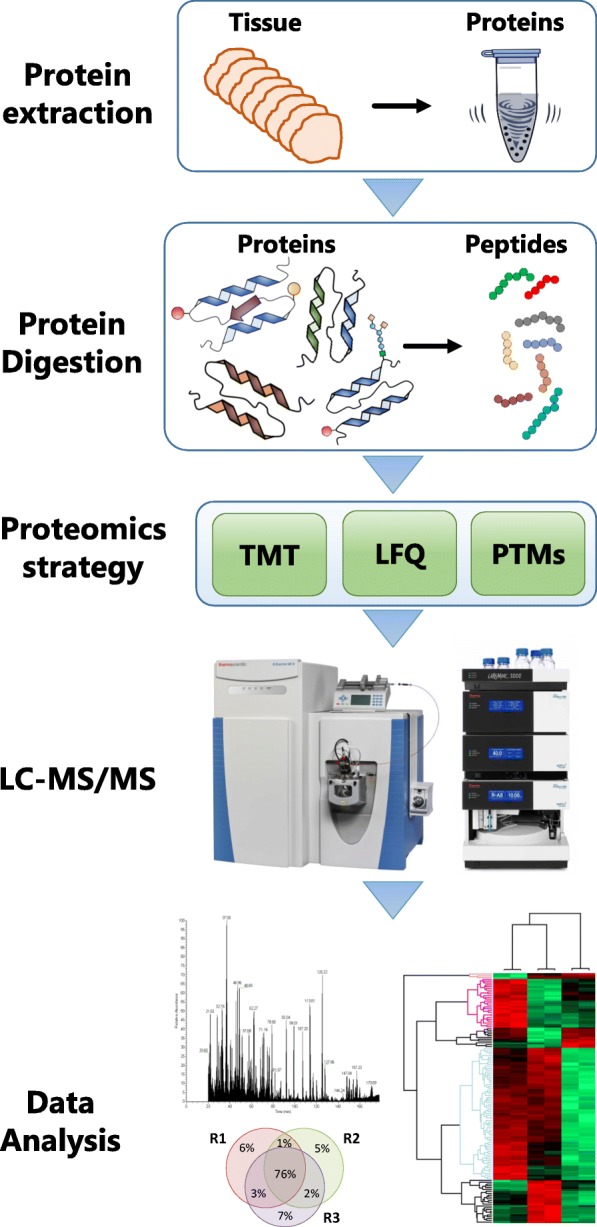
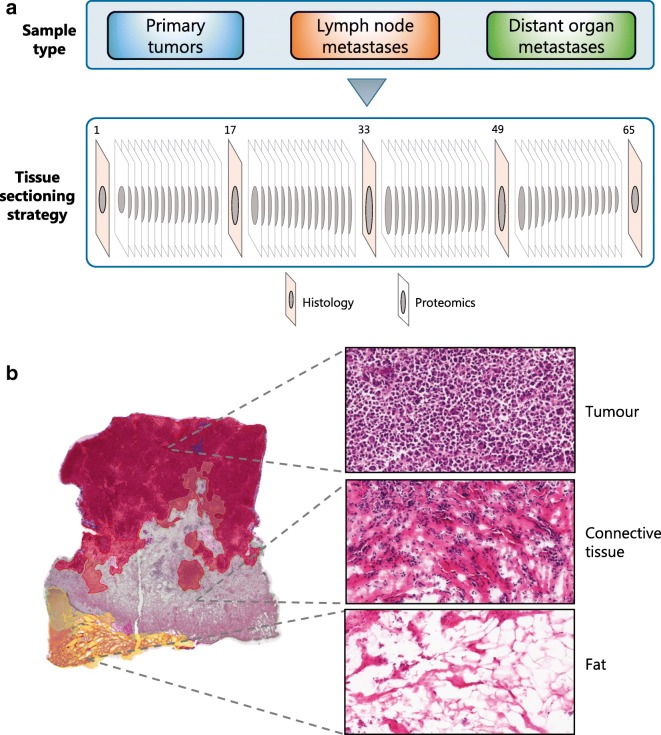
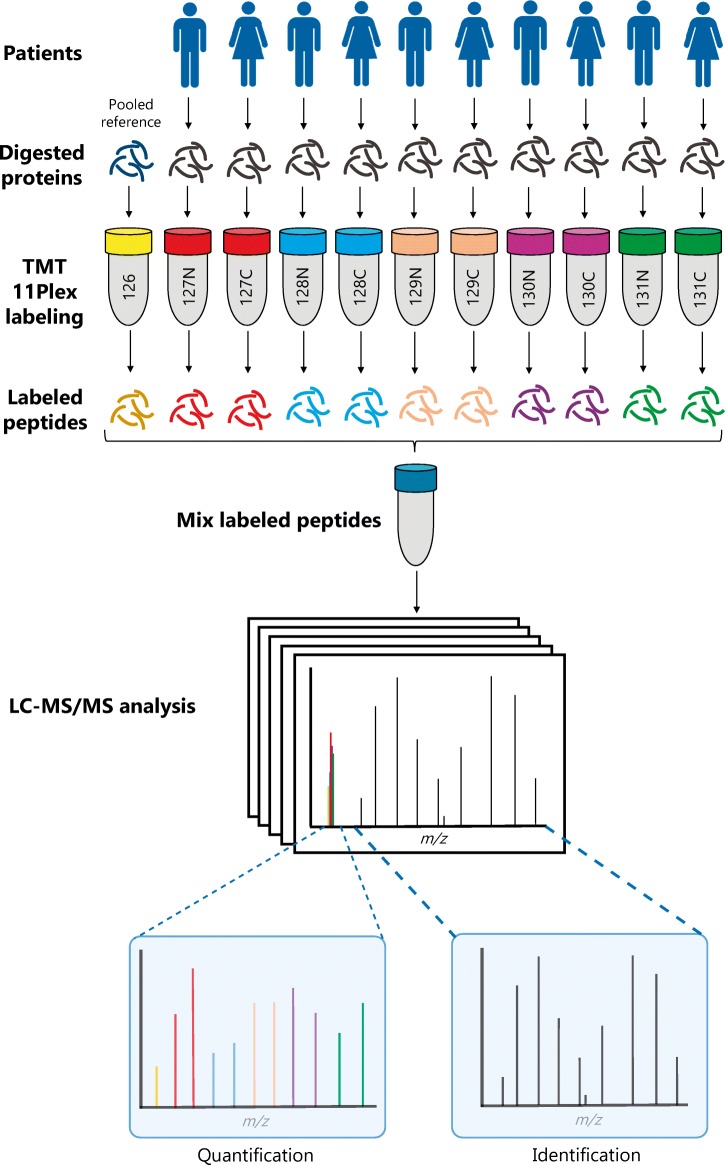
Melanoma of the skin is the sixth most common type of cancer in Europe and accounts for 3.4% of all diagnosed cancers. More alarming is the degree of recurrence that occurs with approximately 20% of patients lethally relapsing following treatment. Malignant melanoma is a highly aggressive skin cancer and metastases rapidly extend to the regional lymph nodes (stage 3) and to distal organs (stage 4). Targeted oncotherapy is one of the standard treatment for progressive stage 4 melanoma, and BRAF inhibitors (e.g. vemurafenib, dabrafenib) combined with MEK inhibitor (e.g. trametinib) can effectively counter BRAFV600E-mutated melanomas. Compared to conventional chemotherapy, targeted BRAFV600E inhibition achieves a significantly higher response rate. After a period of cancer control, however, most responsive patients develop resistance to the therapy and lethal progression. The many underlying factors potentially causing resistance to BRAF inhibitors have been extensively studied. Nevertheless, the remaining unsolved clinical questions necessitate alternative research approaches to address the molecular mechanisms underlying metastatic and treatment-resistant melanoma. In broader terms, proteomics can address clinical questions far beyond the reach of genomics, by measuring, i.e. the relative abundance of protein products, post-translational modifications (PTMs), protein localisation, turnover, protein interactions and protein function. More specifically, proteomic analysis of body fluids and tissues in a given medical and clinical setting can aid in the identification of cancer biomarkers and novel therapeutic targets. Achieving this goal requires the development of a robust and reproducible clinical proteomic platform that encompasses automated biobanking of patient samples, tissue sectioning and histological examination, efficient protein extraction, enzymatic digestion, mass spectrometry-based quantitative protein analysis by label-free or labelling technologies and/or enrichment of peptides with specific PTMs. By combining data from, e.g. phosphoproteomics and acetylomics, the protein expression profiles of different melanoma stages can provide a solid framework for understanding the biology and progression of the disease. When complemented by proteogenomics, customised protein sequence databases generated from patient-specific genomic and transcriptomic data aid in interpreting clinical proteomic biomarker data to provide a deeper and more comprehensive molecular characterisation of cellular functions underlying disease progression. In parallel to a streamlined, patient-centric, clinical proteomic pipeline, mass spectrometry-based imaging can aid in interrogating the spatial distribution of drugs and drug metabolites within tissues at single-cell resolution. These developments are an important advancement in studying drug action and efficacy in vivo and will aid in the development of more effective and safer strategies for the treatment of melanoma. A collaborative effort of gargantuan proportions between academia and healthcare professionals has led to the initiation, establishment and development of a cutting-edge cancer research centre with a specialisation in melanoma and lung cancer. The primary research focus of the European Cancer Moonshot Lund Center is to understand the impact that drugs have on cancer at an individualised and personalised level. Simultaneously, the centre increases awareness of the relentless battle against cancer and attracts global interest in the exceptional research performed at the centre.
Overview
The claims and statistics of this paper haven’t been checked yet.
Free: it reads the open-access text and checks the first 5 claims that cite a source we can check. Create a free account to check every claim.
Integrity signals
Registry
Cites
Statistics
Figures
Verification
Claims the paper makes
The claims and statistics of this paper haven’t been checked yet.
Free: it reads the open-access text and checks the first 5 claims that cite a source we can check. Create a free account to check every claim.
Claims other papers make about this one
Each is checked against this paper’s own text: does it say what the citing paper says it does?
In the citing paper
“Of note, melanoma tumour genomic BRAF driver mutations match corresponding protein sequences97, illustrating that proteomic landscapes add value to genomic data, when considered with patient tumour histopathology and clinical metadata98.”
From A high-stringency blueprint of the human proteome (2020) · cites this paper as [98]
Self-check
Percentages, sums and reported differences re-computed from the paper’s own numbers.
The self-check needs the paper’s full text.
Citations
Cites
Hallmarks of Cancer: The Next Generation
Hanahan, D., & Weinberg, R. A. (2011) · Cell · doi:10.1016/j.cell.2011.02.013 · Cited by 66,590
Cancer incidence and mortality worldwide: Sources, methods and major patterns in GLOBOCAN 2012
Ferlay, J., Soerjomataram, I., Dikshit, R., Eser, S., Mathers, C., Rebelo, M., Parkin, D. M., Forman, D., & Bray, F. (2015) · International Journal of Cancer · doi:10.1002/ijc.29210 · Cited by 28,766
Adverse Renal Effects of Immune Checkpoint Inhibitors: A Narrative Review
Wanchoo, R., Karam, S., Uppal, N. N., Barta, V. S., Deray, G., Devoe, C., Launay-Vacher, V., Jhaveri, K. D., & on behalf of Cancer and Kidney International Network Workgroup on Immune Checkpoint Inhibitors (2017) · American Journal of Nephrology · doi:10.1159/000455014 · Cited by 15,256
Universal sample preparation method for proteome analysis
Wiśniewski, J. R., Zougman, A., Nagaraj, N., & Mann, M. (2009) · Nature Methods · doi:10.1038/nmeth.1322 · Cited by 8,352
Gefitinib or Carboplatin–Paclitaxel in Pulmonary Adenocarcinoma
Mok, T. S., Wu, Y.-L., Thongprasert, S., Yang, C.-H., Chu, D.-T., Saijo, N., Sunpaweravong, P., Han, B., Margono, B., Ichinose, Y., et al. (2009) · New England Journal of Medicine · doi:10.1056/nejmoa0810699 · Cited by 8,261
Combined Nivolumab and Ipilimumab or Monotherapy in Untreated Melanoma
Larkin, J., Chiarion-Sileni, V., Gonzalez, R., Grob, J. J., Cowey, C. L., Lao, C. D., Schadendorf, D., Dummer, R., Smylie, M., Rutkowski, P., et al. (2015) · New England Journal of Medicine · doi:10.1056/nejmoa1504030 · Cited by 8,157
Improved survival with vemurafenib in melanoma with BRAF V600E mutation
Chapman, P. B., Hauschild, A., Robert, C., Haanen, J. B., Ascierto, P., Larkin, J., Dummer, R., Garbe, C., Testori, A., Maio, M., et al. (2011) · New England Journal of Medicine · doi:10.1056/nejmoa1103782 · Cited by 7,720
Global quantification of mammalian gene expression control
Schwanhäusser, B., Busse, D., Li, N., Dittmar, G., Schuchhardt, J., Wolf, J., Chen, W., & Selbach, M. (2011) · Nature · doi:10.1038/nature10098 · Cited by 6,566
Global Burden of Disease Cancer Collaboration, Fitzmaurice, C., Allen, C., Barber, R. M., Barregard, L., Bhutta, Z. A., Brenner, H., Dicker, D. J., Chimed-Orchir, O., Dandona, R., et al. (2017) · JAMA Oncology · doi:10.1001/jamaoncol.2016.5688 · Cited by 6,215 · cited 1×
“Recent epidemiological study stated melanoma within the top three cancers with the largest increase in incidence (39% from 2006 to 2016) (Falzone et al. 2018; Fitzmaurice et al. 2018).”
BackgroundThe Immune Landscape of Cancer
Thorsson, V., Gibbs, D. L., Brown, S. D., Wolf, D., Bortone, D. S., Ou Yang, T.-H., Porta-Pardo, E., Gao, G. F., Plaisier, C. L., Eddy, J. A., et al. (2018) · Immunity · doi:10.1016/j.immuni.2018.03.023 · Cited by 5,870
Cited by
Asymmetric organocatalysis: an enabling technology for medicinal chemistry
Han, B., He, X.-H., Liu, Y.-Q., He, G., Peng, C., & Li, J.-L. (2021) · Chemical Society Reviews · doi:10.1039/d0cs00196a · Cited by 402
A high-stringency blueprint of the human proteome
Adhikari, S., Nice, E. C., Deutsch, E. W., Lane, L., Omenn, G. S., Pennington, S. R., Paik, Y.-K., Overall, C. M., Corrales, F. J., Cristea, I. M., et al. (2020) · Nature Communications · doi:10.1038/s41467-020-19045-9 · Cited by 210
Self-citationTowards the overcoming of anticancer drug resistance mediated by p53 mutations
Cao, X., Hou, J., An, Q., Assaraf, Y. G., & Wang, X. (2020) · Drug Resistance Updates · doi:10.1016/j.drup.2019.100671 · Cited by 172
Lu, H., Hou, L., Zhang, Y., Guo, T., Wang, Y., & Xing, M. (2023) · Environmental Toxicology · doi:10.1002/tox.24068 · Cited by 106
Digital Barcodes for High-Throughput Screening
Yang, Z. R., Chen, J., Xiao, Y., Yang, C., Zhao, C., Chen, D., & Weitz, D. A. (2024) · Chem & Bio Engineering · doi:10.1021/cbe.3c00085 · Cited by 43
Clinical challenges of tissue preparation for spatial transcriptome
Liu, X., Jiang, Y., Song, D., Zhang, L., Xu, G. S., Hou, R., Zhang, Y., Chen, J., Cheng, Y., Liu, L., et al. (2022) · Clinical and Translational Medicine · doi:10.1002/ctm2.669 · Cited by 47
The Human Melanoma Proteome Atlas—Complementing the melanoma transcriptome
Betancourt, L. H., Gil, J., Sánchez, A., Doma, V., Kuras, M., Murillo, J. R., Velásquez, E., Çakır, U., Kim, Y., Sugihara, Y., et al. (2021) · Clinical and Translational Medicine · doi:10.1002/ctm2.451 · Cited by 36
Self-citationThe human melanoma proteome atlas—Defining the molecular pathology
Betancourt, L. H., Gil, J., Kim, Y., Doma, V., Çakır, U., Sánchez, A., Murillo, J. R., Kuras, M., Plá, I., Sugihara, Y., et al. (2021) · Clinical and Translational Medicine · doi:10.1002/ctm2.473 · Cited by 35
Self-citationTowards Precision Dermatology: Emerging Role of Proteomic Analysis of the Skin
Fredman, G. L., Skov, L., Mann, M., & Dyring‐Andersen, B. (2021) · Dermatology · doi:10.1159/000516764 · Cited by 30
Non-invasive skin sampling of tryptophan/kynurenine ratio in vitro towards a skin cancer biomarker
Jankovskaja, S., Engblom, J., Rezeli, M., Marko‐Varga, G., Ruzgas, T. A., & Björklund, S. (2021) · Scientific Reports · doi:10.1038/s41598-020-79903-w · Cited by 28
Self-citationThe role of neutrophil extracellular traps in cancer metastasis
Wang, W., Zhang, J., Zheng, N., Li, L., Wang, X., & Zeng, Y. (2020) · Clinical and Translational Medicine · doi:10.1002/ctm2.126 · Cited by 29
Jankovskaja, S., Morin, M., Gustafsson, A., Anderson, C. D., Lehoczki, B., Engblom, J., Björklund, S., Rezeli, M., Marko‐Varga, G., & Ruzgas, T. A. (2022) · Analytical Chemistry · doi:10.1021/acs.analchem.1c05470 · Cited by 25
Self-citationMelanization as unfavorable factor in amelanotic melanoma cell biology
Skoniecka, A., Cichorek, M., Tymińska, A., Pelikant‐Małecka, I., & Dziewíatkowski, J. (2021) · PROTOPLASMA · doi:10.1007/s00709-021-01613-5 · Cited by 25
Betancourt, L. H., Szasz, A. M., Kuras, M., Rodriguez Murillo, J., Sugihara, Y., Pla, I., Horvath, Z., Pawłowski, K., Rezeli, M., Miharada, K., et al. (2019) · Cancers · doi:10.3390/cancers11121981 · Cited by 24
Self-citationSeeing the complete picture: proteins in top-down mass spectrometry
Habeck, T., & Lermyte, F. (2023) · Essays in Biochemistry · doi:10.1042/ebc20220098 · Cited by 25
A new light of proteomics in cell biology and toxicology
Qiao, T., & Wang, X. (2019) · Cell Biology and Toxicology · doi:10.1007/s10565-019-09492-6 · Cited by 23
“Gil et al. (2019) emphasized the significance of integrating proteogenomics with customized protein sequence databases generated from patient-specific genomic and transcriptomic data to characterize comprehensive molecular functions and target malignant melanoma.”
BackgroundTian, Y., Song, H., Jin, D., Hu, N., & Sun, L. (2020) · Journal of Receptors and Signal Transduction · doi:10.1080/10799893.2020.1726954 · Cited by 26
“Standard curves were run in each assay that produced a linear plot of threshold cycle (Ct) against log (dilution) [41].”
MethodGil, J., Rezeli, M., Lutz, E., Kim, Y., Sugihara, Y., Malm, J., Semenov, Y. R., Yu, K., Nguyen, N., Wan, G., et al. (2021) · Cancers · doi:10.3390/cancers13236066 · Cited by 21
“Frozen tissue pieces were sliced for histological characterization and omic analysis at a fix 10 μm thickness, as previously described [14,16].”
MethodSelf-citationNon-invasive monitoring of low molecular weight biomarkers relevant to skin inflammation and cancer
Jankovskaja, S. (2021) · doi:10.24834/isbn.9789178772230 · Cited by 25
Context-based infertility care
Macklon, N. S., & Fauser, B. C. J. M. (2020) · Reproductive BioMedicine Online · doi:10.1016/j.rbmo.2019.12.001 · Cited by 17
Kim, Y., Doma, V., Çakır, U., Kuras, M., Betancourt, L. H., Plá, I., Sánchez, A., Sugihara, Y., Appelqvist, R., Oskolás, H., et al. (2025) · Cancer · doi:10.1002/cncr.35897 · Cited by 15
Self-citationLobas, A. A., Pyatnitskiy, M. A., Chernobrovkin, A. L., Ilina, I. Y., Karpov, D. S., Solovyeva, E. M., Kuznetsova, K. G., Ivanov, M. V., Lyssuk, E. Y., Kliuchnikova, A. A., et al. (2018) · Journal of Proteome Research · doi:10.1021/acs.jproteome.7b00841 · Cited by 15
Velasquez, E., Szadai, L., Zhou, Q., Kim, Y., Pla, I., Sanchez, A., Appelqvist, R., Oskolas, H., Marko‐Varga, M., Lee, B., et al. (2021) · Clinical and Translational Medicine · doi:10.1002/ctm2.466 · Cited by 13
Self-citationDNA Methylation in Chronic Obstructive Pulmonary Disease
Chen, X., Yan, F., Lin, X., Shi, L., Wang, X., & Zeng, Y. (2020) · Advances in experimental medicine and biology · doi:10.1007/978-981-15-4494-1_7 · Cited by 13
Peres, J., Damerell, V., Chauhan, J. S., Popovic, A., Desprez, P., Galibert, M., Goding, C. R., & Prince, S. (2021) · Journal of Investigative Dermatology · doi:10.1016/j.jid.2021.02.740 · Cited by 13
Novel functional proteins coded by the human genome discovered in metastases of melanoma patients
Sánchez, A., Kuras, M., Murillo, J. R., Plá, I., Pawłowski, K., Szász, A. M., Gil, J., Nogueira, F. C. S., Pérez‐Riverol, Y., Eriksson, J. O., et al. (2019) · Cell Biology and Toxicology · doi:10.1007/s10565-019-09494-4 · Cited by 13
“Our biobank coupled high-end proteomic platform was used to study the melanoma tumour tissues (Welinder et al. 2015, 2017; Welinder et al., 2014a, b; Gil et al. 2019; Kuras et al. 2018; Murillo et al. 2018).”
Self-citationZhang, M., Zhou, D., Ouyang, Z., Yu, M., & Jiang, Y. (2020) · Journal of Cellular Physiology · doi:10.1002/jcp.29546 · Cited by 12
“Our data were analyzed through a one‐way analysis of variance using Prism 5.0 (GraphPad Software Inc., La Jolla, CA; Hu et al., 2019; T. Yan et al., 2018). p < .05 indicates statically significant (Gil et al., 2019).”
MethodInfluentialExpanding the landscape of lysine acetylation stoichiometry and clinical impact
Encarnación‐Guevara, S., & Gil, J. (2025) · Journal of Proteomics · doi:10.1016/j.jprot.2025.105522 · Cited by 12
Self-citationHasterok, S., Jankovskaja, S., Dahlström, R. M., Prgomet, Z., Ohlsson, L., Björklund, S., & Gustafsson, A. (2024) · Biomolecules · doi:10.3390/biom14070815 · Cited by 11
“Still, research suggests that this approach has its limitations, with specificity falling below 30% and sensitivity hovering at around 84% [1,2].”
BackgroundComprehensive biobanking strategy with clinical impact at the European Cancer Moonshot Lund Center
Oskolás, H., Nogueira, F. C. S., Domont, G. B., Yu, K., Semenov, Y. R., Sorger, P. K., Steinfelder, E., Corps, L., Schulz, L., Wieslander, E., et al. (2025) · Journal of Proteomics · doi:10.1016/j.jprot.2025.105442 · Cited by 6
Self-citationMethylation of Inflammatory Cells in Lung Diseases
Liu, Y., Gao, H., Wang, X., & Zeng, Y. (2020) · Advances in experimental medicine and biology · doi:10.1007/978-981-15-4494-1_5 · Cited by 6
Kim, Y., Gil, J., Plá, I., Sánchez, A., Betancourt, L. H., Lee, B., Appelqvist, R., Ingvar, C., Lundgren, L., Olsson, H. L., et al. (2020) · Cancers · doi:10.3390/cancers12030767 · Cited by 6
“, the hexokinases, and isoform M2 of the pyruvate kinase, PKM) together with the first enzyme in the gluconeogenesis pathway (phosphoenolpyruvate carboxykinase [GTP], PCK2) suggests that melanocytes undergo a metabolic shift towards a glycolytic phenotype [55].”
BackgroundSelf-citationLysine Acetylation Stoichiometry Analysis at the Proteome Level
Gil, J., & Encarnación‐Guevara, S. (2021) · Methods in molecular biology · doi:10.1007/978-1-0716-1936-0_7 · Cited by 9
Self-citationFernández-Coto, D. L., Gil, J., Ayala, G., & Encarnación‐Guevara, S. (2024) · International Journal of Molecular Sciences · doi:10.3390/ijms25063450 · Cited by 5
Self-citationPredictive Biomarkers for Immune Checkpoint Inhibitor Therapy in Advanced Melanomas
Wagner, E., Larijani, B., & Kirane, A. (2025) · Surgical Oncology Clinics of North America · doi:10.1016/j.soc.2025.01.006 · Cited by 5
Sun, Z., Liu, Y., Ouyang, Q., Liu, Z., & Liu, Y. (2021) · PubMed Central · doi:10.11817/j.issn.1672-7347.2021.200561 · Cited by 6
Genomic and proteomic findings in early melanoma and opportunities for early diagnosis
Teh, R., Azimi, A., Pupo, G. M., Ali, M., Mann, G. J., & Fernández‐Peñas, P. (2022) · Experimental Dermatology · doi:10.1111/exd.14705 · Cited by 4
A refocus on the advances of single-cell biomedicine
Wang, W. Y., & Wang, X. (2020) · Cell Biology and Toxicology · doi:10.1007/s10565-020-09551-3 · Cited by 4
“Post-transcriptional profiles of the single cells are also a critical part in single-cell biomedicine in cell biology and toxicology (Qiao and Wang 2019; Gil et al. 2019; Zheng et al. 2020).”
BackgroundProteogenomics Reveals how Metastatic Melanoma Modulates the Immune System to Allow Immune EvasionPreprint
Gil, J., Kim, Y., Szeitz, B., Doma, V., Çakır, U., de Almeida, N. P., Hagemeijer, Y. P., Guryev, V., Johansson, J. G., Sharma, Y., et al. (2021) · bioRxiv (Cold Spring Harbor Laboratory) · doi:10.1101/2021.04.10.439245 · Cited by 4
Self-citationGil, J., Kim, Y., Doma, V., Çakır, U., Kuras, M., Betancourt, L. H., Plá, I., Sánchez, A., Sugihara, Y., Appelqvist, R., et al. (2022) · bioRxiv (Cold Spring Harbor Laboratory) · doi:10.1101/2022.10.24.513481 · Cited by 3
Self-citationLi, Z., Li, X., Yi, X., Li, T. X., Huang, X., Ren, X., Ma, T., Li, K., Guo, H., Chen, S., et al. (2022) · Frontiers in Oncology · doi:10.3389/fonc.2022.838840 · Cited by 2
“The exclusion criteria were as follows: (1) benign skin melanoma, (2) melanoma in situ, (3) primary diagnosis other than skin melanoma, (4) lack of positive histological results for CMM, (5) survival time of zero, (6) unknown cause of death (COD), and (7) American Joint Cancer Committee (AJCC) primary tumor grade (T)…”
BackgroundGuedes, J., Woldmar, N., Baltás, E., Kriston, A., Migh, E., Kovács, F., Oskolás, H., Marko-Varga, M., Appelqvist, R., Wieslander, E., et al. (2026) · npj Precision Oncology · doi:10.1038/s41698-026-01569-w · Cited by 1
Self-citationTissue biomarkers for routine diagnostics and proteomicresearch in cutaneous melanoma malignum
Szadai, L. (2025) · SZTE Repository of Dissertations (University of Szeged) · doi:10.14232/phd.12387
Van, K. T. (2025) · theses.fr (ABES) · doi:10.70675/32a1a6cez5dd3z42c0za2eaz2e57807081a6
Lu, F., Luan, W., Jiang, H., Ma, S., & Ruan, H. (2026) · Plastic & Reconstructive Surgery Global Open · doi:10.1097/gox.0000000000008084
“5,6 Although advances in screening and diagnostic techniques have improved early detection, the growing concern of overdiagnosis highlights the importance of establishing biomarker-based precision diagnostic systems for melanoma.”
Metadata
- Authors
- Gil, J., Betancourt, L. H., Pla, I., Sanchez, A., Appelqvist, R., Miliotis, T., Kuras, M., Oskolas, H., Kim, Y., Horvath, Z., Eriksson, J., Berge, E., Burestedt, E., Jönsson, G., Baldetorp, B., Ingvar, C., Olsson, H., Lundgren, L., Horvatovich, P., Murillo, J. R., Sugihara, Y., Welinder, C., Wieslander, E., Lee, B., Lindberg, H., Pawłowski, K., Kwon, H. J., Doma, V., Timar, J., Karpati, S., Szasz, A. M., Németh, I. B., Nishimura, T., Corthals, G., Rezeli, M., Knudsen, B., Malm, J., & Marko-Varga, G.
- Affiliations
- Lund University (SE)
- University of Groningen (NL)
- Warsaw University of Life Sciences (PL)
- Semmelweis University (HU)
- University of Szeged (HU)
- Tokyo Medical University (JP)
- Cedars-Sinai Medical Center (US)
- Corresponding author
- Gil, Jeovanis
- Betancourt, Lazaro Hiram
- ORCID
- Gil, Jeovanis
- Betancourt, Lazaro Hiram
- Appelqvist, Roger
- Miliotis, Tasso
- Kuras, Magdalena
- Kim, Yonghyo
- Eriksson, Jonatan
- Ingvar, Christian
- Horvatovich, Peter
- Murillo, Jimmy Rodriguez
- Sugihara, Yutaka
- Welinder, Charlotte
- Lee, Boram
- Pawłowski, Krzysztof
- Kwon, Ho Jeong
- Németh, István Balázs
- Nishimura, Toshihide
- Corthals, Garry
- Rezeli, Melinda
- Knudsen, Beatrice
- Malm, Johan
- Venue
- Cell Biology and Toxicology
- Published
- 2019-03-21
- Volume
- 35
- Issue
- 4
- Pages
- 293-332
- ISSN
- 0742-2091 (ISSN-L)
- 1573-6822
- PMC
- PMC6757020
- OpenAlex
- W2925257594
- Cited by
- 45
- References
- 187
- Citations by year
- 2026: 2 · 2025: 5 · 2024: 3 · 2023: 1 · 2022: 6 · 2021: 14 · 2020: 8 · 2019: 5
- FWCI
- 2.73
- Type
- journal article
- Language
- en
- Open access
- hybrid
- doi.org
- Licence
- cc-by
- creativecommons.org/licenses/by/4.0 (tdm)
- Locations
- Cell Biology and Toxicology (publishedVersion, cc-by)
- PubMed Central (publishedVersion, cc-by)
- PubMed (publishedVersion)
- University of Groningen research database (University of Groningen / Centre for Information Technology) (publishedVersion, cc-by)
- Lund University Publications (Lund University) (submittedVersion)
- University of Groningen research database (University of Groningen / Centre for Information Technology) (submittedVersion, other-oa)
- Funders
- Fru Berta Kamprads Stiftelse
- National Research Foundation of Korea (2015K1A1A2028365, 2016K2A9A1A03904900)
- NIH/NCI International Cancer Proteogenome Consortium (MOU NIH-LUND 2017-01)
- Topics
- Life Sciences › Biochemistry, Genetics and Molecular Biology › Molecular Biology › Melanoma and MAPK Pathways
- Physical Sciences › Chemistry › Spectroscopy › Advanced Proteomics Techniques and Applications
- Health Sciences › Medicine › Oncology › Cutaneous Melanoma Detection and Management
- Keywords
- melanoma, clinical proteomics, proteogenomics, BRAF V600E mutation, vemurafenib, dabrafenib, trametinib, drug resistance, tumor markers, therapeutic target, phosphoproteomics, mass spectrometry imaging, metastatic melanoma, post-translational modification
- MeSH terms
- Melanoma, Cutaneous Malignant, Cutaneous Malignant Melanoma, Humans, Imidazoles, Melanoma, Neoplasm Staging, Oximes, Pyridones, Pyrimidinones, Skin Neoplasms, Biomarkers, Tumor, Biological Specimen Banks, Drug Resistance, Neoplasm, Proteomics, Protein Kinase Inhibitors, Translational Research, Biomedical
About these checks
Registry, retraction, Cites and statistics results are computed, not judged, with one exception: a printed reference that no index lists is read once by a model before it counts as a citation error. Claims are extracted by a model and kept only when their quote appears verbatim in the text; each cited source is then checked, with a model’s help, for whether it says what the claim relies on. Those verdicts can be wrong — read the claim’s quote and the cited source before relying on one.
Statistics and arithmetic are recomputed, not judged.
Confidence bands are shown only for fields calibrated on our annotated test set. None is calibrated yet, so no band is shown.
What counts as a claim ›How we measure confidence ›How we check this ›
Are you an author, or do you see a problem with this page? Request a review
Data sources
Bibliographic data: Semantic Scholar, OpenAlex, Crossref.
Contains information from the Semantic Scholar Academic Graph Datasets, made available under the ODC Attribution License (ODC-BY 1.0).
Semantic Scholar’s data is described in: Kinney, R., et al. (2023). The Semantic Scholar Open Data Platform. arXiv:2301.10140.
