

Clinical protein science in translational medicine targeting malignant melanoma
Open accessThe DOI matches its Crossref record; 187 of the 187 references it cites were found in a registry or an index.
Abstract
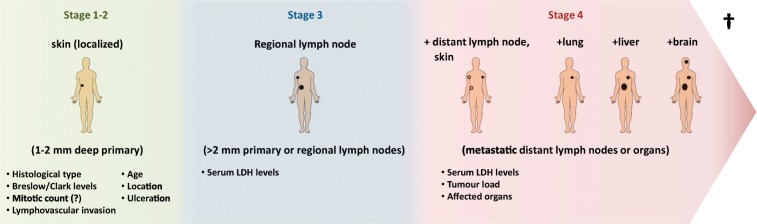
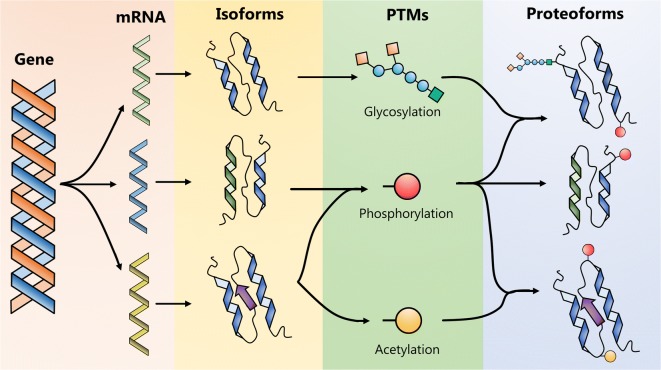
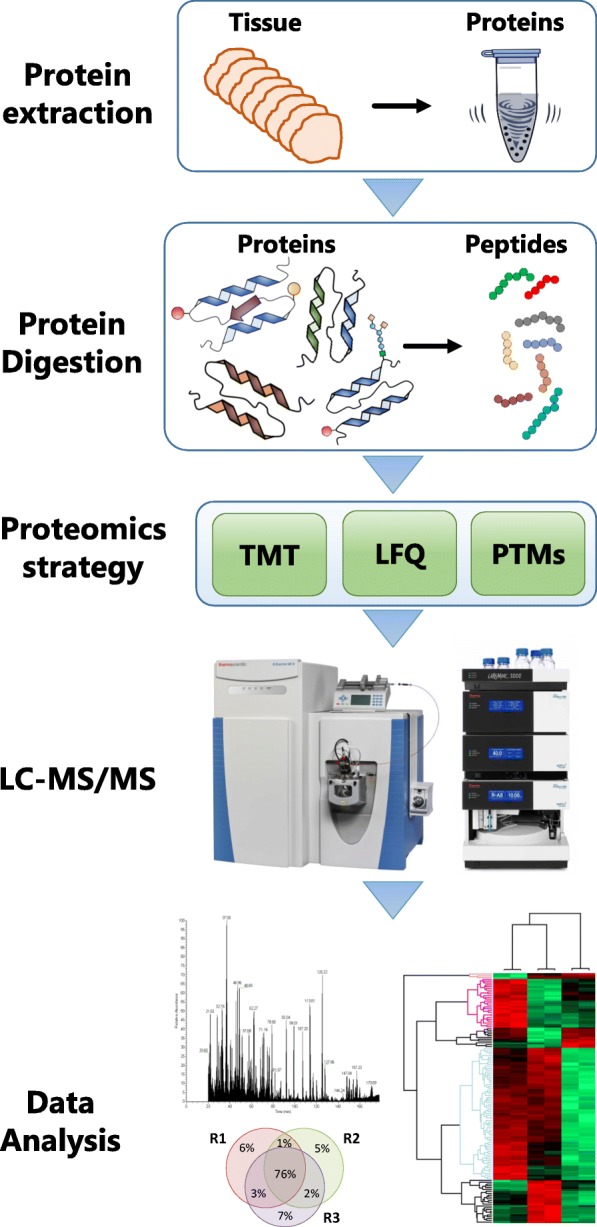
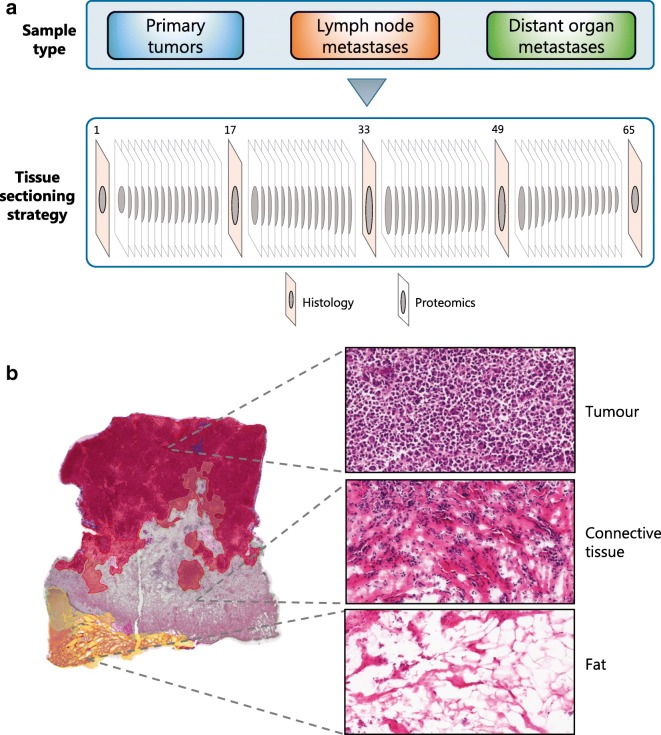
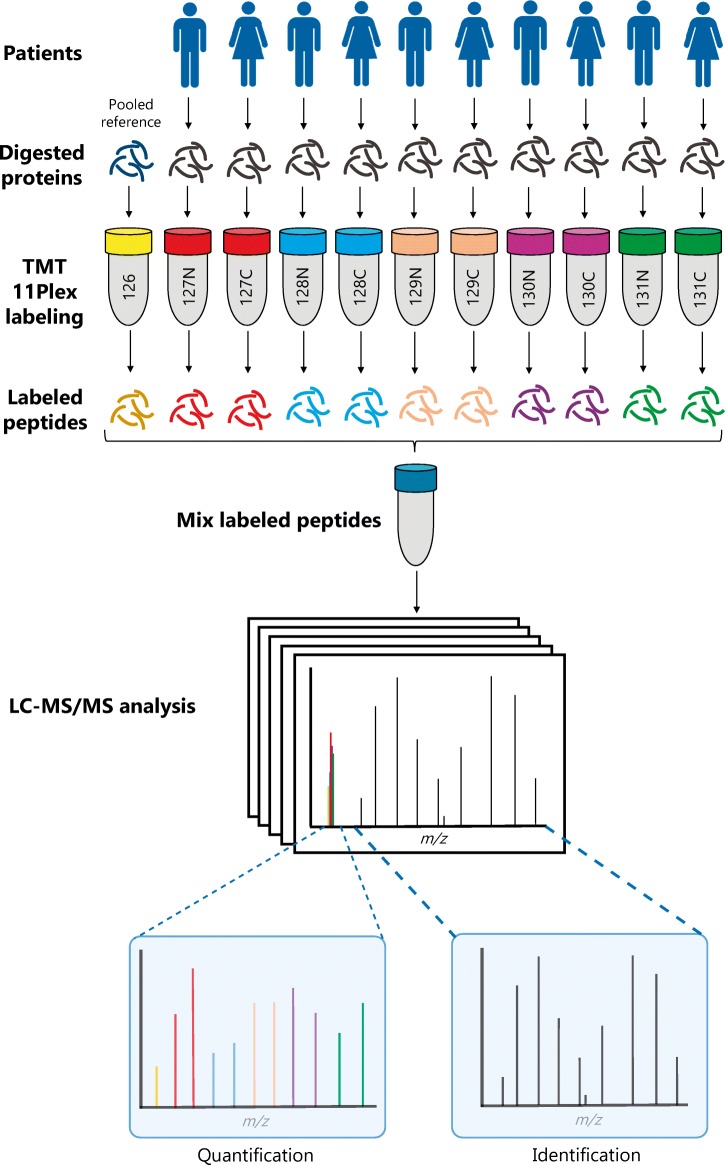
Melanoma of the skin is the sixth most common type of cancer in Europe and accounts for 3.4% of all diagnosed cancers. More alarming is the degree of recurrence that occurs with approximately 20% of patients lethally relapsing following treatment. Malignant melanoma is a highly aggressive skin cancer and metastases rapidly extend to the regional lymph nodes (stage 3) and to distal organs (stage 4). Targeted oncotherapy is one of the standard treatment for progressive stage 4 melanoma, and BRAF inhibitors (e.g. vemurafenib, dabrafenib) combined with MEK inhibitor (e.g. trametinib) can effectively counter BRAFV600E-mutated melanomas. Compared to conventional chemotherapy, targeted BRAFV600E inhibition achieves a significantly higher response rate. After a period of cancer control, however, most responsive patients develop resistance to the therapy and lethal progression. The many underlying factors potentially causing resistance to BRAF inhibitors have been extensively studied. Nevertheless, the remaining unsolved clinical questions necessitate alternative research approaches to address the molecular mechanisms underlying metastatic and treatment-resistant melanoma. In broader terms, proteomics can address clinical questions far beyond the reach of genomics, by measuring, i.e. the relative abundance of protein products, post-translational modifications (PTMs), protein localisation, turnover, protein interactions and protein function. More specifically, proteomic analysis of body fluids and tissues in a given medical and clinical setting can aid in the identification of cancer biomarkers and novel therapeutic targets. Achieving this goal requires the development of a robust and reproducible clinical proteomic platform that encompasses automated biobanking of patient samples, tissue sectioning and histological examination, efficient protein extraction, enzymatic digestion, mass spectrometry-based quantitative protein analysis by label-free or labelling technologies and/or enrichment of peptides with specific PTMs. By combining data from, e.g. phosphoproteomics and acetylomics, the protein expression profiles of different melanoma stages can provide a solid framework for understanding the biology and progression of the disease. When complemented by proteogenomics, customised protein sequence databases generated from patient-specific genomic and transcriptomic data aid in interpreting clinical proteomic biomarker data to provide a deeper and more comprehensive molecular characterisation of cellular functions underlying disease progression. In parallel to a streamlined, patient-centric, clinical proteomic pipeline, mass spectrometry-based imaging can aid in interrogating the spatial distribution of drugs and drug metabolites within tissues at single-cell resolution. These developments are an important advancement in studying drug action and efficacy in vivo and will aid in the development of more effective and safer strategies for the treatment of melanoma. A collaborative effort of gargantuan proportions between academia and healthcare professionals has led to the initiation, establishment and development of a cutting-edge cancer research centre with a specialisation in melanoma and lung cancer. The primary research focus of the European Cancer Moonshot Lund Center is to understand the impact that drugs have on cancer at an individualised and personalised level. Simultaneously, the centre increases awareness of the relentless battle against cancer and attracts global interest in the exceptional research performed at the centre.
Overview
The claims and statistics of this paper haven’t been checked yet.
Free: it reads the open-access text and checks the first 5 claims that cite a source we can check. Create a free account to check every claim.
Integrity signals
Registry
Cites
Statistics
Figures
Verification
Claims the paper makes
The claims and statistics of this paper haven’t been checked yet.
Free: it reads the open-access text and checks the first 5 claims that cite a source we can check. Create a free account to check every claim.
Claims other papers make about this one
Each is checked against this paper’s own text: does it say what the citing paper says it does?
In the citing paper
“Of note, melanoma tumour genomic BRAF driver mutations match corresponding protein sequences97, illustrating that proteomic landscapes add value to genomic data, when considered with patient tumour histopathology and clinical metadata98.”
From A high-stringency blueprint of the human proteome (2020) · cites this paper as [98]
Self-check
Percentages, sums and reported differences re-computed from the paper’s own numbers.
The self-check needs the paper’s full text.
Citations
Cites
Hallmarks of Cancer: The Next Generation
Hanahan, D., & Weinberg, R. A. (2011) · Cell · doi:10.1016/j.cell.2011.02.013 · Cited by 66,590
Cancer incidence and mortality worldwide: Sources, methods and major patterns in GLOBOCAN 2012
Ferlay, J., Soerjomataram, I., Dikshit, R., Eser, S., Mathers, C., Rebelo, M., Parkin, D. M., Forman, D., & Bray, F. (2015) · International Journal of Cancer · doi:10.1002/ijc.29210 · Cited by 28,766
Adverse Renal Effects of Immune Checkpoint Inhibitors: A Narrative Review
Wanchoo, R., Karam, S., Uppal, N. N., Barta, V. S., Deray, G., Devoe, C., Launay-Vacher, V., Jhaveri, K. D., & on behalf of Cancer and Kidney International Network Workgroup on Immune Checkpoint Inhibitors (2017) · American Journal of Nephrology · doi:10.1159/000455014 · Cited by 15,256
Universal sample preparation method for proteome analysis
Wiśniewski, J. R., Zougman, A., Nagaraj, N., & Mann, M. (2009) · Nature Methods · doi:10.1038/nmeth.1322 · Cited by 8,352
Gefitinib or Carboplatin–Paclitaxel in Pulmonary Adenocarcinoma
Mok, T. S., Wu, Y.-L., Thongprasert, S., Yang, C.-H., Chu, D.-T., Saijo, N., Sunpaweravong, P., Han, B., Margono, B., Ichinose, Y., et al. (2009) · New England Journal of Medicine · doi:10.1056/nejmoa0810699 · Cited by 8,261
Combined Nivolumab and Ipilimumab or Monotherapy in Untreated Melanoma
Larkin, J., Chiarion-Sileni, V., Gonzalez, R., Grob, J. J., Cowey, C. L., Lao, C. D., Schadendorf, D., Dummer, R., Smylie, M., Rutkowski, P., et al. (2015) · New England Journal of Medicine · doi:10.1056/nejmoa1504030 · Cited by 8,157
Improved survival with vemurafenib in melanoma with BRAF V600E mutation
Chapman, P. B., Hauschild, A., Robert, C., Haanen, J. B., Ascierto, P., Larkin, J., Dummer, R., Garbe, C., Testori, A., Maio, M., et al. (2011) · New England Journal of Medicine · doi:10.1056/nejmoa1103782 · Cited by 7,720
Global quantification of mammalian gene expression control
Schwanhäusser, B., Busse, D., Li, N., Dittmar, G., Schuchhardt, J., Wolf, J., Chen, W., & Selbach, M. (2011) · Nature · doi:10.1038/nature10098 · Cited by 6,566
Global Burden of Disease Cancer Collaboration, Fitzmaurice, C., Allen, C., Barber, R. M., Barregard, L., Bhutta, Z. A., Brenner, H., Dicker, D. J., Chimed-Orchir, O., Dandona, R., et al. (2017) · JAMA Oncology · doi:10.1001/jamaoncol.2016.5688 · Cited by 6,215 · cited 1×
“Recent epidemiological study stated melanoma within the top three cancers with the largest increase in incidence (39% from 2006 to 2016) (Falzone et al. 2018; Fitzmaurice et al. 2018).”
BackgroundThe Immune Landscape of Cancer
Thorsson, V., Gibbs, D. L., Brown, S. D., Wolf, D., Bortone, D. S., Ou Yang, T.-H., Porta-Pardo, E., Gao, G. F., Plaisier, C. L., Eddy, J. A., et al. (2018) · Immunity · doi:10.1016/j.immuni.2018.03.023 · Cited by 5,870
The fundamental role of epigenetic events in cancer
Jones, P. A., & Baylin, S. B. (2002) · Nature Reviews Genetics · doi:10.1038/nrg816 · Cited by 5,648
mixOmics: An R package for ‘omics feature selection and multiple data integration
Rohart, F., Gautier, B., Singh, A., & Lê Cao, K.-A. (2017) · PLOS Computational Biology · doi:10.1371/journal.pcbi.1005752 · Cited by 4,056 · cited 1×
“Examples of such methods are Multiview Nonnegative Matrix Factorization Algorithm (Ray et al. 2017), Joint Non-negative Matrix Factorization (Zhang et al. 2012; Zhang et al. 2011) and mixOmics R package (Rohart et al. 2017).”
MethodHow to improve R&D productivity: the pharmaceutical industry's grand challenge
Paul, S. M., Mytelka, D. S., Dunwiddie, C. T., Persinger, C. C., Munos, B. H., Lindborg, S. R., & Schacht, A. L. (2010) · Nature Reviews Drug Discovery · doi:10.1038/nrd3078 · Cited by 3,566 · cited 1×
“This is often the major reason for failure and accounts for at least 50% of all project closures (Arrowsmith and Miller 2013; Cook et al. 2014; Paul et al. 2010).”
BackgroundGenomic classification of cutaneous melanoma
Akbani, R., Akdemir, K. C., Aksoy, B. A., Albert, M., Ally, A., Amin, S. B., Arachchi, H., Arora, A., Auman, J. T., Ayala, B., et al. (2015) · Cell · doi:10.1016/j.cell.2015.05.044 · Cited by 3,151
Hauschild, A., Grob, J.-J., Demidov, L. V., Jouary, T., Gutzmer, R., Millward, M., Rutkowski, P., Blank, C. U., Miller, W. H., Kaempgen, E., et al. (2012) · The Lancet · doi:10.1016/s0140-6736(12)60868-x · Cited by 2,989 · cited 2×
“As a general trend, however, the metastatic melanoma (MetM) escapes from this blockage and in almost all instances progresses (Hauschild et al. 2012; Chapman et al. 2011; Chiappetta et al. 2015; Larkin et al. 2015; Tringali et al. 2014).”
BackgroundProtein kinases and phosphatases: The Yin and Yang of protein phosphorylation and signaling
Hunter, T. (1995) · Cell · doi:10.1016/0092-8674(95)90405-0 · Cited by 2,950
Cell-free nucleic acids as biomarkers in cancer patients
Schwarzenbach, H., Hoon, D. S. B., & Pantel, K. (2011) · Nature Reviews Cancer · doi:10.1038/nrc3066 · Cited by 2,891
Distinct Sets of Genetic Alterations in Melanoma
Curtin, J. A., Fridlyand, J., Kageshita, T., Patel, H. N., Busam, K. J., Kutzner, H., Cho, K.-H., Aiba, S., Bröcker, E.-B., LeBoit, P. E., et al. (2005) · New England Journal of Medicine · doi:10.1056/nejmoa050092 · Cited by 2,747
Improved Overall Survival in Melanoma with Combined Dabrafenib and Trametinib
Robert, C., Karaszewska, B., Schachter, J., Rutkowski, P., Mackiewicz, A., Stroiakovski, D., Lichinitser, M., Dummer, R., Grange, F., Mortier, L., et al. (2015) · New England Journal of Medicine · doi:10.1056/nejmoa1412690 · Cited by 2,701
Thickness, Cross-Sectional Areas and Depth of Invasion in the Prognosis of Cutaneous Melanoma
Breslow, A. (1970) · Annals of Surgery · doi:10.1097/00000658-197011000-00017 · Cited by 2,426
Gershenwald, J. E., Scolyer, R. A., Hess, K. R., Sondak, V. K., Long, G. V., Ross, M. I., Lazar, A. J., Faries, M. B., Kirkwood, J. M., McArthur, G. A., et al. (2017) · CA: A Cancer Journal for Clinicians · doi:10.3322/caac.21409 · Cited by 2,283
A draft map of the human proteome
Kim, M.-S., Pinto, S. M., Getnet, D., Nirujogi, R. S., Manda, S. S., Chaerkady, R., Madugundu, A. K., Kelkar, D. S., Isserlin, R., Jain, S., et al. (2014) · Nature · doi:10.1038/nature13302 · Cited by 2,198
Improved Survival with MEK Inhibition in BRAF-Mutated Melanoma
Flaherty, K. T., Robert, C., Hersey, P., Nathan, P., Garbe, C., Milhem, M., Demidov, L. V., Hassel, J. C., Rutkowski, P., Mohr, P., et al. (2012) · New England Journal of Medicine · doi:10.1056/nejmoa1203421 · Cited by 2,160 · cited 1×
“Thus, patients in a preterminal state are prevented from a rapid death (Flaherty et al. 2012).”
BackgroundHighly multiplexed imaging of tumor tissues with subcellular resolution by mass cytometry
Giesen, C., Wang, H. A. O., Schapiro, D., Zivanovic, N., Jacobs, A., Hattendorf, B., Schüffler, P. J., Grolimund, D., Buhmann, J. M., Brandt, S., et al. (2014) · Nature Methods · doi:10.1038/nmeth.2869 · Cited by 1,951
COSMIC: somatic cancer genetics at high-resolution
Forbes, S. A., Beare, D., Boutselakis, H., Bamford, S., Bindal, N., Tate, J., Cole, C. G., Ward, S., Dawson, E., Ponting, L., et al. (2017) · Nucleic Acids Research · doi:10.1093/nar/gkw1121 · Cited by 1,922
Proteogenomics connects somatic mutations to signalling in breast cancer
CPTAC, N., Mertins, P., Mani, D. R., Ruggles, K. V., Gillette, M. A., Clauser, K. R., Wang, P., Wang, X., Qiao, J. W., Cao, S., et al. (2016) · Nature · doi:10.1038/nature18003 · Cited by 1,676
Somatic Activation of KIT in Distinct Subtypes of Melanoma
Curtin, J. A., Busam, K., Pinkel, D., & Bastian, B. C. (2006) · Journal of Clinical Oncology · doi:10.1200/jco.2006.06.2984 · Cited by 1,616
Haenssle, H. A., Fink, C., Schneiderbauer, R., Toberer, F., Buhl, T., Blum, A., Kalloo, A., Hassen, A. B. H., Thomas, L., Enk, A., et al. (2018) · Annals of Oncology · doi:10.1093/annonc/mdy166 · Cited by 1,571
Global Burden of Disease Cancer Collaboration, Fitzmaurice, C., Akinyemiju, T. F., Al Lami, F. H., Alam, T., Alizadeh-Navaei, R., Allen, C., Alsharif, U., Alvis-Guzman, N., Amini, E., et al. (2018) · JAMA Oncology · doi:10.1001/jamaoncol.2018.2706 · Cited by 1,518
Deep profiling of mouse splenic architecture with CODEX multiplexed imaging
Goltsev, Y., Samusik, N., Kennedy-Darling, J., Bhate, S., Hale, M., Vazquez, G., Black, S., & Nolan, G. P. (2018) · Cell · doi:10.1016/j.cell.2018.07.010 · Cited by 1,501
Mutations in GNA11 in Uveal Melanoma
Van Raamsdonk, C. D., Griewank, K. G., Crosby, M. B., Garrido, M. C., Vemula, S., Wiesner, T., Obenauf, A. C., Wackernagel, W., Green, G., Bouvier, N., et al. (2010) · New England Journal of Medicine · doi:10.1056/nejmoa1000584 · Cited by 1,476
Mechanisms of specificity in protein phosphorylation
Ubersax, J. A., & Ferrell Jr, J. E. (2007) · Nature Reviews Molecular Cell Biology · doi:10.1038/nrm2203 · Cited by 1,451
Lessons learned from the fate of AstraZeneca's drug pipeline: a five-dimensional framework
Cook, D., Brown, D., Alexander, R., March, R., Morgan, P., Satterthwaite, G., & Pangalos, M. N. (2014) · Nature Reviews Drug Discovery · doi:10.1038/nrd4309 · Cited by 1,344
Ardito, F., Giuliani, M., Perrone, D., Troiano, G., & Muzio, L. L. (2017) · International Journal of Molecular Medicine · doi:10.3892/ijmm.2017.3036 · Cited by 1,336
Wilkins, M. R., Sanchez, J.-C., Gooley, A. A., Appel, R. D., Humphery-Smith, I., Hochstrasser, D. F., & Williams, K. L. (1996) · Biotechnology and Genetic Engineering Reviews · doi:10.1080/02648725.1996.10647923 · Cited by 1,331
Improved survival with MEK Inhibition in BRAF-mutated melanoma for the METRIC Study Group
Flaherty, K. T., Robert, C., Hersey, P., Nathan, P., Garbe, C., Milhem, M. M., Демидов, Л. В., Hassel, J. C., Rutkowski, P. L., Mohr, P., et al. (2012) · Zurich Open Repository and Archive (University of Zurich) · doi:10.5167/uzh-63198 · Cited by 1,330 · cited 1×
“Thus, patients in a preterminal state are prevented from a rapid death (Flaherty et al. 2012).”
BackgroundImage analysis and machine learning in digital pathology: challenges and opportunities
Madabhushi, A., & Lee, G. (2016) · Medical Image Analysis · doi:10.1016/j.media.2016.06.037 · Cited by 1,093
Saltz, J., Gupta, R., Hou, L., Kurc, T., Singh, P., Nguyen, V., Samaras, D., Shroyer, K. R., Zhao, T., Batiste, R., et al. (2018) · Cell Reports · doi:10.1016/j.celrep.2018.03.086 · Cited by 1,027
Sharma, K., D’Souza, R. C. J., Tyanova, S., Schaab, C., Wiśniewski, J. R., Cox, J., & Mann, M. (2014) · Cell Reports · doi:10.1016/j.celrep.2014.07.036 · Cited by 969
Progress with gene‐product mapping of the Mollicutes: Mycoplasma genitalium
Wasinger, V. C., Cordwell, S. J., Cerpa‐Poljak, A., Yan, J. X., Gooley, A. A., Wilkins, M. R., Duncan, M. W., Harris, R., Williams, K. L., & Humphery‐Smith, I. (1995) · ELECTROPHORESIS · doi:10.1002/elps.11501601185 · Cited by 962
The MAPK pathway across different malignancies: A new perspective
Burotto, M., Chiou, V. L., Lee, J., & Kohn, E. C. (2014) · Cancer · doi:10.1002/cncr.28864 · Cited by 956
Evolution of Cancer Pharmacological Treatments at the Turn of the Third Millennium
Falzone, L., Salomone, S., & Libra, M. (2018) · Frontiers in Pharmacology · doi:10.3389/fphar.2018.01300 · Cited by 908 · cited 7×
“Melanoma, however, tends to recur in approximately 10–20% of patients and metastases extend to the regional lymph nodes (stage 3) and to distal organs (stage 4) (Falzone et al. 2018).”
BackgroundInfluentialHow many human proteoforms are there?
Aebersold, R., Agar, J. N., Amster, I. J., Baker, M. S., Bertozzi, C. R., Boja, E. S., Costello, C. E., Cravatt, B. F., Fenselau, C., Garcia, B. A., et al. (2018) · Nature Chemical Biology · doi:10.1038/nchembio.2576 · Cited by 907
A review of human carcinogens--part D: radiation
El Ghissassi, F., Baan, R., Straif, K., Grosse, Y., Secretan, B., Bouvard, V., Benbrahim-Tallaa, L., Guha, N., Freeman, C., Galichet, L., et al. (2009) · The Lancet Oncology · doi:10.1016/s1470-2045(09)70213-x · Cited by 900 · cited 1×
“Amongst the extrinsic factors, exposure to UV light is still considered the primary environmental driver of the genesis of melanoma (El Ghissassi et al. 2009).”
BackgroundIntegrative Analysis Identifies Four Molecular and Clinical Subsets in Uveal Melanoma
Robertson, A. G., Shih, J., Yau, C., Gibb, E. A., Oba, J., Mungall, K. L., Hess, J. M., Uzunangelov, V., Walter, V., Danilova, L., et al. (2017) · Cancer Cell · doi:10.1016/j.ccell.2017.07.003 · Cited by 887
Helleday, T. (2011) · Molecular Oncology · doi:10.1016/j.molonc.2011.07.001 · Cited by 856
Proteogenomics: concepts, applications and computational strategies
Nesvizhskii, A. I. (2014) · Nature Methods · doi:10.1038/nmeth.3144 · Cited by 770
Increasing Burden of Melanoma in the United States
Linos, E., Swetter, S. M., Cockburn, M. G., Colditz, G. A., & Clarke, C. A. (2009) · Journal of Investigative Dermatology · doi:10.1038/jid.2008.423 · Cited by 746
In vivo Switching of Human Melanoma Cells between Proliferative and Invasive States
Hoek, K. S., Eichhoff, O. M., Schlegel, N. C., Döbbeling, U., Kobert, N., Schaerer, L., Hemmi, S., & Dummer, R. (2008) · Cancer Research · doi:10.1158/0008-5472.can-07-2491 · Cited by 743
Highly multiplexed single-cell analysis of formalin-fixed, paraffin-embedded cancer tissue
Gerdes, M. J., Sevinsky, C. J., Sood, A., Adak, S., Bello, M. O., Bordwell, A., Can, A., Corwin, A., Dinn, S., Filkins, R. J., et al. (2013) · Proceedings of the National Academy of Sciences · doi:10.1073/pnas.1300136110 · Cited by 724 · cited 2×
“…RNA hybridisation format can be used to measure up to 40– 60 proteins per slide with technologies such as multiplexed fluorescence microscopy (MxIF) (Gerdes et al. 2013), imaging mass cytometry Tissue-CyTOF® (Giesen et al. 2014), digital spatial profiling (DSP) using NanoString Technology or…”
BackgroundMethodMore Is Better: Recent Progress in Multi-Omics Data Integration Methods
Huang, S., Chaudhary, K., & Garmire, L. X. (2017) · Frontiers in Genetics · doi:10.3389/fgene.2017.00084 · Cited by 702
Phase II and Phase III attrition rates 2011–2012
Arrowsmith, J., & Miller, P. (2013) · Nature Reviews Drug Discovery · doi:10.1038/nrd4090 · Cited by 697
Integrated omics: tools, advances and future approaches
Misra, B. B., Langefeld, C., Olivier, M., & Cox, L. A. (2019) · Journal of Molecular Endocrinology · doi:10.1530/jme-18-0055 · Cited by 686
Integrated proteomic analysis of post-translational modifications by serial enrichment
Mertins, P., Qiao, J. W., Patel, J., Udeshi, N. D., Clauser, K. R., Mani, D. R., Burgess, M. W., Gillette, M. A., Jaffe, J. D., & Carr, S. A. (2013) · Nature Methods · doi:10.1038/nmeth.2518 · Cited by 618
Cutaneous melanoma: From pathogenesis to therapy (Review)
Leonardi, G., Falzone, L., Salemi, R., Zangh�, A., Spandidos, D., Mccubrey, J., Candido, S., & Libra, M. (2018) · International Journal of Oncology · doi:10.3892/ijo.2018.4287 · Cited by 588 · cited 1×
“The estimatedworldwide incidence of melanoma varies between 15th–19th places amongst the most common cancers according to the GLOBOCAN database, whilst in Europe rises to the sixth position (Ferlay et al. 2015; IARC 2018; Leonardi et al. 2018).”
BackgroundA Switch in the Expression of Embryonic EMT-Inducers Drives the Development of Malignant Melanoma
Caramel, J., Papadogeorgakis, E., Hill, L., Browne, G. J., Richard, G., Wierinckx, A., Saldanha, G., Osborne, J., Hutchinson, P., Tse, G., et al. (2013) · Cancer Cell · doi:10.1016/j.ccr.2013.08.018 · Cited by 517
Methods for the integration of multi-omics data: mathematical aspects
Bersanelli, M., Mosca, E., Remondini, D., Giampieri, E., Sala, C., Castellani, G., & Milanesi, L. (2016) · BMC Bioinformatics · doi:10.1186/s12859-015-0857-9 · Cited by 449 · cited 1×
“The reader is invited to read recent reviews on the various statistical approaches in Bersanelli et al. (2016) and Huang et al. (2017).”
BackgroundChelius, D., & Bondarenko, P. V. (2002) · Journal of Proteome Research · doi:10.1021/pr025517j · Cited by 423 · cited 1×
“Intensitybased quantitation is built on the fact that for a given sample, protein abundance correlates with the intensity of the unique peptides (Chelius and Bondarenko 2002).”
BackgroundA DNA methylation fingerprint of 1628 human samples
Fernandez, A. F., Assenov, Y., Martin-Subero, J. I., Balint, B., Siebert, R., Taniguchi, H., Yamamoto, H., Hidalgo, M., Tan, A.-C., Galm, O., et al. (2012) · Genome Research · doi:10.1101/gr.119867.110 · Cited by 411
Discovery of multi-dimensional modules by integrative analysis of cancer genomic data
Zhang, S., Liu, C.-C., Li, W., Shen, H., Laird, P. W., & Zhou, X. J. (2012) · Nucleic Acids Research · doi:10.1093/nar/gks725 · Cited by 374 · cited 1×
“2 (Li et al. 2010; Zhang et al. 2017), VarCards3 (Li et al. 2018), COSMIC4 (Forbes et al. 2017) and others (Yang et al. 2015).”
A new understanding in the epidemiology of melanoma
Erdei, E., & Torres, S. M. (2010) · Expert Review of Anticancer Therapy · doi:10.1586/era.10.170 · Cited by 348
High response rate to PD-1 blockade in desmoplastic melanomas
Eroglu, Z., Zaretsky, J. M., Hu-Lieskovan, S., Kim, D. W., Algazi, A., Johnson, D. B., Liniker, E., Kong, B., Munhoz, R., Rapisuwon, S., et al. (2018) · Nature · doi:10.1038/nature25187 · Cited by 338
Gray, E. S., Rizos, H., Reid, A. L., Boyd, S. C., Pereira, M. R., Lo, J., Tembe, V., Freeman, J., Lee, J. H. J., Scolyer, R. A., et al. (2015) · Oncotarget · doi:10.18632/oncotarget.5788 · Cited by 336
Alonso, S. R., Tracey, L., Ortiz, P., Pérez-Gómez, B., Palacios, J., Pollán, M., Linares, J., Serrano, S., Sáez-Castillo, A. I., Sánchez, L., et al. (2007) · Cancer Research · doi:10.1158/0008-5472.can-06-3481 · Cited by 326
Off-Line High-pH Reversed-Phase Fractionation for In-Depth Phosphoproteomics
Batth, T. S., Francavilla, C., & Olsen, J. V. (2014) · Journal of Proteome Research · doi:10.1021/pr500893m · Cited by 326 · cited 2×
“In addition, fractionation protocols such as strong cation exchange (SCX) (Lombardi et al. 2015), hydrophilic interaction liquid chromatography (HILIC) (Boersema et al. 2008) or basic reversed-phase chromatography can be utilised to increase coverage of the phosphoproteome (Batth et al. 2014).”
BackgroundSurvival rates of patients with metastatic malignant melanoma.
Sandru, A., Voinea, S., Panaitescu, E., & Blidaru, A. (2014) · Europe PMC (PubMed Central) · Cited by 283
MALDI imaging mass spectrometry: Spatial molecular analysis to enable a new age of discovery
Gessel, M. M., Norris, J. L., & Caprioli, R. M. (2014) · Journal of Proteomics · doi:10.1016/j.jprot.2014.03.021 · Cited by 276
Cardinal: an R package for statistical analysis of mass spectrometry-based imaging experiments
Bemis, K. D., Harry, A., Eberlin, L. S., Ferreira, C., van de Ven, S. M., Mallick, P., Stolowitz, M., & Vitek, O. (2015) · Bioinformatics · doi:10.1093/bioinformatics/btv146 · Cited by 276
Acetylation site specificities of lysine deacetylase inhibitors in human cells
Schölz, C., Weinert, B. T., Wagner, S. A., Beli, P., Miyake, Y., Qi, J., Jensen, L. J., Streicher, W., McCarthy, A. R., Westwood, N. J., et al. (2015) · Nature Biotechnology · doi:10.1038/nbt.3130 · Cited by 275
Hydrophilic interaction liquid chromatography (HILIC) in proteomics
Boersema, P. J., Mohammed, S., & Heck, A. J. R. (2008) · Analytical and Bioanalytical Chemistry · doi:10.1007/s00216-008-1865-7 · Cited by 275
Zhang, S., Li, Q., Liu, J., & Zhou, X. J. (2011) · Bioinformatics · doi:10.1093/bioinformatics/btr206 · Cited by 239 · cited 2×
“Examples of such methods are Multiview Nonnegative Matrix Factorization Algorithm (Ray et al. 2017), Joint Non-negative Matrix Factorization (Zhang et al. 2012; Zhang et al. 2011) and mixOmics R package (Rohart et al. 2017).”
MethodMALDI imaging mass spectrometry: statistical data analysis and current computational challenges
Alexandrov, T. (2012) · BMC Bioinformatics · doi:10.1186/1471-2105-13-s16-s11 · Cited by 237 · cited 1×
“This effectively shifts some of the responsibility from the preprocessing step to later stages (Alexandrov 2012).”
BackgroundThe Chemical Biology of Protein Phosphorylation
Tarrant, M. K., & Cole, P. A. (2009) · Annual Review of Biochemistry · doi:10.1146/annurev.biochem.78.070907.103047 · Cited by 235
Piehowski, P. D., Petyuk, V. A., Orton, D. J., Xie, F., Moore, R. J., Ramirez-Restrepo, M., Engel, A., Lieberman, A. P., Albin, R. L., Camp, D. G., et al. (2013) · Journal of Proteome Research · doi:10.1021/pr301146m · Cited by 228
Phenotype Switching: Tumor Cell Plasticity as a Resistance Mechanism and Target for Therapy
Kemper, K., de Goeje, P. L., Peeper, D. S., & van Amerongen, R. (2014) · Cancer Research · doi:10.1158/0008-5472.can-14-1174 · Cited by 216
Bauer, J., Büttner, P., Murali, R., Okamoto, I., Kolaitis, N. A., Landi, M. T., Scolyer, R. A., & Bastian, B. C. (2011) · Pigment Cell & Melanoma Research · doi:10.1111/j.1755-148x.2011.00837.x · Cited by 211
Characterizing DNA methylation alterations from The Cancer Genome Atlas
Weisenberger, D. J. (2014) · Journal of Clinical Investigation · doi:10.1172/jci69740 · Cited by 200
Combining Targeted Therapy With Immunotherapy in BRAF-Mutant Melanoma: Promise and Challenges
Hu-Lieskovan, S., Robert, L., Homet Moreno, B., & Ribas, A. (2014) · Journal of Clinical Oncology · doi:10.1200/jco.2013.52.1377 · Cited by 199
VarCards: an integrated genetic and clinical database for coding variants in the human genome
Li, J., Shi, L., Zhang, K., Zhang, Y., Hu, S., Zhao, T., Teng, H., Li, X., Jiang, Y., Ji, L., et al. (2018) · Nucleic Acids Research · doi:10.1093/nar/gkx1039 · Cited by 197
Genome-wide screen of promoter methylation identifies novel markers in melanoma
Koga, Y., Pelizzola, M., Cheng, E., Krauthammer, M., Sznol, M., Ariyan, S., Narayan, D., Molinaro, A. M., Halaban, R., & Weissman, S. M. (2009) · Genome Research · doi:10.1101/gr.091447.109 · Cited by 194
Wong, S. L., Kattan, M. W., McMasters, K. M., & Coit, D. G. (2005) · Annals of Surgical Oncology · doi:10.1245/aso.2005.05.016 · Cited by 193 · cited 2×
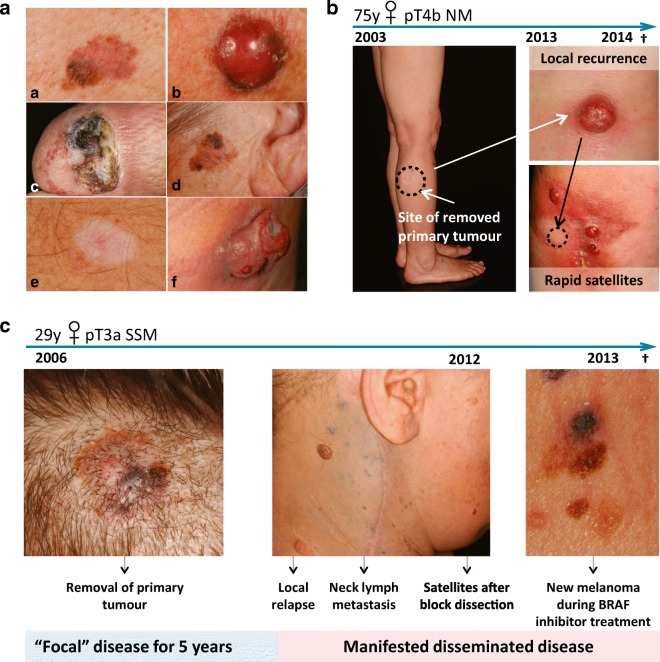
“In cases where a broad excision and complete removal of the primary melanoma was performed, recurrent satellite melanomas can be explained by the reactivation of dormant tumour–derived cells in the peritumoural stroma due to uncertain stimuli (Wong et al. 2005).”
BackgroundMethodTransmission of donor melanoma by organ transplantation
Strauss, D. C., & Thomas, J. M. (2010) · The Lancet Oncology · doi:10.1016/s1470-2045(10)70024-3 · Cited by 181
The World of Melanoma: Epidemiologic, Genetic, and Anatomic Differences of Melanoma Across the Globe
Dimitriou, F., Krattinger, R., Ramelyte, E., Barysch, M. J., Micaletto, S., Dummer, R., & Goldinger, S. M. (2018) · Current Oncology Reports · doi:10.1007/s11912-018-0732-8 · Cited by 179 · cited 3×
“…confirmation of the disease link & Determining the site(s) of post-translational modifications Disease presentation in melanoma patients Malignant melanoma (MM) is themost aggressive type of skin cancer and develops from pigment-containing cells known as melanocytes (Dimitriou et al. 2018).”
BackgroundInfluentialPlummer, R., Lorigan, P., Steven, N., Scott, L., Middleton, M. R., Wilson, R. H., Mulligan, E., Curtin, N., Wang, D., Dewji, R., et al. (2013) · Cancer Chemotherapy and Pharmacology · doi:10.1007/s00280-013-2113-1 · Cited by 179 · cited 1×
“PARPis have a peculiarity in that these drugs increase the efficacy of DNA-damaging agents to selectively target tumour cells with specific DNA repair defects (Musella et al. 2018; Papeo et al. 2013; Plummer et al. 2013).”
BackgroundTargeting BRAF for patients with melanoma
Arkenau, H., Kefford, R. F., & Long, G. V. (2010) · British Journal of Cancer · doi:10.1038/sj.bjc.6606030 · Cited by 164
Phenotype Switching in Melanoma: Implications for Progression and Therapy
Li, F. Z., Dhillon, A. S., Anderson, R. L., McArthur, G., & Ferrao, P. T. (2015) · Frontiers in Oncology · doi:10.3389/fonc.2015.00031 · Cited by 163 · cited 1×
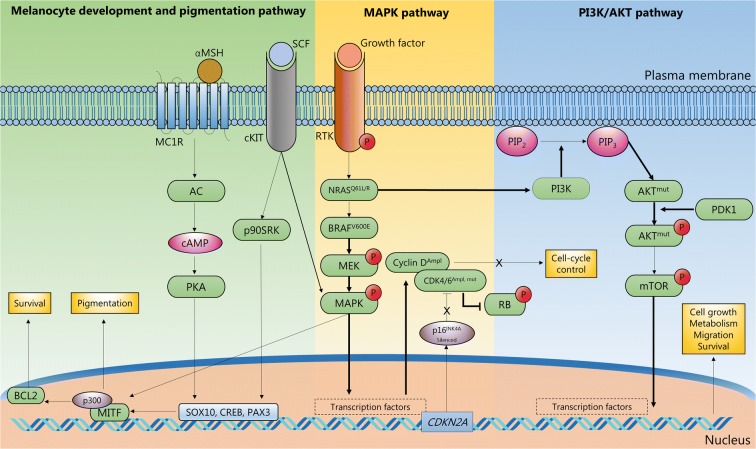
“As well as signalling pathways are considered, in addition of the well-known MAPK and PI3K regulation, receptor tyrosine kinase (RTK) and TGF-β signalling are also involved in the phenotype switching and subsequent metastatic phenotype of melanoma (Kemper et al. 2014; Li et al. 2015).”
BackgroundWels, C., Joshi, S., Koefinger, P., Bergler, H., & Schaider, H. (2011) · Journal of Investigative Dermatology · doi:10.1038/jid.2011.142 · Cited by 160 · cited 1×
“Repressors of E-cadherin are SLUG and ZEB1 transcription factors (Wels et al. 2011).”
BackgroundNetwork-based integration of multi-omics data for prioritizing cancer genes
Dimitrakopoulos, C., Hindupur, S. K., Häfliger, L., Behr, J., Montazeri, H., Hall, M. N., & Beerenwinkel, N. (2018) · Bioinformatics · doi:10.1093/bioinformatics/bty148 · Cited by 160
Discovery of coding regions in the human genome by integrated proteogenomics analysis workflow
Zhu, Y., Orre, L. M., Johansson, H. J., Huss, M., Boekel, J., Vesterlund, M., Fernandez-Woodbridge, A., Branca, R. M., & Lehtiö, J. (2018) · Nature Communications · doi:10.1038/s41467-018-03311-y · Cited by 159
Genetic and morphologic features for melanoma classification
Broekaert, S. M. C., Roy, R., Okamoto, I., van den Oord, J., Bauer, J., Garbe, C., Barnhill, R. L., Busam, K. J., Cochran, A. J., Cook, M. G., et al. (2010) · Pigment Cell & Melanoma Research · doi:10.1111/j.1755-148x.2010.00778.x · Cited by 158
Ultra-late recurrence (15 years or longer) of cutaneous melanoma
Tsao, H., Cosimi, A. B., & Sober, A. J. (1997) · Cancer · doi:10.1002/(sici)1097-0142(19970615)79:12<2361::aid-cncr10>3.0.co;2-p · Cited by 153
Post, H., Penning, R., Fitzpatrick, M. A., Garrigues, L. B., Wu, W., MacGillavry, H. D., Hoogenraad, C. C., Heck, A. J. R., & Altelaar, A. F. M. (2017) · Journal of Proteome Research · doi:10.1021/acs.jproteome.6b00753 · Cited by 144
Analysis of Trends in US Melanoma Incidence and Mortality
Glazer, A. M., Winkelmann, R. R., Farberg, A. S., & Rigel, D. S. (2017) · JAMA Dermatology · doi:10.1001/jamadermatol.2016.4512 · Cited by 136
Prognostic factors in cutaneous desmoplastic melanoma: A study of 252 patients
Murali, R., Shaw, H. M., Lai, K., McCarthy, S. W., Quinn, M. J., Stretch, J. R., Thompson, J. F., & Scolyer, R. A. (2010) · Cancer · doi:10.1002/cncr.25148 · Cited by 129 · cited 1×
“Desmoplastic melanoma tends to progress to haematogenous metastases rather than lymphatic spread (Murali et al. 2010), and is associated with a very high UV mutation rate and signature prone to immunotherapy (Eroglu et al. 2018).”
BackgroundZiani, L., Safta-Saadoun, T. B., Gourbeix, J., Cavalcanti, A., Robert, C., Favre, G., Chouaib, S., & Thiery, J. (2017) · Oncotarget · doi:10.18632/oncotarget.15540 · Cited by 128
Low, T. Y., van Heesch, S., van den Toorn, H., Giansanti, P., Cristobal, A., Toonen, P., Schafer, S., Hübner, N., van Breukelen, B., Mohammed, S., et al. (2013) · Cell Reports · doi:10.1016/j.celrep.2013.10.041 · Cited by 126
Lin, Y., Zhou, J., Bi, D., Chen, P., Wang, X., & Liang, S. (2008) · Analytical Biochemistry · doi:10.1016/j.ab.2008.03.009 · Cited by 124 · cited 1×
“SDC is a trypsin-compatible detergent usually used in proteomics (Gil et al. 2017; Lin et al. 2008).”
MethodOlsen, T. G., Jackson, B. H., Feeser, T. A., Kent, M. N., Moad, J. C., Krishnamurthy, S., Lunsford, D. D., & Soans, R. E. (2018) · Journal of Pathology Informatics · doi:10.4103/jpi.jpi_31_18 · Cited by 119
Circulating tumour DNA (CtDNA) as a liquid biopsy for melanoma
Calapre, L., Warburton, L., Millward, M., Ziman, M., & Gray, E. S. (2017) · Cancer Letters · doi:10.1016/j.canlet.2017.06.030 · Cited by 118
Aberrant methylation patterns in cancer: a clinical view
Paska, A. V., & Hudler, P. (2015) · Biochemia Medica · doi:10.11613/bm.2015.017 · Cited by 115 · cited 1×
“Hypermethylation has been associated to the silencing of genes and to decreased gene expression of tumour suppressors, whilst hypomethylation can potentially result in genomic instability and reactivation of oncogenes (Litovkin et al. 2014, 2015; Paska and Hudler 2015;Weisenberger 2014).”
BackgroundThe treatment of cancer in Greek antiquity
Karpozilos, A., & Pavlidis, N. (2004) · European Journal of Cancer · doi:10.1016/j.ejca.2004.04.036 · Cited by 105
Resistance to PARP-Inhibitors in Cancer Therapy
Montoni, A., Robu, M., Pouliot, É., & Shah, G. M. (2013) · Frontiers in Pharmacology · doi:10.3389/fphar.2013.00018 · Cited by 102
Early tumor dissemination, but late metastasis: insights into tumor dormancy
Röcken, M. (2010) · Journal of Clinical Investigation · doi:10.1172/jci43424 · Cited by 101
Differential LEF1 and TCF4 expression is involved in melanoma cell phenotype switching
Eichhoff, O. M., Weeraratna, A., Zipser, M. C., Denat, L., Widmer, D. S., Xu, M., Kriegl, L., Kirchner, T., Larue, L., Dummer, R., et al. (2011) · Pigment Cell & Melanoma Research · doi:10.1111/j.1755-148x.2011.00871.x · Cited by 100
The correlation of regression in primary melanoma with sentinel lymph node status
Kaur, C., Thomas, R. J., Desai, N., Green, M. A., Lovell, D., Powell, B. W. E. M., & Cook, M. G. (2007) · Journal of Clinical Pathology · doi:10.1136/jcp.2007.049411 · Cited by 94
Krumm, A., Barckhausen, C., Kücük, P., Tomaszowski, K.-H., Loquai, C., Fahrer, J., Krämer, O. H., Kaina, B., & Roos, W. P. (2016) · Cancer Research · doi:10.1158/0008-5472.can-15-2680 · Cited by 91
Salemi, R., Falzone, L., Madonna, G., Polesel, J., Cinà, D., Mallardo, D., Ascierto, P. A., Libra, M., & Candido, S. (2018) · Frontiers in Pharmacology · doi:10.3389/fphar.2018.00856 · Cited by 91 · cited 1×
“Unfortunately, most patients quickly develop resistance to drug treatment and the identification of proteins with somatic mutations that influence the development of resistance has largely remained elusive (Salemi et al. 2018).”
BackgroundAbelin, J. G., Patel, J., Lu, X., Feeney, C. M., Fagbami, L., Creech, A. L., Hu, R., Lam, D., Davison, D., Pino, L., et al. (2016) · Molecular & Cellular Proteomics · doi:10.1074/mcp.m116.058354 · Cited by 87
Galan, J. A., Geraghty, K. M., Lavoie, G., Kanshin, E., Tcherkezian, J., Calabrese, V., Jeschke, G. R., Turk, B. E., Ballif, B. A., Blenis, J., et al. (2014) · Proceedings of the National Academy of Sciences · doi:10.1073/pnas.1405601111 · Cited by 85
Keohane, S. G., Proby, C. M., Newlands, C., Motley, R., Nasr, I. S., Mustapa, M. F. M., & Slater, D. N. (2018) · British Journal of Dermatology · doi:10.1111/bjd.16892 · Cited by 84
Gara, S. K., Lack, J., Zhang, L., Harris, E., Cam, M. C., & Kebebew, E. (2018) · Nature Communications · doi:10.1038/s41467-018-06366-z · Cited by 82
Peptide fractionation in proteomics approaches
Manadas, B. J., Mendes, V. M., English, J., & Dunn, M. J. (2010) · Expert Review of Proteomics · doi:10.1586/epr.10.46 · Cited by 81
Databases and Web Tools for Cancer Genomics Study
Yang, Y., Dong, X., Xie, B., Ding, N., Chen, J., Li, Y., Zhang, Q., Qu, H., & Fang, X. (2015) · Genomics Proteomics & Bioinformatics · doi:10.1016/j.gpb.2015.01.005 · Cited by 77
DNA methylation/hydroxymethylation in melanoma
Fu, S., Wu, H., Zhang, H., Lian, C. G., & Lu, Q. (2017) · Oncotarget · doi:10.18632/oncotarget.18293 · Cited by 75 · cited 1×
“Based on genome-wide studies, abnormal methylation patterns have been detected in melanoma patients, highlighting potential markers for disease progression and also providing an important strategy for tumour diagnosis and treatment (Fu et al. 2017; Guo et al. 2018; Koga et al. 2009).”
BackgroundCanProVar: a human cancer proteome variation database
Li, J., Duncan, D. T., & Zhang, B. (2010) · Human Mutation · doi:10.1002/humu.21176 · Cited by 74
The Use of Titanium Dioxide for Selective Enrichment of Phosphorylated Peptides
Thingholm, T. E., & Larsen, M. R. (2015) · Methods in molecular biology · doi:10.1007/978-1-4939-3049-4_9 · Cited by 74 · cited 3×
“Amongst the methodologies available to enrich phosphopeptides in MM, the most widely practiced are immobilised metal ion chromatography (IMAC) (Thingholm and Larsen 2016a) and titanium dioxide (Thingholm and Larsen 2016b), and combinations thereof.”
MethodTorok, S., Rezeli, M., Kelemen, O., Vegvari, A., Watanabe, K., Sugihara, Y., Tisza, A., Marton, T., Kovacs, I., Tovari, J., et al. (2017) · Theranostics · doi:10.7150/thno.16767 · Cited by 70
Self-citationFehniger, T. E., Végvári, Á., Rezeli, M., Prikk, K., Ross, P., Dahlbäck, M., Edula, G., Sepper, R., & Marko‐Varga, G. (2011) · Analytical Chemistry · doi:10.1021/ac2014349 · Cited by 68
Self-citationRucaparib: An emerging parp inhibitor for treatment of recurrent ovarian cancer
Musella, A., Bardhi, E., Marchetti, C., Vertechy, L., Santangelo, G., Sassu, C. M., Tomao, F., Rech, F., D'Amelio, R., Monti, M., et al. (2018) · Cancer Treatment Reviews · doi:10.1016/j.ctrv.2018.03.004 · Cited by 64
Phosphopeptide Enrichment by Immobilized Metal Affinity Chromatography
Thingholm, T. E., & Larsen, M. R. (2015) · Methods in molecular biology · doi:10.1007/978-1-4939-3049-4_8 · Cited by 63 · cited 3×
“Amongst the methodologies available to enrich phosphopeptides in MM, the most widely practiced are immobilised metal ion chromatography (IMAC) (Thingholm and Larsen 2016a) and titanium dioxide (Thingholm and Larsen 2016b), and combinations thereof.”
MethodMechanisms of primary resistance to EGFR targeted therapy in advanced lung adenocarcinomas
Jin, Y., Shi, X., Zhao, J., He, Q., Chen, M., Yan, J., Ou, Q., Wu, X., Shao, Y. W., & Yu, X. (2018) · Lung Cancer · doi:10.1016/j.lungcan.2018.07.039 · Cited by 62
Rapid Eradication of a Bulky Melanoma Mass with One Dose of Immunotherapy
Chapman, P. B., D'Angelo, S. P., & Wolchok, J. D. (2015) · New England Journal of Medicine · doi:10.1056/nejmc1501894 · Cited by 62
Cooper, L. A., Kong, J., Gutman, D. A., Dunn, W. D., Nalisnik, M., & Brat, D. J. (2015) · Laboratory Investigation · doi:10.1038/labinvest.2014.153 · Cited by 61
Personalized Medicine and Proteomics: Lessons from Non-Small Cell Lung Cancer
Marko‐Varga, G., Ogiwara, A., Nishimura, T., Kawamura, T., Fujii, K., Kawakami, T., Kyono, Y., Tu, H.-K., Anyoji, H., Kanazawa, M., et al. (2007) · Journal of Proteome Research · doi:10.1021/pr070046s · Cited by 61
Self-citationClinical Impact of Tumor Mutational Burden in Neuroblastoma
Hwang, W. L., Wolfson, R. L., Niemierko, A., Marcus, K. J., DuBois, S. G., & Haas-Kogan, D. A. (2018) · JNCI Journal of the National Cancer Institute · doi:10.1093/jnci/djy157 · Cited by 61 · cited 1×
“Tissue heterogeneity in melanoma is key to the survival and evolutionary versatility of the disease (Hwang et al. 2018), and some clinical studies have shown that reduced heterogeneity is linked to a longer survival of the cancer patients (Gara et al. 2018; Hanahan and Weinberg 2011; Szász et al.…”
BackgroundBRAF and NRAS Mutations are Heterogeneous and Not Mutually Exclusive in Nodular Melanoma
Chiappetta, C., Proietti, I., Soccodato, V., Puggioni, C., Zaralli, R., Pacini, L., Porta, N., Skroza, N., Petrozza, V., Potenza, C., et al. (2014) · Applied immunohistochemistry & molecular morphology · doi:10.1097/pai.0000000000000071 · Cited by 61 · cited 1×
“As a general trend, however, the metastatic melanoma (MetM) escapes from this blockage and in almost all instances progresses (Hauschild et al. 2012; Chapman et al. 2011; Chiappetta et al. 2015; Larkin et al. 2015; Tringali et al. 2014).”
BackgroundHan, J., Kim, S. H., Lee, Y.-S., Lee, S. Y., Hwang, J.-A., Kim, J. Y., Yoon, S. J., & Lee, G. K. (2014) · Lung Cancer · doi:10.1016/j.lungcan.2014.04.009 · Cited by 58
Vreman, R. A., Bouvy, J. C., Bloem, L. T., Hövels, A. M., Mantel-Teeuwisse, A. K., Leufkens, H. G. M., & Goettsch, W. (2018) · Clinical Pharmacology & Therapeutics · doi:10.1002/cpt.1251 · Cited by 57 · cited 1×
“From this, the 5R Framework strategy was implemented (Cook et al. 2014; Vreman et al. 2018).”
MethodComplete Regression of Primary Malignant Melanoma
Emanuel, P. O., Mannion, M., & Phelps, R. G. (2008) · American Journal of Dermatopathology · doi:10.1097/dad.0b013e318165641a · Cited by 56
PARP inhibitors in cancer therapy: an update
Papeo, G., Casale, E., Montagnoli, A., & Cirla, A. (2013) · Expert Opinion on Therapeutic Patents · doi:10.1517/13543776.2013.768615 · Cited by 56
Trends in Dermatology: Melanoma Incidence
Rigel, D. S. (2010) · Archives of Dermatology · doi:10.1001/archdermatol.2009.379 · Cited by 55
ROCK 1 is a potential combinatorial drug target for BRAF mutant melanoma
Smit, M. A., Maddalo, G., Greig, K., Raaijmakers, L. M., Possik, P. A., van Breukelen, B., Cappadona, S., Heck, A. J., Altelaar, A. M., & Peeper, D. S. (2014) · Molecular Systems Biology · doi:10.15252/msb.20145450 · Cited by 54
Gil, J., Ramírez-Torres, A., Chiappe, D., Luna-Peñaloza, J., Fernandez-Reyes, F. C., Arcos-Encarnación, B., Contreras, S., & Encarnación-Guevara, S. (2017) · Journal of Biological Chemistry · doi:10.1074/jbc.m117.784546 · Cited by 53
Self-citationMarko‐Varga, G., Végvári, Á., Welinder, C., Lindberg, H., Rezeli, M., Edula, G., Svensson, K. J., Belting, M., Laurell, T., & Fehniger, T. E. (2012) · Journal of Proteome Research · doi:10.1021/pr300185k · Cited by 52
Self-citationCanProVar 2.0: An Updated Database of Human Cancer Proteome Variation
Zhang, M., Wang, B., Xu, J., Wang, X., Xie, L., Zhang, B., Li, Y., & Li, J. (2016) · Journal of Proteome Research · doi:10.1021/acs.jproteome.6b00505 · Cited by 51
Molecular pathology of melanocytic tumors
BUSAM, K. J. (2013) · Seminars in Diagnostic Pathology · doi:10.1053/j.semdp.2013.11.002 · Cited by 43
de Graaf, E. L., Pellegrini, D., & McDonnell, L. A. (2016) · Journal of Proteome Research · doi:10.1021/acs.jproteome.6b00889 · Cited by 42
Ing, N., Huang, F., Conley, A., You, S., Ma, Z., Klimov, S., Ohe, C., Yuan, X., Amin, M. B., Figlin, R. A., et al. (2017) · Scientific Reports · doi:10.1038/s41598-017-13196-4 · Cited by 42
Self-citationde Lange, M. J., Nell, R. J., Lalai, R. N., Versluis, M., Jordanova, E. S., Luyten, G. P. M., Jager, M. J., van der Burg, S. H., Zoutman, W. H., van Hall, T., et al. (2018) · Molecular Cancer Research · doi:10.1158/1541-7786.mcr-18-0114 · Cited by 42 · cited 1×
“Interestingly, this T cell infiltration, which consists of activated cytotoxic T cells and macrophages, has no effect on survival (de Lange et al. 2018).”
BackgroundWelinder, C., Pawłowski, K., Szász, A. M., Yakovleva, M., Sugihara, Y., Malm, J., Jönsson, G. B., Ingvar, C., Lundgren, L., Baldetorp, B., et al. (2017) · PLoS ONE · doi:10.1371/journal.pone.0176167 · Cited by 40
Self-citationTumor angiogenesis as a prognostic factor in thick cutaneous malignant melanoma
Massi, D., Franchi, A., Borgognoni, L., Paglierani, M., Reali, U. M., & Santucci, M. (2002) · Archiv für Pathologische Anatomie und Physiologie und für Klinische Medicin · doi:10.1007/s004280100480 · Cited by 40
Clinical Utility of Rapid EGFR Genotyping in Advanced Lung Cancer
Dagogo‐Jack, I., Azzolli, C. G., Fintelmann, F. J., Mino-Kenudson, M. A., Farago, A. F., Gainor, J. F., Jiang, G. Y., Piotrowska, Z., Heist, R. S., Lennes, I. T., et al. (2018) · JCO Precision Oncology · doi:10.1200/po.17.00299 · Cited by 38
Digital imaging biomarkers feed machine learning for melanoma screening
Gareau, D. S., da Rosa, J. C., Yagerman, S. E., Carucci, J. A., Gulati, N., Hueto, F., DeFazio, J., Suárez‐Fariñas, M., Marghoob, A. A., & Krueger, J. G. (2016) · Experimental Dermatology · doi:10.1111/exd.13250 · Cited by 38
Clinical Protein Science and Bioanalytical Mass Spectrometry with an Emphasis on Lung Cancer
Végvári, Á., & Marko‐Varga, G. (2010) · Chemical Reviews · doi:10.1021/cr100011x · Cited by 38
Self-citationFernández-Coto, D. L., Gil, J., Hernández, A., Herrera‐Goepfert, R., Castro-Romero, I., Hernández-Márquez, E., Arenas-Linares, A. S., Calderon-Sosa, V. T., Sánchez-Alemán, M. Á., Méndez-Tenorio, A., et al. (2018) · Journal of Proteomics · doi:10.1016/j.jprot.2018.07.013 · Cited by 37
Self-citationPasquali, S., D, S. M. M., Campana, L. G., Vecchiato, A., Bonandini, E. M., Montesco, M. C., Santarcangelo, S., Zavagno, G., Nitti, D., & Rossi, C. R. (2011) · European Journal of Surgical Oncology · doi:10.1016/j.ejso.2011.05.007 · Cited by 35
Basken, J., Stuart, S. A., Kavran, A. J., Lee, T., Ebmeier, C. C., Old, W. M., & Ahn, N. G. (2018) · Molecular & Cellular Proteomics · doi:10.1074/mcp.ra117.000335 · Cited by 34
Litovkin, K., Joniau, S., Lerut, E., Laenen, A., Gevaert, O., Spahn, M., Kneitz, B., Isebaert, S. F., Haustermans, K. M., Beullens, M., et al. (2014) · Journal of Cancer Research and Clinical Oncology · doi:10.1007/s00432-014-1738-8 · Cited by 34
DNA Methylation-Guided Prediction of Clinical Failure in High-Risk Prostate Cancer
Litovkin, K., Eynde, A. V., Joniau, S., Lerut, E., Laenen, A., Gevaert, T., Gevaert, O., Spahn, M., Kneitz, B., Gramme, P., et al. (2015) · PLoS ONE · doi:10.1371/journal.pone.0130651 · Cited by 34 · cited 1×
“Hypermethylation has been associated to the silencing of genes and to decreased gene expression of tumour suppressors, whilst hypomethylation can potentially result in genomic instability and reactivation of oncogenes (Litovkin et al. 2014, 2015; Paska and Hudler 2015;Weisenberger 2014).”
BackgroundPrinciples of precision medicine and its application in toxicology
Cook, J. C., Wu, H., Aleo, M. D., & Adkins, K. (2018) · The Journal of Toxicological Sciences · doi:10.2131/jts.43.565 · Cited by 33
Molecular subtyping of metastatic melanoma based on cell ganglioside metabolism profiles
Tringali, C., Silvestri, I., Testa, F., Baldassari, P., Anastasia, L., Mortarini, R., Anichini, A., López‐Requena, A., Tettamanti, G., & Venerando, B. (2014) · BMC Cancer · doi:10.1186/1471-2407-14-560 · Cited by 33
Torok, S., Vegvari, A., Rezeli, M., Fehniger, T. E., Tovari, J., Paku, S., Laszlo, V, Hegedus, B., Rozsas, A., Dome, B., et al. (2015) · British Journal of Pharmacology · doi:10.1111/bph.12990 · Cited by 33
Self-citationA new look at drugs targeting malignant melanoma—An application for mass spectrometry imaging
Sugihara, Y., Végvári, Á., Welinder, C., Jönsson, G. B., Ingvar, C., Lundgren, L., Olsson, H. L., Breslin, T., Wieslander, E., Laurell, T., et al. (2014) · PROTEOMICS · doi:10.1002/pmic.201300476 · Cited by 32
Self-citationKuras, M., Betancourt, L. H., Rezeli, M., Murillo, J. R., Szász, A. M., Zhou, Q., Miliotis, T., Andersson, R. E., & Marko‐Varga, G. (2018) · Journal of Proteome Research · doi:10.1021/acs.jproteome.8b00792 · Cited by 29
Self-citationPromoter methylation as biomarkers for diagnosis of melanoma: A systematic review and meta‐analysis
Guo, Y., Long, J., & Lei, S. (2018) · Journal of Cellular Physiology · doi:10.1002/jcp.27495 · Cited by 29
Drug compound characterization by mass spectrometry imaging in cancer tissue
Kwon, H. J., Kim, Y., Sugihara, Y., Baldetorp, B., Welinder, C., Watanabe, K., Nishimura, T., Malm, J., Török, S., Döme, B., et al. (2015) · Archives of Pharmacal Research · doi:10.1007/s12272-015-0627-2 · Cited by 28
Self-citationPARPi focus the spotlight on replication fork protection in cancer
Schlacher, K. (2017) · Nature Cell Biology · doi:10.1038/ncb3638 · Cited by 28
Melanoma genotypes and phenotypes get personal
Pimiento, J. M., Larkin, E. M., Smalley, K. S. M., Wiersma, G., Monks, N. R., Smalley, I., Peterson, C. A., & Nickoloff, B. J. (2013) · Laboratory Investigation · doi:10.1038/labinvest.2013.84 · Cited by 26
Szász, A. M., Malm, J., Rezeli, M., Sugihara, Y., Betancourt, L. H., Rivas, D., Győrffy, B., & Marko‐Varga, G. (2018) · Cell Biology and Toxicology · doi:10.1007/s10565-018-9446-9 · Cited by 24
Self-citationMarko‐Varga, G., Végvári, Á., Rezeli, M., Prikk, K., Ross, P., Dahlbäck, M., Edula, G., Sepper, R., & Fehniger, T. E. (2012) · Clinical and Translational Medicine · doi:10.1186/2001-1326-1-8 · Cited by 24
Self-citationBetancourt, L. H., Szasz, A. M., Kuras, M., Rodriguez Murillo, J., Sugihara, Y., Pla, I., Horvath, Z., Pawłowski, K., Rezeli, M., Miharada, K., et al. (2019) · Cancers · doi:10.3390/cancers11121981 · Cited by 24
Self-citationCancer heterogeneity determined by functional proteomics
Szász, A. M., Győrffy, B., & Marko‐Varga, G. (2016) · Seminars in Cell and Developmental Biology · doi:10.1016/j.semcdb.2016.08.026 · Cited by 23
Self-citationNyberg, F., Ogiwara, A., Harbron, C. G., Kawakami, T., Nagasaka, K., Takami, S., Wada, K., Tu, H.-K., Otsuji, M., Kyono, Y., et al. (2011) · PLoS ONE · doi:10.1371/journal.pone.0022062 · Cited by 23
Self-citationAung, P. P., Leone, D. A., Feller, J. K., Yang, S., Hernandez, M., Yaar, R., Singh, R. P., Helm, T. N., & Mahalingam, M. (2014) · Human Pathology · doi:10.1016/j.humpath.2014.11.006 · Cited by 21
Connell, J. J., Sugihara, Y., Török, S., Döme, B., Tóvári, J., Fehniger, T. E., Marko‐Varga, G., & Végvári, Á. (2014) · Analytical and Bioanalytical Chemistry · doi:10.1007/s00216-014-8350-2 · Cited by 20
Self-citationLombardi, B., Rendell, N. B., Edwards, M., Katan, M., & Godovac‐Zimmermann, J. (2015) · EuPA Open Proteomics · doi:10.1016/j.euprot.2015.01.002 · Cited by 19
Malm, J., Lindberg, H., Erlinge, D., Appelqvist, R., Yakovleva, M., Welinder, C., Steinfelder, E., Fehniger, T. E., & Marko‐Varga, G. (2015) · Clinical and Translational Medicine · doi:10.1186/s40169-015-0067-0 · Cited by 19
Self-citationRecent advances in melanoma research via “omics” platforms
Rodríguez‐Cerdeira, C., Molares-Vila, A., Carnero-Gregorio, M., & Corbalán-Rivas, A. (2017) · Journal of Proteomics · doi:10.1016/j.jprot.2017.11.005 · Cited by 16
Lobas, A. A., Pyatnitskiy, M. A., Chernobrovkin, A. L., Ilina, I. Y., Karpov, D. S., Solovyeva, E. M., Kuznetsova, K. G., Ivanov, M. V., Lyssuk, E. Y., Kliuchnikova, A. A., et al. (2018) · Journal of Proteome Research · doi:10.1021/acs.jproteome.7b00841 · Cited by 15
Correlation Queries for Mass Spectrometry Imaging
Suits, F., Fehniger, T. E., Végvári, Á., Marko‐Varga, G., & Horvatovich, P. L. (2013) · Analytical Chemistry · doi:10.1021/ac303658t · Cited by 15
Self-citationBlood Plasma Reference Material: A Global Resource for Proteomic Research
Malm, J., Danmyr, P., Nilsson, R. E., Appelqvist, R., Végvári, Á., & Marko‐Varga, G. (2013) · Journal of Proteome Research · doi:10.1021/pr400131r · Cited by 14
Self-citationNovel functional proteins coded by the human genome discovered in metastases of melanoma patients
Sánchez, A., Kuras, M., Murillo, J. R., Plá, I., Pawłowski, K., Szász, A. M., Gil, J., Nogueira, F. C. S., Pérez‐Riverol, Y., Eriksson, J. O., et al. (2019) · Cell Biology and Toxicology · doi:10.1007/s10565-019-09494-4 · Cited by 13
Self-citationEndogenous expression mapping of malignant melanoma by mass spectrometry imaging
Sugihara, Y., Rivas, D., Malm, J., Szász, A. M., Kwon, H., Baldetorp, B., Olsson, H. L., Ingvar, C., Rezeli, M., Fehniger, T. E., et al. (2018) · Clinical and Translational Medicine · doi:10.1186/s40169-018-0201-x · Cited by 12
Self-citationKato, H., Nishimura, T., Hirano, T., Nomura, M., Tojo, H., Fujii, K., Kawamura, T., Mikami, S., Kihara, M., Bando, Y., et al. (2010) · Journal of Proteome Research · doi:10.1021/pr100859b · Cited by 12
Self-citationNogami, N., Nishio, M., Okamoto, I., Enatsu, S., Suzukawa, K., Takai, H., Nakagawa, K., & Tamura, T. (2018) · Respiratory Investigation · doi:10.1016/j.resinv.2018.09.003 · Cited by 12 · cited 1×
“The EGFR-TKIs exhibit highaffinity binding to the mutated EGFR tyrosine kinase domain and have been used as an approach to treat advanced NSCLC in Japanese populations (DagogoJack et al. 2018; Nogami et al. 2019).”
MethodLiquid Biopsy: Value for Melanoma Therapy?
Buder‐Bakhaya, K., Machiraju, D., & Hassel, J. C. (2017) · Oncology Research and Treatment · doi:10.1159/000478893 · Cited by 10
Ray, B., Liu, W., & Fenyö, D. (2017) · Cancer Informatics · doi:10.1177/1176935117725727 · Cited by 10 · cited 1×
“Examples of such methods are Multiview Nonnegative Matrix Factorization Algorithm (Ray et al. 2017), Joint Non-negative Matrix Factorization (Zhang et al. 2012; Zhang et al. 2011) and mixOmics R package (Rohart et al. 2017).”
MethodTranslation science for targeted personalized medicine treatments
Végvári, Á., Rezeli, M., Döme, B., Fehniger, T. E., & Marko‐Varga, G. (2011) · Lund University Publications (Lund University) · Cited by 10
Self-citationMalm, J., Sugihara, Y., Szász, A. M., Kwon, H. J., Lindberg, H., Appelqvist, R., & Marko‐Varga, G. (2018) · Clinical and Translational Medicine · doi:10.1186/s40169-018-0203-8 · Cited by 9
Self-citationBiological behaviour of cutaneous malignant melanomas
Søndergaard, K. (1985) · Pathology · doi:10.3109/00313028509063763 · Cited by 8 · cited 1×
“The significance of regression is still debated as there are pro and contra data concerning the role played in melanoma progression, recurrence or survival (Kaur et al. 2007; Søndergaard 1985).”
BackgroundKim, Y., Gil, J., Plá, I., Sánchez, A., Betancourt, L. H., Lee, B., Appelqvist, R., Ingvar, C., Lundgren, L., Olsson, H. L., et al. (2020) · Cancers · doi:10.3390/cancers12030767 · Cited by 6
Self-citationCharkoftaki, G., Rattray, N. J. W., Andrén, P. E., Caprioli, R. M., Castellino, S., Duncan, M. W., Goodwin, R. J. A., Schey, K. L., Shahidi-Latham, S. K., Veselkov, K., et al. (2018) · Human Genomics · doi:10.1186/s40246-018-0142-x · Cited by 5
Fehniger, T. E., Végvári, Á., Rezeli, M., Döme, B., Tímár, J., & Marko‐Varga, G. (2013) · EuPA Open Proteomics · doi:10.1016/j.euprot.2013.04.001 · Cited by 5 · cited 2×
“Robots tend to both blood fractions and tissues that are stored at − 80 °C (Fehniger et al. 2013; Malm et al. 2013, 2015, 2018; Marko-Varga et al. 2012b).”
BackgroundSelf-citationScaini, M. C., Pigozzo, J., Pizzi, M., Manicone, M., Chiarion‐Sileni, V., Zambenedetti, P., Rugge, M., Zanovello, P., Rossi, E. M. C., Zamarchi, R., et al. (2018) · Melanoma Research · doi:10.1097/cmr.0000000000000510 · Cited by 4 · cited 1×
“Thus, detection thereof is crucial for enhanced screening and melanoma diagnostics (Scaini et al. 2019).”
BackgroundLong-term survivors after immunotherapy for metastatic melanoma
Tseng, W. W., & Leong, S. P. L. (2011) · Immunology Letters · doi:10.1016/j.imlet.2011.04.008 · Cited by 4
In vivo Distribution of Tiotropium in a Rodent Model Utilizing AP-SMALDI Mass Spectrometry Imaging
Végvári, Á., Fehniger, T. E., Dahlbäck, M., Marko‐Varga, G., & Strupat, K. (2017) · Current Analytical Chemistry · doi:10.2174/1573411012666160211235640 · Cited by 4 · cited 2×
“Nevertheless, more than 100 reports have been published where the technology has been used to characterise drug compounds in experimental drug predicting models (Connell et al. 2015; Kwon et al. 2015; Marko-Varga et al. 2012a; Végvári et al. 2017).”
BackgroundSelf-citationTracking and Treating Malignant Melanoma Metastases
Pierard, G., Humbert, P. G., & Quatresooz, P. (2012) · Dermatology Research and Practice · doi:10.1155/2012/173491 · Cited by 1 · cited 1×
“Nevertheless, there are clinical observations that have shown the appearance of loco-regional metastases during the regression of the primary melanoma defined as smouldering phenomenon (Piérard et al. 2012).”
Background
Cited by
Asymmetric organocatalysis: an enabling technology for medicinal chemistry
Han, B., He, X.-H., Liu, Y.-Q., He, G., Peng, C., & Li, J.-L. (2021) · Chemical Society Reviews · doi:10.1039/d0cs00196a · Cited by 402
A high-stringency blueprint of the human proteome
Adhikari, S., Nice, E. C., Deutsch, E. W., Lane, L., Omenn, G. S., Pennington, S. R., Paik, Y.-K., Overall, C. M., Corrales, F. J., Cristea, I. M., et al. (2020) · Nature Communications · doi:10.1038/s41467-020-19045-9 · Cited by 210
Self-citationTowards the overcoming of anticancer drug resistance mediated by p53 mutations
Cao, X., Hou, J., An, Q., Assaraf, Y. G., & Wang, X. (2020) · Drug Resistance Updates · doi:10.1016/j.drup.2019.100671 · Cited by 172
Lu, H., Hou, L., Zhang, Y., Guo, T., Wang, Y., & Xing, M. (2023) · Environmental Toxicology · doi:10.1002/tox.24068 · Cited by 106
Digital Barcodes for High-Throughput Screening
Yang, Z. R., Chen, J., Xiao, Y., Yang, C., Zhao, C., Chen, D., & Weitz, D. A. (2024) · Chem & Bio Engineering · doi:10.1021/cbe.3c00085 · Cited by 43
Metadata
- Authors
- Gil, J., Betancourt, L. H., Pla, I., Sanchez, A., Appelqvist, R., Miliotis, T., Kuras, M., Oskolas, H., Kim, Y., Horvath, Z., Eriksson, J., Berge, E., Burestedt, E., Jönsson, G., Baldetorp, B., Ingvar, C., Olsson, H., Lundgren, L., Horvatovich, P., Murillo, J. R., Sugihara, Y., Welinder, C., Wieslander, E., Lee, B., Lindberg, H., Pawłowski, K., Kwon, H. J., Doma, V., Timar, J., Karpati, S., Szasz, A. M., Németh, I. B., Nishimura, T., Corthals, G., Rezeli, M., Knudsen, B., Malm, J., & Marko-Varga, G.
- Affiliations
- Lund University (SE)
- University of Groningen (NL)
- Warsaw University of Life Sciences (PL)
- Semmelweis University (HU)
- University of Szeged (HU)
- Tokyo Medical University (JP)
- Cedars-Sinai Medical Center (US)
- Corresponding author
- Gil, Jeovanis
- Betancourt, Lazaro Hiram
- ORCID
- Gil, Jeovanis
- Betancourt, Lazaro Hiram
- Appelqvist, Roger
- Miliotis, Tasso
- Kuras, Magdalena
- Kim, Yonghyo
- Eriksson, Jonatan
- Ingvar, Christian
- Horvatovich, Peter
- Murillo, Jimmy Rodriguez
- Sugihara, Yutaka
- Welinder, Charlotte
- Lee, Boram
- Pawłowski, Krzysztof
- Kwon, Ho Jeong
- Németh, István Balázs
- Nishimura, Toshihide
- Corthals, Garry
- Rezeli, Melinda
- Knudsen, Beatrice
- Malm, Johan
- Venue
- Cell Biology and Toxicology
- Published
- 2019-03-21
- Volume
- 35
- Issue
- 4
- Pages
- 293-332
- ISSN
- 0742-2091 (ISSN-L)
- 1573-6822
- PMC
- PMC6757020
- OpenAlex
- W2925257594
- Cited by
- 45
- References
- 187
- Citations by year
- 2026: 2 · 2025: 5 · 2024: 3 · 2023: 1 · 2022: 6 · 2021: 14 · 2020: 8 · 2019: 5
- FWCI
- 2.73
- Type
- journal article
- Language
- en
- Open access
- hybrid
- doi.org
- Licence
- cc-by
- creativecommons.org/licenses/by/4.0 (tdm)
- Locations
- Cell Biology and Toxicology (publishedVersion, cc-by)
- PubMed Central (publishedVersion, cc-by)
- PubMed (publishedVersion)
- University of Groningen research database (University of Groningen / Centre for Information Technology) (publishedVersion, cc-by)
- Lund University Publications (Lund University) (submittedVersion)
- University of Groningen research database (University of Groningen / Centre for Information Technology) (submittedVersion, other-oa)
- Funders
- Fru Berta Kamprads Stiftelse
- National Research Foundation of Korea (2015K1A1A2028365, 2016K2A9A1A03904900)
- NIH/NCI International Cancer Proteogenome Consortium (MOU NIH-LUND 2017-01)
- Topics
- Life Sciences › Biochemistry, Genetics and Molecular Biology › Molecular Biology › Melanoma and MAPK Pathways
- Physical Sciences › Chemistry › Spectroscopy › Advanced Proteomics Techniques and Applications
- Health Sciences › Medicine › Oncology › Cutaneous Melanoma Detection and Management
- Keywords
- melanoma, clinical proteomics, proteogenomics, BRAF V600E mutation, vemurafenib, dabrafenib, trametinib, drug resistance, tumor markers, therapeutic target, phosphoproteomics, mass spectrometry imaging, metastatic melanoma, post-translational modification
- MeSH terms
- Melanoma, Cutaneous Malignant, Cutaneous Malignant Melanoma, Humans, Imidazoles, Melanoma, Neoplasm Staging, Oximes, Pyridones, Pyrimidinones, Skin Neoplasms, Biomarkers, Tumor, Biological Specimen Banks, Drug Resistance, Neoplasm, Proteomics, Protein Kinase Inhibitors, Translational Research, Biomedical
About these checks
Registry, retraction, Cites and statistics results are computed, not judged, with one exception: a printed reference that no index lists is read once by a model before it counts as a citation error. Claims are extracted by a model and kept only when their quote appears verbatim in the text; each cited source is then checked, with a model’s help, for whether it says what the claim relies on. Those verdicts can be wrong — read the claim’s quote and the cited source before relying on one.
Statistics and arithmetic are recomputed, not judged.
Confidence bands are shown only for fields calibrated on our annotated test set. None is calibrated yet, so no band is shown.
What counts as a claim ›How we measure confidence ›How we check this ›
Are you an author, or do you see a problem with this page? Request a review
Data sources
Bibliographic data: Semantic Scholar, OpenAlex, Crossref.
Contains information from the Semantic Scholar Academic Graph Datasets, made available under the ODC Attribution License (ODC-BY 1.0).
Semantic Scholar’s data is described in: Kinney, R., et al. (2023). The Semantic Scholar Open Data Platform. arXiv:2301.10140.
