

Risk and Protective Factors of Self-harm and Suicidality in Adolescents: An Umbrella Review with Meta-Analysis
Open accessThe DOI matches its Crossref record; 87 of the 87 references it cites were found in a registry or an index; 69 of the 123 sources its claims cite were checked for support.
Abstract
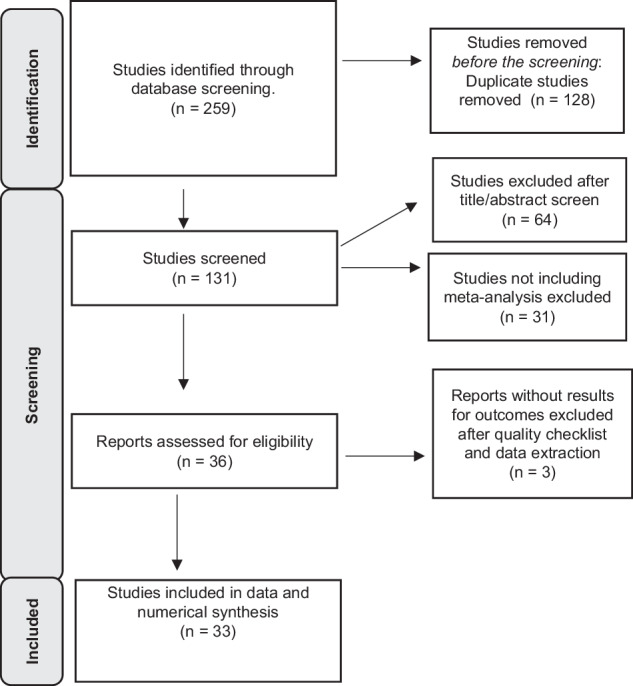
Suicide remains the second most common cause of death in young people aged 10–24 years and is a growing concern globally. The literature reports a vast number of factors that can predispose an adolescent to suicidality at an individual, relational, community, or societal level. There is limited high-level research identifying and understanding these risk and protective factors of adolescent suicidality. The present study used an umbrella review and meta-analysis to synthesize evidence from the review literature in the past 20 years on risk and protective factors of self-harm and suicidality (behavior and ideation) in adolescents. The umbrella review included 33 quantitative reviews with 1149 individual studies on suicidality and self-harm. Based on the data synthesis, it compared the public health impact of exposure on the population of the identified exposure. Bullying victimization was the most attributed environmental exposure for suicidality. The other identified significant school and individual factors were sleeping disturbance, school absenteeism, and exposure to antidepressants. Several significant vulnerable young populations were identified with significantly higher prevalence of suicidality, including lesbian, gay, bisexual, transgender, queer (or questioning) youth and those with mental health disorders, problem behaviors, previous suicidality, self-harm, and gender (female). A person-centered approach emphasizing connectedness and bully-free school environments should be a priority focus for schools, health professionals, and public health policymakers.
Overview
CoChat Summary
## TL;DR
This umbrella review and meta-analysis synthesized 33 systematic reviews/meta-analyses covering 1,149 individual studies on adolescent self-harm and suicidality. It found bullying victimization, sleep disturbance, school absenteeism, antidepressant exposure, and several vulnerable groups—especially female youth and LGBTQ+ youth—were associated with higher risk, while school connectedness, school-based interventions, and optimal sleep duration were protective.
## Key findings
- The review included 33 quantitative reviews with 1,149 individual studies; included studies ranged from 3 to 369 studies each.
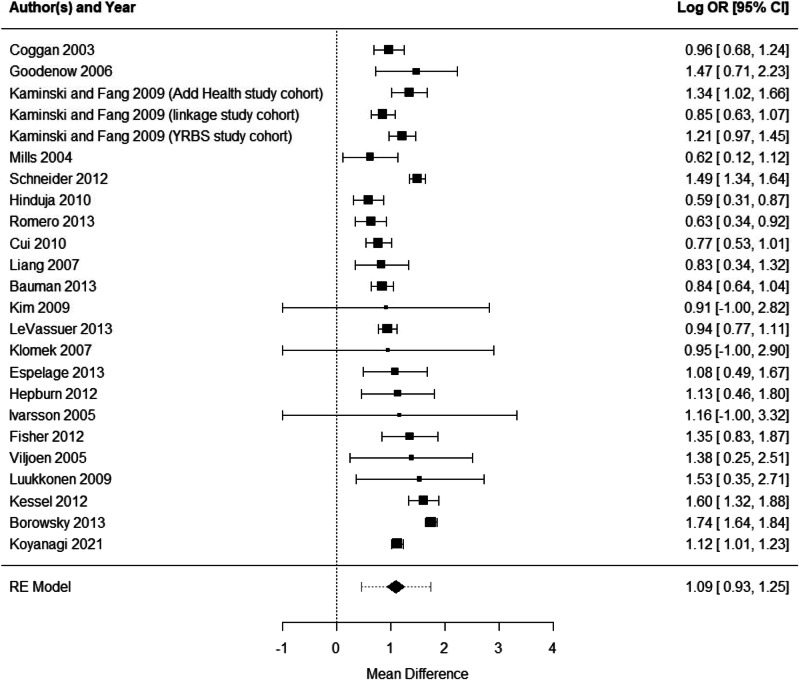
- Bullying victimization showed the strongest population impact in the numerical synthesis: pooled OR for suicide attempts was 2.97 (95% CI 2.53–3.49, p < 0.0001), with I² = 86.1%; estimated PAFs were 31.4% in low-/middle-income countries and 33.6% globally for suicide attempts, and 21.8% for suicidal ideation.
- Sleep disturbance was associated with higher risk of suicide attempts (OR 1.92), suicidal ideation (OR 2.35), and ideation with a plan (OR 1.58); its estimated PAFs were 12.1% for suicidal ideation and 10.4% for suicide attempts.
- School absenteeism was associated with suicidal ideation (pooled OR 1.20, about 20% increased risk) and self-harm (pooled OR 1.37); its PAF for suicidal ideation was 4.5%.
- Protective factors identified were school connectedness (suicide attempts OR 0.59; suicidal ideation OR 0.53), school-based interventions (effect sizes Hedges’ g 0.30 for suicidal behaviors and 0.15 for suicidal ideation), and optimal sleep duration (OR 0.52 for attempts, 0.55 for ideation, 0.50 for ideation with a plan).
## Methods
- Design: Umbrella review of systematic reviews/meta-analyses, with an additional meta-analysis and numerical synthesis for school-relevant exposures.
- Data/sample: English-language reviews published 2003 to 30 Dec 2022 from Medline, PubMed, Embase, CINAHL, PsycINFO, plus hand-searching and grey literature; final synthesis used 33 quantitative reviews.
- Analysis: Narrative synthesis plus meta-analytic pooling; study quality assessed with the Joanna Briggs Institute checklist; epidemiologic credibility rated using prior umbrella-review criteria; PAFs were calculated for bully victimization, sleep disturbance, and school absenteeism using exposure prevalence and pooled effects.
## Limitations
- The authors state the review only included reviews with meta-analysis synthesis, so findings were limited to factors with numerically synthesized evidence.
- The authors state qualitative reviews were not included, and PAF was approximated from ORs without adjustment for multiple variables.
- The authors note that the identified school risk factor, school absenteeism, needs future longitudinal and data-integration studies to clarify causality.
- Evident from the text: the evidence base was heterogeneous, with many included reviews relying on cross-sectional studies, and some exposures/outcomes lacked sufficient data for full numerical synthesis (for example, school absenteeism PAF for suicide attempts was not reliable).
Model-written summary. Check it against the paper before relying on it.
Integrity signals
Registry
Cites
Statistics
Figures
Verification
Claims the paper makes
56 Valid · 13 Not valid · 41 Not checked · 51 Own results and interpretations
At least one cited source doesn’t support this claim or points to a different paper, and none confirmed it — see the verdicts below.
In the paper
“One review (Holt et al., 2015) found a significant moderating effect from the country of origin of the study in both bullying perpetration and victimization.”
§ Risk and Protective Factors of Self-harm and Suicidality in Adolescents: An Umbrella Review with Meta-Analysis > Results > Narrative Data Synthesis
What the sources say
- Disputedcites Holt et al., 2015 matched to “Bullying and Suicidal Ideation and Behaviors: A Meta-Analysis” (2015) sourceExperimental — accuracy not yet measured
The Results (Meta-Analysis Findings) report a significant country-of-origin moderator for bullying perpetration and suicidal ideation, but state that none of the tested moderators was significant for bullying victimization with either outcome. The paper also reports a country effect for bully-victim status, which is distinct from victimization alone. (LLM, conf=0.90)
Checked by a reasoning model — may be wrong.
plainstates an association- Asserted: passes — The authors put it forward as true.
- Checkable: passes — It can be checked against evidence.
- Load-bearing: unclear — It is unclear whether the paper’s conclusions depend on it.
- Based: passes — The paper gives a reason why it holds.
- Disputed
At least one cited source doesn’t support this claim or points to a different paper, and none confirmed it — see the verdicts below.
In the paper
“Holt et al. (2015) and Van Geel et al. (2014) explored bullying victimization as a risk for suicidal ideation from 23 and 24 individual studies, respectively; the pooled OR was 2.23 and 2.34 for the overall relationship between bullying victimization and suicide ideation.”
§ Risk and Protective Factors of Self-harm and Suicidality in Adolescents: An Umbrella Review with Meta-Analysis > Results > Narrative Data Synthesis
What the sources say
- Disputedcites Holt et al., 2015 matched to “Bullying and Suicidal Ideation and Behaviors: A Meta-Analysis” (2015) sourceExperimental — accuracy not yet measured
The Results (Meta-Analysis Findings) report that Holt et al. pooled 41 studies of bullying victimization and suicidal ideation and found an OR of 2.34, not 2.23. The paper mentions OR 2.23 when describing a previous meta-analysis; its figure of 23 studies concerns bullying perpetration and suicidal ideation. (LLM, conf=0.94)
Checked by a reasoning model — may be wrong.
plainstates an association- Asserted: passes — The authors put it forward as true.
- Checkable: passes — It can be checked against evidence.
- Load-bearing: unclear — It is unclear whether the paper’s conclusions depend on it.
- Based: passes — The paper gives a reason why it holds.
- Disputed
At least one cited source doesn’t support this claim or points to a different paper, and none confirmed it — see the verdicts below.
In the paper
“Miranda-Mendizabal et al. (2019) also found an association between a family’s previous suicidal behavior and the risk of female youth suicide attempts (OR: 2.84).”
§ Risk and Protective Factors of Self-harm and Suicidality in Adolescents: An Umbrella Review with Meta-Analysis > Results > Narrative Data Synthesis
What the sources say
- Disputedcites Miranda-Mendizabal et al. (2019) matched to “Gender differences in suicidal behavior in adolescents and young adults: systematic review and meta-analysis of longitudinal studies” (2019) sourceExperimental — accuracy not yet measured
The Results section, under “Suicide attempts,” assigns the OR of 2.84 for previous suicidal behavior in the family to males, not females. It says this association with suicide attempts was found only among males. No page number is provided in the supplied passage. (LLM, conf=0.95)
Checked by a reasoning model — may be wrong.
plainstates an association- Asserted: passes — The authors put it forward as true.
- Checkable: passes — It can be checked against evidence.
- Load-bearing: unclear — It is unclear whether the paper’s conclusions depend on it.
- Based: passes — The paper gives a reason why it holds.
- Disputed
At least one cited source doesn’t support this claim or points to a different paper, and none confirmed it — see the verdicts below.
In the paper
“The review found significant associations between childhood maltreatment and suicidal behavior for female (OR: 2.76) and male adolescents (OR: 3.77) (Table 1).”
§ Risk and Protective Factors of Self-harm and Suicidality in Adolescents: An Umbrella Review with Meta-Analysis > Results > Narrative Data Synthesis
What the sources say
- Disputedcites Miranda-Mendizabal et al. (2019) matched to “Gender differences in suicidal behavior in adolescents and young adults: systematic review and meta-analysis of longitudinal studies” (2019) sourceExperimental — accuracy not yet measured
The Results section (Specific risk factors for suicidal behavior stratified by gender, Suicide attempts) reports a significant association between childhood maltreatment and suicide attempts in females, but gives the female OR as 3.77. The OR of 2.76 is for males; the citing sentence reverses the two values. (LLM, conf=0.90)
Checked by a reasoning model — may be wrong.
plainstates an association- Asserted: passes — The authors put it forward as true.
- Checkable: passes — It can be checked against evidence.
- Load-bearing: passes — The paper’s conclusions depend on it.
- Based: passes — The paper gives a reason why it holds.
- Disputed
At least one cited source doesn’t support this claim or points to a different paper, and none confirmed it — see the verdicts below.
In the paper
“The review of 7 studies with 19,803 participants found that prevention of STBs at school was a significant modifier of effect for suicidal ideation (g: 0.15) (Table 2).”
§ Risk and Protective Factors of Self-harm and Suicidality in Adolescents: An Umbrella Review with Meta-Analysis > Results > Narrative Data Synthesis
What the sources say
- Disputedcites Gijzen et al. (2022) matched to “Effectiveness of school-based preventive programs in suicidal thoughts and behaviors: a meta-analysis” (2022) sourceExperimental — accuracy not yet measured
Section 3.3 (Meta-analysis) reports a significant pooled effect on suicidal ideation (Hedges’ g = 0.15), but says that targeting STBs as the intervention’s primary aim did not significantly modify that effect (p = .136). The claim conflates the pooled effect with a significant modifier. (LLM, conf=0.91)
Checked by a reasoning model — may be wrong.
plainstates an associationn = 19,803- Asserted: passes — The authors put it forward as true.
- Checkable: passes — It can be checked against evidence.
- Load-bearing: unclear — It is unclear whether the paper’s conclusions depend on it.
- Based: passes — The paper gives a reason why it holds.
- Disputed
102 more claims · 49 with their cited sources checked
Create a free account to see all 161 claims and to verify the 2 references still open.
- Probably not a substantial claim. 32
- It may state two separate claims as one. 30
- The quote only partly states this claim. 1
Citations
Cites
Zhang, J., & Yu, K. F. (1998) · JAMA · doi:10.1001/jama.280.19.1690 · Cited by 4,138 · cited 1×
“The Risk Ratios (RR) were approximated from the reported OR (Zhang & Yu, 1998) using an estimated prevalence (p 0 ) of the outcomes in the general population (as for the control group), given by meta-analysis studies (Lim et al., 2019) and the GSHS global population surveys (Biswas et al., 2020a,…”
MethodThe New Zealand Medical Journal 1887-1987.
Rg, R. (1987) · PubMed · Cited by 3,673
Kowalski, R. M., Giumetti, G. W., Schroeder, A. N., & Lattanner, M. R. (2014) · Psychological Bulletin · doi:10.1037/a0035618 · Cited by 3,266 · cited 1×
“Kowalski et al. (2014) investigated cyberbullying speci fi cally.”
Aromataris, E., Fernandez, R., Godfrey, C. M., Holly, C., Khalil, H., & Tungpunkom, P. (2015) · International Journal of Evidence-Based Healthcare · doi:10.1097/xeb.0000000000000055 · Cited by 2,587 · cited 3×
“The quality assessment of each review used the Joanna Briggs Institute (JBI) “ Critical Appraisal Checklist for Systematic Reviews and Research Synthesis (Aromataris et al., 2015).”
MethodGlobal patterns of mortality in young people: a systematic analysis of population health data
Patton, G. C., Coffey, C., Sawyer, S. M., Viner, R. M., Haller, D. M., Bose, K., Vos, T., Ferguson, J., & Mathers, C. D. (2009) · The Lancet · doi:10.1016/s0140-6736(09)60741-8 · Cited by 1,233 · cited 1×
“Suicide remains one of the most common causes of death in adolescents, de fi ned as those between the ages of 10 and 19 years (WHO, 2023), and is a growing concern globally (Hawton & Harriss, 2007; Patton et al., 2009; UNICEF, 2021).”
BackgroundMarshal, M. P., Dietz, L. J., Friedman, M. S., Stall, R., Smith, H. A., McGinley, J., Thoma, B. C., Murray, P. J., D'Augelli, A. R., & Brent, D. A. (2011) · Journal of Adolescent Health · doi:10.1016/j.jadohealth.2011.02.005 · Cited by 1,215 · cited 1×
“Marshal et al. (2011) studied the association between sexual orientation and youth suicidality (behavior and suicidal ideation) through 19 studies with 122,955 participants, revealing a pooled OR of 2.92.”
BackgroundInfluentialInternational prevalence of adolescent non-suicidal self-injury and deliberate self-harm
Muehlenkamp, J. J., Claes, L., Havertape, L., & Plener, P. L. (2012) · Child and Adolescent Psychiatry and Mental Health · doi:10.1186/1753-2000-6-10 · Cited by 1,156 · cited 1×
“The pooled Odds Ratios (OR) of exposures to outcomes were extracted from the review and meta-analysis studies (Epstein et al., 2020; Holt et al., 2015; Koyanagi et al., 2019; Liu et al., 2019; Muehlenkamp et al., 2012; Van Geel et al., 2014).”
MethodThe occurrence of lung cancer in man.
Ml, L. (1953) · PubMed · Cited by 981
Gobbi, G., Atkin, T., Zytynski, T., Wang, S., Askari, S., Boruff, J., Ware, M., Marmorstein, N., Cipriani, A., Dendukuri, N., et al. (2019) · JAMA Psychiatry · doi:10.1001/jamapsychiatry.2018.4500 · Cited by 914
Miranda-Mendizabal, A., Castellví, P., Parés-Badell, O., Alayo, I., Almenara, J., Alonso, I., Blasco, M. J., Cebrià, A., Gabilondo, A., Gili, M., et al. (2019) · International Journal of Public Health · doi:10.1007/s00038-018-1196-1 · Cited by 886 · cited 7×
“Miranda-Mendizabal et al. (2019) investigated mental health disorders and suicidal behavior with male and female gender separately.”
BackgroundInfluential
Cited by
Shek, D. T. L., & Dou, D. (2024) · Applied Research in Quality of Life · doi:10.1007/s11482-024-10364-3 · Cited by 37
“…promotion of positive peer relationships and family resilience), other factors are related to the promotion of psychosocial competence of young people, which can improve the lives of millions of young people (Breton et al., 2015; Magson et al., 2021; McKinley et al., 2021; Richardson et al., 2024).”
He, X., Huang, P. C., Xu, X., Yu, Q., Huang, H., Yang, P., & Yang, B. (2025) · Frontiers in Psychiatry · doi:10.3389/fpsyt.2025.1586922 · Cited by 35
Family therapy and systemic interventions for child‐focussed problems: The evidence base
Carr, A. (2024) · Journal of Family Therapy · doi:10.1111/1467-6427.12476 · Cited by 43
Mortier, P., Yang, X., Altwaijri, Y. A., Holdcraft, J. A., Lee, S., Sampson, N. A., Albor, Y., AlHadi, A. N., Alonso, J., Al-Saud, N. K., et al. (2025) · Psychiatry Research · doi:10.1016/j.psychres.2025.116555 · Cited by 19
Tekeba, B., Tamir, T. T., Gebrehana, D. A., Abich, Y., Baykemagn, N. D., Mengstie, M. A., & Zegeye, A. F. (2025) · Child and Adolescent Psychiatry and Mental Health · doi:10.1186/s13034-025-00927-z · Cited by 9
Shen, L.-T., Ge, M., Attiq, U.-R., Li, W., Peng, X.-Y., Hu, F., Jia, Y., Zhou, Y.-F., & Chen, H. (2025) · Journal of Affective Disorders · doi:10.1016/j.jad.2025.120229 · Cited by 7
Ni, X., Liang, Q., Liao, X., Wang, H., & Yu, C. (2024) · Child and Adolescent Psychiatry and Mental Health · doi:10.1186/s13034-024-00839-4 · Cited by 7
“Although many previous studies indicate that the occurrence of NSSI among adolescents varies by gender and age [37–39], such differences were not observed in our study.”
Calear, A. L., Batterham, P. J., Werner‐Seidler, A., Maston, K., Torok, M. H., O’Dea, B., Larsen, M. E., & Christensen, H. M. (2025) · Journal of Child Psychology and Psychiatry · doi:10.1111/jcpp.70024 · Cited by 6
“Sleep disturbance and antidepressant use were also associated with self-harm and suicidality (Richardson et al., 2024).”
InfluentialSchool adjustment and mental health among adolescents: a network analysis
Yao, Y., Liao, B., Cheng, Y., Deng, X., Sun, M., Song, J., Li, M., Wu, J. S., & Zhang, W. (2025) · BMC Pediatrics · doi:10.1186/s12887-025-06264-6 · Cited by 7
“Adolescents with poor mental health are particularly vulnerable to mood disorders, eating disorders, risk-taking behaviors, and even self-harm and suicide [4–7].”
Zhou, J., Liu, H., Zhang, Z., & Zhou, J. (2026) · Journal of Affective Disorders · doi:10.1016/j.jad.2026.121624 · Cited by 4
Dadras, O. (2024) · School Mental Health · doi:10.1007/s12310-024-09696-0 · Cited by 6
“…been linked to suicide attempts in Latin American youth, including psychological distress, sleep problems due to anxiety (Pengpid & Peltzer 2019), lack of close friendships, loneliness (Sharma, Nam et al. 2015, Pengpid & Peltzer 2022), and non-suicidal self-harm (Richardson, Connell et al. 2024).”
Celik, I., & Cakar, B. (2025) · Issues in Mental Health Nursing · doi:10.1080/01612840.2024.2441838 · Cited by 4
“…have suggested that early onset and repeated sexual abuse, especially with greater severity, exhibited a stronger correlation with suicide attempts compared to isolated instances of abuse (Angelakis et al., 2020; Brezo et al., 2008; Gutierrez et al., 2000; Ng et al., 2018; Richardson et al., 2024).”
InfluentialSun, F., Long, A., Lu, M. J., Lin, P., & Chiang, C. (2025) · Journal of Psychiatric and Mental Health Nursing · doi:10.1111/jpm.70022 · Cited by 5
Santos, B., Bettin, B. P. C., & de Almeida, R. M. M. (2025) · Neuroscience & Biobehavioral Reviews · doi:10.1016/j.neubiorev.2025.106323 · Cited by 7
Bullying and Suicide Attempts Among US High School Students
Agarwal, K. R., Fleary, S. A., Kreniske, P., & Teasdale, C. A. (2026) · JAMA Network Open · doi:10.1001/jamanetworkopen.2025.52089 · Cited by 4
Baiden, P., Vélez‐Grau, C., Romanelli, M., Sellers, C. M., & LaBrenz, C. A. (2025) · Child Abuse & Neglect · doi:10.1016/j.chiabu.2025.107449 · Cited by 5
Adak, İ., Karakuş, O. B., Ekıncı, O., Alomarı, O., Çalışkan, A., Bağçeli, E. B., & Gamlı, İ. S. (2025) · Clinical Psychology & Psychotherapy · doi:10.1002/cpp.70094 · Cited by 4
Suicidal ideation and associated factors in 2821 school-going adolescents in Uganda
Mugisha, J., Damme, T. V., Ward, P. B., & Vancampfort, D. (2025) · Journal of Affective Disorders · doi:10.1016/j.jad.2025.120316 · Cited by 2
Kirabira, J., Rukundo, G. Z., Atim, L. M., Obua, C., Wakida, E. K., Atala, C. E., Akello, N. E., Byakwaga, H., Ashaba, S., & Zanoni, B. C. (2025) · Scientific Reports · doi:10.1038/s41598-025-19261-7 · Cited by 1
“In this study, suicidality was associated with having major depression and anxiety which conforms with the widely existing literature where mental illness or psychological unwell-being are associated with increased risk of suicidality 51–53 .”
Euseche, M., & Muñoz-García, A. (2025) · Religions · doi:10.3390/rel16111352 · Cited by 2
Youth suicidality and adverse experiences: assessing the protective role of social support systems
Yang, Y., Yang, X., & Liller, K. D. (2025) · Injury Prevention · doi:10.1136/ip-2025-045765 · Cited by 2
“13 16 In contrast, lower levels of parental or school support were significantly linked with greater odds of youth suicidality.”
Non-Suicidal Self-Injury in Adolescence and Youth
Петрова, Н. Н. (2025) · Psikhiatriya · doi:10.30629/2618-6667-2025-23-4-103-116 · Cited by 1
Lee, J., & Lee, M. A. (2025) · Journal of Child and Adolescent Psychiatric Nursing · doi:10.1111/jcap.70047 · Cited by 3
Bye, A., Trevillion, K., Wilson, E., Leightley, D., Carter, B., Liakata, M., Hopper, J., & Dutta, R. (2026) · BMJ Open · doi:10.1136/bmjopen-2025-103456 · Cited by 1
Ahrenholtz, M. S., & Bresin, K. (2026) · Clinical Psychology Review · doi:10.1016/j.cpr.2026.102726 · Cited by 1
Zeng, I. S., Foster, M., Garrett, N., Jones, K., Cosmos, D., Ka'ai, T., & Ng, L. L. (2026) · Journal of Pediatric Nursing · doi:10.1016/j.pedn.2026.03.026 · Cited by 2
Self-citationTian, L., Yong, Q., & Fu, J. (2026) · Medicine · doi:10.1097/md.0000000000048167 · Cited by 1
“[3] Moreover, a substantial body of evidence shows that recurrent NSSI markedly increases the risk of future suicide attempts, underscoring the urgent need for early relapse-prevention strategies.”
Park, C., & Lee, B.-C. (2026) · PLoS ONE · doi:10.1371/journal.pone.0346050 · Cited by 1
Zhong, Y., Zhang, Z.-W., Ding, J.-H., Sun, Y., Zheng, Y., Yu, Y.-F., Guan, Z.-C., Su, S.-Z., Wu, T., Gong, Y.-M., et al. (2026) · Molecular Psychiatry · doi:10.1038/s41380-026-03605-4 · Cited by 3
Pharmacological and Neuromodulatory Treatments for Suicidality: A 2026 Updated Review
Medeiros, G. C., Baruzzi, M. M., Beiram, L., Roncete, G. P., de Figueiredo, L. L., Nery, L. D. D. M., Cacciacarro, M. F., Zanetti, M. V., & Damiano, R. F. (2026) · Psychiatric Annals · doi:10.3928/00485713-20260313-05 · Cited by 2
Evidence-guided AI regularization for suicidal ideation prediction in pediatric bipolar disorderPreprint
Hamoudi, H. J. A. S., Wu, M., Sanches, M., Zunta‐Soares, G. B., Soutullo, C. A., Soares, J. C., & Mwangi, B. (2026) · medRxiv · doi:10.64898/2026.06.18.26355841 · Cited by 1
Developing a suicide risk prediction model for hospitalized adolescents with depression in China
Zhao, J., Li, Y., Chen, Y., & Shuid, A. N. (2025) · Frontiers in Psychiatry · doi:10.3389/fpsyt.2025.1532828 · Cited by 2
Jenssen, H., Jakobsen, S. G., Larsen, C. P., & Christiansen, E. (2025) · Archives of Suicide Research · doi:10.1080/13811118.2025.2490153
“Extensive research has been conducted to understand the complex causes of risk and protective factors contributing to adolescent self-harm (Hawton et al., 2012; McEvoy et al., 2023; Rahman et al., 2021; Richardson et al., 2024).”
Hajirnis, A. V., & Hunt, J. (2025) · Child and Adolescent Psychiatric Clinics of North America · doi:10.1016/j.chc.2025.05.012
Navigating Emotions: The Role of Self-Talk in Preventing Adolescent Self-Injury
Wu, O., Zhu, M., Yeo, K. J., Xu, W., Wu, Y. F., & Lu, X. (2025) · Health Education & Behavior · doi:10.1177/10901981251363168 · Cited by 3
“Environmental contributors, such as familial discord, peer victimization, and exposure to adverse life events, often exacerbate vulnerabilities that interact with neurobiological predispositions (Richardson et al., 2024).”
Ismail, I. S., Hashemi, S. S., Mehrabi, Y., Baiee, H., Lami, F., & Al-Hasnawi, S. M. (2025) · Cureus · doi:10.7759/cureus.91456 · Cited by 1
“Suicidal ideation and planning were the prominent contributing factors to suicide attempts, and this finding is consistent with a lot of evidence from meta-analyses and primary studies [12,19,28-30 , 67].”
Hu, Y., Da, S., An, Y., Ao, L., & Yang, M. (2025) · Journal of Child and Adolescent Mental Health · doi:10.2989/17280583.2025.2546808
“Preventing adolescent suicide is a crucial focus in contemporary psychological research and practice, demanding concerted efforts and effective interventions from both professionals and society at large (Morcillo et al., 2025; Richardson et al., 2024).”
Johnson, S. R., Jaffe, A., Wanta, J. W., Janssen, A. C., Coyne, C. A., Lorenz, D. J., & Hoffmann, J. A. (2025) · Pediatric Emergency Care · doi:10.1016/j.jaac.2025.08.440
Hosseini, F. A., Jaberi, A., Shaygan, S., Salari, S., & Shaygan, M. (2025) · BMC Research Notes · doi:10.1186/s13104-025-07514-7
“Adolescence, defined as the period between 12 and 21 years [2], is a critical stage of psychological development and heightened vulnerability to emotional difficulties, including suicidal thoughts [34].”
Saldías-Fernández, M. A., Vargas-Malebrán, N., & Loayza, L. S. (2025) · Global Health Promotion · doi:10.1177/17579759251374928
Xin, Y., Chen, X., & Li, D. (2025) · Healthcare · doi:10.3390/healthcare13233128
“Additionally, social factors such as bullying on campus, neighborhood violence, adverse cultural influences, and inadequate social policies are significant contributors to youth suicide [13–16].”
Kim, H. H., & Cho, A. (2025) · Research Square · doi:10.21203/rs.3.rs-8103603/v1
Culturally Competent Case Formulation in Adolescents: Lessons from an Adoption Disclosure Crisis
Burhainuddin, P. I. D. M., Othman, A., Ismail, S. I. F., et al. (2025) · Malaysian Journal of Paediatrics and Child Health · doi:10.51407/mjpch.v31i3.386
“Though NSSI is a known risk factor for suicide, it often functions primarily as a maladaptive coping mechanism used to regulate intense emotional pain and distress [2].”
Hankin, L., Hronis, A., Whitton, A. E., Tang, S., Slade, A., Christensen, H. M., Calear, A. L., Boydell, K., & Rheinberger, D. (2025) · International Journal of Environmental Research and Public Health · doi:10.3390/ijerph22121871
“Third, the absence of 16 and 17 year olds in the study may have limited the presence of developmental factors in self-harm such as identity formation and emotion regulation which have been demonstrated in the wider literature [62,63].”
Ni, X., Liao, X., Wang, H., et al. (2025) · Child Psychiatry & Human Development · doi:10.1007/s10578-025-01950-z
Adolescent deliberate Self-Harm: predictors of family and personal risk
Candeias, M. D. J., & Gouveia-Pereira, M. (2025) · Current Psychology · doi:10.1007/s12144-025-08891-9
Prevalence and Risk Factors for Suicidal Ideation and Attempts Among Black LGBTQ+ Young Adults
Hall, W. J., Williams, D. Y., Xu, Y., Adams, L. B., Richardson, S. C., Srivastava, A., Dawes, H. C., Englert, A. R., Chiang, P., Leite, J. A., et al. (2025) · North Carolina Medical Journal · doi:10.18043/001c.151313
Lu, Y., Zheng, L., Na, L., Mengyan, L., Xuezhu, Y., Zhe, Z., Wang, J., Youdong, L., & Kong, L. (2025) · Journal of Child and Adolescent Psychopharmacology · doi:10.1177/10445463251405150 · Cited by 1
“Multiple studies have demonstrated that NSSI is strongly correlated with various factors, such as traumatic experiences in childhood and aggressive behavior (Richardson et al., 2024).”
Chen, H., Sun, S., Yang, Y., Zhang, F., Chen, H., & Tung, T.-H. (2025) · Archives of Sexual Behavior · doi:10.1007/s10508-025-03290-4
“The results of the risk factor investigation showed that exposure to school-based incidents, such as bullying perpe-tration and victimization, increases the risk of self-harm and suicide among teenagers (Richardson et al., 2024).”
Anastasi, G. (2026) · World Journal of Psychiatry · doi:10.5498/wjp.v16.i1.113965 · Cited by 2
Bravo, P., García, K., & Núñez, D. (2026) · BMC Psychology · doi:10.1186/s40359-026-04073-9
“Comprehensiveness of the model could be improved including protective factors such as less emotion-orien-tated coping, higher self-perception scores, greater levels of physical activity and higher school wellbeing/connect-edness [98, 99].”
The Role of Defense Mechanisms in Self‐Injurious Behaviors: A Systematic Review
Montebarocci, O., & Sirri, L. (2026) · Journal of Clinical Psychology · doi:10.1002/jclp.70113
“…conditions significantly increase the risk for suicide and self‐harm behaviors, including the presence of a psychiatric disorder, severe medical conditions, adverse events, and being imprisoned (Favril et al. 2023; Mundt et al. 2024; Pelizza et al. 2025; Richardson et al. 2024; Zhou et al. 2024).”
Jeong, A., Ju, Y., & Hye-ji, K. (2026) · Spatial and Spatio-temporal Epidemiology · doi:10.1016/j.sste.2026.100796
Lu, X., Yeo, K. J., & Wu, O. (2026) · BMC Psychiatry · doi:10.1186/s12888-026-07963-9
“…at this school may be a possible protective factor for SI, indicating that the students who acknowledge a need for support may indeed receive substantial help from environmental circumstances such as their parents, their teachers, or a significant degree of mutual assistance among peers [101, 102].”
K, A. K., Jirli, P. S., & Shanu, S. (2026) · Journal of Forensic Medicine and Toxicology · doi:10.48165/jfmt.2025.42.4.11
Iyanda, O. F., & Iyanda, A. (2026) · Chronic Stress · doi:10.1177/24705470261437060
“Consistent with cross-national fi ndings linking bullying and violence exposure to suicidal behaviors, 13 victimization is conceptualized as an independent contributor to suicide-related outcomes.”
Bouter, D. C., Vecchio, A., Marika, O., de Neve-Enthoven, N. G. M., Hoogendijk, W. J. G., Borgatti, R., Mil, N. H. G., & Mensi, M. M. (2026) · European Child & Adolescent Psychiatry · doi:10.1007/s00787-026-02990-z
“Recent (umbrella) meta-analyses have not identified psychotic symptoms as an established risk factor for suicidality in adolescents [22, 23 ].”
Akinlotan, O. O., Vidanage, D., Ajibade, B. O., Asamoah, E. N., Faleti, D. D., & Udushirinwa, C. C. (2026) · Journal of Mental Health · doi:10.1080/09638237.2026.2646295
“The finding that socioeconomic factors, particularly family dynamics, financial stress, and parental issues, significantly influence suicidal ideation among students is supported by Richardson et al. (2024) and Prades-Caballero et al., 2025).”
InfluentialRobertson, A. M., Sheanoda, V., Campbell, P. G., Knight, E., Cruwys, T., Proulx, J. D., Rathbone, J. A., & Reynolds, K. J. (2026) · Australian & New Zealand Journal of Psychiatry · doi:10.1177/00048674261438055 · Cited by 1
“…risk factors in the NSPS model have already been supported by high-quality empirical evidence (e.g. see reviews by Evans et al., 2004; Hawton et al., 2012; Richardson et al., 2024), whereas research on social determinants has received comparatively less research attention (Franklin et al., 2017).”
Peñacoba, C., & Catalá, P. (2026) · Exploration of Digital Health Technologies · doi:10.37349/edht.2026.101191
McKay, S., Lamblin, M., Bellairs-Walsh, I., Veresova, M., Kenny, B., Bailey, E., Byrne, S. J., Yuen, H. P., Pirkis, J., Mihalopoulos, C., et al. (2026) · BMC Pediatrics · doi:10.1186/s12887-026-06838-y · Cited by 3
“Suicidal thoughts and behaviours, including self-harm and non-fatal suicide attempts, are more prevalent than suicide and associated with increased risk of future suicide attempts and death by suicide [2, 3].”
Démuthová, S., & Beňová, K. (2026) · Psychology International · doi:10.3390/psycholint8020025
“…between self-esteem and self-harm has, in most cases, confirmed the presence of a negative correlational association between these variables (Richardson et al., 2024; Lei et al., 2024) or has identified differences in the level of self-esteem between individuals who engage in self-harm and…”
Wang, F., Jin, W., Hong, L., Liu, Z., Shi, J., Tong, S., Chen, G., Tang, W., & Zhao, K. (2026) · Research Square · doi:10.21203/rs.3.rs-9325556/v1
Self-Harm and Suicide in Young People: Advancing Understanding and Intervention
Bell, J., & Brennan, C. A. (2026) · Healthcare · doi:10.3390/healthcare14091151
Liston, A. M. S., Pando, A. T., Managbanag, J. D., Managbanag, M. R. V., Maestre, M. K. A., & Mamites, I. O. (2026) · Frontiers in Education · doi:10.3389/feduc.2026.1816975 · Cited by 2
Ayva, D. A., Hesapçıoğlu, S. T., & Ceylan, M. F. (2026) · Clinical Child Psychology and Psychiatry · doi:10.1177/13591045261453630
de Sales, J. K. D., Costa, A. D. A., Gomes, A. D. S., de Sousa, M. E. M., de Sousa, G. S., Veras, J. L. D. A., Perrelli, J. G. A., Lopes, C. T., & Frazão, C. M. F. D. Q. (2026) · International Journal of Nursing Knowledge · doi:10.1177/20473087261445592
Meng, H., Bi, X.-F., Wang, L., et al. (2026) · Frontiers in Pediatrics · doi:10.3389/fped.2026.1806880
“…should therefore be directed toward the early identification of suicide-related risk factors, careful screening of at-risk individuals, promotion of help-seeking behaviors, reinforcement of social support, and timely referral for evidence-based, person-centered mental health care (33 – 35).”
Chen, K., Xu, Q., Wen, D., & Xue, J. (2026) · BMC Psychiatry · doi:10.21203/rs.3.rs-9566084/v1
Fang, S., Yanbo, W., Zhu, X., Huang, X., Yu, K., Qi, R., Wang, L., Rao, P., & Wang, Y. (2026) · BMC Psychology · doi:10.1186/s40359-026-04757-2 · Cited by 1
Lee, S., 송지혜, Suh, S. A., & 신윤미 (2026) · BMC Psychiatry · doi:10.1186/s12888-026-08168-w
“Richardson et al. (2024) and McE-voy et al. (2023) performed umbrella reviews primarily focused on risk and protective factors, without directly comparing the effectiveness of treatment interventions [14, 15].”
Cho, S., Kujawa, A., Carlton, C., Long, Y., & Marlowe, R. (2026) · Psychometrika · doi:10.1017/psy.2026.10120 · Cited by 2
Wang, Z., Liu, F., Zheng, J., Lu, K., & Wang, X. (2026) · The Journal of Early Adolescence · doi:10.1177/02724316261460473
Smoking as a correlate of suicidal behavior and self-harm in adolescents with depressive disorders
Wu, X., Ding, L., Liang, J., & 高丽娟 (2026) · Frontiers in Psychiatry · doi:10.3389/fpsyt.2026.1859568
“Education may confer resilience through enhanced problem-solving skills, greater cognitive fl exibility, better future orientation, and access to a supportive social network (3).”
McKay, S., Ng, C., Nicholas, J., Browne, V., Chinnery, G. L., Choi, I., Nation-Ingle, B., Allison, K., Perlow, E., Lamblin, M., et al. (2026) · Suicide and Life-Threatening Behavior · doi:10.1111/sltb.70125
Risk and Protective Factors for Suicide Mortality in Youths: A Systematic Review and Meta-Analysis
Geoffroy, M., Baker‐Sullivan, E., Nitu, N. J., Civita, A., Boruff, J. T., Sinyor, M., Robinson, J., MacDonald, K., Anzarouth, L., Chartrand, E., et al. (2026) · JAMA Network Open · doi:10.1001/jamanetworkopen.2026.21622 · Cited by 3
Kong, L., Zheng, J., Wu, Y., Zhao, P., Zhou, J., Yu, Y., Zhang, R., Wang, F., & Zhu, R. (2026) · Progress in Neuro-Psychopharmacology and Biological Psychiatry · doi:10.1016/j.pnpbp.2026.111829
Prevalence and risk of cardiovascular events among people living with HIV: a meta-analysis
Jin, S., Liu, H., Song, X., Yu, Q., Yue, J., & Xu, L. (2026) · Annals of Medicine · doi:10.1080/07853890.2025.2540614
“The extracted data, informed by prior high-quality meta-analyses [7,8], included the following elements: first author, publication year, country, sample size, study design, mean follow-up duration, outcomes, covariates incorporated in models, and adjustments for confounding factors.”
National Association of School Nurses (2026) · The Journal of School Nursing · doi:10.1177/10598405261473651 · Cited by 1
Wang, Y.-Y., Ng, J. C. K., & Zhu, S. (2026) · Family Relations · doi:10.1111/fare.70240
Klanšček, H. J., Mikolič, P., Blanco-Calvo, C., Roškar, S., Selak, Š., & Vinko, M. (2026) · Frontiers in Public Health · doi:10.3389/fpubh.2026.1834645
A Culturally Informed Study of Resilience to Self-Harm Among Young Adults in Canada and India
Khan, A. K. M. Z., Wilson, A., Deb, A., Brigham, S. M., & Ungar, M. T. (2026) · Adversity and Resilience Science · doi:10.1007/s42844-026-00241-3
“In the context of self-harm, coping and positive adaptation is an under-researched area (Khan & Ungar, 2021; Richardson et al., 2024; Skegg, 2005 ), though studies have identified buffers to self-harm including family cohesive - ness, positive social environment, religiosity, self-esteem,…”
Hemming, L., Veresova, M., van Bergen, D. D., Grattidge, L., & Modderman, C. (2026) · Research Square · doi:10.21203/rs.3.rs-10639447/v1
Liu, L., Tang, P., Zhang, X., Xu, L., Tian, Y., Xia, L., & Liu, H. (2026) · European Archives of Psychiatry and Clinical Neuroscience · doi:10.1007/s00406-026-02357-0
“As the initial phase of this continuum, SI refers to thoughts about ending one’s life in the absence of a concrete plan or any overt action [5].”
Parents’ and Caregivers’ Understanding of Self-Harm in Young People: A Systematic Review
Boughey, H., Poole, J., & Mezes, B. (2026) · Adolescent Research Review · doi:10.1007/s40894-026-00289-3
Cao, Q., Xu, J., Li, W., Zhang, Y., Huang, X., Zhou, K., Zhang, J., & Jiang, L. (2026) · Journal of Clinical Medicine · doi:10.3390/jcm15176719 · Cited by 1
“Suicide is the second leading cause of death among people aged 10–24 years [1], and the pooled worldwide adolescent suicide mortality rate is approximately 3.77 per 100,000 [2].”
InfluentialPeng, P., Chen, Z., Ren, S., Liang, Y., Tan, Y., Chen, X., Tang, J., & Liao, Y. (2026) · Journal of Medical Internet Research · doi:10.2196/86919
“Prior studies have linked these psychiatric and behavioral characteristics to IGD, suicidal outcomes, or both, indicating that they may represent shared vulnerabilities or potential pathways connecting the 2 domains [57,58].”
Emotional Reactivity and Proactive Inhibition in NSSI Adolescents Under Negative Emotion Induction
Xiaoqian, J., Jiang, Q., & Lin, J. (2026) · Experimental Psychology (formerly Zeitschrift für Experimentelle Psychologie) · doi:10.1027/1618-3169/a000670
Aguilar-Castillo, C., Alacreu‐Crespo, A., García-Fernández, A., Sáiz, P. A., Peñuelas‐Calvo, I., Jiménez‐Fernández, S., Lisboa, G., Portero-García, N. M., Courtet, P., López‐Castromán, J., et al. (2026) · doi:10.2196/preprints.110865
Wang, S., Wang, Y., Shao, J., Wu, Y., Yang, Q., & Zhou, Y. (2026) · Frontiers in Psychiatry · doi:10.3389/fpsyt.2026.1848287
Blom, A., Kamp, L. V., Murray, T., Gao, Y., Kochuyt, A., Seffker, C., Jensen, J., Westermann, R. W., & Willey, M. (2026) · Journal of Hip Preservation Surgery · doi:10.1093/jhps/hnag046
The Experience of Adolescent Hispanics Who Participate in Non-Suicidal Self-Injury
Humphreys, K. D., Helmcamp, W., & Moyer, M. (2026) · Journal of Creativity in Mental Health · doi:10.1080/15401383.2026.2726434
“A supportive family environment can act as a protective factor against self-harm and suicidality (Richardson et al., 2024).”
Nigro, L., Drexl, K., Forte, A. M., Kapp, C., Plessen, K. J., Gallien, R., Michaud, L., Armando, M., & Schneider, M. (2026) · JMIR Research Protocols · doi:10.2196/93016
Aja, L., Abonyi, O. S., Muhammad, T., Omebe, C. A., Onwudinjo, O. Q., Usulor, B. E., Sonia, I. U., & Nzarirwehi, J. (2026) · F1000Research · doi:10.12688/f1000research.186198.1
Dewa, L. H., Servi, A., Gardner-Bougaard, E., Mohamed, S. J., McDermott, A., Nusaybah, C., Aveyard, B., Rodrigues, R., Hampshire, A., Zalk, N. V., et al. (2026) · Child and Adolescent Mental Health · doi:10.1111/camh.70135 · Cited by 2
Wang, Y., Shi, H., Gu, X., Tan, Z., Ma, J., & Wang, K. (2026) · Frontiers in Public Health · doi:10.3389/fpubh.2026.1976771
Fang, J., Xu, D., Qian, C., Qian, X., & Xu, Y. (2026) · Frontiers in Psychiatry · doi:10.3389/fpsyt.2026.1934223
Démuthová, S., & Démuth, A. (2026) · Adolescents · doi:10.3390/adolescents6050080
da Costa, K. P., Freitas, V. D. S., & Marcarini, W. D. (2026) · Scientia Generalis · doi:10.22289/sg.v7n2a63
Wang, G., Ma, L., Yin, J., & Wang, P. (2026) · Journal of Youth and Adolescence · doi:10.1007/s10964-026-02422-w
Metadata
- Authors
- Richardson, R., Connell, T., Foster, M., Blamires, J., Keshoor, S., Moir, C., & Zeng, I. S.
- Affiliations
- Auckland University of Technology (NZ)
- Edith Cowan University (AU)
- University of Otago (NZ)
- Corresponding author
- Zeng, Irene Suilan
- Venue
- Journal of Youth and Adolescence
- Published
- 2024-04-02
- Volume
- 53
- Issue
- 6
- Pages
- 1301-1322
- ISSN
- 0047-2891 (ISSN-L)
- 1573-6601
- PMC
- PMC11045640
- OpenAlex
- W4393397078
- Semantic Scholar
- 0412e8ab4d23d3f2328704eecc10ff880e4474be
- Cited by
- 105
- References
- 85
- Citations by year
- 2026: 65 · 2025: 36 · 2024: 4
- FWCI
- 9.31
- Type
- journal article
- Language
- en
- Open access
- hybrid
- doi.org
- Licence
- cc-by
- creativecommons.org/licenses/by/4.0 (tdm)
- creativecommons.org/licenses/by/4.0 (vor)
- Locations
- Journal of Youth and Adolescence (publishedVersion, cc-by)
- PubMed Central (publishedVersion, cc-by)
- PubMed (publishedVersion)
- Tuwhera (Auckland University of Technology) (submittedVersion, cc-by)
- Australasian Journal of Paramedicine (submittedVersion, cc-by)
- Topics
- Social Sciences › Psychology › Clinical Psychology › Suicide and Self-Harm Studies
- Social Sciences › Sociology and Political Science › Homicide, Infanticide, and Child Abuse
- Health Sciences › Medicine › Public Health, Environmental and Occupational Health › Injury Epidemiology and Prevention
- Keywords
- adolescent suicidality, self-harm, risk factors, protective factors, bullying victimization, sleep disorders, school absenteeism, antidepressant exposure, LGBTQ youth, mental illness, suicidal ideation, suicide prevention, school connectedness
- MeSH terms
- Adolescent, Adolescent Behavior, Female, Humans, Male, Risk Factors, Suicide, Self-Injurious Behavior, Bullying, Suicidal Ideation, Protective Factors
About these checks
Registry, retraction, Cites and statistics results are computed, not judged, with one exception: a printed reference that no index lists is read once by a model before it counts as a citation error. Claims are extracted by a model and kept only when their quote appears verbatim in the text; each cited source is then checked, with a model’s help, for whether it says what the claim relies on. Those verdicts can be wrong — read the claim’s quote and the cited source before relying on one.
The claim verdicts this report counts are experimental: their accuracy is not yet measured.
A language model drew the claims from the paper on 2026-09-28, under version 3 of the claim definition (model deepseek-v4.1-flash, prompt extract-v3).
A second model labelled each claim on 2026-09-28 (model jev-1.13-20260917, definition revision gold-guideline-v0.2).
Cited sources are checked with a language model’s help (gpt-6-sol).
Statistics and arithmetic are recomputed, not judged.
Confidence bands are shown only for fields calibrated on our annotated test set. None is calibrated yet, so no band is shown.
What counts as a claim ›How we measure confidence ›How we check this ›
Are you an author, or do you see a problem with this page? Request a review
Data sources
Bibliographic data: Semantic Scholar, OpenAlex, Crossref.
Contains information from the Semantic Scholar Academic Graph Datasets, made available under the ODC Attribution License (ODC-BY 1.0).
Semantic Scholar’s data is described in: Kinney, R., et al. (2023). The Semantic Scholar Open Data Platform. arXiv:2301.10140.
