

Pharmaceutical Development of AAV-Based Gene Therapy Products for the Eye
Open accessThe DOI matches its Crossref record; 121 of the 122 references it cites were found in a registry or an index.
Abstract
A resurgence of interest and investment in the field of gene therapy, driven in large part by advances in viral vector technology, has recently culminated in United States Food and Drug Administration approval of the first gene therapy product targeting a disease caused by mutations in a single gene. This product, LUXTURNA™ (voretigene neparvovec-rzyl; Spark Therapeutics, Inc., Philadelphia, PA), delivers a normal copy of the RPE65 gene to retinal cells for the treatment of biallelic RPE65 mutation–associated retinal dystrophy, a blinding disease. Many additional gene therapy programs targeting both inherited retinal diseases and other ocular diseases are in development, owing to an improved understanding of the genetic basis of ocular disease and the unique properties of the ocular compartment that make it amenable to local gene therapy. Here we review the growing body of literature that describes both the design and development of ocular gene therapy products, with a particular emphasis on target and vector selection, and chemistry, manufacturing, and controls.
Overview
The claims and statistics of this paper haven’t been checked yet.
Free: it reads the open-access text and checks the first 5 claims that cite a source we can check. Create a free account to check every claim.
Integrity signals
Registry
Cites
Statistics
Figures
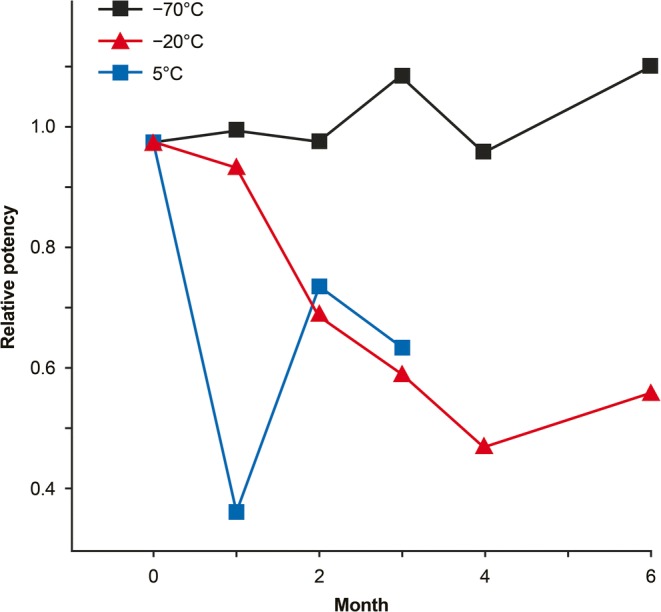
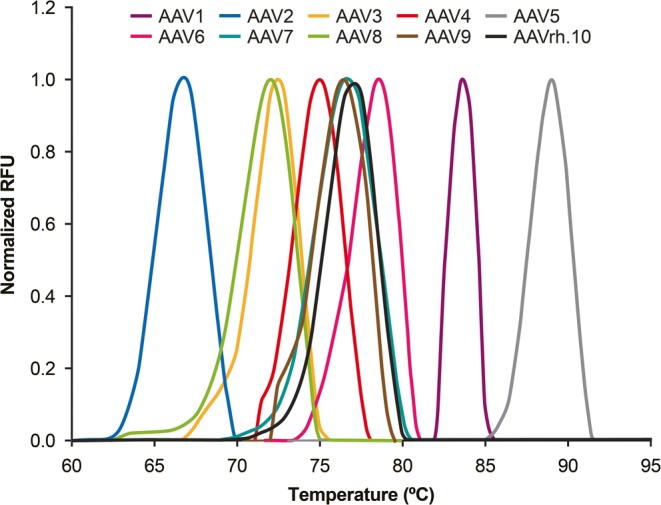
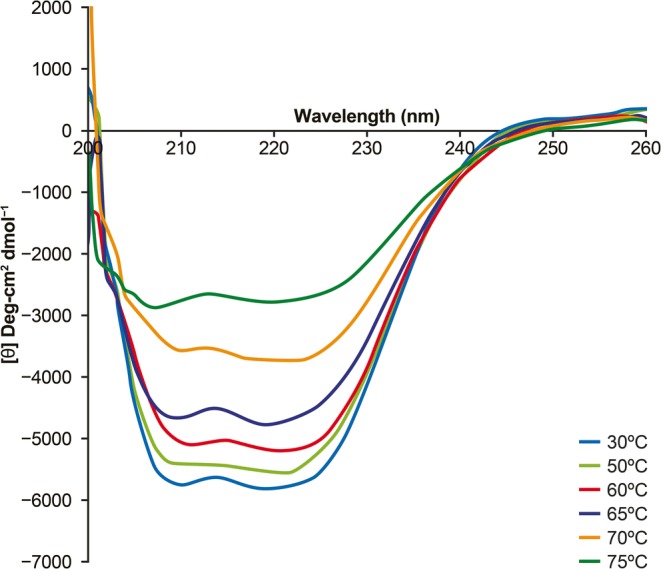
Verification
Claims the paper makes
The claims and statistics of this paper haven’t been checked yet.
Free: it reads the open-access text and checks the first 5 claims that cite a source we can check. Create a free account to check every claim.
Claims other papers make about this one
Each is checked against this paper’s own text: does it say what the citing paper says it does?
In the citing paper
“AAV vectors offer a high number of tissue-specific serotypes, including retina-specific serotypes AAV1, 2 (Luxturna), 4, 5, 6, 7, 8, and 9,64”
From Gene Therapy for Retinal Degenerative Diseases: Progress, Challenges, and Future Directions (2023) · cites this paper as [64]
In the citing paper
“Serotypes may also influence which cell types are transduced, for example, all the retina-specific serotypes are known to transduce RPE, their ability to transduce photoreceptors varies by AAV.64”
From Gene Therapy for Retinal Degenerative Diseases: Progress, Challenges, and Future Directions (2023) · cites this paper as [64]
Self-check
Percentages, sums and reported differences re-computed from the paper’s own numbers.
The self-check needs the paper’s full text.
Citations
Cites
Safety and Efficacy of Gene Transfer for Leber's Congenital Amaurosis
Maguire, A. M., Simonelli, F., Pierce, E. A., Pugh, E. N., Mingozzi, F., Bennicelli, J., Banfi, S., Marshall, K. A., Testa, F., Surace, E. M., et al. (2008) · New England Journal of Medicine · doi:10.1056/nejmoa0802315 · Cited by 2,145
Russell, S., Bennett, J., Wellman, J. A., Chung, D. C., Yu, Z.-F., Tillman, A., Wittes, J., Pappas, J., Elci, O., McCague, S., et al. (2017) · The Lancet · doi:10.1016/s0140-6736(17)31868-8 · Cited by 1,952
Effect of gene therapy on visual function in Leber’s congenital amaurosis
Bainbridge, J. W. B., Smith, A. J., Barker, S. S., Robbie, S., Henderson, R., Balaggan, K., Viswanathan, A., Holder, G. E., Stockman, A., Tyler, N., et al. (2008) · New England Journal of Medicine · doi:10.1056/nejmoa0802268 · Cited by 1,924
Self-Inactivating Lentivirus Vector for Safe and Efficient In Vivo Gene Delivery
Zufferey, R., Dull, T., Mandel, R. J., Bukovsky, A., Quiroz, D., Naldini, L., & Trono, D. (1998) · Journal of Virology · doi:10.1128/jvi.72.12.9873-9880.1998 · Cited by 1,815 · cited 1×
“For example, inactivation of the 3′ long terminal repeat generates self-inactivating vectors (48).”
BackgroundFritsche, L. G., Igl, W., Bailey, J. N. C., Grassmann, F., Sengupta, S., Bragg-Gresham, J. L., Burdon, K. P., Hebbring, S. J., Wen, C., Gorski, M., et al. (2016) · Nature Genetics · doi:10.1038/ng.3448 · Cited by 1,544 · cited 1×
“Genome-wide association studies have led to the identification of single-nucleotide polymorphisms (SNPs) associated with increased or decreased incidence of the disease (26).”
BackgroundDunbar, C. E., High, K. A., Joung, J. K., Kohn, D. B., Ozawa, K., & Sadelain, M. (2018) · Science · doi:10.1126/science.aan4672 · Cited by 1,410
Hauswirth, W. W., Aleman, T. S., Kaushal, S., Cideciyan, A. V., Schwartz, S. B., Wang, L., Conlon, T. J., Boye, S. L., Flotte, T. R., Byrne, B. J., et al. (2008) · Human Gene Therapy · doi:10.1089/hum.2008.107 · Cited by 954
Worldwide epidemiology of neutralizing antibodies to adeno-associated viruses
Calcedo, R., Vandenberghe, L. H., Gao, G., Lin, J., & Wilson, J. M. (2009) · The Journal of Infectious Diseases · doi:10.1086/595830 · Cited by 808 · cited 1×
“gion, 30–60% of humans have neutralizing antibodies to AAV2, which have the potential to inhibit cell transduction (63).”
BackgroundMacLaren, R. E., Groppe, M., Barnard, A. R., Cottriall, C. L., Tolmachova, T., Seymour, L., Clark, K. R., During, M. J., Cremers, F. P. M., Black, G. C. M., et al. (2014) · The Lancet · doi:10.1016/s0140-6736(13)62117-0 · Cited by 796 · cited 1×
“With the clinical success for LCA2 patients, vector-based gene transfer is now being explored clinically for other forms of hereditary retinal diseases, including choroideremia (15),”
Non Viral Vectors in Gene Therapy- An Overview
Ramamoorth, M. (2015) · JOURNAL OF CLINICAL AND DIAGNOSTIC RESEARCH · doi:10.7860/jcdr/2015/10443.5394 · Cited by 761
Research works printed but not linked: 2
- Singh S, Kolhe P, Wang W, Nema S. Large-scale freezing of biologics. Bioprocess Int. 2009;7(9):32-44. 100. Wu C, Shamblin S, Varshney D, Shalaev E. Advance understand- ing of buffer behavior during lyophilization. In: Varshney D, Singh M, editors. Lyophilized biologics and vaccines: modality- based approaches. New York: Springer; 2015. p. 25-42. 101. Croyle MA, Cheng X, Wilson JM. Development of formulations that enhance physical stability of viral vectors for gene therapy. Gene Ther. 2001;8(17):1281-90. 102. Venkatakrishnan B, Yarbrough J, Domsic J, Bennett A, Bothner B, Kozyreva OG, et al. Structure and dynamics of adeno- associated virus serotype 1 VP1-unique N-terminal domain and its role in capsid trafficking. J Virol. 2013;87(9):4974-84. 103. Xie Q, Hare J, Turnigan J, Chapman MS. Large-scale produc- tion, purification and crystallization of wild-type adeno-associated virus-2. J Virol Methods. 2004;122(1):17-27. 104. Wang P, Li H, Yang HJ, Wang HB, Lu JH, Zhang Y, et al. Glycerol facilitates the disaggregation of recombinant adeno- associated virus serotype 2 on mica surface. Colloids Surf B: Biointerfaces. 2007;60(2):264-7. 105. Bennicelli J, Wright JF, Komaromy A, Jacobs JB, Hauck B, Zelenaia O, et al. Reversal of blindness in animal models of leber congenital amaurosis using optimized AAV2-mediated gene transfer. Mol Ther. 2008;16(3):458-65. 106. Sommer J, Sanftner L, Feng L, Suzuki B, Zhen Z, Powell S, et al. Optimal recovery of AAV-AADC vector from Teflon catheters using Polysorbate 80 or Pluronic F68 (abstract 768). Mol Ther. 2002;5(Suppl):S251. 107.
- Sommer J, Sanftner L, Feng L, Suzuki B, Zhen Z, Powell S, et al. Optimal recovery of AAV-AADC vector from Teflon catheters using Polysorbate 80 or Pluronic F68 (abstract 768). Mol Ther. 2002;5(Suppl):S251.
Cited by
Engineering adeno-associated virus vectors for gene therapy
Li, C., & Samulski, R. J. (2020) · Nature Reviews Genetics · doi:10.1038/s41576-019-0205-4 · Cited by 1,175
The approved gene therapy drugs worldwide: from 1998 to 2019
Ma, C.-C., Wang, Z.-L., Xu, T., He, Z.-Y., & Wei, Y.-Q. (2020) · Biotechnology Advances · doi:10.1016/j.biotechadv.2019.107502 · Cited by 310
Manufacturing challenges and rational formulation development for AAV viral vectors
Srivastava, A., Mallela, K. M. G., Deorkar, N., & Brophy, G. (2021) · Journal of Pharmaceutical Sciences · doi:10.1016/j.xphs.2021.03.024 · Cited by 269
Gene editing and CRISPR in the clinic: current and future perspectives
Hirakawa, M. P., Krishnakumar, R., Timlin, J. A., Carney, J. P., & Butler, K. S. (2020) · Bioscience Reports · doi:10.1042/bsr20200127 · Cited by 192
“expression to the cells of interest (113, 114).”
BackgroundGene therapy and gene correction: targets, progress, and challenges for treating human diseases
Cring, M. R., & Sheffield, V. C. (2022) · Gene Therapy · doi:10.1038/s41434-020-00197-8 · Cited by 158
High-throughput 5’ UTR engineering for enhanced protein production in non-viral gene therapies
Cao, J., Novoa, E. M., Zhang, Z., Chen, W. C. W., Liu, D., Choi, G. C. G., Wong, A. S. L., Wehrspaun, C., Kellis, M., & Lu, T. K. (2021) · Nature Communications · doi:10.1038/s41467-021-24436-7 · Cited by 159
Gene Therapy for Retinal Degenerative Diseases: Progress, Challenges, and Future Directions
Drag, S., Dotiwala, F., & Upadhyay, A. K. (2023) · Investigative Opthalmology & Visual Science · doi:10.1167/iovs.64.7.39 · Cited by 145
Freezing of Biologicals Revisited: Scale, Stability, Excipients, and Degradation Stresses
Authelin, J., Rodrigues, M. Â., Tchessalov, S., Singh, S. K., McCoy, T. R., Wang, S., & Shalaev, E. (2019) · Journal of Pharmaceutical Sciences · doi:10.1016/j.xphs.2019.10.062 · Cited by 134
Self-citationAdeno-Associated Viral Vectors in Neuroscience Research
Haggerty, D. L., Grecco, G. G., Reeves, K. C., & Atwood, B. (2020) · Molecular Therapy - Methods & Clinical Development · doi:10.1016/j.omtm.2019.11.012 · Cited by 118
“An ideal gene-carrying vector must have a high rate of gene transfer, produce long-term gene expression, and possess low immunogenicity and pathogenicity to be a successful candidate for therapy.92,93 Replication-defective retroviruses were the original vectors used during the earlier stages of gene therapy; however,…”
BackgroundInfluentialGene therapy beyond luxturna: a new horizon of the treatment for inherited retinal disease
Prado, D. A., Acosta-Acero, M., & Maldonado, R. S. (2020) · Current Opinion in Ophthalmology · doi:10.1097/icu.0000000000000660 · Cited by 114
“com capacity (max 37 kb) [4] that can efficiently transduce both dividing and nondividing cells, though the potential for sustained transgene expression remains guarded.”
BackgroundReview of gene therapies for age-related macular degeneration
Khanani, A. M., Thomas, M. J., Aziz, A. A., Weng, C. Y., Danzig, C. J., Yiu, G., Kiss, S., Waheed, N. K., & Kaiser, P. K. (2022) · Eye · doi:10.1038/s41433-021-01842-1 · Cited by 119
“Although many disorders are often polygenic in dysfunction, ocular disorders are well-understood for having individual genes responsible for a variety of conditions [16].”
BackgroundCrosstalk of lncRNA and Cellular Metabolism and Their Regulatory Mechanism in Cancer
Lin, Y.-H. (2020) · International Journal of Molecular Sciences · doi:10.3390/ijms21082947 · Cited by 107
“The application of adenovirus vectors is far more extensive, and there are some clinical trials [111,112].”
BackgroundBuck, T., & Wijnholds, J. (2020) · International Journal of Molecular Sciences · doi:10.3390/ijms21124197 · Cited by 92
Synthetic Approaches for Nucleic Acid Delivery: Choosing the Right Carriers
Ni, R., Feng, R., & Chau, Y. (2019) · Life · doi:10.3390/life9030059 · Cited by 92
“However, the potential risks of viruses, including insertional mutagenesis, high immunogenicity, and limited gene capacity [5], drive the development of safe gene delivery vectors.”
BackgroundMolecular Therapies for Inherited Retinal Diseases—Current Standing, Opportunities and Challenges
Vázquez-Domínguez, I., Garanto, A., & Collin, R. W. J. (2019) · Genes · doi:10.3390/genes10090654 · Cited by 80
“With this, therapeutic agents are delivered directly to the suprachoroidal space located between the sclera and choroid [175,176].”
BackgroundVoretigene Neparvovec in Retinal Diseases: A Review of the Current Clinical Evidence
Gao, J., Hussain, R. M., & Weng, C. Y. (2020) · Clinical ophthalmology · doi:10.2147/opth.s231804 · Cited by 86
Ocular Gene Therapy: A Literature Review with Special Focus on Immune and Inflammatory Responses
Ghoraba, H. H., Akhavanrezayat, A., Karaca, I., Yavari, N., Lajevardi, S., Hwang, J., Regenold, J., Matsumiya, W., Pham, B., Zaidi, M., et al. (2022) · Clinical Ophthalmology · doi:10.2147/opth.s364200 · Cited by 76
“Adenovirus offers multiple advantages, including broad range of tissue tropism (transduction of both retina and anterior segment), a well-characterized genome, ease of genetic manipulation, capacity of carrying large genes, nonreplicative nature in a host, and producibility at a large scale.(3,7) Although adenovirus w…”
BackgroundInfluentialTran, N. T., Lecomte, E., Saleun, S., Namkung, S., Robin, C., Weber, K., Devine, E., Blouin, V., Adjali, O., Ayuso, E., et al. (2022) · Human Gene Therapy · doi:10.1089/hum.2022.050 · Cited by 74
Challenges in treating Pompe disease: an industry perspective
Hung, V., Khanna, R., & Gotschall, R. R. (2019) · Annals of Translational Medicine · doi:10.21037/atm.2019.04.15 · Cited by 77
“Gene therapy is gaining significant attention as a potential cure for Pompe based on recent successes in other diseases such as spinal muscular atrophy, hemophilia B, various oncology, and ocular diseases among others (80-84).”
BackgroundChallenges of gene delivery to the central nervous system and the growing use of biomaterial vectors
Puhl, D. L., D’Amato, A. R., & Gilbert, R. J. (2019) · Brain Research Bulletin · doi:10.1016/j.brainresbull.2019.05.024 · Cited by 84
“However, some individuals carry a pre-existing immunity to AAV vectors, which can limit the efficacy of the treatment (Rodrigues et al., 2018).”
BackgroundIn Vivo Delivery of Nucleic Acid-Encoded Monoclonal Antibodies
Patel, A. R., Bah, M. A., & Weiner, D. B. (2020) · BioDrugs · doi:10.1007/s40259-020-00412-3 · Cited by 78
Gene therapy for inherited retinal disease: Long-term durability of effect
Leroy, B. P., Fischer, M. D., Flannery, J. G., MacLaren, R. E., Dalkara, D., Scholl, H. P. N., Chung, D. C., Spera, C., Viriato, D., & Banhazi, J. (2023) · Ophthalmic Research · doi:10.1159/000526317 · Cited by 70
“In addition, the vector purification process and factors determining formulation and vialing can also impact treatment effects [28, 63].”
BackgroundClinical applications of gene therapy for rare diseases: A review
Papaioannou, I., Owen, J. S., & Yáñez‐Muñoz, R. J. (2023) · International Journal of Experimental Pathology · doi:10.1111/iep.12478 · Cited by 79
Robust Approaches for the Production of Active Ingredient and Drug Product for Human Phage Therapy
Mutti, M., & Corsini, L. (2019) · Frontiers in Microbiology · doi:10.3389/fmicb.2019.02289 · Cited by 59
Weiss, A. R., Liguore, W. A., Domire, J. S., Button, D. A., & McBride, J. L. (2020) · Scientific Reports · doi:10.1038/s41598-020-63559-7 · Cited by 70
Adeno-Associated Virus Vectors: Principles, Practices, and Prospects in Gene Therapy
Zwi‐Dantsis, L., Mohamed, S., Massaro, G., & Moeendarbary, E. (2025) · Viruses · doi:10.3390/v17020239 · Cited by 79
“While most trials have utilized AAV serotypes 2, 4, 5, and 8, variants like AAV.7m8 and AAV2tYF have also been explored, with no severe AAV-related complications reported [108,109].”
Innate Immune Response to Viral Vectors in Gene Therapy
Wang, Y., & Shao, W. (2023) · Viruses · doi:10.3390/v15091801 · Cited by 69
“In 2017, Luxturna, an AAV2 vector gene therapy, received FDA approval for addressing Leber congenital amaurosis attributed to RPE65 mutations [18,73].”
BackgroundLópez-Gordo, E., Chamberlain, K., Riyad, J. M., Kohlbrenner, E., & Weber, T. (2024) · Viruses · doi:10.3390/v16030442 · Cited by 70
“…[200]) have been used for hemophilia A or B; 7m8 [231] has been tested for neovascular age-related macular degeneration (NCT04645212 [200]); AAV2tYF [294] has been trialed for several eye diseases such as X-linked retinoschisis and achromatopsia ([370], NCT02599922 and NCT02935517 [200]); AAV2.”
BackgroundEmerging Challenges and Innovations in Surfactant-mediated Stabilization of Biologic Formulations
Katz, J. S., Chou, D. K., Christian, T. R., Das, T. K., Patel, M., Singh, S. N., & Wen, Y. (2021) · Journal of Pharmaceutical Sciences · doi:10.1016/j.xphs.2021.12.002 · Cited by 66
Emerging Concepts and Challenges in Rheumatoid Arthritis Gene Therapy
Deviatkin, A. A., Vakulenko, Y. A., Akhmadishina, L. V., Tarasov, V. V., Beloukhova, M. I., Zamyatnin, A. A., & Lukashev, A. N. (2020) · Biomedicines · doi:10.3390/biomedicines8010009 · Cited by 66
“The clinical significance of this approach was demonstrated during the treatment of severe heart failure [91] and inherited blindness [92].”
BackgroundChou, S., Yang, P., Ban, Q., Yang, Y., Wang, M., Chien, C., Chen, S., Sun, N., Zhu, Y., Liu, H., et al. (2020) · Advanced Science · doi:10.1002/advs.201903432 · Cited by 61
AAV for Gene Therapy in Ocular Diseases: Progress and Prospects
He, X., Fu, Y., Ma, L., Yao, Y., Ge, S., Yang, Z. H., & Fan, X. (2023) · Research · doi:10.34133/research.0291 · Cited by 79
“5, AAV2tYF, and AAV.7m8, have been applied in clinical trials for various types of diseases [54–56].”
MethodOcular Barriers and Their Influence on Gene Therapy Products Delivery
Leclercq, B., Mejlachowicz, D., & Béhar‐Cohen, F. (2022) · Pharmaceutics · doi:10.3390/pharmaceutics14050998 · Cited by 62
Subretinal timrepigene emparvovec in adult men with choroideremia: a randomized phase 3 trial
MacLaren, R. E., Fischer, M. D., Gow, J. A., Lam, B. L., Sankila, E.-M. K., Girach, A., Panda, S., Yoon, D., Zhao, G., & Pennesi, M. E. (2023) · Nature Medicine · doi:10.1038/s41591-023-02520-3 · Cited by 58
“Adeno-associated viral vectors, such as adeno-associated virus serotype 2 (AAV2), have been shown to achieve efficient transduction of photoreceptors and RPE after subretinal injection and have an acceptable safety profile 19,21–24 .”
BackgroundInfluentialLiu, A. P., Patel, S. K., Xing, T., Yan, Y., Wang, S., & Li, N. (2020) · Journal of Pharmaceutical and Biomedical Analysis · doi:10.1016/j.jpba.2020.113481 · Cited by 57
Brydon, E. M., Bronstein, R., Buskin, A., Lako, M., Pierce, E. A., & Fernandez-Godino, R. (2019) · doi:10.1101/729160 · Cited by 56
Brydon, E. M., Bronstein, R., Buskin, A., Lako, M., Pierce, E. A., & Fernandez-Godino, R. (2019) · Molecular Therapy - Methods & Clinical Development · doi:10.1016/j.omtm.2019.10.014 · Cited by 53
“Patients with autosomal recessive IRD associated with mutations in RPE65 have been successfully treated and show improved visual function after sub-retinal injections with AAV-expressing wild-type RPE65.(17) Furthermore, successful pre-clinical studies and clinical trials of gene therapies for other inherited retinal…”
BackgroundZhao, T., Liang, Q., Meng, X., Duan, P., Wang, F., Li, S., Liu, Y., & Yin, Z. Q. (2020) · Stem Cells and Development · doi:10.1089/scd.2020.0037 · Cited by 53
Structural and cellular biology of adeno-associated virus attachment and entry
Zengel, J. R., & Carette, J. E. (2020) · Advances in virus research · doi:10.1016/bs.aivir.2020.01.002 · Cited by 54
Zhang, X., Jin, X., Liu, L., Zhang, Z., Koza, S. M., Yu, Y. Q., & Chen, W. (2021) · Human Gene Therapy · doi:10.1089/hum.2021.046 · Cited by 46
“23 Furthermore, in the case of low-concentrated AAV VPs ( * 50 l g/mL), the attempt to use less material in analysis will result in two difficult scenarios where either a very small volume of AAV sample is taken, or a larger volume sample with low protein concentration.”
Therapeutic synthetic and natural materials for immunoengineering
Slezak, A., Chang, K., Hossainy, S., Mansurov, A., Rowan, S. J., Hubbell, J. A., & Guler, M. O. (2024) · Chemical Society Reviews · doi:10.1039/d3cs00805c · Cited by 46
Sodi, A., Banfi, S., Testa, F., Della Corte, M., Passerini, I., Pelo, E., Rossi, S., Simonelli, F., & Italian IRD Working Group (2021) · Orphanet Journal of Rare Diseases · doi:10.1186/s13023-021-01868-4 · Cited by 44
“Monogenic ocular diseases are good candidates for gene transfer therapy, as the eye has favourable anatomical and immunological characteristics, providing a contained physical space protected by the blood-ocular barrier that is particularly suited for local delivery [14].”
BackgroundGene Therapy for Inherited Retinal Diseases: From Laboratory Bench to Patient Bedside and Beyond
Brar, A. S., Parameswarappa, D. C., Takkar, B., Narayanan, R., Jalali, S., Mandal, S., Fujinami, K., & Padhy, S. K. (2023) · Ophthalmology and Therapy · doi:10.1007/s40123-023-00862-2 · Cited by 49
“Recombinant AAV vectors, combining tropisms from multiple serotypes or employing dual/multiple vector strategies, address size restrictions and immune responses, leading to notable approvals for gene therapy products like Luxturna [54].”
BackgroundMalik, D. J. (2021) · Current Opinion in Biotechnology · doi:10.1016/j.copbio.2021.02.009 · Cited by 47
Bankoti, K., Generotti, C. J., Hwa, T. P., Wang, L., O’Malley, B. W., & Li, D. (2021) · Molecular Therapy — Methods & Clinical Development · doi:10.1016/j.omtm.2021.03.005 · Cited by 47
“These trials paved the way for the first FDA-approved gene therapy product in 2018, LUXTURNA (voretigene neparvovec-rzyl).(212) To date, this”
Khanal, O., Kumar, V., & Jin, M. (2023) · Molecular Therapy — Methods & Clinical Development · doi:10.1016/j.omtm.2023.101112 · Cited by 44
“The use of higher buffer IS (>150 mM) to promote AAV stability 29,34 is well known, raising concerns about adsorbed vector stability during the AEX chromatographic puri fi cation.”
BackgroundLi, J., Shen, Z., Liu, Y., Yan, Z., Liu, Y., Lin, X., Tang, J., Lv, R., Geng, G., Xiong, Z., et al. (2023) · Molecular Therapy · doi:10.1016/j.ymthe.2023.02.015 · Cited by 41
The downstream bioprocess toolbox for therapeutic viral vectors
Kilgore, R., Minzoni, A., Shastry, S., Smith, W. K., Barbieri, E., Wu, Y., LeBarre, J. P., Chu, W., O'Brien, J., & Menegatti, S. (2023) · Journal of Chromatography A · doi:10.1016/j.chroma.2023.464337 · Cited by 41
Syndromic retinitis pigmentosa.
Karuntu, J. S., Almushattat, H., Nguyen, X.-T.-A., Plomp, A. S., Wanders, R. J. A., Hoyng, C. B., van Schooneveld, M. J., Schalij-Delfos, N. E., Brands, M. M., Leroy, B. P., et al. (2025) · Progress in Retinal and Eye Research · doi:10.1016/j.preteyeres.2024.101324 · Cited by 39
Future directions in managing aniridia-associated keratopathy
van Velthoven, A. J. H., Utheim, T. P., Notara, M., Brémond‐Gignac, D., Figueiredo, F. C., Skottman, H., Aberdam, D., Daniels, J. T., Ferrari, G., Grupcheva, C. N., et al. (2023) · Survey of Ophthalmology · doi:10.1016/j.survophthal.2023.04.003 · Cited by 44
“133 Further - more, because the cornea is easily accessible for local therapy, long - lasting treatment is possible using eye drops or contact lenses for topical delivery.”
BackgroundCastro, B. F. M., Steel, J. C., & Layton, C. J. (2023) · BioDrugs · doi:10.1007/s40259-023-00629-y · Cited by 42
“Optimised tropism towards specific eye tissues and enhanced transduction can be achieved with hybrid (pseudotyped) and engineered capsids, resulting in highly specific vectors [1, 24].”
BackgroundInfluentialCurado, T. F., Pho, H., Freire, C., Amorim, M. R., Bonaventura, J., Kim, L. J., Lee, R., Cabassa, M. E., Streeter, S. R., Branco, L. G. S., et al. (2021) · American Journal of Respiratory and Critical Care Medicine · doi:10.1164/rccm.202002-0321oc · Cited by 44
Ataluren for the Treatment of Usher Syndrome 2A Caused by Nonsense Mutations
Samanta, A., Štingl, K., Kohl, S., Ries, J., Linnert, J., & Nagel‐Wolfrum, K. (2019) · International Journal of Molecular Sciences · doi:10.3390/ijms20246274 · Cited by 40
“Clinical trials using gene augmentation therapy led to promising results in a subgroup of Leber congenital amaurosis (LCA) that is caused by mutations in the RPE65 gene [5].”
BackgroundLee, J., Lee, H., Lee, H. G., Shin, M., Shin, M.-G., Seo, J., Lee, E. J., Park, S. A., & Park, S. (2023) · Nature Communications · doi:10.1038/s41467-023-44319-3 · Cited by 42
“With twoAAV-based therapeuticsgaining recent approval by the US FDA and other candidates being tested in the clinic, AAV-mediated gene delivery may be an ideal means of targeted therapy 94 – 100 .”
Genetically modified cell sheets in regenerative medicine and tissue engineering
Jiang, Z., Li, N., Zhu, D., Ren, L., Shao, Q., Ke, Y., & Yang, G. (2021) · Biomaterials · doi:10.1016/j.biomaterials.2021.120908 · Cited by 38
Tummala, G., Crain, A., Rowlan, J., & Pepple, K. L. (2021) · Investigative Opthalmology & Visual Science · doi:10.1167/iovs.62.2.41 · Cited by 36
Gene therapy research for kidney diseases
Davis, L., & Park, F. (2019) · Physiological Genomics · doi:10.1152/physiolgenomics.00052.2019 · Cited by 39
“Adeno-associated viral (AAV) vectors have become one of, if not, the most preferred gene therapy vehicle in the past several years due to their recent approvals by the FDA for treatment of retinal degeneration in 2017 (81), and more recently, spinal muscular atrophy in May 2019 (52).”
BackgroundBracewell, D. G., Smith, V., Delahaye, M., & Smales, C. M. (2021) · Current Opinion in Biotechnology · doi:10.1016/j.copbio.2021.06.026 · Cited by 35
A Review of Gene, Drug and Cell-Based Therapies for Usher Syndrome
French, L. S., Mellough, C., Chen, F. K., & Carvalho, L. S. (2020) · Frontiers in Cellular Neuroscience · doi:10.3389/fncel.2020.00183 · Cited by 36
Genome DNA leakage of Adeno–Associated virus under freeze–thaw stress
Xu, Y., Jiang, B., Samai, P., Tank, S.-M., Shameem, M., & Liu, D. (2022) · International Journal of Pharmaceutics · doi:10.1016/j.ijpharm.2022.121464 · Cited by 35
Anti-ageing gene therapy: Not so far away?
Vaiserman, A. M., FALCO, E. D., Koliada, A. K., Maslova, O., & Balistreri, C. R. (2019) · Ageing Research Reviews · doi:10.1016/j.arr.2019.100977 · Cited by 34
Voretigene Neparvovec and Gene Therapy for Leber’s Congenital Amaurosis: Review of Evidence to Date
Padhy, S. K., Takkar, B., Narayanan, R., Venkatesh, P., & Jalali, S. (2020) · The Application of Clinical Genetics · doi:10.2147/tacg.s230720 · Cited by 39
Optogenetic stimulation of cholinergic fibers for the modulation of insulin and glycemia
Fontaine, A. K., Ramirez, D. G., Littich, S. F., Piscopio, R. A., Kravets, V. V., Schleicher, W. E., Mizoguchi, N., Caldwell, J. H., Weir, R. F. F., & Benninger, R. K. P. (2021) · Scientific Reports · doi:10.1038/s41598-021-83361-3 · Cited by 38
Chitranshi, N., Rajput, R., Godinez, A., Pushpitha, K., Mirzaei, M., Basavarajappa, D. K., Gupta, V. B., Sharma, S., You, Y., Galliciotti, G., et al. (2023) · Molecular Therapy · doi:10.1016/j.ymthe.2023.03.008 · Cited by 33
“68 69 – 71 We have previously modulated Shp2 protein through AAVs in RGCs in a rodent model to study the Brain-derived neurotrophic factor/tropomyosin-related kinase receptor type B (BDNF/ TrkB) signaling pathway and demonstrated that silencing Shp2 activity in high-IOP retinas is neuroprotective.”
Quercetin protect cigarette smoke extracts induced inflammation and apoptosis in RPE cells
Zhu, Q., Liu, M., He, Y., & Yang, B. (2019) · Artificial Cells Nanomedicine and Biotechnology · doi:10.1080/21691401.2019.1608217 · Cited by 32
Inherited Eye Diseases with Retinal Manifestations through the Eyes of Homeobox Genes
Markitantova, Y. V., & Simirskii, V. N. (2020) · International Journal of Molecular Sciences · doi:10.3390/ijms21051602 · Cited by 33
“This product delivers a normal copy of the RPE65 gene to retinal cells for the treatment of biallelic RPE65 mutation–associated retinal dystrophy, a blinding disease [11].”
BackgroundDevelopment of a novel purification method for AAV vectors using tangential flow filtration
Miyaoka, R., Tsunekawa, Y., Kurosawa, Y., Sasaki, T., Onodera, A., Sakamoto, K., Kakiuchi, Y., Wada, M., Nitahara‐Kasahara, Y., Hayashita‐Kinoh, H., et al. (2023) · Biotechnology and Bioengineering · doi:10.1002/bit.28524 · Cited by 31
Ganzen, L. C., Ko, M. J., Zhang, M., Xie, R., Chen, Y., Zhang, L., James, R., Mumm, J. S., van Rijn, R. M., Zhong, W., et al. (2021) · Scientific Reports · doi:10.1038/s41598-021-89482-z · Cited by 32
Siles, L., Ruiz-Nogales, S., Navinés-Ferrer, A., Méndez-Vendrell, P., & Pomares, E. (2023) · Molecular Therapy - Nucleic Acids · doi:10.1016/j.omtn.2023.02.032 · Cited by 29
“There are many concerns regarding the potential risks associated with an in vivo CRISPRCas9 system, such as oncogenicity related to DSBs,(44) undesired offtarget effects, and immune and inflammatory responses.(43,45,46)”
BackgroundCRISPR/Cas9 as an antiviral against Orthopoxviruses using an AAV vector
Mayes, C. M., Kinahan, S., Settecerri, T., Greene, A. C., & Santarpia, J. L. (2020) · Scientific Reports · doi:10.1038/s41598-020-76449-9 · Cited by 31
Adeno-associated virus (AAV) capsid engineering in liver-directed gene therapy
Rodríguez-Márquez, E., Meumann, N., & Büning, H. (2020) · Expert Opinion on Biological Therapy · doi:10.1080/14712598.2021.1865303 · Cited by 30
“Vectorization of AAV turned out to be a difficult task [4] and, thus, it took until the 2000s before the AAV vector system entered the stage of in vivo gene therapy [5].”
BackgroundA New Generation of Gene Therapies as the Future of Wet AMD Treatment
Błasiak, J., Pawłowska, E., Ciupińska, J., Derwich, M., Szczepańska, J., & Kaarniranta, K. (2024) · International Journal of Molecular Sciences · doi:10.3390/ijms25042386 · Cited by 33
“More detailed analysis can be found elsewhere, e.g., in the review of Rodrigues et al. [47].”
BackgroundMethodInfluentialSystematic Studies on Stabilization of AAV Vector Formulations by Lyophilization
Rieser, R., Menzen, T., Biel, M., Michalakis, S., & Winter, G. (2022) · Journal of Pharmaceutical Sciences · doi:10.1016/j.xphs.2022.03.004 · Cited by 29
Liver depot gene therapy for Pompe disease
Kishnani, P. S., & Koeberl, D. D. (2019) · Annals of Translational Medicine · doi:10.21037/atm.2019.05.02 · Cited by 30
“The marketing approval of LUXTERNATM by the United States in 2018 (10) constitutes the advent of gene therapy for the treatment of genetic disease.”
BackgroundFetal gene therapy and pharmacotherapy to treat congenital hearing loss and vestibular dysfunction
Hastings, M. L., & Brigande, J. V. (2020) · Hearing Research · doi:10.1016/j.heares.2020.107931 · Cited by 29
“15 such as lipoprotein lipase deficiency, Leber’s congenital amaurosis, retinitis pigmentosa, and spinal muscular atrophy (Table 4)(Hudry et al., 2019; Naso et al., 2017; Rodrigues et al., 2018).”
Sun, D., Sun, W., Gao, S., Wei, C., Naderi, A., Schilb, A. L., Scheidt, J. H., Lee, S. J., Kern, T. S., Palczewski, K., et al. (2020) · Journal of Controlled Release · doi:10.1016/j.jconrel.2020.12.010 · Cited by 27
Chan, A., Maturana, C. J., & Engel, E. (2022) · Journal of Virological Methods · doi:10.1016/j.jviromet.2022.114598 · Cited by 24
“PBS, the base of these buffers, is supplemented with NaCl as studies have shown that the high ionic strength of a buffer can prevent AAV aggregation (Hoganson et al., 2002; Rodrigues et al., 2018; Wright et al., 2003).”
BackgroundResultInfluentialOcular Gene Therapy: An Overview of Viral Vectors, Immune Responses, and Future Directions
Banou, L., Sarrafpour, S., Teng, C. C., & Liu, J. (2024) · The Yale Journal of Biology and Medicine · doi:10.59249/hwid7537 · Cited by 30
Accurate Quantification of AAV Vector Genomes by Quantitative PCR
de la Cámara, C. M.-F., McClements, M. E., & MacLaren, R. E. (2021) · Genes · doi:10.3390/genes12040601 · Cited by 26
“Discussion AAV-based vectors have been widely used in gene therapy in animal models and human clinical trials due to their high efficiency driving a long-lasting transgene expression and its low immunogenicity and pathogenicity [21,22].”
BackgroundZwitterionic Modification of Polyethyleneimine for Efficient In Vitro siRNA Delivery
Liu, F., Su, H., Li, M., Xie, W., Yan, Y., & Shuai, Q. (2022) · International Journal of Molecular Sciences · doi:10.3390/ijms23095014 · Cited by 26
Purdy, R., John, M., Bray, A., Clare, A. J., Copland, D. A., Chan, Y. K., Henderson, R. H., Nerinckx, F., Leroy, B. P., Yang, P., et al. (2025) · Progress in Retinal and Eye Research · doi:10.1016/j.preteyeres.2025.101354 · Cited by 24
“The expression cassette of a recombinant AAV particle comprises the therapeutic transgene open reading frame (ORF) flanked by transcription regulatory elements and a 145-nucleotide viral inverted terminal repeat (ITR) sequence (Rodrigues et al., 2018).”
Rieser, R., Penaud‐Budloo, M., Bouzelha, M., Rossi, A., Menzen, T., Biel, M., Büning, H., Ayuso, E., Winter, G., & Michalakis, S. (2019) · Journal of Pharmaceutical Sciences · doi:10.1016/j.xphs.2019.10.031 · Cited by 26
Therapeutic application of the CRISPR system: current issues and new prospects
Lee, M., & Kim, S. (2019) · Human Genetics · doi:10.1007/s00439-019-02028-2 · Cited by 25
Combined drug triads for synergic neuroprotection in retinal degeneration
Maneu, V., Lax, P., de Diego, A. M. G., Cuenca, N., & de Diego, A. M. G. (2022) · Biomedicine & Pharmacotherapy · doi:10.1016/j.biopha.2022.112911 · Cited by 23
Kumru, O. S., Saleh-Birdjandi, S., Antúnez, L. R., Sayeed, E., Robinson, D. M., van den Worm, S., Diemer, G. S., Perez, W. D., Caposio, P., Früh, K., et al. (2019) · Vaccine · doi:10.1016/j.vaccine.2019.09.027 · Cited by 23
Wagner, C., Innthaler, B., Lemmerer, M., Pletzenauer, R., & Birner‐Gruenberger, R. (2022) · International Journal of Molecular Sciences · doi:10.3390/ijms232112715 · Cited by 23
“The production of the VPs and capsid assembly are encoded by the cap gene—one of the open reading frames (ORF) located between two inverted terminal repeats, while the rep ORF is crucial for the replication and encapsidation of the viral genome [6,16].”
BackgroundRecent advances and future challenges in gene therapy for hearing loss
Amariutei, A. E., Jeng, J., Safieddine, S., & Marcotti, W. (2023) · Royal Society Open Science · doi:10.1098/rsos.230644 · Cited by 24
Genotypic and phenotypic profiles of EYS gene-related retinitis pigmentosa: a retrospective study
Suvannaboon, R., Pawestri, A. R., Jinda, W., Tuekprakhon, A., Trinavarat, A., & Atchaneeyasakul, L. (2022) · Scientific Reports · doi:10.1038/s41598-022-26017-0 · Cited by 21
Seeing the Future: A Review of Ocular Therapy
Whalen, M., Akula, M., McNamee, S. M., DeAngelis, M. M., & Haider, N. B. (2024) · Bioengineering · doi:10.3390/bioengineering11020179 · Cited by 21
“Adenoviruses are an attractive vehicle for gene therapy due to their minimal risk of insertional mutagenesis [144] and packaging capacity of up to 37 kb [17].”
BackgroundThe Future of Nanomaterials Tackling the Challenge of Delivering Nucleic Acids to the Retina
Hurst, J., Adams, F., & Schnichels, S. (2024) · Advanced Functional Materials · doi:10.1002/adfm.202407173 · Cited by 24
Lorek, J. K., Isaksson, M., & Nilsson, B. (2025) · Biotechnology and Bioengineering · doi:10.1002/bit.28932 · Cited by 24
Degeneração macular relacionada à idade: revisão das terapias atuais e novos tratamentos
Kniggendorf, V. F., Dreyfuss, J. L., & Regatieri, C. V. (2020) · Arquivos Brasileiros de Oftalmologia · doi:10.5935/0004-2749.20200082 · Cited by 25
“Both studies demonstrated the safety of AAV2-sFlt delivered either intravitreally or subretinally; however, the data showed limited efficacy (70) .”
Optical vagus nerve modulation of heart and respiration via heart-injected retrograde AAV
Fontaine, A. K., Futia, G. L., Rajendran, P. S., Littich, S. F., Mizoguchi, N., Shivkumar, K., Ardell, J. L., Restrepo, D., Caldwell, J. H., Gibson, E. A., et al. (2021) · Scientific Reports · doi:10.1038/s41598-021-83280-3 · Cited by 25
Lam, A. K., Mulcrone, P. L., Frabutt, D. A., Zhang, J., Chrzanowski, M., Arisa, S., Muñoz-Melero, M., Li, X., Biswas, M., Markusic, D. M., et al. (2023) · Advances in Cell and Gene Therapy · doi:10.1155/2023/2339702 · Cited by 21
“Clinical-grade AAV vectors have been reported to be purified using both methods of gradient centrifugation and column chromatography, or a combination of both, since the ultracentrifugation method is difficult to scale up [8–12].”
MethodMishra, B., Wilson, D. R., Sripathi, S. R., Suprenant, M. P., Rui, Y., Wahlin, K. J., Berlinicke, C. A., Green, J. J., & Zack, D. J. (2019) · Regenerative Engineering and Translational Medicine · doi:10.1007/s40883-019-00118-1 · Cited by 21
“Mutations of genes expressed in the RPE are associated with a number of retina diseases, and viral-based gene therapies are actively being pursued for several of these diseases [23].”
BackgroundCreating an Ocular Biofactory: Surgical Approaches in Gene Therapy for Acquired Retinal Diseases
Xu, D. N., Khan, M., & Ho, A. C. (2021) · Asia-Pacific Journal of Ophthalmology · doi:10.1097/apo.0000000000000362 · Cited by 19
“SURGICAL APPROACHES Vector delivery to the target tissue includes several methods ranging from intravitreal, subretinal, and suprachoroidal injection.(34) Gene delivery needs to transfer a sufficiently high concentration of therapeutic material in close approximation to the target tissue.”
MethodInhibition of experimental autoimmune uveitis by intravitreal AAV-Equine-IL10 gene therapy
Crabtree, E. E., Uribe, K., Smith, S. M., Roberts, D. M., Salmon, J. H., Bower, J. J., Song, L., Bastola, P., Hirsch, M. L., & Gilger, B. C. (2022) · PLoS ONE · doi:10.1371/journal.pone.0270972 · Cited by 19
“As demonstrated in this study and in previous studies, [14, 40] the eye has unique advantages for the use of AAV mediated gene addition.”
BackgroundResultInfluentialCrucial aspects for maintaining rAAV stability
Lengler, J., Gavrila, M., Brandis, J., Palavra, K., Dieringer, F., Unterthurner, S., Fuchsberger, F. F., Kraus, B., & Bort, J. A. H. (2024) · Scientific Reports · doi:10.1038/s41598-024-79369-0 · Cited by 19
“Higher concentrations lead to increased viscosity and aggregation, making it challenging to administer rAAVs to specific locations such as the central nervous system 23–26 .”
Gene therapy strategies in ophthalmology—an overview of current developments and future prospects
Krajewska, J. B., & Waszczykowska, A. (2025) · Journal of Applied Genetics · doi:10.1007/s13353-025-00973-5 · Cited by 19
“They are integrating vectors that can infect both dividing and non-dividing cells and have the capacity of approximately 9 kb (Rodrigues et al. 2018; Sahu et al. 2021).”
InfluentialXiang, Y. S., & Hao, G. G. (2023) · Journal of Genetic Engineering and Biotechnology · doi:10.1186/s43141-023-00518-5 · Cited by 21
Metadata
- Authors
- Rodrigues, G. A., Shalaev, E., Karami, T. K., Cunningham, J., Slater, N. K. H., & Rivers, H. M.
- Affiliations
- Allergan (United States) (US)
- University of Cambridge (GB)
- Corresponding author
- Rivers, Hongwen M.
- Venue
- Pharmaceutical Research
- Published
- 2018-12-27
- Volume
- 36
- Issue
- 2
- Pages
- 29-29
- ISSN
- 0724-8741 (ISSN-L)
- 1573-904X
- PMC
- PMC6308217
- OpenAlex
- W2908402311
- Cited by
- 213
- References
- 122
- Citations by year
- 2026: 8 · 2025: 26 · 2024: 30 · 2023: 34 · 2022: 23 · 2021: 37 · 2020: 32 · 2019: 23
- FWCI
- 3.17
- Type
- journal article
- Language
- en
- Open access
- hybrid
- doi.org
- Licence
- cc-by
- creativecommons.org/licenses/by/4.0 (tdm)
- creativecommons.org/licenses/by/4.0 (vor)
- Locations
- Pharmaceutical Research (publishedVersion, cc-by)
- Europe PMC (PubMed Central) (publishedVersion, cc-by)
- PubMed Central (publishedVersion, cc-by)
- PubMed (publishedVersion)
- Apollo (University of Cambridge) (submittedVersion, cc-by)
- Apollo (cc-by)
- Funders
- Allergan
- Topics
- Life Sciences › Biochemistry, Genetics and Molecular Biology › Genetics › Virus-based gene therapy research
- Health Sciences › Medicine › Ophthalmology › Retinal Development and Disorders
- Life Sciences › Biochemistry, Genetics and Molecular Biology › Molecular Biology › RNA Interference and Gene Delivery
- Keywords
- adeno-associated virus vectors, ocular gene therapy, voretigene neparvovec, RPE65, inherited retinal disease, vector selection, target selection, chemistry, manufacturing and controls, pharmaceutical product development, FDA approval
- MeSH terms
- Drug Development, Dependovirus, Animals, Drug Compounding, Genetic Vectors, Humans, Macular Degeneration, Retinal Diseases, Genetic Therapy, Gene Transfer Techniques
About these checks
Registry, retraction, Cites and statistics results are computed, not judged, with one exception: a printed reference that no index lists is read once by a model before it counts as a citation error. Claims are extracted by a model and kept only when their quote appears verbatim in the text; each cited source is then checked, with a model’s help, for whether it says what the claim relies on. Those verdicts can be wrong — read the claim’s quote and the cited source before relying on one.
Statistics and arithmetic are recomputed, not judged.
Confidence bands are shown only for fields calibrated on our annotated test set. None is calibrated yet, so no band is shown.
What counts as a claim ›How we measure confidence ›How we check this ›
Are you an author, or do you see a problem with this page? Request a review
Data sources
Bibliographic data: Semantic Scholar, OpenAlex, Crossref.
Contains information from the Semantic Scholar Academic Graph Datasets, made available under the ODC Attribution License (ODC-BY 1.0).
Semantic Scholar’s data is described in: Kinney, R., et al. (2023). The Semantic Scholar Open Data Platform. arXiv:2301.10140.
