

Pharmaceutical Development of AAV-Based Gene Therapy Products for the Eye
Open accessThe DOI matches its Crossref record; 121 of the 122 references it cites were found in a registry or an index.
Abstract
A resurgence of interest and investment in the field of gene therapy, driven in large part by advances in viral vector technology, has recently culminated in United States Food and Drug Administration approval of the first gene therapy product targeting a disease caused by mutations in a single gene. This product, LUXTURNA™ (voretigene neparvovec-rzyl; Spark Therapeutics, Inc., Philadelphia, PA), delivers a normal copy of the RPE65 gene to retinal cells for the treatment of biallelic RPE65 mutation–associated retinal dystrophy, a blinding disease. Many additional gene therapy programs targeting both inherited retinal diseases and other ocular diseases are in development, owing to an improved understanding of the genetic basis of ocular disease and the unique properties of the ocular compartment that make it amenable to local gene therapy. Here we review the growing body of literature that describes both the design and development of ocular gene therapy products, with a particular emphasis on target and vector selection, and chemistry, manufacturing, and controls.
Overview
The claims and statistics of this paper haven’t been checked yet.
Free: it reads the open-access text and checks the first 5 claims that cite a source we can check. Create a free account to check every claim.
Integrity signals
Registry
Cites
Statistics
Figures
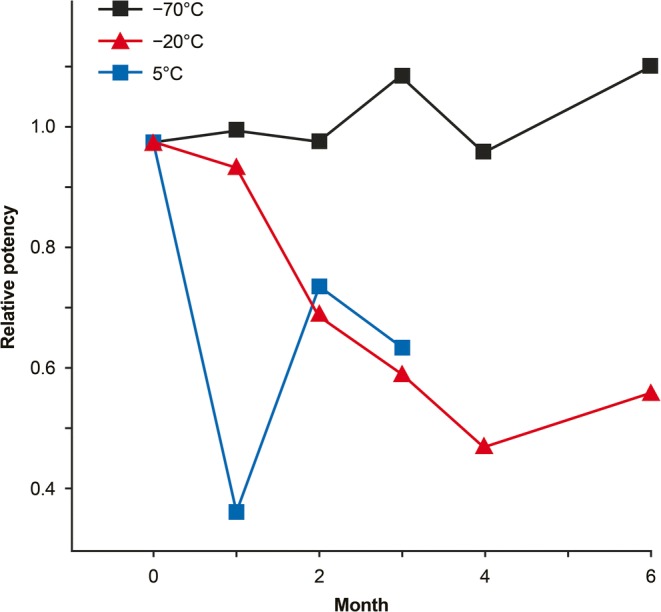
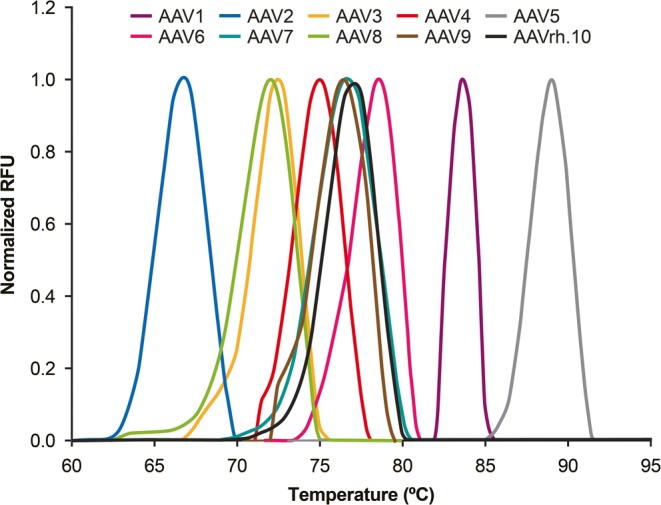
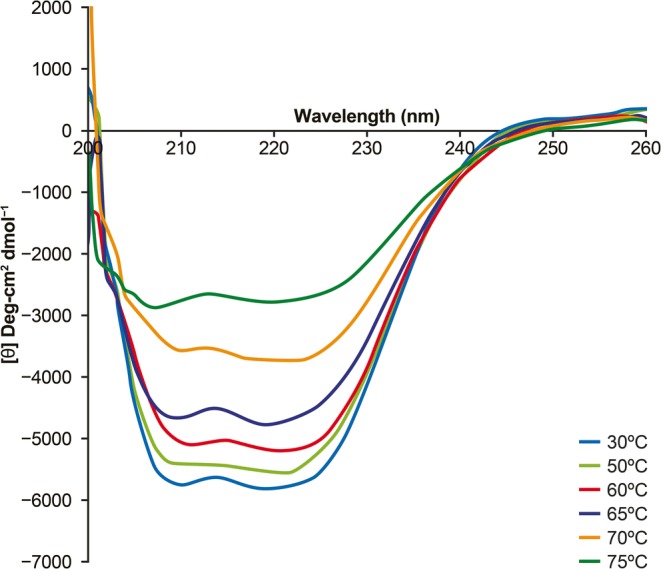
Verification
Claims the paper makes
The claims and statistics of this paper haven’t been checked yet.
Free: it reads the open-access text and checks the first 5 claims that cite a source we can check. Create a free account to check every claim.
Claims other papers make about this one
Each is checked against this paper’s own text: does it say what the citing paper says it does?
In the citing paper
“AAV vectors offer a high number of tissue-specific serotypes, including retina-specific serotypes AAV1, 2 (Luxturna), 4, 5, 6, 7, 8, and 9,64”
From Gene Therapy for Retinal Degenerative Diseases: Progress, Challenges, and Future Directions (2023) · cites this paper as [64]
In the citing paper
“Serotypes may also influence which cell types are transduced, for example, all the retina-specific serotypes are known to transduce RPE, their ability to transduce photoreceptors varies by AAV.64”
From Gene Therapy for Retinal Degenerative Diseases: Progress, Challenges, and Future Directions (2023) · cites this paper as [64]
Self-check
Percentages, sums and reported differences re-computed from the paper’s own numbers.
The self-check needs the paper’s full text.
Citations
Cites
Safety and Efficacy of Gene Transfer for Leber's Congenital Amaurosis
Maguire, A. M., Simonelli, F., Pierce, E. A., Pugh, E. N., Mingozzi, F., Bennicelli, J., Banfi, S., Marshall, K. A., Testa, F., Surace, E. M., et al. (2008) · New England Journal of Medicine · doi:10.1056/nejmoa0802315 · Cited by 2,145
Russell, S., Bennett, J., Wellman, J. A., Chung, D. C., Yu, Z.-F., Tillman, A., Wittes, J., Pappas, J., Elci, O., McCague, S., et al. (2017) · The Lancet · doi:10.1016/s0140-6736(17)31868-8 · Cited by 1,952
Effect of gene therapy on visual function in Leber’s congenital amaurosis
Bainbridge, J. W. B., Smith, A. J., Barker, S. S., Robbie, S., Henderson, R., Balaggan, K., Viswanathan, A., Holder, G. E., Stockman, A., Tyler, N., et al. (2008) · New England Journal of Medicine · doi:10.1056/nejmoa0802268 · Cited by 1,924
Self-Inactivating Lentivirus Vector for Safe and Efficient In Vivo Gene Delivery
Zufferey, R., Dull, T., Mandel, R. J., Bukovsky, A., Quiroz, D., Naldini, L., & Trono, D. (1998) · Journal of Virology · doi:10.1128/jvi.72.12.9873-9880.1998 · Cited by 1,815 · cited 1×
“For example, inactivation of the 3′ long terminal repeat generates self-inactivating vectors (48).”
BackgroundFritsche, L. G., Igl, W., Bailey, J. N. C., Grassmann, F., Sengupta, S., Bragg-Gresham, J. L., Burdon, K. P., Hebbring, S. J., Wen, C., Gorski, M., et al. (2016) · Nature Genetics · doi:10.1038/ng.3448 · Cited by 1,544 · cited 1×
“Genome-wide association studies have led to the identification of single-nucleotide polymorphisms (SNPs) associated with increased or decreased incidence of the disease (26).”
BackgroundDunbar, C. E., High, K. A., Joung, J. K., Kohn, D. B., Ozawa, K., & Sadelain, M. (2018) · Science · doi:10.1126/science.aan4672 · Cited by 1,410
Hauswirth, W. W., Aleman, T. S., Kaushal, S., Cideciyan, A. V., Schwartz, S. B., Wang, L., Conlon, T. J., Boye, S. L., Flotte, T. R., Byrne, B. J., et al. (2008) · Human Gene Therapy · doi:10.1089/hum.2008.107 · Cited by 954
Worldwide epidemiology of neutralizing antibodies to adeno-associated viruses
Calcedo, R., Vandenberghe, L. H., Gao, G., Lin, J., & Wilson, J. M. (2009) · The Journal of Infectious Diseases · doi:10.1086/595830 · Cited by 808 · cited 1×
“gion, 30–60% of humans have neutralizing antibodies to AAV2, which have the potential to inhibit cell transduction (63).”
BackgroundMacLaren, R. E., Groppe, M., Barnard, A. R., Cottriall, C. L., Tolmachova, T., Seymour, L., Clark, K. R., During, M. J., Cremers, F. P. M., Black, G. C. M., et al. (2014) · The Lancet · doi:10.1016/s0140-6736(13)62117-0 · Cited by 796 · cited 1×
“With the clinical success for LCA2 patients, vector-based gene transfer is now being explored clinically for other forms of hereditary retinal diseases, including choroideremia (15),”
Non Viral Vectors in Gene Therapy- An Overview
Ramamoorth, M. (2015) · JOURNAL OF CLINICAL AND DIAGNOSTIC RESEARCH · doi:10.7860/jcdr/2015/10443.5394 · Cited by 761
Research works printed but not linked: 2
- Singh S, Kolhe P, Wang W, Nema S. Large-scale freezing of biologics. Bioprocess Int. 2009;7(9):32-44. 100. Wu C, Shamblin S, Varshney D, Shalaev E. Advance understand- ing of buffer behavior during lyophilization. In: Varshney D, Singh M, editors. Lyophilized biologics and vaccines: modality- based approaches. New York: Springer; 2015. p. 25-42. 101. Croyle MA, Cheng X, Wilson JM. Development of formulations that enhance physical stability of viral vectors for gene therapy. Gene Ther. 2001;8(17):1281-90. 102. Venkatakrishnan B, Yarbrough J, Domsic J, Bennett A, Bothner B, Kozyreva OG, et al. Structure and dynamics of adeno- associated virus serotype 1 VP1-unique N-terminal domain and its role in capsid trafficking. J Virol. 2013;87(9):4974-84. 103. Xie Q, Hare J, Turnigan J, Chapman MS. Large-scale produc- tion, purification and crystallization of wild-type adeno-associated virus-2. J Virol Methods. 2004;122(1):17-27. 104. Wang P, Li H, Yang HJ, Wang HB, Lu JH, Zhang Y, et al. Glycerol facilitates the disaggregation of recombinant adeno- associated virus serotype 2 on mica surface. Colloids Surf B: Biointerfaces. 2007;60(2):264-7. 105. Bennicelli J, Wright JF, Komaromy A, Jacobs JB, Hauck B, Zelenaia O, et al. Reversal of blindness in animal models of leber congenital amaurosis using optimized AAV2-mediated gene transfer. Mol Ther. 2008;16(3):458-65. 106. Sommer J, Sanftner L, Feng L, Suzuki B, Zhen Z, Powell S, et al. Optimal recovery of AAV-AADC vector from Teflon catheters using Polysorbate 80 or Pluronic F68 (abstract 768). Mol Ther. 2002;5(Suppl):S251. 107.
- Sommer J, Sanftner L, Feng L, Suzuki B, Zhen Z, Powell S, et al. Optimal recovery of AAV-AADC vector from Teflon catheters using Polysorbate 80 or Pluronic F68 (abstract 768). Mol Ther. 2002;5(Suppl):S251.
Cited by
Items 101–200 of 217
Devi, S. M., Abishek Kumar, B., Iyer, M., & Vellingiri, B. (2021) · Mitochondrion · doi:10.1016/j.mito.2021.08.013 · Cited by 18
Tan, J. S., Ali, M. N. B. J., Gan, B. K., & Tan, W. S. (2023) · Expert Opinion on Drug Delivery · doi:10.1080/17425247.2023.2228202 · Cited by 17
“AAV-based therapy, Luxturna, has been successfully used to deliver the RPE65 gene to treat biallelic RPE65 mutation-associated retinal dystrophy [96,97], while ZolgensmaR delivers SMN1 transgene required for effective function of the nervous system [98,99].”
MethodMeleties, M., Cooper, B. M., Marcano-James, D., Bhalla, A. S., & Shameem, M. (2023) · Journal of Pharmaceutical Sciences · doi:10.1016/j.xphs.2023.09.012 · Cited by 18
VEGFD Protects Retinal Ganglion Cells and, consequently, Capillaries against Excitotoxic Injury
Schlüter, A., Aksan, B., Diem, R., Fairless, R., & Mauceri, D. (2019) · Molecular Therapy — Methods & Clinical Development · doi:10.1016/j.omtm.2019.12.009 · Cited by 19
“For eye diseases, in particular, they are already under investigation in clinical trials and rapidly approaching medical praxis.(81) We first used rAAVs to boost the production of VEGFD in RGCs without affecting VEGFD expression in other cell types.”
BackgroundSun, D., Schur, R. M., Sears, A. E., Gao, S., Sun, W., Naderi, A., Kern, T. S., Palczewski, K., & Lu, Z. (2020) · ACS Applied Bio Materials · doi:10.1021/acsabm.0c00130 · Cited by 17
Whiteley, Z., Massaro, G., Gkogkos, G., Gavriilidis, A., Waddington, S. N., Rahim, A. A., & Craig, D. Q. M. (2023) · Nanoscale · doi:10.1039/d2nr06401d · Cited by 16
Insight Into the Degradation Pathways of an AAV9
Rodriguez, A., Jalimarada, S. S., Banazadeh, A., Afroz, S., Ali, A., Deng, K., Huang, L., Galibert, L., Singh, R., & Zhou, C. (2024) · Journal of Pharmaceutical Sciences · doi:10.1016/j.xphs.2024.05.034 · Cited by 16
Yuan, X., Krueger, S., Sztucki, M., Jones, R. L., Curtis, J. E., & Shalaev, E. (2021) · The Journal of Physical Chemistry B · doi:10.1021/acs.jpcb.0c07865 · Cited by 16
Self-citationDuggirala, N. K., Sonje, J., Yuan, X., Shalaev, E., & Suryanarayanan, R. (2021) · International Journal of Pharmaceutics · doi:10.1016/j.ijpharm.2021.121145 · Cited by 16
Self-citationdel Pozo‐Rodríguez, A., Rodríguez‐Gascón, A., Rodríguez-Castejón, J., Vicente-Pascual, M., Gómez-Aguado, I., Battaglia, L., & Solinís, M. Á. (2019) · Advances in biochemical engineering, biotechnology · doi:10.1007/10_2019_109 · Cited by 28
Retinal Degeneration: Molecular Mechanisms and Therapeutic Strategies
Wu, X., Yan, N., & Zhang, M. (2021) · Current Medicinal Chemistry · doi:10.2174/0929867328666211129122908 · Cited by 16
Kurashina, Y., Kurihara, S., Kubota, T., Takatsuka, S., Hirabayashi, M., Shimmura, H., Miyahara, H., Hioki, A., Matsushita, Y., Muramatsu, J., et al. (2024) · Advanced Healthcare Materials · doi:10.1002/adhm.202303546 · Cited by 19
Addressing the dark matter of gene therapy: technical and ethical barriers to clinical application
Kratzer, K., Getz, L. J., Peterlini, T., Masson, J., & Dellaire, G. (2021) · Human Genetics · doi:10.1007/s00439-021-02272-5 · Cited by 17
Challenges in AAV-Based Retinal Gene Therapies and the Role of Magnetic Nanoparticle Platforms
Siontas, O., & Ahn, S. (2024) · Journal of Clinical Medicine · doi:10.3390/jcm13237385 · Cited by 13
“However, it cannot be utilized in retinal gene therapy, since AAVs cannot reach the retina when topically applied [109].”
He, P., He, C., Wu, F., Ou, Y., Luo, S., Zhang, Y., Chang, Y., Guo, Z., Tang, X., Zhao, Y., et al. (2025) · Journal of Controlled Release · doi:10.1016/j.jconrel.2025.01.069 · Cited by 13
CRISPR/Cas systems usher in a new era of disease treatment and diagnosis
Li, R., Wang, Q., She, K., Lu, F., & Yang, Y. (2022) · Molecular Biomedicine · doi:10.1186/s43556-022-00095-y · Cited by 14
Som, M., Gikanga, B., Kanapuram, V., & Yadav, S. (2024) · Journal of Pharmaceutical Sciences · doi:10.1016/j.xphs.2024.03.024 · Cited by 13
Ikeda, T., Yamaguchi, Y., Oyama, H., Matsushita, A., Tsunaka, Y., Fukuhara, M., Torisu, T., & Uchiyama, S. (2024) · Viruses · doi:10.3390/v16040585 · Cited by 12
“Recombinant AAV (rAAV), in which the rep/cap genes are replaced with a therapeutic gene, is used as a viral vector for in vivo human gene therapy because of its wide tissue tropism, low pathogenicity, and ability to sustain the long-term gene expression of a transgene [2,6–8].”
BackgroundRemoval of empty capsids from high‐dose adeno‐associated virus 9 gene therapies
Kish, W. S., Lightholder, J., Zeković, T., Berrill, A., Roach, M. K., Wellborn, W. B., & Vorst, E. (2024) · Biotechnology and Bioengineering · doi:10.1002/bit.28737 · Cited by 12
“Aggregates can increase immune response upon in vivo administration (Rodrigues et al., 2018).”
OnTarget: in silico design of MiniPromoters for targeted delivery of expression
Fornés, O., Av‐Shalom, T. V., Korecki, A. J., Farkas, R. A., Arenillas, D. J., Mathelier, A., Simpson, E. M., & Wasserman, W. W. (2023) · Nucleic Acids Research · doi:10.1093/nar/gkad375 · Cited by 12
Lyophilization as an effective tool to develop AAV8 gene therapy products for refrigerated storage
Zhi, L., Chen, Y., Lai, K.-Y. (., Wert, J., Li, S., Wang, X., Tang, X. C., Shameem, M., & Liu, D. (2023) · International Journal of Pharmaceutics · doi:10.1016/j.ijpharm.2023.123564 · Cited by 11
Jarand, C. W., Baker, K., Petroff, M., Jin, M., & Reed, W. F. (2024) · Biomacromolecules · doi:10.1021/acs.biomac.4c00027 · Cited by 12
Neutralisation of adeno-associated virus transduction by human vitreous humour
Andrzejewski, S., Moyle, P. M., Stringer, B. W., Steel, J. C., & Layton, C. J. (2021) · Gene Therapy · doi:10.1038/s41434-020-0162-8 · Cited by 10
Liu, J., Mao, Y., Li, Q., Qiu, Z., Li, J., Li, X., Liang, W., Xu, M., Li, A., Cai, X., et al. (2022) · Human Gene Therapy · doi:10.1089/hum.2022.053 · Cited by 10
Song, H., Zeng, Y., Sardar Pasha, S. P. B., Bush, R. A., Vijayasarathy, C., Qian, H., Wei, L., Wiley, H. E., Wu, Z., & Sieving, P. A. (2020) · Translational Vision Science & Technology · doi:10.1167/tvst.9.7.28 · Cited by 9
Exploring the design space of AAV transient-transfection in suspension cell lines
Meade, O., Clark, J. R., McCutchen, M., & Kerwin, J. (2021) · Methods in enzymology on CD-ROM/Methods in enzymology · doi:10.1016/bs.mie.2021.08.003 · Cited by 11
Jiang, F., Zhang, C., Liu, W., Liu, F., Huang, H., Tan, Y. F., & Qin, B. (2023) · Frontiers in Cellular and Infection Microbiology · doi:10.3389/fcimb.2023.1301915 · Cited by 9
“In past studies, the genetic factors of certain retinal diseases have been identi fi ed, which provides a basis for the application of gene therapy in genetically related retinal diseases (Rodrigues et al., 2018).”
BackgroundCui, M., Lü, Y., Tang, C., Zhang, R., Wang, J., Yang, S., Cheng, S., & Ding, W. (2019) · Molecules · doi:10.3390/molecules24213973 · Cited by 11
“There are currently more than 20 open clinical trials making use of AAV vectors of multiple serotypes for the treatment of generic and acquired diseases, including US FDA-approved ones for the delivery of RPE65 gene to viable retinal cells in patients with visionary problems [2,3].”
BackgroundLim, Y., Campochiaro, P. A., & Green, J. J. (2024) · American Journal of Ophthalmology · doi:10.1016/j.ajo.2024.12.010 · Cited by 10
Luchicchi, A., Pattij, T., Viaña, J. N. M., de Kloet, S. F., & Marchant, N. J. (2020) · Journal of Neuroscience Methods · doi:10.1016/j.jneumeth.2020.109004 · Cited by 9
Syndecan-4 Mediates the Cellular Entry of Adeno-Associated Virus 9
Hudák, A., Roach, M., Pusztai, D., Pettkó‐Szandtner, A., Letoha, A., Szilák, L., Azzouz, M., & Letoha, T. (2023) · International Journal of Molecular Sciences · doi:10.3390/ijms24043141 · Cited by 9
Gao, X., Fan, X., Jiang, K., Hu, Y., Liu, Y., Lu, W., & Wei, G. (2023) · Pharmaceutics · doi:10.3390/pharmaceutics15030745 · Cited by 8
“Ocular gene therapy, through altering gene expression to treat genetic diseases, has great potential for a variety of degenerative retinal syndromes [29].”
BackgroundFarraha, M., Barry, M. A., Lu, J., Pouliopoulos, J., Le, T. Y. L., Igoor, S., Rao, R., Kok, C., Chong, J. J. H., & Kizana, E. (2019) · Gene Therapy · doi:10.1038/s41434-019-0097-0 · Cited by 8
Isolating Natural Adeno-Associated Viruses from Primate Tissues with a High-Fidelity Polymerase
Wang, Q., Nambiar, K., & Wilson, J. M. (2021) · Human Gene Therapy · doi:10.1089/hum.2021.055 · Cited by 8
“2,3 These approved gene therapy products, as well as many others currently under development, utilize AAV capsids isolated from natural sources as the delivery vehicle.”
Thakur, G., Mink, S. R., Bak, H., & Tustian, A. D. (2024) · Separation and Purification Technology · doi:10.1016/j.seppur.2024.128557 · Cited by 8
Sharifi, L., Ghasemi, J. B., Duran, T., Naik, S., DiLuzio, W. R., Sharifi, A. H., Chanda, A., & Chaudhuri, B. (2025) · International Journal of Pharmaceutics · doi:10.1016/j.ijpharm.2025.125867 · Cited by 7
AlEissa, M. M., Alhawsawi, A. A., Alonazi, R. H., Magharbil, E., Aljahdali, A., ALBalawi, H. B., Alali, N. M., Hameed, S., Abu‐Amero, K. K., & Magliyah, M. (2025) · Genes · doi:10.3390/genes16070847 · Cited by 8
Song, J., & Farkas, T. (2024) · Journal of Chromatography A · doi:10.1016/j.chroma.2024.464684 · Cited by 7
Duran, T., Naik, S., Sharifi, L., DiLuzio, W. R., Chanda, A., & Chaudhuri, B. (2024) · International Journal of Pharmaceutics · doi:10.1016/j.ijpharm.2024.123985 · Cited by 6
Updates on protein-prenylation and associated inherited retinopathies
Ashok, S., & Rao, S. R. (2024) · Frontiers in Ophthalmology · doi:10.3389/fopht.2024.1410874 · Cited by 7
“Alternatively, adeno-associated virus (AAV) vectors, such as adeno-associated virus serotype 2 (AAV2) mediated delivery of CHM have been shown to achieve ef fi cient transduction of REP1 in PRs and RPE, with an acceptable safety pro fi le (72, 79 – 81).”
BackgroundHeckel, J., Bohlig, T., Bonnington, L. S., Leiß, M., Haindl, M., Hubbuch, J. J., & Graf, T. (2025) · Biotechnology Journal · doi:10.1002/biot.202400656 · Cited by 8
“Yet, total protein concentrations of rAAV in-process samples typically fall below 0.1 mg/mL [22].”
InfluentialGene Therapy: Contest between Adeno-Associated Virus and Host Cells and the Impact of UFMylation
Maurya, S., & Jayandharan, G. R. (2020) · Molecular Pharmaceutics · doi:10.1021/acs.molpharmaceut.0c00512 · Cited by 6
Biswas, P., Borooah, S., Matsui, H., Voronchikhina, M., Zhou, J., Zawaydeh, Q., Raghavendra, P. B., Ferreyra, H. A., Riazuddin, S., Wahlin, K. J., et al. (2020) · Human Mutation · doi:10.1002/humu.24146 · Cited by 6
Prospective approaches to gene therapy computational modeling – spotlight on viral gene therapy
Choules, M. P., Bonate, P. L., Heo, N., & Weddell, J. C. (2023) · Journal of Pharmacokinetics and Pharmacodynamics · doi:10.1007/s10928-023-09889-1 · Cited by 9
Bai, Z., Bai, Z., Xie, Y., Liu, L., Jingzhi, S., Liu, Y., & Kong, X. (2021) · BMC Medical Genomics · doi:10.1186/s12920-021-00935-w · Cited by 6
Down-regulation of HuR inhibits pathological angiogenesis in oxygen-induced retinopathy
Huang, X., Liu, Q., Xu, Z.-Y., Yang, X.-H., Xiao, F., Ouyang, P.-W., Yi, W.-Z., zhao, N., Meng, J., Cui, Y., et al. (2023) · Experimental Eye Research · doi:10.1016/j.exer.2022.109378 · Cited by 6
Macarov, M., Schneider, N., Eilat, A., & Yahalom, C. (2021) · Journal of Genetic Counseling · doi:10.1002/jgc4.1479 · Cited by 5
Cao, D., Li, J., Wang, X., Wang, J., Liu, R., Lü, J., Liu, Q., & Luo, Y. (2021) · Experimental Eye Research · doi:10.1016/j.exer.2021.108836 · Cited by 5
Getachew, H., Mehrotra, S., Kaur, T., Fernández‐Godino, R., Pierce, E. A., & Garita‐Hernandez, M. (2025) · Molecular Therapy — Methods & Clinical Development · doi:10.1016/j.omtm.2025.101452 · Cited by 4
“26 31 Given the slow progression of many IRDs, central vision can be retained until late stages of the disease, making challenging to demonstrate the bene fi t of treatment during clinical trials.”
Aebischer, M. K., Rudaz, S. L., & Guillarme, D. (2025) · Analytica Chimica Acta · doi:10.1016/j.aca.2025.344407 · Cited by 6
Liang, Y., Lan, T., Gan, Q., & Liang, H. (2023) · Journal of Virological Methods · doi:10.1016/j.jviromet.2023.114792 · Cited by 4
Degradation of Materials and Products Described with Eyring’s Rate Process Theory
Tian, H. (2024) · ACS Sustainable Resource Management · doi:10.1021/acssusresmgt.4c00044 · Cited by 4
Nanoparticle-Based gene therapy strategies in retinal delivery
Foster, T., Lim, P., Wagle, S. R., Ionescu, C. M., Kovačević, B., McLenachan, S., Carvalho, L. S., Brunet, A. A., Mooranian, A., & Al‐Salami, H. (2025) · Journal of drug targeting · doi:10.1080/1061186x.2024.2433563 · Cited by 6
“Further, presence of the AAv vector was found in the contralateral eye in non-human primate models [82,83]. there are several more examples of gene-replacement therapies currently in preclinical and clinical trials [84].”
Usher syndrome: Genetic diagnosis and current therapeutic approaches
Cuzzuol, B. R., Apolonio, J. S., Júnior, R. T. D. S., de Carvalho, L. S., Santos, L. K. D. S., Malheiro, L. H., Luz, M. S., Calmon, M. S., Crivellaro, H. D. L., Lemos, F. F. B., et al. (2024) · World Journal of Otorhinolaryngology · doi:10.5319/wjo.v11.i1.1 · Cited by 4
Design, construction and in vivo functional assessment of a hinge truncated sFLT01
Zakeri, F., Latifi‐Navid, H., Soheili, Z., Sadeghi, M., Arab, S. S., Samiei, S., Pirmardan, E. R., Taghizadeh, S., Ahmadieh, H., & Hafezi‐Moghadam, A. (2022) · Gene Therapy · doi:10.1038/s41434-022-00362-1 · Cited by 6
“Adeno-associated virus (AAV) is an established vector technology in preclinical and clinical studies [15].”
BackgroundIntroduction and History of Ophthalmic Product Development
Neervannan, S. (2021) · AAPS advances in the pharmaceutical sciences series · doi:10.1007/978-3-030-76367-1_1 · Cited by 4
Saberi, F., Yousefi-Najafabadi, Z., Shams, F., Dehghan, Z., Ahmadi, S., Pilehchi, T., Noori, E., Esmaeelzadeh, Z., Bazgiri, M., Mohammadi, R., et al. (2025) · Current Gene Therapy · doi:10.2174/0115665232345516241119070150 · Cited by 3
Li, S., Gao, T., Wang, Y., He, Q., Ma, H., Ye, H., Shen, Y., Wang, Y., Wang, Y., Li, X., et al. (2026) · Trends in biotechnology · doi:10.1016/j.tibtech.2026.03.004 · Cited by 3
Zhu, J., Qin, T., Wei, L., Chen, F., Ding, Y., Zhang, Q., & Dang, Y. (2022) · Annals of Translational Medicine · doi:10.21037/atm-22-4426 · Cited by 3
“Luxtuna, which treats Leber amaurosis caused by RPE65 gene mutations, was the first in vivo AAV gene therapy product to receive Food and Drug Administration (FDA) approval near the end of 2017 (9).”
BackgroundCurrent situation and future of gene therapy for rare diseases
Huang, G. (2023) · Theoretical and Natural Science · doi:10.54254/2753-8818/21/20230904 · Cited by 3
Gene Therapy Approaches in HIV Treatment
Kothawade, S. N., Wagh, V. S., Pande, V. V., & Lunkad, A. S. (2024) · Infectious diseases · doi:10.5772/intechopen.112138 · Cited by 4
Key challenges in developing a gene therapy for Usher syndrome: machine-assisted scoping review
Bhat, R. S., Bhargavi, N., Shethia, F., CHHAYA, V. A., & KHAMBHOLJA, K. M. (2024) · Journal of Community Genetics · doi:10.1007/s12687-024-00749-0 · Cited by 2
The role and mechanism of RLR innate immune signaling pathway in long-term AAV infection
Wang, Y., Pei, X., Huang, W., Sima, H., Yang, Y., Xu, X., Yang, X., Ren, C., Zhang, L., & Shao, W. (2025) · International Immunopharmacology · doi:10.1016/j.intimp.2025.114267 · Cited by 2
McAnany, Y., Bonakdar, L., Bouskila, A., Li, T., Baun, D., Kurth, S., Makino-Manabe, Y., Tanaka, T., Müller, E., Dabre, R., et al. (2025) · Journal of Chromatography A · doi:10.1016/j.chroma.2025.466319 · Cited by 2
Toward Precision Medicine: Gene Therapy Applications in the Management of Uveal Melanoma
Azani, A., Ghassemifar, V., Mehrdad, Z., Saberivand, M., Pour, A. B., Tahmasebi, S., Gharedaghi, H., Sharafi, M., Foroozand, H., Meigoli, M. S. S., et al. (2025) · Cancer Reports · doi:10.1002/cnr2.70425 · Cited by 2
Lyophilization of Adeno-Associated Virus Serotypes for Storage and Global Distribution
McGlinch, E. B., Mudrick, H. E., Evans, C. H., & Barry, M. A. (2025) · Biomedicines · doi:10.3390/biomedicines14010025 · Cited by 2
Antibody reveals conformational latch regulating dimerization in β- and γ-herpesvirus proteases
Zimanyi, M., Hulce, K. R., Bohn, M., Norman, J., Rohweder, P. J., Detomasi, T. C., Cheng, Y., & Craik, C. S. (2026) · Nature Communications · doi:10.1038/s41467-026-75438-2 · Cited by 2
“Recent advances in intracellular antibody delivery via electroporation, nanoparticle protein carriers and adeno-associated virus gene transfer are expanding the feasibility of cytoplasmic antibody inhibitors 35 – 37 .”
Jäschke, N. M., & Büning, H. (2022) · Hematology/Oncology Clinics of North America · doi:10.1016/j.hoc.2022.04.002 · Cited by 2
Insights into adeno-associated virus-based ocular gene therapy: A bibliometric and visual analysis
Chen, X., Yu, Y., Nie, H., Qin, X., Bai, W., Ren, J., Yao, J., Li, J., & Jiang, Q. (2023) · Medicine · doi:10.1097/md.0000000000034043 · Cited by 2
“Gene therapy refers to disease treatment in genetic methods, and biological function restoration via augmentation, inactivation, or editing of the gene.[1,2] With the development of basic and clinical research, gene therapy has achieved significant breakthroughs in recent years.”
BackgroundLuo, L., Xu, J., Wang, B.-Q., Chen, C., Chen, X., Hu, Q., Wang, Y., Zhang, W.-Y., Jiang, W., Li, X.-T., et al. (2023) · Biomaterials · doi:10.1016/j.biomaterials.2023.122403 · Cited by 2
Formulation development and feasibility of AAV5 as a lyophilized drug product
Vargas, S. K., Sharifi, F. J., Nambayan, R., Moshashaée, S., & Siahaan, T. J. (2025) · Journal of Pharmaceutical Sciences · doi:10.1016/j.xphs.2025.01.004 · Cited by 2
Pajaziti, B., Michgehl, U., Blazevic, D., Fimm-Todt, F., Dütting, A., Korbmacher, B., Grote-Wessels, S., Michelfelder, S., & Mecklenburg, L. (2025) · Human Gene Therapy · doi:10.1177/10430342251376043 · Cited by 4
“Examples are Luxturna (cid:2) (AAV2-based) to treat a rare form of inherited retinal disease 10 – 12 ; Zolgensma (cid:2) , an AAV9-based therapy for the treatment of spinal muscular atrophy (SMA) 13 – 15 ; Hemgenix (cid:2) , the fi rst hemophilia B gene therapy based on AAV5 16,17 ; and Elevidys…”
Sher, I., Bubis, E., Ketter-Katz, H., Goldberg, Z., Saeed, R., & Rotenstreich, Y. (2020) · International Ophthalmology · doi:10.1007/s10792-020-01471-9 · Cited by 2
Considerations When Developing Blood–Brain Barrier Crossing Drug Delivery Technology
Bell, R. D. (2021) · Handbook of experimental pharmacology · doi:10.1007/164_2021_453 · Cited by 2
Bhat, M. A., & Goyal, S. (2025) · Stem Cell Reviews and Reports · doi:10.1007/s12015-025-10927-3 · Cited by 1
“Gene therapy offers a revolutionary approach for treating inherited or acquired RDDs, particularly those with limited or no treatment options [15].”
Prestia, R., Marie, H., Schulte, M., & Sponchioni, M. (2025) · Separation Science and Technology · doi:10.1080/01496395.2025.2559302 · Cited by 1
“[3] This is the result of the intrinsically hydrophobic nature of the proteins making up the AAV capsids, leading to their thermodynamic tendency of reducing the surface in contact with water as a way of decreasing the free energy of the system.”
Sanchez, B. C., Fernández-García, R., Gerontas, S., Hales, J. E., Aylott, J. W., & Dalby, P. A. (2025) · International Journal of Pharmaceutics · doi:10.1016/j.ijpharm.2025.126312 · Cited by 1
Selectivity for full AAV capsids in affinity capture with camelid ligands
Bongers, L., Franken, L. E., Hoch, D. K., Huber, V. E., Öttl, V., Raaf, E. B., Hubbuch, J. J., Falkenstein, R., & Martínez, A. (2025) · Journal of Chromatography A · doi:10.1016/j.chroma.2025.466644 · Cited by 2
Lavrikova, A. Y., Aebi, A., Avino, F., Dubois, E. Y., Schneider, B. L., & Furno, I. (2026) · Scientific Reports · doi:10.1038/s41598-026-52499-3 · Cited by 1
“Following initial binding to cell surface glycans (e.g., heparin sulfate, N-linked sialic acids, galactose, etc.), the entry of AAV into target cells is mediated by interactions with co-receptors, such as AAVR or the epidermal growth factor receptor in the case of AAV6 42,43 .”
Implications of genome plasticity for drug development
López‐León, S., González‐Giraldo, Y., Ruiter-Lopez, L., & Wegman-Ostrosky, T. (2020) · Elsevier eBooks · doi:10.1016/b978-0-12-817819-5.00014-0 · Cited by 1
Suprachoroidal Delivery of Subretinal Gene and Cell Therapy
Xu, D. N., Ma, K., & Ho, A. C. (2021) · Springer eBooks · doi:10.1007/978-3-030-76853-9_9 · Cited by 1
Using insights from genomics to increase possibilities for treatment of genetic diseases
Smith, M. (2021) · Elsevier eBooks · doi:10.1016/b978-0-323-91547-2.00006-3 · Cited by 1
Metallosurfactants as Non‐viral Vectors in Transfection
López‐Cornejo, P., Lebrón, J. A., Ostos, F. J., López‐López, M., Moyá, M. L., Bernal, E., & Martín, C. (2022) · Wiley eBooks · doi:10.1002/9783527831289.ch8 · Cited by 1
Novel Cross-Correction–Enabled Gene Therapy for CDKL5-Deficiency Disorder
Nitschké, F., & Montalbano, A. P. (2022) · Neurotherapeutics · doi:10.1007/s13311-022-01314-8 · Cited by 1
Phase-Appropriate Potency Assay Development for AAV-Based Gene Therapy Products
Peters, E. E., Pach, R., & Datta, S. (2023) · Springer eBooks · doi:10.1007/978-3-031-28489-2_10 · Cited by 1
Pompe Disease with a Late Onset. What Does a Practitioner Need to Know About?
Vishnevsky, V. I., Терновых, Т. В., Melnikova, E. A., & Panina, J. N. (2024) · Актуальные проблемы медицины · doi:10.52575/2687-0940-2024-47-1-5-13 · Cited by 1
Gene therapies for neurodegenerative disease: current knowledge and challenges
Arora, B., Garg, S., Shrivastav, A., Sharma, M., Sahu, B., & Kumar, U. (2024) · Elsevier eBooks · doi:10.1016/b978-0-443-23826-0.00007-6 · Cited by 1
The Need for Ethical and Experimental Regulation in Genome Editing
Gerpe, M. C. R., & Zhang, W. (2019) · Health Science Inquiry · doi:10.29173/hsi3
“Gene editing is responsible for many breakthroughs including a blindness cure for those su↵ering from inherited retinal dystrophy [4].”
BackgroundSolberg, M. H., Shariatzadeh, M., & Wilson, S. L. (2020) · Engineering Biology · doi:10.1049/enb.2020.0017
Optogenetic Manipulation of the Auditory System
Bali, B. (2021) · eDiss (Georg-August-Universität Göttingen) · doi:10.53846/goediss-9001
Pharmacotherapy of retinal diseases
(2022) · Elsevier eBooks · doi:10.1016/b978-0-12-819291-7.00025-3
Gene Therapy For Neurological Disorders: Parkinson’s Disease And Glioblastoma
Zhao, P., & Goertz, T. (2022) · Journal of Student Research · doi:10.47611/jsrhs.v11i1.2425
Quantification of Transgene Protein Expression and Biochemical Function
Dodge, R. W., & Cao, L. (2024) · Wiley eBooks · doi:10.1002/9781119852810.ch9
Király, P., & Fischer, M. D. (2024) · Ophthalmology and Therapy · doi:10.1007/s40123-024-00911-4
RetractedGene Therapy Trial on X-Linked Retinitis Pigmentosa Caused by Mutations in RPGR
de la Cámara, C. M.-F., Cehajic‐Kapetanovic, J., & MacLaren, R. E. (2024) · Essentials in ophthalmology/Essentials ophthalmology · doi:10.1007/978-981-99-4436-1_17 · Cited by 1
Preclinical development of viral vector gene therapies
Newman, M. S., Hudry, E., Brassard, J. A., & Cunningham, J. J. (2024) · Elsevier eBooks · doi:10.1016/b978-0-443-13344-2.00003-1
Self-citationNucleic Acid-Based Systems for Regenerative Medicine
Martín, L., & Grzela, D. P. (2025) · Springer eBooks · doi:10.1007/978-3-031-87744-5_8 · Cited by 1
Kozikowski, A., Wang, Q., Yang, C., Gordon, N., Ciociola, K. M., Yapa, A. S., Villa, C., Lambotte, P., Pisani, T., Esfandiari, J., et al. (2025) · Gene Therapy · doi:10.1038/s41434-025-00559-0
“Since the FDA approved the fi rst AAV-mediated gene therapy in 2017 [1], AAV product development has surged, with over 200 clinical trials conducted to date [2, 3].”
Metadata
- Authors
- Rodrigues, G. A., Shalaev, E., Karami, T. K., Cunningham, J., Slater, N. K. H., & Rivers, H. M.
- Affiliations
- Allergan (United States) (US)
- University of Cambridge (GB)
- Corresponding author
- Rivers, Hongwen M.
- Venue
- Pharmaceutical Research
- Published
- 2018-12-27
- Volume
- 36
- Issue
- 2
- Pages
- 29-29
- ISSN
- 0724-8741 (ISSN-L)
- 1573-904X
- PMC
- PMC6308217
- OpenAlex
- W2908402311
- Cited by
- 213
- References
- 122
- Citations by year
- 2026: 8 · 2025: 26 · 2024: 30 · 2023: 34 · 2022: 23 · 2021: 37 · 2020: 32 · 2019: 23
- FWCI
- 3.17
- Type
- journal article
- Language
- en
- Open access
- hybrid
- doi.org
- Licence
- cc-by
- creativecommons.org/licenses/by/4.0 (tdm)
- creativecommons.org/licenses/by/4.0 (vor)
- Locations
- Pharmaceutical Research (publishedVersion, cc-by)
- Europe PMC (PubMed Central) (publishedVersion, cc-by)
- PubMed Central (publishedVersion, cc-by)
- PubMed (publishedVersion)
- Apollo (University of Cambridge) (submittedVersion, cc-by)
- Apollo (cc-by)
- Funders
- Allergan
- Topics
- Life Sciences › Biochemistry, Genetics and Molecular Biology › Genetics › Virus-based gene therapy research
- Health Sciences › Medicine › Ophthalmology › Retinal Development and Disorders
- Life Sciences › Biochemistry, Genetics and Molecular Biology › Molecular Biology › RNA Interference and Gene Delivery
- Keywords
- adeno-associated virus vectors, ocular gene therapy, voretigene neparvovec, RPE65, inherited retinal disease, vector selection, target selection, chemistry, manufacturing and controls, pharmaceutical product development, FDA approval
- MeSH terms
- Drug Development, Dependovirus, Animals, Drug Compounding, Genetic Vectors, Humans, Macular Degeneration, Retinal Diseases, Genetic Therapy, Gene Transfer Techniques
About these checks
Registry, retraction, Cites and statistics results are computed, not judged, with one exception: a printed reference that no index lists is read once by a model before it counts as a citation error. Claims are extracted by a model and kept only when their quote appears verbatim in the text; each cited source is then checked, with a model’s help, for whether it says what the claim relies on. Those verdicts can be wrong — read the claim’s quote and the cited source before relying on one.
Statistics and arithmetic are recomputed, not judged.
Confidence bands are shown only for fields calibrated on our annotated test set. None is calibrated yet, so no band is shown.
What counts as a claim ›How we measure confidence ›How we check this ›
Are you an author, or do you see a problem with this page? Request a review
Data sources
Bibliographic data: Semantic Scholar, OpenAlex, Crossref.
Contains information from the Semantic Scholar Academic Graph Datasets, made available under the ODC Attribution License (ODC-BY 1.0).
Semantic Scholar’s data is described in: Kinney, R., et al. (2023). The Semantic Scholar Open Data Platform. arXiv:2301.10140.
