

Feasibility and effectiveness of a digital voice assistant for improving anti-osteoporosis medication adherence, and osteoporosis knowledge and attitudes, in postmenopausal women with osteoporosis: A 12-month randomised controlled trial
Open accessThe DOI matches its Crossref record; 38 of the 38 references it cites were found in a registry or an index; 11 of the 16 sources its claims cite were checked for support.
Abstract
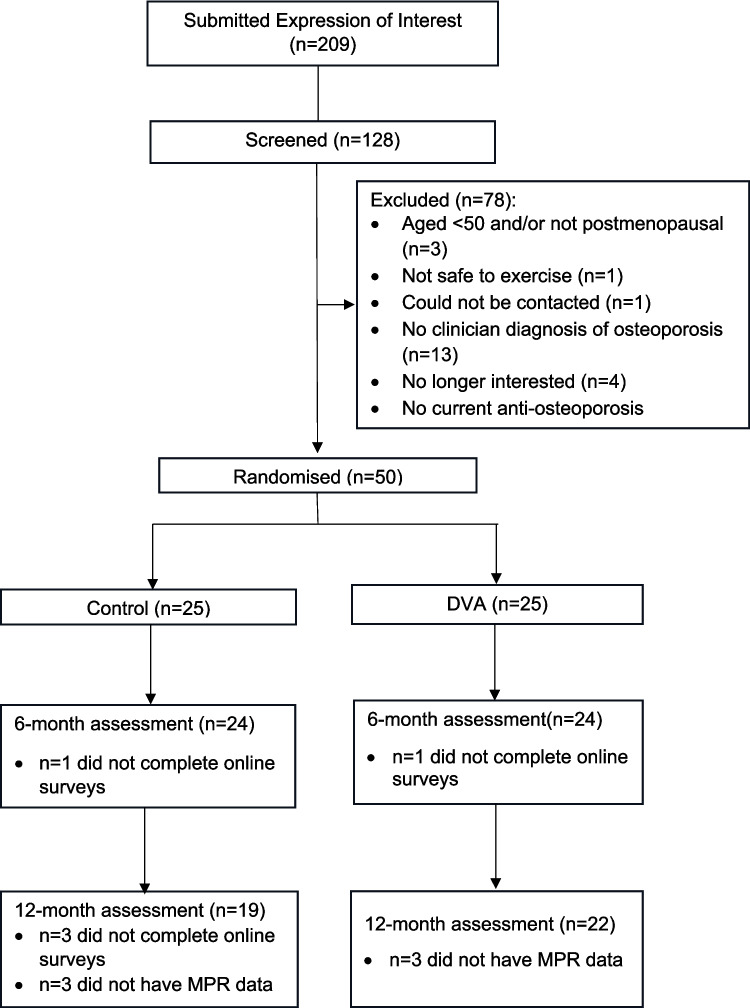
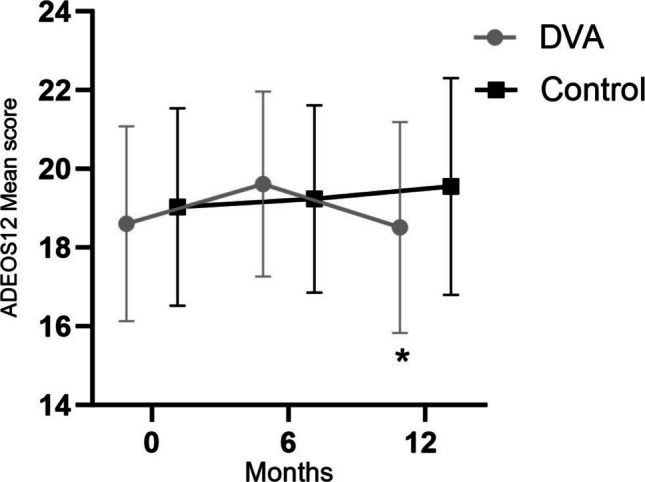
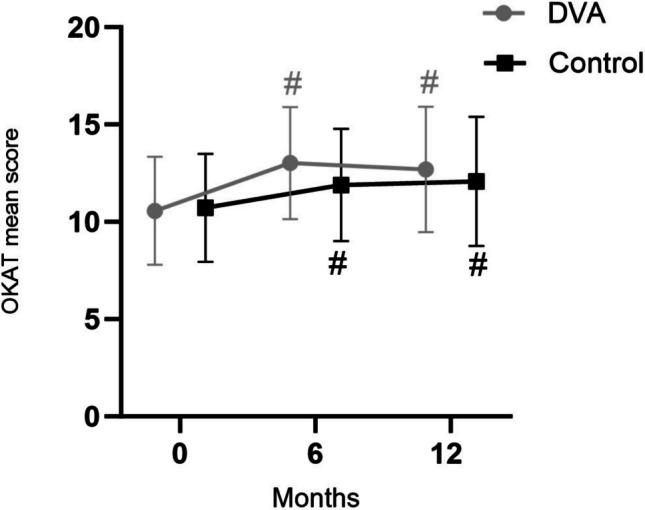
Digital voice assistants (DVAs) are feasible for delivering a digital health intervention designed to improve osteoporosis self-management in postmenopausal women with osteoporosis. However, the DVA intervention did not improve anti-osteoporosis drug adherence, nor did it enhance osteoporosis knowledge or attitudes in this population. PURPOSE: To determine feasibility and effectiveness of a digital voice assistant (DVA) intervention for improving anti-osteoporosis medication adherence, and osteoporosis knowledge and attitudes, in postmenopausal women with osteoporosis. METHODS: This 12-month single-blinded, randomised controlled trial included 50 postmenopausal women with osteoporosis randomised to DVA (N = 25) or control (N = 25) for 6 months, followed by a 6-month follow-up period. DVA participants received an Amazon Alexa device that delivered osteoporosis education videos, medication reminders and interactive quizzes. Control participants received emails with links to osteoporosis information. Anti-osteoporosis medication possession ratio (MPR; acceptable adherence defined as ≥ 0.8) was determined using Pharmaceutical Benefits Schedule data. Osteoporosis knowledge was measured using the Osteoporosis Knowledge Assessment Tool (OKAT) and medication attitudes were measured using the Adherence Evaluation of Osteoporosis Treatment (ADEOS-12) questionnaire. RESULTS: The mean ± SD age of participants was 64.3 ± 6.1 years and 6-month DVA intervention adherence (number of DVA sessions accessed) was 79.5% (95%CI: 73.9, 84.9). The proportion of participants with acceptable 12-month MPRs was similar between groups (control: 86.4% [95%CI: 77.0, 93.6]; DVA: 95.0% [95%CI: 88.4, 100.0], P = 0.34). Mean OKAT scores improved in both groups after both 6- and 12 months, but there were no significance between groups. Changes in mean ADEOS-12 scores did not differ between baseline and 6 months in DVA compared to control (0.61 [95%CI: - 0.80, 2.03]) but worsened post-intervention from 6 to 12 months (net difference: - 1.42 [95%CI: - 2.80, - 0.06]). CONCLUSIONS: This DVA-delivered intervention achieved good adherence but did not improve medication adherence, osteoporosis knowledge, or attitudes compared with control. Future studies should target populations with poor adherence to anti-osteoporosis medication.
Overview
CoChat Summary
## TL;DR
In this 12-month randomized controlled trial of 50 postmenopausal women with osteoporosis, a digital voice assistant (DVA) was feasible and had good uptake, but it did not improve anti-osteoporosis medication adherence compared with control. Osteoporosis knowledge improved in both groups, yet the DVA did not improve overall knowledge or attitudes versus control.
## Key findings
- The trial randomized 50 women (25 DVA, 25 control) and reported 6-month DVA intervention adherence of 79.5% (95% CI 73.9, 84.9); 20/25 (80%) DVA participants achieved at least 66% adherence.
- At 12 months, the proportion with acceptable medication adherence (MPR ≥ 0.8) was 86.4% in control and 95.0% in DVA, with no significant difference (P = 0.34).
- Mean OKAT scores increased in both groups from baseline to 6 months and 12 months, but there were no between-group differences at any time point.
- ADEOS-12 attitudes did not differ from baseline to 6 months between groups, but from 6 to 12 months attitudes worsened in DVA vs control with a net difference of −1.42 (95% CI −2.80, −0.06; P = 0.04).
## Methods
- Design: 12-month, two-arm, single-blinded randomized controlled trial with a 6-month intervention followed by a 6-month no-intervention follow-up.
- Sample/data: 50 Australian postmenopausal women aged ≥50 with clinician-diagnosed osteoporosis and a current anti-osteoporosis prescription; adherence was measured using Pharmaceutical Benefits Schedule (PBS) data, knowledge with OKAT, and attitudes with ADEOS-12.
- Analysis: Intention-to-treat analyses used Fisher’s exact test for adherent proportions and linear mixed models for OKAT and ADEOS-12 changes; a per-protocol analysis included only DVA participants with ≥66% intervention adherence.
## Limitations
- The paper states the sample size was small and may have been insufficient to detect significant differences for some outcomes.
- The authors note selection bias may have occurred because observed medication adherence was already high (>80%) and participants were relatively highly educated; this may limit generalizability to people with poorer adherence or lower education.
- The paper says most participants were on 6- or 12-monthly denosumab or similar schedules, which may have reduced the chance of detecting an adherence effect; it also notes that control-group use of emailed educational materials was not measured, which could have masked differences.
Model-written summary. Check it against the paper before relying on it.
Integrity signals
Registry
Cites
Statistics
Figures
Verification
Claims the paper makes
7 Valid · 2 Not valid · 4 Not checked · 46 Own results and interpretations
The cited sources support only part of this claim — read each source’s verdict below.
In the paper
“This sample size would also be sufficient to detect small effect sizes (0.20 with 90% power and α = 0.05 [21] for secondary outcomes including osteoporosis knowledge and attitudes towards osteoporosis medication.”
§ Feasibility and effectiveness of a digital voice assistant for improving anti-osteoporosis medication adherence, and osteoporosis knowledge and attitudes, in postmenopausal women with osteoporosis: A 12-month randomised controlled trial > Methods > Sample size
What the sources say
- Partly supportedcites [21] Whitehead AL, Julious SA, Cooper CL, Campbell MJ (2016) Estimating the sample size for a pilot randomised trial to minimise the overall trial sample size for the external pilot and main trial for a continuous outcome variable. Stat Methods Med Res 25(3):1057–1073 26092476 PMC4876429 sourceExperimental — accuracy not yet measured
Table 7 (Section 2.2; page not provided) examines a standardized effect size of 0.20 in simulations designed for 90% power and a 5% Type I error rate. It does not establish that the citing study’s sample size could detect that effect for osteoporosis knowledge or medication attitudes. (LLM, conf=0.86)
hedgedn = 50- Asserted: passes — The authors put it forward as true.
- Checkable: passes — It can be checked against evidence.
- Load-bearing: unclear — It is unclear whether the paper’s conclusions depend on it.
- Based: passes — The paper gives a reason why it holds.
- Partly supported
The cited sources support only part of this claim — read each source’s verdict below.
In the paper
“These issues may be addressed through the use of digital voice assistants (DVAs; e.g. Amazon Alexa, Google Home) because they enable patients to engage with information on disease self-management using only natural conversation [13, 14].”
§ Feasibility and effectiveness of a digital voice assistant for improving anti-osteoporosis medication adherence, and osteoporosis knowledge and attitudes, in postmenopausal women with osteoporosis: A 12-month randomised controlled trial > Introduction
What the sources say
- Partly supportedcites [13] Dalla Via J, Daly R, Fyfe J, Gvozdenko E, Scott D (2022) Delivery of home-based exercise interventions in older adults facilitated by Amazon Alexa: a 12-week feasibility trial. J Nutr Health Aging 26(1):96–102 35067710 PMC12275629 sourceExperimental — accuracy not yet measured
The Introduction (page unavailable) says voice assistants interpret speech and allow users to give voice feedback about a home exercise program. But Methods > Intervention (page unavailable) says participants received video demonstrations and written as well as audio instructions. The paper therefore supports voice-based engagement with health guidance, not engagement with disease self-management information using only natural conversation. (LLM, conf=0.85)
- Supportedcites [14] Chambers R, Beaney P (2020) The potential of placing a digital assistant in patients’ homes. Br J Gen Pract 70:8–9 31879289 PMC6919512 source
The Introduction says Alexa can search the NHS website to give users health information and reports that patients used it to better manage their conditions. Current Criticisms describes accessing that information by voice rather than keyboard, supporting the citing sentence’s paraphrase of conversational access. (LLM, conf=0.84)
plainstates a cause- Asserted: passes — The authors put it forward as true.
- Checkable: passes — It can be checked against evidence.
- Load-bearing: passes — The paper’s conclusions depend on it.
- Based: passes — The paper gives a reason why it holds.
- Partly supported
Every source the paper cites for this claim was checked and supports it.
In the paper
“Self-management programs can be delivered via applications on smartphones or computers, but these require users to have a degree of technology familiarity which can be a barrier for many older patients [12].”
§ Feasibility and effectiveness of a digital voice assistant for improving anti-osteoporosis medication adherence, and osteoporosis knowledge and attitudes, in postmenopausal women with osteoporosis: A 12-month randomised controlled trial > Introduction
What the sources say
- Supportedcites [12] Kim BY, Lee J (2017) Smart devices for older adults managing chronic disease: a scoping review. JMIR Mhealth Uhealth 5(5):e7141 PMC5461419 28536089 source
The Introduction describes chronic-disease interventions delivered through smartphone and tablet apps. In Results > Thematic Synthesis, the review identifies insufficient training as a barrier: some systems also required computer use, and participants who struggled to log in did not use parts of the system. It also reports that technical and usability issues hindered chronic disease management for some older adults. (LLM, conf=0.91)
plainstates a possible cause- Asserted: passes — The authors put it forward as true.
- Checkable: passes — It can be checked against evidence.
- Load-bearing: passes — The paper’s conclusions depend on it.
- Based: passes — The paper gives a reason why it holds.
- Supported
Every source the paper cites for this claim was checked and supports it.
In the paper
“Thus, improving knowledge and beliefs about osteoporosis and its outcomes, as well as? anti-osteoporosis medication benefits and side effects, may improve anti-osteoporosis medication adherence [9].”
§ Feasibility and effectiveness of a digital voice assistant for improving anti-osteoporosis medication adherence, and osteoporosis knowledge and attitudes, in postmenopausal women with osteoporosis: A 12-month randomised controlled trial > Introduction
What the sources say
- Supportedcites [9] Zareban I, Fallahi A, Nemat-Shahrbabaki B, Pirakalathanan P (2019) Determinants of treatment adherence among women with osteoporosis: a qualitative study in Iran. Health Educ Health Promot 7(1):27–33 source
The Conclusions say that improving health literacy, awareness of medication benefits, and patients’ perceptions may promote medication adherence in osteoporosis. The “Lack of knowledge” section links poor understanding of osteoporosis, medication benefits, and side effects to non-adherence; the Discussion also recommends addressing beliefs about disease severity and treatment. The claim’s cautious wording is consistent with these findings. (LLM, conf=0.91)
hedgedstates a possible cause- Asserted: passes — The authors put it forward as true.
- Checkable: passes — It can be checked against evidence.
- Load-bearing: passes — The paper’s conclusions depend on it.
- Based: passes — The paper gives a reason why it holds.
- Supported
A result the paper reports from its own data — it cites no other source for it, so there is none to check. The quote shows it is in the paper.
In the paper
“The mean score for the theme “Knowledge of preventive factors such as physical activity and diet relating to osteoporosis” significantly increased in the DVA group only from baseline to six months”
§ Feasibility and effectiveness of a digital voice assistant for improving anti-osteoporosis medication adherence, and osteoporosis knowledge and attitudes, in postmenopausal women with osteoporosis: A 12-month randomised controlled trial > Results
plainstates a cause- Asserted: passes — The authors put it forward as true.
- Checkable: passes — It can be checked against evidence.
- Load-bearing: unclear — It is unclear whether the paper’s conclusions depend on it.
- Based: passes — The paper gives a reason why it holds.
25 more claims
Create a free account to see all 59 claims and every source verdict.
- Probably not a substantial claim. 17
- It may state two separate claims as one. 15
Citations
Cites
Professor Kanis, J. A., Melton, L. J., Christiansen, C., Johnston, C. C., & Khaltaev, N. (1994) · Journal of Bone and Mineral Research · doi:10.1002/jbmr.5650090802 · Cited by 3,849
European guidance for the diagnosis and management of osteoporosis in postmenopausal women
Kanis, J. A., McCloskey, E. V., Johansson, H., Cooper, C., Rizzoli, R., Reginster, J.-Y., & on behalf of the Scientific Advisory Board of the European Society for Clinical and Economic Aspects of Osteoporosis and Osteoarthritis (ESCEO) and the Committee of Scientific Advisors of the International Osteoporosis Foundation (IOF) (2013) · Osteoporosis International · doi:10.1007/s00198-012-2074-y · Cited by 2,948
Whitehead, A. L., Julious, S. A., Cooper, C. L., & Campbell, M. J. (2016) · Statistical Methods in Medical Research · doi:10.1177/0962280215588241 · Cited by 1,936 · cited 1×
“This sample size would also be sufficient to detect small effect sizes (0.20 with 90% power and α = 0.05 [21] for secondary outcomes including osteoporosis knowledge and attitudes towards osteoporosis medication.”
InfluentialEuropean guidance for the diagnosis and management of osteoporosis in postmenopausal women
on behalf of the Scientific Advisory Board of the European Society for Clinical and Economic Aspects of Osteoporosis (ESCEO) and the Committees of Scientific Advisors and National Societies of the International Osteoporosis Foundation (IOF), Kanis, J. A., Cooper, C., Rizzoli, R., & Reginster, J.-Y. (2019) · Osteoporosis International · doi:10.1007/s00198-018-4704-5 · Cited by 1,900
Lifestyle modification approaches for the treatment of obesity in adults.
Wadden, T. A., Tronieri, J. S., & Butryn, M. L. (2020) · American Psychologist · doi:10.1037/amp0000517 · Cited by 661 · cited 1×
“…that osteoporosis is a major risk factor for fracture [6], and beliefs that osteoporosis is not a serious health condition and/or that the risks of anti-osteoporosis Extended author information available on the last page of the article Page 2 of 10 medications outweigh their benefits [7, 8].”
Osteoporosis and fracture risk in older people
Coughlan, T., & Dockery, F. (2014) · Clinical Medicine · doi:10.7861/clinmedicine.14-2-187 · Cited by 362 · cited 1×
“Osteoporosis leads to increased bone fragility and fracture risk, with approximately 50% of women over the age of 50 experiencing minimal trauma fragility fractures [1].”
Videoconference compared to telephone in healthcare delivery: A systematic review
Rush, K. L., Howlett, L., Munro, A., & Burton, L. (2018) · International Journal of Medical Informatics · doi:10.1016/j.ijmedinf.2018.07.007 · Cited by 235 · cited 1×
“However, digital health programs using telephone calls or videoconferencing have generally been demonstrated to be time-consuming for health professionals and may not be ideal for supporting disease self-management [11].”
Smart Devices for Older Adults Managing Chronic Disease: A Scoping Review
Kim, B. Y., & Lee, J. (2017) · JMIR mHealth and uHealth · doi:10.2196/mhealth.7141 · Cited by 217 · cited 1×
“Self-management programs can be delivered via applications on smartphones or computers, but these require users to have a degree of technology familiarity which can be a barrier for many older patients [12].”
Winzenberg, T. M., Oldenburg, B., Frendin, S., & Jones, G. (2003) · BMC Musculoskeletal Disorders · doi:10.1186/1471-2474-4-17 · Cited by 185 · cited 1×
“The OKAT includes 20 true or false questions where correctly answered questions were coded as ‘1’, and incorrect or “do not know” responses were coded as ‘0’, with total scores ranging from 1 to 20 [19].”
Real-world persistence and adherence with oral bisphosphonates for osteoporosis: a systematic review
Fatoye, F., Smith, P., Gebrye, T., & Yeowell, G. (2019) · BMJ Open · doi:10.1136/bmjopen-2018-027049 · Cited by 170 · cited 1×
“The sample size was calculated based on a predicted MPR of 40 to 50% in the con-trol group [33].”
Patient Adherence to Osteoporosis Medications: Problems, Consequences and Management Strategies
Papaioannou, A., Kennedy, C. C., Dolovich, L., Lau, E., & Adachi, J. D. (2007) · Drugs & Aging · doi:10.2165/00002512-200724010-00003 · Cited by 151
Solomon, D. H. (2012) · Archives of Internal Medicine · doi:10.1001/archinternmed.2011.1977 · Cited by 111
Interventions to improve adherence to anti-osteoporosis medications: an updated systematic review
On behalf of the European Society for Clinical and Economic Aspect of Osteoporosis, O. A. M. D. (., Cornelissen, D., de Kunder, S., Si, L., Reginster, J.-Y., Evers, S., Boonen, A., & Hiligsmann, M. (2020) · Osteoporosis International · doi:10.1007/s00198-020-05378-0 · Cited by 101
Ebeling, P. R., Daly, R. M., Kerr, D. A., & Kimlin, M. G. (2013) · The Medical Journal of Australia · doi:10.5694/j.1326-5377.2013.tb04225.x · Cited by 94
Self-citationA randomized controlled trial of mailed osteoporosis education to older adults
Solomon, D. H., Finkelstein, J. S., Polinski, J. M., Arnold, M., Licari, A., Cabral, D., Canning, C. F., Avorn, J., & Katz, J. N. (2006) · Osteoporosis International · doi:10.1007/s00198-005-0049-y · Cited by 77
Research and scholarly methods: Measuring medication adherence
Shah, K. K., Touchette, D. R., & Marrs, J. C. (2023) · JACCP: JOURNAL OF THE AMERICAN COLLEGE OF CLINICAL PHARMACY · doi:10.1002/jac5.1771 · Cited by 69
What do Norwegian women and men know about osteoporosis?
Magnus, J. H., Joakimsen, R. M., Berntsen, G. K., Tollan, A., & Søgaard, A. J. (1996) · Osteoporosis International · doi:10.1007/bf01626535 · Cited by 68 · cited 1×
“…at a university or other higher education level, and higher levels of education may be associated with better adherence to osteoporosis treatment [34], so it is possible that interventions such as this should be specifically targeted at populations with lower education status and/or knowledge or…”
Fardellone, P., Lello, S., Cano, A., Moreira, E. D. S., de Oliveira, R. W., Julian, G. S., & Tang, B. (2019) · Clinical Therapeutics · doi:10.1016/j.clinthera.2019.05.001 · Cited by 56 · cited 1×
“Acceptable medication adherence was defined as MPR ≥ 0.8 [16].”
InfluentialJansons, P., Dalla Via, J., Daly, R. M., Fyfe, J. J., Gvozdenko, E., & Scott, D. (2022) · The Journal of nutrition, health and aging · doi:10.1007/s12603-021-1717-0 · Cited by 51
Self-citationMorizio, P., Burkhart, J. I., & Ozawa, S. (2018) · Annals of Pharmacotherapy · doi:10.1177/1060028018768808 · Cited by 50 · cited 1×
“Denosumab adherence generally exceeds that of other medications with shorter dosage intervals (e.g. weekly and monthly) and which may be self-administered by the patient [35].”
Palcu, P., Munce, S., Jaglal, S. B., Allin, S., Chishtie, J. A., Silverstein, A., & Kim, S. (2020) · Osteoporosis International · doi:10.1007/s00198-019-05182-5 · Cited by 49 · cited 1×
“Digital health interventions can facilitate better self-management of chronic diseases and may bridge access gaps for patients with osteoporosis living in underserviced and remote areas [10].”
Shu, A. D., Stedman, M. R., Polinski, J. M., Jan, S. A., Patel, M., Truppo, C., Breiner, L., Chen, Y.-Y., Weiss, T. W., & Solomon, D. H. (2009) · PubMed · Cited by 44
Improving drug adherence in osteoporosis: an update on more recent studies
Jaleel, A., Saag, K. G., & Danila, M. I. (2018) · Therapeutic Advances in Musculoskeletal Disease · doi:10.1177/1759720x18785539 · Cited by 42 · cited 1×
“However, more than 50% of women with osteoporosis discontinue anti-oste-oporosis medications before clinical effects on bone mineral density (BMD) can be seen [5].”
The potential of placing a digital assistant in patients’ homes
Chambers, R., & Beaney, P. (2020) · British Journal of General Practice · doi:10.3399/bjgp20x707273 · Cited by 34 · cited 2×
“These issues may be addressed through the use of digital voice assistants (DVAs; e.g. Amazon Alexa, Google Home) because they enable patients to engage with information on disease self-management using only natural conversation [13, 14].”
Breuil, V., Cortet, B., Cotté, F.-E., Arnould, B., Dias-Barbosa, C., Gaudin, A.-F., Regnault, A., Roborel de Climens, A., & Legrand, E. (2012) · Osteoporosis International · doi:10.1007/s00198-011-1555-8 · Cited by 32
Education intervention for older adults with osteoporosis: a systematic review
Gai, Q. Y., Lv, H., Li, Y. P., Fu, Q., & Li, P. (2019) · Osteoporosis International · doi:10.1007/s00198-019-05166-5 · Cited by 31 · cited 1×
“Education provided using various digital intervention methods including mobile applications, wearable devices, and web-based platforms, has been shown to improve osteoporosis knowledge among older adults [29, 30].”
An evidence‐informed strategy to prevent osteoporosis in Australia
Ebeling, P. R., Daly, R. M., Kerr, D. A., & Kimlin, M. G. (2013) · Medical Journal of Australia · doi:10.5694/mja12.11363 · Cited by 29
Self-citationThe Impact of Educational Interventions on Osteoporosis Knowledge among Korean Osteoporosis Patients
Jo, W. S., Cho, E. H., Kang, B. J., et al. (2018) · Journal of Bone Metabolism · doi:10.11005/jbm.2018.25.2.115 · Cited by 23 · cited 1×
“Education provided using various digital intervention methods including mobile applications, wearable devices, and web-based platforms, has been shown to improve osteoporosis knowledge among older adults [29, 30].”
Pakyar, N., Poortaghi, S., Pashaeypoor, S., & Sharifi, F. (2021) · BMC Musculoskeletal Disorders · doi:10.1186/s12891-021-04861-x · Cited by 21 · cited 1×
“Studies have demonstrated that educational interventions at health centres using different interactive methods like group discussion, and question and answer sessions can improve women’s attitudes towards osteoporosis [25, 26].”
Experiences of postmenopausal osteoporosis: a narrative review
Zadjali, F. A. A., Brooks, J., O’Neill, T. W., & Stanmore, E. (2023) · Disability and Rehabilitation · doi:10.1080/09638288.2023.2169770 · Cited by 21
Khurmah, M. H. A., Alkhatatbeh, M. J., & Alshogran, O. Y. (2023) · Archives of Osteoporosis · doi:10.1007/s11657-023-01332-9 · Cited by 19
Espírito‐Santo, M., Santos, S., & Estêvão, M. D. (2024) · Pharmacy · doi:10.3390/pharmacy12010020 · Cited by 19
Effect of educational intervention on preventing osteoporosis in postmenopausal women
Najafi, S., Mohammadkhah, F., Ebrahimi, M. M., Harsini, P. A., & Jeihooni, A. K. (2023) · Osteoporosis International · doi:10.1007/s00198-023-06962-w · Cited by 11 · cited 1×
“Studies have demonstrated that educational interventions at health centres using different interactive methods like group discussion, and question and answer sessions can improve women’s attitudes towards osteoporosis [25, 26].”
Shaki, O., Rai, S. K., Gupta, T. P., Chakrabarty, B. K., & Negi, R. S. (2021) · Journal of Family Medicine and Primary Care · doi:10.4103/jfmpc.jfmpc_2133_20 · Cited by 11
Evaluation of an mHealth App on Self-Management of Osteoporosis: Prospective Survey Study
(2024) · doi:10.2196/53995 · Cited by 10
Knowledge and Attitudes of Maintaining Bone Health among Post-Menopausal Women in Malaysia
Hatta, N. N. K. N. M., Nurumal, M. S., Isa, M. L. M., Daud, A., Ibrahim, M., Sharifudin, M. A., & Deraman, S. (2019) · Central Asian Journal of Global Health · doi:10.5195/cajgh.2019.348 · Cited by 9
Talevski, J., Gianoudis, J., Bailey, C. A., Ebeling, P. R., Nowson, C. A., Hill, K., Sanders, K. M., & Daly, R. M. (2023) · Osteoporosis International · doi:10.1007/s00198-023-06693-y · Cited by 8
Self-citationDeterminants of treatment adherence among women with osteoporosis: A qualitative study in Iran
Zareban, I., Health Promotion Research Centre, Z. U. O. M. S., Fallahi, A., Social Determinants of Health Research Center, R. I. F. H. D., Nemat-Shahrbabaki, B., Network of Sanandaj, K. U. O. M. S., Pirakalathanan, P., & Chief Medical Officer, S. H. (2019) · Health Education and Health Promotion · doi:10.29252/hehp.7.1.27 · Cited by 3 · cited 1×
“Thus, improving knowledge and beliefs about osteoporosis and its outcomes, as well as? anti-osteoporosis medication benefits and side effects, may improve anti-osteoporosis medication adherence [9].”
Cited by
Glavas, C., Sood, S., Ebeling, P. R., Gvozdenko, E., Ross, B. D., Jansons, P., Kiss, N. K., Daly, R. M., & Scott, D. M. (2026) · Bone · doi:10.1016/j.bone.2026.118011
Self-citation陈菁, Huang, D., & Lou, D. (2026) · Osteoporosis International · doi:10.1007/s00198-026-07942-6
Sebastian, A. T., Jansons, P., Ng, E. L., David, S., & Maddison, R. (2026) · JMIR Human Factors · doi:10.2196/preprints.105156
Self-citationHunegnaw, M. T., Mesinovic, J., Jansons, P., George, E. S., Ross, B. D., Kiss, N. K., Ebeling, P. R., Daly, R., Gvozdenko, E., & Scott, D. M. (2026) · Maturitas · doi:10.1016/j.maturitas.2026.108840
Self-citationKulkarni, P., Ananthanarayan, S., Liu, Y., & McNaney, R. (2025) · doi:10.2196/preprints.87764
Metadata
- Authors
- Hunegnaw, M. T., Mesinovic, J., Jansons, P., George, E. S., De Ross, B., Kiss, N., Ebeling, P. R., Daly, R. M., Gvozdenko, E., & Scott, D.
- Affiliations
- Deakin University (AU)
- Monash Health (AU)
- Corresponding author
- Hunegnaw, Melkamu Tamir
- ORCID
- Venue
- Archives of Osteoporosis
- Published
- 2025-04-09
- Volume
- 20
- Issue
- 1
- Pages
- 43-43
- ISSN
- 1862-3514 (ISSN-L)
- PMC
- PMC11982083
- OpenAlex
- W4409288289
- Semantic Scholar
- 47d86495c09526aa36b13f033b88bd0e896b9b78
- Cited by
- 8
- References
- 37
- Citations by year
- 2026: 7 · 2025: 1
- FWCI
- 10.55
- Type
- journal article
- Language
- en
- Open access
- hybrid
- doi.org
- Licence
- cc-by
- creativecommons.org/licenses/by/4.0 (tdm)
- creativecommons.org/licenses/by/4.0 (vor)
- Locations
- Archives of Osteoporosis (publishedVersion, cc-by)
- PubMed Central (publishedVersion, cc-by)
- PubMed (publishedVersion)
- Figshare (submittedVersion, cc-by)
- Funders
- Deakin University
- Topics
- Health Sciences › Medicine › Family Practice › Medication Adherence and Compliance
- Health Sciences › Health Professions › General Health Professions › Mobile Health and mHealth Applications
- Health Sciences › Medicine › Orthopedics and Sports Medicine › Bone health and osteoporosis research
- Keywords
- voice assistants, postmenopausal women, medication reminders, medication possession ratio, osteoporosis knowledge, attitudes toward medication, Amazon Alexa, digital health interventions, feasibility
- MeSH terms
- Aged, Feasibility Studies, Female, Humans, Health Knowledge, Attitudes, Practice, Middle Aged, Patient Education as Topic, Pilot Projects, Osteoporosis, Postmenopausal, Single-Blind Method, Speech Recognition Software, Bone Density Conservation Agents, Medication Adherence
About these checks
Registry, retraction, Cites and statistics results are computed, not judged, with one exception: a printed reference that no index lists is read once by a model before it counts as a citation error. Claims are extracted by a model and kept only when their quote appears verbatim in the text; each cited source is then checked, with a model’s help, for whether it says what the claim relies on. Those verdicts can be wrong — read the claim’s quote and the cited source before relying on one.
The claim verdicts this report counts are experimental: their accuracy is not yet measured.
A language model drew the claims from the paper on 2026-09-30, under version 3 of the claim definition (model deepseek-v4.1-flash, prompt extract-v3).
A second model labelled each claim on 2026-09-30 (model jev-1.13-20260917, definition revision gold-guideline-v0.2).
Cited sources are checked with a language model’s help (gpt-6-sol).
Statistics and arithmetic are recomputed, not judged.
Confidence bands are shown only for fields calibrated on our annotated test set. None is calibrated yet, so no band is shown.
What counts as a claim ›How we measure confidence ›How we check this ›
Are you an author, or do you see a problem with this page? Request a review
Data sources
Bibliographic data: Semantic Scholar, OpenAlex, Crossref.
Contains information from the Semantic Scholar Academic Graph Datasets, made available under the ODC Attribution License (ODC-BY 1.0).
Semantic Scholar’s data is described in: Kinney, R., et al. (2023). The Semantic Scholar Open Data Platform. arXiv:2301.10140.
