

Pemafibrate, a New Selective PPARα Modulator: Drug Concept and Its Clinical Applications for Dyslipidemia and Metabolic Diseases
Open accessThe DOI matches its Crossref record; 122 of the 124 references it cites were found in a registry or an index; 12 of the 168 sources its claims cite were checked for support.
Abstract
Purpose of Review: Reduction of serum low-density lipoprotein cholesterol (LDL-C) levels by statins, ezetimibe and proprotein convertase subtilisin/kexin type 9 (PCSK9) inhibitors has been shown to significantly reduce cardiovascular events risk. However, fasting and postprandial hypertriglyceridemia as well as reduced high-density lipoprotein cholesterol (HDL-C) remain as residual risk factors of atherosclerotic cardiovascular diseases (ASCVD). To treat patients with hypertriglyceridemia and/or low HDL-C, drugs such as fibrates, nicotinic acids, and n-3 polyunsaturated fatty acids have been used. However, fibrates were demonstrated to cause side effects such as liver dysfunction and increase in creatinine levels, and thus large-scale clinical trials of fibrates have shown negative results for prevention of ASCVD. The failure could be attributed to their low selectivity and potency for binding to peroxisome proliferator-activated receptor (PPAR) α. To resolve these issues, the concept of selective PPARα modulator (SPPARMα) with a superior balance of efficacy and safety has been proposed and pemafibrate (K-877) has been developed. Recent Findings: Pemafibrate, one of SPPARMsα, was synthesized by Kowa Company, Ltd. for better efficiency and safety. Clinical trials in Japan have established the superiority of pemafibrate on effects on serum triglycerides (TG) reduction and HDL-C elevation as well safety. Although available fibrates showed worsening of liver and kidney function test values, pemafibrate indicated improved liver function test values and was less likely to increase serum creatinine or decrease estimated glomerular filtration rate (eGFR). Very few drug-drug interactions were observed even when used concomitantly with statins. Furthermore, pemafibrate is metabolized in the liver and excreted into the bile, while many of available fibrates are mainly excreted from the kidney. Therefore, pemafibrate can be used safely even in patients with impaired renal function since there is no significant increase in its blood concentration. A large-scale trial of pemafibrate, PROMINENT, for dyslipidemic patients with type 2 diabetes is ongoing. Summary: Pemafibrate is one of novel SPPARMsα and has superior benefit-risk balance compared to conventional fibrates and can be applicable for patients for whom the usage of existing fibrates is difficult such as those who are taking statins or patients with renal dysfunction. In the current review, all the recent data on pemafibrate will be summarized.
Overview
CoChat Summary
TL;DR
Pemafibrate (K-877) is the first selective PPARα modulator (SPPARMα), designed to retain the triglyceride-lowering and HDL-C-raising effects of fibrates while avoiding their off-target liver, kidney, and drug-interaction liabilities. This narrative review summarizes its pharmacology, preclinical data, and Japanese clinical trial program, and notes that the cardiovascular outcome trial PROMINENT is still ongoing.
Key findings
- Pemafibrate's PPARα activation is >2500 times stronger than fenofibric acid, with subtype selectivity >5000-fold for PPARγ and >11,000-fold for PPARδ.
- In clinical trials, pemafibrate 0.4 mg/day lowered TG by ~42.7% (vs 29.7% for fenofibrate 100 mg/day) and raised HDL-C by ~21.0% (vs 14.3%), with effects comparable to fenofibrate 200 mg/day; it reduced ALT, γ-GT, and ALP by ~8 U/L, ~24 U/L, and ~70–80 U/L respectively, whereas fenofibrate worsened these values.
- Co-administered with pitavastatin, pemafibrate reduced fasting TG by 46.1% (0.1 mg/day), 53.4% (0.2 mg/day), and 52.0% (0.4 mg/day) versus 6.9% for placebo, with no major drug–drug interaction with statins.
- Pemafibrate is mainly hepatically metabolized with only 14.5% urinary excretion and <0.5% unmetabolized drug in urine, so exposure does not increase with renal dysfunction; a meta-analysis found total adverse events significantly lower than with fenofibrate, though LDL-C was significantly higher in the pemafibrate group.
Methods
- Narrative review synthesizing preclinical (cell, rodent, pig) and clinical data on pemafibrate, including its development, pharmacokinetics, and mechanism as a SPPARMα.
- Draws on Japanese phase 2/3 randomized controlled trials (K-877-04, -09, -11, -17, -19), a meta-analysis comparing pemafibrate with fenofibrate, and animal models of dyslipidemia, atherosclerosis, NASH, and obesity.
- Summarizes comparative tables of percentage changes in lipid, glycemic, liver, and renal parameters for pemafibrate versus fenofibrate.
Limitations
- As stated by the paper: the cardiovascular benefit of pemafibrate in humans is not yet established—the large-scale PROMINENT trial (planned 10,000 patients with type 2 diabetes, high TG, low HDL-C, across 24 countries) is still ongoing.
- As stated by the paper: pemafibrate was not administered to patients with extremely high TG (>1000 mg/dL) in developmental studies, and its effect in severe hypertriglyceridemia remains to be explored; the PBC evidence comes from a small pilot study.
- Evident from the text: this is a narrative review without primary data or systematic search methodology, and much of the clinical evidence derives from Japanese trials, limiting generalizability to other populations.
Model-written summary. Check it against the paper before relying on it.
Integrity signals
Registry
Cites
Statistics
Figures
Verification
Claims the paper makes
10 Valid · 1 Not valid · 120 Not checked · 29 Own results and interpretations
The cited sources support only part of this claim — read each source’s verdict below.
In the paper
“However, fasting and postprandial hypertriglyceridemia as well as reduced high-density lipoprotein cholesterol (HDL-C) remain as residual risk factors of atherosclerotic cardiovascular diseases (ASCVD).”
§ Pemafibrate, a New Selective PPARα Modulator: Drug Concept and Its Clinical Applications for Dyslipidemia and Metabolic Diseases > Abstract > Purpose of Review
What the sources say
- Partly supportedcites [67] Fujioka Y Ishikawa Y Remnant lipoproteins as strong key particles to atherogenesis J Atheroscler Thromb 2009 16 3 145 154 10.5551/jat.E598 19556722 sourceExperimental — accuracy not yet measured
Our copy supports the lipid components of the claim: the Introduction and Abstract state that hypertriglyceridemia is associated with atherosclerosis independent of other coronary risk factors, the 'Postprandial Hyperlipidemia as the Atherogenic Condition' section reports a relationship between postprandial hyperlipidemia and atherosclerotic disease (especially CAD) and the atherogenicity of fasting RLP-C, and 'Effects on Other Lipoproteins' includes low HDL-C in the atherogenic lipid profile. However, no passage frames these as RESIDUAL risk persisting AFTER LDL-C lowering: the paper's LDL-C comparison is only that triglycerides alone are hard to use for risk selection 'compared with LDL-C', and it never discusses patients treated to lower LDL-C or leftover risk. The residual-risk/after-LDL-lowering part of the attributed claim is therefore not supported by this source. (LLM, conf=0.70)
- Supportedcites [68] Masuda D Yamashita S Postprandial hyperlipidemia and remnant lipoproteins J Atheroscler Thromb 2017 24 2 95 109 10.5551/jat.RV16003 27829582 PMC5305681 source
The opening of the 'Fasting and Postprandial Hypertriglyceridemia' section states that statin-based intensive intervention against hypercholesterolemia/hyper LDL-cholesterolemia improves primary and secondary prevention of CHD events but has not completely suppressed them, and that controlling 'residual risk factors' — hypertriglyceridemia (≥150 mg/dL) and hypo-HDL-cholesterolemia (<40 mg/dL) — has been emphasized for the prevention of ASCVD. The Abstract and the same section further establish that both fasting hypertriglyceridemia (meta-analysis of 35 observational studies; risk on a background of statin treatment after ACS) and postprandial/non-fasting hypertriglyceridemia (Iso et al., Nordestgaard et al.) are associated with CHD/ASCVD risk, covering every element of the paraphrase. (LLM, conf=0.88)
plainstates an association- Asserted: passes — The authors put it forward as true.
- Checkable: passes — It can be checked against evidence.
- Load-bearing: passes — The paper’s conclusions depend on it.
- Based: passes — The paper gives a reason why it holds.
- Partly supported
The cited sources support only part of this claim — read each source’s verdict below.
In the paper
“However, fibrates were demonstrated to cause side effects such as liver dysfunction and increase in creatinine levels, and thus large-scale clinical trials of fibrates have shown negative results for prevention of ASCVD.”
§ Pemafibrate, a New Selective PPARα Modulator: Drug Concept and Its Clinical Applications for Dyslipidemia and Metabolic Diseases > Abstract > Purpose of Review
What the sources say
- Not checked yetcites [7] Bezafibrate Infarction Prevention (BIP) Study Group, Secondary prevention by raising HDL cholesterol and reducing triglycerides in patients with coronary artery disease The Bezafibrate Infarction Prevention (BIP) Study Circulation 2000 102 1 21 27 10.1161/01.CIR.102.1.21 10880410 source
- Not checked yetcites [8] Keech A Simes RJ Barter P Best J Scott R Taskinen MR Effects of long-term fenofibrate therapy on cardiovascular events in 9795 people with type 2 diabetes mellitus (the FIELD study): randomised controlled trial Lancet. 2005 366 9500 1849 1861 10.1016/S0140-6736(05)67667-2 16310551 source
- Partly supportedcites [9] Ginsberg HN Elam MB Lovato LC Crouse JR 3rd Leiter LA Linz P Effects of combination lipid therapy in type 2 diabetes mellitus N Engl J Med 2010 362 17 1563 1574 10.1056/NEJMoa1001282 20228404 PMC2879499 sourceExperimental — accuracy not yet measured
Our copy of ACCORD Lipid supports the general direction only in part: the Abstract (RESULTS) and Results (Clinical Outcomes) report that adding fenofibrate to simvastatin in 5518 patients with type 2 diabetes gave no significant difference in the primary composite of nonfatal MI, nonfatal stroke or cardiovascular death (HR 0.92; 95% CI 0.79–1.08; P = 0.32) — a null, not a harmful, result, and confined to a diabetic, statin-treated population rather than ASCVD prevention generally. The Introduction (Abstract) and Discussion explicitly qualify any blanket 'negative trials' reading: fibrate therapy 'reduced the rate of coronary heart disease events in VA-HIT but not in the FIELD trial', a post hoc FIELD analysis suggested benefit with high triglycerides/low HDL, and the Discussion states the subgroup results 'support the view that the addition of fenofibrate to a statin may benefit patients with type 2 diabetes who have substantial dyslipidemia'. Nothing in our copy links the trial outcome to adverse effects: the Safety section reports only modest ALT elevations (1.9% vs 1.5%) and rises in serum creatinine, and states 'No evidence for such a risk [myositis or rhabdomyolysis] was noted in our study', so the citing sentence's causal framing ('cause side effects ... and thus ... negative results') is not attributable to this source. (LLM, conf=0.72)
boostedstates a cause- Asserted: passes — The authors put it forward as true.
- Checkable: passes — It can be checked against evidence.
- Load-bearing: passes — The paper’s conclusions depend on it.
- Based: passes — The paper gives a reason why it holds.
Every source the paper cites for this claim was checked and supports it.
In the paper
“Therefore, SPPARMα may have a better benefit-risk balance compared to the PPARα agonists such as available fibrates.”
§ Pemafibrate, a New Selective PPARα Modulator: Drug Concept and Its Clinical Applications for Dyslipidemia and Metabolic Diseases > Introduction > Development of a Novel SPPARMα, Pemafibrate
What the sources say
- Supportedcites [43] Fruchart JC Selective peroxisome proliferator-activated receptor alpha modulators (SPPARMalpha): the next generation of peroxisome proliferator-activated receptor alpha-agonists Cardiovasc Diabetol 2013 12 82 10.1186/1475-2840-12-82 23721199 PMC3682868 source
The Conclusions state that fibrates are weak PPARα agonists with limited efficacy due to dose-related AEs, and that the SPPARMαs are a new generation being developed to 'separate the receptor-mediated beneficial effects of the PPARα agonists from their unwanted side effects' — i.e. an improved benefit-risk profile. The Abstract and Conclusions apply this to the first true SPPARMα, K-877, which 'compared to fenofibrate has more potent PPARα-activating efficacy in vitro, greater effects on triglycerides- and HDL-C levels in humans, and a reduced risk of adverse effects' and 'an improved safety/tolerability profile', with the potential to supersede fibrates. The citing sentence is hedged ('may'), matching the paper's own conditional framing ('If successful…'), so the paraphrase is supported. (LLM, conf=0.85)
hedgedstates a possible cause- Asserted: passes — The authors put it forward as true.
- Checkable: passes — It can be checked against evidence.
- Load-bearing: passes — The paper’s conclusions depend on it.
- Based: passes — The paper gives a reason why it holds.
- Supported
The sources with a verdict support this claim; the rest weren’t checked yet, have no full text we could read, or their verdicts aren’t rated yet.
In the paper
“In the Helsinki Heart Study (HHS) [4] and the Veterans Affairs High-Density Lipoprotein Cholesterol Intervention Trial (VA-HIT) [5], administration of gemfibrozil significantly reduced CV event rate, the primary endpoints of the trials.”
§ Pemafibrate, a New Selective PPARα Modulator: Drug Concept and Its Clinical Applications for Dyslipidemia and Metabolic Diseases > Introduction
What the sources say
- Not checked yetcites [4] Frick MH Elo O Haapa K Heinonen OP Heinsalmi P Helo P Helsinki heart study: primary-prevention trial with gemfibrozil in middle-aged men with dyslipidemia. Safety of treatment, changes in risk factors, and incidence of coronary heart disease N Engl J Med 1987 317 20 1237 1245 10.1056/NEJM198711123172001 3313041 source
- Supportedcites [5] Rubins HB Robins SJ Collins D Fye CL Anderson JW Elam MB Gemfibrozil for the secondary prevention of coronary heart disease in men with low levels of high-density lipoprotein cholesterol. Veterans Affairs High-Density Lipoprotein Cholesterol Intervention Trial Study Group N Engl J Med 1999 341 6 410 418 10.1056/NEJM199908053410604 10438259 source
For the part attributed to this source (VA-HIT, reference [5]), our copy states the trial's primary outcome (nonfatal MI or death from coronary causes) occurred in 21.7% of placebo vs 17.3% of gemfibrozil patients, a 22% relative risk reduction (95% CI 7–35, P=0.006) — Outcomes p. 8 and Abstract. The Abstract/Conclusion (p. 4) further states 'Gemfibrozil therapy resulted in a significant reduction in the risk of major cardiovascular events in patients with coronary disease whose primary lipid abnormality was a low HDL cholesterol level.' The Helsinki Heart Study clause belongs to the separate citation [4] and is not judged here. (LLM, conf=0.92)
plainstates a cause- Asserted: passes — The authors put it forward as true.
- Checkable: passes — It can be checked against evidence.
- Load-bearing: unclear — It is unclear whether the paper’s conclusions depend on it.
- Based: passes — The paper gives a reason why it holds.
Every source the paper cites for this claim was checked and supports it.
In the paper
“Calculated insulinogenic index was significantly lower in patients with Tangier disease than in non-diabetic controls.”
§ Pemafibrate, a New Selective PPARα Modulator: Drug Concept and Its Clinical Applications for Dyslipidemia and Metabolic Diseases > Introduction > Other Non-lipid-Related Effects of Pemafibrate
What the sources say
- Supportedcites [98] Koseki M Matsuyama A Nakatani K Inagaki M Nakaoka H Kawase R Impaired insulin secretion in four Tangier disease patients with ABCA1 mutations J Atheroscler Thromb 2009 16 3 292 296 10.5551/jat.E599 19556721 source
The Abstract reports that the calculated insulinogenic index was significantly lower in four Tangier disease patients than in non-diabetic controls (0.055±0.034 versus 0.775±0.538; p<0.05). The Oral Glucose Tolerance Test section also reports a marked decrease compared with normal subjects. (LLM, conf=0.95)
plainstates an association- Asserted: passes — The authors put it forward as true.
- Checkable: passes — It can be checked against evidence.
- Load-bearing: unclear — It is unclear whether the paper’s conclusions depend on it.
- Based: passes — The paper gives a reason why it holds.
- Supported
86 more claims
Create a free account to see all 160 claims and to verify the 156 references still open.
- It may state two separate claims as one. 67
- Probably not a substantial claim. 5
- The quote only partly states this claim. 1
Claims other papers make about this one
Each is checked against this paper’s own text: does it say what the citing paper says it does?
In the citing paper
“Pemafibrate is a new selective peroxisome proliferator-activated receptor-α modulator with a superior benefit-risk balance compared with conventional fibrates.”
From 2023 ESC guidelines for the management of cardiovascular disease in patients with diabetes. (2023) · cites this paper as [272]
Self-check
Percentages, sums and reported differences re-computed from the paper’s own numbers.
Each contradiction between two passages listed here was confirmed by an independent check.
Rated minor: it would not touch a result — a value no result rests on, a p-value that stays on the same side of the significance level, or a conflict that is clerical, resolved elsewhere in the paper, or outside its own findings.
In the paper
§ Pemafibrate, a New Selective PPARα Modulator: Drug Concept and Its Clinical Applications for Dyslipidemia and Metabolic Diseases > Introduction > Clinical Trials of Pemafibrate
“In SHARP trial [90], non-statin drug ezetimibe (intestinal cholesterol transporter inhibitor) showed a significant reduction in CV events.”
§ Pemafibrate, a New Selective PPARα Modulator: Drug Concept and Its Clinical Applications for Dyslipidemia and Metabolic Diseases > References
“90. Cannon CP, Blazing MA, Giugliano RP, McCagg A, White JA, Theroux P, et al; IMPROVE-IT Investigators: Ezetimibe added to statin therapy after acute coronary syndromes.”
Citations
Cites
Cholesterol Treatment Trialists' (CTT) Collaboration (2010) · The Lancet · doi:10.1016/s0140-6736(10)61350-5 · Cited by 6,550
Ezetimibe Added to Statin Therapy after Acute Coronary Syndromes
Cannon, C. P., Blazing, M. A., Giugliano, R. P., McCagg, A., White, J. A., Theroux, P., Darius, H., Lewis, B. S., Ophuis, T. O., Jukema, J. W., et al. (2015) · New England Journal of Medicine · doi:10.1056/nejmoa1410489 · Cited by 4,487
Helsinki Heart Study: Primary-Prevention Trial with Gemfibrozil in Middle-Aged Men with Dyslipidemia
Frick, M. H., Elo, O., Haapa, K., Heinonen, O. P., Heinsalmi, P., Helo, P., Huttunen, J. K., Kaitaniemi, P., Koskinen, P., Manninen, V., et al. (1987) · New England Journal of Medicine · doi:10.1056/nejm198711123172001 · Cited by 3,881
Activation of a member of the steroid hormone receptor superfamily by peroxisome proliferators
Issemann, I., & Green, S. (1990) · Nature · doi:10.1038/347645a0 · Cited by 3,519
Rubins, H. B., Robins, S. J., Collins, D., Fye, C. L., Anderson, J. W., Elam, M. B., Faas, F. H., Linares, E., Schaefer, E. J., Schectman, G., et al. (1999) · New England Journal of Medicine · doi:10.1056/nejm199908053410604 · Cited by 3,439
Effects of Combination Lipid Therapy in Type 2 Diabetes Mellitus
(2010) · New England Journal of Medicine · doi:10.1056/nejmoa1001282 · Cited by 2,837
Atorvastatin in patients with type 2 diabetes mellitus undergoing hemodialysis
Wanner, C., Krane, V., März, W., Olschewski, M., Mann, J. F. E., Ruf, G., & Ritz, E. (2005) · New England Journal of Medicine · doi:10.1056/nejmoa043545 · Cited by 2,614
Rosuvastatin and Cardiovascular Events in Patients Undergoing Hemodialysis
Fellström, B. C., Jardine, A. G., Schmieder, R. E., Holdaas, H., Bannister, K., Beutler, J., Chae, D.-W., Chevaile, A., Cobbe, S. M., Grönhagen-Riska, C., et al. (2009) · New England Journal of Medicine · doi:10.1056/nejmoa0810177 · Cited by 2,036
Research works printed but not linked: 3
- Iwata H Murakami K Ricchiuto P Singh S Libby P Aikawa E The novel PPARα selective agonist K-877 suppresses pro-inflammatory pathways and experimental arterial lesion formation Circ Res 2014 115 e86 e93
- Iwata H Murakami K Ricchiuto P Singh S Libby P Aikawa E The novel PPARα selective agonist K-877 suppresses pro-inflammatory pathways and experimental arterial lesion formation Circ Res 2014 115 e90
- Takizawa T Goto S Inokuchi Y Miyata S Yoshinaka Y Yamazaki H Pharmacological effects of K-877, a potent and selective PPAR alpha modulator (SPPARM alpha)-Controlling the plasma HDL-C and triglycerides, and prevention of atherosclerosis in experimental animals Eur Heart J. 2015 36 257 258
Cited by
Items 101–192 of 192
Zhang, Y., Han, L., Ning, Q., Zhang, X., Zhang, M., Peng, J., Chen, H., Zhao, Z., & Wang, D. (2025) · Phytomedicine · doi:10.1016/j.phymed.2025.156778 · Cited by 7
Li, D., Liu, Z., & Jiang, H. (2026) · Lipids in Health and Disease · doi:10.1186/s12944-026-02862-0 · Cited by 11
“In contrast, pemafibrate, a novel selective peroxisome proliferator-activated receptor alpha (PPARα) modulator, is not renally metabolized, thereby substantially lowering the risk of renal impairment [55].”
Role of PPARα in inflammatory response of C2C12 myotubes
Shimizu, Y., Hamada, K., Guo, T., Hasegawa, C., Kuga, Y., Takeda, K., Yagi, T., Koyama, H., Takagi, H., Aotani, D., et al. (2023) · Biochemical and Biophysical Research Communications · doi:10.1016/j.bbrc.2023.149413 · Cited by 7
Wu, Z., Zhao, Y., Hao, S.-J., Dong, B., Zheng, Y., Liu, B., & Li, J. (2024) · Brain Research Bulletin · doi:10.1016/j.brainresbull.2024.110943 · Cited by 6
Nakajima, H., Tsuma, Y., Fukuhara, S., & Kodo, K. (2022) · Journal of the Endocrine Society · doi:10.1210/jendso/bvac005 · Cited by 7
“However, patients diagnosed with AGS who have severe hyperbilirubinemia show dyslipidemia with lower levels of LDL-C and HDL-C, which is associated with low levels of apoprotein A-I and apoprotein A-II [12].”
BackgroundInfluentialPrognostic Implication of Small Dense LDL-Cholesterol Levels following Acute Coronary Syndrome
Imamura, T., Hori, M., Narang, N., Ueno, H., & Kinugawa, K. (2023) · Medicina · doi:10.3390/medicina59010158 · Cited by 9
“Pemafibrate is a selective peroxisome proliferator-activated receptor-α modulator, which has been shown to reduce serum triglyceride levels with few drug-related adverse events [20].”
BackgroundBentanachs, R., Velázquez, A. M., Sánchez, R. M., Alegret, M., Laguna, J. C., & Roglans, N. (2021) · Clínica e Investigación en Arteriosclerosis · doi:10.1016/j.arteri.2021.09.004 · Cited by 8
Chronic Coronary Artery Disease: Wall Disease vs. Lumenopathy
PARASKEVAIDIS, I. A., Kourek, C., & Tsougos, E. (2025) · Biomolecules · doi:10.3390/biom15020201 · Cited by 5
“However, other approaches, such as peroxisome proliferator-activated receptor-α modulators (e.g., niacin) and cholesteryl ester transfer protein inhibitors, have not shown comparable benefits [111,112].”
Guan, C.-J., Chen, R., & Wang, Y. (2025) · Renal Failure · doi:10.1080/0886022x.2025.2486565 · Cited by 6
“…in patients with chronic kidney failure [10]. tG and high-density lipoprotein cholesterol (Hdl-C) levels are key indicators of dyslipidemia [11–15], which not only play a role in atherosclerosis in atherosclerosis but also contribute to the progression of kidney dysfunction. dyslipidemia…”
Ohguro, H., Higashide, M., Nishikiori, N., Ogawa, T., Furuhashi, M., Sato, T., & Watanabe, M. (2025) · Frontiers in Cellular Neuroscience · doi:10.3389/fncel.2025.1634262 · Cited by 7
Hu, P., Zhang, B., Fatima, Z., Liu, Y., Li, L., Ai, P., Yang, X., Li, L., & Chang, J. (2026) · Journal of Ethnopharmacology · doi:10.1016/j.jep.2026.121442 · Cited by 5
Abdel-dayem, S. I. A., Otify, A. M., Iannotti, F. A., Saber, F. R., Moriello, A. S., Giovannuzzi, S., Świątek, Ł., Bonardi, A., Gratteri, P., Skalicka‐Woźniak, K., et al. (2024) · Bioorganic Chemistry · doi:10.1016/j.bioorg.2024.108032 · Cited by 5
New PPARα Agonist A190-Loaded Microemulsion for Chemotherapy-Induced Peripheral Neuropathy
Pangeni, R., Poudel, S., Herz, S., Berkbigler, G., Duerfeldt, A., Damaj, M., & Xu, Q.-G. (2025) · Molecular Pharmaceutics · doi:10.1021/acs.molpharmaceut.4c01374 · Cited by 5
Laouani, A., Nasrallah, H., Sassi, A., Ferdousi, F., Kalai, F. Z., Hasni, Y., Limem, K., Isoda, H., & Saguem, S. (2023) · Nutrients · doi:10.3390/nu15163649 · Cited by 6
“At present, fibrates are widely prescribed as oral hypolipidemic agents in clinical practice for managing dyslipidemia [50].”
BackgroundHan, F., Yang, Y., Bai, Z., Nathi, R., & Konduru, N. (2025) · Biomedical Chromatography · doi:10.1002/bmc.70006 · Cited by 5
Ishikawa, T., Terai, N., Igarashi, T., Yamazaki, S., Kobayashi, T., Sato, T., Iwanaga, A., Sano, T., Yokoyama, J., & Honma, T. (2023) · Clinical and Experimental Hepatology · doi:10.5114/ceh.2023.127813 · Cited by 8
“Pemafibrate was developed as a selective PPARα modulator, with higher selectivity, a stronger TG-lowering effect, and a higher safety profile, including fewer adverse effects such as hepatic dysfunction and elevation of creatine kinase, than conventional fibrate formulations [15-18].”
BackgroundFibrates : Do They Still Have a Role in Therapy in 2025?
Pirillo, A., Zambon, A., & Catapano, A. L. (2025) · Current Atherosclerosis Reports · doi:10.1007/s11883-025-01379-8 · Cited by 4
Geng, J., Wu, Y., Tian, H., & Dong, J. (2024) · Foods · doi:10.3390/foods13152360 · Cited by 6
Association between Pemafibrate Therapy and Triglyceride to HDL-Cholesterol Ratio
Imamura, T., Narang, N., & Kinugawa, K. (2022) · Journal of Clinical Medicine · doi:10.3390/jcm11102820 · Cited by 7
“Pemafibrate may be a superior alternative to conventional fibrates, including fenofibrate, in improving hypertriglyceridemia, maintaining relatively lower drug-related adverse event rates [15].”
BackgroundYamamoto, K., Ohta, Y., Taguchi, A., Akiyama, M., Nakabayashi, H., Nagao, Y., Hatanaka, R., Wada, Y., Yamamoto, T., Yano, M., et al. (2023) · Diabetology International · doi:10.1007/s13340-023-00645-x · Cited by 5
“…improvement in diastolic performance with fenofibrate might be attributable to the lower selectivity for PPARα than that of pemafibrate [11, 23] The possibility that increased heart rate may have worsened diastolic function was discussed in the lira-glutide study, but pemafibrate did not…”
BackgroundLv, Z., Zhang, Y., Lu, M., Wang, Z., Nong, X., Wen, G., & Zhang, W. (2024) · Current Pharmaceutical Biotechnology · doi:10.2174/0113892010314993240819065655 · Cited by 4
Hoshino, T., Ishizuka, K., Toi, S., Seki, M., & Kitagawa, K. (2021) · Journal of Atherosclerosis and Thrombosis · doi:10.5551/jat.63036 · Cited by 4
Chávez‐Gutiérrez, E., Martínez-Arellanes, M., Murillo-López, M., Medina-Guzmán, M. F., Mobarak-Richaud, L., Pelcastre-Guzmán, K., Quintana-Romero, O. J., Ariza‐Castolo, A., Ayala-Moreno, M. D. R., Salazar, J. R., et al. (2022) · Pharmaceuticals · doi:10.3390/ph15121461 · Cited by 4
Yamada‐Shimizu, M., Tamaki, N., Kurosaki, M., Uchihara, N., Suzuki, K., Tanaka, Y., Miyamoto, H., Ishido, S., Nobusawa, T., Matsumoto, H., et al. (2023) · Internal Medicine · doi:10.2169/internalmedicine.2248-23 · Cited by 6
“Pemafi-Department brate is a selective peroxisome proliferator-activated receptor alpha (PRAR α ) modulator that has been approved as a treat-ment for dyslipidemia (9).”
BackgroundDiagnosis, Evaluation, and Management of Severe Hypertriglyceridemia
Krishnamurthy, A., Homan, E. A., & Kim, S. M. (2025) · Current Cardiovascular Risk Reports · doi:10.1007/s12170-025-00758-9 · Cited by 5
“There were lower rates of adverse hepatic events and non-alcoholic fatty liver disease with pemafibrate than placebo [49].”
Chen, Z., Shen, Y., Chen, X., Hu, J., Mao, L., Lan, R., Li, X., Ye, H., Luo, W., Qin, Y., et al. (2025) · Diabetes Metabolic Syndrome and Obesity · doi:10.2147/dmso.s542648 · Cited by 3
“55 Based on the results of our study, we think that the use of lipid-lowering drugs might be beneficial for preventing new-onset DKD in patients with T2DM and high RC level.”
Liu, Q., Meng, F.-L., Du, J., Li, W., Zhou, S., & Li, Y. (2025) · Cellular Signalling · doi:10.1016/j.cellsig.2025.112170 · Cited by 6
Zhou, Y., Chen, Y., Zhu, L., Li, H., Gao, Y., Xian, T., Zhao, P., Fan, S., Casals, N., Huang, M., et al. (2026) · Pharmacological Research · doi:10.1016/j.phrs.2026.108154 · Cited by 3
Honda, A., Kamata, S., Tanaka, R., Minomo, Y., Ino, S., Kamichatani, W., Hishiki, T., Akahoshi, N., Nakagawa, S., Nunomura, K., et al. (2026) · Biomedicine & Pharmacotherapy · doi:10.1016/j.biopha.2026.119432 · Cited by 3
Wei, C., Wu, J., Zhang, C., Zhao, Y., Li, C., & Yang, X. (2023) · Exploration of Digestive Diseases · doi:10.37349/edd.2023.00031 · Cited by 2
Nakamura, A., Kagaya, Y., Saito, H., Kanazawa, M., Sato, K., Miura, M., Kondo, M., & Endo, H. (2024) · Heart and Vessels · doi:10.1007/s00380-024-02363-z · Cited by 3
“Pemafibrate is a highly selective agonist of peroxisome proliferator-activated receptor (PPAR)-α with potent TG-decreasing and high-density lipoprotein cholesterol (HDL-C)-increasing effects [6].”
Короленко, Т. А., Johnston, T. P., Tamkovich, N. V., Андреевич, В. В., Bgatova, N. P., Ivanov, I. D., Русских, Г. С., Владимировна, К. Е., Korolenko, E. C., Kapustina, V. I., et al. (2024) · Biochemistry (Moscow) Supplement Series B Biomedical Chemistry · doi:10.1134/s1990750823600474 · Cited by 3
Ohguro, H., Nishikiori, N., Sato, T., Watanabe, M., Higashide, M., & Furuhashi, M. (2024) · Bioengineering · doi:10.3390/bioengineering11121247 · Cited by 3
“…activity, and very high PPAR α selectivity has been shown to not only improve serum lipid levels as other fibrates do but also minimize various other fibrate-induced off-target effects, such as liver and kidney dysfunctions, as compared to other fibrates, such as fenofibrate and bezafibrate [8–10].”
Elbahloul, M. A., Elgadi, A. T., Fayed, H., Ramadan, M., Kasser, M. E., Hussein, A., Amine, H., & Labieb, F. (2025) · Annals of Medicine and Surgery · doi:10.1097/ms9.0000000000003264 · Cited by 3
“Pemafibrate in humans is mainly excreted by the biliary route [ 50 ] .”
Komiyama, Y., Tamaki, N., Tsuji, K., Mori, N., Mashiba, T., Ochi, H., Kobashi, H., Ogawa, C., Nonogi, M., Yoshida, H., et al. (2025) · JGH Open · doi:10.1002/jgh3.70277 · Cited by 4
Tanaka, Y., Takagi, R., Mitou, S., Shimmura, M., Hasegawa, T., Amarume, J., Shinohara, M., Kageyama, Y., Sasase, T., Ohta, T., et al. (2024) · Biological and Pharmaceutical Bulletin · doi:10.1248/bpb.b23-00872 · Cited by 3
Tamaki, A., Kuroda, M., Yonaha, K., Ishiki, Y., Uehara, M., Nakayama, Y., Honma, K.-I., Chinen, R., Uema, T., Okamoto, S., et al. (2024) · Journal of Atherosclerosis and Thrombosis · doi:10.5551/jat.65298 · Cited by 3
“As TG levels remained high, pemafibrate, a selective peroxisome proliferator-activated receptor α modulator (SPPARM-α ), was initiated to lower serum TG levels and increase HDL-C levels 12) .”
Atherogenic dyslipidaemia: the other pandemic, associated with diabesity
Núñez-Cortés, J. M., & Pedro‐Botet, J. (2021) · Clínica e Investigación en Arteriosclerosis (English Edition) · doi:10.1016/j.artere.2021.01.002 · Cited by 3
Klose, G., Gouni‐Berthold, I., & März, W. (2023) · Die Innere Medizin · doi:10.1007/s00108-023-01524-y · Cited by 2
Hou, J., Chen, P., Chen, F., Li, J., Deng, Z., & Luo, T. F. (2025) · Food Bioscience · doi:10.1016/j.fbio.2025.107272 · Cited by 3
Aloke, C., Iwuchukwu, E. A., & Achilonu, I. (2023) · Computational Biology and Chemistry · doi:10.1016/j.compbiolchem.2023.107851 · Cited by 4
Ishida, E., Horiguchi, K., Matsumoto, S., Ozawa, A., Sekiguchi, S., & Yamada, E. (2023) · Diabetology International · doi:10.1007/s13340-023-00674-6 · Cited by 3
“We prescribed pemafi-brate, a selective PPARα modulator, designed to reduce undesirable off-target effects [23].”
Iron‐Promoted Redox Access to 2‐Aminobenzoxazoles from Amines, Carbon Disulfide and 2‐Nitrophenols
Le, D. L., Tran, T. Y., Nguyen, L. A., Ngo, Q. A., Mac, D. H., & Nguyễn, T. B. (2024) · Asian Journal of Organic Chemistry · doi:10.1002/ajoc.202400212 · Cited by 4
Saito, T., George, J., Ozaki, K., Tsuchishima, M., & Tsutsumi, M. (2025) · Molecular Medicine · doi:10.1186/s10020-025-01210-9 · Cited by 4
“All histopathological images are original magnification, ×100 reduces serum triglycerides and increases high density lipoproteins (HDL) cholesterol in patients with dyslipidemia and metabolic diseases without deleterious side effects (Yamashita et al. 2020).”
In vitro characterization of anti-inflammatory activities of 3RS, 7R, 11R-phytanic acid
Nakanishi, T., Izumi, M., Suzuki, R., Yamaguchi, K., Sugamoto, K., Erickson, L., & Kawahara, S. (2023) · Journal of Dairy Research · doi:10.1017/s0022029923000146 · Cited by 3
“Because PPAR-regulated genes play important roles in glucose and lipid metabolism, PPAR activation is considered a potential therapeutic target for human metabolic diseases and type 2 diabetes (Yamashita et al., 2020).”
BackgroundShima, H., Tashiro, M., Inoue, T., Okada, K., Okamoto, T., Wariishi, S., Doi, T., & Minakuchi, J. (2024) · Cureus · doi:10.7759/cureus.57777 · Cited by 2
Atherosclerosis and inflammation: therapeutic targets and ways of correction
Клименко, А. А., Andriyashkina, D. Y., & Ogarkova, K. I. (2024) · The Clinician · doi:10.17650/1818-8338-2024-18-1-k696 · Cited by 2
Watanabe, Y., Nonaka, S., Yamaoka, S., Nakamura, S., Horikawa, O., Yamaguchi, T., Sato, S., Todani, S., Sugizaki, Y., Ito, T., et al. (2025) · Vascular Health and Risk Management · doi:10.2147/vhrm.s506642 · Cited by 1
Pemafibrate Ameliorates Steatotic Liver Disease Regardless of Endothelial Dysfunction in Mice
Hara, T., Yamagami, H., Uemoto, R., Sekine, A., Kaneko, Y., Miyataka, K., Hori, T., Ichimura‐Shimizu, M., Funamoto, M., Harada, T., et al. (2025) · Antioxidants · doi:10.3390/antiox14070891 · Cited by 1
“Pemafibrate is a selective PPAR α modulator, and the superiority of pemafibrate compared to classic fibrates has been established by a clinical trial [13].”
Zhou, J., Zhao, W., Fan, H., Zhou, S.-Y., Zhang, X., Xu, H., Jiang, B., Liu, W., Cui, Z., & Xu, D.-W. (2025) · The International Journal of Neuropsychopharmacology · doi:10.1093/ijnp/pyaf063 · Cited by 1
“24,25 Pemafibrate acts by binding to PPAR α and regulating the expression of target genes involved in lipid metabolism.”
Nakamura, A., Kagaya, Y., Saito, H., Kanazawa, M., Miura, M., Kondo, M., & Endo, H. (2026) · Frontiers in Endocrinology · doi:10.3389/fendo.2026.1750308 · Cited by 1
Comprehensive review on 2-Aminobenzazoles: Synthesis, metal complexes and biological applications
Abdel‐Megid, M., Fouad, R., Adly, O. M. I., Ibrahim, M. A., Farag, A. A. M., Raza, N., & Yousef, T. A. (2026) · Inorganic Chemistry Communications · doi:10.1016/j.inoche.2026.116568 · Cited by 1
Kobuchi, S., Shigemura, A., Ιtο, Y., & Sakaeda, T. (2020) · Bioanalysis · doi:10.4155/bio-2020-0081 · Cited by 1
Research Progress on Hyperlipidemia
李, 成. (2024) · Advances in Clinical Medicine · doi:10.12677/acm.2024.141235 · Cited by 2
The Clinical Implication of Pemafibrate, a Novel Selective PPARα Modulator
Fujioka, Y. (2024) · Journal of Atherosclerosis and Thrombosis · doi:10.5551/jat.ed275 · Cited by 2
“Fibrates have several dose-related adverse effects, including elevated serum creatinine and alanine aminotransferase levels 3) .”
Okamoto, A., Yokokawa, H., Nagamine, T., Goto, K., Fukuda, H., Hisaoka, T., & Naito, T. (2025) · BMC Endocrine Disorders · doi:10.1186/s12902-025-01872-w · Cited by 1
Li, Q., Qi, K., Wu, S., Shen, A., & Zhao, L. (2025) · Biochemical Pharmacology · doi:10.1016/j.bcp.2025.117351 · Cited by 2
Predictors of in‐hospital mortality in patients with aortic dissection
Nishida, N., & Imamura, T. (2022) · Journal of Cardiac Surgery · doi:10.1111/jocs.16610 · Cited by 1
Patient Selection for Pemafibrate Therapy to Prevent Adverse Cardiovascular Events
Izumida, T., Imamura, T., Narang, N., & Kinugawa, K. (2022) · Journal of Clinical Medicine · doi:10.3390/jcm12010021 · Cited by 1
“Pemafibrate is a novel selective PPARα modulator that has recently been introduced with an expected improvement in hypertriglyceridemia and less drug-related adverse events such as drug interaction with statin compared with traditional fenofibrate [5].”
BackgroundDislipemia aterogénica: la otra pandemia, asociada a la diabesidad
Núñez-Cortés, J. M., & Pedro‐Botet, J. (2021) · Clínica e Investigación en Arteriosclerosis · doi:10.1016/j.arteri.2020.12.001 · Cited by 3
Perspektiven neuer lipidsenkender Substanzen für die Praxis
Klose, G. (2020) · CardioVasc · doi:10.1007/s15027-020-3424-x
“Klinische Studien in Japan sprechen hinsichtlich Lipidwerten und Sicherheitsparametern für eine Überlegenheit [15].”
BackgroundPresente y futuro del tratamiento hipolipemiante, nuevas moléculas a la vista
Gordillo‐Moscoso, A., Almendra‐Pegueros, R., & Medina, Ú. (2021) · Cardiovascular and Metabolic Science · doi:10.35366/100802
Ganz, M. (2022) · Diabetes aktuell · doi:10.1055/a-1851-0140
Klose, G., Gouni‐Berthold, I., & März, W. (2022) · Journal für Klinische Endokrinologie und Stoffwechsel · doi:10.1007/s41969-022-00178-9
Cui, Y., Ling, L., Huang, Q., & Xu, H. (2022) · Current Chinese Science · doi:10.2174/2210298103666221214165254 · Cited by 1
Pulipati, V. P., & Brinton, E. A. (2023) · Elsevier eBooks · doi:10.1016/b978-0-323-88286-6.00023-6
Pemafibrato: ¿un fracaso PROMINENTe o una necesidad urgente de reposicionamiento terapéutico?
Egea, J. C. L., Ribas, N. R., & Bentanachs, R. (2023) · Clínica e Investigación en Arteriosclerosis · doi:10.1016/j.arteri.2023.05.001
Pemafibrate: PROMINENT failure or an urgent need for therapeutic replacement?
Egea, J. C. L., Ribas, N. R., & Bentanachs, R. (2023) · Clínica e Investigación en Arteriosclerosis (English Edition) · doi:10.1016/j.artere.2023.07.004
Li, Y., Lv, M., Shen, M., Gu, X., Zhang, L., Liu, X., Chen, J., Gong, L., & Zuo, Z. (2023) · Journal of Biomolecular Structure and Dynamics · doi:10.1080/07391102.2023.2256867 · Cited by 1
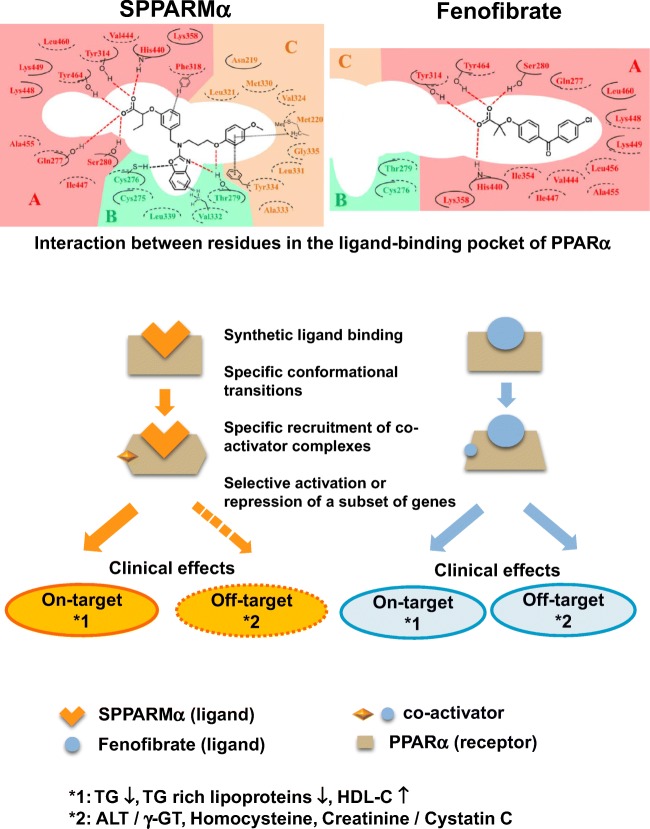
“As reported (Yamashita et al., 2020), the active sites of PPAR a composed of residues such as PHE218, MET220, PHE273, CYS276, GLN277, THR279, SER280, THR283, ILE317, TYR314, PHE318, MET320, LEU321, VAL324, MET330, LEU331, ALA333, ILE354, HIS440, LEU460 and TYR464 can form a Y-Figure shape, which…”
Elbahloul, M. A., Elgadi, A. T., Fayed, H., Ramadan, M., Kasser, M. E., Hussein, A., & Labieb, F. (2024) · Research Square · doi:10.21203/rs.3.rs-4486419/v1
Арутюнов, Г. П., Галстян, Г. Р., Т., Ю. Д., Dzgoeva, F. K., Владиславович, Е. М., В., Ю. К., Г., А. К., Д., В. Л., И., В. С., Ф., Е. Ш., et al. (2024) · Атеросклероз и дислипидемии · doi:10.34687/2219-8202.jad.2024.02.0001 · Cited by 4
Okada, R., Onishi, Y., Kobayashi, N., Ishihara, H., Yokoyama, T., Mifune, T., Sakurabu, Y., Nojima, I., Morinaga, H., Uchida, H. A., et al. (2024) · Renal Replacement Therapy · doi:10.1186/s41100-024-00590-8
The Role of Nuclear Receptor PPAR in Liver Fibrosis
思, 璐. (2025) · Advances in Clinical Medicine · doi:10.12677/acm.2025.1541071
Research Progress on Metabolic Disorders Associated with Diabetic Cardiomyopathy
丁, 佳. (2025) · Advances in Clinical Medicine · doi:10.12677/acm.2025.1541085
Furuya, T., Kitahama, S., Ogawa, S., Tamura, Y., & Yasu, T. (2025) · Rinsho yakuri/Japanese Journal of Clinical Pharmacology and Therapeutics · doi:10.3999/jscpt.56.3_142
Ikeda, K., Tada, M., Nakano, S., Tsushio, T., Watanabe, Y., Minamikawa, S., Ishiguro, C., Yokoyama, K., Fujisawa, K., Tanahashi, M., et al. (2025) · Therapeutic Innovation & Regulatory Science · doi:10.1007/s43441-025-00883-y
ALTERNATIVES TO STATINS IN THE TREATMENT OF HYPERCHOLESTEROLEMIA
Bajkacz, A. (2026) · International Journal of Innovative Technologies in Social Science · doi:10.31435/ijitss.1(49).2026.4754
Noritake, H., Inoue, T., Yonekura, T., Tamakoshi, H., Ida, Y., Matsumoto, M., Hanaoka, T., Yamashita, M., Umemura, M., Ohta, K., et al. (2026) · Journal of clinical lipidology · doi:10.1016/j.jacl.2026.02.012
A Convenient Laboratory‐Scale Synthesis Route Toward the PPARα Agonist Pemafibrate
Morlion, F., Clarisse, D., Bosscher, K. D., & D’hooghe, M. (2026) · ChemistryOpen · doi:10.1002/open.202600009
“Pemafibrate was approved in Japan in 2017 for the treatment of hyperlipidemia and continues to be the topic of advanced research related to other metabolic, inflammatory, and cardiovascular disorders [6 – 9].”
Shen, Q.-C., Qin, G., Yu, W., Li, J.-L., Liu, Y.-F., Song, J., Zhao, Z.-Y., Huang, X., Ye, W.-C., Wang, Y., et al. (2026) · Organic Letters · doi:10.1021/acs.orglett.6c00587
Lipid rewiring by adipose tissue macrophages during diet-induced inflammation and insulin resistance
Dahik, V. D. (2023) · theses.fr (ABES) · doi:10.70675/8f4f001ez6ebez4d7az934bz039a1f4d4116
Molecular genetic determinants of refractory hypercholesterolemia
Шестак, А. Г., Dorofeeva, O. D., Shirokova, N. S., & Иванощук, Д. Е. (2026) · Ateroscleroz · doi:10.52727/2078-256x-2026-22-1-84-98
New therapies for primary biliary cholangitis
Sohal, A., Alamgir, M., & Kowdley, K. V. (2026) · Hepatology International · doi:10.1007/s12072-026-11088-2
“Pemafibrate Pemafibrate is a selective PPAR-α modulator that has been reported to be 2500 times more potent than fenofibrate [39, 40].”
Yang, Y., Zhang, F., Peng, Z., Wu, Y., Li, L., Shen, Z., Ye, Q., Yue, J., & Na, S. (2026) · Acta Pharmaceutica Sinica B · doi:10.1016/j.apsb.2026.06.029
The Role of Lipid Disorders in Cardiovascular Mortality Among Saudis: A Review Perspective
Alsaidan, A. A. (2026) · International Journal of Endocrinology · doi:10.1155/ije/5596073
A case of lipoprotein glomerulopathy in which complete remission was achieved by pemafibrate therapy
Tomita, C., Sato, T., Suzuki, Y., まゆみ, 荒., Shimizu, Y., Suzuki, Y., Yasuda, H., & Misaki, T. (2026) · CEN Case Reports · doi:10.1007/s13730-026-01148-9
Qian, C., Zhang, X., Zhang, Z., Tanabe, K., Hayashi, C., Kittaka, H., Zheng, Q., Chen, J., Yuki, S., Yang, X., et al. (2026) · International Journal of Molecular Sciences · doi:10.3390/ijms27146252
“Pemafibrate (PEM) is a novel selective peroxisome proliferator-activated receptor α (PPAR α ) modulator (SPPARM α ) and is widely used for the treatment of dyslipidemia [1].”
Hishiki, T., Honda, A., Tanaka, R., Minomo, Y., Minamisawa, O., Konno, T., Kamata, S., Kamichatani, W., Tokuoka, S. M., Kita, Y., et al. (2026) · Biomolecules · doi:10.3390/biom16081078
Ursu, R., Buchholz, B., & Skoczynski, K. (2026) · American Journal of Physiology-Cell Physiology · doi:10.1152/ajpcell.00222.2026
Matsubayashi, S., Ito, S., Hosaka, Y., Yoshida, M., Kadota, T., Hashimoto, M., Hatano, S., Maruyama, T., Fujimoto, S., Nishioka, S., et al. (2026) · medRxiv · doi:10.64898/2026.08.31.26361865
Metadata
- Authors
- Yamashita, S., Masuda, D., & Matsuzawa, Y.
- Affiliations
- Rinku General Medical Center (JP)
- Corresponding author
- Yamashita, Shizuya
- Venue
- Current Atherosclerosis Reports
- Published
- 2020-01
- Volume
- 22
- Issue
- 1
- Pages
- 5-5
- ISSN
- 1523-3804 (ISSN-L)
- 1534-6242
- PMC
- PMC6978439
- OpenAlex
- W3002287592
- Semantic Scholar
- 9d0e4ec5ff33ddfa6edba8b0907b5717bcb1bbfe
- Cited by
- 191
- References
- 124
- Citations by year
- 2026: 21 · 2025: 35 · 2024: 29 · 2023: 40 · 2022: 30 · 2021: 24 · 2020: 12
- FWCI
- 2.56
- Type
- journal article
- Language
- en
- Open access
- hybrid
- doi.org
- Licence
- cc-by
- creativecommons.org/licenses/by/4.0 (tdm)
- creativecommons.org/licenses/by/4.0 (vor, 22 d)
- Locations
- Current Atherosclerosis Reports (publishedVersion, cc-by)
- PubMed Central (publishedVersion, cc-by)
- PubMed (publishedVersion)
- Funders
- Kowa Company
- Japan Society for the Promotion of Science (17H02100)
- Topics
- Life Sciences › Biochemistry, Genetics and Molecular Biology › Molecular Biology › Peroxisome Proliferator-Activated Receptors
- Health Sciences › Medicine › Cardiology and Cardiovascular Medicine › Lipoproteins and Cardiovascular Health
- Health Sciences › Medicine › Cardiology and Cardiovascular Medicine › Lipid metabolism and disorders
- Keywords
- pemafibrate, PPARα, hypertriglyceridemia, dyslipidemia, HDL cholesterol, LDL cholesterol, atherosclerotic cardiovascular disease, type 2 diabetes, drug-drug interactions, renal safety, liver safety, fibrates, statins, PCSK9 inhibitors, drug metabolism, drug repurposing
- MeSH terms
- Animals, Hypolipidemic Agents, Benzoxazoles, Butyrates, Diabetes Mellitus, Type 2, Drug Therapy, Combination, Humans, Cholesterol, HDL, Fenofibrate, Triglycerides, Treatment Outcome, Hydroxymethylglutaryl-CoA Reductase Inhibitors, PPAR alpha, Dyslipidemias, Atherosclerosis
About these checks
Registry, retraction, Cites and statistics results are computed, not judged, with one exception: a printed reference that no index lists is read once by a model before it counts as a citation error. Claims are extracted by a model and kept only when their quote appears verbatim in the text; each cited source is then checked, with a model’s help, for whether it says what the claim relies on. Those verdicts can be wrong — read the claim’s quote and the cited source before relying on one.
The claim verdicts this report counts are experimental: their accuracy is not yet measured.
A language model drew the claims from the paper on 2026-10-04, under version 3 of the claim definition (model deepseek-v4.1-flash, prompt extract-v3).
A second model labelled each claim on 2026-10-04 (model jev-1.13-20260917, definition revision gold-guideline-v0.2).
Cited sources are checked with a language model’s help (qwen3.8-omni-flash and gpt-6-sol).
Statistics and arithmetic are recomputed, not judged.
Confidence bands are shown only for fields calibrated on our annotated test set. None is calibrated yet, so no band is shown.
What counts as a claim ›How we measure confidence ›How we check this ›
Are you an author, or do you see a problem with this page? Request a review
Data sources
Bibliographic data: Semantic Scholar, OpenAlex, Crossref.
Contains information from the Semantic Scholar Academic Graph Datasets, made available under the ODC Attribution License (ODC-BY 1.0).
Semantic Scholar’s data is described in: Kinney, R., et al. (2023). The Semantic Scholar Open Data Platform. arXiv:2301.10140.
