

Pyrvinium pamoate inhibits cell proliferation through ROS-mediated AKT-dependent signaling pathway in colorectal cancer
Open accessThe DOI matches its Crossref record; 52 of the 52 references it cites were found in a registry or an index.
Abstract
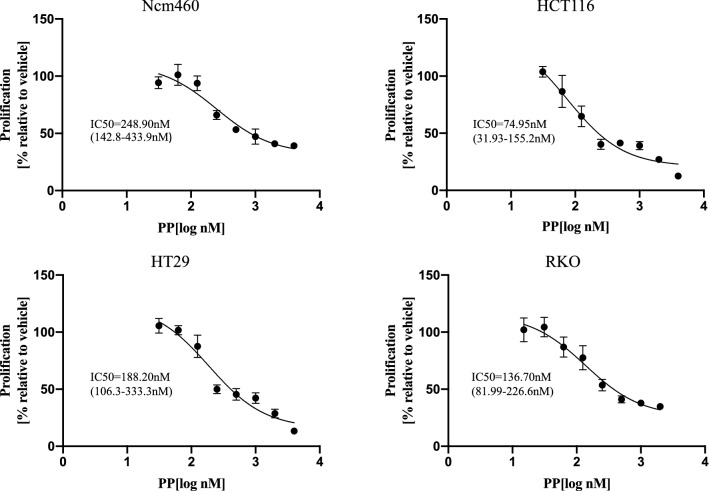
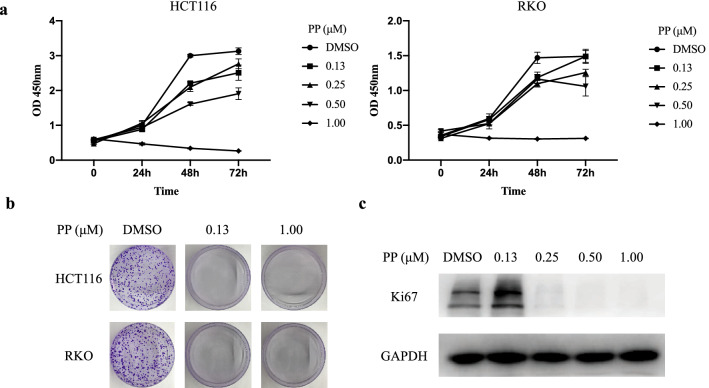
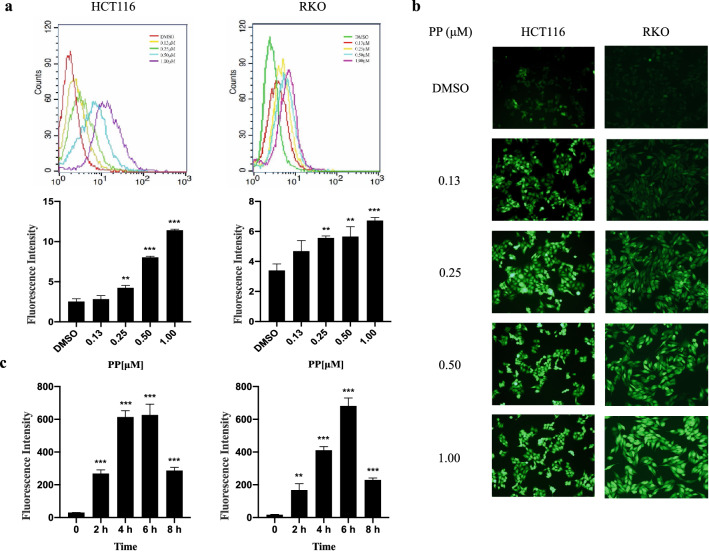
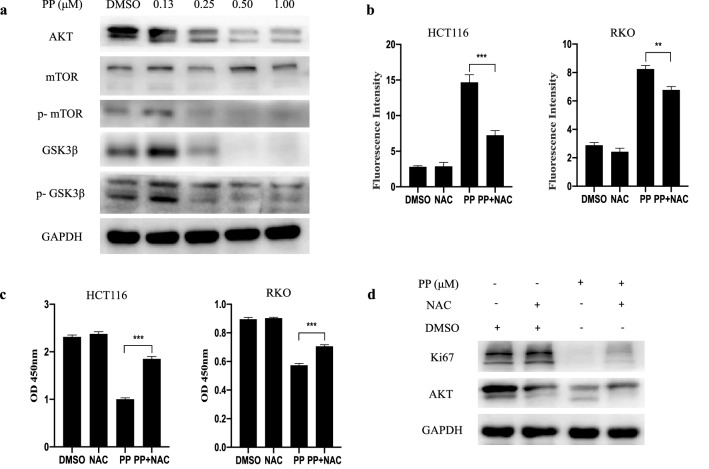
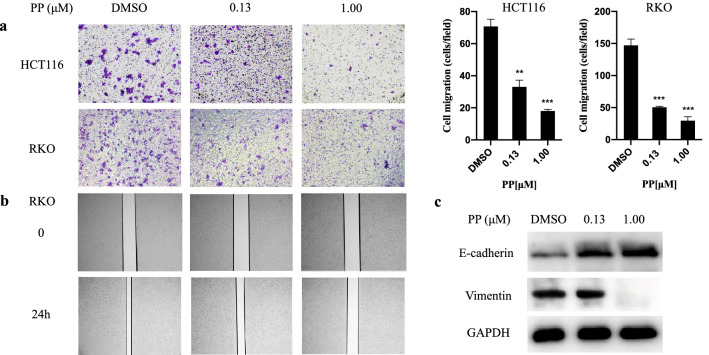
The use of the anthelmintic drug pyrvinium pamoate (PP) in cancer therapy has been extensively investigated in the last decade. PP has been shown to have an inhibitory effect in colorectal cancer (CRC), but the underlying mechanism remains elusive. We aimed to investigate the antitumor activity and mechanisms of PP in CRC. In the present study, we used CCK-8 assays, colony formation assays, and western blotting to reveal that PP effectively suppressed CRC cell proliferation and the AKT-dependent signaling pathway in a concentration-dependent and time-dependent manner. Flow cytometric analysis and fluorescence microscopy demonstrated that PP increased intracellular reactive oxygen species (ROS) accumulation. We found that the inhibitory effect of PP on cell proliferation and AKT protein expression induced by PP could be partially reversed by N-acetyl-l-cysteine (NAC), an ROS scavenger. In addition, the results also demonstrated that PP inhibited cell migration by modulating epithelial-to-mesenchymal transition (EMT)-related proteins, including E-cadherin and vimentin. In conclusion, our data suggested that PP effectively inhibited cell proliferation through the ROS-mediated AKT-dependent signaling pathway in CRC, further providing evidence for the use of PP as an antitumor agent.
Overview
The claims and statistics of this paper haven’t been checked yet.
Free: it reads the open-access text and checks the first 5 claims that cite a source we can check. Create a free account to check every claim.
Integrity signals
Registry
Cites
Statistics
Figures
Verification
Claims the paper makes
The claims and statistics of this paper haven’t been checked yet.
Free: it reads the open-access text and checks the first 5 claims that cite a source we can check. Create a free account to check every claim.
Claims other papers make about this one
Each is checked against this paper’s own text: does it say what the citing paper says it does?
The source backs part of the claim, not all of it — or backs it for a different population, condition or comparison.
In the citing paper
“Our findings together with those of others who showed that PP induced cytotoxicity in PDAC cells while sparing nonmalignant human pancreatic epithelial cells suggest that it is selective for PDAC cells and may therefore be associated with limited side effects [31, 32, 33].”
From Pyrvinium Pamoate Alone and With Gemcitabine Exhibits Anti‐Pancreatic Cancer Activity in 2D and 3D Cell Culture Models (2024) · cites this paper as [31]
Experimental — accuracy not yet measured
Self-check
Percentages, sums and reported differences re-computed from the paper’s own numbers.
The self-check needs the paper’s full text.
Citations
Cites
Bray, F., Ferlay, J., Soerjomataram, I., Siegel, R. L., Torre, L. A., & Jemal, A. (2018) · CA: A Cancer Journal for Clinicians · doi:10.3322/caac.21492 · Cited by 84,109
Cancer treatment and survivorship statistics, 2016
Miller, K. D., Siegel, R. L., Lin, C. C., Mariotto, A. B., Kramer, J. L., Rowland, J. H., Stein, K. D., Alteri, R., & Jemal, A. (2016) · CA: A Cancer Journal for Clinicians · doi:10.3322/caac.21349 · Cited by 6,066
The phosphatidylinositol 3-Kinase–AKT pathway in human cancer
Vivanco, I., & Sawyers, C. L. (2002) · Nature Reviews Cancer · doi:10.1038/nrc839 · Cited by 6,056
Mitochondrial formation of reactive oxygen species
Turrens, J. F. (2003) · The Journal of Physiology · doi:10.1113/jphysiol.2003.049478 · Cited by 5,084 · cited 1×
“Reactive oxygen species (ROS) are mainly produced in mitochondria during cell metabolism [7].”
BackgroundDekker, E., Tanis, P. J., Vleugels, J. L. A., Kasi, P. M., & Wallace, M. B. (2019) · The Lancet · doi:10.1016/s0140-6736(19)32319-0 · Cited by 4,974
Cancer treatment and survivorship statistics, 2019
Miller, K. D., Nogueira, L., Mariotto, A. B., Rowland, J. H., Yabroff, K. R., Alfano, C. M., Jemal, A., Kramer, J. L., & Siegel, R. L. (2019) · CA: A Cancer Journal for Clinicians · doi:10.3322/caac.21565 · Cited by 4,226 · cited 1×
“Nonetheless, CRC still ranks as the third most fatal cancer globally, and a large proportion of patients have a poor quality of life due to multiple dysfunctions caused by treatments [1, 3].”
BackgroundReactive oxygen species, cellular redox systems, and apoptosis
Circu, M. L., & Aw, T. Y. (2010) · Free Radical Biology and Medicine · doi:10.1016/j.freeradbiomed.2009.12.022 · Cited by 3,340 · cited 1×
“At low concentrations, ROS play an effective role in intracellular signal transduction and cellular function regulation [8].”
BackgroundPI3K/Akt signalling pathway and cancer
Vara, J. Á. F., Casado, E., de Castro, J., Cejas, P., Belda-Iniesta, C., & González-Barón, M. (2004) · Cancer Treatment Reviews · doi:10.1016/j.ctrv.2003.07.007 · Cited by 2,443 · cited 1×
“Previous research has shown that the AKT signaling pathway is involved in a variety of biological processes, including growth, proliferation, and apoptosis [32, 33].”
BackgroundROS stress in cancer cells and therapeutic implications
Pelicano, H., Carney, D., & Huang, P. (2004) · Drug Resistance Updates · doi:10.1016/j.drup.2004.01.004 · Cited by 2,006 · cited 2×
“However, excessive increases in ROS levels destroy cellular DNA and gene stability [9].”
BackgroundROS signalling in the biology of cancer
Moloney, J. N., & Cotter, T. G. (2018) · Seminars in Cell & Developmental Biology · doi:10.1016/j.semcdb.2017.05.023 · Cited by 1,970
Cited by
The Role of Oxidative Stress in Tumorigenesis and Progression
Li, K., Deng, Z., Lei, C., Ding, X., Li, J., & Wang, C. (2024) · Cells · doi:10.3390/cells13050441 · Cited by 153
“It was found that high levels of ROS mediated AKT-dependent signaling pathways to effectively inhibit the proliferation of rectal cancer (CRC) cells [51].”
BackgroundOxidative Stress and Inflammation: Drivers of Tumorigenesis and Therapeutic Opportunities
Wang, M., Xiao, Y., Miao, J., Zhang, X., Liu, M., Zhu, L., Liu, H., Shen, X., Wang, J., Xie, B., et al. (2025) · Antioxidants · doi:10.3390/antiox14060735 · Cited by 130
Chen, Y., Chen, M., & Deng, K. (2022) · International Journal of Oncology · doi:10.3892/ijo.2022.5472 · Cited by 67
Wu, J., Wang, D., Zhou, J., Li, J., Xie, R., Li, Y., Huang, J., Liu, B., & Qiu, J. (2022) · Phytotherapy Research · doi:10.1002/ptr.7614 · Cited by 48
“Excessive ROS leads to cell damage and apoptosis by destroying cellular DNA and gene stability (Zheng et al., 2021).”
BackgroundPyrvinium Pamoate: Past, Present, and Future as an Anti-Cancer Drug
Schultz, C. W., & Nevler, A. (2022) · Biomedicines · doi:10.3390/biomedicines10123249 · Cited by 44
“In addition to pre-clinical studies assessing PP as a monotherapy in colon cancer [50,72], PP was found to act as a chemoprotective agent in the formation of intestinal polyps in an APCmin mouse model, presumably through its inhibition of the WNT pathway [47].”
BackgroundChang, W., Peng, J.-Y., Hong, C.-L., Li, P.-C., Chye, S. M., Lu, F., Lin, H.-Y., & Chen, C. (2025) · Antioxidants · doi:10.3390/antiox14070892 · Cited by 205
“Compounds such as pyrvinium pamoate, antrodin C, metformin, lycorine, and delicaflavone have been reported to inhibit PI3K/Akt or activate MAPK pathways via ROS-mediated mechanisms [13–17].”
Tran, K. B., Kolekar, S., Wang, Q., Shih, J., Buchanan, C. M., Deva, S., & Shepherd, P. R. (2022) · Molecular Cancer Therapeutics · doi:10.1158/1535-7163.mct-21-0941 · Cited by 10
Angeli, C., Philippidou, D., Klein, E., Margue, C., Ghosh, S., Maldonado, M. L. C., Tiso, N., Risato, G., Irfan, F., Santos, B. F. R., et al. (2025) · Journal of Experimental & Clinical Cancer Research · doi:10.1186/s13046-025-03539-9 · Cited by 9
Serala, K., Bai, J., & Prince, S. (2024) · Journal of Cellular and Molecular Medicine · doi:10.1111/jcmm.70222 · Cited by 6
Yu, P.-C., Kao, Y.-C., Chang, H., Huang, C.-H., Hsu, W., Huang, H., & Juan, H. (2025) · Journal of Proteome Research · doi:10.1021/acs.jproteome.5c00191 · Cited by 4
Tomassini, L., Pacifico, T., Monteleone, G., Stolfi, C., & Laudisi, F. (2025) · Cells · doi:10.3390/cells14241968 · Cited by 5
“Unlike other anthelmintics, pyrvinium pamoate preferentially inhibits mitochondrial complex I and NADH-fumarate reductase activity, causing a collapse of mitochondrial respiration under hypoxic or glucose-deprived conditions [75,76].”
Repurposing Drugs for Overcoming Therapy Resistance in Colon Cancer – A Review
Darvishi, M., Chekeni, A. M., Fazelhosseini, M., Iqbal, Z., Mirza, M. A., Aslam, M., & Bayrakdar, E. T. A. (2024) · Journal of Angiotherapy · doi:10.25163/angiotherapy.829423 · Cited by 3
Alipour, S., Sohrabi, S., Ghahramanipour, Z., Mardi, A., Mehdizadehfar, E., & Baradaran, B. (2026) · Journal of Pharmaceutical Innovation · doi:10.1007/s12247-026-10564-4 · Cited by 1
“PYR alters ROS-dependent signaling that impacts AKT (also known as protein kinase B (PKB)) pathways in colorectal cancer [19].”
Repurposing antiparasitic drugs for the treatment of other diseases
Lashgari, N., Roudsari, N. M., Ahmadvand, D., Amirlou, D., Khales, S. D., Ahmadian, D., Momtaz, S., Abdolghaffari, A. H., Jamialahmadi, T., & Sahebkar, A. (2024) · Elsevier eBooks · doi:10.1016/b978-0-443-15178-1.00005-5 · Cited by 3
Casein Kinase 1α Agonist Pyrvinium Promotes Autophagy to Suppress Endometriosis in Mice
Zhou, A., Cai, Q., Hong, Y., & Lv, Y. (2025) · Journal of Biochemical and Molecular Toxicology · doi:10.1002/jbt.70506
Self-citationBeyond antiparasitic activity: elucidating the antibacterial potency of pyrvinium pamoate
Alcaraz-Martínez, Á., Muñoz-Báez, P., Peñalver, P., Morales, J. C., & Cebrián, R. (2025) · Microbiology Spectrum · doi:10.1128/spectrum.02158-25
“Preclinical studies have demonstrated that PP can suppress the growth of pancreatic, colorectal, breast, and prostate cancer cells (among others), often with minimal effects on non-cancerous cells by binding G-quad ruplex DNA structures (12–15).”
CK1α agonists attenuate medulloblastoma stemness and relapse risk
Peterson, K. D., Turos‐Cabal, M., Shahani, P. H., Salvador, A., Swiderska‐Syn, M., Ferretti, G. D. S., Alfaro-Quinde, C., Kliebe, V. M., Finelli, L., Howell, A. J., et al. (2026) · Cell Death and Disease · doi:10.1038/s41419-026-08762-6
“Although our ex vivo pyrvinium concentrations are comparable to those used in other tumor models [13, 16, 34, 35, 39, 42, 43, 46, 48, 50], including those supporting its translation [48, 51], its lack of brain permeability prevents direct in vivo dose comparisons in MB and limits its direct…”
Molinario, A., Caprioglio, F., Rilievo, A. A., Bianchi, M. E., & Mezzapelle, R. (2026) · International Journal of Molecular Sciences · doi:10.3390/ijms27177859
Feng, C., Zhang, Z., Zhang, Y., Guo, P., Pan, L., & Li, Y. (2026) · European Journal of Organic Chemistry · doi:10.1002/ejoc.70904
Metadata
- Authors
- Zheng, W., Hu, J., Lv, Y., Bai, B., Shan, L., Chen, K., Dai, S., & Zhu, H.
- Affiliations
- Sir Run Run Shaw Hospital (CN)
- Corresponding author
- Zhu, Hongbo
- Venue
- Medical Oncology
- Published
- 2021-02
- Volume
- 38
- Issue
- 2
- Pages
- 21-21
- ISSN
- 1357-0560 (ISSN-L)
- 1559-131X
- PMC
- PMC7868320
- OpenAlex
- W3127161950
- Cited by
- 21
- References
- 52
- Citations by year
- 2026: 4 · 2025: 8 · 2024: 5 · 2022: 4
- FWCI
- 0.71
- Type
- journal article
- Language
- en
- Open access
- hybrid
- doi.org
- Licence
- cc-by
- creativecommons.org/licenses/by/4.0 (tdm)
- creativecommons.org/licenses/by/4.0 (vor, 7 d)
- Locations
- Medical Oncology (publishedVersion, cc-by)
- PubMed Central (publishedVersion, cc-by)
- PubMed (publishedVersion)
- Funders
- National Natural Science Foundation of China (81272681)
- Topics
- Life Sciences › Biochemistry, Genetics and Molecular Biology › Molecular Biology › PI3K/AKT/mTOR signaling in cancer
- Life Sciences › Pharmacology, Toxicology and Pharmaceutics › Toxicology › Bioactive Compounds and Antitumor Agents
- Life Sciences › Biochemistry, Genetics and Molecular Biology › Molecular Biology › Metabolism, Diabetes, and Cancer
- Keywords
- pyrvinium pamoate, colorectal cancer, reactive oxygen species, Akt signaling, cell proliferation inhibition, anthelmintic repurposing, N-acetylcysteine, epithelial-mesenchymal transition, E-cadherin, vimentin, cell migration
- MeSH terms
- Cell Movement, Cell Survival, Humans, Pyrvinium Compounds, Colorectal Neoplasms, Signal Transduction, Reactive Oxygen Species, Cell Line, Tumor, Cell Proliferation, Proto-Oncogene Proteins c-akt, Epithelial-Mesenchymal Transition
About these checks
Registry, retraction, Cites and statistics results are computed, not judged, with one exception: a printed reference that no index lists is read once by a model before it counts as a citation error. Claims are extracted by a model and kept only when their quote appears verbatim in the text; each cited source is then checked, with a model’s help, for whether it says what the claim relies on. Those verdicts can be wrong — read the claim’s quote and the cited source before relying on one.
Statistics and arithmetic are recomputed, not judged.
Confidence bands are shown only for fields calibrated on our annotated test set. None is calibrated yet, so no band is shown.
What counts as a claim ›How we measure confidence ›How we check this ›
Are you an author, or do you see a problem with this page? Request a review
Data sources
Bibliographic data: Semantic Scholar, OpenAlex, Crossref.
Contains information from the Semantic Scholar Academic Graph Datasets, made available under the ODC Attribution License (ODC-BY 1.0).
Semantic Scholar’s data is described in: Kinney, R., et al. (2023). The Semantic Scholar Open Data Platform. arXiv:2301.10140.
