

Prolonged non-metabolic heart rate variability reduction as a physiological marker of psychological stress in daily life.
Open accessThe DOI matches its Crossref record; 61 of the 61 references it cites were found in a registry or an index.
Abstract
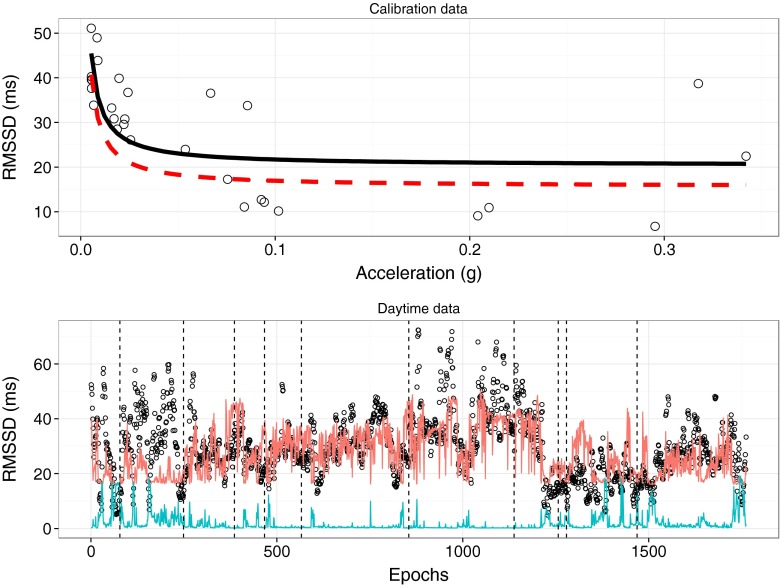
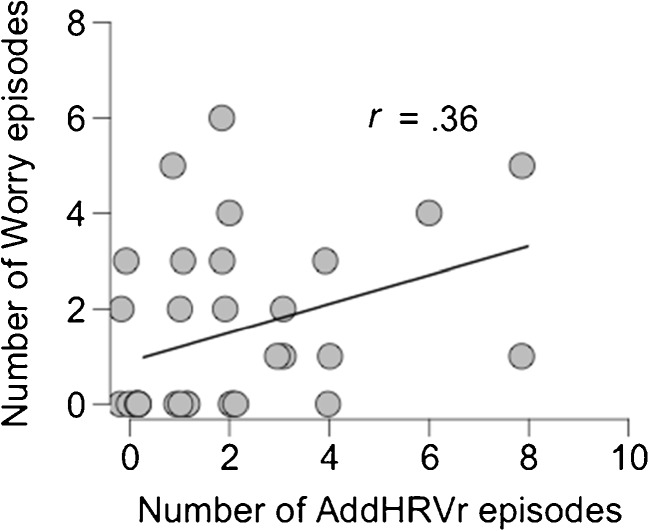
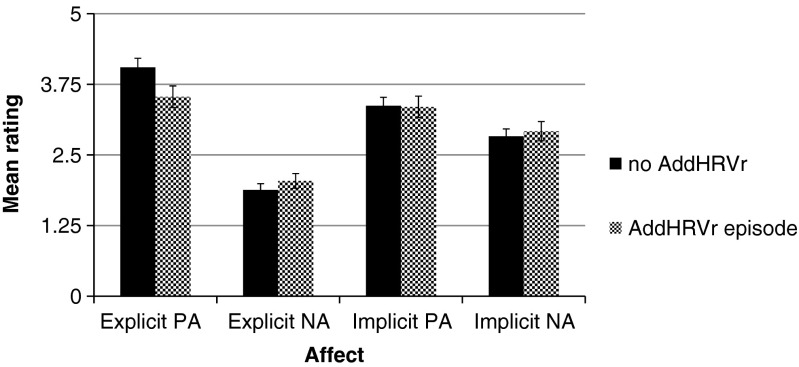
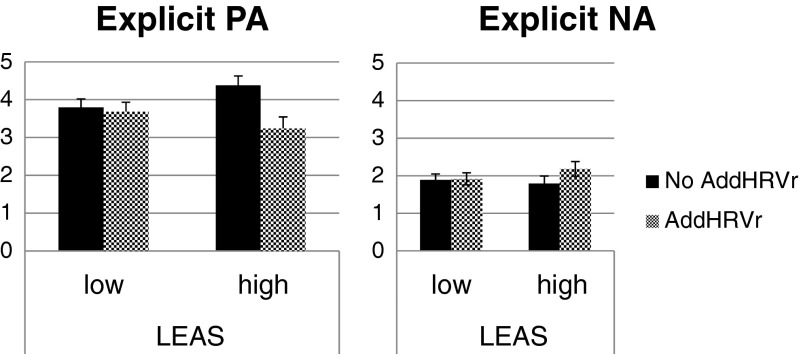
BACKGROUND: Prolonged cardiac activity that exceeds metabolic needs can be detrimental for somatic health. Psychological stress could result in such "additional cardiac activity." PURPOSE: In this study, we examined whether prolonged additional reductions in heart rate variability (AddHRVr) can be measured in daily life with an algorithm that filters out changes in HRV that are purely due to metabolic demand, as indexed by movement, using a brief calibration procedure. We tested whether these AddHRVr periods were related to worry, stress, and negative emotions. METHODS: Movement and the root of the mean square of successive differences (RMSSD) in heart rate were measured during a calibration phase and the subsequent 24 h in 32 participants. Worry, stress, explicit and implicit emotions were assessed hourly using smartphones. The Levels of Emotional Awareness Scale and resting HRV were used to account for individual differences. During calibration, person-specific relations between movement and RMSSD were determined. The 24-h data were used to detect prolonged periods (i.e., 7.5 min) of AddHRVr. RESULTS: AddHRVr periods were associated with worrying, with decreased explicit positive affect, and with increased tension, but not with the frequency of stressful events or implicit emotions. Only in people high in emotional awareness and high in resting HRV did changes in AddHRVr covary with changes in explicit emotions. CONCLUSIONS: The algorithm can be used to capture prolonged reductions in HRV that are not due to metabolic needs. This enables the real-time assessment of episodes of potentially detrimental cardiac activity and its psychological determinants in daily life.
Overview
The claims and statistics of this paper haven’t been checked yet.
Free: it reads the open-access text and checks the first 5 claims that cite a source we can check. Create a free account to check every claim.
Integrity signals
Registry
Cites
Statistics
Figures
Verification
Claims the paper makes
The claims and statistics of this paper haven’t been checked yet.
Free: it reads the open-access text and checks the first 5 claims that cite a source we can check. Create a free account to check every claim.
Self-check
Percentages, sums and reported differences re-computed from the paper’s own numbers.
The self-check needs the paper’s full text.
Citations
Cites
Fitting Linear Mixed-Effects Models Using lme4
Bates, D., Mächler, M., Bolker, B., & Walker, S. (2015) · Journal of Statistical Software · doi:10.18637/jss.v067.i01 · Cited by 86,835
Linear Mixed-Effects Models using 'Eigen' and S4
Bates, D. M., Maechler, M., Bolker, B. M., & Walker, S. C. (2015) · Cited by 5,924
Rovere, M. T. L., Bigger, J. T., Marcus, F. I., Mortara, A., & Schwartz, P. J. (1998) · The Lancet · doi:10.1016/s0140-6736(97)11144-8 · Cited by 3,120 · cited 1×
“Low heart rate variability (HRV) is a risk factor for a wide range of pathogenic states and for mortality [1].”
BackgroundA model of neurovisceral integration in emotion regulation and dysregulation
Thayer, J. F., & Lane, R. D. (2000) · Journal of Affective Disorders · doi:10.1016/s0165-0327(00)00338-4 · Cited by 3,092 · cited 2×
“providing further evidence for the neurovisceral integration model of emotion (dys)regulation [34, 56].”
BackgroundSelf-citationThayer, J. F., Yamamoto, S. S., & Brosschot, J. F. (2010) · International Journal of Cardiology · doi:10.1016/j.ijcard.2009.09.543 · Cited by 2,276 · cited 1×
“levels, but it is generally believed that physical activity promotes somatic health and that aerobic exercise increases resting levels of HRV [9].”
BackgroundSelf-citationThayer, J. F., & Lane, R. D. (2009) · Neuroscience & Biobehavioral Reviews · doi:10.1016/j.neubiorev.2008.08.004 · Cited by 2,040 · cited 2×
“providing further evidence for the neurovisceral integration model of emotion (dys)regulation [34, 56].”
BackgroundSelf-citationBrosschot, J. F., Gerin, W., & Thayer, J. F. (2006) · Journal of Psychosomatic Research · doi:10.1016/j.jpsychores.2005.06.074 · Cited by 1,643 · cited 1×
“Additionally, people are not continuously facing stressful situations in their daily lives, but they can recreate those situations in their minds, for example in anticipation of stressful events [29].”
BackgroundSelf-citationMCEWEN, B. S. (2004) · Annals of the New York Academy of Sciences · doi:10.1196/annals.1314.001 · Cited by 1,638 · cited 1×
“resting levels of HRV, via a process called allostasis [8].”
BackgroundKemp, A. H., Quintana, D. S., Gray, M. A., Felmingham, K. L., Brown, K., & Gatt, J. M. (2010) · Biological Psychiatry · doi:10.1016/j.biopsych.2009.12.012 · Cited by 1,286 · cited 1×
“It remains to be understood whether AddHRVr periods can be detected in people that have (chronically) lower levels of HRV, such as older samples, or patients suffering from anxiety or mood disorders [60, 61].”
BackgroundAnxiety Disorders are Associated with Reduced Heart Rate Variability: A Meta-Analysis
Chalmers, J. A., Quintana, D. S., Abbott, M. J.-A., & Kemp, A. H. (2014) · Frontiers in Psychiatry · doi:10.3389/fpsyt.2014.00080 · Cited by 1,067
Cited by
Laborde, S., Mosley, E., & Thayer, J. F. (2017) · Frontiers in Psychology · doi:10.3389/fpsyg.2017.00213 · Cited by 2,336
“Currently, there is no generally available strategy to compute algorithms that are able to separate the influence of movement on HRV from the influence of other regulatory processes (but see Verkuil et al., 2016, for a new approach to this issue).”
BackgroundSelf-citationThe hierarchical basis of neurovisceral integration
Smith, R., Thayer, J. F., Khalsa, S. S., & Lane, R. D. (2017) · Neuroscience & Biobehavioral Reviews · doi:10.1016/j.neubiorev.2017.02.003 · Cited by 523
“…of the PFC in both emotional awareness (e.g., Frewen et al., 2008; McRae t al., 2008; Silani et al., 2008; Smith et al., 2014a,b) and the reguation of vagal tone (reviewed in Thayer et al., 2012), as well as a ositive correlation between emotional awareness and vagal tone Verkuil et al., 2016).”
BackgroundSelf-citationPhysiological and cognitive performance of exposure to biophilic indoor environment
Yin, J., Zhu, S., MacNaughton, P., Allen, J. G., & Spengler, J. D. (2018) · Building and Environment · doi:10.1016/j.buildenv.2018.01.006 · Cited by 409
Brosschot, J., Verkuil, B., & Thayer, J. (2018) · International Journal of Environmental Research and Public Health · doi:10.3390/ijerph15030464 · Cited by 244
“Low HRV predicts mortality in cancer patients (see reviews [206–208]) as well as in terminally ill patients in hospice care units [209,210].”
MethodInfluentialSelf-citationQuigley, K. S., Gianaros, P. J., Norman, G. J., Jennings, J. R., Berntson, G. G., & de Geus, E. J. C. (2024) · Psychophysiology · doi:10.1111/psyp.14604 · Cited by 225
Levels of Emotional Awareness: Theory and Measurement of a Socio-Emotional Skill
Lane, R. D., & Smith, R. (2021) · Journal of Intelligence · doi:10.3390/jintelligence9030042 · Cited by 163
“Self ‐ awareness has been found to engage brain regions (e.g., within the default mode network) that promote vagal tone (Thayer et al. 2012); this may account for the positive correlation between LEAS and heart rate variability at rest (Verkuil et al. 2016).”
BackgroundSelf-citationUnconscious emotion: A cognitive neuroscientific perspective
Smith, R. S., & Lane, R. D. (2016) · Neuroscience & Biobehavioral Reviews · doi:10.1016/j.neubiorev.2016.08.013 · Cited by 135
Self-citationPractices and Applications of Heart Rate Variability Monitoring in Endurance Athletes
Lundstrom, C. J., Foreman, N. A., & Biltz, G. R. (2022) · International Journal of Sports Medicine · doi:10.1055/a-1864-9726 · Cited by 156
“Given that the “stress response” is typically characterized by a reduction in parasympathetic activity, it is not surprising that some types of life stress have been shown to reduce HRV [93].”
BackgroundWeber, J., Angerer, P., & Apolinário-Hagen, J. (2022) · PLoS ONE · doi:10.1371/journal.pone.0271996 · Cited by 142
“[31] As the response of HRV can be immediate or delayed [26], continuous measurement by means of a wearable ECG for 24 h [29, 31, 32] or longer [30] is appropriate.”
BackgroundLarradet, F., Niewiadomski, R., Barresi, G., Caldwell, D. G., & Mattos, L. S. (2020) · Frontiers in Psychology · doi:10.3389/fpsyg.2020.01111 · Cited by 135
“Verkuil et al. (2016) proposed an in-the-lab calibration using rest, standing, cycling and stair climbing to improve the capabilities of categorizing metabolic and non-metabolic HRV reductions in-the-wild (24 h) using ECG and 3D accelerometer.”
MethodEffects of office workstation type on physical activity and stress
Lindberg, C. M., Srinivasan, K. K., Gilligan, B., Razjouyan, J., Lee, H., Najafi, B., Canada, K., Mehl, M. R., Currim, F., Ram, S., et al. (2018) · Occupational and Environmental Medicine · doi:10.1136/oemed-2018-105077 · Cited by 124
“21 To quantify the physiological stress response, we calculated the mean of the standard deviation of normalized interbeat intervals (SDNN).”
MethodChoi, A., & Shin, H. (2018) · Frontiers in Physiology · doi:10.3389/fphys.2018.00922 · Cited by 74
Raugh, I. M., Chapman, H. C., Bartolomeo, L. A., Gonzalez, C. M., & Strauss, G. (2019) · Psychological Assessment · doi:10.1037/pas0000651 · Cited by 48
Schilling, R., Herrmann, C., Ludyga, S., Colledge, F., Brand, S., Pühse, U., & Gerber, M. (2020) · Frontiers in Psychiatry · doi:10.3389/fpsyt.2020.00594 · Cited by 61
“In order to assess physiological stress reactivity and recovery objectively in real-life, heart rate variability (HRV) has become a popular and frequently used parameter in stress research (25).”
Resting state functional connectivity correlates of emotional awareness
Smith, R. S., Alkozei, A., Bao, J., Smith, C., Lane, R. D., & Killgore, W. D. S. (2017) · NeuroImage · doi:10.1016/j.neuroimage.2017.07.044 · Cited by 51
“It is also notable that previous studies have found positive correlations both between LEAS scores and vagally mediated heart rate variability (HRV; Verkuil et al., 2016) and between HRV and activity within medial prefrontal DMN regions (Thayer et al.”
ResultSelf-citationBrouwer, A.-M., van Dam, E., van Erp, J. B. F., Spangler, D. P., & Brooks, J. (2018) · Frontiers in Human Neuroscience · doi:10.3389/fnhum.2018.00284 · Cited by 51
Using ambulatory assessment to measure dynamic risk processes in affective disorders
Stange, J. P., Kleiman, E. M., Mermelstein, R. J., & Trull, T. J. (2019) · Journal of Affective Disorders · doi:10.1016/j.jad.2019.08.060 · Cited by 44
Krause-Utz, A., Walther, J.-C., Lis, S., Schmahl, C., & Bohus, M. (2019) · Psychological Medicine · doi:10.1017/s0033291718002489 · Cited by 38
“40 Hz range) are established measures used to quantify vagal tone and to evaluate activity of the parasympathetic nervous system relative to the sympathetic nervous system (Appelhans et al., 2006; Grossman and Taylor, 2007; Thayer et al., 2012; Williams et al., 2015; Verkuil et al., 2016).”
BackgroundInfluentialBrown, S. B. R. E., Brosschot, J. F., Versluis, A., Thayer, J. F., & Verkuil, B. (2018) · International Journal of Psychophysiology · doi:10.1016/j.ijpsycho.2017.10.007 · Cited by 31
Self-citationNuske, H. J., Goodwin, M. S., Kushleyeva, Y., Forsyth, D., Pennington, J. W., Masino, A. J., Finkel, E., Bhattacharya, A., Tan, J., Tai, H., et al. (2021) · Autism Research · doi:10.1002/aur.2633 · Cited by 32
Kitajima, K., Oishi, K., Masafumi, M. I. W. A., Anzai, H., Setoguchi, A., Yasunaka, Y., Himeno, Y., Kumagai, H., & Hirooka, H. (2021) · Frontiers in Veterinary Science · doi:10.3389/fvets.2021.658763 · Cited by 44
Schwerdtfeger, A. R., & Rominger, C. (2021) · Psychophysiology · doi:10.1111/psyp.13914 · Cited by 29
Versluis, A., Verkuil, B., Spinhoven, P., & F Brosschot, J. (2018) · Psychology & Health · doi:10.1080/08870446.2018.1456660 · Cited by 23
Self-citationAssociations Between Positive Affect and Heart Rate Variability: A Systematic Review
Schneider, M., Rominger, C., & Schwerdtfeger, A. R. (2025) · Current Cardiology Reports · doi:10.1007/s11886-025-02299-4 · Cited by 29
Beute, F., & de Kort, Y. A. W. (2018) · Applied Psychology Health and Well-Being · doi:10.1111/aphw.12128 · Cited by 27
Larkey, L., Kim, S. W., James, D. L., Kishida, M., Vizcaíno, M., Huberty, J., & Krishnamurthi, N. (2020) · Integrative Cancer Therapies · doi:10.1177/1534735420949677 · Cited by 27
Autonomic complexity dynamically indexes affect regulation in everyday life.
Stange, J. P., Li, J., Xu, E. P., Ye, Z., Zapetis, S. L., Phanord, C. S., Wu, J., Sellery, P., Keefe, K., Forbes, E. E., et al. (2023) · Journal of Psychopathology and Clinical Science · doi:10.1037/abn0000849 · Cited by 19
Schwerdtfeger, A. R., Paul, L., & Rominger, C. (2022) · International Journal of Psychophysiology · doi:10.1016/j.ijpsycho.2022.10.008 · Cited by 20
Schmid, R. F., Thomas, J., & Rentzsch, K. (2024) · Scientific Reports · doi:10.1038/s41598-024-74873-9 · Cited by 29
“Among the broad variety of SAM and HPA biomarkers, HRV has been established as a prominent and increasingly used metric in stress-related literature 9,25 .”
BackgroundResultAffective agnosia: a core affective processing deficit in the alexithymia spectrum
Lane, R., Solms, M., Weihs, K., Hishaw, A., & Smith, R. (2020) · BioPsychoSocial Medicine · doi:10.1186/s13030-020-00184-w · Cited by 17
“Moreover, multiple brain imaging studies [23–29] and psychophysiological evidence [30] also support the validity of the LEAS as a measure of emotional awareness.”
BackgroundSelf-citationBauer, W., Mütze‐Niewöhner, S., Stowasser, S., Zanker, C., & Müller, N. (2021) · Springer eBooks · doi:10.1007/978-3-662-62215-5 · Cited by 23
Schoenmakers, M., Saygin, M., Sikora, M. T., Vaessen, T., Noordzij, M. L., & de Geus, E. J. C. (2025) · Behavior Research Methods · doi:10.3758/s13428-025-02685-4 · Cited by 23
“In this approach, increases in heart rate are flagged only when co-recorded physical activity indicate that the heart rate response was not simply part of homeostatic regulation in response to changed hemodynamic and metabolic demands (Verkuil et al., 2016).”
Diurnal variation of cardiac autonomic activity in adolescent non-suicidal self-injury
Sigrist, C., Jakob, H., Beeretz, C. J., Schmidt, S. J., Kaess, M., & Koenig, J. (2023) · European Archives of Psychiatry and Clinical Neuroscience · doi:10.1007/s00406-023-01574-1 · Cited by 20
“In particular, most existing ambulatory HRV studies refrained from considering physical activity as a potential confounder [116], despite evidently strong influences of physical activity levels on HRV.”
BackgroundBrown, S. B. R. E., BROSSCHOT, J. F., Versluis, A., Thayer, J. F., & Verkuil, B. (2020) · Frontiers in Neuroscience · doi:10.3389/fnins.2020.564123 · Cited by 18
“Variables In the current study, we have evaluated six alternative methods to the additional HRV detection method that was described by Verkuil et al. (2016). All of these methods used a similar approach: an inverse regression model was fitted for every individual to quantify the relationship between HRV, expressed as…”
BackgroundMethodInfluentialSelf-citationOishi, K., Himeno, Y., Masafumi, M. I. W. A., Anzai, H., Kitajima, K., Yasunaka, Y., Kumagai, H., Ieiri, S., & Hirooka, H. (2018) · Frontiers in Physiology · doi:10.3389/fphys.2018.01063 · Cited by 17
The Effect of the Menstrual Cycle on Daily Measures of Heart Rate Variability in Athletic Women
Kokts‐Porietis, R. L., Minichiello, N. R., & Doyle–Baker, P. K. (2019) · Journal of Psychophysiology · doi:10.1027/0269-8803/a000237 · Cited by 24
Stress and Depressive Symptoms Among Demographically Diverse American Pregnant Women
Herbell, K., Zauszniewski, J. A., & Williams, E. M. (2019) · Issues in Mental Health Nursing · doi:10.1080/01612840.2019.1662145 · Cited by 16
How and why could smiling influence physical health? A conceptual review
Cross, M. P., Acevedo, A. M., Leger, K. A., & Pressman, S. D. (2022) · Health Psychology Review · doi:10.1080/17437199.2022.2052740 · Cited by 21
Night time heart rate predicts next-day pain in fibromyalgia and primary back pain
Dudarev, V., Barral, O., Radaeva, M., Davis, G., & Enns, J. T. (2024) · PAIN Reports · doi:10.1097/pr9.0000000000001119 · Cited by 21
“3,37,67 Heart rate variability (HRV) and heart rate (HR) are often presented as markers of parasympathetic and sympathetic systems, respectively.”
BackgroundRominger, C., & Schwerdtfeger, A. R. (2022) · Sensors · doi:10.3390/s22082925 · Cited by 18
Smith, R. S., Gudleski, G. D., Lane, R. D., & Lackner, J. M. (2019) · Psychological Reports · doi:10.1177/0033294119868778 · Cited by 16
Self-citationGriffiths, A., Link, K., Haughtigan, K. S., Beer, O. W. J., Powell, L., & Royse, D. D. (2023) · Journal of Public Child Welfare · doi:10.1080/15548732.2023.2182396 · Cited by 17
“…and heart rate variability (HRV)) to understand the physiological effects of stress (Endukuru & Tripathi, 2016; Järvelin-Pasanen, Sinikallio, & Tarvainen, 2018; Kim, Cheon, Bai, Lee, & Koo, 2018; Verkuil, Brosschot, Tollenaar, Lane, & Thayer, 2016; Wettstein, Kühne, Tschacher, & La Marca, 2020).”
Kim, J., Foo, J. C., Murata, T., & Togo, F. (2024) · Stress and Health · doi:10.1002/smi.3447 · Cited by 16
Srinivasan, K. K., Currim, F., Lindberg, C. M., Razjouyan, J., Gilligan, B., Lee, H., Canada, K., Goebel, N., Mehl, M. R., Lunden, M. M., et al. (2023) · npj Digital Medicine · doi:10.1038/s41746-022-00727-1 · Cited by 23
The Association Between Juvenile Onset of Depression and Emotion Regulation Difficulties
Visted, E., Sørensen, L., Vøllestad, J., Osnes, B., Svendsen, J. L., Jentschke, S., Binder, P., & Schanche, E. (2019) · Frontiers in Psychology · doi:10.3389/fpsyg.2019.02262 · Cited by 16
Malekzad, F., Jais, M., Hernández, G. P., Kehr, H. M., & Quirin, M. (2022) · Theory & Psychology · doi:10.1177/09593543221086598 · Cited by 14
“For example, some stress-inducing experiments were not able to find an association between heart rate variability and implicit affect (Verkuil et al., 2016).”
BackgroundAccelerometer‐based heart rate adjustment for ambulatory stress research
van de Ven, S. R. B., Gevonden, M. J., Noordzij, M. L., & de Geus, E. J. C. (2024) · Psychophysiology · doi:10.1111/psyp.14721 · Cited by 14
HRV based Stress Assessment of Individuals in a Work Environment
Vaishali, B., Amalan, S., Preejith, S. P., Joseph, J., & Sivaprakasam, M. (2020) · IEEE International Symposium on Medical Measurements and Applications (MeMeA) · doi:10.1109/memea49120.2020.9137299 · Cited by 14
“New generation wearable ECG devices [2], [21], [22] facilitate continuous, long term and unobtrusive monitoring which is relatively less affected by motion.”
BackgroundSchwerdtfeger, A. R., Tatschl, J. M., & Rominger, C. (2025) · Journal of Medical Internet Research · doi:10.2196/69582 · Cited by 17
“However, as outlined in previous research, RMSSD is considered a core measure of this approach [7,8,14].”
Queirolo, L., Bacci, C., Roccon, A., Zanette, G., & Mucignat‐Caretta, C. (2023) · Frontiers in Psychology · doi:10.3389/fpsyg.2023.1045974 · Cited by 15
“Noteworthy longer periods of reduced HRV are associated with worrying, with decreased explicit positive affect, and with increased tension (Verkuil et al., 2016).”
BackgroundHarel, K., Czamanski‐Cohen, J., Cohen, M. W., Lane, R. D., Dines, M., Caspi, O., & Weihs, K. L. (2024) · Brain Behavior and Immunity · doi:10.1016/j.bbi.2024.12.005 · Cited by 12
Self-citationVikoler, T., Ganesch, H., Dubravac, J., & Traut‐Mattausch, E. (2025) · Journal of Medical Internet Research · doi:10.2196/75785 · Cited by 6
“Using ambulatory saliva sampling [45] or portable electrocardiogram sensors [46,47] could enable physiological stress assessments of salivary cortisol and heart rate outside laboratory settings.”
Saygin, M., Schoenmakers, M., Gevonden, M. J., & de Geus, E. J. C. (2025) · Psychophysiology · doi:10.1111/psyp.70021 · Cited by 7
“Consequently, posture and physical activity have been widely recognized as the factors that should at least be accounted for when analyzing physiological responses to stressors in daily life data (De Geus and Gevonden 2022; Houtveen and De Geus 2009; Verkuil et al. 2016).”
One-minute heart rate variability - an adjunct for airway obstruction identification
Lehavi, A., Golomb, N. G., Leiba, R., Katz, Y. S., & Raz, A. (2019) · Physiological Reports · doi:10.14814/phy2.13948 · Cited by 5
Schwerdtfeger, A. R., Wekenborg, M., Tatschl, J. M., & Rominger, C. (2025) · Annals of Behavioral Medicine · doi:10.1093/abm/kaaf014 · Cited by 6
“20 While AddHRVr seems to be well-suited to index episodes of worry, increased tension and decreased positive affect, 17 or lower quality social interactions, 13 it might be less appropriate for positive psychological concepts going along with elevated vagal activity.”
InfluentialLa recherche psychosomatique en 2018 : illusions perdues, espoirs renouvelés
Consoli, S. M. (2018) · La Revue de Médecine Interne · doi:10.1016/j.revmed.2018.07.014 · Cited by 4
The cardiac correlates of feeling safe in everyday life: A Bayesian replication study
Schwerdtfeger, A. R., & Rominger, C. (2023) · International Journal of Psychophysiology · doi:10.1016/j.ijpsycho.2023.112277 · Cited by 6
Rominger, C., & Schwerdtfeger, A. R. (2023) · Zeitschrift für Psychologie · doi:10.1027/2151-2604/a000537 · Cited by 9
Spangler, D. P., Reis, H., Hsu, C., Zaręba, W., & Lane, R. (2024) · Psychosomatic Medicine · doi:10.1097/psy.0000000000001329 · Cited by 2
“Our findings replicate the EA-HRVassociation reported by Verkuil et al. (15) and extend it in two major ways.”
InfluentialSelf-citationRominger, C., & Schwerdtfeger, A. R. (2025) · Physiology & Behavior · doi:10.1016/j.physbeh.2025.114928 · Cited by 4
“We additionally observed that situations with more AddHRVr - which go beyond the metabolically expected level of HRV decrease [38] - positively predicted confidence in the own inter-oceptive abilities (i.e., IS).”
InfluentialReichert, D., Brüßler, S., Reichert, M., & Ebner‐Priemer, U. (2024) · Current topics in behavioral neurosciences · doi:10.1007/7854_2024_486 · Cited by 4
Cardiac Vagal Control and Emotional Awareness Associated With Pain Among Breast Cancer Survivors
Harel, K., Czamanski‐Cohen, J., Cohen, M. W., Lane, R. D., Allen, J. J. B., Caspi, O., & Weihs, K. L. (2025) · Psychophysiology · doi:10.1111/psyp.70086 · Cited by 3
“Importantly, two studies positively associated vmHRV at rest (RMSSD and high-frequency heart rate variability) with levels of EA (Spangler et al. 2024; Verkuil et al. 2016).”
InfluentialSelf-citationBläsing, D., Bornewasser, M., & Hinrichsen, S. (2021) · Springer eBooks · doi:10.1007/978-3-662-62215-5_17 · Cited by 3
Neurophysiological Markers of Regulation Success in Everyday Life in Depression
Stange, J. P., Xu, E. P., Zapetis, S. L., Li, J., Jenkins, L. M., Jimmy, J., Ye, Z., Sellery, P., Phanord, C. S., Forbes, E. E., et al. (2025) · Biological Psychiatry Cognitive Neuroscience and Neuroimaging · doi:10.1016/j.bpsc.2025.01.004 · Cited by 2
Movement filtered heart rate variability (HRV) data from a chest-worn sensor
Hanshans, C., Bröll, L. M., Plischke, H., Offenbächer, M., Zauner, J., Faust, M. M. R., Maisch, B., Kohls, N., Toussaint, L. L., Hirsch, J. K., et al. (2021) · Current Directions in Biomedical Engineering · doi:10.1515/cdbme-2021-2015 · Cited by 2
“2016 [4], which aims at long-term HRV analyses by measuring the mean acceleration over 30s periods and only slightly considers short-term movement phases.”
BackgroundMethodStress and Sensitization in Chronic Pain
Veldhuijzen, D. S., van Middendorp, H., & Evers, A. W. M. (2018) · Oxford University Press eBooks · doi:10.1093/oso/9780190627898.003.0005 · Cited by 3
Changes of Heart Autonomic Regulation as Predictors of Tension Type Headache
Mashkovich, K. A., & Grigoryeva, V. N. (2019) · Современные технологии в медицине · doi:10.17691/stm2019.11.1.19 · Cited by 2
“[19] who studied the HRV parameters during three different day periods and established that the HRV parameters in the people with chronic emotional stress are lower than in those without stress and less variable over the daytime.”
BackgroundZapetis, S. L., Li, J., Xu, E. P., Ye, Z., Phanord, C. S., Trull, T. J., Schneider, S., & Stange, J. P. (2024) · Depression and Anxiety · doi:10.1155/da/9193159 · Cited by 3
“This was done to account for metabolically driven changes in autonomic complexity [63], since psychologically driven changes were of interest in this study.”
Calvete, E., Orue, I., Prieto-Fidalgo, Á., Gómez-Odriozola, J., Mueller, S. C., Royuela-Colomer, E., Morea, A., Ruiz-Alonso, E., Larrucea‐Iruretagoyena, M., Little, T. D., et al. (2022) · Current Psychology · doi:10.1007/s12144-021-02681-9 · Cited by 2
Jawwad, G., Khan, H. F., Iftikhar, M., Hussain, A. R., Arshad, S., & Siddique, L. (2022) · Pakistan Journal of Medical and Health Sciences · doi:10.53350/pjmhs22166135 · Cited by 2
Lim, C. X., Mueller, E., & O’Brien, W. H. (2026) · International Journal of Psychophysiology · doi:10.1016/j.ijpsycho.2026.113368 · Cited by 2
Bamert, M., Rink, J., & Inauen, J. (2026) · Psychology and Health · doi:10.1080/08870446.2026.2653702 · Cited by 1
Rabkin, S. W. (2026) · Bioengineering · doi:10.3390/bioengineering13050554 · Cited by 3
“This has been demonstrated both in acute responses to stress and more sustained levels of stress [37].”
van de Ven, S. R. B., Gevonden, M. J., Huizinga, N. A., Keur‐Huizinga, L., van der Mee, D. J., Noordzij, M. L., & de Geus, E. J. C. (2026) · Biological Psychology · doi:10.1016/j.biopsycho.2026.109369 · Cited by 1
When Mind & Body Meet: Lifelong Learning for Flourishing
Blair, R. (2018) · Journal of Educational Leadership in Action · doi:10.62608/2164-1102.1044 · Cited by 2
“Other research has demonstrated that psychological stress is an important determinant of low heart rate variability (HRV), a risk factor for disease and mortality (Verkuil, Brosschot, Tollenaar, Lane, & Thayer, 2016).”
BackgroundKortink, E. D., Weeda, W. D., Verkuil, B., Topel, S., & van der Molen, M. J. W. (2021) · PsyArXiv (OSF Preprints) · doi:10.31234/osf.io/2dfpa · Cited by 3
Self-citationPsychophysiology in the digital age
van der Mee, D. J. (2023) · doi:10.5463/thesis.258
Semen, M. O., Lychkovska, O. L., Tyrkus, M., Kaminskyy, D. V., & Yelisyeyeva, O. P. (2023) · Zaporozhye Medical Journal · doi:10.14739/2310-1210.2023.5.278878
“Крім того, ВРС застосовують для вивчення особливостей функціонально-метаболічно-го резерву й адаптаційних можливостей організму у відповідь на дію стресорів [7,8].”
Schmitz, S. E., Hartnagel, L., & Ebner‐Priemer, U. (2025) · Elsevier eBooks · doi:10.1016/b978-0-443-14146-1.00014-0
Kramer, U., Kivity, Y., & Lane, R. D. (2025) · Journal of Personality Disorders · doi:10.1521/pedi.2025.39.5.339
Self-citationPérez-Salazar, M. J., Sánchez‐Margallo, J. A., & Sánchez-Margallo, F. M. (2025) · Surgical Endoscopy · doi:10.1007/s00464-025-12394-w
“The scientific literature justifies the assessment of heart rate variability as a means of collecting physiological stress data [6], as these non-metabolic physiological indicators closely correlate with the point of stress experienced by individuals.”
Kornacka, M., Barnes, S., Skorupski, J., Skorupski, M. S., Jaskulska, A., Para, M., & Szastok, M. (2026) · Psychiatria i Psychologia Kliniczna · doi:10.15557/pipk.2026.0018
The TSST goes virtual: conceptual development, current evidence and future directions
von Dawans, B., Zielasko, D., & Domes, G. (2026) · Comprehensive Psychoneuroendocrinology · doi:10.1016/j.cpnec.2026.100383
“…for autonomic indices (e.g., ECG-based measurements of heart rate and HRV [69]) should be incorporated into study designs alongside mobile sampling workflows that align measurement windows with VR-triggered stress onset and recovery [e.g., standardized instructions and timing schedules; [70].”
Metadata
- Authors
- Verkuil, B., Brosschot, J. F., Tollenaar, M. S., Lane, R. D., & Thayer, J. F.
- Affiliations
- Leiden University (NL)
- University of Arizona (US)
- The Ohio State University (US)
- Corresponding author
- Verkuil, Bart
- Venue
- Annals of Behavioral Medicine
- Publisher
- Oxford University Press (OUP)
- Published
- 2016-05-05
- Volume
- 50
- Issue
- 5
- Pages
- 704-714
- ISSN
- 0742-5554 (ISSN-L)
- 0883-6612
- 1532-4796
- PMC
- PMC5054058
- OpenAlex
- W2345797616
- Cited by
- 83
- References
- 60
- Citations by year
- 2026: 6 · 2025: 12 · 2024: 9 · 2023: 9 · 2022: 8 · 2021: 8 · 2020: 6 · 2019: 8 · 2018: 12 · 2017: 4 · 2016: 1
- FWCI
- 6.87
- Type
- journal article
- Language
- en
- Open access
- hybrid
- doi.org
- Locations
- Annals of Behavioral Medicine (publishedVersion, cc-by)
- Europe PMC (PubMed Central) (publishedVersion, cc-by)
- PubMed Central (publishedVersion, cc-by)
- PubMed (publishedVersion)
- Leiden Repository (Leiden University) (submittedVersion)
- eScholarship (California Digital Library) (submittedVersion, cc-by)
- Data Archiving and Networked Services (DANS) (submittedVersion, other-oa)
- Funders
- Nederlandse Organisatie voor Wetenschappelijk Onderzoek (40-0081 2-98-1 I 029, 451-14-013)
- Topics
- Health Sciences › Medicine › Cardiology and Cardiovascular Medicine › Heart Rate Variability and Autonomic Control
- Social Sciences › Psychology › Experimental and Cognitive Psychology › Mental Health Research Topics
- Physical Sciences › Computer Science › Artificial Intelligence › Emotion and Mood Recognition
- Keywords
- heart rate variability, psychological stress, worry, negative emotions, metabolic demand, movement, RMSSD, calibration algorithm, emotional awareness, positive affect, tension, everyday life, smartphone-based monitoring, physiological markers
- MeSH terms
- Adolescent, Adult, Algorithms, Anxiety, Emotions, Female, Heart Rate, Humans, Male, Stress, Psychological, Young Adult
About these checks
Registry, retraction, Cites and statistics results are computed, not judged, with one exception: a printed reference that no index lists is read once by a model before it counts as a citation error. Claims are extracted by a model and kept only when their quote appears verbatim in the text; each cited source is then checked, with a model’s help, for whether it says what the claim relies on. Those verdicts can be wrong — read the claim’s quote and the cited source before relying on one.
Statistics and arithmetic are recomputed, not judged.
Confidence bands are shown only for fields calibrated on our annotated test set. None is calibrated yet, so no band is shown.
What counts as a claim ›How we measure confidence ›How we check this ›
Are you an author, or do you see a problem with this page? Request a review
Data sources
Bibliographic data: Semantic Scholar, OpenAlex, Crossref.
Contains information from the Semantic Scholar Academic Graph Datasets, made available under the ODC Attribution License (ODC-BY 1.0).
Semantic Scholar’s data is described in: Kinney, R., et al. (2023). The Semantic Scholar Open Data Platform. arXiv:2301.10140.
