

Delivery of Home-Based Exercise Interventions in Older Adults Facilitated by Amazon Alexa: A 12-week Feasibility Trial
Open accessThe DOI matches its Crossref record; 19 of the 19 references it cites were found in a registry or an index.
Abstract
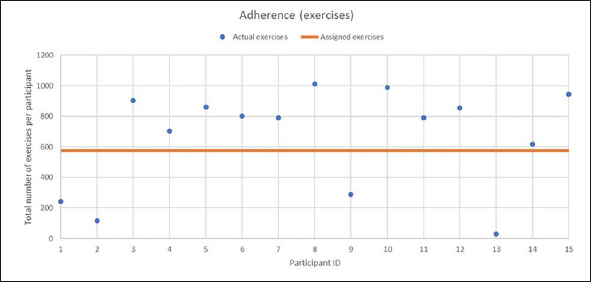
OBJECTIVES: To evaluate the feasibility of using voice-controlled intelligent personal assistants (VIPAs) to remotely deliver and monitor an individually-tailored, home-based exercise program to older adults living independently and alone. DESIGN: 12-week, prospective single-arm feasibility study. SETTING: Community residences. PARTICIPANTS: 15 adults aged 60 to 89 years living alone. INTERVENTION: All participants were prescribed home-based muscle strengthening, weight-bearing impact and balance exercises, increasing from two to four 10-minute sessions per day over 12 weeks. Sessions were delivered using VIPAs (Amazon Alexa Echo Show 5; "Alexa") and a novel software program ("Buddy Link"). The program was individualized by an exercise physiologist based on participant voice responses to Alexa questions. MEASUREMENTS: Study outcomes were feasibility (rate of retention, adherence, and adverse events), usability (System Usability Scale) and changes to quality of life (European Quality of Life Scale), and lower-extremity function (30 second sit-to-stand test). RESULTS: All 15 participants (mean age, 70.3 years) completed the study (retention 100%). Mean adherence to the exercise program was 115% (i.e., collectively all participants were prescribed 8640 exercises but completed 9944 exercises) with no adverse events reported to be related to the intervention and usability scored as above average (75/100). Other outcomes did not significantly change across the 12-week follow-up (all P>0.05). CONCLUSIONS: In this feasibility study of community-dwelling older adults living alone, a home-based exercise program delivered and monitored remotely by an exercise physiologist using VIPAs was safe and feasible.
Overview
The claims and statistics of this paper haven’t been checked yet.
Free: it reads the open-access text and checks the first 5 claims that cite a source we can check. Create a free account to check every claim.
Integrity signals
Registry
Cites
Statistics
Figures
Verification
Claims the paper makes
The claims and statistics of this paper haven’t been checked yet.
Free: it reads the open-access text and checks the first 5 claims that cite a source we can check. Create a free account to check every claim.
Claims other papers make about this one
Each is checked against this paper’s own text: does it say what the citing paper says it does?
The source backs part of the claim, not all of it — or backs it for a different population, condition or comparison.
In the citing paper
“In a recent feasibility trial including 15 older adults living alone, we observed 100% participant retention and 115% (SD 57%) mean adherence (participants completed 15% more than their prescribed exercise sessions) to a 12-week exercise program with no adverse events and above-average system usability (score of 75 out of 100) [26].”
From Exploring the Feasibility of Digital Voice Assistants for Delivery of a Home-Based Exercise Intervention in Older Adults With Obesity and Type 2 Diabetes Mellitus: Randomized Controlled Trial (2024) · cites this paper as [26]
Experimental — accuracy not yet measuredThe source backs part of the claim, not all of it — or backs it for a different population, condition or comparison.
In the citing paper
“These issues may be addressed through the use of digital voice assistants (DVAs; e.g. Amazon Alexa, Google Home) because they enable patients to engage with information on disease self-management using only natural conversation [13, 14].”
From Feasibility and effectiveness of a digital voice assistant for improving anti-osteoporosis medication adherence, and osteoporosis knowledge and attitudes, in postmenopausal women with osteoporosis: A 12-month randomised controlled trial (2025) · cites this paper as [13]
Experimental — accuracy not yet measured
Self-check
Percentages, sums and reported differences re-computed from the paper’s own numbers.
The self-check needs the paper’s full text.
Citations
Cites
EQ-SD: a measure of health status from the EuroQol Group
Rabin, R., & Charro, F. D. (2001) · Annals of Medicine · doi:10.3109/07853890109002087 · Cited by 5,613 · cited 1×
“Health-related quality of life Health-related quality of life was assessed using the European Quality of Life Instrument (EQ-5D-5L) (12), administered via the online survey tool REDCap (Research Electronic Data Capture) at baseline and week (12).”
An Empirical Evaluation of the System Usability Scale
Bangor, A., Kortum, P. T., & Miller, J. T. (2008) · International Journal of Human–Computer Interaction · doi:10.1080/10447310802205776 · Cited by 5,181
Sit-to-stand test for measuring performance of lower extremity muscles
Bohannon, R. W. (1995) · Perceptual and Motor Skills · doi:10.2466/pms.1995.80.1.163 · Cited by 509 · cited 1×
“The 30-second sit-to-stand test is a valid and reliable (13) measure of lower-limb physical function and muscular endurance in older adults.”
Kwon, S., Perera, S., Pahor, M., Katula, J. A., King, A. C., Groessl, E. J., & Studenski, S. A. (2009) · The Journal of nutrition, health and aging · doi:10.1007/s12603-009-0104-z · Cited by 494 · cited 2×
“, (21) reported an adherence rate of 98% in (22) healthy, communitydwelling, older men and women aged 65 to 80 years when undertaking a 4 week ‘exercise snacking’ program, with no adverse events reported (21).”
BackgroundVideoconference compared to telephone in healthcare delivery: A systematic review
Rush, K. L., Howlett, L., Munro, A., & Burton, L. (2018) · International Journal of Medical Informatics · doi:10.1016/j.ijmedinf.2018.07.007 · Cited by 235 · cited 1×
“Web-based applications can reduce burden on the health professional by automating the process of monitoring, but many older adults have difficulty using them due to the requirement for familiarity with digital devices (5).”
BackgroundSmart Devices for Older Adults Managing Chronic Disease: A Scoping Review
Kim, B. Y., & Lee, J. (2017) · JMIR mHealth and uHealth · doi:10.2196/mhealth.7141 · Cited by 217 · cited 1×
“However, common digital health modalities such as telephone calls or videoconferencing rely on synchronous contact with a health professional, which is both time and labour intensive (and therefore costly) (4).”
BackgroundVoice‐Controlled Intelligent Personal Assistants to Support Aging in Place
O'Brien, K., Liggett, A., Ramirez‐Zohfeld, V., Sunkara, P., & Lindquist, L. A. (2020) · Journal of the American Geriatrics Society · doi:10.1111/jgs.16217 · Cited by 142 · cited 1×
“Previous studies have suggested that VIPA devices such as Alexa may provide a source of companionship for older adults (8, 20).”
BackgroundSilveira, P., van de Langenberg, R., van het Reve, E., Daniel, F., Casati, F., & de Bruin, E. D. (2013) · Journal of Medical Internet Research · doi:10.2196/jmir.2579 · Cited by 140 · cited 1×
“…interventions, several trials have demonstrated similar feasibility outcomes to the present study when using asynchronous visual applications, such as tablet devices, to remotely deliver and monitor an individually-tailored, home-based exercise program for older adults aged ≥65 years (16-19).”
Daly, R. M., Gianoudis, J., Kersh, M. E., Bailey, C. A., Ebeling, P. R., Krug, R., Nowson, C. A., Hill, K., & Sanders, K. M. (2020) · Journal of Bone and Mineral Research · doi:10.1002/jbmr.3865 · Cited by 88 · cited 3×
“The present intervention had similar characteristics to a trial conducted by Daly et al. (19) who reported an 84% adherence rate to an 8-week individualised exercise intervention delivered remotely via a tablet device to 20 older adults aged ≥65.”
Self-citationDaly, R. M., Gianoudis, J., Hall, T., Mundell, N. L., & Maddison, R. (2021) · JMIR mhealth and uhealth · doi:10.2196/21094 · Cited by 87 · cited 4×
“…interventions, several trials have demonstrated similar feasibility outcomes to the present study when using asynchronous visual applications, such as tablet devices, to remotely deliver and monitor an individually-tailored, home-based exercise program for older adults aged ≥65 years (16-19).”
InfluentialSelf-citation
Cited by
Artificial intelligence in elderly healthcare: A scoping review
Ma, B., Yang, J., Wong, F. K. Y., Wong, A. K. C., Ma, T., Meng, J., Zhao, Y., Wang, Y., & Lu, Q. (2023) · Ageing Research Reviews · doi:10.1016/j.arr.2022.101808 · Cited by 178
Mesinovic, J., Fyfe, J. J., Talevski, J., Wheeler, M. J., Leung, G. K. W., George, E. S., Hunegnaw, M. T., Glavas, C., Jansons, P., Daly, R. M., et al. (2023) · Diabetes & Metabolism Journal · doi:10.4093/dmj.2023.0112 · Cited by 114
“A few studies have also explored the effects of exercise snacking on musculoskeletal health in older adults [181-183].”
BackgroundSelf-citationJones, M. D., Clifford, B. K., Stamatakis, E., & Gibbs, M. T. (2024) · Sports Medicine · doi:10.1007/s40279-023-01983-1 · Cited by 117
“Only three studies included participants with chronic disease [36–38].”
InfluentialHerold, F., Theobald, P., Gronwald, T., Kaushal, N., Zou, L., de Bruin, E. D., Bherer, L., & Müller, N. G. (2023) · Journal of sport and health science/Journal of Sport and Health Science · doi:10.1016/j.jshs.2023.01.004 · Cited by 62
“51,86 (cid:2) 90 TaggedEnd TaggedP Of the studies identified by the database searches, 98 were excluded after abstract and full-text screening because they did not meet at least 1 of the inclusion criteria.”
BackgroundApplication of Exercise Snacks across Youth, Adult and Clinical Populations: A Scoping Review
Weston, K. L., Little, J. P., Weston, M., McCreary, S., Kitchin, V., Gill, A. J., Niven, A. G., McNarry, M. A., & Mackintosh, K. A. (2025) · Sports Medicine - Open · doi:10.1186/s40798-025-00829-6 · Cited by 61
“Of these, six were published in the three years immediately preceding this review [80, 83, 90, 92, 94, 98], which reflects the rapidly increasing pace of exercise snacks research.”
Jansons, P., Fyfe, J., Via, J. D., Daly, R. M., Gvozdenko, E., & Scott, D. (2022) · BMC Geriatrics · doi:10.1186/s12877-022-02963-2 · Cited by 37
“A detailed description of the elements specific to the intervention has been reported previously [10].”
BackgroundMethodResultInfluentialSelf-citationYin, M., Li, Y., Aziz, A. R., Buffey, A., Bishop, D. J., Bao, D., Nassis, G. P., Islam, H., Wang, H., Fyfe, J. J., et al. (2026) · Journal of Sport and Health Science · doi:10.1016/j.jshs.2025.101088 · Cited by 35
“Six studies 155,161,164,166,167,190 reported no adverse events during the study period, while 2 studies 158,172 reported 2 adverse events unrelated to the SBAE intervention (accidental deaths).”
Self-citationJansons, P., Fyfe, J. J., Via, J. D., Daly, R. M., & Scott, D. S. (2023) · Aging Clinical and Experimental Research · doi:10.1007/s40520-022-02327-1 · Cited by 36
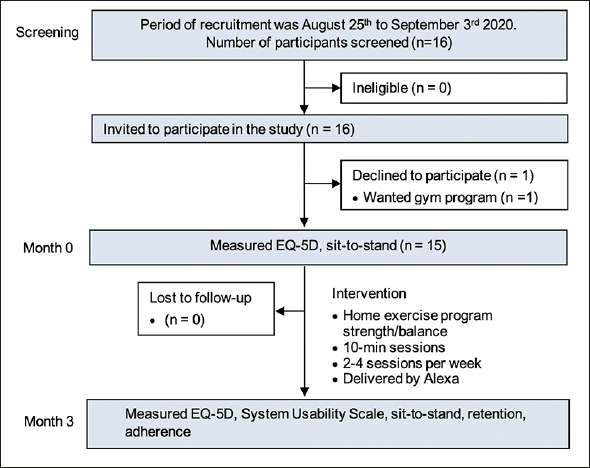
“The period of recruitment for the 12-week pilot study was August 25th to September 3rd 2020 [15] with the last participant completing their 12-week semi-structured interview for this qualitative study on the 23rd December 2020.”
BackgroundMethodResultInfluentialSelf-citationBabir, F. J., Islam, H., McCreary, S., Vaz, E., Falkenhain, K., Cranston, K., Jung, M., Singer, J., Sandilands, R., Marcotte‐Chénard, A., et al. (2025) · Scandinavian Journal of Medicine & Science in Sports · doi:10.1111/sms.70117 · Cited by 24
Berry, E. C. J., Sculthorpe, N. F., Warner, A., Mather, J. D., Sanal‐Hayes, N. E. M., & Hayes, L. D. (2025) · Frontiers in Aging · doi:10.3389/fragi.2025.1516481 · Cited by 28
Yin, M., Zheng, H., Bai, M., Huang, G., Chen, Z., Deng, S., Lyu, M., Deng, J., Zhang, B., Li, H., et al. (2024) · Scandinavian Journal of Medicine and Science in Sports · doi:10.1111/sms.14771 · Cited by 28
“Preliminary feasibility studies of ES have centered on workplace [30] and home [24, 25, 31, 32], with encouraging findings, but the potential feasibility of ES on university campuses among students remains unclear.”
Glavas, C., Scott, D., Sood, S., George, E. S., Daly, R. M., Gvozdenko, E., de Courten, B., & Jansons, P. (2024) · JMIR Aging · doi:10.2196/53064 · Cited by 19
“%) mean adherence (participants completed 15% more than their prescribed exercise sessions) to a 12-week exercise program with no adverse events and above-average system usability (score of 75 out of 100) [26].”
BackgroundMethodInfluentialSelf-citationDubbeldam, R., Stemplewski, R., Павлова, Ю., Cyma-Wejchenig, M., Lee, S., Esser, P., Bentlage, E., Alcan, V., Çevik, Ö. S., Epiphaniou, E., et al. (2025) · JMIR Aging · doi:10.2196/65746 · Cited by 29
Spanakis, M., Xylouri, I., Patelarou, E., & Patelarou, A. E. (2022) · International Journal of Environmental Research and Public Health · doi:10.3390/ijerph19159233 · Cited by 61
Herold, F., Theobald, P., Gronwald, T., Kaushal, N., Zou, L., de Bruin, E. D., Bherer, L., & Müller, N. G. (2024) · JMIR Aging · doi:10.2196/56433 · Cited by 17
“%) and attendance adherence rates (ie, 115% of the prescribed exercise sessions) [152].”
BackgroundDigital health technology use among people aged 55 years and over: Findings from the 45 and up study
Mizrahi, D., Goldsbury, D. E., Sarich, P., Cust, A. E., Houssami, N., Stamatakis, E., Canfell, K., Weber, M. F., & Steinberg, J. (2025) · International Journal of Medical Informatics · doi:10.1016/j.ijmedinf.2025.105911 · Cited by 17
Yang, F., Wang, C., Lindsey, M. A., & An, R. (2025) · Kinesiology Review · doi:10.1123/kr.2024-0081 · Cited by 17
Sattar, S., Papadopoulos, E., Smith, G. V. H., Haase, K. R., Kobekyaa, F. K., Tejero, I., Bradley, C., Nadler, M. B., Campbell, K. L., Mina, D. S., et al. (2023) · Journal of Cancer Survivorship · doi:10.1007/s11764-023-01427-9 · Cited by 15
“Remotely delivered exercises using technology have been found to be safe so far in the general geriatric population [63–65].”
Coadaptation Between Smart Technologies and Older Adults Over Time: Protocol for a Scoping Review
Kokorelias, K. M., Grigorovich, A., Harris, M. T., Rehman, U., Ritchie, L., Levy, A., Denecke, K., & McMurray, J. (2023) · JMIR Research Protocols · doi:10.2196/51129 · Cited by 9
“For example, such assistants can help older adults with their exercise routines, engage in digital leisure, and support self-management of their health and well-being [24-27].”
BackgroundHunegnaw, M. T., Mesinovic, J., Jansons, P., George, E. S., De Ross, B., Kiss, N., Ebeling, P. R., Daly, R. M., Gvozdenko, E., & Scott, D. (2025) · Archives of Osteoporosis · doi:10.1007/s11657-025-01529-0 · Cited by 8
Self-citationPang, B., Moullin, J. C., Thompson, C., Thøgersen‐Ntoumani, C., Stamatakis, E., Ahmadi, M. N., & McVeigh, J. A. (2025) · Age and Ageing · doi:10.1093/ageing/afaf244 · Cited by 10
“Other pilot studies of similar target populations tended to focus and report on feasibility measures and did not report on changes in PA participation [32, 33, 35, 38].”
Fuente-Vidal, A., Guerra-Balic, M., Noguera, O. R., Jerez‐Roig, J., & Montané, J. (2022) · International Journal of Environmental Research and Public Health · doi:10.3390/ijerph191610214 · Cited by 6
“Issuing countries included Australia [30,31], Greece [32], Spain [33,34], The Netherlands [35], Germany [36], United States of America [37,38], United Kingdom [28,39], China [40] and Taiwan [41].”
BackgroundMethodInfluentialRoie, E. V., van Uffelen, J. G. Z., Seghers, J., Myers, L. S., Vergeer, I., Biddle, S., & Cocker, K. A. D. (2025) · Journal of science and medicine in sport · doi:10.1016/j.jsams.2025.09.005 · Cited by 9
Hu, Z., Li, S., Shi, X., Huang, K., Huang, H., & Yuan, X. (2026) · Frontiers in Medicine · doi:10.3389/fmed.2026.1755508 · Cited by 5
Ede, C. F., Fothergill‐Misbah, N., & Ede, S. S. (2024) · Physiotherapy Theory and Practice · doi:10.1080/09593985.2024.2329936 · Cited by 7
Nicora, G., Santangelo, G., Marzero, G., Dagliati, A., Aprile, I. G., & Quaglini, S. (2025) · International Conference on Rehabilitation Robotics · doi:10.1109/icorr66766.2025.11063026 · Cited by 5
Ariöz, U., Smrke, U., Plohl, N., Špes, T., Musil, B., & Mlakar, I. (2024) · Aging and Disease · doi:10.14336/ad.2024.0215 · Cited by 7
Beck, A. I., Schönau, A., MacDuffie, K., Dasgupta, I., Flynn, G., Song, D. B., Goering, S., & Klein, E. P. (2024) · Neuroethics · doi:10.1007/s12152-024-09557-2 · Cited by 3
Glavas, C., Mesinovic, J., Gandham, A., Cervo, M. M., Ng, C., Ebeling, P. R., George, E. S., Daly, R. M., Beck, B. R., Jansons, P., et al. (2025) · BMC Geriatrics · doi:10.1186/s12877-025-06247-3 · Cited by 3
“Several studies have demonstrated that digital modalities may improve engagement and adherence to home-based exercise interventions [47, 48].”
Self-citationMerkel, S., & Schorr, S. (2025) · JMIR AI · doi:10.2196/55673 · Cited by 2
“The majority of articles included in the analysis were published in the United States (n=15 [9, 15, 39, 45, 46, 49, 51, 53-57, 61, 63, 65]), followed by the United Kingdom (n=4 [3,13,43,62]), North Macedonia (n=2 [58,59]), and Australia (n=2 [52,64]).”
The effects of snacking exercise on physical function among adults: A meta-analysis
Li, S., Yu, W., Li, Z., Liu, Y., & Wang, Y. (2025) · Science & Sports · doi:10.1016/j.scispo.2025.07.018 · Cited by 1
Glavas, C., Ma, J., Sood, S., George, E. S., Daly, R. M., Gvozdenko, E., de Courten, B. V., Scott, D. S., & Jansons, P. (2025) · Technologies · doi:10.3390/technologies13110511 · Cited by 1
“Consistent with previous literature, home-based DVA-delivered lifestyle interventions seem to be feasible for older adults [17,27,36–38].”
InfluentialSelf-citationYiannis, T., Macpherson, H., Scott, D. S., Callisaya, M. L., Gourlay, C., Maddison, R., Gvozdenko, E., & Jansons, P. (2026) · Health Expectations · doi:10.1111/hex.70783 · Cited by 1
Self-citationDer Einsatz von Short Bouts als Paradigmenwechsel bei der Ausgestaltung von Bewegungsinterventionen
Köppel, M., & Peters, S. (2023) · B&G Bewegungstherapie und Gesundheitssport · doi:10.1055/a-2152-4192 · Cited by 2
Babir, F. J., Marcotte‐Chénard, A., Sandilands, R. E., Falkenhain, K., Mulkewich, N., Islam, H., McCarthy, S. F., Richards, D. L., Madden, K., Singer, J., et al. (2026) · medRxiv · doi:10.64898/2026.02.23.26346877 · Cited by 1
Zeng, Y., Ke, Z., Zhuang, X., Huang, Z., Wang, S., Zhang, X. D., Cai, S., & Liao, L. (2024) · Research Square · doi:10.21203/rs.3.rs-4953032/v1
Kulkarni, P., Ananthanarayan, S., Liu, Y., & McNaney, R. (2025) · doi:10.2196/preprints.87764
Jansons, P., Fyfe, J. J., Via, J. D., Daly, R. M., Gvozdenko, E., & Scott, D. (2022) · Figshare · doi:10.6084/m9.figshare.19425134
Self-citationJansons, P., Fyfe, J. J., Via, J. D., Daly, R. M., Gvozdenko, E., & Scott, D. (2022) · Figshare · doi:10.6084/m9.figshare.19425131
Self-citationHunegnaw, M. T., Mesinovic, J., Jansons, P., George, E. S., Ross, B. D., Kiss, N. K., Ebeling, P. R., Daly, R., Gvozdenko, E., & Scott, D. M. (2026) · Maturitas · doi:10.1016/j.maturitas.2026.108840
Self-citationDent, E., Hurst, C., Via, J. D., Fyfe, J. J., Jansons, P., Hayes, E. J., Skinner, G., Sim, M., Aubertin‐Leheudre, M., Britting, S., et al. (2026) · JMIR Aging · doi:10.2196/75791 · Cited by 1
“Remote programs can support novel and engaging exercise approaches such as integrating exercise into everyday activities [36], “exercise snacking” [12,13] and gamification [37], and may also incorporate other behavioral and educational interventions such as nutrition counseling [38].”
Self-citationEidiyan-Kakhki, M. M., Rajabi, H., Amani-Shalamzari, S., & Motamedi, P. (2026) · European Geriatric Medicine · doi:10.1007/s41999-026-01529-4
Sebastian, A. T., Jansons, P., Ng, E. L., David, S., & Maddison, R. (2026) · JMIR Human Factors · doi:10.2196/preprints.105156
Self-citationGlavas, C., Sood, S., Ebeling, P. R., Gvozdenko, E., Ross, B. D., Jansons, P., Kiss, N. K., Daly, R. M., & Scott, D. M. (2026) · Bone · doi:10.1016/j.bone.2026.118011
Self-citationPavão, J., Bastardo, R., Silva, A. G., & Rocha, N. P. (2026) · JMIR Human Factors · doi:10.2196/102911
“…studies that focused on health prevention, the assessed HCAs were designed to promote behavior change (eg, physical activity and weight maintenance) [86,93,112,116,118,125,129,199,200], support vaccination (ie, COVID-19 [122] and human papillomavirus [192]), and provide balance training [90,163].”
Research Progress on Zero-Time Exercise in the Management of Chronic Diseases
扎, 西. (2026) · Advances in Clinical Medicine · doi:10.12677/acm.2026.1682838
Espinosa-Prado, J. P., Espinosa, P. S., Núñez-Loor, F., Izquierdo‐Condoy, J. S., Vasconez-Gonzalez, J., & Ortiz‐Prado, E. (2026) · doi:10.2196/preprints.109913
Ding, Y., Hui, C., Xiang, L., Yuxuan, Q., Zhu, Y., Ning, Y., & Zhang, Y. (2026) · Complementary Therapies in Medicine · doi:10.1016/j.ctim.2026.103434
Fritz-Silva, N., & Gallegos-Vega, G. (2026) · Neurología Argentina · doi:10.1016/j.neuarg.2026.100775
Yiannis, T., Macpherson, H., Scott, D. S., Callisaya, M. L., Chapple, C. I., Glavas, C., Gourlay, C., Maddison, R., Gvozdenko, E., & Jansons, P. (2026) · JMIR Aging · doi:10.2196/96922
“Previous pilot studies using BuddyLink have demonstrated the feasibility of DVA to deliver personalized exercise and nutrition programs for cognitively healthy older adults [26-28].”
Self-citationFrølich, S. V., Receveur, N., Vissing, J., & Poulsen, N. S. (2026) · Disability and Rehabilitation Assistive Technology · doi:10.1080/17483107.2026.2752335
Metadata
- Authors
- Jansons, P., Dalla Via, J., Daly, R. M., Fyfe, J. J., Gvozdenko, E., & Scott, D.
- Affiliations
- Deakin University (AU)
- Corresponding author
- Jansons, Paul
- Venue
- The Journal of nutrition, health and aging
- Publisher
- Elsevier BV
- Published
- 2022-01
- Volume
- 26
- Issue
- 1
- Pages
- 96-102
- ISSN
- 1279-7707 (ISSN-L)
- PMC
- PMC12275629
- OpenAlex
- W4200202140
- Cited by
- 51
- References
- 19
- Citations by year
- 2026: 15 · 2025: 14 · 2024: 10 · 2023: 6 · 2022: 6
- FWCI
- 8.65
- Type
- journal article
- Language
- en
- Open access
- hybrid
- doi.org
- Licence
- cc-by-nc-nd
- www.elsevier.com/tdm/userlicense/1.0/ (tdm)
- www.elsevier.com/legal/tdmrep-license (tdm)
- creativecommons.org/licenses/by-nc-nd/4.0/ (vor, 697 d)
- Locations
- The journal of nutrition health & aging (publishedVersion, cc-by-nc-nd)
- PubMed Central (publishedVersion, cc-by-nc-nd)
- PubMed (publishedVersion)
- Research Online (Edith Cowan University) (submittedVersion)
- Figshare (submittedVersion, cc-by)
- Topics
- Health Sciences › Medicine › Geriatrics and Gerontology › Technology Use by Older Adults
- Health Sciences › Health Professions › Physical Therapy, Sports Therapy and Rehabilitation › Balance, Gait, and Falls Prevention
- Health Sciences › Medicine › Public Health, Environmental and Occupational Health › Physical Activity and Health
- Keywords
- home-based exercise, elderly living alone, Amazon Alexa, remote exercise delivery, muscle strengthening, balance training, weight-bearing exercise, individualized exercise prescription, exercise adherence, usability, quality of life, lower limb function, sit-to-stand test, feasibility
- MeSH terms
- Aged, Aged, 80 and over, Exercise Therapy, Feasibility Studies, Humans, Middle Aged, Prospective Studies, Quality of Life, Independent Living
About these checks
Registry, retraction, Cites and statistics results are computed, not judged, with one exception: a printed reference that no index lists is read once by a model before it counts as a citation error. Claims are extracted by a model and kept only when their quote appears verbatim in the text; each cited source is then checked, with a model’s help, for whether it says what the claim relies on. Those verdicts can be wrong — read the claim’s quote and the cited source before relying on one.
Statistics and arithmetic are recomputed, not judged.
Confidence bands are shown only for fields calibrated on our annotated test set. None is calibrated yet, so no band is shown.
What counts as a claim ›How we measure confidence ›How we check this ›
Are you an author, or do you see a problem with this page? Request a review
Data sources
Bibliographic data: Semantic Scholar, OpenAlex, Crossref.
Contains information from the Semantic Scholar Academic Graph Datasets, made available under the ODC Attribution License (ODC-BY 1.0).
Semantic Scholar’s data is described in: Kinney, R., et al. (2023). The Semantic Scholar Open Data Platform. arXiv:2301.10140.
