

Microbiota transplantation: concept, methodology and strategy for its modernization
Open accessThe DOI matches its Crossref record; 105 of the 105 references it cites were found in a registry or an index.
Abstract
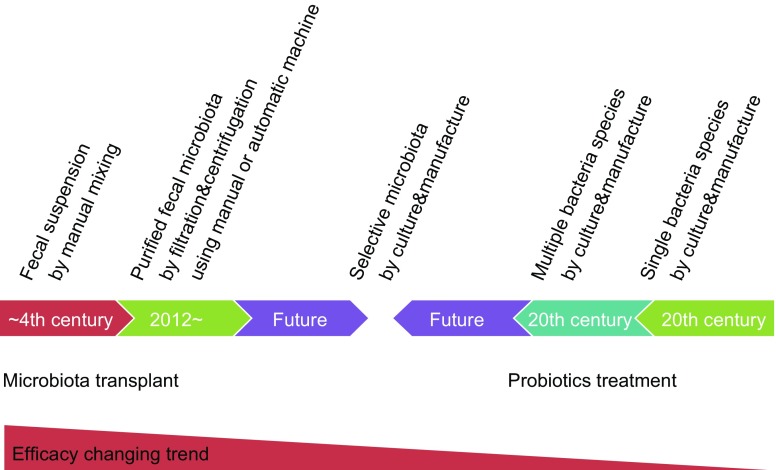
Fecal microbiota transplantation (FMT) has become a research focus of biomedicine and clinical medicine in recent years. The clinical response from FMT for different diseases provided evidence for microbiota-host interactions associated with various disorders, including Clostridium difficile infection, inflammatory bowel disease, diabetes mellitus, cancer, liver cirrhosis, gut-brain disease and others. To discuss the experiences of using microbes to treat human diseases from ancient China to current era should be important in moving standardized FMT forward and achieving a better future. Here, we review the changing concept of microbiota transplantation from FMT to selective microbiota transplantation, methodology development of FMT and step-up FMT strategy based on literature and state experts' perspectives.
Overview
The claims and statistics of this paper haven’t been checked yet.
Free: it reads the open-access text and checks the first 5 claims that cite a source we can check. Create a free account to check every claim.
Integrity signals
Registry
Cites
Statistics
Figures
Verification
Claims the paper makes
The claims and statistics of this paper haven’t been checked yet.
Free: it reads the open-access text and checks the first 5 claims that cite a source we can check. Create a free account to check every claim.
Self-check
Percentages, sums and reported differences re-computed from the paper’s own numbers.
The self-check needs the paper’s full text.
Citations
Cites
Gut microbiome influences efficacy of PD-1-based immunotherapy against epithelial tumors
Routy, B., Le Chatelier, E., Derosa, L., Duong, C. P. M., Alou, M. T., Daillère, R., Fluckiger, A., Messaoudene, M., Rauber, C., Roberti, M. P., et al. (2018) · Science · doi:10.1126/science.aan3706 · Cited by 5,671 · cited 1×
“A new research found that gut microbiome improved efficacy of PD-1-based immunotherapy against epithelial tumors (Routy et al., 2018), implying that FMTcan be used to fight against cancer.”
BackgroundGibson, G. R., Hutkins, R., Sanders, M. E., Prescott, S. L., Reimer, R. A., Salminen, S. J., Scott, K., Stanton, C., Swanson, K. S., Cani, P. D., et al. (2017) · Nature Reviews Gastroenterology & Hepatology · doi:10.1038/nrgastro.2017.75 · Cited by 5,634 · cited 1×
“A single microbe has a weak ability in the prevention and treatment of human diseases, though researches have proven its efficacy in standard animal models (Gibson et al., 2017).”
BackgroundGut microbiome modulates response to anti-PD-1 immunotherapy in melanoma patients
Gopalakrishnan, V., Spencer, C. N., Nezi, L., Reuben, A., Andrews, M. C., Karpinets, T. V., Prieto, P. A., Vicente, D., Hoffman, K., Wei, S. C., et al. (2018) · Science · doi:10.1126/science.aan4236 · Cited by 4,812 · cited 1×
“Another study (Gopalakrishnan et al., 2018) also demonstrated enhanced systemic immunity and favorable gut microbiome profile in patients showing good response to PD-1 immunotherapy, as well as in germ-free mice receiving fecal transplants from responding patients.”
BackgroundDuodenal Infusion of Donor Feces for Recurrent Clostridium difficile
van Nood, E., Vrieze, A., Nieuwdorp, M., Fuentes, S., Zoetendal, E. G., de Vos, W. M., Visser, C. E., Kuijper, E. J., Bartelsman, J. F. W. M., Tijssen, J. G. P., et al. (2013) · New England Journal of Medicine · doi:10.1056/nejmoa1205037 · Cited by 3,708 · cited 1×
“In an RCT study, these two rates become 81% and 94% of resolution of CDI after the first FMT and repeat FMTs (van Nood et al., 2013).”
BackgroundThe Human Intestinal Microbiome in Health and Disease
Lynch, S. V., & Pedersen, O. (2016) · New England Journal of Medicine · doi:10.1056/nejmra1600266 · Cited by 3,637 · cited 2×
“Fecal microbiota transplantation (FMT), a concrete evidence proving the role of microbiota in many diseases, has recently become a research focus in biomedicine and clinical medicine (Khoruts and Sadowsky 2016; Lynch and Pedersen 2016; Vindigni and Surawicz 2017).”
BackgroundAnticancer immunotherapy by CTLA-4 blockade relies on the gut microbiota
Vétizou, M., Pitt, J. M., Daillère, R., Lepage, P., Waldschmitt, N., Flament, C., Rusakiewicz, S., Routy, B., Roberti, M. P., Duong, C. P. M., et al. (2015) · Science · doi:10.1126/science.aad1329 · Cited by 3,488 · cited 2×
“Infect Control Hosp Epidemiol 36:438–444 Vetizou M, Pitt JM, Daillere R, Lepage P, Waldschmitt N, Flament C, Rusakiewicz S, Routy B, Roberti MP, Duong CP et al (2015) Anticancer immunotherapy by CTLA-4 blockade relies on the gut microbiota.”
BackgroundThe commensal microbiome is associated with anti-PD-1 efficacy in metastatic melanoma patients
Matson, V., Fessler, J., Bao, R., Chongsuwat, T., Zha, Y., Alegre, M.-L., Luke, J. J., & Gajewski, T. F. (2018) · Science · doi:10.1126/science.aao3290 · Cited by 3,107 · cited 1×
“A significant association has been observed between commensal microbial composition and clinical response of anti-PD-L1 therapy in metastatic melanoma patients (Matson et al., 2018).”
BackgroundVrieze, A., Van Nood, E., Holleman, F., Salojärvi, J., Kootte, R. S., Bartelsman, J. F. W. M., Dallinga–Thie, G. M., Ackermans, M. T., Serlie, M. J., Oozeer, R., et al. (2012) · Gastroenterology · doi:10.1053/j.gastro.2012.06.031 · Cited by 2,913 · cited 1×
“…reported the method and efficacy of using frozen fecal microbiota for C. difficile infection The improved methodology for storing fecal microbiota 2012 (Vrieze et al., 2012) Vrieze et al. from the Netherland reported the FMT in metabolic syndrome The evidence to use FMT in changing insulin…”
MethodFusobacterium nucleatum Promotes Chemoresistance to Colorectal Cancer by Modulating Autophagy
Yu, T., Guo, F., Yu, Y., Sun, T., Ma, D., Han, J., Qian, Y., Kryczek, I., Sun, D., Nagarsheth, N., et al. (2017) · Cell · doi:10.1016/j.cell.2017.07.008 · Cited by 2,198 · cited 1×
“The bioinformatic and functional studies demonstrated that Fusobacterium nucleatum enhanced the resistance of colorectal cancer to chemotherapy (Yu et al., 2017).”
BackgroundGuidelines for diagnosis, treatment, and prevention of Clostridium difficile infections
Surawicz, C. M., Brandt, L. J., Binion, D. G., Ananthakrishnan, A. N., Curry, S. R., Gilligan, P. H., McFarland, L. V., Mellow, M., & Zuckerbraun, B. S. (2013) · American Journal of Gastroenterology · doi:10.1038/ajg.2013.4 · Cited by 1,645
Research works printed but not linked: 2
- Ge H Zhou Hou Bei Ji Fang 2000 Tianjin Tianjin Science & Technology Press
- Xu R Chong Ding Tong Su Shang Han Lun 2011 Beijing China Press of Traditional Chinese Medicine
Cited by
A practical guide to amplicon and metagenomic analysis of microbiome data
Liu, Y.-X., Qin, Y., Chen, T., Lu, M., Qian, X., Guo, X., & Bai, Y. (2021) · Protein & Cell · doi:10.1007/s13238-020-00724-8 · Cited by 864
“…high-throughput sequencing (HTS) technology and data analysis methods, the roles of the microbiome in humans (Gao et al., 2018; Yang and Yu, 2018; Zhang et al., 2018a), animals (Liu et al., 2020), plants (Liu et al., 2019a; Wang et al., 2020a), and the environment (Mahnert et al., 2019; Zheng et…”
BackgroundMethodHigh-throughput cultivation and identification of bacteria from the plant root microbiota
Zhang, J., Liu, Y.-X., Guo, X., Qin, Y., Garrido-Oter, R., Schulze-Lefert, P., & Bai, Y. (2021) · Nature Protocols · doi:10.1038/s41596-020-00444-7 · Cited by 285
The role of gut dysbiosis in Parkinson’s disease: mechanistic insights and therapeutic options
Wang, Q., Luo, Y., Ray Chaudhuri, K., Reynolds, R., Tan, E.-K., & Pettersson, S. (2021) · Brain · doi:10.1093/brain/awab156 · Cited by 281
Gut-Brain Psychology: Rethinking Psychology From the Microbiota–Gut–Brain Axis
Liang, S., Wu, X., & Jin, F. (2018) · Frontiers in Integrative Neuroscience · doi:10.3389/fnint.2018.00033 · Cited by 263
“…by microbiota intervention using probiotics, prebiotics, and FMT have increased steadily (Cryan and Dinan, 2012; Dinan et al., 2013; Liang et al., 2015; Pirbaglou et al., 2016; He et al., 2017; Kang et al., 2017; Mika et al., 2017; Zhao et al., 2017; Bruce-Keller et al., 2018; Yang et al., 2018).”
BackgroundZhang, T., Lu, G., Zhao, Z., Liu, Y., Shen, Q., Li, P., Chen, Y., Yin, H., Wang, H., Marcella, C., et al. (2020) · Protein & Cell · doi:10.1007/s13238-019-00684-8 · Cited by 260
“Themethod for preparation ofmicrobiota is basedon theautomatic microbiota purification system followed with centrifugation plus suspension for three times in a specially designed exclusive laboratory at goodmanufacture practice (GMP) level (Cui et al., 2016; Zhang et al., 2018).”
MethodInfluentialSelf-citationMarcella, C., Cui, B., Kelly, C. R., Ianiro, G., Cammarota, G., & Zhang, F. (2021) · Alimentary Pharmacology & Therapeutics · doi:10.1111/apt.16148 · Cited by 250
“In the group of patients without mucosal barrier injury, a total of 20 studies involving 555 patients (731 FMT courses) were reported, including FMT indications of IBS (11), constipation (6), obesity (2) and autism (1).”
BackgroundSelf-citationAntibiotic-induced gut dysbiosis and barrier disruption and the potential protective strategies
Duan, H., Yu, L., Tian, F., Zhai, Q., Fan, L., & Chen, W. (2022) · Critical Reviews in Food Science and Nutrition · doi:10.1080/10408398.2020.1843396 · Cited by 207
“The challenges of FMT However, various factors limit the clinical application of FMT, including a lack of standardized methods, ethical issues, and uncertainty regarding long-term safety (Zhang et al. 2018).”
BackgroundParkinson’s disease and gut microbiota: from clinical to mechanistic and therapeutic studies
Zhang, X., Tang, B., & Guo, J. (2023) · Translational Neurodegeneration · doi:10.1186/s40035-023-00392-8 · Cited by 187
“FMT, also known as fecal transplantation or fecal bac-teriotherapy, is a technique that delivers the stool from healthy donors into a patient’s gastrointestinal tract [42, 296].”
BackgroundFecal microbiota transplantation therapy for Parkinson's disease: A preliminary study
Xue, L.-J., Yang, X.-Z., Tong, Q., Shen, P., Ma, S.-J., Wu, S.-N., Zheng, J.-L., & Wang, H.-G. (2020) · Medicine · doi:10.1097/md.0000000000022035 · Cited by 186
“FMT refers to infusion of a fecal suspension from a healthy donor into the gut of a patient to restore a healthy microbiota and treat disease.([12]) It can change gut microbiota more robustly in comparison to food or probiotics.”
BackgroundGut microbiota: A new target for T2DM prevention and treatment
Liu, L., Zhang, J., Cheng, Y., Zhu, M., Xiao, Z., Ruan, G., & Wei, Y. (2022) · Frontiers in Endocrinology · doi:10.3389/fendo.2022.958218 · Cited by 176
A gut microbiota-bile acid axis promotes intestinal homeostasis upon aspirin-mediated damage
Li, T., Ding, N., Guo, H., Hua, R., Lin, Z., Tian, H., Yu, Y., Fan, D., Yuan, Z., Gonzalez, F. J., et al. (2024) · Cell Host & Microbe · doi:10.1016/j.chom.2023.12.015 · Cited by 175
Self-citationFecal Microbiota Transplantation as New Therapeutic Avenue for Human Diseases
Biazzo, M., & Deidda, G. (2022) · Journal of Clinical Medicine · doi:10.3390/jcm11144119 · Cited by 185
Gut microbes in cardiovascular diseases and their potential therapeutic applications
Jin, L., Shi, X., Yang, J., Zhao, Y., Xue, L., Xu, L., & Cai, J. (2020) · Protein & Cell · doi:10.1007/s13238-020-00785-9 · Cited by 156
“All these methods aim to minimize the processing time to minimize the loss of living bacteria (Zhang et al., 2018).”
MethodHui, W., Li, T., Liu, W., Zhou, C., & Gao, F. (2019) · PLoS ONE · doi:10.1371/journal.pone.0210016 · Cited by 140
RetractedA guide to human microbiome research: study design, sample collection, and bioinformatics analysis
Qian, X., Chen, T., Xu, Y., Chen, L., Fu-xiang, S., Lu, M., & Liu, Y. (2020) · Chinese Medical Journal · doi:10.1097/cm9.0000000000000871 · Cited by 167
“For example, the intervention in a fecal transplantation study is the microbiome.([42,43])”
BackgroundLong-Term Safety and Efficacy of Fecal Microbiota Transplant in Active Ulcerative Colitis
Ding, X. L., Li, Q., Li, P., Zhang, T., Cui, B., Ji, G., Lü, X., & Zhang, F. (2019) · Drug Safety · doi:10.1007/s40264-019-00809-2 · Cited by 145
Self-citationFecal microbiota transplantation: A promising treatment for radiation enteritis?
Ding, X. L., Li, Q., Li, P., Chen, X., Xiang, L., Bi, L., Zhu, J., Huang, X., Cui, B., & Zhang, F. (2020) · Radiotherapy and Oncology · doi:10.1016/j.radonc.2020.01.011 · Cited by 147
Self-citationDietary nutrients shape gut microbes and intestinal mucosa via epigenetic modifications
Wu, J., Zhao, Y., Wang, X., Kong, L., Johnston, L. J., Lü, L., & Ma, X. (2020) · Critical Reviews in Food Science and Nutrition · doi:10.1080/10408398.2020.1828813 · Cited by 140
Dailey, F. E., Turse, E. P., Daglilar, E., & Tahan, V. (2019) · Current Opinion in Pharmacology · doi:10.1016/j.coph.2019.04.008 · Cited by 130
Wang, Y., Zhang, S., Borody, T. J., & Zhang, F. (2022) · Chinese Medical Journal · doi:10.1097/cm9.0000000000002339 · Cited by 120
“Importantly, FMT has been used for refractory diseases by some eldergeneration physicians in recent decades in China, indicating the sustained long tradition of using FMT from ancient to modern China.([2])”
BackgroundMethodInfluentialSelf-citationLiu, P., Lu, Y., Li, R., & Chen, X. F. (2023) · Frontiers in Cellular and Infection Microbiology · doi:10.3389/fcimb.2023.1153894 · Cited by 158
“Like FMTs, vaginal samples from healthy donors must be thoroughly tested to rule out infectious microorganisms to prevent severe adverse effects, particularly in immunocompromised patients (Zhang et al., 2018).”
BackgroundGut Microbiome and Its Impact on Obesity and Obesity-Related Disorders
Sankararaman, S., Noriega, K. J., Velayuthan, S., Sferra, T. J., & Martindale, R. G. (2022) · Current Gastroenterology Reports · doi:10.1007/s11894-022-00859-0 · Cited by 121
Gut Microbiota Implications for Health and Welfare in Farm Animals: A Review
Chen, S., Luo, S., & Yan, C. (2021) · Animals · doi:10.3390/ani12010093 · Cited by 124
“Other important events using FMT in history are well described in a previous review [105].”
BackgroundXu, H., Cao, C., Ren, Y., Weng, S., Liu, L., Guo, C., Wang, L., Han, X., Ren, J., & Liu, Z. (2022) · Frontiers in Immunology · doi:10.3389/fimmu.2022.949490 · Cited by 127
“Besides, with the rise of the selective microbiota transplantation (SMT) concept, further research should focus on identifying the precise strains and specific functions, and the SMT effect of two ormore strains may be the emerging direction (116, 160).”
BackgroundLiu, Z., Wang, N., Ma, Y., & Wen, D. (2019) · Frontiers in Microbiology · doi:10.3389/fmicb.2019.00390 · Cited by 108
“The successes of FMT serve as direct evidence of the interaction between the gut microbiota and many diseases (Zhang et al., 2018).”
BackgroundFecal Microbial Transplantation and Its Potential Application in Cardiometabolic Syndrome
Leshem, A., Horesh, N., & Elinav, E. (2019) · Frontiers in Immunology · doi:10.3389/fimmu.2019.01341 · Cited by 104
Liu, Y., Luo, L., Luo, Y., Zhang, J., Wang, X., Sun, K., & Zeng, L. (2020) · Journal of Agricultural and Food Chemistry · doi:10.1021/acs.jafc.0c02336 · Cited by 96
Microbiome-Driven Therapeutics: From Gut Health to Precision Medicine
Yaqub, M. O., Jain, A., Joseph, C. E., & Edison, L. K. (2025) · Gastrointestinal Disorders · doi:10.3390/gidisord7010007 · Cited by 116
“Next-generation probiotics (NGPs) represent an innovative class of beneficial bacteria derived directly from the human gut microbiota, offering enhanced adaptability to the intestinal environment compared with traditional probiotics.”
The Next Generation Fecal Microbiota Transplantation: To Transplant Bacteria or Virome
Yu, Y., Wang, W., & Zhang, F. (2023) · Advanced Science · doi:10.1002/advs.202301097 · Cited by 113
Self-citationExperimental temperatures shape host microbiome diversity and composition
Li, J., Bates, K. A., Hoang, K. L., Hector, T. E., Knowles, S. C. L., & King, K. C. (2022) · Global Change Biology · doi:10.1111/gcb.16429 · Cited by 110
Li, P., Zhang, T., Xiao, Y., Tian, L., Cui, B., Ji, G., Liu, Y., & Zhang, F. (2018) · Applied Microbiology and Biotechnology · doi:10.1007/s00253-018-9447-x · Cited by 98
Self-citationEfficacy of faecal microbiota transplantation in Crohn’s disease: a new target treatment?
Xiang, L., Ding, X., Li, Q., Wu, X., Dai, M., Long, C., He, Z., Cui, B., & Zhang, F. (2020) · Microbial Biotechnology · doi:10.1111/1751-7915.13536 · Cited by 89
Self-citationThe Safety of Fecal Microbiota Transplantation for Crohn’s Disease: Findings from A Long-Term Study
Wang, H., Cui, B., Li, Q., Ding, X., Li, P., Zhang, T., Yang, X., Ji, G., & Zhang, F. (2018) · Advances in Therapy · doi:10.1007/s12325-018-0800-3 · Cited by 83
Self-citationDai, M., Liu, Y., Chen, W., Buch, H., Shan, Y., Chang, L., Bai, Y. P., Shen, C., Zhang, X., Huo, Y., et al. (2019) · Critical Care · doi:10.1186/s13054-019-2604-5 · Cited by 83
Self-citationDesign of Primers for Evaluation of Lactic Acid Bacteria Populations in Complex Biological Samples
Hou, Q., Bai, X., Li, W., Gao, X., Zhang, F., Sun, Z., & Zhang, H. (2018) · Frontiers in Microbiology · doi:10.3389/fmicb.2018.02045 · Cited by 91
“In this study, fecal Samples 1 and 2 were from a healthy individual who had been screened and accepted as a donor for fecal microbiota transplantations by China fmtBank (Zhang et al., 2018), Sample 1 was the original fecal material from the healthy donor and Sample 2 was the purified suspension of microbiota from Samp…”
MethodSelf-citationLin, X., Liu, Y., Ma, L., Ma, X., Shen, L., Ma, X., Chen, Z., Chen, H., Li, D., Su, Z., et al. (2021) · Journal of Translational Medicine · doi:10.1186/s12967-021-02995-z · Cited by 79
“FMT from the diseased animal donors to microbiota-depleted mice is the conventional manipulation for the reestablishment of gut microbial community, which could passively induce the pathological process of the diseases [58].”
BackgroundFecal Microbiota Transplantation in Inflammatory Bowel Disease
Boicean, A., Bîrluțiu, V., Ichim, C., Anderco, P., & Bîrsan, S. (2023) · Biomedicines · doi:10.3390/biomedicines11041016 · Cited by 95
“Stools from chosen donors still need consistent screening to exclude infectious pathogens [37].”
BackgroundIlan, Y. (2019) · Clinical and Experimental Gastroenterology · doi:10.2147/ceg.s203823 · Cited by 79
“transplantation and by using newer strategies and methodologies was suggested.(53,54)”
MethodCurrent findings in endometrial microbiome: impact on uterine diseases
Medina-Bastidas, D., Camacho‐Arroyo, I., & García-Gómez, E. (2022) · Reproduction · doi:10.1530/rep-21-0120 · Cited by 81
Gut microbes in metabolic disturbances. Promising role for therapeutic manipulations?
Portincasa, P., Khalil, M., Graziani, A., Frühbeck, G., Baffy, G., Garruti, G., Ciaula, A. D., & Bonfrate, L. (2023) · European Journal of Internal Medicine · doi:10.1016/j.ejim.2023.10.002 · Cited by 87
Ding, D., Yong, H., Na, Y., Lu, W., Xu, Y., Ye, X., Wang, Y., Cai, T., Zheng, X., Chen, H., et al. (2022) · Frontiers in Cellular and Infection Microbiology · doi:10.3389/fcimb.2022.820367 · Cited by 78
Self-citationXu, Q., Su, Z., Yang, W., Zhong, M., Xian, Y., & Lin, Z. (2023) · Journal of Neuroinflammation · doi:10.1186/s12974-023-02704-1 · Cited by 79
“FMT is now widely applied as a potential therapeutic for many diseases [96, 97], especially for recurrent Clostridium difficile infection (rCDI), with a clinical success rate of more than 90% [98, 99].”
BackgroundYang, Y., Zheng, X., Wang, Y., Tan, X., Zou, H., Feng, S., Zhang, H., Zhang, Z., He, J., Cui, B., et al. (2022) · Frontiers in Immunology · doi:10.3389/fimmu.2022.836542 · Cited by 88
Self-citationWang, Y., Xu, L., Sun, X., Wan, X., Sun, G., Jiang, R., Li, W., Tian, Y., Liu, X., & Kang, X. (2020) · Research in Veterinary Science · doi:10.1016/j.rvsc.2020.01.020 · Cited by 67
Čierniková, S., Ševčíková, A., Drgoňa, Ľ., & Mego, M. (2023) · Biochimica et Biophysica Acta (BBA) - Reviews on Cancer · doi:10.1016/j.bbcan.2023.188990 · Cited by 76
Pancreatic Cancer, Gut Microbiota, and Therapeutic Efficacy
Zhang, X., Liu, Q., Liao, Q., & Zhao, Y. (2020) · Journal of Cancer · doi:10.7150/jca.37445 · Cited by 75
“The concept of fecal microbiota transplantation (FMT), which originates from the fourth century in ancient China, has overcome challenges and instigated wide discussion both technologically and theoretically [84].”
BackgroundFecal microbiota transplantation in the metabolic diseases: Current status and perspectives
Zheng, L., Ji, Y.-Y., Wen, X., & Duan, S.-L. (2022) · World Journal of Gastroenterology · doi:10.3748/wjg.v28.i23.2546 · Cited by 74
Zikou, E., Koliaki, C. C., & Makrilakis, K. (2024) · Biomedicines · doi:10.3390/biomedicines12081871 · Cited by 83
Beneficial Effects of Repeated Washed Microbiota Transplantation in Children With Autism
Pan, Z.-Y., Zhong, H., Huang, D., Wu, L., & He, X. (2022) · Frontiers in Pediatrics · doi:10.3389/fped.2022.928785 · Cited by 66
Self-citationYi, Y., Lu, W., Shen, L., Wu, Y. F., & Zhang, Z. (2023) · Experimental Hematology and Oncology · doi:10.1186/s40164-023-00410-5 · Cited by 77
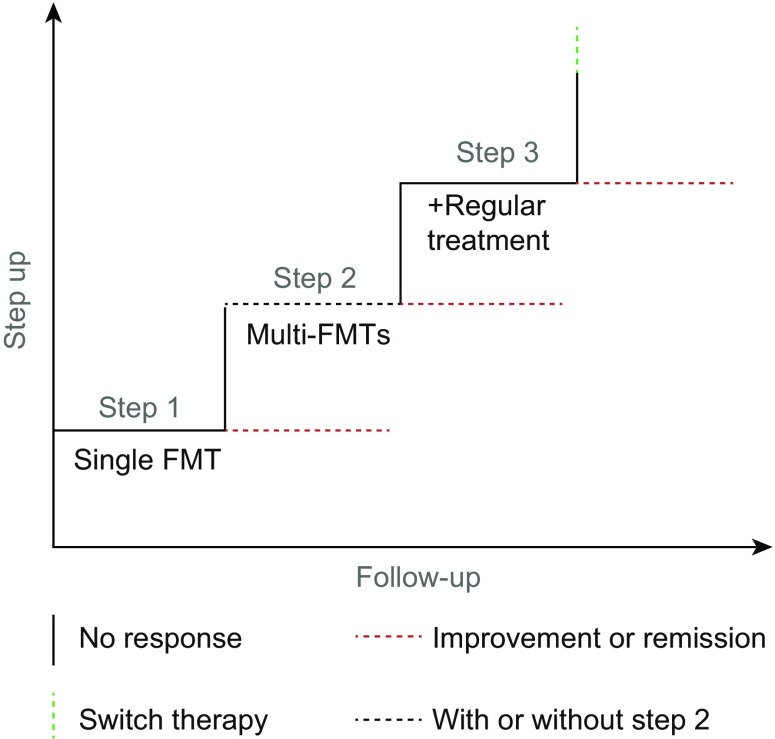
“Protocol standardization is still under cautious investigations and freshly purified materials combining multiple delivery routes are recommended for the sake of efficacy and safety [68].”
BackgroundLu, G., Wang, W., Li, P., Wen, Q., Cui, B., & Zhang, F. (2022) · Microbial Biotechnology · doi:10.1111/1751-7915.14074 · Cited by 63
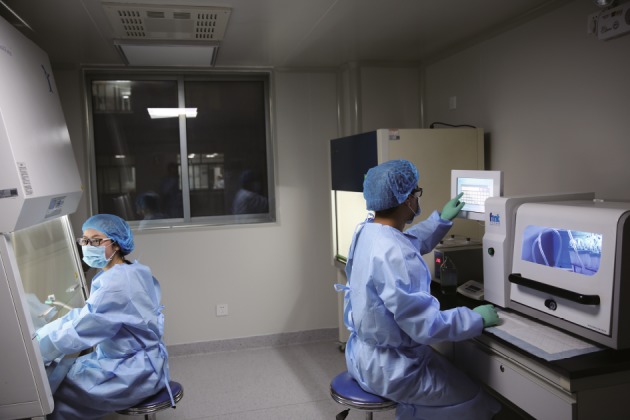
“The method for preparation of microbiota is based on the automatic microbiota purification system (GenFMTer, FMT Medical, Nanjing, China) followed with centrifugation plus suspension three times in a specially designed exclusive laboratory at good manufacture practice level (Cui et al., 2016; Zhang et al., 2018) (Fig.”
BackgroundMethodSelf-citationMicrobiota transplantation: Targeting cancer treatment
Wu, X., Zhang, T., Chen, X., Ji, G., & Zhang, F. (2019) · Cancer Letters · doi:10.1016/j.canlet.2019.03.010 · Cited by 67
Self-citationFecal microbiota transplant – a new frontier in inflammatory bowel disease
Sunkara, T., Rawla, P., Ofosu, A., & Gaduputi, V. V. (2018) · Journal of Inflammation Research · doi:10.2147/jir.s176190 · Cited by 72
“…or polyposis; history of neurological/neurodegenerative disorders; history of psychiatric conditions; overweight and obesity (body mass index > 25); and “drugs that can impair gut microbiota,” such as recent exposure to antibiotics, immuno-therapy, and chemotherapy as well as treatment with…”
TMA/TMAO in Hypertension: Novel Horizons and Potential Therapies
Zhang, W., Wang, Y., Zhang, A., Ding, Y., Zhang, X., Jia, Q.-J., Zhu, Y., Li, Y., Lv, S., & Zhang, J. (2021) · Journal of Cardiovascular Translational Research · doi:10.1007/s12265-021-10115-x · Cited by 62
Fecal Microbiota Transplantation in Dogs
Chaitman, J., & Gaschen, F. P. (2020) · Veterinary Clinics of North America Small Animal Practice · doi:10.1016/j.cvsm.2020.09.012 · Cited by 81
Hepatocellular Carcinoma: How the Gut Microbiota Contributes to Pathogenesis, Diagnosis, and Therapy
Luo, W., Guo, S., Zhou, Y., Zhao, J., Wang, M., Sang, L.-X., Chang, B., & Wang, B. (2022) · Frontiers in Microbiology · doi:10.3389/fmicb.2022.873160 · Cited by 65
Fecal Microbiota Transplantation: Insights into Colon Carcinogenesis and Immune Regulation
Brusnic, O., Onișor, D. M., Boicean, A., Hasegan, A. G., Ichim, C., Guzun, A., Chicea, R., Todor, S. B., Vintilă, B. I., Anderco, P., et al. (2024) · Journal of Clinical Medicine · doi:10.3390/jcm13216578 · Cited by 61
Cao, C., Yue, S., Lü, A., & Liang, C. (2024) · Pharmacological Research · doi:10.1016/j.phrs.2024.107321 · Cited by 67
Zhang, J., Zhu, G., Wan, L., Liang, Y., Liu, X., Yan, H., Zhang, B., & Yang, G. (2023) · Frontiers in Psychiatry · doi:10.3389/fpsyt.2023.1123658 · Cited by 53
Yarahmadi, A., Afkhami, H., Javadi, A., & Kashfi, M. (2024) · Diabetology & Metabolic Syndrome · doi:10.1186/s13098-024-01561-z · Cited by 74
“Although there is promise demonstrated by FMTs in the realm of metabolic disorders in animals, further clinical trials are required to ascertain the effectiveness of this method for this specific indication [272].”
Deng, L., Wojciech, Ł., Png, C. W., Kioh, D. Y. Q., Gu, Y., Aung, T. T., Malleret, B., Chan, E. C. Y., Peng, G., Zhang, Y., et al. (2023) · Theranostics · doi:10.7150/thno.81583 · Cited by 56
“FMT is a common therapeutic strategy for restoring disrupted microbiota [60].”
BackgroundChen, T., Xia, C., Hu, H., Wang, H., Tan, B., Tian, P., Zhao, X., Wang, L., Han, Y., Deng, K., et al. (2021) · International Journal of Antimicrobial Agents · doi:10.1016/j.ijantimicag.2021.106277 · Cited by 62
Gut microbiota and inflammatory bowel disease
Chen, L., & Wang, J. (2021) · WIREs Mechanisms of Disease · doi:10.1002/wsbm.1540 · Cited by 65
Radiation injury and gut microbiota-based treatment
Wang, W., Cui, B., Nie, Y., Sun, L., & Zhang, F. (2023) · Protein & Cell · doi:10.1093/procel/pwad044 · Cited by 58
“The improved methodology of FMT termed as “washed microbiota transplantation” (WMT) was released by the FMT-standardization Study Group consensus statement in 2019 (Zhang et al .”
BackgroundMethodSelf-citationFecal microbiota transplantation relieve painful diabetic neuropathy: A case report
Cai, T.-T., Ye, X.-L., Yong, H.-J., Song, B., Zheng, X.-L., Cui, B.-T., Zhang, F.-M., Lu, Y.-B., Miao, H., & Ding, D.-F. (2018) · Medicine · doi:10.1097/md.0000000000013543 · Cited by 50
“Fecal microbiota transplantation (FMT), also known as microbiota treatment, is given from the donor’s fecal microbiota suspension to the recipient’s intestine.([5]) The accumulation of data now indicates that the gut microbiota correlates with the central nervous system (CNS) and participates in the regulation of cogn…”
BackgroundSelf-citationDaele, E. V., Knol, J., & Belzer, C. (2019) · Critical Reviews in Microbiology · doi:10.1080/1040841x.2019.1680601 · Cited by 51
“Lastly, research on faecal microbiota transplants is emerging and can provide a last resort to restore missing or distorted microbiota communities caused by altered MTCT (Zhang et al. 2018; Falony et al. 2019).”
BackgroundZeng, L., Deng, Y., Yang, K., Chen, J., He, Q., & Chen, H. (2022) · Frontiers in Immunology · doi:10.3389/fimmu.2022.944387 · Cited by 51
The Role of Fecal Microbiota Transplantation in IBD
Fanizzi, F., D’Amico, F., Bombassaro, I., Zilli, A., Furfaro, F., Parigi, T. L., Cicerone, C., Fiorino, G., Peyrin‐Biroulet, L., Danese, S., et al. (2024) · Microorganisms · doi:10.3390/microorganisms12091755 · Cited by 52
Xi, S., Wang, Y., Wu, C., Peng, W., Zhu, Y., & Hu, W. (2022) · Frontiers in Cellular and Infection Microbiology · doi:10.3389/fcimb.2021.783049 · Cited by 46
Evolution of fecal microbiota transplantation in methodology and ethical issues
Zhang, F., Zhang, T., Zhu, H., & Borody, T. J. (2019) · Current Opinion in Pharmacology · doi:10.1016/j.coph.2019.04.004 · Cited by 48
Self-citationIslam, J., Tanimizu, M., Shimizu, Y., Gotō, Y., Ohtani, N., Sugiyama, K., Tatezaki, E., Sato, M., Makino, E., Shimada, T., et al. (2022) · Microbiome · doi:10.1186/s40168-021-01217-4 · Cited by 68
“Background Fecal microbiota transplantation (FMT), in which fecal contents from healthy donors are transplanted into diseased patients with the intention of normalizing or restoring healthy gut microbiota, is considered a promising therapeutic for dysbiosis-related diseases [1, 2].”
BackgroundVerdier, C., Denis, S., Gasc, C., Boucinha, L., Uriot, O., Delmas, D., Dore, J. M., Camus, C. L., Schwintner, C., & Blanquet‐Diot, S. (2021) · Microorganisms · doi:10.3390/microorganisms9020358 · Cited by 51
Microbial treatment: the potential application for Parkinson’s disease
Fang, X. (2018) · Neurological Sciences · doi:10.1007/s10072-018-3641-6 · Cited by 49
Liu, L., Wang, Q., Wu, X., Qi, H., Das, R., Lin, H., Shi, J., Wang, S., Yang, J., Xue, Y., et al. (2020) · Environmental Pollution · doi:10.1016/j.envpol.2020.114399 · Cited by 48
Tabrizi, E., Tabrizi, F. P. F., Khaled, G. M., Sestito, M. P., Jamie, S., & Boone, B. A. (2024) · Frontiers in Immunology · doi:10.3389/fimmu.2024.1434771 · Cited by 46
Mazzawi, T. R. E., Hausken, T., Hov, J. R., Valeur, J., Sangnes, D. A., El‐Salhy, M., Gilja, O. H., Hatlebakk, J. G., & Lied, G. A. (2019) · Scandinavian Journal of Gastroenterology · doi:10.1080/00365521.2019.1624815 · Cited by 46
“Several techniques have been described for the laboratory preparation of fecal suspension and can be classified into rough filtration, filtration plus centrifugation and microfiltration plus centrifugation [44,45].”
MethodThe emerging potential ofmicrobiome transplantation on human health interventions
Junca, H., Pieper, D. H., & Medina, E. (2022) · Computational and Structural Biotechnology Journal · doi:10.1016/j.csbj.2022.01.009 · Cited by 50
“larly fast development during the last decade [6,8].”
BackgroundMicrobiota and epigenetics: promising therapeutic approaches?
El-Sayed, A., Aleya, L., & Kamel, M. S. (2021) · Environmental Science and Pollution Research · doi:10.1007/s11356-021-15623-6 · Cited by 47
Fecal Microbiota Transplantation in Liver Cirrhosis
Boicean, A., Bîrluțiu, V., Ichim, C., Brusnic, O., & Onișor, D. M. (2023) · Biomedicines · doi:10.3390/biomedicines11112930 · Cited by 46
Kenneth, M. J., Tsai, H., Fang, C., Hussain, B., Chiu, Y., & Hsu, B. (2022) · Journal of Advanced Research · doi:10.1016/j.jare.2022.12.015 · Cited by 45
“In addition to diet, gut microbiota can be modulated by other factors such as faecal microbiota transplantation (FMT) [134].”
BackgroundInfluentialCorrie, L., Gulati, M., Vishwas, S., Kapoor, B., Singh, S. K., Awasthi, A., & Khursheed, R. (2021) · Medical Hypotheses · doi:10.1016/j.mehy.2021.110644 · Cited by 43
Mańkowska-Wierzbicka, D., Stelmach-Mardas, M., Gabryel, M., Tomczak, H., Skrzypczak-Zielińska, M., Zakerska-Banaszak, O., Sowińska, A., Mahadea, D., Baturo, A., Wolko, Ł., et al. (2020) · Biomedicines · doi:10.3390/biomedicines8080268 · Cited by 39
“A detailed medical history interview, physical examination, body composition analysis, and evaluation according to the following criteria were performed [20,21].”
MethodGut Microbiota and Metabolic Dysfunction-Associated Steatotic Liver Disease
Scarpellini, E., Scarcella, M., Tack, J. F., Scarlata, G. G. M., Zanetti, M., & Abenavoli, L. (2024) · Antioxidants · doi:10.3390/antiox13111386 · Cited by 55
The Gut Microbiome in Human Obesity: A Comprehensive Review
Borrego-Ruiz, A., & Borrego, J. J. (2025) · Biomedicines · doi:10.3390/biomedicines13092173 · Cited by 66
“This procedure has demonstrated transferable behavioral phenotypes and established links between GM composition and metabolic disorders [194], with emerging evidence suggesting potential applications in obesity management [195].”
Du, H., Kuang, T., Qiu, S., Xu, T. C., Huan, C.-L. G., Fan, G., & Zhang, Y. (2019) · Chinese Medicine · doi:10.1186/s13020-019-0253-x · Cited by 46
Huang, F., Deng, Y., Zhou, M., Tang, R., Zhang, P., & Chen, R. (2024) · BMC Microbiology · doi:10.1186/s12866-024-03513-z · Cited by 49
“FMT, the transfer of the gut microbiota from donors to donees for treatment purposes, has been used to evaluate the impact of the gut microbiome on the development of several diseases and has become a hotspot of biomedical research in recent years [19, 20].”
BackgroundColonic transendoscopic tube-delivered enteral therapy (with video): a prospective study
Zhang, T., Long, C., Cui, B., Buch, H., Wen, Q., Li, Q., Ding, X., Ji, G., & Zhang, F. (2020) · BMC Gastroenterology · doi:10.1186/s12876-020-01285-0 · Cited by 37
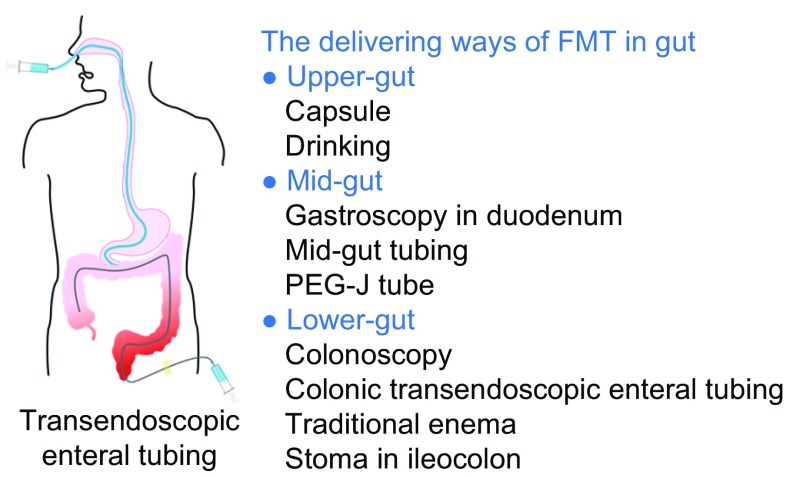
“Fecal suspension can be infused into the lower gut through enema, colonoscopy, distal ileum stoma, colostomy and colonic TET [14, 15].”
BackgroundMethodSelf-citationDeidda, G., & Biazzo, M. (2021) · Frontiers in Neuroscience · doi:10.3389/fnins.2021.753915 · Cited by 41
Wang, W., Lu, G., Wu, X., Wen, Q., & Zhang, F. (2023) · Journal of Clinical Medicine · doi:10.3390/jcm12030780 · Cited by 38
Self-citationExploring the Gut Microbiome’s Role in Inflammatory Bowel Disease: Insights and Interventions
Gyriki, D., Nikolaidis, C. G., Stavropoulou, E., Bezirtzoglou, I., Tsigalou, C., Vradelis, S., & Bezirtzoglou, E. (2024) · Journal of Personalized Medicine · doi:10.3390/jpm14050507 · Cited by 44
“In some studies, it is indicated that a single FMT session can yield efficient outcomes, while, in other studies, it is suggested that multiple FMT treatments are required to achieve a positive and lasting effect [92,101].”
BackgroundResultThe intestinal microbiota as a therapeutic target in the treatment of NAFLD and ALD
Huang, W., & Kong, D. (2021) · Biomedicine & Pharmacotherapy · doi:10.1016/j.biopha.2021.111235 · Cited by 41
Li, H., Wang, Y., Zhao, C., Liu, J., Zhang, L., & Li, A. (2022) · Chinese Medical Journal · doi:10.1097/cm9.0000000000001885 · Cited by 37
“Based on the method of Zhang et al[19] for the preparation of fecal bacteria liquid, fresh feces were mixed immediately with sterile saline (1:5 [w/v]).”
MethodZhang, T., Wang, T., Chen, X., Zhao, Z., & Chen, Z. (2021) · Experimental and Therapeutic Medicine · doi:10.3892/etm.2021.10974 · Cited by 34
Yeh, Y., Cheng, H., Le, P., Chen, C.-C., Kuo, C., Chen, C., Chiu, C., & Chiu, C. (2021) · Biomedical Journal · doi:10.1016/j.bj.2021.06.001 · Cited by 34
“diseases for over a thousand years [1,2].”
Yang, Y., Yan, J., Li, S., Liu, M., Han, R., Wang, Y., Wang, Z., & Wang, D. (2023) · Endocrine · doi:10.1007/s12020-023-03606-1 · Cited by 37
“Recent research has also suggested that FMT may hold promise as a method to address dysbiosis-related conditions, such as T2DM [8].”
Adverse events of fecal microbiota transplantation: a metaanalysis of high-quality studies
Michailidis, L., Currier, A. C., Le, M., & Flomenhoft, D. R. (2021) · Annals of Gastroenterology · doi:10.20524/aog.2021.0655 · Cited by 48
“Annals of Gastroenterology 34 America, China and Europe [2,123,124] should help answer this difficult question in the future.”
BackgroundInfluentialFecal microbiota transplantation provides new insight into wildlife conservation
Guo, W., Ren, K., Ning, R., Li, C., Zhang, H., Li, D., Xu, L., Sun, F.-H., & Dai, M. (2020) · Global Ecology and Conservation · doi:10.1016/j.gecco.2020.e01234 · Cited by 37
Gu, J. L., Zhao, L., Chen, Y., Guo, Y., Sun, Y., Guo, Q., Duan, G., Li, C., Tang, Z., Zhang, Z., et al. (2021) · Biomedicine & Pharmacotherapy · doi:10.1016/j.biopha.2021.112496 · Cited by 35
Yang, J., Qin, S., & Zhang, H. (2022) · Frontiers in Immunology · doi:10.3389/fimmu.2022.1034727 · Cited by 38
Potential role of gut microbiota and its metabolites in radiation-induced intestinal damage
Xin, J., Wang, J., Ding, Q., Chen, W., Xu, X., Wei, X., Lv, Y.-H., Wei, Y., Feng, Y., & Zu, X. (2022) · Ecotoxicology and Environmental Safety · doi:10.1016/j.ecoenv.2022.114341 · Cited by 33
Metadata
- Authors
- FMT-standardization Study Group, Zhang, F., Cui, B., He, X., Nie, Y., Wu, K., & Fan, D.
- Affiliations
- Sir Run Run Shaw Hospital (CN)
- First Affiliated Hospital of Guangdong Pharmaceutical University (CN)
- National Clinical Research Center for Digestive Diseases (CN)
- Corresponding author
- Zhang, Faming
- Venue
- Protein & Cell
- Publisher
- Oxford University Press (OUP)
- Published
- 2018-04-24
- Volume
- 9
- Issue
- 5
- Pages
- 462-473
- ISSN
- 1674-800X (ISSN-L)
- 1674-8018
- PMC
- PMC5960466
- OpenAlex
- W2800200239
- Semantic Scholar
- ff8600aed48167ea90e4a478426d6851b5788a7b
- Cited by
- 300
- References
- 105
- Citations by year
- 2026: 18 · 2025: 40 · 2024: 41 · 2023: 44 · 2022: 45 · 2021: 40 · 2020: 38 · 2019: 21 · 2018: 12
- FWCI
- 2.72
- Type
- journal article
- Language
- en
- Open access
- gold
- doi.org
- Licence
- cc-by-nc
- creativecommons.org/licenses/by/4.0 (tdm)
- Locations
- Protein & Cell (publishedVersion, cc-by-nc)
- Europe PMC (PubMed Central) (publishedVersion, other-oa)
- PubMed Central (publishedVersion, cc-by)
- PubMed (publishedVersion)
- DOAJ (DOAJ: Directory of Open Access Journals) (submittedVersion, cc-by-sa)
- Funders
- National Natural Science Foundation of China (81600417, 81670495, 2015BAI13B07)
- Government of Jiangsu Province
- Topics
- Life Sciences › Biochemistry, Genetics and Molecular Biology › Molecular Biology › Gut microbiota and health
- Health Sciences › Medicine › Infectious Diseases › Clostridium difficile and Clostridium perfringens research
- Health Sciences › Medicine › Gastroenterology › Gastrointestinal motility and disorders
- Keywords
- fecal microbiota transplantation, microbiota-host interactions, Clostridium difficile infection, inflammatory bowel disease, diabetes mellitus, gut-brain axis
- MeSH terms
- Fecal Microbiota Transplantation, Host Microbial Interactions, Clostridium Infections, Humans, Metabolic Diseases, Inflammatory Bowel Diseases
About these checks
Registry, retraction, Cites and statistics results are computed, not judged, with one exception: a printed reference that no index lists is read once by a model before it counts as a citation error. Claims are extracted by a model and kept only when their quote appears verbatim in the text; each cited source is then checked, with a model’s help, for whether it says what the claim relies on. Those verdicts can be wrong — read the claim’s quote and the cited source before relying on one.
Statistics and arithmetic are recomputed, not judged.
Confidence bands are shown only for fields calibrated on our annotated test set. None is calibrated yet, so no band is shown.
What counts as a claim ›How we measure confidence ›How we check this ›
Are you an author, or do you see a problem with this page? Request a review
Data sources
Bibliographic data: Semantic Scholar, OpenAlex, Crossref.
Contains information from the Semantic Scholar Academic Graph Datasets, made available under the ODC Attribution License (ODC-BY 1.0).
Semantic Scholar’s data is described in: Kinney, R., et al. (2023). The Semantic Scholar Open Data Platform. arXiv:2301.10140.
