

Microbiota transplantation: concept, methodology and strategy for its modernization
Open accessThe DOI matches its Crossref record; 105 of the 105 references it cites were found in a registry or an index.
Abstract
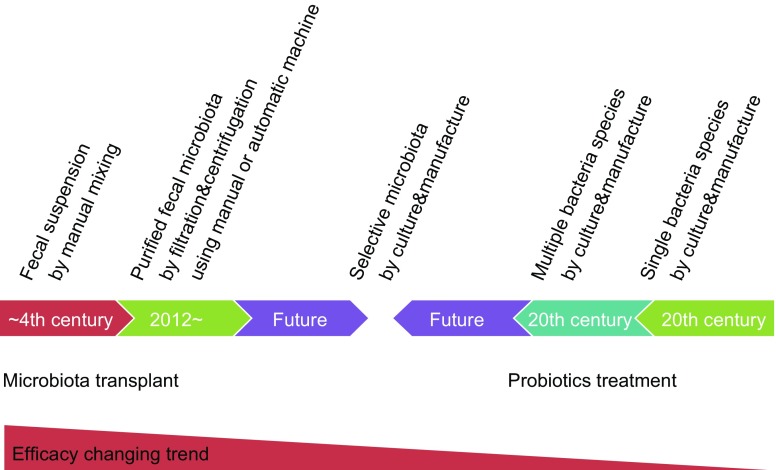
Fecal microbiota transplantation (FMT) has become a research focus of biomedicine and clinical medicine in recent years. The clinical response from FMT for different diseases provided evidence for microbiota-host interactions associated with various disorders, including Clostridium difficile infection, inflammatory bowel disease, diabetes mellitus, cancer, liver cirrhosis, gut-brain disease and others. To discuss the experiences of using microbes to treat human diseases from ancient China to current era should be important in moving standardized FMT forward and achieving a better future. Here, we review the changing concept of microbiota transplantation from FMT to selective microbiota transplantation, methodology development of FMT and step-up FMT strategy based on literature and state experts' perspectives.
Overview
The claims and statistics of this paper haven’t been checked yet.
Free: it reads the open-access text and checks the first 5 claims that cite a source we can check. Create a free account to check every claim.
Integrity signals
Registry
Cites
Statistics
Figures
Verification
Claims the paper makes
The claims and statistics of this paper haven’t been checked yet.
Free: it reads the open-access text and checks the first 5 claims that cite a source we can check. Create a free account to check every claim.
Self-check
Percentages, sums and reported differences re-computed from the paper’s own numbers.
The self-check needs the paper’s full text.
Citations
Cites
Gut microbiome influences efficacy of PD-1-based immunotherapy against epithelial tumors
Routy, B., Le Chatelier, E., Derosa, L., Duong, C. P. M., Alou, M. T., Daillère, R., Fluckiger, A., Messaoudene, M., Rauber, C., Roberti, M. P., et al. (2018) · Science · doi:10.1126/science.aan3706 · Cited by 5,671 · cited 1×
“A new research found that gut microbiome improved efficacy of PD-1-based immunotherapy against epithelial tumors (Routy et al., 2018), implying that FMTcan be used to fight against cancer.”
BackgroundGibson, G. R., Hutkins, R., Sanders, M. E., Prescott, S. L., Reimer, R. A., Salminen, S. J., Scott, K., Stanton, C., Swanson, K. S., Cani, P. D., et al. (2017) · Nature Reviews Gastroenterology & Hepatology · doi:10.1038/nrgastro.2017.75 · Cited by 5,634 · cited 1×
“A single microbe has a weak ability in the prevention and treatment of human diseases, though researches have proven its efficacy in standard animal models (Gibson et al., 2017).”
BackgroundGut microbiome modulates response to anti-PD-1 immunotherapy in melanoma patients
Gopalakrishnan, V., Spencer, C. N., Nezi, L., Reuben, A., Andrews, M. C., Karpinets, T. V., Prieto, P. A., Vicente, D., Hoffman, K., Wei, S. C., et al. (2018) · Science · doi:10.1126/science.aan4236 · Cited by 4,812 · cited 1×
“Another study (Gopalakrishnan et al., 2018) also demonstrated enhanced systemic immunity and favorable gut microbiome profile in patients showing good response to PD-1 immunotherapy, as well as in germ-free mice receiving fecal transplants from responding patients.”
BackgroundDuodenal Infusion of Donor Feces for Recurrent Clostridium difficile
van Nood, E., Vrieze, A., Nieuwdorp, M., Fuentes, S., Zoetendal, E. G., de Vos, W. M., Visser, C. E., Kuijper, E. J., Bartelsman, J. F. W. M., Tijssen, J. G. P., et al. (2013) · New England Journal of Medicine · doi:10.1056/nejmoa1205037 · Cited by 3,708 · cited 1×
“In an RCT study, these two rates become 81% and 94% of resolution of CDI after the first FMT and repeat FMTs (van Nood et al., 2013).”
BackgroundThe Human Intestinal Microbiome in Health and Disease
Lynch, S. V., & Pedersen, O. (2016) · New England Journal of Medicine · doi:10.1056/nejmra1600266 · Cited by 3,637 · cited 2×
“Fecal microbiota transplantation (FMT), a concrete evidence proving the role of microbiota in many diseases, has recently become a research focus in biomedicine and clinical medicine (Khoruts and Sadowsky 2016; Lynch and Pedersen 2016; Vindigni and Surawicz 2017).”
BackgroundAnticancer immunotherapy by CTLA-4 blockade relies on the gut microbiota
Vétizou, M., Pitt, J. M., Daillère, R., Lepage, P., Waldschmitt, N., Flament, C., Rusakiewicz, S., Routy, B., Roberti, M. P., Duong, C. P. M., et al. (2015) · Science · doi:10.1126/science.aad1329 · Cited by 3,488 · cited 2×
“Infect Control Hosp Epidemiol 36:438–444 Vetizou M, Pitt JM, Daillere R, Lepage P, Waldschmitt N, Flament C, Rusakiewicz S, Routy B, Roberti MP, Duong CP et al (2015) Anticancer immunotherapy by CTLA-4 blockade relies on the gut microbiota.”
BackgroundThe commensal microbiome is associated with anti-PD-1 efficacy in metastatic melanoma patients
Matson, V., Fessler, J., Bao, R., Chongsuwat, T., Zha, Y., Alegre, M.-L., Luke, J. J., & Gajewski, T. F. (2018) · Science · doi:10.1126/science.aao3290 · Cited by 3,107 · cited 1×
“A significant association has been observed between commensal microbial composition and clinical response of anti-PD-L1 therapy in metastatic melanoma patients (Matson et al., 2018).”
BackgroundVrieze, A., Van Nood, E., Holleman, F., Salojärvi, J., Kootte, R. S., Bartelsman, J. F. W. M., Dallinga–Thie, G. M., Ackermans, M. T., Serlie, M. J., Oozeer, R., et al. (2012) · Gastroenterology · doi:10.1053/j.gastro.2012.06.031 · Cited by 2,913 · cited 1×
“…reported the method and efficacy of using frozen fecal microbiota for C. difficile infection The improved methodology for storing fecal microbiota 2012 (Vrieze et al., 2012) Vrieze et al. from the Netherland reported the FMT in metabolic syndrome The evidence to use FMT in changing insulin…”
MethodFusobacterium nucleatum Promotes Chemoresistance to Colorectal Cancer by Modulating Autophagy
Yu, T., Guo, F., Yu, Y., Sun, T., Ma, D., Han, J., Qian, Y., Kryczek, I., Sun, D., Nagarsheth, N., et al. (2017) · Cell · doi:10.1016/j.cell.2017.07.008 · Cited by 2,198 · cited 1×
“The bioinformatic and functional studies demonstrated that Fusobacterium nucleatum enhanced the resistance of colorectal cancer to chemotherapy (Yu et al., 2017).”
BackgroundGuidelines for diagnosis, treatment, and prevention of Clostridium difficile infections
Surawicz, C. M., Brandt, L. J., Binion, D. G., Ananthakrishnan, A. N., Curry, S. R., Gilligan, P. H., McFarland, L. V., Mellow, M., & Zuckerbraun, B. S. (2013) · American Journal of Gastroenterology · doi:10.1038/ajg.2013.4 · Cited by 1,645
Research works printed but not linked: 2
- Ge H Zhou Hou Bei Ji Fang 2000 Tianjin Tianjin Science & Technology Press
- Xu R Chong Ding Tong Su Shang Han Lun 2011 Beijing China Press of Traditional Chinese Medicine
Cited by
Items 101–200 of 301
Dong, J., Gao, H.-L., Wang, W., Yu, X., & Liu, L. (2020) · Biochimica et Biophysica Acta (BBA) - Reviews on Cancer · doi:10.1016/j.bbcan.2020.188484 · Cited by 31
Establishment and Resilience of Transplanted Gut Microbiota in Aged Mice
Wang, Y., Tang, J., Lv, Q., Tan, Y., Dong, X., Liu, H., Zhao, N., He, Z., Kou, Y., Tan, Y. Q., et al. (2021) · iScience · doi:10.1016/j.isci.2021.103654 · Cited by 39
Bai, M., Guo, H., & Zheng, X.-Y. (2023) · Therapeutic Advances in Gastroenterology · doi:10.1177/17562848231207280 · Cited by 33
Al‐Bakri, A. G., Akour, A. A., & Al‐Delaimy, W. K. (2021) · BMC Medical Ethics · doi:10.1186/s12910-021-00587-6 · Cited by 30
“FMT has been used to successfully treat recurrent Clostridium difficile infection [6, 7] and guidelines towards its safe use are continuously evolving.”
New perspective on fecal microbiota transplantation in liver diseases
Suk, K. T., & Koh, H. (2022) · Journal of Gastroenterology and Hepatology · doi:10.1111/jgh.15729 · Cited by 30
Zheng, Y.-M., He, X., Xia, H. H., Yu, Y., Xie, W.-R., Cai, J., Xu, J., & Wu, L. (2020) · Medicine · doi:10.1097/md.0000000000022298 · Cited by 29
“Two FMT treatment approaches([10]) were utilized as follows: the lower-gut approach was adopted in the first course of treatment, and the mid-gut approach was utilized in the second to fourth courses of treatment because it was difficult to pass the endoscope through the narrow intestinal cavity.”
MethodSelf-citationZhong, M., Buch, H., Wen, Q., Long, C., Cui, B., & Zhang, F. (2021) · Gastroenterology Research and Practice · doi:10.1155/2021/6676962 · Cited by 27
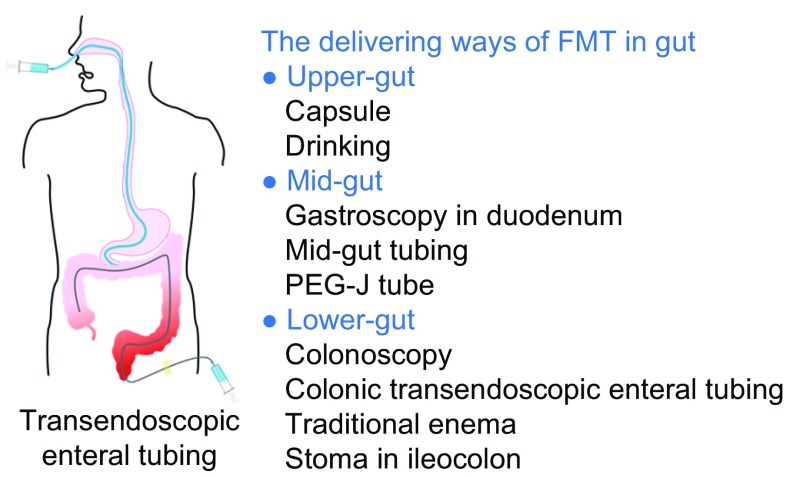
“, the upper gut, midgut, and lower gut [15, 16]; each method has its advantages and its limitations.”
BackgroundSelf-citationRen, J., Wang, Q., Hong, H., & Tang, C. (2025) · Microorganisms · doi:10.3390/microorganisms13081956 · Cited by 30
“The standard antibiotic regimen for patients with CDI is vancomycin (0.5 g, twice daily for 3 days), which enhances the colonization efficiency of donor microbiota by eliminating residual pathogens and reducing microbial load [78].”
InfluentialLiu, X., Zhang, F., Wang, Z., Zhang, T., Teng, C., & Wang, Z. (2020) · Ecotoxicology and Environmental Safety · doi:10.1016/j.ecoenv.2020.111143 · Cited by 28
Self-citationTargeting the gut microbiota to alleviate chemotherapy-induced toxicity in cancer
Xu, Y., Du, H., Chen, Y., Ma, C., Zhang, Q., Li, H., Xie, Z., & Hong, Y. (2023) · Critical Reviews in Microbiology · doi:10.1080/1040841x.2023.2233605 · Cited by 28
“…recurrent Clostridium difficile infection, inflammatory bowel disease, graft-versus-host disease, metabolic syndrome, cancer, and liver cirrhosis (Zhang et al. 2018; Sorbara and Pamer 2022). li et al. found that FMt from normal mice to 5-FU-treated mice could relieve the Gi mucositis caused by…”
Wu, X., Dai, M., Buch, H., Bai, J., Long, W.-W., Long, C., Tang, X., Tu, H., Zhang, R., Zhu, C., et al. (2019) · Therapeutic Advances in Gastroenterology · doi:10.1177/1756284819869144 · Cited by 25
Self-citationYadav, S., & Raj, R. G. (2025) · Neuroscience · doi:10.1016/j.neuroscience.2025.07.003 · Cited by 28
Role of intestinal flora in primary sclerosing cholangitis and its potential therapeutic value
Li, Z.-J., Gou, H.-Z., Zhang, Y., Song, X., & Zhang, L. (2022) · World Journal of Gastroenterology · doi:10.3748/wjg.v28.i44.6213 · Cited by 27
Faecal Microbiota Transplantation, Paving the Way to Treat Non-Alcoholic Fatty Liver Disease
Barrio, M. D., Lavín-Alconero, L., Santos‐Laso, Á., Arias, M., Odriozola, A., Rodríguez-Duque, J. C., Rivas, C., Iruzubieta, P., & Crespo, J. (2023) · International Journal of Molecular Sciences · doi:10.3390/ijms24076123 · Cited by 32
Zhang, Z., Li, Q., Zhang, S., Liu, Y., Lu, G., Wen, Q., Cui, B., Zhang, F., & Zhang, F. (2023) · Progress in Neuro-Psychopharmacology and Biological Psychiatry · doi:10.1016/j.pnpbp.2023.110839 · Cited by 25
Self-citationCai, R., Zhou, C., Tang, R., Meng, Y., Zeng, J., Li, Y., & Wen, X. (2024) · Gut Microbes · doi:10.1080/19490976.2024.2382774 · Cited by 26
“102 According to earlier research, FMT has potential for use in dermatological applications.”
BackgroundHarnessing Pharmacomultiomics for Precision Medicine in Diabetes: A Comprehensive Review
Dhieb, D., Mustafa, D. N., Hassiba, M., Alasmar, M., Elsayed, M. E. M., Musa, A., Zirie, M. A., & Bastaki, K. (2025) · Biomedicines · doi:10.3390/biomedicines13020447 · Cited by 32
“This bi-directional relationship between medications and the individuals’ microbiome should be accounted for during drug designs [99], including the design of antidiabetic drugs.”
Takáčová, M., Bomba, A., Tóthová, C., Micháľová, A., & Turňa, H. (2022) · Life · doi:10.3390/life12050723 · Cited by 29
“Diarrhoea, flatulence, bloating, fever, vomiting [2,3].”
MethodPottenger, S., Watts, A., Wedley, A. L., Jopson, S., Darby, A. C., & Wigley, P. (2023) · Animal Microbiome · doi:10.1186/s42523-023-00232-0 · Cited by 24
“Manipulation of the GIT microbiota has been increasingly used in humans and animals to help combat varying diseases and infections [4, 5].”
BackgroundMeighani, A., Alimirah, M., Ramesh, M. S., & Salgia, R. J. (2020) · International Journal of Hepatology · doi:10.1155/2020/1874570 · Cited by 22
Čierniková, S., Ševčíková, A., Novisedláková, M., & Mego, M. (2024) · Cancers · doi:10.3390/cancers16244271 · Cited by 24
Yang, Y., He, J., Wang, Y., Liang, L., Zhang, Z., Tan, X., Tao, S., Wu, Z., Dong, M., Zheng, J., et al. (2023) · Frontiers in Immunology · doi:10.3389/fimmu.2023.1143526 · Cited by 21
Microbiota in tumors: new factor influencing cancer development
Jiang, H., Li, L., Bao, Y., Cao, X., & Ma, L. (2024) · Cancer Gene Therapy · doi:10.1038/s41417-024-00833-0 · Cited by 27
“In recent decades, microbiotherapy has emerged as a novel approach in cancer treatment [143, 144], employing two primary strategies:(I) Activating anti-tumor immune responses through the use of microbial-speci fi c antigens or microbial derivatives.”
Safety of fecal microbiota transplantation in chinese children: A single-center retrospective study
Zhang, X., Wang, Y., Li, X., Hu, H., Liu, H., Li, D., Xiao, Y., & Zhang, T. (2018) · World Journal of Clinical Cases · doi:10.12998/wjcc.v6.i161.1121 · Cited by 21
Practical Use of RBX2660 for the Prevention of Recurrent Clostridioides difficile Infection
Feuerstadt, P., Allegretti, J. R., & Khanna, S. (2023) · The American Journal of Gastroenterology · doi:10.14309/ajg.0000000000002195 · Cited by 19
Yuan, C., Fan, J., Jiang, L., Ye, W., Chen, Z., Wu, W., Huang, Q., & Qian, L. (2023) · Nutrients · doi:10.3390/nu15051149 · Cited by 19
Guo, G.-J., Yao, F., Lu, W.-P., & Xu, H. (2023) · World Journal of Hepatology · doi:10.4254/wjh.v15.i7.867 · Cited by 20
Gundling, F., Roggenbrod, S., Schleifer, S., Sohn, M., & Schepp, W. (2018) · Obesity Science & Practice · doi:10.1002/osp4.302 · Cited by 19
“Which donor would you prefer? * ** ▪ Family member 7 (14) ▪ Spouse 8 (16) ▪ Partner 1 (2) ▪ Friend 2 (4) ▪ Anonymous donor 13 (26) ▪ Person proposed by the therapist 17 (34) 4.”
BackgroundLi, Q., Ding, X. L., Liu, Y., Marcella, C., Dai, M., Zhang, T., Bai, J., Xiang, L., Wen, Q., Cui, B., et al. (2021) · Frontiers in Pharmacology · doi:10.3389/fphar.2021.658087 · Cited by 18
“From the process of feces defecation until the fresh bacteria infused into the intestinal tract of patients should be done within one hour, which was regarded as a “one-hour FMT protocol” (Zhang et al., 2018).”
MethodSelf-citationTreating the Metabolic Syndrome by Fecal Transplantation—Current Status
Malnick, S. D. H., Fisher, D. L., Somin, M., & Neuman, M. G. (2021) · Biology · doi:10.3390/biology10050447 · Cited by 19
“There is also a specific microbiome—based on the metagenomic signature associated with advanced fibrosis in patients with NAFLD—that raises the possibility of microbiome studies as a potential replacement for determining cirrhosis [56].”
BackgroundAdvances in capsule-based fecal microbiota transplantation: clinical applications and innovations
He, Y., Zhang, Y., Yang, D., Luo, H., & Zhou, Y. (2025) · Journal of Translational Medicine · doi:10.1186/s12967-025-07407-0 · Cited by 20
“The route of administration may be via enema, colonoscopy, nasoduodenal approaches to administration, jejunal infusion, or capsule-based fecal microbiota transplantation (cFMT) [14].”
Li, Y., Zhang, T., Sun, J., & Liu, N. (2022) · Frontiers in Cellular and Infection Microbiology · doi:10.3389/fcimb.2022.899845 · Cited by 20
Boicean, A., Bratu, D. G., Bacila, C. I., Tanasescu, C. A. H., Fleacă, R. S., Mohor, C. I., Comaniciu, A., Băluță, T., Roman, M. D., Chicea, R., et al. (2023) · Pathogens · doi:10.3390/pathogens12060766 · Cited by 17
“According to studies, very rare adverse effects are fever, Gramnegative bacteremia, and bowel perforation [8,26].”
BackgroundPharmacomicrobiomics: a new field contributing to optimizing drug therapy in Parkinson’s disease
Zhang, Y., Mo, C., Ai, P., He, X., Xiao, Q., & Yang, X. (2025) · Gut Microbes · doi:10.1080/19490976.2025.2454937 · Cited by 20
“113 Notably, it has been reported that the FMT could also promote the clinical response of anti-PD-1 immunotherapy in patients with anti-PD-1-refractory metastatic melanoma, providing important implications for modulating the gut microbiota in cancer treatment.”
Self-citationWang, H., & Wang, Y. (2024) · Canadian Journal of Infectious Diseases and Medical Microbiology · doi:10.1155/2024/8640014 · Cited by 20
“Another study concluded that compared with healthy controls, Fusobacteria and Bacteroidetes are more abundant in patients with LC, while the abundance of Proteobacteria and Firmicutes is low [141].”
BackgroundGut Fecal Microbiota Transplant in a Mouse Model of Orthotopic Rectal Cancer
Chen, Y., Miao, Z., Yip, K., Cheng, Y., Liu, C., Li, L., Lin, C., Wang, J., Wu, D., Cheng, T., et al. (2020) · Frontiers in Oncology · doi:10.3389/fonc.2020.568012 · Cited by 15
“difficile infections have been well established (9, 10, 46), but the application of FMT for the treatment of CRC is still under development.”
BackgroundMethodInfluentialLi, Q., Zhang, T., Ding, X. L., Xiang, L., Cui, B., Buch, H., & Zhang, F. (2020) · European Journal of Gastroenterology & Hepatology · doi:10.1097/meg.0000000000001725 · Cited by 16
Self-citationRen, X., Zhang, F., Zhang, M., Fang, Y., Chen, Z., & Huan, M. (2023) · Food Science and Human Wellness · doi:10.26599/fshw.2022.9250167 · Cited by 19
Self-citationCombatting Antibiotic Resistance: Leveraging Fecal Microbial Transplantation for Gut Health
Upreti, P., Devhare, L., Abdulmageed, L. H., Kumar, Y. G., Kumar, R., & Dharmamoorthy, G. (2024) · Springer eBooks · doi:10.1007/978-981-97-5272-0_10 · Cited by 35
Zhang, W., Zhang, J., Liu, T., Xing, J., Zhang, H., Wang, D., & Tang, D. (2022) · Journal of Cancer Research and Clinical Oncology · doi:10.1007/s00432-022-04081-3 · Cited by 16
Zheng, Y.-M., Chen, X.-Y., Cai, J., Yu, Y., Xie, W.-R., Xu, J., Xia, H. H., Zhang, M., He, X., & Wu, L. (2021) · World Journal of Gastroenterology · doi:10.3748/wjg.v27.i6.513 · Cited by 14
Self-citationMa, L., Song, J., Chen, X., Dai, D., Chen, J., & Zhang, L. (2023) · Heliyon · doi:10.1016/j.heliyon.2023.e20591 · Cited by 16
“Similarly, FMT has also been demonstrated to be useful in treating obesity, type 2 diabetes, inflammatory bowel diseases (IBDs), intractable functional constipation, and other conditions [22 – 24].”
BackgroundCardiovascular diseases and the heart–gut cross talk
Majumder, S., Makwana, R., Shetty, V., Mukherjee, S., & Narayan, P. (2023) · Indian Heart Journal · doi:10.1016/j.ihj.2023.12.003 · Cited by 16
“• Another method is fecal microbiota transplantation (FMT), 49 which involves inserting healthy donor ’ s feces into the recipient ’ s gut.”
BackgroundMethodInfluentialTherapeutic Strategies to Combat Increasing Rates of Multidrug Resistant Pathogens
Vitiello, A., Rezza, G., Silenzi, A., Salzano, A., Alise, M., Boccellino, M., Ponzo, A., Zovi, A., & Sabbatucci, M. (2024) · Pharmaceutical Research · doi:10.1007/s11095-024-03756-5 · Cited by 17
“This technique, which originated several centuries ago, has been revived in recent times to counter the increasing prevalence and virulence of C. difficile infection (CDI), as well as its resistance to common antimicrobials [56].”
Fecal microbial transplants as investigative tools in cancer
Bohm, M. S., Ramesh, A. V., Pierre, J. F., Cook, K. L., Murphy, E. A., & Makowski, L. (2024) · American Journal of Physiology-Gastrointestinal and Liver Physiology · doi:10.1152/ajpgi.00171.2024 · Cited by 15
Yi, D., Li, T., Xiao, Y., Zhang, X., Hao, Q., Zhang, F., Qiu, T., Yang, G., Sun, X., Dong, Y., et al. (2024) · Bioengineering & Translational Medicine · doi:10.1002/btm2.10728 · Cited by 16
Self-citationMjaess, G., Karam, A., Aoun, F. Y., Albisinni, S., & Roumeguère, T. (2021) · Cancer · doi:10.1002/cncr.33893 · Cited by 14
“FMT is commonly used for refractory Clostridium difficile infections, inflammatory bowel disorders, metabolic disorders, and liver cirrhosis.(3) Because the gut microbiota is a potential modulator of responses to immune checkpoint inhibitors (ICIs),(4) FMT has been studied in the last decade, with transplants taken fr…”
Dubost, J.-M., Kongchack, P., Deharo, E., Palamy, S., Her, C., Lamxay, V., Duffillot, S., & Krief, S. (2021) · Journal of Ethnobiology and Ethnomedicine · doi:10.1186/s13002-021-00484-7 · Cited by 15
“It appears to have been subsequently used in China to treat disorders defined in the emic terms of the Chinese medical tradition, disorders that cover febrile disease, typhoid fever and diarrhoea, poisoning, abscess, food stagnation, and was still recently used in China by some elder-generation physicians for refracto…”
BackgroundGao, J., Chen, H., Xu, L., Li, S., Yan, H., Jiang, L., Cheng, W., & Jiang, Z. (2023) · Frontiers in Bioscience-Landmark · doi:10.31083/j.fbl2803043 · Cited by 15
“FMT is also an effective method to restore and regulate destroyed intestinal flora, often playing an important role in many diseases, including diabetes, liver cirrhosis, and Clostridium difficile infections [24].”
MethodGut microbiota and microbiota-derived metabolites in colorectal cancer: enemy or friend
Wang, X., Sun, X., Chu, J., Sun, W., Yan, S., & Wang, Y. (2023) · World Journal of Microbiology and Biotechnology · doi:10.1007/s11274-023-03742-w · Cited by 14
“Increasing evidence suggests that precise and standardized FMT holds huge promise for inhibiting the progression of CRC and improving treatment outcomes (Zhang et al. 2018 ).”
Zheng, S., Li, K.-Z., Feng, G., Wang, Y.-T., Jia-ning, W. A. N. G., Li, S., & Sun, Y.-D. (2025) · Molecular Cancer · doi:10.1186/s12943-025-02513-5 · Cited by 17
Nezhadi, J., Fadaee, M., Ahmadi, S., & Kafil, H. S. (2024) · Heliyon · doi:10.1016/j.heliyon.2024.e39047 · Cited by 14
Xiang, L., Yu, Y., Ding, X., Zhang, H., Wen, Q., Cui, B., & Zhang, F. (2021) · Frontiers in Medicine · doi:10.3389/fmed.2021.666062 · Cited by 13
Self-citationMirsepasi‐Lauridsen, H. C. (2022) · Journal of Clinical Medicine · doi:10.3390/jcm11247472 · Cited by 19
“The intermediate part of the beneficial substance of FMT products filtered from bacteria is effective to some extent in promoting healing in the intestines of Clostridiodes difficile infected patients [98].”
BackgroundClostridioides difficile and neurological disorders: new perspectives
Biazzo, M., Allegra, M., & Deidda, G. (2022) · Frontiers in Neuroscience · doi:10.3389/fnins.2022.946601 · Cited by 11
“Fecal microbiota transplantation (FMT), namely the transplant of fecal stools from healthy donors into infected patients (Zhang et al., 2018; Biazzo and Deidda, 2022), represents nowadays the tool used for the eradication of recurrent and refractory (where antibiotic treatment has failed) C.”
MethodIslam, T., Sagor, M. S., Tamanna, N. T., Bappy, M. K. I., Danishuddin, M., Haque, M. A., & Lackner, M. K. (2025) · Journal of Personalized Medicine · doi:10.3390/jpm15030112 · Cited by 17
Lu, H., Nguyen, N. T. K., Panwar, R., Lin, C., Cross, T.-W., & Lin, S. (2025) · Autism Research · doi:10.1002/aur.70091 · Cited by 14
“FMT involves transplanting beneficial microbes and natural antimicrobials from a healthy donor's stool into a patient's gastrointestinal tract to restore gut microbial balance (Zhang et al. 2018).”
Kaźmierczak-Siedlecka, K., Skonieczna‐Żydecka, K., Biliński, J., Roviello, G., Iannone, L. F., Atzeni, A., Sobocki, B. K., & Połom, K. (2021) · Cancers · doi:10.3390/cancers13184665 · Cited by 14
“Fecal gut microbiota transplantation procedure [1,9,51,52].”
BackgroundWen, Q., Liu, K., Cui, B., Li, P., Wu, X., Zhong, M., Lu, W., Tu, H., Yu, Y., Lin, D., et al. (2020) · World Journal of Gastroenterology · doi:10.3748/wjg.v26.i39.6098 · Cited by 11
Self-citationGuo, J., Zhou, B., Niu, Y., Liu, L., & Yang, L. (2023) · Journal of Diabetes & Metabolic Disorders · doi:10.1007/s40200-023-01279-1 · Cited by 11
“FMT refers to transplantation of functional flora, obtained from healthy people feces, into the gastrointestinal tract of patients, for the reconstruction of new intestinal flora to achieve the purpose of treating diseases [ 14].”
BackgroundLauko, S., Gancarčíková, S., Hrčková, G., Hajdučková, V., Andrejčáková, Z., Fecskeová, L. K., Bertková, I., Hijová, E., Kamlárová, A., Janíčko, M., et al. (2023) · Biomedicines · doi:10.3390/biomedicines12010043 · Cited by 10
“The of such an approach demonstrates the significant role of The suc-cess of such an approach demonstrates the signi fi cant role of microbiota in numerous dis-eases [14– 16]. microbiota in numerous diseases [14–16].”
BackgroundGan, L., Wang, Y., Huang, S., Zheng, L., Feng, Q., Liu, H., Liu, P., Zhang, K., Chen, T., & Fang, N. (2024) · Nutrients · doi:10.3390/nu16030342 · Cited by 11
“Additionally, another recent report indicated that microbiota transplantation therapy can greatly elevate overall remission rate in patients with non-erosive gastroesophageal reflux, implying that restoration of normal gut microbiota may play a crucial role in managing GRED [44].”
BackgroundEbrahimi, R., Masouri, M. M., Khozani, A. A. S. A., Hussein, D. R., & Nejadghaderi, S. A. (2024) · PLoS ONE · doi:10.1371/journal.pone.0311731 · Cited by 12
Liu, Y., Ji, X., Huang, Y., Li, Q., Ding, X. L., Wang, Y., Zhang, S., Wen, Q., Cui, B., Lü, X., et al. (2023) · Scandinavian Journal of Gastroenterology · doi:10.1080/00365521.2023.2185476 · Cited by 10
“The time from feces defecation to the delivery of microbiota suspension is shortened within one hour [20].”
BackgroundSelf-citationFecal Microbiota Transplantation for the Treatment of Nonalcoholic Fatty Liver Disease
Xue, L.-F., Luo, W.-H., Wu, L., He, X., Xia, H. H., & Chen, Y. (2019) · Exploratory Research and Hypothesis in Medicine · doi:10.14218/erhm.2018.00025 · Cited by 11
Self-citationGut microbiome transfer—Finding the perfect fit
Leong, K. S. W., O'Sullivan, J. M., Derraik, J. G. B., & Cutfield, W. S. (2020) · Clinical Endocrinology · doi:10.1111/cen.14183 · Cited by 11
Chen, S.-J., Zhang, D., Wu, X., Zhang, F., Cui, B., Huang, Y.-H., Zhang, Z.-L., Wang, R., & Bai, F. (2024) · World Journal of Gastroenterology · doi:10.3748/wjg.v30.i11.1572 · Cited by 10
“Colonic TET offers a new and convenient method of delivering WMT that is painless and easily reproducible, resulting in high patient satisfaction[14].”
Self-citationNanjing Consensus II on Washed Microbiota Transplantation: Statements From the CHINAGUT Conference
Zhang, F., Wong, H. S., Lu, G., Pi, Z., Zhang, T., Yu, H. H., Bu, N., Chen, X., Cui, B., Dafa, D., et al. (2026) · Microbiota Medicine Research · doi:10.1002/mmr3.70006 · Cited by 10
Self-citationCristoni, S., Bernardi, L. R., Larini, M., Natale, G., Didomenico, N., Varelli, M., Conti, M., Dorna, I., & Puccio, G. (2019) · Rapid Communications in Mass Spectrometry · doi:10.1002/rcm.8461 · Cited by 9
Human microbiome and cardiovascular diseases
Alam, J., Puppala, V., Uppulapu, S. K., Das, B., & Banerjee, S. (2022) · Progress in molecular biology and translational science · doi:10.1016/bs.pmbts.2022.07.012 · Cited by 11
Clostridioides difficile Infection in Liver Cirrhosis: A Concise Review
Liu, Y., & Chen, M. (2022) · Canadian Journal of Gastroenterology and Hepatology · doi:10.1155/2022/4209442 · Cited by 14
The role of fecal microbiota transplantation in type 2 diabetes mellitus treatment
Wang, H., Li, S., Zhang, L., & Zhang, N. (2024) · Frontiers in Endocrinology · doi:10.3389/fendo.2024.1469165 · Cited by 9
“Ongoing screening is required for donor feces, even from known donors, to eliminate infectious pathogens (93).”
Zhao, X., Cai, Y., Hou, Y., Wu, Y., Wei, T., Li, L., Duan, Z., Lu, X., Meng, J., Zhou, H., et al. (2025) · Advanced Science · doi:10.1002/advs.202505204 · Cited by 14
On the mechanism of antibiotic resistance and fecal microbiota transplantation
Kang, X., Yan, J., Huang, F., & Yang, L. (2019) · Mathematical Biosciences & Engineering · doi:10.3934/mbe.2019354 · Cited by 8
Shang, L., Tu, J., Dai, Z., Zeng, X., & Qiao, S. (2022) · Microorganisms · doi:10.3390/microorganisms10050902 · Cited by 13
“Nevertheless, only a few studies have been designed to explore the methodology of FMT, and even fewer have provided standardized FMT procedures for use in animal models used in research [25], creating difficulties for many beginners in microbiota research.”
BackgroundTian, P., Gao, J.-M., Liang, L., Cui, B., Hu, Q., Zhou, W.-F., Li, B., Liu, Y., Chen, T., Rao, J.-H., et al. (2022) · Biomedicines · doi:10.3390/biomedicines10123016 · Cited by 12
“Fecal microbiota transplantation (FMT), which is the instillation of fecal contents from healthy donors into recipient patients for normalizing or restoring gut microbiota, is considered a promising therapeutic pathway for intestinal microbiota related diseases [8,9].”
BackgroundSelf-citationJuottonen, H., Moghadam, N. N., Murphy, L., Mappes, J., & Galarza, J. A. (2022) · Animal Microbiome · doi:10.1186/s42523-022-00210-y · Cited by 8
“Transplants (or bacteriotherapy) have been extensively applied in the biomedical field to study the potential of microbes in impacting health and disease (Zhang et al. 2018, Walter et al. 2018, Allegretti et al. 2019).”
BackgroundXia, Q., Lei, Y., Wang, J., & Wang, Q. (2023) · Open Life Sciences · doi:10.1515/biol-2022-0741 · Cited by 8
“…option has received considerable attention since 2013, and as the clinical response of FMT to substantial diseases has been studied in depth [123], its application has been expanded to include not only gastro-intestinal diseases (in fl ammatory bowel diseases, irritable bowel syndrome, CDI)…”
BackgroundBibliometric and visual analysis of fecal microbiota transplantation research from 2012 to 2021
Zhang, F., Yang, P., Chen, Y., Wang, R., Liu, B., Wang, J., Yuan, M., & Zhang, L. (2022) · Frontiers in Cellular and Infection Microbiology · doi:10.3389/fcimb.2022.1057492 · Cited by 9
“Frontiers in Cellular and Infection Microbiology 07 years, Nanjing Medical University has committed to the standardization of FMT (Cui et al., 2015; Zhang et al., 2018).”
BackgroundSelf-citationMicrobiota in Reflux Esophagitis and Peptic Ulcer Disease
Rescigno, M. (2023) · Surgical Infections · doi:10.1089/sur.2023.021 · Cited by 10
Wu, L.-Q., Yuan, Q., Wu, L., Xia, H. H., Zhong, M., Liu, T., Ye, X., Luo, D.-P., Xu, J., Xie, W.-R., et al. (2023) · BMC Gastroenterology · doi:10.1186/s12876-023-02929-7 · Cited by 7
“The current delivery routes for WMT in the gut include the upper gut ( via oral capsule, or drink), mid gut ( via gastroscopy in the duodenum, mid-gut tubing, or PEG-J tube), and lower gut ( via colonoscopy, colonic transendoscopic enteral tubing, traditional enema, or stoma in the ilecolon) [43].”
BackgroundSelf-citationGut microbiota and Parkinson’s Disease: a new frontier in understanding neurological health
Kumari, N., Addepalli, V., More, A., Patil, A., & Suryawanshi, M. V. (2025) · Inflammopharmacology · doi:10.1007/s10787-025-01726-w · Cited by 9
“FMT is a breakthrough in medical recognition rather than theoretical or technological research (Zhang et al. 2018).”
Tao, Y., Wang, L., Xiong, S., Ding, Y., Nhamdriel, T., Zhang, Y., Zhang, J., & Fan, G. (2025) · Phytomedicine · doi:10.1016/j.phymed.2025.157076 · Cited by 9
Nikolaidis, C. G., Gyriki, D., Stavropoulou, E., Karlafti, E., Didangelos, T., Tsigalou, C., & Thanopoulou, A. C. (2025) · Frontiers in Immunology · doi:10.3389/fimmu.2025.1701504 · Cited by 10
“Colonoscopy, enema, distal ileum stoma, colostomy, and colonic TET may be used to administer fecal microbiota to the lower gut (89).”
The role of Western diet and gut microbiota in the pathogenesis of cardiovascular diseases
He, Z., Liu, B., Gong, A., & Jia, X. (2026) · Frontiers in Microbiology · doi:10.3389/fmicb.2026.1608563 · Cited by 9
Peng, M., Wang, C., Gao, Z., Fu, F., Li, G., Su, D., Huang, L., Guo, J., & Shan, Y. (2024) · Food Bioscience · doi:10.1016/j.fbio.2024.104713 · Cited by 9
Wang, Q., Fu, Y., Wang, Y. Q., Ai, H., Yuan, F., Wei, X., & Song, Y. (2019) · PubMed Central · doi:10.3760/cma.j.issn.0253-2727.2019.10.011 · Cited by 9
Wang, M., Xie, X., Zhao, S., Han, W., & Zhang, Y. (2022) · Frontiers in Microbiology · doi:10.3389/fmicb.2022.990800 · Cited by 10
“Considering that the top 10 most-cited references were published in an older time, we analyzed and summarized the top 20 most-cited references (DeFilipp et al., 2018, 2019; Gopalakrishnan et al., 2018; Halkjær et al., 2018; Ianiro et al., 2018a,b; Routy et al., 2018; Smillie et al., 2018; Suez et al., 2018; Taur et al…”
BackgroundMalnick, S. D. H., & Michael, S. O. (2023) · Current Issues in Molecular Biology · doi:10.3390/cimb45090455 · Cited by 7
“Interestingly in NAFLD patients with advanced fibrosis, there appears to be a specific microbiome signature [47].”
Haindl, R., Totzauer, L., & Kulozik, U. (2022) · Microbial Biotechnology · doi:10.1111/1751-7915.14007 · Cited by 8
“Nevertheless, the method has some limitations: ethical and safety concerns, a work and cost intensive donor screening prior to FMT and mainly the availability of suitable faecal material (Terveer et al., 2017; Zhang et al., 2018).”
MethodLiang, J., Dong, X., Yang, J., Hu, N., Luo, X., Cong, S., Chen, J., Zhao, W., & Liu, B. (2025) · CNS Neuroscience & Therapeutics · doi:10.1111/cns.70480 · Cited by 9
Fecal microbiota transplantation: from empirical remedy to precision medicine
Zhao, J., 樊翌明, Yang, K., & Gao, H. (2026) · Frontiers in Microbiomes · doi:10.3389/frmbi.2026.1863308 · Cited by 6
“Similarly, the concept of selective microbiota transplantation, which focuses on enriching or isolating speci fi c functional groups of microbes, represents a strategic mod-ernization of the crude FMT approach (Zhang et al., 2018).”
Chen, R., Duan, Z.-Y., Duan, X., Chen, Q., & Zheng, J. (2022) · Frontiers in Cellular and Infection Microbiology · doi:10.3389/fcimb.2022.1027541 · Cited by 7
“The use of stool therapy dates back to over 1700 years ago in traditional Chinese medicine (Zhang et al., 2018).”
BackgroundRole of Anti-Inflammatory Diet and Fecal Microbiota Transplant in Psoriatic Arthritis
Gopalarathinam, R., Sankar, R., & Zhao, S. S. (2024) · Clinical Therapeutics · doi:10.1016/j.clinthera.2024.05.005 · Cited by 9
Human Gut Microbiome: A Potential Prospective to Counter Antibiotic-Resistant Pathogens
Yadav, M. (2020) · Elsevier eBooks · doi:10.1016/b978-0-12-819265-8.00005-x · Cited by 6
Fecal microbiota transplantation in refractory ulcerative colitis – a case report
Moutinho, B., Baima, J. P., Rigo, F. F., Saad-Hossne, R., Rodrigues, J., Romeiro, F. G., & Sassaki, L. Y. (2019) · Journal of International Medical Research · doi:10.1177/0300060518821790 · Cited by 6
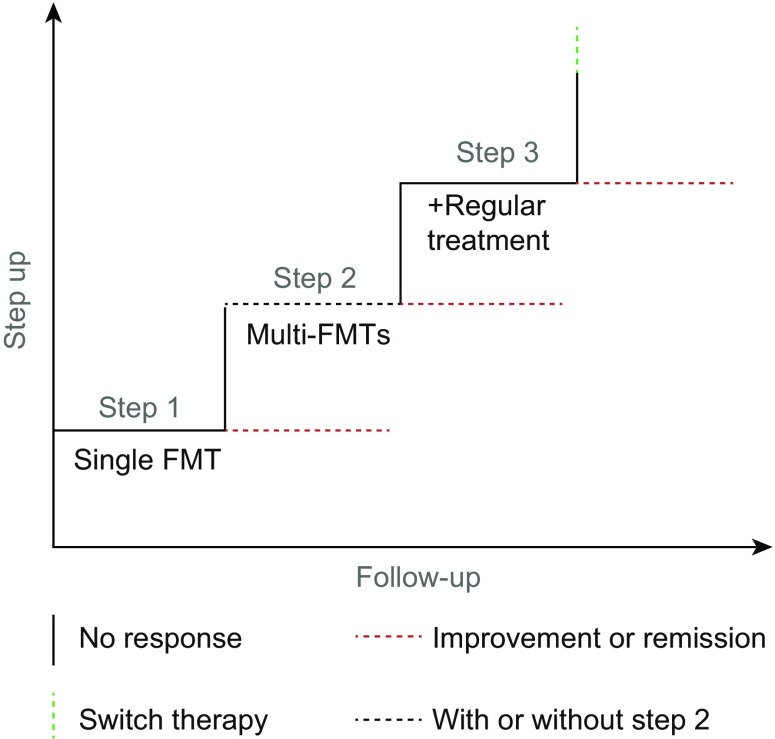
“The use of fresh stool has shown better results than frozen or lyophilized stool, as discussed by Zhang et al.12 in a recent review; those authors also discussed the concepts of selective microbiota transplantation, methods of FMT delivery, and the “step-up” strategy.12 Although the effectiveness of FMT in IBD patient…”
BackgroundMethodResultInfluentialDing, X. L., Yang, X., & Wang, H. (2020) · Medicine in Microecology · doi:10.1016/j.medmic.2020.100028 · Cited by 10
Fecal Microbiota Transplantation for Inflammatory Bowel Disease: Where We Stand and What Is Next
Ishikawa, D., Zhang, X., Nomura, K., & Nagahara, A. (2025) · Inflammatory Intestinal Diseases · doi:10.1159/000549227 · Cited by 7
“In recent years, FMT has garnered increasing attention owing to advances in techniques and an expanding range of clinical applications [2].”
Mi, F., Guo, J., Zheng, W., Shen, J., & Ye, H. (2026) · Frontiers in Cell and Developmental Biology · doi:10.3389/fcell.2026.1723128 · Cited by 6
“FMT has shown promise in treating several microbiota-associated conditions, such as inflammatory bowel disease, recurrent Clostridioides difficile infection, autism, and metabolic syndrome (Gupta et al., 2021; Zhang et al., 2018).”
Microbial therapeutic tools for human brain disorders: A current overview
Borrego-Ruiz, A., & Borrego, J. J. (2025) · Brain Disorders · doi:10.1016/j.dscb.2025.100262 · Cited by 8
Metadata
- Authors
- FMT-standardization Study Group, Zhang, F., Cui, B., He, X., Nie, Y., Wu, K., & Fan, D.
- Affiliations
- Sir Run Run Shaw Hospital (CN)
- First Affiliated Hospital of Guangdong Pharmaceutical University (CN)
- National Clinical Research Center for Digestive Diseases (CN)
- Corresponding author
- Zhang, Faming
- Venue
- Protein & Cell
- Publisher
- Oxford University Press (OUP)
- Published
- 2018-04-24
- Volume
- 9
- Issue
- 5
- Pages
- 462-473
- ISSN
- 1674-800X (ISSN-L)
- 1674-8018
- PMC
- PMC5960466
- OpenAlex
- W2800200239
- Semantic Scholar
- ff8600aed48167ea90e4a478426d6851b5788a7b
- Cited by
- 300
- References
- 105
- Citations by year
- 2026: 18 · 2025: 40 · 2024: 41 · 2023: 44 · 2022: 45 · 2021: 40 · 2020: 38 · 2019: 21 · 2018: 12
- FWCI
- 2.72
- Type
- journal article
- Language
- en
- Open access
- gold
- doi.org
- Licence
- cc-by-nc
- creativecommons.org/licenses/by/4.0 (tdm)
- Locations
- Protein & Cell (publishedVersion, cc-by-nc)
- Europe PMC (PubMed Central) (publishedVersion, other-oa)
- PubMed Central (publishedVersion, cc-by)
- PubMed (publishedVersion)
- DOAJ (DOAJ: Directory of Open Access Journals) (submittedVersion, cc-by-sa)
- Funders
- National Natural Science Foundation of China (81600417, 81670495, 2015BAI13B07)
- Government of Jiangsu Province
- Topics
- Life Sciences › Biochemistry, Genetics and Molecular Biology › Molecular Biology › Gut microbiota and health
- Health Sciences › Medicine › Infectious Diseases › Clostridium difficile and Clostridium perfringens research
- Health Sciences › Medicine › Gastroenterology › Gastrointestinal motility and disorders
- Keywords
- fecal microbiota transplantation, microbiota-host interactions, Clostridium difficile infection, inflammatory bowel disease, diabetes mellitus, gut-brain axis
- MeSH terms
- Fecal Microbiota Transplantation, Host Microbial Interactions, Clostridium Infections, Humans, Metabolic Diseases, Inflammatory Bowel Diseases
About these checks
Registry, retraction, Cites and statistics results are computed, not judged, with one exception: a printed reference that no index lists is read once by a model before it counts as a citation error. Claims are extracted by a model and kept only when their quote appears verbatim in the text; each cited source is then checked, with a model’s help, for whether it says what the claim relies on. Those verdicts can be wrong — read the claim’s quote and the cited source before relying on one.
Statistics and arithmetic are recomputed, not judged.
Confidence bands are shown only for fields calibrated on our annotated test set. None is calibrated yet, so no band is shown.
What counts as a claim ›How we measure confidence ›How we check this ›
Are you an author, or do you see a problem with this page? Request a review
Data sources
Bibliographic data: Semantic Scholar, OpenAlex, Crossref.
Contains information from the Semantic Scholar Academic Graph Datasets, made available under the ODC Attribution License (ODC-BY 1.0).
Semantic Scholar’s data is described in: Kinney, R., et al. (2023). The Semantic Scholar Open Data Platform. arXiv:2301.10140.
