

Liraglutide Improved Cardiometabolic Parameters More in Obese than in Non-obese Patients with Type 2 Diabetes: A Real-World 18-Month Prospective Study
Open accessThe DOI matches its Crossref record; 41 of the 41 references it cites were found in a registry or an index.
Abstract
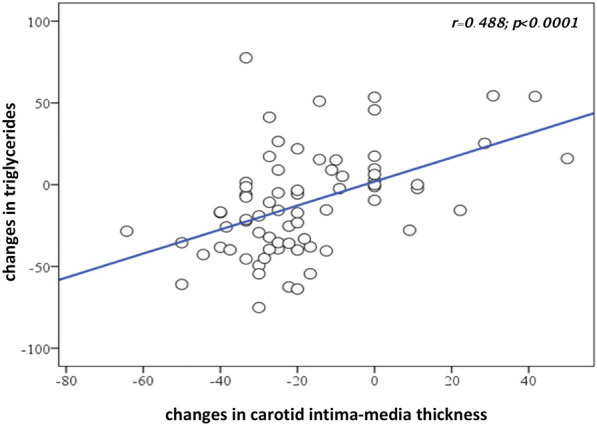
INTRODUCTION: The glucagon-like peptide-1 agonist (GLP1-RA) liraglutide is currently approved for the treatment of both obesity and type 2 diabetes (T2DM). We investigated whether the effect of this agent on cardiometabolic parameters in subjects with T2DM varied in relation to the concomitant presence of obesity. METHODS: One hundred thirty-five subjects (78 men and 57 women; age: 62 ± 10 years) naïve to incretin-based therapies were treated with low-dose liraglutide (1.2 mg/day) as an add-on to metformin for 18 months. Patients were divided into two subgroups based on their body-mass index (BMI): (a) obese (BMI ≥ 30) and (b) non-obese (BMI < 30). Clinical and laboratory analyses were assessed at baseline and every 6 months. RESULTS: During follow-up, significant improvements were seen in both groups in fasting glycemia, glycated hemoglobin, waist circumference, and carotid intima-media thickness (cIMT), while body weight, BMI, total cholesterol, and low-density lipoprotein cholesterol decreased significantly in obese subjects only. Correlation analysis revealed that changes in subclinical atherosclerosis (assessed by cIMT) were associated with changes in triglycerides (r = 0.488, p < 0.0001) in the obese group only. CONCLUSION: Liraglutide had beneficial actions on glycemic parameters and cardiometabolic risk factors in both non-obese and obese patients with T2DM, with a greater efficacy in the latter. These findings reinforce the benefits of liraglutide for the cardiometabolic outcomes of obese patients with T2DM in the real-world setting. This has critical importance during the current pandemic, since patients with diabetes and obesity are exposed globally to the most severe forms of COVID-19, related complications, and death. TRIAL REGISTRATION: ClinicalTrials.gov identifier, NCT01715428.
Overview
The claims and statistics of this paper haven’t been checked yet.
Free: it reads the open-access text and checks the first 5 claims that cite a source we can check. Create a free account to check every claim.
Integrity signals
Registry
Cites
Statistics
Figures
Verification
Claims the paper makes
The claims and statistics of this paper haven’t been checked yet.
Free: it reads the open-access text and checks the first 5 claims that cite a source we can check. Create a free account to check every claim.
Claims other papers make about this one
Each is checked against this paper’s own text: does it say what the citing paper says it does?
The cited source says what the claim attributes to it.
In the citing paper
“A recently published study performed in the real-world setting complemented the data obtained from clinical trials and reinforced the benefits of liraglutide for obese patients with type 2 diabetes, showing beneficial actions on glycaemic parameters as well as cardiometabolic risk factors in both non-obese and obese patients with type 2 diabetes, with a greater efficacy in the latter [30].”
From Efficacy of GLP-1 RA Approved for Weight Management in Patients With or Without Diabetes: A Narrative Review (2022) · cites this paper as [30]
Self-check
Percentages, sums and reported differences re-computed from the paper’s own numbers.
The self-check needs the paper’s full text.
Citations
Cites
Liraglutide and Cardiovascular Outcomes in Type 2 Diabetes
Marso, S. P., Daniels, G. H., Brown-Frandsen, K., Kristensen, P., Mann, J. F. E., Nauck, M. A., Nissen, S. E., Pocock, S., Poulter, N. R., Ravn, L. S., et al. (2016) · New England Journal of Medicine · doi:10.1056/nejmoa1603827 · Cited by 7,629
Davies, M. J., D’Alessio, D. A., Fradkin, J., Kernan, W. N., Mathieu, C., Mingrone, G., Rossing, P., Tsapas, A., Wexler, D. J., & Buse, J. B. (2018) · Diabetes Care · doi:10.2337/dci18-0033 · Cited by 3,518
A Randomized, Controlled Trial of 3.0 mg of Liraglutide in Weight Management
Pi-Sunyer, X., Astrup, A., Fujioka, K., Greenway, F., Halpern, A., Krempf, M., Lau, D. C. W., le Roux, C. W., Violante Ortiz, R., Jensen, C. B., et al. (2015) · New England Journal of Medicine · doi:10.1056/nejmoa1411892 · Cited by 2,724
GLP-1 receptor agonists in the treatment of type 2 diabetes - state-of-the-art
Nauck, M. A., Quast, D. R., Wefers, J., & Meier, J. J. (2021) · Molecular Metabolism · doi:10.1016/j.molmet.2020.101102 · Cited by 1,647 · cited 2×
“Certain GLP-1RAs, including liraglutide, have also shown beneficial effects on several cardiometabolic parameters [7], as well as efficacy in reducing cardiovascular events and mortality [8], due to their demonstrated anti-atherosclerotic and anti-inflammatory mechanisms [9].”
BackgroundMethodSeaquist, E. R., Anderson, J., Childs, B., Cryer, P., Dagogo-Jack, S., Fish, L., Heller, S. R., Rodriguez, H., Rosenzweig, J., & Vigersky, R. (2013) · Diabetes Care · doi:10.2337/dc12-2480 · Cited by 1,389 · cited 2×
“Diabetes Association and the Endocrine Society) [18] were recorded.”
BackgroundDavies, M. J., Bergenstal, R., Bode, B., Kushner, R. F., Lewin, A., Skjøth, T. V., Andreasen, A. H., Jensen, C. B., DeFronzo, R. A., & for the NN8022-1922 Study Group (2015) · JAMA · doi:10.1001/jama.2015.9676 · Cited by 1,198
Improvement in Glucose Tolerance and Insulin Resistance in Obese Subjects Treated with Troglitazone
Nolan, J. J., Ludvik, B., Beerdsen, P., Joyce, M., & Olefsky, J. (1994) · New England Journal of Medicine · doi:10.1056/nejm199411033311803 · Cited by 926 · cited 1×
“Due to the overlapping relationship between insulin resistance, diabetes, and obesity, several antidiabetic medications have been evaluated as potential treatments for these disorders [4, 5].”
BackgroundNoyan-Ashraf, M. H., Momen, M. A., Ban, K., Sadi, A.-M., Zhou, Y.-Q., Riazi, A. M., Baggio, L. L., Henkelman, R. M., Husain, M., & Drucker, D. J. (2009) · Diabetes · doi:10.2337/db08-1193 · Cited by 575 · cited 2×
“Pre-clinical studies have shown that liraglutide decreases myocardial infarct size by directly acting to reduce intracoronary plaques [20].”
BackgroundManagement of Hyperglycemia in Type 2 Diabetes
SKOLNIK, N., & OLSON, C. (2012) · Family Practice News · doi:10.1016/s0300-7073(12)70593-5 · Cited by 519
A clinical review of GLP-1 receptor agonists: efficacy and safety in diabetes and beyond
Prasad-Reddy, L., & Isaacs, D. (2015) · Drugs in Context · doi:10.7573/dic.212283 · Cited by 365
Cited by
Jensterle, M., Rizzo, M., Haluzík, M., & Janež, A. (2022) · Advances in Therapy · doi:10.1007/s12325-022-02153-x · Cited by 215
“A recently published study performed in the real-world setting complemented the data obtained from clinical trials and reinforced the benefits of liraglutide for obese patients with type 2 diabetes, showing beneficial actions on glycaemic parameters as well as cardiometabolic risk factors in both non-obese and obese p…”
ResultSelf-citationKloock, S., Ziegler, C. G., & Dischinger, U. (2023) · Pharmacology & Therapeutics · doi:10.1016/j.pharmthera.2023.108549 · Cited by 200
Muzurović, E. M., Volčanšek, Š., Zibar, K., Janež, A., Mikhailidis, D. P., Rizzo, M., & Mantzoros, C. S. (2022) · Journal of Cardiovascular Pharmacology and Therapeutics · doi:10.1177/10742484221146371 · Cited by 126
Self-citationPatoulias, D., Popovic, D. S., Stoian, A. P., Janež, A., Sahebkar, A., & Rizzo, M. (2023) · Journal of Diabetes and its Complications · doi:10.1016/j.jdiacomp.2023.108529 · Cited by 41
Self-citationPatti, A. M., Giglio, R. V., Allotta, A., Bruno, A., Bella, T. D., Stoian, A. P., Ciaccio, M., & Rizzo, M. (2023) · Biomedicines · doi:10.3390/biomedicines11051362 · Cited by 36
“As previously reported, the ultrasound examination was standardized with fixed insonation angles [19].”
MethodSelf-citationNovel Anti-obesity Therapies and their Different Effects and Safety Profiles: A Critical Overview
Çaklılı, Ö. T., Cesur, M., Mikhailidis, D. P., & Rizzo, M. (2023) · Diabetes Metabolic Syndrome and Obesity · doi:10.2147/dmso.s392684 · Cited by 38
“Another study (n=135) showed that in patients with type 2 diabetes liraglutide had better efficacy on cardiometabolic risk factors in obese patients compared with the nonobese.(29) The SCALE studies have shown that in almost each study (except for the sleep apnea study) more than half of the patients lost >5% of their…”
BackgroundSelf-citationSalamah, H. M., Marey, A., Abugdida, M., Abualkhair, K. A., Elshenawy, S., Elhassan, W. A. F., Naguib, M. M., Malnev, D., Durrani, J., Bailey, R., et al. (2024) · Diabetology & Metabolic Syndrome · doi:10.1186/s13098-024-01371-3 · Cited by 36
“GLP-1 receptor agonists have been shown to improve glycemic control, decrease body weight, and cardiometabolic parameters [16–18], improve atherosclerotic risk [19], lower cardiovascular risk [20], improve endothelial dysfunction [21], and improve dyslipidemia [22].”
BackgroundMagdy, Y., Kamar, S. A., Habib, M. Z., Rady, H. Y., Rabei, M. R., & Khedr, S. A. (2025) · Psychopharmacology · doi:10.1007/s00213-025-06834-7 · Cited by 25
“In addition to its favorable effects on glucose homeostasis, liraglutide is thought to improve hypertension, lipid profiles, and obesity (Nikolic et al. 2022 ).”
Wu, Z., Deng, W., Ye, Y., Xu, J., Han, D., Zheng, Y., & Zheng, Q. (2024) · Frontiers in Endocrinology · doi:10.3389/fendo.2024.1378291 · Cited by 27
Effect of Liraglutide on Serum TSH Levels in Patients with NAFLD and its Underlying Mechanisms
Ye, J., Xu, J., Wen, W., & Huang, B. (2022) · International Journal of Clinical Practice · doi:10.1155/2022/1786559 · Cited by 20
“Liraglutide, a commonly used GLP-1R agonist in clinical practice, is also being investigated to treat NAFLD, a condition that is common in those with obesity and T2DM and is increasing in incidence and for which drug development is challenging and few effective therapies are available [4, 5].”
McKenzie, A. L., & Athinarayanan, S. J. (2024) · Diabetes Therapy · doi:10.1007/s13300-024-01547-0 · Cited by 14
Akbari, A., Hadizadeh, S., & Heidary, L. (2024) · Journal of Diabetes Research · doi:10.1155/2024/3212795 · Cited by 12
GLP-1 Receptor Agonists and Cardiovascular Disease: What Do Clinicians Need to Know?
Hayat, J., Shah, N. P., Agarwala, A., Khan, M. S., & Butler, J. (2024) · Current Atherosclerosis Reports · doi:10.1007/s11883-024-01214-6 · Cited by 11
“…with a significant reduction in subclinical atherosclerosis (assessed by carotid intima-media thickness) in both obese and non-obese patients with T2DM, [28] a finding which holds clinical relevance and may be further explored to determine the role of liraglutide in the primary prevention of CVD.”
New Frontiers in Nutritional and Therapeutic Interventions for Obesity Phenotypes
Patti, A. M., Giglio, R. V., Ciaccio, M., Stoian, A. P., Salmen, T., Bica, I.-C., Rangraze, I. R., El‐Tanani, M., Rizzo, M., & Rizvi, A. A. (2025) · Medicina · doi:10.3390/medicina61040664 · Cited by 9
“With this expanding armamentarium of available drugs, our ability to personalize therapy and find the most suitable agent for individual patients will increase, representing a further benefit.”
Self-citationKatsuyama, H., Hakoshima, M., Umeyama, S., Iida, S., Adachi, H., & Yanai, H. (2023) · Biomedicines · doi:10.3390/biomedicines11030869 · Cited by 9
“In other several real-world studies, liraglutide or exenatide also showed improvements in carotid intima–media thickness, suggesting the preventive effects of GLP-1RAs against CV diseases [25,26].”
BackgroundKrishnan, S., Srivastava, P. K., Attaluri, J., Nayeri, R., Chatterjee, D., Patel, J., Nsair, A., Budoff, M. J., & Nayeri, A. (2025) · Journal of Cardiovascular Development and Disease · doi:10.3390/jcdd12010019 · Cited by 13
Current Treatment Options, Including Diet, Exercise, and Medications
Noureddin, M., & Abdelmalek, M. F. (2023) · Clinics in Liver Disease · doi:10.1016/j.cld.2023.01.008 · Cited by 7
Weight Loss That Lasts: Reviewing the Long-Term Impact of GLP-1 Receptor Agonists
Shah, M. Y., Mohammad, A., Samejo, R. B. A., Rana, S., Singla, S., Aurangzeb, R. I., Tariq, M. M., Zamir, M. H., Farooq, U., Aurangzeb, R. F., et al. (2025) · Cureus · doi:10.7759/cureus.88334 · Cited by 12
“Initially approved for T2DM, agents such as liraglutide and semaglutide have shown substantial efficacy in reducing body weight and improving cardiometabolic parameters even in non-diabetic populations [4,5].”
Li, J., Liang, J., Zhang, W., He, J., & Ye, X. (2026) · Diabetes Therapy · doi:10.1007/s13300-026-01872-6 · Cited by 5
“In patients with obesity, cIMT reduction correlated with decreased triglycerides, suggesting lipid-mediated anti-atherosclerotic effects [14].”
Elemary, T., Nicola, M., Abdelrahim, M. E. A., & Zaafar, D. K. (2025) · Molecular Biology Reports · doi:10.1007/s11033-025-10458-7 · Cited by 6
Cardiovascular complications in Diabetes: The role of NLRP3 inflammasome and targeted interventions
Jeyaraj, G. (2025) · Obesity Medicine · doi:10.1016/j.obmed.2025.100629 · Cited by 4
Cárdenas‐Salas, J., Sierra-Poyatos, R., Luca, B. L., Sánchez-Lechuga, B., Móstoles, N. M., Álvarez, T. M., Montes, M. D. L. P. G., Ruiz-Sánchez, J. G., Meneses, D., Sánchez-Lopez, R., et al. (2024) · Journal of Diabetes and its Complications · doi:10.1016/j.jdiacomp.2024.108874 · Cited by 2
Davila-Garcia, D. M., Falconer, T., Pratt, N. L., Natarajan, K., & Hripcsak, G. M. (2025) · Journal of Diabetes and its Complications · doi:10.1016/j.jdiacomp.2025.109114 · Cited by 3
Wang, Y., Liu, X., & Li, Q. (2024) · Journal of Biobased Materials and Bioenergy · doi:10.1166/jbmb.2024.2418 · Cited by 3
The Role of Physicians’ Digital Tools in Pharmacological Management of Type 2 Diabetes Mellitus
Janež, A., Ješe, R., Haluzík, M., & Rizzo, M. (2022) · Medicina · doi:10.3390/medicina58081061 · Cited by 2
Self-citationBottanelli, M., Galli, L., Guffanti, M., Castagna, A., & Muccini, C. (2023) · HIV Medicine · doi:10.1111/hiv.13587 · Cited by 1
Builes-Montaño, C. E., Suarez-Rodriguez, A. F., & Alzate-Vinasco, M. A. (2026) · Diabetes Therapy · doi:10.1007/s13300-026-01886-0 · Cited by 3
“…weight loss, GLP‑1‑based therapies exhibit broader biologi‑ cal effects, including improvements in lipid metabolism, anti‑inflammatory activity, reduc‑ tions in oxidative stress, and favorable effects on vascular function and atherosclerosis, which contribute to cardiovascular risk reduction [2–4].”
Alnageeb, H., Qaidy, A. A., ALakkad, A., Murad, R. A., Mahgoub, I., Mardini, M., Shalabi, H. E., Rabih, A. M. A., & Gopakumar, A. (2023) · Advances in Research · doi:10.9734/air/2023/v24i2936 · Cited by 1
IMPACT OF CELEBRITY STATEMENTS ON INTERNET SEARCHES ON THE USE OF SEMAGLUTIDE FOR WEIGHT LOSS
Local Health Unit of Trapani, A. T., Provenzano, S., Santangelo, O. E., & Regional Health Care and Social Agency of Lodi, A. L. (2025) · Avicenna Bulletin · doi:10.25005/2074-0581-2025-27-2-373-384
Giglio, R. V., Gambino, C. M., Patti, A. M., Scazzone, C., Maggio, V., MURATORE, E., Agnello, L., RIZZO, M., & Ciaccio, M. (2025) · Biochimica Clinica · doi:10.23736/s0393-0564.25.00059-7
Self-citationGhosal, S., & Ghosal, A. (2025) · Diabetes Therapy · doi:10.1007/s13300-025-01817-5 · Cited by 1
CauReL: Dynamic Counterfactual Learning for Precision Drug Repurposing in Alzheimer's DiseasePreprint
Wang, Y., Zhou, M., Tang, Z., Xiong, C., Asken, B. M., Yang, B., Su, J., Zhou, X., & Song, Q. (2025) · Research Square · doi:10.21203/rs.3.rs-8206648/v1
“Liraglutide and empagliflozin showed the largest benefits in diabetes, with additional gains in obesity, hypertension, or heart failure, consistent with cardiometabolic mechanisms 36,37 .”
Salamah, H. M., Marey, A., Abugdida, M., Abualkhair, K. A., Elshenawy, S., Elhassan, W. A. F., Naguib, M. M., Malnev, D., Durrani, J., Bailey, R., et al. (2024) · Figshare · doi:10.6084/m9.figshare.26733807
Anti-obesity drugs: comprehensive review and emerging therapies
Marne, P., Patil, S. D., Vora, A., MohdSiddique, M. U., Gadkari, Y. U., & Kurkute, P. (2026) · Endocrine · doi:10.1007/s12020-025-04528-w · Cited by 1
“Liraglutide’s favourable effects on a number of metabolic pathways could delay ath - erosclerosis and perhaps lower cardiovascular risk [70, 71].”
Biomarkers and Endothelial Damage in Obesity: An Insight into the Pharmacological Modulation
Bojórquez-González, A. Y., Gómez-Sánchez, E., Suárez-Rico, D. O., Beltrán-Ramírez, A., Balleza-Alejandri, L. R., López-Murillo, L. D., Ramírez-Lizardo, E. J., & García-Galindo, J. J. (2026) · International Journal of Molecular Sciences · doi:10.3390/ijms27083694
“Nikolic et al. (2022) demonstrated over 18 months that liraglutide significantly reduced carotid IMT in obese patients (from 0.97 ± 0.17 mm to 0.78 ± 0.22 mm, p < 0.0001) and non-obese patients with type 2 diabetes [100].”
InfluentialAlourfi, N. M., & Alorfi, N. M. (2026) · Diabetes Metabolic Syndrome and Obesity · doi:10.2147/dmso.s575375
“15,16 A considerable proportion of the analyzed trials were conducted in later clinical phases (Phase 3–4), indicating that the GLP-1 field has progressed beyond proof-of-concept studies toward confirmatory and post-marketing evaluations.”
Endothelial Dysfunction and Obesity: New Diagnostic and Therapeutic Strategies
Giglio, R. V., Stankovic, S. D., Patti, A. M., Rizzo, M., & Ciaccio, M. (2026) · International Journal of Molecular Sciences · doi:10.3390/ijms27177552
Self-citationAlmohammed, O. A., Alshaya, O. A., Alduhayshi, L. A., Alshaibani, S. T., Alhamed, M. S., Alzeer, M. A., Alabdullah, O. M., ibn Saqyan, M. F., Yami, M. S. A., Sheraim, N. B., et al. (2026) · Frontiers in Endocrinology · doi:10.3389/fendo.2026.1847755 · Cited by 1
“These fi ndings suggest that baseline BMI in fl uences the magnitude of response to liraglutide, with obese patients deriving greater glycemic and cardiometabolic bene fi ts compared to non-obese individuals (11).”
Influential
Metadata
- Authors
- Nikolic, D., Patti, A. M., Giglio, R. V., Chianetta, R., Castellino, G., Magán-Fernández, A., Citarrella, R., Papanas, N., Janez, A., Stoian, A. P., Rizvi, A. A., & Rizzo, M.
- Affiliations
- University of Palermo (IT)
- Carol Davila University of Medicine and Pharmacy (RO)
- University of Central Florida (US)
- University of South Carolina (US)
- Corresponding author
- Rizzo, Manfredi
- ORCID
- Venue
- Diabetes Therapy
- Published
- 2022-02-15
- Volume
- 13
- Issue
- 3
- Pages
- 453-464
- ISSN
- 1869-6953 (ISSN-L)
- 1869-6961
- PMC
- PMC8853434
- OpenAlex
- W4213187448
- Cited by
- 38
- References
- 41
- Citations by year
- 2026: 7 · 2025: 11 · 2024: 8 · 2023: 8 · 2022: 4
- FWCI
- 5.75
- Type
- journal article
- Language
- en
- Open access
- gold
- doi.org
- Licence
- cc-by-nc
- creativecommons.org/licenses/by-nc/4.0 (tdm)
- creativecommons.org/licenses/by-nc/4.0 (vor)
- Locations
- Diabetes Therapy (publishedVersion, cc-by-nc)
- PubMed Central (publishedVersion, cc-by-nc)
- PubMed (publishedVersion)
- CINECA IRIS Institutional Research Information System (University of Bari Aldo Moro) (submittedVersion, cc-by-nc)
- IRIS UniPA (University of Palermo) (submittedVersion, other-oa)
- Topics
- Health Sciences › Medicine › Endocrinology, Diabetes and Metabolism › Diabetes Treatment and Management
- Health Sciences › Medicine › Endocrinology, Diabetes and Metabolism › Diabetes, Cardiovascular Risks, and Lipoproteins
- Health Sciences › Medicine › Pharmacology (medical) › Pharmacology and Obesity Treatment
- Keywords
- liraglutide, type 2 diabetes, obesity, GLP-1 receptor agonists, cardiometabolic risk factors, subclinical atherosclerosis, carotid intima-media thickness, glycemic control, HbA1c, triglycerides, body mass index, metformin add-on therapy, COVID-19 pandemic
About these checks
Registry, retraction, Cites and statistics results are computed, not judged, with one exception: a printed reference that no index lists is read once by a model before it counts as a citation error. Claims are extracted by a model and kept only when their quote appears verbatim in the text; each cited source is then checked, with a model’s help, for whether it says what the claim relies on. Those verdicts can be wrong — read the claim’s quote and the cited source before relying on one.
Statistics and arithmetic are recomputed, not judged.
Confidence bands are shown only for fields calibrated on our annotated test set. None is calibrated yet, so no band is shown.
What counts as a claim ›How we measure confidence ›How we check this ›
Are you an author, or do you see a problem with this page? Request a review
Data sources
Bibliographic data: Semantic Scholar, OpenAlex, Crossref.
Contains information from the Semantic Scholar Academic Graph Datasets, made available under the ODC Attribution License (ODC-BY 1.0).
Semantic Scholar’s data is described in: Kinney, R., et al. (2023). The Semantic Scholar Open Data Platform. arXiv:2301.10140.
