

Safety of Intravitreal Gene Therapy for Treatment of Subjects with Leber Hereditary Optic Neuropathy due to Mutations in the Mitochondrial ND4 Gene: The REVEAL Study
Open accessThe DOI matches its Crossref record; 42 of the 42 references it cites were found in a registry or an index.
Abstract
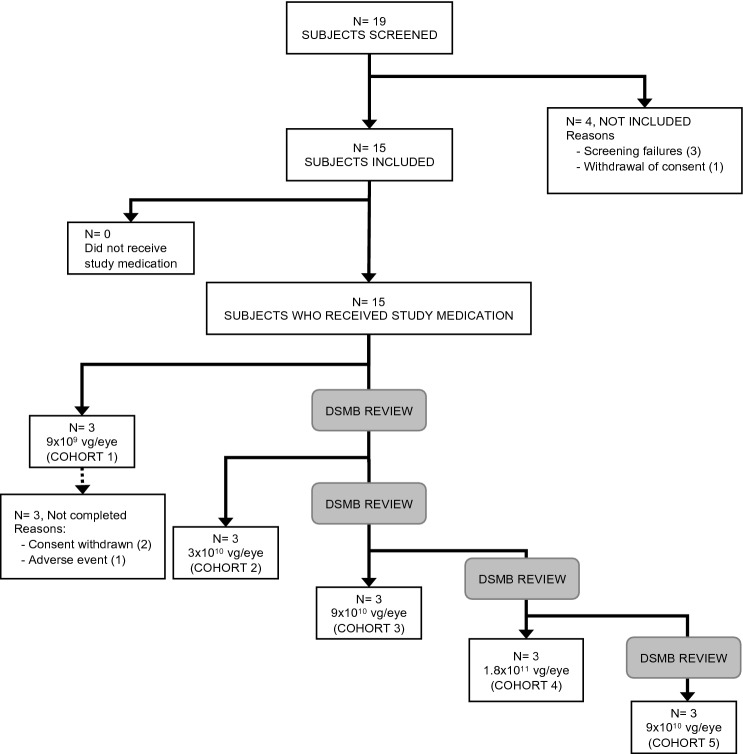
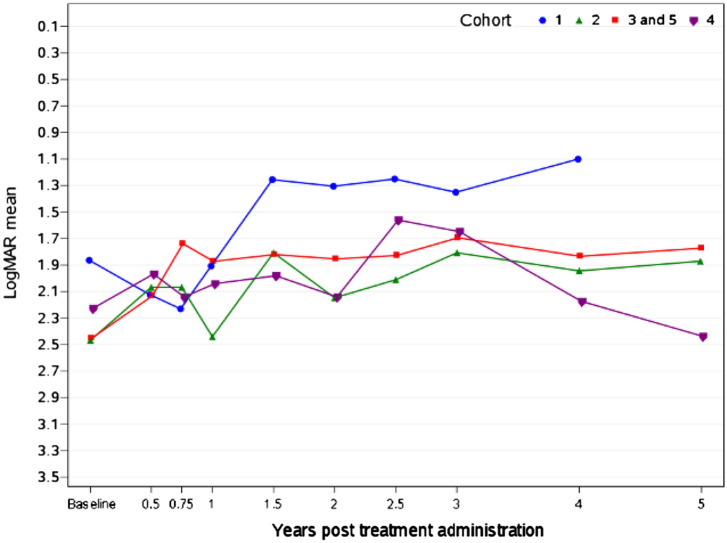
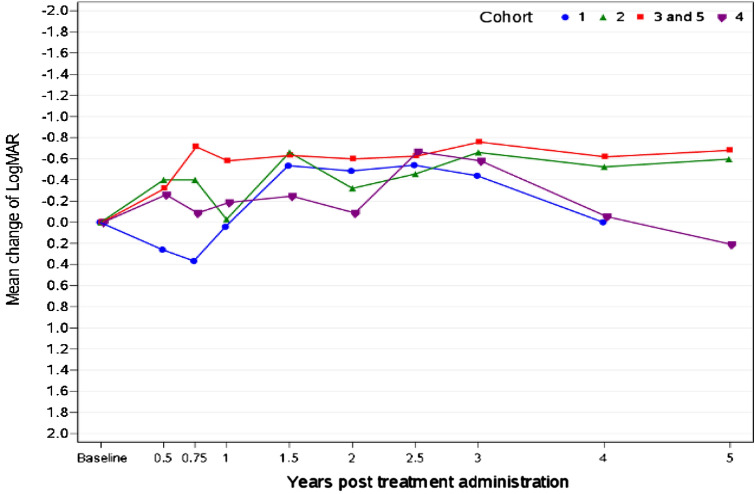
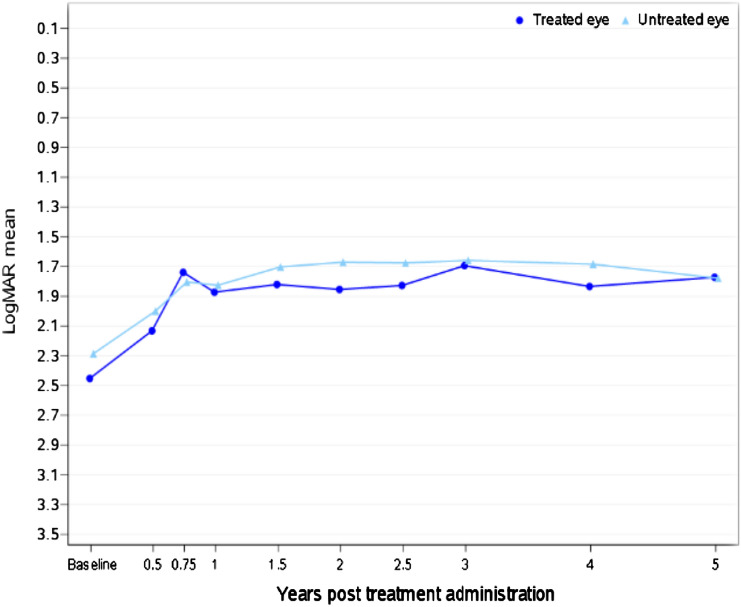
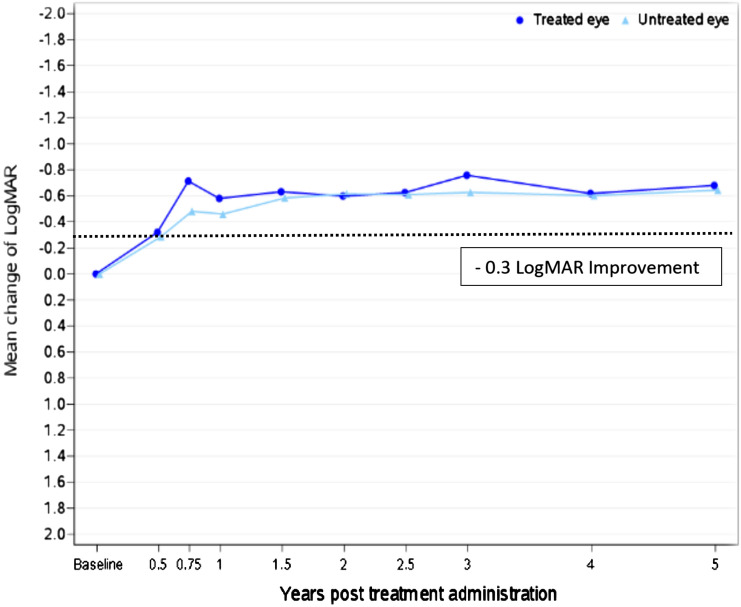
Leber hereditary optic neuropathy (LHON) is a maternally inherited mitochondrial disease whose primary clinical manifestation is bilateral visual loss. Only a single therapy, idebenone, is approved in Europe for use in exceptional circumstances and no therapy is currently approved in the USA. LHON remains a disease with a high unmet medical need. This is a report of an open-label, single-center, dose-escalation study that evaluated the safety and tolerability of lenadogene nolparvovec in 15 subjects with LHON for up to 5 years following a single intravitreal injection at four dose levels. Subjects were enrolled sequentially in four cohorts followed by an additional cohort at the dose selected, and safety was assessed by an independent data safety monitoring board (DSMB) prior to any dose escalation. Overall, the treatment was well tolerated during the 5-year follow-up. No serious adverse events were considered related to treatment, no unexpected adverse events occurred, and no grade 3 or 4 Common Terminology Criteria for Adverse Events were reported. Anterior chamber inflammation and vitritis were mostly managed with topical steroids, and ocular inflammation was considered to be dose limiting by the DSMB based on the benefits/risks for the subjects. Analysis of the logarithm of the minimal angle of resolution (LogMAR) visual acuity in both treated and untreated eyes showed clinically relevant and durable improvements compared with baseline. Mean improvements of − 0.44 and − 0.49 LogMAR for treated and untreated eyes, respectively, were noted, with a mean (± standard deviation) final value of LogMAR + 1.96 ± 0.60 and + 1.65 ± 0.34, respectively, at 5 years post-treatment administration. For the six subjects treated with the optimal dose level (9 × 10 10 viral genomes [vg]/eye), the mean visual acuity improvement from baseline reached − 0.68 LogMAR for treated eyes and − 0.64 LogMAR for untreated eyes, with a mean final value of LogMAR + 1.77 ± 0.52 and + 1.78 ± 0.34, respectively. While there was a meaningful improvement in visual acuity for REVEAL subjects, the final visual acuity was less favorable than that seen in the two subsequent pivotal phase III studies in which subjects were treated earlier during the course of their disease. Lenadogene nolparvovec was well tolerated with a good safety profile during 5 years of follow-up and may offer meaningful lasting improvements in vision for this LHON population. EUDRACT N° 2013-001405-90.
Overview
The claims and statistics of this paper haven’t been checked yet.
Free: it reads the open-access text and checks the first 5 claims that cite a source we can check. Create a free account to check every claim.
Integrity signals
Registry
Cites
Statistics
Figures
Verification
Claims the paper makes
The claims and statistics of this paper haven’t been checked yet.
Free: it reads the open-access text and checks the first 5 claims that cite a source we can check. Create a free account to check every claim.
Claims other papers make about this one
Each is checked against this paper’s own text: does it say what the citing paper says it does?
The cited source says what the claim attributes to it.
In the citing paper
“The dose of lenadogene nolparvovec selected in REFLECT (9 × 10¹⁰ vg/eye) was the maximal tolerated dose determined in the previous phase 1/2a REVEAL study.15,21”
From Randomized trial of bilateral gene therapy injection for m.11778G>A MT-ND4 Leber optic neuropathy (2023) · cites this paper as [21]
The cited source says what the claim attributes to it.
In the citing paper
“It is also the first clinical study assessing the efficacy of a bilateral IVT of lenadogene nolparvovec, while in the three previous clinical studies REVEAL,21 REVERSE16–18 and RESCUE,17–19 lenadogene nolparvovec was exclusively administered as unilateral IVT.”
From Randomized trial of bilateral gene therapy injection for m.11778G>A MT-ND4 Leber optic neuropathy (2023) · cites this paper as [21]
Self-check
Percentages, sums and reported differences re-computed from the paper’s own numbers.
The self-check needs the paper’s full text.
Citations
Cites
(2005) · American Journal of Ophthalmology · doi:10.1016/j.ajo.2005.03.057 · Cited by 4,396
Mitochondrial DNA mutation associated with Leber’s hereditary optic neuropathy
Wallace, D. C., Singh, G., Lott, M. T., Hodge, J. A., Schurr, T. G., Lezza, A. M. S., Elsas, L. J., & Nikoskelainen, E. K. (1988) · Science · doi:10.1126/science.3201231 · Cited by 2,440 · cited 2×
“LHON was the first inherited human disease associated with point mutations in the mitochondrial DNA (mtDNA) [2] and is considered the most common inherited genetic mitochondrial disorder [3].”
BackgroundISCEV Standard for full-field clinical electroretinography (2015 update)
McCulloch, D. L., Marmor, M. F., Brigell, M. G., Hamilton, R., Holder, G. E., Tzekov, R., & Bach, M. (2015) · Documenta Ophthalmologica · doi:10.1007/s10633-014-9473-7 · Cited by 1,313
ISCEV Standard for full-field clinical electroretinography (2008 update)
Marmor, M. F., Fulton, A. B., Holder, G. E., Miyake, Y., Brigell, M., Bach, M., & (for the International Society for Clinical Electrophysiology of Vision) (2009) · Documenta Ophthalmologica · doi:10.1007/s10633-008-9155-4 · Cited by 1,003
Zingg, B., Chou, X.-L., Zhang, Z.-G., Mesik, L., Liang, F., Tao, H. W., & Zhang, L. I. (2017) · Neuron · doi:10.1016/j.neuron.2016.11.045 · Cited by 752
Standardizatlon of Vitreal inflammatory Activity in Intermediate and Posterior Uveitis
Nussenblatt, R. B., Palestine, A. G., Chan, C.-C., & Roberge, F. (1985) · Ophthalmology · doi:10.1016/s0161-6420(85)34001-0 · Cited by 684 · cited 1×
“Anterior chamber inflammation and vitritis were mostly assessed as mild in severity, with anterior chamber cell grade of 1 + or lower (according to Standardization of Uveitis Nomenclature Working Group criteria; scores range from 0 to 4 + , with lower scores indicating less cells visible in the anterior chamber and lo…”
BackgroundA randomized placebo-controlled trial of idebenone in Leber’s hereditary optic neuropathy.
Klopstock, T., Yu-Wai-Man, P., Dimitriadis, K., Rouleau, J., Heck, S., Bailie, M., Atawan, A., Chattopadhyay, S., Schubert, M., Garip, A., et al. (2011) · Brain · doi:10.1093/brain/awr170 · Cited by 578 · cited 3×
“Therapeutic options for adolescent and adult patients with LHON are currently limited to idebenone, and its benefits in patients with ND4 LHON are limited [19, 20].”
BackgroundInfluentialLeber hereditary optic neuropathy
Man, P. Y. W., Turnbull, D. M., & Chinnery, P. F. (2002) · Journal of Medical Genetics · doi:10.1136/jmg.39.3.162 · Cited by 520 · cited 1×
“It is estimated that approximately 50% of males and 10% of females who carry one of the primary point mutations will manifest the clinical disease [6].”
BackgroundRiordan-Eva, P., Sanders, M. D., Govan, G. G., Sweeney, M. G., Costa, J. D., & Harding, A. E. (1995) · Brain · doi:10.1093/brain/118.2.319 · Cited by 490
The Epidemiology of Leber Hereditary Optic Neuropathy in the North East of England
Man, P. Y. W., Griffiths, P. G., Brown, D. T., Howell, N., Turnbull, D. M., & Chinnery, P. F. (2003) · The American Journal of Human Genetics · doi:10.1086/346066 · Cited by 483 · cited 1×
“LHON was the first inherited human disease associated with point mutations in the mitochondrial DNA (mtDNA) [2] and is considered the most common inherited genetic mitochondrial disorder [3].”
Background
Cited by
Newman, N. J., Yu-Wai-Man, P., Biousse, V., & Carelli, V. (2023) · The Lancet Neurology · doi:10.1016/s1474-4422(22)00174-0 · Cited by 97
Randomized trial of bilateral gene therapy injection for m.11778G>A MT-ND4 Leber optic neuropathy
Newman, N. J., Yu-Wai-Man, P., Subramanian, P. S., Moster, M. L., Wang, A.-G., Donahue, S. P., Leroy, B. P., Carelli, V., Biousse, V., Vignal-Clermont, C., et al. (2023) · Brain · doi:10.1093/brain/awac421 · Cited by 87
“The dose of lenadogene nolparvovec selected in REFLECT (9 × 10(10) vg/eye) was the maximal tolerated dose determined in the previous phase 1/2a REVEAL study.(15,21) This dose was also selected in the phase 3 studies RESCUE and REVERSE.”
Self-citationBiousse, V., Newman, N. J., Yu-Wai-Man, P., Carelli, V., Moster, M. L., Vignal-Clermont, C., Klopstock, T., Sadun, A. A., Sergott, R. C., Hage, R., et al. (2021) · Journal of Neuro-Ophthalmology · doi:10.1097/wno.0000000000001367 · Cited by 78
“Administered as a unilateral intravitreal injection to MT-ND4 patients, lenadogene nolparvovec showed a good safety profile in a phase 1/2 clinical trial including 5 years of followup after treatment administration (9).”
MethodSelf-citationNewman, N. J., Yu-Wai-Man, P., Carelli, V., Biousse, V., Moster, M. L., Vignal-Clermont, C., Sergott, R. C., Klopstock, T., Sadun, A. A., Girmens, J.-F., et al. (2021) · Frontiers in Neurology · doi:10.3389/fneur.2021.662838 · Cited by 64
Self-citationDevelopments in the Treatment of Leber Hereditary Optic Neuropathy
Chen, B. S., Yu‐Wai‐Man, P., & Newman, N. J. (2022) · Current Neurology and Neuroscience Reports · doi:10.1007/s11910-022-01246-y · Cited by 44
Mitochondrion-targeted RNA therapies as a potential treatment strategy for mitochondrial diseases
Chernega, T., Choi, J., Salmena, L., & Andreazza, A. C. (2022) · Molecular Therapy — Nucleic Acids · doi:10.1016/j.omtn.2022.10.012 · Cited by 42
Biodistribution of intravitreal lenadogene nolparvovec gene therapy in nonhuman primates
Calkins, D. J., Yu-Wai-Man, P., Newman, N. J., Taiel, M., Singh, P., Chalmey, C., Rogue, A., Carelli, V., Ancian, P., & Sahel, J. A. (2021) · Molecular Therapy - Methods & Clinical Development · doi:10.1016/j.omtm.2021.09.013 · Cited by 37
“A systemic transfer of lenadogene nolparvovec cannot be excluded, even though it is unlikely given that biodistribution studies have shown only limited and transient presence of lenadogene nolparvovec in blood.(8,9,19)”
BackgroundSelf-citationSobh, M., Lagali, P. S., Ghiasi, M., Montroy, J. R., Dollin, M. L., Hurley, B. R., Leonard, B. C., Dimopoulos, I. S., Lafreniere, M., Fergusson, D. A., et al. (2023) · Translational Vision Science & Technology · doi:10.1167/tvst.12.11.24 · Cited by 38
Five-Year Outcomes of Lenadogene Nolparvovec Gene Therapy in Leber Hereditary Optic Neuropathy
Yu‐Wai‐Man, P., Newman, N. J., Biousse, V., Carelli, V., Moster, M. L., Vignal‐Clermont, C., Klopstock, T., Sadun, A. A., Sergott, R. C., Hage, R., et al. (2024) · JAMA Ophthalmology · doi:10.1001/jamaophthalmol.2024.5375 · Cited by 41
Self-citationCarelli, V., Newman, N. J., Yu‐Wai‐Man, P., Biousse, V., Moster, M. L., Subramanian, P. S., Vignal‐Clermont, C., Wang, A.-G., Donahue, S. P., Leroy, B. P., et al. (2022) · Ophthalmology and Therapy · doi:10.1007/s40123-022-00611-x · Cited by 30
“A phase 1/2 study conducted in MT-ND4-carrying patients with LHON showed that intravitreal injection (IVT) of lenadogene nolparvovec was associated with clinical benefits and was well tolerated [25, 26].”
BackgroundSelf-citationThe Role of Citicoline and Coenzyme Q10 in Retinal Pathology
López, C. G., García-López, V., Matamoros, J. A., Fernández‐Albarral, J. A., Salobrar‐García, E., de Hoz, R., López‐Cuenca, I., Sánchez-Puebla, L., Ramirez, J. M., Ramirez, A. I., et al. (2023) · International Journal of Molecular Sciences · doi:10.3390/ijms24065072 · Cited by 34
VIGNAL-CLERMONT, C., YU-WAI-MAN, P., NEWMAN, N. J., CARELLI, V., MOSTER, M. L., BIOUSSE, V., SUBRAMANIAN, P. S., WANG, A.-G., DONAHUE, S. P., LEROY, B. P., et al. (2023) · American Journal of Ophthalmology · doi:10.1016/j.ajo.2022.11.026 · Cited by 25
Self-citationCurrent and Future Landscape in Genetic Therapies for Leber Hereditary Optic Neuropathy
Shamsnajafabadi, H., MacLaren, R. E., & Cehajic‐Kapetanovic, J. (2023) · Cells · doi:10.3390/cells12152013 · Cited by 30
Lam, B. L., Zak, V., González, V. H., Gregori, N. Z., Chavala, S. H., Batabyal, S., Carlson, M. E., Kim, S. H., Ayyagari, A. L., Chang, J., et al. (2025) · EClinicalMedicine · doi:10.1016/j.eclinm.2025.103430 · Cited by 24
Newman, N. J., Biousse, V., Yu‐Wai‐Man, P., Carelli, V., Vignal‐Clermont, C., Montestruc, F., Taiel, M., & Sahel, J. (2024) · Survey of Ophthalmology · doi:10.1016/j.survophthal.2024.10.002 · Cited by 22
Self-citationLüscher, C., Emiliani, V., Farahany, N. A., Gittis, A. H., Gradinaru, V., High, K. A., Roska, B., Sahel, J., Yizhar, O., Zeng, H., et al. (2025) · Nature Neuroscience · doi:10.1038/s41593-025-02097-9 · Cited by 30
“The route of administration is also important; the threshold for ocular immune responses is lower with intravitreal administration of AAV vectors 115 compared to the subretinal route.”
Self-citationMcGrady, N. R., Boal, A. M., Risner, M. L., Taiel, M., Sahel, J., & Calkins, D. J. (2023) · Molecular Therapy · doi:10.1016/j.ymthe.2023.03.035 · Cited by 18
Self-citationFrom Bench to Bedside—Delivering Gene Therapy for Leber Hereditary Optic Neuropathy
Chen, B. S., & Yu‐Wai‐Man, P. (2022) · Cold Spring Harbor Perspectives in Medicine · doi:10.1101/cshperspect.a041282 · Cited by 14
The constraints of allotopic expression
Nieto-Panqueva, F., Rubalcava-Gracia, D., Hamel, P. P., & González‐Halphen, D. (2023) · Mitochondrion · doi:10.1016/j.mito.2023.09.004 · Cited by 10
Leber’s hereditary optic neuropathy – current status of idebenone and gene replacement therapies
Klopstock, T., Zeng, L. H., & Priglinger, C. (2025) · Medizinische Genetik · doi:10.1515/medgen-2024-2066 · Cited by 10
Drug delivery systems for mitochondrial targeting
Tagliavini, S., Filippini, M., Anderlini, A., Caraffi, R., Baraldi, C., Ruozi, B., Tosi, G., Ottonelli, I., & Duskey, J. T. (2025) · Nanoscale · doi:10.1039/d5nr02199e · Cited by 8
Updated Review of Leber Hereditary Optic Neuropathy
Carper, M. G., & Henderson, A. D. (2022) · Current Treatment Options in Neurology · doi:10.1007/s11940-022-00729-0 · Cited by 7
Leber Hereditary Optic Neuropathy: Molecular Pathophysiology and Updates on Gene Therapy
Chi, S.-C., Cheng, H., & Wang, A.-G. (2022) · Biomedicines · doi:10.3390/biomedicines10081930 · Cited by 8
“[54] reported that patients had a mean improvement of 2.”
BackgroundInfluentialNewman, N. J., Schniederjan, M., Mendoza, P. R., Calkins, D. J., Yu‐Wai‐Man, P., Biousse, V., Carelli, V., Taiel, M., Rugiero, F., Singh, P., et al. (2022) · BMC Neurology · doi:10.1186/s12883-022-02787-y · Cited by 6
Self-citationThe rAAV2-ND1 gene therapy for Leber hereditary optic neuropathy
Li, X., Yuan, J. J., Jia, Q., Ruan, K., Li, B., Dan, Y., & Zhang, Y. (2025) · Graefe s Archive for Clinical and Experimental Ophthalmology · doi:10.1007/s00417-025-06776-y · Cited by 6
Leber’s hereditary optic neuropathy: Update on the novel genes and therapeutic options
Hu, J., Hsu, C., Hsiao, Y., Lin, Y., Lai, W., Liu, Y., Wang, C.-L., Ko, Y., Tsai, M., Tseng, H., et al. (2023) · Journal of the Chinese Medical Association · doi:10.1097/jcma.0000000000001031 · Cited by 5
“26 The A phase 3, multinational, randomized, non-inferiority trial (REFLECT) phase 3 study showed that treatment with Lenadogene nolparvovec improved best-corrected visual acuity (BCVA) in LHON patients with the MT-ND4 mutation.”
Recent advances in neuro-ophthalmology
Bassi, S. T., Newman, N. J., Chen, J. J.-W., Tisavipat, N., Mollan, S. P., Moss, H. E., & Miléa, D. (2024) · Indian Journal of Ophthalmology · doi:10.4103/ijo.ijo_594_24 · Cited by 8
Berger, A., Johnson, C. D., Marmorstein, A. D., & Scruggs, B. A. (2025) · Clinical and Experimental Ophthalmology · doi:10.1111/ceo.14593 · Cited by 6
“Of those, 11 studies met our criteria for intravitreal injections [33–43] (Table 1) and 20 studies met our criteria for subretinal injections [44–63] (Table 2).”
Genes and Gene Therapy in Inherited Retinal Disease
Shughoury, A., Ciulla, T. A., Bakall, B., Pennesi, M. E., Kiss, S., & Cunningham, E. T. (2021) · International Ophthalmology Clinics · doi:10.1097/iio.0000000000000377 · Cited by 4
Study design and baseline characteristics for the reflect gene therapy trial ofm.11778g>A/ND4-LHON
Subramanian, P. S., Newman, N. J., Moster, M. L., Wang, A.-G., Yu‐Wai‐Man, P., Donahue, S. P., Leroy, B. P., Carelli, V., Biousse, V., Vignal‐Clermont, C., et al. (2022) · BMJ Open Ophthalmology · doi:10.1136/bmjophth-2022-001158 · Cited by 4
Self-citationRodent Models of Retinal Degeneration: From Purified Cells in Culture to Living Animals
Fradot, V., Augustin, S., Fontaine, V. K., Marazova, K., Guillonneau, X., Sahel, J., & Picaud, S. A. (2023) · Cold Spring Harbor Perspectives in Medicine · doi:10.1101/cshperspect.a041311 · Cited by 4
Self-citationAdvanced therapies for inherited optic neuropathies
Wong, D., Makam, R., & Yu‐Wai‐Man, P. (2025) · Eye · doi:10.1038/s41433-025-04109-1 · Cited by 6
“Initial safety studies showed it was well-tolerated with mild uveitis being the most common adverse event [40, 41].”
Chou, T.-H., Hao, Z., Alba, D. E., Lazo, A., Afflitto, G. G., Eastwood, J. D., Porciatti, V., Guy, J. R., & Yu, H. (2023) · International Journal of Molecular Sciences · doi:10.3390/ijms242317068 · Cited by 3
Sahel, J., Vignal‐Clermont, C., Yu‐Wai‐Man, P., Biousse, V., Blouin, L., & Taiel, M. (2021) · médecine/sciences · doi:10.1051/medsci/2021099 · Cited by 4
Self-citationYadav, R., Sharma, A., & Prakash, J. (2022) · Biomedical & Pharmacology Journal · doi:10.13005/bpj/2538 · Cited by 2
Oeverhaus, M., Knetsch, M., Chen, Y., Jabbarli, L., Nolden, C., Eckstein, A. K., Bechrakis, N. E., & Rating, P. (2025) · BMC Ophthalmology · doi:10.1186/s12886-025-03991-3 · Cited by 1
“Gene therapy has been propsoed but is still under investigation [12–15].”
Dong, Y., Hao, Z., Liu, Y., Chang, A., Porciatti, V., Lam, B. L., Jin, X., & Yu, H. (2025) · Investigative Ophthalmology & Visual Science · doi:10.1167/iovs.66.14.58 · Cited by 1
Ren, D., Chauveau, G. A., Cabon, E., Vendomèle, J., Vignal‐Clermont, C., Saliba, H., Ail, D., Dalkara, D., & Fisson, S. (2026) · Progress in Retinal and Eye Research · doi:10.1016/j.preteyeres.2026.101443 · Cited by 1
Self-citationHassan, A. K., Mohsen, M., & Serhan, H. A. A. (2024) · Neuro-Ophthalmology · doi:10.1080/01658107.2024.2360413 · Cited by 1
Almeida, G., & Parmigiani, J. (2022) · Brazilian Journal of Health Review · doi:10.34119/bjhrv5n2-237
Current and Emerging Therapies for Leber Hereditary Optic Neuropathy
Davila-Siliezar, P. A., Laylani, N. A. R., Douglas, K. A. A., Miléa, D., & Lee, A. G. (2023) · touchREVIEWS in Ophthalmology · doi:10.17925/usor.2023.17.1.21
Hassan, A. K., & Serhan, H. A. A. (2025) · Indian Journal of Ophthalmology · doi:10.4103/ijo.ijo_2898_23
“Most of the studies were published in 2021, with five studies being published in 2021, [12–16] followed by 2020 with four studies, [17–20] two studies being published in 2016 [21,22] and 2022 [23,24] each, and one study each in 2011, [5] 2013, [6] 2019, [25] and 2023 [26] [Fig .”
InfluentialLatest Scientific Trends for Neuropathies
Kanwal, S., & Perveen, S. (2025) · BENTHAM SCIENCE PUBLISHERS eBooks · doi:10.2174/9798898811839125010024
Zhang, Y. (2026) · Journal of Clinical Question · doi:10.69854/jcq.2026.0012
Khanna, R. K., Cui, X., Wong, D., Makam, R., Ducloyer, J., de la Barca, J. M. C., Bocca, C., Vignal‐Clermont, C., Blasco, H., Orssaud, C., et al. (2026) · Survey of Ophthalmology · doi:10.1016/j.survophthal.2026.04.006
Self-citationUpdate on the Management of ABCA4 Retinopathy (Stargardt Disease)
Parameswarappa, D. C., Ratra, D., Chattannavar, G., & Padhy, S. K. (2026) · Ophthalmology and Therapy · doi:10.1007/s40123-026-01407-z
“This effect was also reported in earlier studies [91–94].”
Ambika, S., & Sundaramurthy, S. (2026) · Indian Journal of Ophthalmology · doi:10.4103/ijo.ijo_1696_25
Karaa, A., Sanchez, M. I. G. L., Stuart, C., Bolliger, L., Murray, K., O'Hanlon, M. E., Tseng, B., Yeske, P. E., & Murray, S. (2026) · Therapeutic Advances in Rare Disease · doi:10.1177/26330040261473291 · Cited by 1
Zhang, X., Chang, A., Liu, Y., & Yu, H. (2026) · Frontiers in Immunology · doi:10.3389/fimmu.2026.1935135
Hedström, J., Nilsson, M., Fagerström, S., Engvall, M., Williams, P. A., & Venkataraman, A. P. (2026) · Eye · doi:10.1038/s41433-026-04866-7
Ducloyer, J., Lemeur, G., Poinas, A., Billaud, F., Vallon, A., Chatry-Konig, R., Giraud, L., Poivet, S., Ivan, C., Saïagh, S., et al. (2026) · BMJ Open Ophthalmology · doi:10.1136/bmjophth-2025-002592
“Since its initial submission to the French regulatory authority (ANSM) and the Ethics Committee (CPP), the protocol has undergone several amendments and formal revisions, resulting in the current version 17.”
Metadata
- Authors
- Vignal-Clermont, C., Girmens, J.-F., Audo, I., Said, S. M., Errera, M.-H., Plaine, L., O’Shaughnessy, D., Taiel, M., & Sahel, J.-A.
- Affiliations
- Inserm (FR)
- Centre National de la Recherche Scientifique (FR)
- GenSight Biologics (France) (FR)
- Corresponding author
- Taiel, Magali
- Venue
- BioDrugs
- Published
- 2021-02-10
- Volume
- 35
- Issue
- 2
- Pages
- 201-214
- ISSN
- 1172-7039 (ISSN-L)
- 1173-8804
- 1179-190X
- PMC
- PMC7952288
- OpenAlex
- W3128161654
- Cited by
- 51
- References
- 42
- Citations by year
- 2026: 9 · 2025: 11 · 2024: 4 · 2023: 9 · 2022: 13 · 2021: 4
- FWCI
- 6.73
- Type
- journal article
- Language
- en
- Open access
- hybrid
- doi.org
- Licence
- cc-by-nc
- creativecommons.org/licenses/by-nc/4.0 (tdm)
- creativecommons.org/licenses/by-nc/4.0 (vor)
- Locations
- BioDrugs (publishedVersion, cc-by-nc)
- PubMed Central (publishedVersion, cc-by-nc)
- PubMed (publishedVersion)
- HAL (submittedVersion, other-oa)
- Funders
- GenSight Biologics
- Topics
- Health Sciences › Medicine › Ophthalmology › Glaucoma and retinal disorders
- Health Sciences › Medicine › Ophthalmology › Retinal Development and Disorders
- Life Sciences › Biochemistry, Genetics and Molecular Biology › Genetics › Virus-based gene therapy research
- Keywords
- Leber's hereditary optic neuropathy, intravitreal gene therapy, mitochondrial disease, visual acuity, safety and tolerability, ocular inflammation, dose escalation, idebenone, blindness prevention, long-term follow-up, ocular adverse effects
- MeSH terms
- Europe, Humans, Mutation, Visual Fields, Genetic Therapy, Optic Atrophy, Hereditary, Leber, Tomography, Optical Coherence
About these checks
Registry, retraction, Cites and statistics results are computed, not judged, with one exception: a printed reference that no index lists is read once by a model before it counts as a citation error. Claims are extracted by a model and kept only when their quote appears verbatim in the text; each cited source is then checked, with a model’s help, for whether it says what the claim relies on. Those verdicts can be wrong — read the claim’s quote and the cited source before relying on one.
Statistics and arithmetic are recomputed, not judged.
Confidence bands are shown only for fields calibrated on our annotated test set. None is calibrated yet, so no band is shown.
What counts as a claim ›How we measure confidence ›How we check this ›
Are you an author, or do you see a problem with this page? Request a review
Data sources
Bibliographic data: Semantic Scholar, OpenAlex, Crossref.
Contains information from the Semantic Scholar Academic Graph Datasets, made available under the ODC Attribution License (ODC-BY 1.0).
Semantic Scholar’s data is described in: Kinney, R., et al. (2023). The Semantic Scholar Open Data Platform. arXiv:2301.10140.
