

Synaptic Vesicle Glycoprotein 2A Ligands in the Treatment of Epilepsy and Beyond
Open accessThe DOI matches its Crossref record; 163 of the 163 references it cites were found in a registry or an index.
Abstract
The synaptic vesicle glycoprotein SV2A belongs to the major facilitator superfamily (MFS) of transporters and is an integral constituent of synaptic vesicle membranes. SV2A has been demonstrated to be involved in vesicle trafficking and exocytosis, processes crucial for neurotransmission. The anti-seizure drug levetiracetam was the first ligand to target SV2A and displays a broad spectrum of anti-seizure activity in various preclinical models. Several lines of preclinical and clinical evidence, including genetics and protein expression changes, support an important role of SV2A in epilepsy pathophysiology. While the functional consequences of SV2A ligand binding are not fully elucidated, studies suggest that subsequent SV2A conformational changes may contribute to seizure protection. Conversely, the recently discovered negative SV2A modulators, such as UCB0255, counteract the anti-seizure effect of levetiracetam and display procognitive properties in preclinical models. More broadly, dysfunction of SV2A may also be involved in Alzheimer's disease and other types of cognitive impairment, suggesting potential novel therapies for levetiracetam and its congeners. Furthermore, emerging data indicate that there may be important roles for two other SV2 isoforms (SV2B and SV2C) in the pathogenesis of epilepsy, as well as other neurodegenerative diseases. Utilization of recently developed SV2A positron emission tomography ligands will strengthen and reinforce the pharmacological evidence that SV2A is a druggable target, and will provide a better understanding of its role in epilepsy and other neurological diseases, aiding in further defining the full therapeutic potential of SV2A modulation.
Overview
The claims and statistics of this paper haven’t been checked yet.
Free: it reads the open-access text and checks the first 5 claims that cite a source we can check. Create a free account to check every claim.
Integrity signals
Registry
Cites
Statistics
Figures
Verification
Claims the paper makes
The claims and statistics of this paper haven’t been checked yet.
Free: it reads the open-access text and checks the first 5 claims that cite a source we can check. Create a free account to check every claim.
Claims other papers make about this one
Each is checked against this paper’s own text: does it say what the citing paper says it does?
The cited source doesn’t support the claim as written.
In the citing paper
“Through these convergent actions, SV2A functions as a molecular scaffold that stabilizes presynaptic terminals while postsynaptic strengthening consolidates [175,184,198].”
From Synaptic Plasticity—Intrinsic Excitability and Antidepressant Discovery (2026) · cites this paper as [175]
Checked by a reasoning model — may be wrong.
Experimental — accuracy not yet measuredThe source backs part of the claim, not all of it — or backs it for a different population, condition or comparison.
In the citing paper
“Across models of stress, epilepsy, and neurodegeneration, modulation of SV2A preserves synaptic structure and maintains transmission after plasticity induction [173,175,199].”
From Synaptic Plasticity—Intrinsic Excitability and Antidepressant Discovery (2026) · cites this paper as [175]
Experimental — accuracy not yet measuredThe source backs part of the claim, not all of it — or backs it for a different population, condition or comparison.
In the citing paper
“Functionally, SV2A modulation limits the slide from induced plasticity to maladaptive remodeling and relapse-like behavior [175,199,205].”
From Synaptic Plasticity—Intrinsic Excitability and Antidepressant Discovery (2026) · cites this paper as [175]
Experimental — accuracy not yet measuredThe source backs part of the claim, not all of it — or backs it for a different population, condition or comparison.
In the citing paper
“This places SV2A at the center of synaptic resilience, linking vesicle dynamics to durable circuit integrity in health and disease [173,175,195].”
From Synaptic Plasticity—Intrinsic Excitability and Antidepressant Discovery (2026) · cites this paper as [175]
Experimental — accuracy not yet measuredThe source backs part of the claim, not all of it — or backs it for a different population, condition or comparison.
In the citing paper
“Levetiracetam restores vesicle fusion fidelity, rescues basal transmission, and normalizes synaptic protein composition, effects that depend on direct SV2A engagement and extend to hippocampal volume and plasticity recovery [173,175,199].”
From Synaptic Plasticity—Intrinsic Excitability and Antidepressant Discovery (2026) · cites this paper as [175]
Experimental — accuracy not yet measured
7 more claims about this paper
Create a free account to see every claim other papers make about this one.
Self-check
Percentages, sums and reported differences re-computed from the paper’s own numbers.
The self-check needs the paper’s full text.
Citations
Cites
1 retracted
Integrative genomics identifies APOE ε4 effectors in Alzheimer's disease
Rhinn, H., Fujita, R., Qiang, L., Cheng, R., Lee, J. H., & Abeliovich, A. (2013) · Nature · doi:10.1038/nature12415 · Cited by 171
RetractedEarly Identification of Refractory Epilepsy
Kwan, P., & Brodie, M. J. (2000) · New England Journal of Medicine · doi:10.1056/nejm200002033420503 · Cited by 5,204 · cited 1×
“patients who did not respond to previous ASDs are more likely to demonstrate pharmacoresistance to additional ASD treatment regimens [127, 128].”
BackgroundThe synaptic vesicle protein SV2A is the binding site for the antiepileptic drug levetiracetam
Lynch, B. A., Lambeng, N., Nocka, K., Kensel-Hammes, P., Bajjalieh, S. M., Matagne, A., & Fuks, B. (2004) · Proceedings of the National Academy of Sciences · doi:10.1073/pnas.0308208101 · Cited by 1,610 · cited 2×
“In 2003, the molecular nature of LBS was discovered and identified as the synaptic vesicle glycoprotein 2A (SV2A) [6].”
BackgroundProtter: interactive protein feature visualization and integration with experimental proteomic data
Omasits, U., Ahrens, C. H., Müller, S., & Wollscheid, B. (2014) · Bioinformatics · doi:10.1093/bioinformatics/btt607 · Cited by 1,347 · cited 1×
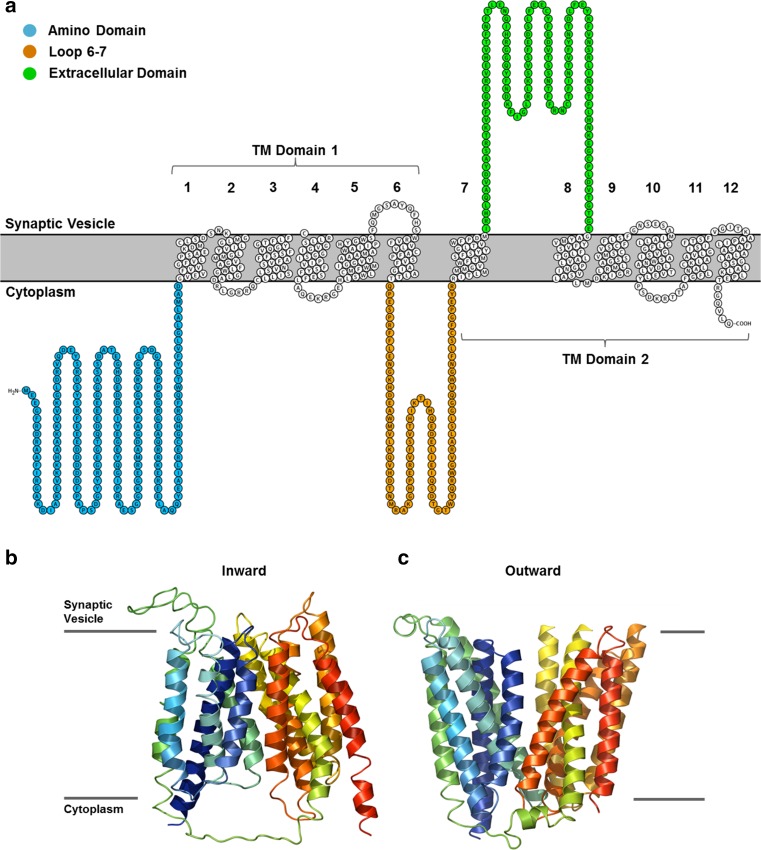
“2D protein topology figure generated using Protter [152].”
MethodThe neurobiology of antiepileptic drugs
Rogawski, M. A., & Löscher, W. (2004) · Nature Reviews Neuroscience · doi:10.1038/nrn1430 · Cited by 1,239 · cited 1×
“This involves modulation of voltage-gated ion channels, enhancement of c-aminobutyric acid (GABA)-mediated inhibition, interactions with elements of the synaptic release machinery, or blockade of ionotropic glutamate receptors [4, 5].”
BackgroundSelf-citationThe descriptive epidemiology of epilepsy—A review
Banerjee, P. N., Filippi, D., & Allen Hauser, W. (2009) · Epilepsy Research · doi:10.1016/j.eplepsyres.2009.03.003 · Cited by 929 · cited 1×
“Epilepsy is the most common neurological condition affecting individuals of all ages and a cause of substantial morbidity and mortality [1, 2].”
BackgroundReduction of Hippocampal Hyperactivity Improves Cognition in Amnestic Mild Cognitive Impairment
Bakker, A., Krauss, G. L., Albert, M. S., Speck, C. L., Jones, L. R., Stark, C. E., Yassa, M. A., Bassett, S. S., Shelton, A. L., & Gallagher, M. (2012) · Neuron · doi:10.1016/j.neuron.2012.03.023 · Cited by 908 · cited 2×
“cantly improved [60], substantiating previous experiments with levetiracetam in a rat model of age-related memory loss [61].”
BackgroundResultChang, B. S., & Lowenstein, D. H. (2003) · New England Journal of Medicine · doi:10.1056/nejmra022308 · Cited by 731
Buckley, K., & Kelly, R. B. (1985) · The Journal of cell biology · doi:10.1083/jcb.100.4.1284 · Cited by 712 · cited 1×
“SV2, one of the first synaptic vesicle proteins identified, is a component of all vertebrate synaptic vesicles [25].”
BackgroundNew avenues for anti-epileptic drug discovery and development
Löscher, W., Klitgaard, H., Twyman, R. E., & Schmidt, D. (2013) · Nature Reviews Drug Discovery · doi:10.1038/nrd4126 · Cited by 675
Self-citation
Research works printed but not linked: 2
- 71. Cre `vecoeur J, Kaminski R, Rogister B, et al. Expression of synaptic vesicle protein 2C (SV2C) is selectively increased in hippocampal sclerosis with mossy fiber sprouting. Eur J Neurol. 2011;18(Suppl. 2):175.
- 150. Wasterlain C, Suchomelova L, Matagne A, et al. Short-term and long-term effects of brivaracetam in an animal model of status epilepticus. Epilepsia. 2009;50(Suppl. 10):13.
Cited by
Löscher, W., & Klein, P. (2021) · CNS Drugs · doi:10.1007/s40263-021-00827-8 · Cited by 367
“The finding of Löscher and Hönack [32] that levetiracetam is particularly effective in the amygdalakindling model was essential in the further development of this compound, which is now one of the most widely used ASMs [33].”
BackgroundSelf-citationThe Concise Guide to PHARMACOLOGY 2023/24: Transporters
Alexander, S. P. H., Fabbro, D., Kelly, E., Mathie, A. A., Peters, J. A., Veale, E. L., Armstrong, J. F., Faccenda, E., Harding, S. D., Davies, J. A., et al. (2023) · British Journal of Pharmacology · doi:10.1111/bph.16182 · Cited by 163
Bialer, M., Johannessen, S. I., Koepp, M. J., Levy, R. H., Perucca, E., Perucca, P., Tomson, T., & White, H. S. (2020) · Epilepsia · doi:10.1111/epi.16725 · Cited by 148
Löscher, W. (2021) · Frontiers in Pharmacology · doi:10.3389/fphar.2021.730257 · Cited by 153
“However, the typical approach of ASM testing in animal models primarily focuses on drug potency, and not efficacy (Löscher, 2016).”
BackgroundInfluentialSelf-citationThe holy grail of epilepsy prevention: Preclinical approaches to antiepileptogenic treatments
Löscher, W. (2020) · Neuropharmacology · doi:10.1016/j.neuropharm.2019.04.011 · Cited by 137
Self-citationLevetiracetam Mechanisms of Action: From Molecules to Systems
Contreras-García, I. J., Cárdenas-Rodríguez, N., Romo-Mancillas, A., Bandala, C., Zamudio, S. R., Gómez-Manzo, S., Hernández-Ochoa, B., Mendoza-Torreblanca, J. G., & Pichardo-Macías, L. A. (2022) · Pharmaceuticals · doi:10.3390/ph15040475 · Cited by 131
“On the other hand, two hypotheses have been made to explain how LEV could reach the SV2A protein: (1) by diffusion across cellular membranes [8] and (2) by binding to SV2A during the synaptic vesicles cycle [122,123] (Figure 4).”
BackgroundInfluentialLi, S., Cai, Z., Wu, X., Holden, D., Pracitto, R., Kapinos, M., Gao, H., Labaree, D., Nabulsi, N., Carson, R. E., et al. (2019) · ACS Chemical Neuroscience · doi:10.1021/acschemneuro.8b00526 · Cited by 124
The Synaptic Vesicle Glycoprotein 2: Structure, Function, and Disease Relevance
Stout, K. A., Dunn, A. R., Hoffman, C., & Miller, G. W. (2019) · ACS Chemical Neuroscience · doi:10.1021/acschemneuro.9b00351 · Cited by 112
Promising drug targets and associated therapeutic interventions in Parkinson’s disease
Singh, M., Singh, B., Rai, S., Singh, P., Varshney, R., Chaturvedi, V., & Vamanu, E. (2021) · Neural Regeneration Research · doi:10.4103/1673-5374.306066 · Cited by 108
“However, studies reported that SV2A might be a specific pharmacological target for the antiepileptic levetiracetam (Lynch et al., 2004; Löscher et al., 2016; Bartholome et al., 2017).”
BackgroundPuzzling Out Synaptic Vesicle 2 Family Members Functions
Bartholome, O., Van den Ackerveken, P., Sánchez Gil, J., de la Brassinne Bonardeaux, O., Leprince, P., Franzen, R., & Rogister, B. (2017) · Frontiers in Molecular Neuroscience · doi:10.3389/fnmol.2017.00148 · Cited by 107
“As the link between SV2A and LEV was very recently extensively reviewed (Löscher et al., 2016), we will not further elaborate.”
BackgroundA review of the pharmacology and clinical efficacy of brivaracetam
Klein, P., Diaz, A., Gasalla, T., & Whitesides, J. (2018) · Clinical Pharmacology: Advances and Applications · doi:10.2147/cpaa.s114072 · Cited by 99
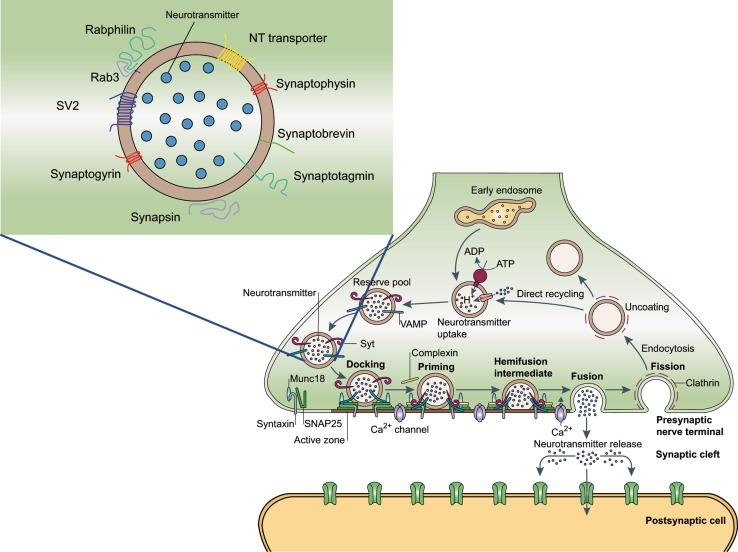
“It has been suggested that SV2A regulates neurotransmitter release at various steps of this synaptic vesicle cycle, including the rate of neurotransmitter uptake into the vesicle, vesicle priming at the presynaptic membrane, neurotransmitter release, and vesicle trafficking between the cytoplasm and the presynaptic me…”
BackgroundInfluentialRepurposed molecules for antiepileptogenesis: Missing an opportunity to prevent epilepsy?
Klein, P., Friedman, A., Hameed, M. Q., Kaminski, R. M., Bar‐Klein, G., Klitgaard, H., Koepp, M. J., Jóźwiak, S., Prince, D. A., Rotenberg, A., et al. (2020) · Epilepsia · doi:10.1111/epi.16450 · Cited by 103
Self-citationSynaptic Loss in Primary Tauopathies Revealed by [ 11 C ] UCB‐J Positron Emission Tomography
Holland, N., Jones, P. S., Savulich, G., Wiggins, J. K., Hong, Y. T., Fryer, T. D., Manavaki, R., Sephton, S. M., Boros, I., Malpetti, M., et al. (2020) · Movement Disorders · doi:10.1002/mds.28188 · Cited by 93
“We did not enrol any individuals taking levetiracetam or any member of this family of drugs that are SV2Aspecific ligands (62).”
BackgroundKamondi, A., Grigg-Damberger, M. M., Löscher, W., Tanila, H., & Horvath, A. A. (2024) · Nature Reviews Neurology · doi:10.1038/s41582-024-00932-4 · Cited by 127
“One important exception is the atypical ASM levetiracetam, which acts by a presynaptic mechanism on synaptic vesicle glycoprotein 2A (SV2A) 168 .”
InfluentialSelf-citationLöscher, W., & White, H. S. (2023) · Cells · doi:10.3390/cells12091233 · Cited by 99
Self-citationFinnema, S. J., Toyonaga, T., Detyniecki, K., Chen, M., Dias, M., Wang, Q., Lin, S., Naganawa, M., Gallezot, J., Lu, Y., et al. (2020) · Epilepsia · doi:10.1111/epi.16653 · Cited by 78
The ups and downs of alkyl‐carbamates in epilepsy therapy: How does cenobamate differ?
Löscher, W., Sills, G. J., & White, H. S. (2021) · Epilepsia · doi:10.1111/epi.16832 · Cited by 71
Self-citationBryson, A., Reid, C. A., & Petrou, S. (2023) · Journal of Neurochemistry · doi:10.1111/jnc.15769 · Cited by 75
Li, S., Cai, Z., Zhang, W., Holden, D., Lin, S.-F., Finnema, S. J., Shirali, A., Ropchan, J., Carre, S., Mercier, J., et al. (2019) · European Journal of Nuclear Medicine and Molecular Imaging · doi:10.1007/s00259-019-04357-w · Cited by 59
A review of the drug−drug interactions of the antiepileptic drug brivaracetam
Moseley, B. D., Chanteux, H., Nicolas, J.-M., Laloyaux, C., Gidal, B. E., & Stockis, A. (2020) · Epilepsy Research · doi:10.1016/j.eplepsyres.2020.106327 · Cited by 62
Perland, E., Bagchi, S., Klaesson, A., & Fredriksson, R. (2017) · Open Biology · doi:10.1098/rsob.170142 · Cited by 68
Synaptic vesicle protein 2: A multi-faceted regulator of secretion
Ciruelas, K., Marcotulli, D., & Bajjalieh, S. M. (2019) · Seminars in Cell & Developmental Biology · doi:10.1016/j.semcdb.2019.02.003 · Cited by 55
Validation and noninvasive kinetic modeling of [ 11 C]UCB-J PET imaging in mice
Bertoglio, D., Verhaeghe, J., Miranda, A., Kertesz, I., Cybulska, K., Korat, Š., Wyffels, L., Stroobants, S., Mrzljak, L., Dominguez, C., et al. (2020) · Journal of Cerebral Blood Flow & Metabolism · doi:10.1177/0271678x19864081 · Cited by 54
Cai, Z., Li, S., Zhang, W., Pracitto, R., Wu, X., Baum, E., Finnema, S. J., Holden, D., Toyonaga, T., Lin, S.-F., et al. (2020) · ACS Chemical Neuroscience · doi:10.1021/acschemneuro.9b00618 · Cited by 54
Bialer, M., Johannessen, S. I., Koepp, M. J., Levy, R. H., Perucca, E., Tomson, T., & White, H. S. (2018) · Epilepsia · doi:10.1111/epi.14555 · Cited by 61
“Some data indicate that SV2B and SV2C might play a role in the pathogenesis of epilepsy and other neurodegenerative diseases.(77) The way padsevonil interacts with SV2A also differs from levetiracetam and brivaracetam.”
BackgroundFuller, N. O., Pirone, A., Lynch, B. A., Hewitt, M. C., Quinton, M. S., McKee, T. D., & Ivarsson, M. (2019) · ACS Chemical Neuroscience · doi:10.1021/acschemneuro.8b00620 · Cited by 51
Distinct synaptic vesicle recycling in inhibitory nerve terminals is coordinated by SV2A
Bae, J. R., Lee, W., Jo, Y. O., Han, S., Koh, S., Song, W. K., & Kim, S. H. (2020) · Progress in Neurobiology · doi:10.1016/j.pneurobio.2020.101879 · Cited by 48
“Levetiracetam, an anti-epilepsy drug, exerts its effects by binding to SV2A (Gillard et al., 2006; Loscher et al., 2016).”
BackgroundRecent Progress in the Development of New Antiepileptic Drugs with Novel Targets
Belete, T. M. (2023) · Annals of Neurosciences · doi:10.1177/09727531231185991 · Cited by 64
“43 These drugs also inhibit presynaptic voltage-gated Ca 2+ channels and inhibit the release of Ca 2+ from intracellular stores, both of which suppress excitability and reduce transmitter release.”
BackgroundDunn, A. R., & Kaczorowski, C. C. (2019) · Neurobiology of Learning and Memory · doi:10.1016/j.nlm.2019.107069 · Cited by 51
Leclercq, K., Matagne, A., Provins, L., Klitgaard, H., & Kaminski, R. M. (2020) · The Journal of Pharmacology and Experimental Therapeutics · doi:10.1124/jpet.119.261222 · Cited by 46
“Protocols used for both mouse and rat amygdala kindling experiments have been described previously (Löscher et al., 1986).”
MethodSelf-citationEpilepsy: key experimental therapeutics in early clinical development
Steriade, C., French, J. A., & Devinsky, O. (2020) · Expert Opinion on Investigational Drugs · doi:10.1080/13543784.2020.1743678 · Cited by 48
“Padsevonil binds to SV2 presynaptically (SV2A as well as SV2B and SV2 C), and to the benzodiazepine site on postsynaptic GABAA receptors [9].”
BackgroundDysregulation of Ambient Glutamate and Glutamate Receptors in Epilepsy: An Astrocytic Perspective
Alcoreza, O. B., Patel, D. C., Tewari, B. P., & Sontheimer, H. W. (2021) · Frontiers in Neurology · doi:10.3389/fneur.2021.652159 · Cited by 48
“tonic-clonic seizures FDA-approved in 2016 (84, 85)”
Wood, M., Daniels, V., Provins, L., Wolff, C., Kaminski, R. M., & Gillard, M. (2020) · The Journal of Pharmacology and Experimental Therapeutics · doi:10.1124/jpet.119.261149 · Cited by 44
Self-citationNeuronal levels and sequence of tau modulate the power of brain rhythms
Das, M., Maeda, S., Hu, B., Yu, G.-Q., Guo, W., Lopez, I., Yu, X., Tai, C., Wang, X., & Mucke, L. (2018) · Neurobiology of Disease · doi:10.1016/j.nbd.2018.05.020 · Cited by 41
Song, H., Tufa, U., Chow, J., Sivanenthiran, N., Cheng, C. M., Lim, S., Wu, C., Feng, J., Eubanks, J. H., & Zhang, L. (2018) · Frontiers in Pharmacology · doi:10.3389/fphar.2018.00451 · Cited by 43
“Levetiracetam also increases afterdischarge thresholds or decreases afterdischarge durations (Löscher et al., 1998, 2016; Löscher and Hönack, 2000).”
BackgroundMechanisms Involved in Epileptogenesis in Alzheimer’s Disease and Their Therapeutic Implications
Altuna, M., Olmedo‐Saura, G., Carmona‐Iragui, M., & Fortea, J. (2022) · International Journal of Molecular Sciences · doi:10.3390/ijms23084307 · Cited by 44
Wu, P.-P., Cao, B.-R., Tian, F.-Y., & Gao, Z.-B. (2024) · Neuroscience Bulletin · doi:10.1007/s12264-023-01138-2 · Cited by 35
Schidlitzki, A., Bascuñana, P., Srivastava, P. K., Welzel, L., Twele, F., Töllner, K., Käufer, C., Gericke, B., Feleke, R., Meier, M., et al. (2019) · Neurobiology of Disease · doi:10.1016/j.nbd.2019.104664 · Cited by 39
Self-citationHorvath, A. A., Csernus, E. A., Lality, S., Kaminski, R. M., & Kamondi, A. (2020) · Frontiers in Neuroscience · doi:10.3389/fnins.2020.557416 · Cited by 35
“Only LEV and LTG reached excellent efficacy (60–70% reduction in the number of seizures in a 1-year follow-up) and tolerability without cognitive side effects (Belcastro et al., 2007; Cumbo and Ligori, 2010; Lippa et al., 2010).”
BackgroundInfluentialSelf-citationPatel, S., Knight, A. C., Krause, S., Teceno, T. J., Tresse, C., Li, S., Cai, Z., Gouasmat, A., Carroll, V. M., Barret, O., et al. (2019) · Molecular Imaging and Biology · doi:10.1007/s11307-019-01428-0 · Cited by 33
Cavichioli, A. M., Santos‐Silva, T., Grace, A. A., Guimarães, F. S., & Gomes, F. V. (2022) · Schizophrenia Bulletin · doi:10.1093/schbul/sbac106 · Cited by 32
Kong, Y., Huang, L., Li, W., Liu, X., Zhou, Y., Liu, C., Zhang, S., Xie, F., Zhang, Z., Jiang, D., et al. (2021) · Frontiers in Cell and Developmental Biology · doi:10.3389/fcell.2021.609908 · Cited by 29
“Clinical studies have shown that SV2A dysfunction is involved in the pathogenesis of AD (MendozaTorreblanca et al., 2013; Löscher et al., 2016; Metaxas et al., 2019).”
BackgroundSelecting Rational Drug Combinations in Epilepsy
Abou-Khalil, B. W. (2017) · CNS Drugs · doi:10.1007/s40263-017-0471-7 · Cited by 29
He, Y., Wang, Y., Li, X., Qi, Y., Qu, Z., & Hu, Y. (2024) · NeuroMolecular Medicine · doi:10.1007/s12017-024-08784-3 · Cited by 29
“SV2A has a role in regulating neurotransmitter release and is an important indicator of whether presynaptic nerve endings can release transmitters normally, which is closely related to memory loss and neurodegenerative changes (Löscher et al., 2016).”
Autoradiographic mapping of synaptic vesicle glycoprotein 2A in non‐human primate and human brain
Varnäs, K., Stepanov, V., & Halldin, C. (2020) · Synapse · doi:10.1002/syn.22157 · Cited by 25
Pazarlar, B. A., Aripaka, S. S., Petukhov, V., Pinborg, L. H., Khodosevich, K., & Mikkelsen, J. D. (2022) · Molecular Brain · doi:10.1186/s13041-022-00931-w · Cited by 31
“It is well known that levetiracetam exerts an anticonvulsant effect by binding SV2A [4], while other antiepileptic drugs reduce the excitability of the brain by modulating other targets [49].”
BackgroundPotential role of brivaracetam in pediatric epilepsy
Verrottı, A., Grasso, E. A., Cacciatore, M., Matricardi, S., & Striano, P. (2020) · Acta Neurologica Scandinavica · doi:10.1111/ane.13347 · Cited by 26
“Visa-Reñé30 46 11 (6-13) 20 20 6 24 13 12”
Antiepileptic geissoschizine methyl ether is an inhibitor of multiple neuronal channels
Xie, Z., Tian, X., Zheng, Y., Zhan, L., Chen, X., Xin, X.-M., Huang, C., & Gao, Z. (2020) · Acta Pharmacologica Sinica · doi:10.1038/s41401-019-0327-4 · Cited by 26
Navacerrada, M. E. S., Bahri, M. A., Becker, G., Seret, A., Germonpré, C., Lemaire, C. F., Giacomelli, F., Miévis, F., Luxen, A., Salmon, É., et al. (2020) · Molecular Imaging and Biology · doi:10.1007/s11307-020-01488-7 · Cited by 24
Contreras‐García, I. J., Gómez‐Lira, G., Phillips-Farfán, B. V., Pichardo‐Macías, L. A., García‐Cruz, M. E., Chávez-Pacheco, J. L., & Mendoza‐Torreblanca, J. G. (2021) · Brain Sciences · doi:10.3390/brainsci11050531 · Cited by 27
“Finally, SV2A is intimately related to epilepsy, as indicated by several findings: (i) animals lacking SV2A fail to grow, exhibit severe seizures and die within 3 weeks (ii) heterozygous mice show a pro-epileptic profile in the 6 Hz, pentylenetetrazol, kainate, pilocarpine and kindling models [9,10]; (iii) missense mu…”
BackgroundRodent Models of Audiogenic Epilepsy: Genetic Aspects, Advantages, Current Problems and Perspectives
Garbuz, D. G., Davletshin, A. I., Литвинова, С. А., Федотова, И. Б., Surina, N. M., & Полетаева, И. И. (2022) · Biomedicines · doi:10.3390/biomedicines10112934 · Cited by 26
Welzel, L., Twele, F., Schidlitzki, A., Töllner, K., Klein, P., & Löscher, W. (2019) · Epilepsy Research · doi:10.1016/j.eplepsyres.2019.02.010 · Cited by 25
Self-citationKlein, P., & Bourikas, D. (2024) · Advances in Therapy · doi:10.1007/s12325-024-02876-z · Cited by 21
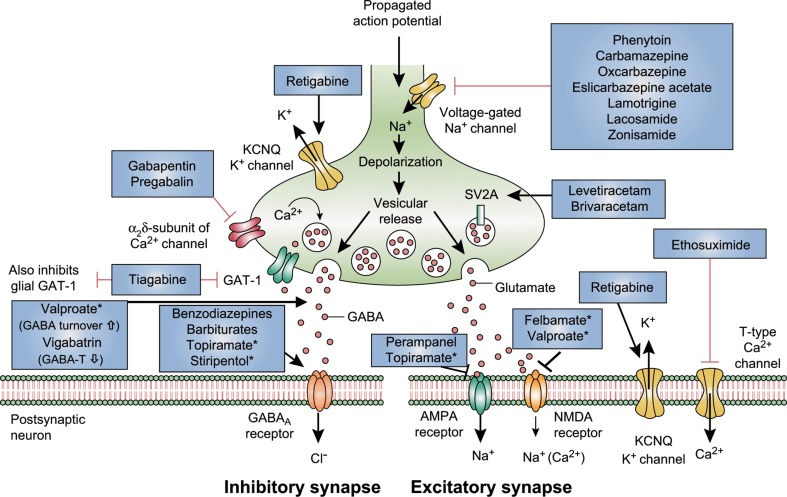
“1 of Löscher et al. [69], licensed under CC BY-NC 4.0 presynaptic calcium channel (Fig.”
BackgroundInfluentialDas, M., Mao, W., Shao, E., Tamhankar, S., Yu, G.-Q., Yu, X., Ho, K., Wang, X., Wang, J., & Mucke, L. (2021) · iScience · doi:10.1016/j.isci.2021.103245 · Cited by 21
The preclinical discovery and development of brivaracetam for the treatment of focal epilepsy
Russo, E., Citraro, R., & Mula, M. (2017) · Expert Opinion on Drug Discovery · doi:10.1080/17460441.2017.1366985 · Cited by 21
“and in brain tissue obtained from patients with epilepsy [24– 26], suggesting that decreased SV2A expression/functioning contributes to the progression of epilepsy [8].”
BackgroundInfluentialBloms-Funke, P., Bankstahl, M., Bankstahl, J., Kneip, C., Schröder, W., & Löscher, W. (2022) · Neuropharmacology · doi:10.1016/j.neuropharm.2021.108884 · Cited by 19
Self-citationInteraction of Approved Drugs with Synaptic Vesicle Protein 2A
Danish, A., Namasivayam, V., Schiedel, A. C., & Müller, C. E. (2017) · Archiv der Pharmazie · doi:10.1002/ardp.201700003 · Cited by 19
Wagner, C. B., Kreimer, A. M., Carrillo, N. P., Autry, E. B., Schadler, A. D., Cook, A. M., & Leung, N. R. (2021) · The Journal of Pediatric Pharmacology and Therapeutics · doi:10.5863/1551-6776-26.2.144 · Cited by 19
Seizures and Sepsis: A Narrative Review
Alessandri, F., Badenes, R., & Bilotta, F. (2021) · Journal of Clinical Medicine · doi:10.3390/jcm10051041 · Cited by 22
“It is a small hydrophilic molecule with little protein binding [53].”
BackgroundContreras-García, I. J., Pichardo-Macías, L. A., Santana-Gómez, C. E., Sánchez-Huerta, K., Ramírez-Hernández, R., Gómez-González, B., Rocha, L., & Mendoza Torreblanca, J. G. (2018) · Epilepsy & Behavior · doi:10.1016/j.yebeh.2018.08.023 · Cited by 18
Brivaracetam for the treatment of epilepsy
Klein, P., Tyrlíková, I., Brázdil, M., & Rektor, I. (2015) · Expert Opinion on Pharmacotherapy · doi:10.1517/14656566.2016.1135129 · Cited by 20
Rapacz, A., Kamiński, K., Obniska, J., Koczurkiewicz, P., Pękala, E., & Filipek, B. (2017) · Naunyn-Schmiedeberg s Archives of Pharmacology · doi:10.1007/s00210-017-1358-3 · Cited by 20
“Summarizing, in the 6-Hz test, the examined compounds revealed higher activity than valproic acid but lower than lacosamide.”
BackgroundDifferences in levetiracetam and perampanel treatment-related irritability in patients with epilepsy
Hasegawa, N., & Tohyama, J. (2021) · Epilepsy & Behavior · doi:10.1016/j.yebeh.2020.107644 · Cited by 18
“Levetiracetam (LEV) and perampanel (PER) are two such AEDs, each with a unique mechanism of action; LEV binds with synaptic vesicle protein 2A (SV2A) [2], and PER is a selective, noncompetitive antagonist of the a-amino-3-hydroxy-5 -methyl-4-isoxazolepropionic acid (AMPA) glutamate receptor [3].”
Mamad, O., Heiland, M., Lindner, A. U., Hill, T. D. M., Ronroy, R. M., Rentrup, K. F., Sanz‐Rodriguez, A., Langa, E., Heller, J. P., Moreno, Ó., et al. (2024) · Frontiers in Pharmacology · doi:10.3389/fphar.2023.1308478 · Cited by 22
“Frontline treatment for epilepsy is based on small molecule drugs that target ion channels and neurotransmitter systems, including levetiracetam and other synaptic vesicle glycoprotein 2A (SV2A)-modulating compounds (Kwan et al., 2011; Loscher et al., 2016).”
BackgroundKalaria, S. N., Armahizer, M. J., McCarthy, P. J., Badjatia, N., Gobburu, J. V. S., & Gopalakrishnan, M. (2020) · Clinical and Translational Science · doi:10.1111/cts.12782 · Cited by 17
“LEV exerts its antiseizure effect through modulation of synaptic vesicle 2A, a novel mechanism of action.(17) Its PK advantages over other AEDs include rapid absorption, near 100% bioavailability when using the oral formulation, insignificant protein binding (< 10%), minimal drug-drug interactions, and nonhepatic enzy…”
BackgroundBrivaracetam efficacy and safety in focal epilepsy
Makke, Y. A., & Abou-Khalil, B. W. (2019) · Expert Review of Neurotherapeutics · doi:10.1080/14737175.2019.1631160 · Cited by 17
“recycling of the synaptic vesicles, which are then reloaded with neurotransmitters and retained intracellularly [15].”
BackgroundInfluentialMutant Huntingtin Causes a Selective Decrease in the Expression of Synaptic Vesicle Protein 2C
Peng, C., Zhu, G., Liu, X., & Li, H. (2018) · Neuroscience Bulletin · doi:10.1007/s12264-018-0230-x · Cited by 16
Bradberry, M. M., & Chapman, E. R. (2022) · The Journal of Physiology · doi:10.1113/jp282601 · Cited by 16
“Because it is already a major drug target (Lynch et al. 2004;Dong 2006; Kaminski et al. 2008; Löscher et al. 2016), defining a molecular function for SV2A at the synapse would have important clinical ramifications.”
BackgroundDrastichová, Z., Hejnová, L., Trubacova, R., & Novotný, J. (2021) · Life · doi:10.3390/life11070683 · Cited by 21
Pharmacological perspectives and mechanisms involved in epileptogenesis
Marques, F. V. B. S., Kawamura, L. R. D. S. M., Quintanilha, M. V. T., Mota, I. F. L., Vasconcelos, A. S., da Silva, J. F. F., & Mortari, M. R. (2022) · Beni-Suef University Journal of Basic and Applied Sciences · doi:10.1186/s43088-022-00278-0 · Cited by 20
Zhang, Y., Heylen, L., Partoens, M., Mills, J. D., Kaminski, R. M., Godard, P., Gillard, M. R., de Witte, P. A. M., & Siekierska, A. (2022) · Frontiers in Molecular Neuroscience · doi:10.3389/fnmol.2022.881933 · Cited by 16
“In contrast, levetiracetam primarily exerts its antiseizure activity by selectively binding to synaptic vesicle glycoprotein 2A (SV2A) in the brain (Loscher et al., 2016).”
BackgroundSelf-citationPresynaptic antiseizure medications-basic mechanisms and clues for their rational combinations
Czapińska-Ciepiela, E. K., Łuszczki, J., Czapiński, P., Czuczwar, S. J., & Lasoń, W. (2024) · Pharmacological Reports · doi:10.1007/s43440-024-00603-7 · Cited by 13
“Although SV2A is regarded as the primary molecular target for antiseizure effects of leveti - racetam and brivaracetam, new ligands of SV2A have been designed that show procognitive but not antiseizure properties [113 ].”
BackgroundPredictors of successful Ramadan fasting in Muslim patients with epilepsy: A prospective study
Magdy, R., Kishk, N. A., Abokrysha, N. T., Ramzy, G. M., Rizk, H., & Hussein, M. (2020) · Seizure · doi:10.1016/j.seizure.2020.04.012 · Cited by 13
A review of cognitive and behavioral outcomes of Brivaracetam
Li, K., Hsu, C., & Yang, Y. (2023) · The Kaohsiung Journal of Medical Sciences · doi:10.1002/kjm2.12648 · Cited by 15
“LEV is an SV2A ligand, and it has been associated with cognitive improvements beyond its anti-seizure effects in both animal and human studies.(16) Since BRV is chemically closely related to LEV, it is expected to have favorable cognitive outcomes similar to LEV.”
BackgroundRundfeldt, C., Klein, P., Boison, D., Rotenberg, A., D’Ambrosio, R., Eastman, C. L., Purnell, B. S., Murugan, M., Goodkin, H. P., & Löscher, W. (2023) · Epilepsia · doi:10.1111/epi.17520 · Cited by 13
Self-citationPanda, S. P., Dhurandhar, Y., & Agrawal, M. (2022) · Mitochondrion · doi:10.1016/j.mito.2022.07.002 · Cited by 14
Naddell, S., Manuel, M., Cavill, R., White, P., & Sieradzan, K. A. (2022) · Epilepsy & Behavior · doi:10.1016/j.yebeh.2022.108985 · Cited by 15
Levetiracetam-Induced Seizure Aggravation in Patients With Focal Cortical Dysplasia
Cvetkovska, E., Kuzmanovski, I., Babunovska, M., Boshkovski, B., Aleksovska, K., & Trencevska, G. K. (2018) · Clinical Neuropharmacology · doi:10.1097/wnf.0000000000000304 · Cited by 13
Brivaracetam attenuates pain behaviors in a murine model of neuropathic pain
Tsymbalyuk, S., Smith, M. C., Gore, C., Tsymbalyuk, O., Ivanova, S., Sansur, C. A., Gerzanich, V., & Simard, J. M. (2019) · Molecular Pain · doi:10.1177/1744806919886503 · Cited by 15
Levetiracetam promoted rat embryonic neurogenesis via NMDA receptor-mediated mechanism in vitro
Alavi, M. S., Negah, S. S., Ghorbani, A., Hosseini, A., & Sadeghnia, H. R. (2021) · Life Sciences · doi:10.1016/j.lfs.2021.119923 · Cited by 15
Qi, Y., Wang, Y., Ni, M., He, Y., Li, L., & Hu, Y. (2024) · Journal of Ethnopharmacology · doi:10.1016/j.jep.2024.118986 · Cited by 14
Botermans, W., Koole, M. J. B., Laere, K. V., Savidge, J. R., Kemp, J. A., Sunaert, S. G., Duffy, M. M., Ramael, S., Cesura, A. M., D’Ostilio, K., et al. (2023) · Frontiers in Pharmacology · doi:10.3389/fphar.2022.1066447 · Cited by 16
Roeske, M. J., McHugo, M., Rogers, B. P., Armstrong, K., Avery, S. N., Donahue, M. J., & Heckers, S. (2023) · Neuropsychopharmacology · doi:10.1038/s41386-023-01730-0 · Cited by 11
“Animal and human studies have explored levetiracetam (LEV), which targets synaptic vesicle glycoprotein 2 A (SV2A) [24] and normalizes glutamatergic neurotransmission [25], for the treatment of hippocampal hyperactivity.”
Advancements in the study of synaptic plasticity and mitochondrial autophagy relationship
Zhu, Y., Hui, Q., Zhang, Z., Fu, H., Qin, Y., Zhao, Q., Li, Q., Zhang, J., Guo, L., He, W., et al. (2024) · Journal of Neuroscience Research · doi:10.1002/jnr.25309 · Cited by 13
“They play a central role in regulating neurotransmitter secretion, with family members including synaptic vesicle protein 2A (SV2A), synaptic vesicle protein 2B (SV2B), and synaptic vesicle protein 2C (SV2C) (Hu et al., 2022; Spoto et al., 2022 (Löscher et al., 2016).”
BackgroundLi, R., Xiao, L., Han, H., Long, H., Liao, W., Yang, Z., Zhu, H., Wang, X., Zou, T., Huang, Y., et al. (2025) · European Journal of Nuclear Medicine and Molecular Imaging · doi:10.1007/s00259-024-07054-5 · Cited by 14
Löscher, W., & Trenité, D. G. A. K.-N. (2025) · Epilepsia · doi:10.1111/epi.18444 · Cited by 12
“References: Löscher et al. 12,15,73,74 proconvulsant activity of taltrimide.”
Self-citationKong, Y., Zhang, S., Huang, L., Zhang, C., Xie, F., Zhang, Z., Huang, Q., Jiang, D., Li, J., Zhou, W., et al. (2021) · Frontiers in Aging Neuroscience · doi:10.3389/fnagi.2021.731114 · Cited by 14
“Preclinical genetic studies and those examined changes in protein expression have shown that SV2A dysfunction plays an important role in the pathogenesis of AD (Löscher et al., 2016).”
BackgroundImran, I., Koch, K. A., Schöfer, H., Lau, H., & Klein, J. (2019) · Journal of Pharmacy & Pharmaceutical Sciences · doi:10.18433/jpps30439 · Cited by 10
“Levetiracetam is a 2nd generation ASD with a good clinical record; it evidently acts by interaction with synaptic vesicle protein 2a (6,7).”
BackgroundNovel antiseizure medications in the development pipeline: promising candidates and recent failures
Löscher, W. (2024) · Clinical Epileptology · doi:10.1007/s10309-024-00724-2 · Cited by 10
Self-citationStructures of native SV2A reveal the binding mode for tetanus neurotoxin and anti-epileptic racetams
(2025) · doi:10.1038/s41467-025-59545-0 · Cited by 9
“In addition, the LEV-bound SV2A structure was also determined.”
Levetiracetam Affects Differentially Presynaptic Proteins in Rat Cerebral Cortex
Marcotulli, D., Fattorini, G., Bragina, L., Perugini, J., & Conti, F. (2017) · Frontiers in Cellular Neuroscience · doi:10.3389/fncel.2017.00389 · Cited by 10
“…here may reduce synaptic strength of hyperactive terminals (Wilson et al., 2005; Xu et al., 2007; Meehan et al., 2011), thus preventing the probability of establishing epileptogenic circuits (Avramescu and Timofeev, 2008) and accounting for LEV neuroprotective effects (Löscher et al., 2016).”
BackgroundStructures of native SV2A reveal the binding mode for tetanus neurotoxin and anti-epileptic racetams
Schenck, S., Laeremans, T., Steyaert, J., & Brunner, J. D. (2024) · doi:10.1101/2024.05.07.592960 · Cited by 9
Bertoli, G. R., Fortunato, F., Cava, C., Manna, I., Gallivanone, F., Labate, A., Panio, A., Porro, D., & Gambardella, A. (2024) · Current Neuropharmacology · doi:10.2174/1570159x22666240516145823 · Cited by 8
“In this view, the endoplasmic reticulum-lysosome-Golgi network and intracellular vesicle trafficking could be important in AEDs resistance development [63, 64].”
Yasir, M., Choe, J., Han, J., & Chun, W. (2025) · Current Issues in Molecular Biology · doi:10.3390/cimb47121032 · Cited by 11
“Third, individual variability in response to GABA-T inhibitors is substantial, with some patients showing excellent seizure con-trol while others derive minimal benefit [137].”
Trenité, D. G. A. K.-N., Stockis, A., Hirsch, É., Genton, P., Abou-Khalil, B. W., French, J. A., Masnou, P., & Löscher, W. (2025) · Epilepsy & Behavior · doi:10.1016/j.yebeh.2024.110241 · Cited by 8
Self-citationAntiepileptic Therapy of Abrus cantoniensis: Evidence from Network Pharmacology
Wang, Y., Li, X., Dou, P., Qiao, T., & Chang, Y. (2022) · Evidence-based Complementary and Alternative Medicine · doi:10.1155/2022/7748787 · Cited by 12
“,e synapse’s function is closely related to epilepsy [32].”
BackgroundEpilepsy and Alzheimer disease: New insights and perspectives
Dupont, S. (2025) · Revue Neurologique · doi:10.1016/j.neurol.2025.03.005 · Cited by 8
Mittal, A., Martin, M. F., Provins, L., Hall, A., Ledecq, M., Wolff, C., Gillard, M., Horanyi, P. S., & Coleman, J. A. (2025) · Proceedings of the National Academy of Sciences · doi:10.1073/pnas.2510239122 · Cited by 7
Self-citationOsuntokun, O. S., Olayiwola, G., Atere, T. G., Adekomi, D. A., Adedokun, K. I., & Oladokun, O. O. (2020) · Andrologia · doi:10.1111/and.13788 · Cited by 8
Brivaracetam: First Canadian Experience in an Intractable Epilepsy Population
Lafortune, J., Deacon, C., & Clément, J.-F. (2019) · Canadian Journal of Neurological Sciences / Journal Canadien des Sciences Neurologiques · doi:10.1017/cjn.2019.321 · Cited by 7
“Brivaracetam (BRV) is the latest AED approved for focal epilepsy and is characterized by its high affinity for selectively binding to synaptic vesicule protein 2A (SV2A), 15- to 30-fold than its analogue levetiracetam (LEV).4 LEV is known to cause psychiatric side effects in 15–30% of patients,5,6 presumably by its ne…”
BackgroundInfluential
Metadata
- Authors
- Löscher, W., Gillard, M., Sands, Z. A., Kaminski, R. M., & Klitgaard, H.
- Affiliations
- University of Veterinary Medicine Hannover, Foundation (DE)
- UCB Pharma (Belgium) (BE)
- Corresponding author
- Löscher, Wolfgang
- Venue
- CNS Drugs
- Published
- 2016-10-17
- Volume
- 30
- Issue
- 11
- Pages
- 1055-1077
- ISSN
- 1172-7047 (ISSN-L)
- 1179-1934
- PMC
- PMC5078162
- OpenAlex
- W2539233923
- Cited by
- 184
- References
- 163
- Citations by year
- 2026: 20 · 2025: 23 · 2024: 20 · 2023: 12 · 2022: 17 · 2021: 29 · 2020: 20 · 2019: 21 · 2018: 10 · 2017: 11
- FWCI
- 2.00
- Type
- journal article
- Language
- en
- Open access
- hybrid
- doi.org
- Licence
- Locations
- CNS Drugs (publishedVersion, cc-by-nc)
- PubMed Central (publishedVersion, cc-by-nc)
- PubMed (publishedVersion)
- Topics
- Health Sciences › Medicine › Clinical Neurology › Epilepsy research and treatment
- Life Sciences › Neuroscience › Cellular and Molecular Neuroscience › Neuroscience and Neuropharmacology Research
- Life Sciences › Biochemistry, Genetics and Molecular Biology › Molecular Biology › Ion Transport and Channel Regulation
- Keywords
- SV2A, levetiracetam, epilepsy, major facilitator superfamily, vesicle trafficking, exocytosis, neurotransmission, procognitive effects, Alzheimer's disease, cognitive impairment, SV2B, SV2C, druggable targets, antiepileptic drugs
- MeSH terms
- Animals, Anticonvulsants, Epilepsy, Humans, Ligands, Membrane Glycoproteins, Synaptic Vesicles
About these checks
Registry, retraction, Cites and statistics results are computed, not judged, with one exception: a printed reference that no index lists is read once by a model before it counts as a citation error. Claims are extracted by a model and kept only when their quote appears verbatim in the text; each cited source is then checked, with a model’s help, for whether it says what the claim relies on. Those verdicts can be wrong — read the claim’s quote and the cited source before relying on one.
Statistics and arithmetic are recomputed, not judged.
Confidence bands are shown only for fields calibrated on our annotated test set. None is calibrated yet, so no band is shown.
What counts as a claim ›How we measure confidence ›How we check this ›
Are you an author, or do you see a problem with this page? Request a review
Data sources
Bibliographic data: Semantic Scholar, OpenAlex, Crossref.
Contains information from the Semantic Scholar Academic Graph Datasets, made available under the ODC Attribution License (ODC-BY 1.0).
Semantic Scholar’s data is described in: Kinney, R., et al. (2023). The Semantic Scholar Open Data Platform. arXiv:2301.10140.
