

Synaptic Vesicle Glycoprotein 2A Ligands in the Treatment of Epilepsy and Beyond
Open accessThe DOI matches its Crossref record; 163 of the 163 references it cites were found in a registry or an index.
Abstract
The synaptic vesicle glycoprotein SV2A belongs to the major facilitator superfamily (MFS) of transporters and is an integral constituent of synaptic vesicle membranes. SV2A has been demonstrated to be involved in vesicle trafficking and exocytosis, processes crucial for neurotransmission. The anti-seizure drug levetiracetam was the first ligand to target SV2A and displays a broad spectrum of anti-seizure activity in various preclinical models. Several lines of preclinical and clinical evidence, including genetics and protein expression changes, support an important role of SV2A in epilepsy pathophysiology. While the functional consequences of SV2A ligand binding are not fully elucidated, studies suggest that subsequent SV2A conformational changes may contribute to seizure protection. Conversely, the recently discovered negative SV2A modulators, such as UCB0255, counteract the anti-seizure effect of levetiracetam and display procognitive properties in preclinical models. More broadly, dysfunction of SV2A may also be involved in Alzheimer's disease and other types of cognitive impairment, suggesting potential novel therapies for levetiracetam and its congeners. Furthermore, emerging data indicate that there may be important roles for two other SV2 isoforms (SV2B and SV2C) in the pathogenesis of epilepsy, as well as other neurodegenerative diseases. Utilization of recently developed SV2A positron emission tomography ligands will strengthen and reinforce the pharmacological evidence that SV2A is a druggable target, and will provide a better understanding of its role in epilepsy and other neurological diseases, aiding in further defining the full therapeutic potential of SV2A modulation.
Overview
The claims and statistics of this paper haven’t been checked yet.
Free: it reads the open-access text and checks the first 5 claims that cite a source we can check. Create a free account to check every claim.
Integrity signals
Registry
Cites
Statistics
Figures
Verification
Claims the paper makes
The claims and statistics of this paper haven’t been checked yet.
Free: it reads the open-access text and checks the first 5 claims that cite a source we can check. Create a free account to check every claim.
Claims other papers make about this one
Each is checked against this paper’s own text: does it say what the citing paper says it does?
The cited source doesn’t support the claim as written.
In the citing paper
“Through these convergent actions, SV2A functions as a molecular scaffold that stabilizes presynaptic terminals while postsynaptic strengthening consolidates [175,184,198].”
From Synaptic Plasticity—Intrinsic Excitability and Antidepressant Discovery (2026) · cites this paper as [175]
Checked by a reasoning model — may be wrong.
Experimental — accuracy not yet measuredThe source backs part of the claim, not all of it — or backs it for a different population, condition or comparison.
In the citing paper
“Across models of stress, epilepsy, and neurodegeneration, modulation of SV2A preserves synaptic structure and maintains transmission after plasticity induction [173,175,199].”
From Synaptic Plasticity—Intrinsic Excitability and Antidepressant Discovery (2026) · cites this paper as [175]
Experimental — accuracy not yet measuredThe source backs part of the claim, not all of it — or backs it for a different population, condition or comparison.
In the citing paper
“Functionally, SV2A modulation limits the slide from induced plasticity to maladaptive remodeling and relapse-like behavior [175,199,205].”
From Synaptic Plasticity—Intrinsic Excitability and Antidepressant Discovery (2026) · cites this paper as [175]
Experimental — accuracy not yet measuredThe source backs part of the claim, not all of it — or backs it for a different population, condition or comparison.
In the citing paper
“This places SV2A at the center of synaptic resilience, linking vesicle dynamics to durable circuit integrity in health and disease [173,175,195].”
From Synaptic Plasticity—Intrinsic Excitability and Antidepressant Discovery (2026) · cites this paper as [175]
Experimental — accuracy not yet measuredThe source backs part of the claim, not all of it — or backs it for a different population, condition or comparison.
In the citing paper
“Levetiracetam restores vesicle fusion fidelity, rescues basal transmission, and normalizes synaptic protein composition, effects that depend on direct SV2A engagement and extend to hippocampal volume and plasticity recovery [173,175,199].”
From Synaptic Plasticity—Intrinsic Excitability and Antidepressant Discovery (2026) · cites this paper as [175]
Experimental — accuracy not yet measured
7 more claims about this paper
Create a free account to see every claim other papers make about this one.
Self-check
Percentages, sums and reported differences re-computed from the paper’s own numbers.
The self-check needs the paper’s full text.
Citations
Cites
1 retracted
Integrative genomics identifies APOE ε4 effectors in Alzheimer's disease
Rhinn, H., Fujita, R., Qiang, L., Cheng, R., Lee, J. H., & Abeliovich, A. (2013) · Nature · doi:10.1038/nature12415 · Cited by 171
RetractedEarly Identification of Refractory Epilepsy
Kwan, P., & Brodie, M. J. (2000) · New England Journal of Medicine · doi:10.1056/nejm200002033420503 · Cited by 5,204 · cited 1×
“patients who did not respond to previous ASDs are more likely to demonstrate pharmacoresistance to additional ASD treatment regimens [127, 128].”
BackgroundThe synaptic vesicle protein SV2A is the binding site for the antiepileptic drug levetiracetam
Lynch, B. A., Lambeng, N., Nocka, K., Kensel-Hammes, P., Bajjalieh, S. M., Matagne, A., & Fuks, B. (2004) · Proceedings of the National Academy of Sciences · doi:10.1073/pnas.0308208101 · Cited by 1,610 · cited 2×
“In 2003, the molecular nature of LBS was discovered and identified as the synaptic vesicle glycoprotein 2A (SV2A) [6].”
BackgroundProtter: interactive protein feature visualization and integration with experimental proteomic data
Omasits, U., Ahrens, C. H., Müller, S., & Wollscheid, B. (2014) · Bioinformatics · doi:10.1093/bioinformatics/btt607 · Cited by 1,347 · cited 1×
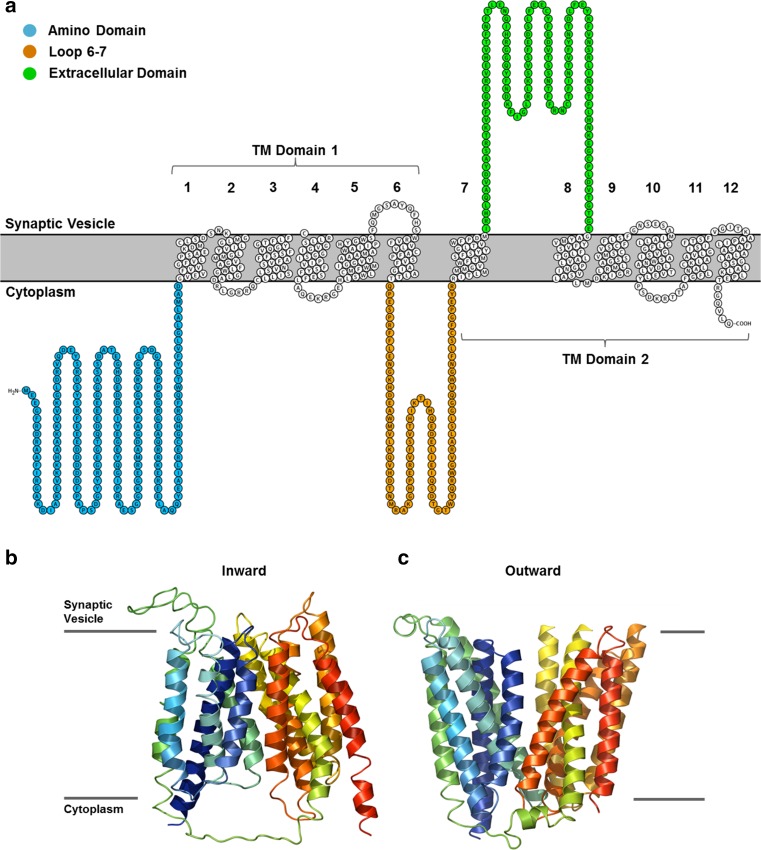
“2D protein topology figure generated using Protter [152].”
MethodThe neurobiology of antiepileptic drugs
Rogawski, M. A., & Löscher, W. (2004) · Nature Reviews Neuroscience · doi:10.1038/nrn1430 · Cited by 1,239 · cited 1×
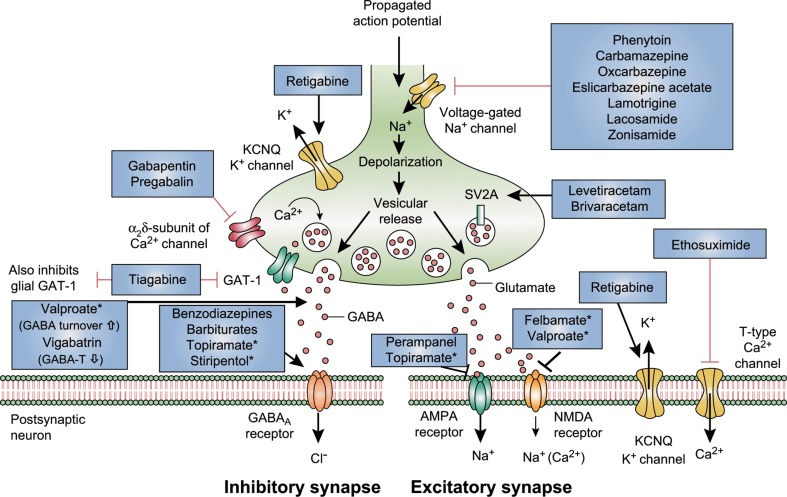
“This involves modulation of voltage-gated ion channels, enhancement of c-aminobutyric acid (GABA)-mediated inhibition, interactions with elements of the synaptic release machinery, or blockade of ionotropic glutamate receptors [4, 5].”
BackgroundSelf-citationThe descriptive epidemiology of epilepsy—A review
Banerjee, P. N., Filippi, D., & Allen Hauser, W. (2009) · Epilepsy Research · doi:10.1016/j.eplepsyres.2009.03.003 · Cited by 929 · cited 1×
“Epilepsy is the most common neurological condition affecting individuals of all ages and a cause of substantial morbidity and mortality [1, 2].”
BackgroundReduction of Hippocampal Hyperactivity Improves Cognition in Amnestic Mild Cognitive Impairment
Bakker, A., Krauss, G. L., Albert, M. S., Speck, C. L., Jones, L. R., Stark, C. E., Yassa, M. A., Bassett, S. S., Shelton, A. L., & Gallagher, M. (2012) · Neuron · doi:10.1016/j.neuron.2012.03.023 · Cited by 908 · cited 2×
“cantly improved [60], substantiating previous experiments with levetiracetam in a rat model of age-related memory loss [61].”
BackgroundResultChang, B. S., & Lowenstein, D. H. (2003) · New England Journal of Medicine · doi:10.1056/nejmra022308 · Cited by 731
Buckley, K., & Kelly, R. B. (1985) · The Journal of cell biology · doi:10.1083/jcb.100.4.1284 · Cited by 712 · cited 1×
“SV2, one of the first synaptic vesicle proteins identified, is a component of all vertebrate synaptic vesicles [25].”
BackgroundNew avenues for anti-epileptic drug discovery and development
Löscher, W., Klitgaard, H., Twyman, R. E., & Schmidt, D. (2013) · Nature Reviews Drug Discovery · doi:10.1038/nrd4126 · Cited by 675
Self-citation
Research works printed but not linked: 2
- 71. Cre `vecoeur J, Kaminski R, Rogister B, et al. Expression of synaptic vesicle protein 2C (SV2C) is selectively increased in hippocampal sclerosis with mossy fiber sprouting. Eur J Neurol. 2011;18(Suppl. 2):175.
- 150. Wasterlain C, Suchomelova L, Matagne A, et al. Short-term and long-term effects of brivaracetam in an animal model of status epilepticus. Epilepsia. 2009;50(Suppl. 10):13.
Cited by
Items 101–184 of 184
(2025) · doi:10.1101/2025.05.05.652227 · Cited by 7
Tekin, U., Tekin, E., & Uçar, H. N. (2022) · Epilepsy & Behavior · doi:10.1016/j.yebeh.2022.108877 · Cited by 10
Differentiation of two human neuroblastoma cell lines alters SV2 expression patterns
Lekholm, E., Ceder, M. M., Forsberg, E. C., Schiöth, H. B., & Fredriksson, R. (2021) · Cellular & Molecular Biology Letters · doi:10.1186/s11658-020-00243-8 · Cited by 8
“Understanding the regulation of SV2 proteins in different biological settings is becoming essential due to their involvement in vesicular trafficking, diseases and drug delivery [4, 22, 50, 51].”
BackgroundThe pharmacokinetics of [18F]UCB-H revisited in the healthy non-human primate brain
Goutal, S., Guillermier, M., Becker, G., Gaudin, M., Bramoullé, Y., Luxen, A., Lemaire, C. F., Plenevaux, A., Salmon, É., Hantraye, P., et al. (2021) · EJNMMI Research · doi:10.1186/s13550-021-00777-8 · Cited by 8
“LEV does not cause a SV2A conformational state change and it is assumed that SV2A transports LEV or LEV prevents transport of the endogenous substrate [4], as one of the functional consequences of LEV binding to SV2A in brain slices is reduced exocytosis [6].”
BackgroundClinical trials of prevention of acquired epilepsy: New proof‐of‐concept approach to restart trials
Klein, P., Koepp, M. J., Rotenberg, A., Hameed, M. Q., & Löscher, W. (2025) · Epilepsia · doi:10.1111/epi.18394 · Cited by 6
Self-citationLu, X., Ji, B., Huang, G., & Ding, H. Y. (2024) · Fundamental Research · doi:10.1016/j.fmre.2024.04.013 · Cited by 5
“No pro-seizure activities were observed in the dose range associated with pro-cognitive effects [95] .”
Clinical Neurophysiology of Epileptogenic Networks
Tsarouchas, N. (2022) · IntechOpen eBooks · doi:10.5772/intechopen.104952 · Cited by 8
Structural insights into SV2A and the mechanism of racetam anticonvulsants
Bradberry, M. M., & Chapman, E. R. (2024) · Nature Structural & Molecular Biology · doi:10.1038/s41594-024-01430-3 · Cited by 5
Spatio-Temporal Alterations in Synaptic Density During Epileptogenesis in the Rat Brain
Mikkelsen, J. D., Aripaka, S. S., Bascuñana, P., Bankstahl, M., Bankstahl, J. P., & Pazarlar, B. A. (2022) · Neuroscience · doi:10.1016/j.neuroscience.2022.07.020 · Cited by 5
“Apart from a drug target, SV2A has also recently been proposed to be a convenient biomarker of synaptic density (Finnema et al., 2016; Loscher et al., 2016; Bahri et al., 2017; Becker et al., 2020).”
BackgroundDanish, A., Lee, S.-Y., & Müller, C. E. (2017) · The Analyst · doi:10.1039/c7an00981j · Cited by 5
Bartholomé, O., Neirinckx, V., Bonardeaux, O. D. L. B., Desloovere, J., den Ackerveken, P. V., Raedt, R., & Rogister, B. (2025) · Journal of Neuroscience · doi:10.1523/jneurosci.1169-24.2024 · Cited by 5
Guo, X., Wang, C., Long, D., Zhang, H., Yin, S., Peng, X., Liu, Y., Chen, S., Liu, Y., Huang, W., et al. (2025) · Epilepsia · doi:10.1111/epi.18337 · Cited by 4
“23 Although levetiracetam can potentially induce psychosis, 24 its target SV2 shares synaptic vesicle exocytosis pathways with NRXN1 , 25 suggesting that both antiepileptic and antipsychotic drug selection for NRXN1 microdeletion patients with epilepsy comorbidities warrants further research.”
Krivoshein, A. V. (2020) · Central Nervous System Agents in Medicinal Chemistry · doi:10.2174/1871524920666200510005458 · Cited by 4
Yu, L., Hong, W., Yang, H., Xia, Y. Y., & Feng, Z. (2020) · Stem Cells International · doi:10.1155/2020/8857057 · Cited by 5
“SV2a has been demonstrated to be 8 Stem Cells International involved in vesicle tra ffi cking and exocytosis, processes crucial for neurotransmission, and plays a crucial role in modulating epileptogenesis [37].”
Jiang, Z., Cheng, X., Chen, H., Zheng, W., Sun, Y., Yu, Z., Yang, T., Zhang, L., Fan, D., Yang, Z., et al. (2022) · ACS Medicinal Chemistry Letters · doi:10.1021/acsmedchemlett.2c00062 · Cited by 5
Díaz-Villegas, V., Pichardo‐Macías, L. A., Juárez‐Méndez, S., Ignacio‐Mejía, I., Cárdenas‐Rodríguez, N., Vargas-Hernández, M. A., Mendoza‐Torreblanca, J. G., & Zamudio, S. (2024) · International Journal of Molecular Sciences · doi:10.3390/ijms25031690 · Cited by 4
Kelemen, K., Sárosi, M., Csüdör, Á., Orbán-Kis, K., Kelemen, H., Bába, L., Gáll, Z., Horváth, E., Katona, I., & Szilágyi, T. (2025) · Frontiers in Pharmacology · doi:10.3389/fphar.2025.1553545 · Cited by 6
“Present ubiquitously in the CNS, SV2A is considered as a master regulator of vesicle traf fi cking and neurotransmitter release (Klein et al., 2018; Löscher et al., 2016).”
SV2B is a crucial factor for early larval development in the silkworm, Bombyx mori
Zhang, Y., Xing, Z., Dong, H., Lu, T., Deng, Y., Li, Z., Hu, B., & Tan, A. (2025) · Insect Science · doi:10.1111/1744-7917.70070 · Cited by 4
Kelemen, K., Orbán-Kis, K., Szentes, Á., Nagy, Z., Kelemen, H., Fehér, A., Bába, L.-I., Gáll, Z., Horváth, E., Katona, I., et al. (2025) · International Journal of Molecular Sciences · doi:10.3390/ijms26104906 · Cited by 7
“Importantly, SV2A-binding ASMs such as levetirac-etam and brivaracetam have shown not only anticonvulsant properties but also potential disease-modifying effects, possibly through their role in preserving or restoring synaptic integrity [19,20].”
Brivaracetam in the treatment of patients with epilepsy
Va, K., Vlasov, P. N., Жидкова, И. А., Kissin, M. Y., Лебедева, А. В., Липатова, Л. В., Mkrtchyan, V. R., Мukhin, К. Y., & Рудакова, И. Г. (2017) · S S Korsakov Journal of Neurology and Psychiatry · doi:10.17116/jnevro20171179255-62 · Cited by 4
“В качестве мишени для ПЭП предметом особого интереса стал белок синаптических везикул 2А (SV2A) [3].”
Levetiracetam inhibits SV2A-synaptotagmin interaction at synapses that lack SV2BPreprint
Ciruelas, K., Marcotulli, D., Sullivan, J., & Bajjalieh, S. (2019) · bioRxiv (Cold Spring Harbor Laboratory) · doi:10.1101/640185 · Cited by 4
Xiao, L., Wang, J., Chen, B., Yang, J., Wu, F., Zhou, C., Zhang, Y., Yang, Z., Liu, D., Tian, L., et al. (2025) · Advanced Science · doi:10.1002/advs.202508161 · Cited by 5
Identifying and Understanding Seizure Liability in Drug Development
Sokolowski, K., Erwin, L. L., Liu, J. S.-H., Authier, S., McMaster, O., Pressly, B., Bolon, B. N., & Delatte, M. S. (2025) · International Journal of Toxicology · doi:10.1177/10915818241307851 · Cited by 4
“Sodium channel blockers, a common class of anti-seizure medications, 17 inhibit sodium in fl ux during initial neuron depolarization, thereby slowing neurotransmission.”
Aiswarya, N., Rahul, C. N., Kothandan, G., Kurup, M. R. P., Manoj, E., Chandrasekaran, P., Jeyakanthan, J., & Sekar, K. (2023) · Journal of Molecular Structure · doi:10.1016/j.molstruc.2023.137219 · Cited by 3
Zwierzyńska, E., Klimczak, M., Nasiadek, M., Stragierowicz, J., & Pietrzak, B. (2024) · Pharmacological Reports · doi:10.1007/s43440-024-00659-5 · Cited by 3
“The function of SV2A remains unclear, but the protein seems to be involved in the function of synaptic vesicles such as calcium-dependent exocytosis or transport of vesicle constituents [ 10].”
Rao, N. R., DeGulis, O. A., Nomura, T., Lee, S., Hark, T. J., Dynes, J. C., Dexter, E. X., Dulewicz, M., Ge, J., Upadhyay, A., et al. (2024) · bioRxiv (Cold Spring Harbor Laboratory) · doi:10.1101/2024.10.28.620698 · Cited by 3
“While this finding is novel in the context of AD, Lev has been shown to reduce SV cycling in epilepsy models and when SV2a is overexpressed ( 80, 81 ).”
Löscher, W., Stockis, A., Klein, P., & Trenité, D. G. A. K.-N. (2025) · Epilepsia · doi:10.1111/epi.18420 · Cited by 2
“4 Importantly, SEL has been shown to inhibit high- voltage-activated Ca 2 + currents (HVACCs) 50 times more potently than LEV.”
InfluentialSelf-citationAnalysis of the Recurrence of Adverse Drug Reactions in Pediatric Patients with Epilepsy
García, E. H., Lambert-Lamazares, B., Gómez‐Lira, G., Mendoza‐Torreblanca, J. G., Lomeli, P. D., Flores, Y. L., Escobar, L. E. R., Mejía-Aranguré, E., Ruiz‐Velasco, S., & Naranjo, L. (2025) · Pharmaceuticals · doi:10.3390/ph18081116 · Cited by 2
“Although more than 20 clinically used ASM act through a variety of mechanisms of action, all work to reduce neuronal hyperexcitability by either decreasing excitatory or enhancing inhibitory neurotransmission [6].”
Rao, N. R., Santiago-Marrero, I. G., DeGulis, O. A., Nomura, T., Goyal, K., Lee, S., Hark, T. J., Dynes, J. C., Dexter, E., Dulewicz, M., et al. (2026) · Science Translational Medicine · doi:10.1126/scitranslmed.adp3984 · Cited by 7
Seletracetam Revisited: A Missed Opportunity for Effective Epilepsy Therapy
Löscher, W., Rundfeldt, C., Trinka, E., Koepp, M. J., & Klein, P. (2026) · CNS Drugs · doi:10.1007/s40263-026-01281-0 · Cited by 2
“The figure was modified and updated from Löscher et al. [5] and Brad-berry and Chapman [18] at pharmacologically relevant concentrations, while LEV possesses an ability to inhibit AMPA-gated currents in rat hippocampal and cortical neurons (IC 50 268 µM), which, however, only becomes significant at…”
InfluentialSelf-citationLöscher, W., White, H. S., & Klein, P. (2026) · CNS Drugs · doi:10.1007/s40263-026-01284-x · Cited by 4
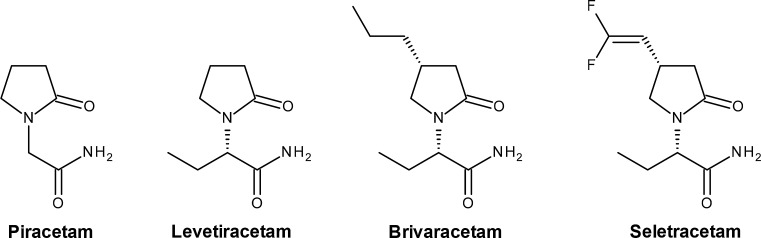
“Indeed, LEV and BRV bind to the SV2A protein at closely related sites but interact with these sites differently and recognize, induce, or stabilize different conformations of the SV2A protein, which may provide the molecular rationale for their distinct pharma-codynamic properties [76, 81–83].”
InfluentialSelf-citationThe Discovery of Cenobamate: A Drug with High Efficacy in Drug-Resistant Epilepsy
Choi, Y. M., White, H. S., Klein, P., & Löscher, W. (2026) · CNS Drugs · doi:10.1007/s40263-026-01290-z · Cited by 2
“The kindling model of TLE, which results from chronic electrical stimulation of the amygdala or hippocampus, was crucial in the discovery of LEV [81, 82] and predicted the clinical efficacy of most novel ASMs in patients with focal DRE [78].”
Self-citationOsuntokun, O. S., Akingboye, B. G., Olayiwola, G., Abayomi, T. A., & Ayoka, A. O. (2021) · Brain Research · doi:10.1016/j.brainres.2021.147565 · Cited by 2
Pharmacological drug strategies in Alzheimer's Disease
Dantas, R. L. M., Baracho, N. C., Camins, A., & Ettcheto, M. (2021) · Revista Neurociências · doi:10.34024/rnc.2021.v29.12413 · Cited by 3
Developing Low Molecular Weight PET and SPECT Imaging Agents
Xue, L., Jie, C. V. M. L., Desrayaud, S., & Auberson, Y. P. (2024) · ChemMedChem · doi:10.1002/cmdc.202400094 · Cited by 2
Hagenbuch, B. (2019) · IUPHAR/BPS Guide to Pharmacology CITE · doi:10.2218/gtopdb/f146/2019.4 · Cited by 2
Potential risk of liver injury in epileptic patients during COVID-19 pandemic
Tabrizi, N., & Razavi, A. S. (2022) · World Journal of Virology · doi:10.5501/wjv.v11.i6.467 · Cited by 2
Elshater, A. A., Sadek, A. A., & Abdelkreem, E. (2023) · Indian Pediatrics · doi:10.1007/s13312-023-2960-8 · Cited by 2
“Additionally, a pharmacodynamic interaction between levetiracetam and benzodiazepines may also occur [18-20].”
BackgroundEl-Rahman, A. A. A., El-Shafei, S., Shehab, G. M. G., Mansour, L. A., Abuelsaad, A. S. A., & Gad, R. A. (2023) · Life · doi:10.3390/life13091815 · Cited by 4
Levetiracetam-Related Alcohol Abuse in a Postencephalitic Patient
Guillama-Henríquez, A., Hernández-Huerta, D., & Sánchez, E. B. A. (2020) · Journal of Clinical Psychopharmacology · doi:10.1097/jcp.0000000000001280 · Cited by 2
“Although the function of SV2A is not clear, studies suggest that the interaction between levetiracetam and SV2A could diminish neuronal excitability by changing neurotransmitter release in the central nervous system.(2) Levetiracetam also targets N and P/Q-type calcium channels that inhibit calcium currents in neurona…”
BackgroundChoi, J.-M., Acharya, R., Lim, H. J., Lee, K.-W., Seo, J., Yang, E., Kim, H., Yoon, J. H., Chang, D., Kim, S., et al. (2024) · Proceedings of the National Academy of Sciences · doi:10.1073/pnas.2409773121 · Cited by 2
“Of particular interest is the interaction between G α o and Sv2a, a binding target of the widely used anticonvulsant drug, levetiracetam (Keppra®) ( 46 ) ( Fig.”
Sugii, N., Yamada, T., & Ishikawa, E. (2025) · Clinical Case Reports · doi:10.1002/ccr3.70455 · Cited by 1
“Perampanel hydrate (PER) is the only ASM that acts on α- amino- 3- hydroxy- 5- methyl- 4-isoxazolepropionic acid (AMPA) type glutamate receptors, which are excitatory receptors that exist mainly in the postsynaptic membrane [15].”
Sugii, N., ARAKI, K., & Ishikawa, E. (2025) · Neurologia medico-chirurgica · doi:10.2176/jns-nmc.2025-0079 · Cited by 1
Bakshi, U., & Datta, A. (2026) · Journal of Molecular Graphics and Modelling · doi:10.1016/j.jmgm.2026.109309 · Cited by 1
Zou, F., Ren, X., Huo, G., Liu, P., & Sun, C. (2026) · Journal of Ethnopharmacology · doi:10.1016/j.jep.2026.121683 · Cited by 1
Brivaracetam‐associated manic episode in a patient with bipolar disorder: A case report
Kawai, M., Miyata, J., & Kanemoto, K. (2026) · Psychiatry and Clinical Neurosciences Reports · doi:10.1002/pcn5.70335 · Cited by 2
Bialer, M., Landmark, C. J., Koepp, M. J., Perucca, E., Perucca, P., Tomson, T., White, H. S., & Wirrell, E. C. (2026) · Epilepsia · doi:10.1002/epi.70346 · Cited by 4
Synaptic Vesicle Glycoprotein 2A and Epilepsy
Hanaya, R., Hosoyama, H., & Arita, K. (2018) · てんかん研究 · doi:10.3805/jjes.36.3 · Cited by 1
Medikamentöse Therapie von epileptischen Anfällen und Epilepsien
Kay, L., Bauer, S., Rosenow, F., Strzelczyk, A., & Zöllner, J. P. (2019) · Nervenheilkunde · doi:10.1055/a-0987-8517 · Cited by 1
“[32] Löscher W, Gillard M, Sands ZA et al.”
BackgroundLevetiracetam Induced Behavioural Changes in an Adult Female Patient: A Case Report
Virani, H. A., Dabhi, H. K., & Pargi, P. M. (2024) · Current Drug Safety · doi:10.2174/0115748863285429240326172920 · Cited by 1
Oligoprotective Activity of Levetiracetam against Glutamate Toxicity: An In vitro Study
Alavi, M. S., Al-Asady, A. M., Abbasinezhad-Moud, F., Rajabian, A., Rastegartizabi, Z., & Sadeghnia, H. R. (2024) · Current Pharmaceutical Design · doi:10.2174/0113816128327215240827071257 · Cited by 2
Effect of antiepileptic drug levetiracetam on cochlear function
Li, L., Chen, G., & Salvi, R. (2021) · Hearing Research · doi:10.1016/j.heares.2021.108396 · Cited by 1
Synaptic Plasticity—Intrinsic Excitability and Antidepressant Discovery
Tanaka, M. (2026) · Biomedicines · doi:10.3390/biomedicines14061265
Alshuaib, S., Mosaddeghi, J. Z., & Lin, J. (2020) · Synapse · doi:10.1002/syn.22154
“This concentration is the standard therapeutic concentration (Loscher et al., 2016).”
BackgroundAvaliação de efeitos preliminares do plumierídeo após administração oral a camundongos
Dalmagro, A. P., Camargo, A., Zimath, P. L., Bonomini, T. J., Zeni, A. L. B., Malheiros, Â., & de Souza, M. M. (2019) · Brazilian Journal of Health Review · doi:10.34119/bjhrv2n6-067
Anticonvulsant Agents: Pharmacology and Biochemistry
Löscher, W. (2021) · Springer eBooks · doi:10.1007/978-3-319-56015-1_466-1
Self-citationOgunjimi, L., Alabi, A., Osalusi, B. S., Muritala, A., Aderinola, A. A., & Ogunniyi, A. O. (2021) · Annals of Health Research (The Journal of the Medical and Dental Consultants Association of Nigeria OOUTH Sagamu Nigeria) · doi:10.30442/ahr.0701-08-127 · Cited by 1
Voronina, T. A., Литвинова, С. А., & Ковалев, И. Г. (2021) · Pharmacokinetics and Pharmacodynamics · doi:10.37489/2587-7836-2020-4-14-18
Osuntokun, O. S., Olayiwola, G., Adekomi, D. A., Adedokun, K. I., & Oladokun, O. O. (2021) · SSRN Electronic Journal · doi:10.2139/ssrn.3959608
Branum, M. (2021) · The Senior Care Pharmacist · doi:10.4140/tcp.n.2021.645
Cavichioli, A. M. (2022) · Digital Library of Theses and Dissertations (Universidade de São Paulo) · doi:10.11606/d.17.2022.tde-06052022-144555
Anticonvulsant Agents: Pharmacology and Biochemistry
Löscher, W. (2021) · Springer eBooks · doi:10.1007/978-3-319-56015-1_466-2
Self-citationDer-Nigoghossian, C. A., & Berger, K. (2019) · ASHP eBooks · doi:10.37573/9781585285525.003
Anti-convulsant Agents: Pharmacology and Biochemistry
Löscher, W. (2022) · Springer eBooks · doi:10.1007/978-3-030-62059-2_466
Self-citationThe role of the synaptic vesicle protein SV2A in regulating mitochondrial morphology and autophagyPreprint
Jörg, M., Reichert, J., Pauly, K., Distler, U., Tenzer, S., Bartholomé, O., Rogister, B., Kern, A., Behl, C., Gellérie, M., et al. (2024) · bioRxiv · doi:10.1101/2024.07.30.605753 · Cited by 1
The role of the synaptic vesicle protein SV2A in regulating mitochondrial morphology and autophagyPreprint
Friedland, K., Jörg, M., Reichert, J., Pauly, K., Distler, U., Tenzer, S., Bartholomé, O., Rogister, B., Kern, A., Behl, C., et al. (2024) · Research Square · doi:10.21203/rs.3.rs-4538326/v1
Erdeve, E. T., Onat, F., & Çarçak, N. (2025) · Archives of Epilepsy · doi:10.4274/archepilepsy.2025.25135
Kammerer, R. A., & Korkhov, V. M. (2025) · Trends in Neurosciences · doi:10.1016/j.tins.2025.10.003 · Cited by 1
Goutal, S., Guillermier, M., Becker, G., Gaudin, M., Bramoullé, Y., Luxen, A., Lemaire, C. F., Plenevaux, A., Salmon, É., Hantraye, P., et al. (2021) · Figshare · doi:10.6084/m9.figshare.14385090
On the issue of treatment of focal epilepsy in family medicine
Skvorcov, V., Lobanov, R. M., Ezhkova, A. M., & Tigranyan, S. (2025) · Современная терапия в психиатрии и неврологии · doi:10.32416/2304-9707-2025-4-25-30
Miller, C. O. G. (2025) · Springer eBooks · doi:10.1007/978-3-032-13315-1_2
Expression exosomale de protéines synaptiques cibles d'intérêt pharmacologiques
Desplantes, R. (2017) · theses.fr (ABES) · doi:10.70675/cf867788zb389z449fz9346z9c3eca62ccc8
In vitro and in vivo study of the effects of Levetiracetam on activated microglia during sepsis
Fleurance, R. (2021) · theses.fr (ABES) · doi:10.70675/0a82ed6ez6595z4366z832fz70cbe839c7ff
Zhao, J., Li, M., Zhang, Q., Li, B. Q., Qi, Y., Gao, Z., Wang, Q. A., Zhao, R., Zhao, H., Zhang, K., et al. (2026) · Cancer Letters · doi:10.1016/j.canlet.2026.218577
Mohsin, N., Rasool, N., Kanwal, A., Saghir, K. A., Imran, I., Siddique, F., Nadeem, S., & Imran, M. (2026) · RSC Advances · doi:10.1039/d6ra02094a
Ajmal, A., Ismail, F., & Safdar, A. (2026) · Trends in Pharmacology and Toxicology · doi:10.21124/tpt.2026.72.85
Miles, N., McNamee, B., Soleman, S. I., Zadikoff, C., Boiser, J. C., Laplanche, L., Burton, R., Shebley, M., & Boinpally, R. (2026) · European Journal of Clinical Pharmacology · doi:10.1007/s00228-026-04078-8 · Cited by 1
Egesa, I. J., Mbizvo, G. K., Maden, M., Spain, T. J., Emsley, R., Bonnett, L. J., Marson, A. G., & Smith, C. T. (2026) · Epileptic Disorders · doi:10.1002/epd2.70353 · Cited by 1
Lumley, L. A., Steier, H. G., Orta, S. Y., Nguyen, D. A., Stone, M. F., Schultz, C. R., Niquet, J., Furtado, M. D. A., & Wasterlain, C. G. (2026) · Neurology International · doi:10.3390/neurolint18080146
“It was proposed that SV2A helps regulate presynaptic calcium levels [19] and plays a role in exocytosis and vesicle trafficking [20].”
Zwierzyńska, E., Stragierowicz, J., Nasiadek, M., Klimczak, M., & Pietrzak, B. (2026) · International Journal of Molecular Sciences · doi:10.3390/ijms27167435
Automated Radiosynthesis and Quality Evaluation of [18F]BIBD-181 for Translational SV2A PET ImagingPreprint
Yang, Z., Zhang, Y., Qiao, Z., Li, S., Wu, Z., & Ai, L. (2026) · SSRN Electronic Journal · doi:10.2139/ssrn.7347225
SERS Combined with PCA-SVM-Based Identification Study of Different Brands of Levetiracetam
Zhang, H., Li, N., Hasi, W., & Liu, W. (2026) · ACS Omega · doi:10.1021/acsomega.5c12399
Cheng, Z., Zhou, S., He, Z.-Y., Deng, Z.-F., Zeng, C., Chen, W., & Tu, J.-L. (2026) · Frontiers in Immunology · doi:10.3389/fimmu.2026.1985279
Metadata
- Authors
- Löscher, W., Gillard, M., Sands, Z. A., Kaminski, R. M., & Klitgaard, H.
- Affiliations
- University of Veterinary Medicine Hannover, Foundation (DE)
- UCB Pharma (Belgium) (BE)
- Corresponding author
- Löscher, Wolfgang
- Venue
- CNS Drugs
- Published
- 2016-10-17
- Volume
- 30
- Issue
- 11
- Pages
- 1055-1077
- ISSN
- 1172-7047 (ISSN-L)
- 1179-1934
- PMC
- PMC5078162
- OpenAlex
- W2539233923
- Cited by
- 184
- References
- 163
- Citations by year
- 2026: 20 · 2025: 23 · 2024: 20 · 2023: 12 · 2022: 17 · 2021: 29 · 2020: 20 · 2019: 21 · 2018: 10 · 2017: 11
- FWCI
- 2.00
- Type
- journal article
- Language
- en
- Open access
- hybrid
- doi.org
- Licence
- Locations
- CNS Drugs (publishedVersion, cc-by-nc)
- PubMed Central (publishedVersion, cc-by-nc)
- PubMed (publishedVersion)
- Topics
- Health Sciences › Medicine › Clinical Neurology › Epilepsy research and treatment
- Life Sciences › Neuroscience › Cellular and Molecular Neuroscience › Neuroscience and Neuropharmacology Research
- Life Sciences › Biochemistry, Genetics and Molecular Biology › Molecular Biology › Ion Transport and Channel Regulation
- Keywords
- SV2A, levetiracetam, epilepsy, major facilitator superfamily, vesicle trafficking, exocytosis, neurotransmission, procognitive effects, Alzheimer's disease, cognitive impairment, SV2B, SV2C, druggable targets, antiepileptic drugs
- MeSH terms
- Animals, Anticonvulsants, Epilepsy, Humans, Ligands, Membrane Glycoproteins, Synaptic Vesicles
About these checks
Registry, retraction, Cites and statistics results are computed, not judged, with one exception: a printed reference that no index lists is read once by a model before it counts as a citation error. Claims are extracted by a model and kept only when their quote appears verbatim in the text; each cited source is then checked, with a model’s help, for whether it says what the claim relies on. Those verdicts can be wrong — read the claim’s quote and the cited source before relying on one.
Statistics and arithmetic are recomputed, not judged.
Confidence bands are shown only for fields calibrated on our annotated test set. None is calibrated yet, so no band is shown.
What counts as a claim ›How we measure confidence ›How we check this ›
Are you an author, or do you see a problem with this page? Request a review
Data sources
Bibliographic data: Semantic Scholar, OpenAlex, Crossref.
Contains information from the Semantic Scholar Academic Graph Datasets, made available under the ODC Attribution License (ODC-BY 1.0).
Semantic Scholar’s data is described in: Kinney, R., et al. (2023). The Semantic Scholar Open Data Platform. arXiv:2301.10140.
