

Infigratinib: First Approval
Open accessThe DOI matches its Crossref record; 7 of the 7 references it cites were found in a registry or an index.
Abstract
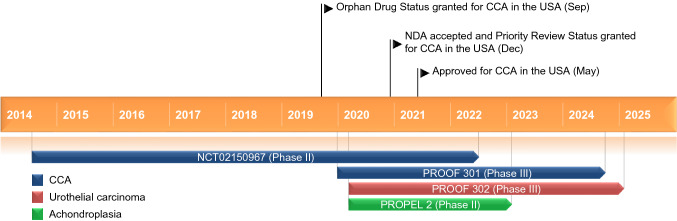
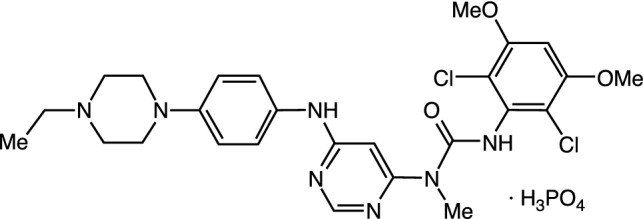
), a fibroblast growth factor receptor (FGFR)-specific tyrosine kinase inhibitor, is being co-developed by QED Therapeutics and Helsinn for the treatment of cholangiocarcinoma, urothelial carcinoma and other FGFR-driven conditions. Infigratinib was recently approved in the USA for the treatment of previously treated, unresectable locally advanced or metastatic cholangiocarcinoma with a FGFR2 fusion or other rearrangement as detected by a test approved by the US Food and Drug Administration. This article summarizes the milestones in the development of infigratinib leading to this first approval for advanced cholangiocarcinoma.
Overview
The claims and statistics of this paper haven’t been checked yet.
Free: it reads the open-access text and checks the first 5 claims that cite a source we can check. Create a free account to check every claim.
Integrity signals
Registry
Cites
Statistics
Figures
Verification
Claims the paper makes
The claims and statistics of this paper haven’t been checked yet.
Free: it reads the open-access text and checks the first 5 claims that cite a source we can check. Create a free account to check every claim.
Claims other papers make about this one
Each is checked against this paper’s own text: does it say what the citing paper says it does?
The source backs part of the claim, not all of it — or backs it for a different population, condition or comparison.
In the citing paper
“Several pan-FGFR inhibitors, such as futibatinib and infigratinib, are approved for treating FGFR-altered cancers.60,61”
From Paneth-like transition drives resistance to dual targeting of KRAS and EGFR in colorectal cancer (2026) · cites this paper as [61]
Experimental — accuracy not yet measured
Self-check
Percentages, sums and reported differences re-computed from the paper’s own numbers.
The self-check needs the paper’s full text.
Citations
Cites
Phase II Study of BGJ398 in Patients With FGFR-Altered Advanced Cholangiocarcinoma
Javle, M., Lowery, M., Shroff, R. T., Weiss, K. H., Springfeld, C., Borad, M. J., Ramanathan, R. K., Goyal, L., Sadeghi, S., Macarulla, T., et al. (2018) · Journal of Clinical Oncology · doi:10.1200/jco.2017.75.5009 · Cited by 693
Nogova, L., Sequist, L. V., Perez Garcia, J. M., Andre, F., Delord, J.-P., Hidalgo, M., Schellens, J. H. M., Cassier, P. A., Camidge, D. R., Schuler, M., et al. (2017) · Journal of Clinical Oncology · doi:10.1200/jco.2016.67.2048 · Cited by 432
Pal, S. K., Rosenberg, J. E., Hoffman-Censits, J. H., Berger, R., Quinn, D. I., Galsky, M. D., Wolf, J., Dittrich, C., Keam, B., Delord, J.-P., et al. (2018) · Cancer Discovery · doi:10.1158/2159-8290.cd-18-0229 · Cited by 258
Tyrosine kinase inhibitor NVP-BGJ398 functionally improves FGFR3-related dwarfism in mouse model
Komla-Ebri, D. S. K., Dambroise, E., Krämer, I., Benoist-Lasselin, C., Kaci, N., Gall, C. L., Martin, L., Busca, P., Barbault, F., Graus-Porta, D., et al. (2016) · Journal of Clinical Investigation · doi:10.1172/jci83926 · Cited by 120
Javle, M. M., Roychowdhury, S., Kelley, R. K., Sadeghi, S., Macarulla, T. M., Waldschmidt, D., Goyal, L., Borbath, I., El-Khoueiry, A. B., Yong, W. P., et al. (2021) · Journal of Clinical Oncology · doi:10.1200/jco.2021.39.3_suppl.265 · Cited by 85
Sequist, L. V. D., Cassier, P. A., Varga, A., Tabernero, J. M., Schellens, J. H. M., Delord, J., LoRusso, P. M., Camidge, D. R., Medina, M. H., Schüler, M., et al. (2014) · Cancer Research · doi:10.1158/1538-7445.am2014-ct326 · Cited by 78
Lyou, Y., Grivas, P. D., Rosenberg, J. E., Hoffman-Censits, J. H., Quinn, D. I., Petrylak, D. P., Galsky, M. D., Vaishampayan, U. N., Giorgi, U. D., Gupta, S. V., et al. (2020) · European Urology · doi:10.1016/j.eururo.2020.08.002 · Cited by 30
Research works printed but not linked: 1
- Reyes M Zamora C Andrews S A phase I, open-label, single-dose study to evaluate the excretion and mass balance, pharmacokinetics, and metabolism of [14C]-infigratinib (BGJ398) in healthy adult volunteers [abstract no. PIII-045] Clin Pharmacol Ther 2021 109 Suppl 1 S57
Cited by
Tumor biomarkers for diagnosis, prognosis and targeted therapy
Zhou, Y., Tao, L., Qiu, J., Xu, J., Yang, X., Zhang, Y., Tian, X., Guan, X., Cen, X., & Zhao, Y. (2024) · Signal Transduction and Targeted Therapy · doi:10.1038/s41392-024-01823-2 · Cited by 720
Exosome biogenesis: machinery, regulation, and therapeutic implications in cancer
Han, Q.-F., Li, W.-J., Hu, K.-S., Gao, J., Zhai, W.-L., Yang, J.-H., & Zhang, S.-J. (2022) · Molecular Cancer · doi:10.1186/s12943-022-01671-0 · Cited by 678
“Notably, infigratinib has been approved by the FDA for the treatment of cholangiocarcinoma [235].”
BackgroundSmall Molecule Kinase Inhibitor Drugs (1995–2021): Medical Indication, Pharmacology, and Synthesis
Ayala-Aguilera, C. C., Valero, T., Lorente-Macías, Á., Baillache, D. J., Croke, S., & Unciti-Broceta, A. (2022) · Journal of Medicinal Chemistry · doi:10.1021/acs.jmedchem.1c00963 · Cited by 265
Benedetto Tiz, D., Bagnoli, L., Rosati, O., Marini, F., Sancineto, L., & Santi, C. (2022) · Molecules · doi:10.3390/molecules27051643 · Cited by 159
“Infigratinib Infigrati ib (50, brand name Truseltiq®) is a fibroblast growth factor receptor (FGFR)specific tyrosine kinase inhibitor being codeveloped by QED Therapeutics and Helsinn for the tre tment of cholangiocarcinom , urotheli l carcinoma and oth r FGFR-driven conditions [40].”
MethodNew developments in the biology of fibroblast growth factors
Ornitz, D. M., & Itoh, N. (2022) · WIREs Mechanisms of Disease · doi:10.1002/wsbm.1549 · Cited by 144
Kinase Inhibitors and Kinase-Targeted Cancer Therapies: Recent Advances and Future Perspectives
Li, J., Chen, G., Zhou, H., Liu, J., Xia, X., Ha, W., Jiang, Y., Liu, Q., & Xiong, H. (2024) · International Journal of Molecular Sciences · doi:10.3390/ijms25105489 · Cited by 151
FGFR families: biological functions and therapeutic interventions in tumors
Liu, Q., Huang, J., Yan, W., Liu, Z., Liu, S., & Fang, W. (2023) · MedComm · doi:10.1002/mco2.367 · Cited by 91
FDA-Approved Small Molecule Compounds as Drugs for Solid Cancers from Early 2011 to the End of 2021
Sochacka-Ćwikła, A., Mą̨czyński, M., & Regiec, A. (2022) · Molecules · doi:10.3390/molecules27072259 · Cited by 59
“VEGFRs 3 Oral Renal Cell Carcinoma Fatigue, hypertension, diarrhea, decreased appetite, nausea, dysphonia, hy othyroidi m, coug , stomatitis, sodium decreased, lipase ncreased, and phosphate decreased [38,42,43] s 2 Oral Cholangiocarcinoma Nail toxicity, stomatitis, dry eye, f tigue, inc eased creatinine, phosphate, a…”
BackgroundClinical advances and challenges in targeting FGF/FGFR signaling in lung cancer
Peng, M., Deng, J., & Li, X. (2024) · Molecular Cancer · doi:10.1186/s12943-024-02167-9 · Cited by 58
New drug approvals for 2021: Synthesis and clinical applications
Yuan, S., Wang, D.-S., Liu, H., Zhang, S., Yang, W., Lv, M., Zhou, Y., Zhang, S., Song, J. H., & Liu, H. (2022) · European Journal of Medicinal Chemistry · doi:10.1016/j.ejmech.2022.114898 · Cited by 55
Cholangiocarcinoma: Pathologic and Molecular Classification in the Era of Precision Medicine
Gopal, P., Robert, M. E., & Zhang, X. (2023) · Archives of Pathology & Laboratory Medicine · doi:10.5858/arpa.2022-0537-ra · Cited by 41
Synthetic Approaches to Piperazine-Containing Drugs Approved by FDA in the Period of 2011–2023
Romanelli, M. N., Braconi, L., Gabellini, A., Manetti, D., Marotta, G., & Teodori, E. (2023) · Molecules · doi:10.3390/molecules29010068 · Cited by 44
“Amide 165 was prepared by coupling 164 with N -Boc-piperazine using (benzotriazol-1-yloxy)tripyrrolidinophosphonium hexa fl uorophosphate (PyBoP) as a coupling reagent, followed by acidic deprotection.”
MethodAbou‐Alfa, G. K., Bibeau, K. B., Schultz, N. D., Yaqubie, A., Millang, B. M., Ren, H., & Féliz, L. R. (2022) · Targeted Oncology · doi:10.1007/s11523-022-00906-w · Cited by 38
Chmiel, P., Gęca, K., Rawicz‐Pruszyński, K., Polkowski, W. P., & Skórzewska, M. (2022) · Cells · doi:10.3390/cells11233929 · Cited by 39
“Based on the results of clinical trials on 28 May 2021, the FDA granted accelerated approval to infigratinib for adults with previously treated, unresectable, locally advanced or metastatic CCA with FGFR2 fusion or another rearrangement [7].”
BackgroundRevisiting targeted therapy and immunotherapy for advanced cholangiocarcinoma
Du, J., Lv, X., Zhang, Z., Huang, Z., & Zhang, E. (2023) · Frontiers in Immunology · doi:10.3389/fimmu.2023.1142690 · Cited by 34
Drug Repurposing, a Fast-Track Approach to Develop Effective Treatments for Glioblastoma
Ntafoulis, I., Koolen, S. L. W., Leenstra, S., & Lamfers, M. L. M. (2022) · Cancers · doi:10.3390/cancers14153705 · Cited by 32
Synthetic Approaches to the New Drugs Approved During 2021
McInturff, E. L., France, S. P., Leverett, C. A., Flick, A. C., Lindsey, E. A., Berritt, S., Carney, D. W., DeForest, J. C., Ding, H. X., Fink, S. J., et al. (2023) · Journal of Medicinal Chemistry · doi:10.1021/acs.jmedchem.3c00501 · Cited by 31
Poustforoosh, A., & Moosavi, F. (2023) · Journal of Biomolecular Structure and Dynamics · doi:10.1080/07391102.2023.2277848 · Cited by 29
“Infigratinib is a fibroblast growth factor receptor (FGFR) tyrosine kinase inhibitor that received its FDA approval for the treatment of previously treated, unresectable locally advanced or metastatic FGFR2 fusion-positive cholangiocarcinoma (Kang, 2021).”
Spahn, S., Kleinhenz, F., Shevchenko, E., Stahl, A., Rasen, Y., Geisler, C., Ruhm, K., Klaumuenzer, M., Kronenberger, T., Laufer, S., et al. (2024) · Nature Communications · doi:10.1038/s41467-024-45247-6 · Cited by 28
Patient Selection Approaches in FGFR Inhibitor Trials—Many Paths to the Same End?
Ellinghaus, P., Neureiter, D., Nogai, H., Stintzing, S., & Ocker, M. (2022) · Cells · doi:10.3390/cells11193180 · Cited by 25
“biliary tract cancer, respectively [7,8].”
US-FDA Approved Drugs in 2020 and 2021: A Review
Passi, I., Salwan, S., & Kumar, B. (2022) · Mini-Reviews in Medicinal Chemistry · doi:10.2174/1389557523666221208104530 · Cited by 29
Paneth-like transition drives resistance to dual targeting of KRAS and EGFR in colorectal cancer
Zhang, Y., Chen, J., She, Y., Fang, Z., Zhang, Y., Ruan, D., Guo, W., Liao, J., Zhou, W., Lao, J., et al. (2026) · Cancer Cell · doi:10.1016/j.ccell.2025.10.010 · Cited by 23
“60,61 Additionally, isoform-selective FGFR3 inhibitors (e.g., LOXO-435) are under clinical investigation.”
A year in pharmacology: new drugs approved by the US Food and Drug Administration in 2021
Kayki‐Mutlu, G., Aksoyalp, Z. Ş., Wojnowski, L., & Michel, M. C. (2022) · Naunyn-Schmiedeberg s Archives of Pharmacology · doi:10.1007/s00210-022-02250-2 · Cited by 23
“The most common AEs of fosdenopterin are catheter-associated complications, vomiting, fever, cough, and infection (Kang 2021a).”
BackgroundAdvances in Personalized Oncology
Mechahougui, H., Gutmans, J., Colarusso, G., Gouasmi, R., & Friedlaender, A. (2024) · Cancers · doi:10.3390/cancers16162862 · Cited by 21
“The FDA has approved pemigatinib and infigratinib for treating CCA patients with FGFR2 fusions post-standard chemotherapy treatment [75].”
BackgroundIlluminating phenotypic drug responses of sarcoma cells to kinase inhibitors by phosphoproteomics
Lee, C., The, M., Meng, C., Bayer, F. P., Putzker, K., Müller, J., Streubel, J., Woortman, J., Sakhteman, A., Moritz, R., et al. (2023) · Molecular Systems Biology · doi:10.1038/s44320-023-00004-7 · Cited by 19
“Another interesting example is presented by In fi gratinib, an FGFR inhibitor approved for the treatment of advanced or metastatic cholangiocarcinoma patients carrying an FGFR2 fusion (Kang, 2021).”
Zhang, Z., Wu, Q., Ren, A., Chen, Q., Shi, J., Li, J.-P., Liu, X., Zhang, Z., Tang, Y.-Z., Zhao, Y., et al. (2023) · Acta Pharmacologica Sinica · doi:10.1038/s41401-023-01108-4 · Cited by 17
Challenges and prospects in utilizing technologies for gene fusion analysis in cancer diagnostics
Su, X., Zheng, Q., Xiu, X., Zhao, Q., Wang, Y., Han, D. W., & Song, P. (2024) · Med-X · doi:10.1007/s44258-024-00033-3 · Cited by 17
“Pemigatinib, an orally administered inhibitor, became the first targeted medication approved for CCA treatment in the United States in April 2020 [52] and in China in April 2022.”
Pharmacological modulation of stem cells signaling pathway for therapeutic applications
Alnasser, S. M., Alrobian, A. S., Alfayez, M. S., Almutairi, O. T., Almutairi, S. S., & Alkeraidees, T. S. (2025) · Stem Cell Research & Therapy · doi:10.1186/s13287-025-04438-8 · Cited by 21
FGF family in health and disease
Liu, X., Jing, M., Yang, Y., Jin, Q., Feng, B., Zhang, P., Niu, C., Hu, X., & Huang, Z. (2026) · Molecular Biomedicine · doi:10.1186/s43556-026-00429-0 · Cited by 17
Emerging Therapies in Management of Cholangiocarcinoma
Speckart, J., Rasmusen, V., Talib, Z. M., Gnanadev, D. A., & Rahnemai‐Azar, A. A. (2024) · Cancers · doi:10.3390/cancers16030613 · Cited by 16
“Previous phase I studies have demonstrated that ivosidenib is a safe and well-tolerated drug.”
BackgroundTang, L. W. T., & Chan, E. C. Y. (2022) · Biochemical Pharmacology · doi:10.1016/j.bcp.2022.115336 · Cited by 16
Yamamiya, I., Hunt, A., Yamashita, F., Sonnichsen, D. S., He, Y., & Benhadji, K. A. (2022) · Clinical Pharmacology in Drug Development · doi:10.1002/cpdd.1196 · Cited by 14
Small molecule anticancer drugs approved during 2021–2022: Synthesis and clinical applications
Rekha, T. N., & Mohammed, A. (2024) · European Journal of Medicinal Chemistry · doi:10.1016/j.ejmech.2024.116441 · Cited by 14
Yang, B., Xun, Q., Tian, Y., Li, H., Wu, P., Zhou, Y., Chang, S., Wang, Z., Ding, K., & Ma, D. (2025) · European Journal of Medicinal Chemistry · doi:10.1016/j.ejmech.2025.117339 · Cited by 12
Wekking, D., Pretta, A., Martella, S., D’Agata, A. P., Choe, J. J., Denaro, N., Solinas, C., & Scartozzi, M. (2023) · Heliyon · doi:10.1016/j.heliyon.2023.e19541 · Cited by 12
“Infigratinib, a type I1/2A FGFR1-3 tyrosine kinase inhibitor, received FDA approval for previously-treated, unresectable, locallyadvanced or metastatic cholangiocarcinoma exhibiting FGFR2 fusions or other rearrangements [31].”
BackgroundZheng, G., Liu, W., Zhang, Q. Y., Shen, T., Zhang, J., Jiang, L., Liang, W., Zhou, B., Liu, L., Xu, S., et al. (2023) · Journal of Experimental Nanoscience · doi:10.1080/17458080.2023.2264521 · Cited by 12
N-Heterocycles as Privileged Scaffolds in FDA Approved Different NMEs of 2021: A Review
Chaudhry, F., Munir, R., & Malik, N. (2022) · Letters in Organic Chemistry · doi:10.2174/1570178620666221026095145 · Cited by 11
Discovery of LHQ490 as a highly selective fibroblast growth factor receptor 2 (FGFR2) inhibitor
Li, H., Ke, R., Zhou, Y., Chang, S., Wang, J., Su, C., Wu, P., Wang, Z., Wang, Z., Ding, K., et al. (2024) · European Journal of Medicinal Chemistry · doi:10.1016/j.ejmech.2024.116473 · Cited by 11
Wang, Y., Shen, Z., Chen, R., Chi, X., Li, W., Xu, D., Lu, Y., Ding, J., Dong, X., & Zheng, X. (2024) · Bioorganic Chemistry · doi:10.1016/j.bioorg.2024.107553 · Cited by 11
Saturation mutagenesis identifies activating and resistance-inducing FGFR kinase domain mutations
Tangermann, C., Ghosh, A., Ziegler, M., Facchinetti, F., Stappenbeck, J., Sahin, Y. O. C., Riester, M., Viardot, L. C., Zundel, T., Friboulet, L., et al. (2025) · Nature Genetics · doi:10.1038/s41588-025-02431-8 · Cited by 14
“For the FGFR family, multiple inhibitors have been approved for cancer treatment by the FDA, but mostly for tumors with FGFR fusions or rearrangements 22–24 , 68 .”
Targeted Therapies for Perihilar Cholangiocarcinoma
Gray, S., Lamarca, Á., Edeline, J., Klümpen, H., Hubner, R. A., McNamara, M. G., & Valle, J. W. (2022) · Cancers · doi:10.3390/cancers14071789 · Cited by 11
“Pemigatinib and infigratinib are FDA-approved for previously treated FGFR2 fusion-positive CCA [62,63] on the basis of phase 2 trials which demonstrated a mPFS of 6.”
BackgroundLandscape of the clinical development of China innovative anti-lung cancer drugs
Shi, Y. (2022) · Cancer Pathogenesis and Therapy · doi:10.1016/j.cpt.2022.10.003 · Cited by 11
Discovery of 2,6-Naphthyridine Analogues as Selective FGFR4 Inhibitors for Hepatocellular Carcinoma
Oh, H., Kim, J., Jung, S. H., Ha, T. H., Ahn, Y., Nam, G., Moon, K., Singh, P., & Kim, I. S. (2024) · Journal of Medicinal Chemistry · doi:10.1021/acs.jmedchem.4c00758 · Cited by 11
Ghosh, D., Guin, A., Kumar, A., Das, A. K., & Paul, S. (2025) · Biochimica et Biophysica Acta (BBA) - Reviews on Cancer · doi:10.1016/j.bbcan.2025.189318 · Cited by 10
Chen, Z.-R., Chueh, C., Chiang, N.-J., & Tsai, Y. (2023) · Cost Effectiveness and Resource Allocation · doi:10.1186/s12962-023-00473-5 · Cited by 10
“Although the U.S. FDA accelerated the approvals of FGFR kinase inhibitors [4, 6, 7], high-priced pemigatinib has not been widely used or covered by third parties.”
BackgroundKawano, S., Kawada, M. I., Fukushima, S., Arai, Y., SHIBATA, T., & Miyano, S. W. (2024) · Anticancer Research · doi:10.21873/anticanres.17046 · Cited by 10
“Fifty microliters of DMEM (Sigma-Aldrich) containing 0.66% agar (BD Biosciences, Franklin Lakes, NJ, USA), 10% FBS, 1 nmol/l sodium pyruvate, and penicillin/streptomycin (0.66% agar-medium solution) were added to each well of a 96-well plate (Sumitomo Bakelite, Tokyo, Japan).”
BackgroundInfluentialPetsas, E., Kiouri, D. P., Georgiou, N., Siasos, G., Mavromoustakos, T., & Chasapis, C. T. (2025) · Molecules · doi:10.3390/molecules30214240 · Cited by 9
FDA‐Approved Pyrimidine‐Containing Drugs: Synthesis and Clinical Application
Zhang, Y., Liu, X., Zhang, C., Li, Y., Zhang, G., & Du, Z. (2025) · Medicinal Research Reviews · doi:10.1002/med.70027 · Cited by 15
Wang, Y., Pan, Y., Lv, Z., & Gou, S.-H. (2024) · European Journal of Medicinal Chemistry · doi:10.1016/j.ejmech.2024.116415 · Cited by 9
Computational revealing Infigratinib resistance to the FGFR2 N549H and N549K mutations
Xu, G., Wu, B., Liang, W., Zhang, J., Xu, S., Du, T., Li, M.-Y., Zheng, G., Zhou, B., Wang, Z., et al. (2024) · Journal of Experimental Nanoscience · doi:10.1080/17458080.2024.2442305 · Cited by 9
“To date, three FGFR2 inhibitors bound to the ATP-binding site have been approved by the US Food and Drug Administration (FDA) to treat FGFR-dependent cancers [14–16], including Infigratinib (BGJ398), Pemigatinib (INCB054828), and Erdafitinib (JNJ-42756493) (Figure 1).”
Brandi, G., Relli, V., Deserti, M., Palloni, A., Indio, V., Astolfi, A., Serravalle, S., Mattiaccio, A., Vasuri, F., Malvi, D., et al. (2024) · Scientific Reports · doi:10.1038/s41598-024-52991-8 · Cited by 9
Zhang, J., Wang, Y., Wang, M., Wang, P., Yan, H., Wang, D., Zheng, J.-H., Li, B., Chen, C., Cao, D., et al. (2025) · Journal of Medicinal Chemistry · doi:10.1021/acs.jmedchem.5c00124 · Cited by 8
Perioperative and palliative systemic treatments for biliary tract cancer
Taghizadeh, H., Dong, Y., Gruenberger, T., & Prager, G. W. (2024) · Therapeutic Advances in Medical Oncology · doi:10.1177/17588359241230756 · Cited by 10
A Promising Paradigm Shift in Cancer Treatment with FGFR Inhibitors
Mehra, A., & Sangwan, R. (2024) · Anti-Cancer Agents in Medicinal Chemistry · doi:10.2174/0118715206318833240819031953 · Cited by 7
Jain, N. K., Tailang, M., Thangavel, N., Makeen, H. A., Albratty, M., Najmi, A., Alhazmi, H. A., Zoghebi, K. A., Muthumanickam, A., Jain, H. K., et al. (2024) · Acta Pharmaceutica · doi:10.2478/acph-2024-0005 · Cited by 7
“…and Taiho Pharmaceutical, Tokyo, Japan discovered futibatinib as a potential therapy for individuals suffering from advanced tumors carrying FGFR1-4 genetic anomalies, including cholangiocarcinoma, who had previously been treated with chemotherapeutic agents or other anticancer treatments (67).”
InfluentialEmerging treatment strategies in hepatobiliary cancer
Güven, D. C., Yıldırım, H. Ç., Chalabiyev, E., Kuş, F., Yılmaz, F., Yaşar, S., Akyıldız, A., Aktaş, B. Y., Yalçın, Ş., & Dızdar, Ö. (2023) · Expert Review of Anticancer Therapy · doi:10.1080/14737140.2023.2183844 · Cited by 7
“similar activity and toxicity profile [52].”
Mahapatra, S., & Kar, P. (2024) · Archives of Biochemistry and Biophysics · doi:10.1016/j.abb.2024.110070 · Cited by 6
Recent progress in emerging molecular targeted therapies for intrahepatic cholangiocarcinoma
Kim, Y., Song, J., Kim, N., & Sim, T. (2025) · RSC Medicinal Chemistry · doi:10.1039/d4md00881b · Cited by 6
Niu, S., Zhang, Y., Li, Z., & Wang, T. (2024) · Liver International · doi:10.1111/liv.15984 · Cited by 5
“30 However, FGFR inhibitor drugs, such as Futibatinib, 31 pemigatinib, 32 and Infigratinib, 33 have shown great potential as a novel therapeutic approach in numerous phase II clinical studies, demonstrating high response rates and prospects for survival benefit.”
Gray, S., Letissier, O., d’Abrigeon, C., Shah, D., Wardell, S., Faluyi, O. O., Lamarca, Á., Hubner, R. A., Edeline, J., Valle, J. W., et al. (2023) · Cancers · doi:10.3390/cancers15113047 · Cited by 5
White, K., Anwar, A. I., Jin, K., Bollich, V., Kelkar, R. A., Talbot, N. C., Klapper, R. J., Ahmadzadeh, S., Viswanath, O., Varrassi, G., et al. (2023) · Cureus · doi:10.7759/cureus.46792 · Cited by 7
“The mean steady-state maximum drug concentration (Cmax) from 0 to 24 hours is estimated at 282 ng/mL [24].”
BackgroundInfluentialGabriel Schwartz, M., & Darling, J. O. (2024) · Journal of the Advanced Practitioner in Oncology · doi:10.6004/jadpro.2024.15.8.2 · Cited by 5
“adults with previously treated, unresectable, locally advanced or metastatic CCA with an FGFR2 fusion or other rearrangement (Kang, 2021).”
Guo, J., Sun, L., Chen, Y., & Ma, J. (2024) · Frontiers in Pharmacology · doi:10.3389/fphar.2024.1509891 · Cited by 5
Pharmacovigilance Study of Infigratinib: A Safety Analysis of the FDA Adverse Event Reporting System
Zhao, D., Long, X., Zhou, J., & Wang, J. (2023) · Drugs in R&D · doi:10.1007/s40268-023-00439-1 · Cited by 5
“Through this mechanism, infigratinib reduces cell proliferation in tumors with activating FGFR amplifications, mutations, or fusions [5].”
BackgroundNovel Insights Into Receptor Tyrosine Kinases in Pulmonary Arterial Hypertension
Wu, W., Kong, F., Chen, Z., Huang, L., Nie, X., & Bian, J. (2025) · Journal of the American Heart Association · doi:10.1161/jaha.125.042713 · Cited by 4
“80 Combination treatment with infigratinib and a conventional vasodilation drug, sildenafil, improves right ventricular systolic press and vascular remodeling in monocrotaline-treated rat models.”
Anchored random reverse primer sequencing for quantitative detection of novel gene fusions
Xiu, X., Wu, Y., Li, J., Lin, D., Sun, X., Su, X., Weng, Z., Zuo, X., Yang, X., Fan, C., et al. (2026) · Nature Biomedical Engineering · doi:10.1038/s41551-025-01564-9 · Cited by 4
“…of new biomarkers resulting from gene fusions can drive new drug development, such as imatinib mesylate for BCR–ABL 10,11 , Larotrectinib for NTRK-related fusions, Crizotinib for ALK fusions 12 , and Pemigatinib and Truseltiq for fibroblast growth factor receptor 2 ( FGFR2 ) fusions 13,14 .”
Amino acid metabolic reprogramming: future prospects for cholangiocarcinoma therapy
Hua, S., Fei, F., Li, J., Liu, Y., Gao, Y., Wang, X., Dong, X., Liu, Q., & Yang, J. (2026) · Cell Death Discovery · doi:10.1038/s41420-025-02843-9 · Cited by 4
New Relevant Evidence in Cholangiocarcinoma Biology and Characterization
Porro, N., Spínola-Lasso, E., Pastore, M., Caligiuri, A., Tommaso, L. D., Marra, F., & Gentilini, A. (2024) · Cancers · doi:10.3390/cancers16244239 · Cited by 4
“The Food and Drug Administration (FDA) has currently approved three FGFR inhibitors for previously treated, unresectable, locally advanced, or metastatic CCA: pemiga-tinib, futibatinib, and infigratinib [132–134].”
Wragg, J. W., Gray, E., Monteiro, R. M., Morris, J. R., Beggs, A. D., Müller, F., & Gatz, S. A. (2025) · Frontiers in Oncology · doi:10.3389/fonc.2025.1547202 · Cited by 5
Fu, Y., Zhao, H., Li, J., Li, Y., Gong, T., An, C., Wang, R., & Li, X. (2023) · CardioVascular and Interventional Radiology · doi:10.1007/s00270-023-03502-1 · Cited by 4
Qi, W., Yang, X., Lv, Y., & Wu, H. (2026) · Alimentary Pharmacology & Therapeutics · doi:10.1111/apt.70769 · Cited by 4
Is fibroblast growth factor 11 (FGF11) a predictive marker for breast cancer?
Esen, S. A., Karabulut, Ş., Büyükaksoy, M., Çevik, G. K., Ceylan, F., Civelek, B., Şendur, M. A. N., Erdoğan, F., & Uncu, D. (2024) · Medicine · doi:10.1097/md.0000000000037656 · Cited by 3
“[43] The phase III PROOF-302 study, which evaluated infigratinib as a first-line treatment in advanced cholangiocarcinoma harboring FGFR2 gene fusions/translocations, was terminated when the European Medicines Agency withdrew the application for the development of infigratinib due to the…”
BackgroundReviewing the Synthesis and Clinical Application of FDA-approved Anticancer Medications
Johariya, V., Sharma, S., Mali, S. N., & Banik, B. K. (2024) · Current Topics in Medicinal Chemistry · doi:10.2174/0115680266321816240822060818 · Cited by 3
Wang, L., Ma, S., Su, H., Nie, D., & Wang, L. (2025) · Discover Oncology · doi:10.1007/s12672-024-01723-5 · Cited by 3
Shen, Y., Jiang, Y. J., Wu, J., Wang, C.-Y., Huang, J. B. K., Liu, J., & Chen, S. (2025) · Anti-Cancer Drugs · doi:10.1097/cad.0000000000001683 · Cited by 3
Elshami, M., Ammori, J. B., Hardacre, J. M., Selfridge, J. E., Bajor, D. L., Mohamed, A., Chakrabarti, S., Mahipal, A., Winter, J. M., & Ocuin, L. M. (2023) · Journal of Surgical Research · doi:10.1016/j.jss.2023.11.067 · Cited by 3
Washburn, L. A., Mahipal, A., Jatoi, A., Kottschade, L. A., & Tran, N. H. (2023) · Journal of Gastrointestinal Oncology · doi:10.21037/jgo-23-693 · Cited by 3
“Since that time, infigratinib was approved in May 2021 (36) and futibatinib was approved in September 2022 (37), both in second line for unresectable, locally advanced, or metastatic cholangiocarcinoma with FGFR2 fusion or rearrangement.”
Leblebici, A., Sancar, C., Tercan, B., Işık, Z., Arayıcı, M. E., Ellidokuz, E., Başbınar, Y., & Yıldırım, N. (2024) · Current Issues in Molecular Biology · doi:10.3390/cimb46030117 · Cited by 3
“In clinical trials, infigratinib demonstrated disease control in 84% of patients diagnosed with advanced cholangiocarcinoma and in 64% of patients diagnosed with advanced urothelial carcinoma [40].”
BackgroundLiu, S., Zhao, S., Zhang, X., Chan, E. C. Y., Wang, Z., Li, H., & Tian, X. (2024) · Biochemical Pharmacology · doi:10.1016/j.bcp.2024.116390 · Cited by 3
Yuan, J., Shen, L., Liu, T. S., Xu, H., Yang, J., Wei, J., Jiang, H., Deng, Y., Pan, H., Wang, Y., et al. (2024) · Clinical and Translational Science · doi:10.1111/cts.70091 · Cited by 3
Moosavi, F., Hassani, B., Mortazavi, M., Peters, G. J., & Firuzi, O. (2026) · Cancers · doi:10.3390/cancers18121957 · Cited by 2
“These include gefitinib [31], sunitinib [32], ibrutinib [33], midostaurin [34], ribociclib [35], dacomitinib [36], erdafitinib [37], avapritinib [38], pemigatinib [39], infigratinib [40], and tepotinib [41] among others.”
Xu, X., Chen, C., Liu, Y., Meng, X.-L., Cai, J., & Xu, R.-A. (2022) · Arabian Journal of Chemistry · doi:10.1016/j.arabjc.2022.103893 · Cited by 2
Sutar, N., Alegaon, S. G., & -, G. A. G. (2025) · International Journal on Science and Technology · doi:10.71097/ijsat.v16.i2.5382 · Cited by 3
Li, H., Xun, Q., Yang, B., Tian, Y., Wu, P., Chang, S., Ren, X., Wang, Z., Ding, K., & Ma, D. (2025) · European Journal of Medicinal Chemistry · doi:10.1016/j.ejmech.2025.118496 · Cited by 1
Liu, R., Qi, J., Liu, Y., Hou, M., Zhang, M., An, X., & Hu, J. (2026) · International Immunopharmacology · doi:10.1016/j.intimp.2026.116249 · Cited by 1
Erul, E., Cifuentes-Canaval, S., Santhosh, A. P., Sokolović, E., Mura, M. D., Cazzato, G., Tolunay, P. K., & Rizzo, A. (2026) · Drug Design Development and Therapy · doi:10.2147/dddt.s559328 · Cited by 1
Lin, X., Zhou, J., Yonemori, K., Zhang, X., Ruan, J., & Jia, Y. (2026) · Genes & Diseases · doi:10.1016/j.gendis.2026.102124 · Cited by 3
Wu, P., Tian, Z., Shen, W., Xun, Q., Tian, Y., Li, H., Yang, B., Chang, S., Huang, W., Wang, Z., et al. (2026) · Journal of Enzyme Inhibition and Medicinal Chemistry · doi:10.1080/14756366.2026.2647526 · Cited by 1
Recent Update of Targeted Therapy in Cholangiocarcinoma
Lee, J., & Kim, D. U. (2023) · The Korean Journal of Pancreas and Biliary Tract · doi:10.15279/kpba.2023.28.3.59 · Cited by 1
Corey, E. J., & Wu, Y. (2023) · Wiley eBooks · doi:10.1002/9781394207145.ch13
Futibatinib (Lytgobi): A Selective Irreversible FGFR1–4 Inhibitor
Li, J. J. (2024) · Wiley eBooks · doi:10.1002/9781394225156.ch7
FGFR3 amplification is predictive of poor prognosis in esophageal squamous cell carcinoma patients
Wang, X., Huang, J., Xu, C., Zhang, L., Su, J., Liu, J., Shen, L., Luan, L., & Hou, Y. (2025) · Archiv für Pathologische Anatomie und Physiologie und für Klinische Medicin · doi:10.1007/s00428-024-03884-8
Liu, Z., Zhao, D., Wang, B., Qian, Z., Liu, Z., Yang, Q., Tao, J., Shao, Y., Lv, M., Zhang, Y., et al. (2025) · The Oncologist · doi:10.1093/oncolo/oyaf347
Cui, F.-B., Sun, X., Shi, J.-M., Tang, W., Wang, H., Sun, P., Ding, D.-Q., Cao, Q., Zhang, F., Cao, X., et al. (2025) · Clinical and Translational Imaging · doi:10.1007/s40336-025-00730-y
“Infigratinib is suitable for the treatment of refractory, unresectable, locally advanced or metastatic adult cholangiocarcinoma with fgfr2 gene fusion or translocations [12].”
Targeted therapies and small molecule inhibitors
Kumar, A., Sharma, V., Behl, T., Arora, S., Sharma, N., & Singh, S. (2026) · Elsevier eBooks · doi:10.1016/b978-0-443-31592-3.00014-5
Optimization of covalent pan-fibroblast growth factor receptor inhibitors for treating solid tumors
Hu, S., Jiang, C., Zhang, X., Chen, K., Li, X., & Jin, Q. (2026) · European Journal of Medicinal Chemistry · doi:10.1016/j.ejmech.2026.119246
Zhao, L., Qiu, X., Xu, C., Zhang, G., Xu, N., Persson, P. B., Patzak, A. R., Mao, J., & Lai, E. Y. (2026) · Acta Physiologica · doi:10.1111/apha.70327
Investigation of FGFR2 acquired drug resistance through in silico methods
Ojala, A. (2023) · UEF eRepo (University of Eastern Finland)
Identification of selective FGFR2/4 degraders with potent antiproliferative activity
Zhang, J., Zhang, X., Li, Y., Jin, S., Liu, B., Wu, Y., Pan, Y., Li, G., Lu, C., Shao, H., et al. (2026) · European Journal of Medicinal Chemistry · doi:10.1016/j.ejmech.2026.119431
Metadata
- Authors
- Kang, C.
- Affiliations
- Springer Nature (New Zealand) (NZ)
- Corresponding author
- Kang, Connie
- Venue
- Drugs
- Published
- 2021-07
- Volume
- 81
- Issue
- 11
- Pages
- 1355-1360
- ISSN
- 0012-6667 (ISSN-L)
- 1179-1950
- PMC
- PMC8610935
- OpenAlex
- W3186228217
- Semantic Scholar
- 8cac531a0298568213cb860fc37d21d0196edb8e
- Cited by
- 101
- References
- 7
- Citations by year
- 2026: 15 · 2025: 19 · 2024: 29 · 2023: 20 · 2022: 17 · 2021: 1
- FWCI
- 15.97
- Type
- journal article
- Language
- en
- Update notices
- correction (2021-11-24)
- Open access
- hybrid
- doi.org
- Licence
- cc-by-nc
- creativecommons.org/licenses/by-nc/4.0 (tdm)
- creativecommons.org/licenses/by-nc/4.0 (vor, 18 d)
- Locations
- Drugs (publishedVersion, cc-by-nc)
- PubMed Central (publishedVersion, cc-by-nc)
- PubMed (publishedVersion)
- Figshare (submittedVersion, cc-by-nc)
- Figshare
- Topics
- Health Sciences › Medicine › Surgery › Cholangiocarcinoma and Gallbladder Cancer Studies
- Life Sciences › Biochemistry, Genetics and Molecular Biology › Molecular Biology › Fibroblast Growth Factor Research
- Health Sciences › Medicine › Surgery › Pediatric Hepatobiliary Diseases and Treatments
- Keywords
- infigratinib, FGFR tyrosine kinase inhibitors, cholangiocarcinoma, FGFR2 fusion, drug approval, drug development milestones, urothelial carcinoma
- MeSH terms
- Antineoplastic Agents, Humans, Neoplasm Metastasis, Phenylurea Compounds, Pyrimidines, United States, United States Food and Drug Administration, Receptors, Fibroblast Growth Factor, Cholangiocarcinoma, Receptor, Fibroblast Growth Factor, Type 2
About these checks
Registry, retraction, Cites and statistics results are computed, not judged, with one exception: a printed reference that no index lists is read once by a model before it counts as a citation error. Claims are extracted by a model and kept only when their quote appears verbatim in the text; each cited source is then checked, with a model’s help, for whether it says what the claim relies on. Those verdicts can be wrong — read the claim’s quote and the cited source before relying on one.
Statistics and arithmetic are recomputed, not judged.
Confidence bands are shown only for fields calibrated on our annotated test set. None is calibrated yet, so no band is shown.
What counts as a claim ›How we measure confidence ›How we check this ›
Are you an author, or do you see a problem with this page? Request a review
Data sources
Bibliographic data: Semantic Scholar, OpenAlex, Crossref.
Contains information from the Semantic Scholar Academic Graph Datasets, made available under the ODC Attribution License (ODC-BY 1.0).
Semantic Scholar’s data is described in: Kinney, R., et al. (2023). The Semantic Scholar Open Data Platform. arXiv:2301.10140.
