

The DOI matches its Crossref record; 673 of the 673 references it cites were found in a registry or an index.
Covalent and Non-covalent Functionalized Nanomaterials for Environmental Restoration
Open accessAbstract
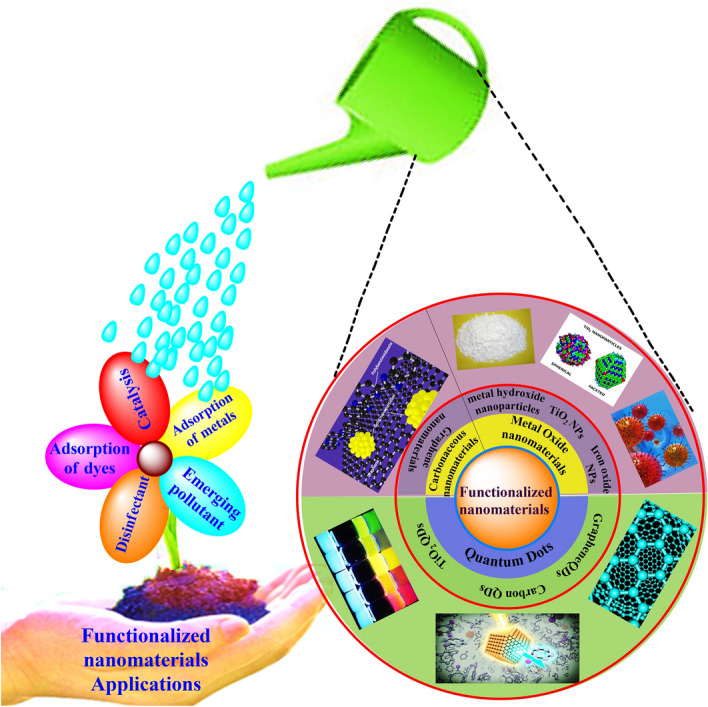
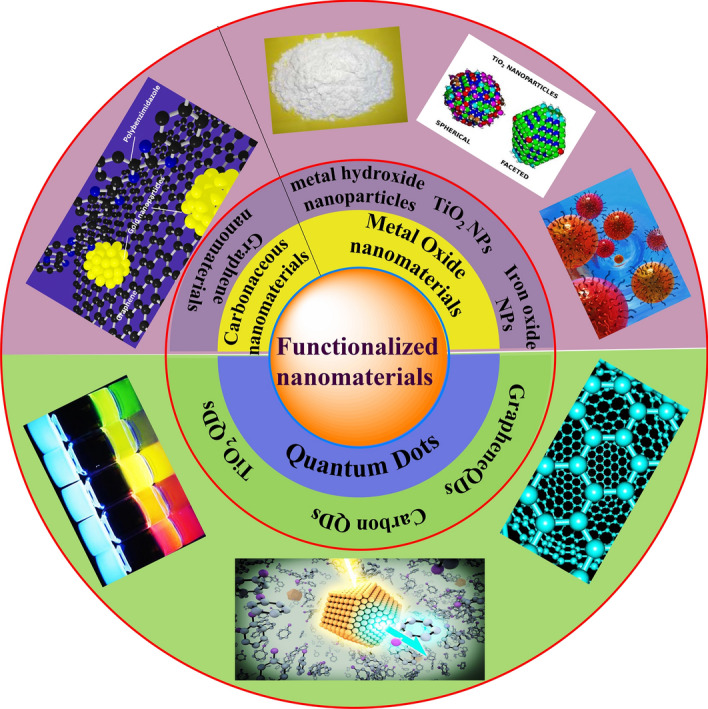
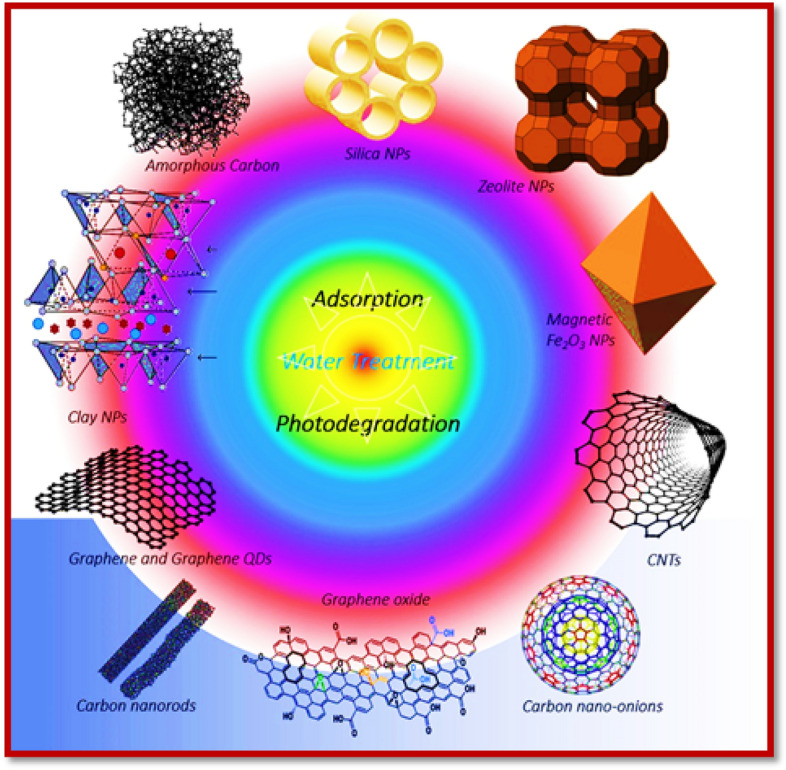
Nanotechnology has emerged as an extraordinary and rapidly developing discipline of science. It has remolded the fate of the whole world by providing diverse horizons in different fields. Nanomaterials are appealing because of their incredibly small size and large surface area. Apart from the naturally occurring nanomaterials, synthetic nanomaterials are being prepared on large scales with different sizes and properties. Such nanomaterials are being utilized as an innovative and green approach in multiple fields. To expand the applications and enhance the properties of the nanomaterials, their functionalization and engineering are being performed on a massive scale. The functionalization helps to add to the existing useful properties of the nanomaterials, hence broadening the scope of their utilization. A large class of covalent and non-covalent functionalized nanomaterials (FNMs) including carbons, metal oxides, quantum dots, and composites of these materials with other organic or inorganic materials are being synthesized and used for environmental remediation applications including wastewater treatment. This review summarizes recent advances in the synthesis, reporting techniques, and applications of FNMs in adsorptive and photocatalytic removal of pollutants from wastewater. Future prospects are also examined, along with suggestions for attaining massive benefits in the areas of FNMs.
Overview
The claims and statistics of this paper haven’t been checked yet.
Run the check — free, no account needed. It reads the open-access text and checks the sources it cites.
Integrity signals
Registry
Cites
Statistics
Figures
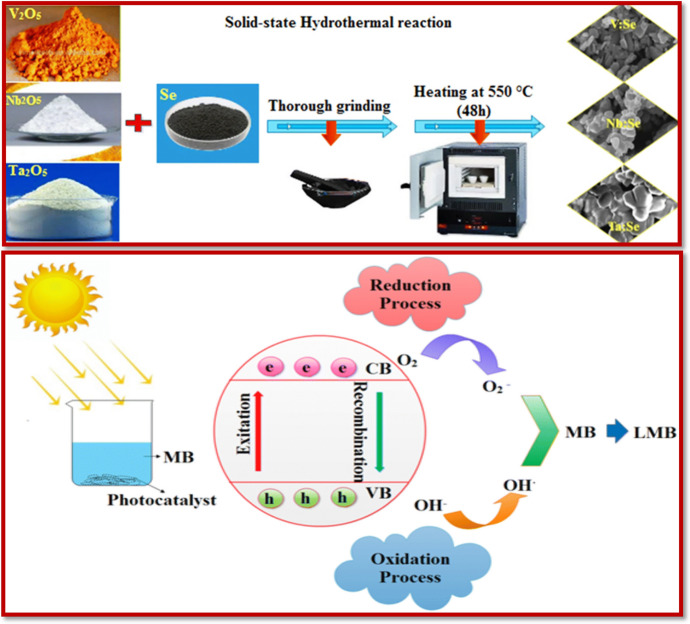
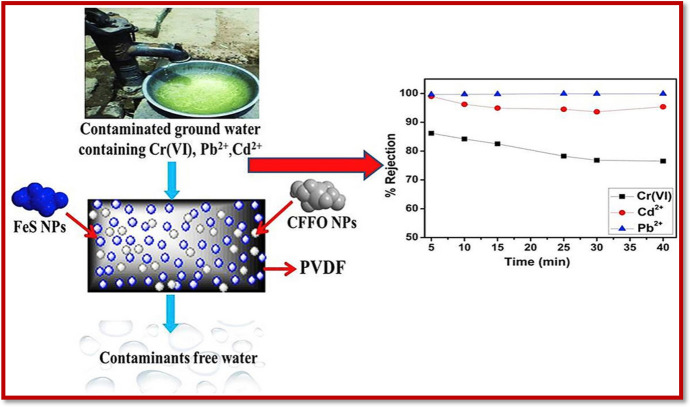
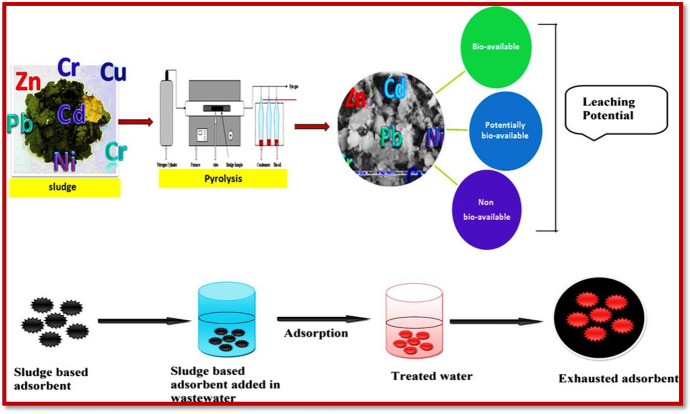
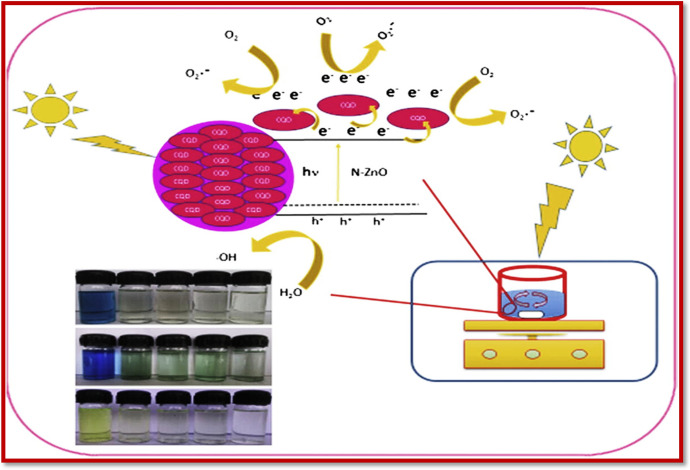
Verification
Claims the paper makes
The claims and statistics of this paper haven’t been checked yet.
Run the check — free, no account needed. It reads the open-access text and checks the sources it cites.
Claims other papers make about this one
Each is checked against this paper’s own text: does it say what the citing paper says it does?
The source backs part of the claim, not all of it — or backs it for a different population, condition or comparison.
In the citing paper
“Functional groups such as carboxyl (–COOH), amino (–NH2), hydroxyl (–OH), and thiol (–SH) can form strong coordinate or covalent bonds with heavy metal ions, producing stable inner-sphere complexes that enhance adsorption selectivity and capacity.”
From Emerging nanotechnology approaches for sustainable water treatment and heavy metals removal: a comprehensive review (2025) · cites this paper as [63]
Experimental — accuracy not yet measuredThe cited source says what the claim attributes to it.
In the citing paper
“Furthermore, surface functionalization strategies significantly increase the density and accessibility of active sites while improving structural stability and regeneration potential.63,64”
From Emerging nanotechnology approaches for sustainable water treatment and heavy metals removal: a comprehensive review (2025) · cites this paper as [63]
Self-check
Percentages, sums and reported differences re-computed from the paper’s own numbers.
The self-check needs the paper’s full text.
Citations
Cites
2 retracted
Tahir, M. B., Kiran, H., & Iqbal, T. (2019) · Environmental Science and Pollution Research · doi:10.1007/s11356-019-04547-x · Cited by 161
RetractedFakhri, A., Azad, M., & Tahami, S. (2017) · Journal of Materials Science Materials in Electronics · doi:10.1007/s10854-017-7550-x · Cited by 31
RetractedAdvantages and disadvantages of techniques used for wastewater treatment
Crini, G., & Lichtfouse, E. (2019) · Environmental Chemistry Letters · doi:10.1007/s10311-018-0785-9 · Cited by 2,971
Energy storage: The future enabled by nanomaterials
Pomerantseva, E., Bonaccorso, F., Feng, X., Cui, Y., & Gogotsi, Y. (2019) · Science · doi:10.1126/science.aan8285 · Cited by 1,927
Heavy metals in food crops: health risks, fate, mechanisms, and management
Rai, P. K., Lee, S. S., Zhang, M., Tsang, Y. F., & Kim, K.-H. (2019) · Environment International · doi:10.1016/j.envint.2019.01.067 · Cited by 1,895
The use of zero-valent iron for groundwater remediation and wastewater treatment: A review
Fu, F., Dionysiou, D. D., & Liu, H. (2014) · Journal of Hazardous Materials · doi:10.1016/j.jhazmat.2013.12.062 · Cited by 1,643
Silicon‐Based Nanomaterials for Lithium‐Ion Batteries: A Review
Su, X., Wu, Q., Li, J., Xiao, X., Lott, A., Lu, W., Sheldon, B. W., & Wu, J. (2013) · Advanced Energy Materials · doi:10.1002/aenm.201300882 · Cited by 1,612
Synthesis, characterization, applications, and challenges of iron oxide nanoparticles
Ali, A., Zafar, H., Zia, M., ul Haq, I., Phull, A. R., Ali, J. S., & Hussain, A. (2016) · Nanotechnology, Science and Applications · doi:10.2147/nsa.s99986 · Cited by 1,591
Conventional and non-conventional adsorbents for wastewater treatment
Crini, G., Lichtfouse, E. A., Wilson, L. D., & Morin‐Crini, N. (2018) · Environmental Chemistry Letters · doi:10.1007/s10311-018-0786-8 · Cited by 1,144
Ahmad, A., Mohd-Setapar, S. H., Chuong, C. S., Khatoon, A., Wani, W. A., Kumar, R., & Rafatullah, M. (2015) · RSC Advances · doi:10.1039/c4ra16959j · Cited by 1,112
Research works printed but not linked: 47
- Syam Babu D, Anantha Singh TS, Nidheesh PV, Suresh Kumar M (2019) Industrial wastewater treatment by electrocoagulation process. Sep Sci Technol 20:1–33
- Goli A, Shamiri A, Khosroyar S, Talaiekhozani A, Sanaye R, Azizi K (2019) A review on different aerobic and anaerobic treatment methods in dairy industry wastewater. J Environ Treat Tech 6(1):113–141
- Akpor OB, Ohiobor GO, Olaolu DT (2014) Heavy metal pollutants in wastewater effluents: sources, effects and remediation. Adv Biosci Bioeng 2(4):37–43
- Soni R, Bhatnagar A, Vivek R, Singh R, Chaturvedi TP, Singh A (2012) A systematic review on mercury toxicity from dental amalgam fillings and its management strategies. J Sci Res 56:81–92
- Patneedi CB, Prasadu KD (2015) Impact of pharmaceutical wastes on human life and environment. Rasayan J Chem 8(1):67–70
- Shahmoradi MH, Zade BA, Torabian A, Salehi MS (2015) Removal of nitrate from ground water using activated carbon prepared from rice husk and sludge of paper industry wastewater treatment. ARPN J Eng Appl Sci 10(17):7856–7863
- Bolade OP, Williams AB, Benson NU (2020) Green synthesis of iron-based nanomaterials for environmental remediation: a review. Environ Nanotechnol Monit Manage 13:100279
- Agarwal P, Gupta R, Agarwal N (2019) Advances in synthesis and applications of microalgal nanoparticles for wastewater treatment. J Nanotechnol 20:20
- Khieu DQ, Dinh NT, Mau TX, Mai HD (2019) Synthesis and application of novel hybrid nanomaterials in catalysis, adsorption, and electrochemistry. Adv Mater Sci Eng 20:19
- Chaudhary S, Sharma P, Chauhan P, Kumar R, Umar A (2019) Functionalized nanomaterials: a new avenue for mitigating environmental problems. Int J Environ Sci Technol 20:1–28
- Xue X, Chen R, Yan C, Zhao P, Hu Y, Zhang W, Jin Z (2019) Review on photocatalytic and electrocatalytic artificial nitrogen fixation for ammonia synthesis at mild conditions: advances, challenges and perspectives. Nano Res 20:1–21
- Haldorai Y, Shim JJ (2013) Multifunctional chitosan-copper oxide hybrid material: photocatalytic and antibacterial activities. Int J Photoenergy 20:13
- Varma KS, Tayade RJ, Shah KJ, Joshi PA, Shukla AD, Gandhi VG (2020) Photocatalytic degradation of pharmaceutical and pesticide compounds (PPCs) using doped TiO2 nanomaterials: a review. Water-Energy Nexus 20:20
- Shoukat R, Khan MI (2021) Carbon nanotubes: a review on properties, synthesis methods and applications in micro and nanotechnology. Microsyst Technol 20:1–10
- Alkahlawy A, El-Salamony R, Gobara HM (2021) Photocatalytic degradation of congo red dye via multi-walled carbon nanotubes modified CuO and ZnO nanoparticles under visible light irradiation. Egypt J Chem 64(3):10–11
- El-Salamony RA (2016) Advances in photo-catalytic materials for environmental applications. Res Rev J Mat Sci 4(2):26–50
- Bin-Dahman OA, Saleh TA (2020) Synthesis of carbon nanotubes grafted with PEG and its efficiency for the removal of phenol from industrial wastewater. Environ Nanotechnol Monit Manage 13:100286
- Akl MA, Abou-Elanwar AM (2015) Adsorption studies of cd (II) from water by acid modified multiwalled carbon nanotubes. J Nanomed Nanotechnol 6(6):1
- Zhou S, Shao Y, Gao N, Deng J, Tan C (2013) Equilibrium, kinetic, and thermodynamic studies on the adsorption of triclosan onto multi-walled carbon nanotubes. Clean: Soil, Air, Water 41(6):539–547
- Bazrafshan E, Mostafapour FK, Hosseini AR, Raksh Khorshid A, Mahvi AH (2013) Decolorisation of reactive red 120 dye by using single-walled carbon nanotubes in aqueous solutions. J Chem 20:13
- Balarak D, Mahdavi Y, Maleki A, Daraei H, Sadeghi S (2016) Studies on the removal of amoxicillin by single walled carbon nanotubes. J Pharm Res Int 20:1–9
- Rodrigues TM, Kavashima L, Adas EG, Antoniassi B, Chaves MR (2016) Adsorption of rhodamine B from aqueous effluents on graphite from spent lithium-ion battery anode. Int J Res Eng Sci 4:27–36
- Tantubay K, Das P, Baskey M (2020) Ternary reduced graphene oxide–CuO/ZnO nanocomposite as a recyclable catalyst with enhanced reducing capability. J Environ Chem Eng 103:818
- Salawudeen AO, Tawabini BS, Al-Shaibani AM, Saleh TA (2020) Poly (2-hydroxyethyl methacrylate) grafted graphene oxide for cadmium removal from water with interaction mechanisms. Environ Nanotechnol Monit Manage 100:288
- Zong P, Cheng Y, Wang S, Wang L (2020) Simultaneous removal of Cd (II) and phenol pollutions through magnetic graphene oxide nanocomposites coated polyaniline using low temperature plasma technique. Int J Hydrog Energy 20:20
- Ulucan-Altuntas K, Debik E, Ustundag CB, Guven MD, Gocen KA (2020) Effect of visible light on the removal of trichloromethane by graphene oxide. Diamond Relat Mater 10:7814
- Mahdavian L (2020) Efficiency evaluating of modified fullerene nanofiltration on removal of heavy metals from aqueous media. J Res Many-body Syst 10(2):85–95
- Katsumata KI, Matsushita N, Okada K (2012) Preparation of TiO2-fullerene composites and their photocatalytic activity under visible light. Int J Photoenergy 20:12
- Adnan MAM, Phoon BL, Julkapli NM (2020) Mitigation of pollutants by chitosan/metallic oxide photocatalyst: a review. J Clean Prod 1:21190
- Kalra A, Gupta A (2020) Recent advances in decolourization of dyes using iron nanoparticles: a mini review. Mater Today Proc 20:20
- Ajormal F, Moradnia F, Taghavi Fardood S, Ramazani A (2020) Zinc ferrite nanoparticles in photo-degradation of dye: mini-review. J Chem Rev 20:20
- Cheng Z, Tan ALK, Tao Y, Shan D, Ting KE, Yin XJ (2012) Synthesis and characterization of iron oxide nanoparticles and applications in the removal of heavy metals from industrial wastewater. Int J Photoenergy 20:12
- Saad AHA, Azzam AM, El-Wakeel ST, Mostafa BB, Abd El-latif MB (2018) Removal of toxic metal ions from wastewater using ZnO@ Chitosan core-shell nanocomposite. Environ Nanotechnol Monit Manage 9:67–75
- Chen D, Cheng Y, Zhou N, Chen P, Wang Y, Li K, Wang L (2020) Photocatalytic degradation of organic pollutants using TiO2-based photocatalysts: a review. J Clean Prod 121:725
- Mohanta J, Dey B, Dey S (2020) Highly porous iron-zirconium binary oxide for efficient removal of congo red from water. Desalin Water Treat 20:20
- Debnath P, Mondal NK (2020) Effective removal of congo red dye from aqueous solution using biosynthesized zinc oxide nanoparticles. Environ Nanotechnol Monit Manage 20:100320
- Roya M, Mostafa F, Mohammad J (2020) Synthesis of ZnO-magnetic/ZSM-5 and its application for removal of Disperse Blue 56 from contaminated water. Chem Eng Process Process Intensification 20:107969
- Sayadi MH, Sobhani S, Hajiani M (2020) A potential natural solar light active photocatalyst using magnetic ZnFe2O4@ TiO2/Cu nanocomposite as a high performance and recyclable platform for degradation of naproxen from aqueous solution. J Clean Prod 20:122023
- Baig MM, Zulfiqar S, Yousuf MA, Touqeer M, Ullah S, Agboola P, Shakir I (2020) Structural and photocatalytic properties of new rare earth La3+ substituted MnFe2O4 ferrite nanoparticles. Ceram Int 20:20
- Parhizkar J, Habibi MH (2019) Investigation and comparison of cobalt ferrite composite nanoparticles with individual iron oxide and cobalt oxide nanoparticles in azo dyes removal. J Water Environ Nanotechnol 4(1):17–30
- Darroudi M, KhandaKhandan Nasab N, Salimizand H, Dehnad A (2019) Green synthesis and antibacterial activity of zinc selenide (ZnSe) nanoparticles. Nanomed J 6(4):258–262
- Altaf S, Ajaz H, Imran M, Ul-Hamid A, Naz M, Aqeel M, Ikram M (2020) Synthesis and characterization of binary selenides of transition metals to investigate its photocatalytic, antimicrobial and anticancer efficacy. Appl Nanosci 20:1–15
- Yang Z, Li H, Yang Q, Zhao J, Meng F, Feng Y, Shih K (2020) Amorphous molybdenum selenide intercalated magnetite as a recyclable trap for the effective sequestration of elemental mercury. J Mater Chem A 20:25
- Marcelo CR, Puiatti GA, Nascimento MA, Oliveira AF, Lopes RP (2018) Degradation of the Reactive Blue 4 dye in aqueous solution using zero-valent copper nanoparticles. J Nanomater 20:18
- Yang Y, Gai WZ, Zhou JG, Deng ZY (2020) Surface modified zero-valent aluminum for Cr (VI) removal at neutral pH. Chem Eng J 125:140
- Mishra AK (ed) (2017) Sol-gel based nanoceramic materials: preparation, properties and applications. Springer, Johannesburg, pp 1–297
- Sohail I, Bhatti IA, Ashar A, Sarim FM, Mohsin M, Naveed R, Nazir A (2020) Polyamidoamine (PAMAM) dendrimers synthesis, characterization and adsorptive removal of nickel ions from aqueous solution. J Market Res 9(1):498–506
Cited by
Sorted by citations
Hussein, E. B., Rasheed, F. A., Mohammed, A. S., & Kayani, K. F. (2025) · RSC Advances · doi:10.1039/d5ra06914a · Cited by 86
“63,64 The e ff ectiveness of adsorption depends on various parameters such as the surface area, pore structure, and functional groups of the adsorbent, as well as the physicochemical characteristics of the adsorbate.”
Metadata
- Authors
- Zhang, S., Malik, S., Ali, N., Khan, A., Bilal, M., & Rasool, K.
- Affiliations
- Huai'an University (CN)
- University of Peshawar (PK)
- Hamad bin Khalifa University (QA)
- Corresponding author
- Zhang, Shizhong
- Ali, Nisar
- Rasool, Kashif
- Venue
- Topics in Current Chemistry
- Published
- 2022-08-11
- Volume
- 380
- Issue
- 5
- Pages
- 44-44
- ISSN
- 2364-8961 (ISSN-L)
- 2365-0869
- PMC
- PMC9372017
- OpenAlex
- W4291020293
- Cited by
- 50
- References
- 673
- Citations by year
- 2026: 5 · 2025: 18 · 2024: 18 · 2023: 9
- FWCI
- 1.00
- Type
- journal article
- Language
- en
- Update notices
- correction (2022-09-02)
- Open access
- hybrid
- doi.org
- Locations
- Topics in Current Chemistry (publishedVersion, cc-by)
- PubMed Central (publishedVersion, cc-by)
- PubMed (publishedVersion)
- Figshare (submittedVersion, cc-by)
- Qatar National Library (cc-by)
- Funders
- Government of Jiangsu Province (SJCX20_1332)
- Qatar National Library
- Topics
- Physical Sciences › Environmental Science › Environmental Engineering › Environmental remediation with nanomaterials
- Physical Sciences › Environmental Science › Water Science and Technology › Adsorption and biosorption for pollutant removal
- Physical Sciences › Energy › Renewable Energy, Sustainability and the Environment › Advanced Photocatalysis Techniques
- Keywords
- functionalized nanomaterials, covalent functionalization, non-covalent functionalization, environmental remediation, wastewater treatment, pollutant adsorption, photocatalytic degradation, carbon nanomaterials, metal oxide nanomaterials, quantum dots, nanocomposites, nanomaterial synthesis
- MeSH terms
- Water Purification, Nanotechnology, Nanostructures, Environmental Restoration and Remediation, Wastewater
About these checks
Registry, retraction, Cites and statistics results are computed, not judged, with one exception: a printed reference that no index lists is read once by a model before it counts as a citation error. Claims are extracted by a model and kept only when their quote appears verbatim in the text; each cited source is then checked, with a model’s help, for whether it says what the claim relies on. Those verdicts can be wrong — read the claim’s quote and the cited source before relying on one.
Statistics and arithmetic are recomputed, not judged.
Confidence bands are shown only for fields calibrated on our annotated test set. None is calibrated yet, so no band is shown.
What counts as a claim ›How we measure confidence ›How we check this ›
Are you an author, or do you see a problem with this page? Request a review
