

A Systematic Review of Time and Resource Use Costs of Subcutaneous Versus Intravenous Administration of Oncology Biologics in a Hospital Setting
Open accessThe DOI matches its Crossref record; 110 of the 115 references it cites were found in a registry or an index; 32 of the 97 sources its claims cite were checked for support.
Abstract
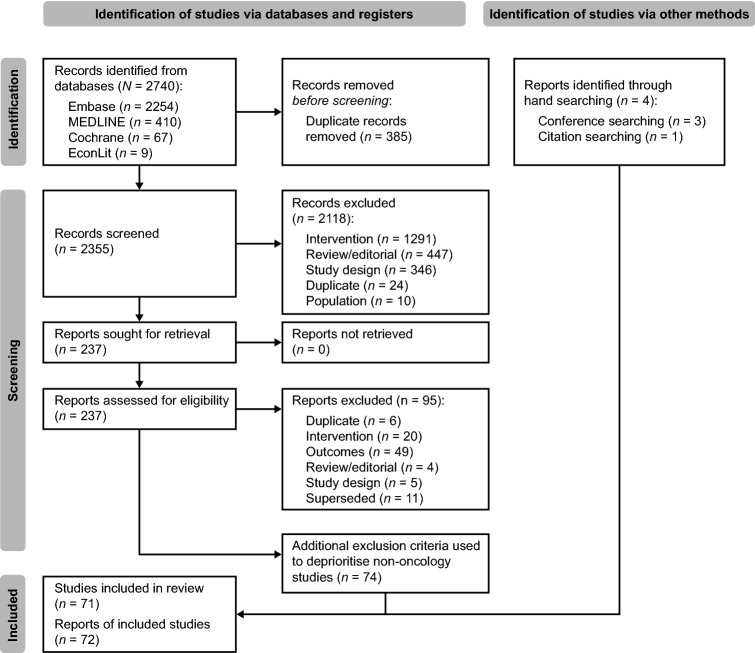
The introduction of human epidermal growth factor receptor 2 (HER2)-targeted treatment options, including dual HER2 blockade, has improved the prognosis for patients with HER2-positive breast cancer (BC) substantially. However, most of these treatments are administered via the intravenous (IV) route, which can present many challenges, such as long infusion and observation times, issues associated with repeated IV access, and increased strain on time and resources of medical centers and healthcare professionals. A fixed-dose combination of pertuzumab and trastuzumab for subcutaneous (SC) injection (pertuzumab, trastuzumab, and hyaluronidase-zzxf (PHESGO ® , F. Hoffmann-La Roche Ltd, Basel, Switzerland; PH FDC SC)) has been approved for use alongside chemotherapy for early-stage and metastatic HER2-positive BC. This systematic literature review was performed to identify evidence relating to time/resource use and resulting cost differences between SC and IV administration of oncology biologics in a hospital setting, and, ultimately, to inform economic modeling and associated health technology assessment of PH FDC SC. Electronic databases (Embase, MEDLINE, and EconLit) were searched on 9 April 2020. Additional hand searches were performed to identify publications not captured in the electronic database search. Publication screening and data extraction (study characteristics, participants, interventions, costs, and time/resource use) were carried out per the standard Cochrane review methodology. The quality of economic evidence of cost analyses was assessed using the 36-item checklist of the National Institute for Health and Care Excellence Single Technology Appraisal Specification for submission of evidence (January 2015). The database search identified 2,740 records, of which 237 underwent full text screening. Full text screening, prioritization of publications about patients with a cancer diagnosis, and the addition of four citations identified during the hand search resulted in 72 final included publications, relating to 71 unique studies. This included 40 publications that described the time/resource use and/or costs associated with SC versus IV trastuzumab administration for the treatment of HER2-positive BC, and 28 publications that described time/resource use and/or costs associated with rituximab SC versus IV administration for the treatment of non-Hodgkin’s lymphoma/follicular lymphoma and diffuse large B-cell lymphoma. The majority of publications showed substantial time savings for preparation and administration of SC versus IV therapy, and cost savings associated with reductions in healthcare professional time and resource use for SC administration. There was a lack of consensus between publications regarding time and cost measurements. In addition, the search was limited to publications related to anticancer drugs; the majority of the studies included were performed in European countries. This review indicated a substantial body of evidence showing time/resource and cost savings of SC versus IV administration of oncology biologics in a hospital setting, which can be used to inform economic evaluations of PH FDC SC.
Overview
CoChat Summary
TL;DR
This systematic review found that subcutaneous (SC) administration of oncology biologics in hospital settings is generally associated with substantial time/resource and cost savings versus intravenous (IV) administration. The evidence was intended to inform economic modeling and health technology assessment of the fixed-dose combination of pertuzumab and trastuzumab for SC injection (PH FDC SC).
Key findings
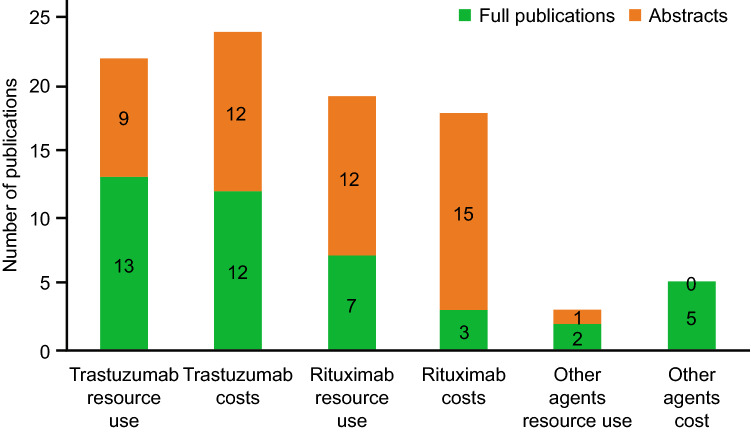
- The search identified 2,740 records; after full-text screening and hand searching, 72 publications relating to 71 unique studies were included, comprising 40 publications on SC versus IV trastuzumab in HER2-positive breast cancer and 28 on SC versus IV rituximab in NHL/FL or DLBCL.
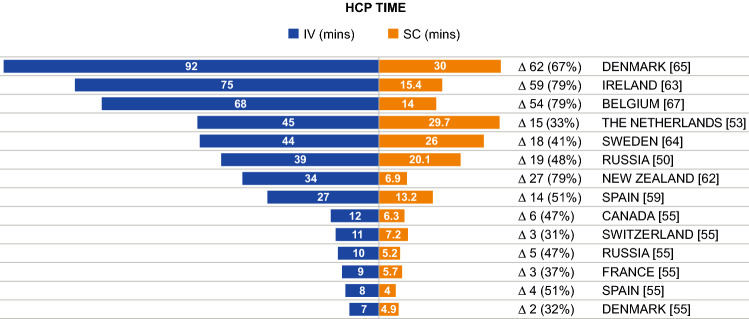
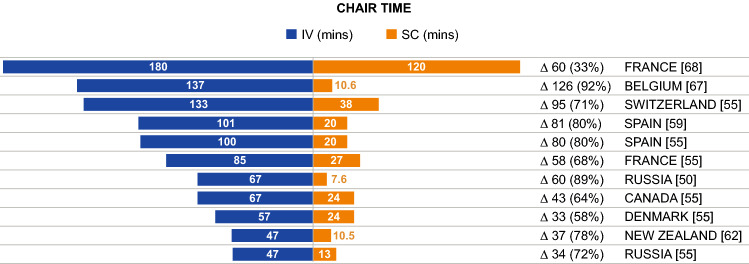
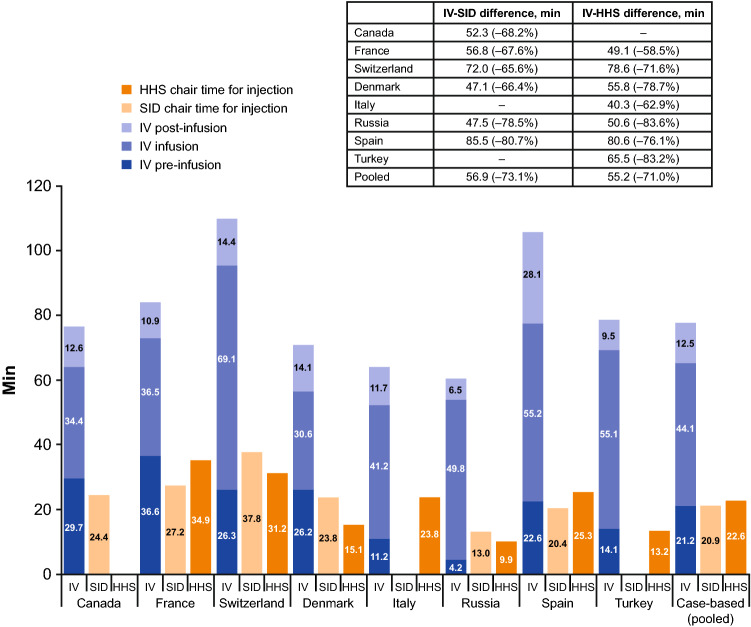
- Most publications showed substantial time savings for SC versus IV therapy: trastuzumab preparation required 14–21 min IV versus 0–11 min SC; administration was 90/30 min IV for loading/subsequent doses versus 5–10 min SC; active HCP time was 13–92 min IV versus 7–30 min SC; and chair time was 47–180 min IV versus 8–120 min SC.
- Cost savings with SC versus IV trastuzumab were reported in all but one cost publication; in seven publications, direct costs for SC were approximately 1.3–6% lower, with one Russian study reporting a 12.6% decrease and one UK study reporting a 2.8-fold decrease.
- For rituximab, chair/infusion time was considerably shorter with SC versus IV in all reporting publications, ranging from 150–262 min IV (one study reported 372 min) to 6–11 min SC, with time saved ranging from 1 h 45 min to 3 h 26 min.
Methods
- Systematic literature review searched Embase, MEDLINE, and EconLit via Ovid on 9 April 2020, with additional hand searches; screening and data extraction followed standard Cochrane review methodology with double independent screening and verification.
- Eligibility included studies comparing IV- versus SC-administered interventions and reporting costs or time/resource use; after broad screening, the review was restricted to anticancer drugs, prioritizing patients with a cancer diagnosis.
- Quality of economic evidence in cost analyses was assessed using the 36-item National Institute for Health and Care Excellence Single Technology Appraisal checklist, adapted from Drummond and Jefferson; time/resource and cost limitations were assessed using an adapted Drummond/Molinier approach.
Limitations
- Stated in the paper: there was a lack of consensus between publications regarding time and cost measurements; the search was limited to publications related to anticancer drugs; and the majority of included studies were performed in European countries.
- Stated in the paper: drug costs of the treatments administered were not considered, and the focus was on hospital administration only.
- Evident from the text: many included publications were congress abstracts with limited detail, study designs and reporting of data collection/analysis were inconsistent, and the wide range of study designs and paucity of studies reporting individual outcomes prevented categorizing studies by risk.
Model-written summary. Check it against the paper before relying on it.
Integrity signals
Registry
Cites
Statistics
Figures
Verification
Claims the paper makes
14 Valid · 1 Not valid · 27 Not checked · 52 Own results and interpretations
The cited sources support only part of this claim — read each source’s verdict below.
In the paper
“Based on direct measurements, active HCP time was 13–92 min (IV) versus 7–30 min (SC); a difference of 6–62 min [50, 53, 59, 62–65, 67].”
§ A Systematic Review of Time and Resource Use Costs of Subcutaneous Versus Intravenous Administration of Oncology Biologics in a Hospital Setting > Results > Time/Resource Use With IV Versus SC Administration of Trastuzumab
What the sources say
- Partly supportedcites [50] De Cock E, Pan YI, Tao S, Baidin P. Time savings with transtuzumab subcutaneous (SC) injection verse trastuzumab intravenous (IV) infusion: A time and motion study in 3 Russian centers. Value Health. 2014;17(7):Abstract PCN221. 27202361 sourceExperimental — accuracy not yet measured
Our copy of De Cock et al. (PCN221 abstract) does describe direct observation of active HCP time ('trained observers recorded ... durations that HCPs were actively completing the tasks'), so the 'based on direct measurements' framing and the IV-versus-SC comparison of active HCP time are supported. However, the numbers the claim attributes are not this study's: it reports mean active HCP time of 38.7 min (IV) vs 20.1 min (SC), a mean reduction of 18.6 min (-48%) with a centre range of 8.6-31.1 min, and chair time of 67.1 min vs 7.6 min (centre range 29.8-97.3 min). The claimed ranges of 13-92 min (IV), 7-30 min (SC) and a 6-62 min difference appear nowhere in our copy; this study's values merely fall inside them, so the range endpoints must come from the other co-cited references rather than from this source. (LLM, conf=0.72)
- Partly supportedcites [53] Franken MG Kanters TA Coenen JL de Jong P Koene HR Lugtenburg PJ Potential cost savings owing to the route of administration of oncology drugs: a microcosting study of intravenous and subcutaneous administration of trastuzumab and rituximab in the Netherlands Anticancer Drugs 2018 29 8 791 801 10.1097/CAD.0000000000000648 29846248 sourceExperimental — accuracy not yet measured
Our copy confirms the qualitative core of the claim: Franken et al. measured time directly ('following the patient' concise form and 'following the nurse' detailed form with stopwatch timings, Data collection) and report shorter active healthcare-professional time for SC than IV trastuzumab (Results, 'Time and resource use…': active HCP time 15.7 min shorter overall, 18.3 min reduction for trastuzumab; Table 5: active nurse/HCP time 35.9 min IV vs 30.9 min SC for trastuzumab, 42.4 vs 32.6 min for rituximab). But the specific ranges attributed – 13–92 min (IV) versus 7–30 min (SC), difference 6–62 min – are nowhere stated in our copy; the paper reports single mean (SD) values per drug, not ranges. Moreover its SC values (30.9 min trastuzumab, 32.6 min rituximab) sit above the claimed 7–30 min SC upper bound, and its uncorrected trastuzumab difference (5.1 min, Table 5) falls below the claimed 6–62 min range, so those bounds cannot be credited to this source. (LLM, conf=0.72)
- Partly supportedcites [59] Lopez-Vivanco G Salvador J Diez R López D De Salas-Cansado M Navarro B Cost minimization analysis of treatment with intravenous or subcutaneous trastuzumab in patients with HER2-positive breast cancer in Spain Clin Transl Oncol 2017 19 12 1454 1461 10.1007/s12094-017-1684-4 28577152 PMC5700215 sourceExperimental — accuracy not yet measured
Our copy confirms the qualitative core of the attribution: this is a stopwatch-based time-and-motion study (Methods > T&M study methodology) in which active HCP time was directly measured and was lower for SC than IV — 13.2 min (95% CI 8.9–17.5) for SC vs 27.2 min (95% CI 21.8–32.6) for IV, with absolute per-center reductions of 3.6–22.7 min (Results > 'Health professional time in the activities observed'). Those point values fall inside the claim's ranges, but the paper nowhere states the ranges 13–92 min (IV), 7–30 min (SC) or a 6–62 min difference; its own extremes (max IV mean 27.2 min, max absolute difference 22.7 min) are far short of the claimed endpoints of 92 and 62 min, which must come from the other references pooled in that sentence. The per-center values behind Fig. 2 are not tabulated in our copy, so no endpoint here can be sourced to this paper. (LLM, conf=0.75)
plain- Asserted: passes — The authors put it forward as true.
- Checkable: passes — It can be checked against evidence.
- Load-bearing: passes — The paper’s conclusions depend on it.
- Based: passes — The paper gives a reason why it holds.
- Partly supported
The cited sources support only part of this claim — read each source’s verdict below.
In the paper
“The time difference between SC and IV was 3–14 min per preparation [25, 49, 51, 53, 62, 66, 68].”
§ A Systematic Review of Time and Resource Use Costs of Subcutaneous Versus Intravenous Administration of Oncology Biologics in a Hospital Setting > Results > Time/Resource Use With IV Versus SC Administration of Trastuzumab
What the sources say
- Partly supportedcites [25] De Cock E Pivot X Hauser N Verma S Kritikou P Millar D A time and motion study of subcutaneous versus intravenous trastuzumab in patients with HER2-positive early breast cancer Cancer Med 2016 5 3 389 397 10.1002/cam4.573 26806010 PMC4799946 sourceExperimental — accuracy not yet measured
Table 4 (Results > Patient chair time; page unavailable) reports mean drug-preparation times of 13.9 minutes for IV and 7.6 or 5.0 minutes for the two SC methods—differences of 6.3 and 8.9 minutes per session. These fall within the cited 3–14-minute range, but this paper does not establish that range for preparation time. (LLM, conf=0.84)
- Not checked yetcites [49] Blein C, bernard Marty C, Priou V, Borg MC, mouret-Reynier M, Lebozec G, et al. A multicentric evaluation of consumables and transports cost of breast cancer patient’s treated by trastuzumab according to the administration form (IV versus SC). Value Health. 2018;21(Suppl 3):Abstract PCN95. source
- Partly supportedcites [51] Farolfi A Silimbani P Gallegati D Petracci E Schirone A Altini M Resource utilization and cost saving analysis of subcutaneous versus intravenous trastuzumab in early breast cancer patients Oncotarget 2017 8 46 81343 81349 10.18632/oncotarget.18527 29113393 PMC5655288 sourceExperimental — accuracy not yet measured
The Results (Indirect costs, Table 3) give unit preparation times of 844 seconds for IV and 641 seconds for SC trastuzumab, a difference of 203 seconds (about 3.4 minutes). This supports the lower end of the cited 3–14-minute range, but this paper does not report a 14-minute difference per preparation. (LLM, conf=0.88)
plain- Asserted: passes — The authors put it forward as true.
- Checkable: passes — It can be checked against evidence.
- Load-bearing: passes — The paper’s conclusions depend on it.
- Based: passes — The paper gives a reason why it holds.
- Partly supported
None of the sources cited for this claim have been checked yet.
In the paper
“and 32–107 min in the three publications in which loading/subsequent doses were not specified [49, 53, 62].”
§ A Systematic Review of Time and Resource Use Costs of Subcutaneous Versus Intravenous Administration of Oncology Biologics in a Hospital Setting > Results > Time/Resource Use With IV Versus SC Administration of Trastuzumab
What the sources say
- Not checked yetcites [49] Blein C, bernard Marty C, Priou V, Borg MC, mouret-Reynier M, Lebozec G, et al. A multicentric evaluation of consumables and transports cost of breast cancer patient’s treated by trastuzumab according to the administration form (IV versus SC). Value Health. 2018;21(Suppl 3):Abstract PCN95. source
- Could not verifycites [53] Franken MG Kanters TA Coenen JL de Jong P Koene HR Lugtenburg PJ Potential cost savings owing to the route of administration of oncology drugs: a microcosting study of intravenous and subcutaneous administration of trastuzumab and rituximab in the Netherlands Anticancer Drugs 2018 29 8 791 801 10.1097/CAD.0000000000000648 29846248 sourceExperimental — accuracy not yet measured
Our copy of Franken et al. (2018) nowhere reports an absolute administration-time difference of 32–107 min for IV vs SC trastuzumab, nor groups prior publications by whether they specified loading versus subsequent doses (searched: loading/subsequent dose, 32–107 min, absolute time savings in minutes, other studies' infusion durations). The Discussion's comparison with other studies is expressed only in percentages — 'a reduction between 68 and 78% for patient chair time [15,[17][18][19][20]29] and a reduction between 32 and 47% for time of healthcare professionals' — and the only minute figures are this study's own results (Results/Table 5: 61.8 min chair-time reduction for trastuzumab, 18.3 min healthcare-professional time). So the claim's point is not addressed by our copy, and nothing in it is contrary to it. (LLM, conf=0.65)
- Not checked yetcites [62] North RT Harvey VJ Cox LC Ryan SN Medical resource utilization for administration of trastuzumab in a New Zealand oncology outpatient setting: a time and motion study Clinicoecon Outcomes Res. 2015 7 423 430 26251623 PMC4524269
plain- Asserted: passes — The authors put it forward as true.
- Checkable: passes — It can be checked against evidence.
- Load-bearing: unclear — It is unclear whether the paper’s conclusions depend on it.
- Based: passes — The paper gives a reason why it holds.
The cited sources support only part of this claim — read each source’s verdict below.
In the paper
“the safety and efficacy profiles for SC trastuzumab in combination with IV pertuzumab and docetaxel as a first-line treatment for patients with HER2-positive MBC in the MetaPHER study (NCT02402712) was found to be consistent with those observed for IV trastuzumab in combination with IV pertuzumab and docetaxel in the CLEOPATRA study (NCT00567190) [21, 35–38].”
§ A Systematic Review of Time and Resource Use Costs of Subcutaneous Versus Intravenous Administration of Oncology Biologics in a Hospital Setting > Introduction
What the sources say
- Not checked yetcites [21] Swain SM Miles D Kim SB Im YH Im SA Semiglazov V Pertuzumab, trastuzumab, and docetaxel for HER2-positive metastatic breast cancer (CLEOPATRA): End-of-study results from a double-blind, randomised, placebo-controlled, phase 3 study Lancet Oncol 2020 21 519 530 10.1016/S1470-2045(19)30863-0 32171426 source
- Supportedcites [35] Kümmel S Tondini CA Abraham J Nowecki Z Itrych B Hitre E Subcutaneous trastuzumab with pertuzumab and docetaxel in HER2-positive metastatic breast cancer: Final analysis of MetaPHER, a phase IIIb single-arm safety study Breast Can Res Treat. 2021 187 2 467 476 10.1007/s10549-021-06145-3 PMC8189949 33748921 source
The Discussion states that the safety profile of first-line subcutaneous trastuzumab, intravenous pertuzumab, and docetaxel in MetaPHER was consistent with CLEOPATRA’s intravenous-trastuzumab regimen. It also reports similar progression-free survival and objective response rates, while noting that MetaPHER’s efficacy findings were exploratory. (LLM, conf=0.95)
- Partly supportedcites [36] Baselga J Cortés J Kim SB Im SA Hegg R Im YH Pertuzumab plus trastuzumab plus docetaxel for metastatic breast cancer N Engl J Med 2012 366 2 109 119 10.1056/NEJMoa1113216 22149875 PMC5705202 sourceExperimental — accuracy not yet measured
The Methods (Procedures) state that all CLEOPATRA drugs were administered intravenously, and the Abstract (Results) reports efficacy and safety outcomes for the pertuzumab–trastuzumab–docetaxel group. This paper provides the CLEOPATRA comparator, but it does not assess MetaPHER or establish that the two studies’ profiles were consistent. (LLM, conf=0.88)
- Supportedcites [37] Swain SM Kim S-B Cortés J Ro J Semiglazov V Campone M Pertuzumab, trastuzumab, and docetaxel for HER2-positive metastatic breast cancer (CLEOPATRA study): overall survival results from a randomised, double-blind, placebo-controlled, phase 3 study Lancet Oncol 2013 14 6 461 471 10.1016/S1470-2045(13)70130-X 23602601 PMC4076842 source
The Methods (Study design; page not available in our copy) identify CLEOPATRA as a first-line trial of pertuzumab, trastuzumab, and docetaxel in HER2-positive metastatic breast cancer, with efficacy and safety endpoints. The Results report survival and adverse-event findings, supporting its use as the CLEOPATRA comparator in this multi-citation sentence. (LLM, conf=0.88)
- Supportedcites [38] Swain SM Baselga J Kim SB Ro J Semiglazov V Campone M Pertuzumab, trastuzumab, and docetaxel in HER2-positive metastatic breast cancer N Engl J Med 2015 372 8 724 734 10.1056/NEJMoa1413513 25693012 PMC5584549 source
The Methods (Study Procedures) state that CLEOPATRA administered pertuzumab, trastuzumab, and docetaxel intravenously. The Discussion reports efficacy and cardiac-safety findings for this first-line regimen in HER2-positive metastatic breast cancer. This paper supports the CLEOPATRA profile used as the comparison; the sentence cites multiple sources for the broader MetaPHER comparison. (LLM, conf=0.88)
plain- Asserted: passes — The authors put it forward as true.
- Checkable: passes — It can be checked against evidence.
- Load-bearing: unclear — It is unclear whether the paper’s conclusions depend on it.
- Based: passes — The paper gives a reason why it holds.
The cited sources support only part of this claim — read each source’s verdict below.
In the paper
“the increasing use of IV administered agents in oncology has placed a strain on medical centers and healthcare professionals (HCPs) with respect to the time and resources required to prepare and administer infusions [25, 29].”
§ A Systematic Review of Time and Resource Use Costs of Subcutaneous Versus Intravenous Administration of Oncology Biologics in a Hospital Setting > Introduction
What the sources say
- Partly supportedcites [25] De Cock E Pivot X Hauser N Verma S Kritikou P Millar D A time and motion study of subcutaneous versus intravenous trastuzumab in patients with HER2-positive early breast cancer Cancer Med 2016 5 3 389 397 10.1002/cam4.573 26806010 PMC4799946 sourceExperimental — accuracy not yet measured
The Results (Active HCP time; page unavailable) show that preparing and administering IV trastuzumab takes substantial staff time, and the Discussion links shorter administration to greater capacity in day oncology units. The paper studies trastuzumab, however; it does not establish that increasing use of IV agents across oncology has placed growing strain on centers or staff. (LLM, conf=0.86)
- Not checked yetcites [29] De Cock E, Semiglazov V, Lopez-Vivanco G, Verma S, Pivot X, Gligorov J, et al. Time savings with trastuzumab subcutaneous vs. intravenous administration: a time and motion study. In: Poster presentation at the 13th St Gallen International Breast Cancer Conference; 13–16 March 2013. Abstract XXX; St Gallen.
plainstates a cause- Asserted: passes — The authors put it forward as true.
- Checkable: passes — It can be checked against evidence.
- Load-bearing: passes — The paper’s conclusions depend on it.
- Based: passes — The paper gives a reason why it holds.
- Partly supported
40 more claims · 7 with their cited sources checked
Create a free account to see all 94 claims and to verify the 65 references still open.
- It may state two separate claims as one. 34
- Probably not a substantial claim. 23
Self-check
Percentages, sums and reported differences re-computed from the paper’s own numbers.
Each contradiction between two passages listed here was confirmed by an independent check.
Rated major: it would touch a result — a value a result rests on, reported and recomputed p-values on opposite sides of the significance level, two passages that conflict with no sign which is right, or a cited work retracted before this paper was published.
In the paper
§ A Systematic Review of Time and Resource Use Costs of Subcutaneous Versus Intravenous Administration of Oncology Biologics in a Hospital Setting > Results > Other Publications
“reported significantly (p < 0.0001) lower direct costs per patient for high-dose SC interferon-alpha compared with continuous IV interleukin-2 administration”
§ A Systematic Review of Time and Resource Use Costs of Subcutaneous Versus Intravenous Administration of Oncology Biologics in a Hospital Setting > Results > Characteristics of Included Studies
“Total direct cost/patientIFN-α SC, ¥105,345IL-2 IV, ¥95,656; p < 0.0001”
Rated minor: it would not touch a result — a value no result rests on, a p-value that stays on the same side of the significance level, or a conflict that is clerical, resolved elsewhere in the paper, or outside its own findings.
In the paper
§ A Systematic Review of Time and Resource Use Costs of Subcutaneous Versus Intravenous Administration of Oncology Biologics in a Hospital Setting > Results > Other Publications
“in patients with malignant myeloma [113]”
§ A Systematic Review of Time and Resource Use Costs of Subcutaneous Versus Intravenous Administration of Oncology Biologics in a Hospital Setting > Results > Characteristics of Included Studies
“Malignant melanoma (n = 250)1) INF-α SC2) Continuous IL-2 IV”
Rated minor: it would not touch a result — a value no result rests on, a p-value that stays on the same side of the significance level, or a conflict that is clerical, resolved elsewhere in the paper, or outside its own findings.
In the paper
§ A Systematic Review of Time and Resource Use Costs of Subcutaneous Versus Intravenous Administration of Oncology Biologics in a Hospital Setting > Results > Time/Resource Use With IV Versus SC Administration of Trastuzumab
“The PrefHer time-and-motion study reported chair time differences from nine countries”
§ A Systematic Review of Time and Resource Use Costs of Subcutaneous Versus Intravenous Administration of Oncology Biologics in a Hospital Setting > Results > Characteristics of Included Studies
“PrefHer, a multinational study conducted in eight countries (Canada, France, Switzerland, Denmark, Italy, Russia, Spain, and Turkey)”
Rated minor: it would not touch a result — a value no result rests on, a p-value that stays on the same side of the significance level, or a conflict that is clerical, resolved elsewhere in the paper, or outside its own findings.
In the paper
§ A Systematic Review of Time and Resource Use Costs of Subcutaneous Versus Intravenous Administration of Oncology Biologics in a Hospital Setting > Discussion > Interpretation of Results
“for both trastuzumab (cost saving of €22) and rituximab (cost saving of €28) [53]”
§ A Systematic Review of Time and Resource Use Costs of Subcutaneous Versus Intravenous Administration of Oncology Biologics in a Hospital Setting > Results > Characteristics of Included Studies
“Societal cost, €26 saving”
Rated minor: it would not touch a result — a value no result rests on, a p-value that stays on the same side of the significance level, or a conflict that is clerical, resolved elsewhere in the paper, or outside its own findings.
In the paper
§ A Systematic Review of Time and Resource Use Costs of Subcutaneous Versus Intravenous Administration of Oncology Biologics in a Hospital Setting > Results > Costs Associated with IV Versus SC Administration of Trastuzumab
“indirect costs were lower for patients who received SC versus IV trastuzumab [51, 59, 63, 64, 71]”
§ A Systematic Review of Time and Resource Use Costs of Subcutaneous Versus Intravenous Administration of Oncology Biologics in a Hospital Setting > Results > Characteristics of Included Studies
“1) IV trastuzumab2) SC trastuzumab | Direct costs, per treatment (18 doses) including indirect costs, US$83,309 versus US$77,068Per treatment (18 doses):Preparation, US$78,076 versus US$73,225Administration, US$3485 versus US$2005Aes, US$1574 versus US$1715Societal costs, per treatment (18 doses)Indirect costs, US$173 versus US$1216”
Citations
Cites
Methods for the Economic Evaluation of Health Care Programmes
Drummond, M. E., Sculpher, M. J., Torrance, G. W., O’Brien, B. J., & Stoddart, G. L. (2005) · doi:10.1093/oso/9780198529446.001.0001 · Cited by 13,648
Slamon, D. J., Leyland-Jones, B., Shak, S., Fuchs, H., Paton, V., Bajamonde, A., Fleming, T., Eiermann, W., Wolter, J., Pegram, M., et al. (2001) · New England Journal of Medicine · doi:10.1056/nejm200103153441101 · Cited by 11,500
Trastuzumab plus Adjuvant Chemotherapy for Operable HER2-Positive Breast Cancer
Romond, E. H., Perez, E. A., Bryant, J., Suman, V. J., Geyer, C. E., Davidson, N. E., Tan-Chiu, E., Martino, S., Paik, S., Kaufman, P. A., et al. (2005) · New England Journal of Medicine · doi:10.1056/nejmoa052122 · Cited by 5,356
Trastuzumab after Adjuvant Chemotherapy in HER2-Positive Breast Cancer
Piccart-Gebhart, M. J., Procter, M., Leyland-Jones, B., Goldhirsch, A., Untch, M., Smith, I., Gianni, L., Baselga, J., Bell, R., Jackisch, C., et al. (2005) · New England Journal of Medicine · doi:10.1056/nejmoa052306 · Cited by 5,084
Trastuzumab-Induced Hepatotoxicity: A Case Report
Vucicevic, D., Carey, E. J., & Karlin, N. J. (2013) · Breast Care · doi:10.1159/000346844 · Cited by 4,415
The National Comprehensive Cancer Network (NCCN).
Wood, E. H. (2004) · Journal of the Medical Library Association JMLA · Cited by 2,847
Primary breast cancer: ESMO Clinical Practice Guidelines for diagnosis, treatment and follow-up
Aebi, S., Davidson, T., Gruber, G., & Castiglione, M. (2010) · Annals of Oncology · doi:10.1093/annonc/mdq159 · Cited by 2,842
Adjuvant Trastuzumab in HER2-Positive Breast Cancer
Slamon, D., Eiermann, W., Robert, N., Pienkowski, T., Martin, M., Press, M., Mackey, J., Glaspy, J., Chan, A., Pawlicki, M., et al. (2011) · New England Journal of Medicine · doi:10.1056/nejmoa0910383 · Cited by 2,775
Trastuzumab Emtansine for Residual Invasive HER2-Positive Breast Cancer
von Minckwitz, G., Huang, C.-S., Mano, M. S., Loibl, S., Mamounas, E. P., Untch, M., Wolmark, N., Rastogi, P., Schneeweiss, A., Redondo, A., et al. (2019) · New England Journal of Medicine · doi:10.1056/nejmoa1814017 · Cited by 2,625
Pertuzumab plus Trastuzumab plus Docetaxel for Metastatic Breast Cancer
Baselga, J., Cortés, J., Kim, S.-B., Im, S.-A., Hegg, R., Im, Y.-H., Roman, L., Pedrini, J. L., Pienkowski, T., Knott, A., et al. (2012) · New England Journal of Medicine · doi:10.1056/nejmoa1113216 · Cited by 2,532
Research works printed but not linked: 6
- De Cock E, Semiglazov V, Lopez-Vivanco G, Verma S, Pivot X, Gligorov J, et al. Time savings with trastuzumab subcutaneous vs. intravenous administration: a time and motion study. In: Poster presentation at the 13th St Gallen International Breast Cancer Conference; 13–16 March 2013. Abstract XXX; St Gallen.
- De La Vega ZI Celia A Manuel P Agustín S Miguel C Economic impact of the introduction of subcutaneous trastuzumab in the pharmacotherapeutic guide Eur J Clin Pharm 2017 19 3 213 215
- Di Rocco A, Scerbo G, Ansuinelli M, al e. Efficacy, safety and cost analysis of subcutaneous vs intravenous rituximab in patients with diffuse large b-cell lymphoma treated with RCHOP. Haematologica. 2017;102:108.
- Irwin S, Rowntree C, Cosh H, Bloodworth C. Positive benefits of changing from intravenous rituximab administration to subcutaneous administration: a single centre experience. British Journal of Haematology. 2017;176:Abstract E1151.
- Annibali O Tomarchio V Becilli M Management, economic and social impact of sub-cutaneous rituximab administration in diffuse large b cell lymphoma (DLBCL) and follicular lymphoma Haematologica 2017 102 111
- Anderson KC Landgren O Arend RC Chou J Jacobs IA Humanistic and economic impact of subcutaneous versus intravenous administration of oncology biologics Fut Oncol. 2019 15 28 3267 3281 10.2217/fon-2019-0368 31394933 · DOI · Paper page
Cited by
Burotto, M., Zvirbule, Z., Mochalova, A., Runglodvatana, Y., Herraez-Baranda, L., Liu, S. N., Chan, P., Shearer-Kang, E., Liu, X., Tosti, N., et al. (2023) · Annals of Oncology · doi:10.1016/j.annonc.2023.05.009 · Cited by 56
Felip, E., Rojas, C. I., Schenker, M., Kowalski, D. M., Casarini, I. A., Csöszi, T., Şendur, M. A. N., Martins, J., Calles Blanco, A., Wang, C.-C., et al. (2025) · Annals of Oncology · doi:10.1016/j.annonc.2025.03.012 · Cited by 40
Self-citationBittner, B., & Schmidt, J. (2023) · BioDrugs · doi:10.1007/s40259-023-00626-1 · Cited by 39
“In 2022, a systematic literature review on time and resource use costs compared SC and IV administration for people with cancer, analyzing 72 relevant publications [29].”
BackgroundLandscape of Subcutaneous Administration Strategies for Monoclonal Antibodies in Oncology
Jacquot, G., Navarro, P. L., Grange, C., Boudali, L., Harlepp, S., Pivot, X. B., & Detappe, A. (2024) · Advanced Materials · doi:10.1002/adma.202406604 · Cited by 27
Mijangos, L. R. R., Harding, S. E., & Darton, N. J. (2025) · Biophysical Reviews · doi:10.1007/s12551-025-01346-2 · Cited by 27
“McCloskey et al. (2023) reported that the direct costs for SC administration were roughly 1–6% less than those linked to IV administration.”
Aguiar-Ibáñez, R., Fotheringham, I., Mittal, L., Sillah, A., & Pathak, S. (2024) · Advances in Therapy · doi:10.1007/s12325-024-02985-9 · Cited by 19
“Another systematic review of 71 studies published between 2012 and 2020 included patients who received oncology bio‑ logics in a hospital setting, assessing global data on cost as well as time and resource use [54].”
George, S., Bourlon, M. T., Overman, M. J., Dixon, M., Shelley, K., Markus, K. J., Kewley, R. M., Pope, S. I., & Albiges, L. K. (2025) · Cancer Treatment Reviews · doi:10.1016/j.ctrv.2025.102974 · Cited by 21
Burotto, M., Zvirbule, Z., Alvarez, R., Chewaskulyong, B., Herráez-Baranda, L. A., Shearer-Kang, E., Liu, X., Tosti, N., Williams, P. T., Sanchez, A. Y. C., et al. (2024) · Journal of Thoracic Oncology · doi:10.1016/j.jtho.2024.05.005 · Cited by 19
Quach, H., Parmar, G., Ocio, E. M., Prince, H. M., Oriol, A., Crowther, H. J., Tsukada, N., Bories, P., Madan, S., Nathwani, N., et al. (2024) · Haematologica · doi:10.3324/haematol.2023.284730 · Cited by 12
Quach, H., Parmar, G., Mateos, M., Ailawadhi, S., & Leleu, X. P. (2024) · Clinical Lymphoma Myeloma & Leukemia · doi:10.1016/j.clml.2024.02.004 · Cited by 11
Cohen, G. L., Coetzee, C., Walton, C. A., Reig, Ò., Cho, B. C., McAdam, G. L., Rojas, C. I., Rodríguez, L. M., Pápai, Z., Chan, S. W., et al. (2025) · European Journal of Cancer · doi:10.1016/j.ejca.2025.115709 · Cited by 13
Cost-Effective and Sustainable Drug Use in Hospitals: A Systematic and Practice-Based Approach
Zietse, M., van der Zeeuw, S. L., Gebbink, A.-S. K., de Vries, A. C., Crombag, M. B. S., van Leeuwen, R. W. F., & Hoedemakers, M. J. (2024) · Applied Health Economics and Health Policy · doi:10.1007/s40258-024-00937-6 · Cited by 11
Landeiro, L. C. G., Martins, T. D. C., Grigolon, R. B., Monteiro, I., Balardin, J. B., Padilha, E. O., Amorim, G. L. D. S., & Stefani, S. D. (2024) · Frontiers in Pharmacology · doi:10.3389/fphar.2024.1338546 · Cited by 7
Alexander, M., Cheng, Y., Lee, S.-H., Passaro, A., Spira, A. I., Cho, B. C., Lim, S. M., Ohe, Y., Nagrial, A. M., Tan, J. L., et al. (2025) · European Journal of Cancer · doi:10.1016/j.ejca.2025.115624 · Cited by 9
Gupta, A., Tregear, M., Pace, M. B., & Vogel, R. I. (2024) · JCO Oncology Practice · doi:10.1200/op-24-00501 · Cited by 8
Zambelli, A., Cazzaniga, M. E., Verde, N. M. L., Munzone, E., Antonazzo, I. C., Mantovani, L. G., Cosimo, S. D., Mancuso, A. M., Generali, D., & Cortesi, P. A. (2023) · The Breast · doi:10.1016/j.breast.2023.08.005 · Cited by 8
Fei, X., Pei, J., Yan, S., Ge, W., Li, L., Jianjun, Z., Zhang, H., Sun, L., Han, S., & Hu, L. (2025) · Journal of Pharmaceutical Sciences · doi:10.1016/j.xphs.2025.104026 · Cited by 7
Avello, N. S., Pajares, P. C., Cordero, P., Suzan, F., & Barlas, C. (2025) · Frontiers in Oncology · doi:10.3389/fonc.2025.1547108 · Cited by 11
Connor, R., Nekoroski, T., & Kang, D. W. (2025) · AAPS PharmSciTech · doi:10.1208/s12249-025-03116-5 · Cited by 8
“Compared with IV administration, SC administration also results in reduced healthcare costs [12, 13] and a decrease in the HCP time needed to prepare and deliver the therapeutics [13–16], which may increase the capacity for clinics to treat more patients [17, 18].”
Cock, E. D., Oskar, S., Lourdudoss, C., Eiras, R., Pietanza, M. C., Arunachalam, A., Alves, G. V., Martinengo, G. L., & Felip, E. (2025) · Advances in Therapy · doi:10.1007/s12325-025-03365-7 · Cited by 9
Cappuzzo, F., Zvirbule, Z., Korbenfeld, E. P., Kołb-Sielecki, J., Isla, D., Szczęsna, A., Sanchez, A. Y. C., Bustillos, A., Liu, X., Young, F. M., et al. (2025) · JTO Clinical and Research Reports · doi:10.1016/j.jtocrr.2025.100815 · Cited by 24
Dou, Z., Wang, L., Rui, M., Yang, Y., Zhou, Y., Zhang, J., Zhao, Q., Wang, M., Wang, H., Zhang, X., et al. (2025) · Thoracic Cancer · doi:10.1111/1759-7714.70101 · Cited by 6
Ziegengeist, J. L., & Tan, A. R. (2024) · Clinical Breast Cancer · doi:10.1016/j.clbc.2024.10.005 · Cited by 7
20th anniversary of adjuvant trastuzumab: reflections on a breakthrough moment
Gentile, G., Gerosa, R., de Azambuja, E., & Piccart, M. J. (2025) · Annals of Oncology · doi:10.1016/j.annonc.2025.12.002 · Cited by 7
Lefevre, T. J., Caldwell, J. G., Gallegos, A. S., Du, Q., Houston, E., Kaplan, G., & Esfandiary, R. (2025) · mAbs · doi:10.1080/19420862.2025.2543771 · Cited by 5
“Of these 14 variants, seven of them harbored mutations in the negatively charged CDRL2 DDED sequence (mAb A.6, 7, 13, 15, 17, 21, and 34), though most of these did not alter net charge.”
Costanzo, A. D., Loreto Spencer, L., Vassallo, C., & Fiorentino, F. (2025) · ClinicoEconomics and Outcomes Research · doi:10.2147/ceor.s495401 · Cited by 5
“15,21 From the NHS perspective, IV administration leads to costs of consumables and healthcare professional (HCP) time.”
Lei, M. M., Li, Q., O’Day, K., Meyer, K. L., Wang, A., & Jun, M. P. (2024) · Future Oncology · doi:10.1080/14796694.2024.2354157 · Cited by 8
Franzese, C., Hawthorne, J., Katsaros, D., & Coyne, M. (2025) · Patient Preference and Adherence · doi:10.2147/ppa.s515565 · Cited by 7
“10,11 14 Although not exclusively, many of these patient-centered benefits can be attributed to the ability to self-administer SC treatments outside of traditional healthcare settings, namely at home.”
Zietse, M., Hu, J., van Staveren, E. R., Spierings, L. E. A. M. M., Jager, A., Koch, B. C. P., Mathijssen, R. H. J., van Leeuwen, R. W. F., & Thielen, F. W. F. (2025) · The Breast · doi:10.1016/j.breast.2025.104573 · Cited by 5
“[15,16,29] Variations in hospital settings are not expected to substantially impact the incremental total costs (excluding drug costs) to the extent that no cost savings are achieved, as the sensitivity analysis consistently demonstrated negative incremental total costs when varying time and…”
Bustam, A., Poh, K., Zambri, A., Nazri, M. Z. A. M., Subramaniam, T., Abdullah, A. A., Azman, A. I. H. N., Ang, B. T., & Azhar, A. M. N. (2023) · European Journal of Emergency Medicine · doi:10.1097/mej.0000000000001047 · Cited by 4
Kagalwalla, S., Tsai, A. K., Tregear, M., Maranda, A., Idossa, D. W., Blaes, A. H., Parsons, H. M., Vogel, R. I., & Gupta, A. (2025) · Journal of Cancer Policy · doi:10.1016/j.jcpo.2025.100625 · Cited by 6
Khan, T. A., Bhattacharya, D. S., Christian, T. R., Holstein, M. A., Hua, X., James, R., Jiang, B., Josowitz, A. D., Laiacona, D. M., Mehta, S. C., et al. (2026) · Advanced Drug Delivery Reviews · doi:10.1016/j.addr.2026.115885 · Cited by 5
Desai, M. G., Kenney, J., & Pezalla, E. J. (2024) · Current Medical Research and Opinion · doi:10.1080/03007995.2024.2351165 · Cited by 5
“Patients receiving oncology treatments also generally report a preference for SC versus IV administration 5,37,44,55 .”
BackgroundYanagihara, K., Yoshida, M., Awaji, K., Yamakawa, T., Kato, S., Tamura, M., & Nagata, K. (2025) · Current Oncology · doi:10.3390/curroncol32120658 · Cited by 4
“Furthermore, the economic implications of widespread adoption of subcutaneous formulations merit careful evaluation, as PHESGO ® has the potential to reduce resource utilization and improve patient satisfaction [11,26–28].”
Oshi, M., Nakayama, T., Ota, I., Sasamoto, M., Yamada, A., Narui, K., Takabe, K., & Endo, I. (2025) · Breast Cancer · doi:10.1007/s12282-025-01803-6 · Cited by 4
Burotto, M., Zvirbule, Z., Alvarez, R., Chewaskulyong, B., Felip, E., Majem, M., Korbenfeld, E. P., Kołb-Sielecki, J., Isla, D., Barata, T., et al. (2026) · Lung Cancer · doi:10.1016/j.lungcan.2026.109452 · Cited by 3
Russell, G., Thomas, A., Nenov, A., Mannings, G., & Hancock, J. T. (2023) · Hydrogen · doi:10.3390/hydrogen4040047 · Cited by 2
“Treatment of long-term diseases such as malignancies (e.g., breast cancer, Hodgkin’s and non-Hodgkin’s lymphomas) can be challenging and costly with current pharmaceutical interventions [48,49].”
BackgroundEpstein, R. S., Krenitsky, J., & Sarocco, P. W. (2025) · Oncology and Therapy · doi:10.1007/s40487-025-00360-4 · Cited by 3
Rott, E., Leppin, C., Diederichs, T., Garidel, P., & Johannsmann, D. (2023) · The Analyst · doi:10.1039/d3an00076a · Cited by 3
Zietse, M., Malmberg, R., van Leeuwen, R. W. F., Thielen, F. W. F., & Groot, C. A. U. (2024) · BMC Health Services Research · doi:10.1186/s12913-024-11719-0 · Cited by 2
“McCloskey et al. (2023) reported IV preparation times ranging between 14 and 21 min, substantially longer than the preparation of ICI-B which took only 5 min on average in this study [16].”
BackgroundSmith, E., Camera, A., & Bird, A. (2026) · Oncology and Therapy · doi:10.1007/s40487-026-00419-w · Cited by 1
“Daratumumab SC offers several advantages over IV treatments, such as a reduced administration time of 3–5 min, a decrease in infusion-related reactions, and a more straightforward process for drug preparation and administration, which helps minimize errors [13, 14].”
Otoya, I., Valdiviezo, N., Morante, Z., Calle, C., Ferreyra, Y., Huarcaya, N., Polo-Mendoza, G., Castañeda, C. A., Vidaurre, T., Neciosup, S. P., et al. (2024) · International Journal of Breast Cancer · doi:10.1155/2024/9551710 · Cited by 2
“Additionally, there is a greater preference of sta ff for subcutaneous trastuzumab due to potential cost and time savings [58], around 603,000 EUR and 1100 h in a Swedish study [59], which highlights its clinical relevance in situations of scarce resources.”
BackgroundKardel, P., Sheetz, C., Maynard, J., & Sarocco, P. W. (2025) · Journal of Medical Economics · doi:10.1080/13696998.2025.2555141 · Cited by 2
Maheshwari, U., Maniar, V., Joshi, A., Kalaskar, P., Joshi, K. C., Morzaria, D., Kendre, P. P., Sheth, S., Pethe, C., Dhande, S., et al. (2025) · Indian Journal of Medical and Paediatric Oncology · doi:10.1055/s-0045-1812068 · Cited by 1
Otoya, I., Valdiviezo, N., Roque, K., Morante, Z., Vidaurre, T., Neciosup, S. P., Calderón, M. J., & Gómez, H. (2024) · ecancermedicalscience · doi:10.3332/ecancer.2024.1708 · Cited by 1
Zheng, R., Liang, Y., Chen, S., Liu, J., Yuan, S., Li, S., & Liu, X. (2026) · Medicine · doi:10.1097/md.0000000000046884 · Cited by 2
“[11,12] Throughout the injection process, the puncture angle was maintained with stability, and the site was continuously monitored for signs of drug leakage, erythema, edema, or patient-reported discomfort.”
Siemiątkowska, A., Park, C., & Kagan, L. (2026) · Advanced Drug Delivery Reviews · doi:10.1016/j.addr.2026.115916 · Cited by 2
Subcutaneous pertuzumab–trastuzumab: Efficiency, safety, and the biosimilar horizon
Aydın, A. A., & Kayıkçıoğlu, E. (2025) · The Breast · doi:10.1016/j.breast.2025.104651
“Although phase III data (FeDeriCa trial) demonstrated non-inferior serum trough concentrations and comparable efficacy [2], post-approval evidence on injection-site reactions, systemic hypersensitivity, and local tolerability in routine practice remains sparse [3].”
Muñoz‐Couselo, E., Lostes, J., Pretelli, G., Peiró, M., Barrubés, J., & Bayona, X. (2026) · Clinical & Translational Oncology · doi:10.1007/s12094-026-04393-7
Wu, P., Liang, Z., 吴朝阳, Zhao, E., & Fang, C. (2026) · Frontiers in Oncology · doi:10.3389/fonc.2026.1748414 · Cited by 1
“Previous studies have con fi rmed that shortening treatment time through s.c. administration can effectively reduce healthcare resource utilization and costs, thereby optimizing the long-term management model of cancer therapy (20, 21).”
Avellá, M. L., Carmo, M., Duran, N., & Parcerisa, P. B. (2026) · PLoS ONE · doi:10.1371/journal.pone.0358426
“While these agents confer meaningful clinical benefits, traditional intravenous (IV) and subcutaneous (SC) administration require frequent visits over consecutive days, prolonged chair occupancy, and substantial involvement of nursing, pharmacy, and medical staff [10,11].”
de Paula, V. A. A., dos Santos, K. B., Ribeiro, L., Coelho, A. D. C. O., Carbogim, F. D. C., & Alvim, A. L. S. (2026) · Texto & Contexto - Enfermagem · doi:10.1590/1980-265x-tce-2025-0060en
Shao, H., Jiang, Y., Zhao, M., & Tang, W. (2026) · Health Economics Review · doi:10.1186/s13561-026-00793-1
“These differ‑ ences have direct implications for both patient outcomes and health‑system efficiency, for example by altering staff time, chair or bed occupancy, monitoring requirements, and the feasibility of home‑ or community‑based care [6, 7].”
Park, M. J., Han, J. K., & Lam, K. K. (2026) · Human Vaccines & Immunotherapeutics · doi:10.1080/21645515.2026.2658911
“93 To overcome patient discomfort associated with the SC injection formulation of current anti ‑ IL ‑ 5 biologics, drug ‑ delivery devices such as autoinjectors (AIs) have been suggested to improve patient adherence compared with the prefilled safety syringe device (SSD) for delivery of these…”
Alrasheed, M. A., Alsuhibani, A. A., Balkhi, B. S., & Guo, J. J. (2023) · Healthcare · doi:10.3390/healthcare11162265 · Cited by 1
Mir, S., Desroziers, K., Saget, S., Gherardi, A., Groenez, A., Paolantonacci, J., Regin, A.-C., Yahia, B. B. H., Esnault, C., & CHOUAID, C. (2025) · Bulletin du Cancer · doi:10.1016/j.bulcan.2025.07.018 · Cited by 2
Graff, T., Chawla, S. B., Jun, M. P., Heaps, N., Alshreef, A., Tybor, D. J., Moore, D. C., Zawadzki, N. K., Spurrier, K., & Shafrin, J. T. (2026) · Future Oncology · doi:10.1080/14796694.2026.2636559
Anschau, F., Bedin, S. R., Kopittke, L., Martins, T. D. C., Grigolon, R. B., Monteiro, I., Varolli, G. D. C., & Luz, R. (2024) · Jornal de Assistência Farmacêutica e Farmacoeconomia · doi:10.22563/2525-7323.2024.v9.n.2.p.48-56
“This can not only improve the patient experience but also free up resources to improve other areas of cancer care (24–26).”
BackgroundAdvances in Cancer Vaccines: From Traditional Platforms to Nanotechnology Innovations
Thorat, N. D. (2025) · Springer eBooks · doi:10.1007/978-3-031-86185-7_1
Ghosh, I., Deodhar, S., Gutka, H. J., Sridharan, S., & Bindra, D. (2026) · mAbs · doi:10.1080/19420862.2026.2680773 · Cited by 1
“10,11 However, delivering high-dose biologics via the SC route introduces substantial technical and clinical complexities.”
Qawasmeh, K. H. A. A. (2026) · Journal of Comparative Effectiveness Research · doi:10.57264/cer-2026-0007
“Similar findings were demonstrated in the time-and-motion substudy of the PrefHer trial as well as in other studies [8 , 9 , 15] .”
Influentialde Paula, V. A. A., dos Santos, K. B., Ribeiro, L., Coelho, A. D. C. O., Carbogim, F. D. C., & Alvim, A. L. S. (2026) · Texto & Contexto - Enfermagem · doi:10.1590/1980-265x-tce-2025-0060pt
Bayly-McCredie, E., Prince, H. M., Yannakou, C. K., Fiorenza, S., & Wisniowski, B. (2026) · Expert Opinion on Biological Therapy · doi:10.1080/14712598.2026.2634055
“The SC administration and Q4W dosing schedule help to minimize overall healthcare utilization and cost [92].”
Pettis, R. J. (2026) · Expert Opinion on Drug Delivery · doi:10.1080/17425247.2026.2725755
“Several recent reviews have examined the health economic benefits of large-volume subcutaneous (LVSC) administration for therapies treating cancer, and Alzheimer’s [3,4,8].”
Casarini, I., Kowalski, D. M., Caglevic, C., Yayla, Ş. B., Sümbül, A. T., Weber, P. E. Y., Castilla, A. Y., Bylicki, O., Takagi, T., McQuarrie, K., et al. (2026) · JCO Oncology Practice · doi:10.1200/op-25-01248
Fiordelisio, T., Valdés-Souto, F., Del-Rio, D., Zamarrón-Hernández, D., Pulido, K. R., Soto, C. A. E., Trejo, Y. U. C., Sánchez, C. I. G., Gutiérrez, I. E., & Salinas, C. H. A. (2026) · Journal of Comparative Effectiveness Research · doi:10.57264/cer-2025-0199
Metadata
- Authors
- McCloskey, C., Ortega, M. T., Nair, S., Garcia, M. J., & Manevy, F.
- Affiliations
- F. Hoffmann-La Roche AG (CH)
- Corresponding author
- Garcia, Maria João
- Venue
- PharmacoEconomics - Open
- Published
- 2022-08-23
- Volume
- 7
- Issue
- 1
- Pages
- 3-36
- ISSN
- 2509-4254 (ISSN-L)
- 2509-4262
- PMC
- PMC9395845
- OpenAlex
- W4293253058
- Cited by
- 66
- References
- 115
- Citations by year
- 2026: 19 · 2025: 25 · 2024: 15 · 2023: 7
- FWCI
- 2.17
- Type
- journal article
- Language
- en
- Open access
- gold
- doi.org
- Licence
- cc-by-nc
- creativecommons.org/licenses/by-nc/4.0 (tdm)
- creativecommons.org/licenses/by-nc/4.0 (vor)
- Locations
- PharmacoEconomics - Open (publishedVersion, cc-by-nc)
- PubMed Central (publishedVersion, cc-by-nc)
- PubMed (publishedVersion)
- RePEc: Research Papers in Economics (submittedVersion)
- Funders
- F. Hoffmann-La Roche Ltd.
- Topics
- Social Sciences › Economics, Econometrics and Finance › Economics and Econometrics › Health Systems, Economic Evaluations, Quality of Life
- Social Sciences › Economics, Econometrics and Finance › Economics and Econometrics › Economic and Financial Impacts of Cancer
- Health Sciences › Medicine › Oncology › HER2/EGFR in Cancer Research
- Keywords
- subcutaneous administration, intravenous administration, HER2-positive breast cancer, trastuzumab, pertuzumab, rituximab, non-Hodgkin lymphoma, follicular lymphoma, diffuse large B-cell lymphoma, health care costs, hospital costs, health technology assessment, economic modeling, infusion duration, hyaluronidase
About these checks
Registry, retraction, Cites and statistics results are computed, not judged, with one exception: a printed reference that no index lists is read once by a model before it counts as a citation error. Claims are extracted by a model and kept only when their quote appears verbatim in the text; each cited source is then checked, with a model’s help, for whether it says what the claim relies on. Those verdicts can be wrong — read the claim’s quote and the cited source before relying on one.
The claim verdicts this report counts are experimental: their accuracy is not yet measured.
A language model drew the claims from the paper on 2026-10-06, under version 3 of the claim definition (model deepseek-v4.1-flash, prompt extract-v3).
A second model labelled each claim on 2026-10-06 (model jev-1.13-20260917, definition revision gold-guideline-v0.2).
Cited sources are checked with a language model’s help (qwen3.8-omni-flash and gpt-6-sol).
Statistics and arithmetic are recomputed, not judged.
Confidence bands are shown only for fields calibrated on our annotated test set. None is calibrated yet, so no band is shown.
What counts as a claim ›How we measure confidence ›How we check this ›
Are you an author, or do you see a problem with this page? Request a review
Data sources
Bibliographic data: Semantic Scholar, OpenAlex, Crossref.
Contains information from the Semantic Scholar Academic Graph Datasets, made available under the ODC Attribution License (ODC-BY 1.0).
Semantic Scholar’s data is described in: Kinney, R., et al. (2023). The Semantic Scholar Open Data Platform. arXiv:2301.10140.
