

The DOI matches its Crossref record; 69 of the 70 references it cites were found in a registry or an index.
A single-embryo, single-cell time-resolved model for mouse gastrulation
Open accessAbstract
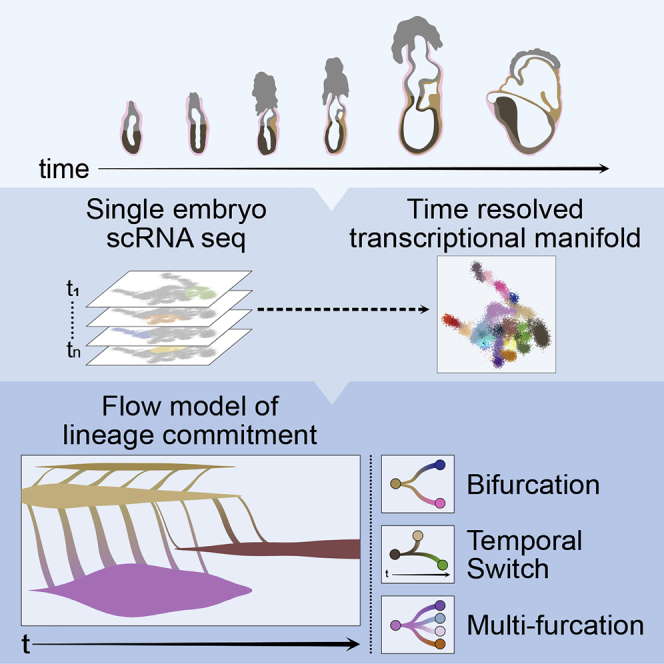
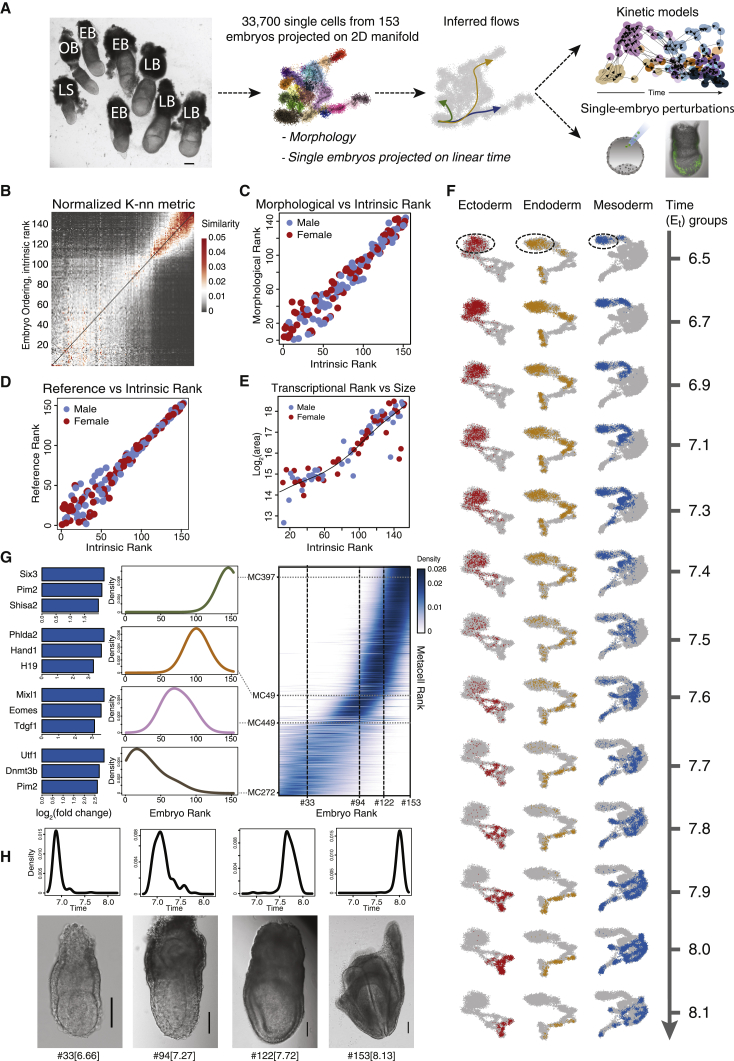
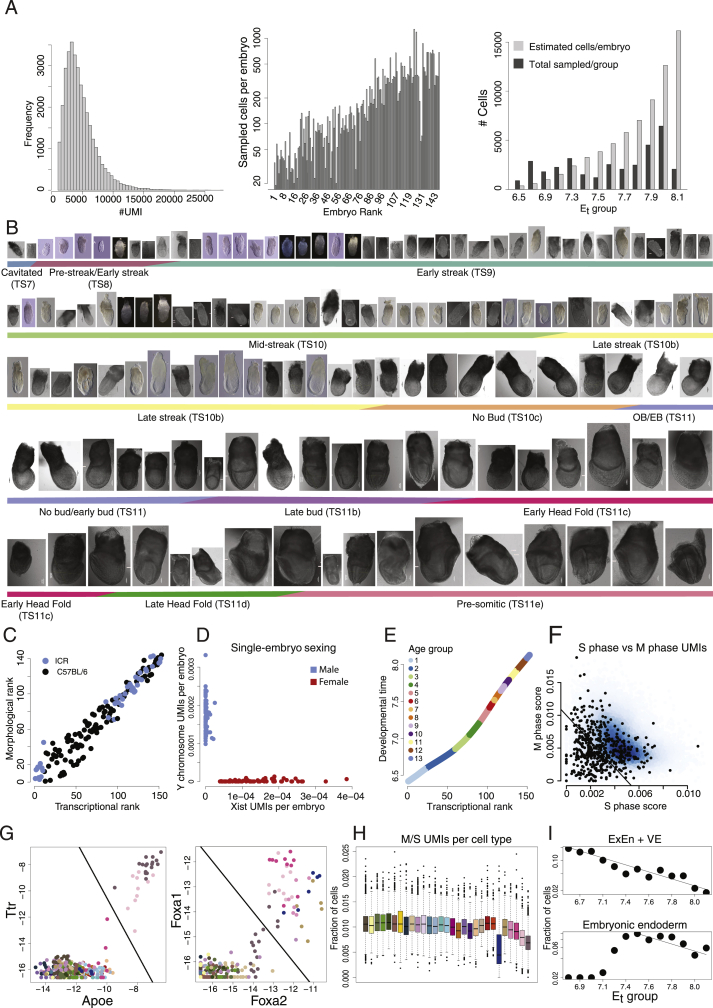
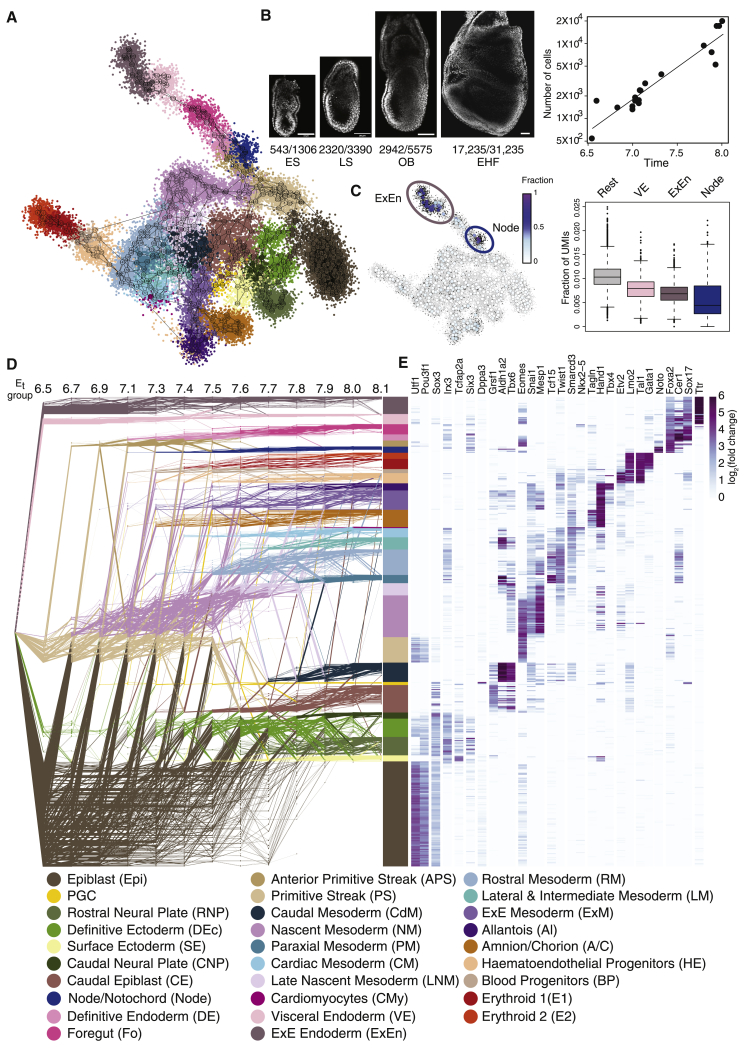
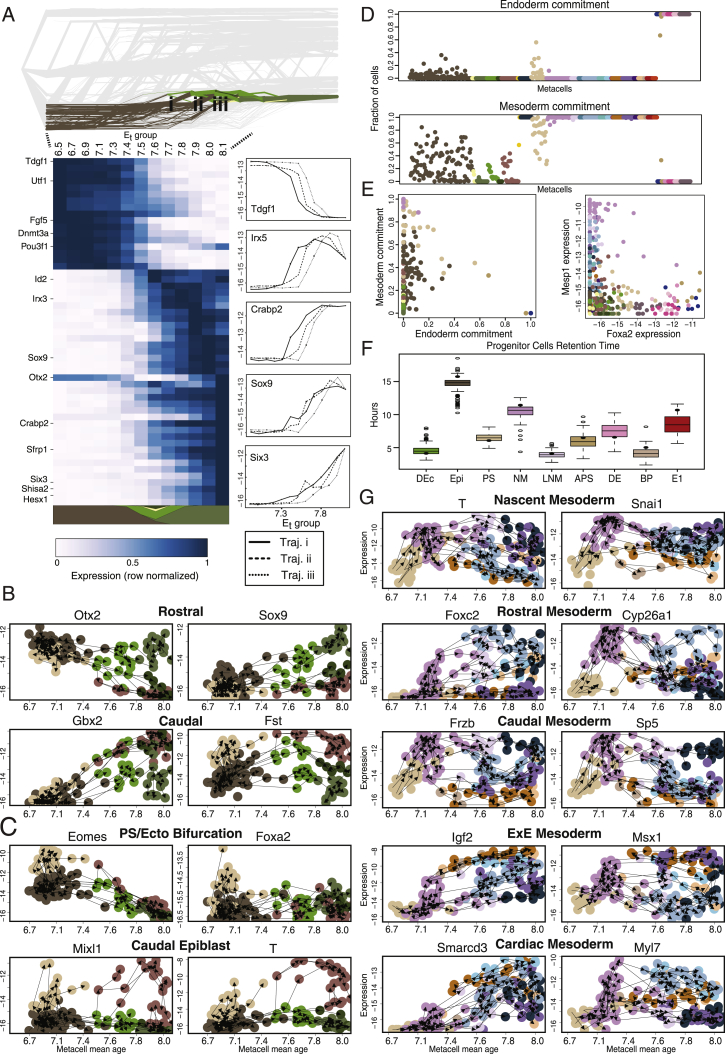
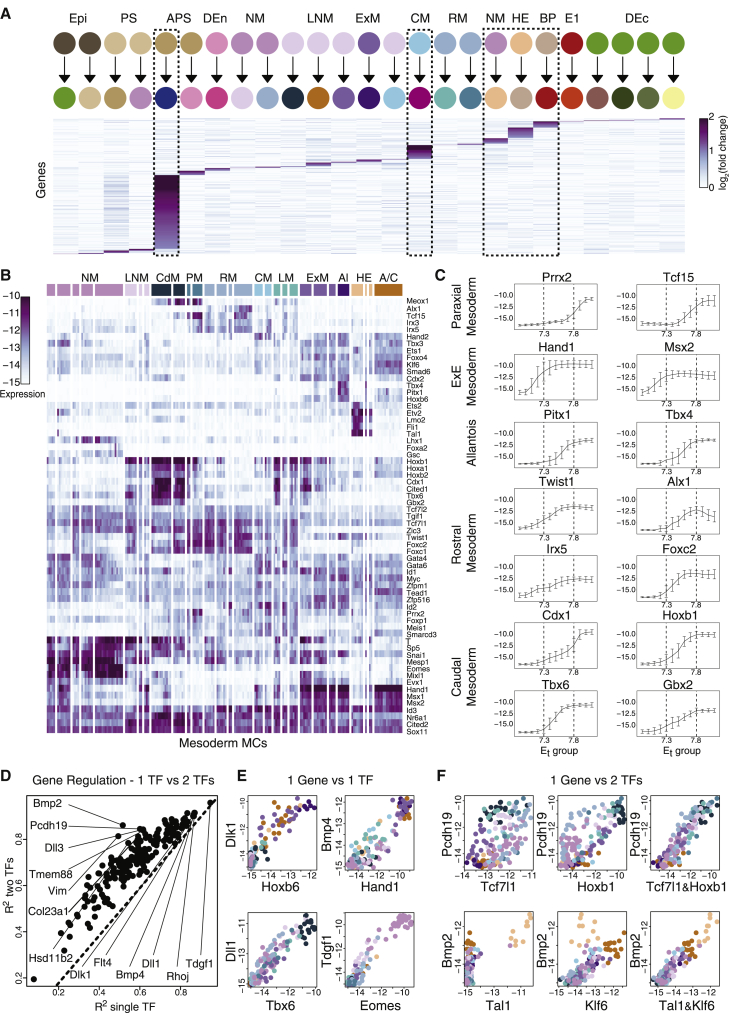
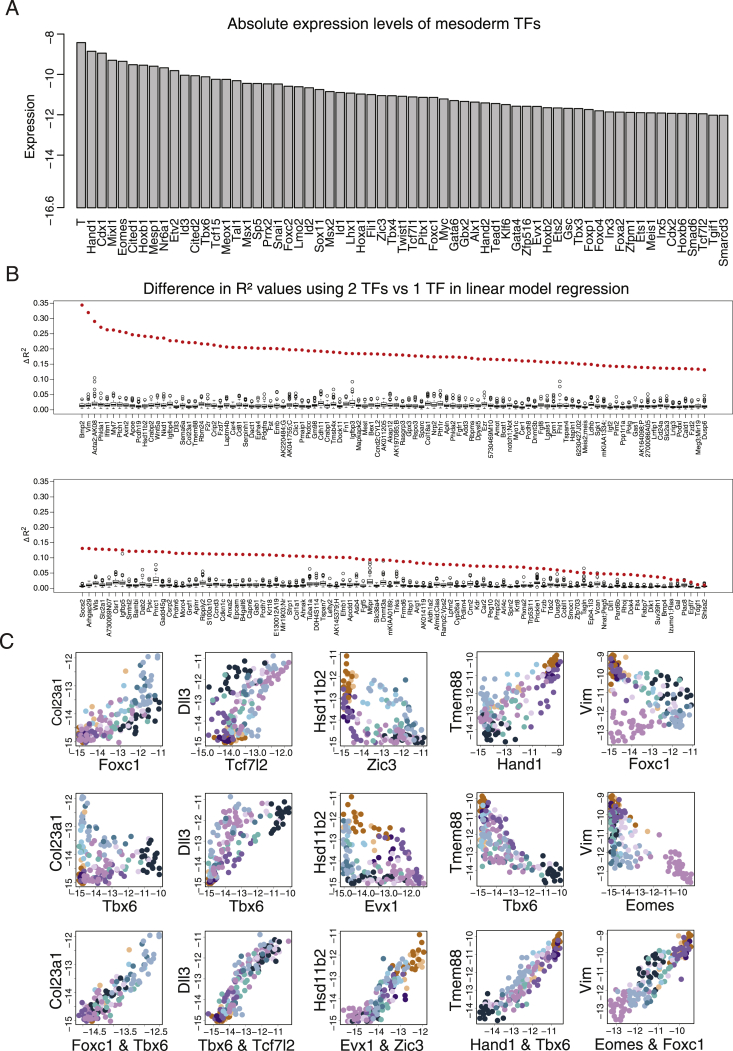
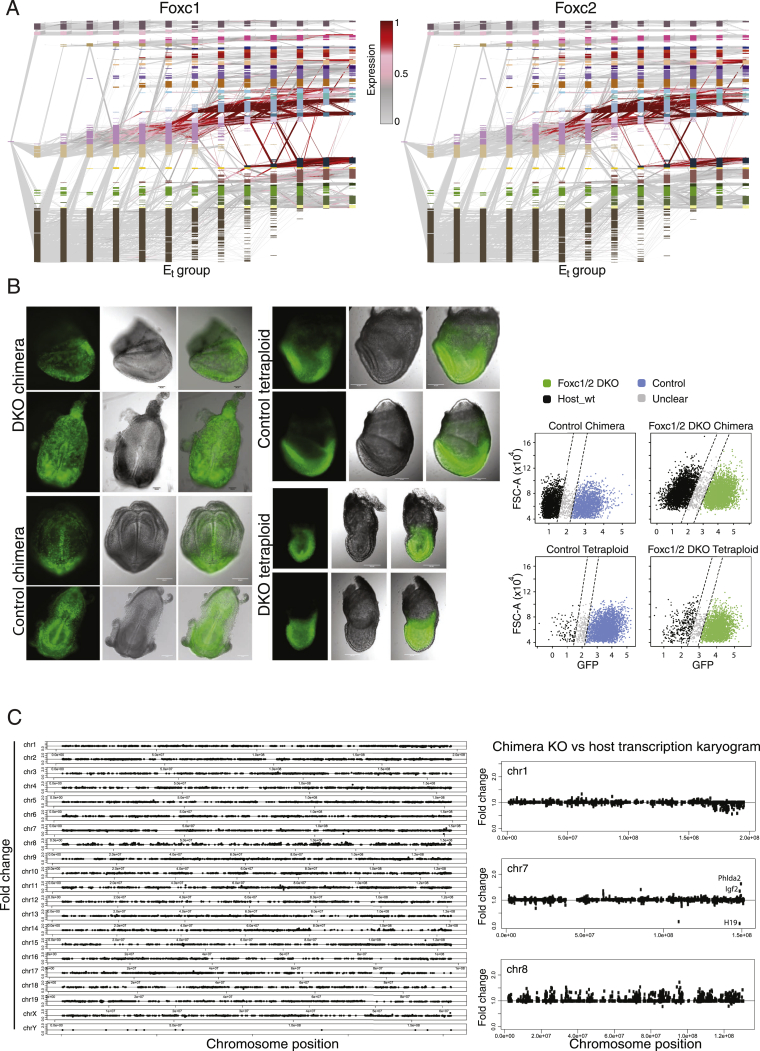
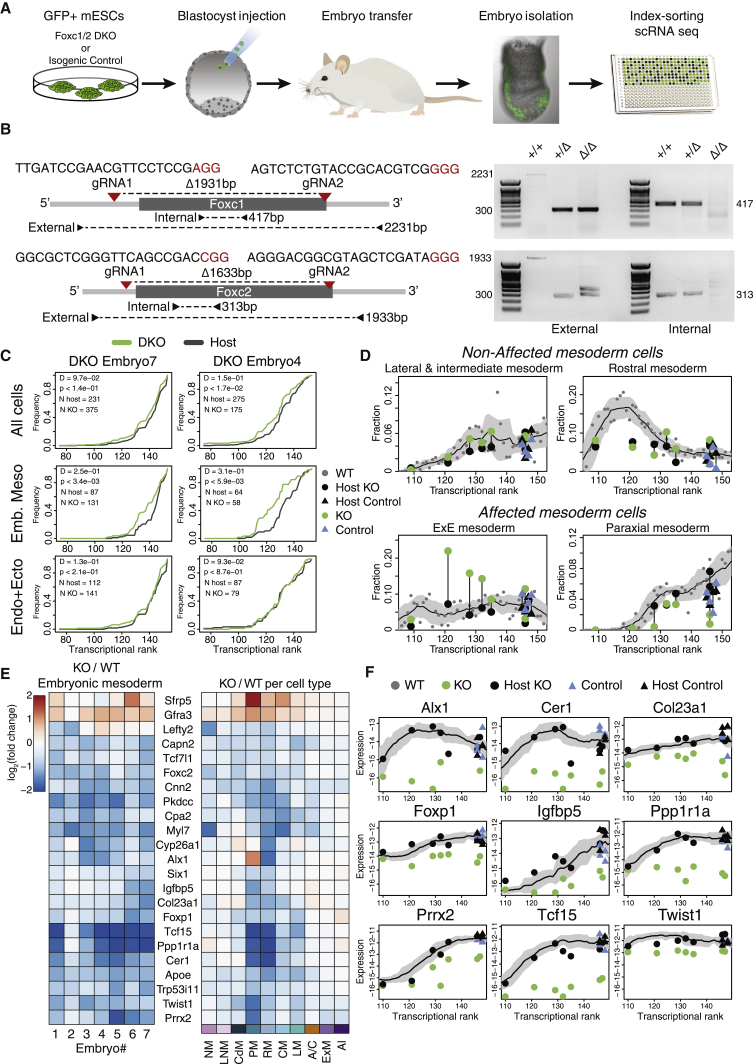
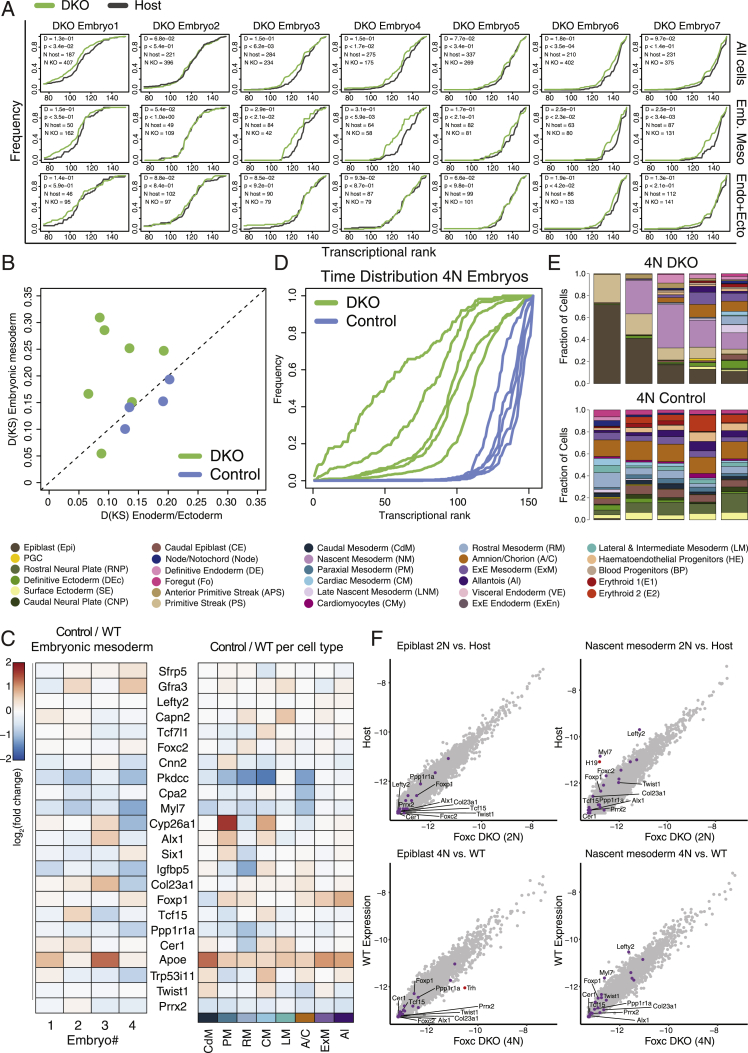
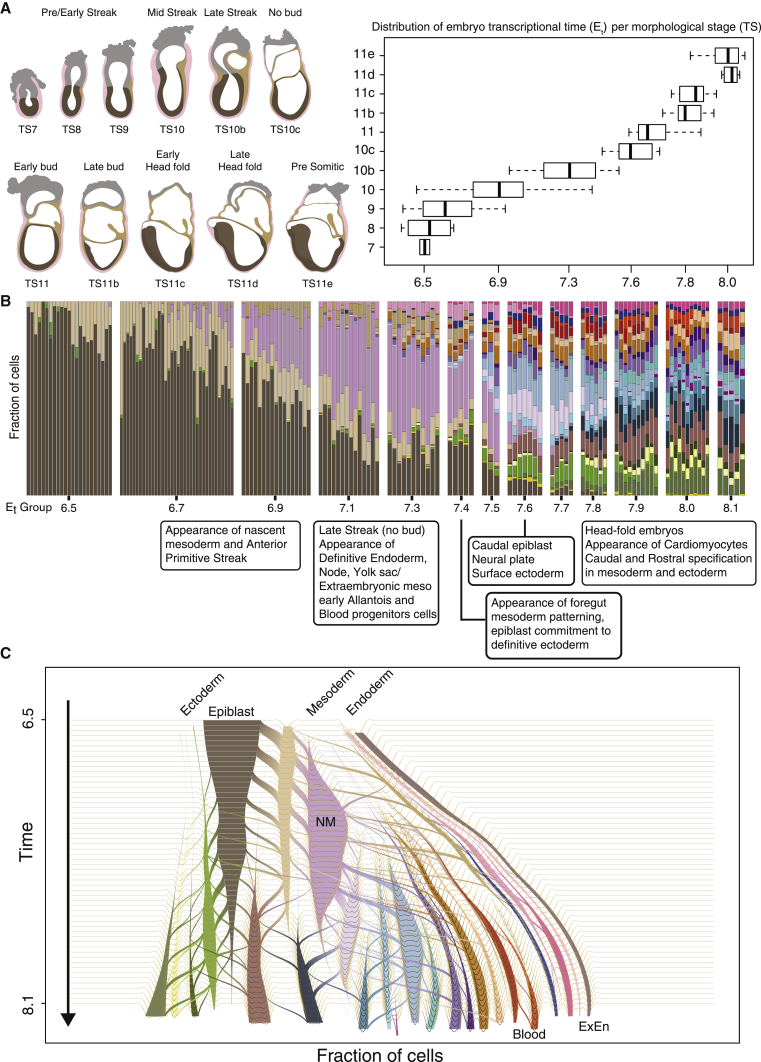
Mouse embryonic development is a canonical model system for studying mammalian cell fate acquisition. Recently, single-cell atlases comprehensively charted embryonic transcriptional landscapes, yet inference of the coordinated dynamics of cells over such atlases remains challenging. Here, we introduce a temporal model for mouse gastrulation, consisting of data from 153 individually sampled embryos spanning 36 h of molecular diversification. Using algorithms and precise timing, we infer differentiation flows and lineage specification dynamics over the embryonic transcriptional manifold. Rapid transcriptional bifurcations characterize the commitment of early specialized node and blood cells. However, for most lineages, we observe combinatorial multi-furcation dynamics rather than hierarchical transcriptional transitions. In the mesoderm, dozens of transcription factors combinatorially regulate multifurcations, as we exemplify using time-matched chimeric embryos of Foxc1/Foxc2 mutants. Our study rejects the notion of differentiation being governed by a series of binary choices, providing an alternative quantitative model for cell fate acquisition.
Overview
The claims and statistics of this paper haven’t been checked yet.
Run the check — free, no account needed. It reads the open-access text and checks the sources it cites.
Integrity signals
Registry
Cites
Statistics
Figures
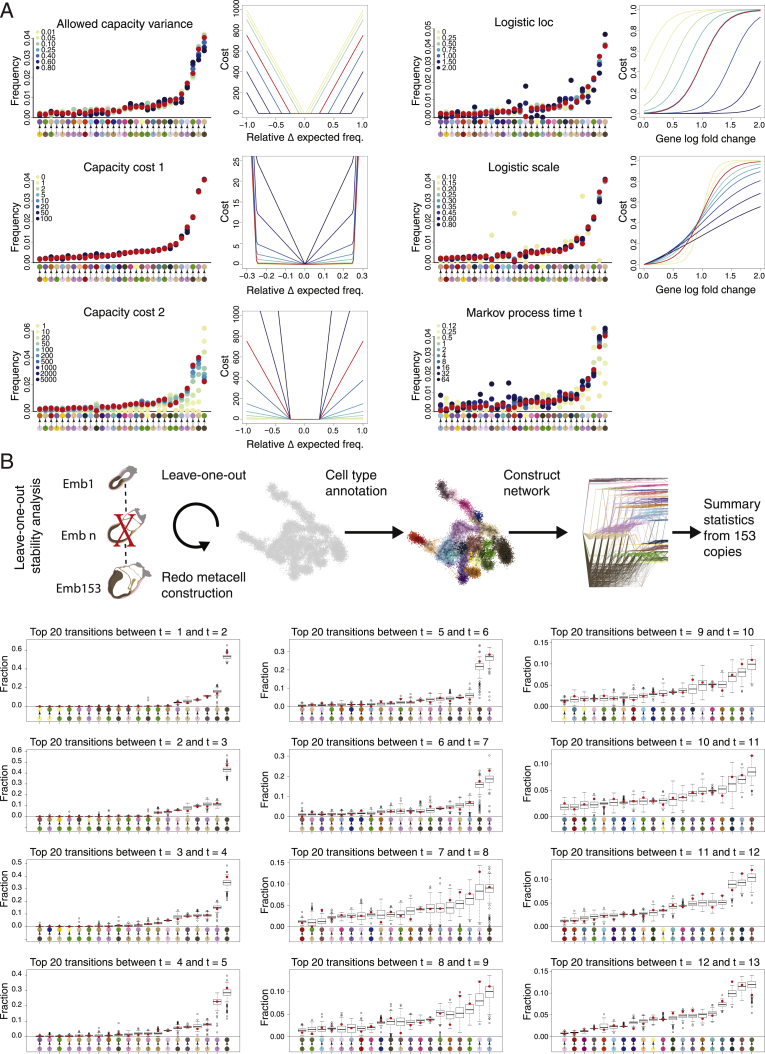
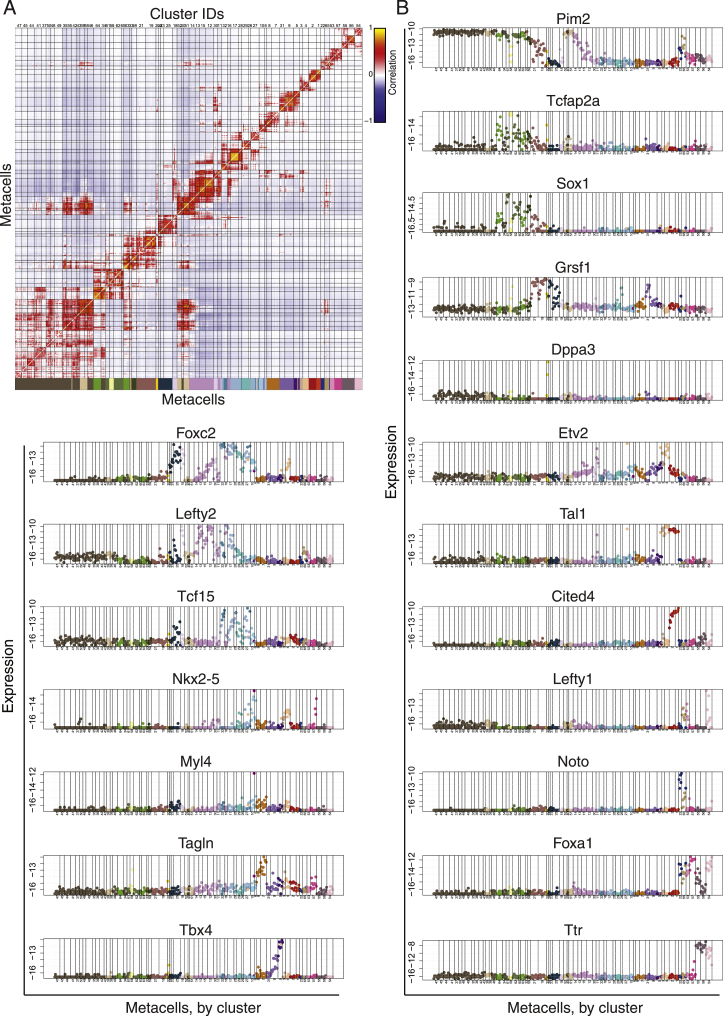
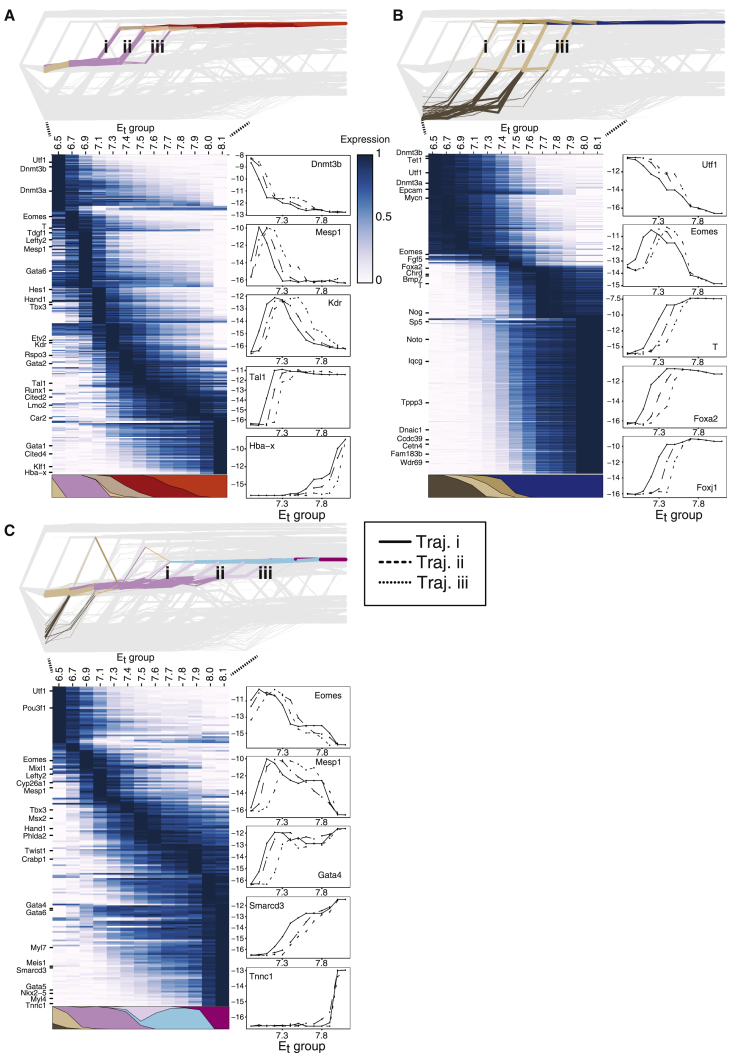
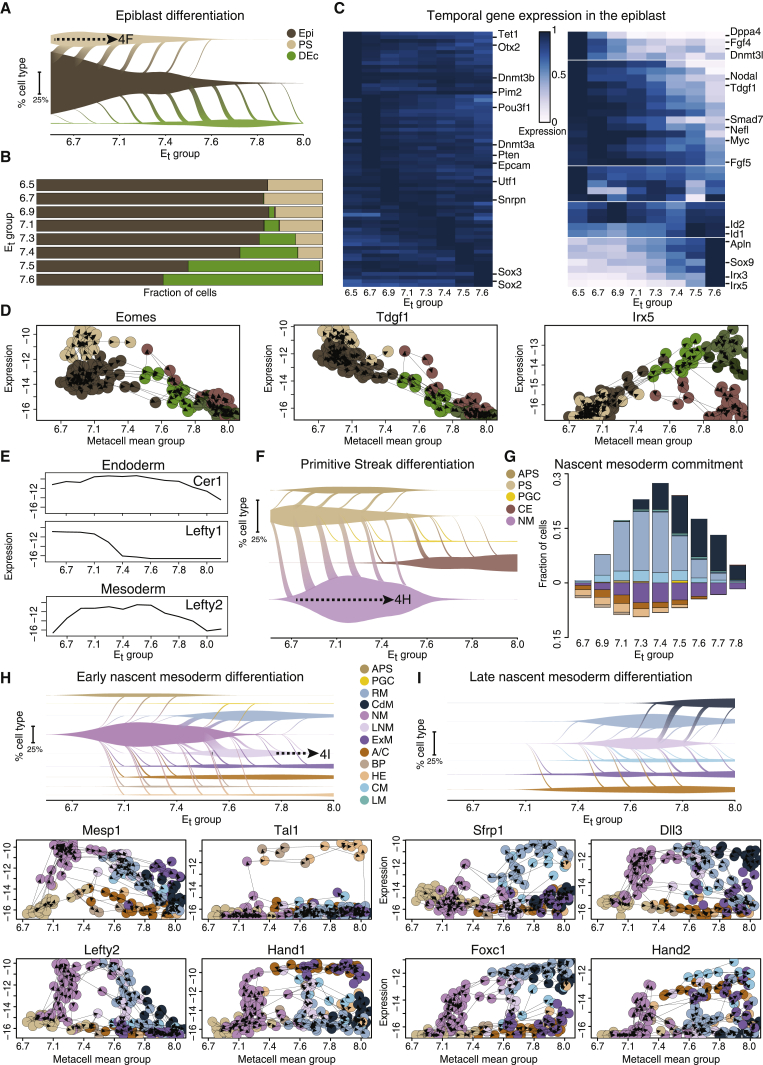
Verification
Claims the paper makes
The claims and statistics of this paper haven’t been checked yet.
Run the check — free, no account needed. It reads the open-access text and checks the sources it cites.
Claims other papers make about this one
Each is checked against this paper’s own text: does it say what the citing paper says it does?
The source backs part of the claim, not all of it — or backs it for a different population, condition or comparison.
In the citing paper
“recent insights into the understanding of cell fate choice, which have suggested a more distributed form of control relying on combinatorial activities of dozens of TFs rather than an organization strictly dominated by a few master TFs (Chubb et al, 2021; Mittnenzweig et al, 2021).”
From An extended transcription factor regulatory network controls hepatocyte identity (2023) · cites this paper as Mittnenzweig et al, 2021
Experimental — accuracy not yet measured
Self-check
Percentages, sums and reported differences re-computed from the paper’s own numbers.
The self-check needs the paper’s full text.
Citations
Cites
Network Flows: Theory, Algorithms, and Applications.
Smith, D. K., Ahuja, R. K., Magnanti, T. L., & Orlin, J. B. (1994) · Journal of the Operational Research Society · doi:10.2307/2583863 · Cited by 8,121
The single-cell transcriptional landscape of mammalian organogenesis
Cao, J., Spielmann, M., Qiu, X., Huang, X., Ibrahim, D. M., Hill, A. J., Zhang, F., Mundlos, S., Christiansen, L., Steemers, F. J., et al. (2019) · Nature · doi:10.1038/s41586-019-0969-x · Cited by 4,490
La Manno, G., Soldatov, R., Zeisel, A., Braun, E., Hochgerner, H., Petukhov, V., Lidschreiber, K., Kastriti, M. E., Lönnerberg, P., Furlan, A., et al. (2018) · Nature · doi:10.1038/s41586-018-0414-6 · Cited by 4,118
Ben‐Porath, I., Thomson, M., Carey, V. J., Ge, R., Bell, G. W., Regev, A., & Weinberg, R. A. (2008) · Nature Genetics · doi:10.1038/ng.127 · Cited by 2,571
New cell lines from mouse epiblast share defining features with human embryonic stem cells
Tesar, P. J., Chenoweth, J. G., Brook, F. A., Davies, T. J., Evans, E. P., Mack, D. L., Gardner, R. L., & McKay, R. D. G. (2007) · Nature · doi:10.1038/nature05972 · Cited by 2,187
Derivation of pluripotent epiblast stem cells from mammalian embryos
Brons, I. G. M., Smithers, L. E., Trotter, M. W. B., Rugg‐Gunn, P. J., Sun, B., Lopes, S. M. C. D. S., Howlett, S., Clarkson, A., Ährlund‐Richter, L., Pedersen, R. A., et al. (2007) · Nature · doi:10.1038/nature05950 · Cited by 2,007
Massively parallel single-cell RNA-seq for marker-free decomposition of tissues into cell types
Jaitin, D. A., Kenigsberg, E., Keren-Shaul, H., Elefant, N., Paul, F., Zaretsky, I., Mildner, A., Cohen, N., Jung, S., Tanay, A., et al. (2014) · Science · doi:10.1126/science.1247651 · Cited by 1,795
Self-citationMapping the Mouse Cell Atlas by Microwell-Seq
Han, X., Wang, R., Zhou, Y., Fei, L., Sun, H., Lai, S., Saadatpour, A., Zhou, Z., Chen, H., Ye, F., et al. (2018) · Cell · doi:10.1016/j.cell.2018.02.001 · Cited by 1,597
Development of erythroid and myeloid progenitors in the yolk sac and embryo proper of the mouse
Palis, J., Robertson, S. M., Kennedy, M., Wall, C., & Keller, G. M. (1999) · Development · doi:10.1242/dev.126.22.5073 · Cited by 1,095
CCTop: An intuitive, flexible and reliable CRISPR/Cas9 target prediction tool
Stemmer, M., Thumberger, T., del Sol Keyer, M., Wittbrodt, J., & Mateo, J. L. (2015) · PLoS ONE · doi:10.1371/journal.pone.0124633 · Cited by 1,088
Cited by
Sorted by citations
Inferring and perturbing cell fate regulomes in human brain organoids
Fleck, J. S., Jansen, S. M. J., Wollny, D., Zenk, F., Seimiya, M., Jain, A., Okamoto, R., Santel, M., He, Z., Camp, J. G., et al. (2023) · Nature · doi:10.1038/s41586-022-05279-8 · Cited by 315
Post-gastrulation synthetic embryos generated ex utero from mouse naive ESCs
Tarazi, S., Aguilera-Castrejon, A., Joubran, C., Ghanem, N., Ashouokhi, S., Roncato, F., Wildschutz, E., Haddad, M., Oldak, B., Gomez-Cesar, E., et al. (2022) · Cell · doi:10.1016/j.cell.2022.07.028 · Cited by 246
Herring, C. A., Simmons, R. K., Freytag, S., Poppe, D., Moffet, J. J. D., Pflueger, J., Buckberry, S., Vargas-Landín, D. B., Clément, O., Goñi, E., et al. (2022) · Cell · doi:10.1016/j.cell.2022.09.039 · Cited by 242
High-throughput total RNA sequencing in single cells using VASA-seq
Salmén, F., Jonghe, J. D., Kamiński, T. S., Alemany, A., Parada, G. E., Verity-Legg, J., Yanagida, A., Kohler, T. N., Battich, N., van den Brekel, F., et al. (2022) · Nature Biotechnology · doi:10.1038/s41587-022-01361-8 · Cited by 244
A single-cell time-lapse of mouse prenatal development from gastrula to birth
Qiu, C., Martin, B., Welsh, I. C., Daza, R. M., Le, T.-M., Huang, X., Nichols, E. K., Taylor, M. L., Fulton, O., O’Day, D. R., et al. (2024) · Nature · doi:10.1038/s41586-024-07069-w · Cited by 215
Metadata
- Authors
- Mittnenzweig, M., Mayshar, Y., Cheng, S., Ben-Yair, R., Hadas, R., Rais, Y., Chomsky, E., Reines, N., Uzonyi, A., Lumerman, L., Lifshitz, A., Mukamel, Z., Orenbuch, A.-H., Tanay, A., & Stelzer, Y.
- Affiliations
- Weizmann Institute of Science (IL)
- Corresponding author
- Tanay, Amos
- Stelzer, Yonatan
- ORCID
- Venue
- Cell
- Publisher
- Elsevier BV
- Published
- 2021-05
- Volume
- 184
- Issue
- 11
- Pages
- 2825-2842.e22
- ISSN
- 0092-8674 (ISSN-L)
- PMC
- PMC8162424
- OpenAlex
- W3159883015
- Cited by
- 214
- References
- 70
- Citations by year
- 2026: 33 · 2025: 39 · 2024: 52 · 2023: 40 · 2022: 37 · 2021: 12
- FWCI
- 11.07
- Type
- journal article
- Language
- en
- Open access
- hybrid
- doi.org
- Licence
- Locations
- Cell (publishedVersion, cc-by-nc-nd)
- PubMed Central (publishedVersion, cc-by-nc-nd)
- PubMed (publishedVersion)
- MDC Repository (Max-Delbrueck-Center for Molecular Medicine) (acceptedVersion)
- Funders
- ERC
- Weizmann Institute of Science
- Topics
- Life Sciences › Biochemistry, Genetics and Molecular Biology › Molecular Biology › Single-cell and spatial transcriptomics
- Life Sciences › Biochemistry, Genetics and Molecular Biology › Molecular Biology › Developmental Biology and Gene Regulation
- Life Sciences › Biochemistry, Genetics and Molecular Biology › Molecular Biology › Pluripotent Stem Cells Research
- Keywords
- mouse gastrulation, single-cell transcriptomics, lineage specification, mesoderm differentiation, FOXC1, FOXC2, chimeric embryos, embryonic development
- MeSH terms
- Mouse Embryonic Stem Cells, Animals, Cell Differentiation, Embryo, Mammalian, Female, Mice, Inbred C57BL, Pregnancy, Gene Expression, Sequence Analysis, RNA, Cell Lineage, Embryonic Development, Mice, Gastrulation, Single-Cell Analysis
About these checks
Registry, retraction, Cites and statistics results are computed, not judged, with one exception: a printed reference that no index lists is read once by a model before it counts as a citation error. Claims are extracted by a model and kept only when their quote appears verbatim in the text; each cited source is then checked, with a model’s help, for whether it says what the claim relies on. Those verdicts can be wrong — read the claim’s quote and the cited source before relying on one.
Statistics and arithmetic are recomputed, not judged.
Confidence bands are shown only for fields calibrated on our annotated test set. None is calibrated yet, so no band is shown.
What counts as a claim ›How we measure confidence ›How we check this ›
Are you an author, or do you see a problem with this page? Request a review
