

The DOI matches its Crossref record; 1 of the 1 references it cites were found in a registry or an index.
Kinetic and equilibrium studies of Congo red dye adsorption on cabbage waste powder
Overview
The claims and statistics of this paper haven’t been checked yet.
Run the check — free, no account needed. It reads the open-access text and checks the sources it cites.
Integrity signals
Registry
Cites
Statistics
Figures
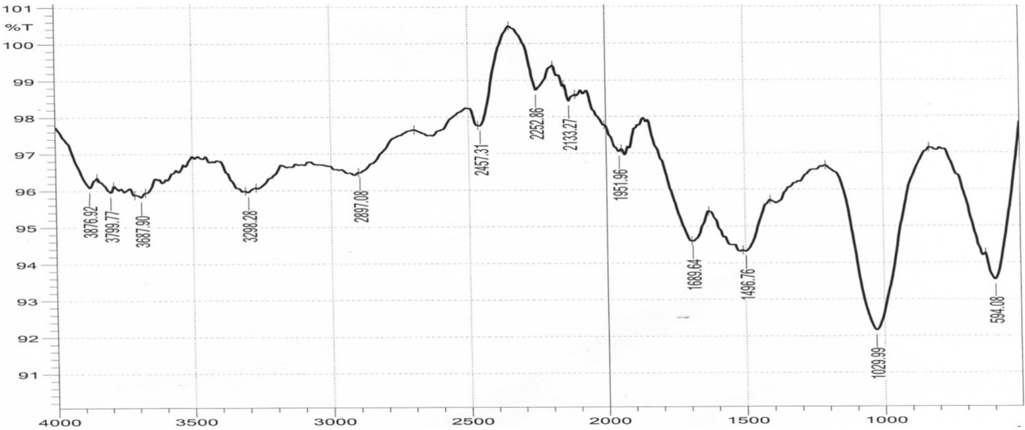
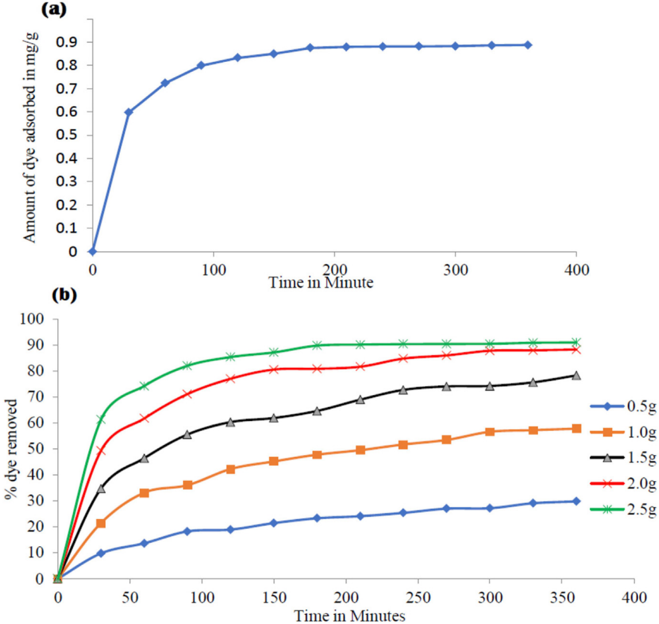
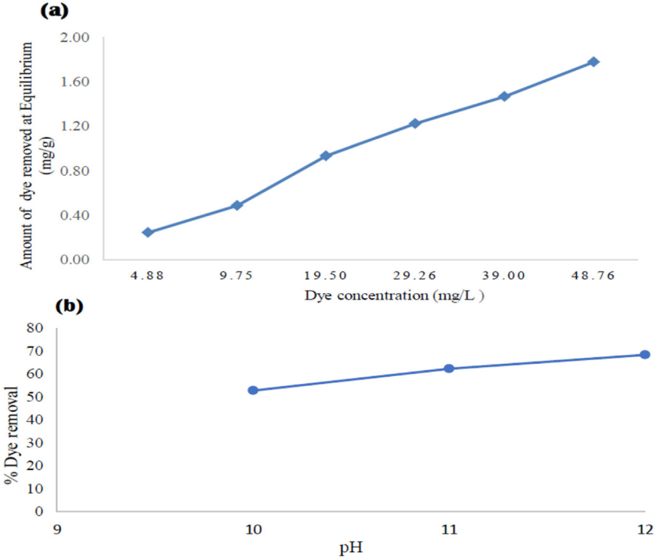
Verification
Claims the paper makes
The claims and statistics of this paper haven’t been checked yet.
Run the check — free, no account needed. It reads the open-access text and checks the sources it cites.
Claims other papers make about this one
Each is checked against this paper’s own text: does it say what the citing paper says it does?
The cited source says what the claim attributes to it.
In the citing paper
“banana peel [110-113], cabbage waste [114], chitosan [115-118], citrus peel [119,120], Citrus limonum leaves [121], corn cob [122], orange peel [123,124], peanut hull [125], rice husk [126,127], sawdust [128], and sugar cane bagasse [129] have demonstrated successful utilization as adsorbents for the purpose of eliminating diverse types of contaminants.”
From Recent Advances in the Remediation of Textile-Dye-Containing Wastewater: Prioritizing Human Health and Sustainable Wastewater Treatment (2024) · cites this paper as [114]
Self-check
Percentages, sums and reported differences re-computed from the paper’s own numbers.
The self-check needs the paper’s full text.
Citations
Cites
The adsorption of gases on plane surfaces of glass, mica and platinum
Langmuir, I. (1918) · Journal of the American Chemical Society · doi:10.1021/ja02242a004 · Cited by 23,242
Research works printed but not linked: 47
- dos Santos, 2007, Review paper on current technologies for decolourisation of textile wastewaters: perspectives for anaerobic biotechnology, Bioresour. Technol., 98, 2369, 10.1016/j.biortech.2006.11.013 · DOI
- Almeida, 2019, Decolorization and removal of toxicity of textile azo dyes using fungal biomass pelletized, Int. J. Environ. Sci. Technol., 16, 1319, 10.1007/s13762-018-1728-5 · DOI
- Edison, 2016, Reductive-degradation of carcinogenic azo dyes using Anacardium occidentale testa derived silver nanoparticles, J. Photochem. Photobiol. B, 162, 604, 10.1016/j.jphotobiol.2016.07.040 · DOI
- Saratale, 2011, Bacterial decolorization and degradation of azo dyes: a review, J. Taiwan Inst. Chem. Eng., 42, 138, 10.1016/j.jtice.2010.06.006 · DOI · Paper page
- Yang, 2019, Generation of high-efficient biochar for dye adsorption using Frass of yellow mealworms (larvae of Tenebrio molitor linnaeus) fed with wheat straw for insect biomass production, J. Clean. Prod., 227, 33, 10.1016/j.jclepro.2019.04.005 · DOI · Paper page
- Wanyonyi, 2014, Adsorption of Congo red dye from aqueous solutions using roots of Eichhornia crassipes: kinetic and equilibrium studies, Energy Procedia, 50, 862, 10.1016/j.egypro.2014.06.105 · DOI
- Hernández-Zamora, 2014, Physiological and biochemical responses of Chlorella vulgaris to Congo red, Ecotoxicol. Environ. Saf., 108, 72, 10.1016/j.ecoenv.2014.05.030 · DOI
- Wong, 2019, Adsorption of anionic dyes on spent tea leaves modified with Polyethyleneimine (PEI-STL), J. Clean. Prod., 206, 394, 10.1016/j.jclepro.2018.09.201 · DOI
- Wanyonyi, 2019, Effective biotransformation of reactive black 5 dye using crude protease from Bacillus cereus strain KM201428, Energy Procedia, 157, 815, 10.1016/j.egypro.2018.11.247 · DOI
- Nadeem, 2019, Investigation of segregated wastewater streams reusability with membrane process for textile industry, J. Clean. Prod., 228, 1437, 10.1016/j.jclepro.2019.04.205 · DOI
- Zhu, 2019, Adsorption of phosphate and Photodegradation of cationic dyes with BiOI in phosphate-cationic dye binary system, Sep. Purif. Technol., 223, 196, 10.1016/j.seppur.2019.04.079 · DOI
- Zhou, 2018, A new metal–organic framework constructed from cationic nodes and cationic linkers for highly efficient anion exchange, Chem. Commun., 54, 2998, 10.1039/C8CC01225C · DOI
- Ortiz-Monsalve, 2017, Biodecolourisation and biodegradation of leather dyes by a native isolate of Trametes villosa, Process. Saf. Environ. Prot., 109, 437, 10.1016/j.psep.2017.04.028 · DOI
- Ghuge, 2018, Catalytic ozonation of dye industry effluent using mesoporous bimetallic Ru-cu/SBA-15 catalyst, Process. Saf. Environ. Prot., 118, 125, 10.1016/j.psep.2018.06.033 · DOI
- Ramírez, 2016, Effect of RVC porosity on the performance of PbO2 composite coatings with titanate nanotubes for the electrochemical oxidation of azo dyes, Electrochim. Acta, 204, 9, 10.1016/j.electacta.2016.04.054 · DOI
- Kyzas, 2014, Green adsorbents for wastewaters: a critical review, Materials, 7, 333, 10.3390/ma7010333 · DOI
- Crini, 2019, Conventional and non-conventional adsorbents for wastewater treatment, Environ. Chem. Lett., 17, 195, 10.1007/s10311-018-0786-8 · DOI
- Dhmees, 2018, Synthesis of silica nanoparticles from blast furnace slag as cost-effective adsorbent for efficient azo-dye removal, Egypt. J. Pet., 27, 1113, 10.1016/j.ejpe.2018.03.012 · DOI
- Aksu, 2001, Biosorption of reactive dyes by dried activated sludge: equilibrium and kinetic modelling, Biochem. Eng. J., 7, 79, 10.1016/S1369-703X(00)00098-X · DOI
- Zazycki, 2019, Chitin derived biochar as an alternative adsorbent to treat colored effluents containing methyl violet dye, Adv. Powder Technol., S0921883119301165
- Asfaram, 2015, Simultaneous ultrasound-assisted ternary adsorption of dyes onto copper-doped zinc sulfide nanoparticles loaded on activated carbon: optimization by response surface methodology, Spectrochim. Acta A Mol. Biomol. Spectrosc., 145, 203, 10.1016/j.saa.2015.03.006 · DOI
- Phele, 2019, Adsorption efficiency of activated Macadamia nutshell for the removal Organochlorine pesticides: Endrin and 4,4-DDT from aqueous solution, J. Pharm. Sci., 11, 5
- Li, 2019, Controllable synthesis of cerium zirconium oxide Nanocomposites and their application for Photocatalytic degradation of sulfonamides, Appl. Catal. B Environ., 259, P., 118107
- Felista, 2020, Adsorption of anionic dye (reactive black 5) using Macadamia seed husks: kinetics and equilibrium studies, Sci. Afr., e00283
- Tang, 2020, “Construction of magnetic Fe3O4 nanoparticles coupled with flower-like MoSe2 Nanosheets for efficient adsorptive removal of methylene blue,” colloids surf, Physicochem. Eng. Asp., 587, P., 124291
- Chaari, 2019, Comparative study on adsorption of cationic and anionic dyes by smectite rich natural clays, J. Mol. Struct., 1179, 672, 10.1016/j.molstruc.2018.11.039 · DOI
- Kafle, 2014, Effect of feed to microbe ratios on anaerobic digestion of Chinese cabbage waste under mesophilic and thermophilic conditions: biogas potential and kinetic study, J. Environ. Manag., 133, 293, 10.1016/j.jenvman.2013.12.006 · DOI
- Zhao, 2013, Surface characterization of corn stalk superfine powder studied by FTIR and XRD, Colloids Surf. B Biointerfaces, 104, 207, 10.1016/j.colsurfb.2012.12.003 · DOI
- Yıldız, 2019, Pyrolysis of tobacco factory waste biomass: TG-FTIR analysis, kinetic study and bio-oil characterization, J. Therm. Anal. Calorim., 136, 783, 10.1007/s10973-018-7630-z · DOI
- Chandrasekaran, 2018, Carica Papaya (papaya) latex: a new paradigm to combat against dengue and Filariasis vectors Aedes aegypti and Culex quinquefasciatus (Diptera: Culicidae), 3 Biotech, 8, 83, 10.1007/s13205-018-1105-6 · DOI
- Sim, S. F., Mohamed, M., Mohd Irwan Lu, N. A. L., P. Sarman, N. S., and Samsudin, S. N. S., 2012, “Computer-Assisted Analysis of Fourier Transform Infrared (FTIR) Spectra for Characterization of Various Treated and Untreated Agriculture Biomass,” BioResources, 7(4), pp. 5367–5380. · DOI
- Bello, 2017, Sustainable conversion of agro-wastes into useful adsorbents, Appl Water Sci, 7, 3561, 10.1007/s13201-016-0494-0 · DOI
- Nemchi, 2012, Adsorption of supranol yellow 4GL from aqueous solution onto activated carbons prepared from seawater algae, Adsorpt. Sci. Technol., 30, 81, 10.1260/0263-6174.30.1.81 · DOI
- Maneerung, 2016, Activated carbon derived from carbon residue from biomass gasification and its application for dye adsorption: kinetics, isotherms and thermodynamic studies, Bioresour. Technol., 200, 350, 10.1016/j.biortech.2015.10.047 · DOI
- Cao, 2014, A new absorbent by modifying walnut shell for the removal of anionic dye: kinetic and thermodynamic studies, Bioresour. Technol., 163, 199, 10.1016/j.biortech.2014.04.046 · DOI
- Ghazi Mokri, 2015, Adsorption of C.I. acid red 97 dye from aqueous solution onto walnut Shell: kinetics, thermodynamics parameters, isotherms, Int. J. Environ. Sci. Technol., 12, 1401, 10.1007/s13762-014-0725-6 · DOI
- Ghaedi, 2014, Application of activated carbon as adsorbents for efficient removal of methylene blue: kinetics and equilibrium study, J. Ind. Eng. Chem., 20, 2317, 10.1016/j.jiec.2013.10.007 · DOI
- Ghasemian, 2016, Comparisons of azo dye adsorptions onto activated carbon and silicon carbide nanoparticles loaded on activated carbon, Int. J. Environ. Sci. Technol., 13, 501, 10.1007/s13762-015-0875-1 · DOI
- Wang, 2005, Removal of dyes from aqueous solution using Fly ash and red mud, Water Res., 39, 129, 10.1016/j.watres.2004.09.011 · DOI · Paper page
- Omidi Khaniabadi, 2016, Removal of Congo red dye from aqueous solutions by a low-cost adsorbent: activated carbon prepared from aloe Vera leaves Shell, Environ. Health Eng. Manag., 4, 29, 10.15171/EHEM.2017.05 · DOI
- Freundlich, 1906, Over the adsorption in solution, J. Phys. Chem., 57, 385
- Meher, 2015, Enhanced arsenic removal from drinking water by iron-enriched aluminosilicate adsorbent prepared from Fly ash, Desalination Water Treat., 1
- Lagergren, 1898, Zur Theorie Der Sogenannten Adsorption Geloester Stoffe, Veternskapsakad Handl., 24, 1
- Ho, 1999, Pseudo-second order model for sorption processes, Process Biochem., 34, 451, 10.1016/S0032-9592(98)00112-5 · DOI
- Ahmad, 2018, Synthesis of guar gum/bentonite a novel bionanocomposite: isotherms, kinetics and thermodynamic studies for the removal of Pb (II) and crystal violet dye, J. Mol. Liq., 249, 805, 10.1016/j.molliq.2017.11.082 · DOI
- Klusacek, 1989, Multiple steady states of an isothermal catalytic reaction with Elovich adsorption, Chem. Eng. Sci., 44, 2377, 10.1016/0009-2509(89)85171-1 · DOI
- Chang, 2005, Equilibrium and kinetic studies on the adsorption of surfactant, organic acids and dyes from water onto natural biopolymers, Colloids Surf. Physicochem. Eng. Asp., 269, 35, 10.1016/j.colsurfa.2005.06.064 · DOI
Cited by
Sorted by citations
Periyasamy, A. P. (2024) · Sustainability · doi:10.3390/su16020495 · Cited by 652
Metadata
- Authors
- Wekoye, J. N., Wanyonyi, W. C., Wangila, P. T., & Tonui, M. K.
- Venue
- Environmental Chemistry and Ecotoxicology
- Publisher
- Elsevier BV
- Published
- 2020
- Volume
- 2
- Pages
- 24-31
- ISSN
- 2590-1826
- Cited by
- 238
- References
- 1
- Language
- en
- Update notices
- erratum (2021-01-01)
About these checks
Registry, retraction, Cites and statistics results are computed, not judged, with one exception: a printed reference that no index lists is read once by a model before it counts as a citation error. Claims are extracted by a model and kept only when their quote appears verbatim in the text; each cited source is then checked, with a model’s help, for whether it says what the claim relies on. Those verdicts can be wrong — read the claim’s quote and the cited source before relying on one.
Statistics and arithmetic are recomputed, not judged.
Confidence bands are shown only for fields calibrated on our annotated test set. None is calibrated yet, so no band is shown.
What counts as a claim ›How we measure confidence ›How we check this ›
Are you an author, or do you see a problem with this page? Request a review
