

The DOI matches its Crossref record; 13 of the 13 references it cites were found in a registry or an index.
miRNA375-3p/rapamycin mediates the mTOR pathway by decreasing PS1, enhances microglial cell activity to regulate autophagy in Alzheimer's disease
Overview
The claims and statistics of this paper haven’t been checked yet.
Run the check — free, no account needed. It reads the open-access text and checks the sources it cites.
Integrity signals
Registry
Cites
Statistics
Figures
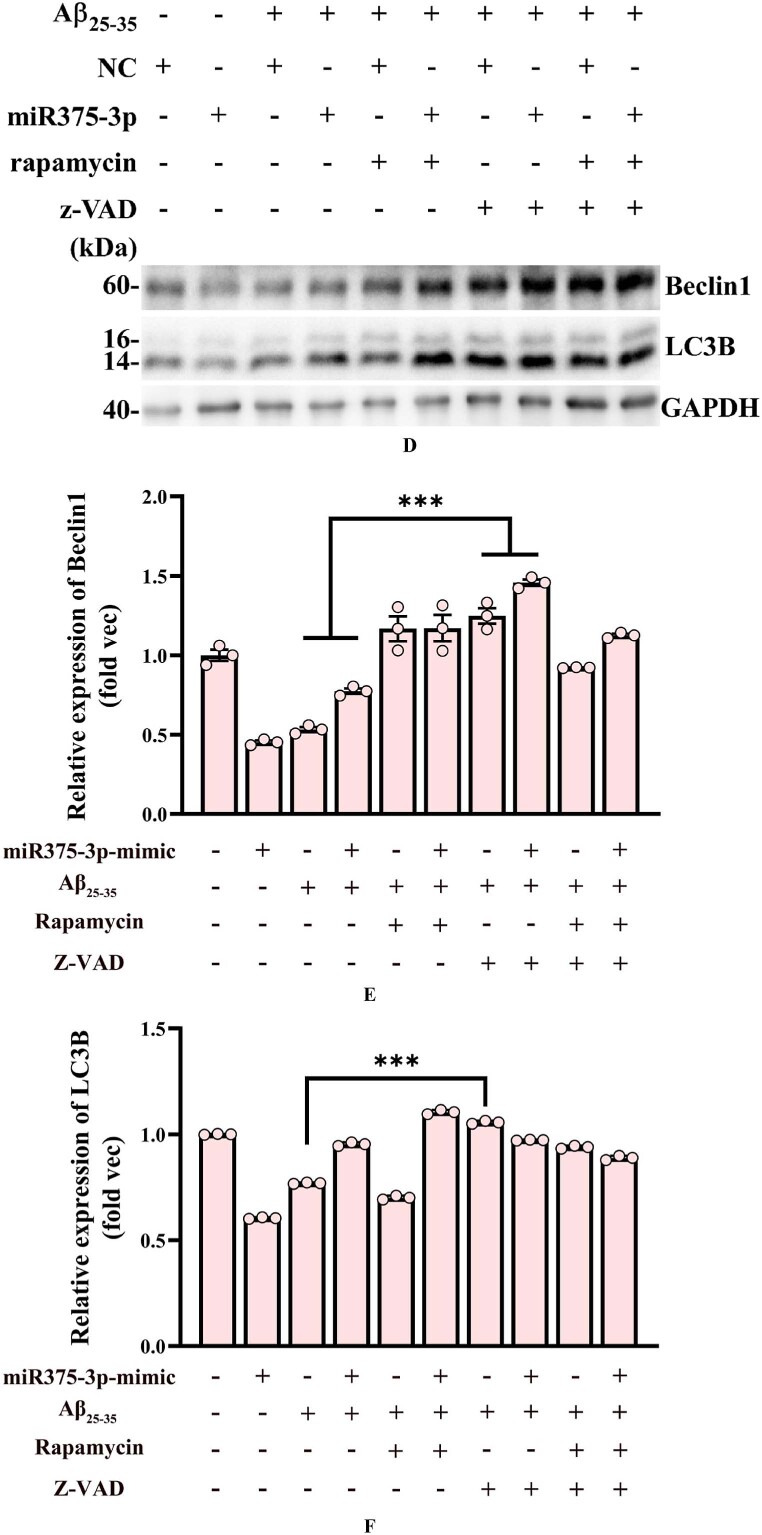
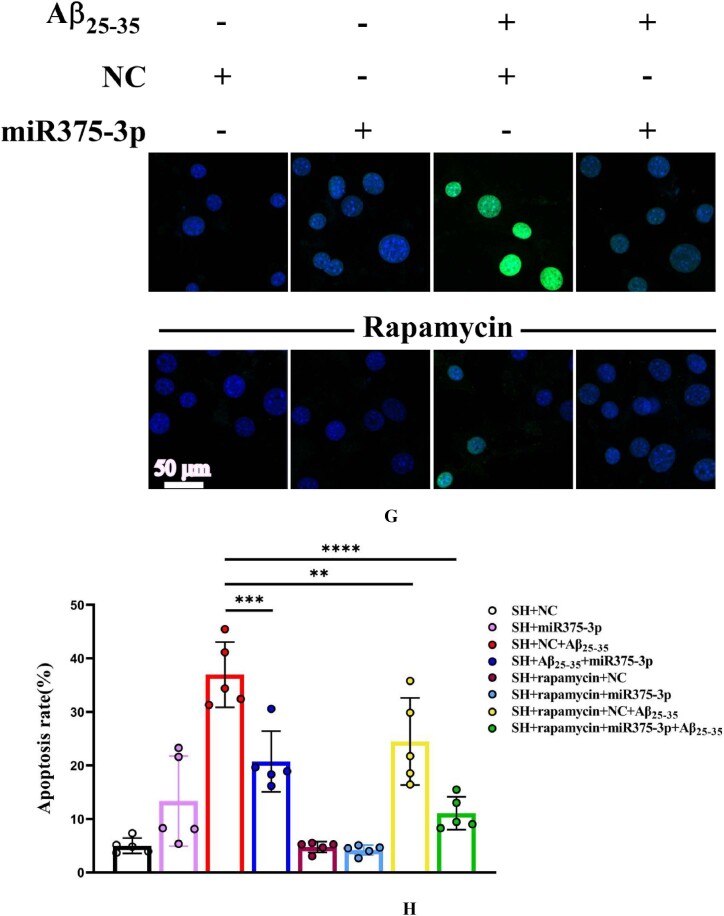
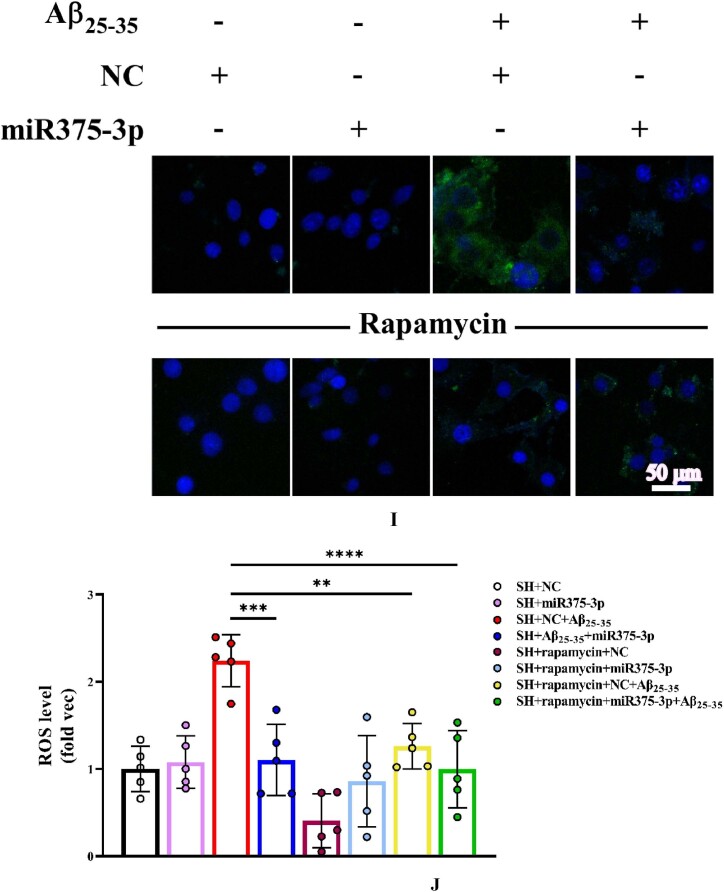
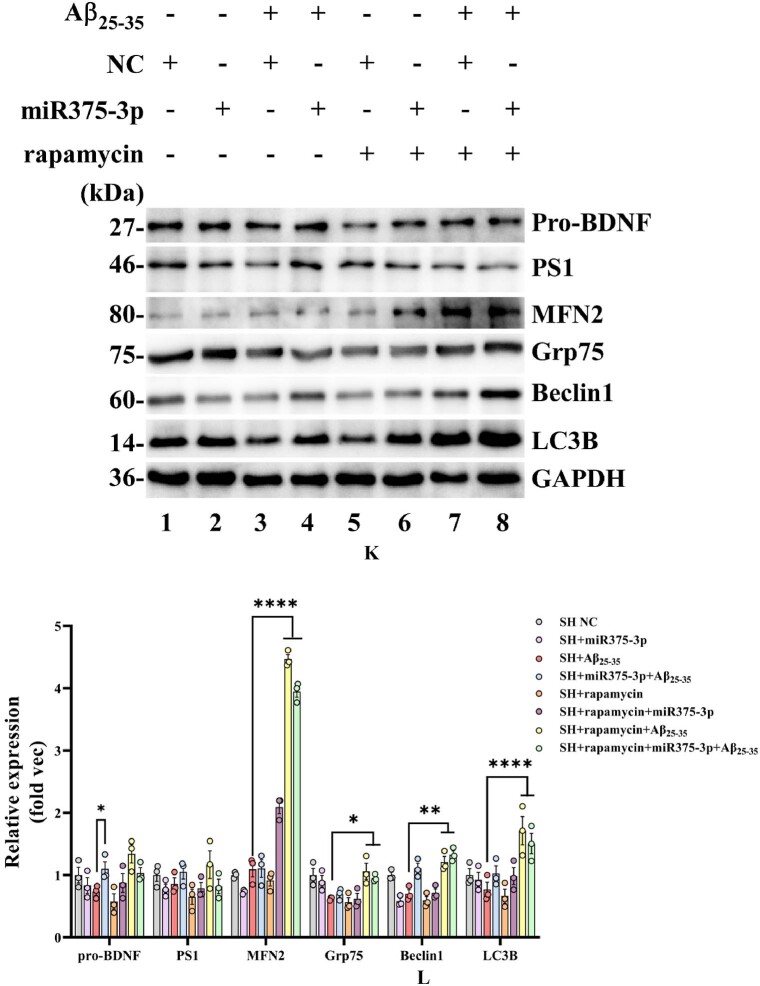
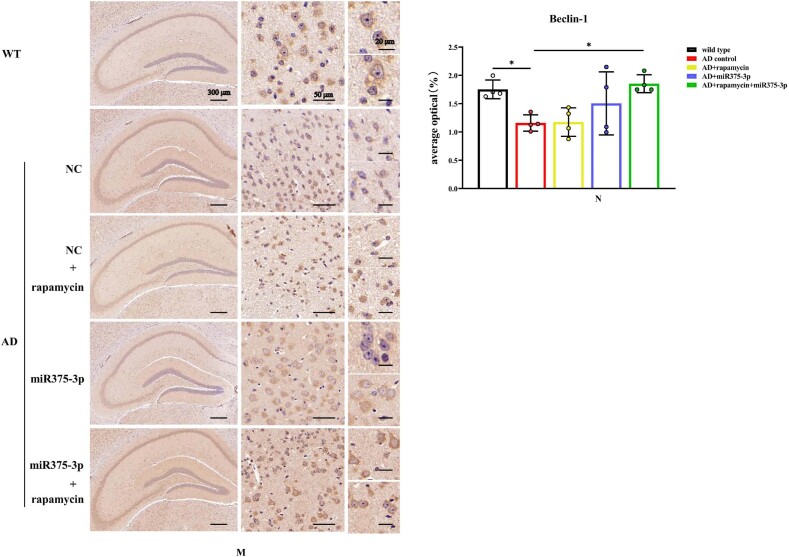
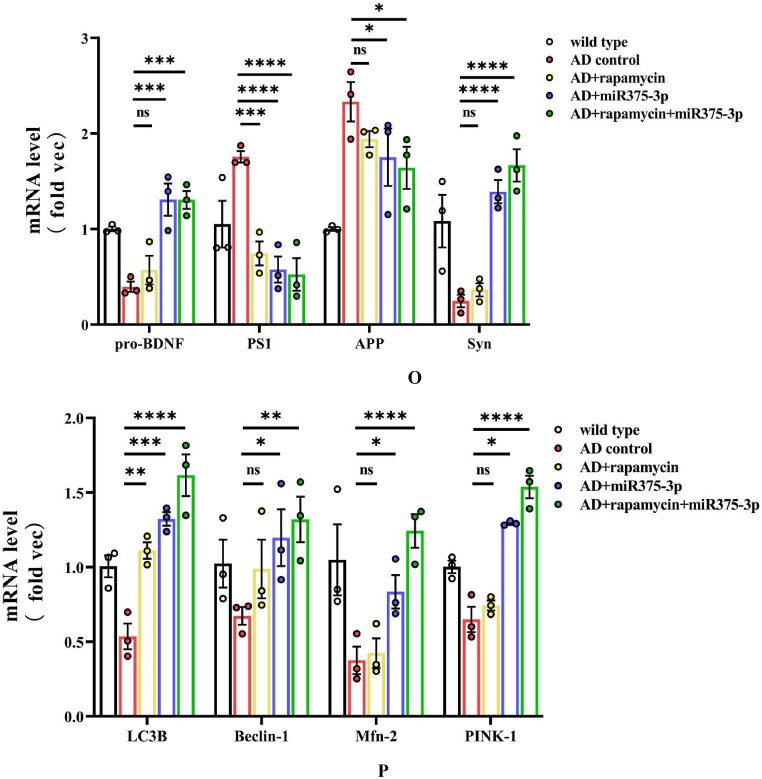
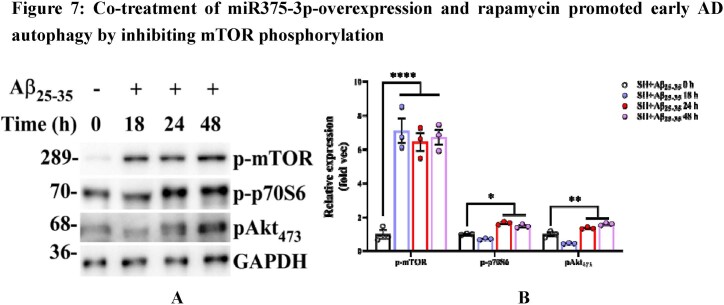
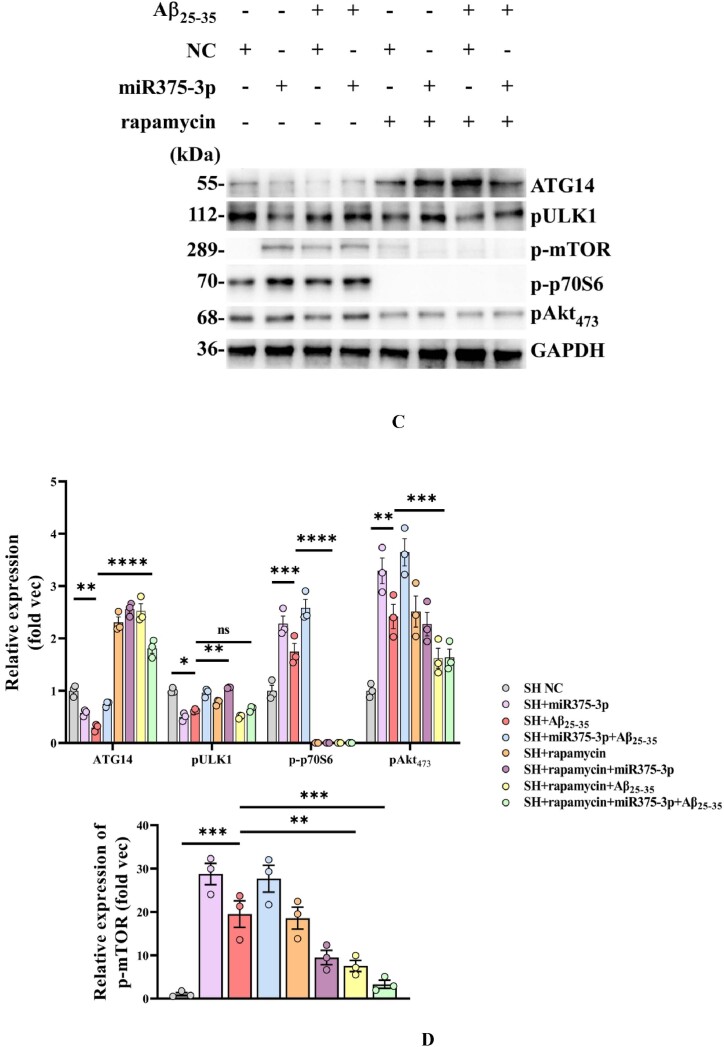
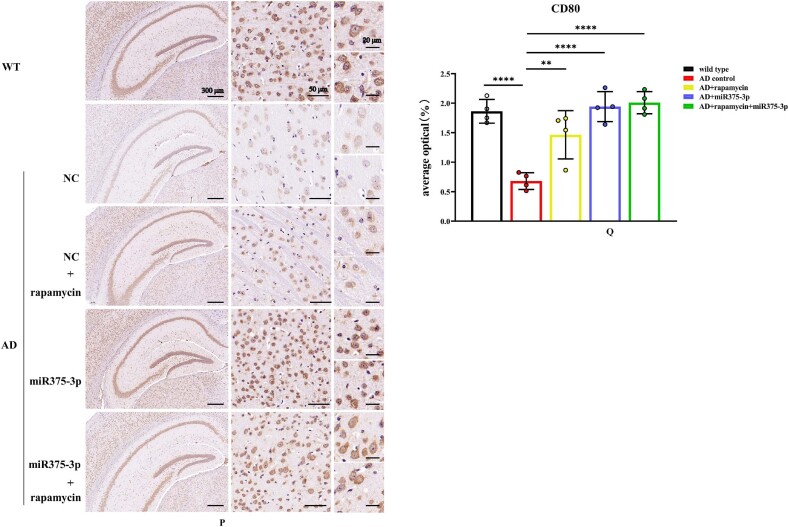
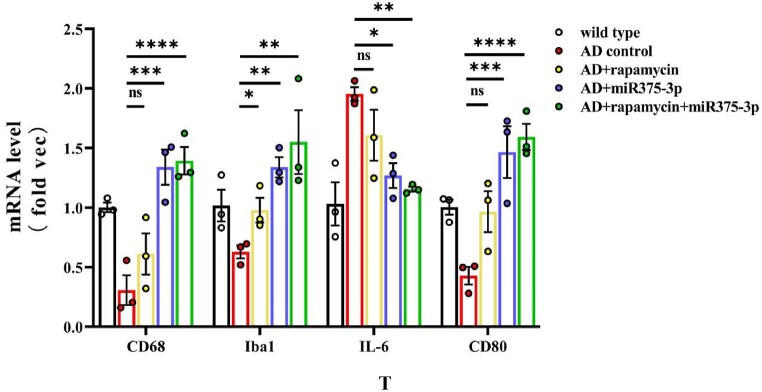
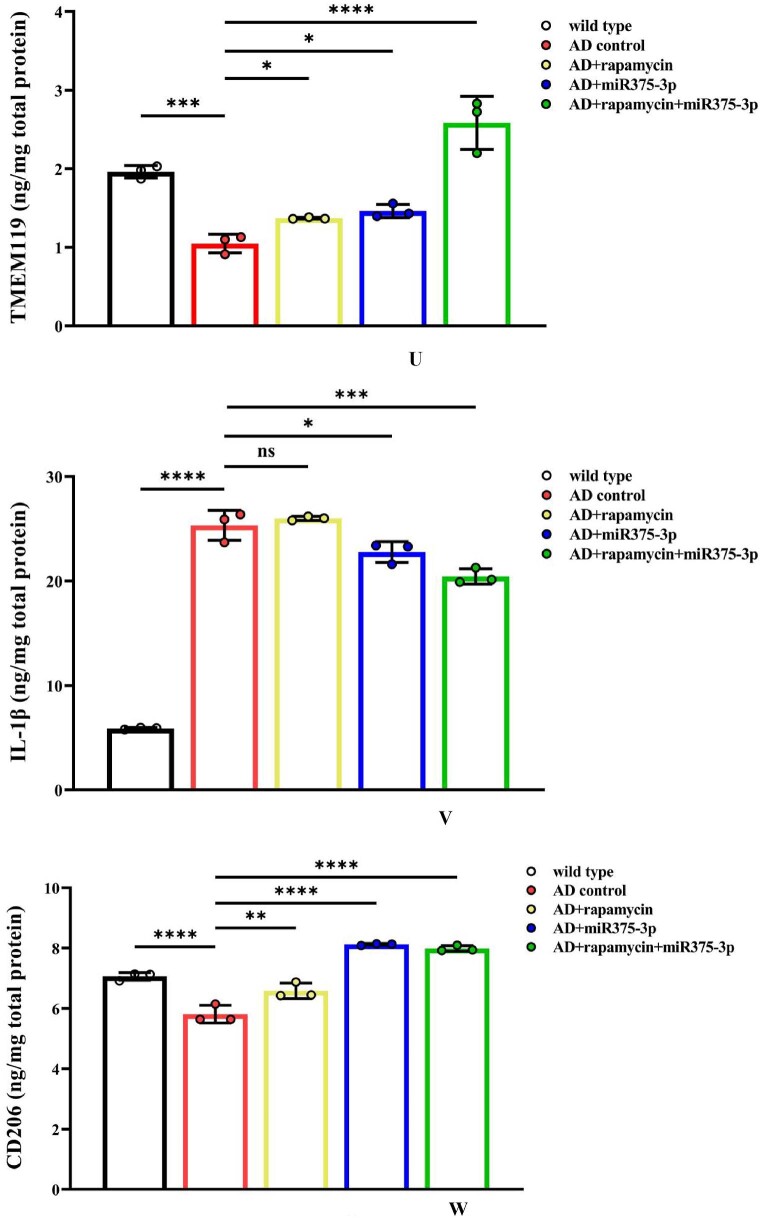
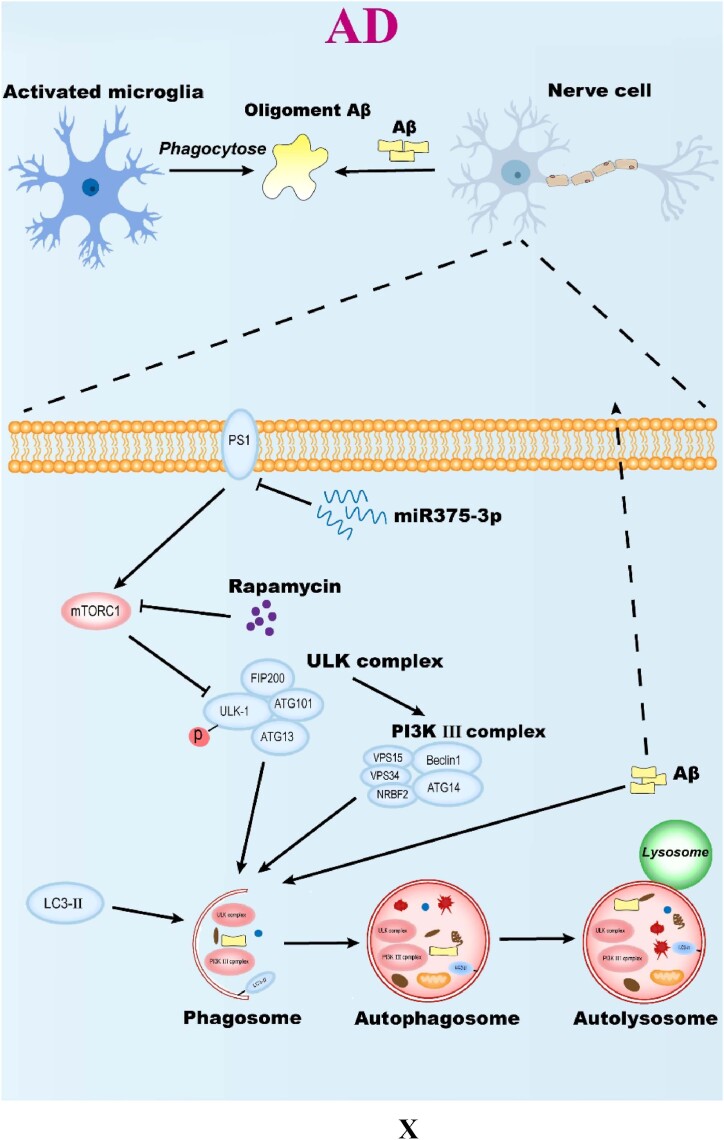
Verification
Claims the paper makes
The claims and statistics of this paper haven’t been checked yet.
Run the check — free, no account needed. It reads the open-access text and checks the sources it cites.
Claims other papers make about this one
Each is checked against this paper’s own text: does it say what the citing paper says it does?
The source backs part of the claim, not all of it — or backs it for a different population, condition or comparison.
In the citing paper
“miR-375-3p appears to function as a compensatory neuroprotective response in AD-related conditions.”
From Cell-specific MicroRNA networks orchestrate the pathogenesis of Alzheimer’s disease (2026) · cites this paper as Wang et al., 2024
Experimental — accuracy not yet measured
Self-check
Percentages, sums and reported differences re-computed from the paper’s own numbers.
The self-check needs the paper’s full text.
Citations
Cites
2023 Alzheimer's disease facts and figures
(2023) · Alzheimer's & Dementia · doi:10.1002/alz.13016 · Cited by 3,212 · cited 1×
“Currently, the specific mechanisms underlying neural damage and cognitive impairment in AD remain unclear [1].”
BackgroundSimpson, D. S. A., & Oliver, P. L. (2020) · Antioxidants · doi:10.3390/antiox9080743 · Cited by 1,044 · cited 2×
“Activation of microglia typically results in two phenotypes: M1 and M2, where M1 polarization causes an inflammatory response and M2 polarization promotes neural repair [17,18].”
BackgroundMicroglia polarization from M1 to M2 in neurodegenerative diseases
Guo, S., Wang, H., & Yin, Y. (2022) · Frontiers in Aging Neuroscience · doi:10.3389/fnagi.2022.815347 · Cited by 920
Webster, S. J., Bachstetter, A. D., Nelson, P. T., Schmitt, F. A., & Van Eldik, L. J. (2014) · Frontiers in Genetics · doi:10.3389/fgene.2014.00088 · Cited by 755 · cited 1×
“The experimental environment was cleaned thoroughly after each trial [32].”
MethodMicroglia in Neuroinflammation and Neurodegeneration: From Understanding to Therapy
Muzio, L., Viotti, A., & Martino, G. (2021) · Frontiers in Neuroscience · doi:10.3389/fnins.2021.742065 · Cited by 581
Hamelin, L., Lagarde, J., Dorothée, G., Leroy, C., Labit, M., Comley, R. A., de Souza, L. C., Corne, H., Dauphinot, L., Bertoux, M., et al. (2016) · Brain · doi:10.1093/brain/aww017 · Cited by 519
Xiang, X., Wind, K., Wiedemann, T., Blume, T., Shi, Y., Briel, N., Beyer, L., Biechele, G., Eckenweber, F., Zatcepin, A., et al. (2021) · Science Translational Medicine · doi:10.1126/scitranslmed.abe5640 · Cited by 268
Mitophagy in Alzheimer’s disease: Molecular defects and therapeutic approaches
Mary, A., Eysert, F., Checler, F., & Chami, M. (2023) · Molecular Psychiatry · doi:10.1038/s41380-022-01631-6 · Cited by 244
Alzheimer’s Disease: Key Insights from Two Decades of Clinical Trial Failures
Kim, C. K., Lee, Y. R., Ong, L., Gold, M., Kalali, A., & Sarkar, J. (2022) · Journal of Alzheimer s Disease · doi:10.3233/jad-215699 · Cited by 241
MicroRNA Profiling of CSF Reveals Potential Biomarkers to Detect Alzheimer`s Disease
Denk, J., Boelmans, K., Siegismund, C., Lassner, D., Arlt, S., & Jahn, H. (2015) · PLOS ONE · doi:10.1371/journal.pone.0126423 · Cited by 236
Research works printed but not linked: 30
- 2023, vol. 19, 1598
- Cummings, 2019, The "rights" of precision drug development for Alzheimer's disease, Alzheimer's Res. Ther., 11, 76, 10.1186/s13195-019-0529-5 · DOI
- Xia, 2021, "Don't Phos over Tau": recent developments in clinical biomarkers and therapies targeting tau phosphorylation in Alzheimer's disease and other tauopathies, Mol. Neurodegener., 16, 37, 10.1186/s13024-021-00460-5 · DOI
- Rabin, 2018, Interactive associations of Vascular risk and beta-amyloid Burden with cognitive decline in clinically normal elderly individuals: findings from the harvard aging brain study, JAMA Neurol., 75, 1124, 10.1001/jamaneurol.2018.1123 · DOI · Paper page
- Gu, 2019, Genetic influences on white matter and metabolism abnormal change in Alzheimer's disease: meta-analysis for neuroimaging research on presenilin 1 mutation, Clin. Neurol. Neurosurg., 177, 47, 10.1016/j.clineuro.2018.12.016 · DOI
- Zhang, 2022, Impairment of the autophagy-lysosomal pathway in Alzheimer's diseases: pathogenic mechanisms and therapeutic potential, Acta Pharm. Sin. B, 12, 1019, 10.1016/j.apsb.2022.01.008 · DOI
- Davoody, 2023, mTOR signaling and Alzheimer's disease: what we know and where we are?, CNS Neurosci. Ther.
- Morawe, 2022, Pharmacological mTOR-inhibition facilitates clearance of AD-related tau aggregates in the mouse brain, Eur. J. Pharmacol., 934, 10.1016/j.ejphar.2022.175301 · DOI
- Liu, 2021, Geniposide protection against Abeta(1-42) toxicity correlates with mTOR inhibition and enhancement of autophagy, J. Integr. Neurosci., 20, 67, 10.31083/j.jin.2021.01.242 · DOI
- Amin, 2023, Autophagy prevents microglial senescence, Nat. Cell Biol., 25, 923, 10.1038/s41556-023-01168-y · DOI
- Fujikawa, 2023, The functions and phenotypes of microglia in Alzheimer's disease, Cells-Basel, 12
- Chakrabarty, 2012, Hippocampal expression of murine IL-4 results in exacerbation of amyloid deposition, Mol. Neurodegener., 7, 36, 10.1186/1750-1326-7-36 · DOI · Paper page
- Hussen, 2021, MicroRNA: a signature for cancer progression, Biomedicine & pharmacotherapy = Biomedecine & pharmacotherapie, 138
- Guevremont, 2022, Plasma microRNA vary in association with the progression of Alzheimer's disease, Alzheimer's Dementia, 14
- Wang, 2023, The potential of targeting microRNA-23b-3p signaling in Alzheimer's disease: opinions on recent findings, Front. Pharmacol., 14
- Bekris, 2015, The biomarker and therapeutic potential of miRNA in Alzheimer's disease, Neurodegener. Dis. Manag., 5, 61, 10.2217/nmt.14.52 · DOI
- Mall, 2013, Stability of miRNA in human urine supports its biomarker potential, Biomarkers Med., 7, 623, 10.2217/bmm.13.44 · DOI
- Zhai, 2021, ADMSC Exo-MicroRNA-22 improve neurological function and neuroinflammation in mice with Alzheimer's disease, J. Cell Mol. Med., 25, 7513, 10.1111/jcmm.16787 · DOI
- Mai, 2019, Intranasal administration of miR-146a agomir rescued the pathological process and cognitive impairment in an AD mouse model, molecular therapy, Nucleic acids, 18, 681, 10.1016/j.omtn.2019.10.002 · DOI
- Kim, 2018, The microRNA miR-7a-5p ameliorates ischemic brain damage by repressing α-synuclein, Sci. Signal., 11, 10.1126/scisignal.aat4285 · DOI
- Yu, 2021, MicroRNA-99b-3p promotes angiotensin II-induced cardiac fibrosis in mice by targeting GSK-3β, Acta Pharmacol. Sin., 42, 715, 10.1038/s41401-020-0498-z · DOI
- Song, 2022, MicroRNA-210 controls mitochondrial metabolism and protects heart function in myocardial infarction, Circulation, 145, 1140, 10.1161/CIRCULATIONAHA.121.056929 · DOI
- Zhang, 2018, Metformin synergizes with rapamycin to inhibit the growth of pancreatic cancer in vitro and in vivo, Oncol. Lett., 15, 1811
- Othman, 2021, Morris water maze: a versatile and pertinent tool for assessing spatial learning and memory, Exp Anim Tokyo, 71, 264, 10.1538/expanim.21-0120 · DOI
- Li, 2014, Rapamycin: one drug, many effects, Cell Metab, 19, 373, 10.1016/j.cmet.2014.01.001 · DOI · Paper page
- Wei, 2022, Different phenotypes of microglia in animal models of Alzheimer disease, Immun. Ageing, 19, 10.1186/s12979-022-00300-0 · DOI
- Schmukler, 2020, Autophagy induction in the treatment of Alzheimer's disease, Drug Dev. Res., 81, 184, 10.1002/ddr.21605 · DOI
- Scheltens, 2021, Alzheimer's disease, Lancet, 397, 1577, 10.1016/S0140-6736(20)32205-4 · DOI · Paper page
- Marques-Ramos, 2023, Expression of mTOR in normal and pathological conditions, Mol. Cancer, 22, 10.1186/s12943-023-01820-z · DOI
- Tang, 2016, Differential roles of M1 and M2 microglia in neurodegenerative diseases, Mol. Neurobiol., 53, 1181, 10.1007/s12035-014-9070-5 · DOI · Paper page
Cited by
Sorted by citations
Cell-specific MicroRNA networks orchestrate the pathogenesis of Alzheimer’s disease
Donepudi, K., Eadha, S., Rodarte, D., Sharma, B., & Kumar, S. (2026) · Ageing Research Reviews · doi:10.1016/j.arr.2026.103211
Metadata
- Authors
- Wang, Y., Xiao, Z., Yin, H., Ren, Z., Ma, X., Wang, Y., Zhang, Y., Fu, X., Zhang, F., & Zeng, L.
- ORCID
- Zeng, Linlin
- Venue
- Heliyon
- Publisher
- Elsevier BV
- Published
- 2024-10
- Volume
- 10
- Issue
- 19
- Pages
- e37589
- ISSN
- 2405-8440
- PMC
- PMC11461998
- Cited by
- 5
- References
- 13
- Language
- en
- Licence
- Funders
- Department of Science and Technology of Jilin Province (YDZJ202301ZYTS536)
- National Key Research and Development Program of China (2021YFA1500400)
About these checks
Registry, retraction, Cites and statistics results are computed, not judged, with one exception: a printed reference that no index lists is read once by a model before it counts as a citation error. Claims are extracted by a model and kept only when their quote appears verbatim in the text; each cited source is then checked, with a model’s help, for whether it says what the claim relies on. Those verdicts can be wrong — read the claim’s quote and the cited source before relying on one.
Statistics and arithmetic are recomputed, not judged.
Confidence bands are shown only for fields calibrated on our annotated test set. None is calibrated yet, so no band is shown.
What counts as a claim ›How we measure confidence ›How we check this ›
Are you an author, or do you see a problem with this page? Request a review
