

The DOI matches its Crossref record; 53 of the 53 references it cites were found in a registry or an index.
Fibroblast Activation Protein Activates Macrophages and Promotes Parenchymal Liver Inflammation and Fibrosis
Open accessAbstract
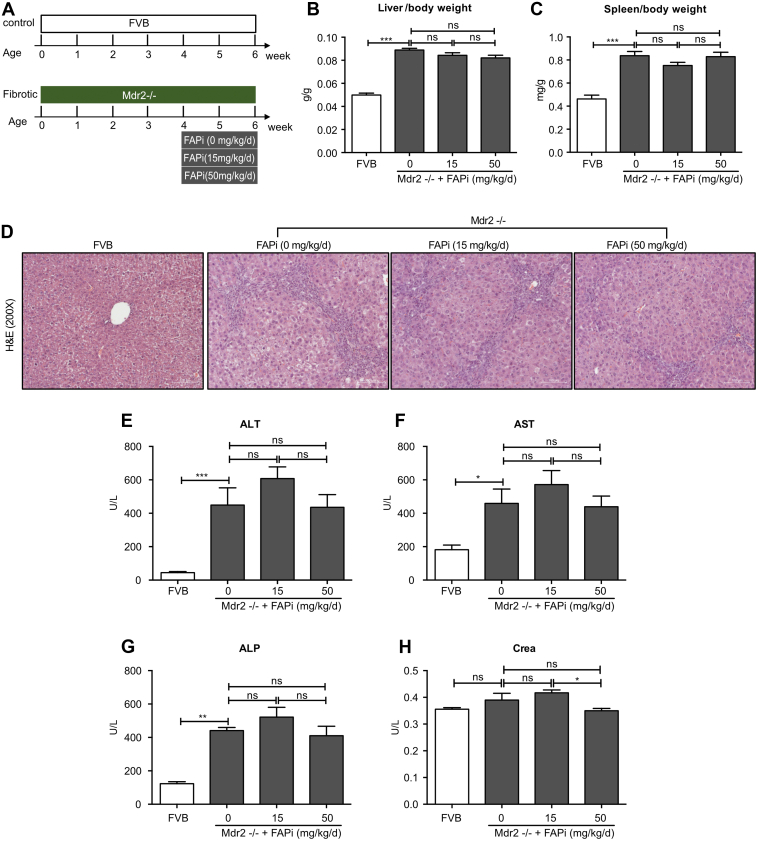
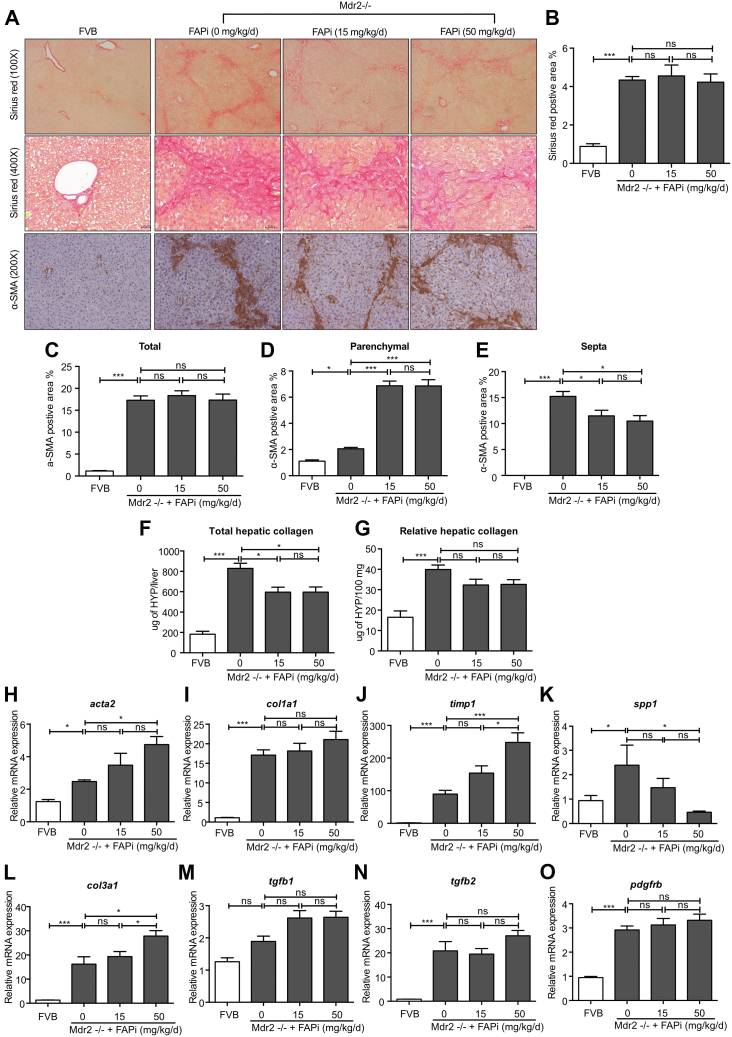
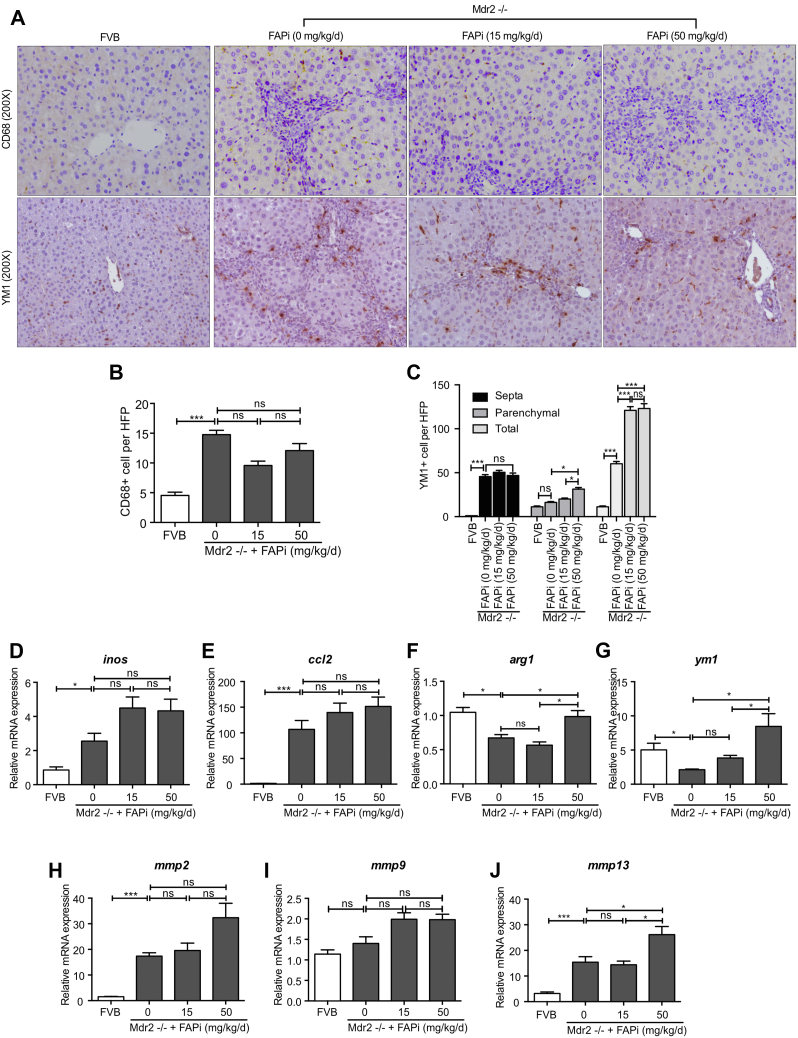
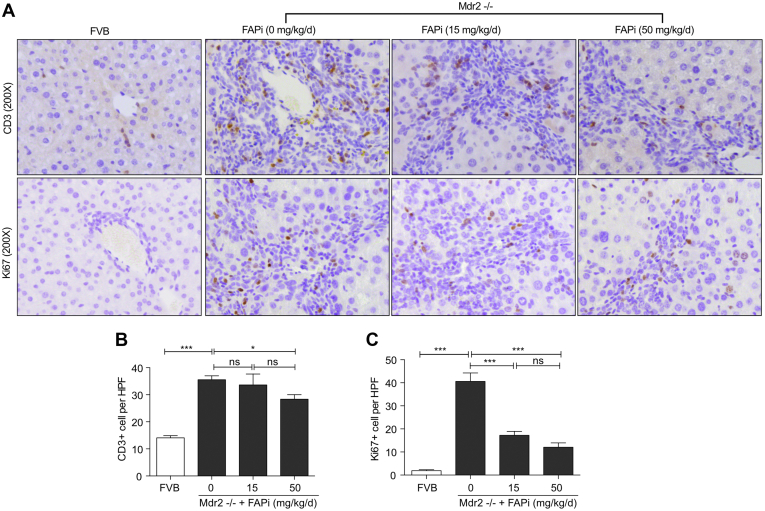
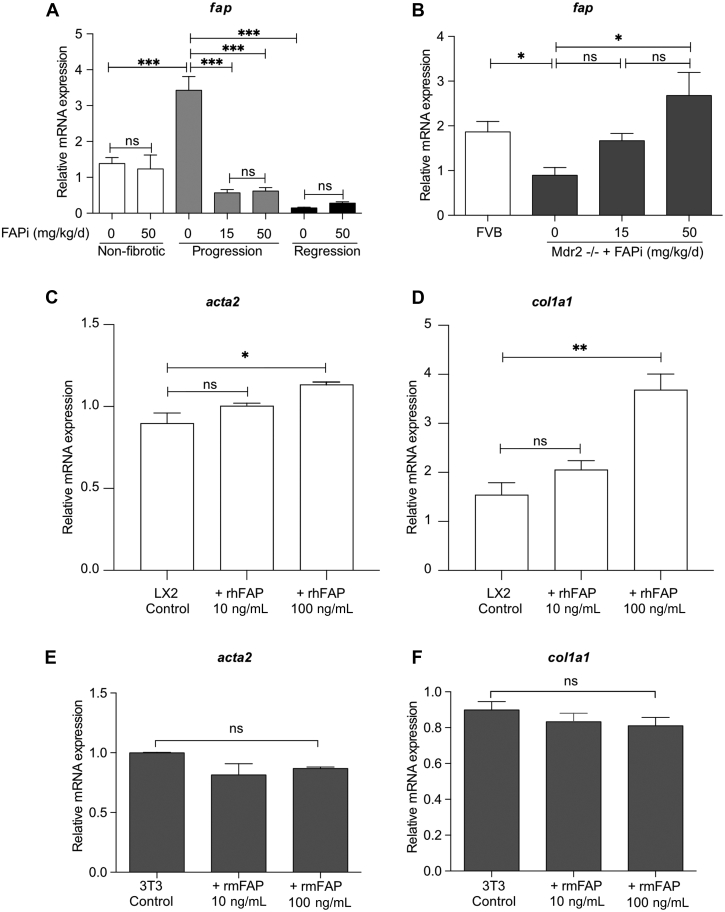
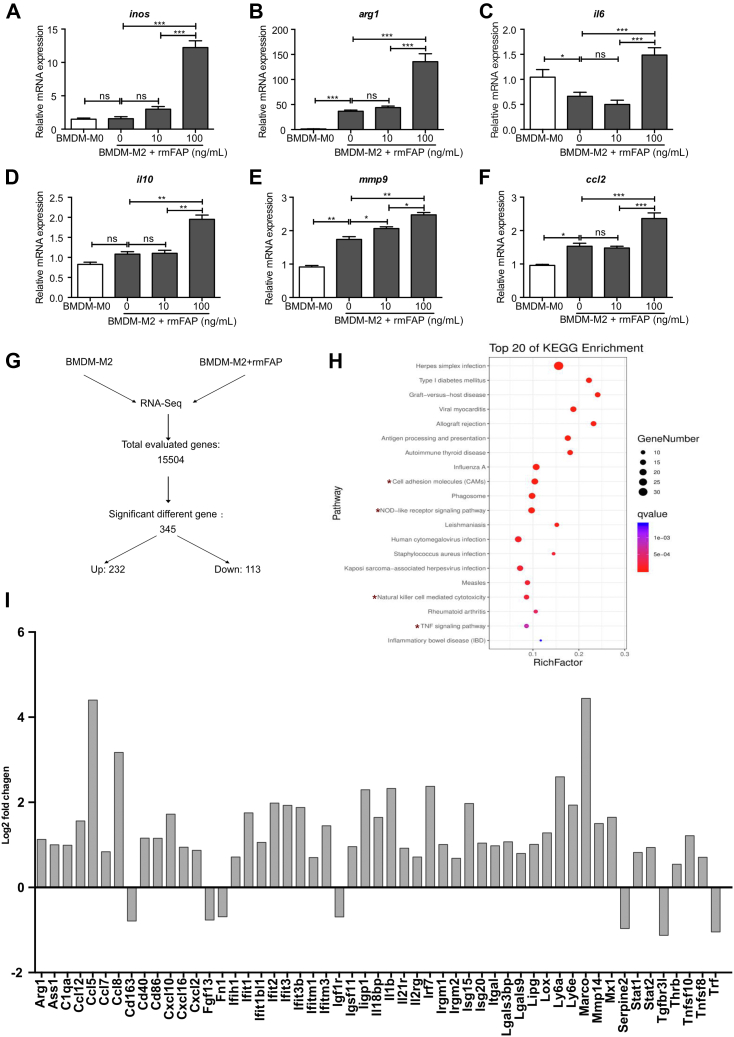
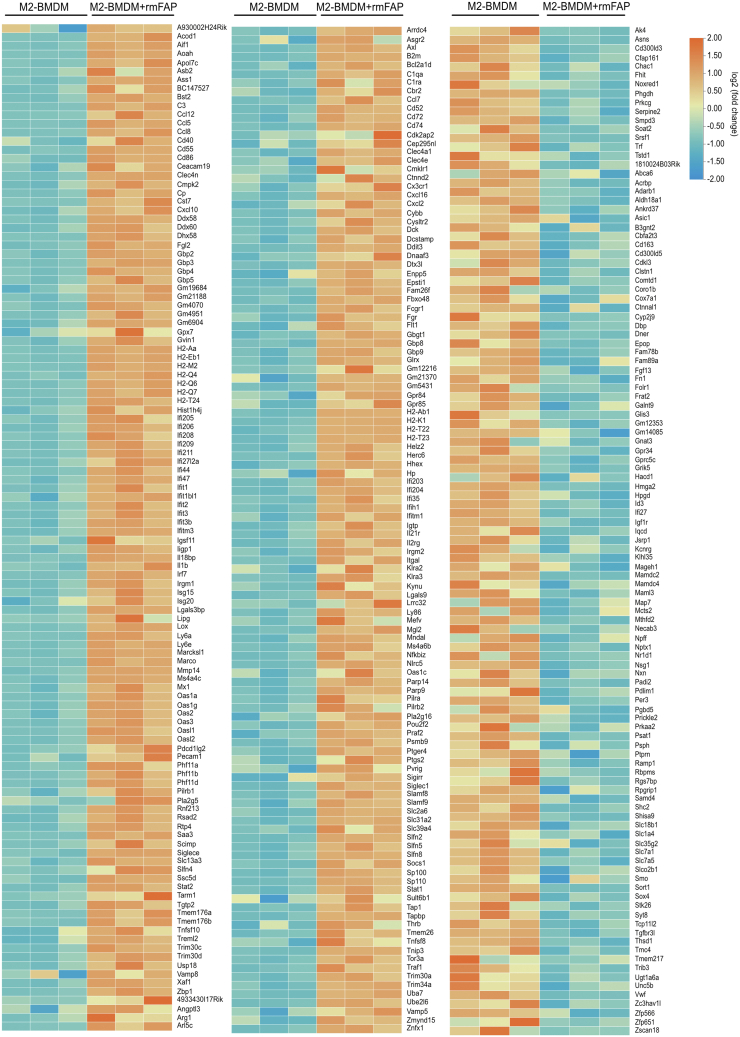
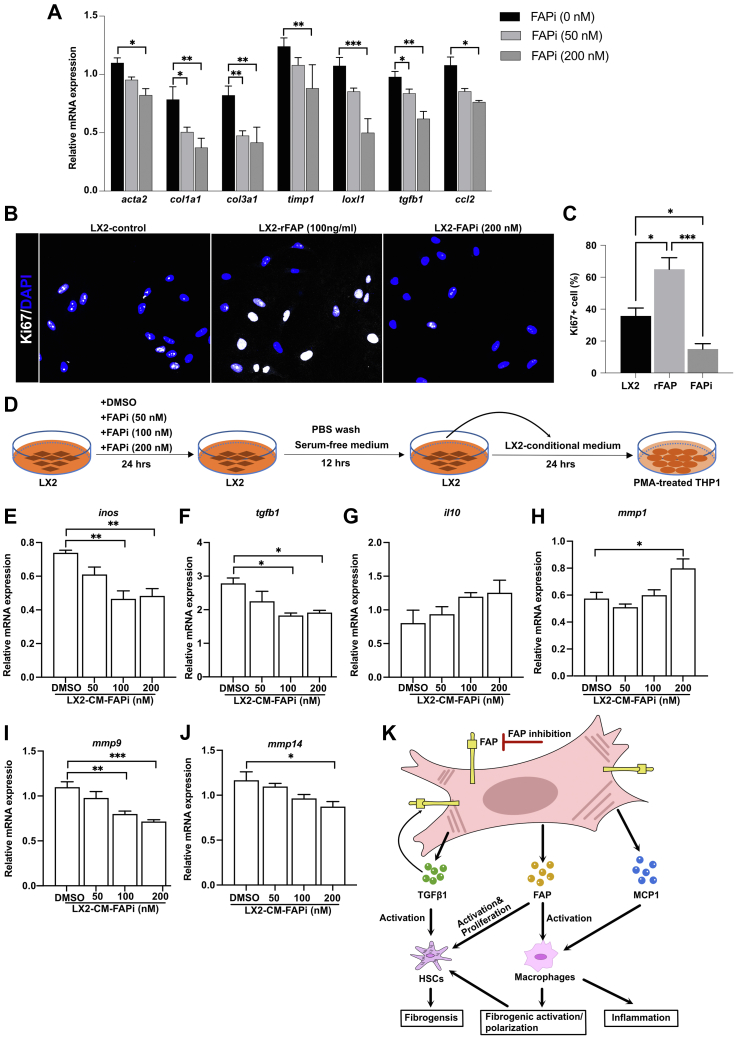
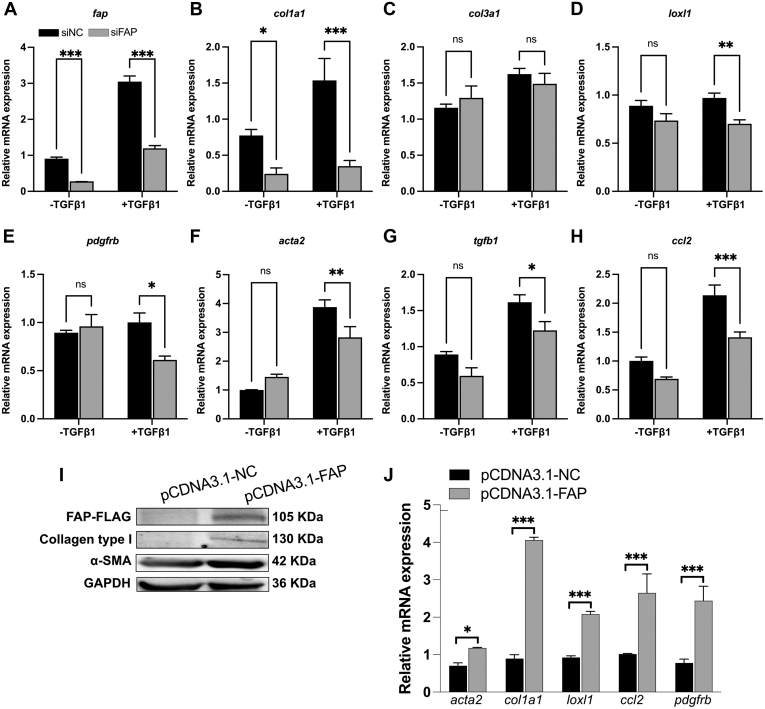
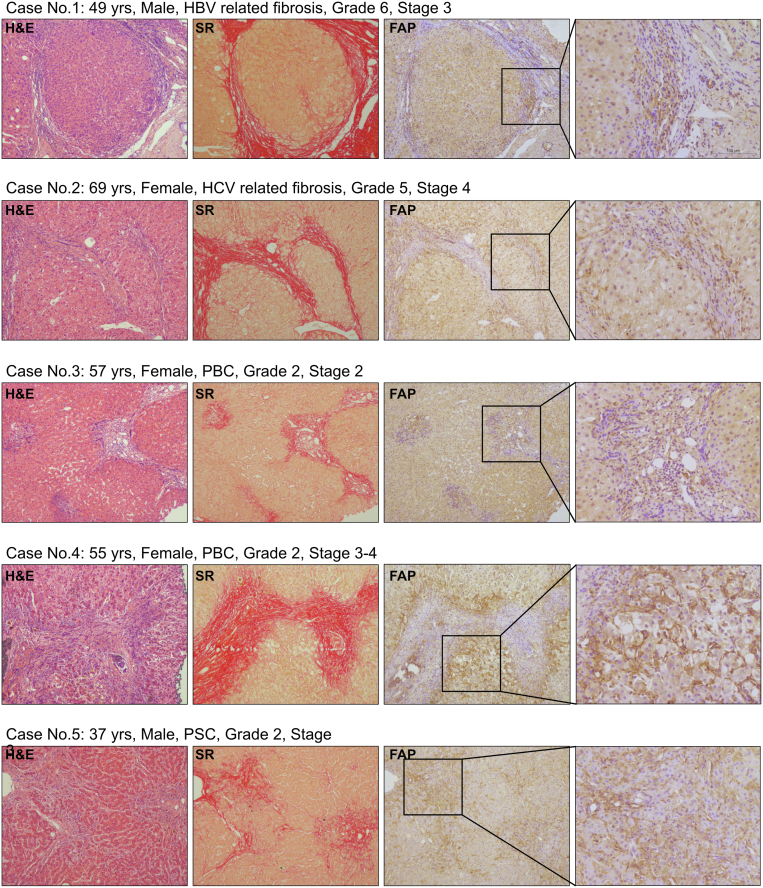
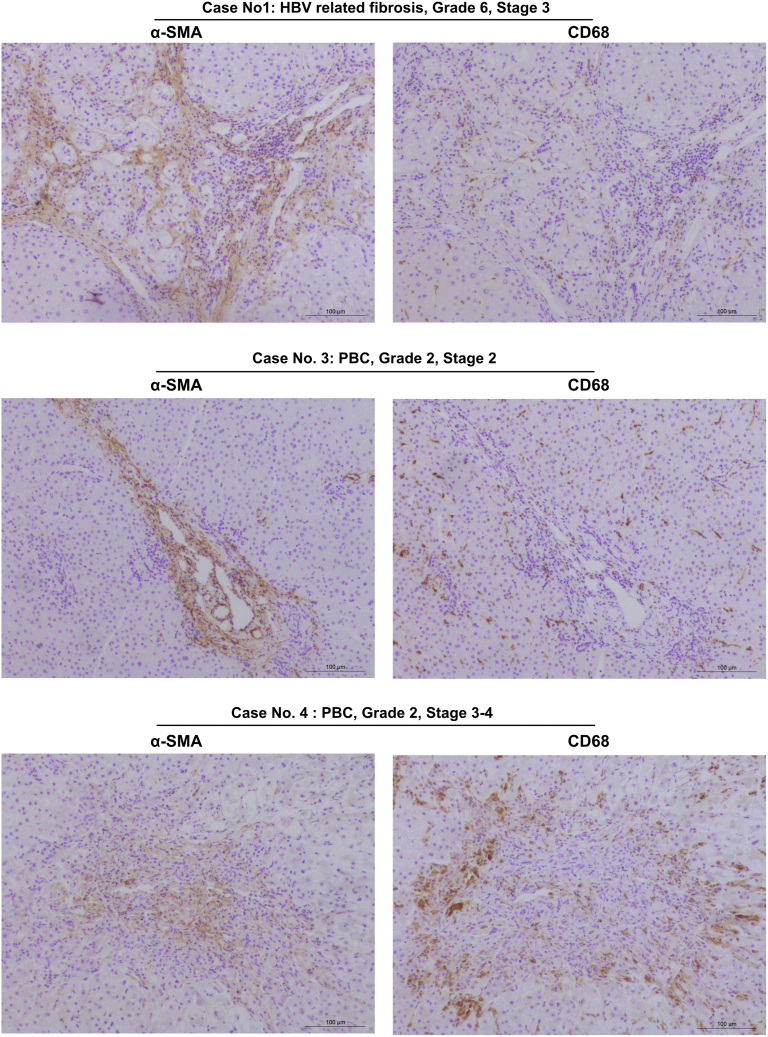
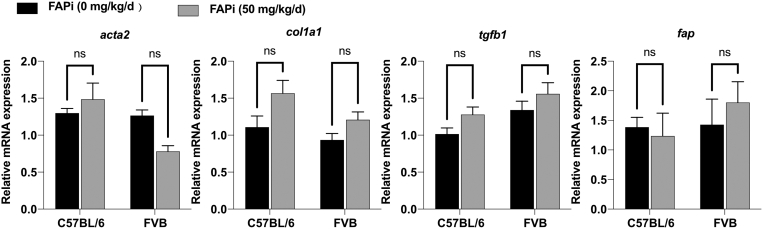
BACKGROUND & AIMS: Fibroblast activation protein (FAP) is expressed on activated fibroblast. Its role in fibrosis and desmoplasia is controversial, and data on pharmacological FAP inhibition are lacking. We aimed to better define the role of FAP in liver fibrosis in vivo and in vitro. METHODS: FAP expression was analyzed in mice and patients with fibrotic liver diseases of various etiologies. Fibrotic mice received a specific FAP inhibitor (FAPi) at 2 doses orally for 2 weeks during parenchymal fibrosis progression (6 weeks of carbon tetrachloride) and regression (2 weeks off carbon tetrachloride), and with biliary fibrosis (Mdr2-/-). Recombinant FAP was added to (co-)cultures of hepatic stellate cells (HSC), fibroblasts, and macrophages. Fibrosis- and inflammation-related parameters were determined biochemically, by quantitative immunohistochemistry, polymerase chain reaction, and transcriptomics. RESULTS: FAP+ fibroblasts/HSCs were α-smooth muscle actin (α-SMA)-negative and located at interfaces of fibrotic septa next to macrophages in murine and human livers. In parenchymal fibrosis, FAPi reduced collagen area, liver collagen content, α-SMA+ myofibroblasts, M2-type macrophages, serum alanine transaminase and aspartate aminotransferase, key fibrogenesis-related transcripts, and increased hepatocyte proliferation 10-fold. During regression, FAP was suppressed, and FAPi was ineffective. FAPi less potently inhibited biliary fibrosis. In vitro, FAP small interfering RNA reduced HSC α-SMA expression and collagen production, and FAPi suppressed their activation and proliferation. Compared with untreated macrophages, FAPi regulated macrophage profibrogenic activation and transcriptome, and their conditioned medium attenuated HSC activation, which was increased with addition of recombinant FAP. CONCLUSIONS: Pharmacological FAP inhibition attenuates inflammation-predominant liver fibrosis. FAP is expressed on subsets of activated fibroblasts/HSC and promotes both macrophage and HSC profibrogenic activity in liver fibrosis.
Overview
The claims and statistics of this paper haven’t been checked yet.
Run the check — free, no account needed. It reads the open-access text and checks the sources it cites.
Integrity signals
Registry
Cites
Statistics
Figures
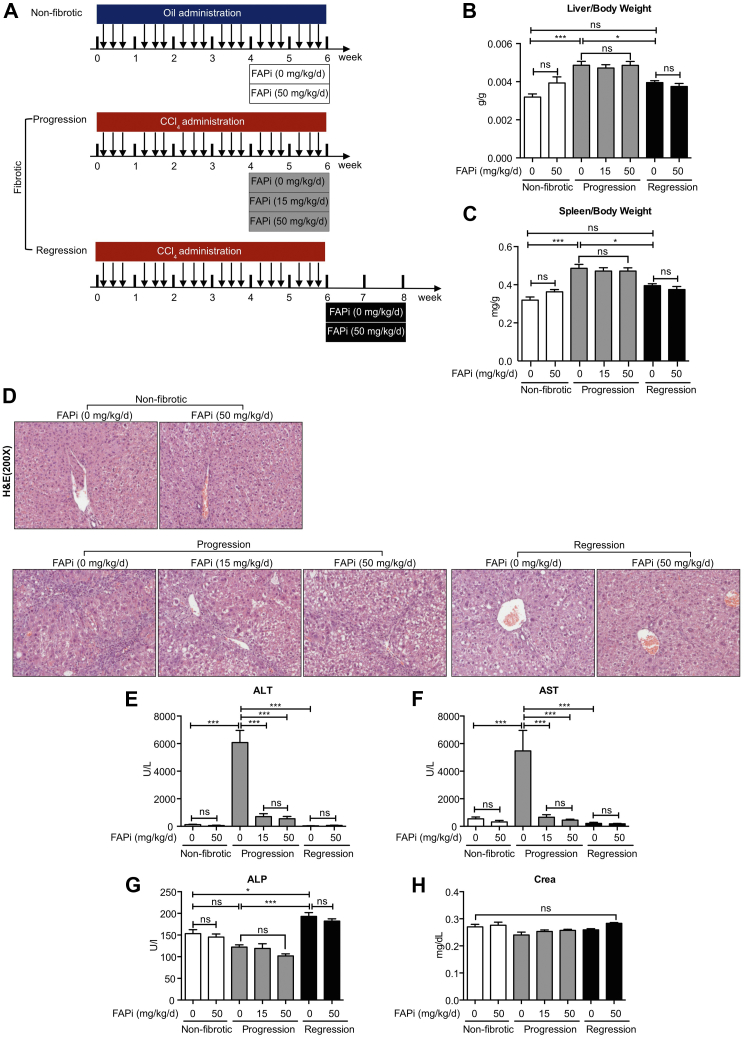
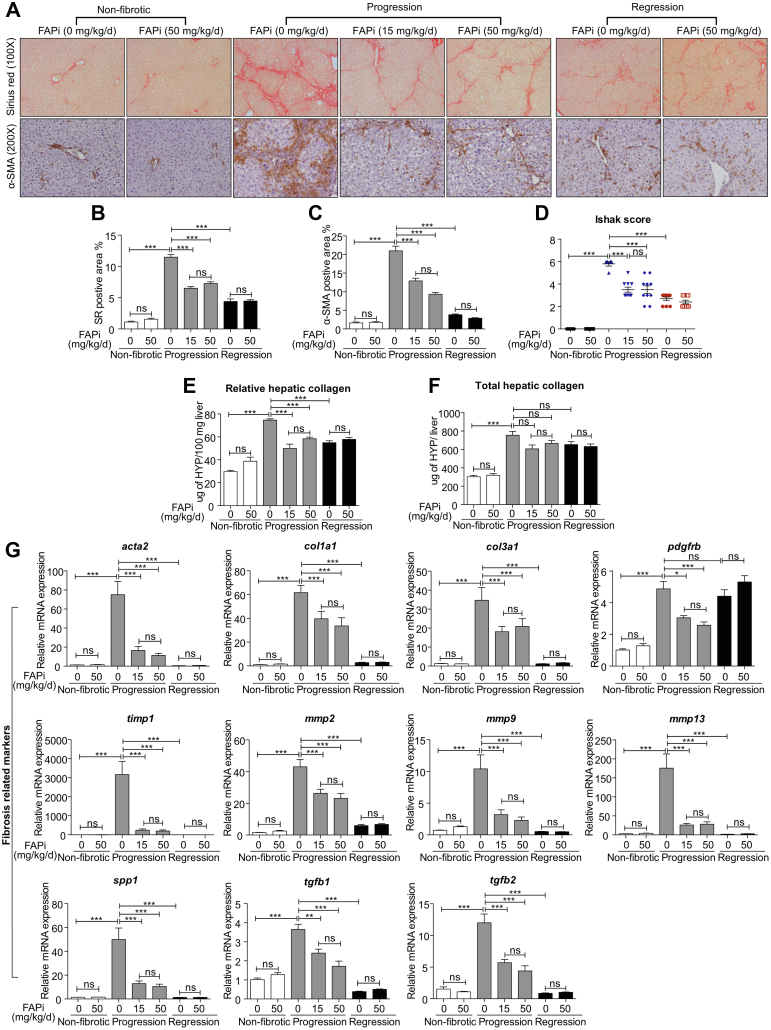
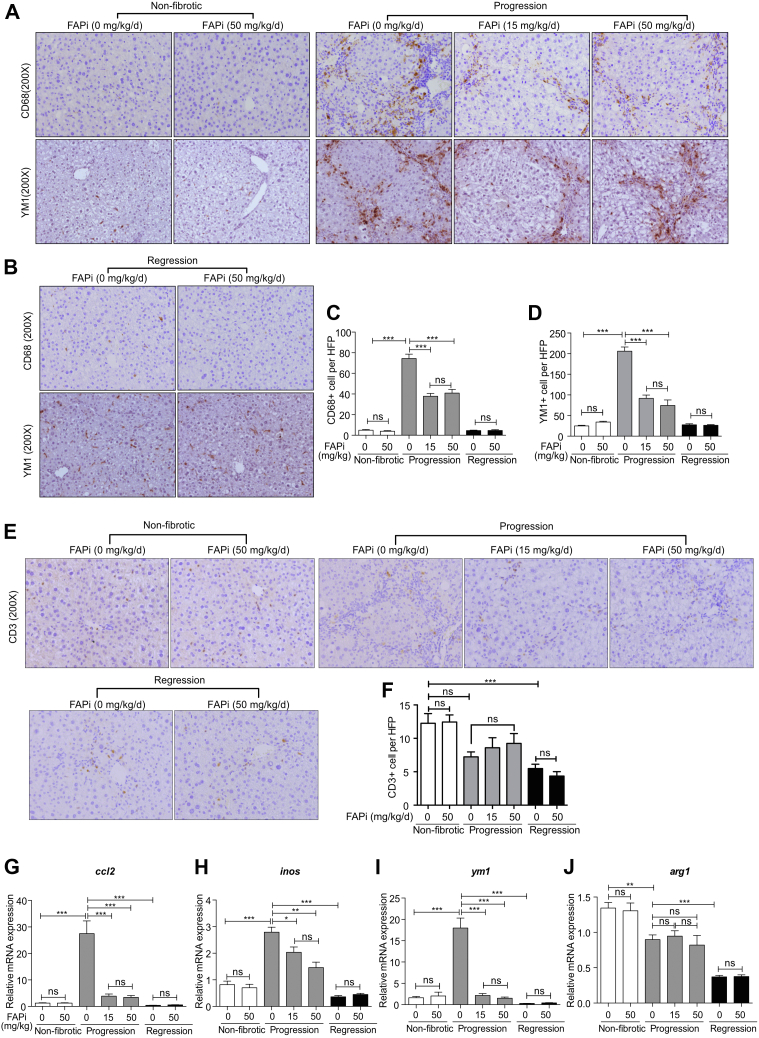
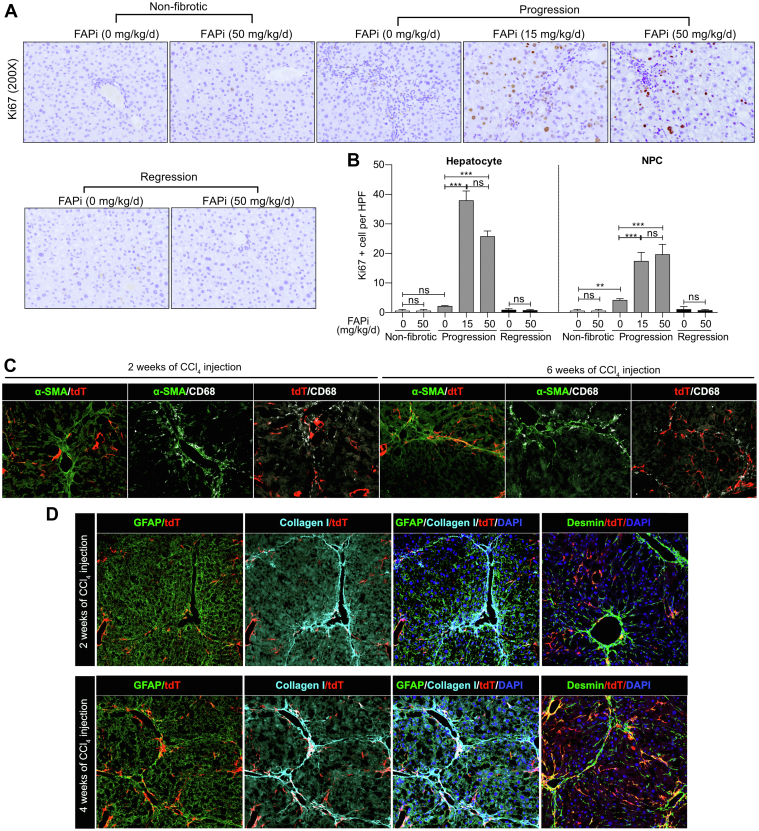
Verification
Claims the paper makes
The claims and statistics of this paper haven’t been checked yet.
Run the check — free, no account needed. It reads the open-access text and checks the sources it cites.
Claims other papers make about this one
Each is checked against this paper’s own text: does it say what the citing paper says it does?
The source backs part of the claim, not all of it — or backs it for a different population, condition or comparison.
In the citing paper
“Partial polarization of macrophages toward a restorative phenotype -characterized by downregulation of pro-inflammatory markers without changes in Arg1 expression- was observed during fibrosis progression but not during regression.”
From Strategies to promote liver fibrosis amelioration with involvement of restorative macrophages (2026) · cites this paper as [88]
Experimental — accuracy not yet measuredThe source backs part of the claim, not all of it — or backs it for a different population, condition or comparison.
In the citing paper
“Using a similar approach in a biliary fibrosis model (Mdr2-/- mice), FAP inhibition also improved liver fibrosis although macrophages displayed a mixed phenotype, with upregulation of both pro-inflammatory and tolerogenic markers.”
From Strategies to promote liver fibrosis amelioration with involvement of restorative macrophages (2026) · cites this paper as [88]
Experimental — accuracy not yet measuredThe source backs part of the claim, not all of it — or backs it for a different population, condition or comparison.
In the citing paper
“In complementary in vitro experiments, human THP-1, monocytes exposed to conditioned media from LX2 cells pretreated with a FAP inhibitor exhibited reduced activation, with downregulation of iNOS, TGFβ1, MMP9 and MMP14, and upregulation of MMP1, along with a trend toward increased IL-10 expression.”
From Strategies to promote liver fibrosis amelioration with involvement of restorative macrophages (2026) · cites this paper as [88]
Experimental — accuracy not yet measuredThe cited source says what the claim attributes to it.
In the citing paper
“Yang et al. (88) inhibited fibroblast activation protein (FAP), which is expressed in a subset of myofibroblasts, including HSCs, and observed attenuation of parenchymal liver fibrosis together with increased hepatocyte proliferation.”
From Strategies to promote liver fibrosis amelioration with involvement of restorative macrophages (2026) · cites this paper as [88]
The cited source says what the claim attributes to it.
In the citing paper
“Consistently, FAP inhibition was effective in limiting fibrogenesis but did not promote fibrosis resolution.”
From Strategies to promote liver fibrosis amelioration with involvement of restorative macrophages (2026) · cites this paper as [88]
The cited source says what the claim attributes to it.
In the citing paper
“Importantly, FAP expression was found to be also increased in patients with various chronic liver diseases.”
From Strategies to promote liver fibrosis amelioration with involvement of restorative macrophages (2026) · cites this paper as [88]
In the citing paper
“Because FAP is also implicated in hepatic fibrosis (313, 314), this approach merits further evaluation in MASH.”
From Found in translation—Fibrosis in metabolic dysfunction–associated steatohepatitis (MASH) (2023) · cites this paper as [314]
Self-check
Percentages, sums and reported differences re-computed from the paper’s own numbers.
The self-check needs the paper’s full text.
Citations
Cites
Burden of liver diseases in the world
Asrani, S. K., Devarbhavi, H., Eaton, J., & Kamath, P. S. (2019) · Journal of Hepatology · doi:10.1016/j.jhep.2018.09.014 · Cited by 3,783
Schuppan, D., & Afdhal, N. H. (2008) · The Lancet · doi:10.1016/s0140-6736(08)60383-9 · Cited by 2,089
Self-citationMolecular and cellular mechanisms of liver fibrosis and its regression
Kisseleva, T., & Brenner, D. (2021) · Nature Reviews Gastroenterology & Hepatology · doi:10.1038/s41575-020-00372-7 · Cited by 2,024 · cited 1×
“Fibrosis results from a disbalance of the dynamic processes of ECM resolution (fibrolysis) in favor of ECM accumulation (fibrogenesis).(4) Experimental and clinical data indicate that even cirrhosis can regress with effective treatment of the underlying liver disease.”
BackgroundTargeting hepatic macrophages to treat liver diseases
Tacke, F. (2017) · Journal of Hepatology · doi:10.1016/j.jhep.2017.02.026 · Cited by 1,003
Distinct fibroblast subsets drive inflammation and damage in arthritis
Croft, A. P., Campos, J., Jansen, K., Turner, J. D., Marshall, J., Attar, M., Savary, L., Wehmeyer, C., Naylor, A. J., Kemble, S., et al. (2019) · Nature · doi:10.1038/s41586-019-1263-7 · Cited by 976
The role of macrophages in nonalcoholic fatty liver disease and nonalcoholic steatohepatitis
Kazankov, K., Jørgensen, S. M. D., Thomsen, K. L., Møller, H. J., Vilstrup, H., George, J., Schuppan, D., & Grønbæk, H. (2019) · Nature Reviews Gastroenterology & Hepatology · doi:10.1038/s41575-018-0082-x · Cited by 941
Self-citationMyofibroblasts revert to an inactive phenotype during regression of liver fibrosis
Kisseleva, T., Cong, M., Paik, Y., Scholten, D., Jiang, C., Benner, C., Iwaisako, K., Moore-Morris, T., Scott, B., Tsukamoto, H., et al. (2012) · Proceedings of the National Academy of Sciences · doi:10.1073/pnas.1201840109 · Cited by 805
Yang, X., Lin, Y., Shi, Y., Li, B., Liu, W., Yin, W., Dang, Y., Chu, Y., Fan, J., & He, R. (2016) · Cancer Research · doi:10.1158/0008-5472.can-15-2973 · Cited by 748
Evolving therapies for liver fibrosis
Schuppan, D., & Kim, Y. O. (2013) · Journal of Clinical Investigation · doi:10.1172/jci66028 · Cited by 610
Self-citationPark, J. E., Lenter, M., Zimmermann, R., Garin‐Chesa, P., Old, L. J., & Rettig, W. J. (1999) · Journal of Biological Chemistry · doi:10.1074/jbc.274.51.36505 · Cited by 606
Cited by
Sorted by citations
Found in translation—Fibrosis in metabolic dysfunction–associated steatohepatitis (MASH)
Wang, S., & Friedman, S. L. (2023) · Science Translational Medicine · doi:10.1126/scitranslmed.adi0759 · Cited by 158
Shan, L., Wang, F., Zhai, D., Meng, X., Liu, J., & Lv, X. (2023) · Biomedicine & Pharmacotherapy · doi:10.1016/j.biopha.2023.114472 · Cited by 140
Mori, Y., Novruzov, E., Schmitt, D. R., Cardinale, J., Watabe, T., Choyke, P. L., Alavi, A. A., Haberkorn, U., & Giesel, F. L. (2024) · npj Imaging · doi:10.1038/s44303-024-00053-z · Cited by 129
Long, F., Zhong, W., Zhao, F., Xu, Y., Hu, X., Jia, G., Huang, L., Yi, K., Wang, N., Si, H., et al. (2024) · Theranostics · doi:10.7150/thno.99046 · Cited by 68
Inhibiting mechanotransduction prevents scarring and yields regeneration in a large animal model
Mascharak, S., Griffin, M., desJardins-Park, H. E., Guo, J. L., Parker, J. B. L., Morgan, A. G., Valencia, C., Kuhnert, M. M., Li, D. J., Liang, N. E., et al. (2025) · Science Translational Medicine · doi:10.1126/scitranslmed.adt6387 · Cited by 57
Metadata
- Authors
- Yang, A.-T., Kim, Y.-O., Yan, X.-Z., Abe, H., Aslam, M., Park, K.-S., Zhao, X.-Y., Jia, J.-D., Klein, T., You, H., & Schuppan, D.
- Affiliations
- University Medical Center of the Johannes Gutenberg University Mainz (DE)
- Boehringer Ingelheim (Germany) (DE)
- Capital Medical University (CN)
- Beth Israel Deaconess Medical Center (US)
- Corresponding author
- Schuppan, Detlef
- Venue
- Cellular and Molecular Gastroenterology and Hepatology
- Publisher
- Elsevier BV
- Published
- 2023
- Volume
- 15
- Issue
- 4
- Pages
- 841-867
- ISSN
- 2352-345X (ISSN-L)
- PMC
- PMC9972574
- OpenAlex
- W4311422489
- Cited by
- 144
- References
- 53
- Citations by year
- 2026: 40 · 2025: 47 · 2024: 38 · 2023: 18
- FWCI
- 15.32
- Type
- journal article
- Language
- en
- Open access
- gold
- doi.org
- Licence
- Locations
- Cellular and Molecular Gastroenterology and Hepatology (publishedVersion, cc-by-nc-nd)
- PubMed Central (publishedVersion, cc-by-nc-nd)
- PubMed (publishedVersion)
- DOAJ (DOAJ: Directory of Open Access Journals) (submittedVersion, cc-by-sa)
- Funders
- Deutsche Forschungsgemeinschaft (SFB 1066, CRC 1292)
- Horizon 2020 (634413, 777377)
- National Natural Science Foundation of China (82130018, 81970524)
- Topics
- Health Sciences › Medicine › Hepatology › Liver physiology and pathology
- Life Sciences › Biochemistry, Genetics and Molecular Biology › Biochemistry › Peptidase Inhibition and Analysis
- Health Sciences › Medicine › Hepatology › Liver Disease Diagnosis and Treatment
- Keywords
- fibroblast activation protein, liver fibrosis, hepatic stellate cells, macrophage activation, M2 macrophages, myofibroblasts, collagen deposition, hepatocyte proliferation, biliary fibrosis, carbon tetrachloride, desmoplasia
- MeSH terms
- Animals, Carbon Tetrachloride, Collagen, Fibroblasts, Fibrosis, Hepatitis, Humans, Inflammation, Liver Cirrhosis, Liver Diseases, Macrophages, Mice
About these checks
Registry, retraction, Cites and statistics results are computed, not judged, with one exception: a printed reference that no index lists is read once by a model before it counts as a citation error. Claims are extracted by a model and kept only when their quote appears verbatim in the text; each cited source is then checked, with a model’s help, for whether it says what the claim relies on. Those verdicts can be wrong — read the claim’s quote and the cited source before relying on one.
Statistics and arithmetic are recomputed, not judged.
Confidence bands are shown only for fields calibrated on our annotated test set. None is calibrated yet, so no band is shown.
What counts as a claim ›How we measure confidence ›How we check this ›
Are you an author, or do you see a problem with this page? Request a review
