

The DOI matches its Crossref record; 49 of the 49 references it cites were found in a registry or an index.
Assessment of microplastic-sorbed contaminant bioavailability through analysis of biomarker gene expression in larval zebrafish
Open accessAbstract
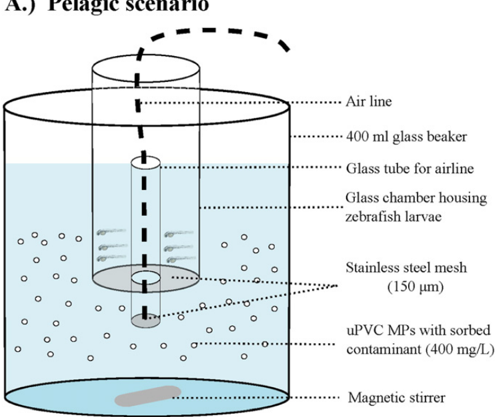
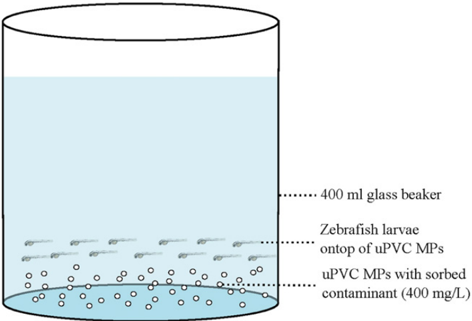
Microplastics (MPs) are prevalent in marine ecosystems. Because toxicants (termed here “co-contaminants”) can sorb to MPs, there is potential for MPs to alter co-contaminant bioavailability. Our objective was to demonstrate sorption of two co-contaminants with different physicochemistries [phenanthrene (Phe), log10Kow = 4.57; and 17α-ethinylestradiol (EE2), log10Kow = 3.67] to MPs; and assess whether co-contaminant bioavailability was increased after MP settlement. Bioavailability was indicated by gene expression in larval zebrafish. Both Phe and EE2 sorbed to MPs, which reduced bioavailability by a maximum of 33% and 48% respectively. Sorption occurred, but was not consistent with predictions based on co-contaminant physicochemistry (Phe having higher log10Kow was expected to have higher sorption). Contaminated MPs settled to the bottom of the exposures did not lead to increased bioavailability of Phe or EE2. Phe was 48% more bioavailable than predicted by a linear sorption model, organism-based measurements therefore contribute unique insight into MP co-contaminant bioavailability.
Overview
The claims and statistics of this paper haven’t been checked yet.
Run the check — free, no account needed. It reads the open-access text and checks the sources it cites.
Integrity signals
Registry
Cites
Statistics
Figures
Verification
Claims the paper makes
The claims and statistics of this paper haven’t been checked yet.
Run the check — free, no account needed. It reads the open-access text and checks the sources it cites.
Claims other papers make about this one
Each is checked against this paper’s own text: does it say what the citing paper says it does?
In the citing paper
“They documented genotoxicity, reproductive and behavioural effects in the fish D. rerio.”
From Studies of the Effects of Microplastics on Aquatic Organisms: What Do We Know and Where Should We Focus Our Efforts in the Future? (2018) · cites this paper as Sleight et al., 2017
In the citing paper
“Chen et al. (2017a) and Sleight et al. (2017) studied the interactions of MPs and the 17α-ethinylestradiol, a synthetic hormone which can function as an EDC.”
From Studies of the Effects of Microplastics on Aquatic Organisms: What Do We Know and Where Should We Focus Our Efforts in the Future? (2018) · cites this paper as Sleight et al., 2017
Self-check
Percentages, sums and reported differences re-computed from the paper’s own numbers.
The self-check needs the paper’s full text.
Citations
Cites
Microplastics in the marine environment
Andrady, A. L. (2011) · Marine Pollution Bulletin · doi:10.1016/j.marpolbul.2011.05.030 · Cited by 8,105 · cited 2×
“uPVC was selected as a model polymer because it is reported globally in themarine environment (Andrady, 2011), and because preliminary trials with unplasticized PVC showed that the MPs sank to the bottom.”
MethodLost at sea: where is all the plastic?
Thompson, R. C., Olsen, Y., Mitchell, R. P., Davis, A., Rowland, S. J., John, A. W. G., McGonigle, D., & Russell, A. E. (2004) · Science · doi:10.1126/science.1094559 · Cited by 7,765 · cited 1×
“A uPVC size of 200 – 250 μ m was selected and provided a high surface area for sorption (Teuten et al., 2009), is comparable with previous work (Bakir et al., 2012) and is representative of small MPs found in the environment (Thompson et al., 2004).”
ResultAccumulation of Microplastic on Shorelines Woldwide: Sources and Sinks
Browne, M. A., Crump, P., Niven, S. J., Teuten, E. L., Tonkin, A., Galloway, T. S., & Thompson, R. C. (2011) · Environmental Science & Technology · doi:10.1021/es201811s · Cited by 4,838
Eriksen, M., Lebreton, L. C. M., Carson, H. S., Thiel, M., Moore, C. J., Borerro, J. C., Galgani, F., Ryan, P. G., & Reisser, J. (2014) · PLoS ONE · doi:10.1371/journal.pone.0111913 · Cited by 4,710 · cited 1×
“Plastic debris is present in numerous shapes and sizes and particles b 5 mm (MPs) in size are reported as the most abundant sizes detected in large-scale assessments of the oceans (Eriksen et al., 2014).”
BackgroundLong, E. R., MacDonald, D. D., Smith, S. L., & Calder, F. D. (1995) · Environmental Management · doi:10.1007/bf02472006 · Cited by 4,331 · cited 2×
“…of MPs and co-contaminants used in the present study were orders of magnitudes higher than what is found in the environment (Aris et al., 2014; Long et al., 1995; Lusher et al., 2014), and co-contaminant concentrations were deliberately tested at higher than environmentally relevant amounts.”
BackgroundTransport and release of chemicals from plastics to the environment and to wildlife
Teuten, E. L., Saquing, J. M., Knappe, D. R. U., Barlaz, M. A., Jonsson, S., Björn, A., Rowland, S. J., Thompson, R. C., Galloway, T. S., Yamashita, R., et al. (2009) · Philosophical Transactions of the Royal Society B: Biological Sciences · doi:10.1098/rstb.2008.0284 · Cited by 2,938
Ingested plastic transfers hazardous chemicals to fish and induces hepatic stress
Rochman, C. M., Hoh, E., Kurobe, T., & Teh, S. J. (2013) · Scientific Reports · doi:10.1038/srep03263 · Cited by 2,169 · cited 3×
“One concern is the potential for MPs to transport harmful pollutants (termed here “ co-contaminants ” ) sorbed from marine environments (Holmes et al., 2012; Mato et al., 2001; Rochman et al., 2013a) into the food chain (Teuten et al., 2007).”
BackgroundMethodPlastic Resin Pellets as a Transport Medium for Toxic Chemicals in the Marine Environment
Mato, Y., Isobe, T., Takada, H., Kanehiro, H., OHTAKE, C., & Kaminuma, T. (2000) · Environmental Science & Technology · doi:10.1021/es0010498 · Cited by 1,898 · cited 5×
“Phenanthrene [Phe, (log 10 of the octanol:water partition coef fi cient (log 10 K ow ) = 4.57 (Miller et al., 1985)] is a simple three ringed polycyclic aromatic hydrocarbon (PAH) that has been frequently reported as a co-contaminant sorbed to MPs (Mato et al., 2001).”
BackgroundInfluentialGregory, M. R. (2009) · Philosophical Transactions of the Royal Society B: Biological Sciences · doi:10.1098/rstb.2008.0265 · Cited by 1,852 · cited 2×
“Plastic debris is accumulating in the environment on a global scale and the potential for negative effects on ecosystems has become a priority concern for environmental science and policy (Gregory, 2009).”
BackgroundPollutants bioavailability and toxicological risk from microplastics to marine mussels
Avio, C. G., Gorbi, S., Milan, M., Benedetti, M., Fattorini, D., d'Errico, G., Pauletto, M., Bargelloni, L., & Regoli, F. (2015) · Environmental Pollution · doi:10.1016/j.envpol.2014.12.021 · Cited by 1,413 · cited 2×
“Recently MPs have been shown to alter the bioavailability of pyrene and PCBs in vertebrates and invertebrates (Avio et al., 2015; Besseling et al., 2013; Oliveira et al., 2013; Rochman et al., 2013b).”
BackgroundMethodA new analytical approach for monitoring microplastics in marine sediments
Nuelle, M.-T., Dekiff, J. H., Remy, D., & Fries, E. (2013) · Environmental Pollution · doi:10.1016/j.envpol.2013.07.027 · Cited by 1,394 · cited 1×
“The assumption of spherical shaped particles for determination of surface area by computation has been used previously (Goldstein et al., 2013; Nuelle et al., 2014;Rocha-SantosandDuarte,2014).”
MethodPotential for Plastics to Transport Hydrophobic Contaminants
Teuten, E. L., Rowland, S. J., Galloway, T. S., & Thompson, R. C. (2007) · Environmental Science & Technology · doi:10.1021/es071737s · Cited by 1,281 · cited 2×
“One concern is the potential for MPs to transport harmful pollutants (termed here “ co-contaminants ” ) sorbed from marine environments (Holmes et al., 2012; Mato et al., 2001; Rochman et al., 2013a) into the food chain (Teuten et al., 2007).”
BackgroundMethodAdsorption of trace metals to plastic resin pellets in the marine environment
Holmes, L., Turner, A., & Thompson, R. C. (2011) · Environmental Pollution · doi:10.1016/j.envpol.2011.08.052 · Cited by 1,074 · cited 1×
“One concern is the potential for MPs to transport harmful pollutants (termed here “ co-contaminants ” ) sorbed from marine environments (Holmes et al., 2012; Mato et al., 2001; Rochman et al., 2013a) into the food chain (Teuten et al., 2007).”
BackgroundEffects of Microplastic on Fitness and PCB Bioaccumulation by the Lugworm Arenicola marina (L.)
Besseling, E., Wegner, A., Foekema, E. M., van den Heuvel-Greve, M. J., & Koelmans, A. A. (2013) · Environmental Science & Technology · doi:10.1021/es302763x · Cited by 1,012 · cited 2×
“Previous studies measured the concentration of co-contaminants in different tissues after MP/co-contami-nant exposures (Besseling et al., 2013; Oliveira et al., 2013), and some previous work also used gene expression to indicate toxicological effects of MP/co-contaminant exposure (Avio et al.,…”
BackgroundMethodRocha‐Santos, T., & Duarte, A. C. (2014) · TrAC Trends in Analytical Chemistry · doi:10.1016/j.trac.2014.10.011 · Cited by 987
Rochman, C. M., Hoh, E., Hentschel, B. T., & Kaye, S. (2012) · Environmental Science & Technology · doi:10.1021/es303700s · Cited by 975 · cited 3×
“One concern is the potential for MPs to transport harmful pollutants (termed here “ co-contaminants ” ) sorbed from marine environments (Holmes et al., 2012; Mato et al., 2001; Rochman et al., 2013a) into the food chain (Teuten et al., 2007).”
BackgroundMethodAssociation of metals with plastic production pellets in the marine environment
Ashton, K., Holmes, L., & Turner, A. E. (2010) · Marine Pollution Bulletin · doi:10.1016/j.marpolbul.2010.07.014 · Cited by 872 · cited 1×
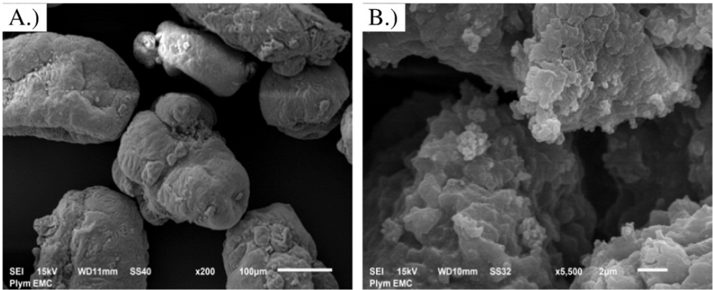
“SEM (JEOL JSM-6610LV) was used to investigate surface topography of particlesaccordingto standard procedure(Ashton et al., 2010) - sampleswere mountedontodisksof adhesive tapeand coated with a nano-layer of gold (EMITECH K550) to aid substrate conductivity.”
MethodOliveira, M., Ribeiro, A., Hylland, K., & Guilhermino, L. (2013) · Ecological Indicators · doi:10.1016/j.ecolind.2013.06.019 · Cited by 722 · cited 3×
“Previous studies measured the concentration of co-contaminants in different tissues after MP/co-contami-nant exposures (Besseling et al., 2013; Oliveira et al., 2013), and some previous work also used gene expression to indicate toxicological effects of MP/co-contaminant exposure (Avio et al.,…”
BackgroundMethodAccumulation of plastic-derived chemicals in tissues of seabirds ingesting marine plastics
Tanaka, K., Takada, H., Yamashita, R., Mizukawa, K., Fukuwaka, M.-A., & Watanuki, Y. (2013) · Marine Pollution Bulletin · doi:10.1016/j.marpolbul.2012.12.010 · Cited by 704 · cited 1×
“…MPs have been reported to have elevated amounts of polychlorinated biphenyls (PCBs) and other persistent organic contaminants (Colabuono et al., 2010; Tanaka et al., 2013), although whether the increased amounts of these contaminants is a consequence of desorption from ingested MPs is unknown.”
BackgroundMicroplastic pollution in the Northeast Atlantic Ocean: Validated and opportunistic sampling
Lusher, A., Burke, A., O’Connor, I., & Officer, R. (2014) · Marine Pollution Bulletin · doi:10.1016/j.marpolbul.2014.08.023 · Cited by 696 · cited 1×
“…of MPs and co-contaminants used in the present study were orders of magnitudes higher than what is found in the environment (Aris et al., 2014; Long et al., 1995; Lusher et al., 2014), and co-contaminant concentrations were deliberately tested at higher than environmentally relevant amounts.”
BackgroundPlastics and beaches: A degrading relationship
Corcoran, P. L., Biesinger, M. C., & Grifi, M. D. (2008) · Marine Pollution Bulletin · doi:10.1016/j.marpolbul.2008.08.022 · Cited by 683 · cited 1×
“SEM analysis revealed detailed surface topography of uPVC particles, and, compared to images of micro-sized polyethylene previously published (Corcoran et al., 2009), the texture of the uPVC particles of the present study appeared to be more irregular and coarse.”
ResultSemple, K. T., Doick, K. J., Jones, K. C., Burauel, P., Craven, A., & Harms, H. (2004) · Environmental Science & Technology · doi:10.1021/es040548w · Cited by 679 · cited 1×
“The term bioavailability is de fi ned as the extent to which a compound enters tissue and reacts with biological molecules (Semple et al., 2004).”
BackgroundOrganic pollutants in microplastics from two beaches of the Portuguese coast
Frias, J. P. G. L., Sobral, P., & Ferreira, A. M. (2010) · Marine Pollution Bulletin · doi:10.1016/j.marpolbul.2010.07.030 · Cited by 660 · cited 2×
“Various contaminants, with different physicochemical properties, have been shown to interactwithMPs in both the environment and laboratory, and co-contaminants that are more hydrophobic appear to be more strongly sorbed and likewise less likely to desorb (Bakir et al., 2012; Frias et al., 2010; Teuten et al., 2009).”
BackgroundNeustonic microplastic and zooplankton in the North Western Mediterranean Sea
Collignon, A., Hecq, J.-H., Galgani, F., Voisin, P., Collard, F., & Goffart, A. (2012) · Marine Pollution Bulletin · doi:10.1016/j.marpolbul.2012.01.011 · Cited by 597 · cited 1×
“Over the last decade, investigations have reported the presence of MPs in sediments (Reddy et al., 2006) and in pelagic zones (Collignon et al., 2012); however, the ecological implications of MPs are unknown.”
BackgroundOccurrence of 17α-ethynylestradiol (EE2) in the environment and effect on exposed biota: a review
Aris, A. Z., Shamsuddin, A. S., & Praveena, S. M. (2014) · Environment International · doi:10.1016/j.envint.2014.04.011 · Cited by 533 · cited 1×
“The concentrations of MPs and co-contaminants used in the present study were orders of magnitudes higher than what is found in the environment (Aris et al., 2014; Long et al., 1995; Lusher et al., 2014), and co-contaminant concentrations were deliberately tested at higher than environmentally…”
BackgroundCompetitive sorption of persistent organic pollutants onto microplastics in the marine environment.
Bakir, A., Rowland, S., & Thompson, R. (2012) · Marine Pollution Bulletin · doi:10.1016/j.marpolbul.2012.09.010 · Cited by 487 · cited 4×
“The sorption of Phe to uPVC MPs was previously characterized in our laboratory (Bakir et al., 2012), and the following sorption equation was obtained: y ¼ 0 : 51 x − 0 : 14 (where y =concentration of Pheleft in thepelagic scenario and x = the initial concentration of Phe).”
BackgroundMethodResultInfluentialRelationships between octanol-water partition coefficient and aqueous solubility
Miller, M. M., Wasik, S. P., Huang, G. L., Shiu, W. Y., & Mackay, D. (1985) · Environmental Science & Technology · doi:10.1021/es00136a007 · Cited by 468 · cited 1×
“Phenanthrene [Phe, (log 10 of the octanol:water partition coef fi cient (log 10 K ow ) = 4.57 (Miller et al., 1985)] is a simple three ringed polycyclic aromatic hydrocarbon (PAH) that has been frequently reported as a co-contaminant sorbed to MPs (Mato et al., 2001).”
BackgroundInfluentialMallampati, S. R., Basha, S., Adimurthy, S., & Ramachandraiah, G. (2006) · Estuarine Coastal and Shelf Science · doi:10.1016/j.ecss.2006.03.018 · Cited by 320 · cited 1×
“Over the last decade, investigations have reported the presence of MPs in sediments (Reddy et al., 2006) and in pelagic zones (Collignon et al., 2012); however, the ecological implications of MPs are unknown.”
BackgroundHerzke, D., Anker‐Nilssen, T., Nøst, T. H., Götsch, A., Christensen‐Dalsgaard, S., Langset, M., Fangel, K., & Koelmans, A. A. (2015) · Environmental Science & Technology · doi:10.1021/acs.est.5b04663 · Cited by 274 · cited 1×
“A recentarticle suggeststhat MPs ingested byseabirds act as passive samples of the persistent organic pollutants (POPs) that have accumulated within the animal rather than contributing to the accumulation of POPs (Herzke et al., 2016).”
BackgroundScales of Spatial Heterogeneity of Plastic Marine Debris in the Northeast Pacific Ocean
Goldstein, M. C., Titmus, A. J., & Ford, M. (2013) · PLoS ONE · doi:10.1371/journal.pone.0080020 · Cited by 271 · cited 2×
“The assumption of spherical shaped particles for determination of surface area by computation has been used previously (Goldstein et al., 2013; Nuelle et al., 2014;Rocha-SantosandDuarte,2014).”
MethodShim, W. J., & Thomposon, R. C. (2015) · Archives of Environmental Contamination and Toxicology · doi:10.1007/s00244-015-0216-x · Cited by 242 · cited 1×
“Around 300 million tonnes of plastic are produced every year (Browne et al., 2011; Shim and Thomposon, 2015), and disposal of many of these plastic products leads directly or indirectly to their arrival in aquatic environments.”
BackgroundRehse, S., Kloas, W., & Zarfl, C. (2018) · International Journal of Environmental Research and Public Health · doi:10.3390/ijerph15020280 · Cited by 138
Fent, K., & Bätscher, R. (2000) · Environmental Toxicology and Chemistry · doi:10.1002/etc.5620190813 · Cited by 132 · cited 1×
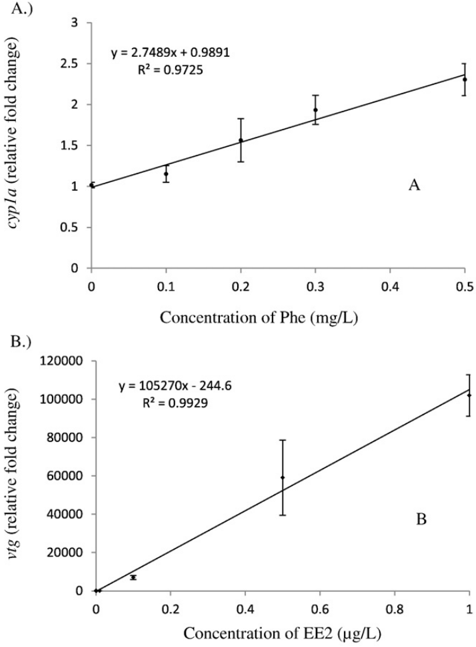
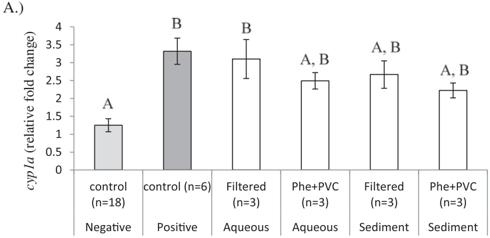
“Relatively low (compared to other cyp1A inducers) level of induction of cyp1A by Phe is consistent with previous reports (Fent and Bätscher, 2000).”
ResultVoparil, I. M., & Mayer, L. M. (2000) · Environmental Science & Technology · doi:10.1021/es990885i · Cited by 126
Polychlorinated biphenyls and organochlorine pesticides in plastics ingested by seabirds
Colabuono, F. I., Taniguchi, S., & Montone, R. C. (2010) · Marine Pollution Bulletin · doi:10.1016/j.marpolbul.2010.01.018 · Cited by 120 · cited 1×
“…that have ingested MPs have been reported to have elevated amounts of polychlorinated biphenyls (PCBs) and other persistent organic contaminants (Colabuono et al., 2010; Tanaka et al., 2013), although whether the increased amounts of these contaminants is a consequence of desorption from…”
BackgroundEstrogen-Induced Vitellogenin mRNA and Protein in Sheepshead Minnow (Cyprinodon variegatus)
Bowman, C., Kroll, K. J., Hemmer, M. J., Folmar, L. C., & Denslow, N. D. (2000) · General and Comparative Endocrinology · doi:10.1006/gcen.2000.7565 · Cited by 118 · cited 1×
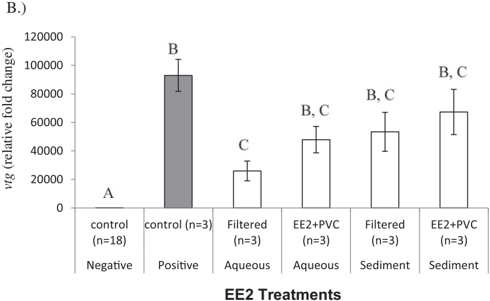
“The concentration-related induction of vtg with EE2 was consistent with our previous work (Henry et al., 2009; Park et al., 2010; Reinardy et al., 2013), and other reports (Bowman et al., 2000; Solé et al., 2000).”
ResultSolé, M., Porte, C., & Barceló, . (2000) · Archives of Environmental Contamination and Toxicology · doi:10.1007/s002449910065 · Cited by 97
Reinardy, H. C., Scarlett, A. G., Henry, T. B., West, C. E., Hewitt, L. M., Frank, R. A., & Rowland, S. J. (2013) · Environmental Science & Technology · doi:10.1021/es304799m · Cited by 91 · cited 4×
“1) (Henry et al., 2009; Park et al., 2010; Reinardy et al., 2013).”
MethodResultInfluentialHenry, T. B., McPherson, J. T., Rogers, E. D., Heah, T. P., Hawkins, S. A., Layton, A. C., & Sayler, G. S. (2009) · Comparative Biochemistry and Physiology Part A Molecular & Integrative Physiology · doi:10.1016/j.cbpa.2009.05.009 · Cited by 71 · cited 9×
“After sample homogenization (3–5 s of sonication) and tissue disaggregation (QiaShredder column, Qiagen), total RNA was extracted (RNeasy MiniKit for animal tissue, Qiagen, West Crawley, UK) from zebrafish larvae (35 fish in each sample) as previously described (Henry et al., 2009; Park et al., 2010; Reinardy et al.,…”
BackgroundMethodResultInfluentialRemoval of ethinylestradiol (EE2) from water via adsorption on aliphatic polyamides
Han, J., Qiu, W., Meng, S., & Gao, W. (2012) · Water Research · doi:10.1016/j.watres.2012.08.001 · Cited by 57 · cited 1×
“Analytical chemistry was not used to characterize sorption of EE2 to uPVC particles due to dif fi culty in detecting such low concentrations; however, previous studies have demonstrated EE2 has a strong sorption af fi nity to plastic (Han et al., 2012; Walker and Watson, 2010).”
MethodJennings, A. A. (2012) · Journal of Environmental Management · doi:10.1016/j.jenvman.2012.05.015 · Cited by 45 · cited 2×
“PAHs are of concern due to their persistence in the environment as well as their carcinogenic and mutagenic properties (Jennings, 2012; Teranishi et al., 1975).”
BackgroundTeranishi, K., Hamada, K., & Watanabe, H. (1975) · Mutation Research/Environmental Mutagenesis and Related Subjects · doi:10.1016/0165-1161(75)90071-0 · Cited by 45 · cited 1×
“PAHs are of concern due to their persistence in the environment as well as their carcinogenic and mutagenic properties (Jennings, 2012; Teranishi et al., 1975).”
BackgroundPark, J., Henry, T. B., Ard, S. G., Menn, F., Compton, R. N., & Sayler, G. S. (2010) · Nanotoxicology · doi:10.3109/17435390.2010.525329 · Cited by 42 · cited 1×
“…concentration and target gene expression indicated that measurement of the expression of these genes is a useful approach for evaluation of changes in co-contaminant bioavailability during sorption reactions with particles as we have demonstrated previously (Henry et al., 2013; Park et al., 2011).”
MethodPark, J., Henry, T. B., Menn, F., Compton, R. N., & Sayler, G. S. (2010) · Chemosphere · doi:10.1016/j.chemosphere.2010.09.036 · Cited by 42 · cited 5×
“The concentration-related induction of vtg with EE2 was consistent with our previous work (Henry et al., 2009; Park et al., 2010; Reinardy et al., 2013), and other reports (Bowman et al., 2000; Solé et al., 2000).”
MethodResultInfluentialGündel, U., Kalkhof, S., Zitzkat, D., von Bergen�, M., Altenburger, R., & Küster, E. (2011) · Ecotoxicology and Environmental Safety · doi:10.1016/j.ecoenv.2011.10.010 · Cited by 42 · cited 1×
“The concentrations of each substance were selected as they are the highest non-lethal concentrations which allowed for high gene expression whilst avoiding mortality (Gündel et al., 2012; Henry et al., 2009).”
BackgroundAdsorption of Estrogens on Laboratory Materials and Filters during Sample Preparation
Walker, C. W., & Watson, J. E. (2010) · Journal of Environmental Quality · doi:10.2134/jeq2009.0017 · Cited by 32 · cited 1×
“Analytical chemistry was not used to characterize sorption of EE2 to uPVC particles due to dif fi culty in detecting such low concentrations; however, previous studies have demonstrated EE2 has a strong sorption af fi nity to plastic (Han et al., 2012; Walker and Watson, 2010).”
MethodHenry, T. B., Wileman, S. J., Boran, H., & Sutton, P. (2013) · Environmental Science & Technology · doi:10.1021/es4015597 · Cited by 28 · cited 3×
“When NPs with sorbed Hg 2+ sedimented to the bottom of beakers, Hg 2+ exposure in fi sh at the bottom of the beaker increased (Henry et al., 2013).”
BackgroundMethodBoyle, D., Boran, H., Atfield, A. J., & Henry, T. B. (2014) · Environmental Toxicology and Chemistry · doi:10.1002/etc.2840 · Cited by 23 · cited 1×
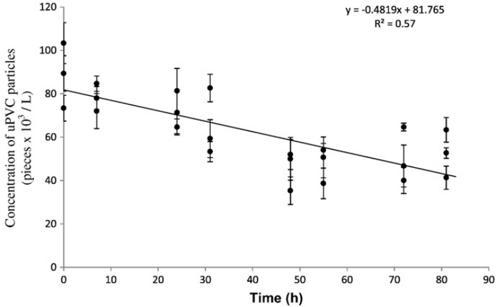
“The improvement observed in the number of MPs held in thewater column within thechamber is consistentwith that observed for engineered nanoparticles in a chamber of similar design (Boyle et al., 2015).”
ResultPark, J., Hecker, M., Murphy, M. B., Jones, P. D., Solomon, K. R., Kraak, G. V. D., Carr, J. A., Smith, E. E., Preez, L. D., Kendall, R. J., et al. (2006) · Comparative Biochemistry and Physiology Part B Biochemistry and Molecular Biology · doi:10.1016/j.cbpb.2006.01.003 · Cited by 21 · cited 1×
“Relative quanti fi cation of gene expression was by the comparative C T method, in which the change in expression of the gene of interest is normalized to that of an internal housekeeping gene (Park et al., 2006).”
Method
Research works printed but not linked: 1
- Hansch, 1995, Exploring QSAR: fundamentals and applications in chemistry and biology, Am. Chem. Soc.
Cited by
Sorted by citations
Li, J., Liu, H., & Chen, J. P. (2017) · Water Research · doi:10.1016/j.watres.2017.12.056 · Cited by 2,432
“A few studies on larval and adult zebrafish showed that microplastics were first ingested, became accumulated, and consequently caused alternations in locomotion, intestinal damage, and change in metabolic profiles (Lu et al., 2016; Chen et al., 2017; Sleight et al., 2017; Lei et al., 2018).”
Backgroundde Sá, L. C., Oliveira, M., Ribeiro, F., Rocha, T. L., & Futter, M. N. (2018) · Science of The Total Environment · doi:10.1016/j.scitotenv.2018.07.207 · Cited by 1,316
Assessment of microplastics in freshwater systems: A review
Li, C., Busquets, R., & Campos, L. C. (2019) · The Science of The Total Environment · doi:10.1016/j.scitotenv.2019.135578 · Cited by 1,005
“Recent investigations indicate that microplastics can alter the bioavailability of heavy metals in aquatic environments (Brennecke et al., 2016), PAHs (Karami et al., 2016; Oliveira et al., 2013), and PCBs (Sleight et al., 2017), thereby causing complex changes in physiological processes such as protein synthesis, ene…”
BackgroundAlimba, C. G., & Faggio, C. (2019) · Environmental Toxicology and Pharmacology · doi:10.1016/j.etap.2019.03.001 · Cited by 863
The potential of microplastics as carriers of metals
Godoy, V., Blázquez, G., Calero, M., Quesada, L., & Martín-Lara, M. Á. (2019) · Environmental Pollution · doi:10.1016/j.envpol.2019.113363 · Cited by 678
Metadata
- Authors
- Sleight, V. A., Bakir, A., Thompson, R. C., & Henry, T. B.
- Affiliations
- British Antarctic Survey (GB)
- University of Portsmouth (GB)
- University of Plymouth (GB)
- Corresponding author
- Sleight, Victoria A.
- Venue
- Marine Pollution Bulletin
- Publisher
- Elsevier BV
- Published
- 2017-03
- Volume
- 116
- Issue
- 1-2
- Pages
- 291-297
- ISSN
- 0025-326X (ISSN-L)
- OpenAlex
- W2579412410
- Cited by
- 190
- References
- 49
- Citations by year
- 2026: 7 · 2025: 7 · 2024: 13 · 2023: 26 · 2022: 34 · 2021: 32 · 2020: 32 · 2019: 21 · 2018: 15 · 2017: 3
- FWCI
- 8.74
- Type
- journal article
- Language
- en
- Open access
- hybrid
- doi.org
- Locations
- Marine Pollution Bulletin (publishedVersion, cc-by)
- PubMed (publishedVersion)
- NERC Open Research Archive (Natural Environment Research Council) (acceptedVersion)
- Aberdeen University Research Archive (Aberdeen University) (submittedVersion)
- PEARL (University of Plymouth) (submittedVersion)
- Funders
- Natural Environment Research Council (NE/N006526/1, bas0100036)
- Topics
- Physical Sciences › Environmental Science › Pollution › Microplastics and Plastic Pollution
- Physical Sciences › Environmental Science › Health, Toxicology and Mutagenesis › Environmental Toxicology and Ecotoxicology
- Physical Sciences › Environmental Science › Pollution › Pharmaceutical and Antibiotic Environmental Impacts
- Keywords
- microplastics, co-contaminants, contaminant sorption, bioavailability, phenanthrene, ethinyl estradiol, zebrafish larvae, gene expression biomarkers, octanol-water partition coefficient, marine pollution
- MeSH terms
- Animals, Biological Availability, Ethinyl Estradiol, Larva, Phenanthrenes, Plastics, Water Pollutants, Chemical, Zebrafish, Biomarkers, Gene Expression
About these checks
Registry, retraction, Cites and statistics results are computed, not judged, with one exception: a printed reference that no index lists is read once by a model before it counts as a citation error. Claims are extracted by a model and kept only when their quote appears verbatim in the text; each cited source is then checked, with a model’s help, for whether it says what the claim relies on. Those verdicts can be wrong — read the claim’s quote and the cited source before relying on one.
Statistics and arithmetic are recomputed, not judged.
Confidence bands are shown only for fields calibrated on our annotated test set. None is calibrated yet, so no band is shown.
What counts as a claim ›How we measure confidence ›How we check this ›
Are you an author, or do you see a problem with this page? Request a review
