

Distinct dual roles of p-Tyr42 RhoA GTPase in tau phosphorylation and ATP citrate lyase activation upon different Aβ concentrations
Open accessThe DOI matches its Crossref record; 49 of the 49 references it cites were found in a registry or an index; none of the 52 sources its claims cite is checked for support yet.
Abstract
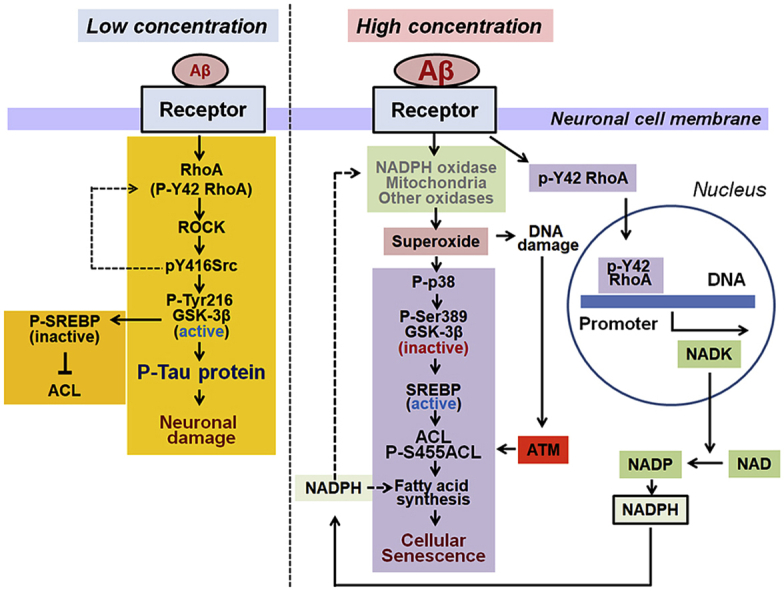
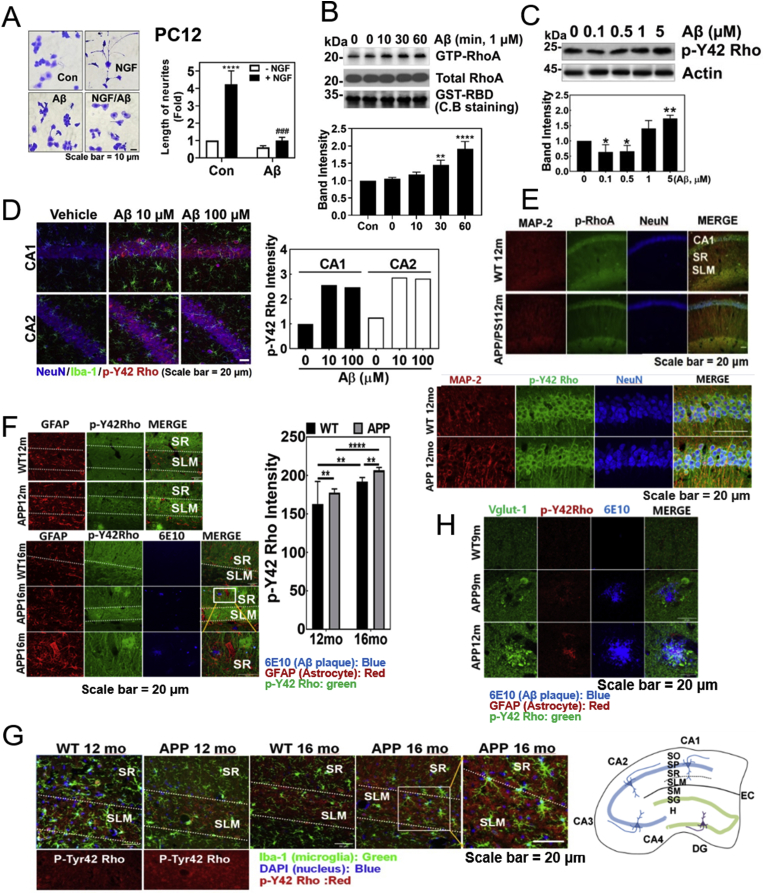
Both the accumulation of Amyloid-β (Aβ) in plaques and phosphorylation of Tau protein (p-Tau) in neurofibrillary tangles have been identified as two major symptomatic features of Alzheimer's disease (AD). Despite of critical role of Aβ and p-Tau in AD progress, the interconnection of signalling pathways that Aβ induces p-Tau remains elusive. Herein, we observed that a popular AD model mouse (APP/PS1) and Aβ-injected mouse showed an increase in p-Tyr42 Rho in hippocampus of brain. Low concentrations of Aβ (1 μM) induced RhoA-mediated Ser422 phosphorylation of Tau protein (p-Ser422 Tau), but reduced the expression of ATP citrate lyase (ACL) in the HT22 hippocampal neuronal cell line. In contrast, high concentrations of Aβ (10 μM) along with high levels of superoxide production remarkably attenuated accumulation of p-Ser422 Tau, but augmented ACL expression and activated sterol regulatory element-binding protein 1 (SREBP1), leading to cellular senescence. Notably, a high concentration of Aβ (10 μM) induced nuclear localization of p-Tyr42 Rho, which positively regulated NAD kinase (NADK) expression by binding to the NADK promoter. Furthermore, severe AD patient brain showed high p-Tyr42 Rho levels. Collectively, our findings indicate that both high and low concentrations of Aβ are detrimental to neurons via distinct two p-Tyr42 RhoA-mediated signalling pathways in Ser422 phosphorylation of Tau and ACL expression.
Overview
CoChat Summary
TL;DR
This paper reports that low (1 μM) versus high (10 μM) amyloid-β (Aβ) concentrations drive distinct p-Tyr42 RhoA–dependent outcomes in neuronal cells: low Aβ promotes RhoA/ROCK/GSK-3β-mediated Tau Ser422 phosphorylation and reduces ATP citrate lyase (ACL), while high Aβ increases superoxide, ACL, SREBP1, senescence, and nuclear p-Tyr42 RhoA–mediated NADK expression. The authors propose both Aβ concentrations are detrimental through separate signalling pathways.
Key findings
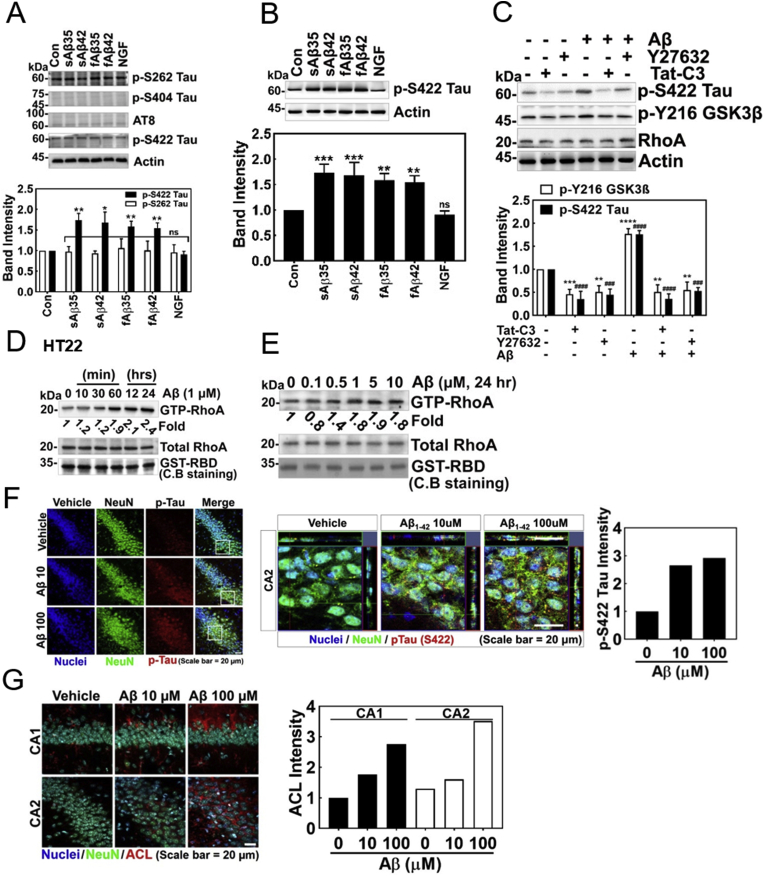
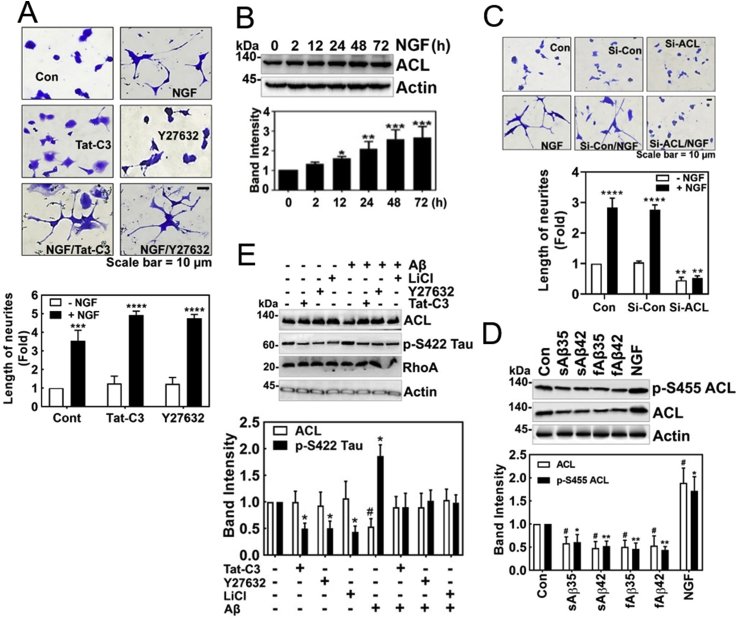
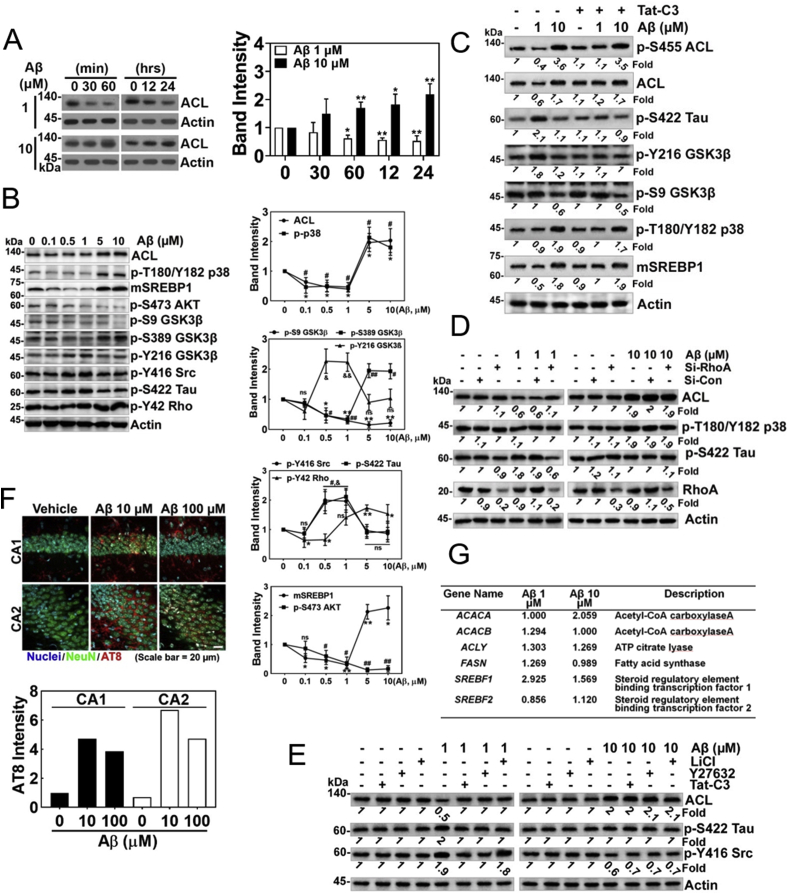
- Low Aβ (1 μM) increased p-Ser422 Tau via RhoA/ROCK/p-Tyr216 GSK-3β, while reducing ACL and p-Ser455 ACL; Tat-C3, Y27632, and LiCl blocked p-Ser422 Tau and increased ACL.
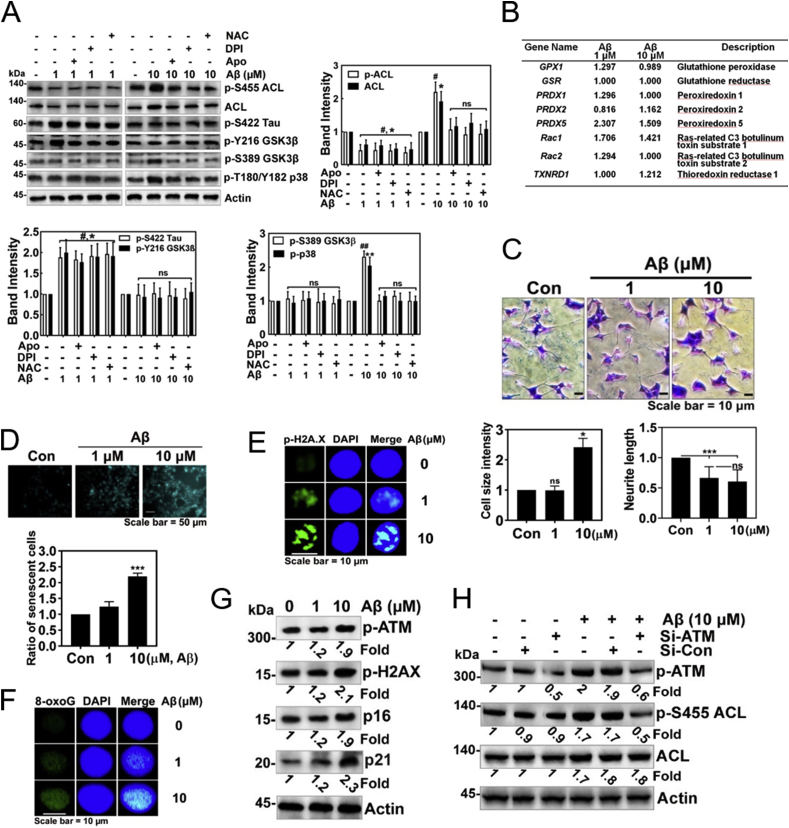
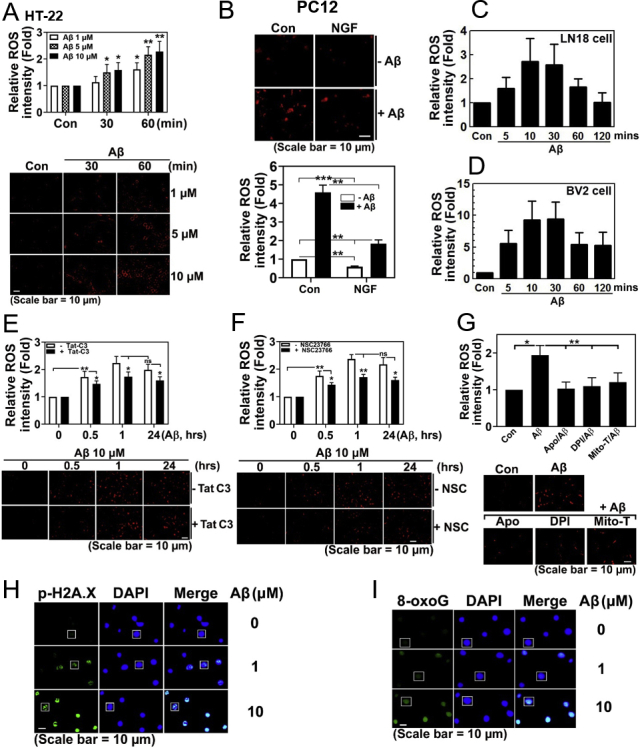
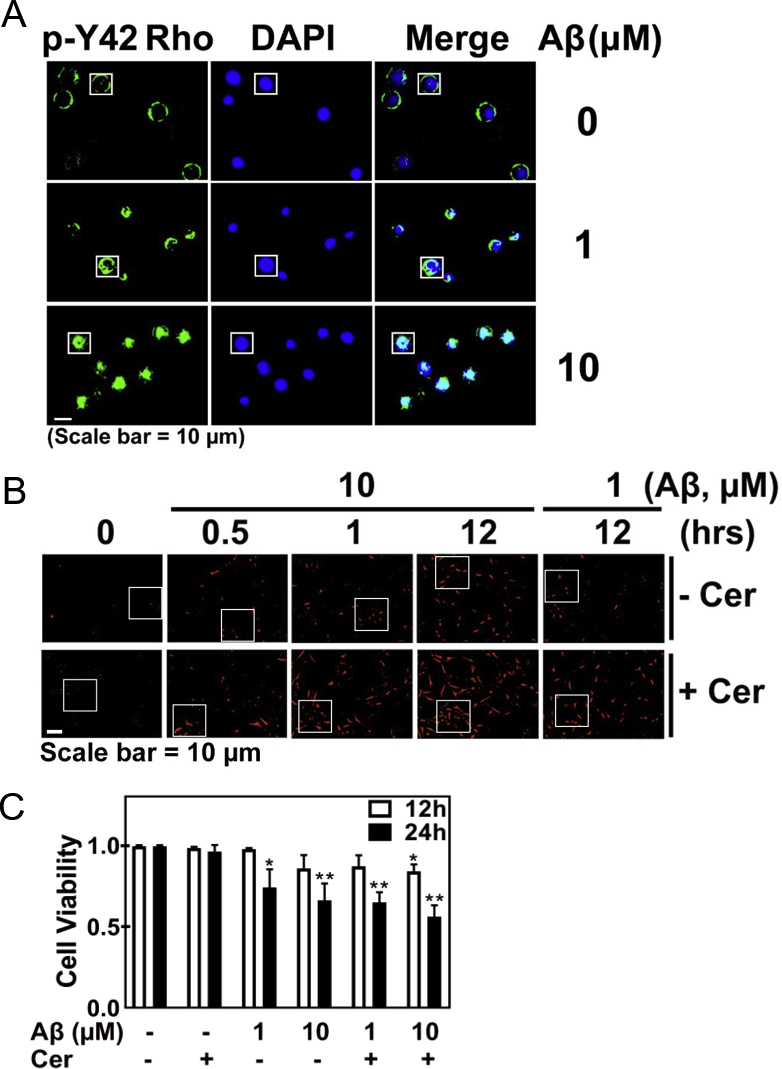
- High Aβ (10 μM) increased superoxide, p-T180/Y182 p38, p-Ser389 GSK-3β (inactive), mSREBP1, ACL, senescence markers (SA-β-gal, p16, p21), and DNA damage markers (p-H2AX, 8-oxoguanine); it attenuated p-Ser422 Tau.
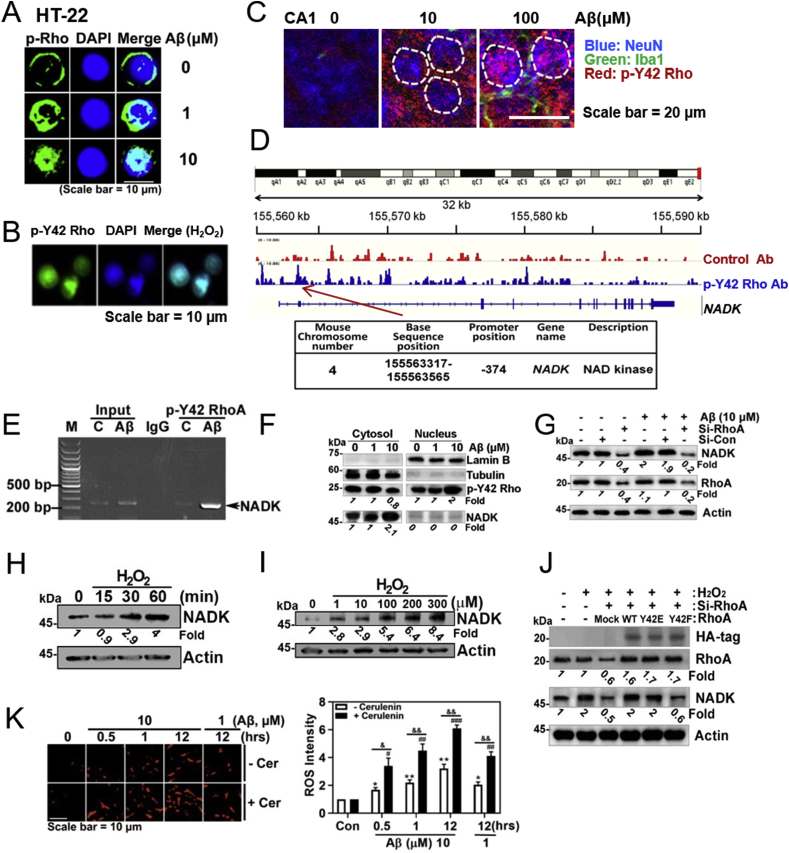
- p-Tyr42 RhoA was increased in APP/PS1 mouse hippocampus and human AD brain; high Aβ (10 μM) induced nuclear p-Tyr42 RhoA, which bound the NADK promoter and regulated NADK expression.
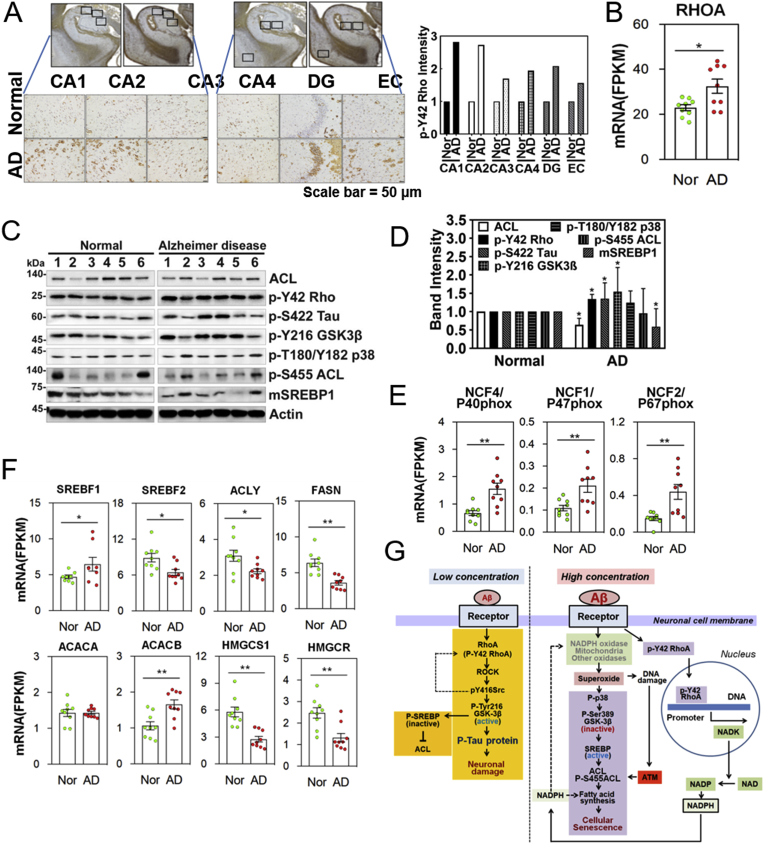
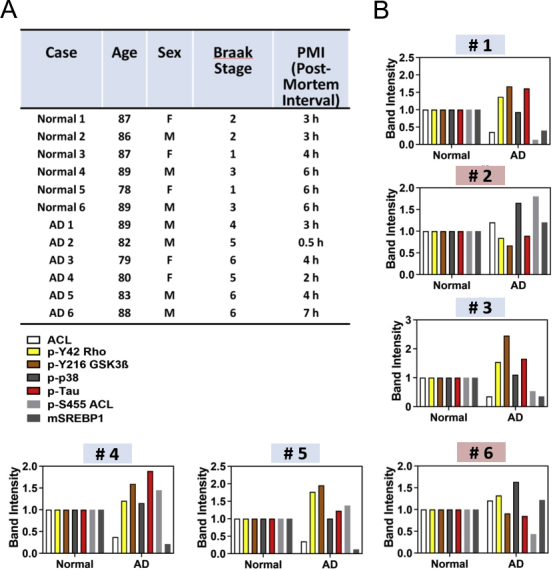
- Human AD samples showed increased p-Tyr42 Rho, p-Ser422 Tau, and p-Tyr216 GSK-3β, with reduced ACL and mSREBP; transcriptome analysis showed increased p40phox, p47phox, p67phox, SREBF1, and ACACB, and decreased ACLY, FASN, HMGCS1, and HMGCR.
Methods
- Cell models: HT22 mouse hippocampal cells, PC12, HEK293, BV2, and LN18 cells; treatments included soluble/fibrillary Aβ25-35 and Aβ1-42 at low (0.1–1 μM) and high (5–10 μM) concentrations, with inhibitors Tat-C3, Y27632, LiCl, NAC, DPI, apocynin, Mito-TEMPO, and cerulenin.
- Animal and human samples: male APP/PS1 and C57BL/6 mice at 9, 12, and 16 months (3 male mice per group), Aβ-injected hippocampus, and post-mortem human control/AD brain tissue; transcriptome analysis used 6–9 temporal cortex samples.
- Main assays: Western blotting, GTP-RhoA pull-down, immunofluorescence/immunohistochemistry, ChIP and ChIP PCR, superoxide measurement, SA-β-gal staining, MTT, cytosolic/nuclear fractionation, and transcriptome analysis; statistics used one- or two-way ANOVA or unpaired two-tailed t-test.
Limitations
- The paper states that the mechanism by which p-Tyr42 RhoA translocates to the nucleus in response to high Aβ/ROS “remains to be discovered,” and that how ROCK activates Src was “not clearly revealed.”
- The paper notes that NADPH oxidase involvement is “not confirmative” because apocynin and DPI are not clearly specific NADPH oxidase inhibitors, and that the relevance of Aβ-produced superoxide to Nrf2 was not elucidated.
- Evident from the text: human AD analyses used small samples (six AD patient specimens for Western blotting; 6–9 tissue samples for transcriptome), and most mechanistic work was in cell lines or mouse models without in vivo rescue of the proposed pathways.
Model-written summary. Check it against the paper before relying on it.
Integrity signals
Registry
Cites
Statistics
Figures
Verification
Claims the paper makes
0 Valid · 0 Not valid · 39 Not checked · 128 Own results and interpretations
A result the paper reports from its own data — it cites no other source for it, so there is none to check. The quote shows it is in the paper.
In the paper
“Herein, we observed that a popular AD model mouse (APP/PS1) and Aβ-injected mouse showed an increase in p-Tyr42 Rho in hippocampus of brain.”
§ Distinct dual roles of p-Tyr42 RhoA GTPase in tau phosphorylation and ATP citrate lyase activation upon different Aβ concentrations > Abstract
plainstates an association- Asserted: passes — The authors put it forward as true.
- Checkable: passes — It can be checked against evidence.
- Load-bearing: passes — The paper’s conclusions depend on it.
- Based: passes — The paper gives a reason why it holds.
A result the paper reports from its own data — it cites no other source for it, so there is none to check. The quote shows it is in the paper.
In the paper
“low concentrations of Aβ (1 μM) reduced ACL level”
§ Distinct dual roles of p-Tyr42 RhoA GTPase in tau phosphorylation and ATP citrate lyase activation upon different Aβ concentrations > Results > Levels of p-Ser422 tau and ACL show inversely reciprocal relationship depending on Aβ concentrations
plainstates a cause- Asserted: passes — The authors put it forward as true.
- Checkable: passes — It can be checked against evidence.
- Load-bearing: passes — The paper’s conclusions depend on it.
- Based: passes — The paper gives a reason why it holds.
A result the paper reports from its own data — it cites no other source for it, so there is none to check. The quote shows it is in the paper.
In the paper
“while high concentrations of Aβ (10 μM) increased ACL levels in PC12 cells (Fig. 4A).”
§ Distinct dual roles of p-Tyr42 RhoA GTPase in tau phosphorylation and ATP citrate lyase activation upon different Aβ concentrations > Results > Levels of p-Ser422 tau and ACL show inversely reciprocal relationship depending on Aβ concentrations
plainstates a cause- Asserted: passes — The authors put it forward as true.
- Checkable: passes — It can be checked against evidence.
- Load-bearing: passes — The paper’s conclusions depend on it.
- Based: passes — The paper gives a reason why it holds.
A result the paper reports from its own data — it cites no other source for it, so there is none to check. The quote shows it is in the paper.
In the paper
“and activated sterol regulatory element-binding protein 1 (SREBP1)”
§ Distinct dual roles of p-Tyr42 RhoA GTPase in tau phosphorylation and ATP citrate lyase activation upon different Aβ concentrations > Abstract
plainstates a cause- Asserted: passes — The authors put it forward as true.
- Checkable: passes — It can be checked against evidence.
- Load-bearing: passes — The paper’s conclusions depend on it.
- Based: passes — The paper gives a reason why it holds.
A result the paper reports from its own data — it cites no other source for it, so there is none to check. The quote shows it is in the paper.
In the paper
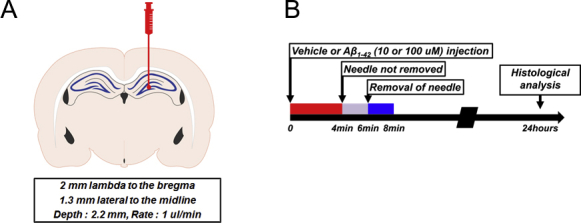
“p-Tyr42 Rho was much increased in neurons of cornu ammonis 1 (CA1) and CA2 regions by 5 μl of 10 and 100 μM Aβ (Fig. 1D).”
§ Distinct dual roles of p-Tyr42 RhoA GTPase in tau phosphorylation and ATP citrate lyase activation upon different Aβ concentrations > Results > An increase of p-Tyr42 Rho GTPase is observed in the AD model mouse
plainstates a cause- Asserted: passes — The authors put it forward as true.
- Checkable: passes — It can be checked against evidence.
- Load-bearing: passes — The paper’s conclusions depend on it.
- Based: passes — The paper gives a reason why it holds.
- Rests on an assumption not shown here.
104 more claims
Create a free account to see all 167 claims and to verify the 52 references still open.
- It may state two separate claims as one. 38
- The quote only partly states this claim. 2
- Probably not a substantial claim. 35
Self-check
Percentages, sums and reported differences re-computed from the paper’s own numbers.
Each contradiction between two passages listed here was confirmed by an independent check.
Rated major: it would touch a result — a value a result rests on, reported and recomputed p-values on opposite sides of the significance level, two passages that conflict with no sign which is right, or a cited work retracted before this paper was published.
In the paper
§ Distinct dual roles of p-Tyr42 RhoA GTPase in tau phosphorylation and ATP citrate lyase activation upon different Aβ concentrations > Results > Levels of p-Ser422 tau and ACL show inversely reciprocal relationship depending on Aβ concentrations
“upon high concentrations of Aβ, si-RhoA did not influence ACL, p-T180/Y182 p38 and p-Ser422 Tau levels (Fig. 4D).”
§ Distinct dual roles of p-Tyr42 RhoA GTPase in tau phosphorylation and ATP citrate lyase activation upon different Aβ concentrations > Conclusion
“In particular, p-Tyr42 RhoA is critical for both the elevation of p-Ser422 Tau and the expression of ACL and NADK.”
Rated minor: it would not touch a result — a value no result rests on, a p-value that stays on the same side of the significance level, or a conflict that is clerical, resolved elsewhere in the paper, or outside its own findings.
In the paper
§ Distinct dual roles of p-Tyr42 RhoA GTPase in tau phosphorylation and ATP citrate lyase activation upon different Aβ concentrations > Results > Nuclear p-Tyr42 RhoA regulates NADK expression
“ChIP PCR from the nuclear fraction of HT22 cells with p-Tyr42 Rho antibody and NADK promoter primers demonstrated that p-Tyr42 Rho binds to the promoter of NADK upon Aβ stimulation (Fig. 6E).”
§ Distinct dual roles of p-Tyr42 RhoA GTPase in tau phosphorylation and ATP citrate lyase activation upon different Aβ concentrations > Results > Nuclear p-Tyr42 RhoA regulates NADK expression
“(E) HT22 cells treated with fAβ (1 or 10 μM) for 24 h were lysed and fractionated to cytosolic and nuclear fractions. P-Tyr42 Rho and NADK were detected with western blotting.”
Rated minor: it would not touch a result — a value no result rests on, a p-value that stays on the same side of the significance level, or a conflict that is clerical, resolved elsewhere in the paper, or outside its own findings.
In the paper
§ Distinct dual roles of p-Tyr42 RhoA GTPase in tau phosphorylation and ATP citrate lyase activation upon different Aβ concentrations > Materials and methods > Statistical analysis
“two confocal images/sample and two samples/mouse using 3 male mice”
§ Distinct dual roles of p-Tyr42 RhoA GTPase in tau phosphorylation and ATP citrate lyase activation upon different Aβ concentrations > Results > An increase of p-Tyr42 Rho GTPase is observed in the AD model mouse
“Three male mice (3 samples per mouse and 2 images per sample) were used”
Rated minor: it would not touch a result — a value no result rests on, a p-value that stays on the same side of the significance level, or a conflict that is clerical, resolved elsewhere in the paper, or outside its own findings.
In the paper
§ Distinct dual roles of p-Tyr42 RhoA GTPase in tau phosphorylation and ATP citrate lyase activation upon different Aβ concentrations > Results > An increase of p-Tyr42 Rho GTPase is observed in the AD model mouse
“Aβ treatment elevated RhoA-GTP levels in HT-22 cells, a mouse hippocampal cell line (Fig. 1B).”
§ Distinct dual roles of p-Tyr42 RhoA GTPase in tau phosphorylation and ATP citrate lyase activation upon different Aβ concentrations > Results > An increase of p-Tyr42 Rho GTPase is observed in the AD model mouse
“(B) GTP-RhoA levels of PC12 cells were measured using a pulldown assay with GST-RBD after fAβ (1 μM) treatment for the given times”
Rated minor: it would not touch a result — a value no result rests on, a p-value that stays on the same side of the significance level, or a conflict that is clerical, resolved elsewhere in the paper, or outside its own findings.
In the paper
§ Distinct dual roles of p-Tyr42 RhoA GTPase in tau phosphorylation and ATP citrate lyase activation upon different Aβ concentrations > Results > Levels of p-Ser422 tau and ACL show inversely reciprocal relationship depending on Aβ concentrations
“Injection of high concentration of Aβ (100 μM) to the hippocampal region of mouse brain induced more ACL expression in CA1 and CA2 regions of hippocampus of rat brain (Fig. 4F).”
§ Distinct dual roles of p-Tyr42 RhoA GTPase in tau phosphorylation and ATP citrate lyase activation upon different Aβ concentrations > Results > Levels of p-Ser422 tau and ACL show inversely reciprocal relationship depending on Aβ concentrations
“(F) Hippocampal regions of C57BL/6 mice brains were injected with sAβ (10 μM or 100 μM)”
1 more finding
Create a free account to see every finding of this check.
Cited works that were retracted
Works this paper cites that were later retracted, from the retraction notices publishers deposit. Major when the notice came out before this paper was published.
A note, not an issue: for example, a cited work that was retracted only after this paper was published, which its authors could not have known.
In the paper
“Duka, 2013, Identification of the sites of tau hyperphosphorylation and activation of tau kinases in synucleinopathies and Alzheimer's diseases, PloS One, 8, 10.1371/journal.pone.0075025”
Cited work 10.1371/journal.pone.0075025 · retracted 2025-06-06 · notice 10.1371/journal.pone.0325958 · this paper published 2020-05
Citations
Cites
1 retracted
Duka, V., Lee, J.-H., Credle, J., Wills, J., Oaks, A., Smolinsky, C., Shah, K., Mash, D. C., Masliah, E., & Sidhu, A. (2013) · PLoS ONE · doi:10.1371/journal.pone.0075025 · Cited by 102
RetractedRegulation of Myosin Phosphatase by Rho and Rho-Associated Kinase (Rho-Kinase)
Kimura, K., Ito, M., Amano, M., Chihara, K., Fukata, Y., Nakafuku, M., Yamamori, B., Feng, J., Nakano, T., Okawa, K., et al. (1996) · Science · doi:10.1126/science.273.5272.245 · Cited by 2,884
Glycogen synthase kinase-3 (GSK3): Regulation, actions, and diseases
Beurel, E., Grieco, S. F., & Jope, R. S. (2015) · Pharmacology & Therapeutics · doi:10.1016/j.pharmthera.2014.11.016 · Cited by 1,768
The Keap1-Nrf2 pathway: Mechanisms of activation and dysregulation in cancer
Kansanen, E., Kuosmanen, S. M., Leinonen, H., & Levonen, A.-L. (2013) · Redox Biology · doi:10.1016/j.redox.2012.10.001 · Cited by 1,313 · cited 5×
“Nrf2 translocates to nucleus, where it binds to antioxidant response element (ARE) and drives the expression of target genes such as heme oxygenase 1 (HMOX1/HO-1), NAD(P)H quinone oxidoreductase 1 (NQO1), glutamate-cysteine ligase (GCL) and glutathione-S-transferase (GST) [47].”
BackgroundInfluentialThe GSK3 hypothesis of Alzheimer’s disease
Hooper, C., Killick, R., & Lovestone, S. (2008) · Journal of Neurochemistry · doi:10.1111/j.1471-4159.2007.05194.x · Cited by 1,191 · cited 1×
“Hyperphosphorylated Tau is resistant to different Tau proteases, leading to accumulation of Tau as NETs in neuron [2].”
BackgroundSREBP-regulated lipid metabolism: convergent physiology - divergent pathophysiology
Shimano, H., & Sato, R. (2017) · Nature Reviews Endocrinology · doi:10.1038/nrendo.2017.91 · Cited by 1,174
The role of the Rho GTPases in neuronal development
Govek, E.-E., Newey, S. E., & Van Aelst, L. (2005) · Genes & Development · doi:10.1101/gad.1256405 · Cited by 996
GSK3: a multifaceted kinase in Wnt signaling
Wu, D., & Pan, W. (2010) · Trends in Biochemical Sciences · doi:10.1016/j.tibs.2009.10.002 · Cited by 857
Cross talk between mitochondria and NADPH oxidases
Dikalov, S. (2011) · Free Radical Biology and Medicine · doi:10.1016/j.freeradbiomed.2011.06.033 · Cited by 783
Köpke, E., Tung, Y. C., Shaikh, S., Alonso, A. C., Iqbal, K., & Grundke-Iqbal, I. (1993) · Journal of Biological Chemistry · doi:10.1016/s0021-9258(20)80536-5 · Cited by 779
Cited by
Desale, S. E., Chidambaram, H., & Chinnathambi, S. (2021) · Molecular Biomedicine · doi:10.1186/s43556-021-00036-1 · Cited by 99
“TREM2-mediated activation of PI3K/Akt is involved in reactive oxygen species (ROS) generation necessary to kill the internalized pathogens in macrophages [89].”
BackgroundInfluentialZhang, X., Tang, L., Yang, J., Meng, L., Chen, J., Zhou, L., Wang, J., Xiong, M., & Zhang, Z. (2023) · Nature Communications · doi:10.1038/s41467-023-42505-x · Cited by 84
A current overview of RhoA, RhoB, and RhoC functions in vascular biology and pathology
Eckenstaler, R., Hauke, M., & Benndorf, R. A. (2022) · Biochemical Pharmacology · doi:10.1016/j.bcp.2022.115321 · Cited by 79
Wang, H., Liu, Y., Li, J., Wang, T., Hei, Y., Li, H., Wang, X., Wang, L., Zhao, R., Baskys, A., et al. (2021) · Cell Death Discovery · doi:10.1038/s41420-021-00620-y · Cited by 63
Regulation of RhoA GTPase and novel target proteins for ROCK
Choi, E.-K., Kim, J.-G., Kim, H.-J., Cho, J.-Y., Jeong, H., Park, Y., Islam, R., Cap, C. K., & Park, J.-B. (2020) · Small GTPases · doi:10.1080/21541248.2017.1364831 · Cited by 39
Self-citationKim, J.-G., Mahmud, S., Min, J. K., Lee, Y.-B., Kim, H., Kang, D., Park, H.-S., Seong, J., & Park, J. (2020) · Redox Biology · doi:10.1016/j.redox.2020.101842 · Cited by 37
Self-citationYe, X., Shao, S., Wang, Y., & Su, W. (2023) · Journal of Chemical Neuroanatomy · doi:10.1016/j.jchemneu.2023.102346 · Cited by 27
Wang, Y., Guo, Q., Wang, W., Wang, Y., Fang, K., Wan, Q., Li, H., & Wu, T. (2022) · Nanoscale · doi:10.1039/d2nr06081g · Cited by 23
Wu, Y., Wei, M., Wang, M., Guo, M., Yu, H., Chen, Y., Xu, T., & Zhou, Y. (2025) · Phytomedicine · doi:10.1016/j.phymed.2025.156612 · Cited by 22
Role of RhoA-ROCK signaling inhibitor fasudil in Alzheimer disease
Al-Kuraishy, H. M., Sulaiman, G. M., Mohammed, H. A., Al-Gareeb, A. I., Albuhadily, A. K., & Mohammed, S. G. (2025) · Behavioural Brain Research · doi:10.1016/j.bbr.2025.115524 · Cited by 21
Role of Rho-associated kinases and their inhibitor fasudil in neurodegenerative diseases
Ye, Q., Li, X., Gao, W. Q., Gao, J., Zheng, L., Zhang, M., Yang, F., & Li, H. (2024) · Frontiers in Neuroscience · doi:10.3389/fnins.2024.1481983 · Cited by 19
Rho GTPases: Non‐canonical regulation by cysteine oxidation
Hurst, M., McGarry, D. J., & Olson, M. F. (2021) · BioEssays · doi:10.1002/bies.202100152 · Cited by 17
Wang, Z., Huang, C., Liu, H., Shi, Z., Han, X., Li, S., Huang, J. S., Wang, Z., Yan, Y., & Chen, Z. (2023) · Colloids and Surfaces B Biointerfaces · doi:10.1016/j.colsurfb.2023.113202 · Cited by 17
RhoA/ROCK/GSK3β Signaling: A Keystone in Understanding Alzheimer’s Disease
Medd, M. M., Yon, J. E., & Dong, H. (2025) · Current Issues in Molecular Biology · doi:10.3390/cimb47020124 · Cited by 14
Gao, Y., Wang, Y., Lei, H., Xu, Z., Li, S., Yu, H., Xie, J., Zhang, Z., Liu, G., Zhang, Y., et al. (2023) · Translational Neurodegeneration · doi:10.1186/s40035-023-00379-5 · Cited by 13
Liu, Y., Ma, X., Xu, J., Wang, X., Liu, L., Ren, X., Zhang, C., Zhou, S., Wang, Y., Guo, X., et al. (2025) · Journal of Advanced Research · doi:10.1016/j.jare.2025.06.044 · Cited by 12
Updates on Tau-Related Drug Targets and Potential Disease-Modifying Therapies for Alzheimer Disease
Djurovic-Topalovic, A., Horgan, N. G., & Fortin, J. S. (2025) · American Journal Of Pathology · doi:10.1016/j.ajpath.2025.05.020 · Cited by 12
Hossain, A. J., Islam, R., Kim, J.-G., Dogsom, O., Cap, K. C., & Park, J. (2022) · Biomedicines · doi:10.3390/biomedicines10061256 · Cited by 12
Self-citationShang, J., Yan, J., Lou, H., Jiang, X., Wang, Z., Gao, Y., Fan, X., & Lu, X. (2025) · Advanced Science · doi:10.1002/advs.202508096 · Cited by 9
Hamza, A., Cho, J. Y., Cap, K. C., Hossain, A. J., Kim, J.-G., & Park, J. (2023) · Free Radical Biology and Medicine · doi:10.1016/j.freeradbiomed.2023.09.016 · Cited by 8
Self-citationCartas‐Cejudo, P., Lachén‐Montes, M., Fernández‐Irigoyen, J., & Santamaría, E. (2021) · International Journal of Molecular Sciences · doi:10.3390/ijms222111340 · Cited by 4
Lee, Y.-B., Park, Y., Hamza, A., Min, J. K., Dogsom, O., Kim, S., & Park, J. (2024) · Journal of Neurochemistry · doi:10.1111/jnc.16210 · Cited by 3
Self-citationRedox Signaling and Cardiovascular Disease: New Paradigms and discoveries
Chen, Y., & Kevil, C. G. (2020) · Redox Biology · doi:10.1016/j.redox.2020.101743 · Cited by 2
Function of eEF-1γ in the nucleus in response to insulin in hepatocellular carcinoma cells
Hossain, A. J., Hamza, A., Islam, R., Dogsom, O., & Park, J. (2025) · Communications Biology · doi:10.1038/s42003-025-08247-w · Cited by 2
Self-citationMahmud, S., Hamza, A., Lee, Y.-B., Min, J., Islam, R., Dogsom, O., & Park, J. (2023) · Biomolecules · doi:10.3390/biom14010006 · Cited by 2
Self-citationAl‐kuraishy, H. M., Fahad, E. H., Jabir, M. S., Rafeeq, M. F., Sulaiman, G. M., Amara, B., Albuhadily, A. K., & Al-Gareeb, A. I. (2026) · Neuroscience · doi:10.1016/j.neuroscience.2026.06.032
Gao, Y., Wang, Y., Lei, H., Xu, Z., Li, S., Yu, H., Xie, J., Zhang, Z., Liu, G., Zhang, Y., et al. (2023) · Figshare · doi:10.6084/m9.figshare.24546913
Coronary Microvascular Dysfunction: Epidemiology, Pathophysiology, Diagnosis, and Treatment
Ge, Z., Zhang, M. Q., Ning, X., Du, Y., Su, L.-S., Wu, X., Zhang, J., Liu, T., & Wang, X. (2026) · MedComm · doi:10.1002/mco2.70875
Wnt3a Induces Nad Kinase Expression Via P-Tyrosine42 Rhoa and Other Transcriptional ActivatorsPreprint
Park, J., Min, J. K., Park, H.-S., Hong, S. P., Hamza, A., Dogsom, O., Lee, Y. B., & Kim, J. (2025) · SSRN Electronic Journal · doi:10.2139/ssrn.5081689
Self-citation
Metadata
- Authors
- Cap, K. C., Jung, Y.-J., Choi, B. Y., Hyeon, S. J., Kim, J.-G., Min, J.-K., Islam, R., Hossain, A. J., Chung, W.-S., Suh, S. W., Ryu, H., & Park, J.-B.
- Affiliations
- Hallym University (KR)
- Korea Advanced Institute of Science and Technology (KR)
- Korea Institute of Science and Technology (KR)
- Corresponding author
- Park, Jae-Bong
- ORCID
- Venue
- Redox Biology
- Publisher
- Elsevier BV
- Published
- 2020-05
- Volume
- 32
- Pages
- 101446
- ISSN
- 2213-2317 (ISSN-L)
- PMC
- PMC7264465
- OpenAlex
- W3003535156
- Cited by
- 29
- References
- 49
- Citations by year
- 2026: 2 · 2025: 8 · 2024: 2 · 2023: 7 · 2022: 4 · 2021: 4 · 2020: 2
- FWCI
- 1.45
- Type
- journal article
- Language
- en
- Open access
- gold
- doi.org
- Licence
- cc-by
- www.elsevier.com/tdm/userlicense/1.0/ (tdm)
- www.elsevier.com/legal/tdmrep-license (tdm)
- creativecommons.org/licenses/by/4.0/ (vor)
- Locations
- Redox Biology (publishedVersion, cc-by)
- PubMed Central (publishedVersion, cc-by)
- PubMed (publishedVersion)
- DOAJ (DOAJ: Directory of Open Access Journals) (submittedVersion)
- Funders
- National Research Foundation of Korea
- Topics
- Life Sciences › Neuroscience › Cellular and Molecular Neuroscience › Alzheimer's disease research and treatments
- Life Sciences › Biochemistry, Genetics and Molecular Biology › Molecular Biology › Protein Kinase Regulation and GTPase Signaling
- Life Sciences › Neuroscience › Neurology › Neuroinflammation and Neurodegeneration Mechanisms
- Keywords
- RhoA, tau phosphorylation, amyloid-beta, ATP citrate lyase, SREBP1, NAD kinase, cellular senescence, superoxide, Alzheimer's disease, APP/PS1 mice, hippocampus, neurofibrillary tangles, amyloid plaques
- MeSH terms
- Alzheimer Disease, Animals, ATP Citrate (pro-S)-Lyase, Humans, Mice, Transgenic, Phosphorylation, Amyloid beta-Peptides, tau Proteins, rhoA GTP-Binding Protein, Mice
About these checks
Registry, retraction, Cites and statistics results are computed, not judged, with one exception: a printed reference that no index lists is read once by a model before it counts as a citation error. Claims are extracted by a model and kept only when their quote appears verbatim in the text; each cited source is then checked, with a model’s help, for whether it says what the claim relies on. Those verdicts can be wrong — read the claim’s quote and the cited source before relying on one.
A language model drew the claims from the paper on 2026-11-27, under version 3 of the claim definition (model deepseek-v4.1-flash, prompt extract-v3).
A second model labelled each claim on 2026-11-27 (model jev-1.13-20260917, definition revision gold-guideline-v0.2).
Statistics and arithmetic are recomputed, not judged.
Confidence bands are shown only for fields calibrated on our annotated test set. None is calibrated yet, so no band is shown.
What counts as a claim ›How we measure confidence ›How we check this ›
Are you an author, or do you see a problem with this page? Request a review
Data sources
Bibliographic data: Semantic Scholar, OpenAlex, Crossref.
Contains information from the Semantic Scholar Academic Graph Datasets, made available under the ODC Attribution License (ODC-BY 1.0).
Semantic Scholar’s data is described in: Kinney, R., et al. (2023). The Semantic Scholar Open Data Platform. arXiv:2301.10140.
