

The DOI matches its Crossref record.
Tire wear particles concentrations in gully pot sediments
Open accessAbstract
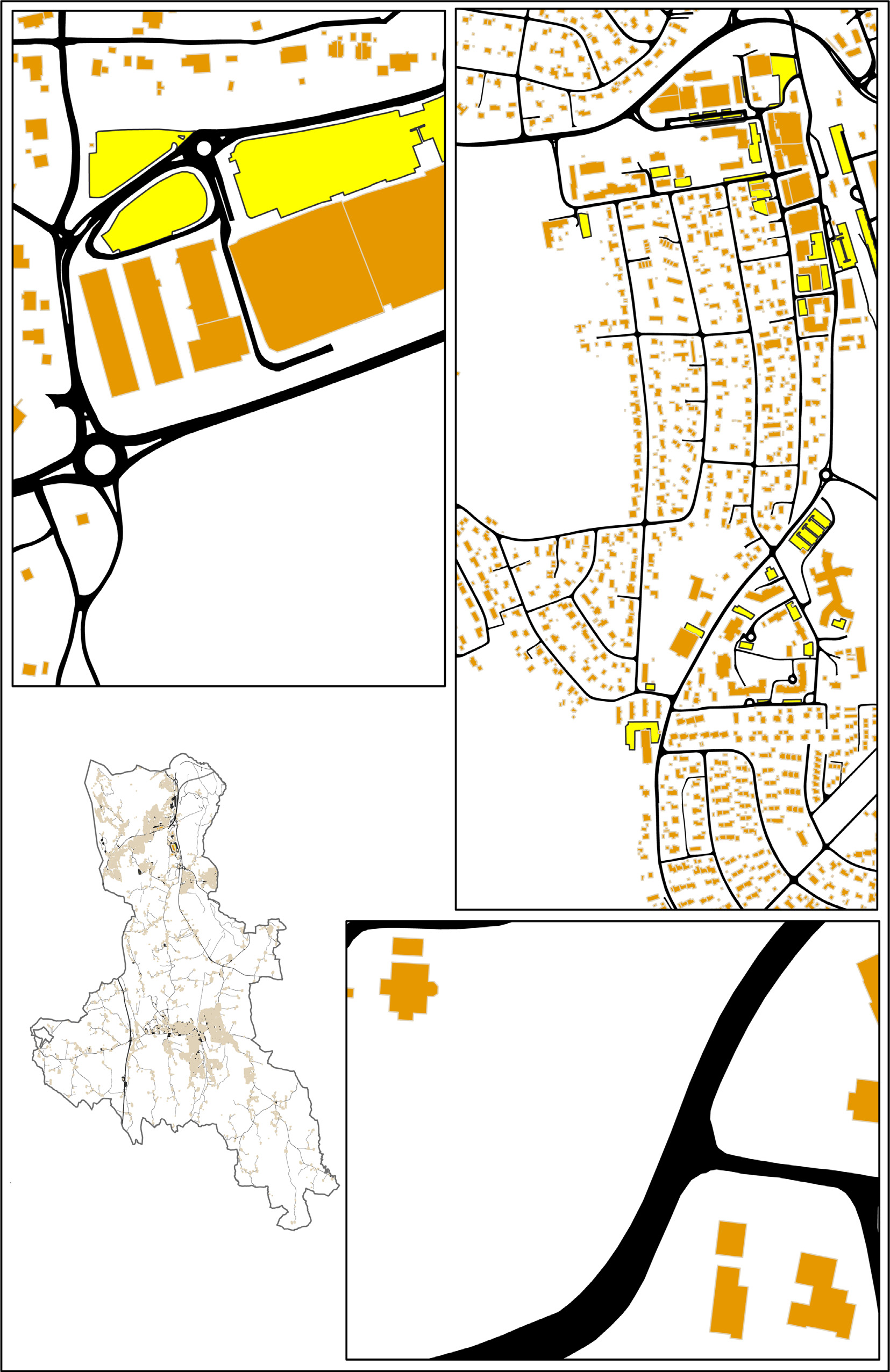
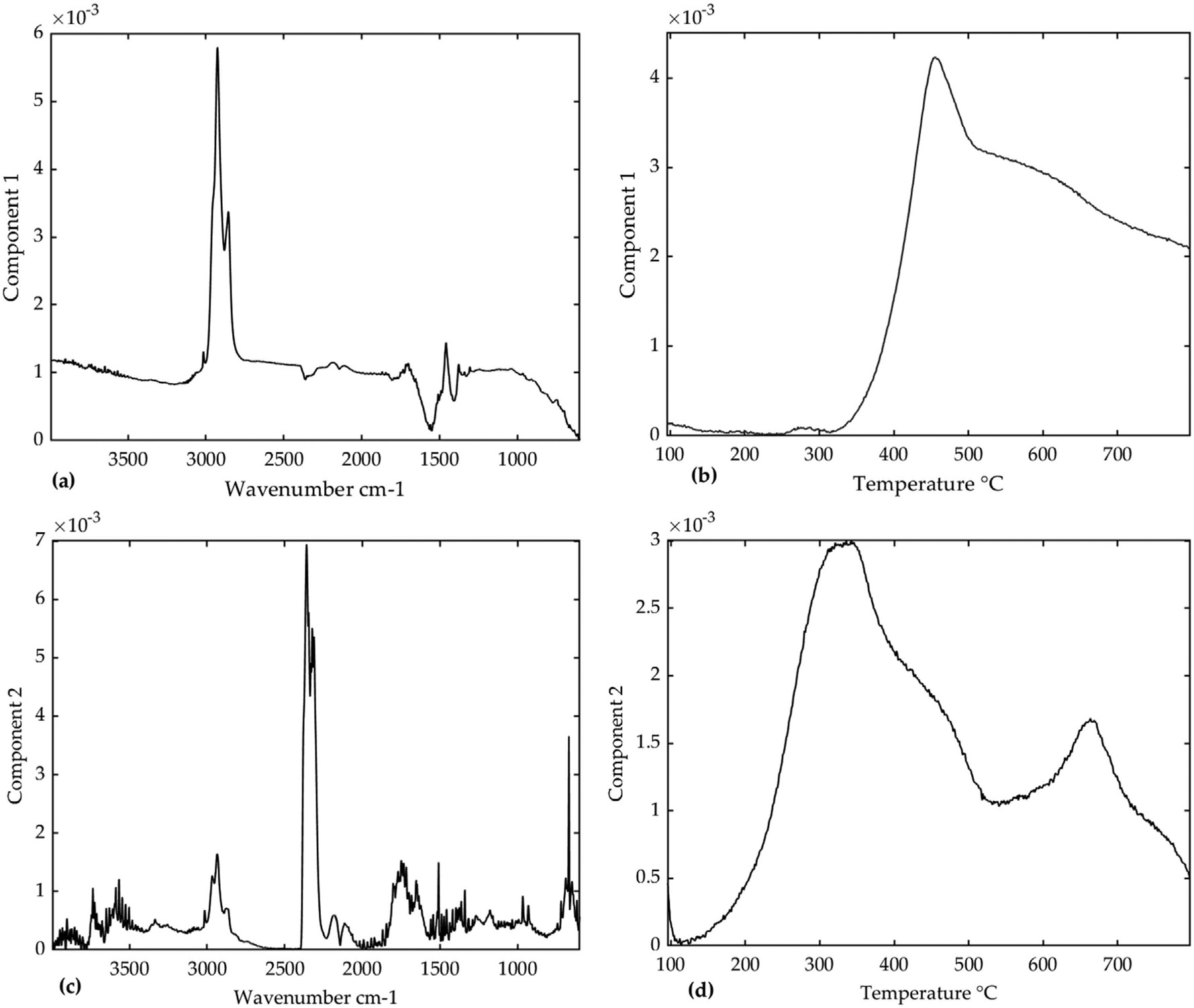
While tire wear and tear is known to be a major source of microplastics in the environment, its monitoring is still hampered by the lack of analytical methods able to provide concentrations in environmental matrices. Tire wear particles (TWP) present in road runoff enter the drainage system through gully pots, built to prevent sediment deposition in the drainage system, and eventually protect downstream receiving waters. The aim of this study was to detect and quantify TWP in gully pot sediments, by using a novel method combining Simultaneous Thermal Analysis (STA), Fourier Transform Infrared (FTIR) spectroscopy and Parallel Factor Analysis (PARAFAC). The method was applied to samples from five sites in Southern Norway, characterized by different traffic densities and patterns. The method involved no sample pretreatment, the whole sediment sample was submitted to thermal decomposition in STA, and gases generated during pyrolysis were continuously transferred to FTIR. The FTIR data were arranged in a trilinear multi-way dataset (samples × IR spectra wavenumber × pyrolysis temperature) and then analyzed by PARAFAC. The results showed that TWP concentrations in gully pots varied greatly across sites, ranging from below 1 mg TWP/g sediment in streets with the lowest traffic densities, to 150 mg TWP/g sediment at the most trafficked study site. The results also indicated that other traffic conditions, such as driving patterns influence TWP concentrations. Finally, by enabling quantification of TWP in gully pot sediments, the approach presented here supports environmental monitoring of TWP and safe disposal of gully pot sediments, which is critical for environmental pollution management.
Overview
The claims and statistics of this paper haven’t been checked yet.
Run the check — free, no account needed. It reads the open-access text and checks the sources it cites.
Integrity signals
Registry
Cites
Statistics
Figures
Verification
Claims the paper makes
The claims and statistics of this paper haven’t been checked yet.
Run the check — free, no account needed. It reads the open-access text and checks the sources it cites.
Claims other papers make about this one
Each is checked against this paper’s own text: does it say what the citing paper says it does?
The cited source says what the claim attributes to it.
In the citing paper
“tire wear particles in gully pot sediments has been shown to range from 1 mg TWP/g in streets with the lowest traffic density to 150 mg TWP/g in streets with the highest traffic density (Mengistu et al., 2021).”
From Review of emerging contaminants in green stormwater infrastructure: antibiotic resistance genes, microplastics, tire wear particles, PFAS, and temperature (2024) · cites this paper as Mengistu et al., 2021
Self-check
Percentages, sums and reported differences re-computed from the paper’s own numbers.
The self-check needs the paper’s full text.
Citations
Cites
No references could be resolved yet.
Research works printed but not linked: 36
- Andersen, 2003, Practical aspects of PARAFAC modeling of fluorescence excitation-emission data, J. Chemom., 10.1002/cem.790 · DOI
- Baum, 2016, Rapid quantification of casein in skim milk using Fourier transform infrared spectroscopy, enzymatic perturbation, and multiway partial least squares regression: monitoring chymosin at work, J. Dairy Sci., 99, 6071, 10.3168/jds.2016-10947 · DOI
- Birch, 2003, Heavy metals in road dust, gully pots and parkland soils in a highly urbanised sub-catchment of Port Jackson, Australia, Aust. J. Soil Res., 41, 1329, 10.1071/SR02147 · DOI
- Bolognesi, 2008, Experimental study of roadside gully pots efficiency in trapping solids washed off during rainfall events, Int. Conf. Urban Drain, 1
- Bondelind, 2020, Hydrodynamic modelling of traffic-related microplastics discharged with stormwater into the Göta River in Sweden, Environ. Sci. Pollut. Res., 27, 24218, 10.1007/s11356-020-08637-z · DOI
- Bro, 2003, A new efficient method for determining the number of components in PARAFAC models, J. Chemom., 17, 274, 10.1002/cem.801 · DOI
- Cadle, 1978, Gas and particle emissions from automobile tires in laboratory and field studies, J. Air Pollut. Control Assoc., 28, 502, 10.1080/00022470.1978.10470623 · DOI
- Cambridge Polymer Group, 2014
- Eisentraut, 2018, Two birds with one stone - fast and simultaneous analysis of microplastics: microparticles derived from thermoplastics and tire wear, Environ. Sci. Technol. Lett., 5, 608, 10.1021/acs.estlett.8b00446 · DOI
- Fernández-Berridi, 2006, Pyrolysis-FTIR and TGA techniques as tools in the characterization of blends of natural rubber and SBR, Thermochim. Acta, 444, 65, 10.1016/j.tca.2006.02.027 · DOI
- Gunasekaran, 2007, FTIR spectra and mechanical strength analysis of some selected rubber derivatives, Spectrochim. Acta - Part A Mol. Biomol. Spectrosc., 68, 323, 10.1016/j.saa.2006.11.039 · DOI
- Januszewicz, 2017, Physicochemical problems of mineral processing thermogravimetric analysis/pyrolysis of used tyres and waste rubber, Physicochem. Probl. Miner. Process, 53, 802
- Järlskog, 2020, Occurrence of tire and bitumen wear microplastics on urban streets and in sweepsand and washwater, Sci. Total Environ., 729, 10.1016/j.scitotenv.2020.138950 · DOI · Paper page
- Jasminská, 2013, The effect of temperature pyrolysis process of used tires on the quality of output products, Acta Mech. Autom., 7, 20
- John, 2000, Interpretation of infrared spectra, a practical approach, Encycl. Anal. Chem., 10815–10837
- Jusli, 2014, Chemical properties of waste tyre rubber granules, Adv. Mater. Res., 911, 77, 10.4028/www.scientific.net/AMR.911.77 · DOI
- Karlsson, 2008, Polycyclic aromatic hydrocarbons (PAH) in water and sediment from gully pots, Water Air Soil Pollut., 188, 271, 10.1007/s11270-007-9543-5 · DOI
- Kawamoto, 2017, Lignin pyrolysis reactions, J. Wood Sci., 63, 117, 10.1007/s10086-016-1606-z · DOI · Paper page
- Knight, 2020, Tyre wear particles: an abundant yet widely unreported microplastic?, Environ. Sci. Pollut. Res., 27, 18345, 10.1007/s11356-020-08187-4 · DOI · Paper page
- Kole, 2017, Wear and tear of tyres: a stealthy source of microplastics in the environment, Int. J. Environ. Res. Public Health, 14, 10.3390/ijerph14101265 · DOI
- Kreider, 2010, Physical and chemical characterization of tire-related particles: comparison of particles generated using different methodologies, Sci. Total Environ., 408, 652, 10.1016/j.scitotenv.2009.10.016 · DOI
- Lindholm, 2015, Forurensingstilførsler fra veg og betydningen av å tømme sandfang, Vann, 93
- Manohar, 2017, A unique application of the second order derivative of FTIR–ATR spectra for compositional analyses of natural rubber and polychloroprene rubber and their blends, Polym. Test., 62, 447, 10.1016/j.polymertesting.2017.07.030 · DOI
- Mengistu, 2019, Detection and quantification of tire particles in sediments using a combination of simultaneous thermal analysis, Fourier transform infra-red, and parallel factor analysis, Int. J. Environ. Res. Public Health, 16, 10.3390/ijerph16183444 · DOI
- Murphy, 2013, Fluorescence spectroscopy and multi-way techniques, PARAFAC. Anal. Methods, 5, 6557, 10.1039/c3ay41160e · DOI
- Panko, 2013, Measurement of airborne concentrations of tire and road wear particles in urban and rural areas of France, Japan, and the United States, Atmos. Environ., 72, 192, 10.1016/j.atmosenv.2013.01.040 · DOI
- Pantea, 2003, Heat-treatment of carbon blacks obtained by pyrolysis of used tires. Effect on the surface chemistry, porosity and electrical conductivity, J. Anal. Appl. Pyrolysis, 67, 55, 10.1016/S0165-2370(02)00017-7 · DOI
- Rhodes, 2012, Zinc leaching from tire crumb rubber, Environ. Sci. Technol., 46, 12856, 10.1021/es3024379 · DOI
- Roy, 2004, Oil and carbon black by pyrolysis of used tires, Proc. Int. Conf. Sustain. Waste Manag. Recycl. Used/Post-Consumer Tyres, 17
- Schindler, 2013, A novel direct coupling of simultaneous thermal analysis (STA) and Fourier transform-infrared (FT-IR) spectroscopy, J. Therm. Anal. Calorim., 113, 1091, 10.1007/s10973-013-3072-9 · DOI
- Sommer, 2018, Tire abrasion as a major source of microplastics in the environment, Aerosol Air Qual. Res., 18, 2014, 10.4209/aaqr.2018.03.0099 · DOI
- Thorpe, 2008, Sources and properties of non-exhaust particulate matter from road traffic: a review, Sci. Total Environ., 400, 270, 10.1016/j.scitotenv.2008.06.007 · DOI
- Unice, 2012, Use of a deuterated internal standard with pyrolysis-GC/MS dimeric marker analysis to quantify tire tread particles in the environment, Int. J. Environ. Res. Public Health, 9, 4033, 10.3390/ijerph9114033 · DOI
- Vogelsang, 2018, Microplastics in road dust – characteristics, pathways and measures, 173
- Wagner, 2018, Tire wear particles in the aquatic environment - a review on generation, analysis, occurrence, fate and effects, Water Res., 139, 83, 10.1016/j.watres.2018.03.051 · DOI · Paper page
- Yang, 2018, A modified kinetic analysis method of cellulose pyrolysis based on TG–FTIR technique, Thermochim. Acta, 665, 20, 10.1016/j.tca.2018.05.008 · DOI
Cited by
Sorted by citations
Bodus, B., O'Malley, K., Dieter, G., Gunawardana, C., & McDonald, W. (2024) · Science of The Total Environment · doi:10.1016/j.scitotenv.2023.167195 · Cited by 76
Metadata
- Authors
- Mengistu, D., Heistad, A., & Coutris, C.
- Affiliations
- Norwegian University of Life Sciences (NO)
- Norwegian Institute of Bioeconomy Research (NO)
- Corresponding author
- Mengistu, Demmelash
- Venue
- Science of The Total Environment
- Publisher
- Elsevier BV
- Published
- 2021-05
- Volume
- 769
- Pages
- 144785
- ISSN
- 0048-9697 (ISSN-L)
- OpenAlex
- W3119962544
- Cited by
- 54
- References
- 0
- Citations by year
- 2026: 4 · 2025: 11 · 2024: 16 · 2023: 13 · 2022: 7 · 2021: 3
- FWCI
- 2.43
- Type
- journal article
- Language
- en
- Open access
- hybrid
- doi.org
- Licence
- Locations
- The Science of The Total Environment (publishedVersion, cc-by)
- PubMed (publishedVersion)
- NORA - Norwegian Open Research Archives (submittedVersion, cc-by)
- NORA - Norwegian Open Research Archives (submittedVersion, other-oa)
- Funders
- Norges Forskningsråd (194051, 272946)
- Norsk institutt for Bioøkonomi
- Topics
- Physical Sciences › Environmental Science › Pollution › Microplastics and Plastic Pollution
- Physical Sciences › Environmental Science › Pollution › Pharmaceutical and Antibiotic Environmental Impacts
- Physical Sciences › Environmental Science › Environmental Engineering › Urban Stormwater Management Solutions
- Keywords
- tire wear particles, road runoff, microplastics, traffic density, driving patterns, pyrolysis, thermal decomposition, PARAFAC, simultaneous thermal analysis, FTIR spectroscopy, sediment disposal, urban drainage
About these checks
Registry, retraction, Cites and statistics results are computed, not judged, with one exception: a printed reference that no index lists is read once by a model before it counts as a citation error. Claims are extracted by a model and kept only when their quote appears verbatim in the text; each cited source is then checked, with a model’s help, for whether it says what the claim relies on. Those verdicts can be wrong — read the claim’s quote and the cited source before relying on one.
Statistics and arithmetic are recomputed, not judged.
Confidence bands are shown only for fields calibrated on our annotated test set. None is calibrated yet, so no band is shown.
What counts as a claim ›How we measure confidence ›How we check this ›
Are you an author, or do you see a problem with this page? Request a review
How to cite
Cite CoChat for the checks on this page, and the paper for its own findings.
- This page
- CoChat. (2026). Citation check: Tire wear particles concentrations in gully pot sediments. https://app.cochat.ai/papers/10.1016/j.scitotenv.2020.144785
- The paper
- Mengistu, D., Heistad, A., & Coutris, C. (2021). Tire wear particles concentrations in gully pot sediments. Science of The Total Environment. https://doi.org/10.1016/j.scitotenv.2020.144785
