

The DOI matches its Crossref record; 9 of the 9 references it cites were found in a registry or an index.
Effect of obicetrapib, a potent cholesteryl ester transfer protein inhibitor, on p-tau217 levels in patients with cardiovascular disease
Overview
The claims and statistics of this paper haven’t been checked yet.
Run the check — free, no account needed. It reads the open-access text and checks the sources it cites.
Integrity signals
Registry
Cites
Statistics
Figures
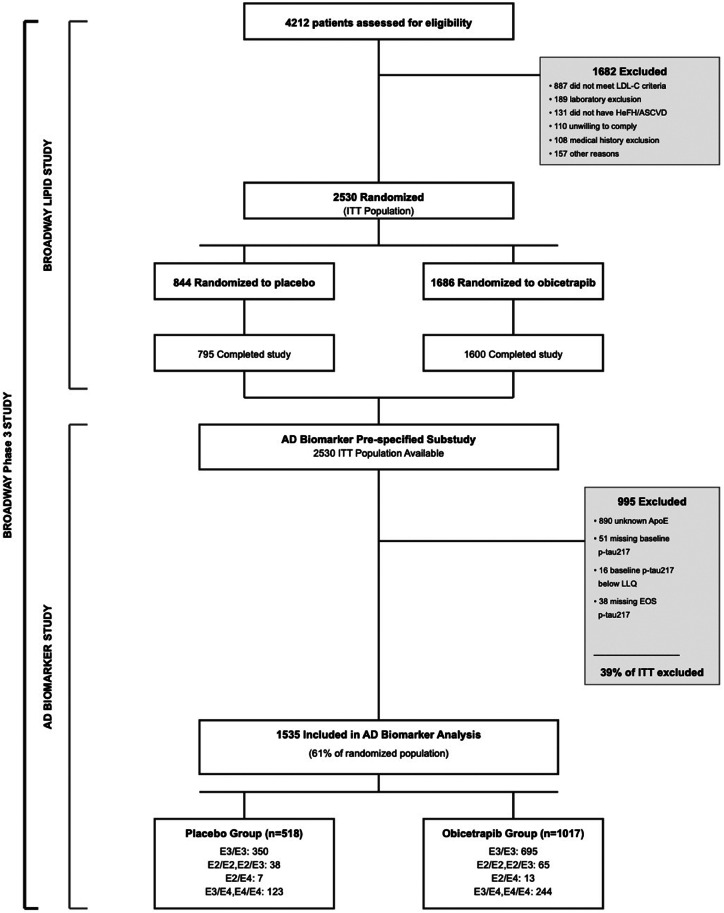
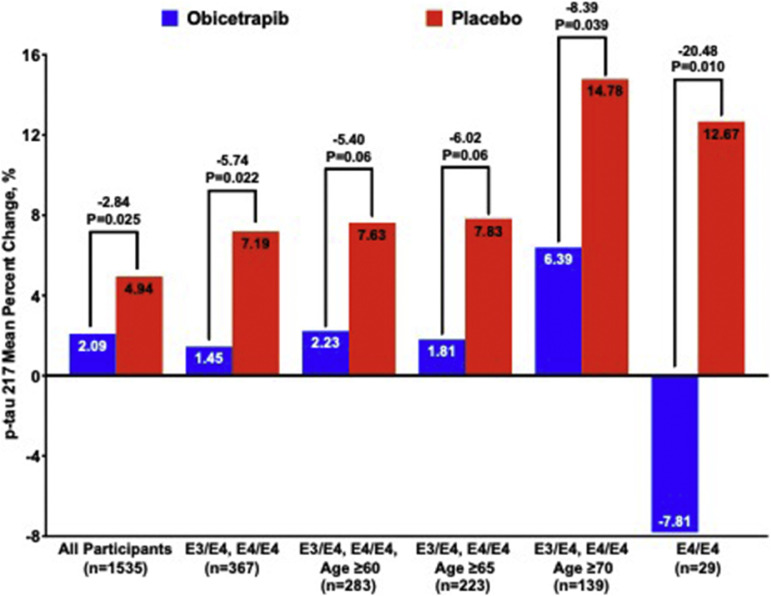
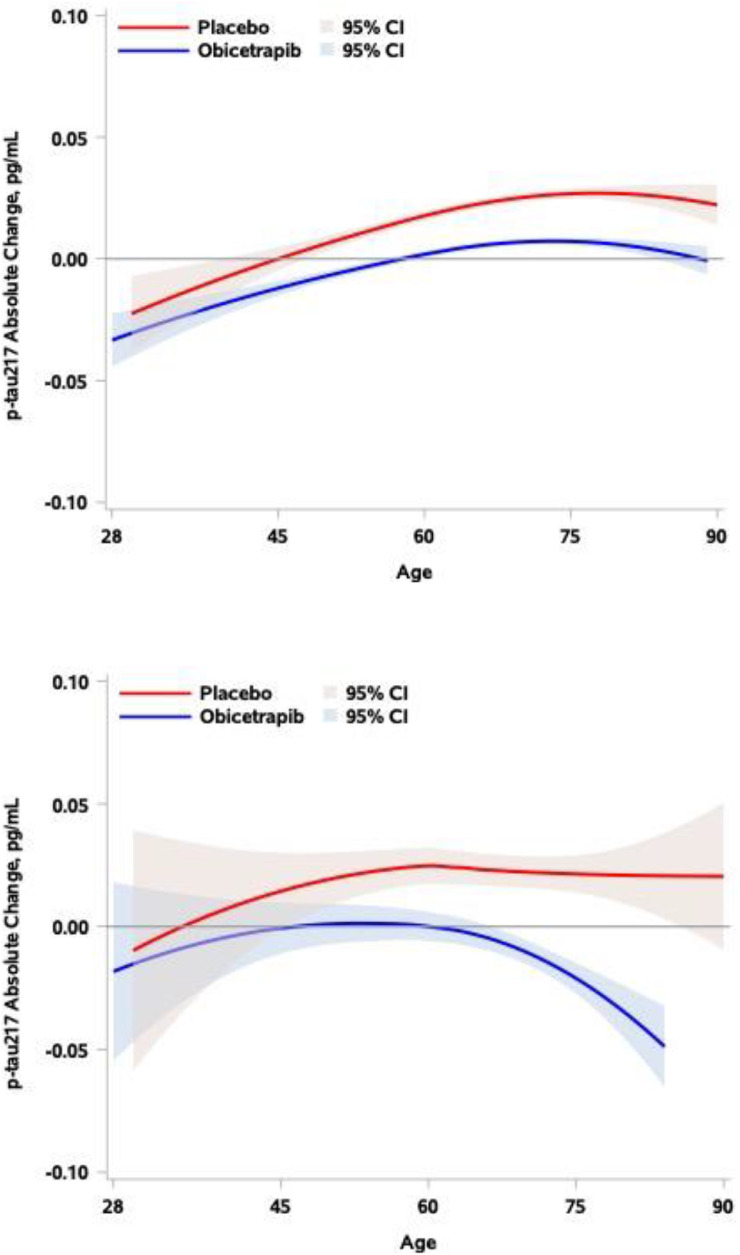
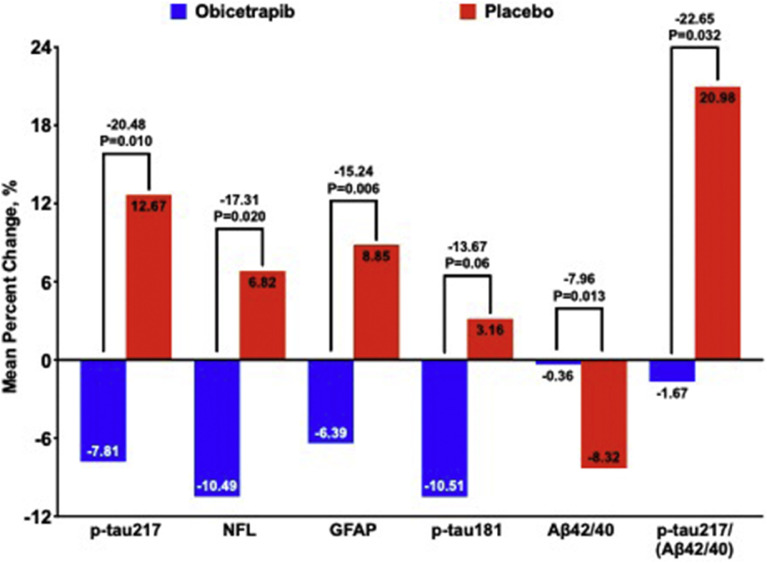
Verification
Claims the paper makes
The claims and statistics of this paper haven’t been checked yet.
Run the check — free, no account needed. It reads the open-access text and checks the sources it cites.
Claims other papers make about this one
Each is checked against this paper’s own text: does it say what the citing paper says it does?
The cited source says what the claim attributes to it.
In the citing paper
“In a recent large study of atherosclerotic cardiovascular disease, the CETP inhibitor obicetrapib significantly attenuated increases in the marker for brain amyloidosis p-tau217 compared to placebo [82].”
From ApoE lipoproteins in the central nervous system under homeostasis and role in Alzheimer’s disease and related disorders (2026) · cites this paper as [82]
Self-check
Percentages, sums and reported differences re-computed from the paper’s own numbers.
The self-check needs the paper’s full text.
Citations
Cites
Apolipoprotein E controls cerebrovascular integrity via cyclophilin A
Bell, R. D., Winkler, E. A., Singh, I., Sagare, A. P., Deane, R., Wu, Z., Holtzman, D. M., Betsholtz, C., Armulik, A., Sallstrom, J., et al. (2012) · Nature · doi:10.1038/nature11087 · Cited by 1,293 · cited 1×
“Improved vascular health is particularly relevant for APOE4 carriers, who exhibit greater atherosclerosis, microvascular damage, and compromise of BBB integrity, making them especially susceptible to vascular contributions to cognitive impairment [44,45].”
APOE4 leads to blood–brain barrier dysfunction predicting cognitive decline
Montagne, A., Nation, D. A., Sagare, A. P., Barisano, G., Sweeney, M. D., Chakhoyan, A., Pachicano, M., Joe, E., Nelson, A. R., D’Orazio, L. M., et al. (2020) · Nature · doi:10.1038/s41586-020-2247-3 · Cited by 1,281
Diagnostic Accuracy of a Plasma Phosphorylated Tau 217 Immunoassay for Alzheimer Disease Pathology
Ashton, N. J., Brum, W. S., Di Molfetta, G., Benedet, A. L., Arslan, B., Jonaitis, E., Langhough, R. E., Cody, K., Wilson, R., Carlsson, C. M., et al. (2024) · JAMA Neurology · doi:10.1001/jamaneurol.2023.5319 · Cited by 884 · cited 1×
“In preclinical AD, p-tau217 accurately identifies individuals with amyloid pathology and predicts progression from MCI to AD dementia with high accuracy [26,27].”
Apolipoprotein E in Alzheimer’s disease and other neurological disorders
Verghese, P. B., Castellano, J. M., & Holtzman, D. M. (2011) · The Lancet Neurology · doi:10.1016/s1474-4422(10)70325-2 · Cited by 857 · cited 1×
“These functional deficiencies result in lipid accumulation within specific brain regions and enhanced A β aggregation [5].”
Hansson, O., Edelmayer, R. M., Boxer, A. L., Carrillo, M. C., Mielke, M. M., Rabinovici, G. D., Salloway, S., Sperling, R., Zetterberg, H., & Teunissen, C. E. (2022) · Alzheimer's & Dementia · doi:10.1002/alz.12756 · Cited by 607
Randomized controlled trial of atorvastatin in mild to moderate Alzheimer disease: LEADe
Feldman, H. H., Doody, R. S., Kivipelto, M., Sparks, D. L., Waters, D. D., Jones, R. W., Schwam, E., Schindler, R., Hey-Hadavi, J., DeMicco, D. A., et al. (2010) · Neurology · doi:10.1212/wnl.0b013e3181d6476a · Cited by 438
Mattsson-Carlgren, N., Salvadó, G., Ashton, N. J., Tideman, P., Stomrud, E., Zetterberg, H., Ossenkoppele, R., Betthauser, T. J., Cody, K. A., Jonaitis, E. M., et al. (2023) · JAMA Neurology · doi:10.1001/jamaneurol.2022.5272 · Cited by 309 · cited 1×
“Biomarker changes in AD are evident in the pre-clinical period of AD when brain changes are present but cognitive decline is not yet present making them appropriate as foundational measures for AD prevention therapies [21].”
Benn, M., Nordestgaard, B. G., Frikke-Schmidt, R., & Tybjærg-Hansen, A. (2017) · BMJ · doi:10.1136/bmj.j1648 · Cited by 178
Mendelian Randomization Study of PCSK9 and HMG-CoA Reductase Inhibition and Cognitive Function
Rosoff, D. B., Bell, A. S., Jung, J., Wagner, J., Mavromatis, L. A., & Lohoff, F. W. (2022) · Journal of the American College of Cardiology · doi:10.1016/j.jacc.2022.05.041 · Cited by 126
Research works printed but not linked: 49
- Martins, 2006, Apolipoprotein E, cholesterol metabolism, diabetes, and the convergence of risk factors for Alzheimer's disease and cardiovascular disease, Mol Psychiatry, 11, 721, 10.1038/sj.mp.4001854 · DOI · Paper page
- Piomelli, 2007, A neuroscientist's guide to lipidomics, Nat Rev Neurosci, 8, 743, 10.1038/nrn2233 · DOI
- Wood, 2011, Cholesterol asymmetry in synaptic plasma membranes, J Neurochem, 116, 684, 10.1111/j.1471-4159.2010.07017.x · DOI
- Mahley, 2000, Apolipoprotein E: far more than a lipid transport protein, Annu Rev Genomics Hum Genet, 1, 507, 10.1146/annurev.genom.1.1.507 · DOI · Paper page
- Liu, 2013, Apolipoprotein E and Alzheimer disease: risk, mechanisms and therapy, Nat Rev Neurol, 9, 106, 10.1038/nrneurol.2012.263 · DOI · Paper page
- Jeong, 2019, ApoE4-induced cholesterol dysregulation and its brain cell type-specific implications in the pathogenesis of Alzheimer’s disease, Mol Cells, 42, 739
- Martens, 2022, ApoE Cascade hypothesis in the pathogenesis of Alzheimer's disease and related dementias, Neuron, 115, 1304, 10.1016/j.neuron.2022.03.004 · DOI · Paper page
- Khan, 2013, Apolipoprotein E genotype, cardiovascular biomarkers and risk of stroke: systematic review and meta-analysis of 14,015 stroke cases and pooled analysis of primary biomarker data from up to 60,883 individuals, Int J Epidemiol, 42, 475, 10.1093/ije/dyt034 · DOI
- Tall, 1993, Plasma cholesteryl ester transfer protein, J Lipid Res, 34, 1255, 10.1016/S0022-2275(20)36957-1 · DOI · Paper page
- Poliakova, 2023, Roles of peripheral lipoproteins and cholesteryl ester transfer protein in the vascular contributions to cognitive impairment and dementia, Mol Neurodegeneration, 18, 10.1186/s13024-023-00671-y · DOI
- Vuletic, 2003, Widespread distribution of PLTP in human CNS: evidence for PLTP synthesis by glia and neurons, and increased levels in Alzheimer’s disease, J Lip Research, 44, 1113, 10.1194/jlr.M300046-JLR200 · DOI
- Oestereich, 2022, The cholesteryl ester transfer protein (CETP) raises cholesterol levels in the brain, J Lipid Res, 63, 10.1016/j.jlr.2022.100260 · DOI
- Barzilai, 2006, A genotype of exceptional longevity is associated with preservation of cognitive function, Neurology, 67, 2170, 10.1212/01.wnl.0000249116.50854.65 · DOI
- Sanders, 2010, Association of a functional polymorphism in the cholesteryl ester transfer protein (CETP) gene with memory decline and incidence of dementia, JAMA, 303, 150, 10.1001/jama.2009.1988 · DOI
- Sundermann, 2016, Cholesteryl ester transfer protein genotype modifies the effect of apolipoprotein ε4 on memory decline in older adults, Neurobiol Aging, 41, e7
- Lythgoe, 2015, Population-based analysis of cholesteryl ester transfer protein identifies association between I405V and cognitive decline: the Cache County Study, Neurobiol Aging, 36, 547, 10.1016/j.neurobiolaging.2014.08.022 · DOI
- Rodríguez, 2006, Cholesteryl ester transfer protein (CETP) polymorphism modifies the Alzheimer's disease risk associated with APOE epsilon4 allele, J Neurol, 253, 181, 10.1007/s00415-005-0945-2 · DOI · Paper page
- Schmidt, 2024, Lower activity of cholesteryl ester transfer protein (CETP) and the risk of dementia: a Mendelian randomization analysis, Alzheimers Res Ther, 16, 228, 10.1186/s13195-024-01594-6 · DOI
- Hansson, 2023, Blood biomarkers for Alzheimer's disease in clinical practice and trials, Nat Aging, 3, 506, 10.1038/s43587-023-00403-3 · DOI · Paper page
- French, 2025, Cognitive impairment and p-tau217 are higher in a vascular patient cohort, Alzheimers Dement, 21, 10.1002/alz.70565 · DOI
- Nicholls, 2025, Safety and efficacy of obicetrapib in patients at high cardiovascular risk, N Engl J Med, 393, 51, 10.1056/NEJMoa2415820 · DOI
- Kastelein, 2024, Obicetrapib: reversing the Tide of CETP Inhibitor Disappointments, Curr Atheroscler Rep, 26, 35, 10.1007/s11883-023-01184-1 · DOI
- Nicholls, 2024, Obicetrapib on top of maximally tolerated lipid-modifying therapies in participants with or at high risk for atherosclerotic cardiovascular disease: rationale and designs of BROADWAY and BROOKLYN, Am J Heart J, 274, 32, 10.1016/j.ahj.2024.05.002 · DOI
- Ngandu, 2015, A 2 year multidomain intervention of diet, exercise, cognitive training, and vascular risk monitoring versus control to prevent cognitive decline in at-risk elderly people (FINGER): a randomised controlled trial, Lancet, 385, 2255, 10.1016/S0140-6736(15)60461-5 · DOI · Paper page
- Rosenberg, 2018, Multidomain lifestyle intervention benefits a large elderly population at risk for cognitive decline and dementia regardless of baseline characteristics: the FINGER trial, Alzheimers Dement, 14, 263, 10.1016/j.jalz.2017.09.006 · DOI · Paper page
- Baker, 2025, Structured vs Self-Guided Multidomain Lifestyle Interventions for Global Cognitive Function: the US POINTER Randomized Clinical Trial, JAMA, 10.1001/jama.2025.12923 · DOI · Paper page
- Sano, 2011, A randomized, double-blind, placebo-controlled trial of simvastatin to treat Alzheimer disease, Neurology, 77, 556, 10.1212/WNL.0b013e318228bf11 · DOI
- van Dyck, 2023, Lecanemab in Early Alzheimer's Disease, N Engl J Med, 388, 9, 10.1056/NEJMoa2212948 · DOI · Paper page
- Cummings, 2023, Anti-Amyloid Monoclonal Antibodies are Transformative Treatments that Redefine Alzheimer's Disease Therapeutics, Drugs, 83, 569, 10.1007/s40265-023-01858-9 · DOI
- McDade, 2022, Lecanemab in patients with early Alzheimer's disease: detailed results on biomarker, cognitive, and clinical effects from the randomized and open-label extension of the phase 2 proof-of-concept study, Alzheimers Res Ther, 14, 191, 10.1186/s13195-022-01124-2 · DOI
- Cao, 2018, Advances in developing novel therapeutic strategies for Alzheimer’s disease, Mol Neurodegener, 64
- Santos, 2017, Pathophysiologic relationship between Alzheimer’s disease, cerebrovascular disease, and cardiovascular risk: a review and synthesis, Alzheimer’s & Dementia, 7, 69
- Stampfer, 2006, Cardiovascular disease and Alzheimer’s disease: common links, J Intern Med, 260, 211, 10.1111/j.1365-2796.2006.01687.x · DOI
- Wolozin, 2006, Interventions for heart disease and their effects on Alzheimer’s disease, Neurol Research, 28, 630, 10.1179/016164106X130515 · DOI
- Rasmussen, 2023, Combining genetic variants and cardiovascular risk factors can facilitate identification of high-risk individuals for targeted prevention of dementia, Eur Heart J, 44, 2526, 10.1093/eurheartj/ehad293 · DOI
- Sweeney, 2018, Zlokovic BV. Blood-brain barrier breakdown in Alzheimer disease and other neurodegenerative disorders, Nat Rev Neurol, 14, 133, 10.1038/nrneurol.2017.188 · DOI · Paper page
- Robert, 2017, Clearance of beta-amyloid is facilitated by apolipoprotein E and circulating high-density lipoproteins in bioengineered human vessels, Elife, 6, 10.7554/eLife.29595 · DOI
- Niesor, 2025, Obicetrapib significantly increases plasma and high-density lipoprotein (HDL) levels of antioxidants, Atherosclerosis, 407, 10.1016/j.atherosclerosis.2025.119560 · DOI
- Niesor, 2025, Low-dose obicetrapib significantly increases concentrations of lipophilic antioxidants, apoE, and S1P in hdl subfractions, Atherosclerosis, 407, 10.1016/j.atherosclerosis.2025.119512 · DOI
- Heneka, 2015, Neuroinflammation in Alzheimer's disease, Lancet Neurol, 14, 388, 10.1016/S1474-4422(15)70016-5 · DOI · Paper page
- Pedrini, 2021, High-density lipoprotein-related cholesterol metabolism in Alzheimer's disease, J Neurochem, 159, 343, 10.1111/jnc.15170 · DOI · Paper page
- Wang, 2008, Nutritional biomarkers in Alzheimer’s disease: the association between carotenoids, n-3 fatty acids, and dementia severity, J Alzheimer’s Dis, 13, 31, 10.3233/JAD-2008-13103 · DOI
- Dietschy, 2004, Thematic review series: brain lipids. Cholesterol metabolism in the central nervous system during early development and in the mature anima, J Lipid Res, 45, 1375, 10.1194/jlr.R400004-JLR200 · DOI · Paper page
- Hovingh, 2015, Cholesteryl ester transfer protein inhibition by TA-8995 in patients with mild dyslipidemia (TULIP): a randomized, double-blind, placebo-controlled phase 2 trial, Lancet, 386, 452, 10.1016/S0140-6736(15)60158-1 · DOI
- Balazs, 2004, Uptake and transport of high-density lipoprotein (HDL) and HDL-associated α-tocopherol by an in vitro blood-brain barrier model, J Neurochem, 89, 939, 10.1111/j.1471-4159.2004.02373.x · DOI
- Matsui, 2024, Lutein from chicken eggs prevent amyloid β-peptide aggregation in vitro and amyloid β-induced inflammation in human macrophages (THP-1), ACS Omega, 9, 26616, 10.1021/acsomega.4c03353 · DOI
- Lewis, 2010, Overexpression of human apolipoprotein A-I preserves cognitive function and attenuates neuroinflammation and cerebral amyloid angiopathy in a mouse model of Alzheimer disease, J Biol Chem, 285, 36958, 10.1074/jbc.M110.127829 · DOI
- Zhang, 2024, Validation of an Ultra-Sensitive Method for Quantitation of Phospho-Tau 217 (pTau217) in Human Plasma, Serum, and CSF using the ALZpath pTau217 Assay on the Quanterix HD-X Platform, J Prev Alz Dis, 5, 1206, 10.14283/jpad.2024.155 · DOI
- Lai, 2024, P-tau217 as a reliable blood-based marker of Alzheimer’s disease, Biomedicines, 13, 1836, 10.3390/biomedicines12081836 · DOI
Cited by
Sorted by citations
Strickland, M. R., & Holtzman, D. M. (2026) · Molecular Neurodegeneration · doi:10.1186/s13024-026-00970-0
Metadata
- Authors
- Davidson, M. H., Szarek, M., Scheltens, P., Vijverberg, E., Hsieh, A., Ditmarsch, M., Kling, D., Curcio, D., Nicholls, S. J., Ray, K. K., Cummings, J. L., & Kastelein, J. J.
- Venue
- The Journal of Prevention of Alzheimer's Disease
- Publisher
- Elsevier BV
- Published
- 2026-01
- Volume
- 13
- Issue
- 1
- Pages
- 100394
- ISSN
- 2274-5807
- PMC
- PMC12811769
- Cited by
- 16
- References
- 9
- Language
- en
- Licence
- Funders
- National Institute of General Medical Sciences (P20GM109025)
- Alzheimer's Drug Discovery Foundation
- National Institute of Neurological Disorders and Stroke (RO1NS139383)
About these checks
Registry, retraction, Cites and statistics results are computed, not judged, with one exception: a printed reference that no index lists is read once by a model before it counts as a citation error. Claims are extracted by a model and kept only when their quote appears verbatim in the text; each cited source is then checked, with a model’s help, for whether it says what the claim relies on. Those verdicts can be wrong — read the claim’s quote and the cited source before relying on one.
Statistics and arithmetic are recomputed, not judged.
Confidence bands are shown only for fields calibrated on our annotated test set. None is calibrated yet, so no band is shown.
What counts as a claim ›How we measure confidence ›How we check this ›
Are you an author, or do you see a problem with this page? Request a review
