

Potent excitatory influence of prefrontal cortex activity on noradrenergic locus coeruleus neurons
Open accessThe DOI matches its Crossref record; 85 of the 88 references it cites were found in a registry or an index.
Abstract
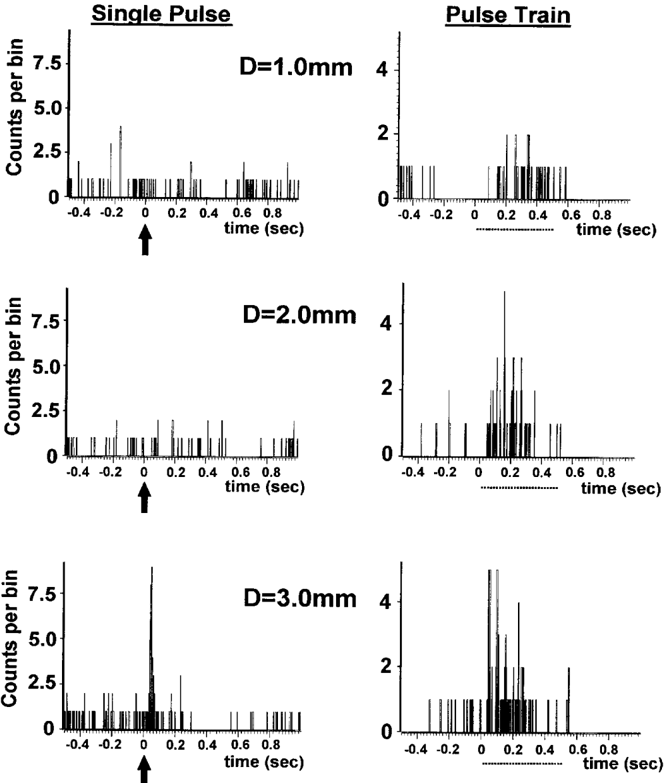
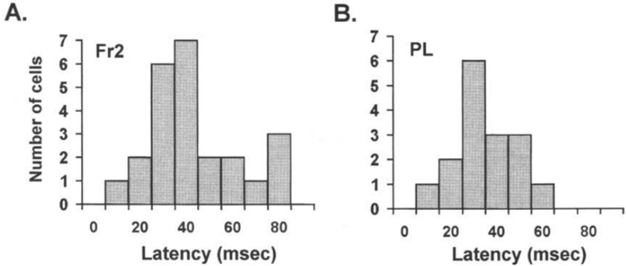
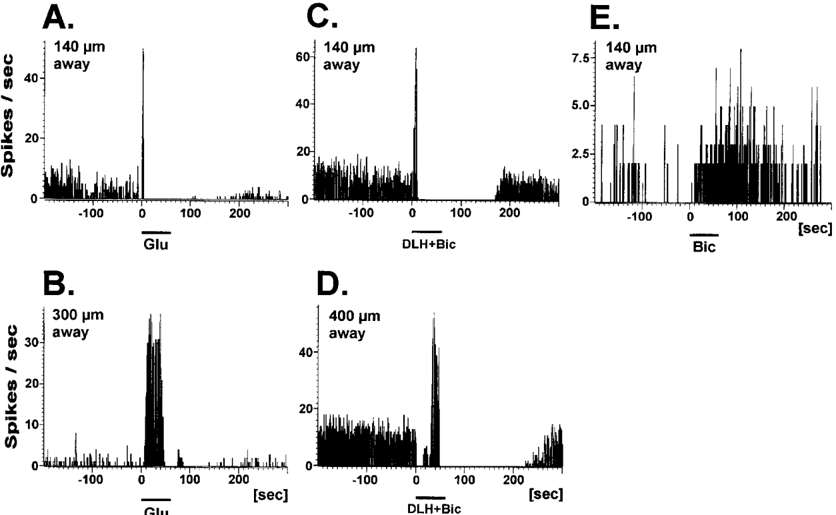
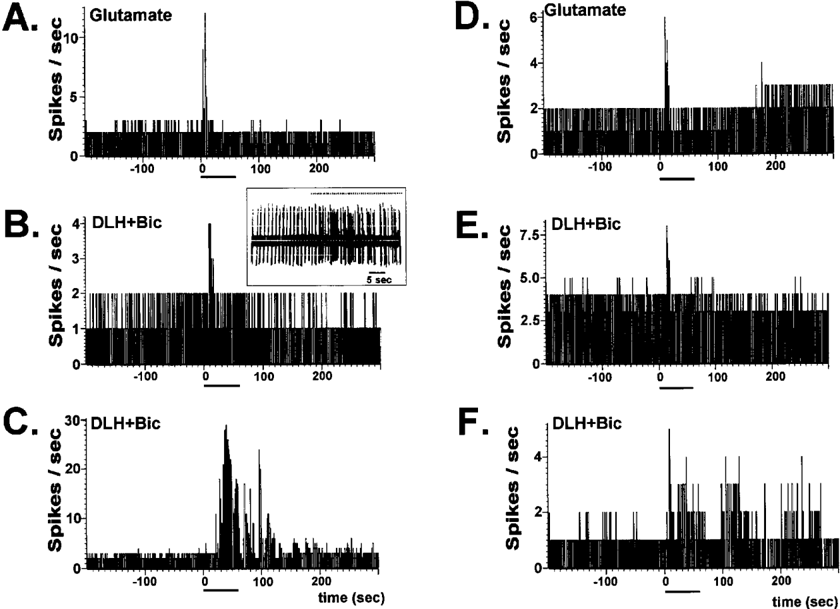
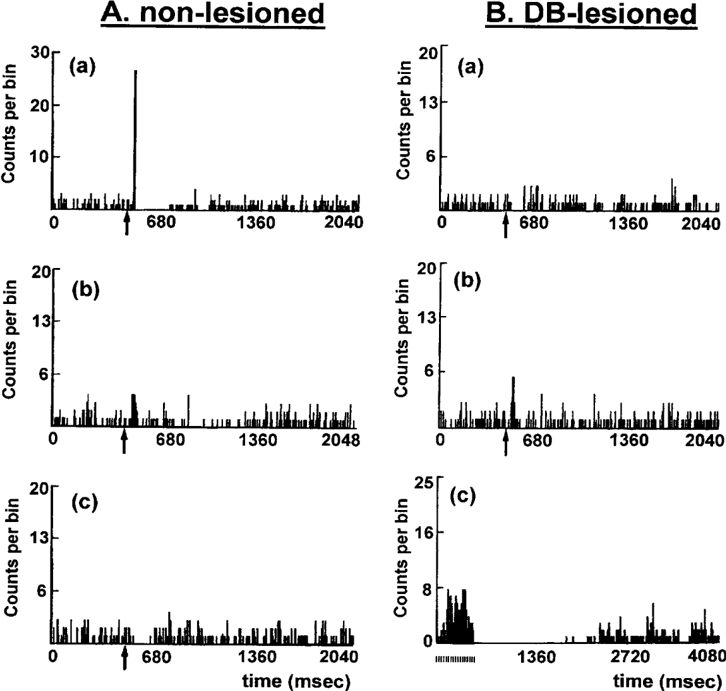
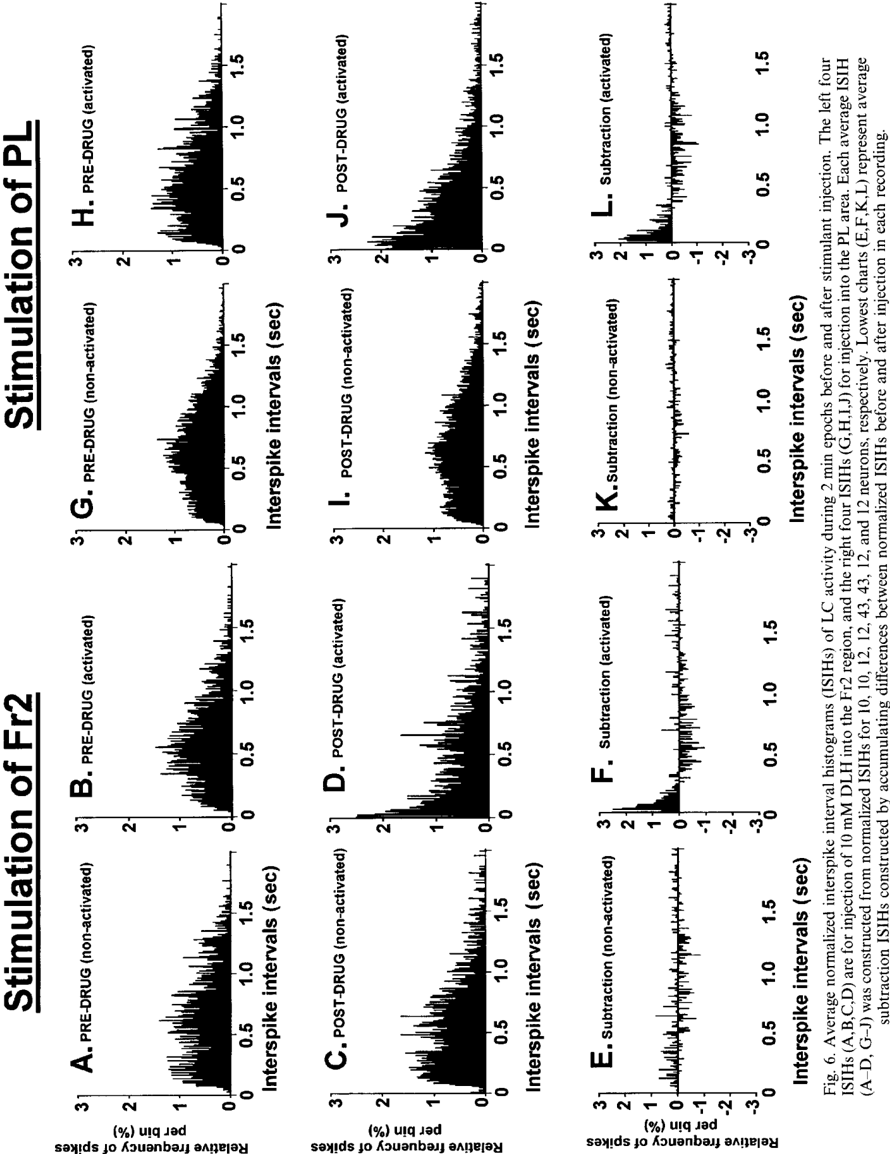
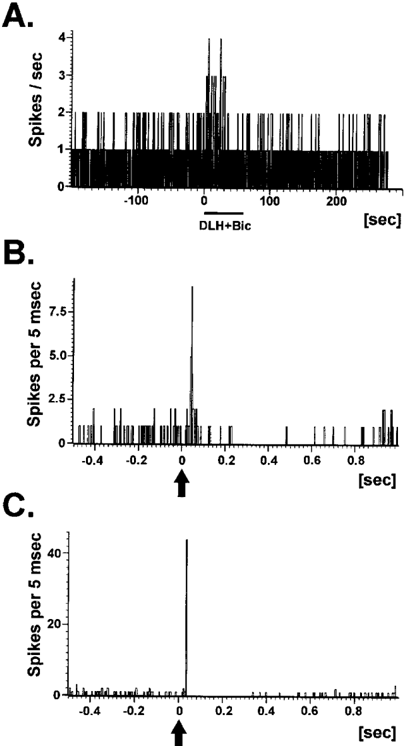
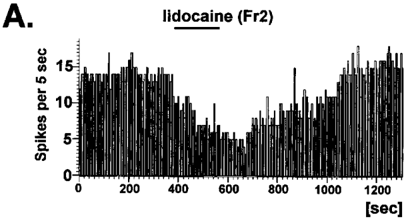
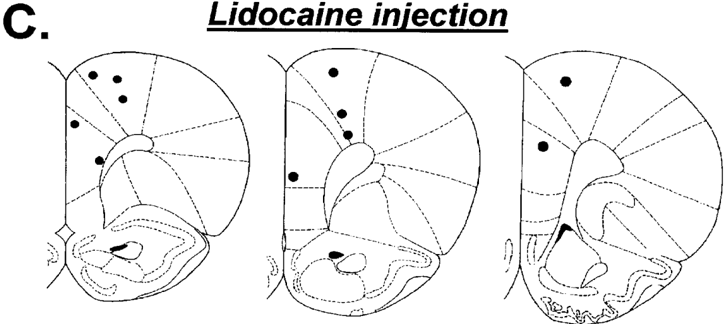
An influence of the prefrontal cortex on noradrenergic locus coeruleus neurons would have profound implications for the function of the locus coeruleus system. Although the medial prefrontal cortex does not substantially innervate the core of the nucleus locus coeruleus, evidence indicates that the medial prefrontal cortex projects to regions containing locus coeruleus dendrites; indirect medial prefrontal cortex-locus coeruleus projections are also possible. Here, we examined influences of prefrontal cortex activity on locus coeruleus firing rates by activating or inactivating the medial prefrontal cortex while recording impulse activity of locus coeruleus neurons extracellularly in anaesthetized rats. Most of our electrical stimulation experiments were conducted in rats which underwent lesions of the ascending dorsal bundle of noradrenergic fibres from the locus coeruleus to eliminate locus coeruleus projections to the prefrontal cortex, because antidromic activation of locus coeruleus from the prefrontal cortex affects even non-driven locus coeruleus neurons through collaterals. Single pulse stimulation (1 mA, 0.3-0.5 ms) of the dorsomedial (frontal region 2) or prelimbic region of the medial prefrontal cortex synaptically activated 13/16 (81%) or 16/56 (29%) locus coeruleus neurons, respectively. Train stimulation (20 Hz for 0.5 s) synaptically activated greater percentages of locus coeruleus cells, 11/12 cells (92%) for the dorsomedial prefrontal cortex, and 41/50 cells (82%) for the prelimbic cortex. No inhibitory responses in the locus coeruleus were obtained with dorsomedial prefrontal stimulation, and weak inhibition was found in 16% of locus coeruleus cells with prelimbic stimulation. Electrical stimulation of more lateral frontal cortex (Fr1 area) had no effects on locus coeruleus activity. Chemical stimulation of the dorsomedial prefrontal cortex with L-glutamate (10 or 100 mM) or D,L-homocysteic acid (10 mM) phasically activated 15/26 (55%) locus coeruleus cells, and 15/68 cells (22%) with prelimbic stimulation; such activation was sometimes followed by long-lasting oscillatory activity. No locus coeruleus cells exhibited purely inhibitory responses with chemical stimulation of any prefrontal cortex site. Inactivation of the dorsomedial or prelimbic region of the prefrontal cortex with lidocaine microinjection (2%, 180 or 300 nl) reduced locus coeruleus firing rates in 6/10 (60%) or 7/19 (37%) locus coeruleus cells, respectively. In no case did lidocaine in any prefrontal cortex site activate a locus coeruleus neuron. These results indicate that the medial prefrontal cortex provides a potent excitatory influence on locus coeruleus neurons. The fact that inactivation of the medial prefrontal cortex suppressed locus coeruleus firing indicates that the medial prefrontal cortex also provides a resting tonic excitatory influence on locus coeruleus activity.
Overview
The claims and statistics of this paper haven’t been checked yet.
Free: it reads the open-access text and checks the first 5 claims that cite a source we can check. Create a free account to check every claim.
Integrity signals
Registry
Cites
Statistics
Figures
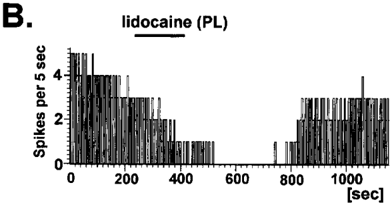
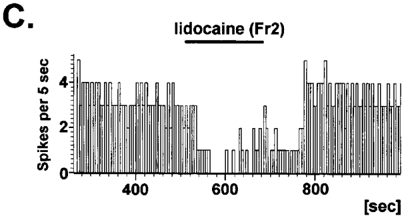
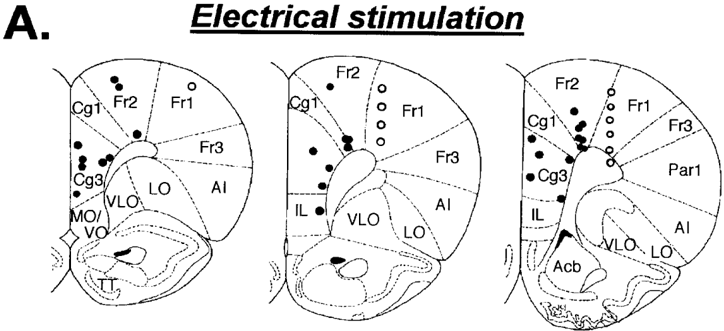
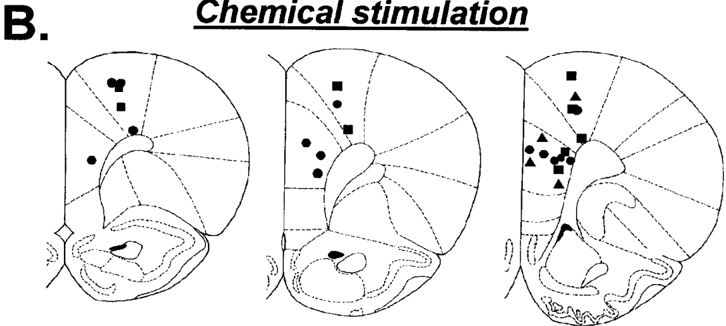
Verification
Claims the paper makes
The claims and statistics of this paper haven’t been checked yet.
Free: it reads the open-access text and checks the first 5 claims that cite a source we can check. Create a free account to check every claim.
Claims other papers make about this one
Each is checked against this paper’s own text: does it say what the citing paper says it does?
The cited source says what the claim attributes to it.
In the citing paper
“frontal cortex sends excitatory inputs to locus coeruleus (Jodo et al., 1998)”
From Ancestral Circuits for the Coordinated Modulation of Brain State (2017) · cites this paper as Jodo et al., 1998
In the citing paper
“The locus coeruleus (LC) and its surrounding areas receive numerous presynaptic fibers from various sources, including the prefrontal cortex, central nucleus of the amygdala, lateral hypothalamus, bed nucleus of the stria terminalis, and dorsal raphe nucleus [69,74].”
From Fidgeting Increases Pupil Diameter During Auditory Processing in Young Healthy Adults (2026) · cites this paper as [74]
Self-check
Percentages, sums and reported differences re-computed from the paper’s own numbers.
The self-check needs the paper’s full text.
Citations
Cites
The Rat Brain in Stereotaxic Coordinates
(1982) · Elsevier eBooks · doi:10.1016/c2009-0-63235-9 · Cited by 51,963
The rat brain in stereotaxic coordinates
Palkovits, M. (1983) · Neuropeptides · doi:10.1016/0143-4179(83)90049-5 · Cited by 28,831
Paxinos, G. (1985) · Cited by 3,715
Fuster, J. M. (1997) · Cited by 2,253
Aston-Jones, G., & Bloom, F. (1981) · The Journal of Neuroscience · doi:10.1523/jneurosci.01-08-00876.1981 · Cited by 1,960
Self-citationSesack, S. R., Deutch, A. Y., Roth, R. H., & Bunney, B. S. (1989) · Journal of Comparative Neurology · doi:10.1002/cne.902900205 · Cited by 1,568
Jouvet, M. (1969) · Science · doi:10.1126/science.163.3862.32 · Cited by 1,282
NMDA receptors - their role in long-term potentiation
Collingridge, G. L., & Bliss, T. V. P. (1987) · Trends in Neurosciences · doi:10.1016/0166-2236(87)90175-5 · Cited by 1,174
Aston-Jones, G., & Bloom, F. (1981) · The Journal of Neuroscience · doi:10.1523/jneurosci.01-08-00887.1981 · Cited by 1,068
Self-citationAscending projections of the locus coeruleus in the rat. II. Autoradiographic study
Jones, B. E., & Moore, R. Y. (1977) · Brain Research · doi:10.1016/0006-8993(77)90378-x · Cited by 864
Research works printed but not linked: 4
- Aston-Jones G., Foote S. L. and Bloom F. E. (1984) Anatomy and physiology of locus coeruleus neurons, functional implications. In Norepinephrine, Frontiers of Clinical Neuroscience (eds Ziegler M. and Lake C. R.), Vol. 2, pp. 92 116. Williams and Wilkins, Baltimore.
- Chiang C., Ennis M., Pieribone V. and Aston-Jones G. (1987) Effects of prefrontal cortex stimulation on locus coeruleus discharge. Soc. Neurosci. Abstr. 13, 912.
- Kubiak P., Rajkowski J. and Aston-Jones G. (1992) Behavioral performance and sensory responsiveness of LC neurons in a vigilance task varies with tonic LC discharge rate. Soc. Neurosei. Abstr. 18, 538.
- Zhu Y. and Aston-Jones G. (1996) The medial prefrontal cortex prominently innervates a peri-locus coeruleus dendritic zone in rat. Soc. Neurosei. Abstr. 22, 601. (Accepted 15 July 1997)
Cited by
Items 201–300 of 336
Sotoyama, H., Namba, H., Kobayashi, Y., Hasegawa, T., Watanabe, D., Nakatsukasa, E., Sakimura, K., Furuyashiki, T., & Nawa, H. (2021) · Translational Psychiatry · doi:10.1038/s41398-021-01346-2 · Cited by 19
Neal, J., Song, I., Katz, B., & Lee, T. (2023) · Journal of Cognitive Neuroscience · doi:10.1162/jocn_a_02036 · Cited by 17
“Direct neural patterns from the FPN and SAL to the LC have been previously identified (Rajkowski, Lu, Zhu, Cohen, & Aston-Jones, 2000; Jodo et al., 1998), and a model of LC–NA activation with an optimal degree of signaling (Aston-Jones & Cohen, 2005) would appear to support FPN down-regulation of the LC through the SA…”
MethodMagnusson, K. R., & Brim, B. C. (2014) · Elsevier eBooks · doi:10.1016/b978-0-12-801238-3.00158-6 · Cited by 18
Neuropathology of the Brainstem to Mechanistically Understand and to Treat Alzheimer’s Disease
Patthy, Á., Murai, J., Hanics, J., Pintér, A., Zahola, P., Hökfelt, T. G. M., Harkany, T., & Alpár, A. (2021) · Journal of Clinical Medicine · doi:10.3390/jcm10081555 · Cited by 19
“plethora of different and functionally critical afferents reach brainstem monoaminergic neurons [15], ranging from lateral hypothalamic oxytocin innervation of LC and raphe neurons through different oxytocin receptors [227], to prefrontal afferents which provides tonic activation of the LC [228,229].”
BackgroundCitrenbaum, C., Corlier, J., Ngo, D., Vince-Cruz, N., Wilson, A. C., Wilke, S. A., Krantz, D. E., Tadayonnejad, R., Ginder, N. D., Levitt, J. G., et al. (2023) · Journal of Affective Disorders · doi:10.1016/j.jad.2023.07.008 · Cited by 17
Potentiation of excitatory serotonergic responses by MK-801 in the medial prefrontal cortex
Labonté, B., Bambico, F. R., & Gobbi, G. (2009) · Naunyn-Schmiedeberg s Archives of Pharmacology · doi:10.1007/s00210-009-0446-4 · Cited by 18
“NMDAR, functionally relevant in increasing mPFC pyramidal activity and levels of glutamate, are thus localised in extra-cortical subregions such as the ventral tegmental area (Lorrain et al. 2003), hippocampus (Jay and Witter 1991; Jay et al. 1992), nucleus accumbens (Yang et al. 1999), locus coeruleus ( Jodo et al. 1…”
BackgroundHow prediction error drives memory updating: role of locus coeruleus–hippocampal interactions
Groves, I., Grella, S. L., Harley, C. W., Hardt, O. M., & Nadel, L. (2025) · Trends in Neurosciences · doi:10.1016/j.tins.2025.09.003 · Cited by 16
Bidirectional emotional regulation through prefrontal innervation of the locus coeruleus
Watanabe, M., Uematsu, A., & Johansen, J. P. (2025) · Molecular Psychiatry · doi:10.1038/s41380-025-02944-y · Cited by 16
“GFP-labeled axon terminals of PL and IL neurons were apparent in LC and pericoeruleus (peri-LC), which is adjacent to the LC and contains LC noradrenergic dendrites [32] as well as distinct clusters of GABAergic neurons which regulate the activity of LC-noradrenergic neurons [20, 33 – 35] (Fig.”
Serotonin Interaction with Other Transmitter Systems
Adell, A., Bortolozzi, A. A., Díaz-Mataix, L., Santana, N., Celada, P., & Artigas, F. (2010) · Handbook of behavioral neuroscience · doi:10.1016/s1569-7339(10)70083-7 · Cited by 23
Machida, M., Wellman, L. L., Fitzpatrick, M. E., Hallum, O. Y., Sutton, A. M., Lónárt, G., & Sanford, L. D. (2017) · SLEEP · doi:10.1093/sleep/zsx020 · Cited by 17
Gyengési, E., Záborszky, L., & Détári, L. (2007) · Brain Research Bulletin · doi:10.1016/j.brainresbull.2007.09.008 · Cited by 16
Neural Circuit Connections and Functions of Locus Coeruleus–Norepinephrine System
Mei, H., Li, F., Duan, J.-W., & Han, M. (2025) · International Journal of Molecular Sciences · doi:10.3390/ijms262211163 · Cited by 15
“Notably, it is the only cortical region with direct projections to the LC [143].”
Adkins, A. M., Colby, E. M., Kim, W., Wellman, L. L., & Sanford, L. D. (2023) · Journal of Neuroinflammation · doi:10.1186/s12974-023-02813-x · Cited by 15
“Interestingly, we previously demonstrated that peri-shock BLA inhibition during IS led to c-Fos activation in mPFC and differential activation of brainstem (dorsal raphe nucleus and locus coeruleus) targets [65] consistent with those seen with mPFC activation [66, 67], thereby suggesting BLA input into the neurocircui…”
BackgroundSerotonin 5-HT3 receptor antagonism potentiates the antidepressant activity of citalopram
Perez-Palomar, B., Mollinedo-Gajate, I., Berrocoso, E., Meana, J. J., & Ortega, J. E. (2018) · Neuropharmacology · doi:10.1016/j.neuropharm.2018.02.020 · Cited by 14
Role of prefrontal cortex in stress responsivity
Gratton, A. P., & Sullivan, R. M. (2005) · Techniques in the behavioral and neural sciences · doi:10.1016/s0921-0709(05)80043-4 · Cited by 21
Scherder, E., Luijpen, M. W., & Dijk, K. R. A. V. (2003) · PubMed · Cited by 16
Reduced distractor interference during vagus nerve stimulation
van Bochove, M. E., Taeye, L. D., Raedt, R., Vonck, K. E. J., Meurs, A., Boon, P., Dauwe, I., Notebaert, W., & Verguts, T. (2018) · International Journal of Psychophysiology · doi:10.1016/j.ijpsycho.2018.03.015 · Cited by 16
Behl, T., Kaur, I., Sehgal, A., Singh, S., Makeen, H. A., Albratty, M., Alhazmi, H. A., Bhatia, S., & BUNGAU, S. G. (2022) · Biomedicine & Pharmacotherapy · doi:10.1016/j.biopha.2022.113179 · Cited by 13
Topographic structure and function of locus coeruleus noradrenaline neurons
Su, Z., Kosillo, P., Jung, K., Chen, S., Summers, M. T., Piet, A. T., Hou, H., Hagihara, K. M., Friedmann, D., Ho-Shing, O., et al. (2026) · Nature · doi:10.1038/s41586-026-11026-0 · Cited by 15
Mao, L., Cho, Y. K., & Li, C. (2008) · American Journal of Physiology-Regulatory, Integrative and Comparative Physiology · doi:10.1152/ajpregu.00802.2007 · Cited by 12
Neuropeptide Y – Its role in human performance and extreme environments
Kienast, C., Gunga, H., & Steinach, M. (2019) · REACH · doi:10.1016/j.reach.2019.100032 · Cited by 16
Shinba, T., Briois, L., & Sara, S. J. (2000) · Brain Research · doi:10.1016/s0006-8993(00)03009-2 · Cited by 12
Daniels, S., Mansari, M. E., Hamoudeh, R. A., & Blier, P. (2023) · Frontiers in Pharmacology · doi:10.3389/fphar.2023.1276309 · Cited by 12
Chapter 2 Neurochemistry of cognition: serotonergic and adrenergic mechanisms
Ph, R., & Benoît, M. (2008) · Handbook of clinical neurology · doi:10.1016/s0072-9752(07)88002-x · Cited by 13
“Interestingly, in parallel to the feedback controls between the frontal cortex–nucleus accumbens–A9/A10 areas, the LC is subjected to a reciprocal regulation from the prefrontal cortex by glutamatergic input (Jodo et al., 1998).”
BackgroundHou, Y., Chen, M., Wang, C., Liu, L., Mao, H., Qu, X., Shen, X., Yu, B., & Liu, S. (2021) · Frontiers in Neuroscience · doi:10.3389/fnins.2021.690159 · Cited by 13
Right fronto-parietal networks mediate the neurocognitive benefits of enriched environments
Brosnan, M. B., Shalev, N., Ramduny, J., Sotiropoulos, S. N., & Chechlacz, M. (2022) · Brain Communications · doi:10.1093/braincomms/fcac080 · Cited by 11
“…system has strong projections to the right fronto-parietal networks (Oke et al. 1978; Robinson 1979; Grefkes et al. 2010; Jodo and Aston-Jones 1997; Jodo et al. 1998; Singewald and Philippu 1998; Shalev et al. 2019), and the strengthening of these networks by enriched environments over a lifetime…”
BackgroundGlutamate signaling proteins and tyrosine hydroxylase in the locus coeruleus of alcoholics
Karolewicz, B., Johnson, L., Szebeni, K., Stockmeier, C. A., & Ordway, G. A. (2007) · Journal of Psychiatric Research · doi:10.1016/j.jpsychires.2007.02.010 · Cited by 11
Effects of Locus Coeruleus Activation on n-Back Performance and Frontoparietal Activity
Negelspach, D., Alkozei, A., Huskey, A., & Killgore, W. D. S. (2025) · Journal of Cognitive Neuroscience · doi:10.1162/jocn_a_02252 · Cited by 9
Noradrenaline Regulation of Brain-Body Communication
Fernandes, G., Lam, R. M., Park, J. H., Drummond, G. T., & Sur, M. (2025) · Advances in experimental medicine and biology · doi:10.1007/978-3-031-89525-8_2 · Cited by 9
Giri, S., Mehta, R., & Mallick, B. N. (2023) · Brain Sciences · doi:10.3390/brainsci14010008 · Cited by 9
Achterberg, E. J. M., Damsteegt, R., & Vanderschuren, L. J. M. J. (2018) · Behavioural Brain Research · doi:10.1016/j.bbr.2018.03.004 · Cited by 9
Citrenbaum, C., Corlier, J., Ngo, D., Vince-Cruz, N., Wilson, A. C., Wilke, S. A., Krantz, D. E., Tadayonnejad, R., Ginder, N. D., Levitt, J. G., et al. (2023) · Brain stimulation · doi:10.1016/j.brs.2023.10.006 · Cited by 9
“These regions are components of brain networks (such as the salience network) whose function is disrupted in mood disorders [19 – 21].”
BackgroundNavarra, R. L., & Waterhouse, B. D. (2018) · Brain Research · doi:10.1016/j.brainres.2018.06.027 · Cited by 10
Frank, M. J., Scheres, A., & Sherman, S. J. (2011) · Cambridge University Press eBooks · doi:10.1017/cbo9780511731525.019 · Cited by 8
Reul, J. M. H. M., & Droste, S. K. (2005) · Techniques in the behavioral and neural sciences · doi:10.1016/s0921-0709(05)80009-4 · Cited by 11
Neurochemical modulation of orbitofrontal cortex function
Robbins, T. W., Clark, L., Clarke, H. F., & Roberts, A. (2006) · Oxford University Press eBooks · doi:10.1093/acprof:oso/9780198565741.003.0016 · Cited by 9
Yu, A. J. (2014) · Oxford University Press eBooks · doi:10.1093/oxfordhb/9780199675111.013.025 · Cited by 9
Garcia, A. F., Nakata, K. G., & Ferguson, S. M. (2017) · Pharmacology Biochemistry and Behavior · doi:10.1016/j.pbb.2017.05.009 · Cited by 8
“The mPFC forms reciprocal projections with all of these areas (Heidbreder and Groenewegen, 2003; Van den Oever et al., 2010; Thierry et al., 2000; Carr and Sesack, 2000; Uylings et al., 2003; Zaborszky et al., 1997; Gaykema et al., 1991; Jodo et al., 1998).”
BackgroundSun, Y., Chebolu, S., Henry, D., Lankireddy, S., & Darmani, N. A. (2022) · BMC Neuroscience · doi:10.1186/s12868-021-00686-5 · Cited by 7
Smith, W. C., Rosenberg, M., Claar, L. D., Chang, V., Shah, S. N., Walwyn, W. M., Evans, C. J., & Masmanidis, S. C. (2016) · eNeuro · doi:10.1523/eneuro.0105-16.2016 · Cited by 7
Locus coeruleus and dorsal cingulate morphology contributions to slowed processing speed
Eckert, M. A., Iuricich, F., Harris, K. C., Hamlett, E. D., Vazey, E. M., & Aston‐Jones, G. (2022) · Neuropsychologia · doi:10.1016/j.neuropsychologia.2022.108449 · Cited by 9
Self-citationSalvi, V., Courtand, G., Deurwaerdère, P. D., Cardoit, L., Valério, S., Delcasso, S., Georges, F. E., & Michelet, T. (2025) · Cerebral Cortex · doi:10.1093/cercor/bhaf085 · Cited by 6
Ohkubo, N., Aoto, M., Kon, K., & Mitsuda, N. (2019) · Life Sciences · doi:10.1016/j.lfs.2019.116559 · Cited by 6
Analysis of the Neuronal Background Impulse Activity in the Rat Locus Coeruleus
Khudaverdyan, D. N., Asratyan, A. A., Varderesyan, I. V., Khanbabyan, M. V., Sarkisyan, R. S., & Mushegyan, G. K. (2000) · Neurophysiology · doi:10.1023/a:1005212309694 · Cited by 6
Adrenaline and Noradrenaline: Introduction
Stanford, S. C. (2013) · Wiley eBooks · doi:10.1002/9780470015902.a0000271.pub3 · Cited by 6
Control of Functional Connectivity in Cerebral Cortex by Basal Ganglia Mediated SynchronizationPreprint
Pouzzner, D. (2017) · arXiv (Cornell University) · doi:10.48550/arxiv.1708.00779 · Cited by 7
“s sensory-evoked ACh release in the sensory thalamus, and significantly reduces tonic ACh release in sensory cortex (Rasmusson et al. 2007). PFC projections to the DRN (Gonçalves et al. 2009) and LC (Jodoj et al. 1998; Aston-Jones and Cohen 2005) are thought to have similar and related functions. Because PFC is thorou…”
BackgroundDuan, H., Wang, T., Zhang, X., Xia, D., Wang, Z., Fong, T. H., Li, T., Yan, R., Zhan, Y., Li, Y., et al. (2025) · PLoS Biology · doi:10.1371/journal.pbio.3003272 · Cited by 5
Functionality of arousal-regulating brain circuitry at rest predicts human cognitive abilities
Podvalny, E., Sánchez-Romero, R., & Cole, M. W. (2024) · Cerebral Cortex · doi:10.1093/cercor/bhae192 · Cited by 5
Mobasher, M. A., Sajedianfard, J., Jamshidzadeh, A., Naghdi, N., & Namvaran, M. M. (2014) · PubMed Central · Cited by 5
Mini-review: A possible role for galanin in post-traumatic stress disorder
Ullrich, D. C., & Gillavry, D. W. M. (2021) · Neuroscience Letters · doi:10.1016/j.neulet.2021.135980 · Cited by 5
Ojima, H., Taoka, M., & Iriki, A. (2009) · Cerebral Cortex · doi:10.1093/cercor/bhp103 · Cited by 6
“…or AI-like units and the associated behavioral and psychological shift toward the adaptive action are each likely to include a decision-making process may support the involvement of the LC--NE system and its interaction with prefrontal areas (Sesack et al. 1989; Jodo et al. 1998; Lee et al. 2005).”
BackgroundNoradrenergic neurons of the locus coeruleus are phase-locked to cortical updown states during sleep
Magri, C., Eschenko, O., Panzeri, S., & Sara, S. J. (2010) · MPG.PuRe (Max Planck Society) · Cited by 5
Dimitrov, E. L. (2024) · Journal of Integrative Neuroscience · doi:10.31083/j.jin2303060 · Cited by 4
“The medial prefrontal cortex (mPFC) projections can have excitatory and inhibitory effects on locus ceruleus (LC) neurons [1,2], making direct synaptic contact not only with LC neurons but also with the neurons in the surrounding peri-LC dendritic area [3].”
BackgroundCarboni, E., Ibba, M., Carboni, E., & Carta, A. R. (2024) · Progress in Neuro-Psychopharmacology and Biological Psychiatry · doi:10.1016/j.pnpbp.2024.111055 · Cited by 4
Epigenetic epidemiology in psychiatry: A translational neuroscience perspective
Pishva, E., Kenis, G., Lesch, K., Prickaerts, J., Steinbusch, H. W. M., van den Hove, D., van Os, J., & Rutten, B. P. F. (2012) · Translational Neuroscience · doi:10.2478/s13380-012-0024-y · Cited by 5
Mohammadzadeh, L., Alizadeh, A.-M., Feiz, M. S., Jamali, S., Abedi, M., Latifi, H., & Haghparast, A. (2022) · Behavioural Brain Research · doi:10.1016/j.bbr.2022.113859 · Cited by 4
A componential analysis of the functions of primate orbitofrontal cortex
Roberts, A., & Parkinson, J. A. (2006) · Oxford University Press eBooks · doi:10.1093/acprof:oso/9780198565741.003.0009 · Cited by 4
Disciplined sleep for healthy living: Role of noradrenaline
Mehta, R., Singh, A., & Mallick, B. N. (2017) · World Journal of Neurology · doi:10.5316/wjn.v7.i1.6 · Cited by 5
Fuster, J. M. (2015) · Elsevier eBooks · doi:10.1016/b978-0-12-407815-4.00003-9 · Cited by 5
Bischoff, H., Kovach, C. K., Kumar, S., Bruss, J., Tranel, D., & Khalsa, S. S. (2024) · Philosophical Transactions of the Royal Society B Biological Sciences · doi:10.1098/rstb.2023.0251 · Cited by 3
“The prefrontal cortex (PFC), encompassing the dorsolateral, ventrolateral and dorsomedial sections, connects to key subcortical respiratory regions [23 – 26], leaving it well positioned for a role in voluntary respiration in addition to its well recognized roles in emotion regulation [27 – 29],…”
Hausdorf, T., Ferdinand, A., Koo‐Poeggel, P., Mölle, M., Bazhenov, M., & Marshall, L. (2025) · European Journal of Neuroscience · doi:10.1111/ejn.70266 · Cited by 3
“Connections between brainstem neuromodulatory systems and the PFC are partly reciprocal (Arnsten and Goldman-Rakic 1984; Zaborszky et al. 1997; Jodo et al. 1998; Sara 2009).”
Chapter 4.2 Microdialysis of dopamine and norepinephrine during conditioning and operant behaviour
Feenstra, M. G. P. (2006) · Handbook of behavioral neuroscience · doi:10.1016/s1569-7339(06)16018-x · Cited by 3
Deep Brain Stimulation in Animal Models of Depression
Scott, B. W., Nóbrega, J. N., & Hamani, C. (2012) · Springer eBooks · doi:10.1007/978-3-642-30991-5_11 · Cited by 3
Lv, C., Song, D., Ni, J., Qing, H., & Quan, Z. (2026) · Progress in Neurobiology · doi:10.1016/j.pneurobio.2026.102892 · Cited by 2
Rehg, J. J., Olivares, D., Li, Y., Garcia, R., Martinowich, K., Carr, G. V., & Miranda-Barrientos, J. A. (2026) · Neuropsychopharmacology · doi:10.1038/s41386-026-02452-9 · Cited by 2
Xie, H., Tian, Y., Li, Z., Wang, K., Li, R., Yi, S., Chen, A., Chen, J., Liu, J., Wei, X., et al. (2023) · Molecular Neurobiology · doi:10.1007/s12035-023-03667-3 · Cited by 2
Carli, S., Schirripa, A., Mirino, P., Capirchio, A., & Caligiore, D. (2025) · Biological Cybernetics · doi:10.1007/s00422-025-01005-5 · Cited by 3
Prefrontal Cortical Microcircuits Support the Emergence of Mind
Opriș, I. C., Casanova, M. F., Lebedev, M., & POPESCU, A. I. (2017) · Springer series in cognitive and neural systems · doi:10.1007/978-3-319-29674-6_4 · Cited by 2
Fuster, J. M. (2008) · Elsevier eBooks · doi:10.1016/b978-0-12-373644-4.00003-7 · Cited by 2
Neural oscillators and integrators in the dynamics of decision tasks
Brown, E. (2004) · Cited by 3
Viisanen, H. (2012) · Työväentutkimus Vuosikirja · Cited by 2
Pupil Fluctuations Signal Intentional Forgetting of Natural Scenes
Ding, H., Whitlock, J., & Sahakyan, L. (2025) · Psychophysiology · doi:10.1111/psyp.70119 · Cited by 1
Delay, C., Brascamp, J. W., Fattal, J., Lehet, M. I., Yao, B., & Thakkar, K. N. (2025) · Schizophrenia Bulletin Open · doi:10.1093/schizbullopen/sgaf017 · Cited by 1
“30 –32 Conversely, cognitive dilation is thought to arise from cortically driven (anterior cingulate cortex/dorsolateral prefrontal cortex 33 –35 ) projections to the locus coeruleus (LC), engaging the sympathetic “fight-or-flight” branch of the autonomic nervous system to initiate dilation.”
Strong mnemonic prediction errors increase cognitive control, attention, and arousal
Xue, A. M., Jokhani, J., Norcia, A. M., & Wagner, A. D. (2026) · eLife · doi:10.7554/elife.109678.4 · Cited by 1
Endocannabinoid modulation of a reciprocal fronto-coerulear connection in contextual discrimination
Locarno, A., Nava, L., Barsotti, N., Caltabiano, A., Misevičiūtė, I., Pelloux, Y., Boi, F., Vincenzi, M., Ribeiro, J. F., Angotzi, G. N., et al. (2026) · Cell Reports · doi:10.1016/j.celrep.2026.117141 · Cited by 1
Posselt, L. P., Coll-Marquès, J., Ovrom, S., Jørgensen, S. H., Eliassen, S., Kliem, K., Müller, J., Dalley, J. W., Robbins, T. W., Herborg, F., et al. (2026) · Neuropsychopharmacology · doi:10.1038/s41386-026-02404-3 · Cited by 1
Behn, C. G. D., & Booth, V. (2011) · Springer eBooks · doi:10.1007/978-1-4614-0173-5_5 · Cited by 1
“Additionally, random amplitude, excitatory pulses, arriving according to a Poisson process, were included in the arguments of the LC and DR steady-state activation functions to simulate activity of top-down excitatory projections from thalamocortical circuits (Arnsten and Goldman-Rakic 1984; Jodo et al. 1998).”
MethodDemeter, E., & Sarter, M. F. (2017) · Elsevier eBooks · doi:10.1016/b978-0-12-809324-5.21084-5 · Cited by 1
Craig, G. E., Ramos, L., Essig, S. R., Eagles, N. J., Jaffe, A. E., Martinowich, K., & Hallock, H. L. (2024) · eNeuro · doi:10.1523/eneuro.0328-24.2024 · Cited by 1
Cowen, S. L. (2007) · UA Campus Repository (The University of Arizona) · Cited by 1
Ach and NE : Bayes, uncertainty, attention and learning.
Yu, A. J. (2005) · TUbilio (Technical University of Darmstadt) · Cited by 1
Hüer, J. (2019) · eDiss (Georg-August-Universität Göttingen) · doi:10.53846/goediss-7269 · Cited by 1
Bortolozzi, A. A., Díaz-Mataix, L., & Artigas, F. (2007) · Wiley eBooks · doi:10.1002/9783527619337.ch8 · Cited by 1
Strong mnemonic prediction errors increase cognitive control, attention, and arousalPreprint
Xue, A. M., Jokhani, J., Norcia, A. M., & Wagner, A. D. (2026) · eLife · doi:10.7554/elife.109678.1 · Cited by 1
Somervail, R., Yang, M., Iannetti, G. D., & Eschenko, O. (2026) · bioRxiv (Cold Spring Harbor Laboratory) · doi:10.64898/2026.05.19.726177 · Cited by 1
“…such as exteroceptive inputs (such as brief tones or flashes of light) (Aston-Jones and Bloom, 1981b), interoceptive signals (such as heart beat) (Osorio-Forero et al., 2021), and top-down excitatory inputs, e.g. from the prefrontal cortex (Jodo et al., 1998) or the amygdala (Bouret et al., 2003).”
Bingham, B. C. (2010) · ScholarlyCommons (University of Pennsylvania)
Stimulation du cortex préfrontal : Mécanismes neurobiologiques de son effet antidépresseur
Etiévant, A. (2012) · theses.fr (ABES) · doi:10.70675/79ec3b1az1447z4c3eza52azed61ade95fe4
“…bien établi que le - 79 - CPFvm projette vers le raphé dorsal, modulant la neurotransmission sérotoninergique (Takagishi and Chiba, 1991; Vertes, 1991; Jodo et al., 1998; Goncalves et al., 2009) et influençant la libération de sérotonine dans de multiples régions corticales (Juckel et al., 1999).”
Gil, J. L. (2009) · Dipòsit Digital de la Universitat de Barcelona (Universitat de Barcelona)
Prefrontal cortex D1 receptor regulation of mesolimbic dopamine and cocaine self-administration
Olsen, C. M. (2004) · Texas ScholarWorks (Texas Digital Library)
MODULATION OF LOCUS COERULEAR NEURONAL ACTIVITY BY THE CENTRAL NUCLEUS OF THE AMYGDALA
Ramsooksingh, M. D. (2008) · D-Scholarship@Pitt (University of Pittsburgh)
Glutamatergic mechanisms in schizophrenia : Role of endogenous kynurenic acid
Nilsson, L. K. (2005) · Figshare
Mathé, J. M. (1998) · Figshare · Cited by 1
Organização das projeções do córtex pré-fontral para o núcleo dorsal da rafe no rato.
Gonçalves, L. (2008) · Digital Library of Theses and Dissertations (Universidade de São Paulo) · doi:10.11606/d.42.2008.tde-08092008-122845
Montero-Pastor, A. (2004) · Tesis Doctorals en Xarxa (Consorci de Serveis Universitaris de Catalunya)
The effect of neuromodulators on cognitive control
van Bochove, M. E. (2014) · Ghent University Academic Bibliography (Ghent University)
Ali, V., Gisou, M., & Babri, S. (2008)
Plant, C. P. (2016) · CSUSB ScholarWorks (California State University, San Bernardino)
Noradrenergic modulation of functional brain networks underlying executive control
Breeden, A. L. (2016) · DigitalGeorgetown (Georgetown University Library)
Neural and Hormonal Systems Underlying Human Reward-Seeking Behavior
Dunne, S. (2016) · CaltechTHESIS (California Institute of Technology) · doi:10.7907/z9sn06zx
Post-traumatic stress disorder: review of DSM criteria and functional neuroanatomy
Thomas, C. W. (2018) · Marshall Journal of Medicine · doi:10.18590/mjm.2018.vol4.iss2.6
“Studies indicate that activation of amygdala projections to the locus coeruleus increase release of norepinephrine; whereas medial PFC projections either enhance or suppress norepinephrine release.(51,52,53) Studies in individuals with PTSD have shown increased activity of the locus coeruleus, which can trigger a stat…”
Metadata
- Authors
- Jodoj, E., Chiang, C., & Aston-Jones, G.
- Venue
- Neuroscience
- Publisher
- Elsevier BV
- Published
- 1998
- Volume
- 83
- Issue
- 1
- Pages
- 63-79
- ISSN
- 0306-4522 (ISSN-L)
- OpenAlex
- W2086009204
- Cited by
- 321
- References
- 88
- Citations by year
- 2026: 16 · 2025: 16 · 2024: 13 · 2023: 7 · 2022: 10 · 2021: 11 · 2020: 9 · 2019: 14 · 2018: 14 · 2017: 12 · 2016: 12 · 2015: 9 · 2014: 9 · 2013: 14 · 2012: 12
- FWCI
- 3.23
- Type
- journal article
- Language
- en
- Open access
- hybrid
- doi.org
- Licence
- cc-by-nc-nd
- www.elsevier.com/tdm/userlicense/1.0/ (tdm)
- www.elsevier.com/legal/tdmrep-license (tdm)
- creativecommons.org/licenses/by-nc-nd/4.0/ (vor, 228 d)
- Locations
- Neuroscience (publishedVersion, cc-by-nc-nd)
- PubMed (publishedVersion)
- Rutgers University Community Repository (Rutgers University) (submittedVersion)
- Topics
- Life Sciences › Neuroscience › Cellular and Molecular Neuroscience › Neurotransmitter Receptor Influence on Behavior
- Life Sciences › Neuroscience › Cellular and Molecular Neuroscience › Neuroscience and Neuropharmacology Research
- Life Sciences › Neuroscience › Endocrine and Autonomic Systems › Neuroscience of respiration and sleep
- Keywords
- medial prefrontal cortex, locus coeruleus, noradrenergic neurons, excitatory synaptic transmission, dorsomedial prefrontal cortex, prelimbic cortex, antidromic activation, glutamate stimulation, homocysteic acid, glutamate, dorsal raphe nucleus
- MeSH terms
- Anesthesia, Anesthetics, Local, Animals, Electric Stimulation, Electrophysiology, Hypnotics and Sedatives, Lidocaine, Locus Coeruleus, Male, Neurons, Norepinephrine, Pentobarbital, Stimulation, Chemical, Rats, Sprague-Dawley, Prefrontal Cortex, Rats
About these checks
Registry, retraction, Cites and statistics results are computed, not judged, with one exception: a printed reference that no index lists is read once by a model before it counts as a citation error. Claims are extracted by a model and kept only when their quote appears verbatim in the text; each cited source is then checked, with a model’s help, for whether it says what the claim relies on. Those verdicts can be wrong — read the claim’s quote and the cited source before relying on one.
Statistics and arithmetic are recomputed, not judged.
Confidence bands are shown only for fields calibrated on our annotated test set. None is calibrated yet, so no band is shown.
What counts as a claim ›How we measure confidence ›How we check this ›
Are you an author, or do you see a problem with this page? Request a review
Data sources
Bibliographic data: Semantic Scholar, OpenAlex, Crossref.
Contains information from the Semantic Scholar Academic Graph Datasets, made available under the ODC Attribution License (ODC-BY 1.0).
Semantic Scholar’s data is described in: Kinney, R., et al. (2023). The Semantic Scholar Open Data Platform. arXiv:2301.10140.
