

Potent excitatory influence of prefrontal cortex activity on noradrenergic locus coeruleus neurons
Open accessThe DOI matches its Crossref record; 85 of the 88 references it cites were found in a registry or an index.
Abstract
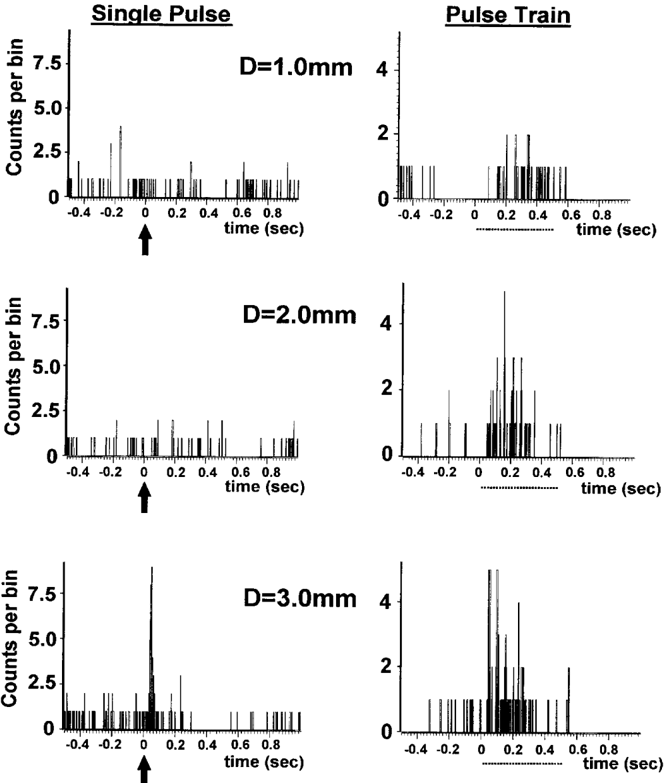
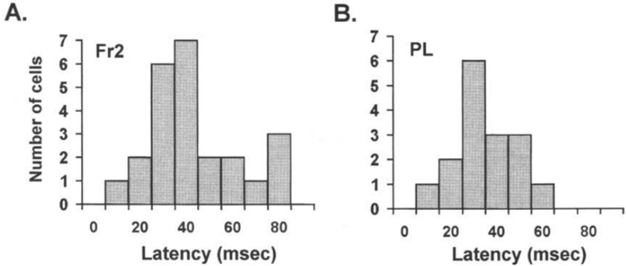
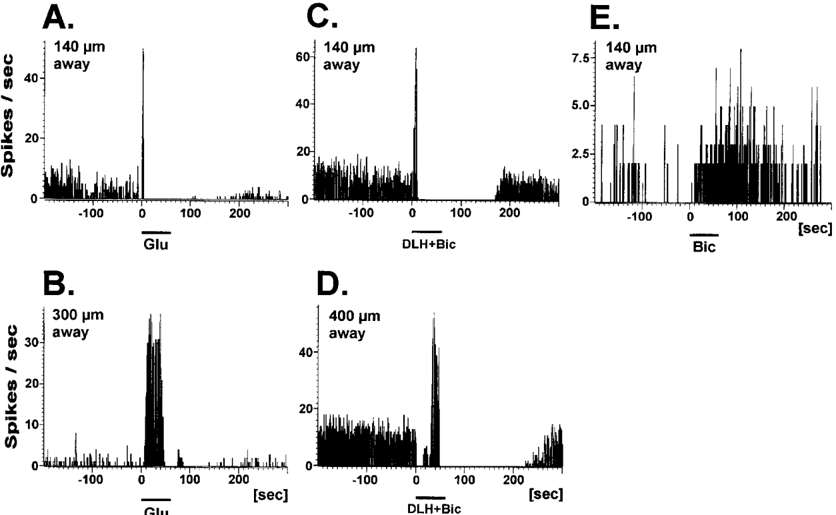
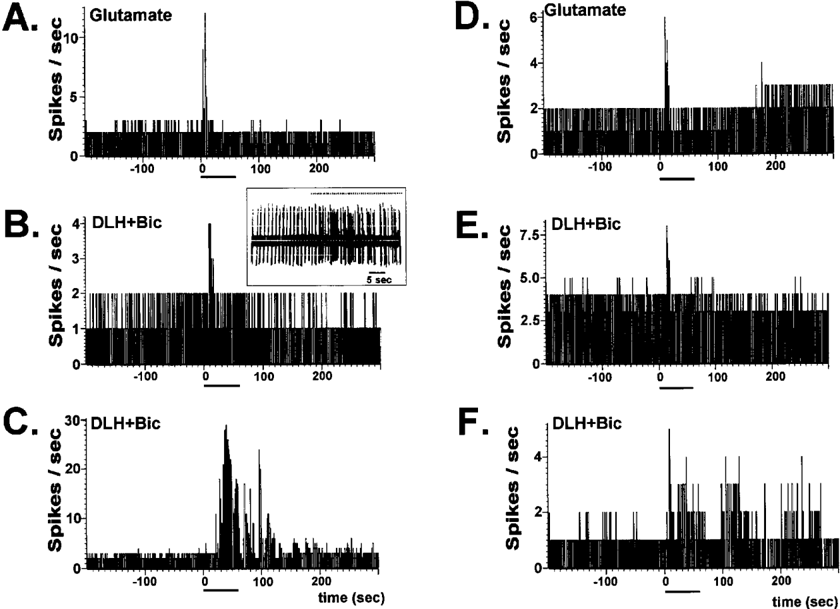
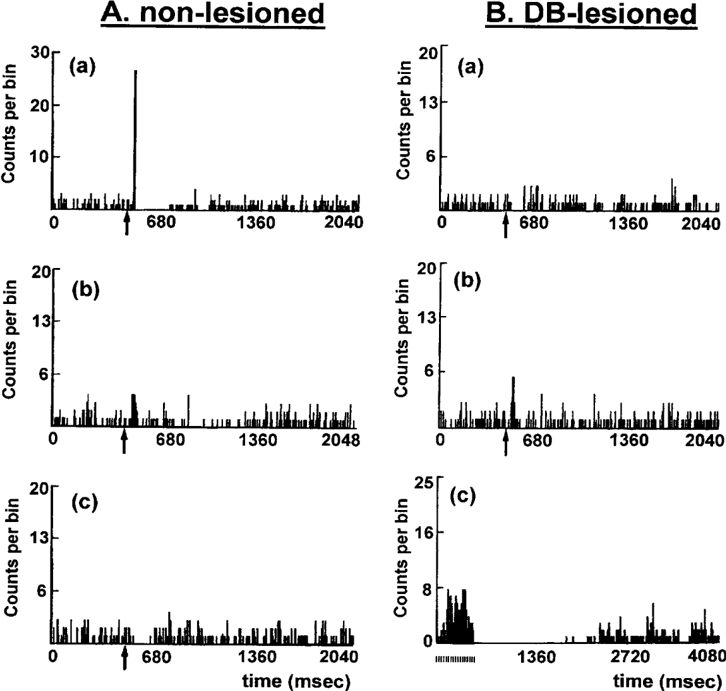
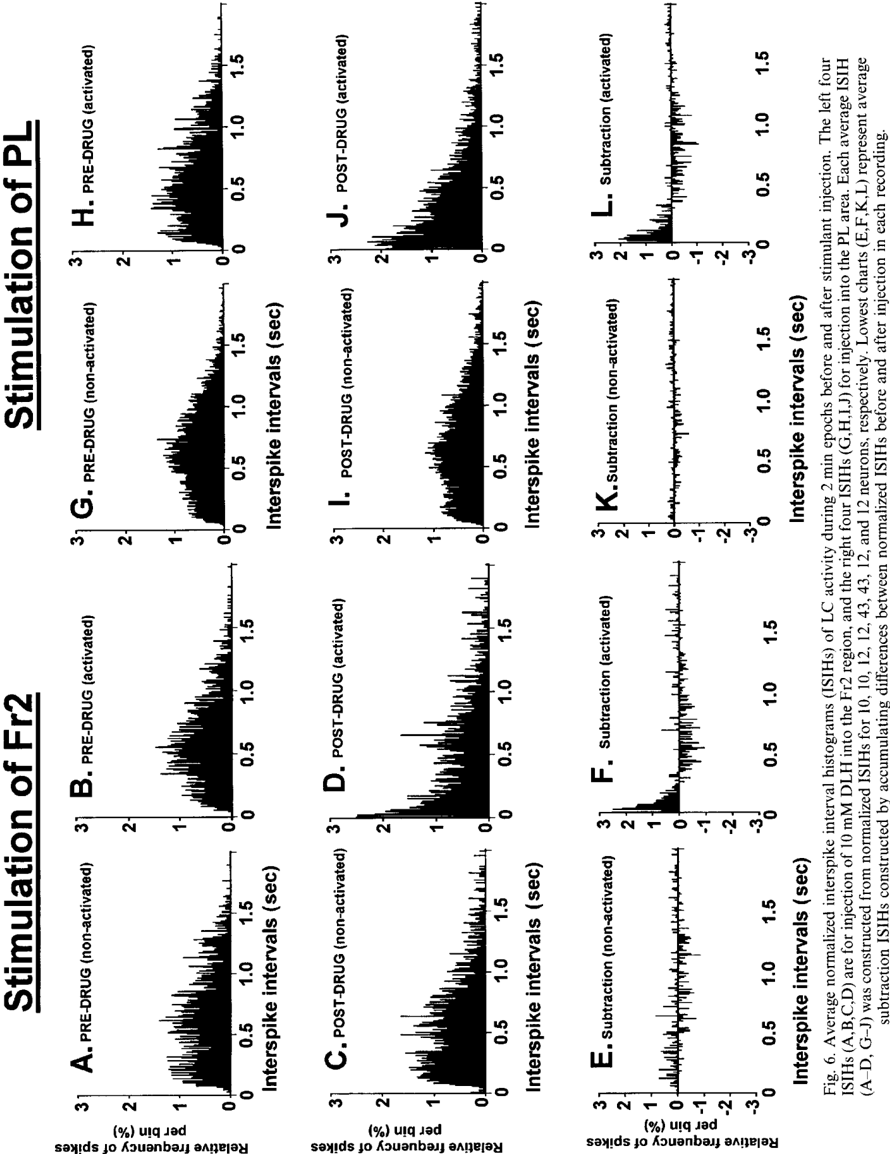
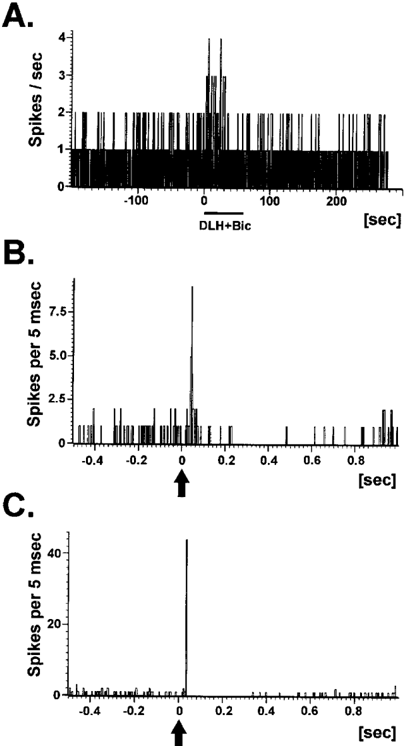
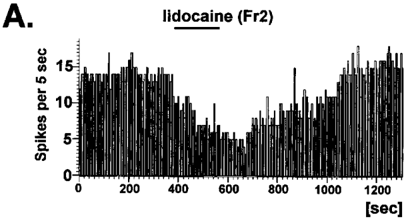
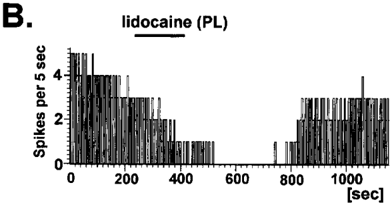
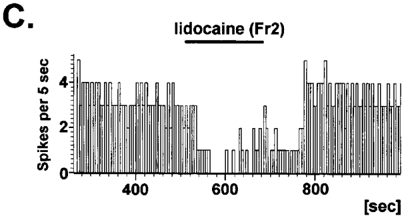
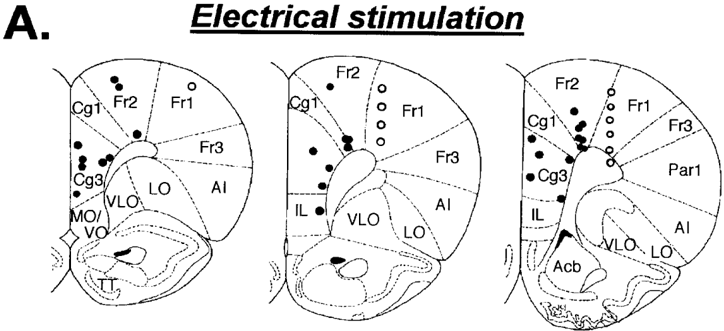
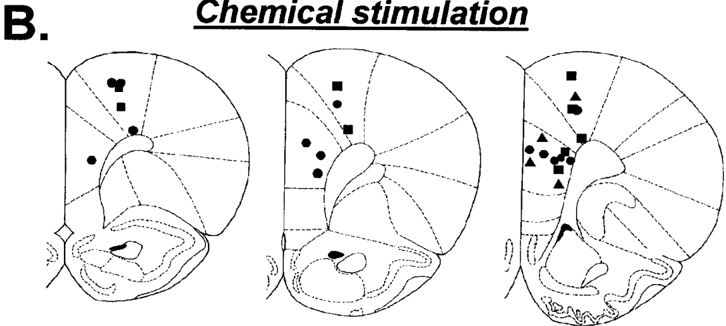
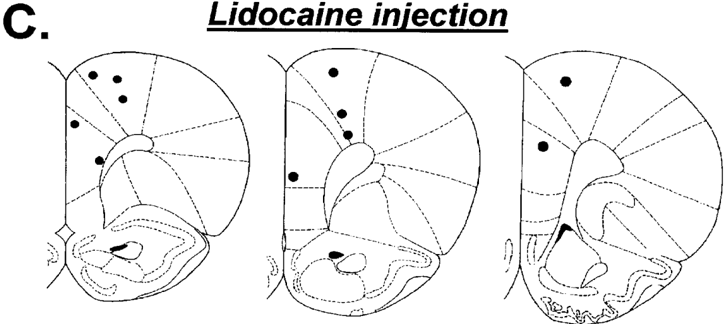
An influence of the prefrontal cortex on noradrenergic locus coeruleus neurons would have profound implications for the function of the locus coeruleus system. Although the medial prefrontal cortex does not substantially innervate the core of the nucleus locus coeruleus, evidence indicates that the medial prefrontal cortex projects to regions containing locus coeruleus dendrites; indirect medial prefrontal cortex-locus coeruleus projections are also possible. Here, we examined influences of prefrontal cortex activity on locus coeruleus firing rates by activating or inactivating the medial prefrontal cortex while recording impulse activity of locus coeruleus neurons extracellularly in anaesthetized rats. Most of our electrical stimulation experiments were conducted in rats which underwent lesions of the ascending dorsal bundle of noradrenergic fibres from the locus coeruleus to eliminate locus coeruleus projections to the prefrontal cortex, because antidromic activation of locus coeruleus from the prefrontal cortex affects even non-driven locus coeruleus neurons through collaterals. Single pulse stimulation (1 mA, 0.3-0.5 ms) of the dorsomedial (frontal region 2) or prelimbic region of the medial prefrontal cortex synaptically activated 13/16 (81%) or 16/56 (29%) locus coeruleus neurons, respectively. Train stimulation (20 Hz for 0.5 s) synaptically activated greater percentages of locus coeruleus cells, 11/12 cells (92%) for the dorsomedial prefrontal cortex, and 41/50 cells (82%) for the prelimbic cortex. No inhibitory responses in the locus coeruleus were obtained with dorsomedial prefrontal stimulation, and weak inhibition was found in 16% of locus coeruleus cells with prelimbic stimulation. Electrical stimulation of more lateral frontal cortex (Fr1 area) had no effects on locus coeruleus activity. Chemical stimulation of the dorsomedial prefrontal cortex with L-glutamate (10 or 100 mM) or D,L-homocysteic acid (10 mM) phasically activated 15/26 (55%) locus coeruleus cells, and 15/68 cells (22%) with prelimbic stimulation; such activation was sometimes followed by long-lasting oscillatory activity. No locus coeruleus cells exhibited purely inhibitory responses with chemical stimulation of any prefrontal cortex site. Inactivation of the dorsomedial or prelimbic region of the prefrontal cortex with lidocaine microinjection (2%, 180 or 300 nl) reduced locus coeruleus firing rates in 6/10 (60%) or 7/19 (37%) locus coeruleus cells, respectively. In no case did lidocaine in any prefrontal cortex site activate a locus coeruleus neuron. These results indicate that the medial prefrontal cortex provides a potent excitatory influence on locus coeruleus neurons. The fact that inactivation of the medial prefrontal cortex suppressed locus coeruleus firing indicates that the medial prefrontal cortex also provides a resting tonic excitatory influence on locus coeruleus activity.
Overview
The claims and statistics of this paper haven’t been checked yet.
Free: it reads the open-access text and checks the first 5 claims that cite a source we can check. Create a free account to check every claim.
Integrity signals
Registry
Cites
Statistics
Figures
Verification
Claims the paper makes
The claims and statistics of this paper haven’t been checked yet.
Free: it reads the open-access text and checks the first 5 claims that cite a source we can check. Create a free account to check every claim.
Claims other papers make about this one
Each is checked against this paper’s own text: does it say what the citing paper says it does?
The cited source says what the claim attributes to it.
In the citing paper
“frontal cortex sends excitatory inputs to locus coeruleus (Jodo et al., 1998)”
From Ancestral Circuits for the Coordinated Modulation of Brain State (2017) · cites this paper as Jodo et al., 1998
In the citing paper
“The locus coeruleus (LC) and its surrounding areas receive numerous presynaptic fibers from various sources, including the prefrontal cortex, central nucleus of the amygdala, lateral hypothalamus, bed nucleus of the stria terminalis, and dorsal raphe nucleus [69,74].”
From Fidgeting Increases Pupil Diameter During Auditory Processing in Young Healthy Adults (2026) · cites this paper as [74]
Self-check
Percentages, sums and reported differences re-computed from the paper’s own numbers.
The self-check needs the paper’s full text.
Citations
Cites
The Rat Brain in Stereotaxic Coordinates
(1982) · Elsevier eBooks · doi:10.1016/c2009-0-63235-9 · Cited by 51,963
The rat brain in stereotaxic coordinates
Palkovits, M. (1983) · Neuropeptides · doi:10.1016/0143-4179(83)90049-5 · Cited by 28,831
Paxinos, G. (1985) · Cited by 3,715
Fuster, J. M. (1997) · Cited by 2,253
Aston-Jones, G., & Bloom, F. (1981) · The Journal of Neuroscience · doi:10.1523/jneurosci.01-08-00876.1981 · Cited by 1,960
Self-citationSesack, S. R., Deutch, A. Y., Roth, R. H., & Bunney, B. S. (1989) · Journal of Comparative Neurology · doi:10.1002/cne.902900205 · Cited by 1,568
Jouvet, M. (1969) · Science · doi:10.1126/science.163.3862.32 · Cited by 1,282
NMDA receptors - their role in long-term potentiation
Collingridge, G. L., & Bliss, T. V. P. (1987) · Trends in Neurosciences · doi:10.1016/0166-2236(87)90175-5 · Cited by 1,174
Aston-Jones, G., & Bloom, F. (1981) · The Journal of Neuroscience · doi:10.1523/jneurosci.01-08-00887.1981 · Cited by 1,068
Self-citationAscending projections of the locus coeruleus in the rat. II. Autoradiographic study
Jones, B. E., & Moore, R. Y. (1977) · Brain Research · doi:10.1016/0006-8993(77)90378-x · Cited by 864
Research works printed but not linked: 4
- Aston-Jones G., Foote S. L. and Bloom F. E. (1984) Anatomy and physiology of locus coeruleus neurons, functional implications. In Norepinephrine, Frontiers of Clinical Neuroscience (eds Ziegler M. and Lake C. R.), Vol. 2, pp. 92 116. Williams and Wilkins, Baltimore.
- Chiang C., Ennis M., Pieribone V. and Aston-Jones G. (1987) Effects of prefrontal cortex stimulation on locus coeruleus discharge. Soc. Neurosci. Abstr. 13, 912.
- Kubiak P., Rajkowski J. and Aston-Jones G. (1992) Behavioral performance and sensory responsiveness of LC neurons in a vigilance task varies with tonic LC discharge rate. Soc. Neurosei. Abstr. 18, 538.
- Zhu Y. and Aston-Jones G. (1996) The medial prefrontal cortex prominently innervates a peri-locus coeruleus dendritic zone in rat. Soc. Neurosei. Abstr. 22, 601. (Accepted 15 July 1997)
Cited by
Conflict monitoring and cognitive control
Botvinick, M. M., Braver, T. S., Barch, D. M., Carter, C. S., & Cohen, J. D. (2001) · Psychological Review · doi:10.1037/0033-295x.108.3.624 · Cited by 7,351
Aston-Jones, G., & Cohen, J. D. (2005) · Annual Review of Neuroscience · doi:10.1146/annurev.neuro.28.061604.135709 · Cited by 4,472
“Although Jodo and Aston-Jones observed that stimulation of rat prefrontal cortex can activate LC neurons ( Jodo & Aston-Jones 1997, Jodo et al. 1998), and others reported inhibitory responses (Sara & Herve-Minvielle 1995), anatomical studies showed that prefrontal projections in rat terminate…”
BackgroundSelf-citationBerridge, C. W., & Waterhouse, B. D. (2003) · Brain Research Reviews · doi:10.1016/s0165-0173(03)00143-7 · Cited by 2,529
Uncertainty, Neuromodulation, and Attention
Yu, A. J., & Dayan, P. (2005) · Neuron · doi:10.1016/j.neuron.2005.04.026 · Cited by 1,774
“…simplicity of the cue-target Schnell, 1994) and noradrenergic (Sara and Hervé-Mincontingency in this generalized task, achieving these vielle, 1995; Jodo et al., 1998) nuclei, in addition to the computational goals is difficult due to the noise and sensory processing areas, making it well suited…”
BackgroundDecision making, the P3, and the locus coeruleus–norepinephrine system
Nieuwenhuis, S., Aston-Jones, G., & Cohen, J. D. (2005) · Psychological Bulletin · doi:10.1037/0033-2909.131.4.510 · Cited by 1,678
Self-citationThe cognitive neuroscience of sustained attention: where top-down meets bottom-up.
Sarter, M., Givens, B., & Bruno, J. P. (2001) · Brain Research Reviews · doi:10.1016/s0165-0173(01)00044-3 · Cited by 1,194
Orienting and reorienting: the locus coeruleus mediates cognition through arousal
Sara, S. J., & Bouret, S. (2012) · Neuron · doi:10.1016/j.neuron.2012.09.011 · Cited by 1,056
Do rats have a prefrontal cortex?
Uylings, H. B. M., Groenewegen, H. J., & Kolb, B. (2003) · Behavioural Brain Research · doi:10.1016/j.bbr.2003.09.028 · Cited by 1,013
Tuning arousal with optogenetic modulation of locus coeruleus neurons
Carter, M. E., Yizhar, O., Chikahisa, S., Nguyen, H., Adamantidis, A., Nishino, S., Deisseroth, K., & de Lecea, L. (2010) · Nature Neuroscience · doi:10.1038/nn.2682 · Cited by 993
“is supported by the Excellent Young Researcher Overseas Visit Program (21-8162) of the Japan Society for the Promotion of Science.”
MethodThe Neuropsychopharmacology of Fronto-Executive Function: Monoaminergic Modulation
Robbins, T. W., & Arnsten, A. F. T. (2009) · Annual Review of Neuroscience · doi:10.1146/annurev.neuro.051508.135535 · Cited by 957
Heidbreder, C. A., & Groenewegen, H. J. (2003) · Neuroscience & Biobehavioral Reviews · doi:10.1016/j.neubiorev.2003.09.003 · Cited by 882
Pupil diameter covaries with BOLD activity in human locus coeruleus
Murphy, P. R., O'Connell, R. G., O'Sullivan, M., Robertson, I. H., & Balsters, J. H. (2014) · Human Brain Mapping · doi:10.1002/hbm.22466 · Cited by 819
“For example, implication of the ACC and insula cortices is in agreement with the strong anatomical [Arnsten and Goldman-Rakic, 1984; Gompf et al., 2010; Jodo et al., 1998] and functional [Minzenberg et al.”
ResultNetwork reset: a simplified overarching theory of locus coeruleus noradrenaline function
Bouret, S., & Sara, S. J. (2005) · Trends in Neurosciences · doi:10.1016/j.tins.2005.09.002 · Cited by 809
Samuels, E., & Szabadi, E. (2008) · Current Neuropharmacology · doi:10.2174/157015908785777229 · Cited by 764
Mather, M., Clewett, D., Sakaki, M., & Harley, C. W. (2016) · Behavioral and Brain Sciences · doi:10.1017/s0140525x15000667 · Cited by 695
GABA Neurons of the VTA Drive Conditioned Place Aversion
Tan, K. R., Yvon, C., Turiault, M., Mirzabekov, J. J., Doehner, J., Labouèbe, G., Deisseroth, K., Tye, K. M., & Lüscher, C. (2012) · Neuron · doi:10.1016/j.neuron.2012.02.015 · Cited by 651
“PSTHs (5 ms bin width) were analyzed to determine excitatory and inhibitory periods as described previously (Jodo et al., 1998).”
MethodAdrenergic pharmacology and cognition: Focus on the prefrontal cortex
Ramos, B. P., & Arnsten, A. F. T. (2007) · Pharmacology & Therapeutics · doi:10.1016/j.pharmthera.2006.11.006 · Cited by 641
“There is a reciprocal relationship between the PFC and the LC, as the PFC provides one of the few higher cortical inputs back to the LC neurons (Arnsten & GoldmanRakic, 1984; Sara & Herve-Minvielle, 1995; Jodo et al., 1998).”
BackgroundAdaptive gain and the role of the locus coeruleus–norepinephrine system in optimal performance
Aston‐Jones, G., & Cohen, J. D. (2005) · Journal of Comparative Neurology · doi:10.1002/cne.20723 · Cited by 634
Self-citationA neural circuit for circadian regulation of arousal
Aston-Jones, G., Chen, S., Zhu, Y., & Oshinsky, M. L. (2001) · Nature Neuroscience · doi:10.1038/89522 · Cited by 632
Self-citationCatecholamine modulation of prefrontal cortical cognitive function
Arnsten, A. F. T. (1998) · Trends in Cognitive Sciences · doi:10.1016/s1364-6613(98)01240-6 · Cited by 604
Pupil Size as a Window on Neural Substrates of Cognition
Joshi, S., & Gold, J. I. (2020) · Trends in Cognitive Sciences · doi:10.1016/j.tics.2020.03.005 · Cited by 598
More attention must be paid: The neurobiology of attentional effort
Sarter, M., Gehring, W. J., & Kozak, R. (2006) · Brain Research Reviews · doi:10.1016/j.brainresrev.2005.11.002 · Cited by 552
“Moreover, the LC receives an excitatory input from the medial prefrontal cortex (Jodo et al., 1998) and thus can be potentially recruited in response to the detection of performance decline and/or as part of the prefrontal efferent network that is activated in order to combat further performance…”
BackgroundThe therapeutic role of 5-HT1A and 5-HT2A receptors in depression
Celada, P., Puig, M. V., Amargós-Bosch, M., Adell, A., & Artigas, F. (2004) · Journal of Psychiatry and Neuroscience · doi:10.1139/jpn.0427 · Cited by 519
The prefrontal cortex and the integration of sensory, limbic and autonomic information
Groenewegen, H. J., & Uylings, H. B. M. (2000) · Progress in Brain Research · doi:10.1016/s0079-6123(00)26003-2 · Cited by 442
Neurological bases for balance–anxiety links
Balaban, C. D., & Thayer, J. F. (2001) · Journal of Anxiety Disorders · doi:10.1016/s0887-6185(00)00042-6 · Cited by 439
Glutamate and Depression: Clinical and Preclinical Studies
PAUL, I. A., & SKOLNICK, P. (2003) · Annals of the New York Academy of Sciences · doi:10.1196/annals.1300.016 · Cited by 408
Locus coeruleus and regulation of behavioral flexibility and attention
(2000) · Progress in Brain Research · doi:10.1016/s0079-6123(00)26013-5 · Cited by 400
Self-citationChemical neuromodulation of frontal-executive functions in humans and other animals
Robbins, T. W. (2000) · Experimental Brain Research · doi:10.1007/s002210000407 · Cited by 396
Amargos-Bosch, M. (2004) · Cerebral Cortex · doi:10.1093/cercor/bhg128 · Cited by 370
“Indeed, small regional differences in the stimulation site appear to have opposite influence on the activity of locus coeruleus noradrenergic neurons (Sara and Hervé-Melville, 1995; Jodo et al., 1998).”
Active control of arousal by a locus coeruleus GABAergic circuit
Breton-Provencher, V., & Sur, M. (2019) · Nature Neuroscience · doi:10.1038/s41593-018-0305-z · Cited by 351
Functional neuroanatomy of the central noradrenergic system
Szabadi, E. (2013) · Journal of Psychopharmacology · doi:10.1177/0269881113490326 · Cited by 335
Antidepressant-Like Effects of Medial Prefrontal Cortex Deep Brain Stimulation in Rats
Hamani, C., Diwan, M., Macedo, C. E., Brandão, M. L., Shumake, J., Gonzalez-Lima, F., Raymond, R., Lozano, A. M., Fletcher, P. J., & Nobrega, J. N. (2010) · Biological Psychiatry · doi:10.1016/j.biopsych.2009.08.025 · Cited by 324
Sullivan, R. M., & Gratton, A. (2002) · Psychoneuroendocrinology · doi:10.1016/s0306-4530(01)00038-5 · Cited by 320
“While direct projections to PVN are reportedly sparse, there are strong projections to adjacent hypothalamic areas, along with brainstem and limbic nuclei which directly influence PVN activity (Hurley et al., 1991; Takagishi and Chiba, 1991; Terreberry and Neafsey, 1987; Jodo et al., 1998).”
BackgroundRecent advances in the neuropsychopharmacology of serotonergic hallucinogens
Halberstadt, A. L. (2015) · Behavioural Brain Research · doi:10.1016/j.bbr.2014.07.016 · Cited by 312
Phasic norepinephrine: A neural interrupt signal for unexpected events
Dayan, P., & Yu, A. J. (2006) · Network: Computation in Neural Systems · doi:10.1080/09548980601004024 · Cited by 299
“As one might expect for an interrupt signal, NE activation is subject to extensive topdown and bottom-up influences (Aston-Jones et al. 1986; 1991; Arnsten & Goldman-Rakic 1984; Van Bockstaele et al. 1996; 1999a;b; Jodo et al. 1998; Bouret et al. 2003).”
BackgroundMethodSteketee, J. (2003) · Brain Research Reviews · doi:10.1016/s0165-0173(02)00233-3 · Cited by 293
Stahl, S. M., Sommer, B., & Allers, K. A. (2011) · The Journal of Sexual Medicine · doi:10.1111/j.1743-6109.2010.02032.x · Cited by 293
Georges, F., & Aston-Jones, G. (2002) · The Journal of Neuroscience · doi:10.1523/jneurosci.22-12-05173.2002 · Cited by 286
“PSTHs were analyzed to determine excitatory and inhibitory epochs as described previously ( Jodo et al., 1998 ).”
MethodSelf-citationUnsworth, N., & Robison, M. K. (2017) · Psychonomic Bulletin & Review · doi:10.3758/s13423-016-1220-5 · Cited by 246
“Additionally, Joshi et al. (2016) recently demonstrated a number of findings suggesting a relation between LC activity and pupil diameter in monkeys.”
BackgroundDifferential regulation of fronto-executive function by the monoamines and acetylcholine
Robbins, T., & Roberts, A. (2007) · Cerebral Cortex · doi:10.1093/cercor/bhm066 · Cited by 279
“Thus, Tait and Brown (unpublished manuscript, personal communication) have shown that 192-IgG saporin infusions into the rat basal forebrain did not impair performance at any stage of the odor/texture discrimination variant of the attentional set-shifting paradigm for rats, including reversal…”
BackgroundRaghavendra, V., Tanga, F. Y., & DeLeo, J. A. (2004) · Neuropsychopharmacology · doi:10.1038/sj.npp.1300315 · Cited by 263
Decreased anterior cingulate volume in combat-related PTSD
Woodward, S. H., Kaloupek, D. G., Streeter, C. C., Martinez, C., Schaer, M., & Eliez, S. (2006) · Biological Psychiatry · doi:10.1016/j.biopsych.2005.07.033 · Cited by 259
The neural representation of unexpected uncertainty during value-based decision making
Payzan-LeNestour, E., Dunne, S., Bossaerts, P., & O’Doherty, J. P. (2013) · Neuron · doi:10.1016/j.neuron.2013.04.037 · Cited by 257
“It should be noted that these regions, along with orbitofrontal cortex, comprise the limited set of cortical regions known to send strong direct projections to locus coeruleus in nonhuman primates (Arnsten and Goldman-Rakic, 1984; Aston-Jones et al., 2002; Jodo et al., 1998), although importantly, evidence for project…”
InfluentialNoradrenergic Locus Coeruleus pathways in pain modulation
Llorca-Torralba, M., Borges, G., Neto, F., Mico, J. A., & Berrocoso, E. (2016) · Neuroscience · doi:10.1016/j.neuroscience.2016.05.057 · Cited by 230
The role of the locus coeruleus in the generation of pathological anxiety
Morris, L. S., McCall, J. G., Charney, D. S., & Murrough, J. W. (2020) · Brain and Neuroscience Advances · doi:10.1177/2398212820930321 · Cited by 227
“…projections to LC originate from insula, central nucleus of the amygdala (Cedarbaum and Aghajanian, 1978), dorsolateral and dorsomedial prefrontal cortex (PFC) (Arnsten and Goldman-Rakic, 1984) and from prelimbic PFC – which may be indirect (Aston-Jones et al., 1991b; Jodo et al., 1998).”
BackgroundAnxiety and cardiovascular reactivity: the basal forebrain cholinergic link
Berntson, G. G., Sarter, M., & Cacioppo, J. T. (1998) · Behavioural Brain Research · doi:10.1016/s0166-4328(98)00041-2 · Cited by 226
Locus Coeruleus, A5 and A7 Noradrenergic Cell Groups
Aston-Jones, G. (2004) · The Rat Nervous System · doi:10.1016/b978-012547638-6/50012-2 · Cited by 216
Self-citationModulators in concert for cognition: Modulator interactions in the prefrontal cortex
Briand, L. A., Gritton, H., Howe, W. M., Young, D. A., & Sarter, M. (2007) · Progress in Neurobiology · doi:10.1016/j.pneurobio.2007.06.007 · Cited by 216
Ancestral Circuits for the Coordinated Modulation of Brain State
Lovett-Barron, M., Andalman, A. S., Allen, W. E., Vesuna, S., Kauvar, I., Burns, V. M., & Deisseroth, K. (2017) · Cell · doi:10.1016/j.cell.2017.10.021 · Cited by 212
“For example, frontal cortex sends excitatory inputs to locus coeruleus (Jodo et al., 1998) and could compensate for reduced neuromodulatory drive during experimental inactivation in the RT task (Figure 6C), where animals are motivated to maintain alertness in order to acquire rewards.”
Noradrenergic Modulation of Fear Conditioning and Extinction
Giustino, T. F., & Maren, S. (2018) · Frontiers in Behavioral Neuroscience · doi:10.3389/fnbeh.2018.00043 · Cited by 186
Glial D-Serine Gates NMDA Receptors at Excitatory Synapses in Prefrontal Cortex
Fossat, P., Turpin, F. R., Sacchi, S., Dulong, J., Shi, T., Rivet, J.-M., Sweedler, J. V., Pollegioni, L., Millan, M. J., Oliet, S. H. R., et al. (2012) · Cerebral Cortex · doi:10.1093/cercor/bhr130 · Cited by 187
“…have shown that projections of mPFC in rats to subcortical target nuclei are very similar to that of ventromedial PFC in primates in particular for monoaminergic and cholinergic systems (Uylings and van Eden 1990; Jodo and Aston-Jones 1997; Hajo´s et al. 1998; Jodo et al. 1998; Carr and Sesack.”
BackgroundTracking arousal state and mind wandering with pupillometry
Unsworth, N., & Robison, M. K. (2018) · Cognitive, Affective, & Behavioral Neuroscience · doi:10.3758/s13415-018-0594-4 · Cited by 165
Eschenko, O., Magri, C., Panzeri, S., & Sara, S. J. (2012) · Cerebral Cortex · doi:10.1093/cercor/bhr121 · Cited by 194
“The frontal cortex provides both excitatory and inhibitory influences on LC neurons (Sara and Herve-Minvielle 1995; Jodo et al. 1998), although only a small population of neurons in the prefrontal region (~8”
BackgroundAscending visceral regulation of cortical affective information processing
Berntson, G. G., Sarter, M., & Cacioppo, J. T. (2003) · European Journal of Neuroscience · doi:10.1046/j.1460-9568.2003.02967.x · Cited by 187
Ventura, R., Morrone, C., & Puglisi-Allegra, S. (2007) · Proceedings of the National Academy of Sciences · doi:10.1073/pnas.0610178104 · Cited by 190
Prefrontal and monoaminergic contributions to stop-signal task performance in rats
Bari, A., Mar, A. C., Theobald, D. E., Elands, S. A., Oganya, K. C. N. A., Eagle, D. M., & Robbins, T. W. (2011) · Journal of Neuroscience · doi:10.1523/jneurosci.1543-11.2011 · Cited by 188
McMorris, T. (2016) · Physiology & Behavior · doi:10.1016/j.physbeh.2016.08.011 · Cited by 188
“Moreover, there are also connections from the PFC 172 [50,51] and the amygdala [38,52] to the LC, which would also initiate release of NE to the PFC, 173”
Sullivan, R. M. (2004) · Stress · doi:10.1080/102538900410001679310 · Cited by 188
Breton-Provencher, V., Drummond, G. T., & Sur, M. (2021) · Frontiers in Neural Circuits · doi:10.3389/fncir.2021.638007 · Cited by 173
The Locus Coeruleus Is a Complex and Differentiated Neuromodulatory System
Totah, N. K., Neves, R. M., Panzeri, S., Logothetis, N. K., & Eschenko, O. (2018) · Neuron · doi:10.1016/j.neuron.2018.07.037 · Cited by 179
“The mean latencies for each projection target are consistent with the prior literature (Jodo et al., 1998; Nakamura, 1977; Nakamura and Iwama, 1975).”
Locus ceruleus and anterior cingulate cortex sustain wakefulness in a novel environment
Gompf, H. S., Mathai, C., Fuller, P. M., Wood, D. A., Pedersen, N. P., Saper, C. B., & Lu, J. (2010) · The Journal of Neuroscience · doi:10.1523/jneurosci.3037-10.2010 · Cited by 176
“Generally, medial prefrontal cortex and ACC lesions in rats produce a wider variety of task- and species-specific behavioral impairments than any other cortical lesion (Kolb, 1990) and the LC is activated by medial prefrontal and ACC stimulation (Jodo and Aston-Jones, 1997; Jodo et al., 1998).”
BackgroundA Cortical Pathogenic Theory of Parkinson’s Disease
Foffani, G., & Obeso, J. A. (2018) · Neuron · doi:10.1016/j.neuron.2018.07.028 · Cited by 159
Frank, M. J., Scheres, A., & Sherman, S. J. (2007) · Philosophical Transactions of the Royal Society B: Biological Sciences · doi:10.1098/rstb.2007.2058 · Cited by 166
“…of a task-related decisional process (Aston- Jones & Cohen 2005), (ii) observations that frontal cortical stimulation produces excitatory LC phasic responses (Jodo et al. 1998), and (iii) electrophysiological recordings showing that frontal activity precedes LC phasic activity (Jodo et al. 2000).”
Noradrenergically Mediated Plasticity in a Human Attentional Neuronal Network
Coull, J. T., Büchel, C., Friston, K. J., & Frith, C. (1999) · NeuroImage · doi:10.1006/nimg.1999.0513 · Cited by 188
“The frontal cortex is an ideal candidate for moduating the efferent pathways of the LC, given the reviously documented influence of prefrontal cortex n LC activity in rats (Sara and Hervé-Minvielle, 1995; odo et al., 1998).”
BackgroundSales, A. C., Friston, K. J., Jones, M. W., Pickering, A. E., & Moran, R. J. (2019) · PLOS Computational Biology · doi:10.1371/journal.pcbi.1006267 · Cited by 145
Harro, J., & Oreland, L. (2001) · Brain Research Reviews · doi:10.1016/s0165-0173(01)00082-0 · Cited by 175
From arousal to cognition: the integrative position of the prefrontal cortex
Robbins, T. W. (2000) · Progress in brain research · doi:10.1016/s0079-6123(00)26030-5 · Cited by 169
Subcircuit-specific neuromodulation in the prefrontal cortex
Dembrow, N., & Johnston, D. (2014) · Frontiers in Neural Circuits · doi:10.3389/fncir.2014.00054 · Cited by 131
Locus coeruleus-norepinephrine modulation of sensory processing and perception: A focused review
McBurney-Lin, J., Lu, J., Zuo, Y., & Yang, H. (2019) · Neuroscience & Biobehavioral Reviews · doi:10.1016/j.neubiorev.2019.06.009 · Cited by 149
“Finally, the prefrontal cortex, which plays an essential role in attentional modulation, is the major source of cortical input to LC (Arnsten and Goldman-Rakic, 1984; Jodo et al., 1998).”
BackgroundMcLaughlin, R. J., Hill, M. N., & Gorzalka, B. B. (2014) · Neuroscience & Biobehavioral Reviews · doi:10.1016/j.neubiorev.2014.02.006 · Cited by 158
Dorsal anterior cingulate-brainstem ensemble as a reinforcement meta-learner
Silvetti, M., Vassena, E., Abrahamse, E. L., & Verguts, T. (2018) · PLoS Computational Biology · doi:10.1371/journal.pcbi.1006370 · Cited by 149
Laminar and Cellular Distribution of Monoamine Receptors in Rat Medial Prefrontal Cortex
Santana, N., & Artigas, F. (2017) · Frontiers in Neuroanatomy · doi:10.3389/fnana.2017.00087 · Cited by 130
“…(for an overall view, see Gabbott et al., 2005) which control monoamine neuron activity (Thierry et al., 1979, 1983; Sara and Hervé-Minvielle, 1995; Hajós et al., 1998; Jodo et al., 1998; Celada et al., 2001; Martin-Ruiz et al., 2001), thus establishing a reciprocal connectivity and mutual control.”
BackgroundMaking predictions in a changing world—inference, uncertainty, and learning
O'Reilly, J. X. (2013) · Frontiers in Neuroscience · doi:10.3389/fnins.2013.00105 · Cited by 126
“The involvement of the ACC and noradrenaline in the control/representation of estimation uncertainty may be linked, because the ACC has strong projections to the nucleus that produces noradrenaline, the locus coeruleus (Sara and HerveMinvielle, 1995; Jodo et al., 1998).”
Moorman, D. E., & Aston-Jones, G. (2010) · The Journal of Neuroscience · doi:10.1523/jneurosci.2871-10.2010 · Cited by 125
Self-citationGamo, N. J., & Arnsten, A. F. T. (2011) · Behavioral Neuroscience · doi:10.1037/a0023165 · Cited by 127
“…to environmental stimuli is likely regulated by the PFC (Arnsten & Goldman-Rakic, 1984; Aston-Jones et al., 2000; Berridge & Waterhouse, 2003; Jodo et al., 1998; Sara & Herve-Minvielle, 1995), while high tonic firing during stress exposure requires activation from the amygdala (Goldstein,…”
Sullivan, R. M., & Brake, W. G. (2003) · Behavioural Brain Research · doi:10.1016/j.bbr.2003.09.015 · Cited by 143
“In turn, ventromedial PFC efferents modulate many subcortical and brainstem sites controlling autonomic and neuroendocrine activation and emotional expression (Hurley et al.,1991; Takagishi and Chiba,1991; Terreberry and Neafsey,1987; Jodo et al.,1998, Sesack et al., 1989; Bacon and Smith, 1993).”
Waterhouse, B. D., & Navarra, R. L. (2019) · Brain Research · doi:10.1016/j.brainres.2018.08.032 · Cited by 103
Ventura, R., Alcaro, A., & Puglisi-Allegra, S. (2005) · Cerebral Cortex · doi:10.1093/cercor/bhi066 · Cited by 120
“Two groups of mice (Sham and NE-depleted) were used in this experiment.”
MethodMuntoni, A. L., Pillolla, G., Melis, M., Perra, S., Gessa, G. L., & Pistis, M. (2006) · European Journal of Neuroscience · doi:10.1111/j.1460-9568.2006.04759.x · Cited by 120
McLaughlin, R. J., Hill, M. N., Bambico, F. R., Stuhr, K. L., Gobbi, G., Hillard, C. J., & Gorzalka, B. B. (2012) · European Neuropsychopharmacology · doi:10.1016/j.euroneuro.2012.01.004 · Cited by 113
Silvetti, M., Alexander, W., Verguts, T., & Brown, J. W. (2013) · Neuroscience & Biobehavioral Reviews · doi:10.1016/j.neubiorev.2013.11.003 · Cited by 128
Beane, M., & Marrocco, R. T. (2004) · Progress in Neurobiology · doi:10.1016/j.pneurobio.2004.09.001 · Cited by 130
Carter, O. L., Pettigrew, J. D., Hasler, F., Wallis, G. M., Liu, G. B., Hell, D., & Vollenweider, F. X. (2005) · Neuropsychopharmacology · doi:10.1038/sj.npp.1300621 · Cited by 118
Suzuki, Y., Jodo, E., Takeuchi, S., Niwa, S., & Kayama, Y. (2002) · Neuroscience · doi:10.1016/s0306-4522(02)00298-1 · Cited by 127
Mochizuki, D., Tsujita, R., Yamada, S., Kawasaki, K., Otsuka, Y., Hashimoto, S., Hattori, T., Kitamura, Y., & Miki, N. (2002) · Psychopharmacology · doi:10.1007/s00213-002-1111-5 · Cited by 119
Juckel, G., Mendlin, A., & Jacobs, B. L. (1999) · Neuropsychopharmacology · doi:10.1016/s0893-133x(98)00097-9 · Cited by 122
“It was also demonstrated that medial PFC stimulation activates noradrenergic neurons in the locus coeruleus (AstonJones et al. 1991; Jodo et al. 1998).”
BackgroundNoradrenaline and Dopamine Elevations in the Rat Prefrontal Cortex in Spatial Working Memory
Rossetti, Z. L., & Carboni, S. (2005) · The Journal of Neuroscience · doi:10.1523/jneurosci.3038-04.2005 · Cited by 105
“In monkeys, pyramidal neurons of the PFC send projections to LC NA neurons (Arnsten and Goldman-Rakic, 1984), and there is evidence in rats for a powerful excitatory input of PFC to LC cells (Jodo and Aston-Jones, 1997; Jodo et al., 1998).”
Noradrenergic enhancement of amygdala responses to fear
Onur, O. A., Walter, H., Schlaepfer, T. E., Rehme, A. K., Schmidt, C., Keysers, C., Maier, W., & Hurlemann, R. (2009) · Social Cognitive and Affective Neuroscience · doi:10.1093/scan/nsn049 · Cited by 109
“Several lines of evidence suggest that the degree of top-down inhibitory control orchestrated by the medial PFC (mPFC) is the variable that ultimately determines the magnitude of the endogenous stress response (Arnsten and Goldman-Rakic, 1984; Aston-Jones and Cohen, 2005a, 2005b; Berridge and Waterhouse, 2003; Jodo et…”
Giustino, T. F., Ramanathan, K. R., Totty, M. S., Miles, O. W., & Maren, S. (2020) · The Journal of Neuroscience · doi:10.1523/jneurosci.1092-19.2019 · Cited by 110
“…(LC-NE) system heavily innervates the amygdala and is highly responsive to stress (Fallon et al., 1978; Foote et al., 1980; Loughlin et al., 1986; Jodo et al., 1998; Quirarte et al., 1998; Passerin et al., 2000; Buffalari and Grace, 2007; Chen and Sara, 2007; McCall et al., 2015, 2017; Naegeli…”
BackgroundFeenstra, M. G. P. (2000) · Progress in brain research · doi:10.1016/s0079-6123(00)26012-3 · Cited by 121
Baratta, M. V., Zarza, C. M., Gomez, D. M., Campeau, S., Watkins, L. R., & Maier, S. F. (2009) · European Journal of Neuroscience · doi:10.1111/j.1460-9568.2009.06867.x · Cited by 106
Fisk, G. D., & Wyss, J. M. (2000) · Brain Research · doi:10.1016/s0006-8993(00)01935-1 · Cited by 109
Activation of locus coeruleus by prefrontal cortex is mediated by excitatory amino acid inputs
Jodo, E., & Aston‐Jones, G. (1997) · Brain Research · doi:10.1016/s0006-8993(97)00703-8 · Cited by 113
Self-citationO’Callaghan, C., Hezemans, F. H., Ye, R., Rua, C., Jones, P. S., Murley, A. G., Holland, N., Regenthal, R., Tsvetanov, K. A., Wolpe, N., et al. (2021) · Brain · doi:10.1093/brain/awab142 · Cited by 109
Gibbs, M. E., Hutchinson, D. S., & Summers, R. J. (2010) · Neuroscience · doi:10.1016/j.neuroscience.2010.07.052 · Cited by 108
“The prefrontal cortex is a major source of afferent input into the LoC, either directly onto distal LoC dendrites in the periLoC region or indirectly via stimulation of the PGi (Arnsten and Goldman-Rakic, 1984; Jodo et al., 1998) and LoC neurones are sensitive to agonists and antagonists of both N-methyl-D-aspartate (…”
Developments in the field of antidepressants, where do we go now?
Artigas, F. (2013) · European Neuropsychopharmacology · doi:10.1016/j.euroneuro.2013.04.013 · Cited by 104
Lee, H. S., Kim, M., & Waterhouse, B. D. (2005) · Journal of Comparative Neurology · doi:10.1002/cne.20365 · Cited by 98
“…et al., 1991), which is, in part, the preferential target for excitatory, terminal axonal fibers originating in the orbital and anterior cingulate prefrontal cortices (Zhu and Aston-Jones, 1996; Jodo and Aston-Jones, 1997; Jodo et al., 1998; Rajkowski et al., 2000; Aston-Jones et al., 2002).”
BackgroundNK1(TACR1) receptor gene ‘knockout’ mouse phenotype predicts genetic association with ADHD
Yan, T., McQuillin, A., Thapar, A., Asherson, P., Hunt, S., Stanford, S., & Gurling, H. (2010) · Journal of Psychopharmacology · doi:10.1177/0269881108100255 · Cited by 95
AN INTEGRATIVE NEUROSCIENCE MODEL OF "SIGNIFICANCE" PROCESSING
WILLIAMS, L. M. (2006) · Journal of Integrative Neuroscience · doi:10.1142/s0219635206001082 · Cited by 95
The Mode of Action of Migraine Triggers: A Hypothesis
Lambert, G. A., & Zagami, A. S. (2009) · Headache The Journal of Head and Face Pain · doi:10.1111/j.1526-4610.2008.01230.x · Cited by 105
Metadata
- Authors
- Jodoj, E., Chiang, C., & Aston-Jones, G.
- Venue
- Neuroscience
- Publisher
- Elsevier BV
- Published
- 1998
- Volume
- 83
- Issue
- 1
- Pages
- 63-79
- ISSN
- 0306-4522 (ISSN-L)
- OpenAlex
- W2086009204
- Cited by
- 321
- References
- 88
- Citations by year
- 2026: 16 · 2025: 16 · 2024: 13 · 2023: 7 · 2022: 10 · 2021: 11 · 2020: 9 · 2019: 14 · 2018: 14 · 2017: 12 · 2016: 12 · 2015: 9 · 2014: 9 · 2013: 14 · 2012: 12
- FWCI
- 3.23
- Type
- journal article
- Language
- en
- Open access
- hybrid
- doi.org
- Licence
- cc-by-nc-nd
- www.elsevier.com/tdm/userlicense/1.0/ (tdm)
- www.elsevier.com/legal/tdmrep-license (tdm)
- creativecommons.org/licenses/by-nc-nd/4.0/ (vor, 228 d)
- Locations
- Neuroscience (publishedVersion, cc-by-nc-nd)
- PubMed (publishedVersion)
- Rutgers University Community Repository (Rutgers University) (submittedVersion)
- Topics
- Life Sciences › Neuroscience › Cellular and Molecular Neuroscience › Neurotransmitter Receptor Influence on Behavior
- Life Sciences › Neuroscience › Cellular and Molecular Neuroscience › Neuroscience and Neuropharmacology Research
- Life Sciences › Neuroscience › Endocrine and Autonomic Systems › Neuroscience of respiration and sleep
- Keywords
- medial prefrontal cortex, locus coeruleus, noradrenergic neurons, excitatory synaptic transmission, dorsomedial prefrontal cortex, prelimbic cortex, antidromic activation, glutamate stimulation, homocysteic acid, glutamate, dorsal raphe nucleus
- MeSH terms
- Anesthesia, Anesthetics, Local, Animals, Electric Stimulation, Electrophysiology, Hypnotics and Sedatives, Lidocaine, Locus Coeruleus, Male, Neurons, Norepinephrine, Pentobarbital, Stimulation, Chemical, Rats, Sprague-Dawley, Prefrontal Cortex, Rats
About these checks
Registry, retraction, Cites and statistics results are computed, not judged, with one exception: a printed reference that no index lists is read once by a model before it counts as a citation error. Claims are extracted by a model and kept only when their quote appears verbatim in the text; each cited source is then checked, with a model’s help, for whether it says what the claim relies on. Those verdicts can be wrong — read the claim’s quote and the cited source before relying on one.
Statistics and arithmetic are recomputed, not judged.
Confidence bands are shown only for fields calibrated on our annotated test set. None is calibrated yet, so no band is shown.
What counts as a claim ›How we measure confidence ›How we check this ›
Are you an author, or do you see a problem with this page? Request a review
Data sources
Bibliographic data: Semantic Scholar, OpenAlex, Crossref.
Contains information from the Semantic Scholar Academic Graph Datasets, made available under the ODC Attribution License (ODC-BY 1.0).
Semantic Scholar’s data is described in: Kinney, R., et al. (2023). The Semantic Scholar Open Data Platform. arXiv:2301.10140.
