

Frequency of 22q11 deletions in patients with conotruncal defects
Open accessThe DOI matches its Crossref record; 23 of the 23 references it cites were found in a registry or an index.
Abstract
OBJECTIVES: This study was designed to determine the frequency of 22q11 deletions in a large, prospectively ascertained sample of patients with conotruncal defects and to evaluate the deletion frequency when additional cardiac findings are also considered. BACKGROUND: Chromosome 22q11 deletions are present in the majority of patients with DiGeorge, velocardiofacial and conotruncal anomaly face syndromes in which conotruncal defects are a cardinal feature. Previous studies suggest that a substantial number of patients with congenital heart disease have a 22q11 deletion. METHODS: Two hundred fifty-one patients with conotruncal defects were prospectively enrolled into the study and screened for the presence of a 22q11 deletion. RESULTS: Deletions were found in 50.0% with interrupted aortic arch (IAA), 34.5% of patients with truncus arteriosus (TA), and 15.9% with tetralogy of Fallot (TOF). Two of 6 patients with a posterior malalignment type ventricular septal defect (PMVSD) and only 1 of 20 patients with double outlet right ventricle were found to have a 22q11 deletion. None of the 45 patients with transposition of the great arteries had a deletion. The frequency of 22q11 deletions was higher in patients with anomalies of the pulmonary arteries, aortic arch or its major branches as compared to patients with a normal left aortic arch regardless of intracardiac anatomy. CONCLUSIONS: A substantial proportion of patients with IAA, TA, TOF and PMVSD have a deletion of chromosome 22q11. Deletions are more common in patients with aortic arch or vessel anomalies. These results begin to define guidelines for deletion screening of patients with conotruncal defects.
Overview
The claims and statistics of this paper haven’t been checked yet.
Free: it reads the open-access text and checks the first 5 claims that cite a source we can check. Create a free account to check every claim.
Integrity signals
Registry
Cites
Statistics
Figures
Verification
Claims the paper makes
The claims and statistics of this paper haven’t been checked yet.
Free: it reads the open-access text and checks the first 5 claims that cite a source we can check. Create a free account to check every claim.
Self-check
Percentages, sums and reported differences re-computed from the paper’s own numbers.
The self-check needs the paper’s full text.
Citations
Cites
Driscoll, D. A., Salvin, J., Sellinger, B., Budarf, M. L., McDonald-McGinn, D. M., Zackai, E. H., & Emanuel, B. S. (1993) · Journal of Medical Genetics · doi:10.1136/jmg.30.10.813 · Cited by 487
Self-citationA genetic etiology for DiGeorge syndrome: consistent deletions and microdeletions of 22q11.
Driscoll, D. A., Budarf, M. L., & Emanuel, B. S. (1992) · PubMed · Cited by 425
Self-citationThe spectrum of the DiGeorge syndrome
Conley, M. E., Beckwith, J. B., Mancer, J. F. K., & Tenckhoff, L. (1979) · The Journal of Pediatrics · doi:10.1016/s0022-3476(79)80207-3 · Cited by 401
Deletions and microdeletions of 22q11.2 in velo‐cardio‐facial syndrome
Driscoll, D. A., Spinner, N. B., Budarf, M. L., McDonald‐McGinn, D. M., Zackai, E. H., Goldberg, R. B., Shprintzen, R. J., Saal, H. M., Zonana, J., Jones, M. C., et al. (1992) · American Journal of Medical Genetics · doi:10.1002/ajmg.1320440237 · Cited by 387
Self-citationVan Mierop, L. H. S., & Kutsche, L. M. (1986) · The American Journal of Cardiology · doi:10.1016/0002-9149(86)90256-0 · Cited by 358 · cited 3×
“In the original clinical description of these syndromes, interrupted aortic arch type B (IAA), truncus arteriosus (TA), and tetralogy of Fallot (TOF) comprised approximately 75% of the cardiac lesions found in DGS, whereas TOF, ventricular septal defects and right aortic arch were the most frequently reported defects…”
BackgroundResultThe Velo-Cardio-Facial Syndrome: A Clinical and Genetic Analysis
Shprintzen, R. J., Goldberg, R. B., Young, D., & Wolford, L. (1981) · Pediatrics · doi:10.1542/peds.67.2.167 · Cited by 296 · cited 1×
“The major features of these syndromes include congenital heart disease, aplasia or hypoplasia of the thymus and/or parathyroid glands, palatal abnormalities, speech and learning disabilities and facial dysmorphia (6,7).”
BackgroundConotruncal anomaly face syndrome is associated with a deletion within chromosome 22q11.
Burn, J., Takao, A., Wilson, D., Cross, I., Momma, K., Wadey, R., Scambler, P., & Goodship, J. (1993) · Journal of Medical Genetics · doi:10.1136/jmg.30.10.822 · Cited by 269
Microdeletions of chromosomal region 22q11 in patients with congenital conotruncal cardiac defects.
Goldmuntz, E., Driscoll, D., Budarf, M. L., Zackai, E. H., McDonald-McGinn, D. M., Biegel, J. A., & Emanuel, B. S. (1993) · Journal of Medical Genetics · doi:10.1136/jmg.30.10.807 · Cited by 223 · cited 2×
“Two hundred fifty-one patients, including 39 patients previously reported, were prospectively enrolled in the study from November 1991 to June 1996 based on their cardiac diagnosis alone (10,15).”
BackgroundMethodSelf-citationThe association of the DiGeorge anomalad with partial monosomy of chromosome 22
Kelley, R. I., Zackai, E. H., Emanuel, B. S., Kistenmacher, M., Greenberg, F., & Punnett, H. H. (1982) · The Journal of Pediatrics · doi:10.1016/s0022-3476(82)80116-9 · Cited by 194 · cited 2×
“Our data suggest that deletions in patients with TGA and DORV are infrequent in contrast to other reports (21,22).”
BackgroundResultSelf-citationConfirmation that the conotruncal anomaly face syndrome is associated with a deletion within 22q11.2
Matsuoka, R., Takao, A., Kimura, M., Imamura, S., Kondo, C., Joh‐o, K., Ikeda, K., Nishibatake, M., Ando, M., & Momma, K. (1994) · American Journal of Medical Genetics · doi:10.1002/ajmg.1320530314 · Cited by 158 · cited 3×
“Multiple logistic regression analyses were used to deter- Abbreviations and Acronyms CTAFS 5 conotruncal anomaly face syndrome DGCR 5 DiGeorge chromosomal region DGS 5 DiGeorge syndrome DOLV 5 double outlet left ventricle DORV 5 double outlet right ventricle FISH 5 fluorescence in situ hybridization IAA 5 interrupted…”
Background
Cited by
Items 101–200 of 589
Developing models of DiGeorge syndrome
Epstein, J. A. (2001) · Trends in Genetics · doi:10.1016/s0168-9525(01)02450-7 · Cited by 73
Conotruncal heart defects: impact of genetic syndromes on immediate operative mortality.
Anaclerio, S., Ciommo, V. M. D., Michielon, G., Digilio, M. C., Formigari, R., Picchio, F. M., Gargiulo, G., Donato, R. D., Ioris, M. A. D., & Marino, B. (2004) · PubMed · Cited by 71
Gothelf, D., Frisch, A., Michaelovsky, E., Weizman, A., & Shprintzen, R. J. (2009) · Journal of Mental Health Research in Intellectual Disabilities · doi:10.1080/19315860902756136 · Cited by 84
“Reports have shown that VCFS constitutes a very high percentage of children with conotruncal heart anomalies, including 15% of individuals with tetralogy of Fallot, and 50% or more of children with interrupted aortic arch, type B and truncus arteriosus (Goldmuntz et al., 1998).”
Conotruncal anomalies in fetal life: Accuracy of diagnosis, associated defects and outcome
Galindo, A., Mendoza, A., Arbués, J., Grañeras, A., Escribano, D., & Nieto, O. (2009) · European Journal of Obstetrics & Gynecology and Reproductive Biology · doi:10.1016/j.ejogrb.2009.04.032 · Cited by 73
“7%, which ishalf the rateobserved inseries inwhichTA, pmtVSD-AAOor PA-VSDare overrepresented [28,29].”
BackgroundYamagishi, H., Srivastava, D., Keller, B. B., Hs, B., Markwald, R. R., & Nakanishi, T. (2016) · Springer eBooks · doi:10.1007/978-4-431-54628-3 · Cited by 69
Zeltser, I., Jarvik, G. P., Bernbaum, J., Wernovsky, G., Nord, A. S., Gerdes, M., Zackai, E., Clancy, R., Nicolson, S. C., Spray, T. L., et al. (2008) · The Journal of Thoracic and Cardiovascular Surgery · doi:10.1016/j.jtcvs.2007.04.074 · Cited by 67
Self-citationVariants of Folate Metabolism Genes and the Risk of Conotruncal Cardiac Defects
Goldmuntz, E., Woyciechowski, S., Renstrom, D., Lupo, P. J., & Mitchell, L. E. (2008) · Circulation Cardiovascular Genetics · doi:10.1161/circgenetics.108.796342 · Cited by 68
Self-citationChromosomal abnormalities among children born with conotruncal cardiac defects
Lammer, E. J., Chak, J. S., Iovannisci, D. M., Schultz, K., Osoegawa, K., Yang, W., Carmichael, S. L., & Shaw, G. M. (2009) · Birth Defects Research Part A: Clinical and Molecular Teratology · doi:10.1002/bdra.20541 · Cited by 65
“Most of the existing studies have a small cohort of subjects or only represent a case series in that particular institution (Goldmuntz et al., 1998; Iserin et al., 1998; Amati et al., 1995).”
BackgroundNeural Crest Contribution to the Cardiovascular System
Brown, C. B., & Baldwin, H. S. (2007) · Springer eBooks · doi:10.1007/978-0-387-46954-6_8 · Cited by 70
DiGeorge Syndrome: a not so rare disease
Fomin, Â. B. F., Pastorino, A. C., Kim, C. A., Pereira, A. C., Carneiro-Sampaio, M. M. S., & Jacob, C. M. A. (2010) · Clinics · doi:10.1590/s1807-59322010000900009 · Cited by 79
“In the Brazilian patients described here, the tetralogy of Fallot was found in 50% of the patients, in agreement with data in the literature.(19,20) The 22q11.”
ResultImpact of 22q11.2 Deletion on the Postoperative Course of Children After Cardiac Surgery
McDonald, R., Dodgen, A. L., Goyal, S., Gossett, J. M., Shinkawa, T., Uppu, S. C., Blanco, C., Garcia, X., Bhutta, A. T., Imamura, M., et al. (2012) · Pediatric Cardiology · doi:10.1007/s00246-012-0454-x · Cited by 68
Prenatal diagnosis of the 22q11.2 deletion syndrome
Driscoll, D. A. (2001) · Genetics in Medicine · doi:10.1097/00125817-200101000-00004 · Cited by 70
“2 deletion or DiGeorge/velocardiofacial syndrome, (2) an affected parent with a 22q11.”
BackgroundSelf-citationRecessively inherited lower incisor hypodontia
Pirinen, S., Kentala, A., Nieminen, P., Varilo, T., Thesleff, I., & Arte, S. (2001) · Journal of Medical Genetics · doi:10.1136/jmg.38.8.551 · Cited by 77
Pregnant women with congenital heart disease: cardiac, anesthetic and obstetrical implications
Fernandes, S. M., Arendt, K. W., Landzberg, M. J., Economy, K. E., & Khairy, P. (2010) · Expert Review of Cardiovascular Therapy · doi:10.1586/erc.09.179 · Cited by 65
The molecular genetics of congenital heart disease: a review of recent developments
Wolf, M., & Basson, C. T. (2010) · Current Opinion in Cardiology · doi:10.1097/hco.0b013e328337b4ce · Cited by 62
Deletion 22q11 in patients with interrupted aortic arch
Marino, B., Digilio, M. C., Persiani, M., Donato, R. D., Toscano, A., Giannotti, A., & Dallapiccola, B. (1999) · The American Journal of Cardiology · doi:10.1016/s0002-9149(99)00297-0 · Cited by 59
van Engelen, K., Töpf, A., Keavney, B. D., Goodship, J. A., van der Velde, E. T., Baars, M. J. H., Snijder, S., Moorman, A. F. M., Postma, A. V., & Mulder, B. J. M. (2010) · Heart · doi:10.1136/hrt.2009.182642 · Cited by 60
Adult congenital heart disease: a 2008 overview
Bédard, É., Shore, D. F., & Gatzoulis, M. Α. (2008) · British Medical Bulletin · doi:10.1093/bmb/ldn005 · Cited by 58
Fetal interrupted aortic arch: 2D‐4D echocardiography, associations and outcome
Volpe, P., Tuo, G., Robertis, V. D., Campobasso, G., Marasini, M., Tempesta, A., Gentile, M., & Rembouskos, G. (2009) · Ultrasound in Obstetrics and Gynecology · doi:10.1002/uog.7530 · Cited by 57
Atallah, J., Joffe, A. R., Robertson, C. M. T., Leonard, N., Blakley, P. M., Nettel‐Aguirre, A., SAUVE, R. S., Ross, D. B., & Rebeyka, I. M. (2007) · Journal of Thoracic and Cardiovascular Surgery · doi:10.1016/j.jtcvs.2007.03.007 · Cited by 60
22q11.2 Deletion Status and Disease Burden in Children and Adolescents With Tetralogy of Fallot
Mercer-Rosa, L., Paridon, S. M., Fogel, M. A., Rychik, J., Tanel, R. E., Zhao, H., Zhang, X., Yang, W., Shults, J., & Goldmuntz, E. (2015) · Circulation: Cardiovascular Genetics · doi:10.1161/circgenetics.114.000819 · Cited by 56
“Both tests were performed in 47% of the subjects, multiplex ligation–dependent probe amplification only in 28% (most of the ND had multiplex ligation–dependent probe amplification testing), and fluorescence in situ hybridization only in 26%.(19,20) Cases with other recognized genetic syndromes were excluded, including…”
MethodSelf-citationEchocardiographic Diagnosis and Prognosis of Fetal Left Ventricular Noncompaction
Arunamata, A. A., Punn, R., Cuneo, B. F., Bharati, S., & Silverman, N. H. (2011) · Journal of the American Society of Echocardiography · doi:10.1016/j.echo.2011.09.019 · Cited by 55
Self-citationPericonceptional nutrient intakes and risks of conotruncal heart defects
Shaw, G. M., Carmichael, S. L., Yang, W., & Lammer, E. J. (2010) · Birth Defects Research Part A Clinical and Molecular Teratology · doi:10.1002/bdra.20648 · Cited by 55
“Conotruncal defects may be associated with chromosomal abnormalities (3-7), especially 22q11 microdeletion (7,8), Mendelian disorders (9,10), and teratogens (11,12).”
BackgroundProtecting the terminus: t-loops and telomere end-binding proteins
Wei, C., & Price, C. M. (2003) · Cellular and Molecular Life Sciences · doi:10.1007/s00018-003-3244-z · Cited by 73
Ramaswamy, P., Lytrivi, I. D., Thanjan, M. T., Nguyen, T., Srivastava, S., Sharma, S., Ko, H. H., Parness, I. A., & Lai, W. W. (2007) · The American Journal of Cardiology · doi:10.1016/j.amjcard.2007.10.036 · Cited by 52
Briegel, K. J., Baldwin, H. S., Epstein, J. A., & Joyner, A. L. (2005) · Development · doi:10.1242/dev.01887 · Cited by 58
“…PA with or without TOF) that is characteristic for DiGeorge Syndrome, a human neural crest (NC) ablation defect, caused by haploinsufficiency of genes located on chromosome 22p11, in particular TBX1 (Goldmuntz et al., 1998; Jerome and Papaioannou, 2001; Lindsay et al., 1999; Merscher et al., 2001).”
BackgroundManagement strategies for interrupted aortic arch with associated anomalies
Mishra, P. K. (2009) · European Journal of Cardio-Thoracic Surgery · doi:10.1016/j.ejcts.2008.12.044 · Cited by 52
“Guidelines are being developed for genetic screening of patients with aortic arch anomalies [24,25].”
BackgroundChromosome 22q11 Deletions in Patients with Conotruncal Heart Defects
Khositseth, A., Tocharoentanaphol, C., Khowsathit, P., & Ruangdaraganon, N. (2005) · Pediatric Cardiology · doi:10.1007/s00246-004-0775-5 · Cited by 52
“Goldmuntz and colleagues [ 6 ] reported 17.9% of 251 patients with conotruncal heart defects having 22q11 deletions, including 50% with IAA, 34.3% with TA, and 15.9% with TOF.”
BackgroundInfluentialChromosomal and cardiovascular anomalies associated with congenital laryngeal web
McElhinney, D. B., Jacobs, I. N., McDonald‐McGinn, D. M., Zackai, E. H., & Goldmuntz, E. (2002) · International Journal of Pediatric Otorhinolaryngology · doi:10.1016/s0165-5876(02)00184-2 · Cited by 52
Self-citationClinical manifestations of Deletion 22q11.2 syndrome (DiGeorge/Velo-Cardio-Facial syndrome).
Digilio, M. C., Marino, B., Capolino, R., & Dallapiccola, B. (2005) · PubMed · Cited by 52
Yamagishi, H. (2020) · Cold Spring Harbor Perspectives in Biology · doi:10.1101/cshperspect.a036715 · Cited by 52
Li, L., Bahtiyar, M. O., Buhimschi, C. S., Zou, L., Zhou, Q., & Copel, J. A. (2010) · Ultrasound in Obstetrics and Gynecology · doi:10.1002/uog.8853 · Cited by 51
Turner syndrome in girls presenting with coarctation of the aorta
Eckhauser, A., South, S. T., Meyers, L., Bleyl, S. B., & Botto, L. D. (2015) · The Journal of Pediatrics · doi:10.1016/j.jpeds.2015.08.002 · Cited by 50
Maternal Cardiac Disease: Update for the Clinician
Simpson, L. L. (2012) · Obstetrics and Gynecology · doi:10.1097/aog.0b013e318242e260 · Cited by 50
Congenital Thoracic Vascular Anomalies: Evaluation with State-of-the-Art MR Imaging and MDCT
Hellinger, J. C., Daubert, M. A., Lee, E. Y., & Epelman, M. S. (2011) · Radiologic Clinics of North America · doi:10.1016/j.rcl.2011.06.013 · Cited by 49
Agergaard, P., Olesen, C., Østergaard, J. R., Christiansen, M., & Sørensen, K. M. (2012) · American Journal of Medical Genetics Part A · doi:10.1002/ajmg.a.34250 · Cited by 46
“2 is considered as one of the most frequent genetic causes of cardiovascular malformations, and it is predominantly associatedwith conotruncalmalformations, suchas tetralogy of Fallot (TOF), interrupted aortic arch (IAA), and truncus arteriosus (TA), in which the prevalence of the deletion ranges between 4% and 18% [G…”
BackgroundICON: The Early Diagnosis of Congenital Immunodeficiencies
Routes, J. M., Abinun, M., Al–Herz, W., Bustamante, J. C., Condino‐Neto, A., de la Morena, M. T., Etzioni, A., Gambineri, E., Haddad, É., Kobrynski, L. J., et al. (2014) · Journal of Clinical Immunology · doi:10.1007/s10875-014-0003-x · Cited by 49
“The main types of cardiac defects include tetralogy of Fallot, pulmonary atresia, truncus arteriosus, interrupted aortic arch and ventricular septal defect [234–236].”
BackgroundExtracardiac features predicting 22q11.2 Deletion Syndrome in adult congenital heart disease
Fung, W. L. A., Chow, E. W. C., Webb, G. D., Gatzoulis, M. Α., & Bassett, A. S. (2008) · International Journal of Cardiology · doi:10.1016/j.ijcard.2007.08.141 · Cited by 47
“2DS who warrant clinical genetic testing [12,22,23].”
ResultVolpe, P., Marasini, M., Caruso, G., & Gentile, M. (2002) · Ultrasound in Obstetrics and Gynecology · doi:10.1046/j.1469-0705.2002.00818.x · Cited by 48
“In both cases FISH analysis revealed 22q11 microdeletion, confirming a close association between IAA type B and microdeletion, if additional aortic arch anomalies are present 10 .”
BackgroundPeyvandi, S., Ingall, E. M., Woyciechowski, S., Garbarini, J. L., Mitchell, L. E., & Goldmuntz, E. (2014) · American Journal of Medical Genetics Part A · doi:10.1002/ajmg.a.36500 · Cited by 50
“2 deletion by fluorescence in-situ hybridization (FISH), multiplex ligation dependent amplification (MLPA) or microarray as previously described [Goldmuntz et al., 1998; Vorstman et al., 2006] and all were negative for this deletion.”
MethodInfluentialSelf-citationIncreased prevalence of cardiovascular defects among 56,709 California twin pairs
Hardin, J. W., Carmichael, S. L., Selvin, S., Lammer, E. J., & Shaw, G. M. (2009) · American Journal of Medical Genetics Part A · doi:10.1002/ajmg.a.32745 · Cited by 46
“, 1998], especially microdeletion 22q11 [Goldmuntz et al., 1998], and Mendelian disorders [Debrus et al.”
BackgroundCHD associated with syndromic diagnoses: peri-operative risk factors and early outcomes
Landis, B. J., Cooper, D. S., & Hinton, R. B. (2015) · Cardiology in the Young · doi:10.1017/s1047951115001389 · Cited by 48
A Novel TBX1 Loss-of-Function Mutation Associated with Congenital Heart Disease
Pan, Y., Wang, Z.-G., Liu, X., Zhao, H., Zhou, N., Gui-fen, Z., Qiu, X., Li, R., Yuan, F., Shi, H., et al. (2015) · Pediatric Cardiology · doi:10.1007/s00246-015-1173-x · Cited by 46
Chromosome 22q11.2 microdeletion in monozygotic twins with discordant phenotype and deletion size
Halder, A., Jain, M., Chaudhary, I., & Varma, B. (2012) · Molecular Cytogenetics · doi:10.1186/1755-8166-5-13 · Cited by 49
“2 microdeletion is found in patients with DiGeorge syndrome, Velocardiofacial syndrome and Conotruncal anomaly face syndrome [4].”
BackgroundCardiovascular anomalies in patients with chromosome 22q11.2 deletion: A Korean multicenter study
Park, I.-S., Ko, J., Kim, Y., Yoo, H., Seo, E., Choi, J.-Y., Gil, H.-Y., & Kim, S. (2006) · International Journal of Cardiology · doi:10.1016/j.ijcard.2005.12.029 · Cited by 44
“22q11 deletion syndrome has been reported in patients from many ethnic backgrounds, but predominantly in Western nations [1–5].”
BackgroundInterrupted aortic arch: An epidemiologic study
Loffredo, C. A., Ferencz, C., Wilson, P. D., & Lurie, I. W. (2000) · Teratology · doi:10.1002/(sici)1096-9926(200005)61:5<368::aid-tera8>3.0.co;2-n · Cited by 44
Epstein, J. A., & Parmacek, M. S. (2005) · Circulation · doi:10.1161/circulationaha.104.479857 · Cited by 45
Morbidity in children and adolescents after surgical correction of truncus arteriosus communis
O'Byrne, M. L., Mercer‐Rosa, L., Zhao, H., Zhang, X., Yang, W. P., Cassedy, A. E., Fogel, M. A., Rychik, J. R., Tanel, R. E., Marino, B. S., et al. (2013) · American Heart Journal · doi:10.1016/j.ahj.2013.05.023 · Cited by 41
Self-citationGuida, V., Ferese, R., Rocchetti, M., Bonetti, M., Sárközy, A., Cecchetti, S., Gelmetti, V., Lepri, F. R., Copetti, M., Lamorte, G., et al. (2012) · European Journal of Human Genetics · doi:10.1038/ejhg.2012.109 · Cited by 44
Isolated truncus arteriosus associated with a mutation in the plexin‐D1 gene
Ta‐Shma, A., Pierri, C. L., Stepensky, P., Shaag, A., Zenvirt, S., Elpeleg, O. N., & Rein, A. J. J. T. (2013) · American Journal of Medical Genetics Part A · doi:10.1002/ajmg.a.36194 · Cited by 41
“TAmay occur as an isolatedmalformation or be part of a genetic syndrome, most commonly chromosome 22q11 deletion which is found in 30–50% of the patients diagnosed with TA [Goldmuntz et al., 1998; Khositseth et al., 2005].”
BackgroundTomita‐Mitchell, A., Mahnke, D. K., Larson, J. M., Ghanta, S., Feng, Y., Simpson, P. M., Broeckel, U., Duffy, K. J., Tweddell, J. S., Grossman, W. J., et al. (2010) · Physiological Genomics · doi:10.1152/physiolgenomics.00073.2010 · Cited by 42
“These results confirm previous observations that these CHDs may arise through different molecular pathways (15, 21, 26, 29, 41).”
ResultFetal Diagnosis of Interrupted Aortic Arch
Vogel, M., Vernon, M. M., McElhinney, D. B., Brown, D. W., Colan, S. D., & Tworetzky, W. (2010) · The American Journal of Cardiology · doi:10.1016/j.amjcard.2009.10.053 · Cited by 41
Effective coding in birth defects surveillance
Rasmussen, S. A., & Moore, C. A. (2001) · Teratology · doi:10.1002/tera.1077 · Cited by 39
“However, given the frequency of 22q deletions in infants with birth defects, especially congenital heart defects (Goldmuntz et al., ’98; Goldmuntz et al., ’93), adding a specific code for this chromosome abnormality seems appropriate.”
BackgroundKreutzer, J. N., & Praagh, R. V. (2000) · The American Journal of Cardiology · doi:10.1016/s0002-9149(00)01106-1 · Cited by 39
The Genetic Basis of Conotruncal Cardiac Defects
Emanuel, B. S., Budarf, M. L., & Scambler, P. J. (1999) · Elsevier eBooks · doi:10.1016/b978-012329860-7/50028-3 · Cited by 39
Self-citationThe 30-Year Outcomes of Tetralogy of Fallot According to Native Anatomy and Genetic Conditions
Blais, S., Marelli, A. J., Vanasse, A., Dahdah, N., Dancea, A., Drolet, C., Colavincenzo, J., Vaugon, E., & Dallaire, F. (2020) · Canadian Journal of Cardiology · doi:10.1016/j.cjca.2020.10.002 · Cited by 45
Patterns of cardiac and extracardiac anomalies in adults with tetralogy of Fallot
Piran, S., Bassett, A. S., Grewal, J., Swaby, J.-A., Morel, C. F., Oechslin, E. N., Redington, A. N., Liu, P. P., & Silversides, C. K. (2010) · American Heart Journal · doi:10.1016/j.ahj.2010.09.015 · Cited by 38
Newborn screening programs: Should 22q11 deletion syndrome be added?
Bales, A. M., Zaleski, C. A., & McPherson, E. W. (2010) · Genetics in Medicine · doi:10.1097/gim.0b013e3181cdeb9a · Cited by 40
Schreiber, C., Eicken, A., Balling, G., Wottke, M., Schumacher, G., Paek, S. U., Meisner, H., Hess, J., & Lange, R. (2000) · European Journal of Cardio-Thoracic Surgery · doi:10.1016/s1010-7940(00)00449-8 · Cited by 38
Assessment of the thymus at echocardiography in fetuses at risk for 22q11.2 deletion
Barréa, C., Yoo, S., Chitayat, D. A., Valsangiacomo, E. R., Winsor, E. J. T., Smallhorn, J. F., & Hornberger, L. K. (2002) · Prenatal Diagnosis · doi:10.1002/pd.508 · Cited by 38
Machlitt, A., Tennstedt, C., Körner, H., Bommer, C., & Chaoui, R. (2002) · Ultrasound in Obstetrics and Gynecology · doi:10.1046/j.1469-0705.2002.00688.x · Cited by 38
“2 microdeletion 5,6 .”
Caputo, S., Capozzi, G., Russo, M. G., Esposito, T., Martina, L., Cardaropoli, D., Ricci, C., Argiento, P., Pacileo, G., & Calabrò, R. (2005) · European Heart Journal · doi:10.1093/eurheartj/ehi378 · Cited by 41
Recurrent mutations in the deafness geneGJB2 (connexin 26) in British Asian families
Rickard, S., Kelsell, D. P., Sirimana, T., Rajput, K. M., Macardle, B. M., & Bitner-Glindzicz, M. A. K. (2001) · Journal of Medical Genetics · doi:10.1136/jmg.38.8.530 · Cited by 39
An Overview of Pulmonary Atresia and Major Aortopulmonary Collateral Arteries
Presnell, L. B., Blankenship, A., Cheatham, J. P., Owens, G. E., & Staveski, S. L. (2015) · World Journal for Pediatric and Congenital Heart Surgery · doi:10.1177/2150135115598559 · Cited by 37
“The 22q11 deletion is present in 17% to 40% of children with TOF/PA/MAPCAs and can manifest in a wide range of clinical problems, most notably immunodeficiency.(32) The importance of aggressive infection prevention strategies such as meticulous hand hygiene, early mobilization, and ‘‘de-intensifying’’ is paramount in…”
BackgroundGenome-Wide Association Study of Maternal and Inherited Loci for Conotruncal Heart Defects
Agopian, A. J., Mitchell, L. E., Glessner, J., Bhalla, A. D., Sewda, A., Hakonarson, H. H., & Goldmuntz, E. (2014) · PLoS ONE · doi:10.1371/journal.pone.0096057 · Cited by 38
“, 22q11 deletion syndrome) [13,14,15].”
Self-citationEvaluation of potential modifiers of the cardiac phenotype in the 22q11.2 deletion syndrome
Goldmuntz, E., Driscoll, D. A., Emanuel, B. S., McDonald‐McGinn, D. M., Mei, M., Zackai, E. H., & Mitchell, L. E. (2008) · Birth Defects Research Part A Clinical and Molecular Teratology · doi:10.1002/bdra.20501 · Cited by 36
“They range from normal intra-cardiac and aortic arch anatomy, to severe malformations such as tetralogy of Fallot with pulmonary atresia, multiple aortopulmonary collaterals, and right-sided aortic arch with an aberrant left subclavian artery (Goldmuntz, 2005; Goldmuntz et al., 1998).”
Self-citationHong, R. (2001) · Clinical Reviews in Allergy & Immunology · doi:10.1385/criai:20:1:43 · Cited by 39
Kaltman, J. R., Jarvik, G. P., BERNBAUM, J. C., Wernovsky, G., Gerdes, M., Zackai, E. H., Clancy, R. R., Nicolson, S. C., Spray, T. L., & Gaynor, J. W. (2006) · Journal of Thoracic and Cardiovascular Surgery · doi:10.1016/j.jtcvs.2005.12.023 · Cited by 37
Self-citationThe genetics of congenital heart disease: A point in the revolution
Benson, D. W. (2002) · Cardiology Clinics · doi:10.1016/s0733-8651(02)00009-7 · Cited by 34
“5 (CSX) also cause TOF [10] and account for 4% of cases [11].”
BackgroundVergara, P., Digilio, M. C., Zorzi, A. D., Carlo, D. D., Capolino, R., Rimini, A., Pelegrini, M., Calabrò, R., & Marino, B. (2006) · Clinical Dysmorphology · doi:10.1097/01.mcd.0000198925.94082.ea · Cited by 34
“, 1995a), but no patient had 22q11 deletion, suggesting that this specific genetic defect, frequent in children with TOF (Amati et al., 1995; Goldmuntz et al., 1998), is rarely present when the TOF is associated with the AVCD (Digilio et al.”
BackgroundLate outcomes in patients with surgically treated congenital heart disease
Schultz, A. H., & Wernovsky, G. (2005) · Seminars in Thoracic and Cardiovascular Surgery Pediatric Cardiac Surgery Annual · doi:10.1053/j.pcsu.2005.01.015 · Cited by 38
Genetic insights into non-syndromic Tetralogy of Fallot
Althali, N. J., & Hentges, K. E. (2022) · Frontiers in Physiology · doi:10.3389/fphys.2022.1012665 · Cited by 32
“These TOF cases are found in patients with genetic syndromes including 22q11 microdeletions, trisomy 21, Alagille’s disorder, Cat Eye syndrome, or CHARGE and VATER/VACTERL syndromes (Goldmuntz et al., 1998; Goldmuntz, 2001; McElhinney et al., 2002; Michielon et al., 2006); and (Marino et al.”
BackgroundConotruncal malformations and absent thymus due to a deleterious NKX2-6 mutation
Ta‐Shma, A., Ellaham, N., Edvardson, S., Stepensky, P., Nir, A., Perles, Z., Gavri, S., Golender, J., Yaakobi-Simhayoff, N., Shaag, A., et al. (2014) · Journal of Medical Genetics · doi:10.1136/jmedgenet-2013-102100 · Cited by 32
Controversies in Pregnancy and Congenital Heart Disease
Swan, L., Lupton, M. G. F., Anthony, J., Yentis, S. M., Steer, P. J., & Gatzoulis, M. Α. (2006) · Congenital Heart Disease · doi:10.1111/j.1747-0803.2006.00005.x · Cited by 31
Tetralogy of Fallot associated with chromosome 22q11.2 deletion in adolescents and young adults
Momma, K., Takao, A., Matsuoka, R., Imai, Y., Muto, A., Ōsawa, M., & Takayama, M. (2001) · Genetics in Medicine · doi:10.1097/00125817-200101000-00012 · Cited by 31
“Genetics in Medicine, 2001:3(1):56–60.”
Stransky, C. A., Basta, M. N., McDonald‐McGinn, D. M., Solot, C. B., Drummond, D. S., Zackai, E. H., LaRossa, D., Kirschner, R. E., & Jackson, O. A. (2014) · The Cleft Palate-Craniofacial Journal · doi:10.1597/13-206 · Cited by 30
“2 DS, a standard chest x-ray, electrocardiogram, and echocardiogram have been recommended for all new patients, even in the absence of clinical signs and symptoms of cardiac disease (Geis et al., 1981; Shprintzen et al., 1985; Goldmuntz et al., 1998).”
BackgroundSelf-citationGenetic counseling for congenital heart disease: New approaches for a new decade
Hoess, K., Goldmuntz, E., & Pyeritz, R. E. (2002) · Current Cardiology Reports · doi:10.1007/s11886-002-0129-y · Cited by 30
“If the structural heart defect is associated with abnormal patterning of the aortic arch, such as a right aortic arch or an aberrant subclavian artery, or the presence of arteriopulmonary collaterals, the likelihood of a 22q11 deletion is increased [ 27 ].”
BackgroundSelf-citationBataeva, R. S., Bellsham‐Revell, H., Zidere, V., & Allan, L. D. (2013) · Ultrasound in Obstetrics and Gynecology · doi:10.1002/uog.11194 · Cited by 31
Asija, R., Hanley, F. L., & Roth, S. J. (2013) · Pediatric Critical Care Medicine · doi:10.1097/pcc.0b013e318272062b · Cited by 29
“There is a high incidence of genetic anomalies in this population due to the presence of 22q11 microdeletion, occurring in approximately 17% to 40% of patients (4).”
22q11.2 deletion syndrome in patients admitted to a cardiac pediatric intensive care unit in Brazil
Rosa, R. F. M., Pilla, C. B., Pereira, V. L. B., Flores, J. A. M., Golendziner, E., Koshiyama, D. B., Hertz, M. T., Ricachinevsky, C. P., Roman, T., Varella‐Garcia, M., et al. (2008) · American Journal of Medical Genetics Part A · doi:10.1002/ajmg.a.32378 · Cited by 29
“In addition, other frequent features, as characteristic speech and learning difficulties, are not noticed until late in infancy [Goldmuntz et al., 1998; McElhinney et al., 2003a].”
BackgroundHistory of Our Understanding of the Causes of Congenital Heart Disease
Gelb, B. D. (2015) · Circulation Cardiovascular Genetics · doi:10.1161/circgenetics.115.001058 · Cited by 36
Aortopathy associated with congenital heart disease: A current literature review
François, K. (2015) · Annals of Pediatric Cardiology · doi:10.4103/0974-2069.149515 · Cited by 29
“[41] Some have suggested a genetic factor to be implicated, as 22q11 deletion and FBN1 mutations have been associated with TOF.[42,43] Intrinsic aortic pathology can be coexistent, as histological studies in children of all ages with TOF have shown fibrosis, fragmentation of elastin, and cystic medionecrosis both on b…”
ResultChen, M., Yang, Y., Shih, J., Lin, W., Lee, D. ‐., Lin, Y. ‐., Chou, C., Cameron, A. D., Ginsberg, N. A., Chen, C., et al. (2013) · Ultrasound in Obstetrics and Gynecology · doi:10.1002/uog.12550 · Cited by 28
Lahm, H., Schön, P., Doppler, S. A., Dreßen, M., Cleuziou, J., Deutsch, M.-A., Ewert, P., Lange, R., & Krane, M. (2015) · Current Genomics · doi:10.2174/1389202916666150303232520 · Cited by 31
“The frequent 22q11 deletion causing DiGeorge syndrome, a large 3 Mb deletion encompassing some 60 genes, was first discovered by applying quantitative Southern blot hybridization [18].”
Background22q11.2 deletion syndrome as a risk factor for aortic root dilation in tetralogy of Fallot
John, A. S., Rychik, J. R., Khan, M., Yang, W. P., & Goldmuntz, E. (2013) · Cardiology in the Young · doi:10.1017/s1047951113000309 · Cited by 30
“Deletion status was determined for the entire cohort by either fluorescence in situ hybridisation or PCR-based multiplex ligationdependent probe amplification.(8,15) Echocardiograms were performed on 142 patients as part of a crosssectional study on genotype and clinical outcome, and recent standard-of-care echocardio…”
MethodSelf-citationDigeorge syndrome/chromosome 22q11.2 deletion syndrome
Sullivan, K. E. (2001) · Current Allergy and Asthma Reports · doi:10.1007/s11882-001-0029-z · Cited by 29
Morgan, C. T., Tang, A., Fan, C. S., Golding, F., Manlhiot, C., Arsdell, G. V., Honjo, O., & JAEGGI, E. T. (2018) · Canadian Journal of Cardiology · doi:10.1016/j.cjca.2018.12.006 · Cited by 28
Bellucco, F. T. D. S., Belangero, S. I., Farah, L. M. S., Machado, M. V., Cruz, A. P., Lopes, L. M., Lopes, M. A. B., Zugaib, M., Cernach, M. C. S. P., & Melaragno, M. I. (2010) · Pediatric Cardiology · doi:10.1007/s00246-010-9763-0 · Cited by 27
“2) is found [18, 40].”
Clinical epidemiology of congenital heart disease in Nigerian children, 2012–2017
Ekure, E. N., Kalu, N., Sokunbi, O. J., Kruszka, P., Olusegun‐Joseph, A. D., Ikebudu, D., Bala, D., Muenke, M., & Adeyemo, A. (2018) · Birth Defects Research · doi:10.1002/bdr2.1361 · Cited by 26
22q11.2 Deletion Syndrome: Impact of Genetics in the Treatment of Conotruncal Heart Defects
Putotto, C., Pugnaloni, F., Unolt, M., Maiolo, S., Trezzi, M., Digilio, M. C., Cirillo, A., Limongelli, G., Marino, B., Calcagni, G., et al. (2022) · Children · doi:10.3390/children9060772 · Cited by 30
Xu, Y., Wang, J., Xu, R., Zhao, P., Wang, X.-K., Sun, H., Bao, L., Shen, J., Fu, Q., Li, F., et al. (2011) · BMC Medical Genetics · doi:10.1186/1471-2350-12-169 · Cited by 27
“8%) [2–5, 15].”
Zhao, W., Niu, G., Shen, B., Zheng, Y., Gong, F., Wang, X., Lee, J., Mulvihill, J. J., Chen, X., & Li, S. (2013) · American Journal of Medical Genetics Part A · doi:10.1002/ajmg.a.36177 · Cited by 28
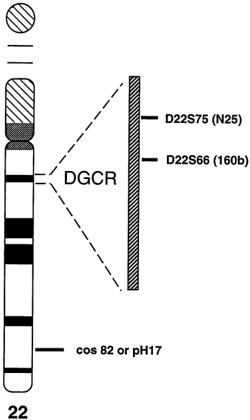
“The drawing is not to scale. anomaly face syndromes [Goldmuntz et al., 1998].”
BackgroundFriedman, M., Miletta, N. R., Roe, C. A., Wang, D., Morrow, B. E., Kates, W. R., Higgins, A. M., & Shprintzen, R. J. (2011) · International Journal of Pediatric Otorhinolaryngology · doi:10.1016/j.ijporl.2011.06.013 · Cited by 26
“Discussion Heart anomalies, primarily conotruncal, have been reported to occur in approximately 70% of individuals with VCFS and include intracardiac anomalies such as tetralogy of Fallot (TOF), ventricular or atrial septal defects or persistent truncus arteriosus [24,25].”
BackgroundHalder, A., Jain, M., Chaudhary, I., & Kabra, M. (2010) · BMC Medical Genetics · doi:10.1186/1471-2350-11-101 · Cited by 27
Guo, T., Repetto, G. M., McDonald‐McGinn, D. M., Chung, J. H., Nomaru, H., Campbell, C. L., Blonska, A. M., Bassett, A. S., Chow, E. W. C., Mlynarski, E. E., et al. (2017) · Circulation Cardiovascular Genetics · doi:10.1161/circgenetics.116.001690 · Cited by 26
“2 deletion.(7,8) Among the genes in the deleted region on 22q11.”
BackgroundSelf-citationThe genetic contribution to congenital heart disease
Goldmuntz, E. (2004) · Pediatric Clinics of North America · doi:10.1016/j.pcl.2004.08.006 · Cited by 27
Self-citationCapozzi, G., Caputo, S., Pizzuti, R., Martina, L., Santoro, M. C., Santoro, G., Sarubbi, B., Iacono, C., D’Alto, M., Bigazzi, M. C., et al. (2008) · Journal of Cardiovascular Medicine · doi:10.2459/jcm.0b013e3282eee866 · Cited by 26
Borgmann, S., Luhmer, I., Arslan‐Kirchner, M., Kallfelz, H. C., & Schmidtke, J. (1999) · European Journal of Pediatrics · doi:10.1007/s004310051257 · Cited by 26
Vaidyanathan, B., Kumar, S., Sudhakar, A., & Kumar, R. (2013) · Annals of Pediatric Cardiology · doi:10.4103/0974-2069.107227 · Cited by 27
Frequency of 22q11.2 microdeletion in sporadic non-syndromic tetralogy of Fallot cases
Gioli‐Pereira, L., Pereira, A., Bergara, D., Mesquita, S. M., Lopes, A. A., & Krieger, J. E. (2007) · International Journal of Cardiology · doi:10.1016/j.ijcard.2007.04.043 · Cited by 25
Metadata
- Authors
- Goldmuntz, E., Clark, B. J., Mitchell, L. E., Jawad, A. F., Cuneo, B. F., Reed, L., McDonald-McGinn, D., Chien, P., Feuer, J., Zackai, E. H., Emanuel, B. S., & Driscoll, D. A.
- Affiliations
- Children's Hospital of Philadelphia (US)
- Advocate Children's Hospital (US)
- Corresponding author
- Goldmuntz, Elizabeth
- Venue
- Journal of the American College of Cardiology
- Publisher
- Elsevier BV
- Published
- 1998-08
- Volume
- 32
- Issue
- 2
- Pages
- 492-498
- ISSN
- 0735-1097 (ISSN-L)
- OpenAlex
- W2047455586
- Cited by
- 592
- References
- 23
- Citations by year
- 2026: 11 · 2025: 12 · 2024: 22 · 2023: 13 · 2022: 18 · 2021: 15 · 2020: 17 · 2019: 14 · 2018: 17 · 2017: 20 · 2016: 18 · 2015: 20 · 2014: 26 · 2013: 28 · 2012: 24
- FWCI
- 12.80
- Type
- journal article
- Language
- en
- Open access
- hybrid
- doi.org
- Licence
- cc-by-nc-nd
- www.elsevier.com/tdm/userlicense/1.0/ (tdm)
- www.elsevier.com/legal/tdmrep-license (tdm)
- creativecommons.org/licenses/by-nc-nd/4.0/ (vor, 129 d)
- Locations
- Journal of the American College of Cardiology (publishedVersion, cc-by-nc-nd)
- PubMed (publishedVersion)
- Funders
- Children's Hospital of Philadelphia
- National Institutes of Health (5p50hl051533-05, 5k08hl003191-05)
- National Heart, Lung, and Blood Institute (HL03191, HL 51533)
- Topics
- Life Sciences › Biochemistry, Genetics and Molecular Biology › Genetics › Genomic variations and chromosomal abnormalities
- Health Sciences › Medicine › Cardiology and Cardiovascular Medicine › Congenital Heart Disease Studies
- Life Sciences › Biochemistry, Genetics and Molecular Biology › Molecular Biology › Congenital heart defects research
- Keywords
- chromosome 22q11 deletion, conotruncal defects, interrupted aortic arch, truncus arteriosus, tetralogy of Fallot, 22q11.2 deletion syndrome, ventricular septal defect, double outlet right ventricle, transposition of the great arteries, aortic arch anomalies, pulmonary artery anomalies, congenital heart disease
- MeSH terms
- Aorta, Thoracic, Child, Chromosome Deletion, Chromosomes, Human, Pair 22, DiGeorge Syndrome, Double Outlet Right Ventricle, Face, Female, Genetic Testing, Heart Defects, Congenital, Heart Septal Defects, Ventricular, Humans, Male, Prospective Studies, Pulmonary Artery, Syndrome, Tetralogy of Fallot, Transposition of Great Vessels, Truncus Arteriosus, Persistent, Incidence
About these checks
Registry, retraction, Cites and statistics results are computed, not judged, with one exception: a printed reference that no index lists is read once by a model before it counts as a citation error. Claims are extracted by a model and kept only when their quote appears verbatim in the text; each cited source is then checked, with a model’s help, for whether it says what the claim relies on. Those verdicts can be wrong — read the claim’s quote and the cited source before relying on one.
Statistics and arithmetic are recomputed, not judged.
Confidence bands are shown only for fields calibrated on our annotated test set. None is calibrated yet, so no band is shown.
What counts as a claim ›How we measure confidence ›How we check this ›
Are you an author, or do you see a problem with this page? Request a review
Data sources
Bibliographic data: Semantic Scholar, OpenAlex, Crossref.
Contains information from the Semantic Scholar Academic Graph Datasets, made available under the ODC Attribution License (ODC-BY 1.0).
Semantic Scholar’s data is described in: Kinney, R., et al. (2023). The Semantic Scholar Open Data Platform. arXiv:2301.10140.
