

Adeno-associated virus vectored immunoprophylaxis to prevent HIV in healthy adults: a phase 1 randomised controlled trial
Open accessThe DOI matches its Crossref record; 30 of the 31 references it cites were found in a registry or an index.
Abstract
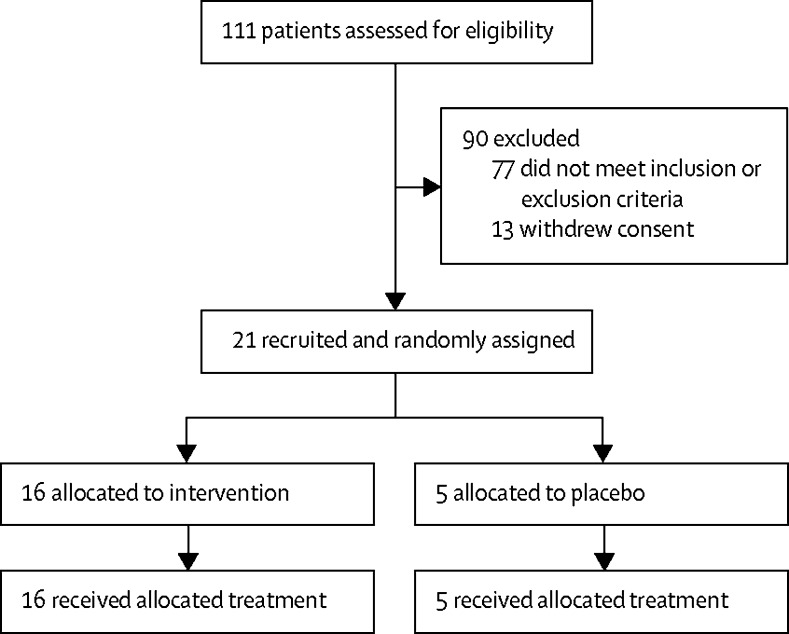
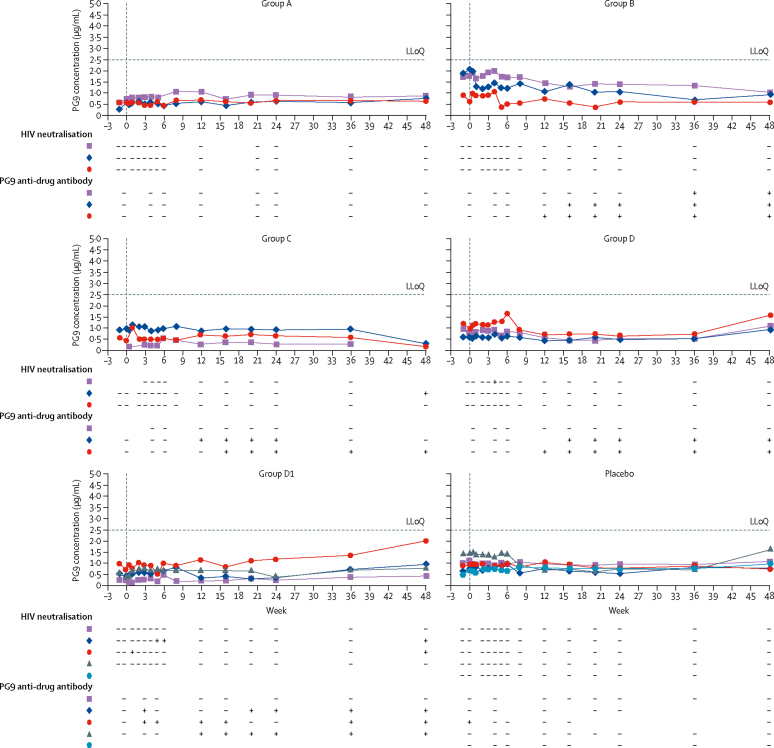
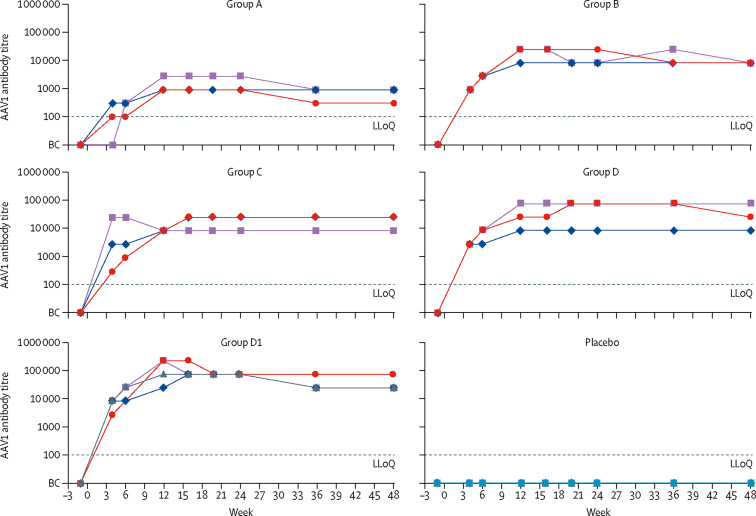
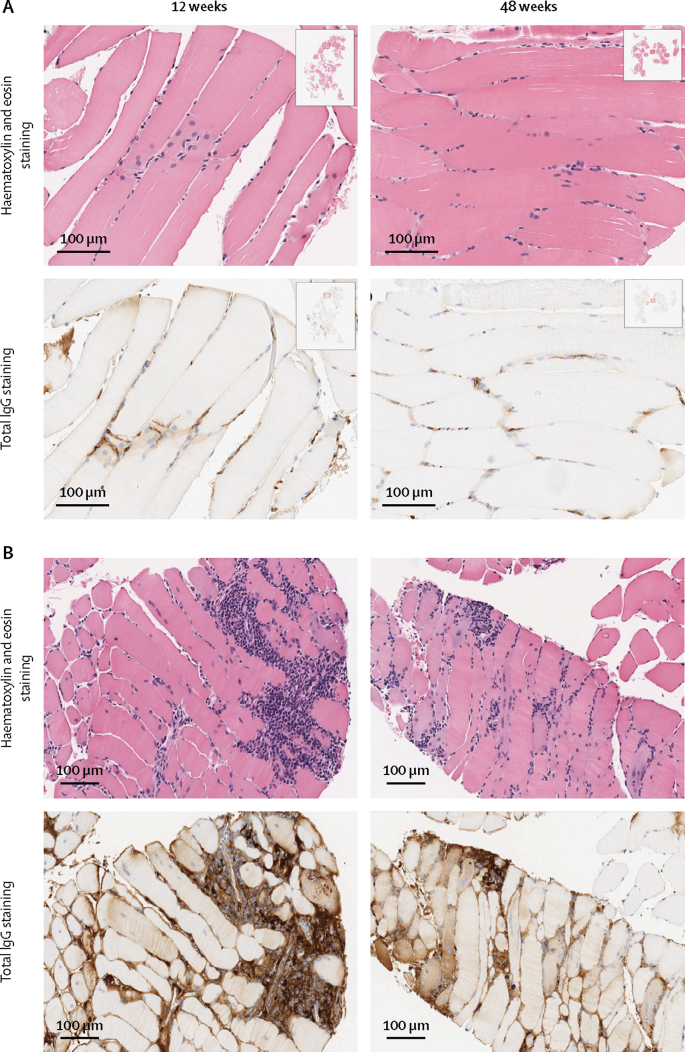
Background A preventive vaccine for HIV is a crucial public health need; adeno-associated virus (AAV)-mediated antibody gene delivery could be an alternative to immunisation to induce sustained expression of neutralising antibodies to prevent HIV. We assessed safety and tolerability of rAAV1-PG9DP, a recombinant AAV1 vector encoding the gene for PG9, a broadly neutralising antibody against HIV. Methods This first-in-human, proof-of-concept, double-blind, phase 1, randomised, placebo-controlled, dose-escalation trial was done at one clinical research centre in the UK. Healthy men aged 18–45 years without HIV infection were randomly assigned to receive intramuscular injection with rAAV1-PG9DP or placebo in the deltoid or quadriceps in one of four dose-escalating cohorts (group A, 4 × 10 12 vector genomes; group B, 4 × 10 13 vector genomes; group C, 8 × 10 13 vector genomes; and group D, 1·2 × 10 14 vector genomes). Volunteers were followed up for 48 weeks. The primary objective was to assess safety and tolerability. A secondary objective was to assess PG9 expression in serum and related HIV neutralisation activity. All volunteers were included in primary and safety analyses. The trial is complete and is registered with ClinicalTrials.gov, number NCT01937455. Findings Between Jan 30, 2014, and Feb 28, 2017, 111 volunteers were screened for eligibility. 21 volunteers were eligible and provided consent, and all 21 completed 48 weeks of follow-up. Reactogenicity was generally mild or moderate and resolved without intervention. No probably or definitely related adverse events or serious adverse events were recorded. We detected PG9 by HIV neutralisation in the serum of four volunteers, and by RT-PCR in muscle biopsy samples from four volunteers. We did not detect PG9 by ELISA in serum. PG9 anti-drug antibody was present in ten volunteers in the higher dose groups. Both anti-AAV1 antibodies and AAV1-specific T-cell responses were detected. Interpretation Future studies should explore higher doses of AAV, alternative AAV serotypes and gene expression cassettes, or other broadly neutralising HIV antibodies. Funding International AIDS Vaccine Initiative, United States Agency for International Development, Bill & Melinda Gates Foundation, US National Institutes of Health.
Overview
The claims and statistics of this paper haven’t been checked yet.
Free: it reads the open-access text and checks the first 5 claims that cite a source we can check. Create a free account to check every claim.
Integrity signals
Registry
Cites
Statistics
Figures
Verification
Claims the paper makes
The claims and statistics of this paper haven’t been checked yet.
Free: it reads the open-access text and checks the first 5 claims that cite a source we can check. Create a free account to check every claim.
Claims other papers make about this one
Each is checked against this paper’s own text: does it say what the citing paper says it does?
The source backs part of the claim, not all of it — or backs it for a different population, condition or comparison.
In the citing paper
“In one study, muscle delivery of AAV resulted in formation of anti-transgene antibodies in some patients, which was predicted by NHP studies [120–123].”
From Immunogenicity of Recombinant Adeno-Associated Virus (AAV) Vectors for Gene Transfer (2023) · cites this paper as [121]
Experimental — accuracy not yet measured
Self-check
Percentages, sums and reported differences re-computed from the paper’s own numbers.
The self-check needs the paper’s full text.
Citations
Cites
Single-Dose Gene-Replacement Therapy for Spinal Muscular Atrophy
Mendell, J. R., Al-Zaidy, S., Shell, R., Arnold, W. D., Rodino-Klapac, L. R., Prior, T. W., Lowes, L., Alfano, L., Berry, K., Church, K., et al. (2017) · New England Journal of Medicine · doi:10.1056/nejmoa1706198 · Cited by 2,381
Manno, C. S., Pierce, G. F., Arruda, V. R., Glader, B., Ragni, M., Rasko, J. J. E., Ozelo, M. C., Hoots, K., Blatt, P., Konkle, B., et al. (2006) · Nature Medicine · doi:10.1038/nm1358 · Cited by 2,163
Self-citationRussell, S., Bennett, J., Wellman, J. A., Chung, D. C., Yu, Z.-F., Tillman, A., Wittes, J., Pappas, J., Elci, O., McCague, S., et al. (2017) · The Lancet · doi:10.1016/s0140-6736(17)31868-8 · Cited by 1,952
Self-citationAdenovirus-Associated Virus Vector–Mediated Gene Transfer in Hemophilia B
Nathwani, A. C., Tuddenham, E. G. D., Rangarajan, S., Rosales, C., McIntosh, J., Linch, D. C., Chowdary, P., Riddell, A., Pie, A. J., Harrington, C., et al. (2011) · New England Journal of Medicine · doi:10.1056/nejmoa1108046 · Cited by 1,864
Rational Design of Envelope Identifies Broadly Neutralizing Human Monoclonal Antibodies to HIV-1
Wu, X., Yang, Z.-Y., Li, Y., Hogerkorp, C.-M., Schief, W. R., Seaman, M. S., Zhou, T., Schmidt, S. D., Wu, L., Xu, L., et al. (2010) · Science · doi:10.1126/science.1187659 · Cited by 1,730
Broad and Potent Neutralizing Antibodies from an African Donor Reveal a New HIV-1 Vaccine Target
Walker, L. M., Phogat, S. K., Chan-Hui, P.-Y., Wagner, D., Phung, P., Goss, J. L., Wrin, T., Simek, M. D., Fling, S., Mitcham, J. L., et al. (2009) · Science · doi:10.1126/science.1178746 · Cited by 1,723
Self-citationStructure of HIV-1 gp120 V1/V2 domain with broadly neutralizing antibody PG9
McLellan, J. S., Pancera, M., Carrico, C., Gorman, J., Julien, J.-P., Khayat, R., Louder, R., Pejchal, R., Sastry, M., Dai, K., et al. (2011) · Nature · doi:10.1038/nature10696 · Cited by 830
Hemophilia B Gene Therapy with a High-Specific-Activity Factor IX Variant
George, L. A., Sullivan, S. K., Giermasz, A., Rasko, J. E. J., Samelson-Jones, B. J., Ducore, J., Cuker, A., Sullivan, L. M., Majumdar, S., Teitel, J., et al. (2017) · New England Journal of Medicine · doi:10.1056/nejmoa1708538 · Cited by 762
Self-citationAAV5–Factor VIII Gene Transfer in Severe Hemophilia A
Rangarajan, S., Walsh, L., Lester, W., Perry, D., Madan, B., Laffan, M., Yu, H., Vettermann, C., Pierce, G. F., Wong, W. Y., et al. (2017) · New England Journal of Medicine · doi:10.1056/nejmoa1708483 · Cited by 694
Broadly Neutralizing Antibodies to HIV and Their Role in Vaccine Design
Burton, D. R., & Hangartner, L. (2016) · Annual Review of Immunology · doi:10.1146/annurev-immunol-041015-055515 · Cited by 583
Cited by
Research priorities for an HIV cure: International AIDS Society Global Scientific Strategy 2021
Deeks, S. G., Archin, N., Cannon, P., Collins, S., Jones, R. B., de Jong, M. A. W. P., Lambotte, O., Lamplough, R., Ndung’u, T., Sugarman, J., et al. (2021) · Nature Medicine · doi:10.1038/s41591-021-01590-5 · Cited by 377
Recent progress in targeted delivery vectors based on biomimetic nanoparticles
Chen, L., Hong, W., Ren, W., Xu, T., Qian, Z., & He, Z. (2021) · Signal Transduction and Targeted Therapy · doi:10.1038/s41392-021-00631-2 · Cited by 374
Gene therapy advances: A meta-analysis of AAV usage in clinical settings
Au, H. K. E., Isalan, M., & Mielcarek, M. (2022) · Frontiers in Medicine · doi:10.3389/fmed.2021.809118 · Cited by 284
Immunogenicity of Recombinant Adeno-Associated Virus (AAV) Vectors for Gene Transfer
Arjomandnejad, M., Dasgupta, I., Flotte, T. R., & Keeler, A. M. (2023) · BioDrugs · doi:10.1007/s40259-023-00585-7 · Cited by 159
Why and where an HIV cure is needed and how it might be achieved
Ndung’u, T., McCune, J. M., & Deeks, S. G. (2019) · Nature · doi:10.1038/s41586-019-1841-8 · Cited by 170
Broadly neutralizing antibodies for HIV-1: efficacies, challenges and opportunities
Liu, Y., Cao, W., Sun, M., & Li, T. (2020) · Emerging Microbes & Infections · doi:10.1080/22221751.2020.1713707 · Cited by 124
Broadly neutralizing antibodies for the treatment and prevention of HIV infection
Caskey, M. F. (2019) · Current Opinion in HIV and AIDS · doi:10.1097/coh.0000000000000600 · Cited by 109
Immunological approaches to HIV cure
Ward, A. R., Mota, T. M., & Jones, R. B. (2020) · Seminars in Immunology · doi:10.1016/j.smim.2020.101412 · Cited by 102
In vivo engineered B cells secrete high titers of broadly neutralizing anti-HIV antibodies in mice
Nahmad, A. D., Lazzarotto, C. R., Zelikson, N., Kustin, T., Tenuta, M., Huang, D., Reuveni, I., Nataf, D., Raviv, Y., Horovitz‐Fried, M., et al. (2022) · Nature Biotechnology · doi:10.1038/s41587-022-01328-9 · Cited by 100
“Yet additional experiments may determine whether in vivo B cell engineering allows proper antibody glycosylation and expression patterns to avoid the formation of anti-drug antibodies, as seen following muscle transduction for antibody expression 6 .”
Casazza, J. P., Cale, E. M., Narpala, S., Yamshchikov, G. V., Coates, E. E., Hendel, C. S., Novik, L., Holman, L. A., Widge, A. T., Apte, P., et al. (2022) · Nature Medicine · doi:10.1038/s41591-022-01762-x · Cited by 91
Advancements in mRNA Encoded Antibodies for Passive Immunotherapy
Deal, C. E., Carfí, A., & Plante, O. J. (2021) · Vaccines · doi:10.3390/vaccines9020108 · Cited by 93
Broadly Neutralizing Antibodies for HIV-1 Prevention
Walsh, S. R., & Seaman, M. S. (2021) · Frontiers in Immunology · doi:10.3389/fimmu.2021.712122 · Cited by 89
Nahmad, A. D., Raviv, Y., Horovitz‐Fried, M., Sofer, I., Akriv, T., Nataf, D., Dotan, I., Carmi, Y., Burstein, D., Wine, Y., et al. (2020) · Nature Communications · doi:10.1038/s41467-020-19649-1 · Cited by 85
Mahomed, S., Garrett, N., Baxter, C., Karim, Q. A., & Karim, S. S. A. (2020) · The Journal of Infectious Diseases · doi:10.1093/infdis/jiaa377 · Cited by 80
In Vivo Delivery of Nucleic Acid-Encoded Monoclonal Antibodies
Patel, A. R., Bah, M. A., & Weiner, D. B. (2020) · BioDrugs · doi:10.1007/s40259-020-00412-3 · Cited by 78
Broadly Neutralizing Antibodies for HIV Prevention
Karuna, S., & Corey, L. (2020) · Annual Review of Medicine · doi:10.1146/annurev-med-110118-045506 · Cited by 68
Talifu, Z., Li, J., Pan, Y., Ke, H., Zhang, C.-J., Xu, X., Gao, F., Yu, Y. H., Du, L.-J., & Li, J.-J. (2022) · Neural Regeneration Research · doi:10.4103/1673-5374.353482 · Cited by 59
“…virus-mediated gene therapy has shown great potential for treatment of systemic diseases, such as those that affect the cardiovascular system (Shi et al., 2020; Cao et al., 2021), hereditary diseases (Kodippili et al., 2018; Nguyen et al., 2021), and immune system diseases (Priddy et al., 2019).”
BackgroundViruses as tools in gene therapy, vaccine development, and cancer treatment
bin Umair, M., Fujimura, N. A., Kashif, H., Seerat-e-Fatima, Butt, F., Azhar, M., Munir, I., Ahmed, M. I., Khalil, W., Sharyar, H., et al. (2022) · Archives of Virology · doi:10.1007/s00705-022-05432-8 · Cited by 54
Broadly neutralizing antibodies for HIV-1 prevention and therapy
Jülg, B. D., & Barouch, D. H. (2021) · Seminars in Immunology · doi:10.1016/j.smim.2021.101475 · Cited by 53
Long-Term Delivery of an Anti-SIV Monoclonal Antibody With AAV
Martinez-Navío, J. M., Fuchs, S. P., Mendes, D. E., Rakasz, E. G., Gao, G., Lifson, J. D., & Desrosiers, R. C. (2020) · Frontiers in Immunology · doi:10.3389/fimmu.2020.00449 · Cited by 51
In vivo delivery of synthetic DNA–encoded antibodies induces broad HIV-1–neutralizing activity
Wise, M. C., Xu, Z., Tello‐Ruiz, E., Beck, C., Trautz, A., Patel, A. R., Elliott, S. T. C., Chokkalingam, N., Kim, S., Kerkau, M., et al. (2019) · Journal of Clinical Investigation · doi:10.1172/jci132779 · Cited by 50
Self-citationThe Use of Broadly Neutralizing Antibodies (bNAbs) in HIV-1 Treatment and Prevention
Thavarajah, J. J., Hønge, B. L., & Wejse, C. M. (2024) · Viruses · doi:10.3390/v16060911 · Cited by 52
“In this regard, various strategies are being explored; these include using adeno-associated virus (AAV) vectors to allow the sustained gene-mediated expression of bNAbs for both treatment [117] and prevention [118], as well as bi-or trispecific antibodies.”
MethodKisalu, N. K., Pereira, L. D. S., Ernste, K., Flores-García, Y., Idris, A. H., Asokan, M., Dillon, M., MacDonald, S. W., Shi, W., Chen, X., et al. (2021) · JCI Insight · doi:10.1172/jci.insight.143958 · Cited by 49
“Based on the enhanced potency of CIS43 compared with 2A10, we hypothesized that VIP with CIS43 would elicit higher protection than 2A10 for longer periods of time.”
Influentialvan den Berg, F. T., Aminake, M. N., Ali, S. A., Scott, T. A., Mapengo, R. E., Mutsvunguma, L. Z., Mkhize, N. N., Lambson, B. E., Kgagudi, P., Crowther, C. E., et al. (2019) · Molecular Therapy — Methods & Clinical Development · doi:10.1016/j.omtm.2019.06.002 · Cited by 47
Anti-glycan antibodies: roles in human disease
Temme, J. S., Butler, D. L., & Gildersleeve, J. C. (2021) · Biochemical Journal · doi:10.1042/bcj20200610 · Cited by 48
Current Status of HIV-1 Vaccines
Hargrave, A., Mustafa, A. S., Hanif, A., Tunio, J. H., & Hanif, S. N. M. (2021) · Vaccines · doi:10.3390/vaccines9091026 · Cited by 43
“Overall, it was safe and well-tolerated in the 16 participants tested [26].”
BackgroundBroadly neutralizing antibodies against HIV-1 and concepts for application
Gruell, H., & Schommers, P. (2022) · Current Opinion in Virology · doi:10.1016/j.coviro.2022.101211 · Cited by 42
Tickner, Z. J., & Farzan, M. (2021) · Pharmaceuticals · doi:10.3390/ph14060554 · Cited by 45
Anti-glycan monoclonal antibodies: Basic research and clinical applications
Gillmann, K. M., Temme, J. S., Marglous, S., Brown, C. E., & Gildersleeve, J. C. (2023) · Current Opinion in Chemical Biology · doi:10.1016/j.cbpa.2023.102281 · Cited by 39
Broadly neutralizing antibodies for HIV prevention: a comprehensive review and future perspectives
Mahomed, S. (2024) · Clinical Microbiology Reviews · doi:10.1128/cmr.00152-22 · Cited by 42
Reassessing therapeutic antibodies for neglected and tropical diseases
van Huijsduijnen, R. H., Kojima, S., Carter, D. A., Okabe, H., Sato, A., Akahata, W., Wells, T. N. C., & Katsuno, K. (2020) · PLoS neglected tropical diseases · doi:10.1371/journal.pntd.0007860 · Cited by 39
Chung, C. W., Kudchodkar, S. B., Chung, C. N., Park, Y. K., Xu, Z., Pardi, N., Abdel‐Mohsen, M., & Muthumani, K. (2023) · Antibodies · doi:10.3390/antib12030046 · Cited by 40
Zhan, W., Muhuri, M., Tai, P. W. L., & Gao, G. (2021) · Frontiers in Immunology · doi:10.3389/fimmu.2021.673699 · Cited by 37
Progress and Challenges in HIV-1 Vaccine Research: A Comprehensive Overview
Boomgarden, A. C., & Upadhyay, C. (2025) · Vaccines · doi:10.3390/vaccines13020148 · Cited by 44
“While PG9 was detected in serum and muscle biopsy, this was only in a small subset of volunteers [242].”
Fuchs, S. P., Martinez-Navio, J. M., Rakasz, E. G., Gao, G., & Desrosiers, R. C. (2020) · Molecular Therapy - Methods & Clinical Development · doi:10.1016/j.omtm.2019.11.010 · Cited by 32
Prophylactic HIV vaccine: vaccine regimens in clinical trials and potential challenges
Pitisuttithum, P., & Marovich, M. (2020) · Expert Review of Vaccines · doi:10.1080/14760584.2020.1718497 · Cited by 35
Gardner, M. R. (2020) · Frontiers in Cellular and Infection Microbiology · doi:10.3389/fcimb.2020.00176 · Cited by 31
Next-generation bNAbs for HIV-1 cure strategies
Schriek, A. I., Aldon, Y., van Gils, M. J., & de Taeye, S. W. (2023) · Antiviral Research · doi:10.1016/j.antiviral.2023.105788 · Cited by 31
Tumor antigen-loaded AAV vaccine drives protective immunity in a melanoma animal model
Krotova, K. Y., Kuoch, H., Caine, C., & Aslanidi, G. (2023) · Molecular Therapy — Methods & Clinical Development · doi:10.1016/j.omtm.2023.01.006 · Cited by 31
Immune Responses to Muscle-Directed Adeno-Associated Viral Gene Transfer in Clinical Studies
Kumar, S. R. P., Duan, D., & Herzog, R. W. (2023) · Human Gene Therapy · doi:10.1089/hum.2023.056 · Cited by 28
Genome edited B cells: a new frontier in immune cell therapies
Rogers, G. L., & Cannon, P. M. (2021) · Molecular Therapy · doi:10.1016/j.ymthe.2021.09.019 · Cited by 31
Prime editing: current advances and therapeutic opportunities in human diseases
Fu, Y., He, X., Gao, X. D., Li, F., Ge, S., Yang, Z. H., & Fan, X. (2023) · Science Bulletin · doi:10.1016/j.scib.2023.11.015 · Cited by 32
Progress and Recent Developments in HIV Vaccine Research
Shim, I., Rogowski, L., & Venketaraman, V. (2025) · Vaccines · doi:10.3390/vaccines13070690 · Cited by 28
AAV Vector-Mediated Antibody Delivery (A-MAD) in the Central Nervous System
Marino, M., & Holt, M. G. (2022) · Frontiers in Neurology · doi:10.3389/fneur.2022.870799 · Cited by 26
Determinants of successful AAV-vectored delivery of HIV-1 bNAbs in early life
Ardeshir, A., O’Hagan, D., Mehta, I. D., Shandilya, S., Hopkins, L., Adamson, L., Kuroda, M. J., Hahn, P. A., da Costa, L. A. B., Fuchs, S. P., et al. (2025) · Nature · doi:10.1038/s41586-025-09330-2 · Cited by 22
“This is not a macaque-specific phenomenon, as AAV-mediated delivery of human HIV-1 bNAbs can also induce anti-bNAb antibody responses in adult humans 26,27 .”
Silva-Pilipich, N., Smerdou, C., & Vanrell, L. (2021) · Microorganisms · doi:10.3390/microorganisms9091956 · Cited by 22
“This has led to a recent clinical trial in which this approach has shown a good safety profile [16].”
ResultBroadly neutralizing antibodies targeting HIV: Progress and challenges
Nandagopal, P., Khan, A., & Lawson, B. R. (2023) · Clinical Immunology · doi:10.1016/j.clim.2023.109809 · Cited by 24
Bharadwaj, P., Riekofski, C., Lin, S., Seaman, M. S., Garber, D. A., Montefiori, D. C., Sarzotti‐Kelsoe, M., Ackerman, M. E., & Weiner, J. A. (2020) · Journal of Immunological Methods · doi:10.1016/j.jim.2020.112764 · Cited by 22
Self-citationPagant, S., & Liberatore, R. A. (2021) · Pharmaceutics · doi:10.3390/pharmaceutics13111882 · Cited by 22
“Widespread translation into the clinic might have to wait for further optimization of AAV technology, however, as very low mAb expression was reported for one of the ongoing clinical trials aimed at the prevention of HIV-1 infection (NCT01937455) [45].”
BackgroundPhelps, M., & Balazs, A. B. (2021) · Frontiers in Immunology · doi:10.3389/fimmu.2021.734304 · Cited by 23
Maternally transferred mAbs protect neonatal mice from HSV-induced mortality and morbidity
Backes, I. M., Byrd, B. K., Slein, M. D., Patel, C. D., Taylor, S. A., Garland, C. R., MacDonald, S. W., Balazs, A. B., Davis, S. C., Ackerman, M. E., et al. (2022) · The Journal of Experimental Medicine · doi:10.1084/jem.20220110 · Cited by 20
“Viral stocks were prepared using Vero cells as previously described (Manivanh et al., 2017; Rader et al., 1993).”
MethodTkaczyk, C., Newton, M. R., Patnaik, M. M., Thom, G., Strain, M., Gamson, A., Daramola, O., Murthy, A., Douthwaite, J. A., Stepanov, O., et al. (2024) · Molecular Therapy · doi:10.1016/j.ymthe.2024.05.036 · Cited by 19
Tebas, P., Patel, A. R., Agnes, J. T., Parzych, E. M., Baer, A. L., Caturla, M., Ghosh, S., Purwar, M., Bedanova, N. M., Tsang, C., et al. (2025) · Nature Medicine · doi:10.1038/s41591-025-03969-0 · Cited by 18
“PG9 activity was detected in serum and muscle biopsies in some participants; however, immunogenicity limited the response, with ADA to PG9 and anti-AAV1 immune responses noted, particularly at higher doses 21 .”
Kalusche, S., Vanshylla, K., Kleipass, F., Gruell, H., Müller, B., Zeng, Z., Koch, K., Stein, S., Marcotte, H., Klein, F., et al. (2020) · Vaccines · doi:10.3390/vaccines8040758 · Cited by 19
Maurizi, N., Ammirati, E., Silver, E., Hong, K., Bui, Q. M., Argirò, A., Olivotto, I., & Adler, E. D. (2026) · Molecular Therapy · doi:10.1016/j.ymthe.2026.01.004 · Cited by 20
AAV Vectored Immunoprophylaxis for Filovirus Infections
Rghei, A. D., van Lieshout, L. P., Santry, L. A., Guilleman, M. M., Thomas, S. P., Susta, L., Karimi, K., Bridle, B. W., & Wootton, S. K. (2020) · Tropical Medicine and Infectious Disease · doi:10.3390/tropicalmed5040169 · Cited by 17
“For example, in NHP models of AAV VIP for HIV [118,120,135,136], as well as in the first human clinical trial in which AAV was used to express the broadly neutralizing HIV mAb, PG9 [124], ADAs were detected and this correlated with loss of mAb expression.”
BackgroundMethodInfluentialWieczorek, L., Sanders‐Buell, E., Zemil, M., Lewitus, É., Kavusak, E., Heller, J., Molnar, S., Rao, M., Smith, G., Bose, M., et al. (2023) · PLoS Pathogens · doi:10.1371/journal.ppat.1011780 · Cited by 17
A strategy for high antibody expression with low anti-drug antibodies using AAV9 vectors
Davis-Gardner, M. E., Weber, J. A., Xie, J., Pekrun, K., Alexander, E. A., Weisgrau, K. L., Furlott, J. R., Rakasz, E. G., Kay, M. A., Gao, G., et al. (2023) · Frontiers in Immunology · doi:10.3389/fimmu.2023.1105617 · Cited by 16
Reprogramming human B cells with custom heavy-chain antibodies
Rogers, G. L., Huang, C., Mathur, A., Huang, X., Chen, H.-Y., Stanten, K., Morales, H., Chang, C.-H., Kezirian, E. J., & Cannon, P. M. (2024) · Nature Biomedical Engineering · doi:10.1038/s41551-024-01240-4 · Cited by 17
“Genomic DNA from edited cells was extracted using a DNeasy blood & tissue kit (Qiagen) and the percentage of edited alleles measured for an in–out PCR product, amplified with the primers IGHG1 -HA-Fwd2 and IO-EEK-In-6, and the probe sg05-P1 (5′-FAM; ZEN/3′-IBFQ double quenched; Supplementary Table 6).”
InfluentialFeist, W. N., Luna, S. E., Ben-Efraim, K., Interrante, M. V. F., Amorin, A., Johnston, N. M., Bruun, T. U. J., Utz, A., Ghanim, H. Y., Lesch, B. J., et al. (2025) · Nature Communications · doi:10.1038/s41467-025-58371-8 · Cited by 16
Rghei, A. D., van Lieshout, L. P., Cao, W., He, S., Tierney, K. J., Lopes, J. A., Zielinska, N., Baracuhy, E. M., Campbell, E. S. B., Minott, J. A., et al. (2022) · Gene Therapy · doi:10.1038/s41434-022-00361-2 · Cited by 16
“Indeed, the transition of AAV VIP from mice to NHPs in other studies has proven somewhat problematic with many studies reporting short-lived mAb expression in NHPs [54 – 58] and humans [49] due to the generation of anti-drug antibodies (ADA).”
HIV-1 Entry and Prospects for Protecting against Infection
Bruxelle, J.-F., Trattnig, N., Mureithi, M., Landais, E., & Pantophlet, R. A. (2021) · Microorganisms · doi:10.3390/microorganisms9020228 · Cited by 19
“An example of advanced immunoprophylaxis is adeno-associated virus-mediated antibody gene delivery [292,293], which could be an alternative to vaccination to induce sustained expression of HIV nAbs.”
BackgroundHahn, P. A., & Martins, M. A. (2023) · Journal of Virus Eradication · doi:10.1016/j.jve.2023.100316 · Cited by 15
Vector Strategies to Actualize B Cell–Based Gene Therapies
Jeske, A., Rice-Boucher, P. J., Curiel, D. T., & Voss, J. E. (2021) · The Journal of Immunology · doi:10.4049/jimmunol.2100340 · Cited by 16
The Question of HIV Vaccine: Why Is a Solution Not Yet Available?
Libera, M., Caputo, V., Laterza, G., Moudoud, L., Soggiù, A., Bonizzi, L., & Diotti, R. A. (2024) · Journal of Immunology Research · doi:10.1155/2024/2147912 · Cited by 14
“The vaccine proved to be safe, with PG9 detected in the sera of only four subjects, albeit at a low level [129].”
BackgroundRedundancy in Innate Immune Pathways That Promote CD8+ T-Cell Responses in AAV1 Muscle Gene Transfer
Li, N., Kumar, S. R. P., Cao, D., Muñoz-Melero, M., Arisa, S., Brian, B. A., Greenwood, C. M., Yamada, K., Duan, D., & Herzog, R. W. (2024) · Viruses · doi:10.3390/v16101507 · Cited by 14
Vermeire, G., Smidt, E. D., Geukens, N., Williams, J. A., Declerck, P. J., & Hollevoet, K. (2021) · Human Gene Therapy · doi:10.1089/hum.2021.105 · Cited by 14
CRISPR/Cas9 for achieving postintervention HIV control
Moso, M. A., Roche, M., Cevaal, P. M., & Lewin, S. R. (2025) · Current Opinion in HIV and AIDS · doi:10.1097/coh.0000000000000963 · Cited by 13
Advances in cell and gene therapy for HIV disease: it is good to be specific
Pauza, C. D., Huang, K. J., & Bordón, J. (2021) · Current Opinion in HIV and AIDS · doi:10.1097/coh.0000000000000666 · Cited by 13
Lopes, J. A., Rghei, A. D., Thompson, B., Susta, L., Khursigara, C. M., & Wootton, S. K. (2022) · Biomedicines · doi:10.3390/biomedicines10123162 · Cited by 15
“The first clinical trial (NCT01937455) evaluating AAV-mediated antibody gene delivery for the prevention of HIV infection utilized an AAV1 vector expressing the broadly neutralizing anti-HIV antibody (bnAb) PG9 [112], that has been shown to inhibit a panel of HIV-1 viruses at much lower doses than competing broadly ne…”
BackgroundVamva, E., Ozog, S., Leaman, D. P., Cheng, R. Y.-H., Irons, N. J., Ott, A. R., Stoffers, C. M., Khan, I., Goebrecht, G. K. E., Gardner, M. R., et al. (2023) · Molecular Therapy — Methods & Clinical Development · doi:10.1016/j.omtm.2023.02.004 · Cited by 13
Andrews, C. D., Huang, Y., Ho, D. D., & Liberatore, R. A. (2020) · Emerging Microbes & Infections · doi:10.1080/22221751.2020.1787108 · Cited by 14
The Failure of AIDS Vaccine Efficacy Trials: Where to Go from Here
Desrosiers, R. C. (2023) · Journal of Virology · doi:10.1128/jvi.00211-23 · Cited by 13
“This is the most common outcome both in monkeys and phase 1 human trials to date (14, 15).”
BackgroundDuechs, M. J., Blazevic, D., Rechtsteiner, P., Kenny, C. H., Lamla, T., Low, S. H. H., Savistchenko, J., Neumann, M., Melki, R., Schönberger, T., et al. (2023) · npj Parkinson's Disease · doi:10.1038/s41531-023-00542-9 · Cited by 12
“At least one trial targeting HIV transmission by intramuscular application also reached clinical stage (Phase I clinical testing 69 ), albeit facing problems regarding suf fi cient transgene expression.”
Selection of positive controls and their impact on anti-drug antibody assay performance
Weiner, J. A., Natarajan, H., McIntosh, C. J., Yang, E. S., Choe, M., Papia, C. L., Axelrod, K. S., Kovacikova, G., Pegu, A., & Ackerman, M. E. (2024) · Journal of Immunological Methods · doi:10.1016/j.jim.2024.113657 · Cited by 12
Advanced Therapies for Human Immunodeficiency Virus
Lindegger, D. J. (2024) · Medical Sciences · doi:10.3390/medsci12030033 · Cited by 13
Enhancing broadly neutralising antibody suppression of HIV by immune modulation and vaccination
Nel, C., & Frater, J. (2024) · Frontiers in Immunology · doi:10.3389/fimmu.2024.1478703 · Cited by 15
Kastner, A. L., Marx, A., Dimitrova, M., Abreu-Mota, T., Ertuna, Y. I., Bonilla, W. V., Stauffer, K., Künzli, M., Wagner, I., Kreutzfeldt, M., et al. (2024) · Immunity · doi:10.1016/j.immuni.2024.11.021 · Cited by 10
Klenchin, V. A., Clark, N. M., Keles, N. K., Capuano, S., Mason, R. D., Gao, G., Broman, A. T., Köse, E., Immonen, T. T., Fennessey, C. M., et al. (2025) · Science Immunology · doi:10.1126/sciimmunol.adq4973 · Cited by 10
Fuchs, S. P., Mondragon, P. G., Zabizhin, R., Tomer, S., Wang, L., Cook, E., Dudley, D. M., Weisgrau, K. L., Furlott, J. R., Coonen, J., et al. (2025) · Nature Communications · doi:10.1038/s41467-025-63970-6 · Cited by 10
Delivery platforms for broadly neutralizing antibodies
Joshi, L. R., Gálvez, N. M. S., Ghosh, S., Weiner, D. B., & Balazs, A. B. (2023) · Current Opinion in HIV and AIDS · doi:10.1097/coh.0000000000000803 · Cited by 10
Li, S., Qiao, Y., Jiang, S., Wang, B., Kong, W., & Shan, Y. (2021) · Journal of Controlled Release · doi:10.1016/j.jconrel.2021.09.006 · Cited by 10
Target product profile for cell-based and gene-based therapies to achieve a cure for HIV
Lewin, S. R., Bansbach, C., Kemps, D., Mathae, L., Das, K. T., McCune, J. M., Deeks, S. G., & Ndung'u, T. (2025) · The Lancet HIV · doi:10.1016/s2352-3018(24)00277-7 · Cited by 9
Adeno-associated viral vectors deliver gene vaccines
Wei, L., Yu, P., Wang, H., & Liu, J. (2024) · European Journal of Medicinal Chemistry · doi:10.1016/j.ejmech.2024.117010 · Cited by 10
Lung directed antibody gene transfer confers protection against SARS-CoV-2 infection
Du, Y., Miah, K. M., Habib, O., Meyer‐Berg, H., Conway, C. C., Viegas, M., Dean, R., Satyapertiwi, D., Zhao, J., Wang, Y., et al. (2022) · Thorax · doi:10.1136/thoraxjnl-2021-217650 · Cited by 9
Recent Advancements in AAV-Vectored Immunoprophylaxis in the Nonhuman Primate Model
Campbell, E. S. B., Goens, M. M., Cao, W., Thompson, B., Susta, L., Banadyga, L., & Wootton, S. K. (2023) · Biomedicines · doi:10.3390/biomedicines11082223 · Cited by 10
“The first clinical trial evaluating AAV VIP for the prevention of HIV infection used AAV1 expressing HIV bNAb PG9 [18,56,57].”
BackgroundViral Vectors for the Induction of Broadly Neutralizing Antibodies against HIV
Wilmschen, S., Schmitz, J. E., & Kimpel, J. (2019) · Vaccines · doi:10.3390/vaccines7030119 · Cited by 10
“In a phase I clinical trial with an AAV, encoding the bnAb PG9, HIV neutralization was detected in the serum of four volunteers [45].”
BackgroundProgress in novel delivery technologies to improve efficacy of therapeutic antibodies
Sun, W., Wu, Y., & Ying, T. (2024) · Antiviral Research · doi:10.1016/j.antiviral.2024.105867 · Cited by 9
Vectored antibody gene delivery restores host B and T cell control of persistent viral infection
Ertuna, Y. I., Fallet, B., Marx, A., Dimitrova, M., Kastner, A. L., Wagner, I., Merkler, D., & Pinschewer, D. D. (2021) · Cell Reports · doi:10.1016/j.celrep.2021.110061 · Cited by 8
Nano-vaccines for gene delivery against HIV-1 infection
Li, S., Zhang, M., Yuan, J., & Zhang, Y.-X. (2023) · Expert Review of Vaccines · doi:10.1080/14760584.2023.2193266 · Cited by 10
Sherpa, C., & Grice, S. F. J. L. (2020) · Current HIV Research · doi:10.2174/1570162x18666200210121339 · Cited by 8
Dohadwala, S., Geib, M. T., Politch, J. A., & Anderson, D. J. (2024) · Frontiers in Reproductive Health · doi:10.3389/frph.2023.1337479 · Cited by 8
Progress Note 2024: Curing HIV; Not in My Lifetime or Just Around the Corner?
Harper, J. L., Betts, M. R., Lichterfeld, M. D., Müller-Trutwin, M. C., Margolis, D. M., Bar, K. J., Li, J. Z., McCune, J. M., Lewin, S. R., Kulpa, D. A., et al. (2024) · Pathogens and Immunity · doi:10.20411/pai.v8i2.665 · Cited by 11
Shipulin, G. A., Glazkova, D. V., Урусов, Ф. А., Belugin, B. V., Dontsova, V., Panova, A. V., Borisova, A. A., Цыганова, Г. М., & Bogoslovskaya, E. V. (2024) · Viruses · doi:10.3390/v16081296 · Cited by 8
“On the other hand, clinical studies using AAV1 or AAV8 for anti-HIV-1 bNAbs expression have shown either low or undetectable antibody titers [26,27].”
BackgroundDing, C., Patel, D., Ma, Y., Mann, J. F. S., Wu, J., & Gao, Y. (2021) · Frontiers in Immunology · doi:10.3389/fimmu.2021.697683 · Cited by 8
mRNA technology for the prevention and treatment of HIV-1 infection
Chuang, L. I. U., Yaremenko, A. V., Li, X., You, X., Zhu, X., Liu, N., Chen, W., Kong, N., Xie, T., Gaiha, G. D., et al. (2026) · Nature Reviews Bioengineering · doi:10.1038/s44222-025-00387-2 · Cited by 9
Zhu, Q.-X., Zhang, Y., Zhang, H., Leng, C., Deng, C.-L., Wang, X., Li, J.-J., Ye, X.-L., Zhang, B., & Li, X. (2024) · PLoS neglected tropical diseases · doi:10.1371/journal.pntd.0012604 · Cited by 6
In pursuit of an HIV cure: from stem cell transplants to gene therapies
Clees, J., Basic, M., Cruz, P. E., Ramirez, S. H., & Andrews, A. M. (2025) · Frontiers in Genome Editing · doi:10.3389/fgeed.2025.1634193 · Cited by 5
HIV Cure: How Far We Have Come?
Maurya, S. P., Shrivastav, A., Rawat, V. S., Gautam, H., & Das, B. K. (2024) · Indian Journal of Microbiology · doi:10.1007/s12088-024-01353-z · Cited by 5
Delivery of anti-HIV bNAbs by viral vectors
Caskey, M. F. (2019) · The Lancet HIV · doi:10.1016/s2352-3018(19)30041-4 · Cited by 5
Metadata
- Authors
- Priddy, F. H., Lewis, D. J. M., Gelderblom, H. C., Hassanin, H., Streatfield, C., LaBranche, C., Hare, J., Cox, J. H., Dally, L., Bendel, D., Montefiori, D., Sayeed, E., Ackland, J., Gilmour, J., Schnepp, B. C., Wright, J. F., & Johnson, P.
- Affiliations
- International AIDS Vaccine Initiative (US)
- Imperial College London (GB)
- University of Surrey (GB)
- Duke Medical Center (US)
- Emmes (United States) (US)
- Children's Hospital of Philadelphia (US)
- Corresponding author
- Priddy, Frances H
- ORCID
- Venue
- The Lancet HIV
- Publisher
- Elsevier BV
- Published
- 2019-04
- Volume
- 6
- Issue
- 4
- Pages
- e230-e239
- ISSN
- 2352-3018 (ISSN-L)
- PMC
- PMC6443625
- OpenAlex
- W2920817121
- Cited by
- 131
- References
- 31
- Citations by year
- 2026: 13 · 2025: 17 · 2024: 21 · 2023: 20 · 2022: 15 · 2021: 20 · 2020: 18 · 2019: 7
- FWCI
- 9.04
- Type
- journal article
- Language
- en
- Open access
- hybrid
- doi.org
- Licence
- cc-by
- www.elsevier.com/tdm/userlicense/1.0/ (tdm)
- creativecommons.org/licenses/by/4.0/ (vor)
- Locations
- The Lancet HIV (publishedVersion, cc-by)
- Europe PMC (PubMed Central) (publishedVersion, cc-by)
- PubMed Central (publishedVersion, cc-by)
- PubMed (publishedVersion)
- Funders
- National Institutes of Health during the conduct of the study (US 9408904)
- Topics
- Life Sciences › Biochemistry, Genetics and Molecular Biology › Genetics › Virus-based gene therapy research
- Life Sciences › Immunology and Microbiology › Virology › HIV Research and Treatment
- Health Sciences › Medicine › Infectious Diseases › SARS-CoV-2 and COVID-19 Research
- Keywords
- HIV prevention, adeno-associated virus vectors, gene therapy, neutralizing antibodies, vaccine safety and tolerability, anti-drug antibodies, dose escalation, healthy adults, AAV serotypes
- MeSH terms
- Dependovirus, Adolescent, Adult, Double-Blind Method, Follow-Up Studies, Genetic Vectors, United Kingdom, Humans, Injections, Intramuscular, Male, Middle Aged, Neutralization Tests, Placebos, Recombinant Proteins, Genetic Therapy, HIV Antibodies, HIV Infections, Young Adult, Antibodies, Neutralizing, Healthy Volunteers
About these checks
Registry, retraction, Cites and statistics results are computed, not judged, with one exception: a printed reference that no index lists is read once by a model before it counts as a citation error. Claims are extracted by a model and kept only when their quote appears verbatim in the text; each cited source is then checked, with a model’s help, for whether it says what the claim relies on. Those verdicts can be wrong — read the claim’s quote and the cited source before relying on one.
Statistics and arithmetic are recomputed, not judged.
Confidence bands are shown only for fields calibrated on our annotated test set. None is calibrated yet, so no band is shown.
What counts as a claim ›How we measure confidence ›How we check this ›
Are you an author, or do you see a problem with this page? Request a review
Data sources
Bibliographic data: Semantic Scholar, OpenAlex, Crossref.
Contains information from the Semantic Scholar Academic Graph Datasets, made available under the ODC Attribution License (ODC-BY 1.0).
Semantic Scholar’s data is described in: Kinney, R., et al. (2023). The Semantic Scholar Open Data Platform. arXiv:2301.10140.
