

The DOI matches its Crossref record; 24 of the 24 references it cites were found in a registry or an index.
The burden of bacterial antimicrobial resistance in the WHO European region in 2019: a cross-country systematic analysis
Open accessAbstract
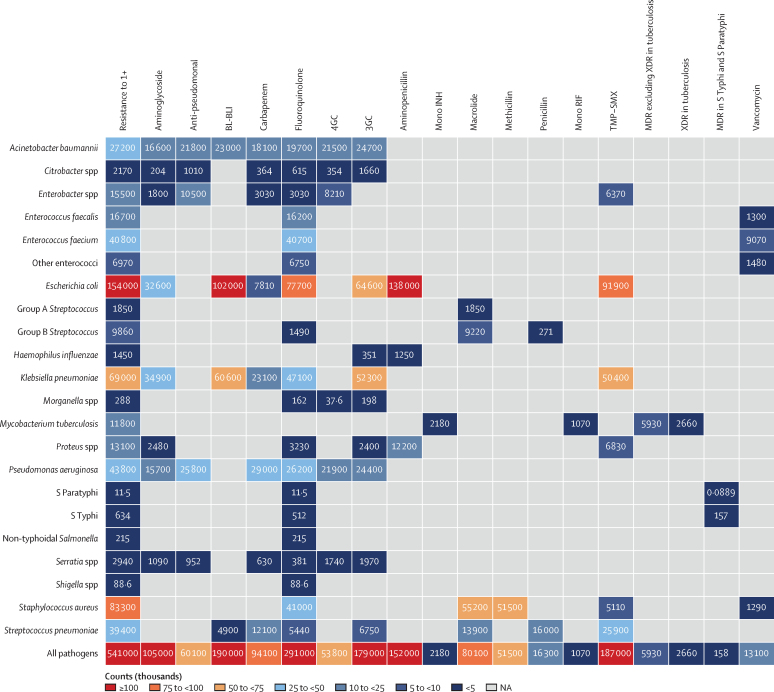
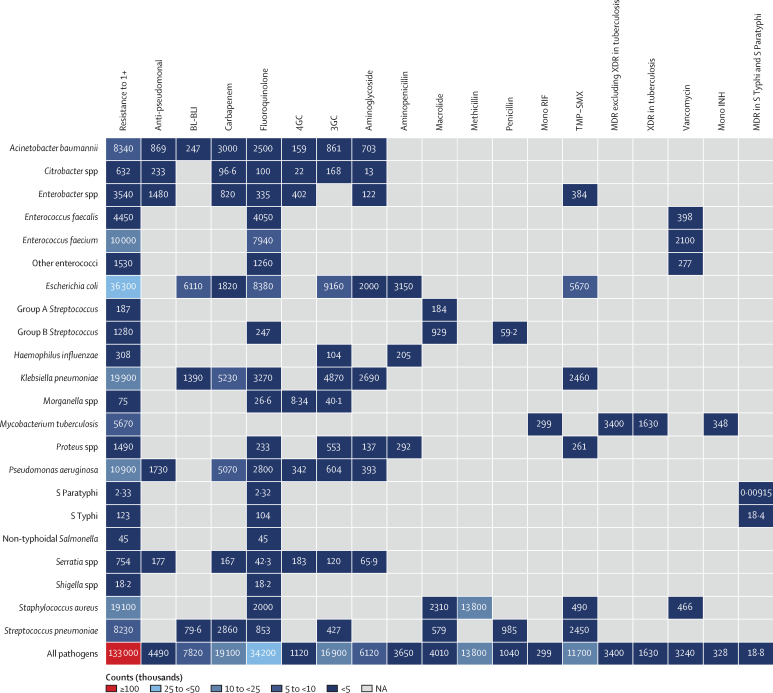
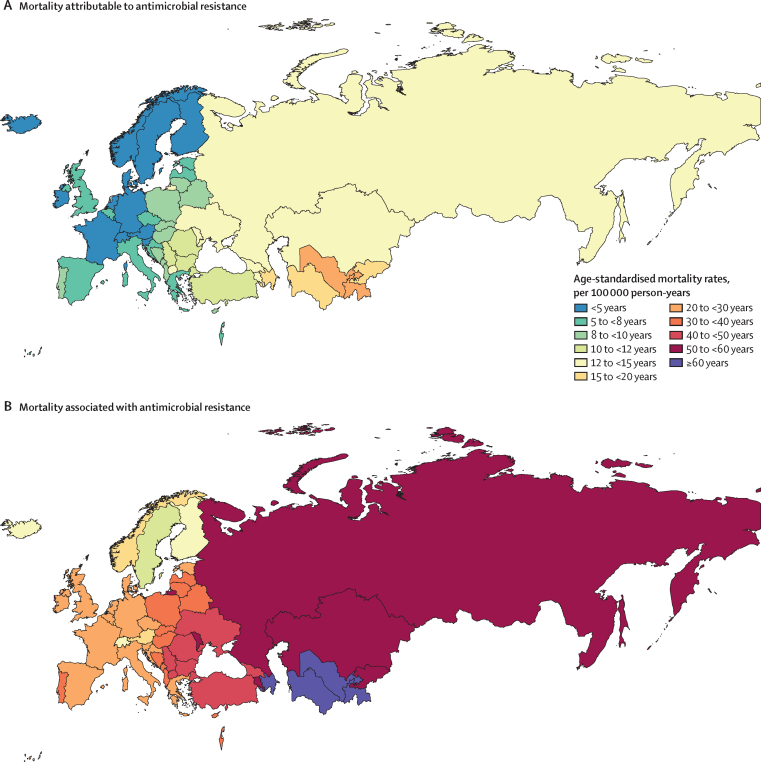
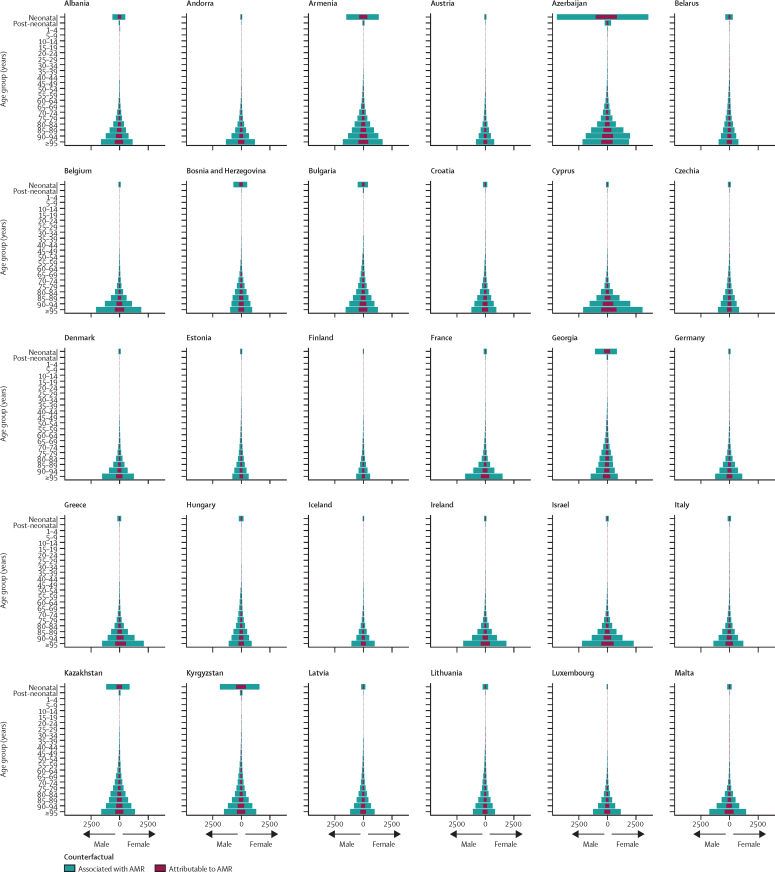
BACKGROUND: Antimicrobial resistance (AMR) represents one of the most crucial threats to public health and modern health care. Previous studies have identified challenges with estimating the magnitude of the problem and its downstream effect on human health and mortality. To our knowledge, this study presents the most comprehensive set of regional and country-level estimates of AMR burden in the WHO European region to date. METHODS: We estimated deaths and disability-adjusted life-years attributable to and associated with AMR for 23 bacterial pathogens and 88 pathogen-drug combinations for the WHO European region and its countries in 2019. Our methodological approach consisted of five broad components: the number of deaths in which infection had a role, the proportion of infectious deaths attributable to a given infectious syndrome, the proportion of infectious syndrome deaths attributable to a given pathogen, the percentage of a given pathogen resistant to an antimicrobial drug of interest, and the excess risk of mortality (or duration of an infection) associated with this resistance. These components were then used to estimate the disease burden by using two counterfactual scenarios: deaths attributable to AMR (considering an alternative scenario where infections with resistant pathogens are replaced with susceptible ones) and deaths associated with AMR (considering an alternative scenario where drug-resistant infections would not occur at all). Data were solicited from a wide array of international stakeholders; these included research hospitals, surveillance networks, and infection databases maintained by private laboratories and medical technology companies. We generated 95% uncertainty intervals (UIs) for final estimates as the 25th and 975th ordered values across 1000 posterior draws, and models were cross-validated for out-of-sample predictive validity. FINDINGS: We estimated 541 000 deaths (95% UI 370 000-763 000) associated with bacterial AMR and 133 000 deaths (90 100-188 000) attributable to bacterial AMR in the whole WHO European region in 2019. The largest fatal burden of AMR in the region came from bloodstream infections, with 195 000 deaths (104 000-333 000) associated with resistance, followed by intra-abdominal infections (127 000 deaths [81 900-185 000]) and respiratory infections (120 000 deaths [94 500-154 000]). Seven leading pathogens were responsible for about 457 000 deaths associated with resistance in 53 countries of this region; these pathogens were, in descending order of mortality, Escherichia coli, Staphylococcus aureus, Klebsiella pneumoniae, Pseudomonas aeruginosa, Enterococcus faecium, Streptococcus pneumoniae, and Acinetobacter baumannii. Methicillin-resistant S aureus was shown to be the leading pathogen-drug combination in 27 countries for deaths attributable to AMR, while aminopenicillin-resistant E coli predominated in 47 countries for deaths associated with AMR. INTERPRETATION: The high levels of resistance for several important bacterial pathogens and pathogen-drug combinations, together with the high mortality rates associated with these pathogens, show that AMR is a serious threat to public health in the WHO European region. Our regional and cross-country analyses open the door for strategies that can be tailored to leading pathogen-drug combinations and the available resources in a specific location. These results underscore that the most effective way to tackle AMR in this region will require targeted efforts and investments in conjunction with continuous outcome-based research endeavours. FUNDING: Bill & Melinda Gates Foundation, Wellcome Trust, and Department of Health and Social Care using UK aid funding managed by the Fleming Fund.
Overview
The claims and statistics of this paper haven’t been checked yet.
Run the check — free, no account needed. It reads the open-access text and checks the sources it cites.
Integrity signals
Registry
Cites
Statistics
Figures
Verification
Claims the paper makes
The claims and statistics of this paper haven’t been checked yet.
Run the check — free, no account needed. It reads the open-access text and checks the sources it cites.
Claims other papers make about this one
Each is checked against this paper’s own text: does it say what the citing paper says it does?
The cited source says what the claim attributes to it.
In the citing paper
“The scarce data in some countries substantially affected our prevalence of resistance and relative risk modelling components, akin to the situation in our previous publications.6, 50, 51, 60”
From Global burden of bacterial antimicrobial resistance 1990–2021: a systematic analysis with forecasts to 2050 (2024) · cites this paper as [50]
Self-check
Percentages, sums and reported differences re-computed from the paper’s own numbers.
The self-check needs the paper’s full text.
Citations
Cites
The PRISMA 2020 statement: An updated guideline for reporting systematic reviews
Page, M. J., McKenzie, J. E., Bossuyt, P. M., Boutron, I., Hoffmann, T. C., Mulrow, C. D., Shamseer, L., Tetzlaff, J. M., Akl, E. A., Brennan, S. E., et al. (2021) · BMJ · doi:10.1136/bmj.n71 · Cited by 108,283
Vos, T., Lim, S. S., Abbafati, C., Abbas, K. M., Abbasi, M., Abbasifard, M., Abbasi-Kangevari, M., Abbastabar, H., Abd-Allah, F., Abdelalim, A., et al. (2020) · The Lancet · doi:10.1016/s0140-6736(20)30925-9 · Cited by 19,358
Global burden of bacterial antimicrobial resistance in 2019: a systematic analysis
Murray, C. J. L., Ikuta, K. S., Sharara, F., Swetschinski, L., Robles Aguilar, G., Gray, A., Han, C., Bisignano, C., Rao, P., Wool, E., et al. (2022) · The Lancet · doi:10.1016/s0140-6736(21)02724-0 · Cited by 16,316
Self-citationTacconelli, E., Carrara, E., Savoldi, A., Harbarth, S., Mendelson, M., Monnet, D. L., Pulcini, C., Kahlmeter, G., Kluytmans, J., Carmeli, Y., et al. (2018) · The Lancet Infectious Diseases · doi:10.1016/s1473-3099(17)30753-3 · Cited by 6,142
Self-citationGlobal increase and geographic convergence in antibiotic consumption between 2000 and 2015
Klein, E. Y., Van Boeckel, T. P., Martinez, E. M., Pant, S., Gandra, S., Levin, S. A., Goossens, H., & Laxminarayan, R. (2018) · Proceedings of the National Academy of Sciences · doi:10.1073/pnas.1717295115 · Cited by 3,232
Cassini, A., Högberg, L. D., Plachouras, D., Quattrocchi, A., Hoxha, A., Simonsen, G. S., Colomb-Cotinat, M., Kretzschmar, M., Devleesschauwer, B., Cecchini, M., et al. (2018) · The Lancet Infectious Diseases · doi:10.1016/s1473-3099(18)30605-4 · Cited by 2,951
(2016) · Cited by 2,888
Llor, C., & Bjerrum, L. (2014) · Therapeutic Advances in Drug Safety · doi:10.1177/2042098614554919 · Cited by 2,079
Guidelines for accurate and transparent health estimates reporting: the GATHER statement
Stevens, G. A., Alkema, L., Black, R. E., Boerma, J. T., Collins, G. S., Ezzati, M., Grove, J. T., Hogan, D. R., Hogan, M. C., Horton, R., et al. (2016) · The Lancet · doi:10.1016/s0140-6736(16)30388-9 · Cited by 1,798
Self-citationWill 10 Million People Die a Year due to Antimicrobial Resistance by 2050?
de Kraker, M. E. A., Stewardson, A. J., & Harbarth, S. (2016) · PLoS Medicine · doi:10.1371/journal.pmed.1002184 · Cited by 1,603
Cited by
Sorted by citations
Naghavi, M., Vollset, S. E., Ikuta, K. S., Swetschinski, L. R., Gray, A. P., Wool, E. E., Robles Aguilar, G., Mestrovic, T., Smith, G., Han, C., et al. (2024) · The Lancet · doi:10.1016/s0140-6736(24)01867-1 · Cited by 3,791
Self-citationFindings from the Global Burden of Disease Study 2021
Murray, C. J. L. (2024) · The Lancet · doi:10.1016/s0140-6736(24)00769-4 · Cited by 1,083
Self-citationHorizontal Gene Transfer of Antibiotic Resistance Genes in Biofilms
Michaelis, C., & Grohmann, E. (2023) · Antibiotics · doi:10.3390/antibiotics12020328 · Cited by 700
Sartorius, B., Gray, A. P., Davis Weaver, N., Robles Aguilar, G., Swetschinski, L. R., Ikuta, K. S., Mestrovic, T., Chung, E., Wool, E. E., Han, C., et al. (2024) · The Lancet Global Health · doi:10.1016/s2214-109x(23)00539-9 · Cited by 354
Self-citationNaghavi, M., Meštrović, T., Gray, A. P., Hayoon, A. G., Swetschinski, L. R., Aguilar, G. R., Weaver, N. D., Ikuta, K. S., Chung, E., Wool, E. E., et al. (2024) · The Lancet Infectious Diseases · doi:10.1016/s1473-3099(24)00158-0 · Cited by 321
Self-citationClinical Impact of Staphylococcus aureus Skin and Soft Tissue Infections
Linz, M. S., Mattappallil, A., Finkel, D., & Parker, D. (2023) · Antibiotics · doi:10.3390/antibiotics12030557 · Cited by 293
Allel, K., Day, L., Hamilton, A., Lin, L. K., Furuya‐Kanamori, L., Moore, C. E., Boeckel, T. P. V., Laxminarayan, R., & Yakob, L. (2023) · The Lancet Planetary Health · doi:10.1016/s2542-5196(23)00026-8 · Cited by 253
Self-citationGlobal, regional, and national sepsis incidence and mortality, 1990–2021: a systematic analysis
Gray, A. P., Chung, E., Hsu, R. L., Araki, D. T., Hayoon, A. G., Weaver, N. D., Swetschinski, L. R., Wool, E. E., Han, C., Meštrović, T., et al. (2025) · The Lancet Global Health · doi:10.1016/s2214-109x(25)00356-0 · Cited by 299
Self-citationTovar-Lopez, F. J. (2023) · Sensors · doi:10.3390/s23125406 · Cited by 206
The burden of antimicrobial resistance in the Americas in 2019: a cross-country systematic analysis
Aguilar, G. R., Swetschinski, L. R., Weaver, N. D., Ikuta, K. S., Meštrović, T., Gray, A. P., Chung, E., Wool, E. E., Han, C., Hayoon, A. G., et al. (2023) · The Lancet Regional Health - Americas · doi:10.1016/j.lana.2023.100561 · Cited by 147
Self-citationZhang, C., Fu, X., Liu, Y., Zhao, H., & Wang, G. (2023) · The Lancet Regional Health - Western Pacific · doi:10.1016/j.lanwpc.2023.100972 · Cited by 119
Harun, M. G. D., Sumon, S. A., Hasan, I., Akther, F. M., Islam, M. S., & Anwar, M. M. U. (2024) · Antimicrobial Resistance and Infection Control · doi:10.1186/s13756-024-01369-6 · Cited by 107
Antibiotic Resistance in Aquaculture: Challenges, Trends Analysis, and Alternative Approaches
Mohammed, E. A. H., Kovács, B., Kuunya, R., Mustafa, E., Abbo, A. S. H., & Pál, K. (2025) · Antibiotics · doi:10.3390/antibiotics14060598 · Cited by 97
Alternatives to Antimicrobial Treatment in Bovine Mastitis Therapy: A Review
Tomanić, D., Samardžija, M., & Kovačević, Z. (2023) · Antibiotics · doi:10.3390/antibiotics12040683 · Cited by 85
Waterlow, N. R., Cooper, B. S., Robotham, J. V., & Knight, G. M. (2024) · PLoS Medicine · doi:10.1371/journal.pmed.1004301 · Cited by 71
Advancements and Applications of Lateral Flow Assays (LFAs): A Comprehensive Review
Kinyua, D. M., Memeu, D. M., Mwenda, C. M., Ventura, B. D., & Velotta, R. (2025) · Sensors · doi:10.3390/s25175414 · Cited by 63
Kinross, P., Gagliotti, C., Merk, H., Plachouras, D., Monnet, D. L., Högberg, L. D., & EARS-Net Study Group (2022) · Eurosurveillance · doi:10.2807/1560-7917.es.2022.27.46.2200845 · Cited by 57
Segwatibe, M. K., Cosa, S., & Bassey, K. E. (2023) · Molecules · doi:10.3390/molecules28020899 · Cited by 57
Garcillán-Barcia, M. P., Redondo, S., & de la Cruz, F. (2023) · Plasmid · doi:10.1016/j.plasmid.2023.102684 · Cited by 54
Hassoun‐Kheir, N., Guedes, M. N. P., Nsoga, M. N., Argante, L., Arieti, F., Gladstone, B. P., Kingston, R., Naylor, N. R., Pezzani, M. D., Pouwels, K. B., et al. (2023) · Clinical Microbiology and Infection · doi:10.1016/j.cmi.2023.09.001 · Cited by 50
Nguyen, A. V., Hải, L. T., Luong, V., Vinh, N., Hoa, P. V., Hung, L., Sơn, N. T., Hong, L. T., Hung, D., Kien, H., et al. (2024) · Infection and Drug Resistance · doi:10.2147/idr.s437920 · Cited by 53
Accelerating antibiotic access and stewardship: a new model to safeguard public health
Cohn, J., Mendelson, M., Kanj, S. S., Shafiq, N., Boszczowski, Í., & Laxminarayan, R. (2024) · The Lancet Infectious Diseases · doi:10.1016/s1473-3099(24)00070-7 · Cited by 49
Laroque, S., Maset, R. G., Hapeshi, A., Burgevin, F., Locock, K. E. S., & Perrier, S. (2023) · Biomacromolecules · doi:10.1021/acs.biomac.3c00150 · Cited by 45
Ferriol-González, C., Concha-Eloko, R., Bernabéu-Gimeno, M., Fernández-Cuenca, F., Cañada-García, J. E., García-Cobos, S., Sanjuán, R., & Domingo‐Calap, P. (2024) · Microbiology Spectrum · doi:10.1128/spectrum.00254-24 · Cited by 43
Holmes, C. L., Wilcox, A. E., Forsyth, V. S., Smith, S. N., Moricz, B. S., Unverdorben, L. V., Mason, S., Wu, W.-S., Zhao, L., Mobley, H. L. T., et al. (2023) · PLoS Pathogens · doi:10.1371/journal.ppat.1011233 · Cited by 44
A comprehensive review on nitrogen-doped carbon dots for antibacterial applications
Mohammed, S. J., Sidiq, M. K., Najmuldeen, H. H. R., Kayani, K. F., Kader, D. A., & Aziz, S. B. (2024) · Journal of environmental chemical engineering · doi:10.1016/j.jece.2024.114444 · Cited by 43
Wada, F. W., Mekonnen, M. F., Sawiso, E. D., Kolato, S., Woldegiorgis, L., Kera, G. K., El‐Khatib, Z., Ashuro, A. A., Biru, M., & Boltena, M. T. (2023) · Scientific Reports · doi:10.1038/s41598-023-41882-z · Cited by 40
Keenan, K. L., Corrêa, J., Sringernyuang, L., Nayiga, S., & Chandler, C. (2024) · JAC-Antimicrobial Resistance · doi:10.1093/jacamr/dlae208 · Cited by 44
Antimicrobial Resistance in European Companion Animals Practice: A One Health Approach
Monteiro, H. I. G., SILVA, V. Y. N. E. D., de Sousa, T., Calouro, R., Saraiva, S., Igrejas, G., & Poeta, P. A. C. Q. D. (2025) · Animals · doi:10.3390/ani15121708 · Cited by 45
Yang, N., Yang, X., Cheng, S., Gao, X., Sun, S., Huang, X., Ge, J., Han, Z., Huang, C., Wang, Y., et al. (2024) · Bioactive Materials · doi:10.1016/j.bioactmat.2024.05.010 · Cited by 38
Understanding the multifaceted etiopathogenesis of foot complications in individuals with diabetes
Matijević, T., Talapko, J., Meštrović, T., Matijević, M., Erić, S., Erić, I., & Škrlec, I. (2023) · World Journal of Clinical Cases · doi:10.12998/wjcc.v11.i8.1669 · Cited by 37
Goh, S. G., Haller, L., Ng, C., Charles, F. R., Jitxin, L., Chen, H., He, Y., & Gin, K. Y. (2023) · Journal of Hazardous Materials · doi:10.1016/j.jhazmat.2023.132058 · Cited by 37
Carriers and Antigens: New Developments in Glycoconjugate Vaccines
van der Put, R. M. F., Metz, B., & Pieters, R. J. (2023) · Vaccines · doi:10.3390/vaccines11020219 · Cited by 38
The Hidden Cost of COVID-19: Focus on Antimicrobial Resistance in Bloodstream Infections
Micheli, G., Sangiorgi, F., Catania, F., Chiuchiarelli, M., Frondizi, F., Taddei, E., & Murri, R. (2023) · Microorganisms · doi:10.3390/microorganisms11051299 · Cited by 40
Trends in Antibiotic Resistance of Nosocomial and Community-Acquired Infections in Italy
Cerini, P., Meduri, F. R., Tomassetti, F., Polidori, I., Brugneti, M., Nicolai, E., Bernardini, S., Pieri, M., & Broccolo, F. (2023) · Antibiotics · doi:10.3390/antibiotics12040651 · Cited by 35
Self-adaptive carbon nanozyme regulation of ROS balance for bacteria-infected wound therapy
Pan, Y., Sun, D., Kong, L., Liu, Y., Li, H., Yu, D., Jiang, W., & Zhan, J. (2024) · Chemical Engineering Journal · doi:10.1016/j.cej.2024.155904 · Cited by 35
Alternatives to antibiotics in pig production: looking through the lens of immunophysiology
Liu, H., Zhu, C., Zhu, M., Yuan, L., Li, S., Gu, F., Hu, P., Chen, S., & Cai, D. (2024) · Stress Biology · doi:10.1007/s44154-023-00134-w · Cited by 37
Cu‐O 4 Single Atom Carbon Dots Nanozymes for Efficient Self‐Adaptive Bacteria‐Infected Wound Therapy
Pan, Y., Zhang, Y., Sun, D., Kong, L., Liu, Y., Yu, D., Song, K., Ni, S., Jiang, W., & Zhan, J. (2025) · Advanced Functional Materials · doi:10.1002/adfm.202509879 · Cited by 34
Liu, C., Tian, T., Shi, Y., Li, M., Hong, L., Zhou, J., Liu, J., Zhong, Y., Wang, X., Wang, Z., et al. (2024) · Aggregate · doi:10.1002/agt2.666 · Cited by 33
Cao, X., Chang, Y., Tao, C., Chen, S., Lin, Q., Ling, C., Huang, S., & Zhang, H. (2023) · Microbiology Spectrum · doi:10.1128/spectrum.04870-22 · Cited by 32
Antimicrobial Peptides in Infectious Diseases and Beyond—A Narrative Review
Ιωάννου, Π., Baliou, S., & Kofteridis, D. P. (2023) · Life · doi:10.3390/life13081651 · Cited by 34
Singh-Phulgenda, S., Antoniou, P., Wong, D. M. A. L. F., Iwamoto, K., & Kandelaki, K. (2023) · Frontiers in Public Health · doi:10.3389/fpubh.2023.1274818 · Cited by 39
Yang, R., Xue, Z., Li, X., Xu, T., Zhong, Y., Hu, S., Qin, S., & Guo, Y. (2024) · European Journal of Medicinal Chemistry · doi:10.1016/j.ejmech.2024.116449 · Cited by 31
Hajhamed, N. M., Mohamed, N. S., Abdalla, A. E., Ebrahim, R. M. A., Mohammed, S. I., Bakheit, A. M., Azhary, A., Ahmed, A. E., Abdelbagi, A., Ali, M. S. E., et al. (2025) · Discover Medicine · doi:10.1007/s44337-025-00300-1 · Cited by 30
Self-citationMeštrović, T., Naghavi, M., Aguilar, G. R., Weaver, N. D., Swetschinski, L. R., Wool, E. E., Araki, D. T., Hayoon, A. G., Authia Gray, B., Han, C., et al. (2025) · The Lancet Public Health · doi:10.1016/s2468-2667(25)00201-4 · Cited by 37
Self-citationMachine learning to predict antimicrobial resistance: future applications in clinical practice?
Kherabi, Y., Thy, M., Bouzid, D., Antcliffe, D. B., Rawson, T. M., & Peiffer‐Smadja, N. (2024) · Infectious Diseases Now · doi:10.1016/j.idnow.2024.104864 · Cited by 31
Adeyemi, F. M., Akinlade, E. A., Yusuf-Omoloye, N. A., Ajigbewu, O. H., Dare, P. A., Akinkunmi, W. A., Oyedara, O. O., Isiaka, H. S., & Usamat, A. O. (2025) · BMC Infectious Diseases · doi:10.1186/s12879-025-11169-x · Cited by 26
Negri, L. B., Mannaa, Y., Korupolu, S., Farinelli, W. A., Anderson, R. R., & Gelfand, J. A. (2023) · Journal of Photochemistry and Photobiology B Biology · doi:10.1016/j.jphotobiol.2023.112720 · Cited by 26
Yang, Y., Zhu, Y., Zhang, J.-C., Zhang, H., Fan, R., Jin, Y., Hu, H., Xin, X., & Li, D. (2023) · Frontiers in Neurology · doi:10.3389/fneur.2023.1216777 · Cited by 28
Pradal, I., Casado, A., del Río, B., Rodríguez-Lucas, C., Fernández, M., Álvarez, M. A., & Ladero, V. (2023) · Viruses · doi:10.3390/v15010179 · Cited by 25
Kelly, A. M., McCarthy, K. N., Claxton, T. J., Carlile, S. R., O’Brien, E. C., Vozza, E. G., Mills, K. H. G., & McLoughlin, R. M. (2024) · JCI Insight · doi:10.1172/jci.insight.178216 · Cited by 26
Gennaro, F. D., Guido, G., Frallonardo, L., Pennazzi, L., Bevilacqua, M., Locantore, P., Vitagliano, A., Saracino, A., & Cicinelli, E. (2025) · Microorganisms · doi:10.3390/microorganisms13010197 · Cited by 26
Eladawy, M., Heslop, N., Negus, D., Thomas, J. C., & Hoyles, L. (2025) · Journal of Antimicrobial Chemotherapy · doi:10.1093/jac/dkaf352 · Cited by 28
Jurado, P., Uruén, C., Martínez, S., Lain�, E., Sánchez, S., Rezusta, A., López, V., & Arenas, J. (2023) · Biomedicine & Pharmacotherapy · doi:10.1016/j.biopha.2023.115703 · Cited by 25
Risk Factors for 30-Day Mortality in Nosocomial Enterococcal Bloodstream Infections
Zerbato, V., Pol, R., Sanson, G., Suru, D. A., Pin, E., Tabolli, V., Monticelli, J., Busetti, M., Țoc, D. A., Crocè, L. S., et al. (2024) · Antibiotics · doi:10.3390/antibiotics13070601 · Cited by 25
Christians, F. C., Akhund‐Zade, J., Jarman, K. H., Venkatasubrahmanyam, S., Noll, N., Blauwkamp, T. A., Bercovici, S., Zielinska, A., Carr, A., Craney, A. R., et al. (2024) · Journal of Clinical Microbiology · doi:10.1128/jcm.00425-24 · Cited by 22
Echeverría-Esnal, D., Sorlí, L., Navarrete-Rouco, M. E., Prim, N., Barceló‐Vidal, J., Conde‐Estévez, D., Montero, M., Martín‐Ontiyuelo, C., Horcajada, J. P., & Grau, S. (2023) · Expert Review of Anti-infective Therapy · doi:10.1080/14787210.2023.2223977 · Cited by 22
Kingston, R., Vella, V., Pouwels, K. B., Schmidt, J., El-Abasiri, R. A., Reyna‐Villasmil, E., Hassoun‐Kheir, N., Harbarth, S., Rodríguez‐Baño, J., Tacconelli, E., et al. (2023) · Clinical Microbiology and Infection · doi:10.1016/j.cmi.2023.12.013 · Cited by 21
George, N. A., Pan, D., Silva, L., Baggaley, R. F., Irizar, P., Divall, P., Al‐Oraibi, A., Khan, D. P., Martin, C., Nazareth, J., et al. (2025) · EClinicalMedicine · doi:10.1016/j.eclinm.2025.103384 · Cited by 23
Self-citationPeñalva, G., Cantón, R., Pérez-Rodríguez, M. T., González‐López, J. J., Rodríguez‐Baño, J., del Barrio-Tofiño, E., Kirkegaard-Biosca, C., Sánchez‐Romero, I., Gutiérrez‐Villanueva, A., Marrodán-Ciordia, T., et al. (2025) · The Lancet Regional Health - Europe · doi:10.1016/j.lanepe.2025.101220 · Cited by 21
Nascimento, J. C. N., Alvarenga, V. O., Paulino, B. N., Silva, A. B. D. C. E., Matos, J. R., Rosario, I. L. D. S., Andrade, I. H. P., da Silva, J. G., & da Costa, M. P. (2025) · Critical Reviews in Food Science and Nutrition · doi:10.1080/10408398.2025.2528165 · Cited by 19
Enterococcal Phages: Food and Health Applications
Rodríguez-Lucas, C., & Ladero, V. (2023) · Antibiotics · doi:10.3390/antibiotics12050842 · Cited by 23
Antibiotic Prescribing in Dental Medicine—Best Practices for Successful Implementation
Săndulescu, O., Preoțescu, L., Streinu‐Cercel, A., Şahin, G. Ö., & Săndulescu, M. (2024) · Tropical Medicine and Infectious Disease · doi:10.3390/tropicalmed9020031 · Cited by 19
Tuts, L., Rasschaert, G., Heyndrickx, M., Boon, N., Eppinger, R., & Becue, I. (2024) · Chemosphere · doi:10.1016/j.chemosphere.2024.141455 · Cited by 19
Lang, X., Singh, R., Zeng, Q., Li, J., Tosi, D., Nedoma, J., Marques, C., Zhang, B., & Kumar, S. (2024) · Sensors and Actuators Reports · doi:10.1016/j.snr.2024.100239 · Cited by 19
Xia, W., Wu, Z., Hou, B., Cheng, Z., Bi, D., Chen, L., Chen, W., Yuan, H., Koole, L. H., & Qi, L. (2024) · Materials Today Bio · doi:10.1016/j.mtbio.2024.101428 · Cited by 19
Meinen, A., Tomczyk, S. M., Wiegand, F. N., Sin, M. A., Eckmanns, T., & Haller, S. (2023) · PubMed Central · doi:10.25646/11404 · Cited by 18
Piotrowski, M., Alekseeva, I., Arnet, U., & Yücel, E. (2024) · Antibiotics · doi:10.3390/antibiotics13100978 · Cited by 17
Yu, J., Xu, W., Chen, H., Yuan, H., Wang, Y., Qian, X., Zhang, J., Ji, Y., Zhao, Q., & Li, S. (2024) · Advanced Healthcare Materials · doi:10.1002/adhm.202402615 · Cited by 18
Mitigating Antibiotic Resistance: The Utilization of CRISPR Technology in Detection
Zhang, X., Huang, Z., Zhang, Y., Wang, W., Ye, Z., Liang, P., Sun, K., Kang, W., Tang, Q., & Yu, X. (2024) · Biosensors · doi:10.3390/bios14120633 · Cited by 17
Drinking water plumbing systems are a hot spot for antimicrobial-resistant pathogens
Hayward, C., Ross, K., Brown, M. H., Bentham, R., Hinds, J., & Whiley, H. (2025) · Journal of Hospital Infection · doi:10.1016/j.jhin.2025.02.018 · Cited by 17
Guliy, O. I., Chumakov, D. S., Yevstigneyeva, S. S., Liu, Q., & Zavyalova, E. G. (2025) · Biosensors and Bioelectronics · doi:10.1016/j.bios.2025.117835 · Cited by 17
Abedi, R., Raoof, J. B., Mohseni, M., & Hashkavayi, A. B. (2023) · Microchimica Acta · doi:10.1007/s00604-023-05901-0 · Cited by 17
Alkorta, I., & Garbisu, C. (2024) · Reviews on Environmental Health · doi:10.1515/reveh-2024-0013 · Cited by 17
Abejew, A. A., Wubetu, G. Y., & Fenta, T. G. (2024) · Heliyon · doi:10.1016/j.heliyon.2024.e32663 · Cited by 18
Reconstructing the Antibiotic Pipeline: Natural Alternatives to Antibacterial Agents
Ekwueme, C. T., Anyiam, I. V., Ekwueme, D. C., Anumudu, C. K., & Onyeaka, H. N. (2025) · Biomolecules · doi:10.3390/biom15081182 · Cited by 25
Challenges in development of vaccines directed toward antimicrobial resistant bacterial species
Brazzoli, M., Piccioli, D., & Marchetti, F. (2023) · Human Vaccines & Immunotherapeutics · doi:10.1080/21645515.2023.2228669 · Cited by 18
Sumon, S. A., Anwar, M. M. U., Akther, F., Priyanka, A., Tamanna, T., Rahman, A., Islam, M. S., & Harun, M. G. D. (2023) · Journal of Hospital Infection · doi:10.1016/j.jhin.2023.11.010 · Cited by 19
Seo, S. B., Lee, J., Kim, E., Lim, J., Jang, S., Son, S. U., Jeong, Y., Kang, T., Jung, J., Lee, K. G., et al. (2024) · Talanta · doi:10.1016/j.talanta.2024.126073 · Cited by 16
New Agents Are Coming, and So Is the Resistance
Keck, J. M., Viteri, A., Schultz, J., Fong, R., Whitman, C., Poush, M., & Martin, M. (2024) · Antibiotics · doi:10.3390/antibiotics13070648 · Cited by 16
Zhang, S., Xiao, J., Li, Y., Li, W., Li, Y., Pang, M., Yan, M., Han, H., Cui, Y., Zhang, X., et al. (2025) · Frontiers in Microbiology · doi:10.3389/fmicb.2024.1519906 · Cited by 16
Predicting Antimicrobial Class Specificity of Small Molecules Using Machine Learning
Gadiya, Y., Genilloud, O., Bilitewski, U., Brönstrup, M., von Berlin, L., Attwood, M., Gribbon, P. M., & Zaliani, A. (2025) · Journal of Chemical Information and Modeling · doi:10.1021/acs.jcim.4c02347 · Cited by 16
Hussain, A., Najeeb, A., & Ali, S. A. (2025) · Advances in medical technologies and clinical practice book series · doi:10.4018/979-8-3693-7550-1.ch002 · Cited by 17
Meštrović, T., Ikuta, K. S., Swetschinski, L. R., Gray, A. P., Aguilar, G. R., Han, C., Wool, E. E., Hayoon, A. G., Murray, C. J. L., & Naghavi, M. (2023) · Croatian Medical Journal · doi:10.3325/cmj.2023.64.272 · Cited by 15
Self-citationPereira, A. F. M., Sani, A. A., Zapata, T. B., de Sousa, D. S. M., Rossini, B. C., dos Santos, L. D., Rall, V. L. M., Riccardi, C. S., & Júnior, A. F. (2023) · Microorganisms · doi:10.3390/microorganisms11122868 · Cited by 15
Ndung’u, J. K., Nguta, J. M., Ole-Mapenay, I. M., & Moriasi, G. A. (2024) · Scientifica · doi:10.1155/2024/8862996 · Cited by 15
Momand, P., Naimi‐Akbar, A., Hultin, M., Lund, B. K., & Götrick, B. (2024) · BMC Oral Health · doi:10.1186/s12903-024-04611-0 · Cited by 17
Microbial signatures predictive of short-term prognosis in severe pneumonia
Huang, S.-S., Qiu, J., Li, S.-P., Ma, Y., He, J., Han, L., Jiao, L.-L., Xu, C., Mao, Y., & Zhang, Y. (2024) · Frontiers in Cellular and Infection Microbiology · doi:10.3389/fcimb.2024.1397717 · Cited by 16
Advances in genotypic antimicrobialresistance testing: a comprehensive review
Duan, B., Zeng, X., & Peng, J. (2024) · Science China Life Sciences · doi:10.1007/s11427-023-2570-4 · Cited by 17
Smolińska-Kempisty, K., Cowen, T., Duda, J., & Bryjak, M. (2024) · Talanta · doi:10.1016/j.talanta.2024.126966 · Cited by 15
El‐Dahiyat, F., Salah, D., Alomari, M., Elrefae, A., & Jairoun, A. A. (2022) · Antibiotics · doi:10.3390/antibiotics11121676 · Cited by 14
Jover-Sáenz, A., Ramírez-Hidalgo, M. F., Bellés, A. B., Murillo, E. R., Bosch, M. B., Cabanillas, J. C., Garrido-Calvo, S., Vilas, M. I. G., Navés, L. G., Caudevilla, M. J. J., et al. (2022) · Antibiotics · doi:10.3390/antibiotics11121776 · Cited by 15
Gasser, M., Cassini, A., Wong, D. M. A. L. F., Gelormini, M., Nahrgang, S. A., Zingg, W., & Kronenberg, A. (2023) · Eurosurveillance · doi:10.2807/1560-7917.es.2023.28.20.2200532 · Cited by 14
Brinkwirth, S., Feig, M., Noll, I., Eckmanns, T., Dörre, A., Haller, S., & Willrich, N. (2025) · Antimicrobial Resistance and Infection Control · doi:10.1186/s13756-025-01522-9 · Cited by 14
Peconi, C., Martini, E., Sarti, D., & Prospero, E. (2025) · Journal of Infection and Public Health · doi:10.1016/j.jiph.2025.102729 · Cited by 13
Marić, T., Tanaka, Y., Li, Z., Wu, J., Li, J., Guan, J., & Boisen, A. (2025) · Biomaterials · doi:10.1016/j.biomaterials.2025.123715 · Cited by 15
Computer-aided drug repurposing to tackle antibiotic resistance based on topological data analysis
Tarín-Pelló, A., Suay‐García, B., Forés-Martos, J., Falcó, A., & Pérez‐Gracia, M. T. (2023) · Computers in Biology and Medicine · doi:10.1016/j.compbiomed.2023.107496 · Cited by 14
Gottesdiener, L. S., & Satlin, M. J. (2023) · Transplant Infectious Disease · doi:10.1111/tid.14169 · Cited by 15
Eladawy, M., Thomas, J. C., & Hoyles, L. (2023) · Microbial Genomics · doi:10.1099/mgen.0.001125 · Cited by 13
Enhancing Surgical Outcomes: A Critical Review of Antibiotic Prophylaxis in Orthopedic Surgery
Upadhyyaya, G. K., & Tewari, S. (2023) · Cureus · doi:10.7759/cureus.47828 · Cited by 13
Metadata
- Authors
- Mestrovic, T., Robles Aguilar, G., Swetschinski, L. R., Ikuta, K. S., Gray, A. P., Davis Weaver, N., Han, C., Wool, E. E., Gershberg Hayoon, A., Hay, S. I., Dolecek, C., Sartorius, B., Murray, C. J. L., Addo, I. Y., Ahinkorah, B. O., Ahmed, A., Aldeyab, M. A., Allel, K., Ancuceanu, R., Anyasodor, A. E., Ausloos, M., Barra, F., Bhagavathula, A. S., Bhandari, D., Bhaskar, S., Cruz-Martins, N., Dastiridou, A., Dokova, K., Dubljanin, E., Durojaiye, O. C., Fagbamigbe, A. F., Ferrero, S., Gaal, P. A., Gupta, V. B., Gupta, V. K., Gupta, V. K., Herteliu, C., Hussain, S., Ilic, I. M., Ilic, M. D., Jamshidi, E., Joo, T., Karch, A., Kisa, A., Kisa, S., Kostyanev, T., Kyu, H. H., Lám, J., Lopes, G., Mathioudakis, A. G., Mentis, A.-F. A., Michalek, I. M., Moni, M. A., Moore, C. E., Mulita, F., Negoi, I., Negoi, R. I., Palicz, T., Pana, A., Perdigão, J., Petcu, I.-R., Rabiee, N., Rawaf, D. L., Rawaf, S., Shakhmardanov, M. Z., Sheikh, A., Silva, L. M. L. R., Skryabin, V. Y., Skryabina, A. A., Socea, B., Stergachis, A., Stoeva, T. Z., Sumi, C. D., Thiyagarajan, A., Tovani-Palone, M. R., Yesiltepe, M., Zaman, S. B., & Naghavi, M.
- Affiliations
- University of Washington (US)
- Corresponding author
- Naghavi, Mohsen
- ORCID
- Ikuta, Kevin S
- Wool, Eve E
- Hay, Simon I
- Dolecek, Christiane
- Sartorius, Benn
- Murray, Christopher J L
- Addo, Isaac Yeboah
- Ahinkorah, Bright Opoku
- Ahmed, Ayman
- Aldeyab, Mamoon A
- Allel, Kasim
- Ancuceanu, Robert
- Anyasodor, Anayochukwu Edward
- Ausloos, Marcel
- Barra, Fabio
- Bhagavathula, Akshaya Srikanth
- Bhandari, Dinesh
- Bhaskar, Sonu
- Dokova, Klara
- Dubljanin, Eleonora
- Durojaiye, Oyewole Christopher
- Fagbamigbe, Adeniyi Francis
- Ferrero, Simone
- Gupta, Veer Bala
- Gupta, Vijai Kumar
- Gupta, Vivek Kumar
- Hussain, Salman
- Jamshidi, Elham
- Karch, André
- Kostyanev, Tomislav
- Kyu, Hmwe Hmwe
- Lopes, Graciliana
- Mathioudakis, Alexander G
- Mentis, Alexios-Fotios A
- Moni, Mohammad Ali
- Moore, Catrin E
- Mulita, Francesk
- Negoi, Ruxandra Irina
- Perdigão, João
- Petcu, Ionela-Roxana
- Rabiee, Navid
- Rawaf, David Laith
- Rawaf, Salman
- Shakhmardanov, Murad Ziyaudinovich
- Sheikh, Aziz
- Skryabin, Valentin Yurievich
- Skryabina, Anna Aleksandrovna
- Stergachis, Andy
- Sumi, Chandra Datta
- Thiyagarajan, Arulmani
- Zaman, Sojib Bin
- Naghavi, Mohsen
- Venue
- The Lancet Public Health
- Publisher
- Elsevier BV
- Published
- 2022-11
- Volume
- 7
- Issue
- 11
- Pages
- e897-e913
- ISSN
- 2468-2667 (ISSN-L)
- PMC
- PMC9630253
- OpenAlex
- W4306175007
- Cited by
- 384
- References
- 24
- Citations by year
- 2026: 87 · 2025: 91 · 2024: 112 · 2023: 86 · 2022: 8
- FWCI
- 48.05
- Type
- journal article
- Language
- en
- Open access
- gold
- doi.org
- Licence
- Locations
- The Lancet Public Health (publishedVersion, cc-by)
- PubMed Central (publishedVersion, cc-by)
- PubMed (publishedVersion)
- Huddersfield Research Portal (University of Huddersfield) (publishedVersion, cc-by)
- edoc (University of Basel) (acceptedVersion)
- St George's Online Research Archive (St George's University of London) (acceptedVersion)
- Charles Sturt University Research Output (CRO) (submittedVersion, cc-by)
- Adelaide Research & Scholarship (AR&S) (University of Adelaide) (submittedVersion, cc-by)
- Figshare (submittedVersion, cc-by)
- NORA - Norwegian Open Research Archives (submittedVersion, cc-by)
- Research Explorer (The University of Manchester) (submittedVersion, other-oa)
- Edinburgh Research Explorer (University of Edinburgh) (submittedVersion, cc-by)
- Portuguese National Funding Agency for Science, Research and Technology (RCAAP Project by FCT) (submittedVersion, other-oa)
- St Andrews Research Repository (St Andrews Research Repository) (submittedVersion, cc-by)
- edoc (University of Basel)
- Funders
- Bill and Melinda Gates Foundation (OPP1176062)
- Wellcome Trust (A126042)
- Manchester Biomedical Research Centre
- National Authority for Scientific Research and Innovation
- Autoritatea Natională pentru Cercetare Stiintifică (CEECIND/00394/2017, UID/DTP/04138/2019)
- Unitatea Executiva pentru Finantarea Invatamantului Superior, a Cercetarii, Dezvoltarii si Inovarii (PN-III-P4-ID-PCCF-2016-0084)
- National Health and Medical Research Council
- Fundação para a Ciência e a Tecnologia
- European Social Fund
- Ministerul Cercetării, Inovării şi Digitalizării (CZ.02.2.69/0.0/0.0/18_053/0016952, ID-585-CTR-42-PFE-2021)
- National Institute for Health and Care Research
- Topics
- Health Sciences › Medicine › Infectious Diseases › Antibiotic Use and Resistance
- Health Sciences › Medicine › Microbiology (medical) › Antibiotic Resistance in Bacteria
- Health Sciences › Medicine › Infectious Diseases › Antimicrobial Resistance in Staphylococcus
- Keywords
- antimicrobial resistance, bacterial infection, disease burden, mortality, disability-adjusted life years, bloodstream infection, intra-abdominal infection, respiratory infections, drug-resistant pathogens, counterfactual scenarios, WHO European Region, uncertainty intervals, infection duration, surveillance data, public health policy, health care costs, antimicrobial stewardship, infection control
- MeSH terms
- Anti-Bacterial Agents, Escherichia coli, Humans, World Health Organization, Drug Resistance, Bacterial, Methicillin-Resistant Staphylococcus aureus
About these checks
Registry, retraction, Cites and statistics results are computed, not judged, with one exception: a printed reference that no index lists is read once by a model before it counts as a citation error. Claims are extracted by a model and kept only when their quote appears verbatim in the text; each cited source is then checked, with a model’s help, for whether it says what the claim relies on. Those verdicts can be wrong — read the claim’s quote and the cited source before relying on one.
Statistics and arithmetic are recomputed, not judged.
Confidence bands are shown only for fields calibrated on our annotated test set. None is calibrated yet, so no band is shown.
What counts as a claim ›How we measure confidence ›How we check this ›
Are you an author, or do you see a problem with this page? Request a review
