

The DOI matches its Crossref record; 42 of the 43 references it cites were found in a registry or an index.
Peer-provided Problem Management Plus (PM+) for adult Syrian refugees: a pilot randomised controlled trial on effectiveness and cost-effectiveness
Open accessAbstract
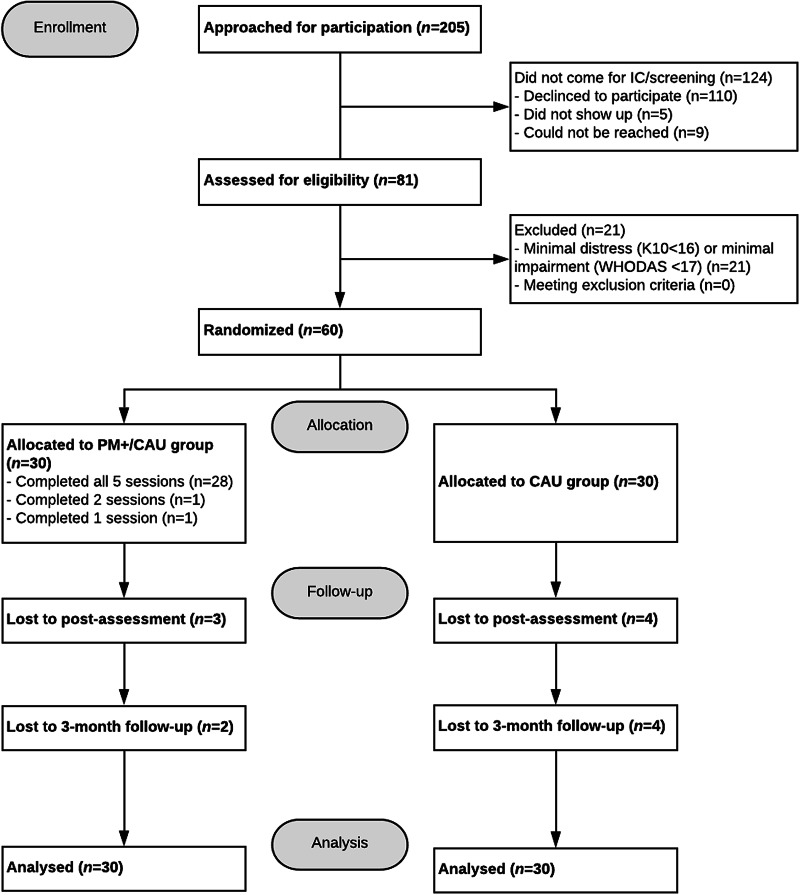
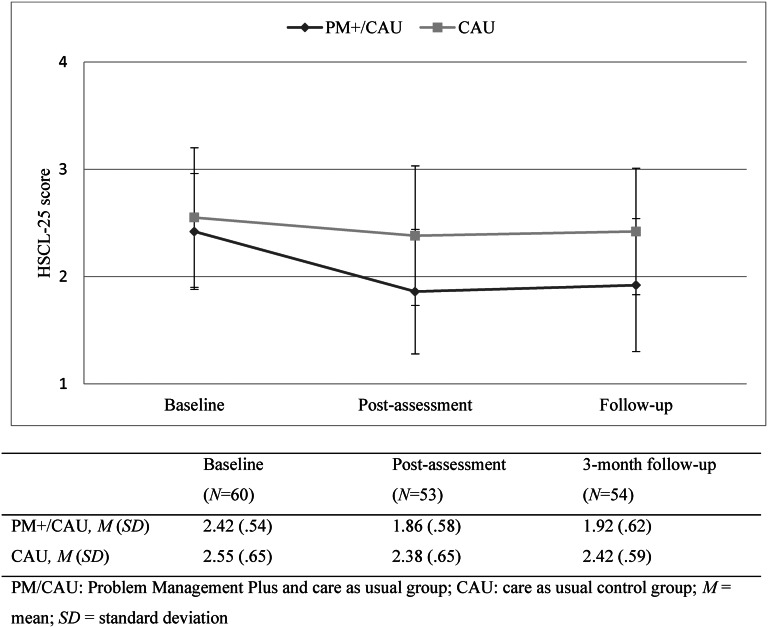
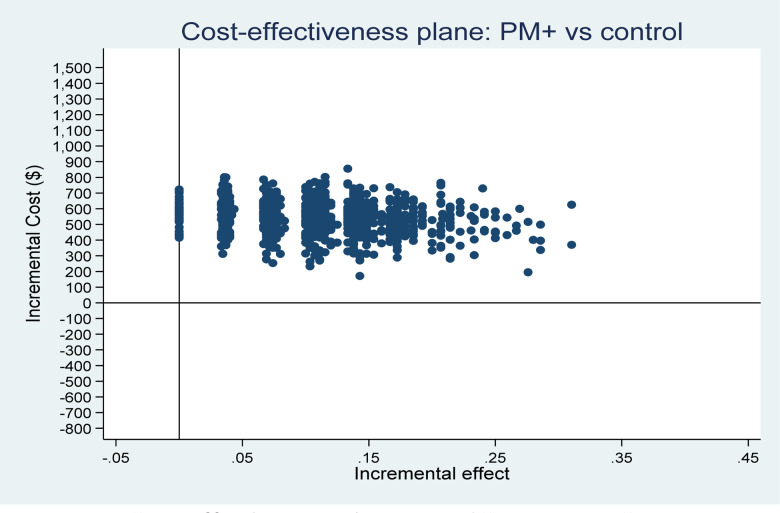
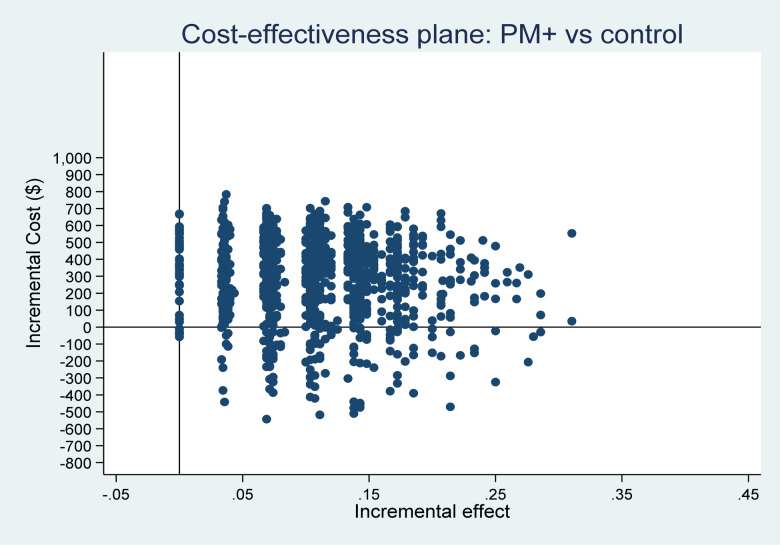
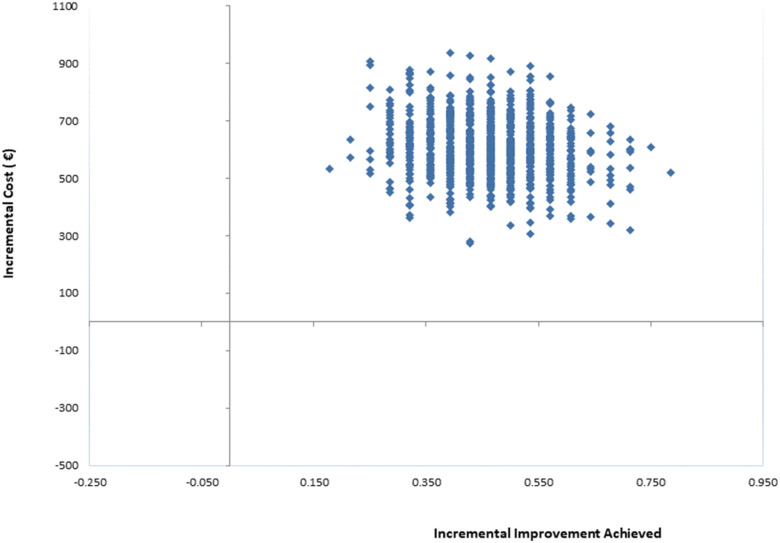
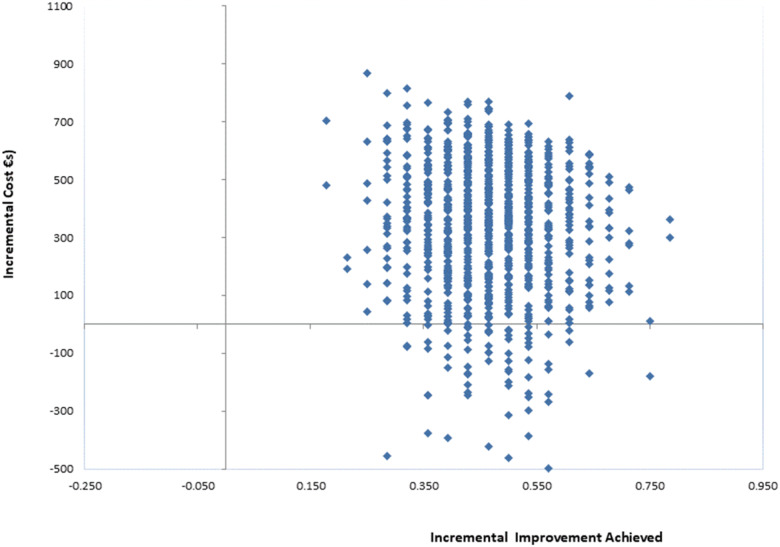
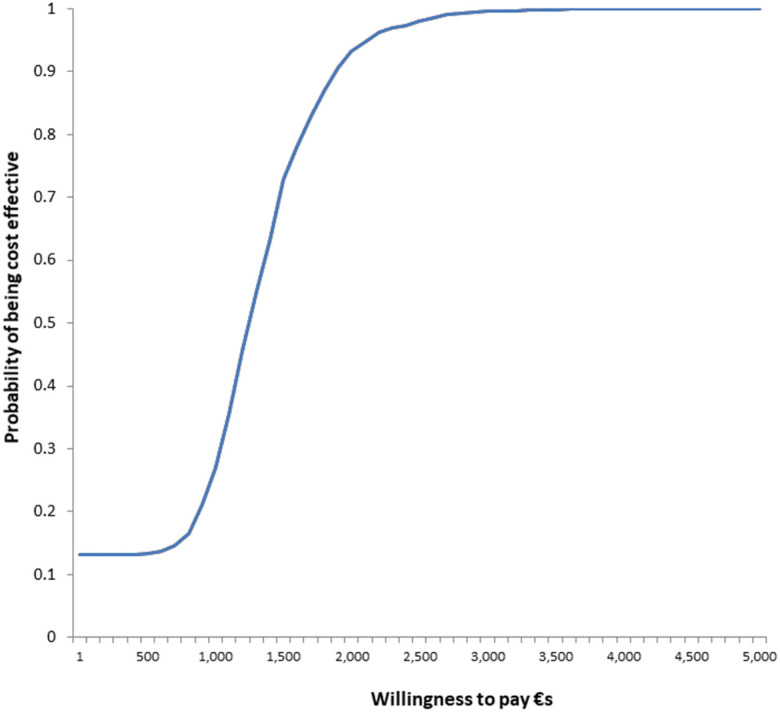
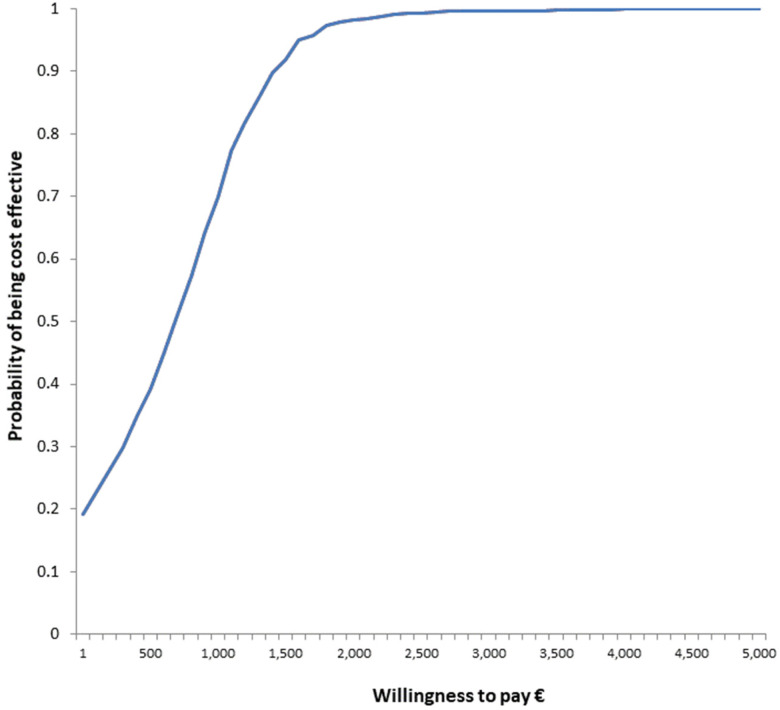
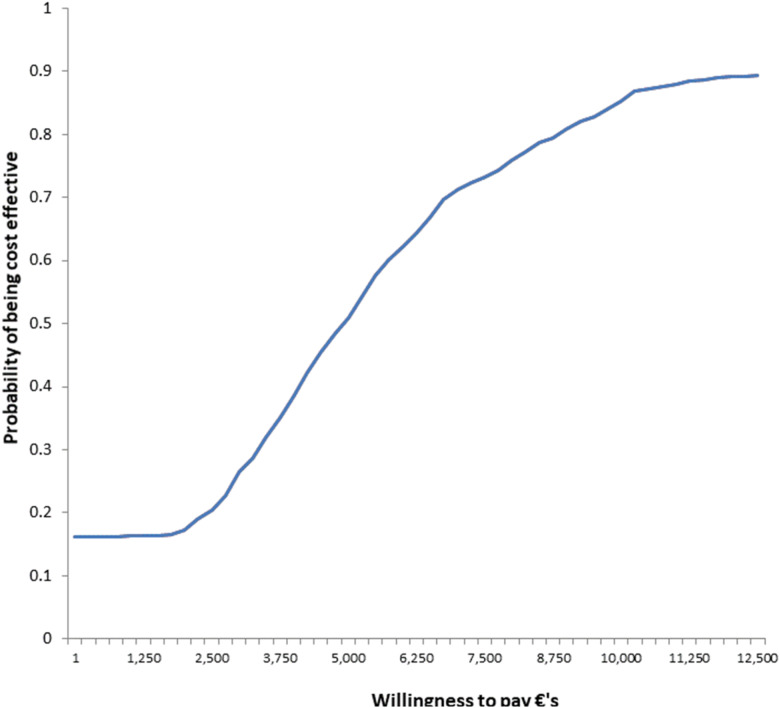
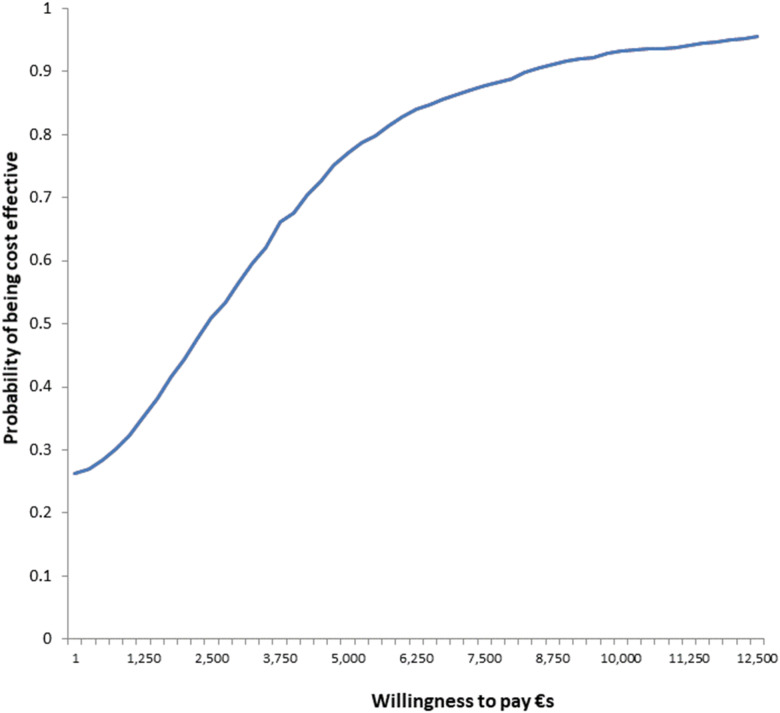
Aims: Common mental disorders are highly prevalent among Syrian refugees. Problem Management Plus (PM+) is a brief, transdiagnostic, non-specialist helper delivered, psychological intervention targeting psychological distress. This single-blind pilot randomised controlled trial (RCT) on PM+ delivered by peer-refugees examined trial procedures in advance of a definitive RCT, evaluated PM+ 's acceptability and feasibility, and investigated its likely effectiveness and cost-effectiveness among Syrian refugees in the Netherlands. Methods: Adult Syrian refugees (N = 60) with elevated psychological distress (Kessler Psychological Distress Scale (K10) score >15) and reduced pychosocial functioning (WHO Disability Assessment Schedule 2.0 (WHODAS) score >16) were randomised into PM+ in addition to care as usual (CAU) (PM+/CAU; n = 30) or CAU alone (n = 30). Primary outcomes were symptoms of depression and anxiety (Hopkins Symptom Checklist; HSCL-25) at 3-month follow-up. Secondary outcomes were pychosocial functioning (WHO Disability Assessment Schedule; WHODAS 2.0), symptoms of posttraumatic stress disorder (PTSD) (PTSD Checklist for DSM 5; PCL-5) and self-identified problems (Psychological Outcomes Profiles; PSYCHLOPS). Changes in service utilisation and time out of employment and/or adult education were estimated (adapted version of the Client Service Receipt Inventory; CSRI). Semi-structured interviews on the implementation of PM+ were conducted with stakeholders (i.e. six PM+ participants, five non-specialist helpers and five key informants). Results: Recruitment, randomization and blinding procedures were successful. PM+ was generally perceived positively by stakeholders, especially regarding the intervention strategies, accommodation of the intervention and the helpers. Two serious adverse events not attributable to the trial were reported. At 3-month follow-up, the HSCL-25 total score was significantly lower for the PM+/CAU group (n = 30) than CAU group (n = 30) (p = 0.004; d = 0.58). Significant differences in favour of PM+/CAU were also found for WHODAS psychosocial functioning (p = 0.009, d = 0.73), PCL-5 symptoms of PTSD (p = 0.006, d = 0.66) and PSYCHLOPS self-identified problems (p = 0.005, d = 0.81). There were no significant differences in mean health service costs (p = 0.191) and the mean costs of lost productive time (p = 0.141). This suggests PM+ may potentially be cost-effective with an incremental cost from a health system perspective of €5047 (95% CI €0–€19 773) per additional recovery achieved. Conclusions: Trial procedures and PM+ delivered by non-specialist peer-refugee helpers seemed acceptable, feasible and safe. Analyses indicate that PM+ may be effective in improving mental health outcomes and psychosocial functioning, and potentially cost-effective. These results support the development of a definitive RCT with a larger sample of refugees and a longer follow-up period.
Overview
The claims and statistics of this paper haven’t been checked yet.
Run the check — free, no account needed. It reads the open-access text and checks the sources it cites.
Integrity signals
Registry
Cites
Statistics
Figures
Verification
Claims the paper makes
The claims and statistics of this paper haven’t been checked yet.
Run the check — free, no account needed. It reads the open-access text and checks the sources it cites.
Claims other papers make about this one
Each is checked against this paper’s own text: does it say what the citing paper says it does?
The cited source doesn’t support the claim as written.
In the citing paper
“Prior research has indicated that participants commonly had difficulties finishing all 5 sessions of PM+ because of the lengthy sessions, which frequently interfered with finding or maintaining a job, performing domestic duties, or raising children [8-10].”
From A Digital Tool (Technology-Assisted Problem Management Plus) for Lay Health Workers to Address Common Mental Health Disorders: Co-production and Usability Study in Pakistan (2025) · cites this paper as [9]
Checked by a reasoning model — may be wrong.
Experimental — accuracy not yet measuredThe source backs part of the claim, not all of it — or backs it for a different population, condition or comparison.
In the citing paper
“Problem Management Plus, a World Health Organization–endorsed brief psychological intervention for mental health disorders, has been shown to be effective and cost-effective in various countries globally”
From A Digital Tool (Technology-Assisted Problem Management Plus) for Lay Health Workers to Address Common Mental Health Disorders: Co-production and Usability Study in Pakistan (2025) · cites this paper as [9]
Experimental — accuracy not yet measuredThe source backs part of the claim, not all of it — or backs it for a different population, condition or comparison.
In the citing paper
“but faces implementation challenges, such as quality control in training, supervision, and delivery.”
From A Digital Tool (Technology-Assisted Problem Management Plus) for Lay Health Workers to Address Common Mental Health Disorders: Co-production and Usability Study in Pakistan (2025) · cites this paper as [9]
Experimental — accuracy not yet measuredThe source backs part of the claim, not all of it — or backs it for a different population, condition or comparison.
In the citing paper
“In previous randomized controlled trials (RCTs), PM + has been found to be effective in reducing psychological distress in low-income settings [28, 29] and Syrian refugees in the Netherlands [30, 31].”
From Effectiveness of a scalable, remotely delivered stepped-care intervention to reduce symptoms of psychological distress among Polish migrant workers in the Netherlands: study protocol for the RESPOND randomised controlled trial (2023) · cites this paper as [30]
Experimental — accuracy not yet measuredThe cited source says what the claim attributes to it.
In the citing paper
“PM+ is a low-intensity brief psychological and transdiagnostic intervention for common mental health disorders. It is an evidence-based intervention that can address various mental health issues and address the limitations posed by scarce specialized treatments in low-resource settings [8-14].”
Self-check
Percentages, sums and reported differences re-computed from the paper’s own numbers.
The self-check needs the paper’s full text.
Citations
Cites
Statistical Analysis With Missing Data
Lahiff, M., Little, R. J. A., & Rubin, D. B. (1989) · Journal of the American Statistical Association · doi:10.2307/2289883 · Cited by 17,385
KESSLER, R. C., ANDREWS, G., COLPE, L. J., HIRIPI, E., MROCZEK, D. K., NORMAND, S.-L. T., WALTERS, E. E., & ZASLAVSKY, A. M. (2002) · Psychological Medicine · doi:10.1017/s0033291702006074 · Cited by 10,327 · cited 4×
“Inclusion criteria were elevated levels of psychological distress as indicated by a score >15 on the Kessler Psychological Distress Scale (K10) (Kessler et al., 2002) and impaired daily functioning, indicated by a score >16 on the WHO Disability Assessment Schedule 2.0 (WHODAS 2.0; Ustun et al.,…”
MethodInfluentialStatistical Analysis with Missing Data
Little, R. J. A., & Rubin, D. B. (2002) · Wiley Series in Probability and Statistics · doi:10.1002/9781119013563 · Cited by 8,473 · cited 1×
“We assumed data to be missing at random (Little and Rubin, 2002).”
MethodJacobson, N. S., & Truax, P. (1991) · Journal of Consulting and Clinical Psychology · doi:10.1037/0022-006x.59.1.12 · Cited by 7,770 · cited 3×
“The reliable change index was used to evaluate whether participants have reliable and clinically significant change scores from baseline to post- and follow-up (Jacobson and Truax, 1991).”
MethodInfluentialBlevins, C. A., Weathers, F. W., Davis, M. T., Witte, T. K., & Domino, J. L. (2015) · Journal of Traumatic Stress · doi:10.1002/jts.22059 · Cited by 5,233 · cited 13×
“Blevins CA, Weathers FW, Davis MT, Witte TK and Domino JL (2015) The Posttraumatic Stress Disorder Checklist for DSM-5 (PCL-5): development and initial psychometric evaluation.”
MethodInfluentialThe Hopkins Symptom Checklist (HSCL): A self-report symptom inventory
Derogatis, L. R., Lipman, R. S., Rickels, K., Uhlenhuth, E. H., & Covi, L. (1974) · Behavioral Science · doi:10.1002/bs.3830190102 · Cited by 4,604 · cited 1×
“The 25-item Hopkins Symptom Checklist (HSCL-25) (Arabic version) (Derogatis et al., 1974; Selmo et al., 2016) was used to measure symptoms of anxiety (10 items) and depression (15 items).”
MethodCONSORT 2010 statement: extension to randomised pilot and feasibility trials.
Eldridge, S. M., Chan, C. L., Campbell, M. J., Bond, C. M., Hopewell, S., Thabane, L., & Lancaster, G. A. (2016) · BMJ · doi:10.1136/bmj.i5239 · Cited by 3,404
Steel, Z., Chey, T., Silove, D., Marnane, C., Bryant, R. A., & van Ommeren, M. (2009) · JAMA · doi:10.1001/jama.2009.1132 · Cited by 2,246 · cited 16×
“Table 2 presents findings on primary outcomes of anxiety and depression (HSCL-25), and secondary outcomes of functional impairment (WHODAS 2.0), symptoms of PTSD (PCL-5) and self-identified problems (PSYCHLOPS) in PM+/CAU and CAU groups at all time points.”
BackgroundInfluentialSelf-citationConsolidated Health Economic Evaluation Reporting Standards (CHEERS) statement
Husereau, D., Drummond, M., Petrou, S., Carswell, C., Moher, D., Greenberg, D., Augustovski, F., Briggs, A. H., Mauskopf, J., Loder, E., et al. (2013) · BMJ · doi:10.1136/bmj.f1049 · Cited by 1,776
(2010) · Virtual Defense Library (Ministerio de Defensa) · Cited by 1,530
Cited by
Sorted by citations
Arundell, L.-L., Barnett, P., Buckman, J. E. J., Saunders, R., & Pilling, S. (2021) · Clinical Psychology Review · doi:10.1016/j.cpr.2021.102063 · Cited by 156
“Five studies reported more than one primary mental health outcome measure (de Graaff et al., 2020; Gonyea et al., 2016; Hendriks et al., 2020; Kaltman et al., 2016; Kayrouz et al., 2015).”
BackgroundMethodSchäfer, S. K., Thomas, L. M., Lindner, S., & Lieb, K. (2023) · World Psychiatry · doi:10.1002/wps.21129 · Cited by 115
Global priorities for climate change and mental health research
Charlson, F., Ali, S., Augustinavicius, J., Benmarhnia, T., Birch, S., Clayton, S., Fielding, K., Jones, L., Juma, D., Snider, L., et al. (2022) · Environment International · doi:10.1016/j.envint.2021.106984 · Cited by 103
de Graaff, A. M., Cuijpers, P., Twisk, J. W. R., Kieft, B., Hunaidy, S., Elsawy, M., Gorgis, N., Bouman, T. K., Lommen, M. J. J., Acarturk, C., et al. (2023) · BMJ Mental Health · doi:10.1136/bmjment-2022-300637 · Cited by 97
Self-citationAcarturk, C., Uygun, E., Ilkkursun, Z., Yurtbakan, T., Kurt, G., Adam-Troian, J., Senay, I., Bryant, R., Cuijpers, P., Kiselev, N., et al. (2022) · BMC Psychiatry · doi:10.1186/s12888-021-03645-w · Cited by 93
“The feasibility study demonstrated that the CSRI was well completed and should provide substantial information to inform cost-effectiveness analysis in a subsequent fully-powered trial.”
MethodInfluentialSelf-citation
Metadata
- Authors
- de Graaff, A. M., Cuijpers, P., McDaid, D., Park, A., Woodward, A., Bryant, R. A., Fuhr, D. C., Kieft, B., Minkenberg, E., & Sijbrandij, M.
- Affiliations
- Amsterdam Public Health (NL)
- London School of Economics and Political Science (GB)
- Royal Tropical Institute (NL)
- UNSW Sydney (AU)
- London School of Hygiene & Tropical Medicine (GB)
- Parnassia Groep (NL)
- ORCID
- Venue
- Epidemiology and Psychiatric Sciences
- Publisher
- Cambridge University Press (CUP)
- Published
- 2020
- Volume
- 29
- ISSN
- 2045-7960 (ISSN-L)
- 2045-7979
- PMC
- PMC7443797
- OpenAlex
- W3047469187
- Cited by
- 109
- References
- 43
- Citations by year
- 2026: 10 · 2025: 15 · 2024: 28 · 2023: 31 · 2022: 15 · 2021: 10
- FWCI
- 5.60
- Type
- journal article
- Language
- en
- Open access
- gold
- doi.org
- Locations
- Epidemiology and Psychiatric Sciences (publishedVersion, cc-by)
- PubMed Central (publishedVersion, cc-by)
- VU Research Portal (publishedVersion, other-oa)
- LSHTM Research Online (London School of Hygiene and Tropical Medicine) (acceptedVersion)
- London School of Economics and Political Science Research Online (London School of Economics and Political Science) (submittedVersion)
- London School of Economics and Political Science Theses Online (London School of Economics and Political Science) (submittedVersion)
- Data Archiving and Networked Services (DANS) (submittedVersion, other-oa)
- Topics
- Social Sciences › Psychology › Clinical Psychology › Migration, Health and Trauma
- Health Sciences › Medicine › Psychiatry and Mental health › Mental Health Treatment and Access
- Health Sciences › Medicine › Public Health, Environmental and Occupational Health › Maternal Mental Health During Pregnancy and Postpartum
- Keywords
- Problem Management Plus, peer-mediated intervention, Syrian refugees, psychological distress, depression, anxiety, post-traumatic stress disorder, psychosocial functioning, common mental disorders, cost-effectiveness, feasibility and acceptability, refugee mental health services, service utilization, Syria
About these checks
Registry, retraction, Cites and statistics results are computed, not judged, with one exception: a printed reference that no index lists is read once by a model before it counts as a citation error. Claims are extracted by a model and kept only when their quote appears verbatim in the text; each cited source is then checked, with a model’s help, for whether it says what the claim relies on. Those verdicts can be wrong — read the claim’s quote and the cited source before relying on one.
Statistics and arithmetic are recomputed, not judged.
Confidence bands are shown only for fields calibrated on our annotated test set. None is calibrated yet, so no band is shown.
What counts as a claim ›How we measure confidence ›How we check this ›
Are you an author, or do you see a problem with this page? Request a review
