

Discovery of RMC-5552, a Selective Bi-Steric Inhibitor of mTORC1, for the Treatment of mTORC1-Activated Tumors
Open accessThe DOI matches its Crossref record; 74 of the 74 references it cites were found in a registry or an index.
Abstract
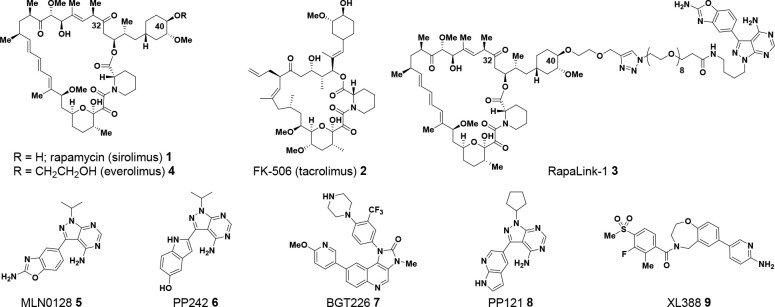
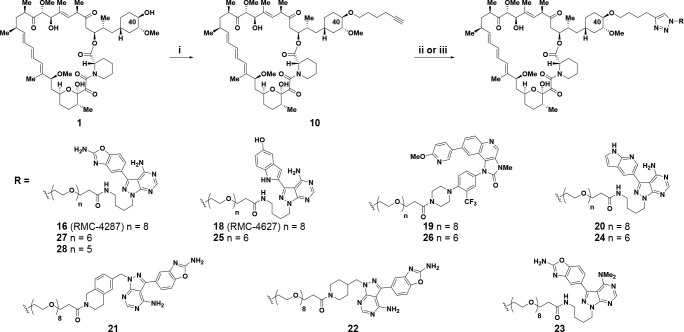
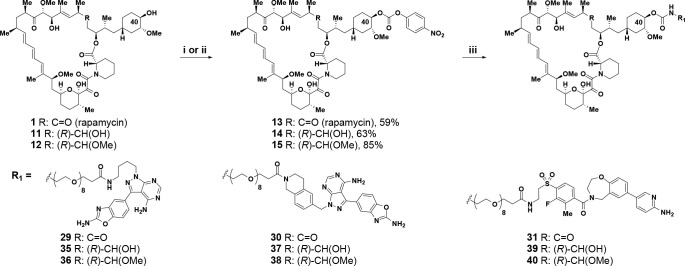
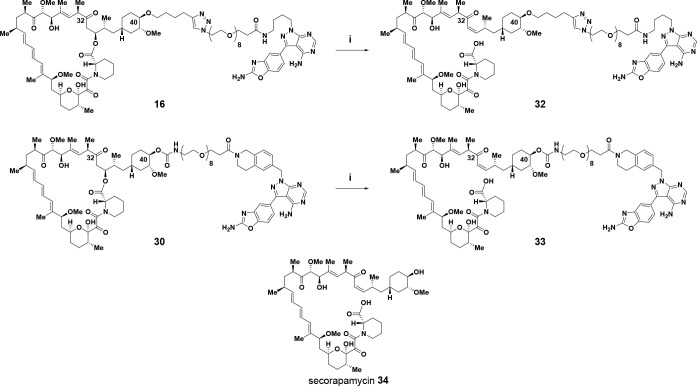
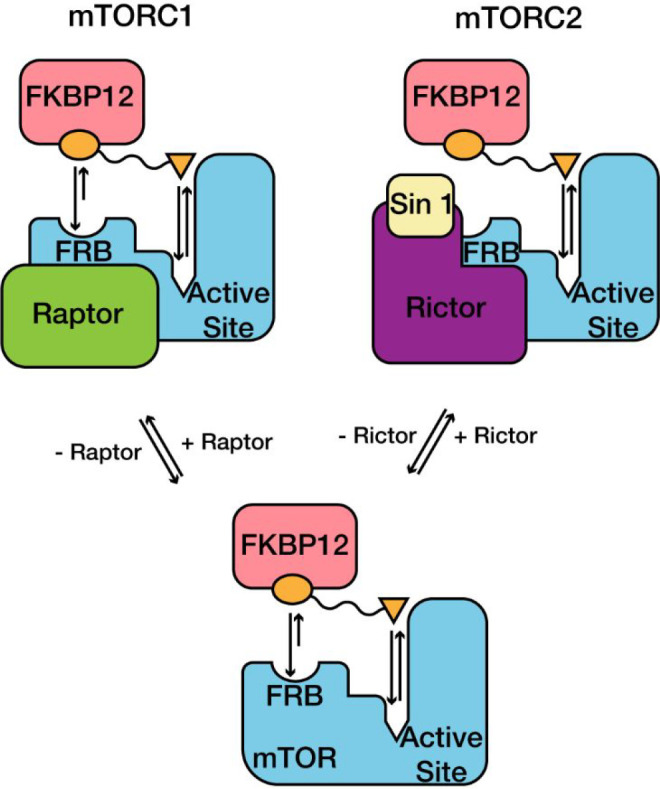
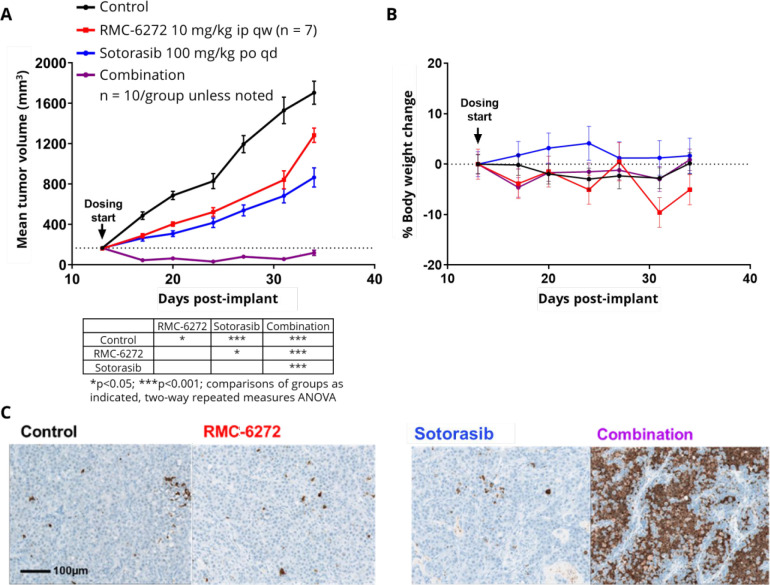
High Resolution Image Download MS PowerPoint Slide Hyperactivation of mTOR kinase by mutations in the PI3K/mTOR pathway or by crosstalk with other mutant cancer drivers, such as RAS, is a feature of many tumors. Multiple allosteric inhibitors of mTORC1 and orthosteric dual inhibitors of mTORC1 and mTORC2 have been developed as anticancer drugs, but their clinical utility has been limited. To address these limitations, we have developed a novel class of “bi-steric inhibitors” that interact with both the orthosteric and the allosteric binding sites in order to deepen the inhibition of mTORC1 while also preserving selectivity for mTORC1 over mTORC2. In this report, we describe the discovery and preclinical profile of the development candidate RMC-5552 and the in vivo preclinical tool compound RMC-6272. We also present evidence that selective inhibition of mTORC1 in combination with covalent inhibition of KRAS G12C shows increased antitumor activity in a preclinical model of KRAS G12C mutant NSCLC that exhibits resistance to KRAS G12C inhibitor monotherapy.
Overview
The claims and statistics of this paper haven’t been checked yet.
Free: it reads the open-access text and checks the first 5 claims that cite a source we can check. Create a free account to check every claim.
Integrity signals
Registry
Cites
Statistics
Figures
Verification
Claims the paper makes
The claims and statistics of this paper haven’t been checked yet.
Free: it reads the open-access text and checks the first 5 claims that cite a source we can check. Create a free account to check every claim.
Self-check
Percentages, sums and reported differences re-computed from the paper’s own numbers.
The self-check needs the paper’s full text.
Citations
Cites
mTOR Signaling in Growth, Metabolism, and Disease
Saxton, R. A., & Sabatini, D. M. (2017) · Cell · doi:10.1016/j.cell.2017.02.004 · Cited by 7,555 · cited 1×
“45 Inhibition of mTOR has been of historical interest to the pharmaceutical industry, with rapamycin 1 being approved as an immunosuppressant in 1999.”
Phosphorylation and regulation of Akt/PKB by the rictor-mTOR complex
Sarbassov, D. D., Guertin, D. A., Ali, S. M., & Sabatini, D. M. (2005) · Science · doi:10.1126/science.1106148 · Cited by 6,216
Calcineurin is a common target of cyclophilin-cyclosporin A and FKBP-FK506 complexes
Liu, J., Farmer, J. D., Lane, W. S., Friedman, J., Weissman, I., & Schreiber, S. L. (1991) · Cell · doi:10.1016/0092-8674(91)90124-h · Cited by 4,116
Kim, D.-H., Sarbassov, D. D., Ali, S. M., King, J. E., Latek, R. R., Erdjument-Bromage, H., Tempst, P., & Sabatini, D. M. (2002) · Cell · doi:10.1016/s0092-8674(02)00808-5 · Cited by 2,986
Sarbassov, D. D., Ali, S. M., Kim, D.-H., Guertin, D. A., Latek, R. R., Erdjument-Bromage, H., Tempst, P., & Sabatini, D. M. (2004) · Current Biology · doi:10.1016/j.cub.2004.06.054 · Cited by 2,665
Mammalian TOR complex 2 controls the actin cytoskeleton and is rapamycin insensitive
Jacinto, E., Loewith, R., Schmidt, A., Lin, S., Rüegg, M. A., Hall, A., & Hall, M. N. (2004) · Nature Cell Biology · doi:10.1038/ncb1183 · Cited by 2,114
A mammalian protein targeted by G1-arresting rapamycin–receptor complex
Brown, E. J., Albers, M. W., Bum Shin, T., ichikawa, K., Keith, C. T., Lane, W. S., & Schreiber, S. L. (1994) · Nature · doi:10.1038/369756a0 · Cited by 2,053
Targets for Cell Cycle Arrest by the Immunosuppressant Rapamycin in Yeast
Heitman, J., Movva, N. R., & Hall, M. N. (1991) · Science · doi:10.1126/science.1715094 · Cited by 2,006
Loewith, R., Jacinto, E., Wullschleger, S., Lorberg, A., Crespo, J. L., Bonenfant, D., Oppliger, W., Jenoe, P., & Hall, M. N. (2002) · Molecular Cell · doi:10.1016/s1097-2765(02)00636-6 · Cited by 1,886
VÉZINA, C., KUDELSKI, A., & SEHGAL, S. N. (1975) · The Journal of Antibiotics · doi:10.7164/antibiotics.28.721 · Cited by 1,687
Research works printed but not linked: 23
- Sehgal S. N.; Blazekovic T. M.; Vezina C. Rapamycin und seine herstellung. Patent application number DE 1973-2347682, 1973; Chem Abstr.1974, 81, 24166.
- Sehgal S. N.; Blazekovic T. M.; Vézina C. Rapamycin and process of preparation. U.S. Patent 3,929,992, 1975; Chem Abstr.1976, 85, 3861.
- Sehgal S. N.; Blazekovic T. M.; Vezina C. Rapamycin and process of preparation. U.S. Patent 3,993,749, 1976; Chem Abstr.1977, 86, 41806.
- Sidorowicz H.; Baker H.; Vézina C. Rapamycin (AY-22,989), a new antifungal antibiotic: in vitro and in vivo studies. 15th Interscience Conference on Antimicrobial Agents and Chemotherapy, Sept 24–26, 1975, Washington, DC; American Society for Microbiology, 1975; Abstract 26.
- Morris R. E.; Meiser B. M. Identification of a new pharmacologic action for an old compound. Med. Sci. Res. 1989, 17, 609– 610.
- a Sehgal S. N.; Vézina C. Compositions pharmaceutiques à base de rapamycine pour le traitement de tumeurs carcinogens. Patent number BE 877700, 1980; Chem Abstr.1980, 93, 88940. See also. b Sehgal S. N.; Vézina C. US Patent Application Number 957626, 1978.
- Eng C. P. Combination of rapamycin and picibanil for the treatment of tumors. U.S. Patent 4,401,653, 1983; Chem Abstr.1983, 98, 22284.
- Shokat K.; Okaniwa M. mTORCl inhibitors. WO 2016040806, 2016; Chem Abstr.2016, 164, 412316.
- Ren P.; Liu Y.; Li L.; Chan K.; Wilson T. E. Benzoxazole kinase inhibitors and methods of use. WO 2010051043, 2010; Chem Abstr.2010, 152, 542024.
- Semko C.; Pitzen J.; Wang G.; Tibrewal N.; Aggen J. B.; Thottumkara A. P.; Burnett G. L.; Gliedt M. J. E.; Kiss G.; Won W.; Lee J. C.; Gill A. L. Rapamycin analogs as mTOR inhibitors. WO 2018204416, 2018; Chem Abstr.2018, 169, 525729.
- Pitzen J.; Gliedt M. J. E.; Burnett G. L.; Aggen J. B.; Kiss G.; Cregg J. J.; Semko C. M.; Won W.; Wang G.; Lee J. C-L.; Thottumkara A. P.; Gill A. L.; Mellem K. T. C40-, C28-, and C32-linked rapamycin analogs as mTOR inhibitors. WO 2019212990, 2019; Chem Abstr.2019, 171, 558403.
- Semko C. M.; Wang G.; Burnett G. L.; Aggen J. B.; Kiss G.; Cregg J. J.; Gliedt M. J. E.; Pitzen J.; Lee J. C-L.; Won W.; Thottumkara A. P.; Gill A. L. C26-linked rapamycin analogs as mTOR inhibitors. WO 2019212991, 2019; Chem Abstr.2019, 171, 551179.
- Mahauad-Fernandez W. D.; Yang Y. C.; Lai I.; Park J.; Yao L.; Evans J. W.; Burnett L. G.; Gill A.; Smith J. A. M.; Singh M.; Felsher D. W. Bi-steric mTORC1-selective Inhibitors activate 4EBP1 reversing MYC-induced tumorigenesis and synergize with immunotherapy; https://www.biorxiv.org/content/10.1101/2022.02.04.478208v1. · doi:10.1101/2022.02.04.478208v1
- Tibrewal N.; Aggen J. B.; Bassan A. I.; Burnett G. L.; Evans J.; Gliedt M. J.; Hsieh T.; Kiss G.; Lee B. J.; Lee D.; Lorenzana E.; Marquez A.; Thottumkara A.; Wang Z.; Wilson S.; Zhao F.; Goldsmith M. A.; Singh M.; Wildes D.; Gill A. L.; Smith J. A. M. 4EBP1 reactivation by potent and selective bi-steric inhibitors of mTORC1. Proceedings of the AACR Special Conference on Targeting PI3K/mTOR Signaling, 2018 Nov 30–Dec 8; Boston, MA; American Association for Cancer Research: Philadelphia, PA, 2018; Poster PR04.
- Yang Y. C.; Jiang J.; Schulze C.; Evans J. W.; Reyes D. F.; Choy T.; Nguyen T.; Wang Z.; Lee D.; Nichols R. J.; Wang Z.; Smith J. A. M.; Kelsey S. M.; Singh M. Positioning a selective, bi-steric inhibitor of mTORC1 as a combination partner in RAS-driven cancers. Proceedings of the Annual Meeting of the American Association for Cancer Research 2020, Virtual Meeting II, June 22–24, 2020; American Association for Cancer Research: Philadelphia, PA, 2020; Poster LB-113.
- Burnett G. L.; Pitzen J.; Gliedt M.; Semko C. M.; Jiang J.; Yang Y. C.; Schulze C. J.; Marquez A.; Evans J. W.; Wilson S. L.; Hsieh T.; Wang Z. C.; Lee B. J.; Choy T.; Reyes D. F.; Zhao Y.; Tao J. Y.; Du H.; Ozawa T.; Fan Q.; Luo K.; Kiss G.; Wildes D. P.; Raleigh D.; Wang Z. P.; Monga S. P.; Kwiatkowski D. J.; Weiss W. A.; Aggen J.; Singh M.; Smith J. A. M.; Gill A. Discovery of RMC-5552, a selective bi-steric inhibitor of mTORC1 that suppresses 4EBP1 phosphorylation, for the treatment of mTORC1-activated tumors including RAS pathway escape. Proceedings of the Annual Meeting of the American Association for Cancer Research 2021, Virtual Meeting I, Apr 10–15, 2021; American Association for Cancer Research: Philadelphia, PA, 2021; Presentation ND10.
- Mahauad-Fernandez W.; Yang Y. C.; Lai I.; Park J.; Evans J. W.; Singh M.; Smith J. A. M.; Felsher D. A bi-steric mTORC1 inhibitor that selectively reactivates 4EBP1 and induces regression of MYC-driven hepatocellular carcinoma. Proceedings of the Annual Meeting of the American Association for Cancer Research 2021, Virtual Meeting I, Apr 10–15, 2021; American Association for Cancer Research: Philadelphia, PA, 2021; Poster 1002.
- Du H.; Yang Y. C.; Singh M.; Liu H.; Kwiatkowski D. J. Bi-steric mTORC1-selective inhibitors demonstrate improved potency and efficacy in tumors with mTORC1 hyperactivation. Proceedings of the Annual Meeting of the American Association for Cancer Research 2021, Virtual Meeting I, Apr 10–15, 2021; American Association for Cancer Research: Philadelphia, PA, 2021; Poster 1026.
- Cottens S.; Sedrani R. O-alkylated rapamycin derivatives and their use, particularly as immunosuppressants. WO 9409010, 1994; Chem Abstr.1994, 122, 9774.
- Hu D. C. Preparation of rapamycin carbonate esters as immunosuppressant agents. U.S. Patent 5,260,300, 1993; Chem Abstr.1993, 120, 269937.
- Nelson F. C. 27-hydroxyrapamycin and derivatives thereof. U.S. Patent 5,256790, 1993; Chem Abstr.1993, 121, 9034.
- Cottens S.; Sedrani R. Synthesis and immunosuppressant activity of rapamycin derivatives. WO 9641807, 1996; Chem Abstr.1996, 126, 157342.
- Zhu T. Oxepane isomer of 42-O-(2-hydroxyethyl)rapamycin. U.S. Patent 7,241,771, 2007; Chem Abstr.2006, 145, 292763.
Cited by
PI3K/AKT/mTOR signaling transduction pathway and targeted therapies in cancer
Glaviano, A., Foo, A. S. C., Lam, H. Y., Yap, K. C. H., Jacot, W., Jones, R. H., Eng, H., Nair, M. G., Makvandi, P., Geoerger, B., et al. (2023) · Molecular Cancer · doi:10.1186/s12943-023-01827-6 · Cited by 2,138
“Interestingly, bi-steric mTORi RMC-5552 [329] in combination with Ras inhibitors has exhibited clinical anticancer activity with a favourable safety profile in relapsed or refractory RAS-mutated solid tumor patients [330].”
BackgroundPI3K/AKT/mTOR inhibitors for hormone receptor-positive advanced breast cancer
Hao, C., Wei, Y., Meng, W., Zhang, J., & Yang, X. (2024) · Cancer Treatment Reviews · doi:10.1016/j.ctrv.2024.102861 · Cited by 101
μMap Photoproximity Labeling Enables Small Molecule Binding Site Mapping
Huth, S. W., Oakley, J. V., Seath, C. P., Geri, J. B., Trowbridge, A., Parker, D. L., Rodriguez‐Rivera, F. P., Schwaid, A. G., Ramil, C. P., Ryu, K. A., et al. (2023) · Journal of the American Chemical Society · doi:10.1021/jacs.3c03325 · Cited by 80
PI3K/Akt/mTOR Signaling Pathway in Blood Malignancies—New Therapeutic Possibilities
Wiese, W., Barczuk, J., Racińska, O., Siwecka, N., Rozpędek‐Kamińska, W., Słupianek, A., Sierpiński, R., & Majsterek, I. (2023) · Cancers · doi:10.3390/cancers15215297 · Cited by 87
“It is worth adding that the first clinical candidate in the class of bi-steric mTORC1 inhibitor (RMC-5552) is undergoing clinical trials in solid tumors (NCT04774952) [97].”
BackgroundTeng, M., & Gray, N. S. (2023) · Cell chemical biology · doi:10.1016/j.chembiol.2023.06.020 · Cited by 66
Yi, S. A., Sepic, S., Schulman, B. A., Ordureau, A., & An, H. (2024) · Molecular Cell · doi:10.1016/j.molcel.2024.04.026 · Cited by 50
Rej, R. K., Allu, S. R., Roy, J., Acharyya, R. K., Kiran, I. N. C., Addepalli, Y., & Dhamodharan, V. (2024) · Pharmaceuticals · doi:10.3390/ph17040494 · Cited by 55
Combined inhibition of KRASG12C and mTORC1 kinase is synergistic in non-small cell lung cancer
Kitai, H., Choi, P. H., Yang, Y. C., Boyer, J. A., Whaley, A., Pancholi, P., Thant, C., Reiter, J., Chen, K., Markov, V., et al. (2024) · Nature Communications · doi:10.1038/s41467-024-50063-z · Cited by 41
“The selective bi-steric mTORC1 inhibitors retain antitumor activity but do not cause hyperglycemia in preclinical models 23 .”
BackgroundSelf-citationStructural mechanisms of the mTOR pathway
Linde-Garelli, K. Y., & Rogala, K. B. (2023) · Current Opinion in Structural Biology · doi:10.1016/j.sbi.2023.102663 · Cited by 39
Pham, B. Q., Yi, S. A., Ordureau, A., & An, H. (2025) · Cell Reports · doi:10.1016/j.celrep.2024.115179 · Cited by 34
Joshi, J. N., Lerner, A. D., Scallo, F., Grumet, A. N., Matteson, P. G., Millonig, J. H., & Valvezan, A. J. (2024) · Cell Reports · doi:10.1016/j.celrep.2024.114543 · Cited by 34
“These effects are clearly evident using the recently developed bi-steric mTORC1 inhibitor RMC-5552, 32 whereas the allosteric and partial mTORC1 inhibitor rapamycin has relatively minor effects on progression through S and G2 (Figures S5B–S5D and S5G), suggesting that rapamycin-resistant functions…”
InfluentialThe allosteric mechanism of mTOR activation can inform bitopic inhibitor optimization
Liu, Y., Zhang, M., Jang, H., & Nussinov, R. (2024) · Chemical Science · doi:10.1039/d3sc04690g · Cited by 27
A bi-steric mTORC1-selective inhibitor overcomes drug resistance in breast cancer
Meng, D., Zhao, X., Yang, Y. C., Navickas, A., Helland, C., Goodarzi, H., Singh, M., & Bandyopadhyay, S. (2023) · Oncogene · doi:10.1038/s41388-023-02737-z · Cited by 23
“The synthesis and characterization of RMC-6272 and RMC-5552 have been described elsewhere [38].”
BackgroundSelf-citationAksoylu, I. S., Martin, P., Robert, F., Szkop, K. J., Redmond, N. E., Bhattacharyya, S., Wang, J. P., Chen, S., Beauchamp, R. L., Nobeli, I., et al. (2023) · Molecular Autism · doi:10.1186/s13229-023-00572-3 · Cited by 14
“A new generation of bi-steric mTORC1-selective inhibitors, which suppresses phosphorylation of 4E-BP1 to a greater extent, has recently been developed [17, 18].”
BackgroundMethodInfluentialBi-steric mTORC1 inhibitors induce apoptotic cell death in tumor models with hyperactivated mTORC1
Du, H., Yang, Y. C., Liu, H.-J., Yuan, M., Asara, J. M., Wong, K., Henske, E. P., Singh, M., & Kwiatkowski, D. J. (2023) · Journal of Clinical Investigation · doi:10.1172/jci167861 · Cited by 15
“We show that bi-steric inhibitors, RMC-4627, RMC-6272, and RMC-5552 (a clinical candidate) (17), drive rapid and durable suppression of p-S6K T389 , p-4EBP1 T37,46 , p-mTOR S2481,S2448 , and p-PRAS40 S183,T246 .”
Self-citationBoylan, J., Byers, E., & Kelly, D. F. (2023) · Medical Research Archives · doi:10.18103/mra.v11i6.3994 · Cited by 17
A renaissance in targeting the PI3K/AKT/mTOR pathway
Conduit, S. E., Vasan, N., Brown, J. R., Perry, M. W. D., & Vanhaesebroeck, B. (2026) · Nature Reviews Drug Discovery · doi:10.1038/s41573-026-01388-5 · Cited by 20
“A RAS–PI3Kα breaker (FMC-242 (Frontier Medicines)) that inhibits oncogenic RAS signalling and exhibits in vitro efficacy has also been recently developed, but no structural details have yet been disclosed 266 .”
InfluentialThe Bi-steric, mTORC1-Selective Inhibitor, RMC-5552, in Advanced Solid Tumors: A Phase 1 Trial
Schram, A. M., Naqash, A. R., Haura, E. B., Riess, J. W., Ulahannan, S. V., Ou, S. I., Münster, P. N., Cheng, M. L., Gustafson, W. C., Bitman, B., et al. (2025) · Clinical Cancer Research · doi:10.1158/1078-0432.ccr-25-2112 · Cited by 12
Self-citationRecent advances of the mechanistic target of rapamycin (mTOR) inhibitors for drug discovery.
Ni, S., Qu, H., Liu, D., Yuan, L., Li, M., & Zhao, W. (2025) · European journal of medicinal chemistry · doi:10.1016/j.ejmech.2025.118046 · Cited by 12
Mitochondrial metabolic rewiring sensitizes mTORC1 inhibitor persister cells to cuproptosis
Du, H., Liu, H.-J., Łośko, M., Yang, Y. C., Yuan, M., Henske, E. P., Asara, J. M., Singh, M., & Kwiatkowski, D. J. (2025) · JCI Insight · doi:10.1172/jci.insight.187448 · Cited by 11
“Several generations of mTORC1 inhibitors have been developed: rapamycin and derivatives (rapalogs), kinase inhibitors including sapanisertib (13), and bi-steric mTORC1-selective inhibitors (14).”
Self-citationLost in translation: a neglected mTOR target for lymphangioleiomyomatosis
Evans, J. F., McCormack, F. X., Sonenberg, N., & Krymskaya, V. P. (2023) · European Respiratory Review · doi:10.1183/16000617.0100-2023 · Cited by 10
“Additional modification of the rapamycin macrolide and changes in the linker distance between the mTOR kinase catalytic inhibitor resulted in bi-steric mTOR inhibitors, such as RMC-5552 [39, 40], that inhibit both the S6K1/S6 and 4E-BP1/eIF4E axes but not mTORC2.”
Self-citationThe Bi-steric Inhibitor RMC-5552 Reduces mTORC1 Signaling and Growth in Lymphangioleiomyomatosis
Evans, J. F., Ledwell, O. A., Tang, Y., Rue, R. W., Mukhitov, A. R., Diesler, R., Lin, S. M., Vanka, K. S., Basil, M. C., Cantu, E., et al. (2024) · American Journal of Respiratory Cell and Molecular Biology · doi:10.1165/rcmb.2024-0242oc · Cited by 11
“Bi-steric mTORC1-selective inhibitors were developed to be superior, more durable cell growth inhibitors than rapamycin and to prevent some of the toxicities of inhibition of mTORC2 by dual mTOR kinases inhibitors (16 – 18).”
Self-citationLiu, Y., Zhang, W., Jang, H., & Nussinov, R. (2025) · Journal of Chemical Information and Modeling · doi:10.1021/acs.jcim.4c02022 · Cited by 10
Mahauad‐Fernandez, W. D., Yang, Y. C., Lai, I. K., Park, J., Yao, L. E., Evans, J., Atibalentja, D. F., Chen, X., Kanakaveti, V., Zhao, Z., et al. (2025) · Cell chemical biology · doi:10.1016/j.chembiol.2025.07.004 · Cited by 9
Self-citationWang, N., Zhou, K., Liang, Z. T., Sun, R., Tang, H., Yang, Z., Zhao, W., Peng, Y., Song, P., Zheng, S., et al. (2023) · International Immunopharmacology · doi:10.1016/j.intimp.2023.111172 · Cited by 10
Central role of the mTORC1 pathway in glucocorticoid activity against B-ALL cells
Imanaga, H., Semba, Y., Sasaki, K., Setoguchi, K., Maniriho, H., Yamauchi, T., Terasaki, T., Hirabayashi, S., Nakao, F., Nogami, J., et al. (2024) · Blood Neoplasia · doi:10.1016/j.bneo.2024.100015 · Cited by 8
“36,37,63 Considering mechanisms of GC action described here, combining a GC with an mTORC1-speci fi c inhibitor is a reasonable approach.”
Bhattacharyya, S., Oblinger, J. L., Beauchamp, R. L., Kosa, L., Robert, F., Plotkin, S. R., Chang, L., & Ramesh, V. (2024) · Neuro-Oncology Advances · doi:10.1093/noajnl/vdae024 · Cited by 12
“20 Employing NF2 -deficient immortalized and primary meningioma cell lines, we have demonstrated superior anti-proliferative activity of RMC-6272 in comparison to first-or second-generation mTOR inhibitors.”
BackgroundXu, Q., Liu, W., Liu, H., & Zheng, Z. (2025) · Journal of Chemical Information and Modeling · doi:10.1021/acs.jcim.5c00387 · Cited by 11
mTOR ‐mediated upregulation of B7 ‐ H3 in MiT / TFE translocation renal cell carcinoma
Li, H., Amaral, A., Vidotto, T., Woo, J., Liu, H. B., Oliveira, L. D., Dairo, O., Feng, K., Shenderov, E., Argani, P., et al. (2025) · The Journal of Pathology · doi:10.1002/path.6490 · Cited by 6
“…is a third-generation mTOR inhibitor, which combines the allosteric mTOR inhibitor rapamycin and the second-generation ATP-competitive mTOR kinase inhibitor MLN0128 [35], while RMC-5552 is a bisteric mTORC1 inhibitor that interacts with both the orthosteric and allosteric binding sites [36].”
New insights into tuberous sclerosis complex: from structure to pathogenesis
Chen, C.-S., & Aylett, C. H. S. (2025) · Frontiers in Cell and Developmental Biology · doi:10.3389/fcell.2025.1595867 · Cited by 12
TSC2 loss in neural progenitor cells suppresses mRNA translation of neurodevelopmental genes
Martin, P., Szkop, K. J., Robert, F., Bhattacharyya, S., Beauchamp, R. L., Brenner, J., Redmond, N. E., Huang, S., Erdin, S., Larsson, O. S., et al. (2025) · Brain · doi:10.1093/brain/awaf081 · Cited by 6
Delgado, E. R., Patel, P., Tao, J., Krutsenko, Y., Liu, S., Green, D. M., Alzubali, R., Lehrich, B. M., Liu, J., Yasaka, T. M., et al. (2025) · Hepatology · doi:10.1097/hep.0000000000001591 · Cited by 7
mTORC1 activity suppresses ferroptosis through a SCARB1-dependent HDL-tocopherol uptake pathway
O’Loughlin, T. A., Stiles, J. S., Acharya, P., Arab, A., Goudy, L., Dai, R., Borah, A. A., Weiss, W. A., Medoh, U. N., & Gilbert, L. A. (2026) · Molecular Cell · doi:10.1016/j.molcel.2026.03.019 · Cited by 6
“18–20 With appropriate dosing, these drugs affect durable inhibition of mTORC1 substrates RPS6K and 4EBP1 without impacting AKT phosphorylation 18–21 and represent a promising avenue to potently inhibit mTORC1 in cancer without triggering side effects associated with mTORC2 inhibition.”
Novel pharmacological and dietary approaches to target mTOR in B-cell acute lymphoblastic leukemia
Buono, R., Al-Haddad, M., & Fruman, D. A. (2023) · Frontiers in Oncology · doi:10.3389/fonc.2023.1162694 · Cited by 5
“A biopharma company, RevolutionMedicines, has reported novel bisteric mTORC1 inhibitor molecules with ~30-fold selectivity for mTORC1 and excellent in vivo properties (55), one of which (RMC-5552) has entered oncology clinical trials (NCT04774952) (56).”
BackgroundSystematic and precise interventions for KRAS-mutant cancers
Liang, J., Wu, J., Zhang, Y., Wang, H., Zheng, Y., & He, Q. (2026) · Experimental Hematology and Oncology · doi:10.1186/s40164-026-00763-7 · Cited by 4
Zou, C., Wang, Y. J., Chen, Q., Shi, J., Wu, X., & Luo, Q. (2026) · Frontiers in Oncology · doi:10.3389/fonc.2026.1745024 · Cited by 3
Rudolph, J., Hoeflich, K. P., & Dar, A. C. (2026) · Nature Reviews Drug Discovery · doi:10.1038/s41573-026-01411-9 · Cited by 13
“RapaLink-1 is a ‘third-generation’ bitopic inhibitor that couples an ATP-competitive mTOR ligand with a rapamycin-like FKBP12-binding moiety 159,160 (Fig.”
Extracellular Matrix and Fibroblast Activation in Lymphangioleiomyomatosis
Mukhitov, A. R., Evans, J. F., Han, T., Ledwell, O. A., Rue, R. W., Obraztsova, K., Lin, S. M., Basil, M. C., Cantu, E., Tang, Y., et al. (2025) · American Journal of Respiratory Cell and Molecular Biology · doi:10.1165/rcmb.2025-0237oc · Cited by 2
Self-citationChang, L., Oblinger, J. L., Wu, L. M. N., Miller, C. R., & Burns, S. S. (2026) · Cancer Research Communications · doi:10.1158/2767-9764.crc-25-0563 · Cited by 2
“The abrogation of p-4EBP1 is particularly interesting as the ability to decrease p-4EBP1 correlates with the clinical efficacy of mTOR inhibitors (50).”
Martin, P., Szkop, K. J., Robert, F., Bhattacharyya, S., Beauchamp, R. L., Brenner, J., Redmond, N. E., Huang, S., Erdin, S., Larsson, O. S., et al. (2024) · bioRxiv (Cold Spring Harbor Laboratory) · doi:10.1101/2024.06.04.597393 · Cited by 2
Diet induced insulin resistance is due to induction of PTEN expressionPreprint
Mukherjee, R., Pancholi, P., Sharma, M., Solomon, H., Timaul, M. N., Thant, C. N., Mcgriskin, R., Hayatt, O., Markov, V., D’Allara, J., et al. (2025) · bioRxiv (Cold Spring Harbor Laboratory) · doi:10.1101/2025.03.25.645201 · Cited by 2
Rosas, I. O., McDowell-Sanchez, A. K., Sanchez, S., Cala-García, J., Cohen, A. R. W., Ruiz-Echartea, E., Ochsner, S. A., Kraushaar, D. C., Celada, L. J., Sun, D., et al. (2026) · Journal of Clinical Investigation · doi:10.1172/jci197651 · Cited by 4
Bench to bedside: is rapamycin headed for the docTOR?
Lamming, D. W. (2026) · GeroScience · doi:10.1007/s11357-026-02306-8 · Cited by 2
“RMC-5552, a similar “bi-steric inhibi-tor” is being developed for cancer treatment and is currently in clinical trials [188, 189].”
The MYC network: Hub of malignancy and blueprint for intervention
Yin, H., Liu, T., & Pan, J. (2026) · Biochimica et Biophysica Acta (BBA) - Reviews on Cancer · doi:10.1016/j.bbcan.2026.189651 · Cited by 1
Emerging Strategies Targeting the PI3K/AKT/mTOR Pathway in HR+/HER2– Advanced Breast Cancer
Lei, L., Canning, M. T., Sakach, E. A., Lateef, A., Kamga, L., Abid, M., Kalinsky, K. M., & Gandhi, S. (2026) · Drugs · doi:10.1007/s40265-026-02347-5 · Cited by 2
“These include allosteric mutant-selective inhibitors of PI3Kα (RLY-2608, STX-478, and LOXO-783) [57, 86, 87], covalent PI3Kα inhibitors (TOS-358) [88], allosteric AKT1 E17K mutation-selective inhibitor (ALTA2618) [89], and bi-steric selective mTORC1 inhibitors (RMC-5552) [90, 91] as described above.”
Back in Person: Frontiers in Medicinal Chemistry 2023
Gehringer, M., Pape, F., Méndez, M. M., Barbie, P., Lopez, A. U., Lefranc, J., Klingler, F., Heßler, G., Langer, T., Diamanti, E., et al. (2023) · ChemMedChem · doi:10.1002/cmdc.202300344 · Cited by 1
Murphy, S. T., Atienza, J., Brown, J. W., Cheruvallath, Z. S., Cukierski, M. J., Fabrey, R., Keung, W., Kwok, L., O’Connell, S. M., Tang, M., et al. (2023) · ACS Medicinal Chemistry Letters · doi:10.1021/acsmedchemlett.3c00351 · Cited by 2
Diet induced insulin resistance is due to induction of PTEN expressionPreprint
Rosen, N. X., Mukherjee, R., Pancholi, P., Sharma, M., Solomon, H., Timaul, M. N., Thant, C. N., Mcgriskin, R., Hayatt, O., Markov, V., et al. (2024) · Research Square · doi:10.21203/rs.3.rs-4021885/v1 · Cited by 3
“RMC-6272 is a selective inhibitor of TORC1 kinase (IC50 for mTORC1 inhibition is 0.44 nM for p4E-BP, IC50 for TORC2 inhibition of pS473 AKT is 12nM) 39 .”
BackgroundInfluentialAksoylu, I. S., Martin, P., Robert, F., Szkop, K. J., Redmond, N. E., Chen, S., Beauchamp, R. L., Nobeli, I., Pelletier, J., Larsson, O. S., et al. (2023) · Research Square · doi:10.21203/rs.3.rs-2702044/v1
Epigenetic Therapy in Hormone Positive Breast Cancer: The Role of PIK3CA
Blawski, R., & Toska, E. (2025) · Current Breast Cancer Reports · doi:10.1007/s12609-024-00566-x
“Novel mTOR inhibitors continue to be developed, such as the bisteric inhibitor RMC-5552–001 (NCT04774952) [28].”
Targeting RAS and associated proteins
Müller, M. P., Goody, R. S., & Rauh, D. (2025) · Elsevier eBooks · doi:10.1016/b978-0-443-29808-0.00008-x
Rosas, I. O., McDowell-Sanchez, A. K., Sanchez, S., Cala-García, J., Cohen, A. R. W., Echartea, M. E. R., Ochsner, S. A., Kraushaar, D. C., Celada, L. J., Sun, D., et al. (2025) · bioRxiv (Cold Spring Harbor Laboratory) · doi:10.1101/2025.07.09.663937
“Therefore, a precise understanding of mTORC1-mediated profibrotic signaling pathways will be required to develop either more specific mTORC1 inhibitors or those which target profibrotic signaling proteins downstream of mTORC1 activation (42, 43).”
Gupta, S., Khanna, P., Saad, E., Saliby, R. M., AbuHammad, S., Li, J., Li, B., Konda, P., Ahmed, U. A., Sadagopan, A., et al. (2025) · bioRxiv (Cold Spring Harbor Laboratory) · doi:10.1101/2025.07.11.663903 · Cited by 1
Aksoylu, I. S., Martin, P., Robert, F., Szkop, K. J., Redmond, N. E., Bhattacharyya, S., Wang, J., Chen, S., Beauchamp, R. L., Nobeli, I., et al. (2024) · Figshare · doi:10.6084/m9.figshare.24439501
Aksoylu, I. S., Martin, P., Robert, F., Szkop, K. J., Redmond, N. E., Bhattacharyya, S., Wang, J., Chen, S., Beauchamp, R. L., Nobeli, I., et al. (2023) · Figshare · doi:10.6084/m9.figshare.24439424
Padder, R. A., Le, T. L., Hyde, E., Rubio, M., Chiles, E. N., Sheshadri, N., Mulraney, K., Zong, W., Su, X., Herranz, D., et al. (2025) · bioRxiv (Cold Spring Harbor Laboratory) · doi:10.64898/2025.12.22.696045
“This effect was more pronounced with RMC-5552 compared to MK-2206, corresponding with greater mTORC1 inhibition upon RMC-5552 treatment (Figure 2E, 2F evident by 4E-BP1 mobility shift).”
InfluentialZhang, S., Huang, J., Yang, Y., Li, C., Wen, C., Pang, Y., & Wang, L. (2026) · Journal of Chemical Information and Modeling · doi:10.1021/acs.jcim.5c02131
Self-citationSolomon, H., Mukherjee, R., Yang, Y. C., Meredith, J., Schram, A. M., Yi, S. A., Chen, X., Tribuzio, M., Gundlapalli, H., Meyerowitz, J., et al. (2026) · bioRxiv (Cold Spring Harbor Laboratory) · doi:10.64898/2026.02.12.705558 · Cited by 1
“…this idea with each of two mTOR kinase inhibitors, AZD8055, which inhibits mTORC1 and mTORC2, and a selective inhibitor of mTORC1 kinase, RMC-6272 28 . mTORC2 kinase phosphorylates AKT S473 and its inhibition is strongly associated with hyperglycemia, which limits the therapeutic potential of…”
InfluentialSelf-citationUnleashing lncRNA THOR: roles in cancer progression and clinical outlook
Chong, Z. X. (2026) · Molecular Genetics and Genomics · doi:10.1007/s00438-026-02387-2
Ugurlu, S. Y. (2026) · International Journal of Advances in Engineering and Pure Sciences · doi:10.7240/jeps.1834505
Rogge, M., Fischer, J., Jakobi, T., Loewenthal, Z., Gupta, P., Jürgensen, L., Frey, N., Sandmann, C., & Völkers, M. (2026) · Journal of Molecular and Cellular Cardiology Plus · doi:10.1016/j.jmccpl.2026.100847
“RMC-6272 is a bi-steric mTORC1 inhibitor with high potency and selectivity for mTORC1 over mTORC2 [14,15].”
SAIMSARA (2026) · SAIMSARA Journal · doi:10.62487/saimsaradc4d1e0f
Choi, P. H., Meredith, J., Sharma, M., Chen, X., Qiu, J., Markov, V., de Stanchina, E., Singh, M., & Rosen, N. X. (2026) · Cell Reports · doi:10.1016/j.celrep.2026.117559 · Cited by 2
Self-citationmTORC2-Na v 1.2 signaling drives early hyperexcitability in Alzheimer’s disease mouse model
Dvorak, N. M., & Noebels, J. L. (2026) · Channels · doi:10.1080/19336950.2026.2687246
“Slices were first incubated for 2 h with 1 nM RMC-5552, a concentration previously shown to be selective for mTORC1 [52].”
InfluentialRoach, M. K., Degan, S. E., DeLiberty, J. M., Pita, L. M., Pieper, N. L., 杨闰英, Taylor, K. E., Schechter, E. G., Robb, R. N., Pierobon, M., et al. (2026) · bioRxiv (Cold Spring Harbor Laboratory) · doi:10.64898/2026.06.28.734981
Synergistic Geroprotectors Mapping through Systems Machine Learning and Graph Neural Networks
Sharma, Y., & Das, A. (2026) · OMICS A Journal of Integrative Biology · doi:10.1177/15578100261464019
“…activator) for AMPK, and 4TO (activator) for SIRT1 was redocked into its respective binding site using the same docking parameters in BIOVIA Discovery Studio (Berman et al., 2000; Burnett et al., 2023; Cameron et al., 2016; Dai et al., 2015; DASSAULT SYSTÈMES, 2025; Heightman et al., 2019).”
Onatasertib re-sensitizes refractory nasopharyngeal carcinoma to immunotherapy: a Case Report
Zhang, P. P., Zhang, Z., Liu, J., Cui, Y., Qin, D., Lai, L., Xiang, Y., Wang, L., Li, D., Luo, K., et al. (2026) · Frontiers in Pharmacology · doi:10.3389/fphar.2026.1614224
“Third-generation bi-steric inhibitors (e.g., RMC-5552) are emerging, offering selective mTORC1 inhibition with potent 4E-BP1 suppression, but have not yet been evaluated in NPC (Burnett et al., 2023).”
Overcoming mTOR Inhibitor Resistance: From Biological Basis to Therapeutic Strategies
Jin, X., Liu, L., & Zhang, J. (2026) · Biomedicines · doi:10.3390/biomedicines14081732
“These compounds have demonstrated preclinical efficacy, particularly when used in combination with KRAS in-https hibitors [96].”
In vitro antiviral effects of an mTORC1 inhibitor targeting the rapamycin-binding protein complex
Yamada, T., Matsuura, R., Watanuki, S., Matsumoto, Y., Hagiwara, K., Miyatake, H., & Aida, Y. (2026) · Microbial Pathogenesis · doi:10.1016/j.micpath.2026.108786
Ghosh, M., & Sharma, K. (2026) · Journal of Molecular Structure · doi:10.1016/j.molstruc.2026.147484
A design approach for bitopic kinase inhibitors
Stevenson, J. W., Lou, K., Reynolds, J., Outhwaite, I. R., Huang, K., Sokirniy, I., Peterson, S., Munir, A. Z., Wang, C. D., Inam, H., et al. (2026) · Nature · doi:10.1038/s41586-026-11056-8 · Cited by 1
Padder, R. A., Le, L., Hyde, E., Diaz-Rubio, M. E., Chiles, E. N., Joshi, J. N., Singh, N., Akther, M., Sheshadri, N., Mulraney, K., et al. (2026) · EMBO Molecular Medicine · doi:10.1038/s44321-026-00533-2
Metadata
- Authors
- Burnett, G. L., Yang, Y. C., Aggen, J. B., Pitzen, J., Gliedt, M. K., Semko, C. M., Marquez, A., Evans, J. W., Wang, G., Won, W. S., Tomlinson, A. C. A., Kiss, G., Tzitzilonis, C., Thottumkara, A. P., Cregg, J., Mellem, K. T., Choi, J. S., Lee, J. C., Zhao, Y., Lee, B. J., Meyerowitz, J. G., Knox, J. E., Jiang, J., Wang, Z., Wildes, D., Wang, Z., Singh, M., Smith, J. A. M., & Gill, A. L.
- Affiliations
- Revolution Medicines (United States) (US)
- Corresponding author
- Burnett, G. Leslie
- Gill, Adrian L.
- ORCID
- Venue
- Journal of Medicinal Chemistry
- Publisher
- American Chemical Society (ACS)
- Published
- 2022-12-19
- Volume
- 66
- Issue
- 1
- Pages
- 149-169
- ISSN
- 0022-2623 (ISSN-L)
- 1520-4804
- PMC
- PMC9841523
- OpenAlex
- W4311927080
- Cited by
- 72
- References
- 74
- Citations by year
- 2026: 25 · 2025: 19 · 2024: 11 · 2023: 17
- FWCI
- 3.92
- Type
- journal article
- Language
- en
- Open access
- hybrid
- doi.org
- Locations
- Journal of Medicinal Chemistry (publishedVersion, cc-by)
- PubMed Central (publishedVersion, cc-by)
- PubMed (publishedVersion)
- DORA PSI (Paul Scherrer Institute) (submittedVersion, cc-by)
- Topics
- Life Sciences › Biochemistry, Genetics and Molecular Biology › Molecular Biology › PI3K/AKT/mTOR signaling in cancer
- Life Sciences › Biochemistry, Genetics and Molecular Biology › Molecular Biology › Protein Kinase Regulation and GTPase Signaling
- Health Sciences › Medicine › Oncology › Advanced Breast Cancer Therapies
- Keywords
- mTORC1 inhibition, PI3K/mTOR pathway, KRAS G12C, non-small cell lung cancer, anticancer drug discovery
- MeSH terms
- Mechanistic Target of Rapamycin Complex 1, Mechanistic Target of Rapamycin Complex 2, Carcinoma, Non-Small-Cell Lung, Humans, Lung Neoplasms, Proto-Oncogene Proteins p21(ras), Cell Line, Tumor, Protein Kinase Inhibitors, Cell Proliferation, TOR Serine-Threonine Kinases
About these checks
Registry, retraction, Cites and statistics results are computed, not judged, with one exception: a printed reference that no index lists is read once by a model before it counts as a citation error. Claims are extracted by a model and kept only when their quote appears verbatim in the text; each cited source is then checked, with a model’s help, for whether it says what the claim relies on. Those verdicts can be wrong — read the claim’s quote and the cited source before relying on one.
Statistics and arithmetic are recomputed, not judged.
Confidence bands are shown only for fields calibrated on our annotated test set. None is calibrated yet, so no band is shown.
What counts as a claim ›How we measure confidence ›How we check this ›
Are you an author, or do you see a problem with this page? Request a review
Data sources
Bibliographic data: Semantic Scholar, OpenAlex, Crossref.
Contains information from the Semantic Scholar Academic Graph Datasets, made available under the ODC Attribution License (ODC-BY 1.0).
Semantic Scholar’s data is described in: Kinney, R., et al. (2023). The Semantic Scholar Open Data Platform. arXiv:2301.10140.
