

Quantification of network structural dissimilarities
Open accessThe DOI matches its Crossref record; 57 of the 57 references it cites were found in a registry or an index.
Abstract
Identifying and quantifying dissimilarities among graphs is a fundamental and challenging problem of practical importance in many fields of science. Current methods of network comparison are limited to extract only partial information or are computationally very demanding. Here we propose an efficient and precise measure for network comparison, which is based on quantifying differences among distance probability distributions extracted from the networks. Extensive experiments on synthetic and real-world networks show that this measure returns non-zero values only when the graphs are non-isomorphic. Most importantly, the measure proposed here can identify and quantify structural topological differences that have a practical impact on the information flow through the network, such as the presence or absence of critical links that connect or disconnect connected components.
Overview
The claims and statistics of this paper haven’t been checked yet.
Free: it reads the open-access text and checks the first 5 claims that cite a source we can check. Create a free account to check every claim.
Integrity signals
Registry
Cites
Statistics
Figures
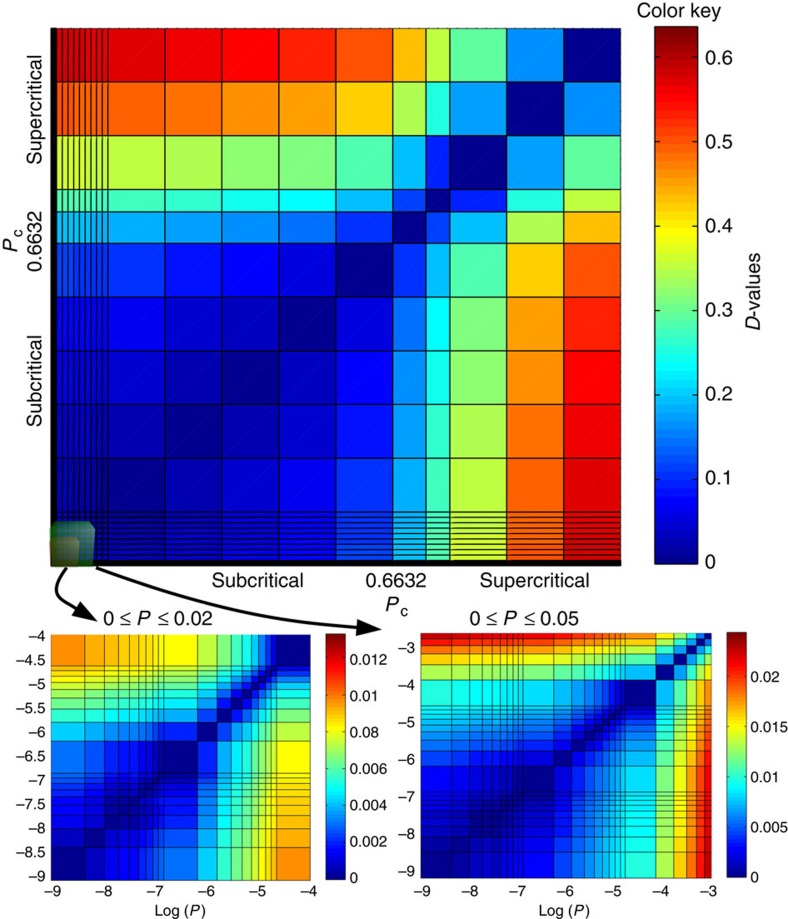
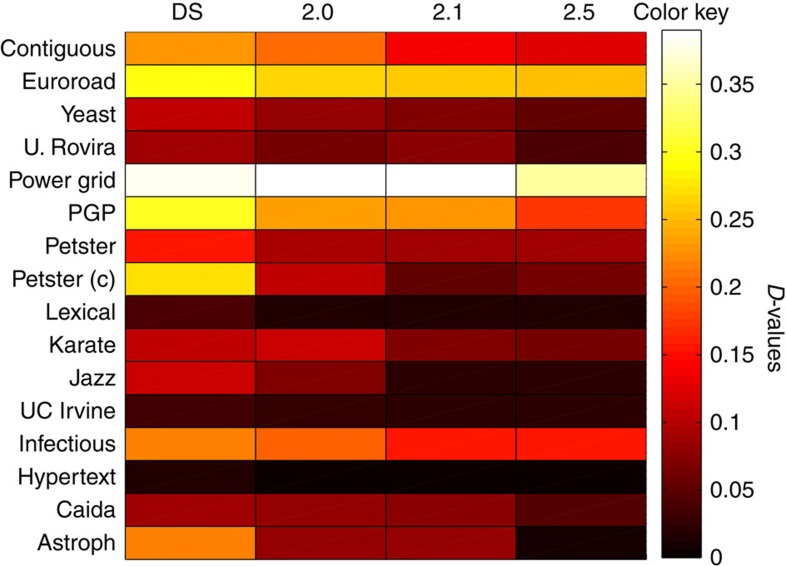
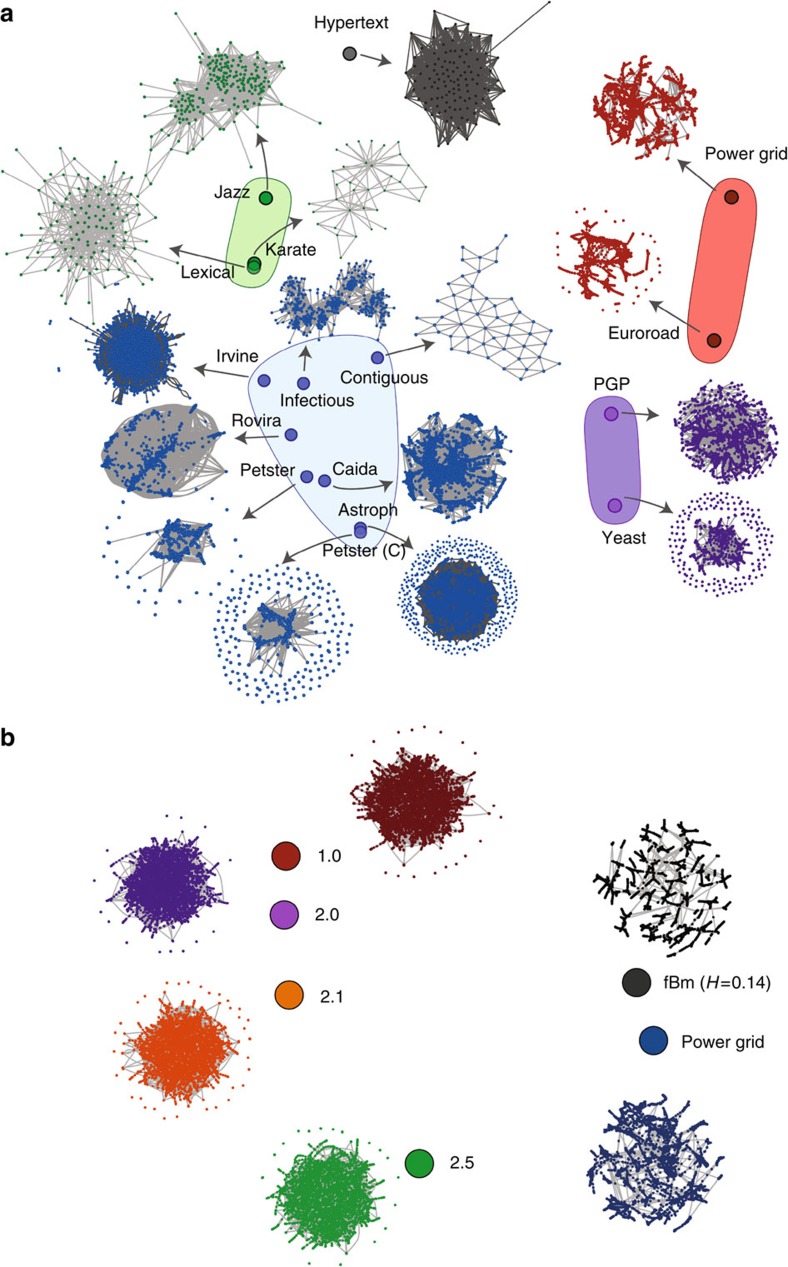
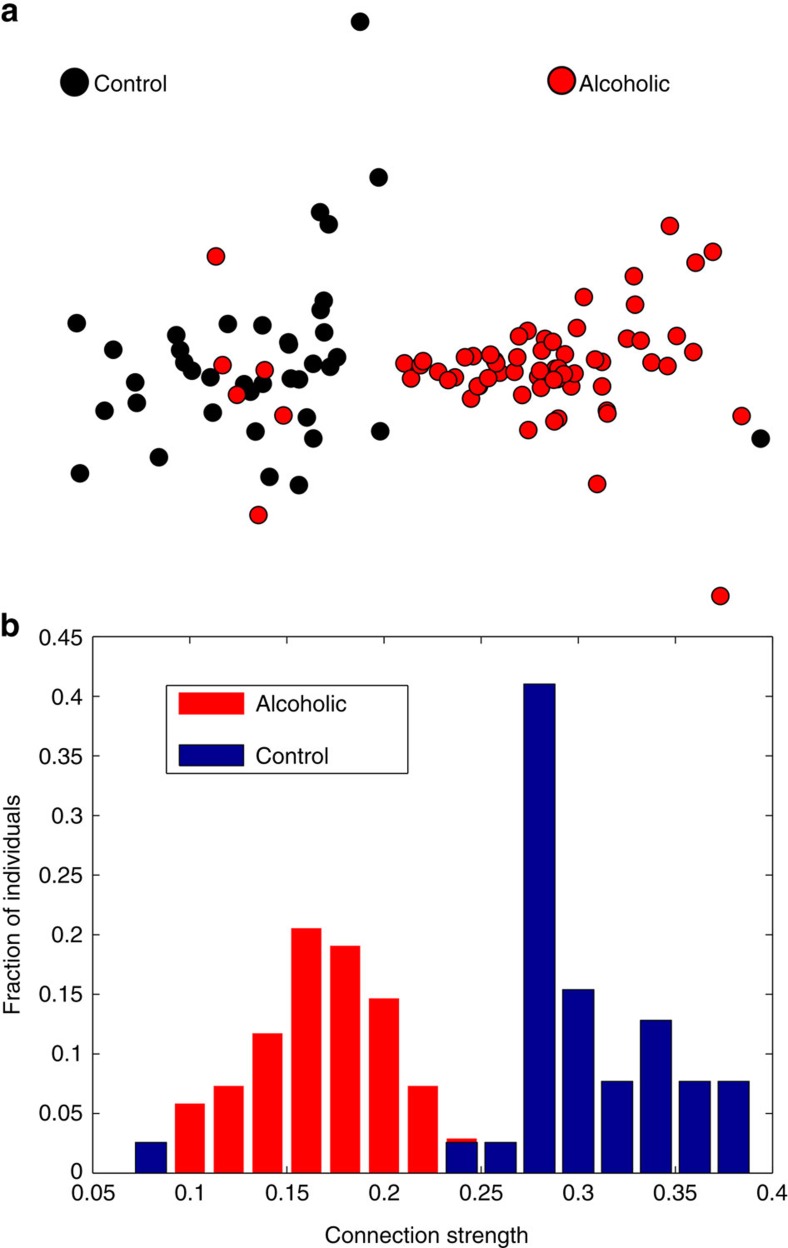
Verification
Claims the paper makes
The claims and statistics of this paper haven’t been checked yet.
Free: it reads the open-access text and checks the first 5 claims that cite a source we can check. Create a free account to check every claim.
Claims other papers make about this one
Each is checked against this paper’s own text: does it say what the citing paper says it does?
The source backs part of the claim, not all of it — or backs it for a different population, condition or comparison.
In the citing paper
“Interestingly, the same tools can then be appropriately modi fi ed to apply to traditional complex networks, suggesting the existence of a framework -network information theory -suitable for application to both classical and quantum networked systems 32,41,42 .”
From Complex networks from classical to quantum (2019) · cites this paper as [42]
Experimental — accuracy not yet measuredThe source backs part of the claim, not all of it — or backs it for a different population, condition or comparison.
In the citing paper
“In fact, a research line is emerging now that seeks to quantify, in terms of implicit information processing capacity, networked systems, with several applications to social, technological, and biological systems 32,41,42,90,91 .”
From Complex networks from classical to quantum (2019) · cites this paper as [42]
Experimental — accuracy not yet measuredThe cited source says what the claim attributes to it.
In the citing paper
“The (dis)similarity between networks has also been quanti fi ed by using a combination of the classical Jensen -Shannon distance and the concept of network node dispersion, measuring the heterogeneity of a graph in terms of connectivity distance among its nodes 42 .”
From Complex networks from classical to quantum (2019) · cites this paper as [42]
Self-check
Percentages, sums and reported differences re-computed from the paper’s own numbers.
The self-check needs the paper’s full text.
Citations
Cites
(1979) · Cited by 43,841
Collective dynamics of ‘small-world’ networks
Watts, D. J., & Strogatz, S. H. (1998) · Nature · doi:10.1038/30918 · Cited by 43,060 · cited 1×
“The second experiment consists of 100 realizations of the WS rewiring model 38 .”
MethodA note on two problems in connexion with graphs
Dijkstra, E. W. (1959) · Numerische Mathematik · doi:10.1007/bf01386390 · Cited by 29,065
Statistical mechanics of complex networks
Albert, R., & Barabási, A.-L. (2002) · Reviews of Modern Physics · doi:10.1103/revmodphys.74.47 · Cited by 20,471
Binary Codes capable of currecting deletions, insertions, and reversals
Levenshtein, V. I. (1965) · Soviet physics. Doklady · Cited by 15,165
Complex networks: structure and dynamics
BOCCALETTI, S., LATORA, V, MORENO, Y., CHAVEZ, M., & HWANG, D. (2006) · Physics Reports · doi:10.1016/j.physrep.2005.10.009 · Cited by 11,010
Power and Centrality: A Family of Measures
Bonacich, P. (1987) · American Journal of Sociology · doi:10.1086/228631 · Cited by 5,165 · cited 1×
“…the difference between the graphs averaged node-distance distributions (network’s distance distribution), m G and m G 0 , and the comparison between the a -centrality values of the graphs and their complements 39 , computed through the Jensen–Shannon divergence ( J ) (see Supplementary Note 2).”
MethodDivergence measures based on the Shannon entropy
Lin, J. (1991) · IEEE Transactions on Information Theory · doi:10.1109/18.61115 · Cited by 5,140 · cited 3×
“It is computed by the Jensen–Shannon divergence, a dissimilarity measure among N PDFs 36 .”
MethodInfluentialNetwork medicine: a network-based approach to human disease
Barabási, A.-L., Gulbahce, N., & Loscalzo, J. (2011) · Nature Reviews Genetics · doi:10.1038/nrg2918 · Cited by 5,034
Synchronization in complex networks
Arenas, A., Díaz-Guilera, A., Kurths, J., Moreno, Y., & Zhou, C. (2008) · Physics Reports · doi:10.1016/j.physrep.2008.09.002 · Cited by 3,713
Self-citation
Research works printed but not linked: 3
- Borgwardt K. M. Graph Kernels (PhD Thesis, Fakultät für Mathematik, Informatik und Statistikder LudwigMaximiliansUniversität (2007).
- Erdös P. & Rényi A. On random graphs. Publ. Math. 6, 290– 297 (1959).
- Watts. D. J. Small Worlds: The Dynamics of Networks between Order and Randomness Princeton Univ. Press (2003).
Cited by
Inference and analysis of cell-cell communication using CellChat
Jin, S., Guerrero-Juarez, C. F., Zhang, L., Chang, I., Ramos, R., Kuan, C.-H., Myung, P., Plikus, M. V., & Nie, Q. (2021) · Nature Communications · doi:10.1038/s41467-021-21246-9 · Cited by 8,409
Scaling‐up biodiversity‐ecosystem functioning research
Gonzalez, A., Germain, R. M., Srivastava, D. S., Filotas, E., Dee, L. E., Gravel, D., Thompson, P. L., Isbell, F., Wang, S., Kéfi, S., et al. (2020) · Ecology Letters · doi:10.1111/ele.13456 · Cited by 475
“…on three fronts: (1) interaction network diversity and dissimilarity in space and time (Brose et al. 2004; Poisot et al. 2013; Barnes et al. 2016; Schieber et al. 2017; Galiana et al. 2018), (2) causal relationships between food web structure, diversity and ecosystem functions (Poisot et al.…”
BackgroundPsychology's Replication Crisis and Clinical Psychological Science
Tackett, J. L., Brandes, C. M., King, K. M., & Markon, K. E. (2019) · Annual Review of Clinical Psychology · doi:10.1146/annurev-clinpsy-050718-095710 · Cited by 198
Complex networks from classical to quantum
Biamonte, J., Faccin, M., & De Domenico, M. (2019) · Communications Physics · doi:10.1038/s42005-019-0152-6 · Cited by 149
Measure the structure similarity of nodes in complex networks based on relative entropy
Zhang, Q., Li, M., & Deng, Y. (2017) · Physica A Statistical Mechanics and its Applications · doi:10.1016/j.physa.2017.09.042 · Cited by 152
Lin, L., Yi, X., Liu, H., Meng, R., Li, S., Liu, X., Yang, J., Xu, Y., Li, C., Wang, Y., et al. (2023) · Nature Medicine · doi:10.1038/s41591-023-02424-2 · Cited by 143
Quantifying the Reliability and Replicability of Psychopathology Network Characteristics
Forbes, M. K., Wright, A. G. C., Markon, K. E., & Krueger, R. F. (2019) · Multivariate Behavioral Research · doi:10.1080/00273171.2019.1616526 · Cited by 124
“It would be valuable for future research to continue to develop methods for comparing a wider variety of the properties that characterize networks and their structural differences, which is an ongoing challenge for the quantification of differences between networks (Schieber et al., 2017).”
BackgroundContext-aware deconvolution of cell–cell communication with Tensor-cell2cell
Armingol, E., Baghdassarian, H. M., Martino, C., Perez-Lopez, A., Aamodt, C., Knight, R., & Lewis, N. E. (2022) · Nature Communications · doi:10.1038/s41467-022-31369-2 · Cited by 111
Generative Models for Automatic Chemical Design
Schwalbe‐Koda, D., & Gómez‐Bombarelli, R. (2020) · Lecture notes in physics · doi:10.1007/978-3-030-40245-7_21 · Cited by 126
Lee, K.-W., Yeo, S.-Y., Gong, J.-R., Koo, O.-J., Sohn, I., Lee, W. Y., Kim, H. C., Yun, S. H., Cho, Y. B., Choi, M.-A., et al. (2022) · Nature Communications · doi:10.1038/s41467-022-30484-4 · Cited by 103
Suárez‐Castro, A. F., Raymundo, M., Bimler, M. D., & Mayfield, M. M. (2022) · Ecography · doi:10.1111/ecog.05844 · Cited by 95
Graph similarity drives zeolite diffusionless transformations and intergrowth
Schwalbe‐Koda, D., Jensen, Z., Olivetti, E., & Gómez‐Bombarelli, R. (2019) · Nature Materials · doi:10.1038/s41563-019-0486-1 · Cited by 83
Brain network similarity: methods and applications
Mheich, A., Wendling, F., & Hassan, M. (2020) · Network Neuroscience · doi:10.1162/netn_a_00133 · Cited by 78
“Recently, Schieber et al. (2017) proposed a new algorithm to quantify graph dissimilarities.”
BackgroundMethodInfluentialRecovering dynamic networks in big static datasets
Wu, R., & Jiang, L. (2021) · Physics Reports · doi:10.1016/j.physrep.2021.01.003 · Cited by 62
Network comparison and the within-ensemble graph distance
Hartle, H., Klein, B., McCabe, S., Daniels, A., St-Onge, G., Murphy, C. J. V., & Hébert‐Dufresne, L. (2020) · Proceedings of the Royal Society A Mathematical Physical and Engineering Sciences · doi:10.1098/rspa.2019.0744 · Cited by 58
“We see attempts to quantify the dissimilarity of graphs in both theoretical and applied contexts, ranging from the comparison of social networks [1–3], to time-evolving networks [4–8], biological networks [5], power grids and infrastructure networks [9], object recognition [10], video indexing [11] and much more.”
Assessing diversity in multiplex networks
Carpi, L. C., Schieber, T. A., Pardalos, P. M., Marfany, G., Masoller, C., Díaz-Guilera, A., & Ravetti, M. G. (2019) · Scientific Reports · doi:10.1038/s41598-019-38869-0 · Cited by 46
Self-citationComplex network comparison based on communicability sequence entropy
Chen, D., Shi, D.-D., Qin, M., Xu, S.-M., & Pan, G.-J. (2018) · Physical review. E · doi:10.1103/physreve.98.012319 · Cited by 46
SSN: Soft Shadow Network for Image Compositing
Sheng, Y., Zhang, J., & Beneš, B. (2021) · IEEE Computer Society Conference on Computer Vision and Pattern Recognition/Proceedings - IEEE Computer Society Conference on Computer Vision and Pattern Recognition/Proceedings · doi:10.1109/cvpr46437.2021.00436 · Cited by 58
“Since the exposure condition of the rendered image may vary due to different rendering implementations, we use scale-invariant metric RMSE-s, ZNCC, and DSSIM in addition to RMSE.”
MethodGraph classification based on graph set reconstruction and graph kernel feature reduction
Ma, T., Shao, W., Hao, Y., & Cao, J. (2018) · Neurocomputing · doi:10.1016/j.neucom.2018.03.029 · Cited by 43
The replicability and generalizability of internalizing symptom networks across five samples.
Funkhouser, C. J., Correa, K. A., Gorka, S. M., Nelson, B. D., Phan, K. L., & Shankman, S. A. (2020) · Journal of Abnormal Psychology · doi:10.1037/abn0000496 · Cited by 45
netrd: A library for network reconstruction and graph distances
McCabe, S., Torres, L., LaRock, T., Haque, S. A., Yang, C.-H., Hartle, H., & Klein, B. (2021) · The Journal of Open Source Software · doi:10.21105/joss.02990 · Cited by 44
“In netrd, we consolidate over 20 different graph distance measures into a single package [23, 24, 25, 26, 27, 28, 29, 30, 31, 32, 33, 34, 35, 36, 37, 38, 39, 40, 41].”
BackgroundSimiNet: A Novel Method for Quantifying Brain Network Similarity
Mheich, A., Hassan, M., Khalil, M. A., Gripon, V., Dufor, O., & Wendling, F. (2017) · IEEE Transactions on Pattern Analysis and Machine Intelligence · doi:10.1109/tpami.2017.2750160 · Cited by 43
“Measuring similarity among networks is a topic of increasing interest (Schieber et al., 2017; Shimada et al., 2016; Van Wijk et al., 2010).”
BackgroundEnhancing transport properties in interconnected systems without altering their structure
Ghavasieh, A., & Domenico, M. D. (2020) · Physical Review Research · doi:10.1103/physrevresearch.2.013155 · Cited by 41
Non-backtracking cycles: length spectrum theory and graph mining applications
Torres, L., Suárez–Serrato, P., & Eliassi‐Rad, T. (2019) · Applied Network Science · doi:10.1007/s41109-019-0147-y · Cited by 45
An ANOVA approach for statistical comparisons of brain networks
Fraiman, D., & Fraiman, R. (2018) · Scientific Reports · doi:10.1038/s41598-018-23152-5 · Cited by 40
“W min { , , , }, (16) L L 3 = Δ Δ Δ Δ ρ ρ + − + −”
Baravalle, R., Guisande, N., Granado, M., Rosso, O. A., & Montani, F. (2019) · Frontiers in Physics · doi:10.3389/fphy.2019.00115 · Cited by 36
Compositional turnover in host and parasite communities does not change network structure
Dallas, T., & Poisot, T. (2017) · Ecography · doi:10.1111/ecog.03514 · Cited by 33
A network-based comparative study of extreme tropical and frontal storm rainfall over Japan
Öztürk, U., Malik, N., Cheung, K. K. W., Marwan, N., & Kurths, J. (2019) · Climate Dynamics · doi:10.1007/s00382-018-4597-1 · Cited by 33
The time-evolving epileptic brain network: concepts, definitions, accomplishments, perspectives
Bröhl, T., Rings, T., Pukropski, J., von Wrede, R. D., & Lehnertz, K. (2024) · Frontiers in Network Physiology · doi:10.3389/fnetp.2023.1338864 · Cited by 36
Understanding structural variability in proteins using protein structural networks
Prabantu, V. M., Gadiyaram, V., Vishveshwara, S., & Srinivasan, N. (2022) · Current Research in Structural Biology · doi:10.1016/j.crstbi.2022.04.002 · Cited by 31
“This allows us to analyse PSNs using graph spectral features, incorporating the edge differences at the local level and the differences in modes of clustering at the global level.”
MethodInfluentialLearning Latent Interactions for Event Classification via Graph Neural Networks and PMU Data
Yuan, Y., Wang, Z., & Wang, Y. (2022) · IEEE Transactions on Power Systems · doi:10.1109/tpwrs.2022.3158248 · Cited by 32
Gao, C., Tao, S., Su, B., Mensah, I. A., & Sun, M. (2022) · Renewable Energy · doi:10.1016/j.renene.2022.11.053 · Cited by 31
Barroso‐Bergadà, D., Pauvert, C., Vallance, J., Delière, L., Bohan, D. A., Buée, M., & Vacher, C. (2020) · Molecular Ecology Resources · doi:10.1111/1755-0998.13302 · Cited by 32
“…a cropping system, regardless of the network inference method (Figure 4 Note: The D index quantifies the topological dissimilarity between networks (Schieber et al., 2017) whereas the other three metrics ( β WN , β OS and β ST ), which were calculated with the binary Jaccard index, quantify…”
BackgroundMethodResultInfluentialQuantifying instabilities in Financial Markets
Gonçalves, B. A., Carpi, L. C., Rosso, O. A., Ravetti, M. G., & Atman, A. P. F. (2019) · Physica A Statistical Mechanics and its Applications · doi:10.1016/j.physa.2019.03.029 · Cited by 27
Self-citationDistribution of shortest path lengths in subcritical Erdős-Rényi networks
Katzav, E., Biham, O., & Hartmann, A. K. (2018) · Physical review. E · doi:10.1103/physreve.98.012301 · Cited by 31
Badihi, G., Bodden, K., Zuberbühler, K., Samuni, L., & Hobaiter, C. (2022) · Royal Society Open Science · doi:10.1098/rsos.220904 · Cited by 30
“We used the dissimilarity measure proposed by Schieber and colleagues [112] to compare the overall structure of networks between communities and clusters.”
BackgroundMethodPercolation and the Effective Structure of Complex Networks
Allard, A., & Hébert-Dufresne, L. (2019) · Physical Review X · doi:10.1103/physrevx.9.011023 · Cited by 31
Action-based Modeling of Complex Networks
Arora, V., & Ventresca, M. (2017) · Scientific Reports · doi:10.1038/s41598-017-05444-4 · Cited by 30
“This can be modified by adding additional constraints of synthesizing networks having the same degree sequence 60 or joint degree distribution 61 . dk-random graphs 38, 54 have shown that adding these local constraints enhances the capability of a generator to capture the target network.”
BackgroundMethodCharacterizing dissimilarity of weighted networks
Jiang, Y., Li, M., Fan, Y., & Di, Z. (2021) · Scientific Reports · doi:10.1038/s41598-021-85175-9 · Cited by 24
Efficient construction of threshold networks of stock markets
Xu, X., Wang, K., Zhu, L., & Zhang, L. (2018) · Physica A Statistical Mechanics and its Applications · doi:10.1016/j.physa.2018.06.083 · Cited by 23
Identification of Network Topology Variations Based on Spectral Entropy
Su, H., Chen, D., Pan, G.-J., & Zeng, Z. (2021) · IEEE Transactions on Cybernetics · doi:10.1109/tcyb.2021.3070080 · Cited by 26
“Furthermore, from the perspective of network difference, when the link probability Plink of two ER random networks is high, the structural difference between them is low, as shown in [39] and [40].”
BackgroundMethodResultInfluentialDifferentiating resting brain states using ordinal symbolic analysis
Quintero-Quiroz, C., Montesano, L., Pons, A. J., Torrent, M. C., García‐Ojalvo, J., & Masoller, C. (2018) · Chaos An Interdisciplinary Journal of Nonlinear Science · doi:10.1063/1.5036959 · Cited by 23
Self-citationEscorcia-Rodríguez, J. M., Gaytan-Nuñez, E., Hernandez-Benitez, E. M., Zorro-Aranda, A., Tello‐Palencia, M. A., & Freyre-González, J. A. (2023) · Frontiers in Genetics · doi:10.3389/fgene.2023.1143382 · Cited by 24
“We then used an in-house Python implementation of the previously reported D -value (Schieber et al., 2017), which assesses network similarity based on topological evidence taking centrality into account.”
MethodDiffusion capacity of single and interconnected networks
Schieber, T. A., Carpi, L. C., Pardalos, P. M., Masoller, C., Díaz-Guilera, A., & Ravetti, M. G. (2023) · Nature Communications · doi:10.1038/s41467-023-37323-0 · Cited by 25
Self-citationNES-TL: Network Embedding Similarity-Based Transfer Learning
Fu, C., Zheng, Y., Liu, Y., Xuan, Q., & Chen, G. (2019) · IEEE Transactions on Network Science and Engineering · doi:10.1109/tnse.2019.2942341 · Cited by 26
“D-distance is an index for measuring the difference of distance probability distributions between different networks [81].”
BackgroundInterdependent Networks: A Data Science Perspective
Amini, M. H., Imteaj, A., & Pardalos, P. M. (2020) · Patterns · doi:10.1016/j.patter.2020.100003 · Cited by 27
Self-citationLocality preserving dense graph convolutional networks with graph context-aware node representations
Liu, W., Gong, M., Tang, Z., Qin, A. K., Sheng, K., & Xu, M. (2021) · Neural Networks · doi:10.1016/j.neunet.2021.05.031 · Cited by 23
Clustering analysis of tumor metabolic networks
Manipur, I., Granata, I., Maddalena, L., & Guarracino, M. R. (2020) · BMC Bioinformatics · doi:10.1186/s12859-020-03564-9 · Cited by 20
“In [23], we represented networks using a set of metrics obtained by computing distances between probability distributions of network topological properties, which were an extension of the definitions introduced in [24–26].”
MethodIdentifying large-scale patterns of unpredictability and response to insolation in atmospheric data
Arizmendi, F., Barreiro, M., & Masoller, C. (2017) · Scientific Reports · doi:10.1038/srep45676 · Cited by 18
Self-citationPrabhakaran, R., Bertotti, G., Urai, J. L., & Smeulders, D. (2021) · Solid Earth · doi:10.5194/se-12-2159-2021 · Cited by 19
“The value of weights was suggested by Schieber et al. (2017) as w1 = w2 = 0.45 and w3 = 0.1.”
BackgroundMethodInfluentialA systematic method for hypothesis synthesis and conceptual model development
Grames, E. M., Schwartz, D. B., & Elphick, C. S. (2022) · Methods in Ecology and Evolution · doi:10.1111/2041-210x.13940 · Cited by 20
Measuring and utilizing temporal network dissimilarity
Zhan, X., Liu, C., Wang, Z., Wang, H., Holme, P., & Zhang, Z. (2025) · Communications Physics · doi:10.1038/s42005-025-01940-6 · Cited by 18
Zhu, J., Sun, X., Tang, Q., & Zhang, Z. (2021) · Frontiers in Microbiology · doi:10.3389/fmicb.2021.778327 · Cited by 18
Comparing complex networks: in defence of the simple
Martínez, J. H., & Chávez, M. (2019) · New Journal of Physics · doi:10.1088/1367-2630/ab0065 · Cited by 17
A collective human mobility analysis method based on data usage detail records
Jiang, H., Li, Q., Zhou, X., Chen, Y., Yi, S., Wang, H., & Lu, Z. (2017) · International Journal of Geographical Information Systems · doi:10.1080/13658816.2017.1370715 · Cited by 17
Distinct Features Based on Partitioning of the Endophytic Fungi of Cereals and Other Grasses
Sun, X., Sharon, O., & Sharon, A. (2023) · Microbiology Spectrum · doi:10.1128/spectrum.00611-23 · Cited by 16
“(107) to evaluate the comparability of networks generated with real or simulated data sets.”
BackgroundScale-variant topological information for characterizing complex networks
Tran, Q., Vo, V. T., & Hasegawa, Y. (2018) · Physical Review E · doi:10.1103/physreve.100.032308 · Cited by 9
Framework based on communicability to measure the similarity of nodes in complex networks
Chen, D., Su, H., & Pan, G.-J. (2020) · Information Sciences · doi:10.1016/j.ins.2020.03.046 · Cited by 17
Oishi, K., Muraoka, K., Toyama, S., Iwata, T., Seki, T., Shibata, N., Iyoki, K., Wakihara, T., Okubo, T., & Nakayama, A. (2025) · Nature Materials · doi:10.1038/s41563-025-02377-6 · Cited by 15
Multilayer network science: theory, methods, and applications
Aleta, A., Teixeira, A. S., de Arruda, G. F., Baronchelli, A., Barrat, A., Kertész, J., Díaz-Guilera, A., Artime, O., Starnini, M., Petri, G., et al. (2026) · Journal of Complex Networks · doi:10.1093/comnet/cnag007 · Cited by 26
Self-citationModels of similarity in complex networks
Владимирович, Ш. С. (2023) · PeerJ Computer Science · doi:10.7717/peerj-cs.1371 · Cited by 15
“To perform such an experiment, the author examines graphs from Koutra, Vogelstein & Faloutsos (2013) and Schieber et al. (2017). Note that all these graphs are undirected and unweighted, as many models cannot be applied to weighted/directed networks.”
BackgroundMethodQuantifying synergy and redundancy between networks
Luppi, A. I., Olbrich, E., Finn, C., Suárez, L. E., Rosas, F. E., Mediano, P. A. M., & Jost, J. (2024) · Cell Reports Physical Science · doi:10.1016/j.xcrp.2024.101892 · Cited by 19
Statistical analysis of articulation points in configuration model networks
Tishby, I., Biham, O., Kühn, R., & Katzav, E. (2018) · Physical review. E · doi:10.1103/physreve.98.062301 · Cited by 15
Model simplification for supervised classification of metabolic networks
Granata, I., Guarracino, M. R., Kalyagin, V. A., Maddalena, L., Manipur, I., & Pardalos, P. M. (2019) · Annals of Mathematics and Artificial Intelligence · doi:10.1007/s10472-019-09640-y · Cited by 15
Self-citationSupervised Classification of Metabolic Networks
Granata, I., Guarracino, M. R., Kalyagin, V. A., Maddalena, L., Manipur, I., & Pardalos, P. M. (2018) · IEEE International Conference on Bioinformatics and Biomedicine (BIBM) · doi:10.1109/bibm.2018.8621500 · Cited by 15
“Extending the definitions introduced in [3], [15], [20], we can define a set of probability distributions describing local and global topological properties of each node i:”
BackgroundSelf-citationTemporal segmentation of EEG based on functional connectivity network structure
Xu, Z., Tang, S., Liu, C., Zhang, Q., Gu, H., Li, X., Di, Z., & Li, Z. (2023) · Scientific Reports · doi:10.1038/s41598-023-49891-8 · Cited by 14
Cycle Based Network Centrality
Zhou, X., Liang, X., Zhao, J., & Zhang, S. (2018) · Scientific Reports · doi:10.1038/s41598-018-30249-4 · Cited by 15
Gao, C., Zhong, Y. C., Mensah, I. A., Tao, S., & He, Y. (2022) · Sustainability · doi:10.3390/su14020844 · Cited by 14
Gauging Functional Brain Activity: From Distinguishability to Accessibility
Papo, D. (2019) · Frontiers in Physiology · doi:10.3389/fphys.2019.00509 · Cited by 14
Li, M., Jordan, N. R., Koide, R. T., Yannarell, A. C., & Davis, A. S. (2019) · Applied Soil Ecology · doi:10.1016/j.apsoil.2019.05.016 · Cited by 15
Progress in Preparation and Catalysis of Two-dimensional (2D) and Three-dimensional (3D) Zeolites
He, L., Yao, Q., Sun, M., & Ma, X. (2022) · 化学学报 · doi:10.6023/a21100489 · Cited by 14
A Weighted Context Graph Model for Fast Data Leak Detection
Lu, Y., Huang, X., Ma, Y., & Ma, M. (2018) · International Conference on Communications · doi:10.1109/icc.2018.8422280 · Cited by 13
“There are some methods to calculate the similarity of two graphs [15,16].”
MethodDiversity Analysis Exposes Unexpected Key Roles in Multiplex Crime Networks
Toledo, A. S. O., Carpi, L. C., & Atman, A. P. F. (2020) · Springer proceedings in complexity · doi:10.1007/978-3-030-40943-2_31 · Cited by 13
Self-citationDyconnmap: Dynamic connectome mapping—A neuroimaging python module
Marimpis, A. D., Dimitriadis, S. I., & Goebel, R. (2021) · Human Brain Mapping · doi:10.1002/hbm.25589 · Cited by 14
“…and Sporns, 2017) (Bullmore and Sporns 2009, Zalesky, Fornito et al. 2010) and (b) graph matching algorithms including subgraphs isomorphism (Cordella et al. 2004), graph edit distance (Gao et al. 2010), and other approaches (Dimitriadis et al., 2012, b; Shimada et al. 2016, Schieber et al. 2017).”
MethodQuantification of network structural dissimilarities based on network embedding
Wang, Z., Zhan, X., Liu, C., & Zhang, Z. (2022) · iScience · doi:10.1016/j.isci.2022.104446 · Cited by 15
“The basic idea behind this kind of methods is that one specific network property, such as the shortest path distance (Schieber et al., 2017) and node communica-bility matrix (Chen et al., 2018), is chosen to measure the information content of a network via a proper entropy.”
Regional surname affinity: A spatial network approach
Shi, Y., Li, L., Wang, Y., Chen, J., Yuan, Y., & Stanley, E. (2018) · American Journal of Physical Anthropology · doi:10.1002/ajpa.23755 · Cited by 13
“We use the D-value proposed by Schieber et al. (2017) to quantify network dissimilarity.”
MethodBeyond pairwise network similarity: exploring mediation and suppression between networks
Lacasa, L., Stramaglia, S., & Marinazzo, D. (2021) · Communications Physics · doi:10.1038/s42005-021-00638-9 · Cited by 15
“Accordingly, comparing different systems boils down to compare their architecture, leading to the notion of network similarity measure [2, 3, 4, 5, 6].”
BackgroundResilience of Urban Economic Structures Following the Great Recession
Shutters, S. T., Kandala, S. S., Wei, F., & Kinzig, A. P. (2021) · Sustainability · doi:10.3390/su13042374 · Cited by 15
Zorro-Aranda, A., Escorcia-Rodríguez, J. M., González-Kise, J. K., & Freyre-González, J. A. (2022) · Scientific Reports · doi:10.1038/s41598-022-06658-x · Cited by 15
“43 .”
BackgroundMethodInfluentialA network coupling approach to detecting hierarchical linkages between science and technology
Meng, K., Ba, Z., Ma, Y., & Li, G. (2023) · Journal of the Association for Information Science and Technology · doi:10.1002/asi.24847 · Cited by 12
“However, taking into account disconnections and other structural conditions of the network characteristics metrics, hierarchies such as this one still do not accurately identify the different roles of links and nodes (Schieber et al., 2017).”
BackgroundMethodCheung, K. K. W., Öztürk, U., Malik, N., Agarwal, A., Krishnan, R., & Rajagopalan, B. (2024) · Journal of Hydrology · doi:10.1016/j.jhydrol.2024.132604 · Cited by 12
Nagy, M., & Molontay, R. (2022) · Network Science · doi:10.1017/nws.2022.14 · Cited by 13
“…(defined by the Frobenius norm of the difference of adjacency matrices) of equal-sized graphs can be more effective (or at least provide a better trade-off between accurate and fast performance) than other more complicated methods introduced by Hammond et al. (2013) and Schieber et al. (2017).”
MethodResultSurname affinity in Santiago, Chile: A network-based approach that uncovers urban segregation
Bro, N., & Mendoza, M. (2021) · PLoS ONE · doi:10.1371/journal.pone.0244372 · Cited by 11
“The method quantifies the dissimilarity between successive MST networks using Schieber’s D-value [23].”
MethodTopological Data Analysis for Revealing the Structural Origin of Density Anomalies in Silica Glass
Tirelli, A., & Nakano, K. (2023) · The Journal of Physical Chemistry B · doi:10.1021/acs.jpcb.2c09009 · Cited by 11
MoNetExplorer: A Visual Analytics System for Analyzing Dynamic Networks With Temporal Network Motifs
Jung, S., Shin, D., Jeon, H., Choe, K., & Seo, J. (2023) · IEEE Transactions on Visualization and Computer Graphics · doi:10.1109/tvcg.2023.3337396 · Cited by 13
“Quantifying network characteristics has been an effective approach to determining the optimal window size for slicing dynamic networks [11].”
BackgroundFinding proper time intervals for dynamic network extraction
Orman, G. K., Türe, N., Balcisoy, S. S., & Boz, H. A. (2021) · Journal of Statistical Mechanics Theory and Experiment · doi:10.1088/1742-5468/abed45 · Cited by 11
An, M.-J., Kim, J., Kim, J., Kim, D.-H., Shin, G.-S., Lee, H.-M., Jo, A.-R., Park, Y., Hwangbo, Y., Kim, C.-H., et al. (2024) · iScience · doi:10.1016/j.isci.2024.110380 · Cited by 10
Understanding complex systems through differential causal networks
Defilippo, A., Giorgi, F. M., Veltri, P., & Guzzi, P. H. (2024) · Scientific Reports · doi:10.1038/s41598-024-78606-w · Cited by 10
Jardim, L. L., Schieber, T. A., Santana, M. P., Cerqueira, M., Lorenzato, C. S., Franco, V. K. B., Zuccherato, L. W., Santos, B. A. D. S., Chaves, D. G., Ravetti, M. G., et al. (2024) · Journal of Thrombosis and Haemostasis · doi:10.1016/j.jtha.2024.05.017 · Cited by 11
Self-citationExploring the Multi-Tissue Crosstalk Relevant to Insulin Resistance Through Network-Based Analysis
Yang, L., Yang, L., Wang, X., Xing, H., Zhao, H., Xing, Y., Zhou, F., Wang, C., Song, G., & Ma, H. (2022) · Frontiers in Endocrinology · doi:10.3389/fendo.2021.756785 · Cited by 10
Baruah, G., Molau, U., Jägerbrand, A. K., & Alatalo, J. M. (2017) · Ecological Complexity · doi:10.1016/j.ecocom.2017.11.003 · Cited by 10
Software Homology Detection With Software Motifs Based on Function-Call Graph
Wu, P., Wang, J., & Tian, B. (2018) · IEEE Access · doi:10.1109/access.2018.2803738 · Cited by 15
Degree-Based Outliers Detection Within IP Traffic Modelled as a Link Stream
Wilmet, A., Viard, T., Latapy, M., & Lamarche-Perrin, R. (2018) · Network Traffic Measurement and Analysis Conference (TMA) · doi:10.23919/tma.2018.8506575 · Cited by 13
“[23] quantify topological difference between two graphs through Jensen-Shannon divergence and a measure of the heterogeneity of each graphs in terms of connectivity distance between nodes.”
BackgroundNetwork-informed analysis of a multivariate trait-space reveals optimal trait selection
Pan, Q., Bauters, M., Peaucelle, M., Ellsworth, D. S., Kattge, J., & Verbeeck, H. (2025) · Communications Biology · doi:10.1038/s42003-025-07940-0 · Cited by 9
“…nodes heterogeneity and nodes centrality between networks consistently, enabling to capture network dissim-ilarities at both global and local scale 58 . where w 1 , w 2 ,and w 3 aretheweightsofeachtermwith Same with a previous study 58 , we selected w 1 ¼ 0 : 45, w 2 ¼ 0 : 45 and w 3 ¼ 0 : 1.”
Tofighy, S., Charkari, N. M., & Ghaderi, F. (2022) · Physica A Statistical Mechanics and its Applications · doi:10.1016/j.physa.2022.128043 · Cited by 9
Higher-order dissimilarity measures for hypergraph comparison
Agostinelli, C., Mancastroppa, M., & Barrat, A. (2025) · Journal of Complex Networks · doi:10.1093/comnet/cnaf048 · Cited by 9
“These measures generally leverage either structural properties and their statistics, such as centrality distributions and graphlet statistics [5, 6], statistics of paths and distances between nodes in the network [7, 8], or spectral properties of the network [9].”
Network-based features for retinal fundus vessel structure analysis
Amil, P., Reyes-Manzano, C. F., Guzmán-Vargas, L., Sendiña–Nadal, I., & Masoller, C. (2019) · PLoS ONE · doi:10.1371/journal.pone.0220132 · Cited by 9
Self-citationProbabilistic measures of edge criticality in graphs: a study in water distribution networks
Ponti, A., Candelieri, A., Giordani, I., & Archetti, F. (2021) · Applied Network Science · doi:10.1007/s41109-021-00427-x · Cited by 9
“The use of Jensen–Shannon divergence in computing the dissimilarity between networks has been considered in (Schieber et al. 2017) along with the distance D JS :”
BackgroundEvaluation of community vulnerability based on communicability and structural dissimilarity
Chen, G., Zhou, S., Li, M., & Zhang, H. (2022) · Physica A Statistical Mechanics and its Applications · doi:10.1016/j.physa.2022.128079 · Cited by 9
Leveraging Blockchain Interoperability for Interdependent Networks
Imteaj, A., Shahid, A. R., & Zaman, S. (2023) · IEEE Consumer Electronics Magazine · doi:10.1109/mce.2023.3245283 · Cited by 9
“4,5 The interdependent networks are studied from the data and network science perspectives, 6 however, none of the prior research focus on secure and efficient data-driven transactions among interdependent networks.”
Background
Metadata
- Authors
- Schieber, T. A., Carpi, L., Díaz-Guilera, A., Pardalos, P. M., Masoller, C., & Ravetti, M. G.
- Affiliations
- Universidade Federal de Minas Gerais (BR)
- Universitat Politècnica de Catalunya (ES)
- Venue
- Nature Communications
- Published
- 2017-01-09
- Volume
- 8
- Issue
- 1
- Pages
- 13928-13928
- ISSN
- 2041-1723 (ISSN-L)
- PMC
- PMC5227707
- OpenAlex
- W2569951966
- Cited by
- 237
- References
- 55
- Citations by year
- 2026: 16 · 2025: 20 · 2024: 16 · 2023: 32 · 2022: 32 · 2021: 30 · 2020: 23 · 2019: 38 · 2018: 22 · 2017: 8
- FWCI
- 12.91
- Type
- journal article
- Language
- en
- Open access
- gold
- doi.org
- Licence
- cc-by
- creativecommons.org/licenses/by/4.0 (tdm)
- creativecommons.org/licenses/by/4.0 (vor)
- Locations
- Nature Communications (publishedVersion, cc-by)
- PubMed Central (publishedVersion, cc-by)
- PubMed (publishedVersion)
- Dipòsit Digital de la Universitat de Barcelona (Universitat de Barcelona) (publishedVersion, cc-by)
- LA Referencia (Red Federada de Repositorios Institucionales de Publicaciones Científicas) (acceptedVersion, cc-by-nc-nd)
- UPCommons institutional repository (Universitat Politècnica de Catalunya) (acceptedVersion, cc-by-nc-nd)
- LA Referencia (Red Federada de Repositorios Institucionales de Publicaciones Científicas) (submittedVersion, cc-by)
- RePEc: Research Papers in Economics (submittedVersion)
- DOAJ (DOAJ: Directory of Open Access Journals) (submittedVersion, cc-by-sa)
- RECERCAT (Consorci de Serveis Universitaris de Catalunya) (submittedVersion, cc-by)
- RECERCAT (Consorci de Serveis Universitaris de Catalunya) (submittedVersion, cc-by-nc-nd)
- Funders
- Generalitat de Catalunya (2014SGR608, 2014SGR)
- Conselho Nacional de Desenvolvimento Científico e Tecnológico
- Institució Catalana de Recerca i Estudis Avançats
- Fundação de Amparo à Pesquisa do Estado de Minas Gerais
- Russian Science Foundation (14-41-00039)
- Topics
- Physical Sciences › Physics and Astronomy › Statistical and Nonlinear Physics › Complex Network Analysis Techniques
- Physical Sciences › Computer Science › Computational Theory and Mathematics › Graph Theory and Algorithms
- Physical Sciences › Mathematics › Discrete Mathematics and Combinatorics › Graph theory and applications
- Keywords
- network comparison, graph isomorphism, critical links, information flow, network topology
About these checks
Registry, retraction, Cites and statistics results are computed, not judged, with one exception: a printed reference that no index lists is read once by a model before it counts as a citation error. Claims are extracted by a model and kept only when their quote appears verbatim in the text; each cited source is then checked, with a model’s help, for whether it says what the claim relies on. Those verdicts can be wrong — read the claim’s quote and the cited source before relying on one.
Statistics and arithmetic are recomputed, not judged.
Confidence bands are shown only for fields calibrated on our annotated test set. None is calibrated yet, so no band is shown.
What counts as a claim ›How we measure confidence ›How we check this ›
Are you an author, or do you see a problem with this page? Request a review
Data sources
Bibliographic data: Semantic Scholar, OpenAlex, Crossref.
Contains information from the Semantic Scholar Academic Graph Datasets, made available under the ODC Attribution License (ODC-BY 1.0).
Semantic Scholar’s data is described in: Kinney, R., et al. (2023). The Semantic Scholar Open Data Platform. arXiv:2301.10140.
