

Crosstalk between gut microbiota and Sirtuin-3 in colonic inflammation and tumorigenesis
Open accessThe DOI matches its Crossref record; 41 of the 42 references it cites were found in a registry or an index.
Abstract
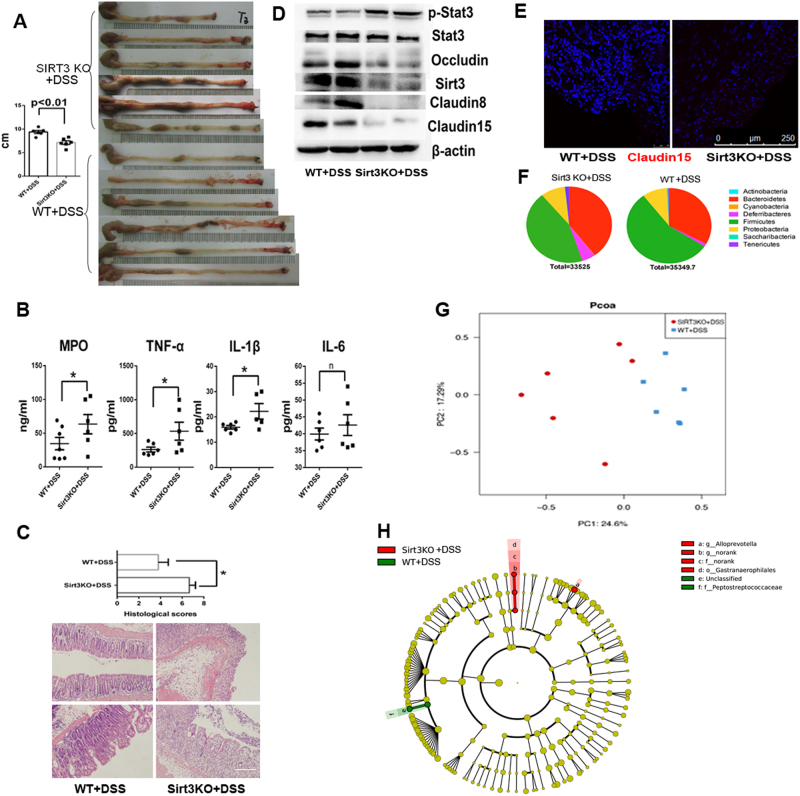
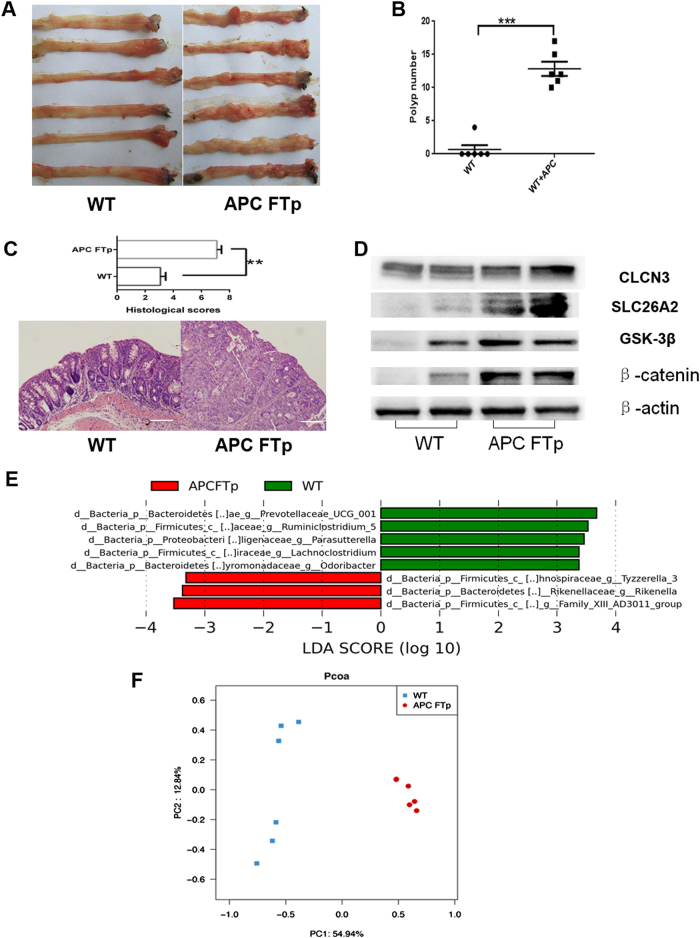
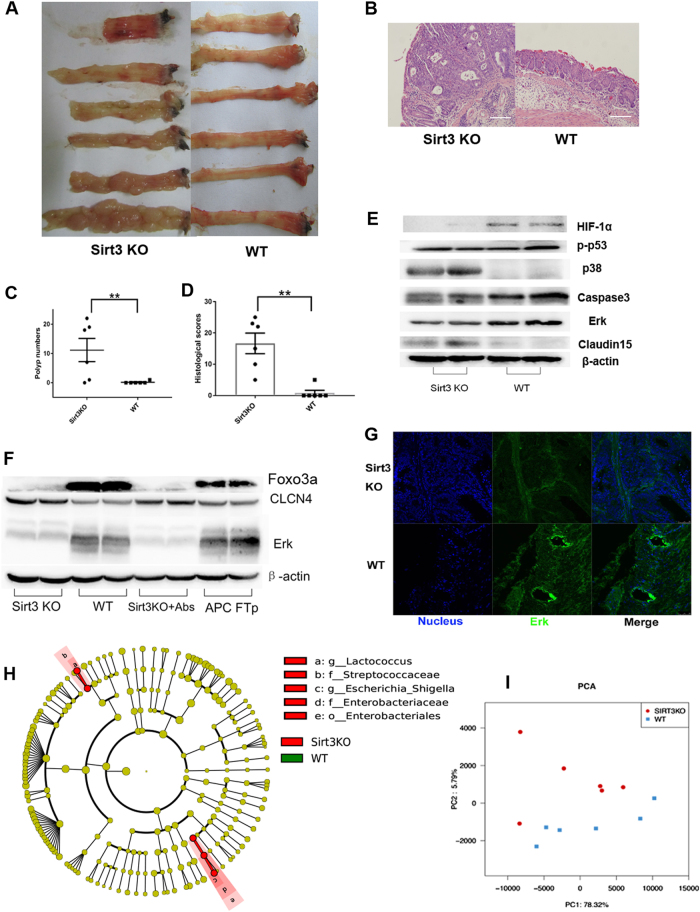
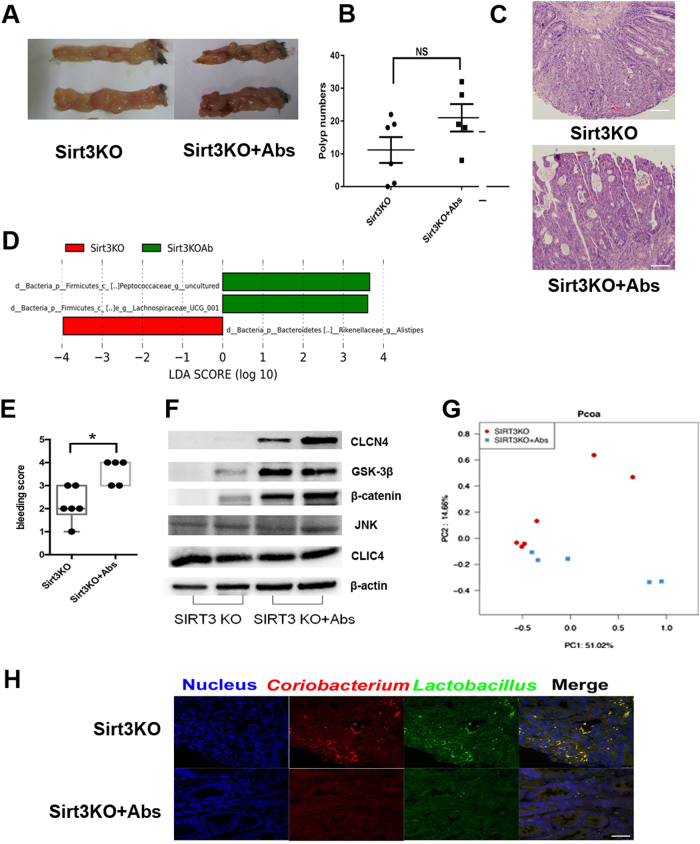
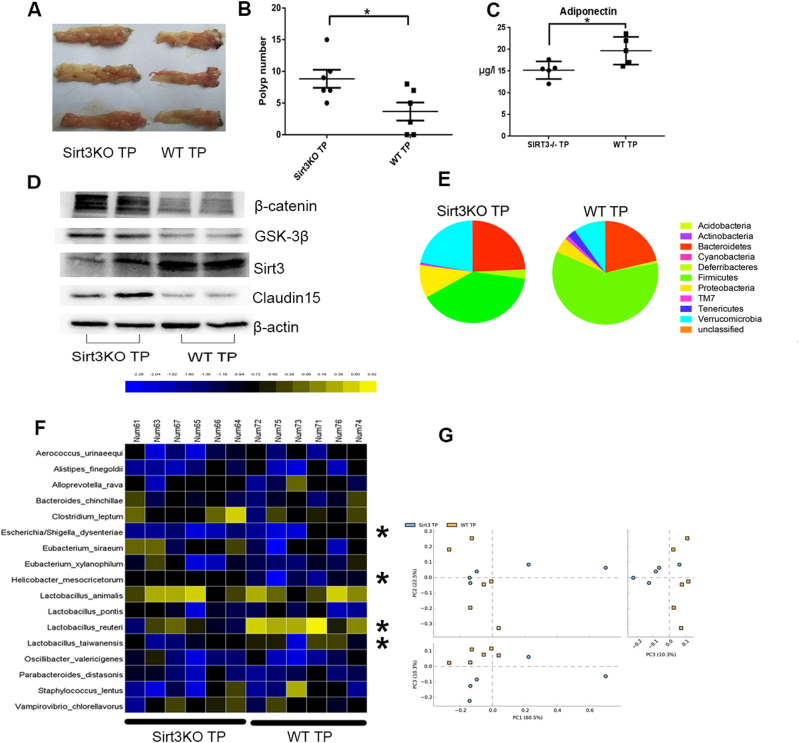
Colorectal cancer (CRC) is a disease involving a variety of genetic and environmental factors. Sirtuin-3 (Sirt3) is expressed at a low level in cancer tissues of CRC, but it is unclear how Sirt3 modulates colonic tumorigenesis. In this study, we found that gut microbiota play a central role in the resistance to CRC tumor formation in wild-type (WT) mice through APC (Adenomatous Polyposis Coli)-mutant mouse microbiota transfer via Wnt signaling. We also found that Sirt3-deficient mice were hypersusceptible to colonic inflammation and tumor development through altered intestinal integrity and p38 signaling, respectively. Furthermore, susceptibility to colorectal tumorigenesis was aggravated by initial commensal microbiota deletion via Wnt signaling. Mice with Sirt3-deficient microbiota transfer followed by chemically induced colon tumorigenesis had low Sirt3 expression compared to WT control microbiome transfer, mainly due to a decrease in Escherichia/Shigella, as well as an increase in Lactobacillus reuteri and Lactobacillus taiwanensis. Collectively, our data revealed that Sirt3 is an anti-inflammatory and tumor-suppressing gene that interacts with the gut microbiota during colon tumorigenesis. Boosting specific beneficial bacteria in the gut may enhance expression levels of a tumor-suppressing gene in colorectal cancer (CRC). Both genetic factors and the bacteria present in the gut play vital roles in CRC development. However, it is unclear exactly how genes interact with the bacteria to affect tumor growth. Man-tian Mi and co-workers at the Third Military Medical University in Chongqing, China, examined the role of a gene called Sirt-3 in CRC development. Mice lacking the Sirt-3 gene suffered severe chronic inflammation and developed tumors due to altered signalling pathways and reduced intestinal integrity. Further, the guts of the mice harboured more pathogenic bacteria than wild-type mice. The team also found lower levels of two key types of beneficial bacteria that would ordinarily prevent reduced Sirt-3 expression.
Overview
The claims and statistics of this paper haven’t been checked yet.
Free: it reads the open-access text and checks the first 5 claims that cite a source we can check. Create a free account to check every claim.
Integrity signals
Registry
Cites
Statistics
Figures
Verification
Claims the paper makes
The claims and statistics of this paper haven’t been checked yet.
Free: it reads the open-access text and checks the first 5 claims that cite a source we can check. Create a free account to check every claim.
Claims other papers make about this one
Each is checked against this paper’s own text: does it say what the citing paper says it does?
The cited source says what the claim attributes to it.
In the citing paper
“Sirtuins are involved in regulating the gut microbiota [128, 129] and in protecting intestinal endothelial cells against oxidative injury [130].”
From NAD+ Precursors Nicotinamide Mononucleotide (NMN) and Nicotinamide Riboside (NR): Potential Dietary Contribution to Health (2023) · cites this paper as [129]
Self-check
Percentages, sums and reported differences re-computed from the paper’s own numbers.
The self-check needs the paper’s full text.
Citations
Cites
Jemal, A., Bray, F., Center, M. M., Ferlay, J., Ward, E., & Forman, D. (2011) · CA: A Cancer Journal for Clinicians · doi:10.3322/caac.20107 · Cited by 54,679
Global cancer statistics, 2012
Torre, L. A., Bray, F., Siegel, R. L., Ferlay, J., Lortet‐Tieulent, J., & Jemal, A. (2015) · CA: A Cancer Journal for Clinicians · doi:10.3322/caac.21262 · Cited by 26,850
Hsiao, E. Y., McBride, S. W., Hsien, S., Sharon, G., Hyde, E. R., McCue, T., Codelli, J. A., Chow, J., Reisman, S. E., Petrosino, J. F., et al. (2013) · Cell · doi:10.1016/j.cell.2013.11.024 · Cited by 3,283
The gut microbiota, bacterial metabolites and colorectal cancer
Louis, P., Hold, G. L., & Flint, H. J. (2014) · Nature Reviews Microbiology · doi:10.1038/nrmicro3344 · Cited by 2,816
Kostic, A. D., Chun, E., Robertson, L., Glickman, J. N., Gallini, C. A., Michaud, M., Clancy, T. E., Chung, D. C., Lochhead, P., Hold, G. L., et al. (2013) · Cell Host & Microbe · doi:10.1016/j.chom.2013.07.007 · Cited by 2,718
Colorectal Cancer Epidemiology: Incidence, Mortality, Survival, and Risk Factors
Haggar, F., & Boushey, R. (2009) · Clinics in Colon and Rectal Surgery · doi:10.1055/s-0029-1242458 · Cited by 2,433
Zheng, P., Zeng, B., Zhou, C., Liu, M., Fang, Z., Xu, X., Zeng, L., Chen, J., Fan, S., Du, X., et al. (2016) · Molecular Psychiatry · doi:10.1038/mp.2016.44 · Cited by 2,023
Gut microbiome development along the colorectal adenoma-carcinoma sequence
Feng, Q., Liang, S., Jia, H., Stadlmayr, A., Tang, L., Lan, Z., Zhang, D., Xia, H., Xu, X., Jie, Z., et al. (2015) · Nature Communications · doi:10.1038/ncomms7528 · Cited by 1,506
Lamas, B., Richard, M. L., Leducq, V., Pham, H.-P., Michel, M.-L., Da Costa, G., Bridonneau, C., Jegou, S., Hoffmann, T. W., Natividad, J. M., et al. (2016) · Nature Medicine · doi:10.1038/nm.4102 · Cited by 1,482
Potential of fecal microbiota for early-stage detection of colorectal cancer
Zeller, G., Tap, J., Voigt, A. Y., Sunagawa, S., Kultima, J. R., Costea, P. I., Amiot, A., Böhm, J., Brunetti, F., Habermann, N., et al. (2014) · Molecular Systems Biology · doi:10.15252/msb.20145645 · Cited by 1,375
Cited by
The sirtuin family in health and disease
Wu, Q.-J., Zhang, T.-N., Chen, H.-H., Yu, X.-F., Lv, J.-L., Liu, Y.-Y., Liu, Y.-S., Zheng, G., Zhao, J.-Q., Wei, Y.-F., et al. (2022) · Signal Transduction and Targeted Therapy · doi:10.1038/s41392-022-01257-8 · Cited by 862
Self-citationThe Roles of Histone Deacetylases and Their Inhibitors in Cancer Therapy
Li, G., Tian, Y., & Zhu, W.-G. (2020) · Frontiers in Cell and Developmental Biology · doi:10.3389/fcell.2020.576946 · Cited by 352
High fat diet, gut microbiome and gastrointestinal cancer
Tong, Y., Gao, H., Qi, Q., Liu, X., Li, J., Gao, J., Li, P., Wang, Y., Du, L., & Wang, C. (2021) · Theranostics · doi:10.7150/thno.56157 · Cited by 205
Chen, M., Hou, P., Zhou, M., Ren, Q., Wang, X., Huang, L., Hui, S., Yi, L., & Mi, M. (2020) · Clinical Nutrition · doi:10.1016/j.clnu.2019.05.020 · Cited by 146
Self-citationThe Roles of Sirtuin Family Proteins in Cancer Progression
Zhao, E., Hou, J., Ke, X., Abbas, M. N., Kausar, S., Zhang, L., & Cui, H. (2019) · Cancers · doi:10.3390/cancers11121949 · Cited by 133
Alegre, G. F. S., & Pastore, G. M. (2023) · Current Nutrition Reports · doi:10.1007/s13668-023-00475-y · Cited by 101
Chen, M., Hui, S., Lang, H., Zhou, M., Zhang, Y., Kang, C., Zeng, X., Zhang, Q., Yi, L., & Mi, M. (2018) · Molecular Nutrition & Food Research · doi:10.1002/mnfr.201800612 · Cited by 87
Self-citationLv, Z., Liu, R., Su, K., Gu, Y.-M., Fang, L., Fan, Y., Gao, J., Ruan, X., & Feng, X. (2022) · Frontiers in Endocrinology · doi:10.3389/fendo.2022.921119 · Cited by 89
“Frontiers in Endocrinology 12 immunosuppressive mechanisms, disrupting tumor immune surveillance, inducing adverse tumor treatment reactions, and promoting the occurrence of CRF (46, 47).”
BackgroundYu, Z., Chen, J., Liu, Y., Meng, Q., Liu, H., Yao, Q., Song, W., Ren, X., & Chen, X. (2023) · Frontiers in Microbiology · doi:10.3389/fmicb.2023.1095555 · Cited by 102
“reuteri was proven to be crucial in gut tumorigenesis (Zhang et al., 2018).”
BackgroundLactobacillus reuteri in digestive system diseases: focus on clinical trials and mechanisms
Peng, Y., Ma, Y., Luo, Z., Jiang, Y.-F., Xu, Z., & Yu, R. (2023) · Frontiers in Cellular and Infection Microbiology · doi:10.3389/fcimb.2023.1254198 · Cited by 89
Wu Mei Wan attenuates CAC by regulating gut microbiota and the NF-kB/IL6-STAT3 signaling pathway
Jiang, F., Liu, M., Wang, H., Shi, G., Chen, B., Chen, T., Yuan, X., Zhu, P., Zhou, J., Wang, Q., et al. (2020) · Biomedicine & Pharmacotherapy · doi:10.1016/j.biopha.2020.109982 · Cited by 64
Chen, H., Ye, C., Wu, C., Zhang, J., Xu, L., Wang, X., Xu, C., Zhang, J., Guo, Y. X., & Yao, Q. (2023) · International Journal of Biological Sciences · doi:10.7150/ijbs.81824 · Cited by 70
“Moreover, an experimental study has found that high abundance of Escherichia/Shigella was closely associated with the activation of the Wnt pathway in Sirt3-deficient CRC model mice[38].”
BackgroundSelf-citationMale‐Biased Gut Microbiome and Metabolites Aggravate Colorectal Cancer Development
Wang, L., Tu, Y., Chen, L., Zhang, Y., Pan, X., Yang, S., Zhang, S., Li, S., Yu, K., Song, S., et al. (2023) · Advanced Science · doi:10.1002/advs.202206238 · Cited by 68
Self-citationThe role of the gut microbiome in cancer-related fatigue: pilot study on epigenetic mechanisms
Xiao, C., Fedirko, V., Beitler, J. J., Bai, J., Peng, G., Zhou, C., Gu, J., Zhao, H., Lin, I., Chico, C. E., et al. (2020) · Supportive Care in Cancer · doi:10.1007/s00520-020-05820-3 · Cited by 69
“For instance, higher abundance of genus Family XIII AD3011 has been reported in colonic inflammation and colorectal cancer [36].”
BackgroundAbdelmaksoud, N. M., Abulsoud, A. I., Abdelghany, T. M., Elshaer, S. S., Rizk, S. M., & Senousy, M. A. (2023) · Pathology - Research and Practice · doi:10.1016/j.prp.2023.154509 · Cited by 58
Slowing Down Ageing: The Role of Nutrients and Microbiota in Modulation of the Epigenome
Gadecka, A., & Bielak-Zmijewska, A. (2019) · Nutrients · doi:10.3390/nu11061251 · Cited by 53
“Similar role is attributed to SIRT3, the level of which decreases in colorectal cancer [358].”
BackgroundLilja, S., Stoll, C., Krammer, U. D. B., Hippe, B., Duszka, K., Debebe, T., Höfinger, I., König, J. S., Pointner, A., & Haslberger, A. G. (2021) · International Journal of Molecular Sciences · doi:10.3390/ijms22052331 · Cited by 59
“Mice lacking SIRT3 expression have altered gut microbiomes, exhibited a higher inflammatory level, and increased intestinal epithelial damage [15].”
BackgroundDiet and the gut-lung axis in cystic fibrosis – direct & indirect links
McKay, I. R., van Dorst, J. M., Katz, T., Doumit, M., Prentice, B. J., Owens, L., Belessis, Y., Chuang, S., Jaffé, A., Thomas, T., et al. (2022) · Gut Microbes · doi:10.1080/19490976.2022.2156254 · Cited by 52
NAD+ Metabolism and Immune Regulation: New Approaches to Inflammatory Bowel Disease Therapies
Chen, C., Yan, W., Tao, M., & Fu, Y. (2023) · Antioxidants · doi:10.3390/antiox12061230 · Cited by 50
Bai, J., Bruner, D. W., Fedirko, V., Beitler, J. J., Zhou, C., Gu, J., Zhao, H., Lin, I., Chico, C. E., Higgins, K. A., et al. (2020) · Cancers · doi:10.3390/cancers12092531 · Cited by 50
“Consistent with our data, a higher abundance of Tyzzerella and Ruminiclostridium were reported in inflammation-associated cancer [35].”
ResultD’Onofrio, N., Martino, E., Balestrieri, A., Mele, L. L., Cautela, D., Castaldo, D., & Balestrieri, M. L. (2022) · FEBS Letters · doi:10.1002/1873-3468.14310 · Cited by 48
Heinonen, T., Ciarlo, E., Roy, D. L., & Roger, T. (2019) · Frontiers in Immunology · doi:10.3389/fimmu.2019.02341 · Cited by 40
Chen, L., Wang, M.-F., Chang, C., Huang, S., Pan, C., Yeh, Y., Huang, C., Chan, C.-H., & Huang, H.-Y. (2021) · Nutrients · doi:10.3390/nu13041116 · Cited by 40
“Lachnospiraceae_UCG_001, a bacterium found to be increased in feces from unhealthy inflamed intestines [38], was reduced in the aged mice treated with the high dose of LPPS23.”
BackgroundWang, Y., Sun, X., Ji, K., Du, L., Xu, C., He, N., Wang, J., Liu, Y., & Liu, Q. (2018) · Biomedicine & Pharmacotherapy · doi:10.1016/j.biopha.2018.06.071 · Cited by 33
RetractedGhosh, P., Swanson, L., Sayed, I. M., Mittal, Y., Lim, B. B. C., Ibeawuchi, S., Foretz, M., Viollet, B., Sahoo, D., & Das, S. (2020) · Life Science Alliance · doi:10.26508/lsa.201900481 · Cited by 35
“Both SIRTs have been shown to regulate in fl ammation in the gut (Akimova et al, 2014; Lo Sasso et al, 2014; Wellman et al, 2017; Zhang et al, 2018).”
Kang, Y. H., Tucker, S. A., Quevedo, S. F., Inal, A., Korzenik, J. R., & Haigis, M. C. (2022) · PLoS ONE · doi:10.1371/journal.pone.0273080 · Cited by 33
Li, X., Li, L., Li, Y., Zhou, R., Li, B., Gu, X. Y., Fu, S.-C., Jin, B.-Y., Zuo, X., & Li, Y. (2021) · BMC Microbiology · doi:10.1186/s12866-021-02127-z · Cited by 34
“taiwanensis might provide protective effects in the colorectal tumorgenesis and cervical neoplasia development [25, 26].”
BackgroundRastogi, Y. R., Saini, A. K., Thakur, V. K., & Saini, R. V. (2020) · International Journal of Molecular Sciences · doi:10.3390/ijms21093212 · Cited by 36
“Major factors that lead to microbiota dysbiosis include the early exposure to antibiotics in life, or the too-frequent use of broad-spectrum antibiotics [22–24], unhealthy habits like alcoholism and smoking [25], excessive consumption of a modern high-fat and high-protein and low-fibre diet (referred to as the western…”
BackgroundDuarte, V. D. S., Cruz, B. C. D. S., Tarrah, A., Dias, R. S., Moreira, L. D. P. D., Lemos, W. J. F., Silva, L. C. F., Santana, G. R., de Oliveira, L. L., Pelúzio, M. D. C. G., et al. (2020) · Microorganisms · doi:10.3390/microorganisms8121994 · Cited by 32
“(2018) [109] in an AOM/DSS murine model.”
BackgroundTrabjerg, M. S., Andersen, D. C., Huntjens, P., Oklinski, K. E., Bolther, L., Hald, J. L., Baisgaard, A. E., Mørk, K., Warming, N., Kullab, U. B., et al. (2021) · Communications Biology · doi:10.1038/s42003-021-02034-z · Cited by 34
The role of the gut microbiome in gastrointestinal cancers
Mishra, Y., Ranjan, A., Mishra, V. K., Chattaraj, A., Aljabali, A. A. A., El‐Tanani, M., Hromić‐Jahjefendić, A., Uversky, V. N., & Tambuwala, M. M. (2023) · Cellular Signalling · doi:10.1016/j.cellsig.2023.111013 · Cited by 29
Trisal, A., Singh, I., Garg, G., Jorwal, K., & Singh, A. K. (2024) · 3 Biotech · doi:10.1007/s13205-024-04187-0 · Cited by 32
The Interaction Between the Microbiome and Tumors
Zong, Y., Zhou, Y., Liao, B., Liao, M., Shi, Y., Yu, W., Huang, Y., Zhou, X., Cheng, L., & Ren, B. (2021) · Frontiers in Cellular and Infection Microbiology · doi:10.3389/fcimb.2021.673724 · Cited by 25
Sirt3 restricts tumor initiation via promoting LONP1 deacetylation and K63 ubiquitination
Wu, L., Yan, X., Sun, R., Ma, Y., Yao, W., Gao, B., Zhang, Q., You, J., Wang, H., Han, Q., et al. (2023) · Journal of Translational Medicine · doi:10.1186/s12967-023-03925-x · Cited by 32
“The results that Sirt−/− mice are hypersusceptible to AOM/ DSS induced tumorigenesis provide solid evidence to our hypothesis [38].”
BackgroundShao, W., Pan, B., Li, Z., Peng, R., Yang, W., Xie, Y., Han, D., Fang, X., Li, J., Zhu, Y., et al. (2024) · Journal of Hazardous Materials · doi:10.1016/j.jhazmat.2024.135096 · Cited by 24
Mitochondrial Sirtuins in Chronic Degenerative Diseases: New Metabolic Targets in Colorectal Cancer
Colloca, A., Balestrieri, A., Anastasio, C., Balestrieri, M. L., & D’Onofrio, N. (2022) · International Journal of Molecular Sciences · doi:10.3390/ijms23063212 · Cited by 21
“SIRT3-deficient mice showed hyper-susceptibility to colon inflammation and CRC development as a consequence of alteration of intestinal integrity, abundance of microbial pathogens and p38 signaling promotion [116].”
BackgroundZhra, M., Elahi, M. A., Tariq, A., Abu‐Zaid, A., & Yaqinuddin, A. (2025) · Cells · doi:10.3390/cells14060466 · Cited by 20
“Sirtuins are essential in gut function regulation, particularly in preserving the intestinal barrier and mucosal immune mechanism, which are vital for regulating intestinal microbiota composition [106].”
Psara, E., Poulios, E., Papadopoulou, S. Κ., Tolia, M., Vasios, G. K., & Giaginis, C. (2023) · Anti-Cancer Agents in Medicinal Chemistry · doi:10.2174/1871520623666230816090229 · Cited by 16
Association of sirtuins (SIRT1-7) with lung and intestinal diseases
Chen, Y., Zhou, D., Feng, Y., Li, B., Cui, Y., Chen, G., & Li, N. (2022) · Molecular and Cellular Biochemistry · doi:10.1007/s11010-022-04462-9 · Cited by 16
“SIRT3 deficient mice can develop colitis and tumor sensitivity through the p38 signal, and aggravate the sensitivity through the loss of symbiotic flora caused by the Wnt signal, so SIRT3 reduces the susceptibility of colitis [62].”
BackgroundTrabjerg, M. S., Andersen, D. C., Huntjens, P., Mørk, K., Warming, N., Kullab, U. B., Skjønnemand, M.-L. N., Oklinski, M. K., Oklinski, K. E., Bolther, L., et al. (2023) · npj Parkinson's Disease · doi:10.1038/s41531-023-00450-y · Cited by 16
Microbiota and cancer: an update
Vallianou, N. G., & Tzortzatou, F. (2019) · Journal of Chemotherapy · doi:10.1080/1120009x.2018.1541046 · Cited by 16
Gan, L., Li, Q., Nie, W., Zhang, Y., Jiang, H., Tan, C., Zhang, L., Zhang, J., Li, Q., Hou, P., et al. (2022) · International Journal of Biological Sciences · doi:10.7150/ijbs.73530 · Cited by 16
“SIRT3 can present cytotoxic properties by disturbing mitochondrial activity [39, 45]; SIRT3 can also inhibit energy reprogramming by interrupting the Warburg effect [46].”
Self-citationNagahisa, T., Kosugi, S., & Yamaguchi, S. (2023) · Nutrients · doi:10.3390/nu15061494 · Cited by 15
In silico insights into potential gut microbial modulation of NAD+ metabolism and longevity
Salekeen, R., Siam, M. H. B., Sharif, D. I., Lustgarten, M. S., Billah, M. M., & Islam, K. M. D. (2021) · Journal of Biochemical and Molecular Toxicology · doi:10.1002/jbt.22925 · Cited by 14
Gut aging: A wane from the normal to repercussion and gerotherapeutic strategies
Abankwah, J. K., Wang, Y., Wang, J., Enechojo, O. S., Pozzo, L. D., Chu, X., & Bian, Y. (2024) · Heliyon · doi:10.1016/j.heliyon.2024.e37883 · Cited by 19
“Similarly, sirtuin 3 modulated the gut microbiota, maintained expression of tight junction protein (claudin 8, claudin 15, and occludin), and possessed anti-inflammatory properties by decreasing pro-inflammatory cytokine (IL-1 β and TNF-α ) in mice [173].”
BackgroundZhang, Y., Li, Z., Zhao, Z., Kuai, W., Wei, C., Lv, J., Zhi, J., & Jia, Y. (2019) · Evidence-based Complementary and Alternative Medicine · doi:10.1155/2019/3870812 · Cited by 12
Self-citationAbdelmaksoud, N. M., Abulsoud, A. I., Abdelghany, T. M., Elshaer, S. S., Samaha, A., Maurice, N. W., Rizk, S. M., & Senousy, M. A. (2024) · Journal of Biochemical and Molecular Toxicology · doi:10.1002/jbt.70095 · Cited by 10
The multifaceted role of sirtuins in inflammatory bowel diseases
Samant, S. A., Hyoju, S. K., Alverdy, J. C., & Gupta, M. P. (2025) · American Journal of Physiology-Gastrointestinal and Liver Physiology · doi:10.1152/ajpgi.00311.2024 · Cited by 10
Lactic Acid Bacteria and Aging: Unraveling the Interplay for Healthy Longevity
Liu, R., & Sun, B. (2023) · Aging and Disease · doi:10.14336/ad.2023.0926 · Cited by 17
“Compelling evidence highlights the pivotal involvement of aging-related genes, particularly SIRTs1, 3, and 6, in safeguarding gut barrier integrity and modulating gut inflammation, underscoring their significance in the context of gut health and disease pathogenesis [9, 18, 19].”
BackgroundIdentification of intestinal flora-related key genes and therapeutic drugs in colorectal cancer
Zhang, J., Zhang, H., Li, F., Song, Z., Li, Y., & Zhao, T. (2020) · BMC Medical Genomics · doi:10.1186/s12920-020-00810-0 · Cited by 9
da Costa, A. L. A., Soares, M. A., Lourenço, T. G. B., Pinto, K. G., Filardy, A. A., de Oliveira, A. M., de Luca, B. G., Magliano, D. C., de Araújo, O. M. O., Moura, L., et al. (2024) · Journal of Periodontal Research · doi:10.1111/jre.13288 · Cited by 9
Garg, G., Trisal, A., & Singh, A. K. (2025) · Neuroscience · doi:10.1016/j.neuroscience.2025.03.020 · Cited by 8
Zhu, W., Li, J., Chen, Y., Liu, Z., Zhang, Q., & Kang, C. (2023) · International Immunopharmacology · doi:10.1016/j.intimp.2023.109768 · Cited by 5
Self-citationSalekeen, R., Lustgarten, M. S., Khan, U., & Islam, K. M. D. (2023) · Journal of Biomolecular Structure and Dynamics · doi:10.1080/07391102.2023.2192823 · Cited by 8
“…but also strongly associated with the hosted gut microbial signaling and modulation, as investigated in a pleth-ora of literature (Biagi et al., 2016; Ghosh et al., 2022; Ling et al., 2020; Salekeen et al., 2021; Salekeen et al., 2021; Vaiserman et al., 2017; Xu & Yang, 2021; Zhang et al., 2018).”
BackgroundCellular mechanisms promoting cachexia and how they are opposed by sirtuins
Samant, S. A., Pillai, V. B., & Gupta, M. P. (2018) · Canadian Journal of Physiology and Pharmacology · doi:10.1139/cjpp-2018-0479 · Cited by 5
“Recently, it has been demonstrated that mice deficient in SIRT3 were hyper-susceptible to colonic inflammation and tumor development and conclude that SIRT3 may provide a probiotic effect by interacting with gut microbiota (Zhang et al. 2018).”
BackgroundMechanistic Links Between the Gut Microbiome and Longevity Therapeutics
Garzon-Escamilla, N., Medina-Cardena, M., Roy, P., Trent, J., Jamous, J., Somesan, Y., & Denslow, S. (2026) · Biomedicines · doi:10.3390/biomedicines14020316 · Cited by 7
“SIRT3-deficient mice exhibited increased gut inflammation and tumors, displaying fewer beneficial bacteria such as Lactobacillus reuteri and Lactobacillus taiwanensis , and a higher presence of patho-bionts, including Escherichia and Shigella [289].”
Olier, M., Naud, N., Fouché, E., Tondereau, V., Ahn, I., Leconte, N., Blas-Y-Estrada, F., Garric, G., Héliès‐Toussaint, C., Harel-Oger, M., et al. (2024) · npj Science of Food · doi:10.1038/s41538-024-00273-y · Cited by 4
“…due to their antioxidant properties, have been previously reported 45,46 , and (ii) the reduction of Peptococcaceae or Lachno-clostridium , i.e. pathobionts previously proposed as faecal or salivary biomarkers in the panel of tools allowing the diagnosis of colorectal adenomas and cancers 47 – 50 .”
BackgroundYang, H., Liu, W., Gao, T., Liu, Q., Zhang, M., Liu, Y., Ma, X., Zhang, N., Shi, K., Duan, M., et al. (2024) · Frontiers in Immunology · doi:10.3389/fimmu.2024.1438645 · Cited by 4
Self-citationWu, T., Jiao, L., Bai, H., Hu, X. L., Wang, M., Zhao, Z., Xue, H., & Ying, B. (2020) · Molecular Genetics and Genomics · doi:10.1007/s00438-020-01685-7 · Cited by 5
Li, T., Fan, L., Jia, Y., Chen, X., Guo, W., Wang, Y., & Li, Y. (2024) · Clinical and Experimental Pharmacology and Physiology · doi:10.1111/1440-1681.13856 · Cited by 3
“26 However, the specific impacts of SIRT3 on CRC and precise mechanisms remain unknown.”
BackgroundFan, X., Liu, Z., Liu, W., Li, D., Zhao, T., Wen, D., Li, X., Wang, Q., Li, B., & Huang, X. (2025) · Food Science and Human Wellness · doi:10.26599/fshw.2025.9250677 · Cited by 4
Shen, J., Fang, L., Peng, X., Jiang, M., Xie, X., & Tan, Z. (2026) · Journal of Inflammation Research · doi:10.2147/jir.s588857 · Cited by 3
“15 16–18 These findings underscore the physiological and pathological interplay between gut microbiota regulation of the SIRT3-SOD2-ROS signaling pathway and the gut-kidney axis.”
Appraising the Effects of Gut Microbiota on Insomnia Risk Through Genetic Causal Analysis
Li, P., Wang, S., Li, J., Xiao, Z., Zhu, H., Sheng, D., Liu, W., Xiao, B., & Zhou, L. (2025) · American Journal of Medical Genetics Part B Neuropsychiatric Genetics · doi:10.1002/ajmg.b.33021 · Cited by 3
“The Family XIII AD3011 group taxon has been reported to be correlated with various chronic inflammatory conditions, including colonic inflammation, colorectal cancer (Zhang et al. 2018), and cancer-related fatigue (Xiao et al. 2021).”
Unravelling mechanisms regulating Mincle activation
Serene, L. G., Buchanan, R., McCarthy, A. J., & Decout, A. C. (2026) · Communications Biology · doi:10.1038/s42003-025-09493-8 · Cited by 3
Beauchamp, S. (2019) · Carleton University's Institutional Repository (MacOdrum Library, Carleton University) · doi:10.22215/etd/2019-13811
Chapter 16: Vitagenes in gut health and immunity
Surai, P. F. (2020) · Wageningen Academic Publishers eBooks · doi:10.3920/978-90-8686-906-0_16
Research Progress of Biological Function and Prognosis of Colorectal Cancer in Sirtuins Family
李, 瑞. (2024) · Journal of Clinical Personalized Medicine · doi:10.12677/jcpm.2024.34257
Wu, L., Yan, X., Sun, R., Ma, Y., Yao, W., Gao, B., Zhang, Q., You, J., Wang, H., Han, Q., et al. (2024) · Figshare · doi:10.6084/m9.figshare.26566397
Li, X.-Y., Li, L.-X., Li, Y., Zhou, R., Li, B., Gu, X. Y., Fu, S.-C., Jin, B.-Y., Zuo, X.-L., & Li, Y. (2021) · Figshare · doi:10.6084/m9.figshare.14131112
Vagal Sensing of Altered Gut Microbiota Links to Externalizing BehaviorsPreprint
Heo, J. Y., Lee, M. J., Ahn, S.-H., Kang, Y. E., Jeon, S. M., Kim, I. S., An, J. H., Pyo, C. H., Jeong, J., Kim, Y. E., et al. (2026) · Research Square · doi:10.21203/rs.3.rs-8760936/v1
Wang, S., Wang, M., Zhou, X., Yan, K., Chen, Y., Chen, Y., Yao, Y., Dong, Y., Zhong, J., & Li, J. (2026) · Cellular and Molecular Life Sciences · doi:10.1007/s00018-026-06229-7
“Similarly, fecal microbiota transplantation from SIRT3-deficient mice to wild-type recipients exac - erbates inflammatory responses and promotes colorectal tumorigenesis [ 23 ].”
Gut microbial load mediates the longevity effect of Korean red ginseng in Drosophila melanogaster
Gao, W., Lee, H., & Min, K. (2026) · The Journals of Gerontology Series A · doi:10.1093/gerona/glag201
Gastrointestinal Microbiome Dysbiosis in Cancer Development: Mechanisms and Biomarker Potential
Asgari, N., Asghari, M., & Farazmandfar, T. (2026) · MicrobiologyOpen · doi:10.1002/mbo3.70404
Vagal sensing of altered gut microbiota links to externalizing behaviors
Lee, M. J., Kim, I. S., Ahn, S.-H., Chung, W., Kang, Y. E., Jeon, S. M., An, J. H., Pyo, C. H., Jeong, J., Kim, Y. E., et al. (2026) · Gut Microbes · doi:10.1080/19490976.2026.2743919
“25,26 However, how a Sirt3 deficiency relates to alterations in the gut microbiome under non-disease conditions is not fully understood.”
Luo, J., Li, X., Liu, B., Yu, Y., Shen, X., Liu, H., Hu, S., Luo, Q., Liang, X., Xiong, Y., et al. (2026) · Nutrients · doi:10.3390/nu18203371
“Family XIII AD3011 is abundant in colorectal-cancer-susceptible mice [98], and Erysipelatoclostridium correlates with LPS levels [99]; gene set enrichment links both genera to immune/inflammatory pathways [43].”
Metadata
- Authors
- Zhang, Y., Wang, X.-L., Zhou, M., Kang, C., Lang, H.-D., Chen, M.-T., Hui, S.-C., Wang, B., & Mi, M.-T.
- Affiliations
- Army Medical University (CN)
- Venue
- Experimental & Molecular Medicine
- Published
- 2018-04
- Volume
- 50
- Issue
- 4
- Pages
- 1-11
- ISSN
- 1226-3613 (ISSN-L)
- 2092-6413
- PMC
- PMC5938040
- OpenAlex
- W2798253896
- Cited by
- 78
- References
- 42
- Citations by year
- 2026: 10 · 2025: 5 · 2024: 10 · 2023: 15 · 2022: 9 · 2021: 9 · 2020: 10 · 2019: 7 · 2018: 3
- FWCI
- 2.57
- Type
- journal article
- Language
- en
- Open access
- gold
- doi.org
- Licence
- cc-by-nc-nd
- creativecommons.org/licenses/by-nc-nd/4.0 (tdm)
- creativecommons.org/licenses/by-nc-nd/4.0 (vor, 12 d)
- Locations
- Experimental & Molecular Medicine (publishedVersion, cc-by-nc-nd)
- Europe PMC (PubMed Central) (publishedVersion, cc-by-nc-nd)
- PubMed Central (publishedVersion, cc-by-nc-nd)
- PubMed (publishedVersion)
- DOAJ (DOAJ: Directory of Open Access Journals) (submittedVersion, cc-by-sa)
- Topics
- Life Sciences › Biochemistry, Genetics and Molecular Biology › Molecular Biology › Gut microbiota and health
- Health Sciences › Medicine › Geriatrics and Gerontology › Sirtuins and Resveratrol in Medicine
- Life Sciences › Biochemistry, Genetics and Molecular Biology › Molecular Biology › Wnt/β-catenin signaling in development and cancer
- Keywords
- SIRT3, gut microbiota, colorectal cancer, colonic inflammation, colon carcinogenesis, microbiota transfer, Wnt signaling, Apc mutant mice, p38 signaling, intestinal barrier integrity, commensal bacteria, Escherichia-Shigella, Lactobacillus reuteri, Lactobacillus taiwanensis, tumor suppression, anti-inflammatory genes
- MeSH terms
- Gastrointestinal Microbiome, Animals, Cell Transformation, Neoplastic, Colitis, Colonic Neoplasms, Disease Models, Animal, Disease Susceptibility, Intestinal Mucosa, Male, Biomarkers, Incidence, Mice, Knockout, Mice, Sirtuin 3
About these checks
Registry, retraction, Cites and statistics results are computed, not judged, with one exception: a printed reference that no index lists is read once by a model before it counts as a citation error. Claims are extracted by a model and kept only when their quote appears verbatim in the text; each cited source is then checked, with a model’s help, for whether it says what the claim relies on. Those verdicts can be wrong — read the claim’s quote and the cited source before relying on one.
Statistics and arithmetic are recomputed, not judged.
Confidence bands are shown only for fields calibrated on our annotated test set. None is calibrated yet, so no band is shown.
What counts as a claim ›How we measure confidence ›How we check this ›
Are you an author, or do you see a problem with this page? Request a review
Data sources
Bibliographic data: Semantic Scholar, OpenAlex, Crossref.
Contains information from the Semantic Scholar Academic Graph Datasets, made available under the ODC Attribution License (ODC-BY 1.0).
Semantic Scholar’s data is described in: Kinney, R., et al. (2023). The Semantic Scholar Open Data Platform. arXiv:2301.10140.
