

Gastrointestinal adverse events associated with GLP-1 RA in non-diabetic patients with overweight or obesity: a systematic review and network meta-analysis
Open accessThe DOI matches its Crossref record; 59 of the 62 references it cites were found in a registry or an index; 14 of the 23 sources its claims cite were checked for support.
Abstract
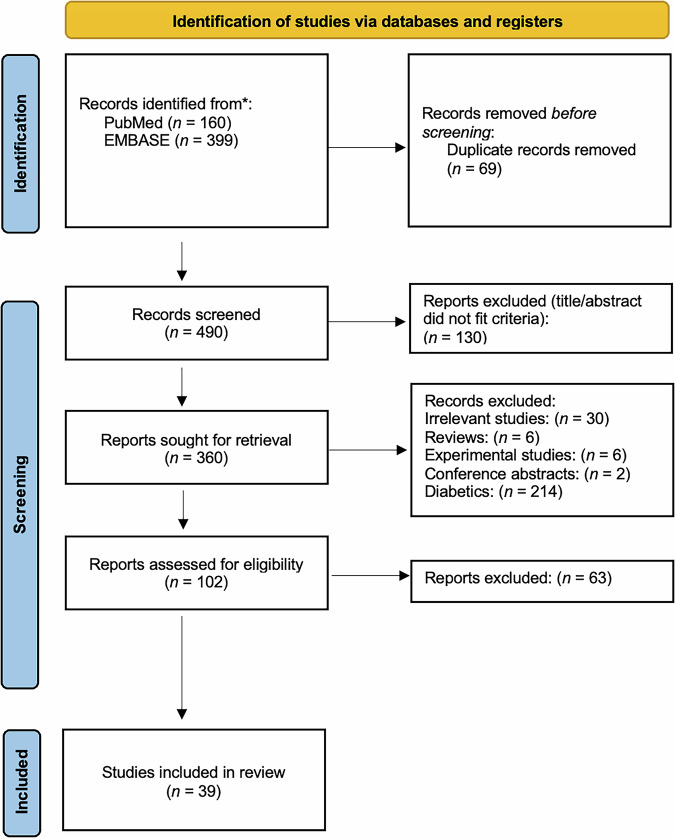
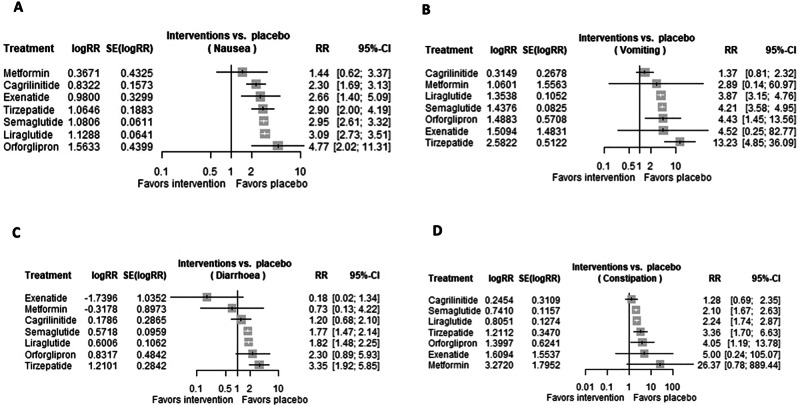
Thirty-nine articles were included in the review showing a total number of 33,354 individuals. Nausea, vomiting, diarrhea, and constipation were the most common gastrointestinal adverse effects. All evaluated GLP-1 RAs led to a significant increase in nausea risk, with orforglipron showing the highest risk, followed by exenatide, tirzepatide, semaglutide, and liraglutide. Additionally, liraglutide, orforglipron, semaglutide, and tirzepatide were associated with increased vomiting risk, while cagrilinitide and exenatide showed no significant increase. Exenatide, cagrilinitide, orforglipron were not associated with diarrhea risk. Finally, semaglutide and liraglutide were associated to increased constipation risk, while cagrilinitide and exenatide showed no significant increase.
Overview
CoChat Summary
## TL;DR
This systematic review and dose-response network meta-analysis included 39 articles and 33,354 non-diabetic adults with overweight or obesity to compare gastrointestinal adverse events across GLP-1 receptor agonists and related agents. All evaluated drugs increased nausea risk, while higher doses were associated with more nausea, vomiting, diarrhea, constipation, and decreased appetite.
## Key findings
- The review included 39 articles and 33,354 individuals; the most common gastrointestinal adverse effects were nausea, vomiting, diarrhea, and constipation.
- All evaluated GLP-1 RAs significantly increased nausea risk; the highest risk was with orforglipron (RR 4.7748, 95% CI 2.0161–11.3085), followed by liraglutide, semaglutide, tirzepatide, exenatide, and cagrilinitide.
- Vomiting risk increased with liraglutide (RR 3.8722), orforglipron (RR 3.8722), semaglutide (RR 4.2108), and tirzepatide (RR 13.2265); cagrilinitide and exenatide were not significantly increased.
- Diarrhea was significantly increased with semaglutide (RR 1.7714), liraglutide (RR 1.8231), and tirzepatide (RR 3.3537), while exenatide, cagrilinitide, and orforglipron were not.
- In dose-response analyses, higher doses of GLP-1 RAs were associated with increased risks of nausea, vomiting, diarrhea, constipation, and decreased appetite, with many outcomes rising quickly at lower doses then plateauing.
## Methods
- Design: Systematic review and dose-response network meta-analysis, conducted according to PRISMA 2020.
- Data/sample: Searches of PubMed and EMBASE from inception to December 20, 2023; 39 interventional studies/RCTs in non-diabetic adults with overweight or obesity.
- Analysis: Random-effects network meta-analysis using restricted maximum likelihood, with comparisons reported as RRs with 95% CIs; heterogeneity assessed with Q-test and I², and risk of bias evaluated with the Cochrane Collaboration tool.
## Limitations
- The paper states there was significant heterogeneity in study design, populations, dose regimens, and follow-up duration, and that some trials had high risk of bias; these factors could affect reliability.
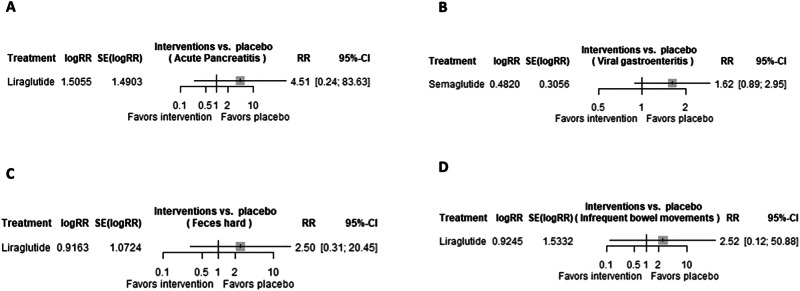
- Some adverse events were reported in few trials (e.g., viral gastroenteritis, hard feces, infrequent bowel movements), limiting robust analyses.
- The authors state they could not do duration-based subgroup analyses because of missing stratified time-point data, and they could not compare adult vs. elderly or pediatric/adolescent groups because included studies enrolled adults only.
- Evident from the text: most studies came from a limited set of countries (U.S., Denmark, China, Slovenia), so generalizability may be limited; reporting/classification differences across studies may also have introduced inconsistency.
Model-written summary. Check it against the paper before relying on it.
Integrity signals
Registry
Cites
Statistics
Figures
Verification
Claims the paper makes
8 Valid · 4 Not valid · 6 Not checked · 123 Own results and interpretations
Every source the paper cites for this claim was checked and supports it.
In the paper
“However, abdominal symptoms are often related to acute pancreatis, but extensive cardiovascular outcome trials have not demonstrated an elevated risk of pancreatitis associated with GLP-1RAs [60].”
§ Gastrointestinal adverse events associated with GLP-1 RA in non-diabetic patients with overweight or obesity: a systematic review and network meta-analysis > Discussion
What the sources say
- Supportedcites [60] Nauck MA, Quast DR, Wefers J, Meier JJ. GLP-1 receptor agonists in the treatment of type 2 diabetes - state-of-the-art. Mol Metab. 2021;46:101102. 33068776 PMC8085572 source
The Gastrointestinal and other adverse events section reports that large randomized cardiovascular outcome studies carefully adjudicated suspected pancreatitis and uniformly found hazard ratios not significantly different from 1.0. This supports the claim that those trials did not demonstrate an elevated pancreatitis risk with GLP-1 RAs. (LLM, conf=0.93)
boosted- Asserted: passes — The authors put it forward as true.
- Checkable: passes — It can be checked against evidence.
- Load-bearing: unclear — It is unclear whether the paper’s conclusions depend on it.
- Based: passes — The paper gives a reason why it holds.
- Supported
Every source the paper cites for this claim was checked and supports it.
In the paper
“Likewise, compared to placebo, several GLP-1 RAs including orforglipron, tirzepatide, semaglutide, liraglutide, and exenatide were associated with a significantly increased risk of vomiting [53].”
§ Gastrointestinal adverse events associated with GLP-1 RA in non-diabetic patients with overweight or obesity: a systematic review and network meta-analysis > Discussion
What the sources say
- Supportedcites [53] Yao H, Zhang A, Li D, Wu Y, Wang CZ, Wan JY, et al. Comparative effectiveness of GLP-1 receptor agonists on glycaemic control, body weight, and lipid profile for type 2 diabetes: systematic review and network meta-analysis. BMJ. 2024;384:e076410. 38286487 PMC10823535 source
The Results > Adverse events passage explicitly lists orforglipron, tirzepatide, semaglutide, liraglutide, and exenatide among ten GLP-1RAs associated with a significantly higher risk of vomiting than placebo. The analysis concerns adults with type 2 diabetes. (LLM, conf=0.95)
plainstates an association- Asserted: passes — The authors put it forward as true.
- Checkable: passes — It can be checked against evidence.
- Load-bearing: passes — The paper’s conclusions depend on it.
- Based: passes — The paper gives a reason why it holds.
- Supported
A result the paper reports from its own data — it cites no other source for it, so there is none to check. The quote shows it is in the paper.
In the paper
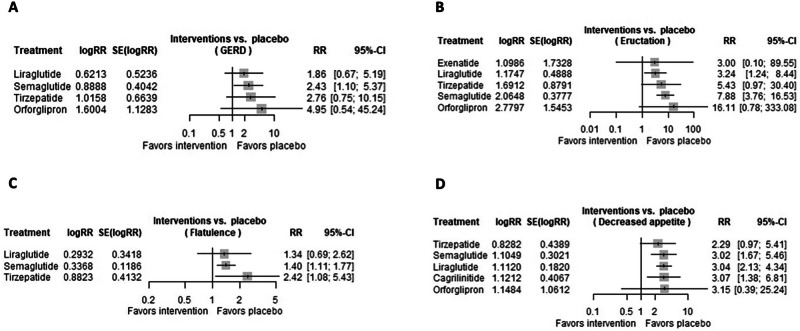
“semaglutide (RR 1.4005 [95% CI 1.1100, 1.7671; p-value 0.0045])”
§ Gastrointestinal adverse events associated with GLP-1 RA in non-diabetic patients with overweight or obesity: a systematic review and network meta-analysis > Results > Flatulence
plainstates an association- Asserted: passes — The authors put it forward as true.
- Checkable: passes — It can be checked against evidence.
- Load-bearing: passes — The paper’s conclusions depend on it.
- Based: passes — The paper gives a reason why it holds.
A result the paper reports from its own data — it cites no other source for it, so there is none to check. The quote shows it is in the paper.
In the paper
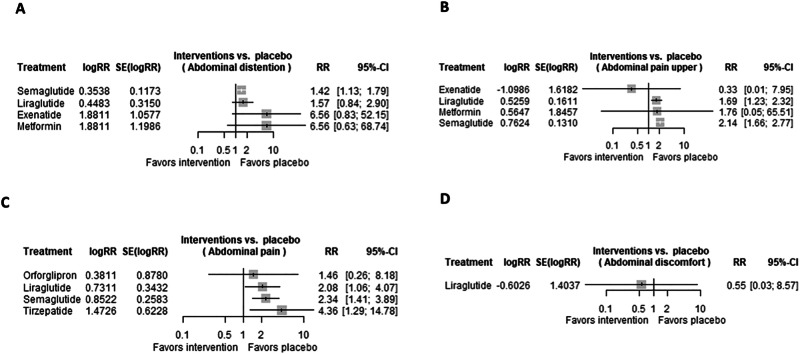
“exenatide (RR 6.5609 [95% CI 0.8253, 52.1544; p-value 0.0753])”
§ Gastrointestinal adverse events associated with GLP-1 RA in non-diabetic patients with overweight or obesity: a systematic review and network meta-analysis > Results > Abdominal distention
plain- Asserted: passes — The authors put it forward as true.
- Checkable: passes — It can be checked against evidence.
- Load-bearing: unclear — It is unclear whether the paper’s conclusions depend on it.
- Based: passes — The paper gives a reason why it holds.
A result the paper reports from its own data — it cites no other source for it, so there is none to check. The quote shows it is in the paper.
In the paper
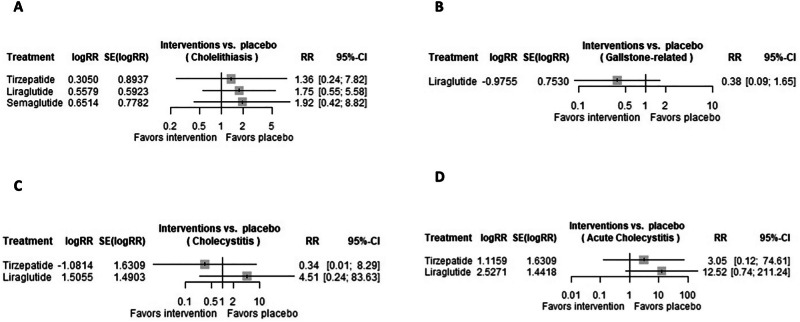
“tirzepatide (RR 1.3566 [95% CI 0.2354, 7.8184; p-value 0.7329]), liraglutide (RR 1.7470 [95% CI 0.5471, 5.5783; p-value 0.3462]), and semaglutide (RR 1.9181 [95% CI 0.2354, 7.8184; p-value 0.7329])”
§ Gastrointestinal adverse events associated with GLP-1 RA in non-diabetic patients with overweight or obesity: a systematic review and network meta-analysis > Results > Cholelithiasis
plain- Asserted: passes — The authors put it forward as true.
- Checkable: passes — It can be checked against evidence.
- Load-bearing: passes — The paper’s conclusions depend on it.
- Based: passes — The paper gives a reason why it holds.
88 more claims
Create a free account to see all 141 claims and to verify the 3 references still open.
- Probably not a substantial claim. 22
- It may state two separate claims as one. 30
Claims other papers make about this one
Each is checked against this paper’s own text: does it say what the citing paper says it does?
The source backs part of the claim, not all of it — or backs it for a different population, condition or comparison.
In the citing paper
“Yet the dominant physiological driver of discontinuation and non-persistence remains gastrointestinal (GI) intolerance, an intrinsic consequence of GLP-1 receptor activation in the gut and brainstem [23,24].”
From Adherence and Persistence with GLP-1-Based Therapies: International Real-World Evidence and the Role of Nutritional and Lifestyle Support—A Narrative Review (2026) · cites this paper as [24]
Experimental — accuracy not yet measuredThe source backs part of the claim, not all of it — or backs it for a different population, condition or comparison.
In the citing paper
“A recent systematic review of 39 randomized controlled trials of GLP-1RAs showed a class effect of increased risks of nausea, vomiting, diarrhea and constipation compared with placebo (15) in individuals without diabetes.”
From The science of safety: adverse effects of GLP-1 receptor agonists as glucose-lowering and obesity medications (2026) · cites this paper as [15]
Experimental — accuracy not yet measuredThe source backs part of the claim, not all of it — or backs it for a different population, condition or comparison.
In the citing paper
“GI adverse events remain the most frequently cited medical reason for discontinuation across both clinical trial and real-world settings [24,53].”
From Adherence and Persistence with GLP-1-Based Therapies: International Real-World Evidence and the Role of Nutritional and Lifestyle Support—A Narrative Review (2026) · cites this paper as [24]
Experimental — accuracy not yet measuredThe cited source says what the claim attributes to it.
In the citing paper
“tirzepatide RR 2.90 (95% CI 2–4.19)”
From The science of safety: adverse effects of GLP-1 receptor agonists as glucose-lowering and obesity medications (2026) · cites this paper as [15]
The cited source says what the claim attributes to it.
In the citing paper
“semaglutide relative risk (RR) 2.95 (95% CI 2.61–3.32)”
From The science of safety: adverse effects of GLP-1 receptor agonists as glucose-lowering and obesity medications (2026) · cites this paper as [15]
2 more claims about this paper
Create a free account to see every claim other papers make about this one.
Citations
Cites
The PRISMA 2020 statement: An updated guideline for reporting systematic reviews
Page, M. J., McKenzie, J. E., Bossuyt, P. M., Boutron, I., Hoffmann, T. C., Mulrow, C. D., Shamseer, L., Tetzlaff, J. M., Akl, E. A., Brennan, S. E., et al. (2021) · BMJ · doi:10.1136/bmj.n71 · Cited by 108,283
A Randomized, Controlled Trial of 3.0 mg of Liraglutide in Weight Management
Pi-Sunyer, X., Astrup, A., Fujioka, K., Greenway, F., Halpern, A., Krempf, M., Lau, D. C. W., le Roux, C. W., Violante Ortiz, R., Jensen, C. B., et al. (2015) · New England Journal of Medicine · doi:10.1056/nejmoa1411892 · Cited by 2,724
GLP-1 receptor agonists in the treatment of type 2 diabetes - state-of-the-art
Nauck, M. A., Quast, D. R., Wefers, J., & Meier, J. J. (2021) · Molecular Metabolism · doi:10.1016/j.molmet.2020.101102 · Cited by 1,647 · cited 1×
“Trials with strati fi ed data by age, disease status, and treatment duration will be instrumental in re fi ning patient-centered prescribing practices.”
Rubino, D., Abrahamsson, N., Davies, M., Hesse, D., Greenway, F. L., Jensen, C., Lingvay, I., Mosenzon, O., Rosenstock, J., Rubio, M. A., et al. (2021) · JAMA · doi:10.1001/jama.2021.3224 · Cited by 1,444
Astrup, A., Rössner, S., Van Gaal, L., Rissanen, A., Niskanen, L., Al Hakim, M., Madsen, J., Rasmussen, M. F., & Lean, M. E. (2009) · The Lancet · doi:10.1016/s0140-6736(09)61375-1 · Cited by 1,163
Wadden, T. A., Bailey, T. S., Billings, L. K., Davies, M., Frias, J. P., Koroleva, A., Lingvay, I., O’Neil, P. M., Rubino, D. M., Skovgaard, D., et al. (2021) · JAMA · doi:10.1001/jama.2021.1831 · Cited by 1,114
Rubino, D. M., Greenway, F. L., Khalid, U., O’Neil, P. M., Rosenstock, J., Sørrig, R., Wadden, T. A., Wizert, A., Garvey, W. T., STEP 8 Investigators, et al. (2022) · JAMA · doi:10.1001/jama.2021.23619 · Cited by 995
Two-year effects of semaglutide in adults with overweight or obesity: the STEP 5 trial
Garvey, W. T., Batterham, R. L., Bhatta, M., Buscemi, S., Christensen, L. N., Frias, J. P., Jódar, E., Kandler, K., Rigas, G., Wadden, T. A., et al. (2022) · Nature Medicine · doi:10.1038/s41591-022-02026-4 · Cited by 868
on behalf of the NN8022-1923 Investigators, Wadden, T. A., Hollander, P., Klein, S., Niswender, K., Woo, V, Hale, P. M., & Aronne, L. (2013) · International Journal of Obesity · doi:10.1038/ijo.2013.120 · Cited by 842
O'Neil, P. M., Birkenfeld, A. L., McGowan, B., Mosenzon, O., Pedersen, S. D., Wharton, S., Carson, C. G., Jepsen, C. H., Kabisch, M., & Wilding, J. P. H. (2018) · The Lancet · doi:10.1016/s0140-6736(18)31773-2 · Cited by 814
Research works printed but not linked: 1
- Zhuo-yue G, Tian-sheng W, Man-ling M, Suo-di Z. A meta-analysis of GI adverse events of GLP-1 receptor agonists and DPP-4 inhibitors. Chin Pharm J. 2014;49:935–940.
Cited by
Jalleh, R. J., Talley, N. J., Horowitz, M., & Nauck, M. A. (2026) · Journal of Clinical Investigation · doi:10.1172/jci194740 · Cited by 40
“In the systematic review of clinical trials mentioned above, tirzepatide conferred the greatest risk of vomiting, RR 13 (15).”
Kansakar, U., Jankauskas, S. S., Pande, S., Mone, P., Varzideh, F., & Santulli, G. (2026) · International Journal of Molecular Sciences · doi:10.3390/ijms27031409 · Cited by 22
Sievenpiper, J. L., Ard, J. D., Blüher, M., Chen, W., Dixon, J. B., Fitch, A., Gigliotti, L., Khunti, K., Lecube, A., Lean, M., et al. (2025) · Obesity Pillars · doi:10.1016/j.obpill.2025.100228 · Cited by 58
“The most common adverse effects (AEs) associated with GBTs are GI, mainly nausea, vomiting, diarrhoea and constipation [22,23].”
Chao, A. M., Gilden, A. H., & Wadden, T. A. (2026) · PLoS Medicine · doi:10.1371/journal.pmed.1004871 · Cited by 21
Takrori, E., Peshin, S., & Singal, S. (2025) · Medicina · doi:10.3390/medicina61111987 · Cited by 13
“Ismael et al. found that GLP-1 receptor agonists produced GI AEs in a dose-dependent manner, varying by agent and exposure [23].”
GLP-1 Receptor Agonists in Heart Failure
Rahmani, A. R., Dhaliwal, S., Pastena, P., Kazakov, E., Jayaseelan, K., & Kalogeropoulos, A. P. (2025) · Biomolecules · doi:10.3390/biom15101403 · Cited by 20
“A recent meta-analysis in non-diabetic patients with overweight or obesity confirmed higher risks of nausea, vomiting, diarrhea, and constipation, particularly with semaglutide, liraglutide, and tirzepatide [36].”
Sonne, N., Roque, M., Zachariassen, L. F., Porsgaard, T., Pors, S. E., Cavalera, M., Jones, C., Osborn, O., Thorbek, D. D., Riis, M. L., et al. (2026) · EBioMedicine · doi:10.1016/j.ebiom.2026.106121 · Cited by 9
“As aversive responses and delayed gastric emptying are thought to contribute to the potent appetite-suppressive effects of GLP1RAs, 66,67 we profiled sem-aglutide and orforglipron in CTA and gastric emptying tests.”
InfluentialLev, D., Leibowitz, A., Lang, A., Shlomai, G., Twig, G., Eden-Friedman, Y., Engel, T., Cukierman-Yaffe, T., Dankner, R. S., Gerstein, H. C., et al. (2026) · Clinical Nutrition · doi:10.1016/j.clnu.2025.106571 · Cited by 13
Yılmaz, N., & Baştemir, M. (2026) · Diabetes Metabolic Syndrome and Obesity · doi:10.2147/dmso.s584175 · Cited by 15
“50”
Maracle, B., Quan, S., Hamilton, P., Shaikh, A., Hazra, D., Lorenzetti, D., Gold, S. L., Raman, M., & St‐Pierre, J. (2025) · Alimentary Pharmacology & Therapeutics · doi:10.1111/apt.70485 · Cited by 19
Joy, B., Ramsamooj, A., Ibrahim, S., Wen, J., Hsu, N., & Frezza, E. (2026) · Endocrine · doi:10.1007/s12020-025-04494-3 · Cited by 13
“Ismaiel et al. 2025 also reported higher risks of nausea, vomiting, and diarrhea with higher dose administration [109 ].”
InfluentialAbenavoli, L. (2025) · Expert Review of Gastroenterology & Hepatology · doi:10.1080/17474124.2025.2607008 · Cited by 4
“Concurrently, investments in cost-effective, generic formulations of GLP-1 RAs and resme-tirom generics may enhance equitable access [15,16].”
Self-citationSridhar, A., Palmer, E. S., Craig, S. L., Krason‐Kidzinska, E., Irwin, N., & O'Harte, F. P. M. (2026) · Diabetes Obesity and Metabolism · doi:10.1111/dom.70647 · Cited by 3
Simancas‐Racines, D., Campuzano-Donoso, M., Rossetti, G., Cobellis, L., Pilone, V., Fascì-Spurio, F., Gavilanes, D. J., Soria, C., Reytor-González, C., & Schiavo, L. (2026) · Obesity Pillars · doi:10.1016/j.obpill.2026.100290 · Cited by 3
“During the active weight-loss phase, typically encompassing the first 6 months of therapy, the principal concern is the interaction between reduced dietary intake, gastrointestinal symptoms, and underlying nutritional status [89,260].”
Prindle, C. R., Bennett, T. L., Rajewski, B. H., Kelley, K. J., Impastato, A. C., Potterfield, R., Marks, D. L., & Delev, J. Y. (2026) · Frontiers in Endocrinology · doi:10.3389/fendo.2026.1797586 · Cited by 3
Metabolic Modulation in Cancer Care: The Potential Role of Glucagon-Like Peptide-1 Receptor Agonists
Temperley, H. C., & Kelly, M. E. (2026) · Journal of Clinical Oncology · doi:10.1200/jco-26-00062 · Cited by 3
“15 Owing to these combined effects, most patients with T2D using GLP-1RAs experience improved fasting serum insulin and insulin sensitivity, lower hemoglobin A1c levels, and reduced reliance on supplemental insulin.”
Olsen, M. B., GRIFFIN, J., Hövelmann, U., Macura, S., Hagen, B. F., Hesse, D., & Heise, T. (2026) · Diabetes Obesity and Metabolism · doi:10.1111/dom.70753 · Cited by 4
“…number of events of vomiting, diarrhoea, and constipation in part 2 of the MAD trial is consistent with a recent meta-analysis of randomized clinical trials, which showed that unlike GLP-1 RA-based therapies, cagrilintide was not associated with a significant increased risk of these GI events [6].”
Zambrano-Villacres, R., Campuzano-Donoso, M., Reytor-González, C., Rossetti, G., Cobellis, L., Cobellis, F., Pilone, V., Simancas‐Racines, D., & Schiavo, L. (2026) · Nutrients · doi:10.3390/nu18111751 · Cited by 9
“Patients who routinely consume large evening meals or eat rapidly may benefit from anticipatory counseling on portion reduction, slower eating pace, and earlier meal timing to mitigate nausea and reflux during dose escalation [98,100–102].”
Bonga, K. N., & Padhan, M. (2026) · Rambam Maimonides Medical Journal · doi:10.5041/rmmj.10565 · Cited by 2
Pharmacological treatment of MASH
Stefan, N., & Targher, G. (2026) · Diabetologia · doi:10.1007/s00125-026-06796-1 · Cited by 6
Dziewierz, A., & Siudak, Z. (2026) · Nutrients · doi:10.3390/nu18111761 · Cited by 3
“Yet the dominant physiological driver of discontinuation and non-persistence remains gastrointestinal (GI) intolerance, an intrinsic consequence of GLP-1 receptor activation in the gut and brainstem [23,24].”
Safety and efficacy of tirzepatide in transplant recipients: a systematic review and meta-analysis
Provenzani, A., Mancuso, B., Stitch, R., Tuzzolino, F., Giusti, M. A., & Mattina, A. (2026) · Frontiers in Pharmacology · doi:10.3389/fphar.2026.1735987 · Cited by 2
“While generally well tolerated, GLP-1 RAs are most frequently associated with gastrointestinal (GI) adverse events, including nausea, vomiting, and diarrhea, which represent a common cause of treatment discontinuation (Ismaiel et al., 2025).”
Pharmacovigilance of semaglutide: A descriptive analysis of WHO-VigiAccess reports
Alorfi, N. M., Alourfi, M. M., AlDabbagh, A., Alghamdi, W., Ghamdi, S. S. A., Aldekhail, N. M., Alkhanani, M., Alansari, A. M., Alsolami, F. A., & Ibrahim, N. A. (2026) · Medicine · doi:10.1097/md.0000000000048811 · Cited by 2
“[4,18,19] The presence of nervous system and psychiatric disorders warrants continued attention.”
Khan, S., Herbst, W., Tajrishi, F. Z., Notani, S., Knight, A., Jamil, Z., & Ferdinand, K. C. (2026) · Biomedicines · doi:10.3390/biomedicines14040743 · Cited by 4
“Overall, GLP-1RAs portray a favorable safety profile; the main known side effects are gastrointestinal (e.g., nausea, vomiting, and diarrhea), which are typically transient and dose-dependent [128–130].”
Gunasekaran, P., Inban, P., Agrawal, A., Thai, A., Aravazhi, P. S., Tariq, H., Prajjwal, P., & John, J. (2026) · Disease-a-Month · doi:10.1016/j.disamonth.2026.102113 · Cited by 4
Temperley, H. C., Coalter, M., Creavin, B., Jordan, P., Hogan, A. E., O'Sullivan, J. N., O'Shea, D. B., McCormick, P. H., Harrold, E., & Kelly, M. E. (2026) · British journal of surgery · doi:10.1093/bjs/znag029 · Cited by 2
“The delay in gastric emptying contributes to both a reduction in food intake and side effects like nausea, which is common and leads to discontinuation of therapy in 10–20% of patients 30 .”
Li, L., Shui, D., Zhang, X., Tan, B., & Deng, Y. (2026) · Frontiers in Endocrinology · doi:10.3389/fendo.2026.1854779 · Cited by 2
Sancho-Haro, E. S., Muñoz-López, M., Baz-Valle, E., Villanueva-Tobaldo, C. V., Tornero-Aguilera, J. F., López-Gil, J. F., López‐Moreno, M., Martín-Rodríguez, A., & Clemente‐Suárez, V. J. (2026) · Pharmaceuticals · doi:10.3390/ph19060897 · Cited by 2
Abenavoli, L., Loricchio, A. G., Lopez, I., Morano, D., Ismaiel, A., Dumitrascu, D. L., & Luzza, F. (2026) · Medicina · doi:10.3390/medicina62050986 · Cited by 1
Self-citationGlucagon-Like Peptide-1 Receptor Agonists: Their Potential Role in Prediabetes
Panou, T., Gouveri, E., Popovic, D. S., Papazoglou, D., & Παπάνας, Ν. (2026) · Diabetes Therapy · doi:10.1007/s13300-026-01865-5 · Cited by 2
What obgyns need to know about GLP-1 receptor agonists
Chauhan, I. (2026) · Current Opinion in Obstetrics & Gynecology · doi:10.1097/gco.0000000000001116 · Cited by 1
Adverse events administering glucagon-like peptide-1 receptor agonists: a cross-sectional study
Mattingly, T. J., Duru, E. E., & Conti, R. M. (2026) · Health Affairs Scholar · doi:10.1093/haschl/qxag023 · Cited by 3
“4,19,20 Importantly, these outcomes may arise from repeated overdosing, incorrect titration schedules, or deviations from recommended administration practices rather than from a single discrete error.”
Acute Contractile Effects of Glucagon-like-Peptide-1 Receptor Agonists in the Human Heart
Neumann, J., Kirchhefer, U., Hofmann, B., & Gergs, U. (2026) · Pharmaceutics · doi:10.3390/pharmaceutics18040447 · Cited by 1
Abdelrahman, R. M., Musa, T. H., Arbab, I. A., Ahmed, E. O., Gasmallah, S. I., Jalal, M., Ahmed, W. R., & Fadul, K. H. (2026) · INQUIRY The Journal of Health Care Organization Provision and Financing · doi:10.1177/00469580261441498 · Cited by 2
GIPR:GCGR co-agonism restores normal weight in obese rodents
Pérez–Tilve, D., Zhang, F., Zhang, Y., Lohman, K., Sorrell, J. E., Vick, A., Müller, T. D., Tschoep, M. H., & DiMarchi, R. D. (2026) · Molecular Metabolism · doi:10.1016/j.molmet.2026.102365 · Cited by 1
“The adverse GI-effect is believed to be common to GLP-1R based therapeutics and a sizable obstacle to clinical application [27,28], that requires lengthy structured protocols to achieve target doses which many patients cannot tolerate [29].”
Dysesthesia associated with GLP-1 agonist therapies: data-mining analysis and literature review
Laroche, M., Geniaux, H., & Jardou, M. (2026) · European Journal of Clinical Pharmacology · doi:10.1007/s00228-026-04079-7 · Cited by 9
Castaneda, R., Sepulveda-Gonzalez, D., Andrade, M. D. H., SHUFELT, C. L., & Faubion, S. S. (2026) · Menopause The Journal of The North American Menopause Society · doi:10.1097/gme.0000000000002854 · Cited by 3
Vaidya, B., Li, Y., Kim, Y. D., Osterman, C., Revelli, J., & Zoghbi, H. Y. (2026) · bioRxiv (Cold Spring Harbor Laboratory) · doi:10.64898/2026.05.18.726024
Assessing the Geriatric Risk: Excessive Weight Loss and Risk of Falls With GLP-1 Receptor Agonists
Ahmed, S. U., & Gadepalli, H. (2026) · Journal of the American Medical Directors Association · doi:10.1016/j.jamda.2026.106159
Farley, B., Radetich, E., D’Alessandro, J. S., & Bulaj, G. W. (2025) · Healthcare · doi:10.3390/healthcare13243220 · Cited by 2
“GI adverse events (nausea, vomiting, diarrhea, constipation) [86,87].”
Mallardo, M., Messina, A., Monda, V., Marra, M. L., Monda, A., Allocca, S., Casillo, M., Maio, G. D., Perrone, P., Daniele, A., et al. (2026) · Nutrients · doi:10.3390/nu18172748 · Cited by 1
Effect of Submaximal-Dose Semaglutide on MASLD Biopsy-Free Scoring Systems in Patients with Obesity
Focko, B., Péč, M. J., Miertová, Z., Jurica, J., Miert, A., Kubikova, L., Tudík, P., Nagy, N., Lecký, P., Ságová, I., et al. (2026) · Livers · doi:10.3390/livers6010003
“It needs to be mentioned that, in the recent meta-analysis of the use of GLP-1RA in non-diabetic patients (analysing data from 33,354 patients) [20], semaglutide administrated mostly in maximal doses significantly increased the risk of nausea, vomiting, diarrhoea, and constipation, and the reported…”
Electrostatic lipidopathy drives human diabetic heart failure
Gawargi, F. I., & Mishra, P. K. (2026) · Cardiovascular Diabetology – Endocrinology Reports · doi:10.1186/s40842-026-00286-4 · Cited by 1
“Gastrointestinal intolerance, volume depletion, and genitourinary infections may further limit long-term adherence in some patients [4, 5].”
Ghosh, S., Maity, S., Pore, S., et al. (2026) · Food Bioscience · doi:10.1016/j.fbio.2026.109548
Stereotypes and Discrimination Toward Weight Loss Injection Users
Sprengholz, P., & Klöckner, M. (2026) · Journal of Applied Social Psychology · doi:10.1111/jasp.70070
Elghanam, Y., & Kim, E. (2026) · Archives of Pharmacal Research · doi:10.1007/s12272-026-01615-y · Cited by 3
“The associated AEs may have important clinical consequences by reducing oral intake and worsening hydration, thereby limiting the feasibility of sustained use in routine practice (Ismaiel et al. 2025).”
Malbert, C., Delarue, J., & Guéant, J. (2026) · Bulletin de l Académie Nationale de Médecine · doi:10.1016/j.banm.2026.07.004 · Cited by 1
Peptide drugs for obesity and type 2 diabetes mellitus: an overview of clinical trials
Barzgar, H., Darmadi, D., Nafisa, J., Narkulov, S., & Sviridova, M. B. (2025) · Clinica Chimica Acta · doi:10.1016/j.cca.2025.120772 · Cited by 2
Oyewole, S. O., & Owosho, A. A. (2026) · Oral Surgery Oral Medicine Oral Pathology and Oral Radiology · doi:10.1016/j.oooo.2026.06.002 · Cited by 3
Current and forthcoming pharmacotherapies for adolescent obesity: Evidence-based review
Fuentes‐Mendoza, J. M., Concepción‐Zavaleta, M. J., Dueñas, L. G. D., Jara-Pianto, J. M. J., Sierra-Martel, J. A., Medina-Angulo, C. A., Flores, H. M. V., Mendoza-Godoy, J. J., Zavaleta‐Gutiérrez, F. E., & Paz‐Ibarra, J. (2026) · World Journal of Clinical Pediatrics · doi:10.5409/wjcp.118730
Vikash, F., Ehsan, M., Valencia, S. O., Nadeem, A., Moazzam, E., Butsch, W. S., & Garg, S. (2026) · Nutrition in Clinical Practice · doi:10.1002/ncp.70180
“17 Note: diarrhea and constipation are lower GI events discussed fully in the Lower Gastrointestinal Adverse Effects section; they are mentioned here only as co ‐ reported outcomes in upper GI ‐ focused analyses.”
An updated patent review of small molecule glucagon receptor antagonists (2020–2024)
Wang, C., Lyu, L., Liu, D., & Yuanjia, H. (2025) · Expert Opinion on Therapeutic Patents · doi:10.1080/13543776.2025.2559928
“The Safety profiles of these agents also diverge: GLP-1RAs with gastrointestinal adverse events including nausea, vomiting, and diarrhea, even potential thyroid-related effects [107,108].”
Garvey, W. T., Ard, J. D., Connery, L. E., Frías, J. P., le Roux, C. W., Pietiläinen, K. H., DINESEN, M., Hagen, B. F., Larsen, L., Hesse, D., et al. (2026) · The Lancet Diabetes & Endocrinology · doi:10.1016/s2213-8587(26)00213-5 · Cited by 2
Gao, S., & Borner, T. (2026) · Appetite · doi:10.1016/j.appet.2026.108723 · Cited by 2
Abomohsen, M., Rifai, M. K., Gadelmawla, A. F., Alghzawi, H. M., Elgendy, M. S., Bakr, H. M., Friedman, A., & Idries, I. Y. M. (2026) · Canadian Journal of Diabetes · doi:10.1016/j.jcjd.2026.04.001
Khasawneh, O., Gerges, K. M., Khasawneh, I., Savarino, E. V., Barberio, B., Gadelmawla, A. F., Elhabbasi, B. M., Albandak, M. E., Mohamed, A. T., Shlibek, H., et al. (2026) · Digestive Diseases · doi:10.1159/000553479 · Cited by 1
Kim, H., Chae, J. H., & Moon, H. Y. (2026) · International Journal of Obesity · doi:10.1038/s41366-026-02141-z
Wang, T., Lei, Y., Li, L., Wang, Y., Tang, H., Wu, Y., Chen, S., Zhang, B., Hu, J., Wang, H., et al. (2026) · Research Square · doi:10.21203/rs.3.rs-9613167/v1
“Randomized trials and large observational studies have consistently demonstrated an overall increased risk of gastrointestinal events associated with GLP-1RAs compared with placebo and active comparators, establishing the average treatment effect of these agents on GI outcomes 2–4 .”
Mortada, I., Lee, A. W., Buckingham, D., Quach, V., Rice, J., Mansour, S., Chatila, K., Shalaby, M., Jehle, D. V., Boyars, M. C., et al. (2026) · Therapeutic Advances in Cardiovascular Disease · doi:10.1177/17539447261478928
For Weight Loss: Why Do GLP-1 Agonists Work, and How Can We Make Them Work Better?
Giang, C., Meng, J., Mohammad, M. A., Liu, Z., Wu, X., & Zhu, Y. (2026) · Biology · doi:10.3390/biology15161395 · Cited by 1
“Higher doses typically result in more effective weight loss but are associated with greater risk of nausea [98]; however, those with the most severe GI symptoms are not always those who lose the most weight, as weight loss is mediated primarily by appetite suppression.”
Matsuo, Y., Okada, A., Sakamoto, T., & Yasunaga, H. (2026) · Diabetes Obesity and Metabolism · doi:10.1111/dom.71189
Li, W.-J., Xu, J.-J., Tiang, H. S., Liu, T.-H., & Wu, L.-L. (2026) · World Journal of Diabetes · doi:10.4239/wjd.v17.i5.118275
Meng, Y., Jin, T., Ren, L., Thompson, M. L., & Wang, Y. (2025) · Journal of Clinical Question · doi:10.69854/jcq.2025.0033 · Cited by 1
Frietze, K. K., Brown, A., Das, D., Franks, R. G., Jagadeesan, P., & Nickels, J. T. (2026) · Journal of Biological Chemistry · doi:10.1016/j.jbc.2026.111212
Rao, H., Kumar, S., Ali, S. M. E., Asif, H. M., Kumar, M., Kumar, L., & Raja, A. (2026) · Journal of Diabetes & Metabolic Disorders · doi:10.1007/s40200-026-01942-3 · Cited by 3
“A modest increase in overall adverse events in the cagrilinitide mono-therapy group, with discontinuation rates similar to those of placebo, suggests the favorable tolerability of the intervention [ 36].”
THE DARK SIDE OF GLP-1 ANALOGS: ADVERSE EFFECTS, LIMITATIONS, AND SAFETY CONCERNS
Dudzińska, K., Kaftan, A., Plenikowski, J., Kahsin, A., Kacprzak, S., Greluk, A., Żuk, J., Ciszewski, W., Jurewicz, A., & Plenikowska, Z. (2026) · International Journal of Innovative Technologies in Social Science · doi:10.31435/ijitss.2(50).2026.5655
Almenara, C. A., Anastasiadou, D. T., & Flint, S. W. (2026) · doi:10.2196/preprints.102913
Basso, A. L. F., Falcetti, E. M., Coelho, R. P., Maia, G. A., de Oliveira, L. R. B., Prates, F. F., & TREPICHE, S. D. (2026) · Research Society and Development · doi:10.33448/rsd-v15i6.51184 · Cited by 1
An emerging role for eosinophils as pro-angiogenic drivers of adipose tissue beiging
Valentini, T. J., Spek, A. C., & Quinlan, K. G. R. (2026) · Clinical Science · doi:10.1042/cs20250051
Kostecka, N., Otrębska, K., Szredzka, A., Lewandowska, D., Makulec, A., Jóźwik-Szymańska, A., Mikula, L., Bogdan-Groszyk, Z., & Kucharski, J. (2026) · International Journal of Innovative Technologies in Social Science · doi:10.31435/ijitss.3(51).2026.6416
Parekh, R. S., Inban, P., Thai, A., Agrawal, A., Kudaiarov, D., & Tariq, H. (2026) · Disease-a-Month · doi:10.1016/j.disamonth.2026.102150
Feng, Y., Sun, C., Li, X., Hu, L., Zhou, K., Li, L., Yuan, Y., Yu, L., Wu, M., & Liu, L. (2026) · Frontiers in Endocrinology · doi:10.3389/fendo.2026.1934027
Abegaz, T. M., Frietze, G. A., & Das, A. B. (2026) · AI in Medicine · doi:10.3390/aimed1030019
“A clear understanding of the varying risk profiles of GLP-1 RAs enables clinicians to make informed treatment decisions that weigh clinical benefits against potential adverse effects [11].”
Devi, D., Rani, A., Singh, J., Quasmi, M. N., Jangra, A., & Kumar, D. (2026) · SN Comprehensive Clinical Medicine · doi:10.1007/s42399-026-02731-y
“GLP-1 agonists (liraglutide, exenatide) often result in gastrointestinal adverse events (nausea, vomiting, early satiety), which may affect nutrition status in those who are at risk of developing sarcopenia and unwanted weight loss [88 ].”
Chatatikun, M., Kawakami, F., Imai, M., Netphakdee, R., Tedasen, A., Thanasai, J., Klangbud, W. K., & Phongphithakchai, A. (2026) · Life · doi:10.3390/life16060906 · Cited by 2
Oraijah, A. A., Moalim, H. M., Alidrisi, G. A., & Alghamdi, M. (2026) · International Journal of Research in Medical Sciences · doi:10.18203/2320-6012.ijrms20262657
Ming, Q., & Li, Z. (2026) · Frontiers in Nutrition · doi:10.3389/fnut.2026.1914155
Zhong, Q., Yang, A. L., & Volic, I. N. (2026) · Elsevier eBooks · doi:10.1016/b978-0-443-44037-3.00999-4
Ilie, I. R. P., Ghibu, S., Butucă, A., Dobrea, C. M., Frum, A., Stoicescu, L., Homorodean, C., Gligor, F. G., & Morgovan, C. (2026) · BMJ Open · doi:10.1136/bmjopen-2026-120507
Efficacy and safety of semaglutide for obesity and hyperphagia in adults with Prader-Willi syndrome
Shahd, A., Bridges, N., & Goldstone, A. P. (2026) · Frontiers in Endocrinology · doi:10.3389/fendo.2026.1881392 · Cited by 1
Ortiz‐Prado, E., Vasconez-Gonzalez, J., Izquierdo‐Condoy, J. S., & López-Jaramillo, P. A. (2026) · doi:10.2196/preprints.99738
Metadata
- Authors
- Ismaiel, A., Scarlata, G. G. M., Boitos, I., Leucuta, D.-C., Popa, S.-L., Al Srouji, N., Abenavoli, L., & Dumitrascu, D. L.
- Affiliations
- Iuliu Hațieganu University of Medicine and Pharmacy (RO)
- Magna Graecia University (IT)
- Corresponding author
- Leucuta, Daniel-Corneliu
- ORCID
- Venue
- International Journal of Obesity
- Published
- 2025-08-13
- Volume
- 49
- Issue
- 10
- Pages
- 1946-1957
- ISSN
- 0307-0565 (ISSN-L)
- 1476-5497
- PMC
- PMC12532569
- OpenAlex
- W4413117488
- Cited by
- 99
- References
- 62
- Citations by year
- 2026: 90 · 2025: 9
- FWCI
- 13.29
- Type
- journal article
- Language
- en
- Open access
- hybrid
- doi.org
- Licence
- cc-by
- creativecommons.org/licenses/by/4.0 (tdm)
- creativecommons.org/licenses/by/4.0 (vor)
- Locations
- International Journal of Obesity (publishedVersion, cc-by)
- Europe PMC (PubMed Central) (publishedVersion, cc-by)
- PubMed (publishedVersion)
- Topics
- Health Sciences › Medicine › Pharmacology (medical) › Pharmacology and Obesity Treatment
- Health Sciences › Medicine › Endocrinology, Diabetes and Metabolism › Diabetes Treatment and Management
- Health Sciences › Medicine › Surgery › Bariatric Surgery and Outcomes
- Keywords
- GLP-1 receptor agonists, gastrointestinal adverse effects, nausea, vomiting, diarrhea, constipation, non-diabetic patients, obesity, overweight, weight loss, orforglipron, exenatide, tirzepatide, semaglutide, liraglutide, dose-response relationship
- MeSH terms
- Network Meta-Analysis as Topic, Glucagon-Like Peptide-1 Receptor Agonists, Gastrointestinal Diseases, Humans, Obesity, Overweight, Glucagon-Like Peptide 1
About these checks
Registry, retraction, Cites and statistics results are computed, not judged, with one exception: a printed reference that no index lists is read once by a model before it counts as a citation error. Claims are extracted by a model and kept only when their quote appears verbatim in the text; each cited source is then checked, with a model’s help, for whether it says what the claim relies on. Those verdicts can be wrong — read the claim’s quote and the cited source before relying on one.
The claim verdicts this report counts are experimental: their accuracy is not yet measured.
A language model drew the claims from the paper on 2026-10-10, under version 3 of the claim definition (model deepseek-v4.1-flash, prompt extract-v3).
A second model labelled each claim on 2026-10-10 (model jev-1.13-20260917, definition revision gold-guideline-v0.2).
Cited sources are checked with a language model’s help (gpt-6-sol).
Statistics and arithmetic are recomputed, not judged.
Confidence bands are shown only for fields calibrated on our annotated test set. None is calibrated yet, so no band is shown.
What counts as a claim ›How we measure confidence ›How we check this ›
Are you an author, or do you see a problem with this page? Request a review
Data sources
Bibliographic data: Semantic Scholar, OpenAlex, Crossref.
Contains information from the Semantic Scholar Academic Graph Datasets, made available under the ODC Attribution License (ODC-BY 1.0).
Semantic Scholar’s data is described in: Kinney, R., et al. (2023). The Semantic Scholar Open Data Platform. arXiv:2301.10140.
