

A novel murine model of mania
Open accessThe DOI matches its Crossref record; 59 of the 60 references it cites were found in a registry or an index.
Abstract
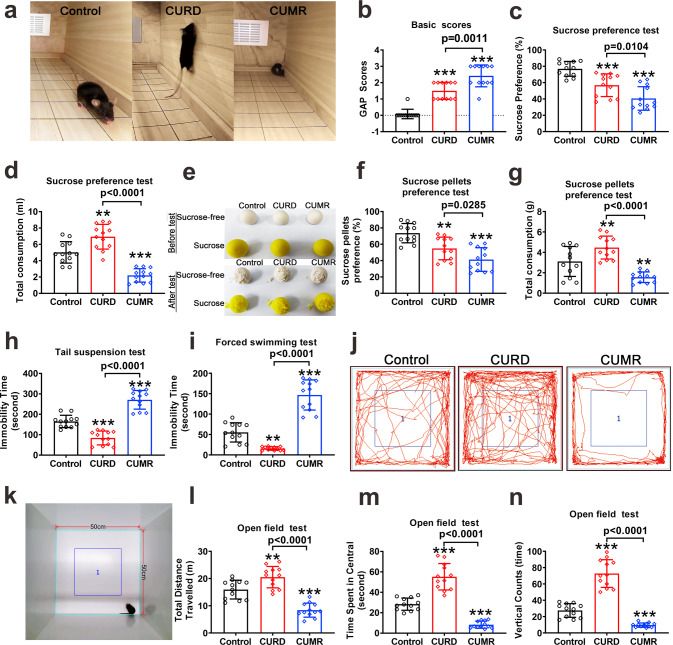
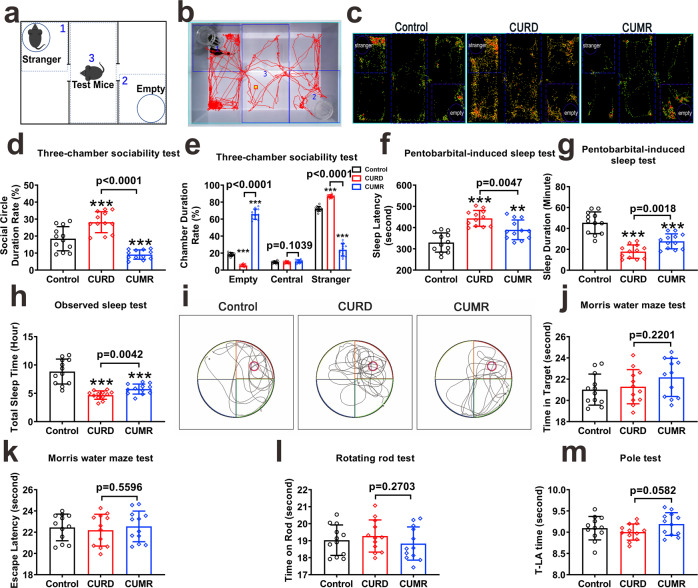
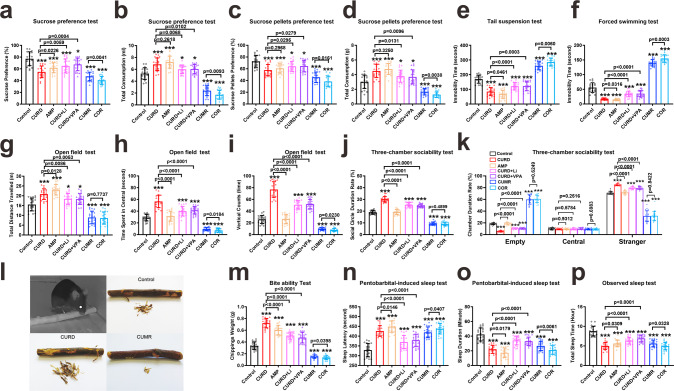
Neuropathological mechanisms of manic syndrome or manic episodes in bipolar disorder remain poorly characterised, as the research progress is severely limited by the paucity of appropriate animal models. Here we developed a novel mania mice model by combining a series of chronic unpredictable rhythm disturbances (CURD), which include disruption of circadian rhythm, sleep deprivation, exposure to cone light, with subsequent interference of followed spotlight, stroboscopic illumination, high-temperature stress, noise disturbance and foot shock. Multiple behavioural and cell biology tests comparing the CURD-model with healthy controls and depressed mice were deployed to validate the model. The manic mice were also tested for the pharmacological effects of various medicinal agents used for treating mania. Finally, we compared plasma indicators of the CURD-model mice and the patients with the manic syndrome. The CURD protocol produced a phenotype replicating manic syndrome. Mice exposed to CURD presented manic behaviours similar to that observed in the amphetamine manic model. These behaviours were distinct from depressive-like behaviours recorded in mice treated with a depression-inducing protocol of chronic unpredictable mild restraint (CUMR). Functional and molecular indicators in the CURD mania model showed multiple similarities with patients with manic syndrome. Treatment with LiCl and valproic acid resulted in behavioural improvements and recovery of molecular indicators. A novel manic mice model induced by environmental stressors and free from genetic or pharmacological interventions is a valuable tool for research into pathological mechanisms of mania.
Overview
The claims and statistics of this paper haven’t been checked yet.
Free: it reads the open-access text and checks the first 5 claims that cite a source we can check. Create a free account to check every claim.
Integrity signals
Registry
Cites
Statistics
Figures
Verification
Claims the paper makes
The claims and statistics of this paper haven’t been checked yet.
Free: it reads the open-access text and checks the first 5 claims that cite a source we can check. Create a free account to check every claim.
Claims other papers make about this one
Each is checked against this paper’s own text: does it say what the citing paper says it does?
The source backs part of the claim, not all of it — or backs it for a different population, condition or comparison.
In the citing paper
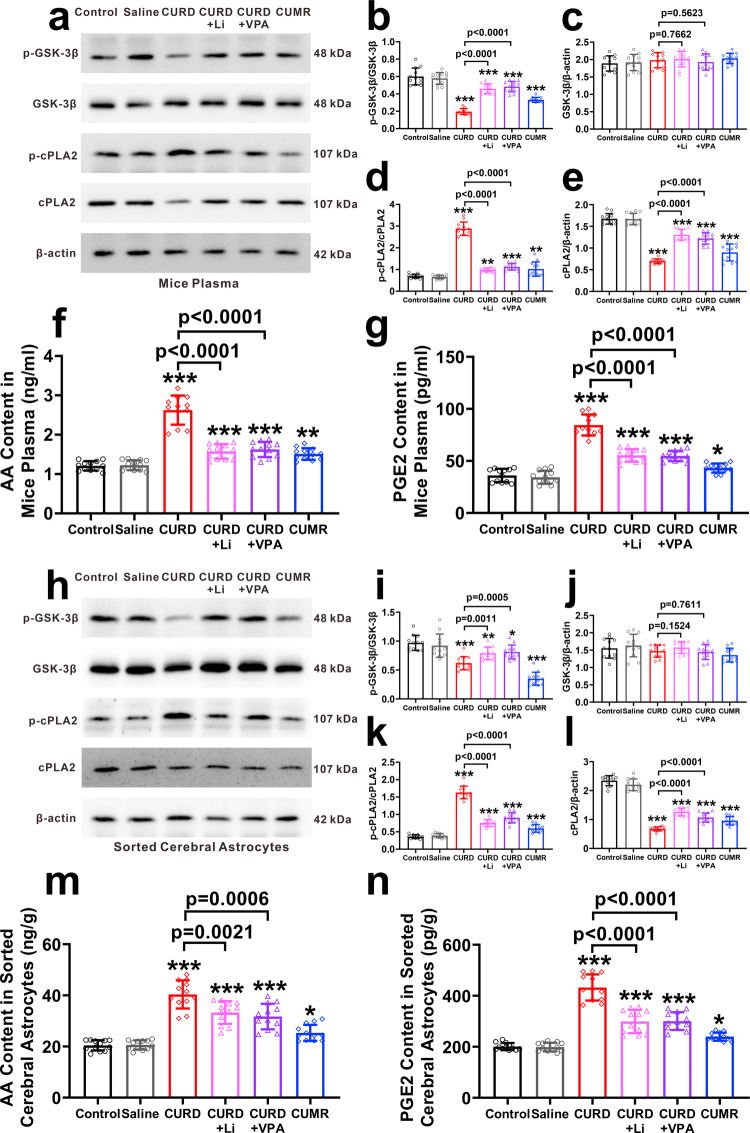
“The disease-related pathological changes and serum indicators in the CUMR and CURD models are highly similar to those in patients in the clinic, and therapeutic medicines can effectively improve brain function and behavior in these models. 62”
From Major depressive disorder: hypothesis, mechanism, prevention and treatment (2024) · cites this paper as [62]
Experimental — accuracy not yet measuredThe cited source says what the claim attributes to it.
In the citing paper
“In our recent reports, the activation of GSK3β is also increased in the sorted astrocytes from the MDD-related stress-treated mice model and MDD clinic patients’ plasma. 62”
From Major depressive disorder: hypothesis, mechanism, prevention and treatment (2024) · cites this paper as [62]
The cited source says what the claim attributes to it.
In the citing paper
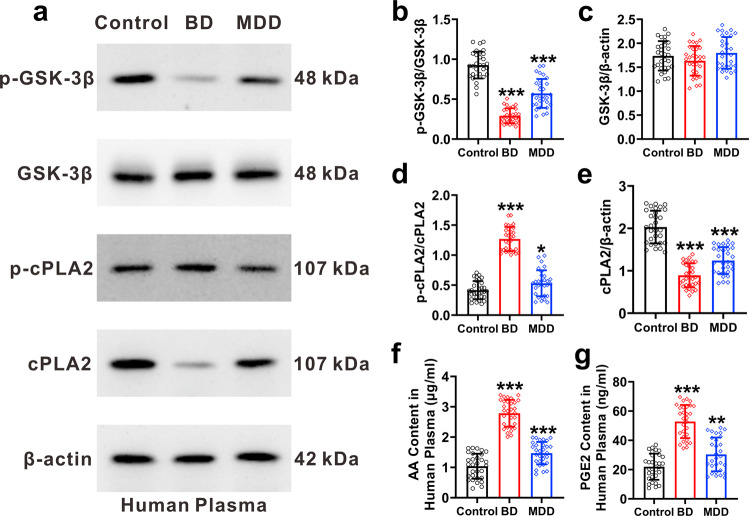
“This increased activation of cPLA 2 and the elevated levels of AA and PGE2 in astrocytes are supported by our discoveries in MDD patients’ plasma. 62”
From Major depressive disorder: hypothesis, mechanism, prevention and treatment (2024) · cites this paper as [62]
Self-check
Percentages, sums and reported differences re-computed from the paper’s own numbers.
The self-check needs the paper’s full text.
Citations
Cites
Development of a Rating Scale for Primary Depressive Illness
HAMILTON, M. (1967) · British Journal of Social and Clinical Psychology · doi:10.1111/j.2044-8260.1967.tb00530.x · Cited by 8,410
Circadian rhythm disruption and mental health
Walker, W. H., Walton, J. C., DeVries, A. C., & Nelson, R. J. (2020) · Translational Psychiatry · doi:10.1038/s41398-020-0694-0 · Cited by 1,030 · cited 1×
“This novel model of mania will aid research into fundamental and applied aspects of the manic syndrome.”
BackgroundA meta-analytic review of polyunsaturated fatty acid compositions in patients with depression
Lin, P.-Y., Huang, S.-Y., & Su, K.-P. (2010) · Biological Psychiatry · doi:10.1016/j.biopsych.2010.03.018 · Cited by 530
How might circadian rhythms control mood? Let me count the ways
McClung, C. A. (2013) · Biological Psychiatry · doi:10.1016/j.biopsych.2013.02.019 · Cited by 507 · cited 1×
“This novel model of mania will aid research into fundamental and applied aspects of the manic syndrome.”
BackgroundBelmaker, R. H. (2004) · New England Journal of Medicine · doi:10.1056/nejmra035354 · Cited by 473
Sensorimotor gating deficits in bipolar disorder patients with acute psychotic mania
Perry, W., Minassian, A., Feifel, D., & Braff, D. L. (2001) · Biological Psychiatry · doi:10.1016/s0006-3223(01)01184-2 · Cited by 258
Geoffroy, P. A., Bellivier, F., Scott, J., & Etain, B. (2014) · Journal of Affective Disorders · doi:10.1016/j.jad.2014.07.002 · Cited by 251 · cited 1×
“This novel model of mania will aid research into fundamental and applied aspects of the manic syndrome.”
BackgroundPerry, W., Minassian, A., Paulus, M. P., Young, J. W., Kincaid, M. J., Ferguson, E. J., Henry, B. L., Zhuang, X., Masten, V. L., Sharp, R. F., et al. (2009) · Archives of General Psychiatry · doi:10.1001/archgenpsychiatry.2009.58 · Cited by 204
A splice variant of human Bmal1 acts as a negative regulator of the molecular circadian clock
Lee, J., Park, E., Kim, G. H., Kwon, I., & Kim, K. (2018) · Experimental & Molecular Medicine · doi:10.1038/s12276-018-0187-x · Cited by 200
The clinician-administered rating scale for mania (CARS-M): Development, reliability, and validity
Altman, E. G., Hedeker, D. R., Janicak, P. G., Peterson, J. L., & Davis, J. M. (1994) · Biological Psychiatry · doi:10.1016/0006-3223(94)91193-2 · Cited by 194
GSK3β, CREB, and BDNF in peripheral blood of patients with Alzheimer's disease and depression
Pláteník, J., Fišar, Z., Buchal, R., Jirák, R., Kitzlerová, E., Zvěřová, M., & Raboch, J. (2014) · Progress in Neuro-Psychopharmacology and Biological Psychiatry · doi:10.1016/j.pnpbp.2013.12.001 · Cited by 161
Serotonin and bipolar disorder
Mahmood, T., & Silverstone, T. (2001) · Journal of Affective Disorders · doi:10.1016/s0165-0327(00)00226-3 · Cited by 149
Xia, M., Yang, L., Sun, G., Qi, S., & Li, B. (2017) · Psychopharmacology · doi:10.1007/s00213-016-4473-9 · Cited by 149 · cited 5×
“Each mouse was placed on a rotating bar, and the latency before falling was recorded with a maximum of 90 s [12, 14, 17].”
BackgroundMethodInfluentialSelf-citationAnimal models of bipolar mania: The past, present and future
Logan, R. W., & McClung, C. A. (2016) · Neuroscience · doi:10.1016/j.neuroscience.2015.08.041 · Cited by 136
Freitas, A. E., Egea, J., Buendía, I., Gómez‐Rangel, V., Parada, E., Navarro, E., Casas, A. I., Wojnicz, A., Ortiz, J. A., Cuadrado, A., et al. (2015) · Molecular Neurobiology · doi:10.1007/s12035-015-9182-6 · Cited by 116
A kinesin signaling complex mediates the ability of GSK-3β to affect mood-associated behaviors
Du, J., Wei, Y., Liu, L., Wang, Y., Khairova, R., Blumenthal, R., Tragon, T., Hunsberger, J. G., Machado-Vieira, R., Drevets, W., et al. (2010) · Proceedings of the National Academy of Sciences · doi:10.1073/pnas.0913138107 · Cited by 116
Prodromes, coping strategies and psychological interventions in bipolar disorders
Lam, D. H., & Wong, G. (2005) · Clinical Psychology Review · doi:10.1016/j.cpr.2005.06.005 · Cited by 114
Serotonin in mania and in the mechanism of action of mood stabilizers: a review of clinical studies
Shiah, I., & Yatham, L. N. (2000) · Bipolar Disorders · doi:10.1034/j.1399-5618.2000.020201.x · Cited by 96
The quantitative assessment of motor activity in mania and schizophrenia
Minassian, A., Henry, B. L., Geyer, M. A., Paulus, M. P., Young, J. W., & Perry, W. (2010) · Journal of Affective Disorders · doi:10.1016/j.jad.2009.04.018 · Cited by 92
Valvassori, S. S., Resende, W. R., Dal‐Pont, G., Sangaletti‐Pereira, H., Gava, F. F., Peterle, B. R., Carvalho, A. F., Varela, R. B., Dal‐Pizzol, F., & Quevedo, J. (2017) · Bipolar Disorders · doi:10.1111/bdi.12503 · Cited by 87
Advances toward precision medicine for bipolar disorder: mechanisms & molecules
Haggarty, S. J., Karmacharya, R., & Perlis, R. H. (2021) · Molecular Psychiatry · doi:10.1038/s41380-020-0831-4 · Cited by 78
c-Fos importance for brain development
Velazquez, F. N., Caputto, B. L., & Boussin, F. D. (2015) · Aging · doi:10.18632/aging.100862 · Cited by 77
CSF monoamine metabolites in mania
(1983) · American Journal of Psychiatry · doi:10.1176/ajp.140.4.396 · Cited by 76
Sobczak, S., Honig, A., Van Duinen, M., & Riedel, W. (2002) · Bipolar Disorders · doi:10.1034/j.1399-5618.2002.01217.x · Cited by 69
Fu, H., Li, B., Hertz, L., & Peng, L. (2012) · Neurochemistry International · doi:10.1016/j.neuint.2012.04.010 · Cited by 69
Self-citationFlorensa-Zanuy, E., Garro-Martínez, E., Adell, A., Castro, E., Díaz, Á., Pazos, Á., Mac-Dowell, K. S., Martín-Hernández, D., & Pilar-Cuéllar, F. (2021) · Biochemical Pharmacology · doi:10.1016/j.bcp.2021.114433 · Cited by 66
Li, B., Dong, L., Wang, B., Cai, L., Jiang, N., & Peng, L. (2012) · Neurochemical Research · doi:10.1007/s11064-012-0814-1 · Cited by 58
Self-citationMinassian, A., Henry, B. L., Young, J. W., Masten, V., Geyer, M. A., & Perry, W. (2011) · PLoS ONE · doi:10.1371/journal.pone.0024185 · Cited by 56
Xia, M., Li, Z., Li, S., Liang, S., Li, X., Chen, B., Zhang, M., Dong, C., Verkhratsky, A., Guan, D., et al. (2020) · Neuroscience Bulletin · doi:10.1007/s12264-020-00524-4 · Cited by 55
Self-citationLi, X., Liang, S., Li, Z., Li, S., Xia, M., Verkhratsky, A., & Li, B. (2019) · Frontiers in Psychiatry · doi:10.3389/fpsyt.2018.00734 · Cited by 54
Self-citationEveryday functional ability across different phases of bipolar disorder
Henry, B. L., Minassian, A., & Perry, W. (2013) · Psychiatry Research · doi:10.1016/j.psychres.2013.04.006 · Cited by 50
Amphetamine increases activity but not exploration in humans and mice
Minassian, A., Young, J. W., Cope, Z. A., Henry, B. L., Geyer, M. A., & Perry, W. (2016) · Psychopharmacology · doi:10.1007/s00213-015-4098-4 · Cited by 44
Iron Aggravates the Depressive Phenotype of Stressed Mice by Compromising the Glymphatic System
Liang, S., Lu, Y., Li, Z., Li, S., Chen, B., Zhang, M., Chen, B., Ji, M., Gong, W., Xia, M., et al. (2020) · Neuroscience Bulletin · doi:10.1007/s12264-020-00539-x · Cited by 41 · cited 6×
“Each mouse was placed on a rotating bar, and the latency before falling was recorded with a maximum of 90 s [12, 14, 17].”
BackgroundMethodInfluentialSelf-citationIron induces two distinct Ca2+ signalling cascades in astrocytes
Guan, W., Xia, M., Ji, M. H., Chen, B., Li, S., Zhang, M., Liang, S., Chen, B., Gong, W., Dong, C., et al. (2021) · Communications Biology · doi:10.1038/s42003-021-02060-x · Cited by 40
Self-citationLithium does not attenuate the effects of d-amphetamine in healthy volunteers
Silverstone, P. H., Pukhovsky, A., & Rotzinger, S. (1998) · Psychiatry Research · doi:10.1016/s0165-1781(98)00037-7 · Cited by 38
The neuroprotective mechanism of lithium after ischaemic stroke
Chen, B., Zhang, M., Ji, M., Zhang, D., Chen, B., Gong, W., Li, X., Zhou, Y., Dong, C., Wen, G., et al. (2022) · Communications Biology · doi:10.1038/s42003-022-03051-2 · Cited by 37
Self-citationEfficacy of Tramadol as a Sole Analgesic for Postoperative Pain in Male and Female Mice.
Wolfe, A., Kennedy, L. H., Na, J. J., & Nemzek, J. A. (2015) · PubMed Central · Cited by 36
Dong, L., Li, B., Verkhratsky, A., & Peng, L. (2015) · Psychopharmacology · doi:10.1007/s00213-015-3921-2 · Cited by 32
Self-citationAlterations in peripheral fatty acid composition in bipolar and unipolar depression
Scola, G., Versace, A., Metherel, A. H., Monsalve-Castro, L. A., Phillips, M. L., Bazinet, R. P., & Andreazza, A. C. (2018) · Journal of Affective Disorders · doi:10.1016/j.jad.2017.12.025 · Cited by 32
Dal-Pont, G. C., Jório, M. T. S., Resende, W. R., Gava, F. F., Aguiar‐Geraldo, J. M., Possamai‐Della, T., Peper‐Nascimento, J., Quevedo, J., & Valvassori, S. S. (2019) · Journal of Psychiatric Research · doi:10.1016/j.jpsychires.2019.09.003 · Cited by 30
Voluntary biting behavior as a functional measure of orofacial pain in mice
Guo, W., Zou, S., Mohammad, Z., Wang, S., Yang, J., Li, H., Dubner, R. A., Wei, F., Chung, M., Ro, J. Y., et al. (2019) · Physiology & Behavior · doi:10.1016/j.physbeh.2019.02.024 · Cited by 29
Self-citationXin, C., Chu, L., Zhang, L., Geng, D., Wang, Y., Sun, D., Sui, P., Zhao, X., Gong, Z., Sui, M., et al. (2019) · Medical Science Monitor · doi:10.12659/msm.915314 · Cited by 29
Enhancement of pentobarbital-induced sleep by apigenin through chloride ion channel activation
Kim, J.-W., Kim, C.-S., Hu, Z., Han, J., Kim, S. K., Yoo, S.-K., Yeo, Y. M., Chong, M. S., Lee, K.-N., Hong, J. T., et al. (2012) · Archives of Pharmacal Research · doi:10.1007/s12272-012-0218-4 · Cited by 28
Xia, M., Liang, S., Li, S., Ji, M. H., Chen, B., Zhang, M., Dong, C., Chen, B., Gong, W., Wen, G., et al. (2021) · Function · doi:10.1093/function/zqab003 · Cited by 27
Self-citationTimothy, J. W. S., Klas, N., Sanghani, H., Al-Mansouri, T., Hughes, A. T. L., Kirshenbaum, G. S., Brienza, V., Belle, M. D. C., Ralph, M. R., Clapcote, S. J., et al. (2017) · Biological Psychiatry · doi:10.1016/j.biopsych.2017.04.018 · Cited by 26
Li, B., Gu, L., Zhang, H., Huang, J., Chen, Y., Hertz, L., & Peng, L. (2007) · Psychopharmacology · doi:10.1007/s00213-007-0853-5 · Cited by 24
Self-citationJi, M. H., Gong, W., Wang, S., Zhang, D., Chen, B., Li, X., Wu, X., Cui, L., Feng, Y., Verkhratsky, A., et al. (2022) · Neurochemical Research · doi:10.1007/s11064-022-03655-4 · Cited by 23
Self-citationLi, Z., Lu, Y., Liang, S., Li, S., Chen, B., Zhang, M., Xia, M., Guan, D., Verkhratsky, A., & Li, B. (2020) · Neurochemistry International · doi:10.1016/j.neuint.2020.104689 · Cited by 21
Self-citationTang, M., He, T., Sun, X., Meng, Q., Diao, Y., Lei, J., Xiao-jing, H., Chen, L., Sang, X., & Zhao, S. (2014) · Hippocampus · doi:10.1002/hipo.22242 · Cited by 19
Goodfellow, N. M., Sargin, D., Ansorge, M. S., Gingrich, J. A., & Lambe, E. K. (2014) · Journal of Neuroscience · doi:10.1523/jneurosci.3762-13.2014 · Cited by 17
Protective effect of leptin-mediated caveolin-1 expression on neurons after spinal cord injury
Ren, J., Li, X., Sun, G., Li, S., Liang, S., Li, Z., Li, B., & Xia, M. (2018) · Cell Calcium · doi:10.1016/j.ceca.2018.11.003 · Cited by 16
Self-citationAmmonium induced dysfunction of 5-HT2B receptor in astrocytes
Yue, T., Li, B., Gu, L., Huang, J., Verkhratsky, A., & Peng, L. (2019) · Neurochemistry International · doi:10.1016/j.neuint.2019.104479 · Cited by 16
Self-citationTran, H., Shin, E., Saito, K., Tran, T.-V., Phan, D., Sharma, N., Kim, D. W., Choi, S. Y., Jeong, J. H., Jang, C., et al. (2019) · Food and Chemical Toxicology · doi:10.1016/j.fct.2019.110986 · Cited by 15
Zhao, X., Li, Z., Liang, S., Li, S., Ren, J., Li, B., Zhu, Y., & Xia, M. (2019) · Neurochemistry International · doi:10.1016/j.neuint.2019.104500 · Cited by 12
Self-citationPolyunsaturated fatty acids as predictors of future suicide attempt
Daray, F. M., Grendas, L. N., Rodante, D., Errasti, A. E., Cases, G. G., Moix, C. F., Uicich, R., GIMÉNEZ, M. I., Puppo, S., Fasolino, G. H., et al. (2021) · Prostaglandins Leukotrienes and Essential Fatty Acids · doi:10.1016/j.plefa.2021.102247 · Cited by 9
Editorial: Sleep and Mood Disorders
Verkhratsky, A., Nedergaard, M., Steardo, L., & Li, B. (2020) · Frontiers in Psychiatry · doi:10.3389/fpsyt.2019.00981 · Cited by 9
Self-citationXia, M., Liang, S., Li, S., et al. (2020) · bioRxiv (Cold Spring Harbor Laboratory) · doi:10.1101/2020.03.21.001925 · Cited by 4
Self-citationKe, S., Li, J., Zhao, L., Yang, J., Zhao, X., Zhang, W., Qiu, X., Yang, X., Zhou, J., Tong, Y., et al. (2022) · Oxidative Medicine and Cellular Longevity · doi:10.1155/2022/2633127 · Cited by 4
The Neuroprotective Mechanism of Lithium after Ischaemic Stroke.Preprint
Chen, B., Zhang, M., Ji, M. H., et al. (2021) · Research Square · doi:10.21203/rs.3.rs-715301/v1 · Cited by 3
Self-citation(2020) · Frontiers research topics · doi:10.3389/978-2-88963-497-2 · Cited by 1
Cited by
Major depressive disorder: hypothesis, mechanism, prevention and treatment
Cui, L., Li, S., Wang, S., Wu, X., Liu, Y., Yu, W., Wang, Y., Tang, Y., Xia, M., & Li, B. (2024) · Signal Transduction and Targeted Therapy · doi:10.1038/s41392-024-01738-y · Cited by 1,244
“62 In addition, after fl uoxetine-mediated stimulation of the 5-HT 2B receptor in astrocytes, epidermal growth factor receptor (EGFR) is transactivated and subsequently activates the MAPK/ERK and PI3K/AKT signaling cascades, which control the expression of mRNA or proteins that may be linked to mood…”
BackgroundSelf-citationCircadian rhythms and mood disorders: Time to see the light
Dollish, H. K., Tsyglakova, M., & McClung, C. A. (2024) · Neuron · doi:10.1016/j.neuron.2023.09.023 · Cited by 167
Electroacupuncture prevents astrocyte atrophy to alleviate depression
Lin, S.-S., Zhou, B., Chen, B.-J., Jiang, R.-T., Li, B., Illes, P., Semyanov, A., Tang, Y., & Verkhratsky, A. (2023) · Cell Death & Disease · doi:10.1038/s41419-023-05839-4 · Cited by 102
Self-citationFilho, A. J. M. C., Eyres, C., Blöbaum, L., Landwehr, A., & Tremblay, M. (2024) · Journal of Neurochemistry · doi:10.1111/jnc.16098 · Cited by 35
Ni, R., Yuan, W.-J., Wang, Y., Yang, X., Wei, J., Zhao, L., Wang, Q., Tang, X., & Ma, X. (2025) · Translational Psychiatry · doi:10.1038/s41398-025-03525-x · Cited by 27
Metadata
- Authors
- Li, X., Chen, B., Zhang, D., Wang, S., Feng, Y., Wu, X., Cui, L., Ji, M., Gong, W., Verkhratsky, A., Xia, M., & Li, B.
- Affiliations
- China Medical University (CN)
- Ikerbasque (ES)
- First Hospital of China Medical University (CN)
- Corresponding author
- Verkhratsky, Alexei
- Xia, Maosheng
- Li, Baoman
- ORCID
- Venue
- Molecular Psychiatry
- Published
- 2023-03-29
- Volume
- 28
- Issue
- 7
- Pages
- 3044-3054
- ISSN
- 1359-4184 (ISSN-L)
- 1476-5578
- PMC
- PMC10615760
- OpenAlex
- W4361198722
- Cited by
- 27
- References
- 57
- Citations by year
- 2026: 4 · 2025: 9 · 2024: 8 · 2023: 5
- FWCI
- 5.23
- Type
- journal article
- Language
- en
- Open access
- hybrid
- doi.org
- Licence
- cc-by
- creativecommons.org/licenses/by/4.0 (tdm)
- creativecommons.org/licenses/by/4.0 (vor)
- Locations
- Molecular Psychiatry (publishedVersion, cc-by)
- PubMed Central (publishedVersion, cc-by)
- PubMed (publishedVersion)
- Research Explorer (The University of Manchester) (publishedVersion, cc-by)
- Funders
- National Natural Science Foundation of China (32271038, 81871852)
- Topics
- Health Sciences › Medicine › Psychiatry and Mental health › Bipolar Disorder and Treatment
- Health Sciences › Medicine › Pharmacology (medical) › Treatment of Major Depression
- Life Sciences › Neuroscience › Endocrine and Autonomic Systems › Circadian rhythm and melatonin
- Keywords
- mania, bipolar disorder, animal model of mania, circadian rhythm disruption, sleep deprivation, light stress, heat stress, noise stress, footshock, lithium chloride, valproic acid, plasma biomarkers, depression-like behavior
- MeSH terms
- Mania, Animals, Bipolar Disorder, Disease Models, Animal, Humans, Sleep Deprivation, Valproic Acid, Mice
About these checks
Registry, retraction, Cites and statistics results are computed, not judged, with one exception: a printed reference that no index lists is read once by a model before it counts as a citation error. Claims are extracted by a model and kept only when their quote appears verbatim in the text; each cited source is then checked, with a model’s help, for whether it says what the claim relies on. Those verdicts can be wrong — read the claim’s quote and the cited source before relying on one.
Statistics and arithmetic are recomputed, not judged.
Confidence bands are shown only for fields calibrated on our annotated test set. None is calibrated yet, so no band is shown.
What counts as a claim ›How we measure confidence ›How we check this ›
Are you an author, or do you see a problem with this page? Request a review
Data sources
Bibliographic data: Semantic Scholar, OpenAlex, Crossref.
Contains information from the Semantic Scholar Academic Graph Datasets, made available under the ODC Attribution License (ODC-BY 1.0).
Semantic Scholar’s data is described in: Kinney, R., et al. (2023). The Semantic Scholar Open Data Platform. arXiv:2301.10140.
