

Targeting HIF-1 alpha transcriptional activity drives cytotoxic immune effector cells into melanoma and improves combination immunotherapy
Open accessThe DOI matches its Crossref record; 30 of the 30 references it cites were found in a registry or an index.
Abstract
Hypoxia is a key factor responsible for the failure of therapeutic response in most solid tumors and promotes the acquisition of tumor resistance to various antitumor immune effectors. Reshaping the hypoxic immune suppressive tumor microenvironment to improve cancer immunotherapy is still a relevant challenge. We investigated the impact of inhibiting HIF-1α transcriptional activity on cytotoxic immune cell infiltration into B16-F10 melanoma. We showed that tumors expressing a deleted form of HIF-1α displayed increased levels of NK and CD8+effector T cells in the tumor microenvironment, which was associated with high levels of CCL2 and CCL5 chemokines. We showed that combining acriflavine, reported as a pharmacological agent preventing HIF-1α/HIF-1β dimerization, dramatically improved the benefit of cancer immunotherapy based on TRP-2 peptide vaccination and anti-PD-1 blocking antibody. In melanoma patients, we revealed that tumors exhibiting high CCL5 are less hypoxic, and displayed high NK, CD3+, CD4+and CD8+T cell markers than those having low CCL5. In addition, melanoma patients with high CCL5 in their tumors survive better than those having low CCL5. This study provides the pre-clinical proof of concept for a novel triple combination strategy including blocking HIF-1α transcription activity along vaccination and PD-1 blocking immunotherapy.
Overview
The claims and statistics of this paper haven’t been checked yet.
Free: it reads the open-access text and checks the first 5 claims that cite a source we can check. Create a free account to check every claim.
Integrity signals
Registry
Cites
Statistics
Figures
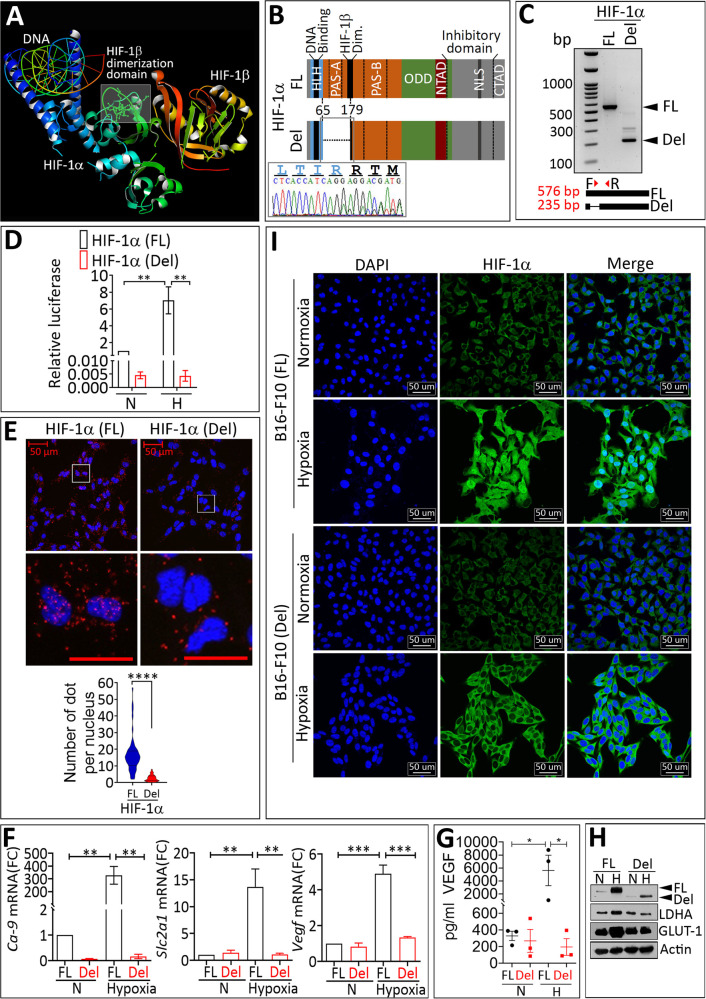
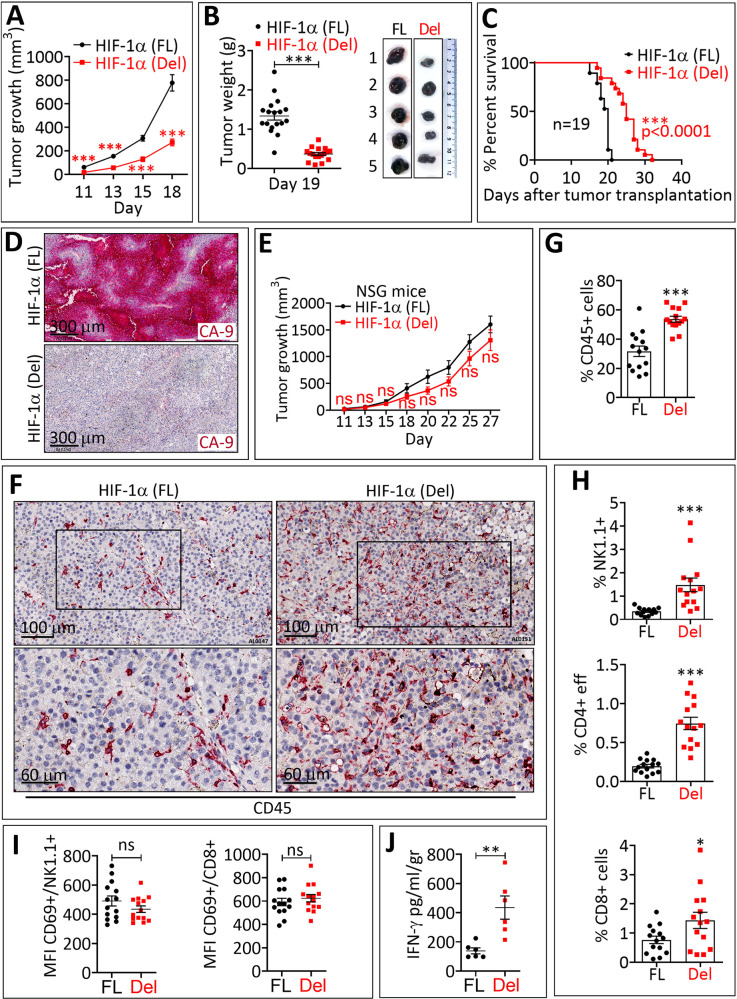
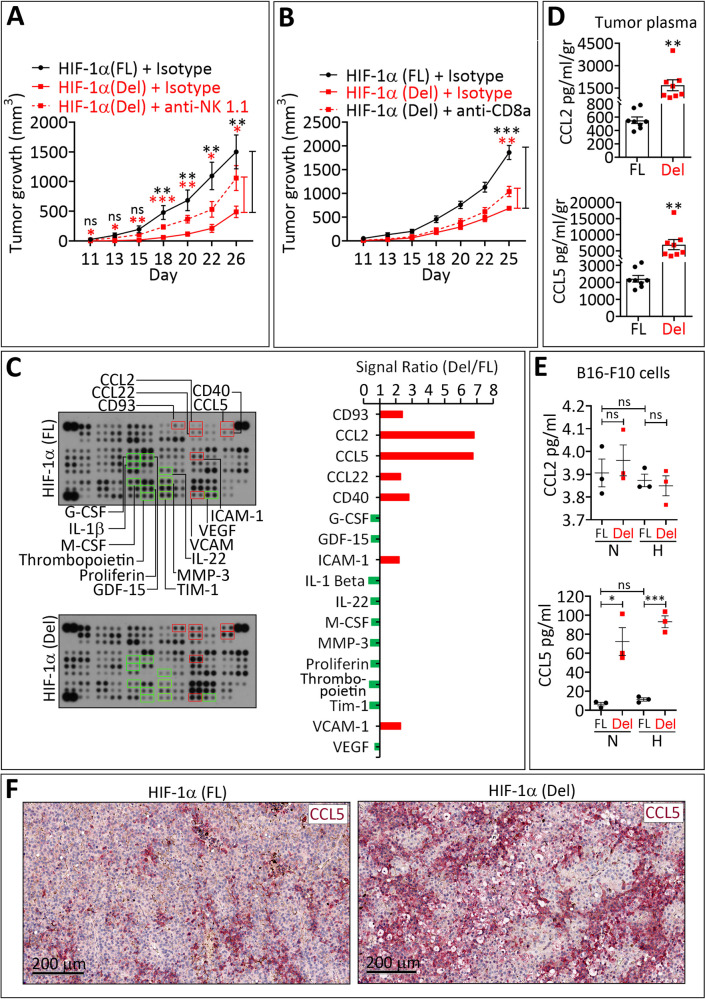
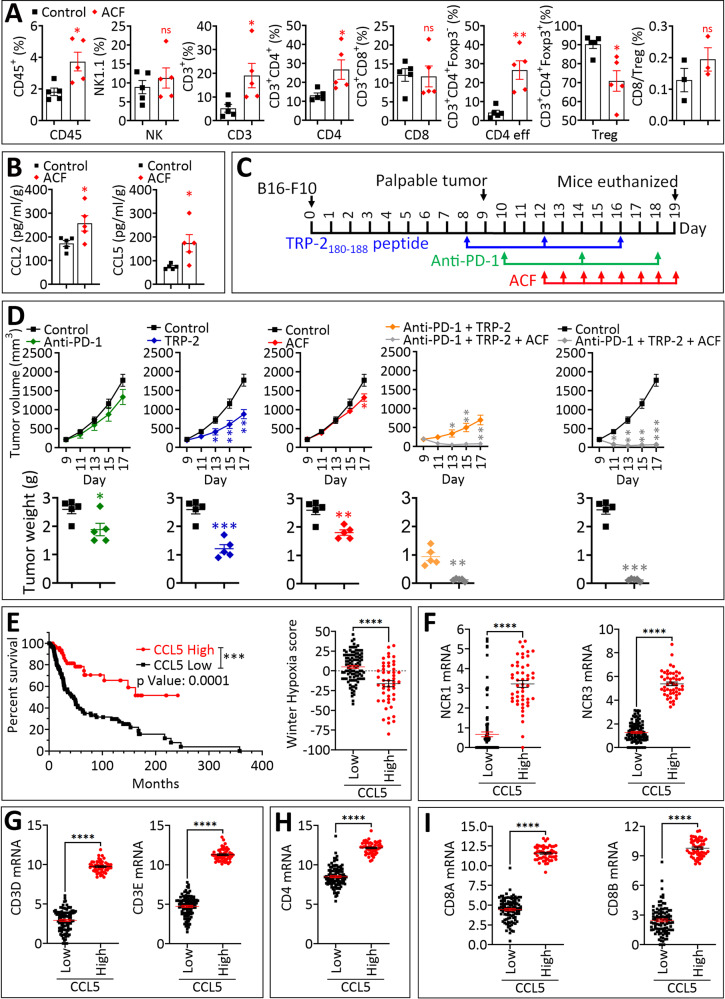
Verification
Claims the paper makes
The claims and statistics of this paper haven’t been checked yet.
Free: it reads the open-access text and checks the first 5 claims that cite a source we can check. Create a free account to check every claim.
Claims other papers make about this one
Each is checked against this paper’s own text: does it say what the citing paper says it does?
The source backs part of the claim, not all of it — or backs it for a different population, condition or comparison.
In the citing paper
“In follicular thyroid cancer, loss of HIF-1α reduces PD-L1 expression on tumor cells, resulting in reduced tumor growth, and in glioma, expression of PD-L1 strongly correlated with HIF-1α levels, and high PD-L1 was associated with worse outcome [71,72].”
From Revisiting the HIF switch in the tumor and its immune microenvironment. (2022) · cites this paper as [72]
Experimental — accuracy not yet measuredThe source backs part of the claim, not all of it — or backs it for a different population, condition or comparison.
In the citing paper
“Thus, HIF-1/2α inhibition in mouse models of cancer promotes the efficacy of anti-PD1 therapy and increases infiltration of cytotoxic immune effector cells [84–86].”
From The HIF Axes in Cancer - Angiogenesis, Metabolism and Immune-Modulation (2025) · cites this paper as [85]
Experimental — accuracy not yet measuredThe source backs part of the claim, not all of it — or backs it for a different population, condition or comparison.
In the citing paper
“Acriflavine treatment of tumor-bearing mice was recently reported to increase intratumoral CD8+ T cells and NK cells (42, 43).”
From HIF inhibitor 32-134D eradicates murine hepatocellular carcinoma in combination with anti-PD1 therapy (2022) · cites this paper as [43]
Experimental — accuracy not yet measuredThe check wasn’t confident either way, so it gives no verdict — never disputed.
In the citing paper
“In follicular thyroid cancer, loss of HIF-1α reduces PD-L1 expression on tumor cells, resulting in reduced tumor growth, and in glioma, expression of PD-L1 strongly correlated with HIF-1α levels, and high PD-L1 was associated with worse outcome [71,72].”
From Revisiting the HIF switch in the tumor and its immune microenvironment. (2022) · cites this paper as [72]
Experimental — accuracy not yet measured
1 more claim about this paper
Create a free account to see every claim other papers make about this one.
Self-check
Percentages, sums and reported differences re-computed from the paper’s own numbers.
The self-check needs the paper’s full text.
Citations
Cites
1 retracted
RETRACTED: Acriflavine inhibits HIF-1 dimerization, tumor growth, and vascularization
Lee, K., Zhang, H., Qian, D. Z., Rey, S., Liu, J. O., & Semenza, G. L. (2009) · Proceedings of the National Academy of Sciences · doi:10.1073/pnas.0909353106 · Cited by 451 · cited 1×
“ACF pretreatment in mice bearing prostate cancer xenografts decreased tumor growth and inhibited vascularization [21].”
BackgroundRetractedTargeting HIF-1 for cancer therapy
Semenza, G. L. (2003) · Nature Reviews Cancer · doi:10.1038/nrc1187 · Cited by 6,717 · cited 1×
“HypoxiaInducible Factor-1 alpha (HIF-1α) is the major factor mediating the adaptive response to changes in tissue oxygen level [3].”
BackgroundGenomic and Transcriptomic Features of Response to Anti-PD-1 Therapy in Metastatic Melanoma
Hugo, W., Zaretsky, J. M., Sun, L., Song, C., Moreno, B. H., Hu-Lieskovan, S., Berent-Maoz, B., Pang, J., Chmielowski, B., Cherry, G., et al. (2016) · Cell · doi:10.1016/j.cell.2016.02.065 · Cited by 3,448
Noman, M. Z., Desantis, G., Janji, B., Hasmim, M., Karray, S., Dessen, P., Bronte, V., & Chouaib, S. (2014) · Journal of Experimental Medicine · doi:10.1084/jem.20131916 · Cited by 2,166
Self-citationDefining the role of hypoxia-inducible factor 1 in cancer biology and therapeutics
Semenza, G. L. (2010) · Oncogene · doi:10.1038/onc.2009.441 · Cited by 1,712 · cited 1×
“to activate the expression of several genes involved in various biological processes [4].”
BackgroundHypoxia-inducible factors: mediators of cancer progression and targets for cancer therapy
Semenza, G. L. (2012) · Trends in Pharmacological Sciences · doi:10.1016/j.tips.2012.01.005 · Cited by 1,514
Defining normoxia, physoxia and hypoxia in tumours—implications for treatment response
McKeown, S. R. (2014) · The British Journal of Radiology · doi:10.1259/bjr.20130676 · Cited by 1,050 · cited 1×
“Most solid tumors are hypoxic and characterized by the presence of poorly oxygenated areas (pO2 pressure less than 8 mmHg) [1].”
BackgroundA mechanism of hypoxia-mediated escape from adaptive immunity in cancer cells
Barsoum, I. B., Smallwood, C. A., Siemens, D. R., & Graham, C. H. (2014) · Cancer Research · doi:10.1158/0008-5472.can-13-0992 · Cited by 767
Digoxin and other cardiac glycosides inhibit HIF-1α synthesis and block tumor growth
Zhang, H., Qian, D. Z., Tan, Y. S., Lee, K., Gao, P., Ren, Y. R., Rey, S., Hammers, H., Chang, D., Pili, R., et al. (2008) · Proceedings of the National Academy of Sciences · doi:10.1073/pnas.0809763105 · Cited by 624 · cited 1×
“Digoxin and other cardiac glycosides that inhibit HIF-1α protein synthesis blocked tumor growth [22].”
BackgroundTumour hypoxia, chemotherapeutic resistance and hypoxia-related therapies
Shannon, A. M., Bouchier-Hayes, D. J., Condron, C. M., & Toomey, D. (2003) · Cancer Treatment Reviews · doi:10.1016/s0305-7372(03)00003-3 · Cited by 559 · cited 1×
“Hypoxia contributes to the failure of conventional cancer therapies such as chemotherapy [5] and radiation therapy [6], while data underlining its real impact on immunotherapy efficacy are still missing.”
Background
Cited by
Mechanisms driving the immunoregulatory function of cancer cells
van Weverwijk, A., & de Visser, K. E. (2023) · Nature Reviews Cancer · doi:10.1038/s41568-022-00544-4 · Cited by 272
Metabolic reprogramming and therapeutic resistance in primary and metastatic breast cancer
Liu, S., Zhang, X., Wang, W., Li, X., Sun, X., Zhao, Y., Wang, Q., Li, Y., Hu, F., & Ren, H. (2024) · Molecular Cancer · doi:10.1186/s12943-024-02165-x · Cited by 246
Revisiting the HIF switch in the tumor and its immune microenvironment.
Cowman, S. J., & Koh, M. Y. (2022) · Trends in Cancer · doi:10.1016/j.trecan.2021.10.004 · Cited by 256
Targeting oncogene and non-oncogene addiction to inflame the tumour microenvironment
Petroni, G., Buqué, A., Coussens, L. M., & Galluzzi, L. (2022) · Nature Reviews Drug Discovery · doi:10.1038/s41573-022-00415-5 · Cited by 160
Bigos, K. J. A., Quiles, C. G., Lunj, S., Smith, D. J., Krause, M., Troost, E. G. C., West, C., Hoskin, P., & Choudhury, A. (2024) · Frontiers in Oncology · doi:10.3389/fonc.2024.1331355 · Cited by 168
Unraveling tumor microenvironment of small-cell lung cancer: Implications for immunotherapy
Li, T. X., & Qiao, T. (2022) · Seminars in Cancer Biology · doi:10.1016/j.semcancer.2022.09.005 · Cited by 142
Microenvironmental influences on T cell immunity in cancer and inflammation
Heintzman, D. R., Fisher, E. L., & Rathmell, J. C. (2022) · Cellular and Molecular Immunology · doi:10.1038/s41423-021-00833-2 · Cited by 131
“Consistent with an immune suppressive role for a tumor hypoxic response, targeting HIF-1α on tumor cells increased CTL infiltration and improved combination immunotherapy outcomes in a preclinical mouse melanoma model [105].”
BackgroundMechanisms of resistance to immune checkpoint inhibitors in melanoma: What we have to overcome?
Ziogas, D. C., Theocharopoulos, C., Koutouratsas, T., Haanen, J. B. A. G., & Gogas, H. J. (2022) · Cancer Treatment Reviews · doi:10.1016/j.ctrv.2022.102499 · Cited by 130
Cross-talk between HIF and PD-1/PD-L1 pathways in carcinogenesis and therapy
Shurin, M. R., & Umansky, V. (2022) · Journal of Clinical Investigation · doi:10.1172/jci159473 · Cited by 113
Salman, S., Meyers, D. J., Wicks, E. E., Lee, S. N., Datan, E., Thomas, A. M., Anders, N. M., Hwang, Y., Lyu, Y., Yang, Y., et al. (2022) · Journal of Clinical Investigation · doi:10.1172/jci156774 · Cited by 111
“Acriflavine treatment of tumor-bearing mice was recently reported to increase intratumoral CD8+ T cells and NK cells (42, 43).”
BackgroundThe impact of hypoxia on immune state in cancer
Mortezaee, K., & Majidpoor, J. (2021) · Life Sciences · doi:10.1016/j.lfs.2021.120057 · Cited by 107
Key Players of the Immunosuppressive Tumor Microenvironment and Emerging Therapeutic Strategies
Park, K., Veena, M. S., & Shin, D. S. (2022) · Frontiers in Cell and Developmental Biology · doi:10.3389/fcell.2022.830208 · Cited by 98
“In a technique mimicking the mode of activation of acriflavine, HIF-1α transcriptional activity was compromised by deleting the domain essential for dimerization with HIF-1β, leading to successful inhibition of melanoma (Lequeux et al., 2021).”
MethodExosomal cargos-mediated metabolic reprogramming in tumor microenvironment
Tan, S., Yang, Y., Yang, W., Han, Y., Huang, L., Yang, R., Hu, Z., Tao, Y., Liu, L., Li, Y., et al. (2023) · Journal of Experimental & Clinical Cancer Research · doi:10.1186/s13046-023-02634-z · Cited by 94
“Hypoxia or inadequate oxygenation is a key factor in the difficulty of eradicating tumors and also predisposes tumor cells to treatment resistance [113].”
BackgroundKhouzam, R. A., Zaarour, R. F., Brodaczewska, K. K., Azakir, B., Venkatesh, G. H., Thiery, J., Terry, S., & Chouaïb, S. (2022) · Frontiers in Immunology · doi:10.3389/fimmu.2022.828875 · Cited by 86
“A comprehensive understanding of hypoxia induced mutational burden, neoantigen load will be crucial for enhancing the immunotherapy response in ICI resistant tumors.”
BackgroundInfluentialThe HIF Axes in Cancer - Angiogenesis, Metabolism and Immune-Modulation
Acuña-Pilarte, K., & Koh, M. Y. (2025) · Trends in Biochemical Sciences · doi:10.1016/j.tibs.2025.06.005 · Cited by 64
Acriflavine, an Acridine Derivative for Biomedical Application: Current State of the Art
Piórecka, K., Kurjata, J., & Stańczyk, W. A. (2022) · Journal of Medicinal Chemistry · doi:10.1021/acs.jmedchem.2c00573 · Cited by 74
Huang, A., Sun, Z., Hong, H., Yang, Y., Chen, J., Gao, Z., & Gu, J. F. (2024) · Journal of Translational Medicine · doi:10.1186/s12967-024-05391-5 · Cited by 81
“Recent studies have also found that hypoxia can be considered a biomarker for predicting the outcome of immunotherapy and that the efficacy of immunotherapy can be improved by ameliorating hypoxia and targeting HIF-1 [15–19].”
BackgroundImmune escape and metastasis mechanisms in melanoma: breaking down the dichotomy
Shirley, C. A., Chhabra, G., Amiri, D., Chang, H., & Ahmad, N. (2024) · Frontiers in Immunology · doi:10.3389/fimmu.2024.1336023 · Cited by 63
Liu, J., Zhu, Y., Fan, Y. J., Gong, L., Zhu, X., Zhang, Y., Liu, M., & Yao, S. (2023) · Journal of Colloid and Interface Science · doi:10.1016/j.jcis.2023.10.050 · Cited by 51
Natural Killer Cell-Based Immunotherapy against Glioblastoma
Morimoto, T., Nakazawa, T., Maeoka, R., Nakagawa, I., Tsujimura, T., & Matsuda, R. (2023) · International Journal of Molecular Sciences · doi:10.3390/ijms24032111 · Cited by 54
Immunocytes in the tumor microenvironment: recent updates and interconnections
Yu, J., Fu, L., Wu, R., Che, L., Liu, G., Ran, Q., Xia, Z., Liang, X., & Zhao, G. (2025) · Frontiers in Immunology · doi:10.3389/fimmu.2025.1517959 · Cited by 74
Tumor-associated fibrosis impairs the response to immunotherapy
Naik, A., & Leask, A. (2023) · Matrix Biology · doi:10.1016/j.matbio.2023.04.002 · Cited by 49
miR-22 gene therapy treats HCC by promoting anti-tumor immunity and enhancing metabolism
Hu, Y., Setayesh, T., Vaziri, F., Wu, X., Hwang, S. T., Chen, X., & Wan, Y. Y. (2023) · Molecular Therapy · doi:10.1016/j.ymthe.2023.04.019 · Cited by 46
Zhang, T., Tai, Z., Miao, F., Zhang, X., Li, J., Zhu, Q., Wei, H., & Chen, Z. (2024) · Journal of Controlled Release · doi:10.1016/j.jconrel.2024.02.033 · Cited by 50
Zhang, M., Huang, X., Zhang, Y., Yu, M., Yuan, X., Xu, Y., Ma, L., Wang, X., & Xing, H. (2025) · Gut Microbes · doi:10.1080/19490976.2025.2519706 · Cited by 53
“33 Another notable butyrate-dependent chemokine identified by Olink-seq is MCP-3, which plays a crucial role in regulating NK cells behavior, including their migration and chemotaxis.”
Borde, S., & Matosevic, S. (2023) · Trends in Pharmacological Sciences · doi:10.1016/j.tips.2023.08.009 · Cited by 46
Benoit, A., Vogin, G., Duhem, C., Berchem, G., & Janji, B. (2023) · Cells · doi:10.3390/cells12131787 · Cited by 39
“Strategies are being developed to increase the secretion of pro-inflammatory chemokines and improve the infiltration of immune cells in the tumor such as targeting HIF-1α, which resulted in an increase in the pro-inflammatory chemokine CCL5 and an increase in the infiltration of CD4+ and CD8+ T cells as well as NK cel…”
BackgroundResultSelf-citationThe Role of Imaging Biomarkers to Guide Pharmacological Interventions Targeting Tumor Hypoxia
Gallez, B. (2022) · Frontiers in Pharmacology · doi:10.3389/fphar.2022.853568 · Cited by 37
“Several compounds also have been found to inhibit HIF dimerization such as acriflavine and PT2385 and were found to be active in a variety of cancer cell lines (Wong et al., 2012; Shay et al., 2014; Chen et al., 2016; Courtney et al., 2018; Montigaud et al., 2018; Courtney et al., 2020; Lequeux et al., 2021).”
BackgroundEngineered biomimetic nanoreactor for synergistic photodynamic-chemotherapy against hypoxic tumor
Guo, H., Wang, L., Wu, W., Guo, M., Yang, L., Zhang, Z., Cao, L. H., Pu, F., Huang, X., & Shao, Z. (2022) · Journal of Controlled Release · doi:10.1016/j.jconrel.2022.09.020 · Cited by 34
Immunometabolism in the tumor microenvironment and its related research progress
Zhang, Z., Hu, Y., Chen, Y., Chen, Z., Zhu, Y., Chen, M., Xia, J., Sun, Y., & Xu, W. (2022) · Frontiers in Oncology · doi:10.3389/fonc.2022.1024789 · Cited by 41
Hypoxia, a Targetable Culprit to Counter Pancreatic Cancer Resistance to Therapy
Khouzam, R. A., Lehn, J., Mayr, H., Clavien, P., Wallace, M. B., Ducreux, M. P., Limani, P., & Chouaïb, S. (2023) · Cancers · doi:10.3390/cancers15041235 · Cited by 39
Hypoxic tumor microenvironment: Destroyer of natural killer cell function
Zhang, Y., Guo, F., & Wang, Y. (2024) · Chinese Journal of Cancer Research · doi:10.21147/j.issn.1000-9604.2024.02.04 · Cited by 36
Moinuddin, A., Poznanski, S. M., Portillo, A. L., Monteiro, J. K., & Ashkar, A. A. (2024) · Immunological Reviews · doi:10.1111/imr.13316 · Cited by 34
“170 TRP-2 is a protein involved in the production of melanin.”
BackgroundDou, H., Luo, Z., Wang, H., Duan, Q., Jiang, Z., Chen, H., & Tan, N. (2024) · Chemical Engineering Journal · doi:10.1016/j.cej.2024.150523 · Cited by 32
Hou, J., Xue, Z., Chen, Y., Li, J., Yue, X., Zhang, Y., Gao, J., Hao, Y., & Shen, J. Q. (2025) · Polymers · doi:10.3390/polym17081010 · Cited by 36
Zhang, W., Hu, X., Cheng, W., Zhang, L., Chen, Y., Fu, Q., Liu, L., & Fan, S. (2025) · BMEMat · doi:10.1002/bmm2.70019 · Cited by 39
He, Z., Wang, Q., Du, J., Wu, S., Miao, Q., Li, Y., Miao, Y., & Wu, J. (2024) · Biomaterials · doi:10.1016/j.biomaterials.2024.122962 · Cited by 28
Harnessing Natural Killer Cells for Lung Cancer Therapy
Ma, S., Caligiuri, M. A., & Yu, J. (2023) · Cancer Research · doi:10.1158/0008-5472.can-23-1097 · Cited by 28
Tumor immunotherapy: Mechanisms and clinical applications
Nong, C., Guan, P., Li, L., Zhang, H., & Hu, H. (2022) · MedComm – Oncology · doi:10.1002/mog2.8 · Cited by 30
Zhou, L., Zhao, Y., Pan, L.-C., Wang, J., Shi, X., Du, G., & He, Q. (2022) · World Journal of Gastroenterology · doi:10.3748/wjg.v28.i32.4600 · Cited by 28
Celada, L., Cubiella, T., San‐Juan‐Guardado, J., Gutiérrez, G., Beiguela, B., Rodríguez, R. Q., Poch, M., Astudillo, A., Grijalba, A., Sobrino, P. S., et al. (2022) · The Journal of Pathology · doi:10.1002/path.6026 · Cited by 30
“This suggests that a combination with therapeutic strategies targeting the HIF2α activity would enhance antitumor immunity and maximize the clinical benefit of immunotherapy in these tumors [44,45].”
BackgroundYan, H., Jiang, A., Huang, Y., Zhang, J., Yang, W., Zhang, W., & Liu, T. (2023) · Frontiers in Immunology · doi:10.3389/fimmu.2023.1265914 · Cited by 27
Venkatesh, G. H., Khouzam, R. A., El‐Sayed, W., Zeinelabdin, N. A., Terry, S., & Chouaïb, S. (2021) · OncoImmunology · doi:10.1080/2162402x.2021.1974233 · Cited by 25
Sun, K., Wei, X., Han, S., Sun, Y., Xiao, H., & Wei, D. (2025) · ACS Nano · doi:10.1021/acsnano.5c00691 · Cited by 25
Wang, Q., He, Z., Zhang, R., Du, J., Zhu, L., Li, X., Yang, H., Miao, Y., & Li, Y. (2023) · Chemical Engineering Journal · doi:10.1016/j.cej.2023.148269 · Cited by 23
Drug Delivery Systems Based on Metal–Organic Frameworks for Tumor Immunotherapy
Yang, N., He, Z., & Lang, T. (2025) · Pharmaceutics · doi:10.3390/pharmaceutics17020225 · Cited by 25
Sun, Q., Chen, W., Wang, M., Zheng, P., Gao, M., Song, F., & Li, C. (2023) · Advanced Healthcare Materials · doi:10.1002/adhm.202301087 · Cited by 23
Deng, X., Song, Q., Zhang, Y., Liu, W., Hu, H., & Zhang, Y. (2021) · Journal of drug targeting · doi:10.1080/1061186x.2021.1999961 · Cited by 22
Li, D., Yu, H., Hu, J., Li, S., Yan, Y., Li, S., Sun, L., Jiang, G., Hou, L., Zhang, L., et al. (2022) · Journal of Translational Medicine · doi:10.1186/s12967-022-03620-3 · Cited by 23
“As the key mediator of hypoxic response, HIF1A was intimately linked to multiple aspects of antitumor immunobiological processes [37].”
BackgroundWen, K., Yan, Y., Shi, J., Hu, L., Wang, W., Liao, H., Li, H., Zhu, Y., Mao, K., & Xiao, Z. (2021) · Frontiers in Molecular Biosciences · doi:10.3389/fmolb.2021.809672 · Cited by 24
“Among the ten genes in the FHPS that we constructed, as the target gene of HIF-1α, SLC2A1 is involved in the formation of hypoxia in tumor microenvironment (Lequeux et al., 2021).”
BackgroundPrincipe, N., Aston, W. J., Hope, D. E., Tilsed, C. M., Fisher, S. A., Boon, L., Dick, I. M., Chin, W. L., McDonnell, A. M., Nowak, A. K., et al. (2022) · Frontiers in Immunology · doi:10.3389/fimmu.2022.872295 · Cited by 22
“Others have found that inhibition of the HIF-1a pathway improves the anti-tumor effect of 5-FU (45), and improves ICB responses (46) in preclinical models.”
BackgroundMei, J., Pan, W., Li, B., Zhong, M., Shi, X., Cheng, Y., Wu, B., Xiu, Q., Xue, Y., Situ, B., et al. (2025) · ACS Nano · doi:10.1021/acsnano.5c13350 · Cited by 22
Liu, Y., Ding, L., Chen, G., Wang, P., & Wang, X. (2024) · Journal of Nanobiotechnology · doi:10.1186/s12951-024-02739-3 · Cited by 23
“Hypoxia promotes the stabilization of hypoxia-inducible factor-1α (HIF-1α), driving epithelial-mesenchymal transition (EMT), which facilitates tumor invasion and metastasis [10, 13].”
BackgroundHypoxia regulates cytokines expression and neutrophils migration by ERK signaling in zebrafish
He, S.-M., Sun, S., Chen, A., Lv, S.-J., Qiu, C.-Z., Wei, M.-L., Liu, W., Liu, H., Zhang, L., & Ren, D. (2022) · Fish & Shellfish Immunology · doi:10.1016/j.fsi.2022.05.006 · Cited by 16
The Promise of Targeting Hypoxia to Improve Cancer Immunotherapy: Mirage or Reality?
Janji, B., & Chouaïb, S. (2022) · Frontiers in Immunology · doi:10.3389/fimmu.2022.880810 · Cited by 20
“Such effects were observed in immunocompetent but not in immunocompromised NOD scid gamma (NSG) mice lacking mature B, T, and NK cells (26).”
BackgroundSelf-citationMechanisms of HIF-driven immunosuppression in tumour microenvironment
Bandopadhyay, S., & Patranabis, S. (2023) · Journal of the Egyptian National Cancer Institute · doi:10.1186/s43046-023-00186-z · Cited by 25
Song, B. J., Queen, H., Ferris, S. F., McGinnis, R. J., Karanam, C., Gatteno, N., Buglak, K., Kim, H., Xu, J., Goughenour, K. D., et al. (2025) · Molecular Cancer Therapeutics · doi:10.1158/1535-7163.mct-24-0715 · Cited by 20
HIF‑1α: Its notable role in the maintenance of oxygen, bone and iron homeostasis (Review)
Huang, X., Zhang, Y., Qi, B., Sun, K., Liu, N., Tang, B., Fang, S., Zhu, L., & Wei, X. (2022) · International Journal of Molecular Medicine · doi:10.3892/ijmm.2022.5197 · Cited by 18
The War Is on: The Immune System against Glioblastoma—How Can NK Cells Drive This Battle?
da Silva, L. H. R., Catharino, L. C. C., da Silva, V. J., Evangelista, G. C. M., & Barbuto, J. A. M. (2022) · Biomedicines · doi:10.3390/biomedicines10020400 · Cited by 19
Wei, X., Song, M., Jin, G., Jia, W., Wang, J., Liang, M., & Zou, L. (2023) · Coordination Chemistry Reviews · doi:10.1016/j.ccr.2023.215488 · Cited by 14
A comprehensive landscape analysis of autophagy in cancer development and drug resistance
Li, Y., Yin, Y., Zhang, T., Wang, J., Guo, Z., Li, Y., Zhao, Y., Qin, R., & He, Q. (2024) · Frontiers in Immunology · doi:10.3389/fimmu.2024.1412781 · Cited by 16
Targeting the macrophage immunocheckpoint: a novel insight into solid tumor immunotherapy
Zhou, B., Yang, Y., Kang, Y., Hou, J., & Yang, Y. (2024) · Cell Communication and Signaling · doi:10.1186/s12964-023-01384-x · Cited by 17
“Relevant studies have demonstrated that TAMs exhibit considerable plasticity, being easily polarized into distinct types in response to environmental factors [2].”
BackgroundBellazzo, A., Montico, B., Guerrieri, R., Colizzi, F., Steffan, A., Polesel, J., & Fratta, E. (2025) · Cell Communication and Signaling · doi:10.1186/s12964-025-02173-4 · Cited by 17
“Acriflavine ameliorated the therapeutic benefit of anti-PD-1 immune checkpoint-and TRP-2 vaccine-based cancer immunotherapy [132].”
Novel strategy for oncogenic alteration-induced lipid metabolism reprogramming in pancreatic cancer
Guo, D., Ye, L., Wu, W., Yu, X., & Jin, K. (2023) · Acta Biochimica et Biophysica Sinica · doi:10.3724/abbs.2023045 · Cited by 15
“…role of the immune system in preventing the progression of tumors, and immunotherapy has become an important treatment method in addition to traditional therapy; however, an immuno-suppressive tumor microenvironment is still an obstacle limiting the efficacy of tumor immunotherapy [22,23].”
Associations between HIFs and tumor immune checkpoints: mechanism and therapy
Liu, J., Jiang, Y., Chen, L., Qian, Z., & Zhang, Y. (2024) · Discover Oncology · doi:10.1007/s12672-023-00836-7 · Cited by 13
“These techniques may be utilized to enhance cancer immunotherapy regimens including ICB treatments and cancer vaccination in melanoma individuals who are not responding to treatment [69].”
BackgroundBahmanyar, M., Vakil, M. K., Al‐Awsi, G. R. L., Kouhpayeh, S. A., Mansoori, H., Mansoori, Y., Salahi, A., Nikfar, G., Tavassoli, A., Behmard, E., et al. (2022) · Molecular Biology Reports · doi:10.1007/s11033-022-07633-5 · Cited by 14
“NK cells are mostly activated in last stages of cutaneous melanomas or during regression [21, 22].”
BackgroundZhang, L., Wang, X., Nepovimová, E., Wu, Q., Wu, W., & Kuča, K. (2023) · Food and Chemical Toxicology · doi:10.1016/j.fct.2023.113975 · Cited by 13
Wang, Y., Chen, T., Li, K., Mu, W., Liu, Z., Shi, A., Liu, J., Zhao, W. G., Lian, S., Huang, S., et al. (2021) · Frontiers in Oncology · doi:10.3389/fonc.2021.777617 · Cited by 12
PFC@O2 Targets HIF-1α to Reverse the Immunosuppressive TME in OSCC
Lan, Z., Zou, K., Cui, H., Chen, H. H., Zhao, Y., & Yu, G. (2023) · Journal of Clinical Medicine · doi:10.3390/jcm12020560 · Cited by 11
“In malignant melanoma, targeted inhibition of HIF-1α induced high levels of CCL2 and CCL5 expression and then increased the invasion of tumor-killing NK cells, CD3+, CD4+, and CD8+ T cells in tumor tissues [18].”
BackgroundMeng, J., Chen, M., Gu, F., Miao, Y., Ji, Z., Lv, X., Tao, X., Li, J., Tian, Z., Wang, M., et al. (2025) · Journal of Controlled Release · doi:10.1016/j.jconrel.2025.114168 · Cited by 13
Xia, M., Tong, S., & Gao, L. (2024) · Biomedicines · doi:10.3390/biomedicines12010092 · Cited by 11
“For example, melanoma, a highly advanced skin tumor, survives in the hypoxic environment and performs EMT by activating HIF-1 α and blocking important immune system signaling pathways [9].”
BackgroundMao, Q., Wang, X., Lin, F., Yu, M., Fan, H., Zheng, Q., Liu, L.-C., Zhang, C., Li, D., & Lin, H. (2024) · Chinese Journal of Integrative Medicine · doi:10.1007/s11655-024-3803-8 · Cited by 10
Cao, Y., Xu, R., Liang, Y., Tan, J., Guo, X., Fang, J., Wang, S., & Xu, L. (2024) · Nanoscale · doi:10.1039/d4nr01536c · Cited by 11
Mudassar, F., Shen, H. M., Cook, K. M., & Hau, E. K. C. (2022) · Journal of Medical Imaging and Radiation Oncology · doi:10.1111/1754-9485.13416 · Cited by 10
“While space constraints limit our discussion on the topic, preclinical studies indicate that combining HIF inhibition with immune checkpoint inhibitors can promote anti-tumour immunity in various cancers.(161,162) Moreover, drugs including PX-478, bortezomib and chetomin that could indirectly inhibit HIF-1 protein exp…”
BackgroundTumor hypoxia shapes natural killer cell anticancer activities
Retamal, M. A., Salazar‐Onfray, F., González, F. E., & Tittarelli, A. (2025) · Journal of Molecular Medicine · doi:10.1007/s00109-025-02557-6 · Cited by 11
Development of small molecule inhibitors of hypoxia-inducible factors for cancer therapy
Semenza, G. L. (2025) · Pharmacological Reviews · doi:10.1016/j.pharmr.2025.100075 · Cited by 12
Wang, C., Li, W., Hu, Q., Feng, N., Liu, C., Shi, N., Chen, S., Chen, M., Guan, H., You, Z., et al. (2022) · Oncogene · doi:10.1038/s41388-022-02461-0 · Cited by 12
“Lactate accumulation by glycolysis is also a crucial factor causing a decrease in pH in the microenvironment, thus promoting tumour immune escape [36].”
BackgroundNovel insights into immune cells modulation of tumor resistance
Zhou, Y., Na, C., & Li, Z. (2024) · Critical Reviews in Oncology/Hematology · doi:10.1016/j.critrevonc.2024.104457 · Cited by 10
Yousef, E. H., Gayar, A. M. E., & El‐Magd, N. F. A. (2024) · Naunyn-Schmiedeberg s Archives of Pharmacology · doi:10.1007/s00210-024-03530-9 · Cited by 10
“Hypoxia is a main feature of all solid tumors (Lequeux et al. 2021).”
Zhang, D., Zhao, Y., & Guo, D. (2025) · Critical Reviews in Oncology/Hematology · doi:10.1016/j.critrevonc.2025.105066 · Cited by 12
Wawszczyk, J., Wolan, R., Smolik, S., & Kapral, M. (2023) · Saudi Pharmaceutical Journal · doi:10.1016/j.jsps.2023.05.020 · Cited by 9
“The action of STAT3 action has also been associated with an increased probability of relapse of melanoma after therapy (Lesinski, 2013).”
Reheman, A., Wu, Q., Xu, J., He, J., Qi, M., Li, K., Cao, G., & Feng, X. (2024) · Poultry Science · doi:10.1016/j.psj.2023.103410 · Cited by 9
“HIF-1 a is degraded quickly in cells when there is suf fi cient oxygen, but its expression is elevated in hypoxic conditions (Lequeux et al., 2021).”
BackgroundYu, H., Xu, X. L., Wang, X., Qiu, X., Wang, Q., Lu, M., Du, F., Guo, Q., & Zhang, M. (2025) · ACS Biomaterials Science & Engineering · doi:10.1021/acsbiomaterials.5c00526 · Cited by 8
Blocking HIF to Enhance NK Cells: Hints for New Anti-Tumor Therapeutic Strategies?
Vitale, M., & Parodi, M. (2021) · Vaccines · doi:10.3390/vaccines9101144 · Cited by 9
“Indeed, targeting HIF-1α in a melanoma mouse model resulted in increased cytotoxic NK and T cell infiltration in the tumor, which showed increments in CCL2 and CCL5 chemokines [39].”
BackgroundTargeting conserved domains of hypoxia-inducible factors for cancer therapy
Salman, S., Huang, T. Y., Hwang, Y., Kumar, A., Datan, E., Wicks, E. E., Cho, E., Lee, S. N., Chen, C. O., Peng, Y., et al. (2026) · The Journal of Experimental Medicine · doi:10.1084/jem.20251009 · Cited by 11
“Pharmacologic or genetic inhibition of HIF activity in B16F10 cells led to improved responses to treatment with a peptide vaccine and α-PD-1 (Lequeux et al., 2021).”
Photodynamic therapy strategy based on nanoscale metal-organic frameworks
Yan, P., Fan, J., Ji, Y., Zhang, R., Dong, Y., & Zhu, Y. (2024) · Next Materials · doi:10.1016/j.nxmate.2024.100111 · Cited by 7
Liu, Y., Yang, G. H., Wu, Y., Feng, Y., Liu, H., Cao, W., Xie, J., & Zhang, J. (2024) · International Journal of Molecular Sciences · doi:10.3390/ijms25021081 · Cited by 7
Shen, Q., Yu, L., Yao, S.-M., Li, Z., Zhang, Q., Wang, P., & Tan, C. (2025) · Journal of Medicinal Chemistry · doi:10.1021/acs.jmedchem.5c01174 · Cited by 6
Jiang, B., Xiang, F., XiaoWei, F., LianHua, Z., Luo, Y., & Luo, Y. (2023) · Ultrasound in Medicine & Biology · doi:10.1016/j.ultrasmedbio.2023.02.020 · Cited by 6
Benoit, A., Lequeux, A., Harter, P., Berchem, G., & Janji, B. (2024) · Scientific Reports · doi:10.1038/s41598-024-77628-8 · Cited by 5
“To determine whether the upregulation of ACKR2 observed in hypoxia is mediated by HIF-1α transcription factor, we used B16-F10 melanoma cells deleted for HIF-1α (designated as B16-F10 HIFΔ) as previously described 26 .”
BackgroundMethodResultInfluentialSelf-citationA hypoxia-targeting and hypoxia-responsive nano-probe for tumor detection and early diagnosis
Chen, Y., Wang, H., Xu, X., Xu, H., Xiao, B., Yuan, P., Shao, S., Sun, W., Zhou, Z., Shen, Y., et al. (2025) · Biomaterials Science · doi:10.1039/d4bm01499e · Cited by 4
Cheng, M., Liu, Y., Suo, M., Wang, K., Chen, X., & Li, Z. (2026) · International Journal of Molecular Sciences · doi:10.3390/ijms27031133 · Cited by 8
“Complementary studies in other cell types have shown that HIF-1 α overexpression can protect cells from stress induced death and promote anabolic functions [77–80].”
Spatially resolved quantification of oxygen consumption rate in ex vivo lymph node slices
Anbaei, P., Stevens, M. G., Ball, A. G., Bullock, T. N. J., & Pompano, R. R. (2024) · The Analyst · doi:10.1039/d4an00028e · Cited by 4
“Suffocating” tumors by blocking adaptation to hypoxia: a new headway in melanoma immunotherapy
Janji, B., & Chouaïb, S. (2021) · OncoImmunology · doi:10.1080/2162402x.2021.1968611 · Cited by 6
“Compared to patients having high hypoxia scores, those exhibiting low hypoxia scores express a high level of CCL5, which correlates with increased expression of NK, C3, CD4, and CD8 cell markers and improved survival.(8) The expression of Hif1a is closely correlated with glycolytic products (pyruvate, lactate).”
BackgroundSelf-citationGao, K., Li, Y., Song, X., Ju, M., Liu, W. T., Xu, J., Jie, L., Zhang, H., Wei, Q., & Zhao, L. (2026) · Pharmacological Research · doi:10.1016/j.phrs.2026.108307 · Cited by 5
Advances in the study of the mechanism of action of miR‑22 in liver lesions (Review)
Wang, M., Wang, X., Wang, Y., Gai, Y., Ye, J., Xu, X., & You, X. (2024) · Oncology Letters · doi:10.3892/ol.2024.14674 · Cited by 4
“Hypoxic and hypoxia‑inducible factor 1 alpha (HIF1 α ) induces resistance in tumour cells to cytotoxic T cells (60). miR‑22 silences HIF1 α , which reduces its signal transduc‑ tion capacities and the resistance of tumour cells and serves a tumour suppressive role. miR‑22 also exerts an anti‑HCC…”
BackgroundLu, Y., Xu, Z., Zhang, H., Yang, Z., Jin, S., Ma, M.-Y., Guo, W., Wang, Z., Wang, D., Ji, C., et al. (2025) · ACS Applied Materials & Interfaces · doi:10.1021/acsami.5c17647 · Cited by 4
Rostamizadeh, L., Ramezani, M., Monirinasab, H., Rostamizadeh, K., Sabzichi, M., Bahavarnia, S. R., Osouli-Bostanabad, K., Ramezani, F., & Molavi, O. (2024) · Naunyn-Schmiedeberg s Archives of Pharmacology · doi:10.1007/s00210-024-03658-8 · Cited by 4
“Lequeux et al. demonstrated that targeting the HIF-1α pathway can switch the immunosuppressive TME to an immune-supportive TME through the activation of the cellular immune system, leading to tumor growth inhibition (Lequeux et al. 2021).”
Multifunctional nanoadjuvants-aided synergistic photothermal-immunotherapy of tumor
Yang, K., Zhang, Y., Luo, S., Yu, C., Chen, L., Yu, Q., Huang, C., Ma, G., Zhang, L., & Zhu, D. (2025) · Chinese Chemical Letters · doi:10.1016/j.cclet.2025.112324 · Cited by 2
Oxygen-carrying nanovaccine potentiates cancer immunotherapy for heterogeneous solid tumors
Tian, J., Yang, Z., Wan, S., Shou, C., Zhang, L., Zhao, Y., Chen, S., Huang, K., Zhao, H., Song, X., et al. (2026) · Materials Today Bio · doi:10.1016/j.mtbio.2026.102875 · Cited by 2
“S8), which suggested that 2P@Lipo-BMS-NBs-O 2 could alter the immune infiltration and the immunosuppressive TME of SKCM through HIF-1 α , and also suggested the possibility that HIF-1 α could serve as a target to regulate the degree of immune cell infiltration in tumors [42,43].”
Metadata
- Authors
- Lequeux, A., Noman, M. Z., Xiao, M., Van Moer, K., Hasmim, M., Benoit, A., Bosseler, M., Viry, E., Arakelian, T., Berchem, G., Chouaib, S., & Janji, B.
- Affiliations
- Luxembourg Institute of Health (LU)
- Centre Hospitalier de Luxembourg (LU)
- Corresponding author
- Janji, Bassam
- ORCID
- Venue
- Oncogene
- Published
- 2021-06-21
- Volume
- 40
- Issue
- 28
- Pages
- 4725-4735
- ISSN
- 0950-9232 (ISSN-L)
- 1476-5594
- PMC
- PMC8282500
- OpenAlex
- W3176619285
- Semantic Scholar
- 463b0c0c66926b7b48da95de23ffb093c5104bd6
- Cited by
- 129
- References
- 30
- Citations by year
- 2026: 9 · 2025: 25 · 2024: 28 · 2023: 25 · 2022: 34 · 2021: 8
- FWCI
- 9.28
- Type
- journal article
- Language
- en
- Open access
- hybrid
- doi.org
- Licence
- cc-by
- creativecommons.org/licenses/by/4.0 (tdm)
- creativecommons.org/licenses/by/4.0 (vor)
- Locations
- Oncogene (publishedVersion, cc-by)
- PubMed Central (publishedVersion, cc-by)
- PubMed (publishedVersion)
- Funders
- Fondation Cancer (FC/2018/06)
- Fonds National de la Recherche Luxembourg (PRIDE15/10675146/ CANBIO, 10675146, PRIDE 15/10675146/)
- Fonds De La Recherche Scientifique - FNRS (PRIDE15/10675146/CANBIO, 7.4606.18)
- Action LIONS Vaincre le Cancer
- Cilag
- Topics
- Health Sciences › Medicine › Oncology › Cancer Immunotherapy and Biomarkers
- Life Sciences › Biochemistry, Genetics and Molecular Biology › Cancer Research › Cancer, Hypoxia, and Metabolism
- Life Sciences › Immunology and Microbiology › Immunology › Immunotherapy and Immune Responses
- Keywords
- HIF-1α, hypoxia, melanoma, tumor immune microenvironment, natural killer cells, CD8+ T cells, RANTES, MCP-1, acriflavine, anti-PD-1 therapy, combination immunotherapy, tumor hypoxia, patient survival
- MeSH terms
- Animals, Humans, Immunotherapy, Killer Cells, Natural, Melanoma, Melanoma, Experimental, Mice, Inbred C57BL, CD8-Positive T-Lymphocytes, Chemokine CCL5, Cell Line, Tumor, Mice, Hypoxia-Inducible Factor 1, alpha Subunit, Tumor Microenvironment
About these checks
Registry, retraction, Cites and statistics results are computed, not judged, with one exception: a printed reference that no index lists is read once by a model before it counts as a citation error. Claims are extracted by a model and kept only when their quote appears verbatim in the text; each cited source is then checked, with a model’s help, for whether it says what the claim relies on. Those verdicts can be wrong — read the claim’s quote and the cited source before relying on one.
Statistics and arithmetic are recomputed, not judged.
Confidence bands are shown only for fields calibrated on our annotated test set. None is calibrated yet, so no band is shown.
What counts as a claim ›How we measure confidence ›How we check this ›
Are you an author, or do you see a problem with this page? Request a review
Data sources
Bibliographic data: Semantic Scholar, OpenAlex, Crossref.
Contains information from the Semantic Scholar Academic Graph Datasets, made available under the ODC Attribution License (ODC-BY 1.0).
Semantic Scholar’s data is described in: Kinney, R., et al. (2023). The Semantic Scholar Open Data Platform. arXiv:2301.10140.
