

The DOI matches its Crossref record; 114 of the 114 references it cites were found in a registry or an index.
Emerging insights into HAUSP (USP7) in physiology, cancer and other diseases.
Open accessAbstract
Herpesvirus-associated ubiquitin-specific protease (HAUSP) is a USP family deubiquitinase. HAUSP is a protein of immense biological importance as it is involved in several cellular processes, including host-virus interactions, oncogenesis and tumor suppression, DNA damage and repair processes, DNA dynamics and epigenetic modulations, regulation of gene expression and protein function, spatio-temporal distribution, and immune functions. Since its discovery in the late 1990s as a protein interacting with a herpes virus regulatory protein, extensive studies have assessed its complex roles in p53-MDM2-related networks, identified numerous additional interacting partners, and elucidated the different roles of HAUSP in the context of cancer, development, and metabolic and neurological pathologies. Recent analyses have provided new insights into its biochemical and functional dynamics. In this review, we provide a comprehensive account of our current knowledge about emerging insights into HAUSP in physiology and diseases, which shed light on fundamental biological questions and promise to provide a potential target for therapeutic intervention.
Overview
The claims and statistics of this paper haven’t been checked yet.
Run the check — free, no account needed. It reads the open-access text and checks the sources it cites.
Integrity signals
Registry
Cites
Statistics
Figures
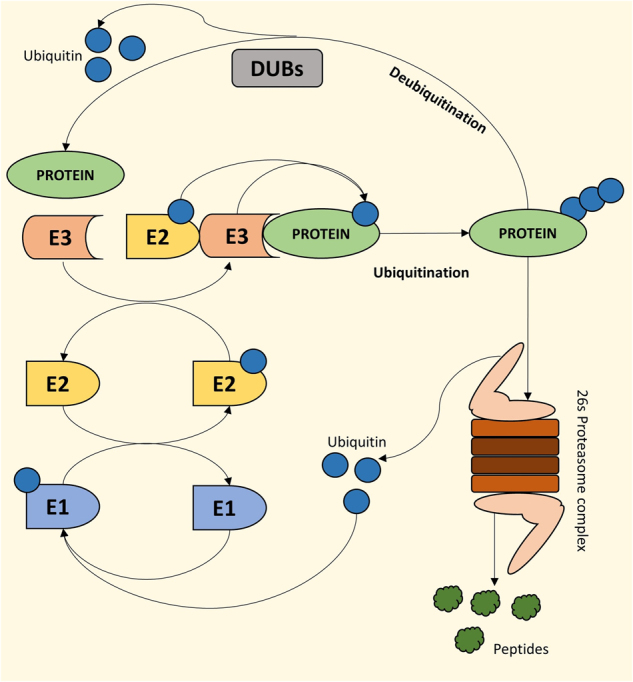
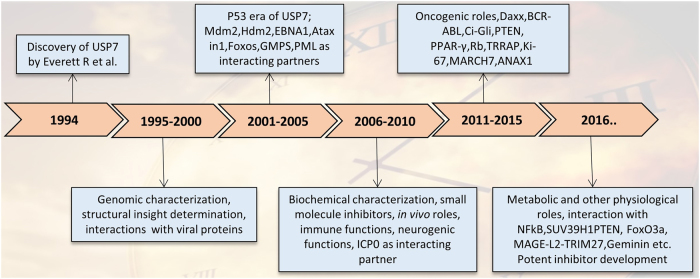
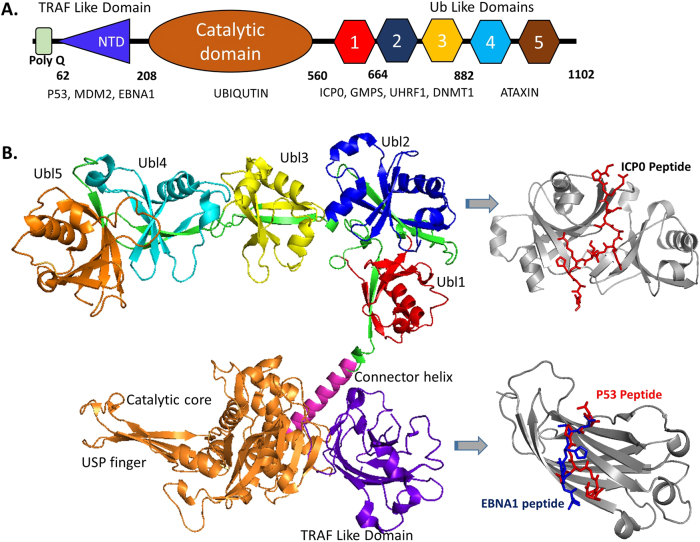
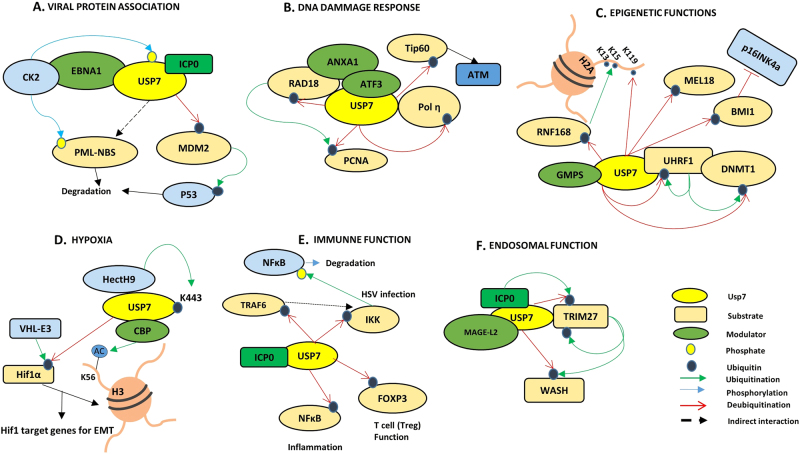
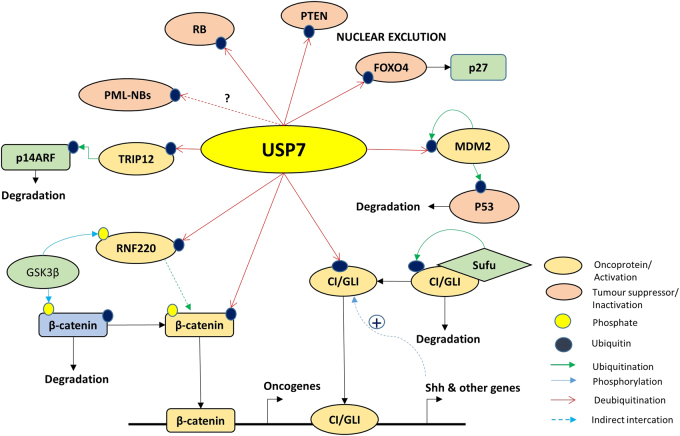
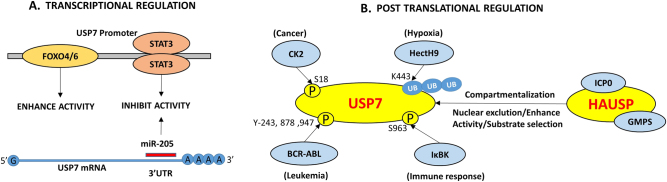
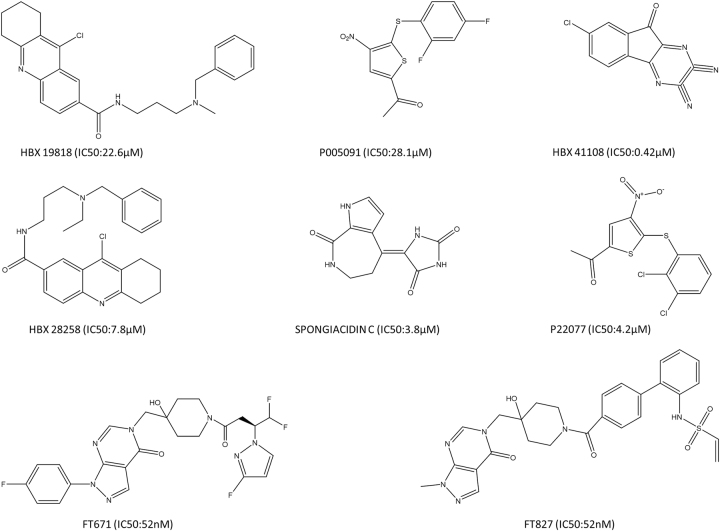
Verification
Claims the paper makes
The claims and statistics of this paper haven’t been checked yet.
Run the check — free, no account needed. It reads the open-access text and checks the sources it cites.
Claims other papers make about this one
Each is checked against this paper’s own text: does it say what the citing paper says it does?
In the citing paper
“In addition to tumor suppressive roles, USP7 also seems to have context-dependent oncogenic functions (Bhattacharya et al., 2018).”
From USP7 Is a Master Regulator of Genome Stability (2020) · cites this paper as Bhattacharya et al., 2018
In the citing paper
“USP7 was initially described as a having a tumor suppressive role, following its identification as a p53 deubiquitinating enzyme (Li et al., 2002; Bhattacharya et al., 2018).”
From USP7 Is a Master Regulator of Genome Stability (2020) · cites this paper as Bhattacharya et al., 2018
Self-check
Percentages, sums and reported differences re-computed from the paper’s own numbers.
The self-check needs the paper’s full text.
Citations
Cites
Mechanisms Underlying Ubiquitination
Pickart, C. M. (2001) · Annual Review of Biochemistry · doi:10.1146/annurev.biochem.70.1.503 · Cited by 3,184
Regulation and cellular roles of ubiquitin-specific deubiquitinating enzymes.
Reyes-Turcu, F. E., Ventii, K. H., & Wilkinson, K. D. (2009) · Annual Review of Biochemistry · doi:10.1146/annurev.biochem.78.082307.091526 · Cited by 1,396
Deubiquitination of p53 by HAUSP is an important pathway for p53 stabilization
Li, M., Chen, D., Shiloh, A., Luo, J., Nikolaev, A. Y., Qin, J., & Gu, W. J. (2002) · Nature · doi:10.1038/nature737 · Cited by 1,048
Mechanism and function of deubiquitinating enzymes
Amerik, A. Y., & Hochstrasser, M. (2004) · Biochimica et Biophysica Acta (BBA) - Molecular Cell Research · doi:10.1016/j.bbamcr.2004.10.003 · Cited by 1,010
A dynamic role of HAUSP in the p53-Mdm2 pathway
Li, M., Brooks, C. L., Kon, N., & Gu, W. (2004) · Molecular Cell · doi:10.1016/s1097-2765(04)00157-1 · Cited by 679
Hu, M., Li, P., Li, M., Li, W., Yao, T., Wu, J.-W., Gu, W. J., Cohen, R. E., & Shi, Y. (2002) · Cell · doi:10.1016/s0092-8674(02)01199-6 · Cited by 666
Atypical ubiquitylation — the unexplored world of polyubiquitin beyond Lys48 and Lys63 linkages
Kulathu, Y., & Komander, D. (2012) · Nature Reviews Molecular Cell Biology · doi:10.1038/nrm3394 · Cited by 619
Chauhan, D., Tian, Z., Nicholson, B., Kumar, K. G. S., Zhou, B., Carrasco, R., McDermott, J. L., Leach, C. A., Fulcinniti, M., Kodrasov, M. P., et al. (2012) · Cancer Cell · doi:10.1016/j.ccr.2012.08.007 · Cited by 589
The deubiquitinylation and localization of PTEN are regulated by a HAUSP-PML network
Song, M. S., Salmena, L., Carracedo, A., Egia, A., Lo-Coco, F., Teruya-Feldstein, J., & Pandolfi, P. P. (2008) · Nature · doi:10.1038/nature07290 · Cited by 548
Everett, R. D., Meredith, M., Orr, A., Cross, A., Kathoria, M., & Parkinson, J. (1997) · The EMBO Journal · doi:10.1093/emboj/16.7.1519 · Cited by 491
Cited by
Sorted by citations
Targeting p53 pathways: mechanisms, structures, and advances in therapy
Wang, H., Guo, M., Wei, H., & Chen, Y. (2023) · Signal Transduction and Targeted Therapy · doi:10.1038/s41392-023-01347-1 · Cited by 1,016
Ubiquitin–proteasome system (UPS) as a target for anticancer treatment
Park, J., Cho, J., & Song, E. J. (2020) · Archives of Pharmacal Research · doi:10.1007/s12272-020-01281-8 · Cited by 430
Wang, J., Toan, S., & Zhou, H. (2020) · Pharmacological Research · doi:10.1016/j.phrs.2020.104771 · Cited by 187
Advances in Discovering Deubiquitinating Enzyme (DUB) Inhibitors
Schauer, N. J., Magin, R. S., Liu, X., Doherty, L. M., & Buhrlage, S. J. (2019) · Journal of Medicinal Chemistry · doi:10.1021/acs.jmedchem.9b01138 · Cited by 191
Qi, S., Cheng, G., Cheng, X., Xu, Z., Xu, B., Zhang, W., & Qin, J. (2020) · Frontiers in Cell and Developmental Biology · doi:10.3389/fcell.2020.00233 · Cited by 167
USP7 inhibits Wnt/β-catenin signaling through promoting stabilization of Axin
Ji, L., Lu, B., Zamponi, R., Charlat, O., Aversa, R. J., Yang, Z., Sigoillot, F. D., Zhu, X., Hu, T., Reece-Hoyes, J. S., et al. (2019) · Nature Communications · doi:10.1038/s41467-019-12143-3 · Cited by 135
Gao, H., Yin, J., Ji, C., Yu, X., Xue, J., Guan, X., Zhang, S., Liu, X., & Xing, F. (2023) · Journal of Experimental & Clinical Cancer Research · doi:10.1186/s13046-023-02805-y · Cited by 135
Zhang, X.-W., Feng, N., Liu, Y.-C., Guo, Q., Wang, J., Bai, Y.-Z., Ye, X., Yang, Z., Yang, H., Liu, Y., et al. (2022) · Science Advances · doi:10.1126/sciadv.abo0789 · Cited by 122
Merkel Cell Polyomavirus and Merkel Cell Carcinoma
Pietropaolo, V., Prezioso, C., & Moens, U. L. (2020) · Cancers · doi:10.3390/cancers12071774 · Cited by 120
USP7 Is a Master Regulator of Genome Stability
Valles, G. J., Bezsonova, I., Woodgate, R., & Ashton, N. W. (2020) · Frontiers in Cell and Developmental Biology · doi:10.3389/fcell.2020.00717 · Cited by 114
“Although outside the scope of this review, USP7 likely also contributes to carcinogenesis by regulating a number of tumor suppressors and oncogenes with roles outside of direct genome stability maintenance (Bhattacharya et al., 2018).”
BackgroundInfluentialLin, K., Zhou, E., Shi, T., Zhang, S., Zhang, J., Zheng, Z., Pan, Y., Gao, W., & Yu, Y. (2023) · Journal of Experimental & Clinical Cancer Research · doi:10.1186/s13046-023-02792-0 · Cited by 91
Targeting the Ubiquitin–Proteasome System and Recent Advances in Cancer Therapy
Spano, D., & Catara, G. (2023) · Cells · doi:10.3390/cells13010029 · Cited by 86
Molecular Mechanisms of DUBs Regulation in Signaling and Disease
Li, Y., & Reverter, D. (2021) · International Journal of Molecular Sciences · doi:10.3390/ijms22030986 · Cited by 92
Leger, P. R., Hu, D. X., Biannic, B., Bui, M., Han, X., Karbarz, E., Maung, J., Okano, A., Osipov, M., Shibuya, G. M., et al. (2020) · Journal of Medicinal Chemistry · doi:10.1021/acs.jmedchem.0c00245 · Cited by 78
USP7 deubiquitinates and stabilizes EZH2 in prostate cancer cells
Lee, J. E., Park, C. M., & Kim, J. H. (2020) · Genetics and Molecular Biology · doi:10.1590/1678-4685-gmb-2019-0338 · Cited by 72
Yi, J., Li, H., Chu, B., Kon, N., Hu, X., Hu, J., Xiong, Y., Kanıskan, H. Ü., Jin, J. J., & Gu, W. J. (2023) · Cell Death and Differentiation · doi:10.1038/s41418-023-01180-7 · Cited by 70
USP7 deubiquitinates and stabilizes NOTCH1 in T-cell acute lymphoblastic leukemia
Shan, H., Li, X., Xiao, X., Dai, Y., Huang, J., Song, J., Liu, M., Yang, L., Lei, H., Tong, Y., et al. (2018) · Signal Transduction and Targeted Therapy · doi:10.1038/s41392-018-0028-3 · Cited by 66
Highlights in USP7 inhibitors for cancer treatment
Oliveira, R. I., Guedes, R. A., & Salvador, J. A. R. (2022) · Frontiers in Chemistry · doi:10.3389/fchem.2022.1005727 · Cited by 64
Li, P., Wang, J., Zhao, X., Ru, J., Tian, T., An, Y., Tang, L., & Bai, Y. (2019) · Journal of Cellular Physiology · doi:10.1002/jcp.29366 · Cited by 58
Bian, S., Ni, W., Zhu, M., Zhang, X., Qiang, Y., Zhang, J., Ni, Z., Shen, Y., Qiu, S., Song, Q., et al. (2022) · International Journal of Biological Sciences · doi:10.7150/ijbs.68179 · Cited by 57
Nuclear deubiquitination in the spotlight: the multifaceted nature of USP7 biology in disease
Rawat, R., Starczynowski, D. T., & Ntziachristos, P. (2019) · Current Opinion in Cell Biology · doi:10.1016/j.ceb.2019.02.008 · Cited by 54
Lei, A., Chen, L., Zhang, M., Yang, X., Xu, L., Cao, N., Zhang, Z., & Cao, Y. (2019) · Frontiers in Genetics · doi:10.3389/fgene.2019.00422 · Cited by 54
Recent advances on the intervention sites targeting USP7-MDM2-p53 in cancer therapy
Harakandi, C., Nininahazwe, L., Xu, H., Liu, B., He, C., Zheng, Y., & Zhang, H. (2021) · Bioorganic Chemistry · doi:10.1016/j.bioorg.2021.105273 · Cited by 53
The deubiquitinase USP7 uses a distinct ubiquitin-like domain to deubiquitinate NF-ĸB subunits
Mitxitorena, I., Somma, D., Mitchell, J. P., Lepistö, M., Tyrchan, C., Smith, E., Kiely, P. A., Walden, H., Keeshan, K., & Carmody, R. J. (2020) · Journal of Biological Chemistry · doi:10.1074/jbc.ra120.014113 · Cited by 51
USP7 as an emerging therapeutic target: A key regulator of protein homeostasis
Guo, N.-J., Wang, B., Zhang, Y., Kang, H., Nie, H., Feng, M.-K., Zhang, X.-Y., Zhao, L., Wang, N., Liu, H., et al. (2024) · International Journal of Biological Macromolecules · doi:10.1016/j.ijbiomac.2024.130309 · Cited by 52
CRISPR/Cas9 application in cancer therapy: a pioneering genome editing tool
Baghini, S. S., Gardanova, Z. R., Abadi, S. A. H., Zaman, B. A., İlhan, A., Shomali, N., Adili, A., Moghaddar, R., & Yaseri, A. F. (2022) · Cellular & Molecular Biology Letters · doi:10.1186/s11658-022-00336-6 · Cited by 46
Fu, C., Zhu, X., Xu, P., & Li, Y. (2019) · OncoTargets and Therapy · doi:10.2147/ott.s182806 · Cited by 45
Zhang, W., Zhang, J., Xu, C., Zhang, S., Bian, S., Jiang, F., Ni, W., Qu, L., Lu, C., Ni, R., et al. (2020) · Cancer Cell International · doi:10.1186/s12935-020-1109-2 · Cited by 43
Targeting the USP7/RRM2 axis drives senescence and sensitizes melanoma cells to HDAC/LSD1 inhibitors
Granieri, L., Marocchi, F., Melixetian, M. B., Mohammadi, N., Nicoli, P., Cuomo, A., Bonaldi, T., Confalonieri, S., Pisati, F., Giardina, G., et al. (2022) · Cell Reports · doi:10.1016/j.celrep.2022.111396 · Cited by 43
USP7 Inhibitors in Cancer Immunotherapy: Current Status and Perspective
Korenev, G., Yakukhnov, S., Druk, A., Golovina, A., Chasov, V. V., Mirgayazova, R., Ivanov, R. A., & Bulatov, E. (2022) · Cancers · doi:10.3390/cancers14225539 · Cited by 44
Inhibition of ubiquitin-specific protease 7 sensitizes acute myeloid leukemia to chemotherapy
Cartel, M., Mouchel, P., Gotanègre, M., David, L., Bertoli, S., Mas, V. M., Besson, A., Sarry, J., Manenti, S., & Didier, C. (2020) · Leukemia · doi:10.1038/s41375-020-0878-x · Cited by 43
Ohol, Y. M., Sun, M. T., Cutler, G., Leger, P. R., Hu, D. X., Biannic, B., Rana, P., Cho, C., Jacobson, S., Wong, S., et al. (2020) · Molecular Cancer Therapeutics · doi:10.1158/1535-7163.mct-20-0184 · Cited by 41
Saha, G., Sarkar, S., Mohanta, P. S., Kumar, K., Chakrabarti, S., Basu, M., & Ghosh, M. K. (2022) · Oncogene · doi:10.1038/s41388-022-02486-5 · Cited by 41
Self-citationLin, Y., Lin, J., Liu, Y.-E., Chen, Y.-C., Liu, S.-T., Hsu, K., Chen, D., & Wu, H.-T. (2022) · Cells · doi:10.3390/cells11203294 · Cited by 40
Reversal of viral and epigenetic HLA class I repression in Merkel cell carcinoma
Lee, P. C., Klaeger, S., Le, P. M., Korthauer, K. D., Cheng, J., Ananthapadmanabhan, V., Frost, T. C., Stevens, J. D., Wong, A. Y. L., Iorgulescu, J. B., et al. (2022) · Journal of Clinical Investigation · doi:10.1172/jci151666 · Cited by 38
USP7-SOX9-miR-96-5p-NLRP3 Network Regulates Myocardial Injury and Cardiomyocyte Pyroptosis in Sepsis
Gong, X., Li, Y., He, Y., & Zhou, F. (2022) · Human Gene Therapy · doi:10.1089/hum.2022.078 · Cited by 38
Dong, Q. R., Jie, Y., Ma, J., Li, C., Xin, T., & Yang, D. (2019) · Journal of Receptors and Signal Transduction · doi:10.1080/10799893.2019.1698050 · Cited by 36
Gadhave, K., Kumar, P., Kapuganti, S. K., Uversky, V. N., & Giri, R. (2020) · Biomolecules · doi:10.3390/biom10050796 · Cited by 36
IU1 suppresses proliferation of cervical cancer cells through MDM2 degradation
Liu, X., Wang, J., Yuan, X., Yang, S., Xu, X., Li, K., He, Y., Wei, L., Zhang, J., & Tian, Y. (2020) · International Journal of Biological Sciences · doi:10.7150/ijbs.47999 · Cited by 37
The USP7-TRIM27 axis mediates non-canonical PRC1.1 function and is a druggable target in leukemia
Maat, H., Atsma, T. J., Hogeling, S. M., López, A. R., Jaques, J., Olthuis, M., de Vries, M. P., Gravesteijn, C., Brouwers-Vos, A. Z., van der Meer, N. K., et al. (2021) · iScience · doi:10.1016/j.isci.2021.102435 · Cited by 39
The tumour-promoting role of protein homeostasis: Implications for cancer immunotherapy
Liang, R., Tan, H., Jin, H., Wang, J., Tang, Z., & Lu, X. (2023) · Cancer Letters · doi:10.1016/j.canlet.2023.216354 · Cited by 34
Role of deubiquitinases in DNA damage response
Le, J. P., Perez, E., Nemzow, L., & Gong, F. (2019) · DNA repair · doi:10.1016/j.dnarep.2019.02.011 · Cited by 34
Deubiquitinase USP7 contributes to the pathogenicity of spinal and bulbar muscular atrophy
Pluciennik, A., Liu, Y., Molotsky, E., Marsh, G. B., Ranxhi, B., Arnold, F. J., St.-Cyr, S., Davidson, B. L., Pourshafie, N., Lieberman, A. P., et al. (2020) · Journal of Clinical Investigation · doi:10.1172/jci134565 · Cited by 30
Li, N., Geng, F., Liang, S., & Qin, X. (2022) · Cellular Signalling · doi:10.1016/j.cellsig.2022.110351 · Cited by 29
Xie, Z., Wu, Y., Shen, Y., Guo, J., Yuan, P., Ma, Q., Wang, S., Jie, Z., Zhou, H., Fan, S., et al. (2023) · Aging and Disease · doi:10.14336/ad.2023.0325-1 · Cited by 28
Strategies that regulate LSD1 for novel therapeutics
Li, M., Dai, M., Cheng, B., Li, S., Guo, E., Fu, J., Ma, T., & Yu, B. (2024) · Acta Pharmaceutica Sinica B · doi:10.1016/j.apsb.2024.01.005 · Cited by 27
Deubiquitinases: Pro-oncogenic Activity and Therapeutic Targeting in Blood Malignancies
Gutierrez-Diaz, B. T., Gu, W. J., & Ntziachristos, P. (2020) · Trends in Immunology · doi:10.1016/j.it.2020.02.004 · Cited by 26
p53: from understanding its structure to advances in therapeutic targeting
Wang, W., Liu, X., Liu, H., Abolhassani, H., Yan, H., Zhang, H., & Wang, X. (2026) · Signal Transduction and Targeted Therapy · doi:10.1038/s41392-025-02549-5 · Cited by 29
DUBs Activating the Hedgehog Signaling Pathway: A Promising Therapeutic Target in Cancer
Bufalieri, F., Severini, L. L., Caimano, M., Infante, P., & Marcotullio, L. D. (2020) · Cancers · doi:10.3390/cancers12061518 · Cited by 25
Assay Systems for Profiling Deubiquitinating Activity
Cho, J., Park, J., Kim, E. E., & Song, E. J. (2020) · International Journal of Molecular Sciences · doi:10.3390/ijms21165638 · Cited by 24
Aryapour, E., & Kietzmann, T. (2022) · Journal of Cellular Biochemistry · doi:10.1002/jcb.30312 · Cited by 24
USP7 substrates identified by proteomics analysis reveal the specificity of USP7Preprint
Nie, L., Wang, C., Liu, X., Teng, H., Li, S., Huang, M., Feng, X., Pei, G., Hang, Q., Zhao, Z., et al. (2022) · Genes & Development · doi:10.1101/gad.349848.122 · Cited by 24
Liu, C., Sun, L., Tan, Y., Wang, Q. T., Luo, T., Li, C., Yao, N., Xie, Y., Yi, X., Zhu, Y., et al. (2023) · Science Advances · doi:10.1126/sciadv.ade3888 · Cited by 23
Basu, B., Karmakar, S., Basu, M., & Ghosh, M. K. (2023) · Biochimica et Biophysica Acta (BBA) - Molecular Cell Research · doi:10.1016/j.bbamcr.2023.119446 · Cited by 24
Self-citationSong, Y., Ren, X., Xiong, J., Wang, W., Zhao, Q., Chang, J., & Yu, B. (2025) · Journal of Medicinal Chemistry · doi:10.1021/acs.jmedchem.5c00102 · Cited by 22
Signaling Activation and Modulation in Extrafollicular B Cell Responses
Staniek, J., & Rizzi, M. (2025) · Immunological Reviews · doi:10.1111/imr.70004 · Cited by 22
The ubiquitin-proteasome system in the regulation of tumor dormancy and recurrence
Alhasan, B. A., Morozov, A. V., Guzhova, I. V., & Margulis, B. A. (2024) · Biochimica et Biophysica Acta (BBA) - Reviews on Cancer · doi:10.1016/j.bbcan.2024.189119 · Cited by 20
Lu, L., Jifu, C., Xia, J., & Wang, J. (2024) · Biomedicine & Pharmacotherapy · doi:10.1016/j.biopha.2024.116753 · Cited by 26
USP7 stabilizes EZH2 and enhances cancer malignant progression.
Zheng, N., Chu, M., Lin, M., He, Y., & Wang, Z. P. (2020) · PubMed · Cited by 20
USP7 deubiquitinates and stabilizes SIRT1.
Song, N., Cao, C., Tian, S., Long, M., & Liu, L. (2020) · The Anatomical Record · doi:10.1002/ar.24252 · Cited by 19
Basu, B., & Ghosh, M. K. (2022) · Biochimica et Biophysica Acta (BBA) - Molecular Cell Research · doi:10.1016/j.bbamcr.2022.119261 · Cited by 20
Self-citationQiao, H., Tian, Y., Huo, Y., & Man, H. (2022) · iScience · doi:10.1016/j.isci.2022.104595 · Cited by 19
Kim, S.-B., Hwang, S., Cha, J.-Y., & Lee, H.-J. (2024) · International Journal of Molecular Sciences · doi:10.3390/ijms25052939 · Cited by 19
Zhou, D., Zhang, M., Min, L., Jiang, K., & Jiang, Y. (2020) · Journal of Cellular Physiology · doi:10.1002/jcp.29603 · Cited by 18
A feedforward circuit shaped by ECT2 and USP7 contributes to breast carcinogenesis
Zhang, Q., Cao, C., Gong, W., Bao, K., Wang, Q., Wang, Y., Bi, L., Ma, S., Zhao, J., Liu, L., et al. (2020) · Theranostics · doi:10.7150/thno.46878 · Cited by 18
The key vulnerabilities and therapeutic opportunities in the USP7-p53/MDM2 axis in cancer
Saha, G., & Ghosh, M. K. (2025) · Biochimica et Biophysica Acta (BBA) - Molecular Cell Research · doi:10.1016/j.bbamcr.2025.119908 · Cited by 18
Self-citationUbiquitin Ligases in Control: Regulating NLRP3 Inflammasome Activation
Beesetti, S. (2025) · Frontiers in Bioscience-Landmark · doi:10.31083/fbl25970 · Cited by 18
LATS2 promotes cardiomyocyte H9C2 cells apoptosis via the Prx3-Mfn2-mitophagy pathways
Tian, Y., Lv, W., Lu, C., Zhao, X., Zhang, C., & Song, H. (2019) · Journal of Receptors and Signal Transduction · doi:10.1080/10799893.2019.1701031 · Cited by 17
Deubiquitinases: Modulators of Different Types of Regulated Cell Death
Lee, C.-S., Kim, S., Hwang, G., & Song, J. (2021) · International Journal of Molecular Sciences · doi:10.3390/ijms22094352 · Cited by 17
Li, M., Wang, F., Yan, L., Lu, M., Zhang, Y., & Peng, T. (2022) · Chemical Communications · doi:10.1039/d2cc03623a · Cited by 17
Xu, W., Hua, Z., Wang, Y., Tang, W., Ge, W., Chen, Y., Wang, Z., Gu, Y., Liu, C., & Du, P. (2025) · Advanced Science · doi:10.1002/advs.202411320 · Cited by 16
Novel modulators of p53-signaling encoded by unknown genes of emerging viruses
Alzhanova, D. V., Corcoran, K., Bailey, A., Long, K. M., Taft-Benz, S., Graham, R. L., Broussard, G. S., Heise, M. T., Neumann, G., Halfmann, P., et al. (2021) · PLoS Pathogens · doi:10.1371/journal.ppat.1009033 · Cited by 17
Yan, G., Liu, N., Tian, J., Fu, Y., Wei, W., Zou, J., Li, S., Wang, Q., Li, K., & Wang, J. (2021) · Journal of Cellular and Molecular Medicine · doi:10.1111/jcmm.16306 · Cited by 16
Hou, D., Hu, Y., Tian, Y., Yu, D., & Yang, G. (2025) · Brain Research · doi:10.1016/j.brainres.2025.149638 · Cited by 15
Klever, M.-K., Sträng, E., Hetzel, S., Jungnitsch, J., Dolnik, A., Schöpflin, R., Schrezenmeier, J., Schick, F., Blau, O., Westermann, J., et al. (2023) · Blood Advances · doi:10.1182/bloodadvances.2023010887 · Cited by 15
Role of melatonin in mitigation of insulin resistance and ensuing diabetic cardiomyopathy
Nath, A., Ghosh, S., & Bandyopadhyay, D. (2024) · Life Sciences · doi:10.1016/j.lfs.2024.122993 · Cited by 15
Huang, D., & Jiang, Y. (2019) · Journal of Cellular Physiology · doi:10.1002/jcp.29308 · Cited by 15
PE_PGRS38 Interaction With HAUSP Downregulates Antimycobacterial Host Defense via TRAF6
Kim, J., Kim, H. K., Cho, E., Mun, S., Jang, S., Jang, J., & Yang, C. (2022) · Frontiers in Immunology · doi:10.3389/fimmu.2022.862628 · Cited by 15
Li, P., Hu, F., Cao, X., Luo, L., & Tu, Q. (2020) · Journal of Receptors and Signal Transduction · doi:10.1080/10799893.2020.1719151 · Cited by 14
Li, H., Liu, X., Jiang, S., Zhou, X., Yao, L., Yang, D., Jiang, Y., Gu, J., Mao, Y., Li, J., et al. (2020) · British Journal of Cancer · doi:10.1038/s41416-020-0929-0 · Cited by 14
Prognostic role of USP7 expression in cancer patients: A systematic review and meta-analysis
Kisaï, K. K., & Koji, S. (2021) · Pathology - Research and Practice · doi:10.1016/j.prp.2021.153621 · Cited by 15
Clorennec, C. L., Lee, K. S., Huo, Y., & Zage, P. E. (2023) · International Journal of Molecular Sciences · doi:10.3390/ijms241813780 · Cited by 16
Tremblay, P. G., & Sirard, M. (2020) · Biology of Reproduction · doi:10.1093/biolre/ioaa079 · Cited by 14
Kim, Y. J., Park, K. H., Lee, K., Chun, Y., & Lee, J. W. (2022) · International Journal of Molecular Sciences · doi:10.3390/ijms23158674 · Cited by 14
BK Channel Deficiency in Osteoblasts Reduces Bone Formation via the Wnt/β-Catenin Pathway
Jiang, L., Yang, Q., Jianjun, G., Yang, J., He, J., Xin, H., & Zhang, X. (2021) · Molecules and Cells · doi:10.14348/molcells.2021.0004 · Cited by 12
Design, synthesis and biological evaluation of 2-aminopyridine derivatives as USP7 inhibitors
Xu, X., Wang, M., Xu, H., Liu, N., Chen, K., Luo, C., Chen, S., & Chen, H. (2022) · Bioorganic Chemistry · doi:10.1016/j.bioorg.2022.106128 · Cited by 12
Ma, G., Liu, Y., Wang, Y., Wen, Z., Li, X., Zhai, H., Li, M., & Luo, J. (2020) · Journal of Receptors and Signal Transduction · doi:10.1080/10799893.2020.1719517 · Cited by 12
The roles of ribosomal proteins in nasopharyngeal cancer: culprits, sentinels or both
Sim, E. U., Lee, C. W., & Narayanan, K. (2021) · Biomarker Research · doi:10.1186/s40364-021-00311-x · Cited by 12
The prognostic value of USP7 and p53 in advanced hypopharyngeal carcinoma
Sun, J., Lin, L., Zhang, J., Hu, C., & Wang, J. (2021) · Annals of Diagnostic Pathology · doi:10.1016/j.anndiagpath.2020.151695 · Cited by 11
Barbeito, P., Martin-Morales, R., Palencia‐Campos, A., Cerrolaza, J., Rivas-Santos, C., Gallego-Colastra, L., Caparros-Martin, J. A., Martin-Bravo, C., Martín-Hurtado, A., Sánchez-Bellver, L., et al. (2023) · Frontiers in Cell and Developmental Biology · doi:10.3389/fcell.2023.1190258 · Cited by 10
Liu, X., Lu, R., Yang, Q., He, J., Huang, C., Cao, Y., Zhou, Z., Huang, J., Li, L., Chen, R., et al. (2023) · Molecular Oncology · doi:10.1002/1878-0261.13543 · Cited by 10
Han, Y., & Yun, C. C. (2020) · The FASEB Journal · doi:10.1096/fj.202001875r · Cited by 10
Liu, M., Zhang, Y., Wu, Y., Jin, J., Cao, Y., Fang, Z., Geng, L., Yang, L., Yu, M., Bu, Z., et al. (2022) · International Journal of Biological Sciences · doi:10.7150/ijbs.70960 · Cited by 10
In vivo CRISPR screens identify Mga as an immunotherapy target in triple-negative breast cancer
Xu, F., Yang, C. Q., Huang, Y., Su, D., Wang, C., Wilson, L., Yin, L., Tang, M., Li, S., Chen, Z., et al. (2024) · Proceedings of the National Academy of Sciences · doi:10.1073/pnas.2406325121 · Cited by 9
Qian, G., Wang, Y., Yao, H., Zhang, Z.-M., Wang, W., Xu, L., Li, W., Huang, L., Li, X., Gao, Y., et al. (2024) · International Immunopharmacology · doi:10.1016/j.intimp.2024.113823 · Cited by 9
Ubiquitin-specific proteases as therapeutic targets in paediatric primary bone tumours?
Mullard, M., Lavaud, M., Regnier, L., Tesfaye, R. A., Ory, B., Rédiní, F., & Verrecchia, F. (2021) · Biochemical Pharmacology · doi:10.1016/j.bcp.2021.114797 · Cited by 9
NURR1 inhibition reduces hypoxia-mediated cardiomyocyte necrosis via blocking Mst1-JNK-mPTP pathway
Ma, G., & Liu, Y. (2019) · Journal of Receptors and Signal Transduction · doi:10.1080/10799893.2019.1690514 · Cited by 9
Yang, Y., Gong, Z., & Wang, Z. (2019) · Journal of Receptors and Signal Transduction · doi:10.1080/10799893.2019.1705339 · Cited by 9
Nie, H., Yu, Y., Wang, F., Huang, X., Wang, H., Wang, J., Tao, M., Ning, Y., Zhou, J., Zhao, Q., et al. (2024) · Cancer Immunology Immunotherapy · doi:10.1007/s00262-024-03731-4 · Cited by 8
Li, X., Pan, J., & Zheng, P. (2024) · Frontiers in Oncology · doi:10.3389/fonc.2024.1427663 · Cited by 8
Metadata
- Authors
- Bhattacharya, S., Chakraborty, D., Basu, M., & Ghosh, M. K.
- Affiliations
- Indian Institute of Chemical Biology (IN)
- Surendranath College (IN)
- Corresponding author
- Ghosh, Mrinal K
- Venue
- Signal Transduction and Targeted Therapy
- Published
- 2018-06-29
- Volume
- 3
- Issue
- 1
- Pages
- 17-17
- ISSN
- 2059-3635 (ISSN-L)
- PMC
- PMC6023882
- OpenAlex
- W2809511392
- Cited by
- 162
- References
- 114
- Citations by year
- 2026: 8 · 2025: 27 · 2024: 16 · 2023: 23 · 2022: 29 · 2021: 15 · 2020: 26 · 2019: 16 · 2018: 1
- FWCI
- 5.34
- Type
- journal article
- Language
- en
- Open access
- gold
- doi.org
- Locations
- Signal Transduction and Targeted Therapy (publishedVersion, cc-by)
- Europe PMC (PubMed Central) (publishedVersion, cc-by)
- PubMed Central (publishedVersion, cc-by)
- PubMed (publishedVersion)
- DOAJ (DOAJ: Directory of Open Access Journals) (submittedVersion)
- Funders
- Department of Biotechnology, Ministry of Science and Technology, India
- Department of Science and Technology, Ministry of Science and Technology, India (SR/NM/NS-1058/2015)
- Council of Scientific and Industrial Research, India
- Topics
- Life Sciences › Biochemistry, Genetics and Molecular Biology › Molecular Biology › Ubiquitin and proteasome pathways
- Health Sciences › Medicine › Oncology › Cancer-related Molecular Pathways
- Life Sciences › Biochemistry, Genetics and Molecular Biology › Molecular Biology › Protein Degradation and Inhibitors
- Keywords
- USP7, deubiquitinase, host-virus interaction, herpesvirus, carcinogenesis, tumor suppression, DNA damage and repair, epigenetic regulation, gene expression regulation, immune function, metabolic disorders, neurological disorders, therapeutic target
About these checks
Registry, retraction, Cites and statistics results are computed, not judged, with one exception: a printed reference that no index lists is read once by a model before it counts as a citation error. Claims are extracted by a model and kept only when their quote appears verbatim in the text; each cited source is then checked, with a model’s help, for whether it says what the claim relies on. Those verdicts can be wrong — read the claim’s quote and the cited source before relying on one.
Statistics and arithmetic are recomputed, not judged.
Confidence bands are shown only for fields calibrated on our annotated test set. None is calibrated yet, so no band is shown.
What counts as a claim ›How we measure confidence ›How we check this ›
Are you an author, or do you see a problem with this page? Request a review
