

p53: from understanding its structure to advances in therapeutic targeting
Open accessThe DOI matches its Crossref record; 498 of the 498 references it cites were found in a registry or an index; 7 of the 461 sources its claims cite were checked for support.
Abstract
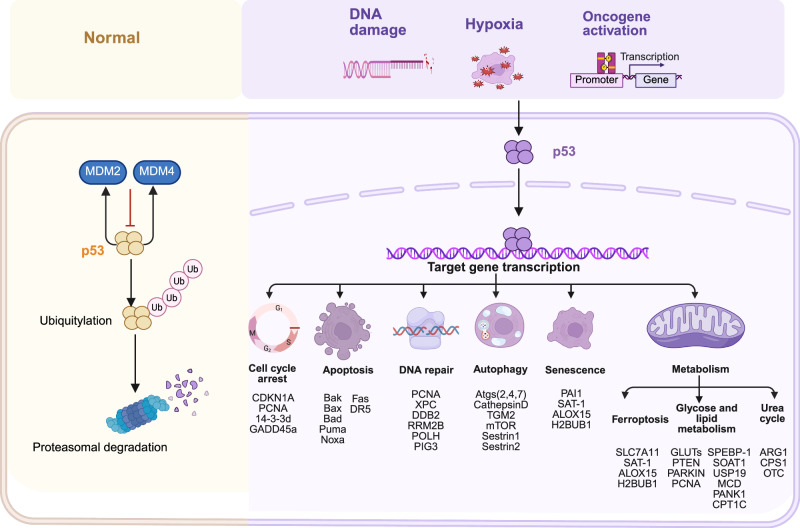
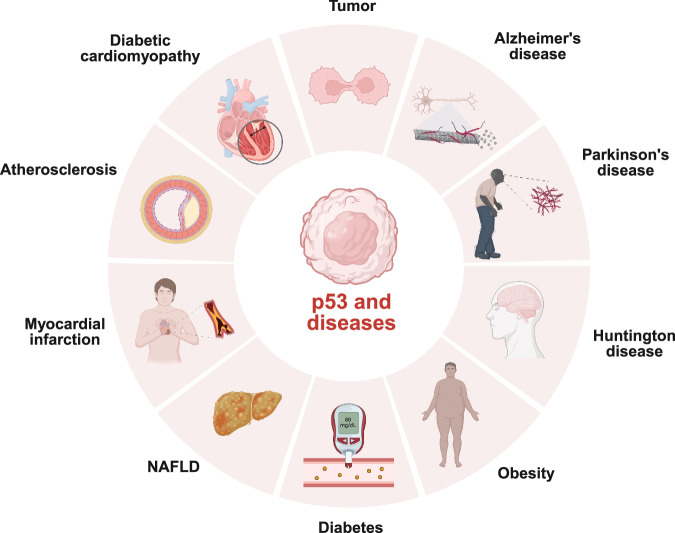
The tumor suppressor gene TP53 is the most frequently mutated gene in human cancers and has been a popular area of research in the field of oncology. The p53 protein, encoded by the TP53 gene, not only binds to many targeted genes but also regulates apoptosis, autophagy, cell cycle arrest, metabolism, senescence and the tumor immune microenvironment to suppress tumorigenesis. In recent years, an increasing number of new functions of p53 have been discovered, and p53-mediated tumor suppressor functions have been greatly expanded. Mutations in TP53 not only abolish its ability to suppress tumorigenesis but also confer carcinogenic properties to p53-mutant cells. Because of the prevalence of p53 dysfunction in various disease types, p53 has long been considered an attractive target for new anticancer drugs. However, drugs targeting p53 are still under investigation in early clinical trials and have not been approved for clinical use. This finding is consistent with the speculation that p53 is widely regarded as "undruggable." Surprisingly, several novel therapeutic approaches targeting p53, including MDM2/4 antagonists, compounds that target specific p53 mutants or restore the wild-type function of the mutated p53 protein, p53-based genetic therapies and p53-based tumor immunotherapy, have been developed in recent years. Here, we present a review of the structure, inactivation, and roles of p53 in diseases. In addition, this review discusses the efforts to target diseases associated with p53 dysfunction and the challenges encountered in the clinical development of these approaches.
Overview
CoChat Summary
TL;DR
This review synthesizes p53 structure, inactivation, biological roles, and therapeutic strategies across cancer and nonneoplastic diseases. It highlights that TP53 is the most commonly mutated cancer gene, that p53 remains largely “undruggable” clinically, and that MDM2/4 antagonists, mutant-p53 reactivators, immunotherapy, and gene therapy are advancing but mostly in early trials.
Key findings
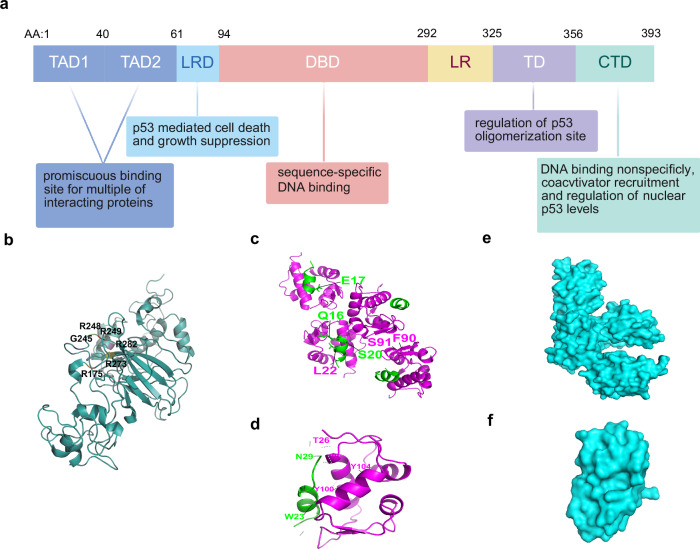
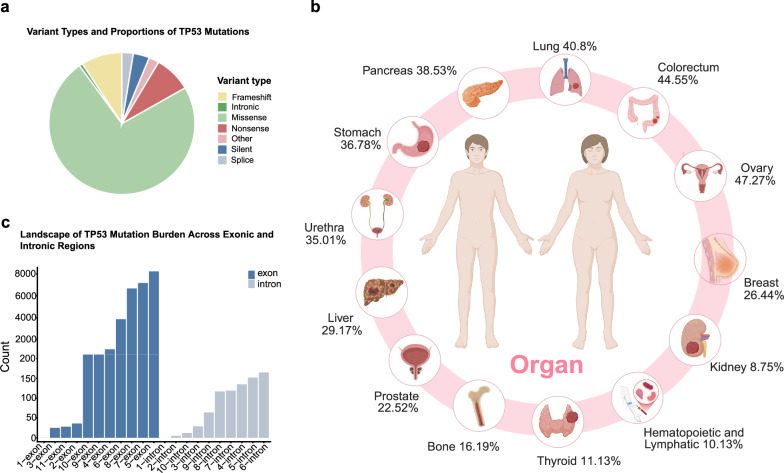
- TP53 mutations occur in more than 50% of all human malignancies and exceed 70% in squamous esophageal cancer, small-cell lung cancer, squamous cell lung cancer, and complex karyotype AML; rates are lower in lymphoma, melanoma, and overall AML. Most TP53 mutations are missense, with hotspots including G245, R249, R248, R282, R273, Y220, and R175, and exons 5, 7, and 8 are common mutation sites.
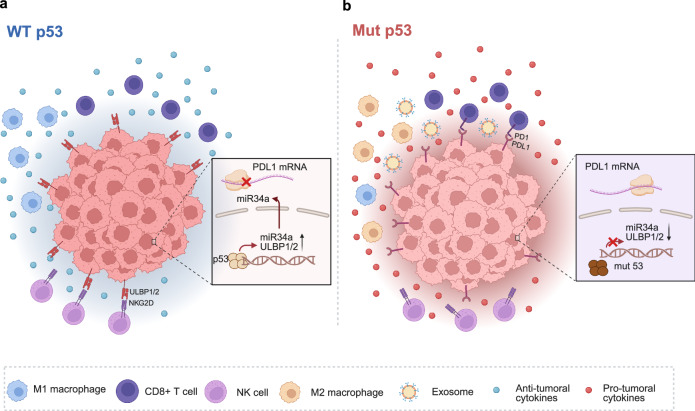
- p53 is a 393-amino-acid protein with five domains (TAD 1–61, PRD 62–94, DBD 95–292, TD 325–356, CTD 357–393) and regulates apoptosis, cell cycle arrest, senescence, autophagy, ferroptosis, metabolism, DNA repair, and the tumor immune microenvironment. Mutant p53 can exert dominant-negative and gain-of-function effects and aggregate, contributing to tumor progression and therapy resistance.
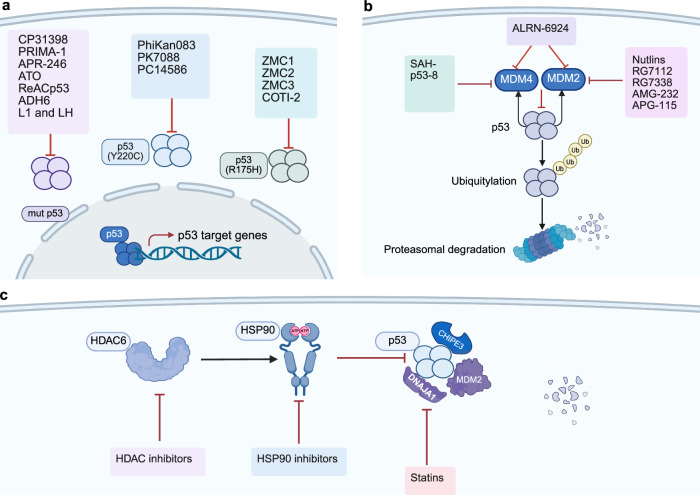
- Therapeutic small molecules include broad-spectrum mutant-p53 reactivators (e.g., CP31398, PRIMA-1/APR-246, ATO, ReACp53, ADH-6, L1/LH), allele-specific compounds (e.g., PC14586 for Y220C, ZMC1 for R175H, COTI-2), and MDM2/4 inhibitors. Clinical examples: APR-246 plus azacitidine in TP53-mutant MDS/AML gave 1-year RFS 58% and median OS 19.3 months after transplant; APR-246 plus venetoclax with or without azacitidine in TP53-mutated AML had ORR 64% (25/39), CRR 38% (15/39), no DLTs, and ≥grade 3 febrile neutropenia in 47% (23/49).
- In phase I/II NCT04585750, PC14586 in advanced solid tumors with TP53 Y220C mutation produced 5 partial responses and 7 stable disease among 21 evaluable patients, with mostly grade 1/2 adverse effects. Immunotherapy (vaccines, TCR-like/bispecific antibodies) and gene therapy (adenovirus, nanoparticles, siRNA, CRISPR–Cas9/base editing) show potential but remain early or face safety/delivery challenges.
Methods
- Design: narrative review, not a primary research study; it synthesizes p53 structure, inactivation, disease roles, and therapeutic targeting in cancer and nonneoplastic diseases.
- Data/sample: cited literature, figures/tables of p53 domain structure, mutation data from the TP53 database (http://p53.fr/tp53-database/mutation-database), compound tables, and clinical trial tables with NCT identifiers (Tables 3 and 4).
- Analysis: descriptive and comparative synthesis of mechanistic studies, preclinical models, and clinical trials; no systematic search, inclusion/exclusion criteria, meta-analysis, or quantitative pooling is reported.
Limitations
- Stated: drugs targeting p53 are still in early clinical trials and none have been approved by the FDA or EMA; most clinical trials are phase I/II, some did not meet primary endpoints and reported DLTs. Mutant p53 heterogeneity means one compound may be effective against only one or a few mutants, and the specific mechanisms of many compounds are unclear. Pure MDM4 inhibitors and MDM2/4 bispecific inhibitors are lacking, and MDM2/4 inhibitors may cause toxicity in normal cells by stabilizing wild-type p53.
- Stated: gene therapy faces challenges in technology maturity, safety, efficacy, delivery, immunogenicity, liver clearance, and patient acceptance; immunotherapy toxicity is difficult to predict/control because understanding of immunotherapy processes is incomplete. Therapeutics for nonneoplastic diseases are less explored, and p53 inhibition risks tumorigenesis.
- Evident from text: as a narrative review, it does not report a systematic literature search, quality/risk-of-bias assessment, or quantitative synthesis; clinical trial coverage is described as partial in tables. The paper also repeatedly notes unresolved or conflicting findings, such as differing mechanisms of CP31398 and APR-246 and context-dependent roles of p53 in metabolic diseases.
Model-written summary. Check it against the paper before relying on it.
Integrity signals
Registry
Cites
Statistics
Figures
Verification
Claims the paper makes
1 Valid · 6 Not valid · 351 Not checked · 69 Own results and interpretations
Some cited sources support this claim and some don’t — read each source’s verdict below.
In the paper
“The probable factors by which mutant p53 attains new abilities are the upregulation of the expression of chromatin-regulating genes, including MLL1, MOZ, MLL2, acetyltransferase, and methyltransferases, and the regulation of other transcription factors, such as SP1, SREPB, p63, and p73.156,159”
§ p53: from understanding its structure to advances in therapeutic targeting > Structure, inactivation, and roles of p53 in diseases > Inactivation of p53
What the sources say
- Disputedcites [156] Boettcher, S. et al. A dominant-negative effect drives selection of TP53 missense mutations in myeloid malignancies. Science 365, 599–604 (2019). 31395785 PMC7327437 sourceExperimental — accuracy not yet measured
Our copy of Boettcher et al. 2019 argues the opposite of what the claim attributes to it: in isogenic AML models (K562, MOLM13) the authors state that 'p53 missense mutants are not capable of activating gene expression, including at de novo sites of p53 R282W mutant binding' (Abstract/Results, p. ~2) and that, 'in contrast to prior reports that common p53 missense variants exert a universal transcriptional GOF (14, 15), we found no indication of a common p53 missense mutant-driven GOF transcriptional program', the dominant signature being that of TP53 inactivation (Abstract, p. ~3). The chromatin-pathway and transcription-factor-partner mechanisms are credited by this paper to other works it cites — Zhu et al. 2015 'Gain-of-function p53 mutants co-opt chromatin pathways to drive cancer growth' (ref. 14), Walerych et al. 2016 (ref. 15), and prior factor-binding studies listing only p63, NF-Y, NRF2 and ETS2 with the caveat that GOF 'may be context-dependent' in epithelial versus hematopoietic cells (Abstract). No passage in our copy mentions MLL1, MOZ, MLL2, methyltransferases, SP1, SREBP or p73. (LLM, conf=0.85)
Checked by a reasoning model — may be wrong.
- Partly supportedcites [159] Zhu, J. et al. Gain-of-function p53 mutants co-opt chromatin pathways to drive cancer growth. Nature 525, 206–211 (2015). 26331536 PMC4568559 sourceExperimental — accuracy not yet measured
The chromatin-gene half of the claim is squarely supported: the Abstract and the section 'GOF p53 regulates MLL, MOZ, and histone PTMs' state that p53 GOF mutants bind and upregulate the chromatin regulatory genes KMT2A (MLL1), KMT2D (MLL2) and the acetyltransferase KAT6A (MOZ), raising H3K4me3 and H3K9ac, and the Discussion repeats that the COMPASS methyltransferase pathway plus moz are targeted. The second half — regulation of the transcription factors SP1, SREBP, p63 and p73 — is not in our copy: the only transcription-factor mechanism this paper reports is the ETS family (ETS2/ETS1, 'Genome-wide binding of GOF p53 mutants'; Methods 'Intersection with ENCODE transcription factor datasets'), and its general statement that GOF p53 functions 'through association with other transcription factors ... such as the mevalonate pathway' is explicitly credited to earlier studies it cites (refs 4, 8), not shown here. Searching SP1, SREBP/SREPB, p63 and p73 returned no passage naming any of them. (LLM, conf=0.80)
hedgedstates a cause- Asserted: passes — The authors put it forward as true.
- Checkable: passes — It can be checked against evidence.
- Load-bearing: unclear — It is unclear whether the paper’s conclusions depend on it.
- Based: passes — The paper gives a reason why it holds.
- Disputed
The cited sources that could be checked couldn’t confirm or dispute this claim.
In the paper
“the DBD can aggregate in a variety of morphologies, such as prion-like, amorphous, and fibrillar morphologies, after it unfolds.149”
§ p53: from understanding its structure to advances in therapeutic targeting > Structure, inactivation, and roles of p53 in diseases > Inactivation of p53
What the sources say
- Could not verifycites [149] Krummel, K. A., Lee, C. J., Toledo, F. & Wahl, G. M. The C-terminal lysines fine-tune P53 stress responses in a mouse model but are not required for stability control or transactivation. Proc. Natl. Acad. Sci. USA 102, 10188–10193 (2005). 16006521 PMC1177381 sourceExperimental — accuracy not yet measured
Our copy of Krummel et al. (2005) is entirely about the seven C-terminal lysines of Trp-53 — ubiquitination, half-life and stability control (Results and Discussion, Fig. 2), and stress responses in MEFs, thymocytes and the mouse (Figs. 3, 5, 7) — and nowhere addresses the DNA-binding domain's unfolding or its aggregation into prion-like, amorphous or fibrillar morphologies. Searches for 'prion-like aggregation of the DNA-binding domain', 'amyloid fibrils / unfolded core domain' and 'misfolded aggregates' returned only ubiquitination/degradation passages (top scores ~0.68-0.76, all semantic neighbours, no exact hits). The copy is not truncated, so the absence is not a gap in our text; the paper simply does not treat the claim's subject, and no contrary statement is made either. (LLM, conf=0.70)
plainstates a cause- Asserted: passes — The authors put it forward as true.
- Checkable: passes — It can be checked against evidence.
- Load-bearing: passes — The paper’s conclusions depend on it.
- Based: passes — The paper gives a reason why it holds.
- Could not verify
None of the sources cited for this claim have been checked yet.
In the paper
“The aggregates participate in initiating processes in which molecules of p53 widely unfold and then aggregate, resulting in the emergence of amyloid-containing structures.150,151”
§ p53: from understanding its structure to advances in therapeutic targeting > Structure, inactivation, and roles of p53 in diseases > Inactivation of p53
What the sources say
- Not checked yetcites [150] Silva, J. L. et al. Targeting biomolecular condensation and protein aggregation against cancer. Chem. Rev. 123, 9094–9138 (2023). 37379327 source
Checked before — its earlier verdict is held back until a new check runs.
- Could not verifycites [151] Okorokov, A. L. et al. The structure of p53 tumour suppressor protein reveals the basis for its functional plasticity. EMBO J. 25, 5191–5200 (2006). 17053786 PMC1630404 sourceExperimental — accuracy not yet measured
Our copy of Okorokov et al. (2006) is entirely a cryoEM/single-particle study of the full-length p53 tetramer: the Abstract, '3D structure of p53', 'The organisation of the p53 tetramer', 'p53 structure in toto' and Consections describe D2 symmetry, N/C nodes and conformational plasticity for binding variably spaced DNA. Searches for amyloid, aggregation, unfolding/denaturation returned no passage: the paper's 'plasticity' and 'flexibility' language (Abstract; Conclusions) concerns reversible DNA-binding readjustment, not molecules unfolding and forming amyloid-containing aggregates. Nothing in our copy supports or contradicts the attributed claim, so it cannot be verified against this source. (LLM, conf=0.72)
plainstates a cause- Asserted: passes — The authors put it forward as true.
- Checkable: passes — It can be checked against evidence.
- Load-bearing: passes — The paper’s conclusions depend on it.
- Based: passes — The paper gives a reason why it holds.
- Not checked yet
The cited sources that could be checked couldn’t confirm or dispute this claim.
In the paper
“cancer-free LFS patients present clinical indicators of elevated oxidative stress and autoimmunity.187”
§ p53: from understanding its structure to advances in therapeutic targeting > Structure, inactivation, and roles of p53 in diseases > Inactivation of p53
What the sources say
- Could not verifycites [187] Schwitalla, S. et al. Loss of p53 in enterocytes generates an inflammatory microenvironment enabling invasion and lymph node metastasis of carcinogen-induced colorectal tumors. Cancer Cell 23, 93–106 (2013). 23273920 sourceExperimental — accuracy not yet measured
Our copy of Schwitalla et al. (2013) is a murine Tp53ΔIEC / AOM colorectal-cancer study plus a cohort of 59 surgically resected human invasive colon cancers; the human material it reports concerns NF-κB activation, p53 overexpression, CD68 and lymph node metastasis (Results, Figures 4J–4R), not germline TP53 carriers. No passage mentions Li-Fraumeni syndrome, cancer-free mutation carriers, non-carrier family members, oxidative-stress indicators or autoimmunity (searched: 'Li-Fraumeni germline TP53 mutation carriers', 'oxidative stress markers cancer-free carriers', 'autoimmunity reactive oxygen species patient serum'). The claim's point is simply absent from our copy, which is not truncated, so it can be neither confirmed nor contradicted here. (LLM, conf=0.72)
plainstates an association- Asserted: passes — The authors put it forward as true.
- Checkable: passes — It can be checked against evidence.
- Load-bearing: unclear — It is unclear whether the paper’s conclusions depend on it.
- Based: passes — The paper gives a reason why it holds.
- Could not verify
The cited sources support only part of this claim — read each source’s verdict below.
In the paper
“Notably, CRISPR–Cas9 can induce DNA damage-triggered p53 activation in cells expressing wild-type p53, promoting cell cycle arrest or cell death.408,410,411”
§ p53: from understanding its structure to advances in therapeutic targeting > Therapeutic strategies targeting p53 in cancer > Gene therapies
What the sources say
- Not checked yetcites [408] Funk, J. S. et al. Deep CRISPR mutagenesis characterizes the functional diversity of TP53 mutations. Nat. Genet. 57, 140–153 (2025). 39774325 PMC11735402 source
- Partly supportedcites [410] Enache, O. M. et al. Cas9 activates the p53 pathway and selects for p53-inactivating mutations. Nat. Genet. 52, 662–668 (2020). 32424350 PMC7343612 sourceExperimental — accuracy not yet measured
The Abstract and Results of our copy support the core: gene-expression profiling of 165 cell-line pairs showed upregulation of the p53 pathway upon Cas9 introduction specifically in TP53-WT lines (Abstract), confirmed at mRNA/protein level including p21 (Fig. 1d–f, Extended Data Fig. 2), with elevated DNA repair signature and increased γH2AX foci (p. 7 / Extended Data Fig. 3). Two elements attributed here are not stated by this source: the downstream outcome 'promoting cell cycle arrest or cell death' is never measured or asserted (the paper's functional readouts are p53-target induction, reduced Cas9 activity in TP53-WT lines, nutlin-3 sensitivity and selection for TP53-inactivating mutations), and the DNA-damage trigger is explicitly hedged — the Discussion (p. 5, summary) says Cas9-induced DNA damage 'may underlie p53 activation' and that 'the molecular mechanisms that lead to this response... remain to be elucidated'. (LLM, conf=0.70)
- Supportedcites [411] Ihry, R. J. et al. p53 inhibits CRISPR-Cas9 engineering in human pluripotent stem cells. Nat. Med. 24, 939–946 (2018). 29892062 source
The Results (section 'NaTuRe MeDICINe', Fig. 3 discussion) state that Cas9-induced DSBs raise P53 and P21 protein and P21/FAS mRNA, that P21 is 'a cell cycle regulator and P53 target', and that the top induced genes include programmed-cell-death components (BAX, BBC3, FAS, TNFRSF10B) with increased pH2A.X, cleaved PARP1 and cleaved caspase-3 — i.e. DNA-damage-triggered p53 activation driving arrest/apoptosis effectors. The Discussion ('Letters') states P53 is required for this toxic response: P53-mutant pools continued to grow despite DSB induction while controls showed a strong toxic response, and 'targeting a single locus is sufficient to kill the majority of hPSCs'; the responding cells are p53-functional hPSCs (H1, 8402), with p53 mutation shown only in 5 of 14 transformed lines that displayed reduced Cas9 toxicity. The claim's scope is broader than the paper's hPSC-only experiments, but its disjunctive 'cell cycle arrest or cell death' and the wild-type-p53 qualifier are both carried by these passages. (LLM, conf=0.82)
plainstates a cause- Asserted: passes — The authors put it forward as true.
- Checkable: passes — It can be checked against evidence.
- Load-bearing: passes — The paper’s conclusions depend on it.
- Based: passes — The paper gives a reason why it holds.
237 more claims
Create a free account to see all 427 claims and to verify the 452 references still open.
- It may state two separate claims as one. 168
- Probably not a substantial claim. 30
Self-check
Percentages, sums and reported differences re-computed from the paper’s own numbers.
Each contradiction between two passages listed here was confirmed by an independent check.
Rated major: it would touch a result — a value a result rests on, reported and recomputed p-values on opposite sides of the significance level, two passages that conflict with no sign which is right, or a cited work retracted before this paper was published.
In the paper
§ p53: from understanding its structure to advances in therapeutic targeting > Introduction
“none of these compounds have been approved for use by the Food and Drug Administration (FDA) or the European Medicines Agency (EMA).”
§ p53: from understanding its structure to advances in therapeutic targeting > Therapeutic strategies targeting p53 in cancer > Small-molecule drugs
“The FDA subsequently granted the APR-246 orphan drug name and approved APR-246 for MDS treatment.”
Rated major: it would touch a result — a value a result rests on, reported and recomputed p-values on opposite sides of the significance level, two passages that conflict with no sign which is right, or a cited work retracted before this paper was published.
In the paper
§ p53: from understanding its structure to advances in therapeutic targeting > Introduction
“none of these compounds have been approved for use by the Food and Drug Administration (FDA) or the European Medicines Agency (EMA).”
§ p53: from understanding its structure to advances in therapeutic targeting > Therapeutic strategies targeting p53 in cancer > Small-molecule drugs
“AMG-232 was approved by the FDA following this trial.”
Rated major: it would touch a result — a value a result rests on, reported and recomputed p-values on opposite sides of the significance level, two passages that conflict with no sign which is right, or a cited work retracted before this paper was published.
In the paper
§ p53: from understanding its structure to advances in therapeutic targeting > Structure, inactivation, and roles of p53 in diseases > p53 structural domains and their functional implications
“PAI-1), a p53 target gene, is a marker of senescence and is necessary for replicative senescence.”
§ p53: from understanding its structure to advances in therapeutic targeting > Structure, inactivation, and roles of p53 in diseases > p53 structural domains and their functional implications
“The suppression of PAI-1 induces replicative senescence.”
Rated minor: it would not touch a result — a value no result rests on, a p-value that stays on the same side of the significance level, or a conflict that is clerical, resolved elsewhere in the paper, or outside its own findings.
In the paper
§ p53: from understanding its structure to advances in therapeutic targeting > Therapeutic strategies targeting p53 in cancer > Small-molecule drugs
“Table 3 Partial FDA-approved drugs and clinical trials for the treatment of nonneoplastic diseases, including NDDs and metabolic diseases”
§ p53: from understanding its structure to advances in therapeutic targeting > Therapeutic strategies targeting p53 in cancer > Small-molecule drugs
“| APR-246 | NCT00900614 | I | Multiple cancers | 36 | Completed | 2009/05–2010/10 | https://clinicaltrials.gov/search?term=NCT00900614 |”
Rated minor: it would not touch a result — a value no result rests on, a p-value that stays on the same side of the significance level, or a conflict that is clerical, resolved elsewhere in the paper, or outside its own findings.
In the paper
§ p53: from understanding its structure to advances in therapeutic targeting > Abstract
“drugs targeting p53 are still under investigation in early clinical trials and have not been approved for clinical use.”
§ p53: from understanding its structure to advances in therapeutic targeting > Therapeutic strategies targeting p53 in cancer > Gene therapies
“Gendicine, the first p53 gene therapy, is a recombinant human p53 adenovirus that was approved in 2003 by the China Food and Drug Administration (CFDA) for the treatment of HNSCC.”
3 more findings
Create a free account to see every finding of this check.
Citations
Cites
A Programmable Dual-RNA–Guided DNA Endonuclease in Adaptive Bacterial Immunity
Jinek, M., Chylinski, K., Fonfara, I., Hauer, M., Doudna, J. A., & Charpentier, E. (2012) · Science · doi:10.1126/science.1225829 · Cited by 17,116
Heart Disease and Stroke Statistics—2020 Update: A Report From the American Heart Association
Virani, S. S., Alonso, A., Benjamin, E. J., Bittencourt, M. S., Callaway, C. W., Carson, A. P., Chamberlain, A. M., Chang, A. R., Cheng, S., Delling, F. N., et al. (2020) · Circulation · doi:10.1161/cir.0000000000000757 · Cited by 9,175 · cited 1×
“289 Therefore, further investigations of the underlying mechanisms of CVDs and the identi fi cation of potential targets for CVD prevention are important.”
WAF1, a potential mediator of p53 tumor suppression
El-Deiry, W. S., Tokino, T., Velculescu, V. E., Levy, D. B., Parsons, R., Trent, J. M., Lin, D., Mercer, W. E., Kinzler, K. W., & Vogelstein, B. (1993) · Cell · doi:10.1016/0092-8674(93)90500-p · Cited by 8,321 · cited 1×
“75 Under the in fl uence of DNA damage, p53 not only promotes DNA repair by inducing cell cycle arrest but also directly regulates multiple DNA repair pathways.”
AMPK and mTOR regulate autophagy through direct phosphorylation of Ulk1
Kim, J., Kundu, M., Viollet, B., & Guan, K.-L. (2011) · Nature Cell Biology · doi:10.1038/ncb2152 · Cited by 7,227 · cited 3×
“114,166 Mutant p53 affects the mTOR signaling pathway by reducing the level of Beclin-1 phosphorylation to suppress autophagy.”
Rosen, D. R., Siddique, T., Patterson, D., Figlewicz, D. A., Sapp, P., Hentati, A., Donaldson, D., Goto, J., O'Regan, J. P., Deng, H.-X., et al. (1993) · Nature · doi:10.1038/362059a0 · Cited by 7,062
Programmable editing of a target base in genomic DNA without double-stranded DNA cleavage
Komor, A. C., Kim, Y. B., Packer, M. S., Zuris, J. A., & Liu, D. R. (2016) · Nature · doi:10.1038/nature17946 · Cited by 5,437 · cited 1×
“409 Approximately 7.6% of the cells successfully achieved TP53 correction, whereas fewer than 1% of the cells showed proof of indel formation.”
InfluentialCyclic GMP-AMP Synthase Is a Cytosolic DNA Sensor That Activates the Type I Interferon Pathway
Sun, L., Wu, J., Du, F., Chen, X., & Chen, Z. J. (2013) · Science · doi:10.1126/science.1232458 · Cited by 4,996 · cited 2×
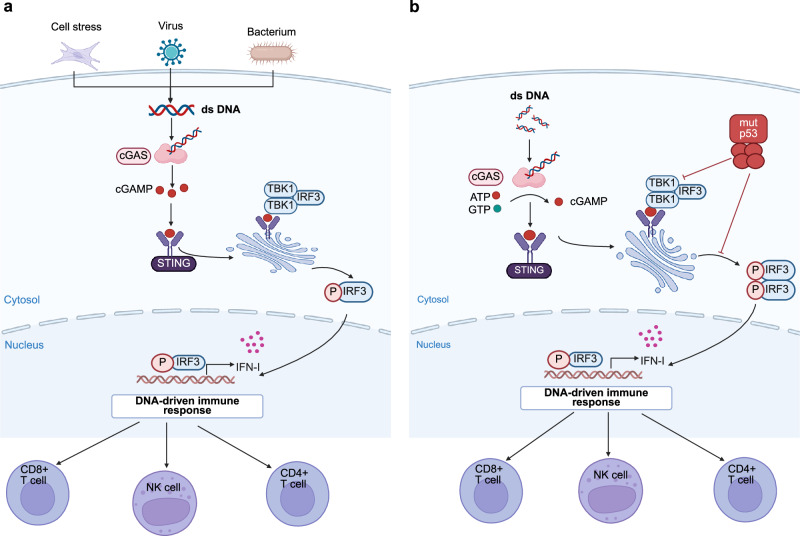
“134,135 The endoplasmic reticulum-resident stimulator of interferon genes (STING) is activated by the cGAMP molecule and then moves to the Golgi to form a complex with IFN regulatory factor 3 (IRF3) and TANK-binding kinase 1 (TBK1).”
In Vivo Activation of the p53 Pathway by Small-Molecule Antagonists of MDM2
Vassilev, L. T., Vu, B. T., Graves, B., Carvajal, D., Podlaski, F., Filipovic, Z., Kong, N., Kammlott, U., Lukacs, C., Klein, C., et al. (2004) · Science · doi:10.1126/science.1092472 · Cited by 4,661
Mdm2 promotes the rapid degradation of p53
Haupt, Y., Maya, R., Kazaz, A., & Oren, M. (1997) · Nature · doi:10.1038/387296a0 · Cited by 4,506
Amyloid plaque core protein in Alzheimer disease and Down syndrome.
Masters, C. L., Simms, G., Weinman, N. A., Multhaup, G., McDonald, B. L., & Beyreuther, K. (1985) · Proceedings of the National Academy of Sciences · doi:10.1073/pnas.82.12.4245 · Cited by 4,431 · cited 1×
“205,206 Apoptosis is one of the mechanisms of cell death and has been a major topic of discussion.”
Cited by
Fang, Y., Wu, Z., Guo, R., Wang, C., Qin, Y., Dong, Y., Li, A., Liu, A., Jia, C., Han, T., et al. (2026) · Advanced Science · doi:10.1002/advs.77237 · Cited by 2
Wang, H., Zhang, Y., Liu, D., Liu, C., Wu, S., Wu, Z., Cui, T., Yu, G., Xu, Y., Yang, W., et al. (2026) · Cancer Letters · doi:10.1016/j.canlet.2026.218831 · Cited by 2
G-quadruplex targeting by CX-5461 as a novel therapeutic strategy in testicular germ cell tumorsPreprint
Islam, R., Liesen, A., Rodríguez-Roque, C. S., Paeschke, K., & Schorle, H. (2026) · bioRxiv (Cold Spring Harbor Laboratory) · doi:10.64898/2026.09.04.749562 · Cited by 1
Autophagy, apoptosis, and cellular homeostasis: A physiological perspective
Widodo, W. T., Khairullah, A. R., Hendrawan, C., Furqoni, A. H., Widoretno, W., Maha, M. S., Wibowo, S., Pratama, B. P., Faizal, I. A., Kurniawan, M. ‘., et al. (2016) · Journal of Advanced Veterinary Research/Journal of Advanced Veterinary Research
Palmer, J., Javadi, S., Yao, S., Bilasy, S. E., & El‐Shamy, A. (2026) · Elsevier eBooks · doi:10.1016/b978-0-443-41363-6.00011-1
Metadata
- Authors
- Wang, W., Liu, X., Liu, H., Abolhassani, H., Yan, H., Zhang, H., & Wang, X.
- Affiliations
- Tianjin Medical University Cancer Institute and Hospital (CN)
- Children's Medical Center (IR)
- Corresponding author
- Zhang, Huilai
- Wang, Xianhuo
- Venue
- Signal Transduction and Targeted Therapy
- Published
- 2026-04-06
- Volume
- 11
- Issue
- 1
- ISSN
- 2059-3635 (ISSN-L)
- PMC
- PMC13053732
- OpenAlex
- W7150759957
- Semantic Scholar
- 384f5f10a34b983a2fe657f5f2886e1f3669ed92
- Cited by
- 30
- References
- 496
- Citations by year
- 2026: 29
- FWCI
- 21.76
- Type
- journal article
- Language
- en
- Open access
- gold
- doi.org
- Licence
- cc-by-nc-nd
- creativecommons.org/licenses/by-nc-nd/4.0 (tdm)
- creativecommons.org/licenses/by-nc-nd/4.0 (vor)
- Locations
- Signal Transduction and Targeted Therapy (publishedVersion, cc-by-nc-nd)
- PubMed Central (publishedVersion, cc-by-nc-nd)
- PubMed (publishedVersion)
- DOAJ (DOAJ: Directory of Open Access Journals) (submittedVersion, cc-by-sa)
- Funders
- National Natural Science Foundation of China (W2412122, 82200208, 8247012736)
- Topics
- Health Sciences › Medicine › Oncology › Cancer-related Molecular Pathways
- Life Sciences › Biochemistry, Genetics and Molecular Biology › Molecular Biology › PI3K/AKT/mTOR signaling in cancer
- Life Sciences › Biochemistry, Genetics and Molecular Biology › Cancer Research › Cancer Mechanisms and Therapy
- Keywords
- p53, TP53, tumor suppressor, p53 inactivation, TP53 mutation, p53-targeted therapy, p53 restoration, undruggable targets, apoptosis, autophagy, cell cycle arrest, senescence, tumor immune microenvironment
- MeSH terms
- Animals, Humans, Neoplasms, Tumor Suppressor Protein p53, Drug Discovery, Molecular Targeted Therapy
About these checks
Registry, retraction, Cites and statistics results are computed, not judged, with one exception: a printed reference that no index lists is read once by a model before it counts as a citation error. Claims are extracted by a model and kept only when their quote appears verbatim in the text; each cited source is then checked, with a model’s help, for whether it says what the claim relies on. Those verdicts can be wrong — read the claim’s quote and the cited source before relying on one.
The claim verdicts this report counts are experimental: their accuracy is not yet measured.
A language model drew the claims from the paper on 2026-11-15, under version 3 of the claim definition (model deepseek-v4.1-flash, prompt extract-v3).
A second model labelled each claim on 2026-11-15 (model jev-1.13-20260917, definition revision gold-guideline-v0.2).
Cited sources are checked with a language model’s help (qwen3.8-omni-flash).
Statistics and arithmetic are recomputed, not judged.
Confidence bands are shown only for fields calibrated on our annotated test set. None is calibrated yet, so no band is shown.
What counts as a claim ›How we measure confidence ›How we check this ›
Are you an author, or do you see a problem with this page? Request a review
Data sources
Bibliographic data: Semantic Scholar, OpenAlex, Crossref.
Contains information from the Semantic Scholar Academic Graph Datasets, made available under the ODC Attribution License (ODC-BY 1.0).
Semantic Scholar’s data is described in: Kinney, R., et al. (2023). The Semantic Scholar Open Data Platform. arXiv:2301.10140.
