

Biological principles for music and mental health
Open accessThe DOI matches its Crossref record; 300 of the 300 references it cites were found in a registry or an index.
Abstract
Efforts to integrate music into healthcare systems and wellness practices are accelerating but the biological foundations supporting these initiatives remain underappreciated. As a result, music-based interventions are often sidelined in medicine. Here, I bring together advances in music research from neuroscience, psychology, and psychiatry to bridge music’s specific foundations in human biology with its specific therapeutic applications. The framework I propose organizes the neurophysiological effects of music around four core elements of human musicality: tonality, rhythm, reward, and sociality. For each, I review key concepts, biological bases, and evidence of clinical benefits. Within this framework, I outline a strategy to increase music’s impact on health based on standardizing treatments and their alignment with individual differences in responsivity to these musical elements. I propose that an integrated biological understanding of human musicality—describing each element’s functional origins, development, phylogeny, and neural bases—is critical to advancing rational applications of music in mental health and wellness.
Overview
The claims and statistics of this paper haven’t been checked yet.
Free: it reads the open-access text and checks the first 5 claims that cite a source we can check. Create a free account to check every claim.
Integrity signals
Registry
Cites
Statistics
Figures
Verification
Claims the paper makes
The claims and statistics of this paper haven’t been checked yet.
Free: it reads the open-access text and checks the first 5 claims that cite a source we can check. Create a free account to check every claim.
Claims other papers make about this one
Each is checked against this paper’s own text: does it say what the citing paper says it does?
The source backs part of the claim, not all of it — or backs it for a different population, condition or comparison.
In the citing paper
“Furthermore, there is a bidirectional relationship between the OXTergic system and the HPA axis (Bowling, 2023; Harvey, 2020; Jurek and Neumann, 2018).”
From Music's context-dependent influence on oxytocin, social bonding, and emotion regulation: a systematic review (2026) · cites this paper as Bowling, 2023
Experimental — accuracy not yet measuredThe source backs part of the claim, not all of it — or backs it for a different population, condition or comparison.
In the citing paper
“OXT can suppress the expression of corticotropin-releasing hormone (CRH) and reduce downstream cortisol secretion to moderate stress responses (Bowling, 2023; Harvey, 2020; Jurek and Neumann, 2018).”
From Music's context-dependent influence on oxytocin, social bonding, and emotion regulation: a systematic review (2026) · cites this paper as Bowling, 2023
Experimental — accuracy not yet measuredThe check wasn’t confident either way, so it gives no verdict — never disputed.
In the citing paper
“peripheral OXT reflects only the activity of magnocellular OXT neurons projecting to the posterior pituitary but central release involves both magnocellular and parvocellular OXT neurons”
From Music's context-dependent influence on oxytocin, social bonding, and emotion regulation: a systematic review (2026) · cites this paper as Bowling, 2023
Experimental — accuracy not yet measured
Self-check
Percentages, sums and reported differences re-computed from the paper’s own numbers.
The self-check needs the paper’s full text.
Citations
Cites
Items 201–300 of 300
Czeisler, M. É., Wiley, J. F., Facer-Childs, E. R., Robbins, R., Weaver, M. D., Barger, L. K., Czeisler, C. A., Howard, M. E., & Rajaratnam, S. M. W. (2021) · Journal of Psychiatric Research · doi:10.1016/j.jpsychires.2021.05.080 · Cited by 107 · cited 1×
“In opposition to this growing psychopathology, fi rst-line treatments in psychiatry are often criticized for their limited effectiveness [94, 320, 321].”
BackgroundGold, C., Mössler, K., Grocke, D., Heldal, T. O., Tjemsland, L., Aarre, T., Aarø, L. E., Rittmannsberger, H., Stige, B., Assmus, J., et al. (2013) · Psychotherapy and Psychosomatics · doi:10.1159/000348452 · Cited by 106 · cited 1×
“…bias assessments in these meta-analyses [93, 95, 96, 133, 164, 216, 224, 229], and review individual studies that exemplify high-quality research on musical treatments for conditions such as anxiety [311, 312], depression [313, 314], autism [274, 315], psychosis [316, 317], and dementia [318, 319].”
BackgroundTsai, C., Wang, L., Wang, S., Shau, Y., Hsiao, T., & Auhagen, W. (2010) · Music Perception An Interdisciplinary Journal · doi:10.1525/mp.2010.27.3.209 · Cited by 105
Expression of Emotion in Eastern and Western Music Mirrors Vocalization
Bowling, D. L., Sundararajan, J., Han, S., & Purves, D. (2012) · PLoS ONE · doi:10.1371/journal.pone.0031942 · Cited by 105 · cited 1×
“Likewise, fl atter contours with narrower pitch steps are favored for conveying somber affect [63, 73].”
BackgroundSelf-citationDefining the biological bases of individual differences in musicality
Gingras, B., Honing, H., Peretz, I., Trainor, L. J., & Fisher, S. E. (2015) · Philosophical Transactions of the Royal Society B Biological Sciences · doi:10.1098/rstb.2014.0092 · Cited by 104
Harmonic template neurons in primate auditory cortex underlying complex sound processing
Feng, L., & Wang, X. (2017) · Proceedings of the National Academy of Sciences · doi:10.1073/pnas.1607519114 · Cited by 103 · cited 1×
“…neural specialization for responding to vocal tones is evident throughout the auditory system, from enhanced representations of periodicity in the brainstems of humans and rats [83, 84], to harmonically sensitive neurons in marmoset cortex [85], and pitch contour neurons in human cortex [86].”
BackgroundLechowski, L., Benoît, M., Chassagne, P., Vedel, I., Tortrat, D., Teillet, L., & Vellas, B. J. (2008) · International Journal of Geriatric Psychiatry · doi:10.1002/gps.2125 · Cited by 101 · cited 1×
“The effect sizes were relatively small (SMD = 0.32 and 0.15 respectively), but given the central importance of apathy in dementia and other psychopathology [166 – 168], they represent an important starting point for further investigation.”
BackgroundInfluentialWhy Do Skips Precede Reversals? The Effect of Tessitura on Melodic Structure
von Hippel, P. T., & Huron, D. (2000) · Music Perception An Interdisciplinary Journal · doi:10.2307/40285901 · Cited by 100
NIH Music-Based Intervention Toolkit: Music-Based Interventions for Brain Disorders of Aging
Edwards, E., Hillaire‐Clarke, C. S., Frankowski, D. W., Finkelstein, R., Cheever, T. R., Chen, W., Onken, L. S., Poremba, A., Riddle, R., Schloesser, D., et al. (2023) · Neurology · doi:10.1212/wnl.0000000000206797 · Cited by 98
Development and Validation of the Computerised Adaptive Beat Alignment Test (CA-BAT)
Harrison, P. M. C., & Müllensiefen, D. (2018) · Scientific Reports · doi:10.1038/s41598-018-30318-8 · Cited by 95
Choir versus solo singing: effects on mood, and salivary oxytocin and cortisol concentrations
Schladt, T. M., Nordmann, G. C., Emilius, R., Kudielka, B. M., de Jong, T. R., & Neumann, I. D. (2017) · Frontiers in Human Neuroscience · doi:10.3389/fnhum.2017.00430 · Cited by 94 · cited 1×
“…experiments showing that recreational forms of behavioral synchrony — e.g., in group singing, drumming, or exercise — can upregulate oxytocin secretion [155, 179 – 182], downregulate cortisol secretion [155, 181, 183 – 185], modulate immune reactivity [182, 184, 185], and decrease pain [186, 187].”
BackgroundHengartner, M. P., & Plöderl, M. (2018) · Frontiers in Psychiatry · doi:10.3389/fpsyt.2018.00517 · Cited by 93
Polak, R., London, J., & Jacoby, N. (2016) · Frontiers in Neuroscience · doi:10.3389/fnins.2016.00285 · Cited by 93 · cited 1×
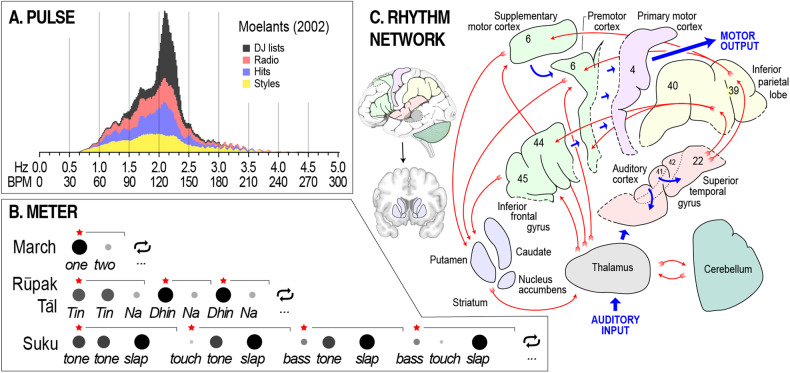
“There are traditions that also use unequal pulse spacing [103], but only in ways that retain predictability and thus allow interpersonal synchrony [104, 105].”
BackgroundOn the Enjoyment of Sad Music: Pleasurable Compassion Theory and the Role of Trait Empathy
Huron, D., & Vuoskoski, J. K. (2020) · Frontiers in Psychology · doi:10.3389/fpsyg.2020.01060 · Cited by 92 · cited 1×
“A prime example is that people with depression often prefer music that maintains or exacerbates their sadness [284 – 286] (but see [285, 287, 288]).”
BackgroundMusic as medicine: the history of music therapy since antiquity
(2000) · Choice Reviews Online · doi:10.5860/choice.38-0857 · Cited by 90
Vocal similarity predicts the relative attraction of musical chords
Bowling, D. L., Purves, D., & Gill, K. Z. (2017) · Proceedings of the National Academy of Sciences · doi:10.1073/pnas.1713206115 · Cited by 89 · cited 1×
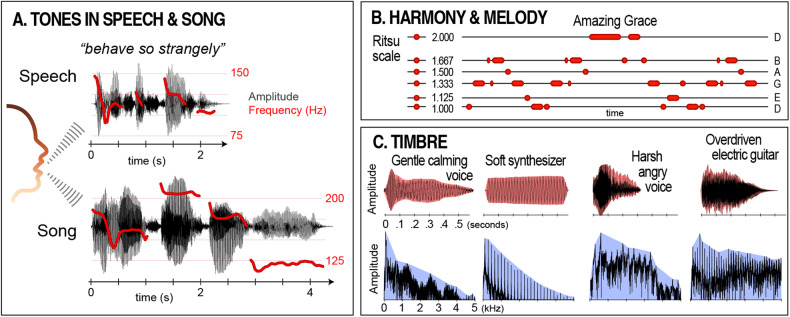
“To model the biology underlying tonality, music scientists have developed vocal similarity theory (VST), the central tenet of which is that we perceive tones according to their behavioral signi fi cance in vocal communication [22, 30, 53, 58, 74 – 78].”
BackgroundSelf-citationNeural correlates of self-focused attention in social anxiety
Boehme, S., Miltner, W. H. R., & Straube, T. (2015) · Social Cognitive and Affective Neuroscience · doi:10.1093/scan/nsu128 · Cited by 88 · cited 1×
“Speci fi cally, engaging these networks with high-groove rhythms may provide an ef fi cient way to disrupt maladaptive patterns of brain activity associated with negative affect and self-focused negative rumination [137 – 139].”
BackgroundSpectro-temporal acoustical markers differentiate speech from song across cultures
Albouy, P., Mehr, S. A., Hoyer, R. S., Ginzburg, J., Du, Y., & Zatorre, R. J. (2024) · Nature Communications · doi:10.1038/s41467-024-49040-3 · Cited by 87
Effects of background music on concentration of workers
Huang, R., & Shih, Y.-N. (2011) · Work · doi:10.3233/wor-2011-1141 · Cited by 86 · cited 1×
“For example, listening to strongly preferred or popular music while attempting to focus tends to decrease task performance [140, 142].”
BackgroundNIH/Kennedy Center Workshop on Music and the Brain: Finding Harmony
Cheever, T. R., Taylor, A., Finkelstein, R., Edwards, E., Thomas, L., Bradt, J., Holochwost, S. J., Johnson, J. K., Limb, C. J., Patel, A. D., et al. (2018) · Neuron · doi:10.1016/j.neuron.2018.02.004 · Cited by 86 · cited 1×
“Together with rapidly increasing awareness of mental health ’ s humanistic and fi nancial importance, this alignment has sparked new investments in music-based interventions from government and industry [7 – 9].”
BackgroundLinks between the neurobiology of oxytocin and human musicality
Harvey, A. R. (2020) · Frontiers in Human Neuroscience · doi:10.3389/fnhum.2020.00350 · Cited by 85 · cited 1×
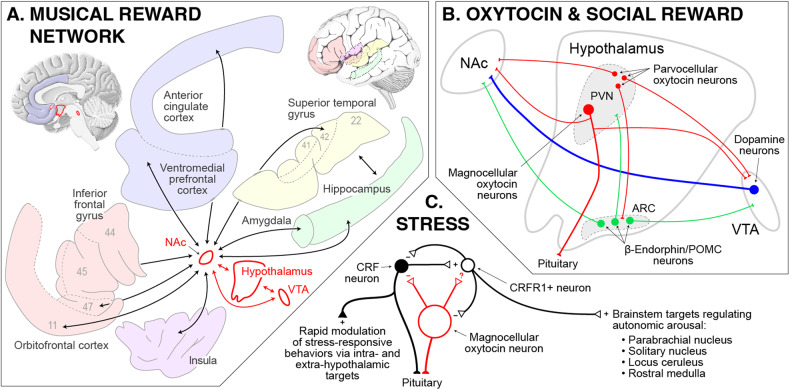
“Interestin the link between music and social reward has led many researchers to posit a role for the hypothalamic neuropeptide oxytocin in musicality [5, 44, 149, 194, 195], following on its essential functions in af fi liative behavior and social bonding (Fig.”
BackgroundThe Nature and Nurture of Musical Consonance
Bowling, D. L., Hoeschele, M., Gill, K. Z., & Fitch, W. T. (2017) · Music Perception An Interdisciplinary Journal · doi:10.1525/mp.2017.35.1.118 · Cited by 83 · cited 2×
“The simplest of these relationships — e.g., octaves (2:1) and fi fths (3:2) — feature prominently in music worldwide [21, 56, 57], and particular sets of ratios called scales (or modes) are strikingly popular across cultural boundaries [21, 57, 58].”
BackgroundSelf-citationOikkonen, J., Huang, Y., Onkamo, P., Ukkola-Vuoti, L., Raijas, P., Karma, K., Vieland, V. J., & Järvelä, I. (2015) · Molecular Psychiatry · doi:10.1038/mp.2014.8 · Cited by 81
Pulli, K., Karma, K., Norio, R., Sistonen, P., Göring, H. H. H., & Järvelä, I. (2008) · Journal of Medical Genetics · doi:10.1136/jmg.2007.056366 · Cited by 81
Kenny, D. T., & Asher, A. (2016) · Medical Problems of Performing Artists · doi:10.21091/mppa.2016.1007 · Cited by 81 · cited 1×
“In the extreme, the lifestyle associated with many forms of popular music is linked to substance abuse, risk-taking, suicide, homicide, and accidental death among practitioners [289].”
BackgroundThe Montreal Protocol for Identification of Amusia
Vuvan, D. T., Paquette, S., Goulet, G. M., Royal, I., Felezeu, M., & Peretz, I. (2017) · Behavior Research Methods · doi:10.3758/s13428-017-0892-8 · Cited by 81
Therapy in Music for Handicapped Children.
Ward, D. (1972) · PubMed Central · Cited by 80
USES AND FUNCTIONS OF MUSIC IN CONGENITAL AMUSIA
MCDONALD, C., & STEWART, L. (2008) · Music Perception · doi:10.1525/mp.2008.25.4.345 · Cited by 77 · cited 1×
“At the low end of the spectrum are individuals who cannot carry a tune or dance in time, some of whom fi nd music irritating and actively avoid it [231].”
BackgroundMusic Therapy, Sensory Integration and the Autistic Child
Korb, C. A. (2002) · The Arts in Psychotherapy · doi:10.1016/s0197-4556(02)00178-8 · Cited by 77
Effect of music intervention on apathy in nursing home residents with dementia
Tang, Q., Zhou, Y., Yang, S., Thomas, W. K. S., Smith, G. D., Zhi, Y., Yuan, L., & Chung, J. W. Y. (2018) · Geriatric Nursing · doi:10.1016/j.gerinurse.2018.02.003 · Cited by 75 · cited 2×
“For example, in a study of nursing home residents age 60 + with mild-to-moderate dementia, a twelve-week interactive music therapy intervention signi fi cantly reduced apathy and improved communication, in comparison with a treatment-as-usual control [163].”
BackgroundRandomized Controlled Trials in Music Therapy: Guidelines for Design and Implementation
Bradt, J. (2012) · Journal of Music Therapy · doi:10.1093/jmt/49.2.120 · Cited by 75 · cited 2×
“These problems are compounded in trials that rely on self-and/or clinician-reported outcomes (which is standard in much mental health research [309]).”
BackgroundThe role of music therapy in reducing post meal related anxiety for patients with anorexia nervosa
Bibb, J., Castle, D. J., & Newton, R. (2015) · Journal of Eating Disorders · doi:10.1186/s40337-015-0088-5 · Cited by 74 · cited 1×
“…and abstinence [159]; anorexia nervosa, where interactive music therapy can stimulate reductions in post-meal anxiety that exceed those of other treatments [160]; and Tourette ’ s syndrome, where music listening, performance, and even imagined performance, can be an effective tic suppressant [161].”
BackgroundThe effectiveness of adjunct music therapy for patients with schizophrenia: A meta‐analysis
Jia, R., Liang, D., Yu, J., Lu, G., Wang, Z., Wu, Z., Huang, H., & Chen, C. (2020) · Psychiatry Research · doi:10.1016/j.psychres.2020.113464 · Cited by 74 · cited 3×
“…964 adults diagnosed with schizophrenia or a schizophrenia-like disorder highlighted signi fi cant improvements in negative symptoms (such as fl at affect, poor social interactions, and apathy) when adjunct interactive and/or receptive music therapy was compared to standard care (SMD = 0.56) [164].”
BackgroundInfluentialEffective music therapy techniques in the treatment of nonfluent aphasia
Tomaino, C. M. (2012) · Annals of the New York Academy of Sciences · doi:10.1111/j.1749-6632.2012.06451.x · Cited by 73
Music therapy in mental health for illness management and recovery
Silverman, M. J. (2015) · Oxford University Press eBooks · doi:10.1093/acprof:oso/9780198735366.001.0001 · Cited by 72 · cited 2×
“Early studies used positron emission tomography with the radiolabeled dopamine D 2 receptor ligand, [ 11 C]raclopride, to show that musical frisson [150] — moments of peak neural excitement, piloerection, and “ chills ” that occur during music listening — are associated with surges in dopamine…”
BackgroundMethodRabeyron, T., Robledo, J.-P., Carasco, E., Bisson, V., Bodeau, N., Vrait, F.-X., Berna, F. S., & Bonnot, O. (2020) · Psychiatry Research · doi:10.1016/j.psychres.2020.113377 · Cited by 70 · cited 1×
“…bias assessments in these meta-analyses [93, 95, 96, 133, 164, 216, 224, 229], and review individual studies that exemplify high-quality research on musical treatments for conditions such as anxiety [311, 312], depression [313, 314], autism [274, 315], psychosis [316, 317], and dementia [318, 319].”
BackgroundALLEN, G. (1878) · Mind · doi:10.1093/mind/os-3.10.157 · Cited by 69
Apathy in schizophrenia: A review of neuropsychological and neuroanatomical studies
Bortolon, C., Macgregor, A., Capdevielle, D., & Raffard, S. (2018) · Neuropsychologia · doi:10.1016/j.neuropsychologia.2017.09.033 · Cited by 69
Levin, R., Heresco-Levy, U., Bachner-Melman, R., Israel, S., Shalev, I., & Ebstein, R. P. (2009) · Psychoneuroendocrinology · doi:10.1016/j.psyneuen.2008.12.014 · Cited by 68 · cited 1×
“Variation in AVPRA1 has also been associated with verbal memory [249], acoustic startle [250], amygdala activity [251], prosocial behavior [252], pair-bonding [253], and autism [254].”
BackgroundSmit, E. A., Milne, A. J., Sarvasy, H. S., & Dean, R. T. (2022) · PLoS ONE · doi:10.1371/journal.pone.0269597 · Cited by 66 · cited 1×
“Many studies have demonstrated effects of training and enculturation on psychoacoustic tests (e.g. [236, 237]).”
BackgroundMusical Protolanguage: Darwin’s Theory of Language Evolution Revisited
Fitch, W. T. (2013) · The MIT Press eBooks · doi:10.7551/mitpress/9322.003.0032 · Cited by 65
Polak, R. (2010) · Music Theory Online · doi:10.30535/mto.16.4.4 · Cited by 64 · cited 1×
“The suku rhythm is based on section 5.3 of Polak (2010), with a timing ratio of 11:17:22 for the short-medium-long pulse patterns.”
MethodInfluentialPorcelli, S., Kasper, S., Zohar, J., Souery, D., Montgomery, S., Ferentinos, P. P., Rujescu, D., Mendlewicz, J., Pich, E. M., Pollentier, S., et al. (2019) · Progress in Neuro-Psychopharmacology and Biological Psychiatry · doi:10.1016/j.pnpbp.2019.109835 · Cited by 64 · cited 1×
“Social functioning — as re fl ected in the structure, function, and quality of an individual ’ s social connections — is a critical determinant of mental health in patients across prominent psychiatric disorders [207, 208] as well as the general public [209, 210].”
BackgroundThe emotional antecedents to the evolution of music and language
Panksepp, J. (2009) · Musicae Scientiae · doi:10.1177/1029864909013002111 · Cited by 61 · cited 1×
“While many more speci fi c details about the evolutionary origins of music remain under debate (cf [31, 38, 42 – 48]), a general view of music as rooted in social communication, with close ties to speech and language, is consistent across most theories and also central here.”
BackgroundCommentary on "The Perception and Cognition of Time in Balinese Music" by Andrew Clay McGraw
Huron, D. (2008) · Empirical Musicology Review · doi:10.18061/1811/31940 · Cited by 60
ASD and Genetic Associations with Receptors for Oxytocin and Vasopressin—AVPR1A, AVPR1B, and OXTR
Francis, S. M., Kim, S.-J., Kistner-Griffin, E., Guter, S., Cook, E. H., & Jacob, S. (2016) · Frontiers in Neuroscience · doi:10.3389/fnins.2016.00516 · Cited by 60 · cited 1×
“Variation in AVPRA1 has also been associated with verbal memory [249], acoustic startle [250], amygdala activity [251], prosocial behavior [252], pair-bonding [253], and autism [254].”
BackgroundRegulation of hypothalamic corticotropin‐releasing hormone neurone excitability by oxytocin
Jamieson, B. B., Nair, B. B., & Iremonger, K. J. (2017) · Journal of Neuroendocrinology · doi:10.1111/jne.12532 · Cited by 57 · cited 1×
“3C) [202 – 206].”
Musical Agency during Physical Exercise Decreases Pain
Fritz, T. H., Bowling, D. L., Contier, O., Grant, J. A., Schneider, L., Lederer, A., Höer, F., Busch, E., & Villringer, A. (2018) · Frontiers in Psychology · doi:10.3389/fpsyg.2017.02312 · Cited by 57 · cited 1×
“…experiments showing that recreational forms of behavioral synchrony — e.g., in group singing, drumming, or exercise — can upregulate oxytocin secretion [155, 179 – 182], downregulate cortisol secretion [155, 181, 183 – 185], modulate immune reactivity [182, 184, 185], and decrease pain [186, 187].”
BackgroundSelf-citationPupillometry of Groove: Evidence for Noradrenergic Arousal in the Link Between Music and Movement
Bowling, D. L., Ancochea, P. G., Hove, M. J., & Fitch, W. T. (2019) · Frontiers in Neuroscience · doi:10.3389/fnins.2018.01039 · Cited by 57 · cited 2×
“People generally agree about degrees of groove in music [124, 125], with research suggesting a basis in common acoustical and structural features of rhythm, such as emphasized low-frequency energy ( “ bass ” ) [126, 127] and moderate levels of syncopation [111, 112, 127, 128].”
BackgroundSelf-citationA Pilot Study Investigating the Effect of Music-Based Intervention on Depression and Anhedonia
Janzen, T. B., Shirawi, M. I. A., Rotzinger, S., Kennedy, S. H., & Bartel, L. (2019) · Frontiers in Psychology · doi:10.3389/fpsyg.2019.01038 · Cited by 57
Granot, R., Frankel, Y., Gritsenko, V., Lerer, E., Gritsenko, I., Bachner‐Melman, R., Israel, S., & Ebstein, R. P. (2007) · Evolution and Human Behavior · doi:10.1016/j.evolhumbehav.2007.05.003 · Cited by 55 · cited 1×
“Genetic variation in the promotor region of AVPR1A has been associated with phenotypic variation in psychoacoustic test scores [245, 246], time spent attentively listening to music [247], and being a dancer as opposed to another type of athlete [248].”
BackgroundGroup Drumming Modulates Cytokine Response in Mental Health Services Users: A Preliminary Study
Fancourt, D., Perkins, R., Ascenso, S., Atkins, L., Kilfeather, S., Carvalho, L., Steptoe, A., & Williamon, A. (2016) · Psychotherapy and Psychosomatics · doi:10.1159/000431257 · Cited by 54 · cited 1×
“…experiments showing that recreational forms of behavioral synchrony — e.g., in group singing, drumming, or exercise — can upregulate oxytocin secretion [155, 179 – 182], downregulate cortisol secretion [155, 181, 183 – 185], modulate immune reactivity [182, 184, 185], and decrease pain [186, 187].”
BackgroundSilverman, M. J., Letwin, L., & Nuehring, L. (2016) · The Arts in Psychotherapy · doi:10.1016/j.aip.2016.05.004 · Cited by 54 · cited 1×
“Other potential bene fi ts of preferred music include fostering a sense of safety, enhancing engagement, and reducing stress [280 – 282].”
BackgroundAcute Effects of Music Therapy in Subjects With Psychosis During Inpatient Treatment
Volpe, U., Gianoglio, C., Autiero, L., Marino, M. L., Facchini, D., Mucci, A., & Galderisi, S. (2018) · Psychiatry · doi:10.1080/00332747.2018.1502559 · Cited by 54 · cited 1×
“…bias assessments in these meta-analyses [93, 95, 96, 133, 164, 216, 224, 229], and review individual studies that exemplify high-quality research on musical treatments for conditions such as anxiety [311, 312], depression [313, 314], autism [274, 315], psychosis [316, 317], and dementia [318, 319].”
BackgroundEndogenous oxytocin, cortisol, and testosterone in response to group singing
Bowling, D. L., Gahr, J., Ancochea, P. G., Hoeschele, M., Canoine, V., Fusani, L., & Fitch, W. T. (2022) · Hormones and Behavior · doi:10.1016/j.yhbeh.2021.105105 · Cited by 51 · cited 2×
“3A) [128, 154, 155].”
BackgroundSelf-citationEmpathic Resonance: A Neuroscience Perspective
Watson, J. C., & Greenberg, L. S. (2009) · The MIT Press eBooks · doi:10.7551/mitpress/9780262012973.003.0011 · Cited by 51 · cited 1×
“While the neural basis of synchrony ’ s effects on social neurobiology has yet to be studied in detail (see [189] for leading hypotheses), at a psychological level it appears to work through empathetic processes that increase trust and promote openness to further interaction and direction [190].”
BackgroundWhy do depressed people prefer sad music?
Yoon, S., Verona, E., Schlauch, R. C., Schneider, S. L., & Rottenberg, J. A. (2019) · Emotion · doi:10.1037/emo0000573 · Cited by 51 · cited 1×
“A prime example is that people with depression often prefer music that maintains or exacerbates their sadness [284 – 286] (but see [285, 287, 288]).”
BackgroundAssociation of the arginine vasopressin receptor 1A (AVPR1A) haplotypes with listening to music
Ukkola‐Vuoti, L., Oikkonen, J., Onkamo, P., Karma, K., Raijas, P., & Järvelä, I. E. (2011) · Journal of Human Genetics · doi:10.1038/jhg.2011.13 · Cited by 48 · cited 1×
“Genetic variation in the promotor region of AVPR1A has been associated with phenotypic variation in psychoacoustic test scores [245, 246], time spent attentively listening to music [247], and being a dancer as opposed to another type of athlete [248].”
BackgroundThe Experience of Music in Congenital Amusia
Omigie, D., Müllensiefen, D., & Stewart, L. (2012) · Music Perception An Interdisciplinary Journal · doi:10.1525/mp.2012.30.1.1 · Cited by 47 · cited 1×
“…when a patient has normal sensitivity to musical reward but only within a very restricted genre (e.g., from their youth [294]), or, reports enjoying music despite poor tone and rhythm perception [295], understanding their idiosyncratic preferences may be necessary to design effective treatment.”
BackgroundChanges in mood, oxytocin, and cortisol following group and individual singing: a pilot study
Good, A., & Russo, F. A. (2022) · Psychology of Music · doi:10.1177/03057356211042668 · Cited by 46 · cited 1×
“…experiments showing that recreational forms of behavioral synchrony — e.g., in group singing, drumming, or exercise — can upregulate oxytocin secretion [155, 179 – 182], downregulate cortisol secretion [155, 181, 183 – 185], modulate immune reactivity [182, 184, 185], and decrease pain [186, 187].”
BackgroundThe Nature and Nurture of Melody: A Twin Study of Musical Pitch and Rhythm Perception
Seesjärvi, E., Särkämö, T., Vuoksimaa, E., Tervaniemi, M. H., Peretz, I., & Kaprio, J. A. (2015) · Behavior Genetics · doi:10.1007/s10519-015-9774-y · Cited by 46 · cited 1×
“Early work provided evidence that genetic factors explain surprising amounts of phenotypic variability in psychoacoustic test performance (e.g., 70 – 80% in tone perception [238]), as well as time spent practicing music (e.g., 40 – 70% [239]; see also [240]).”
BackgroundWitek, M. A. G., Liu, J., Kuubertzie, J., Yankyera, A. P., Adzei, S., & Vuust, P. (2020) · Music Perception An Interdisciplinary Journal · doi:10.1525/mp.2020.37.4.278 · Cited by 45
Neurobiological Aspects of Neurologic Music Therapy
ALTENMÜLLER, E. O., & Schlaug, G. (2013) · Music and Medicine · doi:10.1177/1943862113505328 · Cited by 44
Lin, H.-H., Chang, Y., Chou, H.-H., Chang, C.-P., Huang, M.-Y., Liu, S., Tsai, C.-H., Lei, W., & Yeh, T. (2019) · PeerJ · doi:10.7717/peerj.6945 · Cited by 43 · cited 1×
“For example, receptive treatments (based on listening) can effectively reduce acute anxiety in chemotherapy [90], childbirth [91], and surgery [92].”
BackgroundGenerational differences in musical preferences
Smith, T. W. (1994) · Popular Music and Society · doi:10.1080/03007769408591554 · Cited by 41 · cited 1×
“Finally, when a patient has normal sensitivity to musical reward but only within a very restricted genre (e.g., from their youth [294]), or, reports enjoying music despite poor tone and rhythm perception [295], understanding their idiosyncratic preferences may be necessary to design effective…”
BackgroundThe Evolution of Voice Perception
Pisanski, K., & Bryant, G. A. (2019) · doi:10.1093/oxfordhb/9780199982295.013.29 · Cited by 41 · cited 1×
“This works because the acoustics of laryngeal vocalization are linked to source parameters at a statistical level [87, 88].”
BackgroundBodeck, S., Lappe, C., & Evers, S. (2015) · Journal of the Neurological Sciences · doi:10.1016/j.jns.2015.03.016 · Cited by 40 · cited 1×
“…and abstinence [159]; anorexia nervosa, where interactive music therapy can stimulate reductions in post-meal anxiety that exceed those of other treatments [160]; and Tourette ’ s syndrome, where music listening, performance, and even imagined performance, can be an effective tic suppressant [161].”
BackgroundA Post-Hoc Analysis of Music Therapy Services for Residents in Nursing Homes Receiving Hospice Care
Hilliard, R. E. (2004) · Journal of Music Therapy · doi:10.1093/jmt/41.4.266 · Cited by 37
The cultural evolution of shamanismPreprint
Singh, M. (2017) · doi:10.31235/osf.io/bemhx · Cited by 35
Spectro-temporal acoustical markers differentiate speech from song across culturesPreprint
Albouy, P., Mehr, S. A., Hoyer, R. S., et al. (2023) · bioRxiv (Cold Spring Harbor Laboratory) · doi:10.1101/2023.01.29.526133 · Cited by 35
Musical Sounds, Motor Resonance, and Detectable Agency
Launay, J. (2015) · Empirical Musicology Review · doi:10.18061/emr.v10i1-2.4579 · Cited by 34 · cited 1×
“Our attribution of recorded music to a person (or people) with communicative intent is essentially re fl exive [211], particularly when it comprises vocals.”
BackgroundAVPR1A and SLC6A4 Polymorphisms in Choral Singers and Non-Musicians: A Gene Association Study
Morley, A. P., Narayanan, M., Mines, R., Molokhia, A., Baxter, S., Craig, G., Lewis, C. M., & Craig, I. (2012) · PLoS ONE · doi:10.1371/journal.pone.0031763 · Cited by 32 · cited 1×
“As intriguing as these associations are, however, it should also be noted that several studies have looked and failed to fi nd associations between musical ability/behavior and AVPR1A polymorphism [242, 255].”
BackgroundGroove rhythm stimulates prefrontal cortex function in groove enjoyers
Fukuie, T., Suwabe, K., Kawase, S., Shimizu, T., Ochi, G., Kuwamizu, R., Sakairi, Y., & Soya, H. (2022) · Scientific Reports · doi:10.1038/s41598-022-11324-3 · Cited by 32 · cited 1×
“These participants also exhibited signi fi cantly greater (dorsolateral) prefrontal cortical activity during the Stroop test in the drum-loop condition, as measured using functional Near Infra-Red Spectroscopy [141].”
MethodThe use of rhythm in rehabilitation for patients with movement disorders
Bella, S. D. (2020) · Elsevier eBooks · doi:10.1016/b978-0-12-817422-7.00015-8 · Cited by 31 · cited 1×
“So far, the clinical value of NRT has mainly been studied in the context of music therapies aimed at improving sensory and motor functions [131] (including speech [132]).”
BackgroundUnderstanding Design Features of Music and Language: The Choric/Dialogic Distinction
Haiduk, F., & Fitch, W. T. (2022) · Frontiers in Psychology · doi:10.3389/fpsyg.2022.786899 · Cited by 30
Ozaki, Y., Tierney, A. T., Pfordresher, P. Q., et al. (2022) · doi:10.31234/osf.io/jr9x7 · Cited by 30
Maratos, A., & Gold, C. (2003) · Cochrane Database of Systematic Reviews · doi:10.1002/14651858.cd004517 · Cited by 24
Atkinson, T. M., Liou, K. T., Borten, M. A., Li, Q. S., Popkin, K., Webb, A., DeRito, J. L., Lynch, K. A., & Mao, J. J. J. (2020) · JCO Oncology Practice · doi:10.1200/op.20.00096 · Cited by 24 · cited 1×
“Further evidence of music ’ s ef fi cacy against reward-related dysfunction comes from treatments applied to prominent transdiagnostic symptoms, like fatigue [162], apathy [163, 164], and anhedonia [165].”
BackgroundMusic Therapy and Neuroscience: Opportunities and Challenges
O'Kelly, J. W. (2016) · Voices A World Forum for Music Therapy · doi:10.15845/voices.v16i2.872 · Cited by 23 · cited 1×
“An awareness of such principles exists in music therapy [10 – 12], especially “ neurologic ” music therapies for motor rehabilitation [13 – 15], but applications in mental health remain highly variable, making it dif fi cult to achieve a uni fi ed biologically-informed approach.”
BackgroundIra Maximilian Altshuler: Psychiatrist and Pioneer Music Therapist
Davis, W. B. (2003) · Journal of Music Therapy · doi:10.1093/jmt/40.3.247 · Cited by 22 · cited 1×
“This is perhaps best illustrated by the Iso Principle for mood management in music therapy, one of a few core methods that remains consistent across diverse approaches and therapeutic goals [188].”
BackgroundWu, Q., Chen, T., Wang, Z., Chen, S., Zhang, J., Bao, J., Su, H., Tan, H., Jiang, H., Du, J., et al. (2019) · Substance Abuse · doi:10.1080/08897077.2019.1675117 · Cited by 22 · cited 1×
“…examples include: substance-use disorder, where adding music therapy to standard treatment can improve motivation to rehabilitate and abstinence [159]; anorexia nervosa, where interactive music therapy can stimulate reductions in post-meal anxiety that exceed those of other treatments [160];…”
BackgroundThaut, M. H., Francisco, G. E., & Hoemberg, V. (2021) · Frontiers in Neuroscience · doi:10.3389/fnins.2021.740329 · Cited by 22
Golden, T. L., Tetreault, L., Ray, C. E., Kuge, M. N., Tiedemann, A., & Magsamen, S. H. (2021) · Community Mental Health Journal · doi:10.1007/s10597-021-00843-4 · Cited by 20 · cited 2×
“First, expanding access to musical treatment is essential [302]; as stated in the introduction, music therapists in the US only have the capacity to treat 0.5% of adults with mental illness.”
BackgroundInfluentialOxytocin and the social facilitation of placebo effects
Itskovich, E., Bowling, D. L., Garner, J. P., & Parker, K. J. (2022) · Molecular Psychiatry · doi:10.1038/s41380-022-01515-9 · Cited by 19
Self-citationKragness, H. E., Eitel, M. J., Anantharajan, F., Gaudette-Leblanc, A., Berezowska, B., & Cirelli, L. K. (2023) · Psychology of Aesthetics Creativity and the Arts · doi:10.1037/aca0000597 · Cited by 17
Mode and Scale, Modulation and Tuning in Japanese Shamisen Music: The Case of Kiyomoto Narrative
Tokita, A. (1996) · Ethnomusicology · doi:10.2307/852434 · Cited by 16 · cited 1×
“1B) [60].”
Spontaneous Music-Evoked Autobiographical Memories in Individuals Experiencing Depression
Sakka, L. S., & Saarikallio, S. H. (2020) · Music & Science · doi:10.1177/2059204320960575 · Cited by 16 · cited 1×
“However, personal memories and associations can also make the therapeutic value of preferred music dif fi cult to control, especially if not carefully reviewed [283].”
BackgroundRajamanickam, S., & Justice, N. J. (2022) · Current Opinion in Endocrine and Metabolic Research · doi:10.1016/j.coemr.2022.100400 · Cited by 15
What Do We Hear in the Voice? An Open-Ended Judgment Study of Emotional Speech Prosody
Elfenbein, H. A., Laukka, P., Althoff, J., Chui, W., Iraki, F. K., Rockstuhl, T., & Thingujam, N. S. (2021) · Personality and Social Psychology Bulletin · doi:10.1177/01461672211029786 · Cited by 14
Neural mechanisms of AVPR1A RS3-RS1 haplotypes that impact verbal learning and memory
Zhang, Y., Zhu, D., Zhang, P., Li, W., Qin, W., Liu, F., Xu, J., Xu, Q., Wang, J., Ye, Z., et al. (2020) · NeuroImage · doi:10.1016/j.neuroimage.2020.117283 · Cited by 13 · cited 1×
“Variation in AVPRA1 has also been associated with verbal memory [249], acoustic startle [250], amygdala activity [251], prosocial behavior [252], pair-bonding [253], and autism [254].”
BackgroundHanser, S. B. (2021) · Music and Medicine · doi:10.47513/mmd.v13i3.823 · Cited by 12
The Origins of Music: Auditory Scene Analysis, Evolution, and Culture in Musical Creation
Trainor, L. J. (2018) · The MIT Press eBooks · doi:10.7551/mitpress/10636.003.0008 · Cited by 12
The song is you: preferences for musical attribute dimensions reflect personality
Greenberg, D., Kosiński, M., Stillwell, D., Monteiro, B., Levitin, D., & Rentfrow, P. (2016) · Apollo (University of Cambridge) · doi:10.17863/cam.24049 · Cited by 11
Gioia, T. (2006) · Duke University Press eBooks · doi:10.1515/9780822387688 · Cited by 10
Tomaino, C. M. (2022) · Healthcare · doi:10.3390/healthcare10112207 · Cited by 8 · cited 1×
“An awareness of such principles exists in music therapy [10 – 12], especially “ neurologic ” music therapies for motor rehabilitation [13 – 15], but applications in mental health remain highly variable, making it dif fi cult to achieve a uni fi ed biologically-informed approach.”
BackgroundHarmonicity and Roughness in the Biology of Tonal Aesthetics
Bowling, D. L. (2021) · Music Perception An Interdisciplinary Journal · doi:10.1525/mp.2021.38.3.331 · Cited by 7
Self-citationVocal similarity theory and the biology of musical tonality
Bowling, D. L. (2023) · Physics of Life Reviews · doi:10.1016/j.plrev.2023.05.006 · Cited by 5 · cited 2×
“To model the biology underlying tonality, music scientists have developed vocal similarity theory (VST), the central tenet of which is that we perceive tones according to their behavioral signi fi cance in vocal communication [22, 30, 53, 58, 74 – 78].”
BackgroundSelf-citationEffects of Affectively Parameterized Music on Mood and AttentionPreprint
Orpella, J., Bowling, D. L., Tomaino, C. M., & Ripollés, P. (2023) · PsyArXiv (OSF Preprints) · doi:10.31234/osf.io/yauxt · Cited by 5
Self-citationGaston, E. T. (1945) · Music Educators Journal · doi:10.2307/3386759 · Cited by 4 · cited 1×
“…the balance in music education needs to pivot away from individual performance and back towards widespread attainment of basic skills (e.g., social singing and dancing, listening, re fl ecting, curating, etc.), with an explicit focus on developing lifelong tools for mental health and wellness [303].”
BackgroundNon-Isochronous Meter Is Not Irregular. A Review of Theory and Evidence
Polak, R. (2022) · GMTH Proceedings · doi:10.31751/p.197 · Cited by 4 · cited 1×
“There are traditions that also use unequal pulse spacing [103], but only in ways that retain predictability and thus allow interpersonal synchrony [104, 105].”
Background
Research works printed but not linked: 22
- Jackson T. Caseloads of professional music therapists: a descriptive analysis [Master’s Thesis]. Saint Mary-of-the-Woods College, Saint Mary-of-the-woods, IN; 2016.
- Reck D Music of the whole earth 1977 New York, NY Charles Scribner’s Sons
- Wallin NL. Biomusicology: neurophysiological, neuropsychological, and evoluitonary perspectives on the orgins and purposes of music. Pendragon Press, Maestag, UK; 1991.
- Honing H Honing H Musicality as an updeat to music: introduction and research agenda Origins of Musicality 2019 Cambridge, MA MIT Press 3 20
- Dissanayake E Wallin NL Merker B Brown S Antecedents of the temporal arts in early mother-infant interaction The origins of music 2000 Cambridge, MA The MIT Press 389 410
- Brown S Wallin NL Merker B Brown S The ‘musilanguage’ model of music evolution The origins of music 2001 Cambridge, MA MIT Press 271 300
- Mithen S The singing neaderthals: the origins of music, language, mind, and body 2007 Cambridge, MA Harvard University Press
- Miller G Brown S Merker B Wallin C Evolution of human music through sexual selection The origins of music 2000 Cambridge, MA The MIT Press 329 60
- Rossing TD, Moore FR, Wheeler PA. The science of sound. Addison Wesley; 2002.
- McBride J, Tlusty T. Cross-cultural data shows musical scales evolved to maximise imperfect fifths. 2020. 10.48550/arXiv:1906.06171v2. · doi:10.48550/arxiv:1906.06171v2
- Prasad VKK Ragas in Indian music 2008 Nagercoil, IN CBH Publications 304
- Moelants D. Preferred tempo reconsidered. Proc. 7th Int. Conf. Music Percept. Cogn. 2002. p. 580–3.
- Roddy D The evolution of blast beats 2007 Pembroke Pines, FL World Music 4all Publications 10
- Clayton M Theory and practice of long-form non-isochronous meters, the case of the North Indian rupak tal Music Theory Online 2020 24 1 24
- Snoman R. Dance music manual: tools, toys, and techniques. Focal Press; 2019.
- Kotz SA Brown RM Schwartze M Cortico-striatal circuits and the timing of action and perception. Curr Opin Behav Sci 2016 8 42 45
- McNeill W Keeping together in time 1995 Cambridge, MA Harvard University Press
- Freeman W Wallin NL Merker B Brown S A neurobiological role of music in social bonding The origins of music 2000 Cambridge, MA MIT Press 411 24
- Good A Kreutz G Choma B Fiocco A Russo F The SingWell project protocol: the road to understanding the benefits of group singing in older adults Public Heal Panor 2020 6 141 6
- Gladwell M Headlam B Miracle and wonder: conversations with Paul Simon [Audiobook] 2021 New York, NY Pushkin Industries
- Rolvsjord R Edwards J Resource-oriented perspectives in music therapy The Oxford handbook of music therapy 2016 Oxford, UK Oxford University Press 557 76
- Fink LK Warrenburg L Howlin C Randall WM Hansen NC Wald-Fuhrmann M Viral tunes: changes in musical behaviours and interest in coronamusic predict socio-emotional coping during COVID-19 lockdown. Humanit Soc Sci Commun 2021 8 1 11
Cited by
Integrative Treatment Approaches with Mind–Body Therapies in the Management of Atopic Dermatitis
Yosipovitch, G., Canchy, L., Ferreira, B. R., Aguirre, C., Tempark, T., Takaoka, R., Steinhoff, M. S., & Misery, L. (2024) · Journal of Clinical Medicine · doi:10.3390/jcm13185368 · Cited by 32
“…to propose a framework including four core elements of human musicality: tonality and applications targeting mood and anxiety; rhythm targeting mood, cognition, and motivation; reward to stimulate positive affect and normalizing brain reward function; and sociality for social connectedness [113].”
BackgroundNoda, Y., & Noda, T. (2025) · Brain Sciences · doi:10.3390/brainsci15111248 · Cited by 19
“…sciences, ethnomusicology, and implementation science, will be critical to accelerate the development of culturally sensitive, scalable, and contextually tailored music-based strategies that complement biomedical approaches and expand accessible pathways for mental-health promotion [16,73,75,99].”
Effects of music advertised to support focus on mood and processing speed
Orpella, J., Bowling, D. L., Tomaino, C. M., & Ripollés, P. (2025) · PLoS ONE · doi:10.1371/journal.pone.0316047 · Cited by 19
Self-citationKonrad, K., & Puetz, V. B. (2024) · Translational Psychiatry · doi:10.1038/s41398-024-03092-7 · Cited by 13
“…for enhancing biobehavioral synchrony include (i) coordinating or synchronizing body movements [200], (ii) making music together [201] (see also [202], (iii) playing cooperative or interactive games (for a review [203], and (iv) engaging in shared eye contact or joint attention [204] (for a…”
BackgroundQuan, Y., Lo, C. Y., Wolff, L., Wang, J., Olsen, K. N., & Thompson, W. F. (2025) · Archives of Gerontology and Geriatrics · doi:10.1016/j.archger.2025.105848 · Cited by 8
Metadata
- Authors
- Bowling, D. L.
- Affiliations
- Stanford Medicine (US)
- Corresponding author
- Bowling, Daniel L.
- ORCID
- Bowling, Daniel L.
- Venue
- Translational Psychiatry
- Published
- 2023-12-04
- Volume
- 13
- Issue
- 1
- Pages
- 374-374
- ISSN
- 2158-3188 (ISSN-L)
- PMC
- PMC10695969
- OpenAlex
- W4389298835
- Cited by
- 64
- References
- 299
- Citations by year
- 2026: 18 · 2025: 36 · 2024: 9 · 2023: 1
- FWCI
- 3.12
- Type
- journal article
- Language
- en
- Open access
- gold
- doi.org
- Licence
- cc-by
- creativecommons.org/licenses/by/4.0 (tdm)
- creativecommons.org/licenses/by/4.0 (vor)
- Locations
- Translational Psychiatry (publishedVersion, cc-by)
- PubMed Central (publishedVersion, cc-by)
- PubMed (publishedVersion)
- DOAJ (DOAJ: Directory of Open Access Journals) (submittedVersion, cc-by-sa)
- Funders
- U.S. Department of Health & Human Services | NIH | National Institute of Mental Health (K01MH122730)
- Topics
- Social Sciences › Psychology › Social Psychology › Music Therapy and Health
- Life Sciences › Neuroscience › Cognitive Neuroscience › Neuroscience and Music Perception
- Social Sciences › Psychology › Clinical Psychology › Art Therapy and Mental Health
- Keywords
- music therapy, music and mental health, human musicality, tonality, rhythm, music reward, sociality, music medicine
- MeSH terms
- Humans, Mental Health, Music, Neurosciences, Social Behavior
About these checks
Registry, retraction, Cites and statistics results are computed, not judged, with one exception: a printed reference that no index lists is read once by a model before it counts as a citation error. Claims are extracted by a model and kept only when their quote appears verbatim in the text; each cited source is then checked, with a model’s help, for whether it says what the claim relies on. Those verdicts can be wrong — read the claim’s quote and the cited source before relying on one.
Statistics and arithmetic are recomputed, not judged.
Confidence bands are shown only for fields calibrated on our annotated test set. None is calibrated yet, so no band is shown.
What counts as a claim ›How we measure confidence ›How we check this ›
Are you an author, or do you see a problem with this page? Request a review
Data sources
Bibliographic data: Semantic Scholar, OpenAlex, Crossref.
Contains information from the Semantic Scholar Academic Graph Datasets, made available under the ODC Attribution License (ODC-BY 1.0).
Semantic Scholar’s data is described in: Kinney, R., et al. (2023). The Semantic Scholar Open Data Platform. arXiv:2301.10140.
