

Hallmarks of peripheral nerve function in bone regeneration
Open accessThe DOI matches its Crossref record; 295 of the 295 references it cites were found in a registry or an index.
Abstract
Skeletal tissue is highly innervated. Although different types of nerves have been recently identified in the bone, the crosstalk between bone and nerves remains unclear. In this review, we outline the role of the peripheral nervous system (PNS) in bone regeneration following injury. We first introduce the conserved role of nerves in tissue regeneration in species ranging from amphibians to mammals. We then present the distribution of the PNS in the skeletal system under physiological conditions, fractures, or regeneration. Furthermore, we summarize the ways in which the PNS communicates with bone-lineage cells, the vasculature, and immune cells in the bone microenvironment. Based on this comprehensive and timely review, we conclude that the PNS regulates bone regeneration through neuropeptides or neurotransmitters and cells in the peripheral nerves. An in-depth understanding of the roles of peripheral nerves in bone regeneration will inform the development of new strategies based on bone-nerve crosstalk in promoting bone repair and regeneration.
Overview
The claims and statistics of this paper haven’t been checked yet.
Free: it reads the open-access text and checks the first 5 claims that cite a source we can check. Create a free account to check every claim.
Integrity signals
Registry
Cites
Statistics
Figures
Verification
Claims the paper makes
The claims and statistics of this paper haven’t been checked yet.
Free: it reads the open-access text and checks the first 5 claims that cite a source we can check. Create a free account to check every claim.
Self-check
Percentages, sums and reported differences re-computed from the paper’s own numbers.
The self-check needs the paper’s full text.
Citations
Cites
Items 201–295 of 295
Netrin-1 Is a Critical Autocrine/Paracrine Factor for Osteoclast Differentiation
Mediero, A., Ramkhelawon, B., Perez-Aso, M., Moore, K. J., & Cronstein, B. N. (2015) · Journal of Bone and Mineral Research · doi:10.1002/jbmr.2421 · Cited by 64
Fu, S., Mei, G., Wang, Z., Zou, Z., Liu, S., Pei, G., Bi, L., & Jin, D. (2014) · BioMed Research International · doi:10.1155/2014/596023 · Cited by 63
Nerve endings in human fasciae, tendons, ligaments, periosteum, and joint synovial membrane
Ralston, H. J., Miller, M. R., & Kasahara, M. (1960) · The Anatomical Record · doi:10.1002/ar.1091360208 · Cited by 63
Non-canonical functions of the peripheral nerve
Kaucká, M., & Adameyko, I. I. (2013) · Experimental Cell Research · doi:10.1016/j.yexcr.2013.10.004 · Cited by 61 · cited 2×
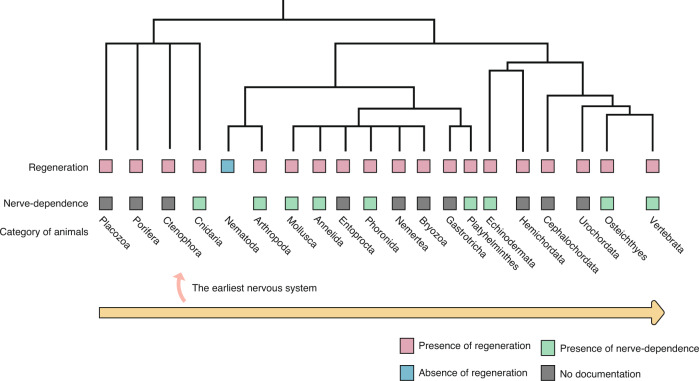
“Overall, studies on both mammals and phylogenetically distant animals, such as amphibians, show how peripheral nerves can regulate regeneration: (1) the secretion of neuropeptides, neurotransmitters, and other neural molecules(21,56) and (2) the differentiation of stem/precursor-like cells and/or transdifferentiation…”
BackgroundOntogeny of sensory and autonomic nerves in the developing mouse skeleton
Sisask, G., Silfverswärd, C.-J., Bjurholm, A., & Nilsson, O. (2013) · Autonomic Neuroscience · doi:10.1016/j.autneu.2013.05.005 · Cited by 61
Lorenz, M. R., Brazill, J. M., Beeve, A. T., Shen, I., & Scheller, E. L. (2020) · Journal of Bone and Mineral Research · doi:10.1002/jbmr.4273 · Cited by 61
ZHOU, R., YUAN, Z., LIU, J., & LIU, J. (2016) · Molecular Medicine Reports · doi:10.3892/mmr.2016.5117 · Cited by 60 · cited 1×
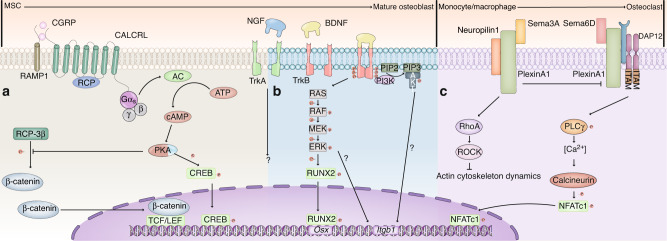
“differentiation by enhancing Wnt/β‐catenin in vitro.(150,151) The overexpression of RAMP1 in BMSCs enhances the osteogenic differentiation of BMSCs, while blocking Yap1 blocks this effect, indicating that CGRP can promote BMSC differentiation via the Hippo/Yap pathway.”
BackgroundNencini, S., & Ivanusic, J. J. (2017) · The Journal of Physiology · doi:10.1113/jp273877 · Cited by 59
Human-relevant near-organ neuromodulation of the immune system via the splenic nerve
Donegà, M., Fjordbakk, C. T., Kirk, J., Sokal, D. M., Gupta, I., Hunsberger, G. E., Crawford, A. H., Cook, S. D., Viscasillas, J., Stathopoulou, T., et al. (2021) · Proceedings of the National Academy of Sciences · doi:10.1073/pnas.2025428118 · Cited by 59
CGRP Peptide and Regenerating Sensory Axons
Li, X., Verge, V. M. K., Johnston, J. M., & Zochodne, D. W. (2004) · Journal of Neuropathology & Experimental Neurology · doi:10.1093/jnen/63.10.1092 · Cited by 58
Nicotinic acetylcholine receptors modulate osteoclastogenesis
Mandl, P., Hayer, S., Karonitsch, T., Scholze, P., Győri, D., Sykoutri, D., Blüml, S., Mócsai, A., Poór, G., Huck, S., et al. (2016) · Arthritis Research & Therapy · doi:10.1186/s13075-016-0961-x · Cited by 58 · cited 1×
“Furthermore, RANKL-induced Ca oscillation, the well-established osteoclastogenesis process,(184) is inhibited by activation of nAChR, and subsequent weakened CaNFATc1 signaling leads to a negative regulatory effect on osteoclastogenesis.(185) Donepezil, an acetylcholinesterase inhibitor (AChEI) that suppresses ACh deg…”
BackgroundEphrin B2/EphB4 Mediates the Actions of IGF-I Signaling in Regulating Endochondral Bone Formation
Wang, Y., Menendez, A., Fong, C., Elalieh, H. Z., Chang, W., & Bikle, D. D. (2014) · Journal of Bone and Mineral Research · doi:10.1002/jbmr.2196 · Cited by 57
Denervation affects regenerative responses in MRL/MpJ and repair in C57BL/6 ear wounds
Buckley, G., Wong, J., Metcalfe, A. D., & Ferguson, M. W. J. (2012) · Journal of Anatomy · doi:10.1111/j.1469-7580.2011.01452.x · Cited by 57 · cited 1×
“For example, MRL/MpJ mice can regenerate injured ear tissue through blastema-like structures, while denervation inhibits the formation of the blastema.(46) Furthermore, in murine digit tip regeneration, SCs in injured nerves have been shown to dedifferentiate and promote blastema proliferation in a paracrine manner.”
BackgroundNGF Stimulates Differentiation of Osteoblastic MC3T3-E1 Cells
Yada, M., Yamaguchi, K., & Tsuji, T. (1994) · Biochemical and Biophysical Research Communications · doi:10.1006/bbrc.1994.2791 · Cited by 57
Li, J., Ahmed, M., Bergstrom, J., Ackermann, P., Stark, A., & Kreicbergs, A. (2010) · Journal of Orthopaedic Research · doi:10.1002/jor.21169 · Cited by 57 · cited 2×
“However, neuropeptides, such as CGRP and SP, are thought to be increased in the fracture region.(107,108) Apart from the fact that activation of the PNS directly contributes to the release of neurotransmitters,(109) synthesis in injured axons (axonal synthesis) rather than the perikarya during regeneration partly acco…”
BackgroundMuscarinic acetylcholine receptors present in human osteoblast and bone tissue
Liu, P.-S., Chen, Y.-Y., Feng, C.-K., Lin, Y.-H., & Yu, T.-C. (2011) · European Journal of Pharmacology · doi:10.1016/j.ejphar.2010.09.031 · Cited by 56 · cited 1×
“Notably, the specific functions of the mAChR subtypes in the skeletal system should be clarified.(81,182,188) Moreover, the M3 muscarinic acetylcholine receptor (M3AChR) in nerves plays an important role in bone metabolism.”
BackgroundStrotmeyer, E. S., Cauley, J. A., Schwartz, A. V., de Rekeneire, N., Resnick, H. E., Zmuda, J. M., Shorr, R. I., Tylavsky, F. A., Vinik, A. I., Harris, T. B., et al. (2006) · Journal of Bone and Mineral Research · doi:10.1359/jbmr.060725 · Cited by 56
Impact of the Sensory and Sympathetic Nervous System on Fracture Healing in Ovariectomized Mice
Niedermair, T., Straub, R. H., Brochhausen, C., & Grässel, S. (2020) · International Journal of Molecular Sciences · doi:10.3390/ijms21020405 · Cited by 55 · cited 1×
“Furthermore, recent observations in ovariectomized TAC1 mice contradict previously published results with regard to the hypertrophic chondrocyte area, but the number of osteoclasts in the fracture site was consistent with the final outcome.(166) Whether these discrepancies are the result of ovariectomy is not yet clea…”
ResultAoki, M., Tamai, K., & Saotome, K. (1994) · International Orthopaedics · doi:10.1007/bf00180235 · Cited by 53
The evolution of regeneration – where does that leave mammals?
Maden, M. (2018) · The International Journal of Developmental Biology · doi:10.1387/ijdb.180031mm · Cited by 53
Propranolol enhances bone healing and implant osseointegration in rats tibiae
Alsubaie, A., Laurenti, M., Abdallah, M., Tamimi, I., Yaghoubi, F., Eimar, H. A., Makhoul, N. M., & Tamimi, F. (2016) · Journal Of Clinical Periodontology · doi:10.1111/jcpe.12632 · Cited by 52
Mei, G., Zou, Z., Fu, S., Xia, L., Zhou, J., Zhang, Y., Tuo, Y., Wang, Z., & Jin, D. (2014) · International Journal of Molecular Sciences · doi:10.3390/ijms15046224 · Cited by 51 · cited 1×
“SP has been reported to improve the osteoblastic differentiation of BMSCs and MC3T3-E1 cells by activating the Wnt/β-catenin signaling pathway.(161,162) Furthermore, SP embedded on titanium substrates can also promote BMSC recruitment during bone healing.”
BackgroundBuchheit, T., Zura, R., Wang, Z., Mehta, S., Rocca, G. J. D., & Steen, R. G. (2018) · Injury · doi:10.1016/j.injury.2018.05.004 · Cited by 49
Rivera, K. O., Russo, F., Boileau, R. M., Tomlinson, R. E., Miclau, T., Marcucio, R., Desai, T. A., & Bahney, C. S. (2020) · Scientific Reports · doi:10.1038/s41598-020-78983-y · Cited by 49 · cited 1×
“Local injection of NGF consequently promotes bone regeneration with deceased cartilage and increased bone volume.(210) However, there are also controversial results suggesting that blockade NGF or TrkA by neutralizing antibodies reduces fracture-induced pain but has no side effect on bone healing as changes on biomech…”
BackgroundOsteoporosis and depression: A historical perspective
Gold, D. T., & Solimeo, S. L. (2006) · Current Osteoporosis Reports · doi:10.1007/s11914-996-0021-6 · Cited by 47
Jia, S., Zhang, S., Wang, X., Yang, Z., Sun, Y., Gupta, A., Hou, R., Lei, D., Hu, K., Ye, W., et al. (2019) · Experimental and Therapeutic Medicine · doi:10.3892/etm.2019.7659 · Cited by 47 · cited 2×
“Disruption of CGRP signaling with receptor antagonists such as CGRP 8–37 and nonpeptide CGRP antagonists (BIBN4096BS) or with short interfering RNA significantly inhibited new bone formation.(107,149) Further studies demonstrated that CGRP activated the cAMP/protein kinase A (PKA) signaling pathway and subsequently in…”
BackgroundToscano, E., Casa, R. D., Mardy, S., Gaetaniello, L., Sadile, F., Indo, Y., Pignata, C., & Andria, G. (2000) · Neuropediatrics · doi:10.1055/s-2000-15296 · Cited by 46 · cited 1×
“Congenital insensitivity to pain with anhidrosis, which is a hereditary neurodevelopmental disorder caused by mutations in TRKA,(134) is associated with short stature and delayed fracture healing.(137) In regard to unsuccessful bone regeneration, initial injury of the nerve or vasculature may be associated with a seco…”
BackgroundHughes, A., Kleine-Albers, J., Helfrich, M. H., Ralston, S. H., & Rogers, M. J. (2012) · Calcified Tissue International · doi:10.1007/s00223-011-9560-7 · Cited by 46 · cited 1×
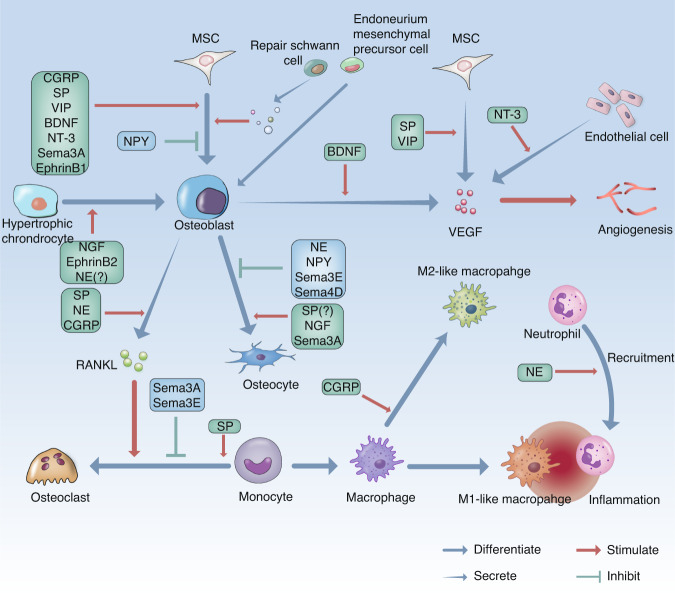
“Sema3E may inhibit the migration of osteoblasts and suppress the osteoclastogenesis of bone marrow-derived macrophages (BMMs).(227) Furthermore, Sema4D has been demonstrated to exhibit negative effects on osteogenesis.”
BackgroundDeficiency of Calcitonin Gene-Related Peptide Affects Macrophage Polarization in Osseointegration
Yuan, Y., Jiang, Y., Wang, B., Guo, Y., Gong, P., & Xiang, L. (2020) · Frontiers in Physiology · doi:10.3389/fphys.2020.00733 · Cited by 46 · cited 2×
“CGRP lentiviral vector transfection into CGRP mice promoted the expression of M2-associated markers, such as Arg1 and CD206, in recruited macrophages at the injury site after tooth extraction.(274) Moreover, inferior alveolar nerve transection prior to tooth extraction increased the number of recruited neutrophils and…”
BackgroundYasui, M., Shiraishi, Y., Ozaki, N., Hayashi, K., Hori, K., Ichiyanagi, M., & Sugiura, Y. (2011) · European Journal of Pain · doi:10.1002/j.1532-2149.2011.00094.x · Cited by 45 · cited 1×
“Both CGRP and TH spouting nerve fibers can participate in reinnervation, and CGRP nerve fibers contribute the most.(123,129,131) Reinnervation of bone has also been confirmed by findings in calvarial bone defect regeneration.”
BackgroundAnalgesia via blockade of NGF/TrkA signaling does not influence fracture healing in mice
Rapp, A. E., Kroner, J., Baur, S., Schmid, F., Walmsley, A. R., Mottl, H., & Ignatius, A. A. (2015) · Journal of Orthopaedic Research® · doi:10.1002/jor.22892 · Cited by 45 · cited 1×
“However, there are also controversial results suggesting that blockade NGF or TrkA by neutralizing antibodies reduces fracture-induced pain but has no side effect on bone healing as changes on biomechanical properties and callus formation and maturation are not observed in mice.(211,212) A recent study showed that NGF…”
BackgroundPirotte, N., Leynen, N., Artois, T., & Smeets, K. (2015) · Developmental Biology · doi:10.1016/j.ydbio.2015.09.025 · Cited by 45
Genetic Analysis of Developmental Mechanisms in Hydra
Sugiyama, T., & Wanek, N. (1993) · Developmental Biology · doi:10.1006/dbio.1993.1286 · Cited by 44
The control of bone remodeling by neuropeptide Y receptors
Allison, S. J., Baldock, P. A. J., & Herzog, H. (2006) · Peptides · doi:10.1016/j.peptides.2006.05.029 · Cited by 44 · cited 1×
“Neuropeptide Y and vasoactive intestinal peptide The receptors for NPY are GPCRs, and according to a rodent study, two of the five types (Y1 and Y2) are associated with the regulation of the skeletal system.(189) Y1 has been observed in osteoblasts, while Y2 is located in the brain.”
BackgroundBone scaffolds loaded with siRNA-Semaphorin4d for the treatment of osteoporosis related bone defects
Zhang, Y., Wei, L., Miron, R. J., Shi, B., & Bian, Z. (2016) · Scientific Reports · doi:10.1038/srep26925 · Cited by 43
Lotz, E. M., Berger, M. B., Boyan, B. D., & Schwartz, Z. (2020) · Bone · doi:10.1016/j.bone.2020.115260 · Cited by 43
Drissi, H., Hott, M., Marie, P. J., & Lasmoles, F. (1997) · Journal of Bone and Mineral Research · doi:10.1359/jbmr.1997.12.11.1805 · Cited by 42
Tanaka, K., Hirai, T., Kodama, D., Kondo, H., Hamamura, K., & Togari, A. (2016) · British Journal of Pharmacology · doi:10.1111/bph.13418 · Cited by 42 · cited 1×
“The administration of phenylephrine, a nonspecific α1-AR agonist, promotes the proliferation of MC3T3-E1 cells by increasing the expression of the transcription factor CCAAT/enhancer-binding protein δ (Cebpd).(169) Its detailed role in bone regeneration requires further elucidation.”
BackgroundZhang, X., Jiang, X., Jiang, S., Cai, X., Yu, S., & Pei, G. (2021) · Stem Cell Research & Therapy · doi:10.1186/s13287-021-02433-3 · Cited by 41 · cited 3×
“The paracrine effect is also substantiated by the observation that conditioned medium from SCs promoted the proliferation and migration of BMSCs and improved fracture healing.(250) Exosomes derived from SCs showed a similar promoting effect on BMSCs and bone regeneration.”
BackgroundHow many types of cholinergic sympathetic neuron are there in the rat stellate ganglion?
Anderson, C. R., Bergner, A. J., & Murphy, S. M. (2006) · Neuroscience · doi:10.1016/j.neuroscience.2006.02.021 · Cited by 40
Rameshwar, P., Gascón, P., Oh, H. S., Denny, T. N., Zhu, G. F., & Ganea, D. (2002) · Experimental Hematology · doi:10.1016/s0301-472x(02)00875-5 · Cited by 40
Ai, L., Sun, C., Zhang, L., Zhou, S., Chu, Z., Qin, Y., Wang, Y.-D., Zeng, W., Yan, H., Guo, T., et al. (2012) · PLoS ONE · doi:10.1371/journal.pone.0046287 · Cited by 40 · cited 1×
“BDNF also enhances the production of RANKL by hBMSCs, contributing to osteoclastogenesis.(217) These seemingly conflicting effects on bone may be due to the epigenetic regulation of BDNF transcription, whereby different physiological or pathological conditions induce alternative splicing and polyadenylation.”
BackgroundSelf-citationGolan, K., Kollet, Ó., Markus, R. P., & Lapidot, T. (2019) · Experimental Hematology · doi:10.1016/j.exphem.2019.08.008 · Cited by 40
Absence of large‐diameter sensory fibres in a nerve to the cat humerus
Ivanusic, J. J., Mahns, D. A., Sahai, V., & Rowe, M. J. (2006) · Journal of Anatomy · doi:10.1111/j.1469-7580.2006.00519.x · Cited by 39
Xu, Y., Xia, M., Chen, T., Yang, Y., Fu, G., Ji, P., & Wu, Q. (2019) · Annals of the New York Academy of Sciences · doi:10.1111/nyas.14120 · Cited by 38 · cited 2×
“Moreover, inferior alveolar nerve transection prior to tooth extraction increased the number of recruited neutrophils and reduced the cellular elongation of macrophages, which is associated with the M1 phenotype,(275) creating a proinflammatory environment.(276) Implantation of CGRP-loaded microbeads into the socket a…”
BackgroundEimar, H. A., Lara, A. P., Tamimi, I., Sánchez, P. M., Talavera, I. G., Tomba, F. R., de la Oliva, T. G., & Tamimi, F. (2013) · PubMed · Cited by 37
Mechanisms of wound closure following acute arm injury in Octopus vulgaris
Shaw, T. J., Osborne, M., Ponte, G., Fiorito, G., & Andrews, P. L. R. (2016) · Zoological Letters · doi:10.1186/s40851-016-0044-5 · Cited by 37
Hedderich, J., Bagdadi, K. E., Angele, P., Grässel, S., Meurer, A., Straub, R. H., Zaucke, F., & Jenei‐Lanzl, Z. (2020) · International Journal of Molecular Sciences · doi:10.3390/ijms21113924 · Cited by 37
Asmus, S. E., Tian, H., & Landis, S. C. (2001) · Developmental Biology · doi:10.1006/dbio.2001.0282 · Cited by 36
Vasoactive Intestinal Peptide Promotes Fracture Healing in Sympathectomized Mice
Shi, L., Liu, Y., Yang, Z., Wu, T., Lo, H. T. J., Xu, J., Zhang, J., Lin, W., Zhang, J., Lu, F., et al. (2021) · Calcified Tissue International · doi:10.1007/s00223-021-00820-9 · Cited by 36 · cited 1×
“Similarly, impaired bone regeneration after chemical sympathectomy can be rescued with VIP treatment, resulting in an increase in mineralized callus and improved callus bridging.(199)”
BackgroundSelf-citationLiu, H.-J., Yan, H., Yan, J., Hao, L., Chen, L., Han, L.-R., & Yang, X. (2016) · PLoS ONE · doi:10.1371/journal.pone.0165063 · Cited by 35
Crosstalk between neuropeptides SP and CGRP in regulation of BMP2-induced bone differentiation
Tuzmen, C., & Campbell, P. G. (2018) · Connective Tissue Research · doi:10.1080/03008207.2017.1408604 · Cited by 35 · cited 1×
“SP or CGRP alone promotes BMP-2 signaling in MC3T3 preosteoblasts, but when combined, these factors inhibit osteogenic differentiation.(257) It should be noted that many neuropeptides and neurotransmitters released by the PNS after bone trauma can also be produced by nonneuronal cells, such as osteoblast-derived CGRP,…”
BackgroundZhang, R., Liang, Y., & Wei, S. (2018) · Therapeutics and Clinical Risk Management · doi:10.2147/tcrm.s182325 · Cited by 35 · cited 3×
“However, the administration of CGRP or SP alone had no effect on the BP-mediated decrease in a macrophage-like cell line (RAW 264.7 cells) in vitro, while concomitant application reduced toxicity.256 The ratio of CGRP to SP is tightly correlated with BP administration.256 SP or CGRP alone promotes BMP-2 signaling in M…”
BackgroundInfluentialSinger, M., & EGLOFF, F. R. L. (1949) · Journal of Experimental Zoology · doi:10.1002/jez.1401110208 · Cited by 34
Wang, L., Wei, J., Yang, X., Yang, Z., Mo-yi, S., Cheng, X., Xu, L., Lei, D., & Zhang, C. (2017) · Plastic & Reconstructive Surgery · doi:10.1097/prs.0000000000003263 · Cited by 34 · cited 1×
“patients who were treated with neurorrhaphy between the ilioinguinal nerve and the inferior alveolar nerve or auricular nerve during the reconstruction of the mandibular bone exhibited reduced bone absorption.(140) These clinical observations indicate the involvement of peripheral nerves in regulating osteogenesis fro…”
BackgroundZhang, Z., Hu, P., Wang, Z., Qiu, X., & Chen, Y. (2020) · Journal of Cellular and Molecular Medicine · doi:10.1111/jcmm.15704 · Cited by 34 · cited 1×
“The promotion of bone regeneration by BDNF is achieved through the upregulation of integrin β1 via TrkB‐mediated ERK1/2 and AKT signaling.(216) BDNF also enhances the production of RANKL by hBMSCs, contributing to osteoclastogenesis.”
BackgroundSmith, M. J., Globus, M., & Vethamany‐Globus, S. (1995) · Developmental Biology · doi:10.1006/dbio.1995.1020 · Cited by 32
Mizuno, N., Shiba, H., Xu, W., Inui, T., Fujita, T., Kajiya, M., Takeda, K., Hasegawa, N., Kawaguchi, H., & Kurihara, H. (2007) · Cell Biology International · doi:10.1016/j.cellbi.2007.06.012 · Cited by 32
Symptomatic Lumbar Spondylolysis: Neuroimmunologic Studies
Nordström, D., Santavirta, S. S., Seitsalo, S., Hukkanen, M., Polak, J. M., Nordsletten, L., & Konttinen, Y. T. (1994) · Spine · doi:10.1097/00007632-199412150-00003 · Cited by 32 · cited 1×
“The nonhealing area in spondylolisthesis patients has been shown to coincide with the region lacking innervation.(138) In addition, postoperative absorption has been a challenge in the use of vascularized iliac bone to reconstruct the jaw,(139) and 10 out of 22 Peripheral nerves regulate bone regeneration R Tao et al.”
BackgroundMechanism of Action of Secreted Newt Anterior Gradient Protein
Grassme, K. S., Garza-García, A., Delgado, J.-P., Godwin, J. W., Kumar, A., Gates, P. B., Driscoll, P. C., & Brockes, J. P. (2016) · PLoS ONE · doi:10.1371/journal.pone.0154176 · Cited by 31 · cited 2×
“Unfortunately, although it is heralded as the key to the field of regenerative medicine, nAG has no orthologous protein in humans.(49) The closest proteins in humans are anterior gradient protein 2 (AGR2) and AGR3, but their potential role in regeneration remains unclear, as these factors lack the features of secreted…”
BackgroundCGRP-modulated M2 macrophages regulate osteogenesis of MC3T3-E1 via Yap1
Zhang, Q., Wu, B., Yuan, Y., Zhang, X., Guo, Y., Gong, P., & Xiang, L. (2020) · Archives of Biochemistry and Biophysics · doi:10.1016/j.abb.2020.108697 · Cited by 31 · cited 1×
“Recent work shows that CGRP can regulate the secretion of many osteogenic factors in M2 macrophages and promote the osteogenic differentiation of MSCs by activating p-Yap1 in M2 macrophages.(277) The CNS mediates reflexes in which responses generated in the CNS travel down to the autonomic nerve fiber terminals.”
BackgroundThe effect of semaphorin 3A on fracture healing in osteoporotic rats
Li, Y., Yang, L., he, S. T., & Hu, J. (2015) · Journal of Orthopaedic Science · doi:10.1007/s00776-015-0771-z · Cited by 30 · cited 1×
“The promotion of tibial fracture healing by Sema3A has also been observed in osteoporotic rats.(226) Other Semaphorin 3 proteins also have effects on bone.”
BackgroundDenervation impairs bone regeneration during distraction osteogenesis in rabbit tibia lengthening
Song, D., Jiang, X., Zhu, S., Li, W., Khadka, A., & Hu, J. (2012) · Acta Orthopaedica · doi:10.3109/17453674.2012.702389 · Cited by 29 · cited 1×
“Bones are richly innervated by peripheral nerves, and parallel findings on the role of the PNS in limb regeneration in distant spices and bone regeneration point to the common role of nerves in regeneration.(24,25) Despite the fact that the role of the PNS in many other processes associated with bone metabolism has no…”
BackgroundZhang, Q., Guo, Y., Yu, H., Tang, Y., Yuan, Y., Jiang, Y., Chen, H., Gong, P., & Xiang, L. (2019) · Journal of Cellular Physiology · doi:10.1002/jcp.28082 · Cited by 28 · cited 1×
“The overexpression of RAMP1 in BMSCs enhances the osteogenic differentiation of BMSCs, while blocking Yap1 blocks this effect, indicating that CGRP can promote BMSC differentiation via the Hippo/Yap pathway.(152) Impairment of cartilaginous callus remodeling and callus bridging in CGRP mice is linked to the low expres…”
BackgroundGlobus, M., Smith, M. J., & Vethamany‐Globus, S. (1991) · Annals of the New York Academy of Sciences · doi:10.1111/j.1749-6632.1991.tb33135.x · Cited by 27
DNA synthesis of rat bone marrow mesenchymal stem cells through α1-adrenergic receptors
Han, J., Zou, Z., Zhu, C., Deng, J., Wang, J., Ran, X., Shi, C., Ai, G., Li, R., Cheng, T., et al. (2009) · Archives of Biochemistry and Biophysics · doi:10.1016/j.abb.2009.08.009 · Cited by 27
Investigation of the effects of semaphorin 3A on new bone formation in a rat calvarial defect model
Kenan, S., Onur, Ö., Solakoğlu, S., Kotil, T., Ramazanoğlu, M., Çelik, H. H., Ocak, M., Uzuner, B., & Fıratlı, E. (2018) · Journal of Cranio-Maxillofacial Surgery · doi:10.1016/j.jcms.2018.12.010 · Cited by 27 · cited 1×
“The administration of Sema3A improved the formation of new bone in a similar way during calvarial defect healing in rats.(225) The promotion of tibial fracture healing by Sema3A has also been observed in osteoporotic rats.”
Background“Runx”ing towards Sensory Differentiation
Zhong, J., Pevny, L., & Snider, W. D. (2006) · Neuron · doi:10.1016/j.neuron.2006.01.013 · Cited by 26
Innervation of the tibial epiphysis through the intercondylar foramen
Matsuo, K., Ji, S., Miya, A., Yoda, M., Hamada, Y., Tanaka, T., Takao-Kawabata, R., Kawaai, K., Kuroda, Y., & Shibata, S. (2018) · Bone · doi:10.1016/j.bone.2018.11.007 · Cited by 26 · cited 1×
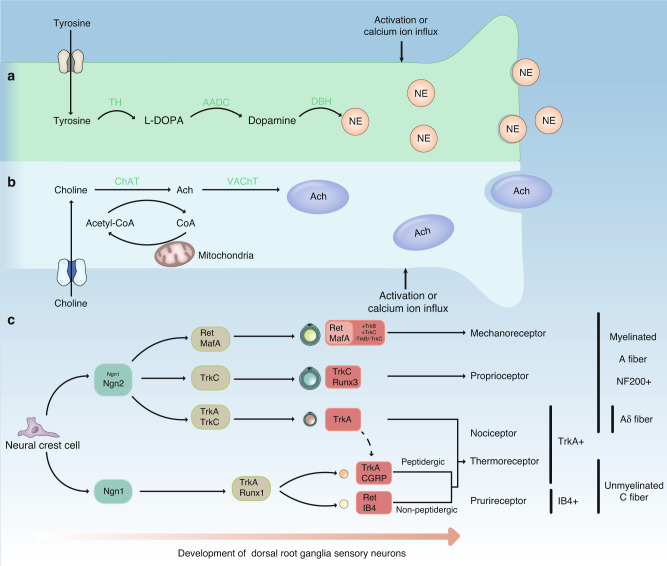
“The presence of the SNS and sensory nerves in the skeletal system has been visualized by immunolabeling techniques.(61,71,72,77,78) However, since a group of postganglionic sympathetic neurons exhibits a cholinergic phenotype in bone,(79,80) the accuracy of innervation of the PSNS in the bone as delineated by positive…”
MethodThe emerging role of cranial nerves in shaping craniofacial development
Sudiwala, S., & Knox, S. M. (2019) · genesis · doi:10.1002/dvg.23282 · Cited by 26
Xian, C. J., & Zhou, X. (2009) · Nature Clinical Practice Rheumatology · doi:10.1038/ncprheum0982 · Cited by 25
Hu, H., Zhao, X., Ma, J., Shangguan, Y., Pan, Z., Chen, L., Zhang, X., & Wang, H. (2018) · Toxicology Letters · doi:10.1016/j.toxlet.2018.07.005 · Cited by 23
Effect of neurokinin-1-receptor blockage on fracture healing in rats
Hofman, M., Rabenschlag, F., Andruszkow, H., Andruszkow, J., Möckel, D., Lammers, T., Kolejewska, A., Kobbe, P., Greven, J., Teuben, M. P. J., et al. (2019) · Scientific Reports · doi:10.1038/s41598-019-46278-6 · Cited by 23 · cited 1×
“On the other hand, blocking NK-1R reduces the expression of osteocalcin and collagen 1A2 and 2A1 during bone regeneration, resulting in significantly impaired biomechanical strength.(164) While having an impact on osteogenesis differentiation, SP also modulates osteoclastogenesis.”
BackgroundMu, C., Hu, Y., Hou, Y., Li, M., He, Y., Shen, X., Tao, B., Lin, C., Chen, M., Chen, M., et al. (2020) · Journal of Materials Chemistry B · doi:10.1039/c9tb01124b · Cited by 23 · cited 1×
“Furthermore, SP embedded on titanium substrates can also promote BMSC recruitment during bone healing.(163) On the other hand, blocking NK-1R reduces the expression of osteocalcin and collagen 1A2 and 2A1 during bone regeneration, resulting in significantly impaired biomechanical strength.”
BackgroundSelf-citationYu, W. H., Chen, F., Xu, W., Ding, S., Chen, P., Yang, L., Jiang, S., & Pan, X. (2020) · Frontiers in Endocrinology · doi:10.3389/fendo.2020.583105 · Cited by 23
Liang, H., Zeng, Y., Feng, Y., Wu, H., Gong, P., & Yao, Q. (2018) · Journal of Cellular Biochemistry · doi:10.1002/jcb.27998 · Cited by 22
COX-2/PGE2 facilitates fracture healing by activating the Wnt/β-catenin signaling pathway.
Zheng, C., Qu, Y.-X., Wang, B., Shen, P.-F., Xu, J., & Chen, Y.-X. (2019) · European review for medical and pharmacological sciences · doi:10.26355/eurrev_201911_19534 · Cited by 21
Yang, S., Cheng, J., Man, C., Jiang, L., Long, G., Zhao, W., & Zheng, D. (2021) · Journal of Orthopaedic Surgery and Research · doi:10.1186/s13018-021-02220-z · Cited by 21 · cited 1×
“The administration of exogenous NGF improved healing in rabbit mandible fractures by increasing BMP-9 and VEGF levels.(209) Similarly, entochondrostosis is enhanced by β-NGF supplementation, as evidenced by the increased expression of marker genes, such as Ihh, Alpl, and Sdf-1, which are associated with endochondral o…”
BackgroundKauther, M. D., Xu, J., & Wedemeyer, C. (2010) · International Journal of Biological Sciences · doi:10.7150/ijbs.6.525 · Cited by 20
Havrilak, J. A., Al‐Shaer, L., Baban, N., Akinci, N., & Layden, M. J. (2021) · BMC Biology · doi:10.1186/s12915-021-01038-9 · Cited by 20
Mizuno, N., Shiba, H., Inui, T., Takeda, K., Kajiya, M., Hasegawa, N., Kawaguchi, H., & Kurihara, H. (2008) · Journal of Periodontology · doi:10.1902/jop.2008.070402 · Cited by 19
Al‐Hamed, F. S., Maria, O. M., Phan, J., Subaie, A. E. A., Gao, Q., Mansour, A., Nada, L. A., Boukhatem, I., Elkashty, O. A., Tran, S. D., et al. (2020) · Biomolecules · doi:10.3390/biom10091318 · Cited by 18 · cited 2×
“Postoperative administration of donepezil significantly lowers the infiltration of lymphocytes and macrophages but hinders new bone formation.(186) These results indicate that ANS regulates recruitment in the inflammatory phase of bone regeneration.”
BackgroundPromotion of mitosis in cultured newt limb regenerates by a diffusible nerve factor
Tomlinson, B., Globus, M., & Vethamany‐Globus, S. (1981) · In Vitro Cellular & Developmental Biology - Plant · doi:10.1007/bf02618075 · Cited by 17 · cited 1×
“Regarding the mechanisms by which peripheral nerves regulate salamander limb regeneration, diffusible nerve factors were shown to cross the filter and promote blastema cell proliferation.(29) In response to initial nerve injury signals, SCs undergo phenotypic changes, downregulating myelin proteins, such as Krox20, So…”
BackgroundShin, J. E., Ha, H., Cho, E. H., Kim, Y. K., & Cho, Y. (2018) · The Journal of Comparative Neurology · doi:10.1002/cne.24404 · Cited by 16
The cortical representation of sensory inputs arising from bone
Ivanusic, J. J., Sahai, V., & Mahns, D. A. (2009) · Brain Research · doi:10.1016/j.brainres.2009.03.001 · Cited by 15
Neurotrophin-3 improves fracture healing in rats.
Li, X., Dc, S., Li, Y., et al. (2018) · PubMed · doi:10.26355/eurrev_201804_14837 · Cited by 12 · cited 1×
“Treatment with NT-3 during tibial fracture regeneration in rats promoted the expression of BMP-2 and TGF-β1, resulting in increased maximum load capacities.(218) Systemic administration of NT-3 reduced the bone volume at the defects through immunoneutralization.”
BackgroundL'histogen�se r�g�n�ratrice chez les phoronidiens
Emig, C. C. (1973) · Development Genes and Evolution · doi:10.1007/bf00573117 · Cited by 11
Xie, D., Xu, Y., Yang, Y., Hua, Z., Li, J., Fu, G., & Wu, Q. (2020) · Annals of the New York Academy of Sciences · doi:10.1111/nyas.14540 · Cited by 10
Neff, E. P. (2018) · Lab Animal · doi:10.1038/s41684-018-0135-3 · Cited by 9
Arthur, A., Paton, S., Zannettino, A. C. W., & Gronthos, S. (2019) · Bone · doi:10.1016/j.bone.2019.115189 · Cited by 9 · cited 1×
“Knocking out ephrin-B1 or -B2 in osteogenic progenitors significantly inhibited fracture healing.(235,236) SLIT3 can promote the proliferation and migration of osteoblasts while suppressing the maturation of osteoclasts.”
BackgroundAblation of Ephrin B2 in Col2 Expressing Cells Delays Fracture Repair
Wang, Y., Ling, L., Tian, F., Won‐Kim, S. H., Ho, S. P., & Bikle, D. D. (2020) · Endocrinology · doi:10.1210/endocr/bqaa179 · Cited by 8 · cited 1×
“Knocking out ephrin-B1 or -B2 in osteogenic progenitors significantly inhibited fracture healing.(235,236) SLIT3 can promote the proliferation and migration of osteoblasts while suppressing the maturation of osteoclasts.”
BackgroundLiu, S., Wu, J., Hu, J., Wang, L., Wang, Z., Meng, H., Zhuo, L., & Zheng, J. (2018) · Europe PMC (PubMed Central) · doi:10.3969/j.issn.1673-4254.2018.06.05 · Cited by 5 · cited 1×
“The use of the Y1 receptor antagonist PD160170 on the femur improved the healing of bone defects.(193) Recently, osteocytes from aging mice were shown to secrete NPY at high levels to induce adipogenesis in BMSCs, which is consistent with previous investigations.”
ResultCan We Predict the Need for Unplanned Reoperation After Nonunion Repair?
Landes, E. K., Konda, S. R., Davidovitch, R., & Egol, K. A. (2021) · Journal of Orthopaedic Trauma · doi:10.1097/bot.0000000000002117 · Cited by 4 · cited 2×
“In regard to unsuccessful bone regeneration, initial injury of the nerve or vasculature may be associated with a secondary operation after nonunion repair.(136) The nonhealing area in spondylolisthesis patients has been shown to coincide with the region lacking innervation.”
BackgroundResultZou, Z., Mei, G., Tang, L., Xu, Y., Liu, J., Wang, S., Fu, S., Wu, J., & Liang, G. (2020) · Materials Express · doi:10.1166/mex.2020.1637 · Cited by 3 · cited 1×
“SP nerve fibers are increased following a fracture or bone defect,(108,159) as is the expression of SP in injured bone.(160) SP has been reported to improve the osteoblastic differentiation of BMSCs and MC3T3-E1 cells by activating the Wnt/β-catenin signaling pathway.”
Background[New Research of Nerve Growth Factor on Fracture Healing].
Yang, B., Ma, T., & Ma, W. (2020) · PubMed · doi:10.3881/j.issn.1000-503x.12062 · cited 1×
“A recent study showed that NGF has been used to treat traumatic nonunion in clinical trials, showing encouraging outcomes in promoting callus formation and fracture healing.(213) A high-quality clinical trial with a large sample size is still needed to verify the effect of anti-NGF agents on bone pain and regeneration.”
Background
Research works printed but not linked: 2
- Todd TJ On the process of reproduction of the members of the aquatic salamander Q. J. Sci. Lit. Arts 1823 16 84 96
- Huet M [Role of the nervous system during the regeneration of an arm in a starfish: Asterina gibbosa Penn. (Echinodermata, Asteriidae)] J. Embryol. Exp. Morphol. 1975 33 535 552 1176860
Cited by
Electrospinning and electrospun nanofibers: From academic research to industrial production
Wang, C., Wang, W., Qi, H., Dai, Y., Jiang, S., Ding, B., Wang, X., Li, C., Zeng, J., Wu, T., et al. (2025) · Progress in Materials Science · doi:10.1016/j.pmatsci.2025.101494 · Cited by 179
Self-citationNeuro–bone tissue engineering: emerging mechanisms, potential strategies, and current challenges
Sun, W., Ye, B., Chen, S., Zeng, L., Lu, H., Wan, Y., Gao, Q. H., Chen, K., Qu, Y., Wu, B., et al. (2023) · Bone Research · doi:10.1038/s41413-023-00302-8 · Cited by 149
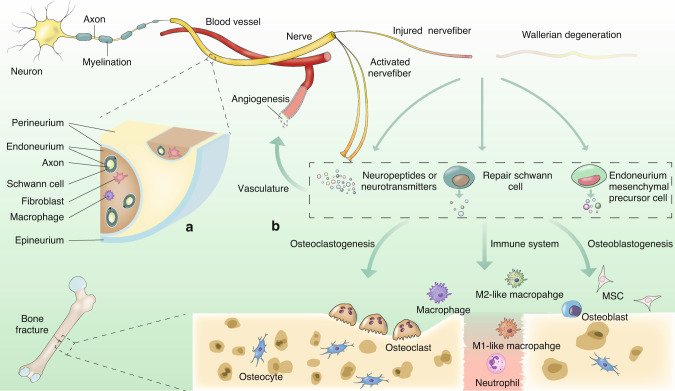
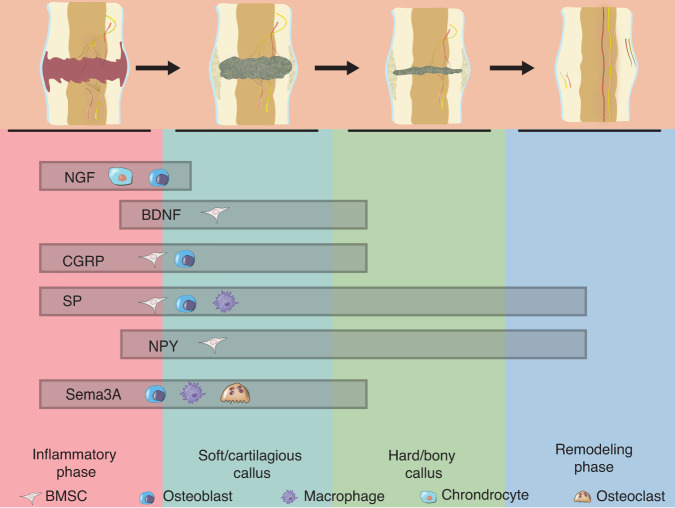
“10 The distribution of increased neuropeptides varies during the four classical phases of bone healing, namely, the in fl ammatory phase, callus formation, bone callus formation, and the remodeling phase 10,13,165 – 170 (Fig.”
BackgroundInfluentialBioactive elements manipulate bone regeneration.
Bai, L., Song, P., & Su, J. (2023) · PubMed Central · doi:10.12336/biomatertransl.2023.04.005 · Cited by 95
“42 Neuroregulation manoeuvres the balance of bone remodelling through diverse mechanisms, such as the activation of TrkA signalling pathway in osteoblastic cells, modulation of Wnt signalling pathway, and regulation of PGE2 production and secretion, thereby propelling the process of bone rebuilding.”
BackgroundMicroenvironment-responsive nanomedicines: a promising direction for tissue regeneration
Xiong, Y., Mi, B., Shahbazi, M., Xia, T., & Xiao, J. (2024) · Military Medical Research · doi:10.1186/s40779-024-00573-0 · Cited by 84
“Neurotransmitters such as acetylcholine, dopamine, and serotonin, while primarily linked to neuronal communication, also exert significant influence on the cellular and molecular mechanisms that underpin tissue repair and regeneration [107, 108].”
BackgroundSelf-citationPlant-Derived Exosome-Like Nanoparticles: Emerging Nanosystems for Enhanced Tissue Engineering
Feng, H., Yue, Y., Zhang, Y., Liang, J., Liu, L., Wang, Q., Feng, Q., & Zhao, H. (2024) · International Journal of Nanomedicine · doi:10.2147/ijn.s448905 · Cited by 79
Metadata
- Authors
- Tao, R., Mi, B., Hu, Y., Lin, S., Xiong, Y., Lu, X., Panayi, A. C., Li, G., & Liu, G.
- Affiliations
- Wuhan Union Hospital (CN)
- Chinese University of Hong Kong (HK)
- Brigham and Women's Hospital (US)
- Corresponding author
- Li, Gang
- Liu, Guohui
- ORCID
- Venue
- Bone Research
- Published
- 2023-01-05
- Volume
- 11
- Issue
- 1
- Pages
- 6-6
- ISSN
- 2095-4700 (ISSN-L)
- 2095-6231
- PMC
- PMC9813170
- OpenAlex
- W4313544514
- Semantic Scholar
- 6fc879fd4852c7a49425cdfbd19102fee5599e99
- Cited by
- 110
- References
- 292
- Citations by year
- 2026: 30 · 2025: 31 · 2024: 38 · 2023: 11
- FWCI
- 4.23
- Type
- journal article
- Language
- en
- Open access
- gold
- doi.org
- Licence
- cc-by
- creativecommons.org/licenses/by/4.0 (tdm)
- creativecommons.org/licenses/by/4.0 (vor)
- Locations
- Bone Research (publishedVersion, cc-by)
- PubMed Central (publishedVersion, cc-by)
- PubMed (publishedVersion)
- DOAJ (DOAJ: Directory of Open Access Journals) (submittedVersion, cc-by-sa)
- Funders
- National Natural Science Foundation of China (2018YFC2001502, 82002313, 82002313 and 82072444, 82072444, 2019xhyn021, T13-402/17-N, No. 82002313, No. 82072444, 2018YFB1105705, 2020BCB004)
- University Grants Committee (C7030-18G, AoE/M‐402/20, 14121721, 14108720, T13-402/17 N)
- Research Grants Council, University Grants Committee (C7030-18G, T13-402/17-N and AoE/M-402/20, 14108720, 14120118)
- Wuhan Union Hospital (82002313, 82072444, 2019xhyn021, 2018YFC2001502, 2018YFB1105705, 2020BCB004)
- Topics
- Life Sciences › Neuroscience › Cellular and Molecular Neuroscience › Nerve injury and regeneration
- Life Sciences › Biochemistry, Genetics and Molecular Biology › Molecular Biology › Bone Metabolism and Diseases
- Health Sciences › Medicine › Orthopedics and Sports Medicine › Bone fractures and treatments
- Keywords
- peripheral nervous system, bone regeneration, fracture healing, neuropeptides, neurotransmitters, bone microenvironment, bone vascularity, immune cells
About these checks
Registry, retraction, Cites and statistics results are computed, not judged, with one exception: a printed reference that no index lists is read once by a model before it counts as a citation error. Claims are extracted by a model and kept only when their quote appears verbatim in the text; each cited source is then checked, with a model’s help, for whether it says what the claim relies on. Those verdicts can be wrong — read the claim’s quote and the cited source before relying on one.
Statistics and arithmetic are recomputed, not judged.
Confidence bands are shown only for fields calibrated on our annotated test set. None is calibrated yet, so no band is shown.
What counts as a claim ›How we measure confidence ›How we check this ›
Are you an author, or do you see a problem with this page? Request a review
Data sources
Bibliographic data: Semantic Scholar, OpenAlex, Crossref.
Contains information from the Semantic Scholar Academic Graph Datasets, made available under the ODC Attribution License (ODC-BY 1.0).
Semantic Scholar’s data is described in: Kinney, R., et al. (2023). The Semantic Scholar Open Data Platform. arXiv:2301.10140.
