

Metabolic rewiring and redox alterations in malignant pleural mesothelioma
Open accessThe DOI matches its Crossref record; 130 of the 130 references it cites were found in a registry or an index.
Abstract
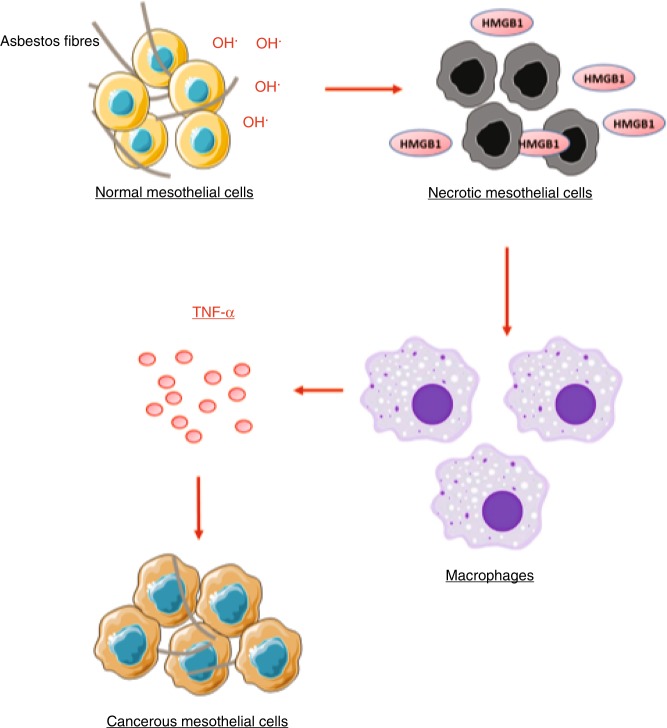
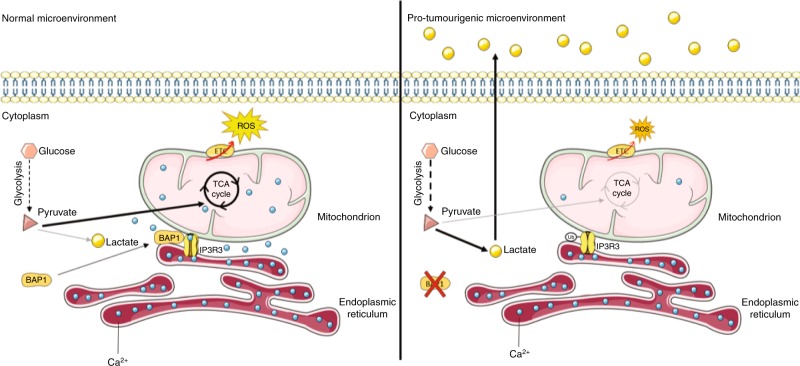
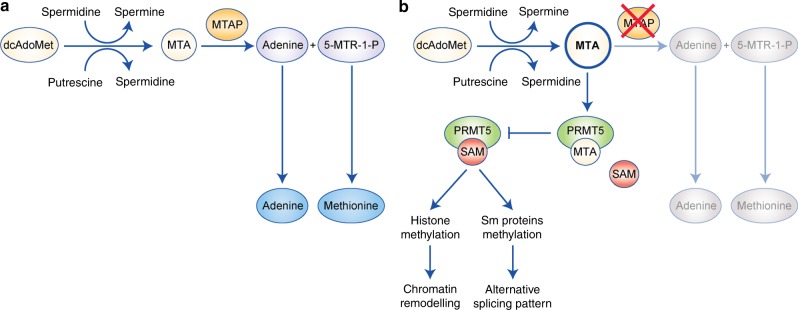
Abstract Malignant pleural mesothelioma (MPM) is a rare malignancy of mesothelial cells with increasing incidence, and in many cases, dismal prognosis due to its aggressiveness and lack of effective therapies. Environmental and occupational exposure to asbestos is considered the main aetiological factor for MPM. Inhaled asbestos fibres accumulate in the lungs and induce the generation of reactive oxygen species (ROS) due to the presence of iron associated with the fibrous silicates and to the activation of macrophages and inflammation. Chronic inflammation and a ROS-enriched microenvironment can foster the malignant transformation of mesothelial cells. In addition, MPM cells have a highly glycolytic metabolic profile and are positive in 18 F-FDG PET analysis. Loss-of-function mutations of BRCA-associated protein 1 (BAP1) are a major contributor to the metabolic rewiring of MPM cells. A subset of MPM tumours show loss of the methyladenosine phosphorylase (MTAP) locus, resulting in profound alterations in polyamine metabolism, ATP and methionine salvage pathways, as well as changes in epigenetic control of gene expression. This review provides an overview of the perturbations in metabolism and ROS homoeostasis of MPM cells and the role of these alterations in malignant transformation and tumour progression.
Overview
The claims and statistics of this paper haven’t been checked yet.
Free: it reads the open-access text and checks the first 5 claims that cite a source we can check. Create a free account to check every claim.
Integrity signals
Registry
Cites
Statistics
Figures
Verification
Claims the paper makes
The claims and statistics of this paper haven’t been checked yet.
Free: it reads the open-access text and checks the first 5 claims that cite a source we can check. Create a free account to check every claim.
Claims other papers make about this one
Each is checked against this paper’s own text: does it say what the citing paper says it does?
The source backs part of the claim, not all of it — or backs it for a different population, condition or comparison.
In the citing paper
“Chronic oxidative stress, with a huge release of ROS by frustrated macrophages and tumor cells, is a second hallmark of mesothelioma carcinogenesis following asbestos fibers exposure [15,66] (Figure 2).”
From Chronic Inflammation, Oxidative Stress and Metabolic Plasticity: Three Players Driving the Pro-Tumorigenic Microenvironment in Malignant Mesothelioma (2023) · cites this paper as [66]
Experimental — accuracy not yet measuredThe cited source says what the claim attributes to it.
In the citing paper
“ROS are highly chemically reactive molecules, derived from the deficient reduction in molecular oxygen (O2) and playing a critical role as signaling molecules in tumorigenesis [68], including asbestos-mediated carcinogenesis [15,66,69].”
From Chronic Inflammation, Oxidative Stress and Metabolic Plasticity: Three Players Driving the Pro-Tumorigenic Microenvironment in Malignant Mesothelioma (2023) · cites this paper as [66]
The cited source says what the claim attributes to it.
In the citing paper
“It has been described that extracellular ROS regulate the TGF-β axis [66,84,85].”
From Chronic Inflammation, Oxidative Stress and Metabolic Plasticity: Three Players Driving the Pro-Tumorigenic Microenvironment in Malignant Mesothelioma (2023) · cites this paper as [66]
The cited source says what the claim attributes to it.
In the citing paper
“Mesothelioma cells show a metabolic plasticity [66] (Figure 2).”
From Chronic Inflammation, Oxidative Stress and Metabolic Plasticity: Three Players Driving the Pro-Tumorigenic Microenvironment in Malignant Mesothelioma (2023) · cites this paper as [66]
The cited source says what the claim attributes to it.
In the citing paper
“Asbestos fibers can generate ROS via two different mechanisms: the first one involves the iron (Fe) content of the fibers, increasing hydroxyl radical (HO·) production through iron-catalyzed reactions; and the second mechanism implies the release of ROS upon the over-activation of inflammatory immune cells [66,78].”
From Chronic Inflammation, Oxidative Stress and Metabolic Plasticity: Three Players Driving the Pro-Tumorigenic Microenvironment in Malignant Mesothelioma (2023) · cites this paper as [66]
1 more claim about this paper
Create a free account to see every claim other papers make about this one.
Self-check
Percentages, sums and reported differences re-computed from the paper’s own numbers.
The self-check needs the paper’s full text.
Citations
Cites
Understanding the Warburg Effect: The Metabolic Requirements of Cell Proliferation
Vander Heiden, M. G., Cantley, L. C., & Thompson, C. B. (2009) · Science · doi:10.1126/science.1160809 · Cited by 16,197
Reactive oxygen species: Metabolism, oxidative stress, and signal transduction
Apel, K., & Hirt, H. (2004) · Annual Review of Plant Biology · doi:10.1146/annurev.arplant.55.031903.141701 · Cited by 11,723
Targeting HIF-1 for cancer therapy
Semenza, G. L. (2003) · Nature Reviews Cancer · doi:10.1038/nrc1187 · Cited by 6,717
Targeting cancer cells by ROS-mediated mechanisms: a radical therapeutic approach?
Trachootham, D., Alexandre, J., & Huang, P. (2009) · Nature Reviews Drug Discovery · doi:10.1038/nrd2803 · Cited by 5,452
Mitochondrial formation of reactive oxygen species
Turrens, J. F. (2003) · The Journal of Physiology · doi:10.1113/jphysiol.2003.049478 · Cited by 5,084 · cited 1×
“O2 · – can also react with nitric oxide (NO) to produce the reactive nitrogen species peroxynitrite (ONOO).(10,11,13) High levels of ROS induce macromolecular damage by oxidising proteins, lipids and nucleic acids, which can lead to cell death.”
BackgroundRegulation of cancer cell metabolism
Cairns, R. A., Harris, I. S., & Mak, T. W. (2011) · Nature Reviews Cancer · doi:10.1038/nrc2981 · Cited by 4,744 · cited 2×
“The resulting glycolytic profile allows cancer cells to generate ATP in hypoxic conditions and allows the diversion of carbons from catabolic processes to macromolecule biosynthesis and redox status maintenance.(92) Moreover, the metabolic rewiring of cancer cells is intertwined with EMT in a two-way interaction.”
BackgroundReactive oxygen species, cellular redox systems, and apoptosis
Circu, M. L., & Aw, T. Y. (2010) · Free Radical Biology and Medicine · doi:10.1016/j.freeradbiomed.2009.12.022 · Cited by 3,340
Functional Polarization of Tumour-Associated Macrophages by Tumour-Derived Lactic Acid
Colegio, O. R., Chu, N.-Q., Szabo, A. L., Chu, T., Rhebergen, A. M., Jairam, V., Cyrus, N., Brokowski, C. E., Eisenbarth, S. C., Phillips, G. M., et al. (2014) · Nature · doi:10.1038/nature13490 · Cited by 3,046
Nordberg, J., & Arnér, E. S. J. (2001) · Free Radical Biology and Medicine · doi:10.1016/s0891-5849(01)00724-9 · Cited by 2,662
Transforming Growth Factor-β Signaling in Immunity and Cancer
Batlle, E., & Massagué, J. (2019) · Immunity · doi:10.1016/j.immuni.2019.03.024 · Cited by 2,366
Cited by
The double-edged roles of ROS in cancer prevention and therapy
Wang, Y., Qi, H., Liu, Y., Duan, C., Liu, X., Xia, T., Chen, D., Piao, H.-L., & Liu, H.-X. (2021) · Theranostics · doi:10.7150/thno.56747 · Cited by 634
“Inhaled asbestos fibers accumulate in lungs and induce the generation of ROS due to the presence of iron associated with the fibrous silicates, which promote the malignant transformation of mesothelial cells [15].”
BackgroundAntioxidant Therapy in Cancer: Rationale and Progress
Luo, M., Zhou, L., Huang, Z., Li, B., Nice, E. C., Xu, J., & Huang, C. (2022) · Antioxidants · doi:10.3390/antiox11061128 · Cited by 194
“When the high ROS level exceeds non-toxic doses, ROS may cause oxidative damage to macromolecules, such as nucleic acids, proteins, lipids and glucose, resulting in fragmentation of enzymes and structural proteins, membrane damage, gene mutations and even pro-oncogenic signaling activation [9,10].”
BackgroundRen, Y., Wang, R., Weng, S., Xu, H., Zhang, Y., Chen, S., Liu, S., Ba, Y., Zhou, Z., Luo, P., et al. (2023) · Molecular Cancer · doi:10.1186/s12943-023-01831-w · Cited by 156
“Changes in protein quality control systems, signal transduction pathways, and gene expression levels that affect cancer cell proliferation, migration, invasion, and apoptosis result from this [45–48].”
BackgroundIron Load Toxicity in Medicine: From Molecular and Cellular Aspects to Clinical Implications
Kontoghiorghes, G. J. (2023) · International Journal of Molecular Sciences · doi:10.3390/ijms241612928 · Cited by 100
Wang, J., Sun, D., Huang, L., Wang, S., & Jin, Y. H. (2021) · Oxidative Medicine and Cellular Longevity · doi:10.1155/2021/8532940 · Cited by 75
Ko, J., Kang, H.-J., Kim, D.-A., Ryu, E., Yu, M., Lee, H., Lee, H. K., Ryu, H., Park, S.-H., Kim, Y.-L., et al. (2018) · The FASEB Journal · doi:10.1096/fj.201800292rr · Cited by 41
Harris, A. L. (2019) · British Journal of Cancer · doi:10.1038/s41416-019-0666-4 · Cited by 41
Fiorilla, I., Martinotti, S., Todesco, A. M., Bonsignore, G., Cavaletto, M., Patrone, M., Ranzato, E., & Audrito, V. (2023) · Cells · doi:10.3390/cells12162048 · Cited by 39
“Mesothelioma cells show a metabolic plasticity [66] (Figure 2).”
BackgroundInfluentialDual Inhibition of CDK4/6 and PI3K/AKT/mTOR Signaling Impairs Energy Metabolism in MPM Cancer Cells
Bonelli, M. A., Terenziani, R., Zoppi, S., Fumarola, C., Monica, S. L., Cretella, D., Alfieri, R. R., Cavazzoni, A., Digiacomo, G., Galetti, M., et al. (2020) · International Journal of Molecular Sciences · doi:10.3390/ijms21145165 · Cited by 35
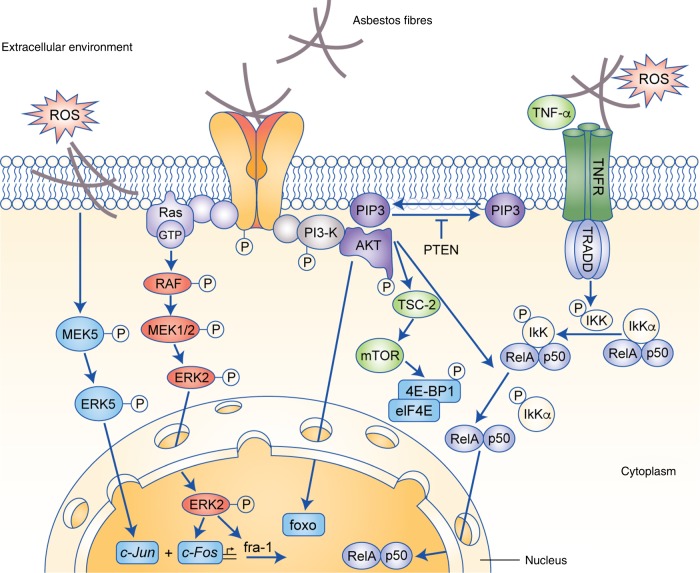
“Indeed, ROS can directly lead to the inactivation of PTEN, a lipid phosphatase involved in the negative regulation of this pathway, through the oxidation of its cysteine residues [20].”
BackgroundNovel Insights Into Mesothelioma Therapy: Emerging Avenues and Future Prospects
Kuryk, Ł., Rodella, G., Staniszewska, M., Pancer, K. W., Wieczorek, M., Salmaso, S., Caliceti, P., & Garofalo, M. (2022) · Frontiers in Oncology · doi:10.3389/fonc.2022.916839 · Cited by 28
“Collectively, the accumulation of these reactive chemical entities (O2· , ·OH, and H2O2) act as second messengers to trigger cell pathways responsible for uncontrolled proliferation as MAPK, PI3K/Akt and NF-kB cascades, and DNA damage (14).”
BackgroundG�rard, M., Chatelain, C., Delaunay, T., Tostivint, E. P., Bennouna, J., & Fonteneau, J. (2021) · Frontiers in Oncology · doi:10.3389/fonc.2021.695770 · Cited by 25
“MTAP encodes the S-methyl-5’-thioadenosine phosphorylase (MTAP) implicated in the polyamine metabolism (18).”
BackgroundDiffuse Pleural Mesothelioma: Advances in Molecular Pathogenesis, Diagnosis, and Treatment
Febres‐Aldana, C. A., Fanaroff, R. E., Offin, M. D., Zauderer, M. G., Sauter, J. L., Yang, S., & Ladanyi, M. (2023) · Annual Review of Pathology Mechanisms of Disease · doi:10.1146/annurev-pathol-042420-092719 · Cited by 25
Bayındır, Z. S., Losada‐Barreiro, S., Fernández-Bravo, S. E., & Bravo‐Díaz, C. (2023) · Pharmaceuticals · doi:10.3390/ph16071038 · Cited by 21
“When the ROS levels exceed the non-toxic amounts, ROS can cause oxidative damage to nucleic acids, proteins, and lipids, resulting in fragmentation of enzymes and structural proteins, membrane damage, and eventually gene mutations and even pro-oncologic signaling activation [10,11].”
BackgroundVecchio, E., Gallo, R., Mimmi, S., Gentile, D., Giordano, C., Straface, E., Marino, R., Caiazza, C., Pastore, A., Ruocco, M. R., et al. (2025) · Communications Biology · doi:10.1038/s42003-025-07754-0 · Cited by 20
Asbestos and Zeolites: from A to Z via a Common Ion
Reid, G., Klebe, S., van Zandwijk, N., & George, A. M. (2021) · Chemical Research in Toxicology · doi:10.1021/acs.chemrestox.0c00286 · Cited by 18
Dubois, F., Bazille, C., Levallet, J., Maille, E., Brosseau, S., Madelaine, J., Bergot, E., Zalcman, G., & Levallet, G. (2022) · Targeted Oncology · doi:10.1007/s11523-022-00900-2 · Cited by 18
“1), thus causing chronic inflammation [31, 32].”
The Evolving Landscape of the Molecular Epidemiology of Malignant Pleural Mesothelioma
Lettieri, S., Bortolotto, C., Agustoni, F., Lococo, F., Lancia, A., Comoli, P., Corsico, A. G., & Stella, G. M. (2021) · Journal of Clinical Medicine · doi:10.3390/jcm10051034 · Cited by 17
“Among those signatures associated to DNA mutations, one is related to the production of reactive oxygen species (ROS).”
BackgroundInfluentialPetriglieri, J. R., Barale, L., Viti, C., Ballirano, P., Belluso, E., Bruno, M. R., Campopiano, A., Cannizzaro, A., Fantauzzi, M., Gianchiglia, F., et al. (2023) · Journal of Hazardous Materials · doi:10.1016/j.jhazmat.2023.131754 · Cited by 13
“Primary, fibre-induced, ROS production at fibre surfaces is mediated by transition metal ions, specifically iron [24,42], and is responsible for chronic inflammation, together with cell-derived ROS [43,44].”
Kontoghiorghes, G. J. (2024) · Antioxidants · doi:10.3390/antiox14010029 · Cited by 13
Anobile, D. P., Montenovo, G., Pecoraro, C., Frańczak, M., Iddouch, W. A., Peters, G. J., Riganti, C., & Giovannetti, E. (2022) · Expert Review of Clinical Pharmacology · doi:10.1080/17512433.2022.2074835 · Cited by 13
“hypoxic pathways and pyruvate biosynthesis enzymes [159].”
Lee, Y., Park, K.-S., Heo, S., Cho, M. K., & Lee, S.-H. (2023) · Oncology Reports · doi:10.3892/or.2023.8548 · Cited by 12
“A distinct shift in energy metabolism towards the Warburg profile was also observed in MM tissues, as characterized by increased expression of numerous genes involved in glycolysis and oxidative metabolism and the accu‐ mulation of 2‐deoxy‐2‐[fluorine‐18] fluoro‐D‐glucose in tumor lesions in positron emission tomograp…”
BackgroundInfluentialShen, L., Lv, X., Li, Y., & Dai, X. (2025) · Free Radical Biology and Medicine · doi:10.1016/j.freeradbiomed.2025.01.024 · Cited by 12
Anoikis and NETosis in colorectal cancer liver metastasis: the relationship and perspectives
Zhang, R., Tan, Y., Jiang, D., Kong, D., Liu, M., Liang, J., Wu, A., & Wang, L. (2025) · Biochimica et Biophysica Acta (BBA) - Reviews on Cancer · doi:10.1016/j.bbcan.2025.189401 · Cited by 12
De novo pyrimidine synthesis is a collateral metabolic vulnerability in NF2-deficient mesothelioma
Xu, D., Gao, Y., Liu, S., Yin, S., Hu, T., Deng, H., Zhang, T., Hegedűs, B., Marti, T. M., Dorn, P., et al. (2025) · EMBO Molecular Medicine · doi:10.1038/s44321-025-00278-4 · Cited by 9
“Despite numerous investigations into cancer metabolism reprogramming in PM (Urso et al, 2020), effective treatments for this cancer have yet to be developed, underscoring the urgent need for a comprehensive understanding of PM ’ s metabolic diversity.”
Lisini, D., Lettieri, S., Nava, S., Accordino, G., Frigerio, S., Bortolotto, C., Lancia, A., Filippi, A. R., Agustoni, F., Pandolfi, L., et al. (2021) · International Journal of Molecular Sciences · doi:10.3390/ijms22169014 · Cited by 8
“In detail, it determines an increased production of reactive oxygen species (ROS) and free radicals which recall inflammatory cells [17,18].”
BackgroundUnitedMet harnesses RNA–metabolite covariation to impute metabolite levels in clinical samples
Xie, A., Tansey, W., & Reznik, E. (2025) · Nature Cancer · doi:10.1038/s43018-025-00943-0 · Cited by 7
“Additionally, prior studies showed that BAP1 mutations have a role in several aspects of cellular metabolism including glucose metabolism 37–39 .”
Zahiu, T., Mihu, C. M., Boşca, A. B., Mărginean, M. V., Mocan, L. P., Lupean, R.-A., Suflețel, R. T., Mihu, C., & Melincovici, C. S. (2025) · Diagnostics · doi:10.3390/diagnostics15111323 · Cited by 6
“However, the persistence of the asbestos fibres and the formation of ABs maintain chronic inflammation and DNA-damaging oxidative stress [26,27].”
Sulaiman, S. H., Omer, R. A., Barzani, K. I. S., Barzani, H. A. H., Ashfaq, M., Smerat, A., & Feizi‐Dehnayebi, M. (2026) · Chemical Physics Impact · doi:10.1016/j.chphi.2026.101054 · Cited by 6
Urso, L., Silic‐Benussi, M., Boscolo, A., Lorenzi, M., Bonanno, L., Lunardi, F., Guarneri, V., Calabrese, F., Rea, F., Conte, P., et al. (2021) · Cytokine · doi:10.1016/j.cyto.2021.155622 · Cited by 6
Self-citationKreienbühl, J., Changkhong, S., Orlowski, V., Kirschner, M. B., Opitz, I., & Meerang, M. (2023) · International Journal of Molecular Sciences · doi:10.3390/ijms241713410 · Cited by 5
“TGF-β can promote or suppress tumor growth depending on the cancer stage and cancer–microenvironment interactions [23].”
BackgroundPandey, S. K., Mradula, M., & Santhanam, M. (2023) · Current Cancer Therapy Reviews · doi:10.2174/1573394719666230911113126 · Cited by 5
Gibson, V., Działo, J., Messier, T., Bzura, A., Poile, C., Rogel, J., Hahne, J. C., Habibovic, A., Stead, S., Saaman, A., et al. (2026) · Nature Communications · doi:10.1038/s41467-026-75153-y · Cited by 4
“Mesothelioma tumor cells can be characterized as redox-driven tumors given the elevated levels of cellular ROS and increased expression of genes associated with escape from oxidative stress 7,9 – 13 .”
Involvement of the DNA Demethylase Thymine DNA Glycosylase in Anticancer Drug Resistance
Kang, K. A., Piao, M. J., Senavirathna, H. M. M. M., Boo, H., Yoon, S. P., Yi, J. M., Park, J., & Hyun, J. W. (2025) · Biomolecules & Therapeutics · doi:10.4062/biomolther.2025.143 · Cited by 3
“ROS can affect the genome through epigenetic changes, and it is significant in human carcinogenesis (Urso et al ., 2020).”
Mejía‐García, A., Bonilla, D. A., Ramirez, C. M., Díaz, F. A. E., Cómbita, A. L., Forero, D. A., & Orozco, C. A. (2023) · Biochemical Genetics · doi:10.1007/s10528-023-10426-5 · Cited by 2
“The asbestos fibers directly activate the MAPK pathway, through interaction with the EGFR, which triggers the activation of kinases such as extracellular signal-regulated kinases (ERKs), c-Jun N-terminal kinases (JNK), stress-activated protein kinase (SAPK), and p38 kinase (p38K) (Urso et al. 2020).”
Zhang, T., Wang, Z., Zuo, Y., Yin, S., & Wang, N. (2024) · European Journal of Surgical Oncology · doi:10.1016/j.ejso.2024.109372 · Cited by 2
Immunotherapy resistance and strategies in malignant pleural mesothelioma
Xia, W., Li, S., Zeng, Q., Zhang, Y., 赵娟芝, Tan, X., Ju, S., Zou, W., Chen, C., Li, C., et al. (2026) · Cancer Drug Resistance · doi:10.20517/cdr.2025.215 · Cited by 3
Aggison, J. C., Medina, C. G., Wu, S., Li, N., Molina-Pelayo, F. A., Ji, J., Gergeis, M. F., Raj, R., Xu, Y., & Ripley, R. T. (2026) · Carcinogenesis · doi:10.1093/carcin/bgag030 · Cited by 2
Tian, Y., He, Y., Liu, T., Yang, W., Pan, L., Ren, H., Chen, T., & Fan, W. (2026) · Postharvest Biology and Technology · doi:10.1016/j.postharvbio.2025.114151 · Cited by 1
Reactive oxygen species in the progression and treatment of malignant mesothelioma
Cote, A., Messier, T., & Cunniff, B. (2022) · Journal of Cancer Metastasis and Treatment · doi:10.20517/2394-4722.2022.41 · Cited by 1
G�rard, M. (2023) · theses.fr (ABES) · doi:10.70675/13fa8eebz4aa6z47fdz88b1zaee99674ff4b · Cited by 1
Pasello, G., Felley‐Bosco, E., & Remon, J. (2022) · Frontiers research topics · doi:10.3389/978-2-88974-818-1
Malignant Pleural Mesothelioma: Socioeconomic and Clinical Aspects
Pandey, S. K., Yadav, N., Mishra, A., Sohal, J. S., Thakur, K., & Dwivedi‐Agnihotri, H. (2024) · Current Cancer Therapy Reviews · doi:10.2174/0115733947315242240718074626
Chatelain, C. (2023) · theses.fr (ABES) · doi:10.70675/d0306d5az57a8z42c7zb131zd76c40a7af65
Zhang, Y., Huang, Y.-T., Ding, M., Zhang, S., Liu, X., & Zhou, S. (2025) · International Immunopharmacology · doi:10.1016/j.intimp.2025.115497
Targeting Mitochondria in Aggressive Cancers: A Focus on Mesothelioma
Lalla, J., Gibson, V., Messier, T., & Cunniff, B. (2025) · Current Pulmonology Reports · doi:10.1007/s13665-025-00394-z
“Mitochondrial function is integral to tumor progression, influencing the production of reactive oxygen species (ROS), metabolic reprogramming, and suppression of immune responses, all of which contribute to tumor proliferation and survival [7 ].”
Baş, Z., & Türkoğlu, V. (2025) · Archives of Physiology and Biochemistry · doi:10.1080/13813455.2025.2567343
“Most chemotherapeutic drugs produce high levels of ROS compounds, causing oxidative stress (D. Chen et al., 2018; Urso et al., 2020).”
Ding, J., Huang, X., Yao, W., & Lin, T. (2026) · Discover Oncology · doi:10.1007/s12672-026-05557-1
“The metabolic reprogramming of PM cells towards a glycolytic (Warburg) phenotype involves the disruption of multiple signaling pathways, such as the PI3K-AKT, HIF, p53, MYC, and AMPK pathways [23].”
Brossel, H. (2023) · ORBi (University of Liège)
Coelho, A. A., Dias, E. P. S., & Kipnis, A. (2026) · Frontiers in Systems Biology · doi:10.3389/fsysb.2026.1686085
“This occurs either through direct oxidation of macromolecules or via aberrant redox signaling triggered by oxidative stress (Chaiswing et al., 2018; Urso et al., 2020).”
Metabolic vulnerabilities in pleural mesothelioma
Plans-Marin, S., Muñoz‐Pinedo, C., & Nadal, E. (2026) · Oncogenesis · doi:10.1038/s41389-026-00625-1
“Glucose metabolism in PM: Glycolysis and the Warburg effect Mesothelioma cells, like many cancer cells, heavily rely on aerobic glycolysis, where glucose is converted to lactate even in the presence of oxygen, in the well-described Warburg effect [44].”
InfluentialLi, H., Zhou, K., Xu, R., Wang, W., Song, T., Zhou, Y., Ren, J., Wang, Z., Liang, Y., Chen, Y., et al. (2026) · Frontiers in Oncology · doi:10.3389/fonc.2026.1883870
Mineral Fibres in Gamble’s Solution: Dissolution, Surface Modification and Chemical Reactivity
Carlo, M. C. D., Ballirano, P., Arrizza, L., Montereali, M. R., Fantauzzi, M., Rossi, A. M., Capitani, G., Campopiano, A., Cannizzaro, A., Bloise, A., et al. (2026) · Applied Geochemistry · doi:10.1016/j.apgeochem.2026.107181
Metadata
- Authors
- Urso, L., Cavallari, I., Sharova, E., Ciccarese, F., Pasello, G., & Ciminale, V.
- Affiliations
- University of Padua (IT)
- Istituto Oncologico Veneto (IT)
- Corresponding author
- Ciminale, Vincenzo
- ORCID
- Venue
- British Journal of Cancer
- Published
- 2019-12-10
- Volume
- 122
- Issue
- 1
- Pages
- 52-61
- ISSN
- 0007-0920 (ISSN-L)
- 1532-1827
- PMC
- PMC6964675
- OpenAlex
- W2992175458
- Cited by
- 47
- References
- 130
- Citations by year
- 2026: 8 · 2025: 8 · 2024: 5 · 2023: 10 · 2022: 6 · 2021: 7 · 2020: 1 · 2019: 1
- FWCI
- 0.63
- Type
- journal article
- Language
- en
- Open access
- hybrid
- doi.org
- Licence
- cc-by
- creativecommons.org/licenses/by/4.0 (tdm)
- creativecommons.org/licenses/by/4.0 (vor)
- Locations
- British Journal of Cancer (publishedVersion, cc-by)
- PubMed Central (publishedVersion, cc-by)
- PubMed (publishedVersion)
- Padua Research Archive (University of Padova) (submittedVersion, cc-by)
- Funders
- This work was supported by 5 X 1000 funds of the Veneto Institute of Oncology IOV – IRCCS
- Topics
- Health Sciences › Medicine › Pulmonary and Respiratory Medicine › Occupational and environmental lung diseases
- Life Sciences › Biochemistry, Genetics and Molecular Biology › Cancer Research › Cancer, Hypoxia, and Metabolism
- Life Sciences › Biochemistry, Genetics and Molecular Biology › Molecular Biology › Cancer and biochemical research
- Keywords
- malignant pleural mesothelioma, metabolic reprogramming, redox homeostasis, reactive oxygen species, asbestos exposure, glycolysis, BAP1 mutation, MTAP loss, polyamine metabolism, methionine salvage pathway, epigenetic regulation, tumor microenvironment, malignant transformation, tumor progression
- MeSH terms
- Loss of Function Mutation, Mesothelioma, Malignant, Animals, Antineoplastic Agents, Asbestos, Cell Transformation, Neoplastic, Cisplatin, Humans, Lung Neoplasms, Mesothelioma, Oxidation-Reduction, Pleural Neoplasms, Transforming Growth Factor beta, Reactive Oxygen Species, Tumor Suppressor Proteins, Ubiquitin Thiolesterase, Transforming Growth Factor beta1
About these checks
Registry, retraction, Cites and statistics results are computed, not judged, with one exception: a printed reference that no index lists is read once by a model before it counts as a citation error. Claims are extracted by a model and kept only when their quote appears verbatim in the text; each cited source is then checked, with a model’s help, for whether it says what the claim relies on. Those verdicts can be wrong — read the claim’s quote and the cited source before relying on one.
Statistics and arithmetic are recomputed, not judged.
Confidence bands are shown only for fields calibrated on our annotated test set. None is calibrated yet, so no band is shown.
What counts as a claim ›How we measure confidence ›How we check this ›
Are you an author, or do you see a problem with this page? Request a review
Data sources
Bibliographic data: Semantic Scholar, OpenAlex, Crossref.
Contains information from the Semantic Scholar Academic Graph Datasets, made available under the ODC Attribution License (ODC-BY 1.0).
Semantic Scholar’s data is described in: Kinney, R., et al. (2023). The Semantic Scholar Open Data Platform. arXiv:2301.10140.
