

Metabolic and psychiatric effects of acyl coenzyme A binding protein (ACBP)/diazepam binding inhibitor (DBI)
Open accessThe DOI matches its Crossref record; 46 of the 46 references it cites were found in a registry or an index.
Abstract
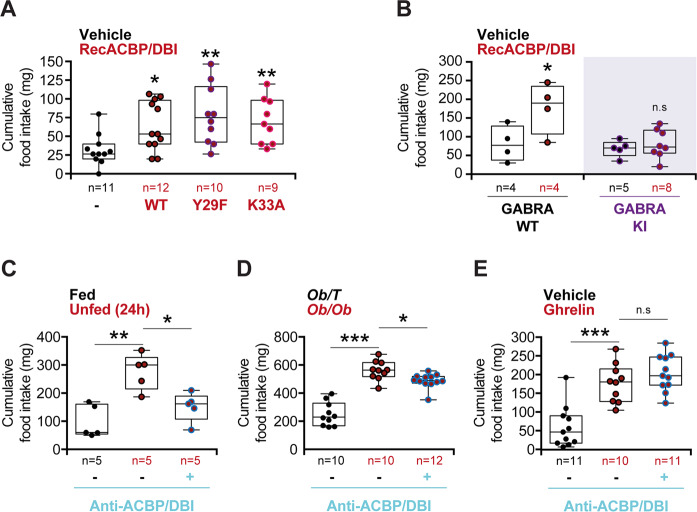
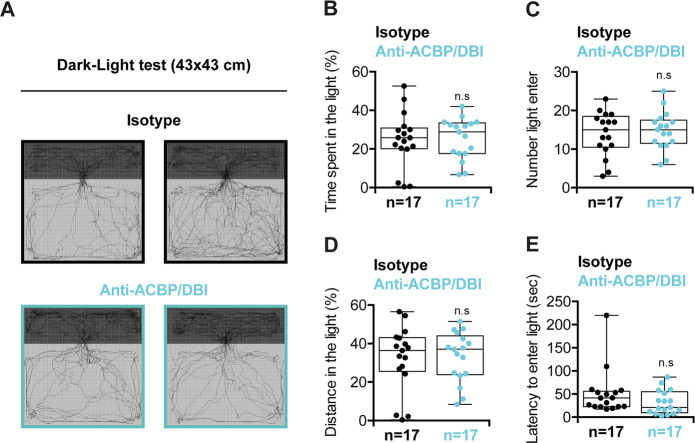
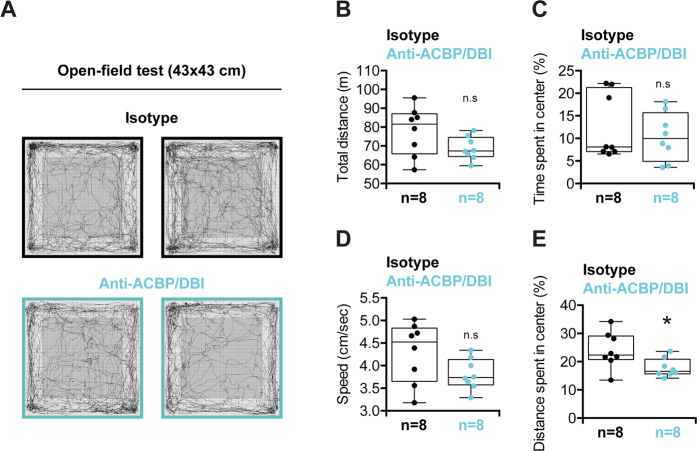
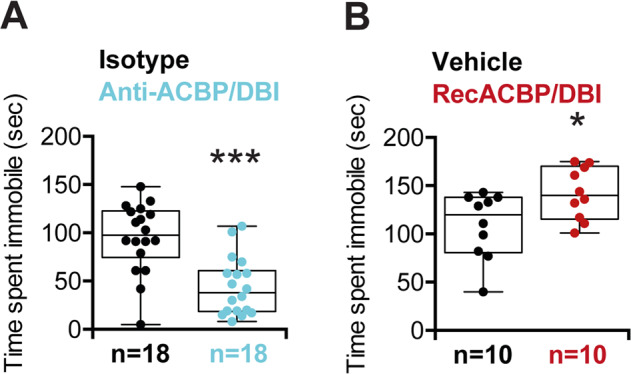
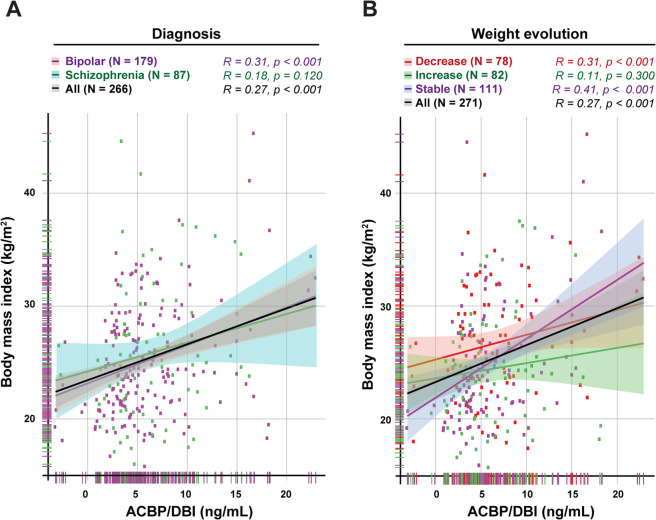
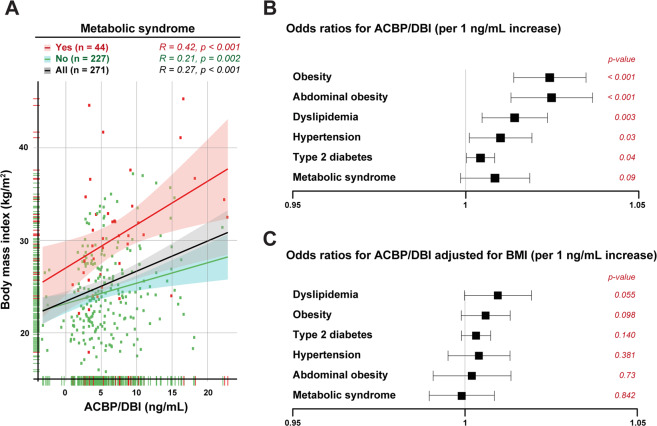
Acyl coenzyme A binding protein (ACBP), also known as diazepam binding inhibitor (DBI) is a multifunctional protein with an intracellular action (as ACBP), as well as with an extracellular role (as DBI). The plasma levels of soluble ACBP/DBI are elevated in human obesity and reduced in anorexia nervosa. Accumulating evidence indicates that genetic or antibody-mediated neutralization of ACBP/DBI has anorexigenic effects, thus inhibiting food intake and inducing lipo-catabolic reactions in mice. A number of anorexiants have been withdrawn from clinical development because of their side effects including an increase in depression and suicide. For this reason, we investigated the psychiatric impact of ACBP/DBI in mouse models and patient cohorts. Intravenously (i.v.) injected ACBP/DBI protein conserved its orexigenic function when the protein was mutated to abolish acyl coenzyme A binding, but lost its appetite-stimulatory effect in mice bearing a mutation in the γ2 subunit of the γ-aminobutyric acid (GABA) A receptor (GABA A R). ACBP/DBI neutralization by intraperitoneal (i.p.) injection of a specific mAb blunted excessive food intake in starved and leptin-deficient mice, but not in ghrelin-treated animals. Neither i.v. nor i.p. injected anti-ACBP/DBI antibody affected the behavior of mice in the dark–light box and open-field test. In contrast, ACBP/DBI increased immobility in the forced swim test, while anti-ACBP/DBI antibody counteracted this sign of depression. In patients diagnosed with therapy-resistant bipolar disorder or schizophrenia, ACBP/DBI similarly correlated with body mass index (BMI), not with the psychiatric diagnosis. Patients with high levels of ACBP/DBI were at risk of dyslipidemia and this effect was independent from BMI, as indicated by multivariate analysis. In summary, it appears that ACBP/DBI neutralization has no negative impact on mood and that human depression is not associated with alterations in ACBP/DBI concentrations.
Overview
The claims and statistics of this paper haven’t been checked yet.
Free: it reads the open-access text and checks the first 5 claims that cite a source we can check. Create a free account to check every claim.
Integrity signals
Registry
Cites
Statistics
Figures
Verification
Claims the paper makes
The claims and statistics of this paper haven’t been checked yet.
Free: it reads the open-access text and checks the first 5 claims that cite a source we can check. Create a free account to check every claim.
Claims other papers make about this one
Each is checked against this paper’s own text: does it say what the citing paper says it does?
In the citing paper
“and obesity is associated with increased plasma levels of autophagy‐inhibitory factors including DBI/ACBP, both in humans and in mice (Bravo‐San Pedro et al, 2019; Joseph et al, 2020).”
From Autophagy in major human diseases (2021) · cites this paper as Joseph et al, 2020
Self-check
Percentages, sums and reported differences re-computed from the paper’s own numbers.
The self-check needs the paper’s full text.
Citations
Cites
The metabolic syndrome—a new worldwide definition
Alberti, K. G. M., Zimmet, P., & Shaw, J. (2005) · The Lancet · doi:10.1016/s0140-6736(05)67402-8 · Cited by 9,352
Inflammation, metaflammation and immunometabolic disorders
Hotamisligil, G. S. (2017) · Nature · doi:10.1038/nature21363 · Cited by 2,570 · cited 1×
“Intriguingly, obesity is coupled to a state of chronic in fl ammation in which TNF α is elevated, contributing to the development of insulin-resistant (type-2) diabetes 5,6 .”
Setiawan, E., Wilson, A. A., Mizrahi, R., Rusjan, P. M., Miler, L., Rajkowska, G., Suridjan, I., Kennedy, J. L., Rekkas, P. V., Houle, S., et al. (2015) · JAMA Psychiatry · doi:10.1001/jamapsychiatry.2014.2427 · Cited by 939
Beyond classical benzodiazepines: novel therapeutic potential of GABAA receptor subtypes
Rudolph, U., & Knoflach, F. (2011) · Nature Reviews Drug Discovery · doi:10.1038/nrd3502 · Cited by 733
Guidotti, A., Forchetti, C. M., Corda, M. G., Konkel, D., Bennett, C. D., & Costa, E. (1983) · Proceedings of the National Academy of Sciences · doi:10.1073/pnas.80.11.3531 · Cited by 644 · cited 1×
“Intracerebroventricular administration of recombinant ACBP/DBI or that of ACBP/DBI-derived neuropeptides induces procon fl ict behavior 40 , stimulates anxiety 41 , and reduces food intake 42 , causing a loss in bodyweight in long-term experiments 43 .”
Animal Models of Depression: Molecular Perspectives
Krishnan, V., & Nestler, E. J. (2011) · Current Topics in Behavioral Neurosciences · doi:10.1007/7854_2010_108 · Cited by 528 · cited 2×
“Test based on the observation that rodents, after initial escape-oriented movements, develop an immobile posture when placed in an inescapable stressful situation 23 .”
Current pharmacotherapy for obesity
Srivastava, G., & Apovian, C. M. (2018) · Nature Reviews Endocrinology · doi:10.1038/nrendo.2017.122 · Cited by 397
Manjithaya, R., Anjard, C., Loomis, W. F., & Subramani, S. (2010) · Journal of Cell Biology · doi:10.1083/jcb.200911149 · Cited by 337 · cited 2×
“These fi ndings, combined with the fact that ACBP/DBI, an evolutionarily ancient gene/protein, can stimulate sporulation in unicellular yeast species 7,8 and in slime moldsan 9 , pharyngeal pumping in nematodes 8 , and mouse hook movement (the equivalent of mastication) in fl ies 10 let us to…”
Rudolph, U., & Möhler, H. (2014) · Annual Review of Pharmacology and Toxicology · doi:10.1146/annurev-pharmtox-011613-135947 · Cited by 319
The Open Field Test: reinventing the wheel
Stanford, S. C. (2007) · Journal of Psychopharmacology · doi:10.1177/0269881107073199 · Cited by 317 · cited 1×
“The open-fi eld test, which measures general locomotor activity levels, anxiety, and willingness to explore, is known to be sensitive to benzodiazepines 32 – 34 .”
Cited by
Autophagy in major human diseases
Klionsky, D. J., Petroni, G., Amaravadi, R. K., Baehrecke, E. H., Ballabio, A., Boya, P., Bravo‐San Pedro, J. M., Cadwell, K., Cecconi, F., Choi, A. M. K., et al. (2021) · The EMBO Journal · doi:10.15252/embj.2021108863 · Cited by 1,585
Self-citationMotiño, O., Lambertucci, F., Anagnostopoulos, G., Li, S., Nah, J., Castoldi, F., Senovilla, L., Montégut, L., Chen, H., Durand, S., et al. (2022) · Proceedings of the National Academy of Sciences · doi:10.1073/pnas.2207344119 · Cited by 51
Self-citationMontégut, L., Joseph, A., Chen, H., Abdellatif, M., Ruckenstuhl, C., Motiño, O., Lambertucci, F., Anagnostopoulos, G., Lachkar, S., Dichtinger, S., et al. (2023) · Aging Cell · doi:10.1111/acel.13751 · Cited by 46
“Indeed, in humans, ACBP/DBI concentrations in the plasma increase with age (Joseph et al., 2021), as well as with BMI (Joseph et al., 2021, 2020), which is a risk factor for accelerated aging (López- Otín et al., 2016; López- Otín & Kroemer, 2021).”
BackgroundSelf-citationOld Paradoxes and New Opportunities for Appetite Control in Obesity
Montégut, L., López-Otín, C., Magnan, C., & Kroemer, G. (2021) · Trends in Endocrinology and Metabolism · doi:10.1016/j.tem.2021.02.005 · Cited by 48
Self-citationAcyl coenzyme A binding protein ( ACBP ): An aging‐ and disease‐relevant “autophagy checkpoint”
Montégut, L., Abdellatif, M., Motiño, O., Madeo, F., Martins, I., Quesada, V., López-Otín, C., & Kroemer, G. (2023) · Aging Cell · doi:10.1111/acel.13910 · Cited by 49
Self-citationJoseph, A., Chen, H., Anagnostopoulos, G., Montégut, L., Lafarge, A., Motiño, O., Castedo, M., Maiuri, M. C., Clément, K., Terrisse, S. A., et al. (2021) · Cell Death and Disease · doi:10.1038/s41419-021-03864-9 · Cited by 47
Self-citationAbad, M. O. K., Masrournia, M., & Javid, A. (2023) · Microchemical Journal · doi:10.1016/j.microc.2023.109797 · Cited by 39
From benzodiazepines to fatty acids and beyond: revisiting the role of ACBP/DBI
Alquier, T., Christian, C. A., Alfonso, J., & Færgeman, N. J. (2021) · Trends in Endocrinology and Metabolism · doi:10.1016/j.tem.2021.08.009 · Cited by 40
“ACBP/DBI levels have been reported to be significantly elevated in severely obese individuals and conversely reduced in anorexic individuals, thus correlating positively with BMI [57, 90].”
BackgroundInfluentialMontégut, L., Liu, P., Zhao, L., Pérez-Lanzón, M., Chen, H., Mao, M., Zhang, S., Derosa, L., Naour, J. L., Lambertucci, F., et al. (2024) · Molecular Cancer · doi:10.1186/s12943-024-02098-5 · Cited by 32
Self-citationAn obesogenic feedforward loop involving PPARγ, acyl-CoA binding protein and GABAA receptor
Anagnostopoulos, G., Motiño, O., Li, S., Carbonnier, V., Chen, H., Sica, V., Durand, S., Bourgin, M., Aprahamian, F., Nirmalathasan, N., et al. (2022) · Cell Death and Disease · doi:10.1038/s41419-022-04834-5 · Cited by 28
“S5F–H) that confers resistance to HFD-induced obesity [10].”
BackgroundInfluentialSelf-citationThe missing hallmark of health: psychosocial adaptation
López-Otín, C., & Kroemer, G. (2024) · Cell Stress · doi:10.15698/cst2024.03.294 · Cited by 32
“…has neuroprotective effects but also increases susceptibility to social stress;[159]. diaze-pam-binding inhibitor, which stimulates central appetite centers but may also cause depression-like behavior [160]. and glucagon-like peptide-1, which induces satiety but may also attenuate depression [161].”
BackgroundSelf-citationPeripheral gating of mechanosensation by glial diazepam binding inhibitor
Li, X., Prudente, A. S., Prato, V., Guo, X., Hao, H., Jones, F., Figoli, S., Mullen, P. N., Wang, Y., Tonello, R., et al. (2024) · Journal of Clinical Investigation · doi:10.1172/jci176227 · Cited by 25
“Consistent with our results, recent research also revealed mal hypersensitivity in both SNI and CFA models, as did the DBI (K33A) mutant; this mutation dramatically reduces DBI’s affinity to acyl-CoA, which, in turn, is necessary for mitochondrial effects of DBI binding to TSPO (25, 56).”
Transcriptome signature changes in the liver of a migratory passerine
Frias-Soler, R. C., Kelsey, N. A., Pildaín, L. V., Wink, M., & Bairlein, F. (2022) · Genomics · doi:10.1016/j.ygeno.2022.110283 · Cited by 22
ACBP/DBI neutralization for the experimental treatment of fatty liver disease
Motiño, O., Lambertucci, F., Joseph, A., Durand, S., Anagnostopoulos, G., Li, S., Carbonnier, V., Nogueira-Recalde, U., Montégut, L., Chen, H., et al. (2024) · Cell Death and Differentiation · doi:10.1038/s41418-024-01410-6 · Cited by 18
Self-citationAcyl-CoA-binding protein as a driver of pathological aging
Montégut, L., Lambertucci, F., Moledo-Nodar, L., Fiuza‐Luces, C., Rodríguez-López, C., Rexach, J. A. S., Lachkar, S., Motiño, O., Abdellatif, M., Durand, S., et al. (2025) · Proceedings of the National Academy of Sciences · doi:10.1073/pnas.2501584122 · Cited by 20
Self-citationAcyl-CoA binding protein for the experimental treatment of anorexia
Chen, H., Moriceau, S., Joseph, A., Mailliet, F., Li, S., Tolle, V., Duriez, P., Dardennes, R. M., Durand, S., Carbonnier, V., et al. (2024) · Science Translational Medicine · doi:10.1126/scitranslmed.adl0715 · Cited by 18
Self-citationInhibition of acyl-CoA binding protein (ACBP) by means of a GABAARγ2-derived peptide
Anagnostopoulos, G., Saavedra, E., Lambertucci, F., Motiño, O., Dimitrov, J. D., Roiz‐Valle, D., Quesada, V., Alvarez-Valadez, K., Chen, H., Sauvat, A., et al. (2024) · Cell Death and Disease · doi:10.1038/s41419-024-06633-6 · Cited by 14
“Indeed, a mutated ACBP/DBI protein that loses its capacity to interact with acyl-CoA (and thus the intracellular function of the protein) is as ef fi cient as the unmutated ACBP/DBI in inducing appetite in mice [16].”
Self-citationPathogenic role of acyl coenzyme A binding protein (ACBP) in Cushing’s syndrome
Pan, H., Tian, A.-L., Chen, H., Xia, Y., Sauvat, A., Moriceau, S., Lambertucci, F., Motiño, O., Zhao, L., Liu, P., et al. (2024) · Nature Metabolism · doi:10.1038/s42255-024-01170-0 · Cited by 14
Self-citationImmunization of mice with the self-peptide ACBP coupled to keyhole limpet hemocyanin
Montégut, L., Chen, H., Pedro, J. M. B., Motiño, O., Martins, I., & Kroemer, G. (2022) · STAR Protocols · doi:10.1016/j.xpro.2021.101095 · Cited by 13
Self-citationZhang, Y., Ruan, L., Li, M., Lü, Y., Li, F., Xie, Y., Tang, J., Feng, Q., Chen, X.-Y., Ding, Y., et al. (2024) · Human Reproduction · doi:10.1093/humrep/deae091 · Cited by 14
Thomas, A. M., Asnicar, F., Kroemer, G., & Segata, N. (2021) · Applied and Environmental Microbiology · doi:10.1128/aem.00471-21 · Cited by 12
“Received 10 March 2021 Accepted 1 April 2021 Accepted manuscript posted online 9 April 2021 Published 26 May 2021 June 2021 Volume 87 Issue 12 e00471-21 Applied and Environmental Microbiology aem.asm.org 1 As an extracellular protein, ACBP/DBI binds to the peripheral benzodiazepine receptor (hence displacing the benzo…”
BackgroundInfluentialSelf-citationElevated plasma levels of the appetite-stimulator ACBP/DBI in fasting and obese subjects
Li, S., Joseph, A., Martins, I., & Kroemer, G. (2021) · Cell Stress · doi:10.15698/cst2021.07.252 · Cited by 13
“This latter effect involves GABA receptors of the A type (GABAAR) because mice bearing a point mutation (F77I) in the GABAAR 2 subunit that reduces ACBP/DBI binding [31] fail to increase food intake after ACBP/DBI injection [24].”
BackgroundSelf-citationNeutralization of acyl CoA binding protein (ACBP) for the experimental treatment of osteoarthritis
Nogueira-Recalde, U., Lambertucci, F., Montégut, L., Motiño, O., Chen, H., Lachkar, S., Anagnostopoulos, G., Stoll, G., Li, S., Carbonier, V., et al. (2025) · Cell Death and Differentiation · doi:10.1038/s41418-025-01474-y · Cited by 14
Self-citationAcyl‐ CoA ‐binding proteins: bridging long‐chain acyl‐ CoA metabolism to gene regulation
Wundersitz, A., Hoffmann, K. M. V., & van Dongen, J. T. (2025) · New Phytologist · doi:10.1111/nph.70142 · Cited by 8
Montégut, L., Rousseau, A., Ungolo, C., Derosa, L., Fidelle, M., Alves Costa Silva, C., Routy, B., Zitvogel, L., Besse, B., Pasolli, E., et al. (2025) · OncoImmunology · doi:10.1080/2162402x.2025.2528955 · Cited by 8
“…(such as an increase in body mass index, hyperglycemia, hyperinsulinemia, dyslipidemia, hypertension, and metabolism-associated steatohepatitis) 19–21 and actually precedes, in apparently still healthy individuals, the imminent advent of major cardiovascular events 20 and the diagnosis of…”
Self-citationLi, S., Mingoia, S., Montégut, L., Lambertucci, F., Chen, H., Dong, Y., Palma, F. D. E. D., Scuderi, S. A., Rong, Y., Carbonnier, V., et al. (2025) · Cell Death and Disease · doi:10.1038/s41419-025-07447-w · Cited by 12
“Cells were collected at 72h post-transfection for analysis.”
Self-citationLi, S., Motiño, O., Lambertucci, F., Pol, J. G., Chen, H., Pan, L., Durand, S., Rossin, F., Campani, C., Poupel, L., et al. (2025) · Cell Reports Medicine · doi:10.1016/j.xcrm.2025.102232 · Cited by 15
“21 Here, we used several methods to inhibit intracellular ACBP/DBI, namely, its knockdown in HCC cell lines and its tamoxifen-inducible knockout in mice, as well as methods to interfere with extracellular ACBP/DBI, namely, its antibody-mediated neutralization and the mutation of its receptor GABRG2.”
Self-citationSchürfeld, R., Sandner, B., Hoffmann, A., Klöting, N., Baratashvili, E., Nowicki, M., Paeschke, S., Kosacka, J., Kralisch, S., Bachmann, A., et al. (2023) · Frontiers in Endocrinology · doi:10.3389/fendo.2023.1152444 · Cited by 7
“ACBP has also been reported to positively correlate with BMI in human studies supporting its role as an obesogenic factor (8, 11, 12).”
BackgroundResultInfluentialZhang, M., Zhao, J., Ji, H., Tan, Y., Zhou, S., Sun, J., Ding, Y., & Li, X. (2025) · Translational Psychiatry · doi:10.1038/s41398-025-03299-2 · Cited by 8
“A recent animal experiment had demonstrated that neutralizing of ACBP/DBI resulted in an “ antidepressant ” effect [43].”
Rousseau, L., Salaün, C., Langlois, L. D., Achamrah, N., & Coëffier, M. (2025) · Clinical Nutrition · doi:10.1016/j.clnu.2025.07.002 · Cited by 7
Han, J., Ma, S., Wei, Q., Zhao, Z., Zhao, Y., Pu, Y., Zhao, Q., He, X., Ma, Y., MacHugh, D. E., et al. (2025) · iScience · doi:10.1016/j.isci.2025.113496 · Cited by 4
“24,25 26–28 In the primary in vitro ADSC cell model, both DBI and PPARGR exhibited a continuous increase in expression following adipogenic induction and displayed a positive mutual correlation (Figure 4F).”
Li, S., Lambertucci, F., Montégut, L., Martins, I., Pol, J. G., Piacentini, M., Maiuri, M. C., & Kroemer, G. (2025) · Cell Death and Disease · doi:10.1038/s41419-025-08148-0 · Cited by 3
“ACBP/DBI plasma concentrations increase with age and with body-mass index (BMI), as observed in several cohorts of apparently healthy adult individuals [31, 32, 34, 35].”
InfluentialSelf-citationRong, Y., Lambertucci, F., Yang, Y., Carbonnier, V., Chen, H., Dong, Y., Mingoia, S., Li, S., Motiño, O., Montégut, L., et al. (2026) · Cell Death and Differentiation · doi:10.1038/s41418-026-01775-w · Cited by 4
Self-citationOldham, D., Saviola, A. J., Álvarez, E., & Bruce, K. D. (2025) · IBRO Neuroscience Reports · doi:10.1016/j.ibneur.2025.08.020 · Cited by 3
Geisler, C. E., Chichura, K. S., Orativskyi, O., Hu, J., Belser, D. L., Pelletier, C. M., Borner, T., Baumer-Harrison, C., Jonghe, B. C. D., Crist, R. C., et al. (2025) · Science Translational Medicine · doi:10.1126/scitranslmed.adu6764 · Cited by 3
Nieto, Y. C., Pereira, A. G. F., Pedro, L. V.-S., Paredes, S. B., Pérez‐Cobas, A. E., Pérez-Lanzón, M., Durand, S., Moreno-Cruz, P., Manrique, L., Benítez‐Fernández, R., et al. (2026) · Nature Communications · doi:10.1038/s41467-025-66235-4 · Cited by 3
“Conversely,systemicadministrationof recombinant ACBP results in temporary hypoglycemia as glucose is redirected for lipid synthesis, increasing appetite 20,28 – 33 .”
Self-citationPeripheral gating of pain by glial endozepinePreprint
Li, X., Prudente, A. S., Prato, V., Guo, X., Hao, H., Jones, F., Figoli, S., Mullen, P. N., Wang, Y., Tonnello, R., et al. (2023) · bioRxiv (Cold Spring Harbor Laboratory) · doi:10.1101/2023.11.20.567848 · Cited by 2
“In these experiments DBI alleviated mechanical but not thermal hypersensitivity in both SNI and CFA models, as did the DBI(K33A) mutant; this mutation dramatically reduces DBI’s affinity to Acyl-CoA, which, in turn, is necessary for mitochondrial effects of DBI binding to TSPO ( 27, 47 ).”
BackgroundHepatic Expression of ACBP Is a Prognostic Marker for Weight Loss After Bariatric Surgery
Meyer, M., Gruber, P., Plattner, C., Enrich, B., Zollner, A., Jukic, A., Effenberger, M., Grander, C., Tilg, H., & Grabherr, F. (2025) · Biomolecules · doi:10.3390/biom15081173 · Cited by 1
“However, other studies, including one by Joseph et al., have shown that both tumor-associated malnutrition and voluntary weight loss (without invasive interventions) lead to an increase in serum ACBP/DBI [12,17].”
InfluentialReversal of Cushing syndrome by antibody-mediated neutralization of ACBP/DBI
Shen, Z., Pan, H., Deng, X., Kepp, O., Martins, I., & Kroemer, G. (2026) · Cell Stress · doi:10.15698/cst2026.01.314 · Cited by 1
“In this context, it is noteworthy that levels of ACBP/DBI, increase with age in humans [31,32], particularly preceding or during the onset of age-related diseases [7,33–35].”
Self-citationCirculating acyl-CoA-binding protein/diazepam-binding inhibitor in gestational diabetes mellitus
Schürfeld, R., Baratashvili, E., Würfel, M., Blüher, M., Stümvoll, M., Tönjes, A., & Ebert, T. (2023) · Reproductive Biology and Endocrinology · doi:10.1186/s12958-023-01152-z · Cited by 3
“In further correlation analyses, ACBP and BMI in the cohort during pregnancy, as well as in the post-partum cohort, are not associated, which contrasts earlier studies [9, 12, 13].”
BackgroundResultInfluentialXiong, L., Pei, J., Yao, X., Wu, X., Kalwar, Q., Yan, P., & Guo, X. (2020) · Research Square · doi:10.21203/rs.3.rs-80065/v1
“Joseph A, Moriceau S, Sica V, Anagnostopoulos G, Pol J, Martins I, Lafarge A, Maiur MC, Leboyer M, Loftus J, Bellivier F, Belzeaux R. Metabolic and psychiatric effects of acyl coenzyme A binding protein (ACBP)/diazepam binding inhibitor (DBI).”
BackgroundInfluentialKang, Q., Wu, Y., Jiang, K., Yao, Q., Li, J., Li, Y., Tang, N., Zhang, X., & Li, Z. (2025) · International Journal of Biological Macromolecules · doi:10.1016/j.ijbiomac.2025.141280 · Cited by 1
Pan-organ poly(A) atlas reveals a post-transcriptional regulatory layer independent of RNA abundance
Lei, H., Long, Y., Wu, S., Wang, X. E., Peng, Y., Liu, Z., Lu, W., Shu, Y., Zhu, H., Zou, M., et al. (2026) · Nature Communications · doi:10.1038/s41467-026-71703-6
“For instance, the isoforms Dbi ( ENSMUST00000027634 ), an acyl-CoA binding protein that promotes fatty acid oxidation 26 , and Txn1 ( ENSMUST00000030051 ), a key antioxidant protein that counteracts the resulting oxidative stress 27 , exhibit divergent expression patterns (residing in…”
Metadata
- Authors
- Joseph, A., Moriceau, S., Sica, V., Anagnostopoulos, G., Pol, J., Martins, I., Lafarge, A., Maiuri, M. C., Leboyer, M., Loftus, J., Bellivier, F., Belzeaux, R., Berna, F., Etain, B., Capdevielle, D., Courtet, P., Dubertret, C., Dubreucq, J., Thierry, D. A., Fond, G., Gard, S., Llorca, P.-M., Mallet, J., Misdrahi, D., Olié, E., Passerieux, C., Polosan, M., Roux, P., Samalin, L., Schürhoff, F., Schwan, R., the FACE-SZ and FACE-BD (FondaMental Academic Centers of Expertise, F. S. A. F. B. D. G., Magnan, C., Oury, F., Bravo-San Pedro, J. M., & Kroemer, G.
- Affiliations
- Inserm (FR)
- Hôpital Necker-Enfants Malades (FR)
- Fondation FondaMental (FR)
- Aix-Marseille Université (FR)
- Université Clermont Auvergne (FR)
- Karolinska University Hospital (SE)
- Corresponding author
- Kroemer, Guido
- ORCID
- Joseph, Adrien
- Moriceau, Stéphanie
- Sica, Valentina
- Anagnostopoulos, Gerasimos
- Pol, Jonathan
- Martins, Isabelle
- Lafarge, Antoine
- Maiuri, Maria Chiara
- Leboyer, Marion
- Bellivier, Frank
- Berna, Fabrice
- Capdevielle, Delphine
- Courtet, Philippe
- Dubertret, Caroline
- Dubreucq, Julien
- Fond, Guillaume
- Llorca, Pierre-Michel
- Mallet, Jasmina
- Misdrahi, David
- Passerieux, Christine
- Polosan, Mircea
- Roux, Paul
- Samalin, Ludovic
- Schürhoff, Franck
- Oury, Franck
- Kroemer, Guido
- Venue
- Cell Death & Disease
- Published
- 2020-07-06
- Volume
- 11
- Issue
- 7
- Pages
- 502-502
- ISSN
- 2041-4889 (ISSN-L)
- PMC
- PMC7338362
- OpenAlex
- W3038745725
- Cited by
- 44
- References
- 46
- Citations by year
- 2026: 4 · 2025: 14 · 2024: 9 · 2023: 5 · 2022: 5 · 2021: 6 · 2020: 1
- FWCI
- 2.18
- Type
- journal article
- Language
- en
- Open access
- gold
- doi.org
- Licence
- cc-by
- creativecommons.org/licenses/by/4.0 (tdm)
- creativecommons.org/licenses/by/4.0 (vor)
- Locations
- Cell Death and Disease (publishedVersion, cc-by)
- PubMed Central (publishedVersion, cc-by)
- PubMed (publishedVersion)
- HAL (submittedVersion, cc-by)
- Funders
- Association pour la Recherche sur le Cancer (ANR-18-IDEX-0001)
- Seerave Foundation
- E-Rare
- Fondation FondaMental
- European Commission (HORIZON2020)
- Agence Nationale de la Recherche (ANR-17-CE14-0030, UMS3655, ANR-10-COHO-0010, ANR18, ANR-19-CE14-0004, E-Rare-2, ANR-16-RHUS-0008, ANR-18-IDEX-0001)
- Fondation Leducq
- Institut National de la Santé et de la Recherche Médicale (ANR-18-IDEX-0001)
- Fondation pour la Recherche Médicale
- Ligue Contre le Cancer
- Centre National de la Recherche Scientifique (#ANR-18-IDEX-0001, UMS3655)
- Institut Universitaire de France (ANR-18-IDEX-0001)
- Institut National Du Cancer (#ANR-18-IDEX-0001)
- Institut Gustave-Roussy (UMS3655)
- European Research Area Network on Cardiovascular Diseases
- High-end Foreign Experts Recruitment Plan of China (GDW20171100085)
- Labex Immuno-Oncology ((ANR-18-IDEX-0001))
- Topics
- Life Sciences › Neuroscience › Endocrine and Autonomic Systems › Regulation of Appetite and Obesity
- Social Sciences › Psychology › Clinical Psychology › Eating Disorders and Behaviors
- Health Sciences › Medicine › Pharmacology (medical) › Pharmacology and Obesity Treatment
- Keywords
- diazepam binding inhibitor, appetite regulation, dietary intake, obesity, anorexia nervosa, depression, forced swim test, GABAA receptor, leptin, ghrelin, dyslipidemia, body mass index, bipolar disorder, schizophrenia
- MeSH terms
- Animals, Appetite, Behavior, Animal, Mental Disorders, Darkness, Feeding Behavior, Immobilization, Male, Mice, Inbred C57BL, Receptors, GABA-A, Swimming, Body Mass Index, Metabolic Syndrome, Diazepam Binding Inhibitor
About these checks
Registry, retraction, Cites and statistics results are computed, not judged, with one exception: a printed reference that no index lists is read once by a model before it counts as a citation error. Claims are extracted by a model and kept only when their quote appears verbatim in the text; each cited source is then checked, with a model’s help, for whether it says what the claim relies on. Those verdicts can be wrong — read the claim’s quote and the cited source before relying on one.
Statistics and arithmetic are recomputed, not judged.
Confidence bands are shown only for fields calibrated on our annotated test set. None is calibrated yet, so no band is shown.
What counts as a claim ›How we measure confidence ›How we check this ›
Are you an author, or do you see a problem with this page? Request a review
Data sources
Bibliographic data: Semantic Scholar, OpenAlex, Crossref.
Contains information from the Semantic Scholar Academic Graph Datasets, made available under the ODC Attribution License (ODC-BY 1.0).
Semantic Scholar’s data is described in: Kinney, R., et al. (2023). The Semantic Scholar Open Data Platform. arXiv:2301.10140.
