

Cetuximab promotes RSL3-induced ferroptosis by suppressing the Nrf2/HO-1 signalling pathway in KRAS mutant colorectal cancer
Open accessThe DOI matches its Crossref record; 52 of the 52 references it cites were found in a registry or an index.
Abstract
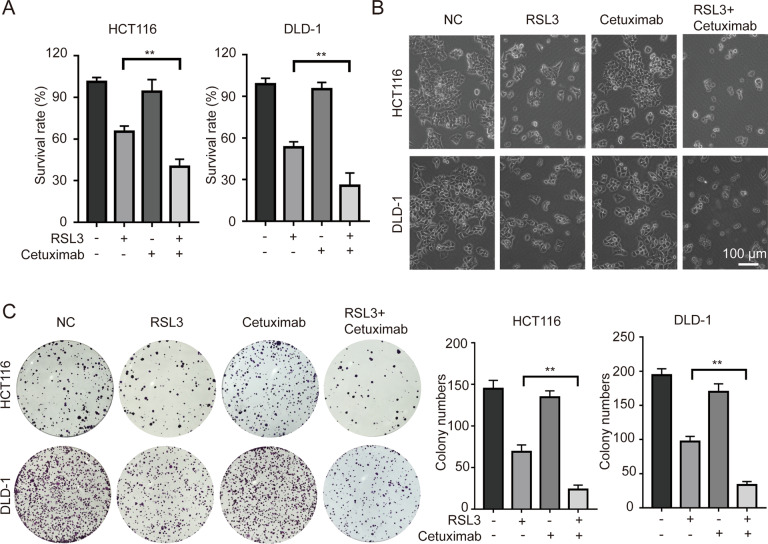
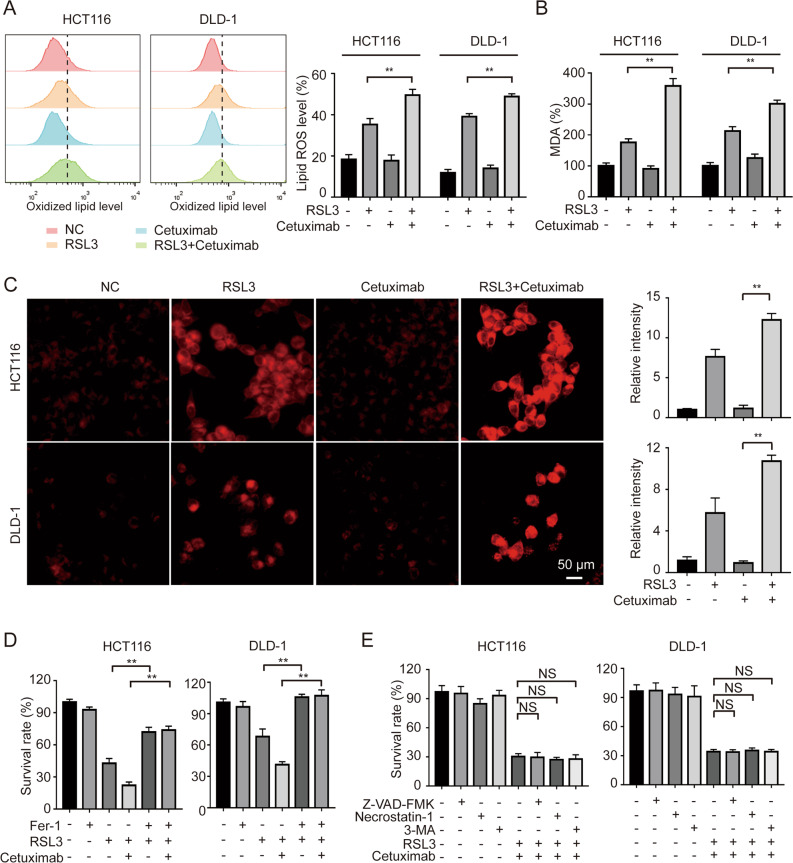
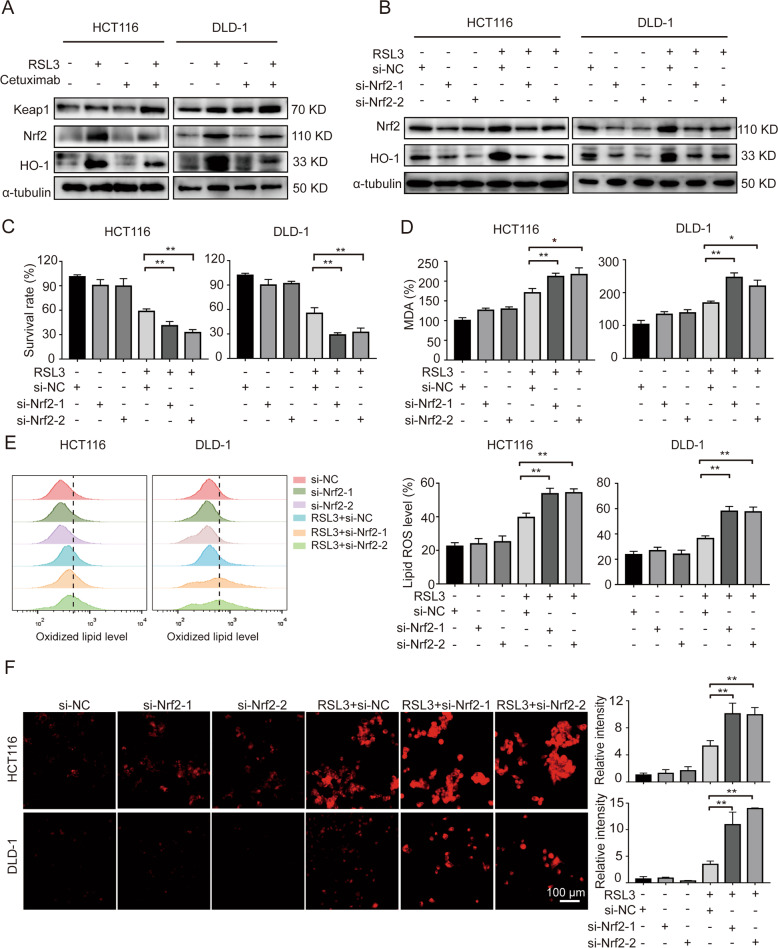
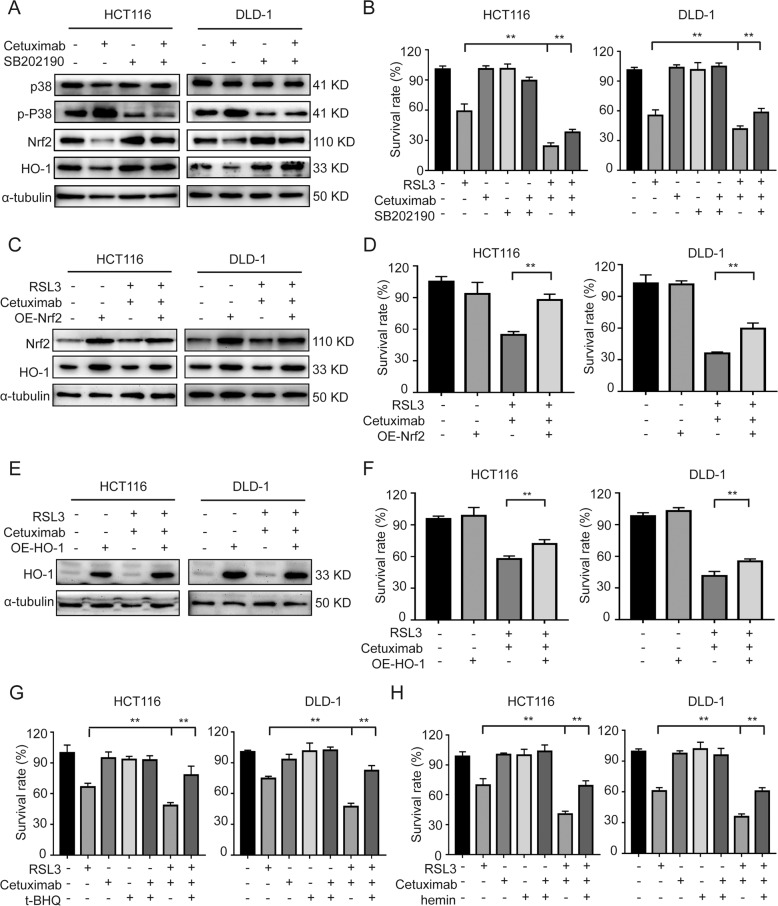
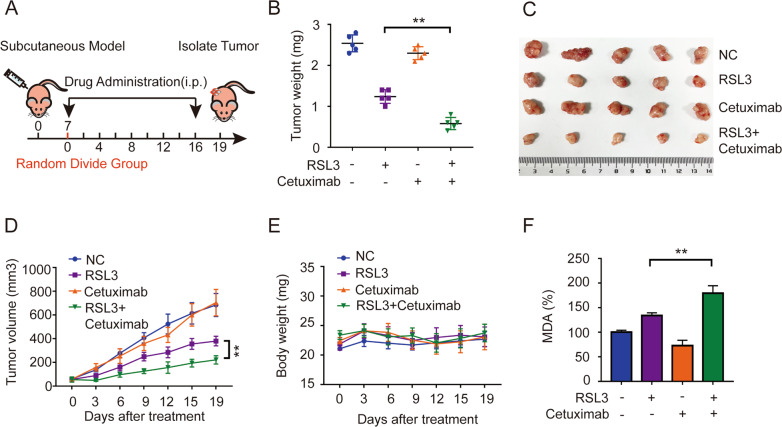
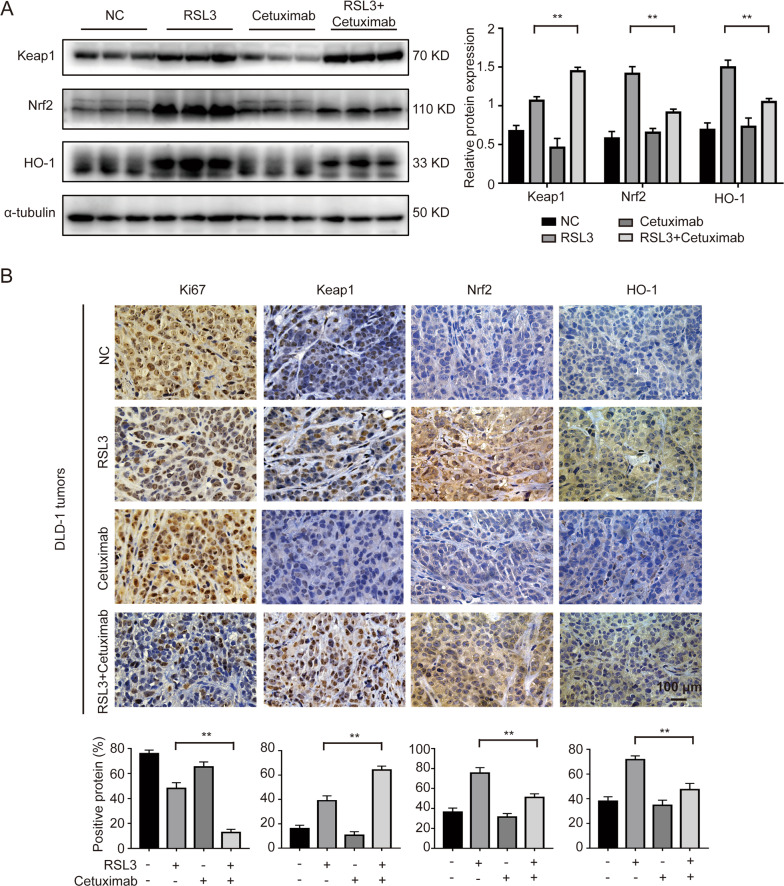
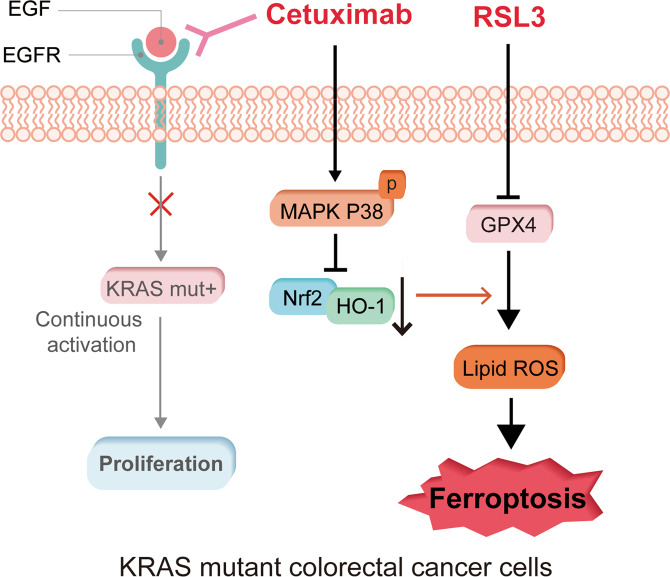
Cetuximab is approved for the treatment of metastatic colorectal cancer (mCRC) with RAS wild-type. Nevertheless, the prognosis remains poor and the effectiveness of cetuximab is limited in KRAS mutant mCRC. Recently, emerging evidence has shown that ferroptosis, a newly discovered form of nonapoptotic cell death, is closely related to KRAS mutant cells. Here, we further investigated whether cetuximab-mediated regulation of p38/Nrf2/HO-1 promotes RSL3-induced ferroptosis and plays a pivotal role in overcoming drug resistance in KRAS mutant colorectal cancer (CRC). In our research, we used two KRAS mutant CRC cell lines, HCT116 and DLD-1, as models of intrinsic resistance to cetuximab. The viability of cells treated with the combination of RSL3 and cetuximab was assessed by the CCK-8 and colony formation assays. The effective of cetuximab to promote RSL3-induced ferroptosis was investigated by evaluating lipid reactive oxygen species accumulation and the expression of the malondialdehyde and the intracellular iron assay. Cetuximab therapy contributed to regulating the p38/Nrf2/HO-1 axis, as determined by western blotting and transfection with small interfering RNAs. Cetuximab promoted RSL3-induced ferroptosis by inhibiting the Nrf2/HO-1 in KRAS mutant CRC cells, and this was further demonstrated in a xenograft nude mouse model. Our work reveals that cetuximab enhances the cytotoxic effect of RSL3 on KRAS mutant CRC cells and that cetuximab enhances RSL3-induced ferroptosis by inhibiting the Nrf2/HO-1 axis through the activation of p38 MAPK.
Overview
The claims and statistics of this paper haven’t been checked yet.
Free: it reads the open-access text and checks the first 5 claims that cite a source we can check. Create a free account to check every claim.
Integrity signals
Registry
Cites
Statistics
Figures
Verification
Claims the paper makes
The claims and statistics of this paper haven’t been checked yet.
Free: it reads the open-access text and checks the first 5 claims that cite a source we can check. Create a free account to check every claim.
Claims other papers make about this one
Each is checked against this paper’s own text: does it say what the citing paper says it does?
In the citing paper
“In KRAS mutant CRC cell lines and mouse CRC models, cetuximab promotes RSL3-induced ferroptosis by activating P38 MAPK to inhibit Nrf2/HO-1 signaling pathway [287].”
From Drug Resistance in Colorectal Cancer: From Mechanism to Clinic (2022) · cites this paper as [287]
Self-check
Percentages, sums and reported differences re-computed from the paper’s own numbers.
The self-check needs the paper’s full text.
Citations
Cites
Siegel, R. L., Miller, K. D., & Jemal, A. (2020) · CA: A Cancer Journal for Clinicians · doi:10.3322/caac.21590 · Cited by 20,444
Ferroptosis: An Iron-Dependent Form of Nonapoptotic Cell Death
Dixon, S. J., Lemberg, K. M., Lamprecht, M. R., Skouta, R., Zaitsev, E. M., Gleason, C. E., Patel, D. N., Bauer, A. J., Cantley, A. M., Yang, W. S., et al. (2012) · Cell · doi:10.1016/j.cell.2012.03.042 · Cited by 18,691 · cited 3×
“Ferroptosis is characterized by irondependent accumulation [9].”
InfluentialCancer statistics for the year 2020: An overview
Ferlay, J., Colombet, M., Soerjomataram, I., Parkin, D. M., Piñeros, M., Znaor, A., & Bray, F. (2021) · International Journal of Cancer · doi:10.1002/ijc.33588 · Cited by 5,689 · cited 1×
“INTRODUCTION Colorectal cancer (CRC) is the third most deadly cancer in the world [1, 2].”
BackgroundWild-Type KRAS Is Required for Panitumumab Efficacy in Patients With Metastatic Colorectal Cancer
Amado, R. G., Wolf, M., Peeters, M., Van Cutsem, E., Siena, S., Freeman, D. J., Juan, T., Sikorski, R., Suggs, S., Radinsky, R., et al. (2008) · Journal of Clinical Oncology · doi:10.1200/jco.2007.14.7116 · Cited by 3,207 · cited 1×
“Treatment with cetuximab is ineffective in CRC patients with KRAS mutations [6, 7].”
BackgroundBroadening horizons: the role of ferroptosis in cancer
Chen, X., Kang, R., Kroemer, G., & Tang, D. (2021) · Nature Reviews Clinical Oncology · doi:10.1038/s41571-020-00462-0 · Cited by 2,897 · cited 1×
“RAS-selective lethal 3 (RSL3), a small molecule, can kill RAS mutant cancer cells [10] and activate irondependent, nonapoptotic cell death of RAS mutant cancer cells [11].”
BackgroundNRF2 plays a critical role in mitigating lipid peroxidation and ferroptosis
Dodson, M., Castro-Portuguez, R., & Zhang, D. D. (2019) · Redox Biology · doi:10.1016/j.redox.2019.101107 · Cited by 2,435 · cited 1×
“Nuclear factor erythroid 2-related factor 2 (Nrf2), a dominant regulator of antioxidant transcription factors, prevents lipid peroxidation [13] and ferroptosis by increasing the transcription of multiple cytoprotective enzymes, such as haem oxygenase-1 (HO-1) [14].”
BackgroundYang, W. S., & Stockwell, B. R. (2008) · Chemistry & Biology · doi:10.1016/j.chembiol.2008.02.010 · Cited by 1,876 · cited 1×
“RAS-selective lethal 3 (RSL3), a small molecule, can kill RAS mutant cancer cells [10] and activate irondependent, nonapoptotic cell death of RAS mutant cancer cells [11].”
BackgroundFerroptosis is a type of autophagy-dependent cell death
Zhou, B., Liu, J., Kang, R., Klionsky, D. J., Kroemer, G., & Tang, D. (2020) · Seminars in Cancer Biology · doi:10.1016/j.semcancer.2019.03.002 · Cited by 1,061 · cited 1×
“Cetuximab enhances RSL3-induced ferroptosis in KRAS mutant CRC cells RSL3 is a potent ferroptosis activator [20].”
BackgroundThe development of the concept of ferroptosis
Hirschhorn, T., & Stockwell, B. R. (2019) · Free Radical Biology and Medicine · doi:10.1016/j.freeradbiomed.2018.09.043 · Cited by 1,052 · cited 1×
“Ferroptosis is a newly discovered form of nonapoptotic cell death that is triggered via iron-dependent lipid peroxidation [8].”
BackgroundMetallothionein‐1G facilitates sorafenib resistance through inhibition of ferroptosis
Sun, X., Niu, X., Chen, R., He, W., Chen, D., Kang, R., & Tang, D. (2016) · Hepatology · doi:10.1002/hep.28574 · Cited by 703 · cited 1×
“Upregulation of MT-1G expression protects hepatocellular carcinoma cells from the effect of sorafenib and promotes cancer progression by inhibiting ferroptosis [36].”
BackgroundLipoxygenase‐mediated generation of lipid peroxides enhances ferroptosis induced by erastin and RSL3
Shintoku, R., Takigawa, Y., Yamada, K., Kubota, C., Yoshimoto, Y., Takeuchi, T., Koshiishi, I., & Torii, S. (2017) · Cancer Science · doi:10.1111/cas.13380 · Cited by 447 · cited 1×
“RSL3 is a potent ferroptosis-triggering agent that directly inhibits GPX4, which can promote ferroptosis, including CRC cells [12].”
BackgroundSato, M., Kusumi, R., Hamashima, S., Kobayashi, S., Sasaki, S., Komiyama, Y., Izumikawa, T., Conrad, M., Bannai, S., & Sato, H. (2018) · Scientific Reports · doi:10.1038/s41598-018-19213-4 · Cited by 403 · cited 1×
“Short-treatment of erastin significantly increases the cytotoxic effects of cisplatin [37].”
BackgroundChen, P., Li, X., Zhang, R., Liu, S., Xiang, Y., Zhang, M., Chen, X., Pan, T., Yan, L., Feng, J., et al. (2020) · Theranostics · doi:10.7150/thno.44705 · Cited by 403 · cited 2×
“The the results were analyzed with FlowJo V10 software [39].”
BackgroundMethodMa, H., Wang, X., Zhang, W., Li, H., Zhao, W., Sun, J., & Yang, M. (2020) · Oxidative Medicine and Cellular Longevity · doi:10.1155/2020/9067610 · Cited by 392
Yao, P., Nussler, A., Liu, L., Hao, L., Song, F., Schirmeier, A., & Nussler, N. (2007) · Journal of Hepatology · doi:10.1016/j.jhep.2007.02.008 · Cited by 370 · cited 11×
“Cetuximab activates p38 MAPK and regulates the Nrf2/HO-1 axis p38 MAPK has been reported to regulate antioxidant enzymes expression, including Nrf2 and HO-1 [22].”
BackgroundInfluentialLou, J.-S., Zhao, L.-P., Huang, Z.-H., Chen, X.-Y., Xu, J.-T., TAI, W. C.-S., Tsim, K. W. K., Chen, Y.-T., & Xie, T. (2021) · Phytomedicine · doi:10.1016/j.phymed.2020.153370 · Cited by 346
Serebriiskii, I. G., Connelly, C., Frampton, G., Newberg, J., Cooke, M., Miller, V., Ali, S., Ross, J. S., Handorf, E., Arora, S., et al. (2019) · Nature Communications · doi:10.1038/s41467-019-11530-0 · Cited by 215 · cited 1×
“However, KRAS mutations are seen in 36–46% of CRC cases, and they do not benefit from cetuximab treatment [4, 5].”
BackgroundCysteine Sulfenylation Directs IRE-1 to Activate the SKN-1/Nrf2 Antioxidant Response
Hourihan, J. M., Moronetti Mazzeo, L. E., Fernández-Cárdenas, L. P., & Blackwell, T. K. (2016) · Molecular Cell · doi:10.1016/j.molcel.2016.07.019 · Cited by 204 · cited 1×
“p38 MAPK is the upstream molecule of Nrf2 [43, 44].”
BackgroundSun, J., Zhou, C., Zhao, Y., Zhang, X., Chen, W., Zhou, Q., Hu, B., Gao, D., Raatz, L., Wang, Z., et al. (2021) · Redox Biology · doi:10.1016/j.redox.2021.101942 · Cited by 189 · cited 1×
“Ferroptosis can be alleviated potently via Nrf2/HO-1 axis activation through the abolishment of lipid oxidation [15, 16].”
BackgroundYang, C., Zhang, Y., Lin, S., Liu, Y., & Li, W. (2021) · Aging · doi:10.18632/aging.202774 · Cited by 174
Nrf2 protects against seawater drowning-induced acute lung injury via inhibiting ferroptosis
Qiu, Y.-B., Wan, B.-B., Liu, G., Wu, Y., Chen, D., Lu, M., Chen, J., Yu, R., Chen, D., & Pang, Q. (2020) · Respiratory Research · doi:10.1186/s12931-020-01500-2 · Cited by 170 · cited 1×
“Ferroptosis can be alleviated potently via Nrf2/HO-1 axis activation through the abolishment of lipid oxidation [15, 16].”
BackgroundSuto, T., Yokobori, T., Yajima, R., Morita, H., Fujii, T., Yamaguchi, S., Altan, B., Tsutsumi, S., Asao, T., & Kuwano, H. (2015) · Carcinogenesis · doi:10.1093/carcin/bgu242 · Cited by 125 · cited 1×
“confirmed that miR-7 regulates the sensitive of cetuximab by inhibiting EGFR signalling in KRAS mutant CRC cells [31].”
BackgroundNitric oxide induces heme oxygenase-1 via mitogen-activated protein kinases ERK and p38.
Chen, K., & Maines, M. D. (2000) · PubMed · Cited by 116
Integrated approaches for precision oncology in colorectal cancer: The more you know, the better
Andrei, P., Battuello, P., Grasso, G., Rovera, E., Tesio, N., & Bardelli, A. (2022) · Seminars in Cancer Biology · doi:10.1016/j.semcancer.2021.04.007 · Cited by 113
Mutant KRAS triggers functional reprogramming of tumor-associated macrophages in colorectal cancer
Liu, H., Liang, Z., Zhou, C., Zeng, Z., Wang, F., Hu, T., He, X., Wu, X., Wu, X., & Lan, P. (2021) · Signal Transduction and Targeted Therapy · doi:10.1038/s41392-021-00534-2 · Cited by 112
Li, B., Qi, Z., He, D.-L., Chen, Z., Liu, J.-Y., Wong, M.-W., Zhang, J., Xu, E., Shi, Q., Cai, S., et al. (2021) · Journal of Experimental & Clinical Cancer Research · doi:10.1186/s13046-021-01920-y · Cited by 105
Troiani, T., Napolitano, S., Vitagliano, D., Morgillo, F., Capasso, A., Sforza, V., Nappi, A., Ciardiello, D., Ciardiello, F., & Martinelli, E. (2014) · Clinical Cancer Research · doi:10.1158/1078-0432.ccr-13-2181 · Cited by 104 · cited 2×
“Napolitano [32] and Troiani [33] et al. showed that cotreatment with cetuximab and regorafenib induced synergistic antiproliferative and apoptotic effects to overcome resistance to cetuximab by inhibiting MAPK and AKT pathways.”
Yang, Y., Cai, X., Yang, J., Sun, X., Hu, C., Yan, Z., Xu, X., Lu, W., Wang, X., & Cao, P. (2014) · Molecular Cancer · doi:10.1186/1476-4598-13-48 · Cited by 101 · cited 1×
“p38 MAPK is the upstream molecule of Nrf2 [43, 44].”
BackgroundSelf-citationZeng, Y., Hu, Q., Zhuo, Q., Zhu, Y., Fan, G., Liu, M., Sun, Q., Zhang, Z., Liu, W., Xu, W., et al. (2020) · PubMed Central · Cited by 98
Andrographolide induces Nrf2 and heme oxygenase 1 in astrocytes by activating p38 MAPK and ERK
Wong, S. Y., Tan, M. G. K., Wong, P. T. ‐., Herr, D. R., & Lai, M. K. P. (2016) · Journal of Neuroinflammation · doi:10.1186/s12974-016-0723-3 · Cited by 86 · cited 1×
“Previous studies have shown that nitric oxide induces HO-1 expression in HeLa cells [45] and that andrographolide induces Nrf2 and HO-1 expression in astrocytes [46], partly via p38 MAPK.”
BackgroundLorenzato, A., Magrì, A., Matafora, V., Audrito, V., Arcella, P., Lazzari, L., Montone, M., Lamba, S., Deaglio, S., Siena, S., et al. (2020) · Cancers · doi:10.3390/cancers12030685 · Cited by 81 · cited 1×
“For example, it has been reported that vitamin C can lead to ferroptosis, and co-treatment with vitamin C and cetuximab could restrain the emergence of acquired resistance to cetuximab in RAS/BRAF wild-type CRC [35].”
BackgroundPanitumumab in Patients with KRAS Wild-Type Colorectal Cancer after Progression on Cetuximab
Wadlow, R. C., Hezel, A. F., Abrams, T. A., Blaszkowsky, L. S., Fuchs, C. S., Kulke, M. H., Kwak, E. L., Meyerhardt, J. A., Ryan, D. P., Szymonifka, J., et al. (2012) · The Oncologist · doi:10.1634/theoncologist.2011-0452 · Cited by 80 · cited 1×
“Treatment with cetuximab is ineffective in CRC patients with KRAS mutations [6, 7].”
BackgroundYe, J., Jiang, X., Dong, Z., Hu, S., & Xiao, M. (2019) · Cancer Management and Research · doi:10.2147/cmar.s217944 · Cited by 80 · cited 1×
“The combination of a low concentration of paclitaxel and RSL3 induces ferroptosis in mutant p53 hypopharyngeal squamous cell carcinoma [38].”
BackgroundDecreased Plasma beta-Carotene Levels in Women With Uterine Cervical Dysplasias and Cancer
PALAN, P., Romney, S. L., MIKHAIL, M., BASU, J., & Vermund, S. H. (1988) · JNCI Journal of the National Cancer Institute · doi:10.1093/jnci/80.6.454 · Cited by 75
Li, T. X., & Hu, S. (2023) · Elsevier eBooks · doi:10.1016/b978-0-12-821584-5.00014-6 · Cited by 73
Napolitano, S., Martini, G., Rinaldi, B., Martinelli, E., Donniacuo, M., Berrino, L., Vitagliano, D., Morgillo, F., Barra, G., De Palma, R., et al. (2015) · Clinical Cancer Research · doi:10.1158/1078-0432.ccr-15-0020 · Cited by 72 · cited 1×
“Napolitano [32] and Troiani [33] et al.”
Modification of platinum sensitivity by KEAP1/NRF2 signals in non-small cell lung cancer
Tian, Y., Wu, K., Liu, Q., Han, N., Zhang, L., Chu, Q., & Chen, Y. (2016) · Journal of Hematology & Oncology · doi:10.1186/s13045-016-0311-0 · Cited by 63 · cited 1×
“accumulation, nuclear translocation, and activate the transcription of target gene including HO-1 [21].”
BackgroundDihydroartemisinin-Loaded Magnetic Nanoparticles for Enhanced Chemodynamic Therapy
Guo, S., Yao, X., Jiang, Q., Wang, K., Zhang, Y., Peng, H., Tang, J., & Yang, W. (2020) · Frontiers in Pharmacology · doi:10.3389/fphar.2020.00226 · Cited by 62 · cited 3×
“Intracellular iron levels were assessed by using FerroOrange (Dojindo, Japan) [49].”
MethodInfluentialMarzi, L., Combes, E., Vié, N., Ayrolles-Torro, A., Tosi, D., Desigaud, D., Perez-Gracia, E., Larbouret, C., Montagut, C., Iglesias, M., et al. (2016) · British Journal of Cancer · doi:10.1038/bjc.2016.313 · Cited by 53 · cited 1×
“p38 mitogen-activated protein kinase (p38 MAPK) can be activated by cetuximab [17], and p38 MAPK has been confirmed to be involved in the regulation of Nrf2/HO-1 [18, 19].”
BackgroundJeong, Y., Park, J., Kim, D., & Kim, H.-S. (2016) · Biomolecules & Therapeutics · doi:10.4062/biomolther.2016.141 · Cited by 52 · cited 1×
“In addition, p38 MAPK plays an important role in regulating the expression of Nrf2/HO-1 in brain astrocytes [47].”
BackgroundNoordhof, A. L., Damhuis, R. A. M., Hendriks, L. E. L., Langen, A. J. D., Timens, W., Venmans, B. J. W., & van Geffen, W. H. (2021) · Lung Cancer · doi:10.1016/j.lungcan.2021.04.001 · Cited by 46
The Mir181ab1 cluster promotes KRAS-driven oncogenesis and progression in lung and pancreas
Valencia, K., Erice, O., Kostyrko, K., Hausmann, S., Guruceaga, E., Tathireddy, A., Flores, N. M., Sayles, L. C., Lee, A. G., Fragoso, R., et al. (2020) · Journal of Clinical Investigation · doi:10.1172/jci129012 · Cited by 46
RAS as a positive predictive biomarker: focus on lung and colorectal cancer patients
Malapelle, U., Passiglia, F., Cremolini, C., Reale, M. L., Pepe, F., Pisapia, P., Avallone, A., Cortinovis, D. L., Stefano, A. D., Fassan, M., et al. (2021) · European Journal of Cancer · doi:10.1016/j.ejca.2021.01.015 · Cited by 44 · cited 1×
“KRAS mutant CRC cells have been reported that it could promote tumour progression and induce resistance to cetuximab therapy [28]; however, there is no effective treatment to specifically treat cancers expressing KRAS mutations [29, 30].”
BackgroundMLH1 Deficiency Induces Cetuximab Resistance in Colon Cancer via Her‐2/PI3K/AKT Signaling
Han, Y., Peng, Y., Fu, Y., Cai, C., Guo, C., Liu, S., Li, Y., Chen, Y., Shen, E., Long, K., et al. (2020) · Advanced Science · doi:10.1002/advs.202000112 · Cited by 34 · cited 1×
“demonstrated that high expression of MLH1 increase cetuximab sensitivity by blocking HER-2 signalling [34].”
BackgroundLiu, X., Yuan, X., Liang, G., Zhang, S., Zhang, G., Qin, Y. H., Zhu, Q., Xiao, Q., Hou, N., & Luo, J. (2020) · Free Radical Biology and Medicine · doi:10.1016/j.freeradbiomed.2020.09.012 · Cited by 32 · cited 1×
“Nuclear factor erythroid 2-related factor 2 (Nrf2), a dominant regulator of antioxidant transcription factors, prevents lipid peroxidation [13] and ferroptosis by increasing the transcription of multiple cytoprotective enzymes, such as haem oxygenase-1 (HO-1) [14].”
BackgroundJung, H. R., Oh, Y., Na, D., Min, S., Kang, J., Jang, D., Shin, S., Kim, J., Lee, S. E., Jeong, E. M., et al. (2021) · Oncogene · doi:10.1038/s41388-021-01777-7 · Cited by 31
Yang, C.-C., Hsiao, L., Lin, H.-H., Tseng, H., Situmorang, J. H., Leu, Y., & Yang, C. (2020) · Oxidative Medicine and Cellular Longevity · doi:10.1155/2020/1080168 · Cited by 27 · cited 1×
“p38 mitogen-activated protein kinase (p38 MAPK) can be activated by cetuximab [17], and p38 MAPK has been confirmed to be involved in the regulation of Nrf2/HO-1 [18, 19].”
BackgroundHuang, J., Zang, Q., Wen, Y., Pan, Z., Yao, Z., Huang, M., Huang, J., Chen, J., & Wang, R. (2021) · Critical Reviews in Oncology/Hematology · doi:10.1016/j.critrevonc.2021.103308 · Cited by 23 · cited 1×
“KRAS mutant CRC cells have been reported that it could promote tumour progression and induce resistance to cetuximab therapy [28]; however, there is no effective treatment to specifically treat cancers expressing KRAS mutations [29, 30].”
BackgroundKhelwatty, S. A., Puvanenthiran, S., Essapen, S., Bagwan, I., Seddon, A. M., & Modjtahedi, H. (2021) · Cancers · doi:10.3390/cancers13040638 · Cited by 17
Manzanares-Martín, B., Cebrián, A., del Puerto‐Nevado, L., Manzanares, R. G., Solanes, S., Gómez‐España, M. A., García‐Foncillas, J., & Aranda, E. (2021) · Journal for ImmunoTherapy of Cancer · doi:10.1136/jitc-2020-001705 · Cited by 11 · cited 1×
“However, KRAS mutations are seen in 36–46% of CRC cases, and they do not benefit from cetuximab treatment [4, 5].”
BackgroundJensen, B. V., Schou, J. V., Yilmaz, M., Johannesen, H. H., Skougaard, K., Linnemann, D., Høgdall, E. V. S., Larsen, F. O., Johansen, J. S., Pfeiffer, P., et al. (2020) · International Journal of Cancer · doi:10.1002/ijc.33448 · Cited by 10 · cited 1×
“In recent years, great progress has been made in the combination of cetuximab and chemotherapy in the treatment of metastatic colorectal cancer (mCRC) [3].”
BackgroundChen, Q., Shen, L., Chen, C., et al. (2020) · PubMed · Cited by 7
Cited by
Hypoxia, oxidative stress, and the interplay of HIFs and NRF2 signaling in cancer
Bae, T., Hallis, S. P., & Kwak, M.-K. (2024) · Experimental & Molecular Medicine · doi:10.1038/s12276-024-01180-8 · Cited by 354
“Similarly, cetuximab treatment facilitates RSL3-induced ferroptosis through the inhibition of NRF2/HO-1 signaling in KRAS -mutant colorectal cancer cells 180 .”
BackgroundChen, H., Qi, Q., Wu, N., Wang, Y., Feng, Q., Jin, R., & Jiang, L. (2022) · Redox Biology · doi:10.1016/j.redox.2022.102426 · Cited by 163
Self-citationDrug Resistance in Colorectal Cancer: From Mechanism to Clinic
Wang, Q., Shen, X., Chen, G., & Du, J. (2022) · Cancers · doi:10.3390/cancers14122928 · Cited by 160
Role of ferroptosis on tumor progression and immunotherapy
Gong, D., Chen, M., Wang, Y., Shi, J., & Hou, Y. (2022) · Cell Death Discovery · doi:10.1038/s41420-022-01218-8 · Cited by 176
Chen, W., Zhang, Y., Wang, Z., Tan, M., Lin, J., Qian, X., Li, H., & Jiang, T. (2023) · Frontiers in Pharmacology · doi:10.3389/fphar.2023.1078205 · Cited by 146
“Cetuximab enhances RSL3induced ferroptosis by inhibiting the Nrf2/HO-1 axis through the activation of p38 MAPK (Yang et al., 2021).”
Background
Metadata
- Authors
- Yang, J., Mo, J., Dai, J., Ye, C., Cen, W., Zheng, X., Jiang, L., & Ye, L.
- Affiliations
- First Affiliated Hospital of Wenzhou Medical University (CN)
- Corresponding author
- Jiang, Lei
- Ye, Lechi
- Venue
- Cell Death & Disease
- Published
- 2021-11-13
- Volume
- 12
- Issue
- 11
- Pages
- 1079-1079
- ISSN
- 2041-4889 (ISSN-L)
- PMC
- PMC8590697
- OpenAlex
- W3212627135
- Semantic Scholar
- 896f76432716dd2a36727055f94f68e2243c1a69
- Cited by
- 300
- References
- 52
- Citations by year
- 2026: 42 · 2025: 65 · 2024: 79 · 2023: 79 · 2022: 35
- FWCI
- 31.70
- Type
- journal article
- Language
- en
- Open access
- gold
- doi.org
- Licence
- cc-by
- creativecommons.org/licenses/by/4.0 (tdm)
- creativecommons.org/licenses/by/4.0 (vor)
- Locations
- Cell Death and Disease (publishedVersion, cc-by)
- PubMed Central (publishedVersion, cc-by)
- PubMed (publishedVersion)
- DOAJ (DOAJ: Directory of Open Access Journals) (submittedVersion, cc-by-sa)
- Funders
- National Natural Science Foundation of China (81572291)
- Natural Science Foundation of Zhejiang Province (LY19H160022)
- Topics
- Life Sciences › Biochemistry, Genetics and Molecular Biology › Cancer Research › Ferroptosis and cancer prognosis
- Health Sciences › Medicine › Oncology › Colorectal Cancer Treatments and Studies
- Life Sciences › Biochemistry, Genetics and Molecular Biology › Molecular Biology › Cell death mechanisms and regulation
- Keywords
- cetuximab, ferroptosis, RSL3, p38 MAPK, KRAS mutation, colorectal cancer, drug resistance, combination therapy, lipid reactive oxygen species, intracellular iron, HCT116 cells, DLD-1 cells
- MeSH terms
- Cetuximab, Antineoplastic Agents, Immunological, Ferroptosis, Animals, Carbolines, Humans, Mice, Nude, Transfection, Colorectal Neoplasms, Signal Transduction, Proto-Oncogene Proteins p21(ras), Xenograft Model Antitumor Assays, Cell Line, Tumor, NF-E2-Related Factor 2, Mice
About these checks
Registry, retraction, Cites and statistics results are computed, not judged, with one exception: a printed reference that no index lists is read once by a model before it counts as a citation error. Claims are extracted by a model and kept only when their quote appears verbatim in the text; each cited source is then checked, with a model’s help, for whether it says what the claim relies on. Those verdicts can be wrong — read the claim’s quote and the cited source before relying on one.
Statistics and arithmetic are recomputed, not judged.
Confidence bands are shown only for fields calibrated on our annotated test set. None is calibrated yet, so no band is shown.
What counts as a claim ›How we measure confidence ›How we check this ›
Are you an author, or do you see a problem with this page? Request a review
Data sources
Bibliographic data: Semantic Scholar, OpenAlex, Crossref.
Contains information from the Semantic Scholar Academic Graph Datasets, made available under the ODC Attribution License (ODC-BY 1.0).
Semantic Scholar’s data is described in: Kinney, R., et al. (2023). The Semantic Scholar Open Data Platform. arXiv:2301.10140.
