

Electroacupuncture prevents astrocyte atrophy to alleviate depression
Open accessPublished version of a preprint
The DOI matches its Crossref record; 93 of the 93 references it cites were found in a registry or an index.
Abstract
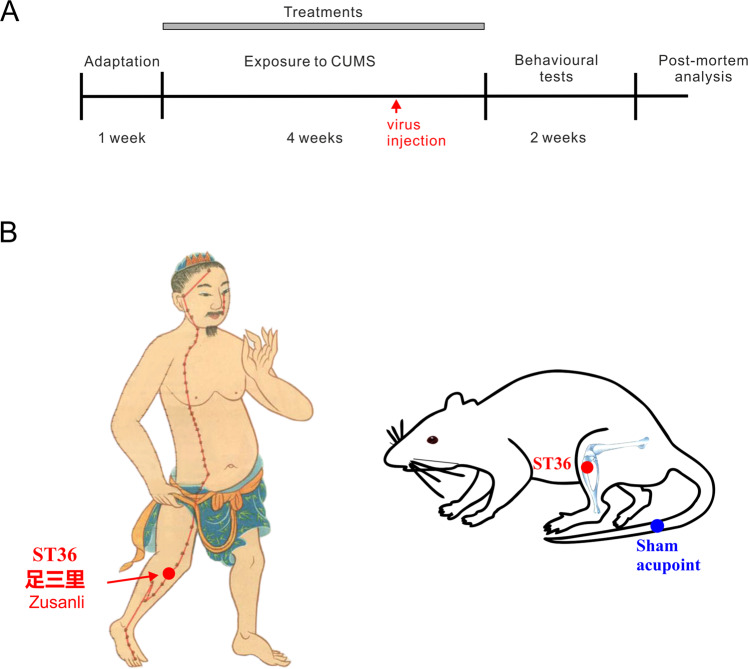
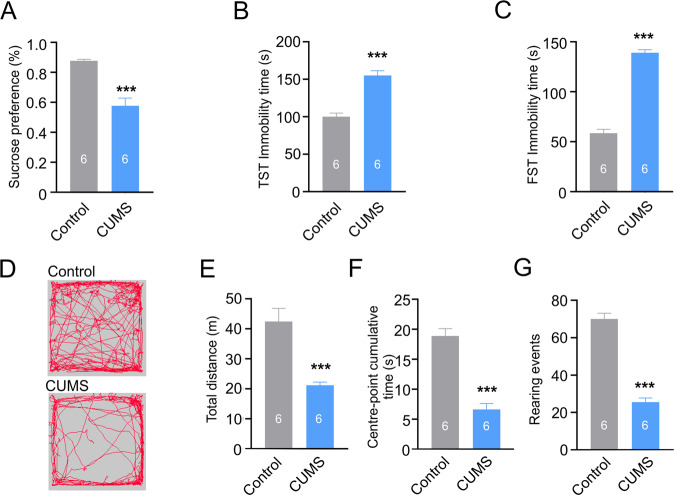
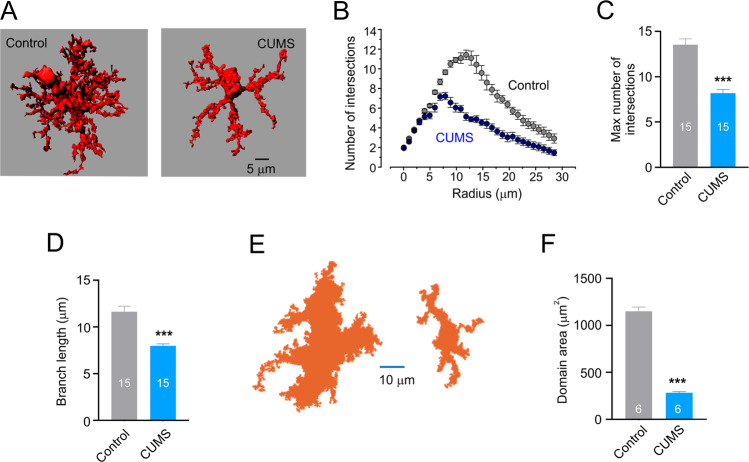
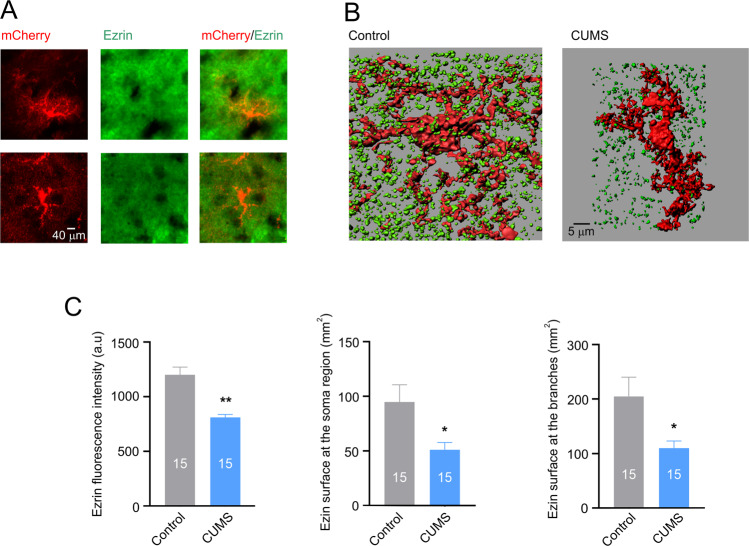
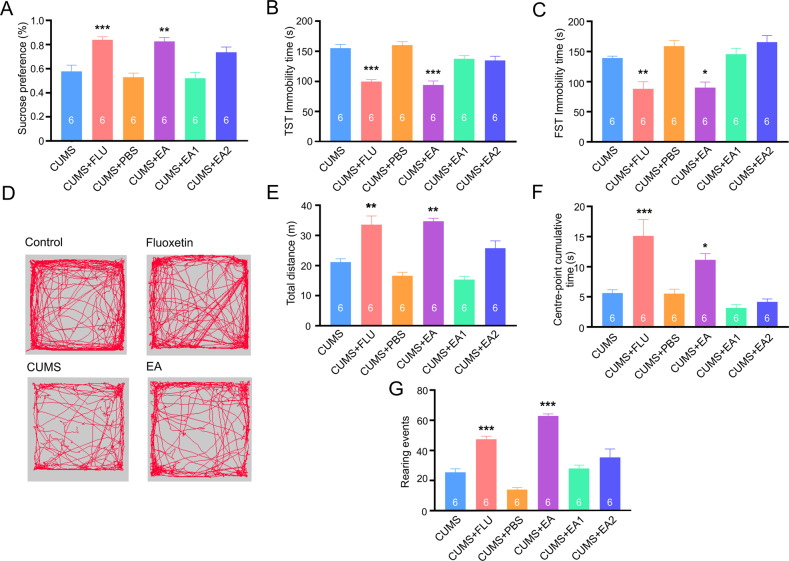
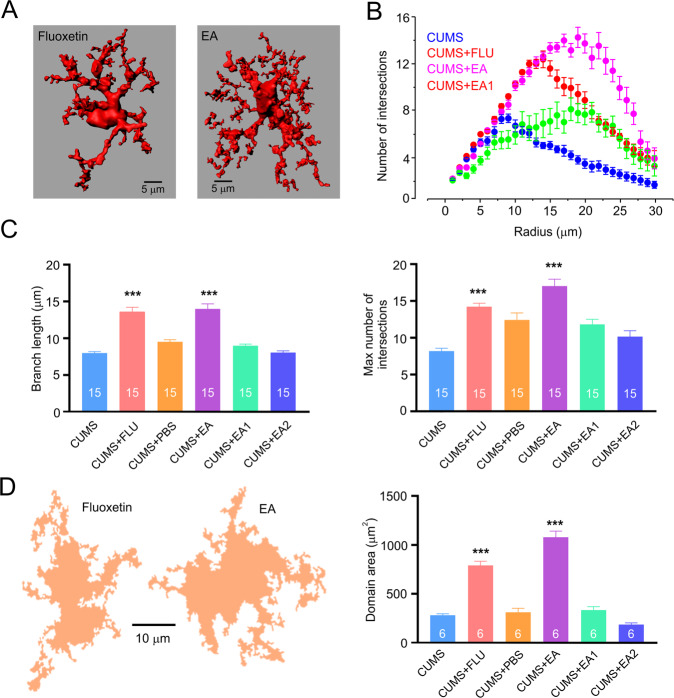
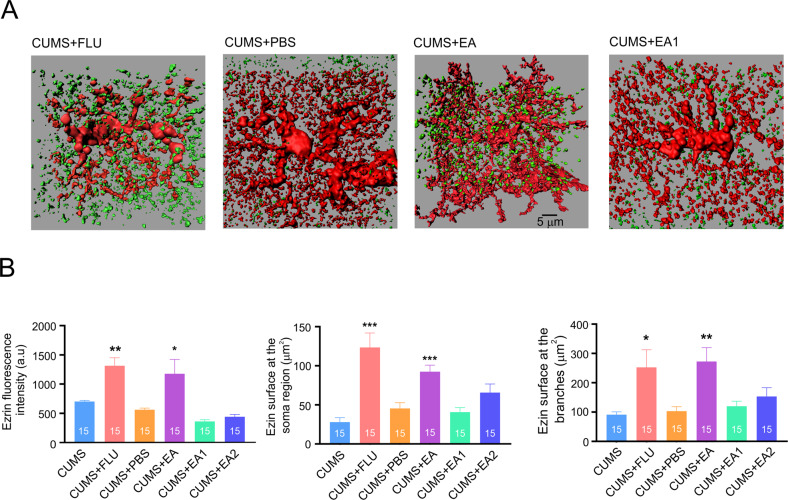
Astrocyte atrophy is the main histopathological hallmark of major depressive disorder (MDD) in humans and in animal models of depression. Here we show that electroacupuncture prevents astrocyte atrophy in the prefrontal cortex and alleviates depressive-like behaviour in mice subjected to chronic unpredictable mild stress (CUMS). Treatment of mice with CUMS induced depressive-like phenotypes as confirmed by sucrose preference test, tail suspension test, and forced swimming test. These behavioural changes were paralleled with morphological atrophy of astrocytes in the prefrontal cortex, revealed by analysis of 3D reconstructions of confocal Z-stack images of mCherry expressing astrocytes. This morphological atrophy was accompanied by a decrease in the expression of cytoskeletal linker Ezrin, associated with formation of astrocytic leaflets, which form astroglial synaptic cradle. Electroacupuncture at the acupoint ST36, as well as treatment with anti-depressant fluoxetine, prevented depressive-like behaviours, astrocytic atrophy, and down-regulation of astrocytic ezrin. In conclusion, our data further strengthen the notion of a primary role of astrocytic atrophy in depression and reveal astrocytes as cellular target for electroacupuncture in treatment of depressive disorders.
Overview
The claims and statistics of this paper haven’t been checked yet.
Free: it reads the open-access text and checks the first 5 claims that cite a source we can check. Create a free account to check every claim.
Integrity signals
Registry
Cites
Statistics
Figures
Verification
Claims the paper makes
The claims and statistics of this paper haven’t been checked yet.
Free: it reads the open-access text and checks the first 5 claims that cite a source we can check. Create a free account to check every claim.
Claims other papers make about this one
Each is checked against this paper’s own text: does it say what the citing paper says it does?
The cited source says what the claim attributes to it.
In the citing paper
“In previous research, EA at the ST36 acupoint was shown to prevent shrinkage of the prefrontal cortical astrocytes and alleviate depressive-like behavior in mice exposed to CUMS. 432”
From Major depressive disorder: hypothesis, mechanism, prevention and treatment (2024) · cites this paper as [432]
Self-check
Percentages, sums and reported differences re-computed from the paper’s own numbers.
The self-check needs the paper’s full text.
Citations
Cites
Verkhratsky, A., & Nedergaard, M. (2018) · Physiological Reviews · doi:10.1152/physrev.00042.2016 · Cited by 1,678 · cited 2×
“Astrocytes present a complex spongiform morphology formed by numerous tiny peripheral processes known as lea fl ets emanating from primary and higher order processes known as branches [2, 3].”
Self-citationSucrose preference test for measurement of stress-induced anhedonia in mice
Liu, M.-Y., Yin, C.-Y., Zhu, L.-J., Zhu, X.-H., Xu, C., Luo, C.-X., Chen, H., Zhu, D.-Y., & Zhou, Q.-G. (2018) · Nature Protocols · doi:10.1038/s41596-018-0011-z · Cited by 1,026
A neuroanatomical basis for electroacupuncture to drive the vagal–adrenal axis
Liu, S., Wang, Z., Su, Y., Qi, L., Yang, W., Fu, M., Jing, X., Wang, Y., & Ma, Q. (2021) · Nature · doi:10.1038/s41586-021-04001-4 · Cited by 823 · cited 2×
“Acupuncture is now used worldwide for treatment of various medical conditions (Jang et al., 2020; Liu et al., 2021; Tang et al., 2016; Xu et al., 2020a).”
Hui, K. K. S., Liu, J., Makris, N., Gollub, R. L., Chen, A. J. W., I. Moore, C., Kennedy, D. N., Rosen, B. R., & Kwong, K. K. (2000) · Human Brain Mapping · doi:10.1002/(sici)1097-0193(2000)9:1<13::aid-hbm2>3.0.co;2-f · Cited by 702
Dopamine mediates vagal modulation of the immune system by electroacupuncture
Torres-Rosas, R., Yehia, G., Peña, G., Mishra, P., del Rocio Thompson-Bonilla, M., Moreno-Eutimio, M. A., Arriaga-Pizano, L. A., Isibasi, A., & Ulloa, L. (2014) · Nature Medicine · doi:10.1038/nm.3479 · Cited by 630 · cited 1×
“After injection, animals were allowed to completely recover under a warming blanket and then returned to the home cage.”
Astrocyte Pathology in Major Depressive Disorder: Insights from Human Postmortem Brain Tissue
Rajkowska, G., & Stockmeier, C. (2013) · Current Drug Targets · doi:10.2174/13894501113149990156 · Cited by 603 · cited 4×
“Pharmacological management of MDD remains a challenge, with many patients being resistant to traditional antidepressants.”
InfluentialGlial Loss in the Prefrontal Cortex Is Sufficient to Induce Depressive-like Behaviors
Banasr, M., & Duman, R. S. (2008) · Biological Psychiatry · doi:10.1016/j.biopsych.2008.06.008 · Cited by 602 · cited 1×
“Indeed, specific manipulation with astrocytes and astrocytic homeostatic cascades can induce depression-like behaviours, whereas treatment with antidepressants rescues these behaviours and reverses astrocytic atrophy (Banasr and Duman, 2008; John et al., 2015).”
Hui, K. K. S., Liu, J., Marina, O., Napadow, V., Haselgrove, C., Kwong, K. K., Kennedy, D. N., & Makris, N. (2005) · NeuroImage · doi:10.1016/j.neuroimage.2005.04.037 · Cited by 508
Olabarria, M., Noristani, H. N., Verkhratsky, A., & Rodríguez, J. J. (2010) · Glia · doi:10.1002/glia.20967 · Cited by 499 · cited 1×
“, 2017), including neurodegenerative disorders (Olabarria et al., 2010; Yeh et al., 2011), epilepsy (Plata et al.”
Self-citationDing, F., O’Donnell, J., Thrane, A. S., Zeppenfeld, D., Kang, H., Xie, L., Wang, F., & Nedergaard, M. (2013) · Cell Calcium · doi:10.1016/j.ceca.2013.09.001 · Cited by 392
Cited by
Major depressive disorder: hypothesis, mechanism, prevention and treatment
Cui, L., Li, S., Wang, S., Wu, X., Liu, Y., Yu, W., Wang, Y., Tang, Y., Xia, M., & Li, B. (2024) · Signal Transduction and Targeted Therapy · doi:10.1038/s41392-024-01738-y · Cited by 1,244
“432 The results of an 8-week clinical study involving 46 female patients with severe depression suggested that acupuncture may achieve therapeutic effects by modulating the corticostriatal reward/ motivation circuit in patients with severe depression.”
BackgroundSelf-citationAstrocytes in human central nervous system diseases: a frontier for new therapies
Verkhratsky, A., Butt, A., Li, B., Illes, P., Zorec, R., Semyanov, A., Tang, Y., & Sofroniew, M. V. (2023) · Signal Transduction and Targeted Therapy · doi:10.1038/s41392-023-01628-9 · Cited by 428
“11, 408,409 ).”
BackgroundSelf-citationBaldwin, K. T., Murai, K. K., & Khakh, B. S. (2024) · Trends in Cell Biology · doi:10.1016/j.tcb.2023.09.006 · Cited by 221
Zhang, H., Zhang, X., Chai, Y., Wang, Y., Zhang, J., & Chen, X. (2025) · Frontiers in Immunology · doi:10.3389/fimmu.2025.1584577 · Cited by 85
Tong, T., Hao, C., Shen, J., Liu, S., Yan, S., Aslam, M. S., Chen, Y., Chen, W., Li, J., Li, Y., et al. (2023) · Brain Research Bulletin · doi:10.1016/j.brainresbull.2023.110838 · Cited by 52
Wang, J., Ren, P., Cui, L.-Y., Duan, J.-Y., Chen, H., Zeng, Z., & Li, Y. (2024) · Brain Behavior and Immunity · doi:10.1016/j.bbi.2024.06.008 · Cited by 41
Li, J., Wu, X., Yan, S., Shen, J., Tong, T., Aslam, M. S., Zeng, J., Chen, Y., Chen, W., Li, M., et al. (2024) · Molecular Neurobiology · doi:10.1007/s12035-024-04550-5 · Cited by 42
Mechanisms of acupuncture in treating depression: a review
Ma, J., Yin, X., Cui, K., Wang, J., Li, W., & Xu, S. (2025) · Chinese Medicine · doi:10.1186/s13020-025-01080-7 · Cited by 43
“Studies have shown that EA can not only increase the maximum intersection number and length of astrocyte branches by up-regulating the expression of Ezrin [15], but also up-regulate the expression of FGF2 (Fibroblast Growth Factor 2) to promote the generation of GFAP (astrocyte marker protein) [26].”
An Astroglial Basis of Major Depressive Disorder: Molecular, Cellular, and Circuit Features
Lu, C., Ren, J., & Cao, X. (2024) · Biological Psychiatry · doi:10.1016/j.biopsych.2024.07.017 · Cited by 37
Wu, J., Xu, H., Wang, S., Weng, H., Luo, Z., Ou, G., Chen, Y., Xu, L., So, K., Deng, L., et al. (2024) · Cell Death and Disease · doi:10.1038/s41419-024-07132-4 · Cited by 39
“All the results are presented as the means ± standard deviations (SDs) with statistical signi fi cance (* P < 0.05, ** P < 0.01, ns: P > 0.05).”
InfluentialChi, D., Zhang, K., Zhang, J., He, Z., Zhou, H., Huang, W., Liu, Y., Huang, J., Zeng, W., Bai, X., et al. (2025) · Nature Communications · doi:10.1038/s41467-025-57924-1 · Cited by 42
“Morphological changes in astrocytes are associated with MDD progression and the severity of depression-related behaviors 27 – 29 .”
Hou, Y., Guo, X., Ran, J., Lu, X., & Xie, C. (2024) · Bioactive Materials · doi:10.1016/j.bioactmat.2024.11.001 · Cited by 58
Acupuncture may play a key role in anti-depression through various mechanisms in depression
Li, P., Zhao, J., Wei, X., Luo, L., Chu, Y., Zhang, T., Zhu, A., & Yan, J. (2024) · Chinese Medicine · doi:10.1186/s13020-024-00990-2 · Cited by 39
“Acupuncture at ST36 can reverse the depressive-like behavior, shrinkage of astrocytes in PFC, and decrease in ezrin expression, indicating that astrocytes could be one of the targets of acupuncture treatment of depression [131].”
BackgroundNeuroglia in cognitive reserve
Verkhratsky, A., & Zorec, R. (2024) · Molecular Psychiatry · doi:10.1038/s41380-024-02644-z · Cited by 39
Self-citationGuo, Y., Fu, T., Cheng, Y., Li, Y., Zhang, R.-C., Ma, Q.-T., Wang, G., Ning, W., Fan, W., Yang, J., et al. (2025) · Cell Communication and Signaling · doi:10.1186/s12964-025-02287-9 · Cited by 30
Zhou, J., Zhang, B., Zhou, X., Zhang, F., Shu, Q., Wu, Y. X., Chang, H., Hu, L., Cai, R.-L., & Yu, Q. (2024) · Chinese Medicine · doi:10.1186/s13020-024-00916-y · Cited by 22
“The fake electroacupuncture (fEA) group chose non-acupuncture points in the tail of rats with the same electroacupuncture parameters [24].”
Neuroglial Advances: New Roles for Established Players
Verkhratsky, A., Li, B., Niu, J., Lin, S.-S., Su, Y., Jin, W., Li, Y., Jiang, S., Yi, C., Shi, F., et al. (2025) · Journal of Neurochemistry · doi:10.1111/jnc.70080 · Cited by 20
“…by a significant decrease in astrocytic expression of ezrin, whereas treatment of mice with antidepressant drugs or electroacupuncture at specific acupoint ST36 (Zusanli) prevented depressive-like behaviours and restored both expression of ezrin and astrocytic morphology (Lin et al. 2023).”
InfluentialSelf-citationGastrodin ameliorates depressive-like behaviors via modulating gut microbiota in CUMS-induced mice
Zhao, Y., Qin, S.-K., Yang, Z., Lu, Y. F., Ma, Z., Xin, P., Sun, G., & Pei, L. (2024) · Behavioural Brain Research · doi:10.1016/j.bbr.2024.114968 · Cited by 18
Chen, X., Mi, W., Gao, T., Ding, F., & Wang, W. (2024) · Pain · doi:10.1097/j.pain.0000000000003433 · Cited by 21
Possible antidepressant mechanism of acupuncture: targeting neuroplasticity
Xu, N., He, Y., Wei, Y.-N., Bai, L., & Wang, L. (2025) · Frontiers in Neuroscience · doi:10.3389/fnins.2025.1512073 · Cited by 20
Astrocyte Ezrin defines resilience to stress-induced depressive behaviours in mice
Lin, S.-S., Zhou, B., Liu, S.-L., Ren, X.-Y., Guo, J., Tong, J.-L., Chen, B., Jiang, R., Semyanov, A. V., Yi, C., et al. (2025) · National Science Review · doi:10.1093/nsr/nwaf480 · Cited by 21
“We set the thresholds for depressive like behaviours based on previously published data [23 ,48 ,93 ].”
InfluentialSelf-citationChen, L., Jiao, J., Fan, L., Zhou, B., Li, H., Liao, P. S., Li, X., Kang, Y., Liu, J., & Jiang, R. (2024) · Brain Behavior and Immunity · doi:10.1016/j.bbi.2024.11.022 · Cited by 15
Self-citationGinsenoside Rg1 alleviates chronic stress-induced depression in rats by targeting Cx43-YAP axis
Wang, H., Zheng, R., Ai, Q., Yang, S.-W., Yang, X., Chen, A., Yan, Q., Xu, Y., Zhang, Z., Xing, J., et al. (2025) · Acta Pharmacologica Sinica · doi:10.1038/s41401-025-01515-9 · Cited by 14
“Rg1 could prevent astrocyte loss and atrophy in the PrL of CUS rats, aligning with work showing that loss or atrophy of astrocytes is one of the histopathological hallmarks of patients with major depression and in animal models of depression [43].”
When the Stars Misfire: Astrocytic Dysfunctions in Major Depressive Disorder
González-Arias, C., & Perea, G. (2025) · Neurochemical Research · doi:10.1007/s11064-025-04483-y · Cited by 16
“In this review, we will summarize the current view of astrocytes in the pathophysiology of MDD and their potential as therapeutic targets.”
Zhou, B., Li, Q., Su, M., Liao, P. S., Luo, Y., Luo, R., Yu, Y.-Q., Luo, M., Fan, L., Li, X., et al. (2025) · Molecular Psychiatry · doi:10.1038/s41380-025-02978-2 · Cited by 15
“The plasmid and AAV for Ezrin T567A were generated by Shanghai Taitool Bioscience Co. Ltd.”
Self-citationRegulating the Plasticity of Hippocampal Neurons via Electroacupuncture in Depression Model Mice
Wang, Y., Du, X., Duan, C., Wang, M., Zhu, Y., Wang, L., Hu, J. X., & Sun, Y. (2025) · Cell Proliferation · doi:10.1111/cpr.70057 · Cited by 13
“In addition, studies indicate that EA at ST36 can protect against depression-induced astrocyte atrophy in the prefrontal cortex [21].”
Sheng, Z., Liu, Q., Song, Y., Ye, B., Li, Y., Song, Y., Liu, J., Zhang, B., Guo, F., Xu, Z., et al. (2024) · Journal of Affective Disorders · doi:10.1016/j.jad.2024.05.083 · Cited by 10
How astrocytic chloride modulates brain states
Untiet, V., & Verkhratsky, A. (2024) · BioEssays · doi:10.1002/bies.202400004 · Cited by 17
“…GABA A R. Astrocytes play a fundamental role in pathogenesis of various mood disorders; in particular, atrophic astrocytes appear as the pathomor-phological element of stress-induced depressive behaviours, [76–78] while decrease in astrocytic presence and support is prominent in major depression.”
BackgroundSelf-citationXue, T., Zhou, Y., Wang, Z., Wang, L., Xia, T., Yan, M., & Chang, Q. (2024) · Behavioural Brain Research · doi:10.1016/j.bbr.2024.115142 · Cited by 11
The P2X7 receptor in depression: Novel insights and therapeutic implications
Zhong, Y.-T., Pi, C., Zuo, Y., Wei, Y., Li, W., Jiang, Y.-Q., Tao, L., Zheng, W.-W., Jiang, J., Yang, Y., et al. (2025) · Neurobiology of Disease · doi:10.1016/j.nbd.2025.107011 · Cited by 11
Yoon, S. J., Won, W., Lee, S. L., Han, K., Ha, E., Lee, J., Hyeon, S. J., Joo, Y., Hong, H., Lee, H., et al. (2025) · Signal Transduction and Targeted Therapy · doi:10.1038/s41392-025-02317-5 · Cited by 11
“44,45 These features are frequently accompanied by the downregulation of ezrin, 46 a cytoskeletal protein critical for maintaining astrocytic lea fl ets and synaptic coverage.”
Zhang, Y., Zhang, H., Zheng, X., Hou, Y. M., Chang, X., Zhang, L., Wang, Y., & Chen, S. (2024) · Genomics · doi:10.1016/j.ygeno.2024.110901 · Cited by 9
Hu, X., Zhang, Y., Guo, L., Xiao, R., Yuan, L., & Liu, F. (2024) · Journal of Cellular and Molecular Medicine · doi:10.1111/jcmm.70307 · Cited by 8
Wang, J., Deng, X., Jiang, J., Yao, Z., Ju, Y., & Luo, Y. (2023) · Frontiers in Behavioral Neuroscience · doi:10.3389/fnbeh.2023.1239024 · Cited by 11
“Previous clinical and pre-clinical practices tended to use acupoint combinations for the treatment of stroke and/or depression (Ye et al., 2017; Mei et al., 2020; Lin et al., 2023).”
BackgroundMethodInfluentialAnsofaxine suppressed NSCLC progression by increasing sensitization to combination immunotherapy
Gui, H., Nie, Y., 袁, 豪., Wang, M., Li, L., Zhu, L., Chen, S., Jing, Q., Wan, Q., Lv, H., et al. (2024) · International Immunopharmacology · doi:10.1016/j.intimp.2024.113918 · Cited by 8
Xanthouhumol relieves stress-induced depressive-like behaviors through the Sirt1/NF-κB/NLRP3 pathway
Lin, G., Zhang, Y., Qin, J., He, Y., Fan, L., Tan, Q., & Xie, P. (2025) · Psychopharmacology · doi:10.1007/s00213-025-06819-6 · Cited by 10
“Chronic stress and neuroinflammation can lead to synaptic atrophy, weakening the connections between neurons and contributing to cognitive and emotional impairments seen in depressive disorders (Lin et al. 2023).”
nejad, M. R., Siasi, E., Abdollahifar, M., & Aliaghaei, A. (2024) · Journal of Chemical Neuroanatomy · doi:10.1016/j.jchemneu.2024.102399 · Cited by 7
Astrocytes: Unveiling their role in the molecular mechanism of natural antidepressants
Lv, S., Shang, R., Zhong, X., Lu, Y., Gao, H., Zhang, G., Kong, L., Yi, Y., Huang, Y., Ma, Y., et al. (2025) · Journal of Pharmaceutical Analysis · doi:10.1016/j.jpha.2025.101370 · Cited by 9
“When properly regulated in the context of depression, astrocytes can exert antidepressant effects [16].”
Wei, L., Qi, C., Wang, T., Jin, X., Zhou, X., Luo, M., Lu, M., Chen, H., Guo, J., Wang, H., et al. (2024) · Journal of Hazardous Materials · doi:10.1016/j.jhazmat.2024.136750 · Cited by 8
Wang, H., Chen, C., Lin, Y., Tian, Z.-F., Yan, Z., Zeng, X., Yang, Y., Lin, M., Ai, Q., Liu, X., et al. (2025) · CNS Neuroscience & Therapeutics · doi:10.1111/cns.70600 · Cited by 8
A Review of Treatment Modalities for Comorbid Neuropathic Pain and Depression
Chen, Z., Cheng, T., Yang, H., Gao, Y., & Ma, X. (2025) · Journal of Integrative Neuroscience · doi:10.31083/jin26523 · Cited by 6
Decline and fall of aging astrocytes: the human perspective
Verkhratsky, A., & Semyanov, A. V. (2024) · Neural Regeneration Research · doi:10.4103/nrr.nrr-d-24-00418 · Cited by 6
“Astrocytic atrophy is also prevalent in many psychiatric conditions and is particularly obvious in depression and stress-induced depressive-like behaviors (Lin et al., 2023).”
Self-citationRen, P., Wang, J.-Y., Xu, M., Ni, H., Zhang, S., Yue, C.-X., Yang, D., & Li, Y. (2025) · Molecular Neurobiology · doi:10.1007/s12035-025-05568-z · Cited by 4
Curing the brain: in search for new astrocyte-specific therapies
Verkhratsky, A., Lee, C. J., Chun, H., Göritz, C., Harkany, T., Lee, J., Lee, S., Lindskog, M., Koh, W., Mulder, J., et al. (2026) · Experimental & Molecular Medicine · doi:10.1038/s12276-026-01712-4 · Cited by 9
“Anti-depressant treatment or pharmacological stimulation of glial glutamate transporters alleviates aberrant behaviors and restores astrocytic morphology 146,284,288 .”
InfluentialSelf-citationAstroglial morphological changes in periaqueductal grey in different pain and itch mice models
Wang, C., Yang, X., Gao, T., Zhao, Y., Yang, Y., Li, X., Yang, Y., Yi, T., Wang, Y., & Mi, W. (2024) · Behavioural Brain Research · doi:10.1016/j.bbr.2024.115075 · Cited by 5
Neuroglial decline defines cognitive ageing
Verkhratsky, A. (2025) · Ageing & Longevity · doi:10.47855/jal9020-2025-1-2 · Cited by 6
Self-citationResearch Hotspots and Trends in Acupuncture for Cancer:A bibliometric analysis from 2004 to 2024
Ji, Z., Niu, H., He, A., Li, K., Jia, J., Zhang, M., & Liu, G. (2025) · Journal of Multidisciplinary Healthcare · doi:10.2147/jmdh.s494138 · Cited by 5
“56 57–59 The analysis of the keywords associated with clinical and basic research over the past five years reveals a distinct focus within each field.”
Persistent homological 3D cell detection
Oda, H. (2024) · JSIAM Letters · doi:10.14495/jsiaml.16.25 · Cited by 4
Efficacy and safety of electroacupuncture in patients with postpartum depression: a meta-analysis
Fang, X., Wang, X., Zheng, W., Han, J., & Ge, X. (2024) · Frontiers in Psychiatry · doi:10.3389/fpsyt.2024.1393531 · Cited by 7
Homeostasis to Allostasis: Prefrontal Astrocyte Roles in Cognitive Flexibility and Stress Biology
Wulaer, B., Holtz, M., & Nagai, J. (2024) · Advances in neurobiology · doi:10.1007/978-3-031-64839-7_6 · Cited by 4
Physiology of neuroglia of the central nervous system
Verkhratsky, A., & Semyanov, A. V. (2025) · Handbook of clinical neurology · doi:10.1016/b978-0-443-19104-6.00005-x · Cited by 5
Self-citationZhang, L., Wei, T., Liu, X., Luo, Y., Zhang, L., He, Y., Wu, R., He, Z., & Zeng, F. (2025) · Journal of Affective Disorders · doi:10.1016/j.jad.2025.120684 · Cited by 5
Shi, A., Li, W., Liu, X., Lü, J., & Guo, J. (2025) · Current Opinion in Pharmacology · doi:10.1016/j.coph.2025.102585 · Cited by 5
Wang, L., Ji, Y., Mei, H., Gong, X., Miao, H., Zhu, Z., & Ding, J. (2024) · Experimental Eye Research · doi:10.1016/j.exer.2024.110169 · Cited by 3
Tang, H., Qi, F. A. N., Li-hua, G. U. O., Zhang, Y., Yi-xuan, F. E. N. G., Yu-qing, X. U., Kuang, H., Yun-hong, Y. A. N. G., Yi, G. O. U., & Hong, Z. H. A. O. (2024) · 世界针灸杂志:英文版 · doi:10.1016/j.wjam.2024.07.004 · Cited by 2
Xu, N., Xu, S., & Wang, L. (2025) · Complementary Therapies in Medicine · doi:10.1016/j.ctim.2025.103307 · Cited by 2
Gong, H., Feng, B., Cheng, K., Cao, R., Zhao, R., Zhao, Z., Zhang, Y.-Y., Song, D., Wang, M., Li, X.-B., et al. (2026) · Chinese Medicine · doi:10.1186/s13020-025-01307-7 · Cited by 2
Wu, X., You, Z., Zhang, T., Zeng, J., Li, M., Yan, S., Li, J., Li, P., Shen, J., Liu, S., et al. (2026) · Metabolic Brain Disease · doi:10.1007/s11011-025-01785-6 · Cited by 4
“These results align with findings from previous research (Lin et al. 2023 ; Ning et al. 2024 ).”
Cao, J., Ding, D., 明秀华, Liu, C., & Xu, Y. (2026) · Neuropsychiatric Disease and Treatment · doi:10.2147/ndt.s598864 · Cited by 2
“61,79 Future studies should construct “double-hit” models integrating early-life and adult stress, or endophenotypic models targeting specific neural circuit abnormalities.”
InfluentialDiethyl butylmalonate attenuates cognitive deficits and depression in 5×FAD mice
Yuan, L., Song, G., Xu, W., Liu, S., Zhang, Y., Pan, W., Ding, X., Fu, L., Lin, Q., & Sun, F. (2024) · Frontiers in Neuroscience · doi:10.3389/fnins.2024.1480000 · Cited by 3
Snijders, G. J. L., & Gigase, F. A. J. (2025) · Handbook of clinical neurology · doi:10.1016/b978-0-443-19102-2.00010-7 · Cited by 1
Pan, J., Liu, J., Fan, Q., Gao, S., Yu, L., & Zhang, L. (2025) · Frontiers in Pharmacology · doi:10.3389/fphar.2025.1606445 · Cited by 1
“And the dosage of fl uoxetine was selected according to the reference literature (Lin et al., 2023), which was equivalent to the maximum recommended human dose.”
Li, X., Chen, Z., Chen, S., Wang, H., Fu, L., Feng, B., Chen, H., & Xiong, L. (2025) · Materials & Design · doi:10.1016/j.matdes.2025.114708 · Cited by 2
Chen, L., Xu, H., Wang, Z., Li, G., Wu, L., Huang, Y., Wu, H., & Zhou, J. (2025) · Frontiers in Aging Neuroscience · doi:10.3389/fnagi.2025.1663059 · Cited by 1
Acupuncture in depression treatment: Insights into astrocyte regulation
Xu, N., Huang, T., & Wang, L. (2025) · Journal of Chinese Integrative Medicine · doi:10.1016/j.joim.2025.09.003 · Cited by 2
Liu, X., Zhang, W., Zhao, Y., Li, C., Wang, Y., & Hu, Y. (2025) · Medicine · doi:10.1097/md.0000000000045635 · Cited by 2
Ma, H., Zhu, S.-L., Li, X., Yuan, Y., Huang, Q.-Y., Wang, H., Shen, G.-M., & Wang, X.-Y. (2026) · World Journal of Psychiatry · doi:10.5498/wjp.v16.i2.114736 · Cited by 1
Feng, X., Wang, Q., & Wu, X. (2026) · Frontiers in Psychiatry · doi:10.3389/fpsyt.2026.1749844 · Cited by 2
“Existing evidence suggests that electroacupuncture may regulate GFAP expression, inhibit astrocyte overactivation, and stabilize neuron – synapse homeostasis, thereby improving depressive behaviors (44, 45).”
Wan, C., Xia, Y., Yan, J., Lin, W., Zheng, Y., Lin, Y., Yao, L., & Chen, Y. (2026) · CNS Neuroscience & Therapeutics · doi:10.1002/cns.70971 · Cited by 1
Revealing and Characterizing Astrocytic Atrophy in an Animal Model of Depression
Lin, S.-S., Zhou, B., Tang, Y., & Verkhratsky, A. (2025) · Methods in molecular biology · doi:10.1007/978-1-0716-4366-2_21 · Cited by 1
Self-citationLawrence, K. (2023) · Carleton University's Institutional Repository (MacOdrum Library, Carleton University) · doi:10.22215/etd/2023-15514
Research Hotspots and Trends on Post-Stroke Depression: a Bibliometric AnalysisPreprint
Jia, Z., Yu, W., Li, J., Li, X., Wang, X., Yang, J., & Liu, Y. (2024) · Research Square · doi:10.21203/rs.3.rs-3915747/v1
Suppression of Microglial Activation by Acute Ethanol Administration through HT7 Stimulation
Seo, S. Y., Bang, S. K., Kang, S.-Y., Cho, S. J., Choi, K., & Ryu, Y. (2024) · Korean Journal of Acupuncture · doi:10.14406/acu.2024.006
冯, 敏. (2024) · Advances in Clinical Medicine · doi:10.12677/acm.2024.1472066
Górecki, D. C., Patel, A. M., Pomeroy, J., & Verkhratsky, A. (2025) · Neurochemical Research · doi:10.1007/s11064-025-04464-1
Self-citationZhou, J., Wu, Z., Feng, Z., Li, J., Wen, Y., Jiang, M., & Feng, S. (2025) · Physiology & Behavior · doi:10.1016/j.physbeh.2025.115033 · Cited by 1
Zhao, C., Liu, Y., Xiao, M., Zhang, Z., Tang, K., Tao, X., & Li, Z. (2025) · Scientific Reports · doi:10.1038/s41598-025-29325-3 · Cited by 1
“The tail suspension test (TST) is used to assess the presence of despair behaviour in mice 25 .”
Zhou, J., Zhang, B., Zhou, X., Zhang, F., Shu, Q., Wu, Y., Chang, H., Hu, L., Cai, R., & Yu, Q. (2024) · Figshare · doi:10.6084/m9.figshare.26689586
Genomic and Multi-Omic Reclassification of Sarcomas: Implications for Diagnosis and Targeted Therapy
Hariri, S., & Eilanlou, A. T. (2025) · The Cancer Review · doi:10.61882/tcr.202501.01.02
Astrocyte morphology: complex or trivial?
Kriuchechnikova, A., Soldatova, A., Tiaglik, A. B., Tang, Y., & Brazhe, A. (2025) · Biophysical Reviews · doi:10.1007/s12551-025-01402-x · Cited by 1
“Interestingly, stress-associated astroglial astheny can be reverted by physical exercise (Lundquist et al. 2019; Li et al. 2024) or prevented by electroacupuncture (Lin et al. 2023).”
Self-citationGodad, A. P., Bhatia, T., Shaikh, M., & Doshi, G. (2026) · Springer eBooks · doi:10.1007/978-981-95-6099-8_15 · Cited by 1
Frigon, É., Perreault, V., Gérin‐Lajoie, A., Boire, D., & Maranzano, J. (2026) · bioRxiv (Cold Spring Harbor Laboratory) · doi:10.64898/2026.03.04.709624
“These results open the door to the use of brains from anatomy laboratories for studies involving astrocytes, such as analyses that differentiate activated vs non-activated astrocytes based on cell morphology [39, 40], or for studying their configuration in synapses [41-43].”
Liu, X., Zhou, X., Meng, R., Chen, Y., Chen, Y., Highet, B., Curtis, M. A., Hirt, B., Yu, S., Zhou, J., et al. (2026) · Clinical and Translational Discovery · doi:10.1002/ctd2.70128
P2X7 receptor-mediated astrocytic atrophy in the hippocampus of mice after status epilepticusPreprint
Li, X., Khan, M. T., Vizi, E. S., Sperlágh, B., Lin, S.-S., Verkhratsky, A., Rubini, P., Tang, Y., & Illés, P. (2026) · bioRxiv (Cold Spring Harbor Laboratory) · doi:10.64898/2026.04.16.718853
“The 3D reconstruction of astrocytes in the hippocampal stratum oriens was performed as described previously [40, 41].”
Self-citationRole of astrocytes in the development and progression of major depressive disorder
Jing, P., Sun, C., Xiao-peng, Y. I. N., Liu, X.-C., Tian, Q., & (673328), X.-B. Z. (2026) · World Journal of Psychiatry · doi:10.5498/wjp.v16.i5.115794
Li, X.-M., Zhang, M., Xing, Z. Y., Yang, X., Lai, H.-Q., Wang, Y.-C., Jiang, H., Yan, X., Chu, S.-F., Chen, N., et al. (2026) · Neurochemistry International · doi:10.1016/j.neuint.2026.106168
Tao, W., Qiaolin, Z., Ning, X., & Caiy, Z. (2026) · Neuromodulation Technology at the Neural Interface · doi:10.1016/j.neurom.2026.04.021
Astrocyte subtype dynamics in mood disorders: Current insights and future directions
Chen, D., Wang, J., Zhu, G., & Yang, S. (2026) · Brain Network Disorders · doi:10.1016/j.bnd.2026.04.003
Perisynaptic Astrocytic Processes as Communication Hubs and Early Sites of Dysfunction
Puletti, F., Tugulu, I., & Hong, S. Y. (2026) · The Neuroscientist · doi:10.1177/10738584261445356
“Similar principles are observed in stress paradigms, where ezrin modulation influences astrocyte morphology and behavioral outcomes (Lin et al 2023; Lin et al 2025).”
Zhang, L., Quan, J., Nie, L., He, S., Lin, Y., Liu, X., Zhang, Y., 庄礼兴, Jia, C., Li, M., et al. (2026) · Chinese Medicine · doi:10.1186/s13020-026-01422-z · Cited by 1
“The EA procedure was adapted from previous studies with minor modifications [13, 17].”
Hodebourg, R., Duncan, L., Dereschewitz, E., & Kalivas, P. W. (2026) · Molecular Psychiatry · doi:10.1038/s41380-026-03687-0 · Cited by 1
“CUMS also induced astrocyte atrophy in the prefrontal cortex and hippocampus [41, 42].”
InfluentialZeng, C., Li, Y., Wang, X., Wu, Z., Shen, Y., Li, S. Y., Wang, S., Chen, X., Wang, L., Wan, Y., et al. (2026) · bioRxiv (Cold Spring Harbor Laboratory) · doi:10.64898/2026.06.14.732204
“However, postmortem studies multiple glial abnormalities in MDD 41 , including reduced glial numbers in the PFC and hippocampus, altered astrocyte morphology, microglial reactivity, and oligodendrocyte changes 7,41 – 43 .”
Self-citationYu, X., Lü, Y., Tan, Z., Gao, S., Ye, L., Luo, X. H., Xie, J., Miao, Y., Wang, B., Liang, C., et al. (2026) · Journal of Nanobiotechnology · doi:10.1186/s12951-026-04734-2 · Cited by 1
“In addition, experimental evidence from animal models indicates that prolonged exposure to stress can impair the proliferative capacity of astrocytes, implying their potential involvement in the pathogenesis of depression [20, 55, 56].”
Li, M., You, Z., Zeng, J., Li, J., Li, J., Yan, S., Aslam, M. S., Li, P., Shen, J., Liu, S., et al. (2026) · Behavioural Brain Research · doi:10.1016/j.bbr.2026.116346
Boken, D., Usman, A. I., Zhang, L., Zhang, X., Holman, J. B., Liu, M., & Swallah, M. S. (2026) · Acupuncture & Electro-Therapeutics Research · doi:10.1177/03601293261460149
Tu, Y., Fu, Q., Li, Y., Sun, C., Zhu, Y., Zeng, X., Qin, H., Zeng, X., Wang, Y., Qiu, S., et al. (2026) · NeuroSci · doi:10.3390/neurosci7040081
“SPT was performed as previously described [34,35] to assess anhedonia.”
Han, L., Cai, X., Liu, H., Yao, Z., Huang, S., Qiu, X., Zhang, Z., & Huang, Y. (2026) · Brain Research Bulletin · doi:10.1016/j.brainresbull.2026.112060 · Cited by 1
Anxiety and Depression in Pancreatitis: Mechanisms, Assessment, and Treatment
Xiong, C., Zheng, Z., Qiao, W., & Ren, Y. (2026) · Digestive Diseases · doi:10.1159/ddi/acnag001
Lin, K., Jia, S., Liu, Y., Li, X., Guo, T., Liu, H., Zhou, F., Zhang, Z., Lu, Z., & Zhong, H. (2026) · Neuroscience · doi:10.1016/j.neuroscience.2026.08.012
Li, H., Liu, X., Lei, C., Xiao, X., Hu, X., Chen, X., Zhong, D., Xue, P., Fan, J., Li, Y., et al. (2026) · Molecular Neurobiology · doi:10.1007/s12035-026-06152-9
Metadata
- Authors
- Lin, S.-S., Zhou, B., Chen, B.-J., Jiang, R.-T., Li, B., Illes, P., Semyanov, A., Tang, Y., & Verkhratsky, A.
- Affiliations
- Chengdu University of Traditional Chinese Medicine (CN)
- Sichuan University (CN)
- China Medical University (CN)
- Russian Academy of Sciences (RU)
- Ikerbasque (ES)
- Corresponding author
- Lin, Si-Si
- Tang, Yong
- Verkhratsky, Alexei
- ORCID
- Venue
- Cell Death & Disease
- Published
- 2023-05-29
- Volume
- 14
- Issue
- 5
- Pages
- 343-343
- ISSN
- 2041-4889 (ISSN-L)
- PMC
- PMC10227075
- OpenAlex
- W4378715650
- Cited by
- 102
- References
- 92
- Citations by year
- 2026: 29 · 2025: 36 · 2024: 32 · 2023: 5
- FWCI
- 15.89
- Type
- journal article
- Language
- en
- Open access
- gold
- doi.org
- Licence
- cc-by
- creativecommons.org/licenses/by/4.0 (tdm)
- creativecommons.org/licenses/by/4.0 (vor)
- Locations
- Cell Death and Disease (publishedVersion, cc-by)
- bioRxiv (Cold Spring Harbor Laboratory) (acceptedVersion)
- Research Square (acceptedVersion, cc-by)
- PubMed Central (publishedVersion, cc-by)
- PubMed (publishedVersion)
- Research Explorer (The University of Manchester) (publishedVersion, cc-by)
- DOAJ (DOAJ: Directory of Open Access Journals) (submittedVersion, cc-by-sa)
- Funders
- National Natural Science Foundation of China (2020-03, 82230127, 82274668, 82274668, 82230127, ZYYCXTD-D-202003)
- Russian Science Foundation
- Topics
- Health Sciences › Medicine › Pharmacology (medical) › Treatment of Major Depression
- Health Sciences › Medicine › Complementary and alternative medicine › Acupuncture Treatment Research Studies
- Life Sciences › Neuroscience › Cellular and Molecular Neuroscience › Neuroscience and Neuropharmacology Research
- Keywords
- electroacupuncture, major depressive disorder, chronic unpredictable mild stress, prefrontal cortex, ezrin, ST36 acupoint, fluoxetine, depression-like behavior
- MeSH terms
- Animals, Antidepressive Agents, Astrocytes, Atrophy, Depression, Depressive Disorder, Major, Major Depressive Disorder, Disease Models, Animal, Hippocampus, Humans, Electroacupuncture, Mice
About these checks
Registry, retraction, Cites and statistics results are computed, not judged, with one exception: a printed reference that no index lists is read once by a model before it counts as a citation error. Claims are extracted by a model and kept only when their quote appears verbatim in the text; each cited source is then checked, with a model’s help, for whether it says what the claim relies on. Those verdicts can be wrong — read the claim’s quote and the cited source before relying on one.
Statistics and arithmetic are recomputed, not judged.
Confidence bands are shown only for fields calibrated on our annotated test set. None is calibrated yet, so no band is shown.
What counts as a claim ›How we measure confidence ›How we check this ›
Are you an author, or do you see a problem with this page? Request a review
Data sources
Bibliographic data: Semantic Scholar, OpenAlex, Crossref.
Contains information from the Semantic Scholar Academic Graph Datasets, made available under the ODC Attribution License (ODC-BY 1.0).
Semantic Scholar’s data is described in: Kinney, R., et al. (2023). The Semantic Scholar Open Data Platform. arXiv:2301.10140.
