

Single-cell transcriptomics reveals intestinal cell heterogeneity and identifies Ep300 as a potential therapeutic target in mice with acute liver failure
Open accessThe DOI matches its Crossref record; 82 of the 82 references it cites were found in a registry or an index.
Abstract
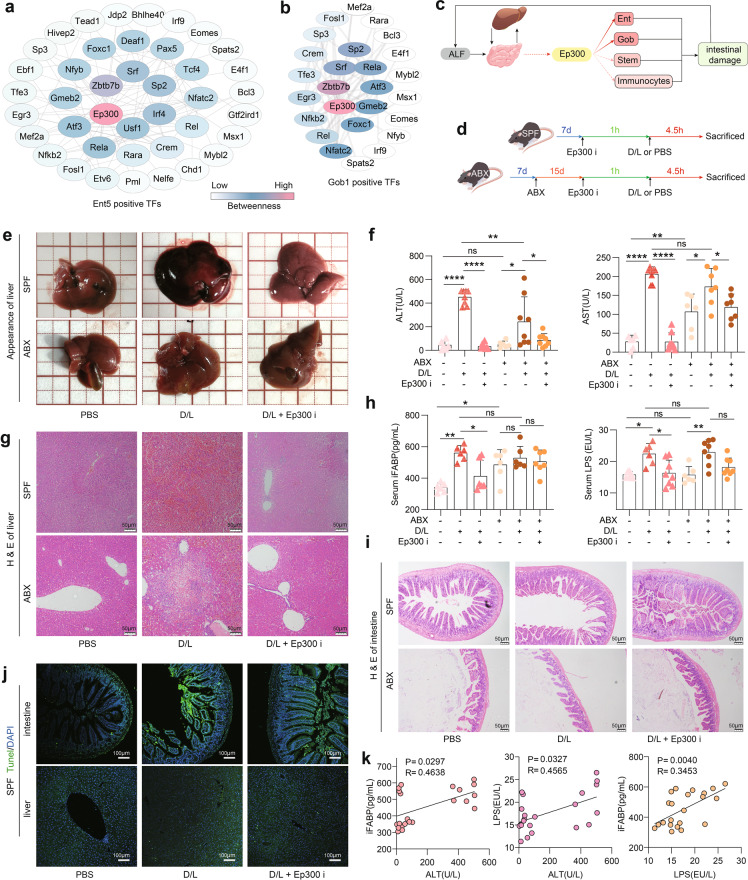
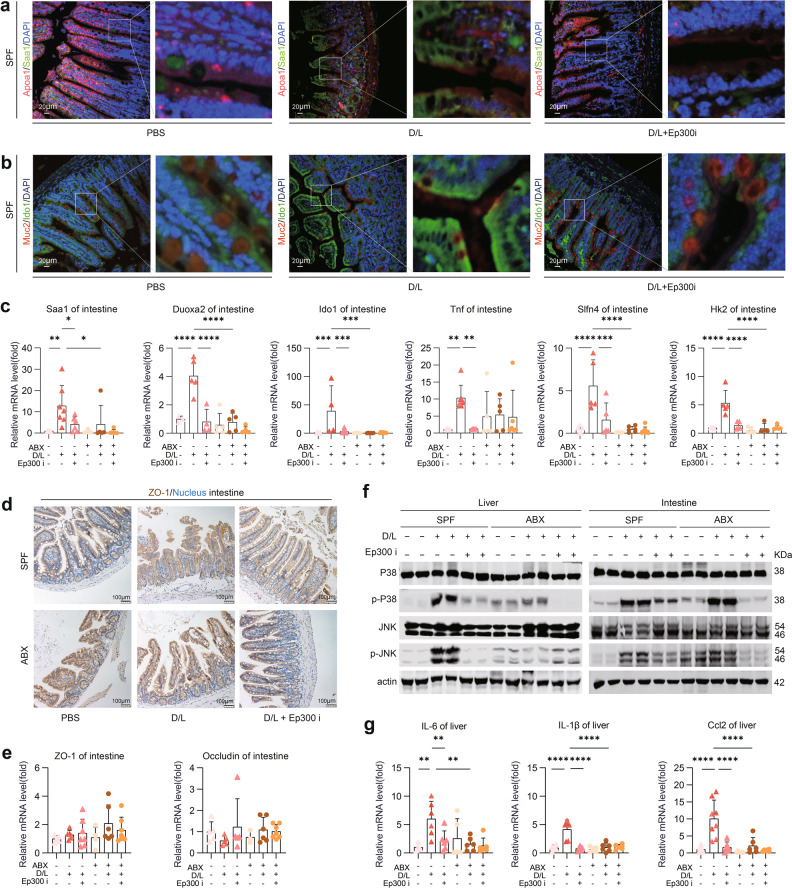
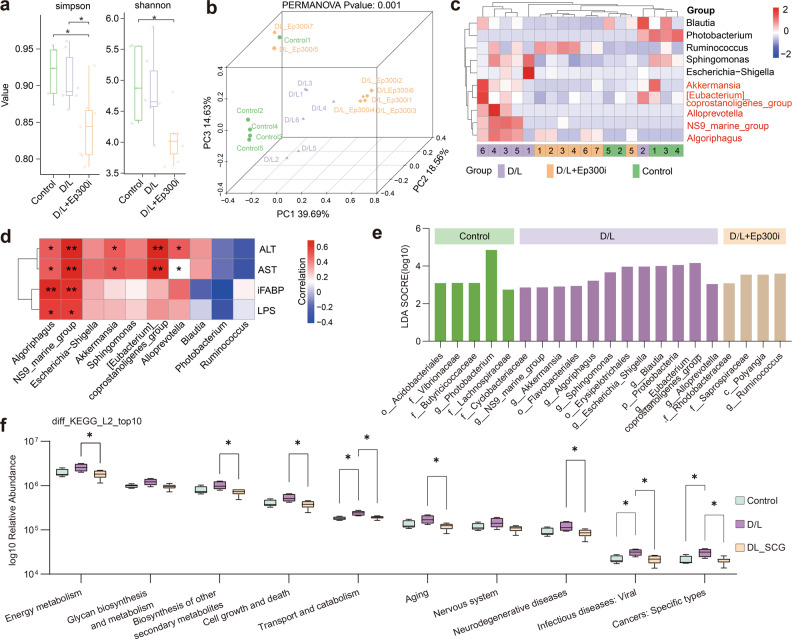
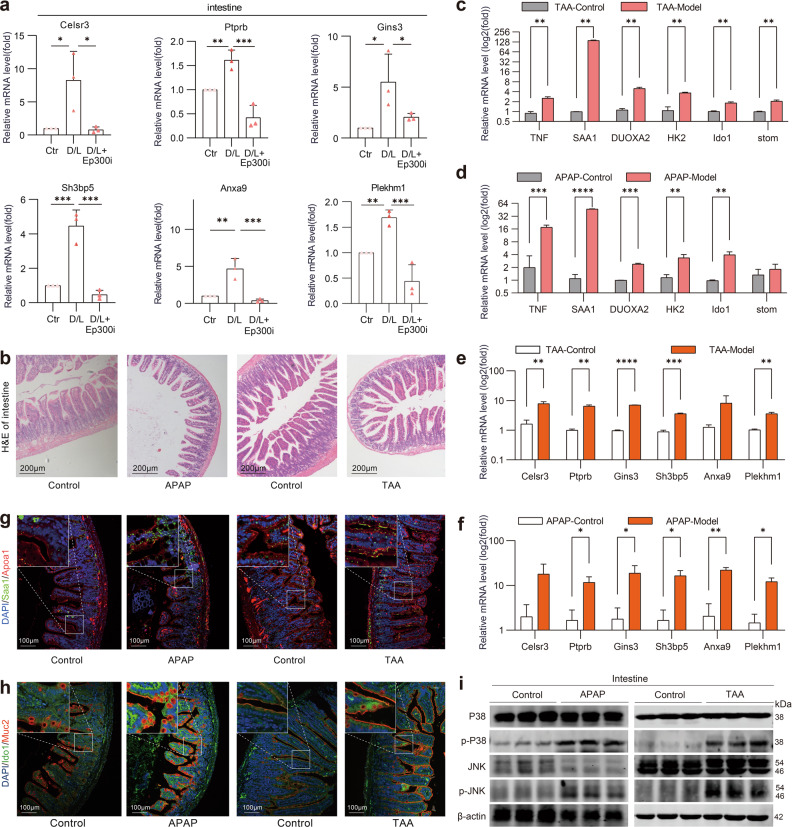
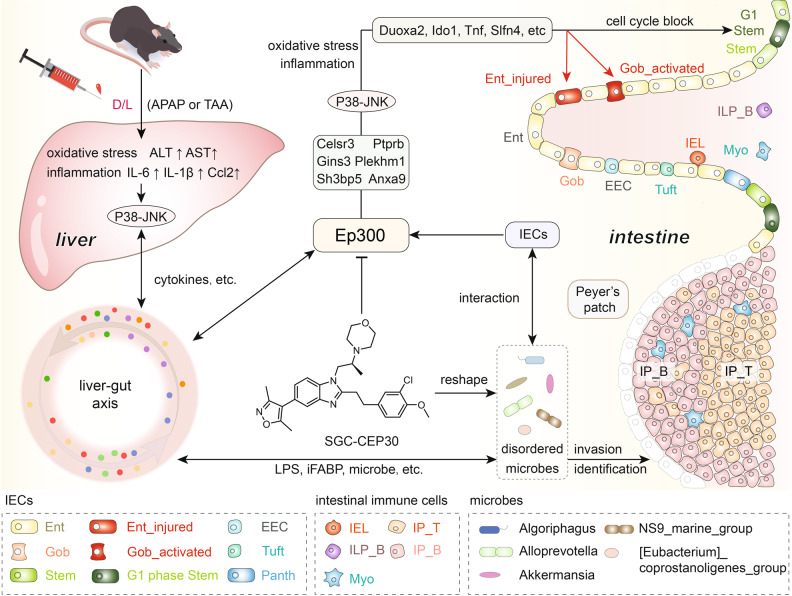
Acute liver failure (ALF) is a severe life-threatening disease associated with the disorder of the gut-liver axis. However, the cellular characteristics of ALF in the gut and related therapeutic targets remain unexplored. Here, we utilized the D-GALN/LPS (D/L)-induced ALF model to characterize 33,216 single-cell transcriptomes and define a mouse ALF intestinal cellular atlas. We found that unique, previously uncharacterized intestinal immune cells, including T cells, B cells, macrophages, and neutrophils, are responsive to ALF, and we identified the transcriptional profiles of these subsets during ALF. We also delineated the heterogeneity of intestinal epithelial cells (IECs) and found that ALF-induced cell cycle arrest in intestinal stem cells and activated specific enterocyte and goblet cell clusters. Notably, the most significantly altered IECs, including enterocytes, intestinal stem cells and goblet cells, had similar activation patterns closely associated with inflammation from intestinal immune activation. Furthermore, our results unveiled a common Ep300 -dependent transcriptional program that coordinates IEC activation during ALF, which was confirmed to be universal in different ALF models. Pharmacological inhibition of Ep300 with an inhibitor (SGC-CBP30) inhibited this cell-specific program, confirming that Ep300 is an effective target for alleviating ALF. Mechanistically, Ep300 inhibition restrained inflammation and oxidative stress in the dysregulated cluster of IECs through the P38-JNK pathway and corrected intestinal ecology by regulating intestinal microbial composition and metabolism, thereby protecting IECs and attenuating ALF. These findings confirm that Ep300 is a novel therapeutic target in ALF and pave the way for future pathophysiological studies on ALF.
Overview
The claims and statistics of this paper haven’t been checked yet.
Free: it reads the open-access text and checks the first 5 claims that cite a source we can check. Create a free account to check every claim.
Integrity signals
Registry
Cites
Statistics
Figures
Verification
Claims the paper makes
The claims and statistics of this paper haven’t been checked yet.
Free: it reads the open-access text and checks the first 5 claims that cite a source we can check. Create a free account to check every claim.
Claims other papers make about this one
Each is checked against this paper’s own text: does it say what the citing paper says it does?
In the citing paper
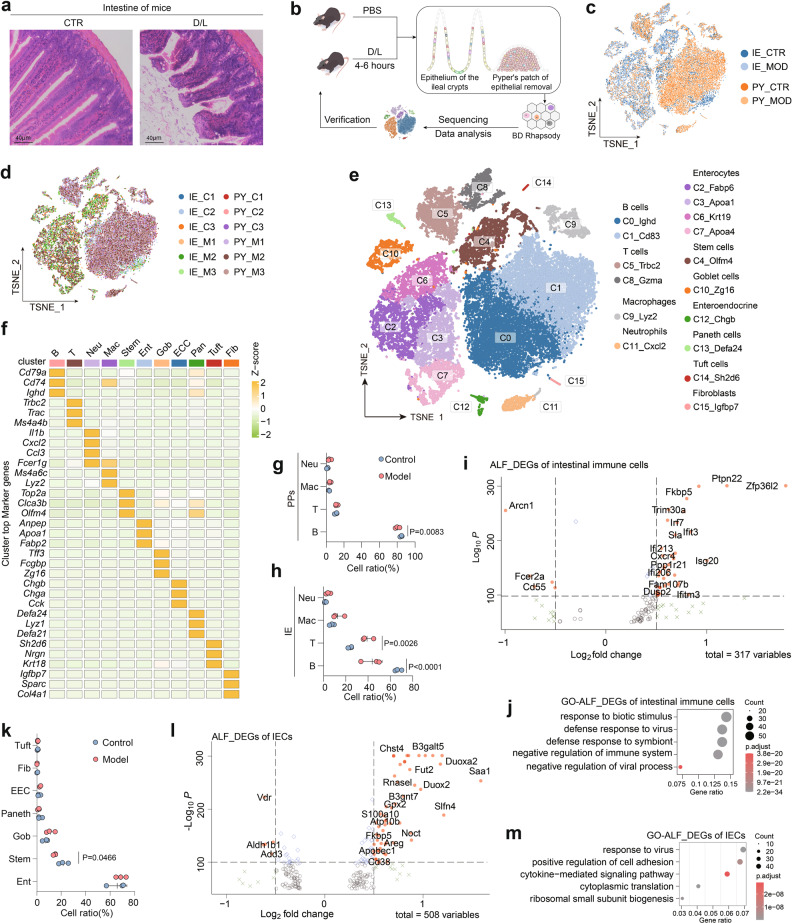
“The research utilized LPS-induced mouse model of ALF and employed single-cell RNA sequencing analysis to uncover the cellular landscape of intestinal cells during ALF (Fig. 4A) [111].”
From Constructing biomimetic microenvironments for liver regeneration (2025) · doi:10.1186/s12951-025-03729-9 · cites this paper as [111]
Self-check
Percentages, sums and reported differences re-computed from the paper’s own numbers.
The self-check needs the paper’s full text.
Citations
Cites
Szklarczyk, D., Gable, A. L., Lyon, D., Junge, A., Wyder, S., Huerta-Cepas, J., Simonovic, M., Doncheva, N. T., Morris, J. H., Bork, P., et al. (2019) · Nucleic Acids Research · doi:10.1093/nar/gky1131 · Cited by 17,749
Inference and analysis of cell-cell communication using CellChat
Jin, S., Guerrero-Juarez, C. F., Zhang, L., Chang, I., Ramos, R., Kuan, C.-H., Myung, P., Plikus, M. V., & Nie, Q. (2021) · Nature Communications · doi:10.1038/s41467-021-21246-9 · Cited by 8,409 · cited 1×
“CellChat 79 , a tool capable of quantitatively inferring and analyzing intercellular communication networks from scRNA-seq data was applied.”
Trapnell, C., Cacchiarelli, D., Grimsby, J., Pokharel, P., Li, S., Morse, M., Lennon, N. J., Livak, K. J., Mikkelsen, T. S., & Rinn, J. L. (2014) · Nature Biotechnology · doi:10.1038/nbt.2859 · Cited by 7,314
Scenic: single-cell regulatory network inference and clustering.
Aibar, S., González-Blas, C. B., Moerman, T., Huynh-Thu, V. A., Imrichova, H., Hulselmans, G., Rambow, F., Marine, J.-C., Geurts, P., Aerts, J., et al. (2017) · Nature Methods · doi:10.1038/nmeth.4463 · Cited by 6,520
Intestinal epithelial cells: regulators of barrier function and immune homeostasis
Peterson, L. W., & Artis, D. (2014) · Nature Reviews Immunology · doi:10.1038/nri3608 · Cited by 3,173 · cited 2×
“Microbial signals can be recognized by IECs and further affect intestinal homeostasis and barrier function 8 .”
The gut-liver axis in liver disease: Pathophysiological basis for therapy
Albillos, A., de Gottardi, A., & Rescigno, M. (2020) · Journal of Hepatology · doi:10.1016/j.jhep.2019.10.003 · Cited by 2,166 · cited 1×
“It functions as a site of interaction between foreign substances and those present in the gut and liver, allowing nutrients to enter the circulation and reach the liver while limiting the systemic dissemination of microbes and toxins 6 .”
Stem Cells, Self-Renewal, and Differentiation in the Intestinal Epithelium
van der Flier, L. G., & Clevers, H. (2009) · Annual Review of Physiology · doi:10.1146/annurev.physiol.010908.163145 · Cited by 1,871 · cited 1×
“The process of renewal and differentiation of the IE has been extensively studied 47 .”
Large-scale association analyses identify host factors influencing human gut microbiome composition
Kurilshikov, A., Medina-Gomez, C., Bacigalupe, R., Radjabzadeh, D., Wang, J., Demirkan, A., Le Roy, C. I., Raygoza Garay, J. A., Finnicum, C. T., Liu, X., et al. (2021) · Nature Genetics · doi:10.1038/s41588-020-00763-1 · Cited by 1,786 · cited 1×
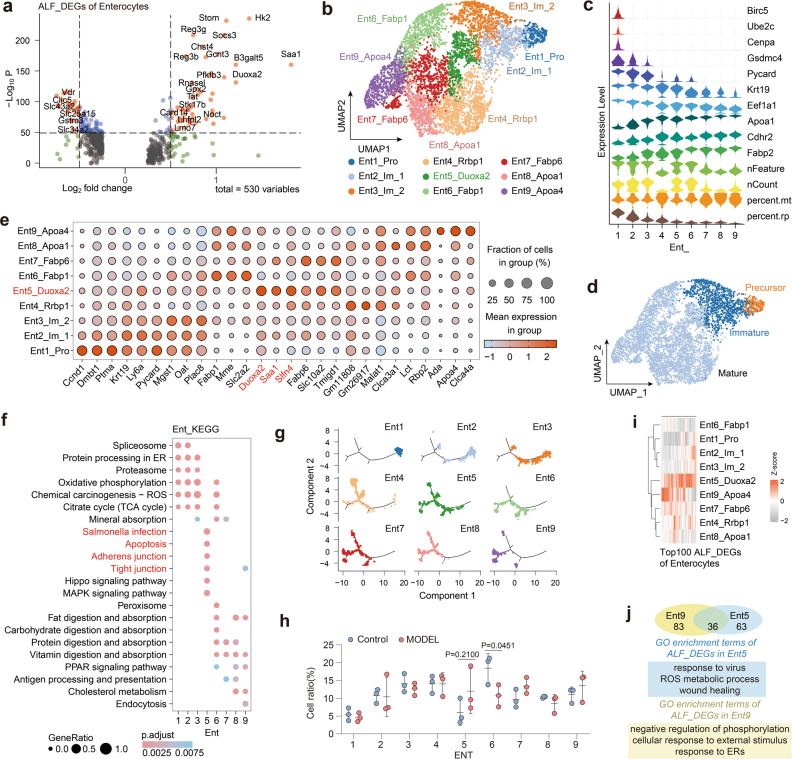
“Ent8_Apoa1, which speci fi cally expressed Rbp2 (which promotes vitamin A absorption 42 ), Lct (which regulates intestine microbiological composition 43 ), and Clca3a1 (which controls intestinal mucus 44 ), was identi-fi ed as a cluster of mature enterocytes associated with intestinal mucosal…”
A single-cell survey of the small intestinal epithelium
Haber, A. L., Biton, M., Rogel, N., Herbst, R. H., Shekhar, K., Smillie, C., Burgin, G., Delorey, T. M., Howitt, M. R., Katz, Y., et al. (2017) · Nature · doi:10.1038/nature24489 · Cited by 1,750 · cited 4×
“Based on marker genes for maturation status 38 , enterocytes were subdivided into the following groups: precursor enter-ocytes (with high expression of Birc5 , Ube2c , and Cenpa ), immature enterocytes (with high expression of Gsdmc4 , Picard , Krt19 , and Eef1a1 ) and mature enterocytes (with high…”
InfluentialAmir, E.-A. D., Davis, K. L., Tadmor, M. D., Simonds, E. F., Levine, J. H., Bendall, S. C., Shenfeld, D. K., Krishnaswamy, S., Nolan, G. P., & Pe'er, D. (2013) · Nature Biotechnology · doi:10.1038/nbt.2594 · Cited by 1,550 · cited 1×
“Unsupervised clustering partitioned the cells into 16 clusters (C0 to C15), which were visualized using t-distributed stochastic neighbor embedding (tSNE) 16 (Fig.”
Cited by
Lin, Y.-H., Chen, C.-W., Chen, M.-Y., Xu, L., Tian, X., Cheung, S.-H., Wu, Y.-C., Siriwon, N., Wu, S., & Mou, Y. (2025) · ACS Nano · doi:10.1021/acsnano.5c02541 · Cited by 37
Shen, J., Liang, W., Zhao, R., Chen, Y., Liu, Y., Cheng, W., Chai, T., Zhang, Y., Chen, S., Liu, J., et al. (2025) · iMeta · doi:10.1002/imt2.272 · Cited by 34
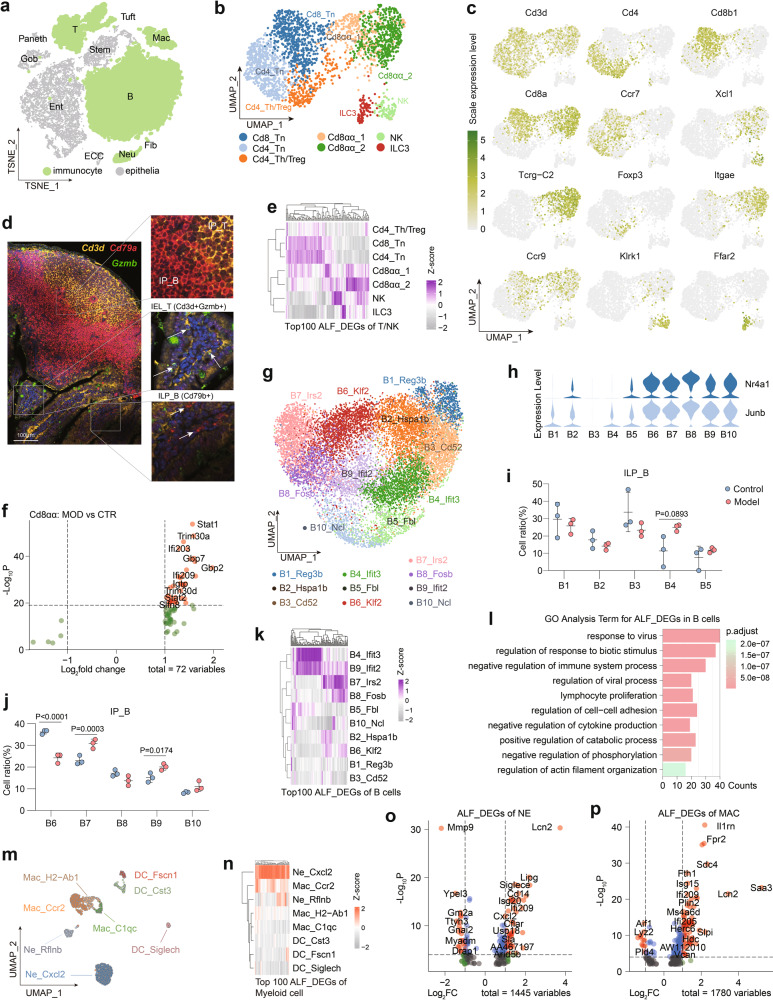
“The natural IETs expressing integrin α E β 7 and showing a Cd3d + Cd8a + Cd8b – Tcrg – C4 + Trbc2 + signature were defined as CD8 αα _1 (subtype 16) and CD8 αα _2 (subtype 18), respectively [36, 37] (Figure S9A).”
Self-citationSun, M., Li, M., Hu, M., Fan, Y., Liu, Y., Sun, J. Q., & Zhang, J. (2024) · ACS Nano · doi:10.1021/acsnano.4c07408 · Cited by 30
The Role of Lactate and Lactylation in the Dysregulation of Immune Responses in Psoriasis
Wu, X., Liu, C., Zhang, C., Kuai, L., Hu, S., Jia, N., Song, J., Jiang, W., Chen, Q., & Li, B. (2025) · Clinical Reviews in Allergy & Immunology · doi:10.1007/s12016-025-09037-2 · Cited by 16
Constructing biomimetic microenvironments for liver regeneration
(2025) · doi:10.1186/s12951-025-03729-9 · Cited by 11
Metadata
- Authors
- Yin, J., Zhao, Z., Huang, J., Xiao, Y., Rehmutulla, M., Zhang, B., Zhang, Z., Xiang, M., Tong, Q., & Zhang, Y.
- Affiliations
- Huazhong University of Science and Technology (CN)
- Corresponding author
- Tong, Qingyi
- Zhang, Yonghui
- Venue
- Cell Discovery
- Published
- 2023-07-25
- Volume
- 9
- Issue
- 1
- Pages
- 77-77
- ISSN
- 2056-5968 (ISSN-L)
- PMC
- PMC10366100
- OpenAlex
- W4385230628
- Cited by
- 24
- References
- 82
- Citations by year
- 2026: 9 · 2025: 10 · 2024: 5
- FWCI
- 2.14
- Type
- journal article
- Language
- en
- Open access
- gold
- doi.org
- Licence
- cc-by
- creativecommons.org/licenses/by/4.0 (tdm)
- creativecommons.org/licenses/by/4.0 (vor)
- Locations
- Cell Discovery (publishedVersion, cc-by)
- PubMed Central (publishedVersion, cc-by)
- PubMed (publishedVersion)
- DOAJ (DOAJ: Directory of Open Access Journals) (submittedVersion, cc-by-sa)
- Informationszentrum Lebenswissenschaften (ZB MED) (submittedVersion, cc-by)
- Funders
- National Natural Science Foundation of China (2021ACA012, 81721005, 81725021)
- Ministry of Education of the People's Republic of China (81725021, T2016088)
- Huazhong University of Science and Technology (2017QYTD19)
- Fundamental Research Funds for the Central Universities (2172019kfyXJJS166)
- Topics
- Life Sciences › Biochemistry, Genetics and Molecular Biology › Molecular Biology › Single-cell and spatial transcriptomics
- Health Sciences › Medicine › Hepatology › Liver Disease and Transplantation
- Health Sciences › Medicine › Hepatology › Liver physiology and pathology
- Keywords
- acute liver failure, gut-liver axis, EP300, intestinal epithelial cells, intestinal stem cells, enterocytes, goblet cells, intestinal immune cells, intestinal inflammation, oxidative stress, gut microbiota, therapeutic target
About these checks
Registry, retraction, Cites and statistics results are computed, not judged, with one exception: a printed reference that no index lists is read once by a model before it counts as a citation error. Claims are extracted by a model and kept only when their quote appears verbatim in the text; each cited source is then checked, with a model’s help, for whether it says what the claim relies on. Those verdicts can be wrong — read the claim’s quote and the cited source before relying on one.
Statistics and arithmetic are recomputed, not judged.
Confidence bands are shown only for fields calibrated on our annotated test set. None is calibrated yet, so no band is shown.
What counts as a claim ›How we measure confidence ›How we check this ›
Are you an author, or do you see a problem with this page? Request a review
Data sources
Bibliographic data: Semantic Scholar, OpenAlex, Crossref.
Contains information from the Semantic Scholar Academic Graph Datasets, made available under the ODC Attribution License (ODC-BY 1.0).
Semantic Scholar’s data is described in: Kinney, R., et al. (2023). The Semantic Scholar Open Data Platform. arXiv:2301.10140.
