

The DOI matches its Crossref record; 77 of the 77 references it cites were found in a registry or an index.
Development of an oral once-weekly drug delivery system for HIV antiretroviral therapy
Open accessAbstract
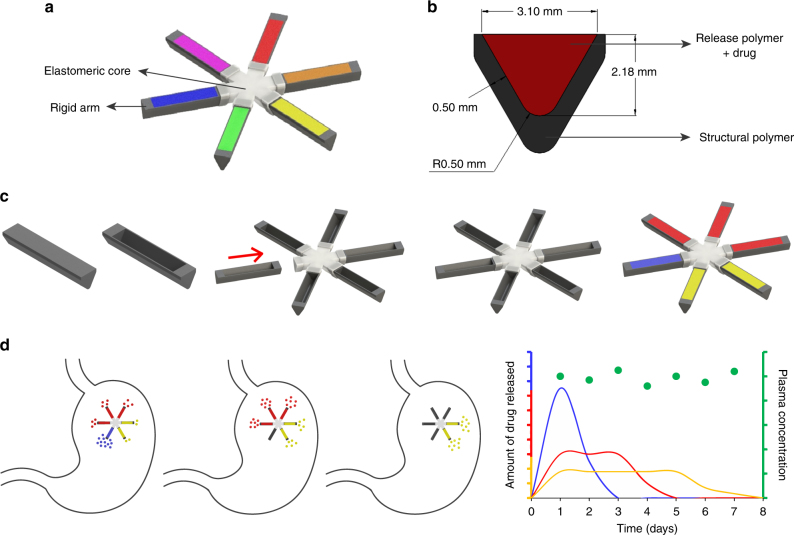
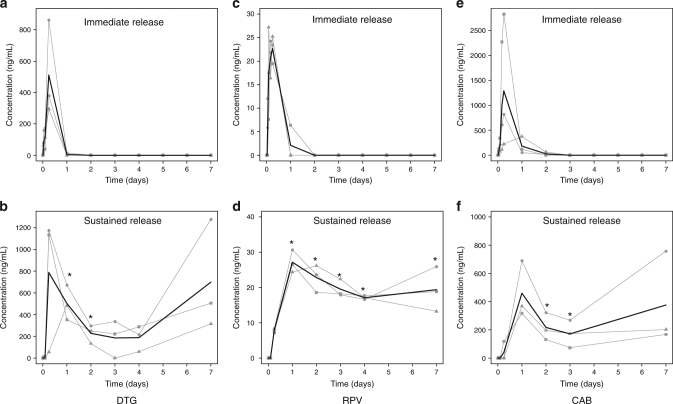
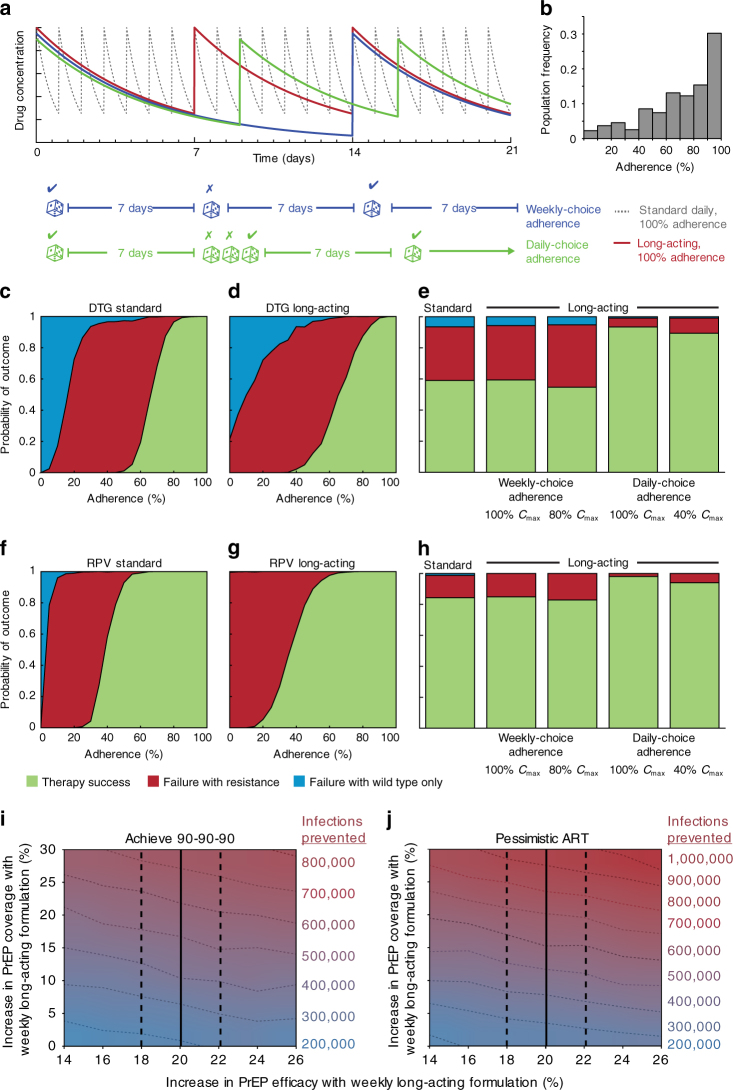
The efficacy of antiretroviral therapy is significantly compromised by medication non-adherence. Long-acting enteral systems that can ease the burden of daily adherence have not yet been developed. Here we describe an oral dosage form composed of distinct drug–polymer matrices which achieved week-long systemic drug levels of the antiretrovirals dolutegravir, rilpivirine and cabotegravir in a pig. Simulations of viral dynamics and patient adherence patterns indicate that such systems would significantly reduce therapeutic failures and epidemiological modelling suggests that using such an intervention prophylactically could avert hundreds of thousands of new HIV cases. In sum, weekly administration of long-acting antiretrovirals via a novel oral dosage form is a promising intervention to help control the HIV epidemic worldwide.
Overview
The claims and statistics of this paper haven’t been checked yet.
Run the check — free, no account needed. It reads the open-access text and checks the sources it cites.
Integrity signals
Registry
Cites
Statistics
Figures
Verification
Claims the paper makes
The claims and statistics of this paper haven’t been checked yet.
Run the check — free, no account needed. It reads the open-access text and checks the sources it cites.
Claims other papers make about this one
Each is checked against this paper’s own text: does it say what the citing paper says it does?
In the citing paper
“we have developed an orally administered gastric retentive dosage form that can reduce dosing frequency from daily to weekly 98 .”
From Nanotechnology approaches for global infectious diseases (2021) · cites this paper as [98]
Self-check
Percentages, sums and reported differences re-computed from the paper’s own numbers.
The self-check needs the paper’s full text.
Citations
Cites
Palella, F. J., Delaney, K. M., Moorman, A. C., Loveless, M. O., Fuhrer, J., Satten, G. A., Aschman, D. J., & Holmberg, S. D. (1998) · New England Journal of Medicine · doi:10.1056/nejm199803263381301 · Cited by 9,393
Preexposure chemoprophylaxis for HIV prevention in men who have sex with men.
Grant, R. M., Lama, J. R., Anderson, P. L., McMahan, V., Liu, A. Y., Vargas, L., Goicochea, P., Casapía, M., Guanira-Carranza, J. V., Ramirez-Cardich, M. E., et al. (2010) · New England Journal of Medicine · doi:10.1056/nejmoa1011205 · Cited by 5,096
Abdool Karim, Q., Abdool Karim, S. S., Frohlich, J. A., Grobler, A. C., Baxter, C., Mansoor, L. E., Kharsany, A. B. M., Sibeko, S., Mlisana, K. P., Omar, Z., et al. (2010) · Science · doi:10.1126/science.1193748 · Cited by 2,435
Preexposure Prophylaxis for HIV Infection among African Women
Damme, L. V., Corneli, A. L., Ahmed, K., Agot, K. E., Lombaard, J. J., Kapiga, S., Malahleha, M., Owino, F., Manongi, R. N., Onyango, J., et al. (2012) · New England Journal of Medicine · doi:10.1056/nejmoa1202614 · Cited by 1,633
Samji, H., Cescon, A., Hogg, R. S., Modur, S. P., Althoff, K. N., Buchacz, K. A., Burchell, A. N., Cohen, M. H., Gebo, K. A., Gill, M. J., et al. (2013) · PLoS ONE · doi:10.1371/journal.pone.0081355 · Cited by 1,420
Tenofovir-based preexposure prophylaxis for HIV infection among African women.
Marrazzo, J. M., Ramjee, G., Richardson, B. A., Gomez, K., Mgodi, N., Nair, G., Palanee, T., Nakabiito, C., van der Straten, A., Noguchi, L., et al. (2015) · New England Journal of Medicine · doi:10.1056/nejmoa1402269 · Cited by 1,296
Effectiveness and safety of oral HIV preexposure prophylaxis for all populations
Fonner, V. A., Dalglish, S. L., Kennedy, C. E., Baggaley, R. C., O’Reilly, K., Koechlin, F. M., Rodolph, M., Hodges-Mameletzis, I., & Grant, R. M. (2016) · AIDS · doi:10.1097/qad.0000000000001145 · Cited by 1,026
Non-adherence to highly active antiretroviral therapy predicts progression to AIDS
Bangsberg, D. R., Perry, S., Charlebois, E. D., Clark, R. A. F., Roberston, M., Zolopa, A. R., & Moss, A. R. (2001) · AIDS · doi:10.1097/00002030-200106150-00015 · Cited by 960
Adherence to Antiretroviral Therapy in Sub-Saharan Africa and North America: A Meta-analysis
Mills, E. J., Nachega, J. B., Buchan, I., Orbinski, J., Attaran, A., Singh, S., Rachlis, B., Wu, P., Cooper, C., Thabane, L., et al. (2006) · JAMA · doi:10.1001/jama.296.6.679 · Cited by 899
Use of a vaginal ring containing dapivirine for HIV-1 prevention in women.
Baeten, J. M., Palanee-Phillips, T., Brown, E. R., Schwartz, K., Soto-Torres, L. E., Govender, V., Mgodi, N. M., Matovu Kiweewa, F., Nair, G., Mhlanga, F., et al. (2016) · New England Journal of Medicine · doi:10.1056/nejmoa1506110 · Cited by 772
Research works printed but not linked: 2
- Andrew Owen et al. Human confirmation of oral dose reduction potential of nanoparticle ARV formulations. Conference on Retroviruses and Opportunistic Infections, abstr. 39 (2017).
- Wijting I. et al. Dolutegravir as maintenance monotherapy for HIV-1: a randomized clinical trial. Conference on Retroviruses and Opportunistic Infections, abstr. 451LB (2017).
Cited by
Sorted by citations
Items 101–200 of 228
Young, I. C., & Benhabbour, S. R. (2021) · Polymers · doi:10.3390/polym13152450 · Cited by 27
Uboldi, M., Pasini, C., Pandini, S., Baldi, F., Vangosa, F. B., Inverardi, N., Maroni, A., Moutaharrik, S., Melocchi, A., Gazzaniga, A., et al. (2022) · Pharmaceutics · doi:10.3390/pharmaceutics14122814 · Cited by 27
Soft robot-enabled controlled release of oral drug formulations
Huang, H., Lyu, Y., & Nan, K. (2023) · Soft Matter · doi:10.1039/d2sm01624a · Cited by 27
Charge transporting and thermally activated delayed fluorescence materials for OLED applications
Kumar, K. (2024) · Physical Chemistry Chemical Physics · doi:10.1039/d3cp03214k · Cited by 28
Hydrophilic High Drug-Loaded 3D Printed Gastroretentive System with Robust Release Kinetics
Mora-Castaño, G., Millán, M., & Caraballo, I. (2023) · Pharmaceutics · doi:10.3390/pharmaceutics15030842 · Cited by 26
Development of a long-acting direct-acting antiviral system for hepatitis C virus treatment in swine
Verma, M., Chu, J. N., Salama, J. A. F., Faiz, M. T., Eweje, F. R., Gwynne, D., Lopes, A., Hess, K., Soares, V. V., Steiger, C., et al. (2020) · Proceedings of the National Academy of Sciences · doi:10.1073/pnas.2004746117 · Cited by 27
Self-citationTranslational approaches to treating dynamical diseases through in silico clinical trials
Alfonso, S., Jenner, A. L., & Craig, M. (2020) · Chaos An Interdisciplinary Journal of Nonlinear Science · doi:10.1063/5.0019556 · Cited by 27
Self-citationHarnessing nanostructured systems for improved treatment and prevention of HIV disease
Monroe, M. K., Flexner, C. W., & Cui, H. (2018) · Bioengineering & Translational Medicine · doi:10.1002/btm2.10096 · Cited by 23
Chauhan, P. S., Ionita, I. A., Halamish, H. M., Sosnik, A., & Danino, D. (2020) · Journal of Colloid and Interface Science · doi:10.1016/j.jcis.2020.12.021 · Cited by 23
Tebbutt, C. A., Devisscher, T., Obando‐Cabrera, L., García, G. A. G., Elizalde, M. C. M., Armenteras, D., & Menor, I. O. (2021) · People and Nature · doi:10.1002/pan3.10222 · Cited by 23
Phosphine Oxide Additives for High‐Brightness Inorganic Perovskite Light‐Emitting Diodes
Schmidt, I., Olthof, S., Xu, H., & Meerholz, K. (2021) · Advanced Optical Materials · doi:10.1002/adom.202101602 · Cited by 23
Global trends in depression among patients living with HIV: A bibliometric analysis
Du, X., Zhang, Q., Hao, J., Gong, X., Liu, J., & Chen, J. (2023) · Frontiers in Psychology · doi:10.3389/fpsyg.2023.1125300 · Cited by 23
Zerrouk, N., Miagoux, Q., Dispot, A., Elati, M., & Niarakis, A. (2020) · Scientific Reports · doi:10.1038/s41598-020-73147-4 · Cited by 23
Laxmi, L., & Kabra, D. (2021) · Advanced Photonics Research · doi:10.1002/adpr.202000164 · Cited by 22
Hoang, D. V., Vu, N. H., Thi, N., Phạm, A. T. T., Nguyễn, T. H., Kuo, J., Phan, T. B., & Trần, V. C. (2021) · Journal of Materiomics · doi:10.1016/j.jmat.2021.04.011 · Cited by 22
Hoffmann, S. V., O’Shea, J. P., Galvin, P., Jannin, V., & Griffin, B. T. (2024) · European Journal of Pharmaceutical Sciences · doi:10.1016/j.ejps.2024.106911 · Cited by 21
Salama, A. H. (2025) · Future Journal of Pharmaceutical Sciences · doi:10.1186/s43094-025-00866-8 · Cited by 23
Who Wants to Switch? Gauging Patient Interest in Novel Antiretroviral Therapies
Derrick, C., Ostermann, J., Weissman, S., Hobbie, A. M., Alshareef, N., Weinhold, A., Yelverton, V., & Thielman, N. M. (2018) · Open Forum Infectious Diseases · doi:10.1093/ofid/ofy247 · Cited by 20
Blank, J. L., Thelen, D. G., Allen, M. S., & Roth, J. D. (2021) · Journal of the mechanical behavior of biomedical materials/Journal of mechanical behavior of biomedical materials · doi:10.1016/j.jmbbm.2021.104964 · Cited by 20
Koutsamanis, I., Roblegg, E., & Spoerk, M. (2023) · Journal of Drug Delivery Science and Technology · doi:10.1016/j.jddst.2023.104289 · Cited by 20
Ahn, Y., Lee, S., Kwak, D.-H., Kim, M. A., Kim, D. Y., Kim, J., Park, Y., & Suh, M. C. (2019) · Applied Surface Science · doi:10.1016/j.apsusc.2019.145071 · Cited by 20
Gan, Z., Chen, W., Liu, C., Zhang, J., Di, Y., Yu, L., Dong, L., Jia, B., & Wen, X. (2021) · Advanced Photonics Research · doi:10.1002/adpr.202100283 · Cited by 20
Halide Perovskite Precursors Dope PEDOT:PSS
Sandrez, S., Molenda, Z., Guyot, C., Renault, O., Barnes, J., Hirsch, L., Maindron, T., & Wantz, G. (2021) · Advanced Electronic Materials · doi:10.1002/aelm.202100394 · Cited by 19
The risk of drug resistance during long-acting antimicrobial therapy
Nande, A., & Hill, A. L. (2022) · Proceedings of the Royal Society B Biological Sciences · doi:10.1098/rspb.2022.1444 · Cited by 19
Self-citationZhao, X., Zhong, X., Yang, S., Deng, K., Liu, L., Song, X., Zou, Y., Li, L., Zhou, X. C., Jia, R., et al. (2023) · Antimicrobial Agents and Chemotherapy · doi:10.1128/aac.00010-23 · Cited by 19
Shu, L., Han, B., Zhang, Q., Poddar, S., Zhang, D., Fu, Y., Cao, Y., Ding, Y., Zhu, Y., Lin, Y., et al. (2023) · Advanced Functional Materials · doi:10.1002/adfm.202306570 · Cited by 19
Untethered shape-changing devices in the gastrointestinal tract
Liu, W., Choi, S. J., George, D., Li, L., Zhong, Z., Zhang, R., Choi, S. Y., Selaru, F. M., & Gracias, D. H. (2023) · Expert Opinion on Drug Delivery · doi:10.1080/17425247.2023.2291450 · Cited by 19
Lee, Y. J., Kim, H., Kim, J., & Jang, J. H. (2019) · Journal of Materials Chemistry C · doi:10.1039/c9tc02683e · Cited by 19
Self-citationLaser facilitates week-long sustained transdermal drug delivery at high doses
Kakar, P., Li, Z., Li, Y., Cao, Y., & Chen, X. (2020) · Journal of Controlled Release · doi:10.1016/j.jconrel.2020.01.011 · Cited by 17
Approaches to Generating Virtual Patient Cohorts with Applications in Oncology
Surendran, A., Sauteur-Robitaille, J. L., Kleimeier, D., Gevertz, J. L., Wilkie, K. P., Jenner, A. L., & Craig, M. (2023) · Springer eBooks · doi:10.1007/978-3-031-32614-1_8 · Cited by 16
Self-citationInfluence of Organic Spacer Cation on Dark Excitons in 2D Perovskites
Bailey, C. G., Gillan, L. V., Lee, M., Sloane, N. P., Liu, X., Hao, X., Soufiani, A. M., & McCamey, D. R. (2023) · Advanced Functional Materials · doi:10.1002/adfm.202308095 · Cited by 16
Long-Acting, Potent Delivery of Combination Antiretroviral Therapy
Andersen, A. H. F., Frich, C. K., Zuwała, K., Tolstrup, M., Dagnæs‐Hansen, F., Denton, P. W., & Zelikin, A. N. (2018) · ACS Macro Letters · doi:10.1021/acsmacrolett.8b00179 · Cited by 17
Dynamic Monitoring of Systemic Biomarkers with Gastric Sensors
Steiger, C., Phan, N. V., Huang, H., Sun, H., Chu, J. N., Reker, D., Gwynne, D., Collins, J. E., Tamang, S. M., McManus, R., et al. (2021) · Advanced Science · doi:10.1002/advs.202102861 · Cited by 15
Self-citationImplantable drug delivery systems
Major, I., Lastakchi, S., Dalton, M. B., & McConville, C. (2020) · Elsevier eBooks · doi:10.1016/b978-0-08-102548-2.00005-6 · Cited by 15
Can drug release rate from implants be tailored using poly(urethane) mixtures?
Lowinger, M. B., Su, Y., Lu, X., Williams, R. O., & Zhang, F. (2018) · International Journal of Pharmaceutics · doi:10.1016/j.ijpharm.2018.11.067 · Cited by 14
Cardinal, O., Burlot, C., Fu, Y., Crosley, P., Hitt, M., Craig, M., & Jenner, A. L. (2022) · Computational and Systems Oncology · doi:10.1002/cso2.1035 · Cited by 14
Self-citationSocial learning exploits the available auditory or visual cues
Paraouty, N., Charbonneau, J. A., & Sanes, D. H. (2020) · Scientific Reports · doi:10.1038/s41598-020-71005-x · Cited by 15
Investigating the mechanism of action of aggregation-inducing antimicrobial Pept-ins
Wu, G., Khodaparast, L., Khodaparast, L., Vleeschouwer, M. D., Housmans, J. A. J., Houben, B., Schymkowitz, J. W. H., & Rousseau, F. (2021) · Cell chemical biology · doi:10.1016/j.chembiol.2020.12.008 · Cited by 14
Jiang, S., & Ladewig, B. P. (2019) · Journal of Materials Chemistry A · doi:10.1039/c9ta06248c · Cited by 14
Ahmad, S., Ali, W., Sun, J., Zhou, B., Jiang, Z., Meng, J., Wang, H., Wei, G., & Choy, W. C. H. (2025) · Nature Communications · doi:10.1038/s41467-025-66478-1 · Cited by 13
Scalable Gastric Resident Systems for Veterinary Application
Hayward, A. M., Bensel, T., Mazdiyasni, H., Rogner, J., Kirtane, A. R., Lee, Y. L., Hua, T., Bajpayee, A. G., Collins, J. E., McDonnell, S., et al. (2018) · Scientific Reports · doi:10.1038/s41598-018-30212-3 · Cited by 13
Self-citationKaravasili, C., Babaee, S., Kutty, S., Chu, J. N., Min, S., Fitzgerald, N. J., Morimoto, J., Inverardi, N., & Traverso, G. (2023) · Advanced Healthcare Materials · doi:10.1002/adhm.202301101 · Cited by 12
Self-citationDouble-headed nanosystems for oral drug delivery
Kaur, G., Arora, M., Ganugula, R., & Kumar, M. N. V. R. (2019) · Chemical Communications · doi:10.1039/c8cc10021g · Cited by 12
Controlling the movement of molecules
Langer, R. (2019) · Quarterly Reviews of Biophysics · doi:10.1017/s0033583519000040 · Cited by 12
Self-citationMartínez-Pabello, P. U., Sedov, S., Solleiro‐Rebolledo, E., Solé, J., Pi‐Puig, T., Alcántara‐Hernández, R., Lebedeva, M. P., Шишков, В. А., & Villalobos, C. (2020) · Journal of South American Earth Sciences · doi:10.1016/j.jsames.2020.102959 · Cited by 12
Making the case: developing innovative adherence solutions for the treatment of tuberculosis
Verma, M., Furin, J. J., Langer, R., & Traverso, G. (2019) · BMJ Global Health · doi:10.1136/bmjgh-2018-001323 · Cited by 12
Self-citationIntestinal retentive systems – recent advances and emerging approaches
Naik, D. A., Matonis, S., Balakrishnan, G., & Bettinger, C. J. (2023) · Journal of Materials Chemistry B · doi:10.1039/d3tb01842c · Cited by 11
Uboldi, M., Chiappa, A., Rossi, M., Vangosa, F. B., Melocchi, A., & Zema, L. (2023) · Expert Opinion on Drug Delivery · doi:10.1080/17425247.2023.2294884 · Cited by 12
Loucif, H., Gouard, S., Dagenais-Lussier, X., Murira, A., Stäger, S., Tremblay, C. L., & van Grevenynghe, J. (2018) · Cytokine & Growth Factor Reviews · doi:10.1016/j.cytogfr.2018.03.010 · Cited by 11
Parhi, R., & Garg, A. (2024) · Current Pharmaceutical Design · doi:10.2174/0113816128341715241216060613 · Cited by 10
Assembled pH-Responsive Gastric Drug Delivery Systems Based on 3D-Printed Shells
Bei, H., Zhao, P., Shen, L. G., Yang, Q., & Yang, Y. (2024) · Pharmaceutics · doi:10.3390/pharmaceutics16060717 · Cited by 9
Osmond, M. J., Korthals, E., Zimmermann, C. J., Roth, E. J., Marr, D. W. M., & Neeves, K. B. (2023) · ACS Omega · doi:10.1021/acsomega.3c00886 · Cited by 9
Maroju, P. A., Ganesan, R., & Dutta, J. R. (2023) · Macromolecular Bioscience · doi:10.1002/mabi.202300296 · Cited by 10
MicroRNAs in Drosophila Cancer Models
Sander, M., & Herranz, H. (2019) · Advances in experimental medicine and biology · doi:10.1007/978-3-030-23629-8_9 · Cited by 9
Expandable, dual-excipient fibrous dosage forms for prolonged delivery of sparingly-soluble drugs
Blaesi, A. H., & Saka, N. (2021) · International Journal of Pharmaceutics · doi:10.1016/j.ijpharm.2021.120396 · Cited by 9
Lopacinska‐Jørgensen, J., Oliveira, D. V. N. P., Novotny, G. W., Høgdall, C. K., & Høgdall, E. V. S. (2021) · PLoS ONE · doi:10.1371/journal.pone.0255142 · Cited by 9
Preferences of Persons With or at Risk for Hepatitis C for Long-Acting Treatments
Weld, E. D., Astemborski, J. A., Kirk, G. D., Sulkowski, M., Katz, S., Rothman, R. E., Solomon, S. S., Matthews, G. V., Hsieh, Y. H., Verma, M., et al. (2021) · Clinical Infectious Diseases · doi:10.1093/cid/ciab913 · Cited by 9
Self-citationDuan, K., Ling, Z., Sun, M., Zhi, W., Zhang, Y., Han, S., Xu, J., Wang, H., & Li, J. (2021) · Journal of Applied Polymer Science · doi:10.1002/app.51746 · Cited by 8
Enzyme‐Triggered Intestine‐Specific Targeting Adhesive Platform for Universal Oral Drug Delivery
Li, Y., Lee, J. S., Kirtane, A. R., Li, M., Coffey, C. W., Hess, K., Lopes, A., Collins, J. E., Tamang, S. M., Ishida, K., et al. (2023) · Advanced Healthcare Materials · doi:10.1002/adhm.202301033 · Cited by 8
Self-citationProntera, C. T., Taurino, D., Coriolano, A., Maggiore, A., Pugliese, M., Giannuzzi, R., Mariano, F., Carallo, S., Rizzo, A., Gigli, G., et al. (2023) · Nanoscale Advances · doi:10.1039/d2na00942k · Cited by 8
Blank, J. L., Thelen, D. G., & Roth, J. D. (2020) · Lecture notes in computational vision and biomechanics · doi:10.1007/978-3-030-43195-2_5 · Cited by 8
Microdevices to successfully deliver orally administered drugs
Mazzoni, C., & Nielsen, L. H. (2020) · Elsevier eBooks · doi:10.1016/b978-0-12-818038-9.00012-0 · Cited by 8
Low-dimensional emissive states in non-stoichiometric methylammonium lead halide perovskites
Freestone, B. G., Smith, J. A., Piana, G., Kilbride, R. C., Parnell, A. J., Sortino, L., Coles, D. M., Ball, O. B., Martsinovich, N., Thompson, C. J., et al. (2019) · Journal of Materials Chemistry A · doi:10.1039/c8ta12184b · Cited by 8
Bioresorbable RFID capsule for assessing medication adherence
Say, M. G., You, S. S., Cai, Y., Erus, A., Moon, I., Muller, B. N., Vielba-Gomez, F., Zadvornaya, A., Pettinari, A., Schmidt, K., et al. (2026) · Nature Communications · doi:10.1038/s41467-025-67551-5 · Cited by 7
Self-citationSingh, S., Ghorai, M. K., & Kar, K. K. (2023) · Journal of Materials Chemistry A · doi:10.1039/d3ta04961b · Cited by 7
An innovative chalcogenide transfer agent for improved aqueous quantum dot synthesis
Petit, G., Malherbe, C., Bianchi, P., & Monbaliu, J. M. (2024) · Chemical Science · doi:10.1039/d4sc01135j · Cited by 7
Sequential Drug Release Achieved with Dual‐Compartment Microcontainers: Toward Combination Therapy
Christfort, J. F., Milián-Guimerá, C., Kamguyan, K., Hansen, M. B., Nielsen, L. H., Thamdrup, L. H. E., Zór, K., & Boisen, A. (2022) · Advanced Therapeutics · doi:10.1002/adtp.202200106 · Cited by 7
Current status of dolutegravir delivery systems for the treatment of HIV-1 infection
Sarode, I. M., & Jindal, A. B. (2022) · Journal of Drug Delivery Science and Technology · doi:10.1016/j.jddst.2022.103802 · Cited by 7
Challenges and Future Directions for Next-Generation Drug Delivery Systems
Sarma, L., Singh, S., Anjali, & Dutta, D. (2025) · Methods in pharmacology and toxicology · doi:10.1007/978-1-0716-4554-3_25 · Cited by 6
Tanaka, Y., Yamagishi, M., Motomura, Y., Kamatani, T., Oguchi, Y., Suzuki, N., Kiniwa, T., Kabata, H., Irie, M., Tsunoda, T., et al. (2023) · Communications Biology · doi:10.1038/s42003-023-05297-w · Cited by 6
Bialik, M., Kurkowski, P., Strzelecka, K., Kuras, M. J., Sobczak, M., Mulas, K., Zgadzaj, A., Czerwińska, M. E., Gniadek, M., & Olędzka, E. (2023) · Journal of Drug Delivery Science and Technology · doi:10.1016/j.jddst.2023.105006 · Cited by 6
Hari, B. N. V., Makowski, T., Sowiński, P., Domańska, A., Gonciarz, W., & Brzeziński, M. (2023) · International Journal of Biological Macromolecules · doi:10.1016/j.ijbiomac.2023.128754 · Cited by 6
Liu, K., Hao, Z., Zheng, H., Wang, H., Zhang, L., Yan, M., Tuerhong, R., Zhou, Y., Wang, Y., Pang, T., et al. (2023) · Thrombosis Research · doi:10.1016/j.thromres.2023.06.031 · Cited by 6
Agot, K. E., Lutnick, A., Shapley‐Quinn, M. K., Ahmed, K., Okello, T., van der Straten, A., & The TRIO Study Team (2020) · Gates Open Research · doi:10.12688/gatesopenres.13182.1 · Cited by 6
Solution-coated barriers for organic electronics
Channa, I. A., Distler, A., Brabec, C. J., & Egelhaaf, H. (2020) · Elsevier eBooks · doi:10.1016/b978-0-12-818890-3.00009-6 · Cited by 6
Supramolecular oral delivery technologies for polypeptide-based drugs
Chen, J., Liu, T., Wang, M., Lü, B., Bai, D., Shang, J., Chen, Y., & Zhang, J. (2025) · Journal of Controlled Release · doi:10.1016/j.jconrel.2025.02.045 · Cited by 5
Citrome, L., Nagaraj, N., Traverso, G., Dumas, T., & Scranton, R. E. (2025) · The Lancet Psychiatry · doi:10.1016/s2215-0366(25)00135-x · Cited by 5
Self-citationToward Next-Generation Ingestible Hydrogels
Liu, G. W., Su, R., Osterling, B. L. G., Carrazco, R., & Feig, V. R. (2025) · Biomacromolecules · doi:10.1021/acs.biomac.4c00902 · Cited by 6
Ankrom, W., Rudd, D. J., Schaeffer, A., Panebianco, D., Friedman, E. J., Tomek, C., Stoch, S. A., & Iwamoto, M. (2021) · Antimicrobial Agents and Chemotherapy · doi:10.1128/aac.00935-21 · Cited by 5
4D Printing in Pharmaceutics and Biomedical Applications
Naniz, M. A., Askari, M., Zolfagharian, A., & Bodaghi, M. (2023) · Advanced clinical pharmacy - research, development and practical applications/Advanced clinical pharmacy - research, development and practical applications · doi:10.1007/978-3-031-26908-0_9 · Cited by 5
Research progress on the performance of expandable systems for long-term gastric retention
Jin, X., Li, H., Zhang, W., Qin, K., & Wu, C. (2025) · Acta Biomaterialia · doi:10.1016/j.actbio.2025.01.002 · Cited by 5
Recent advancements and future applications of intrauterine drug delivery systems
Abhang, A., & Burgess, D. J. (2025) · Expert Opinion on Drug Delivery · doi:10.1080/17425247.2025.2490266 · Cited by 5
Qureshi, A., Ouattara, L. A., El‐Sayed, N. S., Verma, A., Doncel, G. F., Choudhary, M. I., Siddiqui, H. L., & Parang, K. (2022) · Molecules · doi:10.3390/molecules27144447 · Cited by 5
RetractedWang, Y., Ma, Z., Li, Y., Zhang, F., Chen, X., & Shi, Z. (2021) · Chinese Physics B · doi:10.1088/1674-1056/abe92b · Cited by 5
Chachlioutaki, K., Papas, N., Chatzis, Z., Katsamenis, O. L., Robinson, S., Tsongas, K., Bouropoulos, N., Fatouros, D. G., Tzetzis, D., & Karavasili, C. (2024) · Advanced Intelligent Systems · doi:10.1002/aisy.202400526 · Cited by 4
Clinical trial simulation of antiviral drugs
Schiffer, J. T., Reeves, D. B., Mayer, B. T., Rodriguez, L. R., Duke, E. R., Haddock, B., de León, U. A.-P., Iwami, S., Owens, K. L., & Esmaeili, S. (2026) · Journal of Virology · doi:10.1128/jvi.01814-24 · Cited by 4
Fully Biodegradable Elastomer-Based Device for Oral Macromolecule Delivery
McCabe, R., Thamdrup, L. H. E., Ghavami, M., & Boisen, A. (2024) · ACS Applied Bio Materials · doi:10.1021/acsabm.4c00147 · Cited by 4
Müller, V., Caldas, B. S., Radovanovic, E., & Muniz, E. C. (2024) · Journal of Drug Delivery Science and Technology · doi:10.1016/j.jddst.2024.106464 · Cited by 4
Design and fabrication of a parasite-inspired, millimeter-scale tissue anchoring mechanism
Maquignaz, G., Zoll, R. S., Karpelson, M., Weaver, J. C., & Wood, R. J. (2024) · PNAS Nexus · doi:10.1093/pnasnexus/pgae495 · Cited by 4
Mau, M. M., Sarker, S., Harris, S. P., & Terry, B. S. (2023) · Journal of Medical Devices · doi:10.1115/1.4057058 · Cited by 4
From Molecule to Patient: A Biotech Perspective
Langer, R., Jaklenec, A., Traverso, G., & Hartman, D. (2019) · Clinical Pharmacology & Therapeutics · doi:10.1002/cpt.1676 · Cited by 4
Self-citationThe Potential Value of Nanomedicine and Novel Oral Dosage Forms in the Treatment of HIV
Hobson, J., Owen, A., & Rannard, S. P. (2018) · Nanomedicine · doi:10.2217/nnm-2018-0182 · Cited by 4
Gastroretentive systems for prolonged release of metformin based on osmotically driven expansion
Cirilli, M., Moutaharrik, S., Palugan, L., Coldani, M. E., Buscarini, A., Bruni, G., Gazzaniga, A., Maroni, A., Foppoli, A., & Cerea, M. (2025) · International Journal of Pharmaceutics · doi:10.1016/j.ijpharm.2025.125856 · Cited by 3
UAV-Assisted Fresh Data Collection with MCS in Wireless Powered IoT
Yang, F. F., Liu, J., & Xie, L. (2023) · Lecture notes in electrical engineering · doi:10.1007/978-981-99-2362-5_25 · Cited by 3
Tanushree, T., Sharma, A., Monika, Singh, R. P., & Jhawat, V. (2024) · Reviews in Medical Virology · doi:10.1002/rmv.2563 · Cited by 3
Efficacy and safety of two-drug regimens for treatment of HIV in the central nervous system
Gabuzda, D. H., McArthur, J. C., & Letendre, S. L. (2020) · AIDS · doi:10.1097/qad.0000000000002665 · Cited by 3
Jiang, S., & Ladewig, B. P. (2018) · Figshare · doi:10.5281/zenodo.1622251 · Cited by 3
Formulation development of a dapivirine-releasing subdermal implant for HIV prevention
Wang, S., Murtadha, R. Z., & Malcolm, K. R. (2025) · International Journal of Pharmaceutics · doi:10.1016/j.ijpharm.2025.126524 · Cited by 2
Perovskite Solar Cells: Concepts and Prospects
Vijila, C. V. M., Antony, A., & Jayaraj, M. K. (2022) · Engergy systems in electrical engineering · doi:10.1007/978-981-19-4526-7_3 · Cited by 2
Long-Acting HIV Treatment: Current and Future Options
Noé, S. (2025) · Current Infectious Disease Reports · doi:10.1007/s11908-025-00859-x · Cited by 2
Metadata
- Authors
- Kirtane, A. R., Abouzid, O., Minahan, D., Bensel, T., Hill, A. L., Selinger, C., Bershteyn, A., Craig, M., Mo, S. S., Mazdiyasni, H., Cleveland, C., Rogner, J., Lee, Y.-A. L., Booth, L., Javid, F., Wu, S. J., Grant, T., Bellinger, A. M., Nikolic, B., Hayward, A., Wood, L., Eckhoff, P. A., Nowak, M. A., Langer, R., & Traverso, G.
- Affiliations
- Koch Institute for Integrative Cancer Research At MIT (US)
- Harvard University (US)
- Institute for Disease Modeling (US)
- Brigham and Women's Hospital (US)
- Massachusetts Institute of Technology (US)
- Lyndra Therapeutics (United States) (US)
- Corresponding author
- Traverso, Giovanni
- ORCID
- Venue
- Nature Communications
- Published
- 2018-01-09
- Volume
- 9
- Issue
- 1
- Pages
- 2-2
- ISSN
- 2041-1723 (ISSN-L)
- PMC
- PMC5760734
- OpenAlex
- W2781350987
- Cited by
- 227
- References
- 77
- Citations by year
- 2026: 8 · 2025: 19 · 2024: 16 · 2023: 30 · 2022: 23 · 2021: 38 · 2020: 43 · 2019: 28 · 2018: 22
- FWCI
- 13.14
- Type
- journal article
- Language
- en
- Open access
- gold
- doi.org
- Locations
- Nature Communications (publishedVersion, cc-by)
- Europe PMC (PubMed Central) (publishedVersion, cc-by)
- PubMed Central (publishedVersion, cc-by)
- PubMed (publishedVersion)
- Digital Access to Scholarship at Harvard (DASH) (Harvard University) (submittedVersion, cc-by)
- RePEc: Research Papers in Economics (submittedVersion)
- DOAJ (DOAJ: Directory of Open Access Journals) (submittedVersion)
- DOAJ (DOAJ: Directory of Open Access Journals) (submittedVersion, cc-by-sa)
- DSpace@MIT (Massachusetts Institute of Technology) (submittedVersion, cc-by-nc)
- Funders
- Bill and Melinda Gates Foundation (OPP1139937, OPP1139921, OPP1148627)
- Brigham and Women's Hospital
- National Institutes of Health (DP5OD019851, 4r37eb000244-34, EB-000244)
- National Institute of Allergy and Infectious Diseases (R01AI131416, P30AI060354)
- National Institute of Biomedical Imaging and Bioengineering (R01EB000244, R37-EB000244)
- Topics
- Life Sciences › Pharmacology, Toxicology and Pharmaceutics › Pharmaceutical Science › Advanced Drug Delivery Systems
- Health Sciences › Medicine › Infectious Diseases › HIV/AIDS drug development and treatment
- Health Sciences › Medicine › Infectious Diseases › HIV/AIDS Research and Interventions
- Keywords
- HIV antiretroviral therapy, long-acting drug delivery, oral dosage forms, dolutegravir, rilpivirine, cabotegravir, medication adherence, viral dynamics, HIV prevention, prophylaxis, porcine model
- MeSH terms
- Rilpivirine, Proof of Concept Study, Dolutegravir, Administration, Oral, Animals, Drug Evaluation, Preclinical, Heterocyclic Compounds, 3-Ring, Humans, Models, Theoretical, Oxazines, Patient Compliance, Piperazines, Pyridones, Swine, Drug Delivery Systems, Anti-HIV Agents, Diketopiperazines
About these checks
Registry, retraction, Cites and statistics results are computed, not judged, with one exception: a printed reference that no index lists is read once by a model before it counts as a citation error. Claims are extracted by a model and kept only when their quote appears verbatim in the text; each cited source is then checked, with a model’s help, for whether it says what the claim relies on. Those verdicts can be wrong — read the claim’s quote and the cited source before relying on one.
Statistics and arithmetic are recomputed, not judged.
Confidence bands are shown only for fields calibrated on our annotated test set. None is calibrated yet, so no band is shown.
What counts as a claim ›How we measure confidence ›How we check this ›
Are you an author, or do you see a problem with this page? Request a review
