

Selective autophagy maintains centrosome integrity and accurate mitosis by turnover of centriolar satellites
Open accessThe DOI matches its Crossref record; 82 of the 82 references it cites were found in a registry or an index.
Abstract
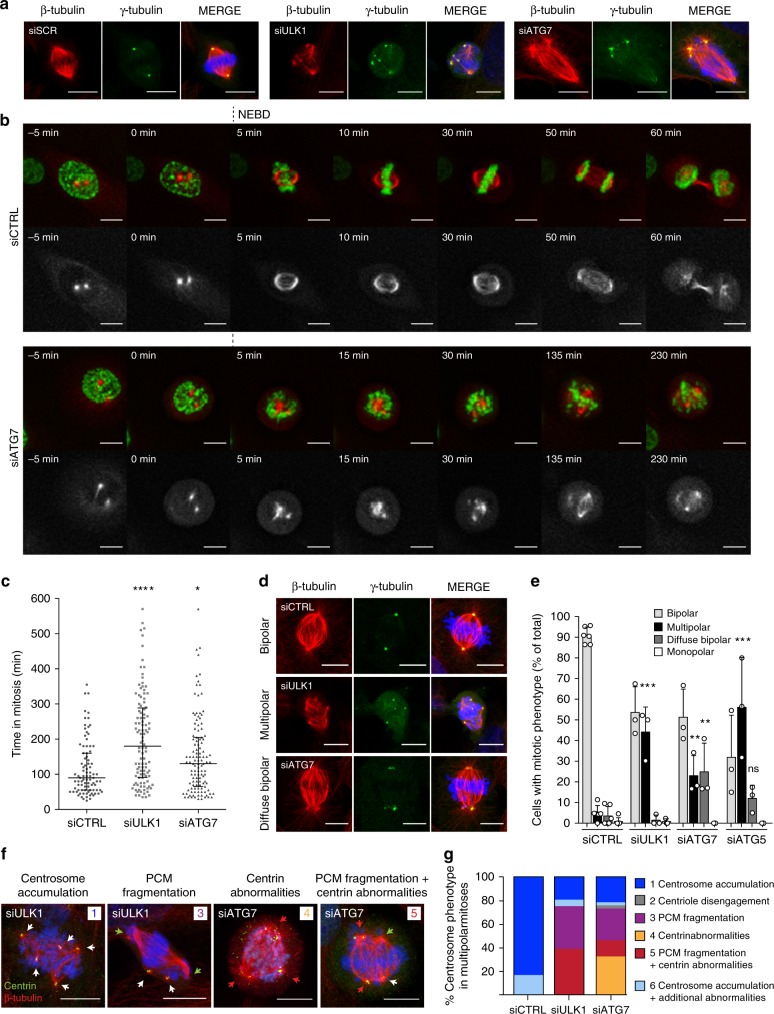
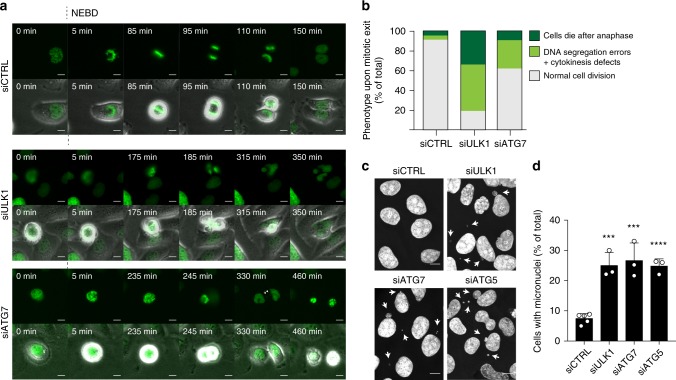
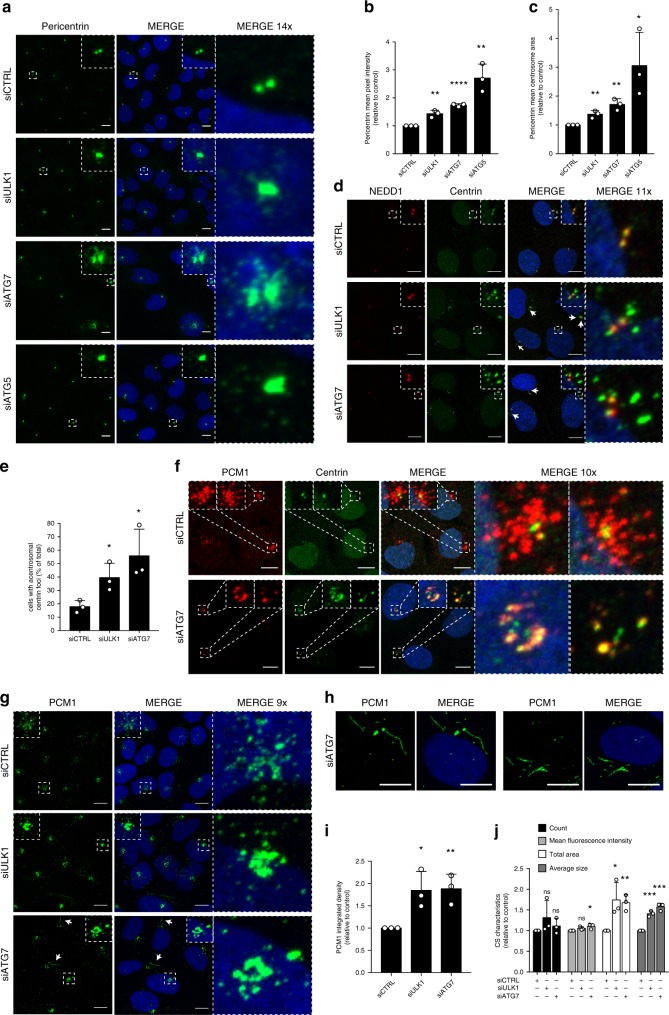
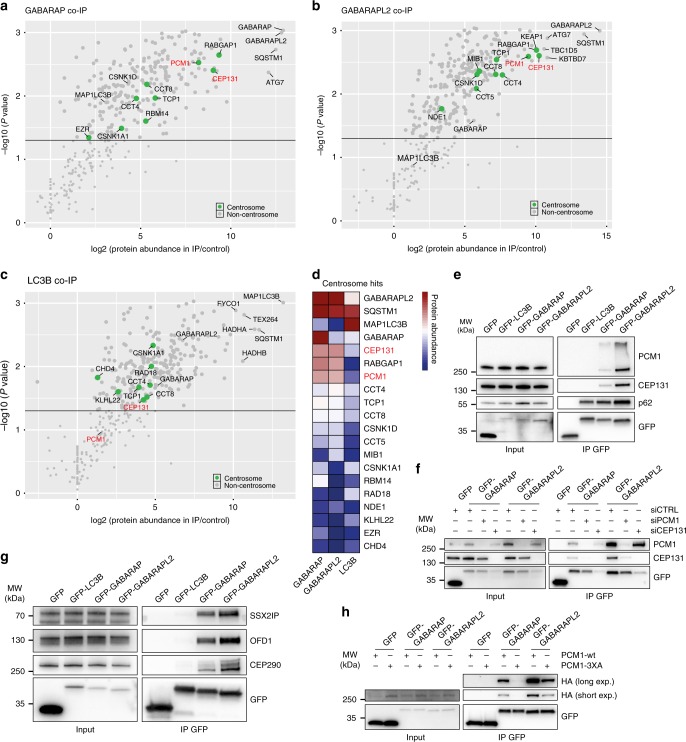
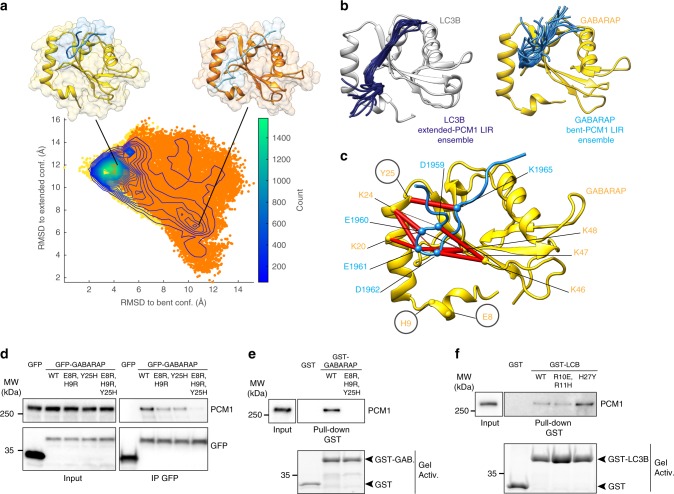
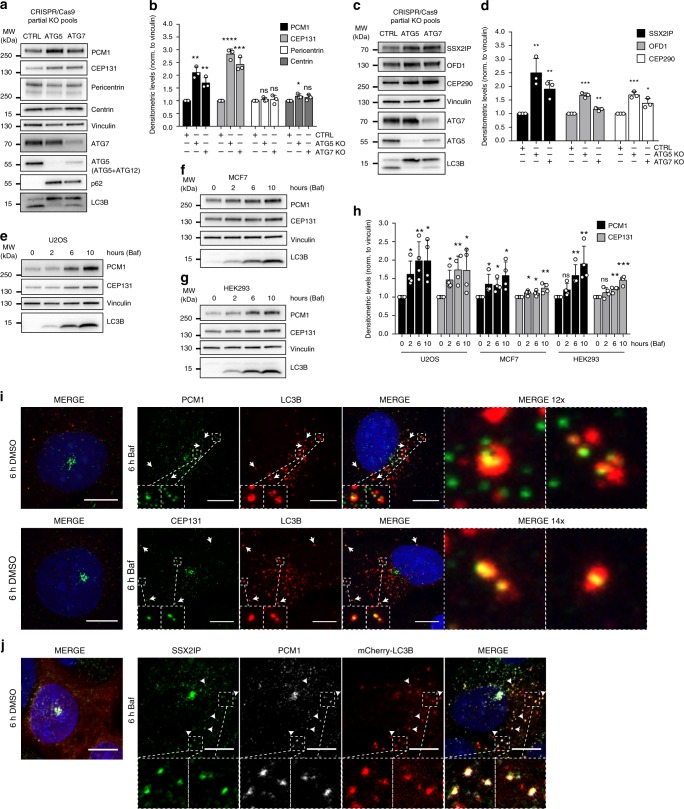
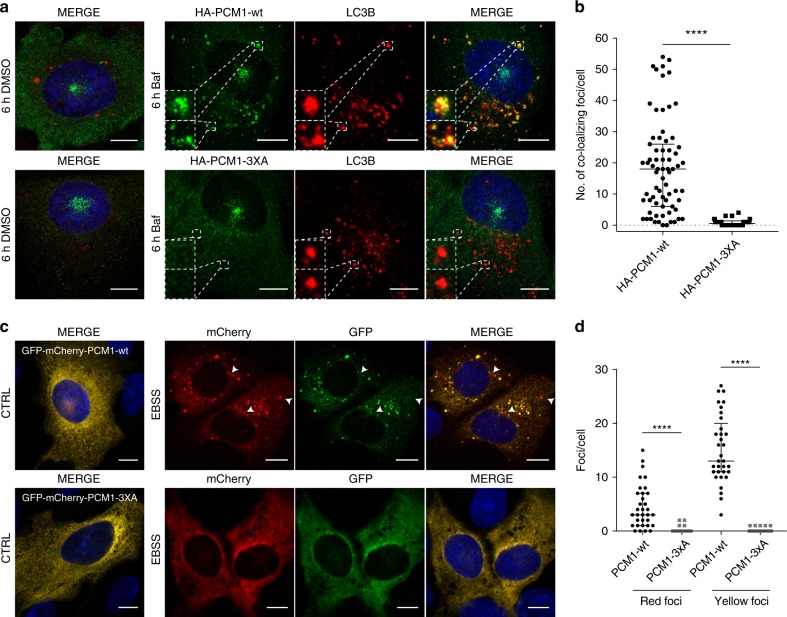
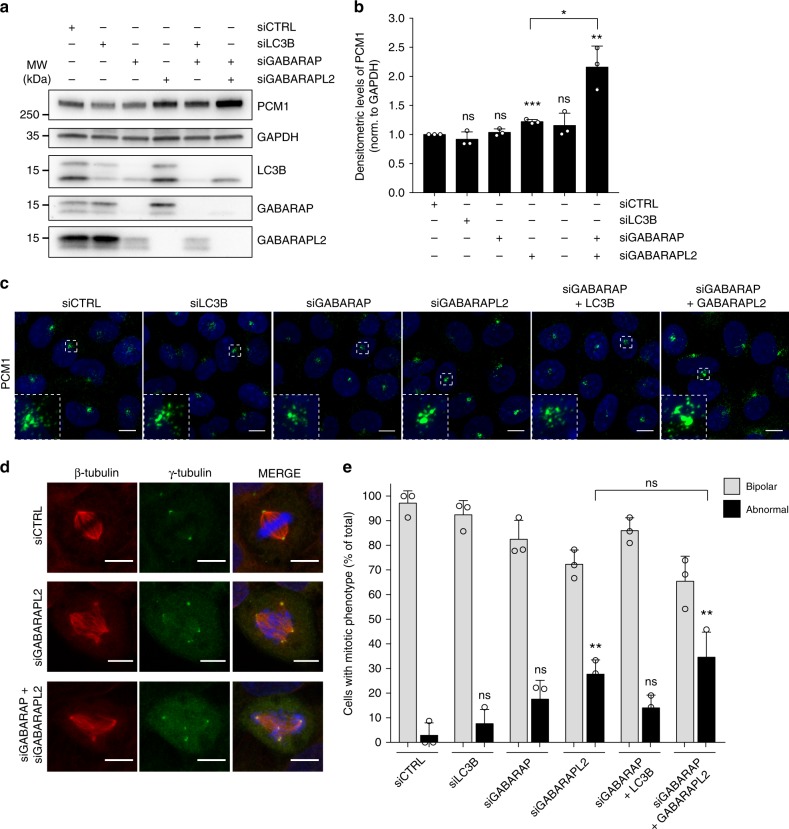
The centrosome is the master orchestrator of mitotic spindle formation and chromosome segregation in animal cells. Centrosome abnormalities are frequently observed in cancer, but little is known of their origin and about pathways affecting centrosome homeostasis. Here we show that autophagy preserves centrosome organization and stability through selective turnover of centriolar satellite components, a process we termed doryphagy. Autophagy targets the satellite organizer PCM1 by interacting with GABARAPs via a C-terminal LIR motif. Accordingly, autophagy deficiency results in accumulation of large abnormal centriolar satellites and a resultant dysregulation of centrosome composition. These alterations have critical impact on centrosome stability and lead to mitotic centrosome fragmentation and unbalanced chromosome segregation. Our findings identify doryphagy as an important centrosome-regulating pathway and bring mechanistic insights to the link between autophagy dysfunction and chromosomal instability. In addition, we highlight the vital role of centriolar satellites in maintaining centrosome integrity.
Overview
The claims and statistics of this paper haven’t been checked yet.
Free: it reads the open-access text and checks the first 5 claims that cite a source we can check. Create a free account to check every claim.
Integrity signals
Registry
Cites
Statistics
Figures
Verification
Claims the paper makes
The claims and statistics of this paper haven’t been checked yet.
Free: it reads the open-access text and checks the first 5 claims that cite a source we can check. Create a free account to check every claim.
Claims other papers make about this one
Each is checked against this paper’s own text: does it say what the citing paper says it does?
In the citing paper
“Moreover, autophagy targets centriolar satellite components to maintain the stability and balanced segregation of centrosomes, which safeguard mitosis accuracy.155”
From Meta-hallmarks of aging and cancer (2023) · cites this paper as [155]
Self-check
Percentages, sums and reported differences re-computed from the paper’s own numbers.
The self-check needs the paper’s full text.
Citations
Cites
Abraham, M. J., Murtola, T., Schulz, R., Páll, S., Smith, J. C., Hess, B., & Lindahl, E. (2015) · SoftwareX · doi:10.1016/j.softx.2015.06.001 · Cited by 27,190
Repertoires of Autophagy in the Pathogenesis of Ocular Diseases
Li, Y.-J., Jiang, Q., Cao, G.-F., Yao, J., & Yan, B. (2015) · Cellular Physiology and Biochemistry · doi:10.1159/000373980 · Cited by 16,304
Cox, J., & Mann, M. (2008) · Nature Biotechnology · doi:10.1038/nbt.1511 · Cited by 14,855
All-Atom Empirical Potential for Molecular Modeling and Dynamics Studies of Proteins
MacKerell, A. D., Bashford, D., Bellott, M., Dunbrack, R. L., Evanseck, J. D., Field, M. J., Fischer, S., Gao, J., Guo, H., Ha, S., et al. (1998) · The Journal of Physical Chemistry B · doi:10.1021/jp973084f · Cited by 14,311
Comparative Protein Modelling by Satisfaction of Spatial Restraints
Šali, A., & Blundell, T. L. (1993) · Journal of Molecular Biology · doi:10.1006/jmbi.1993.1626 · Cited by 12,977
Autophagy in the Pathogenesis of Disease
Levine, B., & Kroemer, G. (2008) · Cell · doi:10.1016/j.cell.2007.12.018 · Cited by 7,069
Autophagy and Viruses: Adversaries or Allies?
Dong, X., & Levine, B. (2013) · Journal of Innate Immunity · doi:10.1159/000346388 · Cited by 4,430
A pathology atlas of the human cancer transcriptome
Uhlen, M., Zhang, C., Lee, S., Sjöstedt, E., Fagerberg, L., Bidkhori, G., Benfeitas, R., Arif, M., Liu, Z., Edfors, F., et al. (2017) · Science · doi:10.1126/science.aan2507 · Cited by 3,371
AmiGO: online access to ontology and annotation data
Carbon, S., Ireland, A., Mungall, C. J., Shu, S., Marshall, B., Lewis, S., Hub, T. A., & the Web Presence Working Group (2009) · Bioinformatics · doi:10.1093/bioinformatics/btn615 · Cited by 1,952
Microtubule nucleation by γ-tubulin complexes
Kollman, J. M., Merdes, A., Mourey, L., & Agard, D. A. (2011) · Nature Reviews Molecular Cell Biology · doi:10.1038/nrm3209 · Cited by 1,583
Cited by
Guidelines for the use and interpretation of assays for monitoring autophagy (4th edition) 1
Klionsky, D. J., Abdel-Aziz, A. K., Abdelfatah, S., Abdellatif, M., Abdoli, A., Abel, S., Abeliovich, H., Abildgaard, M. H., Abudu, Y. P., Acevedo-Arozena, A., et al. (2021) · Autophagy · doi:10.1080/15548627.2020.1797280 · Cited by 2,897
Self-citationAutophagy in major human diseases
Klionsky, D. J., Petroni, G., Amaravadi, R. K., Baehrecke, E. H., Ballabio, A., Boya, P., Bravo‐San Pedro, J. M., Cadwell, K., Cecconi, F., Choi, A. M. K., et al. (2021) · The EMBO Journal · doi:10.15252/embj.2021108863 · Cited by 1,585
Self-citationMeta-hallmarks of aging and cancer
López-Otín, C., Pietrocola, F., Roiz-Valle, D., Galluzzi, L., & Kroemer, G. (2023) · Cell Metabolism · doi:10.1016/j.cmet.2022.11.001 · Cited by 529
Tumour treating fields therapy for glioblastoma: current advances and future directions
Rominiyi, O., Vanderlinden, A., Clenton, S. J., Bridgewater, C., Al-Tamimi, Y., & Collis, S. J. (2021) · British Journal of Cancer · doi:10.1038/s41416-020-01136-5 · Cited by 315
“The phenomenon of ‘doryphagy’ describes the specific autophagy-mediated turnover of centrosomal satellites that leads to chromosome-segregation errors and chromosomal instability.(76) Given the data described above, it would be interesting to determine if TTFields impact on centrosomal proteins through autophagy-media…”
BackgroundTRIM proteins in autophagy: selective sensors in cell damage and innate immune responses
Di Rienzo, M., Romagnoli, A., Antonioli, M., Piacentini, M., & Fimia, G. M. (2020) · Cell Death & Differentiation · doi:10.1038/s41418-020-0495-2 · Cited by 171
“These types of selective autophagy pathways have been named according to the targeted cellular material: protein aggregates (aggrephagy) [50], pathogens (xenophagy) [51], damaged or unnecessary organelles, such as mitochondria (mitophagy) [52], ER (ER-phagy or reticulophagy) [53], nuclear envelope (nucleophagy) [54],…”
BackgroundA gene toolbox for monitoring autophagy transcription
Bordi, M., De Cegli, R., Testa, B., Nixon, R. A., Ballabio, A., & Cecconi, F. (2021) · Cell Death & Disease · doi:10.1038/s41419-021-04121-9 · Cited by 131
“Hence, autophagosomes can also engulf, among other intracellular targets, mitochondria (mitophagy) [6], peroxisomes (pexophagy), ER (ER-phagy), lipid droplets (lipophagy), bacteria (xenophagy) [2], and centriolar satellites (doryphagy) [7].”
BackgroundAutophagy in health and disease: From molecular mechanisms to therapeutic target
Lu, G. X., Wang, Y., Shi, Y. P., Zhang, Z., Huang, C., He, W., Wang, C., & Shen, H. (2022) · MedComm · doi:10.1002/mco2.150 · Cited by 149
Atg8-Family Proteins—Structural Features and Molecular Interactions in Autophagy and Beyond
Wesch, N., Kirkin, V., & Rogov, V. V. (2020) · Cells · doi:10.3390/cells9092008 · Cited by 101
“The centriolar satellites protein PCM1 binds unconjugated GABARAP and LC3C proteins to mediate their localization at the pericentriolar material and control autophagic degradation of centriolar satellites and GABARAPs [71,72].”
BackgroundAtg8 family proteins, LIR/AIM motifs and other interaction modes
Rogov, V. V., Nezis, I. P., Tsapras, P., Zhang, H., Dagdas, Y., Noda, N. N., Nakatogawa, H., Wirth, M., Mouilleron, S., McEwan, D. G., et al. (2023) · Autophagy Reports · doi:10.1080/27694127.2023.2188523 · Cited by 96
“The centriolar satellites protein PCM1 binds unconjugated GABARAP and LC3C proteins to mediate their localization at the pericentriolar material and control autophagic degradation of centriolar satellites and GABARAPs [127,128].”
Centriolar satellite biogenesis and function in vertebrate cells
Prosser, S. L., & Pelletier, L. (2020) · Journal of Cell Science · doi:10.1242/jcs.239566 · Cited by 87
“, 2013) and regulates satellite turnover through PCM1 degradation (Holdgaard et al., 2019).”
BackgroundRangel, M., Kong, J., Bhatt, V. D., Khayati, K., & Guo, J. Y. (2021) · FEBS Journal · doi:10.1111/febs.16125 · Cited by 82
Selective Autophagy of the Protein Homeostasis Machinery: Ribophagy, Proteaphagy and ER-Phagy
Beese, C. J., Brynjólfsdóttir, S. H., & Frankel, L. B. (2020) · Frontiers in Cell and Developmental Biology · doi:10.3389/fcell.2019.00373 · Cited by 64
Odabasi, E., Batman, U., & Firat‐Karalar, E. N. (2020) · Molecular Biology of the Cell · doi:10.1091/mbc.e19-07-0402 · Cited by 56
“…binds to ATG8 family members such as GABARAP and LC3 by an LC3-interacting region domain at its carboxy terminus and regulates degradation of satellite residents such as OFD1 by targeting them to the autophagosome–lysosome pathway (Tang et al., 2013; Joachim et al., 2017; Holdgaard et al., 2019).”
BackgroundAutophagy in sarcopenia: Possible mechanisms and novel therapies
Xie, G., Jin, H., Mikhail, H., Pavel, V., Yang, G., Ji, B., Lu, B., & Li, Y. (2023) · Biomedicine & Pharmacotherapy · doi:10.1016/j.biopha.2023.115147 · Cited by 65
Centriolar satellites expedite mother centriole remodeling to promote ciliogenesis
Hall, E. A., Kumar, D., Prosser, S. L., Yeyati, P. L., Herranz‐Pérez, V., García‐Verdugo, J. M., Rose, L., McKie, L., Dodd, D. O., Tennant, P. A., et al. (2023) · eLife · doi:10.7554/elife.79299 · Cited by 57
“…cell stresses, and have been implicated in diverse processes including Hedgehog signaling, autophagy, proteasome activity, and aggresome formation ( Holdgaard et al., 2019 ; Hori and Toda, 2017 ; Joachim et al., 2017 ; Kubo and Tsukita, 2003 ; Lecland and Merdes, 2018 ; Odabasi et al., 2019 ;…”
ATPase activity of DFCP1 controls selective autophagy
Nähse, V., Raiborg, C., Tan, K. W., Mørk, S., Torgersen, M. L., Wenzel, E. M., Nager, M., Salo, V. T., Johansen, T., Ikonen, E., et al. (2023) · Nature Communications · doi:10.1038/s41467-023-39641-9 · Cited by 53
“While it is interesting that KO of DFCP1 results in accumulation of micronuclei, we cannot exclude the possibility that this increase is a secondary effect on cell division caused by impaired selective autophagy 37,38 .”
TEX264 drives selective autophagy of DNA lesions to promote DNA repair and cell survival
Lascaux, P., Hoslett, G., Tribble, S., Trugenberger, C., Antičević, I., Otten, C., Torrecilla, I., Koukouravas, S., Zhao, Y., Yang, H., et al. (2024) · Cell · doi:10.1016/j.cell.2024.08.020 · Cited by 70
Aggresome assembly at the centrosome is driven by CP110–CEP97–CEP290 and centriolar satellites
Prosser, S. L., Tkach, J. M., Gheiratmand, L., Kim, J., Raught, B., Morrison, C. G., & Pelletier, L. (2022) · Nature Cell Biology · doi:10.1038/s41556-022-00869-0 · Cited by 54
Lysosomal degradation ensures accurate chromosomal segregation to prevent chromosomal instability
Almacellas, E., Pelletier, J., Day, C., Ambrosio, S., Tauler, A., & Mauvezin, C. (2021) · Autophagy · doi:10.1080/15548627.2020.1764727 · Cited by 46
“Furthermore, selective autophagic degradation of centriolar satellites was recently demonstrated to support correct karyokinesis [25,26].”
BackgroundRegulation of autophagosome biogenesis by OFD1‐mediated selective autophagy
Morleo, M., Brillante, S., Formisano, U., Ferrante, L., Carbone, F., Iaconis, D., Palma, A., Buonomo, V., Maione, A. S., Grumati, P., et al. (2020) · The EMBO Journal · doi:10.15252/embj.2020105120 · Cited by 47
“Previous studies demonstrated that OFD1 co-immunoprecipi-tates with autophagosomal membrane components LC3/GABARAP in HEK293 cells (Tang et al , 2013; Holdgaard et al , 2019).”
Accessorizing the centrosome: new insights into centriolar appendages and satellites
Tischer, J., Carden, S., & Gergely, F. V. (2020) · Current Opinion in Structural Biology · doi:10.1016/j.sbi.2020.10.021 · Cited by 39
Nazio, F., Pò, A., Abballe, L., Ballabio, C., Diomedi‐Camassei, F., Bordi, M., Camera, A., Caruso, S., Caruana, I., Pezzullo, M., et al. (2021) · Acta Neuropathologica · doi:10.1007/s00401-021-02347-7 · Cited by 48
“BECLIN 1 and ATG7 were described previously [19, 37]; for the measurement of autophagy flux, Chloroquine (CQ) (SigmaAldrich) was used at 20 μM for 1 h.”
MethodControl of mitosis, inflammation, and cell motility by limited leakage of lysosomes
Stahl-Meyer, J., Stahl-Meyer, K., & Jäättelä, M. (2021) · Current Opinion in Cell Biology · doi:10.1016/j.ceb.2021.02.003 · Cited by 42
Fas, B. A., Maiani, E., Sora, V., Kumar, M., Mashkoor, M., Lambrughi, M., Tiberti, M., & Papaleo, E. (2021) · Autophagy · doi:10.1080/15548627.2020.1847443 · Cited by 37
“Indeed, swapping mutations in which residues of LC3B are replaced by residues of GABARAP or vice versa can tune the preferences of LIR motifs for one of the two LC3/GABARAP subfamilies [9,17].”
BackgroundHuang, Y., Lu, C., Wang, H., Gu, L., Fu, Y., & Li, G. (2023) · Nature Communications · doi:10.1038/s41467-023-40952-0 · Cited by 45
“Therefore, we conclude that PCM1 is a bona-fi de substrate of the CMA pathway, and its degradation, which is essential for maintaining centrosome integrity 32 , requires physical interactions with the HSC70/DNAJA2 chaperone complex.”
BackgroundInfluentialStructure and Dynamics in the ATG8 Family From Experimental to Computational Techniques
Sora, V., Kumar, M., Maiani, E., Lambrughi, M., Tiberti, M., & Papaleo, E. (2020) · Frontiers in Cell and Developmental Biology · doi:10.3389/fcell.2020.00420 · Cited by 37
“AP2A1 (Tian et al., 2013), Bcl2-L-13 (Murakawa et al., 2015), JIP-1 (Sandilands et al., 2011), SEC62 (Fumagalli et al., 2016), paxillin (Sharifi et al., 2016), SHC1 (Onnis et al., 2018), NUFIP1 (Wyant et al., 2018), NLRX1 (Zhang et al., 2019), JMY (Coutts and La Thangue, 2015), VHL (Kang et al., 2019), TRAF6 (Wu et al.…”
BackgroundInfluentialeIF4A3 regulates the TFEB-mediated transcriptional response via GSK3B to control autophagy
Sakellariou, D., Tiberti, M., Kleiber, T., Blázquez, L., López, A. R., Abildgaard, M. H., Lubas, M., Bártek, J., Papaleo, E., & Frankel, L. B. (2021) · Cell Death and Differentiation · doi:10.1038/s41418-021-00822-y · Cited by 28
Navigating centriolar satellites: the role of PCM1 in cellular and organismal processes
Begar, E., Seyrek, E., & Firat‐Karalar, E. N. (2024) · FEBS Journal · doi:10.1111/febs.17194 · Cited by 26
“In addition to proteasomal regulation, recent research has uncovered the role of autophagy in satellite proteostasis, particularly through a process termed doryphagy [43,44].”
Alfieri, M., Iaconis, D., Tammaro, R., Perone, L., Calì, G., Nitsch, L., Dougherty, G. W., Ragnini‐Wilson, A., & Franco, B. (2020) · Tissue and Cell · doi:10.1016/j.tice.2020.101369 · Cited by 21
Chen, J., Zhao, H. W., Liu, M., & Chen, L. (2023) · Molecular and Cellular Biochemistry · doi:10.1007/s11010-023-04800-5 · Cited by 20
“Therefore, it is interesting to understand the switch between the GABARAP-mediated degradation of PCM1 and the PCM1-mediated stabilization of GABARAP [80, 81].”
Owa, M., & Dynlacht, B. D. (2021) · Communications Biology · doi:10.1038/s42003-021-01861-4 · Cited by 18
Centrosomal-associated Proteins: Potential therapeutic targets for solid tumors?
Luan, Y., Li, M., Zhao, Y., Li, Q., Wen, J., Gao, S., & Yang, Y. (2021) · Biomedicine & Pharmacotherapy · doi:10.1016/j.biopha.2021.112292 · Cited by 19
Unlocking the gate to GABARAPL2
Chan, J. C. Y., & Gorski, S. M. (2022) · Biologia Futura · doi:10.1007/s42977-022-00119-2 · Cited by 16
Mitotic phosphorylation of the ULK complex regulates cell cycle progression
Yamasaki, A., Jin, Y., & Ohsumi, Y. (2020) · PLoS Biology · doi:10.1371/journal.pbio.3000718 · Cited by 15
“Interestingly, autophagy appears to maintain optimal centrosome numbers through the degradation of the centriolar satellite component PCM1 [28].”
BackgroundPLD1 promotes spindle assembly and migration through regulating autophagy in mouse oocyte meiosis
Zhang, J., Tian, Y., Xu, X. Q., Wang, B., Huang, Z., Song, K., Lou, S., Kang, J., Zhang, N., Li, J., et al. (2024) · Autophagy · doi:10.1080/15548627.2024.2333164 · Cited by 17
“Previous studies show that dysregulational autophagy impacts spindle migration in mouse oocytes [16], and centrosome composition in U2OS cells [17], however the molecular mechanism underlying these morphological changes is not explored.”
Detection of Nuclear Biomarkers for Chromosomal Instability
Pons, C., Almacellas, E., Tauler, A., & Mauvezin, C. (2022) · Methods in molecular biology · doi:10.1007/978-1-0716-2071-7_8 · Cited by 12
Targeting autophagy drug discovery: Targets, indications and development trends
Jiang, M., Wu, W., Xiong, Z., Ye, Z., Ye, Z., & Wu, Z. (2024) · European Journal of Medicinal Chemistry · doi:10.1016/j.ejmech.2023.116117 · Cited by 15
Function of Centriolar Satellites and Regulation by Post-Translational Modifications
Renaud, C. C. N., & Bidère, N. (2021) · Frontiers in Cell and Developmental Biology · doi:10.3389/fcell.2021.780502 · Cited by 15
Therapeutic potential of tumor treating fields for malignant brain tumors
Zhou, Y., Xing, X., Zhou, J., Jiang, H., Cen, P., Jin, C., Zhong, Y., Zhou, R., Wang, J., Tian, M., et al. (2023) · Cancer Reports · doi:10.1002/cnr2.1813 · Cited by 11
“In most cases, autophagy can maintain the organization and stability of the centrosome to protect cells[40], while in the presence of the autophagy inhibitor 3-methyladenine, the number of dead GBM cells treated with TTFields was diminished, indicating that autophagy mediated TTFields-induced cell death[38].”
BackgroundTu, J., Yu, S., Li, J., Ren, M., Zhang, Y., Luo, J., Sun, K., Lv, Y., Han, Y., Huang, Y., et al. (2022) · Development · doi:10.1242/dev.200450 · Cited by 11
AMBRA1 phosphorylation by CDK1 and PLK1 regulates mitotic spindle orientation
Faienza, F., Polverino, F., Rajendraprasad, G., Milletti, G., Hu, Z., Colella, B., Gargano, D., Strappazzon, F., Rizza, S., Vistesen, M. V., et al. (2023) · Cellular and Molecular Life Sciences · doi:10.1007/s00018-023-04878-6 · Cited by 14
Zhang, G., Xiang, M., Gu, L., Zhou, J., Zhang, B., Tian, W., & Deng, D. (2024) · Proceedings of the National Academy of Sciences · doi:10.1073/pnas.2409447121 · Cited by 14
“FMN in cells is an indicator of DNA damage and the activation of DNA damage responses (37, 38).”
Decoding chromosomal instability insights in CRC by integrating omics and patient-derived organoids
Papaccio, F., Cabeza-Segura, M., García-Micó, B., Gimeno-Valiente, F., Zúñiga, S., Gambardella, V., Gutiérrez-Bravo, M. F., Martínez‐Ciarpaglini, C., Rentero-Garrido, P., Fleitas, T., et al. (2025) · Journal of Experimental & Clinical Cancer Research · doi:10.1186/s13046-025-03308-8 · Cited by 16
“Among the lost genes were PCM1 [21], involved in centrosome integrity maintenance, TUSC3 [22], which can inhibit EMT, and FHIT [23], related with CIN.”
The centrosomal protein 131 participates in the regulation of mitochondrial apoptosis
Renaud, C. C. N., Trillet, K., Jardine, J., Merlet, L., Renoult, O., Laurent—Blond, M., Catinaud, Z., Pecqueur, C., Gavard, J., & Bidère, N. (2023) · Communications Biology · doi:10.1038/s42003-023-05676-3 · Cited by 10
PCM1 orchestrates centrosomal and flagellar protein transport to promote sperm maturation
Huang, Z., Yi, R., Cen, X., Zhang, H., Xie, M., Ma, K., Ruan, S., Zhuang, Y., Zhang, X., Liu, W., et al. (2025) · Communications Biology · doi:10.1038/s42003-025-08319-x · Cited by 9
“Because PCM1 is required for microtubule organization during mitosis 48 , it is reasonable to infer that PCM1 also governs microtubule organization of the manchette during spermatid extension.”
Drivers of centrosome abnormalities: Senescence progression and tumor immune escape
Jiang, T., Jin, H., Ji, X., Zheng, X., Xu, C., & Zhang, P. (2025) · Seminars in Cancer Biology · doi:10.1016/j.semcancer.2025.01.008 · Cited by 10
Centrosome-phagy: implications for human diseases
Wu, Q., Yu, X., Liu, L., Sun, S., & Sun, S. (2021) · Cell & Bioscience · doi:10.1186/s13578-021-00557-w · Cited by 10
“This process does not depend on MIB1-mediated ubiquitylation [41].”
BackgroundPrimary cilia and the DNA damage response: linking a cellular antenna and nuclear signals
Morrison, C. G. (2021) · Biochemical Society Transactions · doi:10.1042/bst20200751 · Cited by 8
Sathiyaseelan, P., Chittaranjan, S., Kalloger, S. E., Chan, J. A.-W., Go, N. E., Jardon, M. A., Ho, C. J., Hui, T., Xu, J., Chow, C., et al. (2023) · Journal of Cell Science · doi:10.1242/jcs.260644 · Cited by 8
Bystanders or active players: the role of extra centrosomes as signaling hubs
Purkerson, M. M., Amend, S. R., & Pienta, K. J. (2024) · Cancer and Metastasis Reviews · doi:10.1007/s10555-024-10224-4 · Cited by 8
“These granules are involved in a diverse array of biological processes, including Hedgehog signaling and autophagy, and change in response to stress [54, 55].”
Emerging roles of mitotic autophagy
Almacellas, E., & Mauvezin, C. (2022) · Journal of Cell Science · doi:10.1242/jcs.255802 · Cited by 9
Borcs6 is required for endo‐lysosomal degradation during early development
Bell, C. J., Gupta, N., Tremblay, K. D., & Mager, J. (2022) · Molecular Reproduction and Development · doi:10.1002/mrd.23626 · Cited by 6
“Early endosomes then undergo a maturation process during which Rab5 is replaced by Rab7, membrane proteins change, luminal pH decreases, and morphology is altered (Huotari & Helenius, 2011).”
BackgroundCloud hunting: doryphagy, a form of selective autophagy that degrades centriolar satellites
Holdgaard, S. G., Cianfanelli, V., & Cecconi, F. (2019) · Autophagy · doi:10.1080/15548627.2019.1703356 · Cited by 7
“[1] Holdgaard SG, Cianfanelli V, Pupo E, et al.”
BackgroundA historical perspective of macroautophagy regulation by biochemical and biomechanical stimuli
Dupont, N., Claude‐Taupin, A., & Codogno, P. (2023) · FEBS Letters · doi:10.1002/1873-3468.14744 · Cited by 8
“Autophagy was also shown to promote a selective degradation of small granular structures (called centriolar satellites) localized at the ciliary base [137,138].”
BackgroundThey Might Cut It—Lysosomes and Autophagy in Mitotic Progression
Hämälistö, S., Stahl, J. L., & Jäättelä, M. (2021) · Frontiers in Cell and Developmental Biology · doi:10.3389/fcell.2021.727538 · Cited by 6
Lauriola, A., Davalli, P., Marverti, G., Caporali, A., Mai, S., & D’Arca, D. (2022) · Biomedicines · doi:10.3390/biomedicines10071602 · Cited by 5
“[43] recently have identified doryphagy as an important centrosomeregulating pathway and bring mechanistic insights to the link between autophagy dysfunction and chromosomal instability.”
BackgroundSelective Autophagy of Macromolecular Complexes: What Does It Take to be Taken?
Lizarrondo, J., & Wilfling, F. (2024) · Journal of Molecular Biology · doi:10.1016/j.jmb.2024.168574 · Cited by 5
“81 Misregulation of centriolar satellites results in defects in DNA segregation and postmitotic cell death.”
BackgroundVázquez‐Blomquist, D., Hardy-Sosa, A., Baez, S. D. L. C., Besada, V., Palomares, S., Guirola, O., Ramos, Y., Wiśniewski, J. R., González, L. J., & Rivero, I. B. (2022) · Cells · doi:10.3390/cells11244068 · Cited by 5
Hydroxychloroquine’s diverse targets: a new frontier in precision medicine
Du, B., Li, L., Li, J., Liu, Y., & Wang, P. (2025) · Frontiers in Immunology · doi:10.3389/fimmu.2025.1655573 · Cited by 4
Sensing centrosome amplification: the interface between centriole duplication and autophagy
Coelho, P. A., Fatalska, A., Geymonat, M., Lattao, R., & Glover, D. M. (2026) · Nature Communications · doi:10.1038/s41467-026-74702-9 · Cited by 5
“In addition, the centrosomal satellite organizer PCM1 has been shown to associate with GABARAP through a C-terminalLC3-interactingregion(LIR),leadingtotheaccumulationof satellite aggregates when autophagy is inhibited 85 .”
Quantitative Proteomics Explore the Potential Targets and Action Mechanisms of Hydroxychloroquine
Zhao, J., Zhao, Z., Hou, W., Jiang, Y., Liu, G., Ren, X., Liu, K., Liu, H., Chen, K., & Huang, H. (2022) · Molecules · doi:10.3390/molecules27165175 · Cited by 3
“PCM1 is es ential for the correct localization of Molecules 2022, 27, 5175 10 of 15 several centrosomal proteins such as pericentrin (PCNT), serine/threonine-protein kinase Nek2 (NEK2), centrosome-associated protein CEP250 (CEP250), and centrin-3 (CETN3) [32].”
BackgroundInfluentialDoryphagy: when selective autophagy safeguards centrosome integrity
Cianfanelli, V., & Cecconi, F. (2020) · Molecular & Cellular Oncology · doi:10.1080/23723556.2020.1719021 · Cited by 3
“However, most autophagy-deficient cells survive abnormal cell division.(5) This supports the hypothesis that autophagy-deficient cancers may be close to the threshold of tolerance for mitotic defects, hence could be particularly vulnerable to chemotherapeutics targeting mitosis.”
BackgroundMAVISp : A modular structure‐based framework for protein variant effects
(2026) · doi:10.1002/pro.70548 · Cited by 3
“Our prediction modules are also complemented by available experimental data or already available predictions that can be integrated in the MAVISp dataset, such as those for VEPs (shown in green in Figure 1a).”
Multitasking Proteins: Exploring Noncanonical Functions of Proteins during Mitosis
Piano, V. (2025) · Biochemistry · doi:10.1021/acs.biochem.5c00083 · Cited by 2
Betrayal From the Core: Centriolar and Cytoskeletal Subversion by Infectious Pathogens
Amita, H., Subair, Z., Mora, T., Dudhe, P. E., & Dhanasekaran, K. (2025) · Cytoskeleton · doi:10.1002/cm.22004 · Cited by 3
“These structures are involved in several cellular processes, including cilia formation and function, MT organization, proteasome activity, autophagy, and aggresome formation to cellular stress response (Joachim et al. 2017; Nielsen et al. 2018; Holdgaard et al. 2019; Prosser and Pelletier 2020).”
The kinesin motor Kif9 regulates centriolar satellite positioning during interphase
Vicente, J. J., Wagenbach, M., Decarreau, J. A., Zelter, A., MacCoss, M. J., Davis, T. N., & Wordeman, L. G. (2025) · Current Biology · doi:10.1016/j.cub.2025.08.064 · Cited by 3
Necrosulfonamide causes oxidation of PCM1 and impairs ciliogenesis and autophagy
Renaud, C. C. N., Nicolau, C. A., Maghe, C., Trillet, K., Jardine, J., Escot, S., David, N. B., Gavard, J., & Bidère, N. (2024) · iScience · doi:10.1016/j.isci.2024.109580 · Cited by 4
“For instance, PCM1 interacts with GABARAPL1 via an LC3-interacting region (LIR) motif and finely tunesautophagy, 13,14 whereasOFD1negatively regulatesautophagosomebiogenesis.”
BackgroundNúñez, F. J., Banerjee, K., Mujeeb, A., Mauser, A., Tronrud, C. E., Zhu, Z., Raghuram, S., Sheth, M. R., Agudelo, J. A. P., Zelaya, J., et al. (2024) · bioRxiv (Cold Spring Harbor Laboratory) · doi:10.1101/2024.03.08.584091 · Cited by 3
Jagodzik, P., Ziętkiewicz, E., & Bukowy‐Bieryłło, Z. (2025) · International Journal of Molecular Sciences · doi:10.3390/ijms26031167 · Cited by 1
“All this aligns with the reports of the vertebrate-specific appearance of CSs as structures that bring together ciliary/centriolar proteins and proteins involved in their synthesis and degradation [98].”
Decoding phospho-regulation and flanking regions in autophagy-associated short linear motifs
Utichi, M., Antonescu, O. N., Sora, V., Marjault, H., Tiberti, M., Maiani, E., Lambrughi, M., & Papaleo, E. (2025) · Communications Biology · doi:10.1038/s42003-025-08399-9 · Cited by 3
“Both the core motif and fl anking residues can in fl uence binding af fi nity and speci fi city toward different LC3/GABARAP family members, as demonstrated in previous structural and biochemical studies 27 – 29 .”
Thiostrepton induces spindle abnormalities and enhances Taxol cytotoxicity in MDA-MB-231 cells
Kuo, H., Yao, J.-S., & Yih, L. (2024) · Molecular Biology Reports · doi:10.1007/s11033-024-09863-1 · Cited by 1
“…the percentage of disarranged spindle in PES-treated cells to that in no inhibitor-and no TST-treated cells and * p 0.05 comparing the percentages of disarranged spindle in TST-plus inhibitor-treated cells to that in cells treated with TST alone by Student’s t test centrosome fragmentation [40].”
ResultInfluentialProsser, S. L., Tkach, J. M., Gheiratmand, L., Morrison, C. G., & Pelletier, L. (2020) · bioRxiv (Cold Spring Harbor Laboratory) · doi:10.1101/2020.12.20.423672 · Cited by 1
“, 2017); and degradation of PCM1 through selective autophagy regulates satellite turnover (Holdgaard et al., 2019).”
BackgroundAutophagy Protects Integrity of Tumor Suppressors From Replication StressPreprint
Kawabata, T., Unno, R., Yamamuro, T., Kageyama, S., Akamatsu, K., Sekiya, R., Fujita, T., Sakamoto, M., Kawakatsu, M., Hamasaki, M., et al. (2021) · SSRN Electronic Journal · doi:10.2139/ssrn.3950748 · Cited by 1
The kinesin motor Kif9 regulates centriolar satellite positioning and mitotic progressionPreprint
Vicente, J. J., Wagenbach, M., Decarreau, J. A., Zelter, A., MacCoss, M. J., Davis, T. N., & Wordeman, L. G. (2024) · bioRxiv (Cold Spring Harbor Laboratory) · doi:10.1101/2024.04.03.587821 · Cited by 1
A novel mechanism for centrosome expulsion ensures metabolic activity in polyploid cellsPreprint
Salame, R., Gemble, S., Simon, A., Jawish, L., Macé, A., Bergman, P., Raposo, G., Cadart, C., & Basto, R. (2025) · bioRxiv (Cold Spring Harbor Laboratory) · doi:10.1101/2025.08.01.668089 · Cited by 1
“Selective autophagy has been shown to regulate centrosome number in cells that normally contain centrosomes ( 43 , 60 , 61 ), by degrading specific centrosomal proteins such as Cep63 ( 62 ).”
Insights into the differential role of GABARAPs proteins at the proteomic level
Ibrahim, M., Jamil, M. A., Oldenburg, J., & El‐Maarri, O. (2024) · Hämostaseologie · doi:10.1055/s-0044-1779472
Research Progress on Autophagy Mechanisms in Different Molecular Subtypes of Medulloblastoma
凯, 赛. (2024) · Advances in Clinical Medicine · doi:10.12677/acm.2024.143969
Elagib, K. E., Liu, S., Burguener, V., Sahu, R. K., Kotay, D., Watts, C., Wolber, G., & Goldfarb, A. N. (2026) · bioRxiv (Cold Spring Harbor Laboratory) · doi:10.64898/2026.03.20.713234
Selective autophagy of whole micronuclei suppresses chromosomal instabilityPreprint
Watson, N. A., Melli, M., Cosenza, M. R., Oorschot, V. M. J., Frankel, L. B., Korbel, J. O., & Cecconi, F. (2026) · bioRxiv (Cold Spring Harbor Laboratory) · doi:10.64898/2026.04.03.716211
MCC links Wnt/PCP signaling to endothelial polarity and vascular remodeling
Delobel, V., Jaspard, B. A., Salami, M., Camoin, M., Peghaire, C. R., Vaurs, J., Boulestreau, R., Kohonen‐Corish, M. R. J., Dubrac, A., Couffinhal, T., et al. (2026) · Angiogenesis · doi:10.1007/s10456-026-10068-2
“Autophagy impairment causes abnormal accumulation of PCM1/CEP131-positive satellites and disrupts centrosome integrity [32].”
Kumar, A., & Ghosh, D. K. (2026) · Elsevier eBooks · doi:10.1016/b978-0-443-41553-1.00005-0
The centrosome-cilium-centriolar satellite axis in neurodegenerative diseases
Şahin, U., & Firat‐Karalar, E. N. (2026) · EMBO Reports · doi:10.1038/s44319-026-00877-3 · Cited by 1
“…stability through the ubiquitin-proteasome system and autophagy, and by promoting aggresome formation to sequester misfolded or aggregated proteins for degradation (Begar et al, 2024; Holdgaard et al, 2019; Joachim et al, 2017; Lecland and Merdes, 2018; Prosser et al, 2022; Villumsen et al, 2013).”
Autophagy inhibition sensitizes radiotherapy responses in high-grade mutant IDH1 glioma
Núñez, F. J., Banerjee, K., Mujeeb, A., Mauser, A., Tronrud, C. E., Zhu, Z., Raghuram, S., Sheth, M. R., Agudelo, J. A. P., Zelaya, J., et al. (2026) · Nature Communications · doi:10.1038/s41467-026-77320-7 · Cited by 1
BindingDB (2025) · UC San Diego · doi:10.7270/q2474gh9
Metadata
- Authors
- Holdgaard, S. G., Cianfanelli, V., Pupo, E., Lambrughi, M., Lubas, M., Nielsen, J. C., Eibes, S., Maiani, E., Harder, L. M., Wesch, N., Foged, M. M., Maeda, K., Nazio, F., de la Ballina, L. R., Dötsch, V., Brech, A., Frankel, L. B., Jäättelä, M., Locatelli, F., Barisic, M., Andersen, J. S., Bekker-Jensen, S., Lund, A. H., Rogov, V. V., Papaleo, E., Lanzetti, L., De Zio, D., & Cecconi, F.
- Affiliations
- Danish Cancer Society (DK)
- Candiolo Cancer Institute (IT)
- University of Copenhagen (DK)
- University of Southern Denmark (DK)
- Goethe University Frankfurt (DE)
- Bambino Gesù Children's Hospital (IT)
- Oslo University Hospital (NO)
- University of Rome Tor Vergata (IT)
- Corresponding author
- Cecconi, Francesco
- ORCID
- Cianfanelli, Valentina
- Pupo, Emanuela
- Lambrughi, Matteo
- Nielsen, Julie C.
- Eibes, Susana
- Maiani, Emiliano
- Harder, Lea M.
- Foged, Mads Møller
- Maeda, Kenji
- Nazio, Francesca
- de la Ballina, Laura R.
- Dötsch, Volker
- Brech, Andreas
- Frankel, Lisa B.
- Jäättelä, Marja
- Locatelli, Franco
- Andersen, Jens S.
- Bekker-Jensen, Simon
- Lund, Anders H.
- Rogov, Vladimir V.
- Papaleo, Elena
- Lanzetti, Letizia
- Cecconi, Francesco
- Venue
- Nature Communications
- Published
- 2019-09-13
- Volume
- 10
- Issue
- 1
- Pages
- 4176-4176
- ISSN
- 2041-1723 (ISSN-L)
- PMC
- PMC6744468
- OpenAlex
- W2972557888
- Cited by
- 84
- References
- 82
- Citations by year
- 2026: 8 · 2025: 11 · 2024: 13 · 2023: 12 · 2022: 10 · 2021: 14 · 2020: 15 · 2019: 1
- FWCI
- 5.30
- Type
- journal article
- Language
- en
- Open access
- gold
- doi.org
- Licence
- cc-by
- creativecommons.org/licenses/by/4.0 (tdm)
- creativecommons.org/licenses/by/4.0 (vor)
- Locations
- Nature Communications (publishedVersion, cc-by)
- PubMed Central (publishedVersion, cc-by)
- PubMed (publishedVersion)
- Research at the University of Copenhagen (University of Copenhagen) (publishedVersion, cc-by)
- University of Southern Denmark Research Portal (University of Southern Denmark) (publishedVersion, cc-by)
- Institutional Research Information System University of Turin (University of Turin) (submittedVersion, cc-by)
- RePEc: Research Papers in Economics (submittedVersion)
- Cineca Institutional Research Information System (Tor Vergata University) (submittedVersion)
- DOAJ (DOAJ: Directory of Open Access Journals) (submittedVersion, cc-by-sa)
- DOAJ (DOAJ: Directory of Open Access Journals) (submittedVersion)
- IRIS Research product catalog (Sapienza University of Rome) (submittedVersion, cc-by)
- IRIS Research product catalog (Sapienza University of Rome) (submittedVersion)
- Iris (Roma Tre University) (submittedVersion)
- PubliCatt (Università Cattolica del Sacro Cuore) (submittedVersion, cc-by)
- NORA - Norwegian Open Research Archives (submittedVersion, cc-by)
- Funders
- Melanoma Research Alliance (R204-A12424, DNRF125, 620385, LF-OC-19-000004)
- Kræftens Bekæmpelse (R146‐A9364, KBVU R146-A9471, KBVU R204-A12424, R72‐A4408, R204-A12424)
- National Research Foundation
- Deutsche Forschungsgemeinschaft (SFB 1177)
- Danmarks Grundforskningsfond (LF-OC-19-000004, R204-A12424, DNRF125)
- Partnership for Advanced Computing in Europe AISBL
- Ministero della Salute ("5 x 1000".)
- Ministero dell’Istruzione, dell’Università e della Ricerca (5x1000, 2017 ID 2017WC8499, 2017WC8499)
- Lundbeckfonden (R233-2016-3360, R190‐2014‐4037, R167-, R209–2015–3505, R215‐2015-4081, R338-2019-2996)
- Novo Nordisk (7559, 22544)
- Associazione Italiana per la Ricerca sul Cancro (15180, IG-2018, AIRC IG 2018 ID 21724, 5X 1000, AIRC IG 2018, 21724)
- Novo Nordisk Fonden (NNF13OC0007559, 22544, NNF16OC0022544)
- LEO Fondet (LF-OC-19-000004, R204-A12424, LF17024, DNRF125)
- H. Lundbeck A/S
- FP7 Ideas: European Research Council (340751)
- Topics
- Life Sciences › Biochemistry, Genetics and Molecular Biology › Cell Biology › Microtubule and mitosis dynamics
- Life Sciences › Biochemistry, Genetics and Molecular Biology › Cell Biology › Autophagy in Disease and Therapy
- Life Sciences › Biochemistry, Genetics and Molecular Biology › Molecular Biology › Ubiquitin and proteasome pathways
- Keywords
- selective autophagy, centrosome integrity, centriolar satellites, PCM1, GABARAP, LIR motif, chromosome segregation, chromosomal instability, mitotic spindle
- MeSH terms
- Autophagy, Cell Cycle, Centrioles, Chromatography, Liquid, Humans, Microscopy, Fluorescence, Microtubules, Mitosis, Magnetic Resonance Spectroscopy, Mass Spectrometry, Immunoblotting, Centrosome, Cell Line, Tumor, Molecular Dynamics Simulation
About these checks
Registry, retraction, Cites and statistics results are computed, not judged, with one exception: a printed reference that no index lists is read once by a model before it counts as a citation error. Claims are extracted by a model and kept only when their quote appears verbatim in the text; each cited source is then checked, with a model’s help, for whether it says what the claim relies on. Those verdicts can be wrong — read the claim’s quote and the cited source before relying on one.
Statistics and arithmetic are recomputed, not judged.
Confidence bands are shown only for fields calibrated on our annotated test set. None is calibrated yet, so no band is shown.
What counts as a claim ›How we measure confidence ›How we check this ›
Are you an author, or do you see a problem with this page? Request a review
Data sources
Bibliographic data: Semantic Scholar, OpenAlex, Crossref.
Contains information from the Semantic Scholar Academic Graph Datasets, made available under the ODC Attribution License (ODC-BY 1.0).
Semantic Scholar’s data is described in: Kinney, R., et al. (2023). The Semantic Scholar Open Data Platform. arXiv:2301.10140.
